
In today’s fast-paced world, more people are searching for convenient, comfortable, and discreet ways to achieve a confident smile. Orthodontic aligners have revolutionized modern dentistry, offering an advanced solution for straightening teeth without the need for traditional metal braces. These clear, removable trays use cutting-edge technology to gently move teeth into their ideal position over time. Whether you’re an adult professional, a teenager, or someone looking to improve their smile without metal brackets, orthodontic aligners provide a nearly invisible treatment option that fits your lifestyle. 🦷✨
Orthodontic aligners are custom-made devices designed using 3D digital scans and computer modeling. Each set of aligners is worn for about one to two weeks before progressing to the next one, gradually shifting your teeth. Unlike metal braces that use wires and brackets, aligners apply precise pressure to each tooth, ensuring a comfortable and efficient treatment process. The result? A straighter, healthier smile without the discomfort or social concerns associated with traditional braces.
One of the key reasons why orthodontic aligners are becoming the preferred choice among patients is their convenience. They can be removed during meals and while brushing or flossing, allowing for better oral hygiene and fewer dietary restrictions. Imagine enjoying your favorite foods—popcorn, nuts, or crunchy fruits—without worrying about damaging your braces! 🍎 Orthodontic aligners make it possible to maintain your daily routine without disruption, which is especially beneficial for busy adults and image-conscious teens.
From a clinical perspective, the science behind clear aligners (a common synonym for orthodontic aligners) lies in biomechanical precision. Dentists and orthodontists use specialized software to simulate every stage of your tooth movement. This digital treatment planning allows for predictable results and a customized experience. The aligners are made of medical-grade, BPA-free thermoplastic material, ensuring they are both safe and comfortable to wear for extended periods. Additionally, since they are removable, the risk of plaque buildup, gum irritation, and tooth decay is significantly reduced compared to fixed braces.
Many patients choose orthodontic aligners for aesthetic reasons as well. Because they are transparent, most people won’t even notice you’re wearing them. This makes them ideal for professionals, public speakers, and anyone who wishes to enhance their smile discreetly. The psychological benefit of maintaining confidence during treatment cannot be overstated—patients often report improved self-esteem throughout the process. Moreover, the ability to preview your expected results before starting treatment gives you extra motivation to stick with the plan.
At Redent Klinik Contact Page, patients receive personalized orthodontic assessments to determine whether orthodontic aligners are suitable for their dental condition. While aligners can correct a wide range of issues such as crowding, spacing, overbites, and underbites, they may not be ideal for extremely complex cases requiring jaw repositioning or significant tooth rotation. That’s why a consultation with an experienced orthodontist is essential before starting treatment.
When considering orthodontic aligners, it’s also important to understand how they differ from traditional braces. Aligners are designed for comfort and flexibility, requiring fewer clinic visits and no wire adjustments. You can remove them anytime, which means less time in the dental chair. This convenience is especially appreciated by travelers or those with busy schedules. Additionally, aligner treatment often includes progress tracking apps that help patients monitor their progress remotely, making it a perfect fit for modern lifestyles. 📱
Another significant advantage is oral health improvement. Straighter teeth are easier to clean, which helps prevent gum disease and cavities. Since orthodontic aligners promote better hygiene habits and minimize food trapping, they contribute to long-term dental wellness. Studies published by the American Dental Association confirm that well-aligned teeth also reduce strain on the jaw and improve bite function, ultimately enhancing overall oral health.
Regarding cost, orthodontic aligners are generally priced between $2,000 and $6,000 depending on the complexity of the case, duration of treatment, and the brand chosen. Some dental clinics offer flexible payment plans, allowing patients to spread the cost over several months. Here’s a quick summary:
Average Cost Breakdown for Orthodontic Aligners (2025):
– Mild correction: $2,000 – $3,500
– Moderate correction: $3,500 – $5,000
– Complex cases: $5,000 – $6,500
– Retainers (post-treatment): $200 – $500
Although the initial investment may seem higher than traditional braces, the benefits in aesthetics, comfort, and convenience often outweigh the difference. Many patients find that orthodontic aligners save time and improve their overall dental experience, making them a smart long-term investment in both health and appearance.
In conclusion, orthodontic aligners represent a breakthrough in dental care. They offer a precise, comfortable, and nearly invisible way to achieve the smile you’ve always wanted. With proper guidance from your orthodontist, consistent wear, and good hygiene practices, aligners can transform your teeth efficiently and effectively. For anyone seeking a confident, beautiful smile without the hassle of traditional braces, orthodontic aligners are undoubtedly the modern solution to embrace. 🌟
What Are Orthodontic Aligners and How Do They Work?
Orthodontic aligners are innovative dental devices designed to gently move and align teeth into their proper position using a sequence of transparent, removable trays. These aligners have become the preferred alternative to metal braces, offering patients a comfortable and virtually invisible treatment experience. Instead of metal brackets and wires, orthodontic aligners use custom-fitted plastic trays created from advanced digital scans of your teeth. Each tray represents a new phase in your smile’s transformation, applying calculated pressure to specific teeth until they reach the ideal alignment. 🦷✨
How Orthodontic Aligners Are Designed
The process of creating orthodontic aligners begins with a 3D intraoral scan or digital impression of the patient’s mouth. Unlike traditional molds, which can be messy and uncomfortable, digital scanning allows orthodontists to capture every detail of your teeth and gums in minutes. Using this scan, advanced software maps out a step-by-step treatment plan, showing how your teeth will shift over time. This visual simulation helps patients understand their journey and gives orthodontists precise control over every movement.
Once the digital model is ready, a series of aligners are manufactured using high-quality, medical-grade thermoplastic material. Each set of aligners is worn for approximately one to two weeks before switching to the next one in the sequence. Every aligner is slightly adjusted compared to the previous one, gradually guiding your teeth into the perfect position. The result is a natural, symmetrical smile achieved without brackets, wires, or discomfort. 😁
The Science Behind the Movement
To understand how orthodontic aligners work, it’s essential to know the biomechanics involved. Each aligner applies gentle, consistent force on specific teeth, encouraging controlled bone remodeling. This biological process allows the teeth to move through the bone, supported by the body’s natural ability to adapt to pressure. The periodontal ligaments surrounding the tooth roots stretch on one side and compress on the other, allowing the bone to rebuild around the new position of the tooth. This process is gradual and safe, minimizing pain and maximizing precision.
Because the treatment is digitally planned, orthodontists can predict and monitor each tooth’s movement throughout the treatment timeline. Software used in designing orthodontic aligners considers factors such as tooth size, root length, bone density, and bite dynamics, ensuring accuracy and effectiveness. Patients often notice visible improvements in just a few weeks, though the full course typically lasts between six months and two years, depending on the complexity of the case.
Daily Use and Functionality
One of the biggest advantages of orthodontic aligners is their removability. Patients are advised to wear the aligners for 20 to 22 hours per day, removing them only while eating, drinking anything other than water, and brushing or flossing. This flexibility allows for easier oral hygiene maintenance, reducing the risk of cavities, gum irritation, or staining—common concerns with traditional braces. The trays are easy to clean with mild soap and lukewarm water, and regular rinsing keeps them fresh and odor-free. 🌿
Each aligner fits snugly over your teeth and should feel slightly tight when first inserted—this pressure indicates that it’s actively working. As you progress through the series, your teeth slowly adapt to their new alignment. Missing a day or two can delay progress, so consistency is key. Fortunately, most patients find the adjustment period short, and the comfort level far superior to that of metal braces.
Digital Monitoring and Adjustments
Many dental clinics, including Redent Klinik Contact Page, now use digital monitoring tools that allow patients to track progress remotely. These tools let orthodontists assess alignment accuracy through periodic photo uploads, reducing the need for frequent in-office visits. Patients benefit from both convenience and assurance that their treatment remains on track. Additionally, digital treatment software can predict when refinements or additional aligners are needed, ensuring a perfect end result.
Comparing Orthodontic Aligners to Traditional Braces
While both orthodontic aligners and braces aim to achieve the same goal—straightening teeth—their methods are quite different. Traditional braces use brackets bonded to the teeth and connected by a metal wire that must be manually tightened by an orthodontist. In contrast, orthodontic aligners rely on computer-guided precision and gentle forces. This difference means aligners cause less irritation, have no food restrictions, and require fewer adjustments. They are also easier to clean, making them a more hygienic option.
However, aligners require discipline. Because they are removable, patients must commit to wearing them as directed to achieve the best results. Skipping wear time can slow or even reverse progress. On the other hand, the discreet appearance and comfort of aligners make them ideal for adults and teenagers who prioritize aesthetics during treatment. 🌟
Benefits of Orthodontic Aligner Technology
The rise of orthodontic aligners reflects significant technological advancement in dentistry. Digital planning ensures that treatment is tailored to each individual’s unique anatomy. Patients can preview their final results before beginning treatment, which enhances motivation and satisfaction. Furthermore, the aligners are made from materials that are durable yet flexible, ensuring a smooth fit and minimal irritation to gums and cheeks. The absence of sharp edges or brackets means fewer emergency visits for broken wires or loose brackets—saving both time and cost.
Oral Health Advantages
Properly aligned teeth are easier to clean, leading to healthier gums and reduced risk of tooth decay. By correcting misalignments, orthodontic aligners also improve bite function and speech. Studies published by the American Dental Association indicate that well-aligned teeth help distribute chewing forces evenly, protecting the jaw joints and preventing long-term wear. These clinical benefits go beyond aesthetics—they contribute to lifelong oral health.
Conclusion: A Modern Solution for Every Smile
In summary, orthodontic aligners are the result of advanced digital innovation combined with the principles of biomechanics. They provide a personalized, convenient, and effective way to achieve beautifully straight teeth without compromising comfort or appearance. Whether you’re considering aligners for cosmetic improvement or functional correction, this modern orthodontic solution offers flexibility, predictability, and excellent results. With consistent wear, proper care, and professional guidance, you can achieve a healthy, confident smile that lasts a lifetime. 😄
Invisalign vs Traditional Braces: Which Is Better?
When it comes to straightening teeth, patients today are faced with two main options: orthodontic aligners (such as Invisalign) and traditional braces. Both are effective in creating a healthier, more attractive smile—but they differ in design, comfort, maintenance, and cost. Choosing between the two requires understanding how each works and what kind of results you can expect based on your dental condition, lifestyle, and preferences. 🦷
Understanding the Basics of Each Treatment
Traditional braces consist of metal or ceramic brackets attached to the teeth and connected by wires and elastic bands. Orthodontists tighten these wires periodically to move the teeth into alignment. This technique has been used for decades and remains one of the most predictable solutions for complex dental corrections, including severe overcrowding or bite issues.
In contrast, orthodontic aligners such as Invisalign are clear, removable trays custom-made to fit over your teeth. Each aligner set applies gentle pressure to move the teeth slightly until they reach the desired position. Every one to two weeks, you switch to the next set, continuing the process until the alignment is complete. Since they are virtually invisible and removable, aligners have become a popular choice among adults and teens seeking a discreet, comfortable orthodontic experience. 😁
Appearance and Aesthetic Appeal
One of the most obvious differences between braces and orthodontic aligners is aesthetics. Braces are visible and can sometimes make patients feel self-conscious, especially in professional or social settings. Although ceramic braces offer a more discreet look than metal ones, they are still noticeable up close.
Clear aligners, on the other hand, are almost invisible. Most people won’t even notice you’re wearing them. For adults who frequently interact with clients or appear on camera, this is a significant advantage. Many patients choose aligners specifically because they allow them to straighten their teeth without drawing attention to their treatment.
Comfort and Lifestyle Flexibility
Comfort is another major distinction. Traditional braces can cause irritation due to metal components rubbing against the cheeks and gums. Tightening appointments can also lead to soreness for several days. In contrast, orthodontic aligners are made of smooth, medical-grade plastic with no sharp edges, making them much more comfortable to wear.
Additionally, aligners can be removed while eating, brushing, and flossing. This means no food restrictions—patients can enjoy hard, sticky, or crunchy foods like apples, popcorn, and nuts without concern. 🍏 With braces, these foods are typically off-limits due to the risk of damaging the wires or brackets. The removable nature of aligners also allows for better oral hygiene, reducing the likelihood of plaque buildup or gum irritation during treatment.
Treatment Efficiency and Duration
In terms of treatment time, both braces and orthodontic aligners can achieve excellent results, though aligners are often faster for mild to moderate cases. On average, treatment with aligners lasts between six months and two years, depending on the complexity of the case and the patient’s compliance. Braces, on the other hand, typically require 18 to 36 months.
It’s important to note that the success of aligner treatment heavily depends on patient discipline. Because they are removable, aligners must be worn for 20–22 hours per day. Failing to do so can delay progress or reduce effectiveness. Braces, being fixed appliances, work continuously without relying on patient cooperation, making them more suitable for children or those likely to forget to wear their aligners consistently.
Suitability for Complex Dental Cases
Traditional braces remain the gold standard for complex dental corrections such as significant tooth rotation, severe overcrowding, or major bite discrepancies. The constant mechanical force applied by brackets and wires gives orthodontists greater control over tooth movement.
Orthodontic aligners, while highly effective for mild to moderate misalignments, may not be ideal for every case. However, with recent technological advancements—like precision attachments and digital mapping—aligners can now handle a wider range of cases than ever before. Many orthodontists successfully use aligners to treat issues that once required braces, including open bites and crossbites, with impressive results. 💪
Maintenance and Hygiene
Maintenance is much easier with orthodontic aligners. Since they are removable, you can maintain your regular brushing and flossing routine without obstruction. Braces, by contrast, make cleaning more challenging because food particles often get trapped around the brackets and wires, increasing the risk of plaque accumulation and gum disease. Aligners only require gentle cleaning with mild soap and water, and they can be soaked in specialized cleaning solutions to maintain freshness.
Moreover, patients using aligners are less likely to experience discoloration or enamel wear caused by trapped food or plaque. Proper hygiene during orthodontic treatment is crucial for long-term oral health, and aligners offer a clear advantage in this area.
Cost Comparison
Cost is a significant consideration for most patients. On average, orthodontic aligners like Invisalign range between $2,000 and $6,500, while traditional braces typically cost between $3,000 and $7,000. The exact price depends on treatment duration, case complexity, and the clinic’s expertise. Some clinics, such as Redent Klinik Contact Page, offer flexible installment plans to make either option more affordable.
Here’s a simplified breakdown:
Average Cost Comparison (2025):
– Invisalign and other orthodontic aligners: $2,000 – $6,500
– Ceramic braces: $3,500 – $7,000
– Metal braces: $3,000 – $6,000
– Retainers after treatment: $200 – $500
While the costs are comparable, many patients find the added convenience, comfort, and aesthetics of aligners worth the investment. In some cases, the ability to avoid frequent orthodontic visits also offsets the higher initial cost.
Follow-Up and Monitoring
Patients using orthodontic aligners generally require fewer clinic visits. Traditional braces need adjustments every 4–6 weeks, whereas aligner progress can often be monitored remotely through digital scans or photo submissions. This makes aligners particularly convenient for busy professionals or international patients who may not be able to attend frequent in-person appointments.
Additionally, modern aligner systems use smart tracking technology to ensure precise tooth movement. Orthodontists can make real-time adjustments to the treatment plan based on progress data, ensuring optimal results with fewer complications. The American Dental Association supports the use of digital orthodontic technologies as long as treatment is supervised by qualified dental professionals.
Final Verdict: Which Option Wins?
Both braces and orthodontic aligners can effectively transform your smile—but the right choice depends on your goals, lifestyle, and dental needs. If you value discretion, comfort, and flexibility, aligners are likely the better fit. If your case is complex or you prefer a low-maintenance approach, braces may be the best option. Either way, both treatments can deliver stunning, healthy results when supervised by an experienced orthodontist.
Ultimately, the decision should be made after a professional evaluation at a trusted clinic. With advancements in aligner technology and treatment planning, patients now have more options than ever to achieve a perfectly aligned smile—comfortably, confidently, and effectively. 🌟
Step-by-Step Process of Getting Orthodontic Aligners
Starting your journey toward a straighter smile with orthodontic aligners is an exciting process that combines advanced digital technology with personalized dental care. Unlike traditional braces, which require physical adjustments and frequent visits, aligner treatment follows a streamlined, predictable system designed around your specific dental anatomy. This step-by-step guide explains what happens at every stage—from your first consultation to your final retainer fitting—so you’ll know exactly what to expect. 🦷✨
Step 1: Initial Consultation and Assessment
The first step in obtaining orthodontic aligners is a professional consultation with an orthodontist or dentist who specializes in aligner therapy. During this visit, your oral health will be thoroughly evaluated to determine whether you are a good candidate for treatment. The dentist checks for tooth decay, gum disease, and bite alignment issues. Patients with complex jaw or bone problems may be better suited for traditional braces, but most mild to moderate alignment issues can be treated effectively with aligners.
At clinics like Redent Klinik Contact Page, digital imaging and X-rays are used to analyze tooth position and jaw structure. This initial exam helps the orthodontist understand your dental condition in depth and develop a customized treatment strategy. If aligners are deemed suitable, the next stage involves taking detailed impressions or digital scans of your teeth.
Step 2: Digital Scanning and 3D Modeling
Gone are the days of messy dental impressions made with gooey material. Today, orthodontic aligners rely on digital intraoral scanners that capture precise 3D images of your teeth within minutes. This technology ensures superior accuracy and comfort. The digital model of your mouth is then uploaded into specialized orthodontic software that maps out each stage of your tooth movement.
Using this 3D model, your orthodontist designs a complete treatment plan, showing how your teeth will gradually shift into proper alignment. You can even preview your future smile through simulation software, allowing you to visualize results before treatment begins. 😁 This personalized plan determines how many aligner sets you’ll need and how long your treatment will last.
Advanced Treatment Planning Software
Modern orthodontic aligners are powered by artificial intelligence and computer-aided design. These programs calculate the exact pressure needed on each tooth at every phase, ensuring efficient and comfortable movement. The aligner manufacturer uses this data to produce a series of custom-made trays, each one slightly adjusted from the previous. Depending on the case, you might receive anywhere from 10 to 40 sets of aligners, with each set worn for 1–2 weeks before switching to the next.
Step 3: Fabrication of the Aligners
Once the treatment plan is finalized, your orthodontic aligners are fabricated using medical-grade, BPA-free thermoplastic material. This material is strong, flexible, and completely safe for long-term oral use. Every aligner is laser-cut for a perfect fit around the gum line, which improves comfort and aesthetics. The manufacturing process uses high-precision 3D printers to create each tray with micrometer-level accuracy. This ensures that the pressure distribution is exact and the aligners work as intended.
After production, the aligners are thoroughly inspected for quality, clarity, and fit before being shipped to your dental clinic. At this point, your orthodontist will schedule a fitting appointment to ensure they sit perfectly on your teeth.
Step 4: First Fitting and Patient Instructions
During your first fitting, the orthodontist will help you try on the initial set of orthodontic aligners. Minor adjustments may be made to ensure optimal comfort and retention. You’ll also receive detailed instructions on how to wear, clean, and store the aligners properly. Typically, aligners should be worn for 20–22 hours per day, removed only during meals or while brushing and flossing.
Your orthodontist may also attach small, tooth-colored “buttons” or attachments to certain teeth. These act as anchors that help guide specific movements more precisely. Although these attachments are subtle, they significantly enhance the effectiveness of your aligner treatment. You’ll also be advised to check in regularly to ensure your teeth are shifting as planned.
Adapting to the First Week
The first few days of wearing orthodontic aligners can feel slightly tight, which is a sign they’re working. Minor pressure or discomfort is normal, especially when switching to a new set. However, this quickly subsides as your teeth adjust. Many patients notice improvements in alignment and smile symmetry within the first few weeks. 🌟
Step 5: Regular Monitoring and Progress Tracking
Throughout treatment, your orthodontist will schedule periodic checkups—typically every 6–8 weeks—to monitor progress and ensure your orthodontic aligners are fitting correctly. Thanks to modern tele-dentistry tools, many clinics now offer remote monitoring options where you can upload smile photos through a secure app. This allows your dentist to track alignment progress without requiring frequent in-person visits.
During these checkups, adjustments may be made to the treatment plan if necessary. If certain teeth need additional correction, refinement aligners may be created toward the end of treatment to perfect the final results. The digital nature of the process makes these refinements fast and accurate.
What If You Lose or Damage an Aligner?
If one of your orthodontic aligners is lost or damaged, contact your orthodontist immediately. Depending on your progress, you may be advised to move to the next set early or order a replacement. Avoid skipping steps, as it could disrupt the precision of your treatment. Always store your aligners in their protective case when not in use to prevent accidental damage. 🧴
Step 6: Completion and Retainer Phase
Once your teeth have successfully reached their final positions, you’ll move into the retention phase. This is an essential part of any orthodontic treatment—without it, teeth can gradually shift back. You’ll be given custom-made retainers, which may look similar to your orthodontic aligners but are designed to maintain results rather than move teeth.
Typically, retainers are worn full-time for the first few months, then only at night after that. Consistent use ensures your beautiful new smile stays perfectly aligned for years to come. Retainers also prevent relapse, keeping your teeth stable within the bone and gum tissue as they adapt to their new positions.
Step 7: Post-Treatment Care and Long-Term Benefits
After completing your aligner treatment, your orthodontist will provide follow-up recommendations for maintaining oral health. Regular brushing, flossing, and professional cleanings remain crucial. You may also receive whitening options to enhance your final results. Many patients find that their improved smile boosts self-confidence and overall well-being. 😁
According to the American Dental Association, patients who complete orthodontic treatment not only achieve better aesthetics but also improve their bite function and long-term dental health. Proper alignment reduces jaw strain, prevents uneven wear, and makes oral hygiene easier—key factors in maintaining healthy gums and strong teeth.
Conclusion: A Clear Path to a Confident Smile
The step-by-step process of getting orthodontic aligners is a precise, patient-centered journey guided by modern technology and expert care. From your initial consultation to your final retainer, every phase is designed to ensure comfort, predictability, and outstanding results. Whether you’re seeking to correct minor crowding or achieve a complete smile makeover, aligners offer a flexible, discreet, and scientifically proven method for transforming your teeth. With consistent wear, professional guidance, and proper aftercare, your dream smile is well within reach. 🌟
Who Is a Good Candidate for Orthodontic Aligners?
Not everyone is an ideal candidate for orthodontic aligners, but thanks to advancements in dental technology, these clear trays can now address a wider range of orthodontic issues than ever before. Understanding whether you are the right fit for aligner treatment depends on your dental condition, lifestyle, and level of commitment. In this section, we’ll explore the characteristics of the perfect candidate for orthodontic aligners, the types of dental problems they can fix, and the cases where alternative treatments might be more effective. 🦷
Ideal Candidates for Orthodontic Aligners
The best candidates for orthodontic aligners are individuals who have mild to moderate misalignment and are looking for a discreet, comfortable, and convenient treatment option. This includes patients with issues such as:
- Slight to moderate crowding (overlapping teeth)
- Small gaps or spacing between teeth
- Minor overbites, underbites, and crossbites
- Relapsed alignment after previous orthodontic treatment
Because aligners rely on patient discipline, they are typically better suited for responsible adults and teens who can follow wear-time guidelines. Patients must wear their aligners for 20–22 hours daily to achieve the desired results. If you’re someone who values flexibility and aesthetics, orthodontic aligners can be an excellent choice, allowing you to remove them during meals and special occasions while maintaining a professional appearance. 😁
Age Considerations
Orthodontic aligners are suitable for both teenagers and adults, but the treatment approach differs slightly. Teen versions of aligners often include built-in compliance indicators—small blue dots that fade over time to show if the trays are being worn properly. This feature helps parents and orthodontists monitor treatment progress. Adults, on the other hand, tend to be more consistent wearers due to higher motivation levels and lifestyle awareness.
However, aligners are generally not recommended for very young children whose teeth and jaws are still developing. In such cases, interceptive orthodontic treatments or traditional braces may be more effective.
Dental Conditions That Orthodontic Aligners Can Treat
The range of dental issues treatable with orthodontic aligners has expanded dramatically in recent years. Using digital planning and attachments, aligners can now correct complex cases that once required braces. Below are some common conditions aligners can successfully treat:
1. Crowded Teeth
When there isn’t enough space in the jaw for all your teeth to fit naturally, they may overlap or twist. Orthodontic aligners apply controlled force to reposition teeth into proper alignment, creating an even and aesthetically pleasing smile. In moderate cases, the orthodontist may perform minor enamel reduction to make room for movement.
2. Gapped Teeth (Diastema)
Spaces between teeth, whether caused by genetics or missing teeth, can lead to gum irritation and speech issues. Orthodontic aligners gently close these gaps over time, improving both function and appearance. The digital treatment plan ensures even spacing and prevents unwanted shifting.
3. Overbite and Underbite
An overbite occurs when the upper teeth extend too far over the lower ones, while an underbite happens when the lower jaw protrudes forward. Modern orthodontic aligners can correct these issues using precision attachments that apply targeted pressure to specific teeth. For severe skeletal discrepancies, combined treatment with braces or jaw correction may be necessary.
4. Crossbite and Open Bite
Crossbite occurs when some upper teeth sit inside the lower teeth when biting down, while open bite happens when the front teeth don’t touch even when the mouth is closed. Both issues can lead to uneven wear and jaw strain. Orthodontic aligners can gradually reposition the teeth to restore proper occlusion and balance.
Lifestyle and Personality Factors
Beyond dental anatomy, your lifestyle plays a huge role in determining whether orthodontic aligners are right for you. Aligners are perfect for people who:
- Have active social or professional lives and prefer a nearly invisible treatment
- Can commit to wearing the aligners for 20–22 hours a day
- Want to maintain easy oral hygiene routines
- Travel frequently or have limited time for in-office adjustments
Patients who play contact sports or musical instruments that require mouthpieces also benefit greatly from aligners since they can be removed when needed. Unlike braces, aligners have no sharp components, reducing the risk of mouth injuries during physical activities. 🏀🎶
Commitment and Responsibility
Since orthodontic aligners are removable, patient commitment is crucial. Forgetting to wear them or frequently taking them out can delay treatment progress. This self-discipline is one of the primary factors orthodontists consider before recommending aligners. Patients who follow their orthodontist’s instructions and maintain consistent wear typically achieve excellent results within the estimated timeline.
When Orthodontic Aligners May Not Be Ideal
Although aligners offer many advantages, they may not be suitable for everyone. Patients with the following conditions might need alternative solutions:
- Severe skeletal discrepancies requiring jaw realignment
- Extensive tooth rotation or vertical movement issues
- Unhealthy gums or untreated periodontal disease
- Multiple missing teeth or dental implants in key positions
In such cases, traditional braces or combined orthodontic approaches may deliver more predictable results. Your dentist will perform a full diagnostic assessment to determine the best treatment path. Some patients start with partial braces and transition to orthodontic aligners later once major movements are achieved.
Pre-Treatment Requirements
Before beginning aligner treatment, your teeth and gums must be healthy. Any cavities or gum issues should be treated first to prevent complications. Your orthodontist will take a detailed medical and dental history, along with digital X-rays, to ensure suitability. Patients who grind their teeth (bruxism) may also need nighttime guards to protect their aligners and enamel.
At clinics such as Redent Klinik Contact Page, comprehensive oral evaluations ensure that orthodontic aligners are both safe and effective for each individual case. The clinic’s personalized approach guarantees that the treatment plan aligns with each patient’s needs and lifestyle.
Professional Supervision Is Essential
The American Dental Association strongly advises that aligner treatment always be performed under the supervision of a qualified dentist or orthodontist. DIY or mail-order aligners without in-person assessments can cause irreversible damage to teeth and gums. Proper diagnosis and follow-up care are essential for ensuring that orthodontic aligners move the teeth safely and effectively.
Conclusion: Finding Out If You Qualify
In summary, orthodontic aligners are ideal for individuals with mild to moderate misalignment, good oral health, and a strong sense of responsibility. They offer unmatched comfort, aesthetics, and convenience while promoting better oral hygiene throughout treatment. However, they require discipline and professional supervision to succeed. If you’re considering aligners, schedule a consultation with a trusted orthodontist to evaluate your candidacy. With the right plan, you can achieve a healthier, straighter smile that enhances both confidence and quality of life. 🌟
How Long Does Orthodontic Aligner Treatment Take?
One of the most common questions patients ask before starting orthodontic aligners is, “How long will my treatment take?” The answer depends on several factors, including the complexity of your dental condition, the number of aligners required, and your level of commitment to wearing them as instructed. While every smile is unique, the average duration of aligner treatment typically ranges from 6 months to 24 months. Understanding what influences this timeline can help you set realistic expectations and stay motivated throughout your journey to a perfectly aligned smile. 😁
Average Duration of Orthodontic Aligner Treatment
For most adults and teens, orthodontic aligners provide faster results than traditional braces, particularly for mild to moderate cases. The typical treatment period is between 6 and 18 months. However, more complex cases—such as severe crowding, crossbite, or deep bite—can take up to 24 months or longer. The treatment time largely depends on how many aligner trays are needed to move your teeth into the correct position.
Each set of aligners is worn for approximately 1 to 2 weeks before progressing to the next one. On average, patients go through 20 to 40 sets over the course of treatment. Regular monitoring ensures that the teeth are shifting properly and according to plan. Consistency is key—wearing your aligners for 20–22 hours daily ensures the treatment stays on schedule and delivers the expected outcome. 🕒
Factors That Influence Treatment Time
Several variables affect how long your orthodontic aligners will take to straighten your teeth. These include:
- Case complexity: Minor spacing or crowding issues resolve more quickly than complicated bite corrections.
- Patient compliance: Wearing aligners for the recommended number of hours daily ensures steady progress.
- Age and bone density: Younger patients tend to experience faster tooth movement due to more flexible bone structure.
- Number of aligner sets: The more severe the misalignment, the greater the number of aligners required.
- Biological response: Each person’s body reacts differently to orthodontic pressure, influencing treatment duration.
Role of Consistency and Discipline
Since orthodontic aligners are removable, consistent wear is the single most important factor in determining treatment success. Even skipping a few days or wearing them for fewer hours than recommended can delay your progress. The aligners work by applying continuous, gentle pressure; interruptions disrupt the movement pattern, forcing your teeth to revert slightly to their previous position. Patients who follow their orthodontist’s guidelines closely are far more likely to complete treatment on time—or even earlier.
Types of Cases and Expected Timeframes
Different orthodontic issues require varying levels of correction. Below is a general overview of how long treatment might take based on the condition being treated:
Estimated Treatment Time by Case Type:
– Mild crowding or small gaps: 4–8 months
– Moderate alignment issues: 8–14 months
– Complex bite correction (overbite, underbite): 14–24 months
– Severe misalignment or combined treatments: 18–30 months
It’s important to remember that these are only estimates. Each patient’s progress is unique, and some may respond faster than others depending on biological factors and adherence to care instructions. 🦷
Monitoring and Adjustment During Treatment
To ensure accuracy and efficiency, orthodontic aligners treatments involve regular progress evaluations. Typically, checkups occur every 6–8 weeks. At these visits, your orthodontist assesses how well your teeth are moving and makes any necessary adjustments to your treatment plan. In some cases, “refinement aligners” are required near the end of treatment to fine-tune final tooth positions.
With advancements in tele-dentistry, many clinics—including Redent Klinik Contact Page—offer virtual monitoring options. Patients can upload smile photos via secure apps, allowing orthodontists to track progress remotely. This modern approach saves time while maintaining the same level of care and precision. 📲
Attachments and Their Effect on Speed
Some orthodontic aligners use attachments—tiny, tooth-colored bumps placed on specific teeth—to improve grip and control movement. These attachments help achieve more complex tooth rotations or vertical shifts, making treatment faster and more precise. Without them, certain tooth movements could take longer to complete. The placement of these attachments is customized for each patient’s case and may change throughout treatment as progress is evaluated.
Patient Cooperation and Oral Hygiene
Maintaining good oral hygiene also impacts the effectiveness of your orthodontic aligners. Clean aligners and healthy gums create the ideal environment for efficient tooth movement. Food particles or plaque trapped between the teeth and aligners can interfere with pressure distribution, slowing progress. Therefore, brushing after meals and rinsing aligners before reinserting them is essential. 🪥
Additionally, avoid drinking colored or sugary beverages while wearing aligners, as this can lead to staining or bacterial buildup. Water is the safest choice during aligner wear. Following these simple habits helps ensure that your treatment proceeds smoothly and efficiently.
Retainer Phase After Treatment
Once your orthodontic aligners have successfully moved your teeth into position, you’ll transition to the retention phase. This phase is just as critical as the treatment itself. Retainers prevent your teeth from shifting back to their previous positions while your bone and soft tissues stabilize. Typically, retainers are worn full-time for the first few months, then nightly thereafter.
Skipping the retainer phase can undo months of progress. It’s important to follow your orthodontist’s instructions carefully during this stage. Some retainers resemble aligners and are just as comfortable and discreet, ensuring you can maintain your new smile effortlessly. 🌟
Why Treatment Length May Vary Among Patients
No two orthodontic journeys are identical. Genetic factors, oral health habits, and even diet can influence treatment time. For instance, people with denser bone tissue might experience slower movement, while those with a faster metabolism may see quicker results. The beauty of orthodontic aligners lies in their adaptability—each plan is customized, ensuring efficiency without compromising dental health.
Professional Supervision for Predictable Results
It’s vital to remember that treatment time also depends on professional oversight. According to the American Dental Association, patients should only undergo aligner therapy under licensed orthodontic supervision. DIY or mail-order aligners that lack professional monitoring often lead to delayed results, poor alignment, and potential damage to the gums and jaw. Consistent guidance from an expert ensures predictable, safe, and timely outcomes.
Conclusion: Patience Leads to Perfect Results
While the duration of orthodontic aligners treatment varies from person to person, the average timeline of 6 to 18 months delivers life-changing results for most patients. Factors like case complexity, compliance, and biological response play key roles in shaping your journey. By wearing your aligners as instructed, maintaining good oral hygiene, and attending regular checkups, you can achieve your dream smile efficiently and comfortably. Remember, patience and consistency are the secrets to success—your new, confident smile will be well worth the wait. 😄
Common Myths About Orthodontic Aligners Debunked 🦷
As orthodontic aligners continue to revolutionize modern dentistry, many misconceptions still circulate about how they work, who can use them, and what results they can achieve. These myths often prevent people from seeking the smile transformation they deserve. In reality, orthodontic aligners are one of the most scientifically advanced, patient-friendly, and effective ways to straighten teeth—when used correctly under professional supervision. Let’s separate fact from fiction and address the most common myths about orthodontic aligners, so you can make an informed decision. 😁
Myth 1: Orthodontic Aligners Are Only for Minor Teeth Corrections
One of the most widespread myths is that orthodontic aligners can only fix small gaps or slightly crooked teeth. While aligners were initially limited to mild cases, today’s technology has evolved tremendously. Modern systems now use advanced 3D digital planning, pressure mapping, and precision attachments that allow for complex tooth movements—including rotations, crossbite corrections, and deep bite adjustments.
At clinics such as Redent Klinik Contact Page, orthodontists treat a wide range of cases with aligners, from simple crowding to moderate and even severe misalignments. The key is expert treatment planning and patient compliance. With the right supervision, aligners can handle most orthodontic challenges previously treated only with braces. 🌟
Fact Check:
Modern orthodontic aligners are effective for both aesthetic and functional issues. They can improve bite balance, correct spacing, and enhance jaw alignment, thanks to precision technology and advanced material design.
Myth 2: Aligners Work Slower Than Braces
Another common misconception is that orthodontic aligners take longer to achieve results compared to traditional braces. The truth is quite the opposite for most patients. Because aligners use computer-generated treatment plans, every tooth movement is precisely calculated, reducing unnecessary adjustments and achieving faster, more predictable results.
Most aligner treatments last between 6 to 18 months, depending on the complexity of the case. Mild crowding or spacing issues can be corrected in as little as 4–8 months. In contrast, traditional braces often take 18 to 36 months. The efficiency of aligners largely depends on consistent wear—patients who wear their trays for 20–22 hours daily can expect to stay on schedule or even finish early. 🕒
Fact Check:
Orthodontic aligners often produce results in a shorter time frame for mild to moderate cases because they apply continuous, gentle pressure with each tray change. Discipline and adherence to wearing instructions make all the difference.
Myth 3: Aligners Can Move Teeth Without Professional Supervision
With the rise of online and mail-order aligner companies, some people believe they can straighten their teeth without visiting a dentist. This is one of the most dangerous misconceptions about orthodontic aligners. Unsupervised treatments can lead to bite imbalances, gum recession, and even permanent bone loss because they lack in-person evaluations and diagnostic X-rays.
The American Dental Association strongly warns against unsupervised orthodontic treatment. Only licensed orthodontists or dentists can assess the overall oral health, bone structure, and gum condition necessary to plan safe and effective movement. Regular professional monitoring ensures that the treatment stays on track and any potential issues are addressed early.
Fact Check:
Orthodontic aligners should always be prescribed, customized, and monitored by a qualified dental professional. DIY or unsupervised systems carry significant risks and often cost more to fix later.
Myth 4: Aligners Are Painful to Wear
Many people assume that since orthodontic aligners move teeth, they must cause constant pain. In truth, aligners are designed for comfort. Unlike metal braces, they don’t involve brackets or wires that irritate the gums and cheeks. Instead, aligners use gentle, controlled force to shift teeth gradually. Most patients experience mild pressure during the first day or two of wearing a new set—an indication that the aligners are working as intended.
In fact, studies show that patients using aligners report significantly less discomfort compared to those with braces. Additionally, because aligners are smooth and custom-fitted, they reduce the risk of mouth sores and soft tissue irritation. A short adjustment period is normal, but the treatment is generally pain-free and highly tolerable. 🦷
Fact Check:
While orthodontic aligners may cause temporary pressure at the beginning of each new stage, they are much gentler than traditional braces. The mild tension subsides within a few days, allowing for a comfortable experience throughout the process.
Myth 5: Aligners Are Too Expensive
It’s a common belief that orthodontic aligners are far more expensive than braces, but the truth depends on individual cases. The average cost of aligner treatment ranges between $2,000 and $6,000, which is often comparable to, or even less than, the total cost of traditional braces—especially when you factor in fewer dental visits and maintenance costs. Additionally, many clinics offer flexible payment plans to make aligners affordable for everyone.
Here’s a general cost comparison:
Average Cost Comparison (2025):
– Orthodontic Aligners: $2,000 – $6,000
– Metal Braces: $3,000 – $6,500
– Ceramic Braces: $3,500 – $7,000
– Lingual Braces: $7,000 – $10,000
Ultimately, the cost difference is minimal when considering the added convenience, shorter treatment time, and superior aesthetics offered by aligners. Patients also save money by avoiding emergencies, as aligners don’t require repairs or wire adjustments. 💰
Fact Check:
The price of orthodontic aligners varies based on complexity, but they are often as affordable as braces—and far more convenient. Many clinics, including Redent Klinik Contact Page, provide customized payment plans to fit any budget.
Myth 6: Aligners Don’t Provide Long-Lasting Results
Some people think that once treatment with orthodontic aligners ends, the results won’t last. This is a myth shared with traditional braces too. The reality is that long-term results depend on following post-treatment care—specifically, wearing retainers as instructed by your orthodontist. Teeth naturally have a tendency to shift over time, so retainers help preserve your new alignment by stabilizing the teeth in their new positions.
Modern retainers are transparent, comfortable, and easy to wear, so maintaining results is simple. With good oral hygiene, regular dental checkups, and consistent retainer use, the improvements from orthodontic aligners can last a lifetime. 🌟
Fact Check:
Long-term stability depends on retainer compliance, not on the type of treatment. Both braces and orthodontic aligners deliver lasting results when properly maintained under professional guidance.
Myth 7: Aligners Stain Easily and Are Hard to Maintain
Another misconception is that orthodontic aligners quickly become stained or cloudy. In reality, aligners are made of high-quality, BPA-free thermoplastic that resists discoloration when properly cared for. Regular cleaning with lukewarm water, mild soap, or specialized cleaning crystals keeps them clear and odor-free. Avoiding coffee, tea, and colored drinks while wearing them further preserves their clarity.
Most patients change to a new set every one to two weeks, which means any minor discoloration is short-lived. Maintaining good oral hygiene ensures both your teeth and aligners stay fresh and spotless throughout treatment. 🪥
Fact Check:
Properly cleaned orthodontic aligners remain transparent and hygienic. Daily rinsing and avoiding dark beverages while wearing them are simple ways to keep your trays looking like new.
Conclusion: The Truth About Orthodontic Aligners
When it comes to orthodontic aligners, facts speak louder than myths. These clear, removable devices offer a scientifically proven, comfortable, and effective method for achieving a straight and healthy smile. Misconceptions often stem from outdated information or confusion with over-the-counter systems. With professional guidance, aligners can deliver exceptional, long-lasting results comparable to—and often better than—traditional braces. Always consult a trusted orthodontist for a personalized evaluation and let modern aligner technology give you the confidence to smile brighter. 😄
Cost of Orthodontic Aligners: What to Expect
Before beginning your journey with orthodontic aligners, understanding the cost structure is essential. Many people are surprised to learn that clear aligner therapy can be as affordable as traditional braces—sometimes even less, depending on the case. However, the final cost depends on factors such as case complexity, treatment length, and your location. In this detailed breakdown, we’ll explore everything that affects pricing, what’s included in the treatment cost, and how to budget for your dream smile without stress. 💰
Average Cost of Orthodontic Aligners
The price of orthodontic aligners generally ranges between $2,000 and $6,000 for most patients. Simpler cases that require fewer aligners tend to be at the lower end of the range, while complex bite or crowding issues may increase the cost. Compared to traditional braces, which typically cost between $3,000 and $7,000, aligners are competitively priced and come with added comfort and aesthetics.
Here’s a quick look at how aligners compare to other orthodontic options:
Average Orthodontic Treatment Costs (2025):
– Orthodontic Aligners: $2,000 – $6,000
– Metal Braces: $3,000 – $6,500
– Ceramic Braces: $3,500 – $7,000
– Lingual (Hidden) Braces: $7,000 – $10,000
Most dental clinics, such as Redent Klinik Contact Page, offer flexible payment options to make treatment more accessible. Many patients choose monthly installment plans, which typically range from $100 to $250 per month depending on the length of treatment. 🌟
Key Factors That Influence the Cost
The total price of orthodontic aligners is not fixed; it varies based on multiple elements that affect treatment planning, production, and clinical follow-up. Below are the main factors to consider:
1. Case Complexity
The more severe your dental misalignment, the more aligner sets you’ll need—and the longer the treatment duration. Mild cases might require only 10–15 aligners, while complex cases can need 30 or more. Each additional aligner adds to manufacturing and clinical monitoring costs.
2. Type of Aligner Brand
There are several brands of orthodontic aligners on the market, including Invisalign, ClearCorrect, and Spark. Premium brands often use advanced 3D mapping and patented materials that increase precision and comfort but also cost more. Less expensive brands may offer fewer features or less customization.
3. Geographic Location
Where you live plays a significant role in cost variation. In major metropolitan areas, prices tend to be higher due to increased operational costs, while suburban or smaller clinics may offer more competitive rates. However, quality and dentist experience should always take priority over location-based price differences.
4. Duration of Treatment
Treatment time directly affects pricing. Shorter treatment plans require fewer trays and visits, reducing overall costs. Extended treatment durations—especially those exceeding 18 months—will naturally increase costs due to the need for additional aligners and checkups.
5. Dentist or Orthodontist Expertise
Choosing an experienced orthodontist can influence cost, but it’s worth every penny. Proper treatment planning ensures safe and effective movement, reducing the likelihood of costly corrections later. Clinics like Redent Klinik Contact Page focus on personalized, high-precision treatment, ensuring that every dollar invested translates into lasting results and a healthier smile. 😁
What’s Included in the Cost of Orthodontic Aligners?
When comparing prices, it’s important to understand what’s included in the quoted cost. A reputable dental clinic provides a comprehensive package that covers all essential steps of your orthodontic journey. A standard orthodontic aligners package usually includes:
- Initial consultation and digital 3D scan
- Custom treatment planning and simulation
- Production of aligner trays
- Regular progress monitoring (in-person or virtual)
- Refinement aligners if needed
- Final retainers after treatment completion
- Post-treatment follow-up and smile maintenance guidance
Some clinics may charge separately for retainers or refinements, so it’s essential to confirm this in advance. Transparent pricing helps avoid surprises later and allows you to budget effectively.
Insurance and Payment Options
Many dental insurance plans now cover a portion of orthodontic aligners treatment, particularly for patients under 18. Adult coverage varies, but some plans reimburse up to 50% of the total cost, with a typical lifetime orthodontic maximum between $1,500 and $3,000. Be sure to contact your insurance provider to understand what’s included.
For patients without insurance, financing plans or health savings accounts (HSAs) can help make payments more manageable. Some clinics offer 0% interest financing or discounts for upfront payments. It’s always advisable to ask your clinic about these options before beginning treatment.
Common Payment Options Include:
- Monthly installment plans
- Upfront payment discounts (5–10%)
- Health or Flexible Spending Accounts (HSA/FSA)
- Third-party financing through dental payment partners
Hidden Costs to Watch Out For
Although orthodontic aligners are designed to be transparent in pricing, certain costs can arise unexpectedly if you’re not fully informed. Hidden costs may include:
- Replacement aligners (lost or damaged trays)
- Additional refinement sets near the end of treatment
- Retainer replacement every few years
- Additional dental procedures such as polishing or attachments
Reputable clinics always discuss these potential costs beforehand. At Redent Klinik Contact Page, patients receive a detailed treatment plan outlining total costs and any potential add-ons before committing to treatment.
Are Orthodontic Aligners Worth the Cost?
When evaluating whether orthodontic aligners are worth the investment, it’s essential to consider both the functional and aesthetic benefits. Aligners don’t just straighten teeth—they enhance oral health, improve bite alignment, and make cleaning
Cost of Orthodontic Aligners: What to Expect
Before beginning your journey with orthodontic aligners, understanding the cost structure is essential. Many people are surprised to learn that clear aligner therapy can be as affordable as traditional braces—sometimes even less, depending on the case. However, the final cost depends on factors such as case complexity, treatment length, and your location. In this detailed breakdown, we’ll explore everything that affects pricing, what’s included in the treatment cost, and how to budget for your dream smile without stress. 💰
Average Cost of Orthodontic Aligners
The price of orthodontic aligners generally ranges between $2,000 and $6,000 for most patients. Simpler cases that require fewer aligners tend to be at the lower end of the range, while complex bite or crowding issues may increase the cost. Compared to traditional braces, which typically cost between $3,000 and $7,000, aligners are competitively priced and come with added comfort and aesthetics.
Here’s a quick look at how aligners compare to other orthodontic options:
Average Orthodontic Treatment Costs (2025):
– Orthodontic Aligners: $2,000 – $6,000
– Metal Braces: $3,000 – $6,500
– Ceramic Braces: $3,500 – $7,000
– Lingual (Hidden) Braces: $7,000 – $10,000
Most dental clinics, such as Redent Klinik Contact Page, offer flexible payment options to make treatment more accessible. Many patients choose monthly installment plans, which typically range from $100 to $250 per month depending on the length of treatment. 🌟
Key Factors That Influence the Cost
The total price of orthodontic aligners is not fixed; it varies based on multiple elements that affect treatment planning, production, and clinical follow-up. Below are the main factors to consider:
1. Case Complexity
The more severe your dental misalignment, the more aligner sets you’ll need—and the longer the treatment duration. Mild cases might require only 10–15 aligners, while complex cases can need 30 or more. Each additional aligner adds to manufacturing and clinical monitoring costs.
2. Type of Aligner Brand
There are several brands of orthodontic aligners on the market, including Invisalign, ClearCorrect, and Spark. Premium brands often use advanced 3D mapping and patented materials that increase precision and comfort but also cost more. Less expensive brands may offer fewer features or less customization.
3. Geographic Location
Where you live plays a significant role in cost variation. In major metropolitan areas, prices tend to be higher due to increased operational costs, while suburban or smaller clinics may offer more competitive rates. However, quality and dentist experience should always take priority over location-based price differences.
4. Duration of Treatment
Treatment time directly affects pricing. Shorter treatment plans require fewer trays and visits, reducing overall costs. Extended treatment durations—especially those exceeding 18 months—will naturally increase costs due to the need for additional aligners and checkups.
5. Dentist or Orthodontist Expertise
Choosing an experienced orthodontist can influence cost, but it’s worth every penny. Proper treatment planning ensures safe and effective movement, reducing the likelihood of costly corrections later. Clinics like Redent Klinik Contact Page focus on personalized, high-precision treatment, ensuring that every dollar invested translates into lasting results and a healthier smile. 😁
What’s Included in the Cost of Orthodontic Aligners?
When comparing prices, it’s important to understand what’s included in the quoted cost. A reputable dental clinic provides a comprehensive package that covers all essential steps of your orthodontic journey. A standard orthodontic aligners package usually includes:
- Initial consultation and digital 3D scan
- Custom treatment planning and simulation
- Production of aligner trays
- Regular progress monitoring (in-person or virtual)
- Refinement aligners if needed
- Final retainers after treatment completion
- Post-treatment follow-up and smile maintenance guidance
Some clinics may charge separately for retainers or refinements, so it’s essential to confirm this in advance. Transparent pricing helps avoid surprises later and allows you to budget effectively.
Insurance and Payment Options
Many dental insurance plans now cover a portion of orthodontic aligners treatment, particularly for patients under 18. Adult coverage varies, but some plans reimburse up to 50% of the total cost, with a typical lifetime orthodontic maximum between $1,500 and $3,000. Be sure to contact your insurance provider to understand what’s included.
For patients without insurance, financing plans or health savings accounts (HSAs) can help make payments more manageable. Some clinics offer 0% interest financing or discounts for upfront payments. It’s always advisable to ask your clinic about these options before beginning treatment.
Common Payment Options Include:
- Monthly installment plans
- Upfront payment discounts (5–10%)
- Health or Flexible Spending Accounts (HSA/FSA)
- Third-party financing through dental payment partners
Hidden Costs to Watch Out For
Although orthodontic aligners are designed to be transparent in pricing, certain costs can arise unexpectedly if you’re not fully informed. Hidden costs may include:
- Replacement aligners (lost or damaged trays)
- Additional refinement sets near the end of treatment
- Retainer replacement every few years
- Additional dental procedures such as polishing or attachments
Reputable clinics always discuss these potential costs beforehand. At Redent Klinik Contact Page, patients receive a detailed treatment plan outlining total costs and any potential add-ons before committing to treatment.
Are Orthodontic Aligners Worth the Cost?
When evaluating whether orthodontic aligners are worth the investment, it’s essential to consider both the functional and aesthetic benefits. Aligners don’t just straighten teeth—they enhance oral health, improve bite alignment, and make cleaning easier, which can prevent future dental problems. Over time, this translates into fewer cavities, reduced gum disease risk, and a lower likelihood of costly dental repairs. 🌟
Additionally, the confidence that comes with a beautiful smile can have significant personal and professional benefits. Many patients describe aligner treatment as “life-changing,” making it one of the most rewarding investments in long-term well-being.
Expert Insight:
The American Dental Association recommends consulting a licensed orthodontist to evaluate your individual needs before making a financial decision. Professional supervision ensures safe, efficient results and protects your investment by preventing complications associated with unsupervised or over-the-counter systems.
Conclusion: Smart Investment for a Healthier, More Confident Smile
In summary, the cost of orthodontic aligners varies based on case complexity, brand choice, and treatment duration—but the value they deliver goes far beyond aesthetics. They provide a discreet, comfortable, and hygienic path to achieving the smile you’ve always wanted. When planned and supervised by professionals, aligners are a smart, long-term investment in both confidence and oral health. If you’re ready to explore your options, schedule a consultation with an experienced clinic like Redent Klinik to get a personalized treatment estimate and start your journey toward a brighter, healthier smile today. 😄
How to Care for Your Orthodontic Aligners for Best Results
Proper care of your orthodontic aligners is essential for maintaining their clarity, hygiene, and effectiveness. Since these transparent trays are worn for 20–22 hours daily, they are constantly exposed to saliva, food particles, and bacteria. Failing to clean and handle them properly can lead to discoloration, bad breath, and even delayed treatment results. This guide provides a complete overview of how to clean, store, and maintain your aligners to ensure optimal performance and comfort. 🦷
Daily Cleaning Routine for Orthodontic Aligners
Your orthodontic aligners require a consistent cleaning routine to prevent bacterial buildup and cloudiness. The best practice is to clean them every time you brush your teeth—ideally twice a day, or after every meal.
Step-by-Step Cleaning Instructions:
- Rinse: Begin by rinsing your aligners under lukewarm (not hot) water to remove saliva and debris.
- Brush Gently: Use a soft-bristled toothbrush and clear, unscented soap or aligner-specific cleaning solution. Avoid toothpaste—it’s abrasive and can scratch the surface.
- Rinse Again: After brushing, rinse thoroughly to remove any residue.
- Dry and Store: Always place your aligners in their protective case when not in use to prevent loss and contamination.
Maintaining this daily routine ensures that your orthodontic aligners remain clear and odor-free throughout the treatment. 💧
What to Avoid When Cleaning Aligners
To keep your orthodontic aligners in pristine condition, it’s crucial to avoid cleaning methods that can damage or distort them:
- Never use hot water—it can warp the plastic.
- Avoid toothpaste and colored soaps, as they may stain or scratch the aligners.
- Don’t use alcohol-based mouthwash for cleaning—it can weaken the plastic material.
- Stay away from harsh chemicals like bleach or vinegar, which can compromise transparency and safety.
Instead, opt for gentle cleansers or specialized products like aligner cleaning crystals or tablets that dissolve in water for a deep clean. These remove tough bacteria and keep your trays sparkling. ✨
Best Practices for Wearing and Storing Aligners
When not wearing your orthodontic aligners, proper storage is essential. Always carry a clean aligner case to protect them from dust, bacteria, or accidental loss. Never wrap your aligners in napkins—they can easily be thrown away by mistake. Also, keep them away from pets, as animals are often attracted to their scent.
When eating, remove your aligners to prevent staining or cracking. After eating, brush and rinse your mouth before reinserting them. This ensures both your teeth and aligners remain clean, reducing the risk of cavities and gum irritation. 🪥
Cleaning Frequency and Deep Cleaning Tips
In addition to daily cleaning, a deep cleaning once or twice a week helps remove stubborn buildup. Soak your orthodontic aligners in a cleaning solution designed specifically for clear aligners. Allow them to sit for about 15–20 minutes, then gently brush and rinse before wearing them again.
Some patients also use ultrasonic cleaning devices for thorough sanitization. These devices use sound waves to dislodge plaque and bacteria effectively, providing an extra layer of cleanliness without damaging the aligners.
Pro Tip:
Clean your aligner case regularly with soap and water to prevent bacteria from transferring back to your trays. Let it air dry completely before storing your aligners again.
Maintaining Oral Hygiene During Treatment
Caring for your orthodontic aligners goes hand-in-hand with maintaining excellent oral hygiene. Brush and floss after every meal to remove trapped particles that can stain your aligners or cause odor. Drinking plenty of water helps wash away acids and keeps your mouth hydrated.
If brushing isn’t possible immediately after eating, rinse your mouth thoroughly with water before reinserting your aligners. Avoid sugary and colored beverages like coffee, tea, or red wine while wearing your trays, as they can cause discoloration and bacterial growth.
Dealing with Stains and Odors
If your orthodontic aligners develop stains or odors, it’s a sign they need more frequent cleaning. Use aligner cleaning tablets or soak them in a solution of equal parts water and hydrogen peroxide for 10–15 minutes. This helps eliminate bacteria and restore clarity. Be sure to rinse thoroughly before reinserting them.
Persistent odor may indicate that bacteria are accumulating under the trays. In such cases, schedule a quick checkup at your dental clinic, such as Redent Klinik Contact Page, to ensure there are no underlying oral health issues.
Common Mistakes to Avoid
- Wearing aligners while eating or drinking anything other than water
- Leaving aligners exposed to sunlight or hot environments
- Skipping cleanings or neglecting oral hygiene
- Using colored or scented soaps
By avoiding these mistakes, you can prolong the life of your orthodontic aligners and ensure treatment success.
Conclusion: Clean Aligners, Confident Smile
Taking care of your orthodontic aligners is simple but vital for achieving excellent results. A few minutes of daily care prevent discoloration, odor, and damage while keeping your teeth and gums healthy. Always follow your orthodontist’s instructions and use professional-grade cleaning products for the best outcome. With consistent effort, you’ll not only maintain spotless aligners but also enjoy a confident, radiant smile every day. 😄
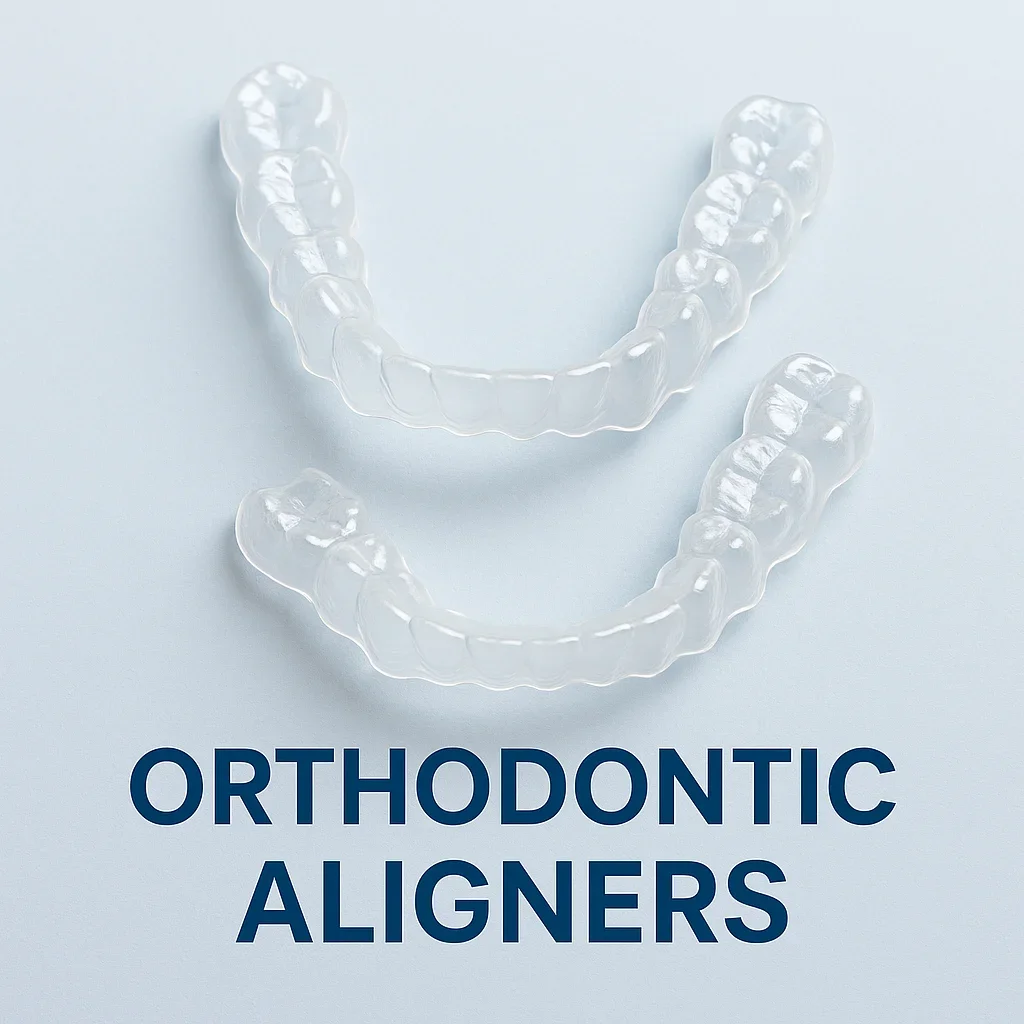
Orthodontic Aligners and Long-Term Oral Health Benefits
Beyond aesthetics, orthodontic aligners offer significant long-term oral health advantages. Straight teeth aren’t just more attractive—they’re also easier to clean, less prone to decay, and contribute to a healthier bite and jaw alignment. This section explores how aligners improve dental health holistically, prevent future complications, and support lifelong oral wellness. 🌟
Improved Oral Hygiene and Cavity Prevention
Crooked or crowded teeth often make brushing and flossing difficult, allowing plaque to accumulate in hard-to-reach areas. Orthodontic aligners gently move teeth into optimal positions, creating uniform spacing that simplifies cleaning. As a result, patients experience fewer cavities, less plaque buildup, and fresher breath.
Because aligners are removable, patients can maintain their normal brushing and flossing routines without obstruction—unlike traditional braces that trap food particles and increase the risk of decay. Over time, this leads to healthier enamel and stronger gums.
Reduced Risk of Gum Disease
When teeth are misaligned, uneven pressure on the gums can lead to inflammation, bleeding, and gum recession. By straightening teeth, orthodontic aligners evenly distribute biting forces, preventing trauma to the periodontal tissues. Healthy gum alignment not only enhances appearance but also safeguards against periodontitis—a major cause of tooth loss in adults.
Additionally, clear aligners make it easier to remove bacterial plaque that causes gingivitis. Consistent oral hygiene combined with aligner treatment ensures long-term gum stability and resilience. 🪥
Better Bite Alignment and Jaw Health
A misaligned bite can contribute to headaches, jaw pain, and temporomandibular joint (TMJ) disorders. Orthodontic aligners help correct bite issues such as overbite, underbite, and crossbite, reducing strain on jaw muscles and joints. This leads to improved chewing efficiency and overall comfort.
By achieving a balanced bite, patients also reduce wear and tear on their teeth. Uneven bites can cause chipping, fractures, and enamel erosion over time. Aligners protect your smile from these long-term damages while improving facial symmetry and confidence. 😁
Speech and Breathing Improvements
Misaligned teeth can sometimes interfere with speech or airflow. Once orthodontic aligners reposition the teeth properly, many patients notice clearer pronunciation and easier breathing. Correcting crowding or spacing can also prevent the tongue from pressing awkwardly against the teeth, enhancing articulation and reducing speech impediments.
Fun Fact:
Studies have shown that patients who complete orthodontic treatment often experience measurable improvements in self-esteem and oral function, both contributing to better quality of life.
Protection Against Tooth Wear and Jaw Strain
Uneven teeth can cause excessive friction during chewing, leading to enamel loss and sensitivity. Orthodontic aligners correct this issue by ensuring proper tooth alignment, allowing even distribution of force during biting. Over time, this prevents premature wear and supports jaw comfort.
For patients who grind their teeth (bruxism), aligners can act as a protective barrier between upper and lower teeth, reducing damage. While they’re not a substitute for a night guard, they provide additional cushioning against excessive clenching.
Long-Term Aesthetic and Functional Stability
Post-treatment, patients retain the benefits of orthodontic aligners through the use of retainers. This retention phase prevents relapse and ensures that the corrected alignment remains stable. Straight teeth improve not just your smile but also your chewing function, confidence, and long-term oral health.
Many dental professionals, including those at Redent Klinik Contact Page, emphasize ongoing maintenance through regular checkups, cleanings, and customized retainers. These steps guarantee lasting results and protect your investment in your smile.
Positive Impact on Overall Health
The benefits of orthodontic aligners extend beyond the mouth. Improved oral health has been linked to better cardiovascular function, reduced inflammation, and lower risks of systemic diseases like diabetes. By maintaining clean, well-aligned teeth, you also prevent bacterial migration that can affect heart and immune health.
According to the American Dental Association, healthy gums and aligned teeth play a critical role in preventing chronic conditions related to poor oral hygiene. Thus, investing in aligner therapy contributes to total-body wellness, not just cosmetic enhancement.
Emotional and Psychological Benefits
It’s impossible to overlook the psychological impact of a confident smile. Patients who complete orthodontic aligners treatment often report greater self-confidence, improved social interactions, and better performance in professional environments. The ability to smile freely without hesitation enhances mental well-being and self-image.
Pro Tip:
Maintaining your results with proper oral care and regular dental visits ensures that your newfound confidence lasts a lifetime. A healthy, radiant smile is one of the best investments in both appearance and emotional health. 🌈
Conclusion: A Lifetime of Benefits
Orthodontic aligners do far more than straighten teeth—they promote long-term oral and overall health. By improving bite alignment, preventing gum disease, and protecting tooth enamel, they help ensure your smile remains healthy and beautiful for decades to come. Regular dental visits, proper hygiene, and retainer use complete the formula for lifelong oral wellness. With the help of experienced professionals at Redent Klinik, achieving and maintaining your perfect smile has never been easier. 😄