
🦷 When it comes to maintaining a confident and healthy smile, few treatments are as transformative as orthodontic care. Whether you’re considering braces, clear aligners, or retainers, one of the most important aspects of planning your treatment is understanding orthodontic dental plans. These plans can make a huge difference in affordability, accessibility, and peace of mind throughout your orthodontic journey. In this guide, we’ll explore what orthodontic dental plans are, how they work, and why choosing the right one can save you both time and money while ensuring you receive top-quality dental care. 😁
Orthodontic dental plans are specialized insurance or payment structures designed to help individuals cover the cost of orthodontic treatments such as braces or aligners. Unlike general dental insurance, which focuses on preventive care like cleanings, fillings, and check-ups, these plans specifically target treatments that align and correct the positioning of teeth and jaws. Because orthodontic treatment often involves long-term visits and follow-ups, having a well-structured plan ensures financial predictability and access to qualified orthodontists.
Before committing to a treatment, patients should familiarize themselves with the terms and coverage limits of their orthodontic dental plan. Some plans cover a percentage of treatment costs (commonly 50%), while others have fixed maximum limits per year or per lifetime. For example, an insurance plan might cover up to $1,500 of orthodontic services, after which the remaining costs are paid out-of-pocket. This makes understanding the details critical to avoid unexpected expenses during treatment.
One major advantage of orthodontic dental plans is that they often include preventive services that indirectly support orthodontic success. For instance, regular cleanings and check-ups help maintain oral health during braces treatment. Additionally, some comprehensive plans offer discounts on advanced orthodontic solutions such as Invisalign® or ceramic braces, which are popular choices among adults seeking a more aesthetic option.
It’s also important to note that orthodontic dental plans are available in several forms, including employer-sponsored insurance, private dental policies, and discount programs. Employer plans often offer the best value since they pool risk across a large group, making premiums more affordable. Private plans, on the other hand, provide flexibility and are ideal for self-employed individuals or families who want customized coverage options. Discount plans aren’t insurance per se but can still offer substantial savings on orthodontic services by partnering with specific dental providers.
When evaluating which orthodontic plan suits your needs, it’s helpful to consider coverage duration, waiting periods, and network restrictions. Many plans require a waiting period of 6–12 months before orthodontic coverage activates, so planning ahead is essential. Additionally, some networks limit which orthodontists you can visit, while others allow out-of-network treatment at a reduced reimbursement rate. Checking whether your preferred clinic, such as Redent Klinik Contact Page, is within the provider network ensures smoother claim processing and predictable costs.
🌟 Another key point to consider is the inclusion of family benefits. Many families enroll their children in orthodontic dental plans at an early age since the American Dental Association recommends orthodontic evaluation by age 7. Early coverage helps identify alignment issues before they become complex or costly to treat. Adults, too, increasingly seek orthodontic coverage as modern treatments like clear aligners make orthodontic correction more discreet and comfortable.
While orthodontic treatment is a long-term investment, its benefits go far beyond aesthetics. Properly aligned teeth improve oral hygiene, reduce risks of gum disease, and prevent uneven wear of enamel. Therefore, an effective orthodontic dental plan doesn’t just reduce financial burden—it enhances your overall oral health for years to come. Moreover, comprehensive plans also promote preventive check-ups and maintenance visits, helping patients retain long-term results after braces or aligner removal.
Many patients overlook one crucial aspect: orthodontic coverage coordination. If you already have general dental insurance, some plans allow “dual coverage,” meaning two insurers can share the cost of treatment. However, this requires proper coordination of benefits to ensure maximum reimbursement and avoid claim denials. Consulting your insurer or dental office about how orthodontic coverage interacts with existing dental plans is essential to make informed financial decisions.
💰 Orthodontic dental plans can significantly lower the cost of braces, aligners, and retainers. Depending on your plan, you may pay as little as $1,000 out-of-pocket for a treatment that typically costs between $4,000 and $7,000. Always read your plan’s fine print and ask about annual and lifetime maximums, copayments, and deductible requirements. This clarity helps prevent surprises later in your treatment.
To ensure credibility and updated information, you can also refer to authoritative dental organizations like the American Dental Association, which provides guidance on dental insurance structures and orthodontic best practices. Understanding how these policies work empowers patients to choose plans that balance affordability with high-quality orthodontic care.
✅ In summary, orthodontic dental plans are more than just financial tools—they’re essential components of a well-planned dental health journey. They make orthodontic care accessible, help spread costs over time, and ensure that both adults and children can achieve healthy, confident smiles without excessive financial strain. Taking the time to explore different options, ask the right questions, and consult trusted providers can set you up for long-term success in your orthodontic treatment.
By the end of this guide, you’ll be able to identify which plan aligns best with your dental goals, family needs, and budget—empowering you to take full control of your orthodontic future with confidence. 🦷💬
What Are Orthodontic Dental Plans and Why Do They Matter?
Orthodontic care is not only about straightening teeth—it’s about improving oral function, bite alignment, and long-term dental health. However, the costs associated with braces, retainers, and aligners can be significant. That’s where orthodontic dental plans come in. These plans are specifically designed to help patients manage the financial aspects of orthodontic treatments, making essential dental care more affordable and accessible. 🦷
In essence, an orthodontic dental plan is a type of insurance or membership-based program that helps pay for orthodontic procedures like braces, Invisalign®, retainers, and other teeth-straightening solutions. While standard dental insurance typically covers preventive and restorative care such as cleanings or fillings, orthodontic plans focus exclusively on corrective alignment treatments. They bridge the gap between affordability and comprehensive care for both children and adults seeking improved smiles and better oral function.
Understanding the Core Purpose of Orthodontic Dental Plans
One of the main reasons orthodontic dental plans exist is to make specialized dental treatments financially manageable. Orthodontic procedures often span 12 to 36 months, involving multiple consultations, adjustments, and retainers. Without a dedicated plan, patients may find it challenging to budget for the entire treatment period. By paying monthly premiums or enrolling in a discount-based plan, you gain structured access to care that would otherwise require large lump-sum payments.
These plans help patients by offering predictable costs, spreading expenses over time, and providing coverage for related dental services. For instance, an orthodontic dental plan might cover diagnostic X-rays, consultation fees, and follow-up appointments—expenses that quickly add up when paid individually. This structured approach makes it easier for families to invest in proper orthodontic care without financial strain.
Types of Orthodontic Dental Plans
There are several types of orthodontic dental plans available, each designed for different financial and personal needs. Understanding these distinctions ensures you choose a plan that aligns with your goals and lifestyle. Let’s explore the most common categories:
1. Employer-Sponsored Orthodontic Plans
These are among the most popular options because they often come as part of a group insurance package. Employer plans distribute risk among employees, resulting in lower premiums and comprehensive benefits. Employees typically pay a small portion of the premium, and coverage may extend to dependents as well. However, it’s important to review whether orthodontic coverage has a waiting period or lifetime maximum benefit cap.
2. Individual or Family Orthodontic Plans
For freelancers, business owners, or families not covered by an employer plan, private orthodontic dental plans offer flexibility. These plans can be customized to fit your specific needs, such as including coverage for adult orthodontics or specialized appliances. Premiums may be slightly higher, but the ability to choose your orthodontist and treatment type often offsets the cost difference.
3. Dental Discount Programs
Dental discount programs aren’t technically insurance, but they provide negotiated rates with participating orthodontists. By paying a membership fee, patients receive significant discounts—sometimes 15–50%—on orthodontic treatments. These are ideal for individuals who want immediate access to affordable care without the complexities of insurance claims or waiting periods.
Why Orthodontic Dental Plans Are So Important
Having an orthodontic dental plan can mean the difference between delaying treatment and starting your journey toward a healthier smile today. Without financial support, many patients postpone orthodontic correction, which can lead to worsening alignment problems, jaw discomfort, or difficulty cleaning crowded teeth. In the long run, these issues can contribute to gum disease, tooth decay, and even temporomandibular joint (TMJ) disorders.
Moreover, orthodontic treatment isn’t purely cosmetic—it plays a vital role in oral health. Straight teeth are easier to clean, leading to better gum health and fewer cavities. A balanced bite also reduces strain on jaw muscles and minimizes the risk of premature tooth wear. By investing in orthodontic dental plans, patients gain access to preventive benefits that go beyond aesthetics, ultimately supporting overall well-being.
Coverage Inclusions and Limitations
Most orthodontic dental plans include partial coverage for traditional braces, clear aligners, and related consultations. However, limitations vary between providers. Some plans only cover patients under 18, while others extend benefits to adults. It’s crucial to check whether your plan includes both in-network and out-of-network options and whether you need pre-authorization before starting treatment.
Typical coverage might include:
- Initial orthodontic consultation and diagnostic imaging
- Full braces or clear aligner treatment
- Regular adjustment visits
- Retainers after treatment completion
- Emergency visits for broken brackets or wires
Despite these benefits, many plans have lifetime maximums (often between $1,000 and $3,000). This means that once your orthodontic costs reach that cap, any additional expenses are paid out-of-pocket. Understanding these details helps prevent surprises and ensures your financial planning remains on track.
How Orthodontic Dental Plans Support Families
Families often find that enrolling in a single comprehensive plan is more economical than purchasing individual policies. Children typically need orthodontic treatment during their developmental years, usually between ages 10 and 14. According to the American Dental Association, early orthodontic assessment allows for proactive alignment corrections and shorter treatment durations. With a strong family plan, parents can secure these benefits for all dependents under one policy, reducing both costs and administrative hassle.
Practical Example: Evaluating Plan Benefits
Let’s imagine a family of four considering orthodontic dental plans. The parents choose a mid-tier insurance option covering 50% of orthodontic expenses up to a $2,000 lifetime maximum. Their teenage child requires braces costing $4,500. The insurance covers $2,000, leaving $2,500 out-of-pocket. Without insurance, they would have faced the full amount upfront. This example shows how orthodontic plans create predictability and accessibility, helping families achieve healthy smiles without financial stress.
Key Takeaway: Financial and Health Advantages
At its core, the true value of orthodontic dental plans lies in accessibility and prevention. By lowering financial barriers, they encourage more people to pursue timely orthodontic correction, preventing future complications. These plans also encourage routine dental monitoring, ensuring your smile stays healthy long after treatment ends.
If you’re considering orthodontic care, reach out to your preferred clinic or visit the Redent Klinik Contact Page to explore available coverage options. Choosing the right plan today means you can begin your treatment journey confidently—knowing your finances, smile, and long-term dental health are all in excellent hands. 🌟
The Difference Between Orthodontic and General Dental Coverage
At first glance, many people assume that all dental insurance is the same. However, when it comes to orthodontic treatments such as braces, aligners, or retainers, the distinction between orthodontic dental plans and general dental coverage becomes very clear. Understanding this difference helps patients make informed financial and treatment decisions. It also ensures they choose a plan that covers both preventive and corrective procedures for a long-term, healthy smile. 😁
General Dental Coverage: Focus on Prevention and Restoration
General dental insurance primarily revolves around preventive and basic restorative care. These plans are designed to maintain oral health through regular cleanings, X-rays, and exams, while also addressing minor issues like cavities, fillings, or extractions. Most standard dental insurance policies operate on a “100-80-50” model—covering 100% of preventive care, 80% of basic procedures, and 50% of major ones. While this setup keeps everyday dental needs affordable, it usually excludes orthodontic procedures unless explicitly stated.
For example, if you visit your dentist for a check-up or a cavity filling, your general dental plan will likely cover a large portion of the cost. However, if you or your child needs braces or Invisalign®, general insurance alone won’t be sufficient. That’s where orthodontic dental plans provide specialized support by filling this gap and covering the costs associated with teeth alignment and bite correction.
Key Features of General Dental Coverage
- ✅ Preventive care (cleanings, check-ups, and fluoride treatments)
- ✅ Basic procedures (fillings, extractions, and root canals)
- ✅ Limited coverage for restorative work like crowns or bridges
- ❌ Typically excludes orthodontic treatments unless added as a rider
- ❌ May not cover adult orthodontics at all
As you can see, general coverage is vital for oral maintenance, but it’s not sufficient for specialized orthodontic procedures that often require multiple years of follow-up care and advanced technology.
Orthodontic Dental Plans: Designed for Alignment and Correction
In contrast, orthodontic dental plans are designed with a very specific goal—correcting misaligned teeth and jaws. These plans cover procedures such as traditional braces, ceramic braces, lingual braces, and clear aligners like Invisalign®. Because orthodontic treatment typically extends over several months or even years, these plans offer structured financial solutions through fixed benefits, coverage percentages, or discounted payment systems.
For example, an orthodontic plan might cover 50% of the total cost of braces up to a $2,500 lifetime maximum per patient. Other plans may provide discounts of up to 30% when using in-network orthodontists. The benefit of these plans is predictability—you know exactly what portion of your treatment cost is covered before starting. This level of financial clarity is something general dental insurance rarely provides.
Key Features of Orthodontic Dental Plans
- 🦷 Coverage for braces, aligners, and retainers
- 🦷 Reimbursement or co-payment structures for orthodontic adjustments
- 🦷 Lifetime maximum limits (usually between $1,500–$3,000)
- 🦷 Possible waiting period (typically 6–12 months)
- 🦷 Options for family coverage, including children and adults
While general dental coverage focuses on oral hygiene maintenance, orthodontic dental plans are geared toward improving tooth alignment, jaw health, and bite function. Combining both types of coverage provides the most comprehensive dental protection possible.
Comparing Coverage Structures
Both general dental coverage and orthodontic dental plans operate under insurance frameworks, but their cost-sharing structures differ. General plans use annual maximums, while orthodontic plans often use lifetime maximums. For example, your general dental plan may pay up to $1,000 per year for dental services, whereas your orthodontic plan covers $2,000 in total for one course of orthodontic treatment, regardless of duration.
Additionally, orthodontic plans often include age restrictions. Some cover only patients under 18, while premium plans extend benefits to adults seeking aesthetic or corrective alignment. Always verify this information before starting treatment, especially if you’re considering clear aligners or invisible braces later in life.
Example Scenario: Dual Coverage Coordination
Let’s say a family has both general dental coverage and an orthodontic plan. Their general coverage handles cleanings, fillings, and check-ups, while the orthodontic plan kicks in once the orthodontist begins treatment. This dual structure ensures complete oral care—from maintenance to correction—without overwhelming out-of-pocket expenses. Some providers even allow coordinated benefits, meaning one plan covers a portion of the cost, and the other covers the remaining amount, reducing the patient’s financial burden.
How Waiting Periods Affect Coverage
Another difference between these two types of coverage is the waiting period. While most general dental plans start immediately for preventive services, orthodontic dental plans often have a waiting period before coverage activates. This waiting period, typically 6 to 12 months, ensures that policyholders don’t enroll solely for one-time orthodontic treatments. Planning ahead by enrolling early ensures your coverage is active when you’re ready to begin treatment.
Why the Distinction Matters for Patients
Understanding the distinction between orthodontic and general dental insurance allows patients to plan their dental journey more efficiently. If you’re only covered by general dental insurance, you may face high out-of-pocket expenses for braces or aligners. By adding orthodontic coverage or upgrading to a comprehensive plan, you can achieve both financial and treatment security.
This decision also impacts long-term oral health. Misaligned teeth can lead to problems like uneven wear, speech difficulties, or temporomandibular joint (TMJ) issues. By choosing the right orthodontic dental plans, patients invest in prevention and function—not just aesthetics. For professional consultation on which coverage works best for you, visit the Redent Klinik Contact Page and discuss your treatment and insurance options directly with experts. 🌟
Reliable Sources for Further Guidance
To deepen your understanding of insurance differences, refer to trusted organizations like the American Dental Association, which provides clear information about coverage types, average costs, and dental treatment guidelines. Consulting such sources ensures that you choose the right combination of general and orthodontic coverage for lasting oral health.
✅ In conclusion, general dental coverage keeps your mouth healthy day to day, while orthodontic dental plans are your gateway to perfectly aligned, functional teeth. Both are essential, but their synergy provides the most comprehensive oral health protection—helping you achieve a beautiful, confident smile for years to come. 😄
Key Benefits of Choosing the Right Orthodontic Dental Plan
Choosing the right orthodontic dental plan is one of the most important decisions you can make when planning orthodontic treatment. Beyond saving money, the right plan ensures a smoother experience, greater access to professional care, and fewer financial surprises along the way. Whether you are a parent seeking braces for your child or an adult exploring clear aligners, understanding the full range of benefits can make your orthodontic journey more efficient, comfortable, and affordable. 🦷💎
1. Financial Predictability and Cost Savings
Orthodontic treatments can be expensive, often ranging between $4,000 and $7,000 depending on the type of braces or aligners used. With orthodontic dental plans, you gain financial predictability—knowing in advance what portion of your treatment costs are covered and what you’ll pay out-of-pocket. This transparency allows for better financial planning and minimizes unexpected expenses during the treatment period, which often lasts from 18 months to 3 years.
For example, a comprehensive plan might cover 50% of orthodontic costs up to a lifetime maximum of $2,500. This means that if your braces cost $5,000, you’d only pay $2,500 out of pocket—a significant saving. Some plans also include discounts for in-network orthodontists, potentially reducing total costs even further. By evaluating your plan’s co-payment structure, you can estimate your total financial responsibility with greater accuracy.
💰 Example of Cost Comparison
- Without insurance: Traditional braces – $5,500 average cost
- With orthodontic dental plan: 50% coverage – $2,750 patient share
- With in-network orthodontist: Additional 10% discount – $2,475 total
As illustrated above, strategic use of an orthodontic plan can save you thousands of dollars, making high-quality orthodontic treatment far more attainable.
2. Access to a Network of Certified Orthodontists
One major benefit of most orthodontic dental plans is access to a pre-approved network of licensed orthodontic professionals. These providers have already been vetted for qualifications, experience, and service quality. Choosing a professional from within the network not only ensures you receive expert care but also maximizes your coverage benefits. In-network orthodontists typically agree to standardized fees, which keeps costs consistent and predictable for patients.
In contrast, out-of-network care can lead to higher out-of-pocket costs, as reimbursement rates tend to be lower. Before starting treatment, always confirm whether your preferred clinic—such as Redent Klinik Contact Page—is included in your plan’s network for seamless claims processing and optimal benefits. 🌟
3. Coverage for a Wide Range of Orthodontic Treatments
Another key benefit of specialized orthodontic dental plans is the inclusion of multiple treatment options. Instead of being limited to traditional metal braces, many modern plans now cover clear aligners, ceramic braces, and even lingual braces that are hidden behind the teeth. This flexibility allows patients to choose a treatment that matches both their lifestyle and aesthetic preferences.
Common Treatments Covered by Orthodontic Dental Plans
- 🦷 Traditional metal braces
- 🦷 Ceramic or clear braces
- 🦷 Invisalign® and other clear aligner systems
- 🦷 Retainers and post-treatment maintenance devices
- 🦷 Early orthodontic intervention for children
Some comprehensive plans even include coverage for post-treatment retainers and adjustments, ensuring your smile remains perfectly aligned after your braces are removed. This long-term benefit can save hundreds of dollars in future maintenance costs.
4. Prevention and Early Intervention Benefits
Orthodontic treatment isn’t just about aesthetics—it’s about preventing future dental issues such as jaw misalignment, uneven wear, or speech difficulties. The best orthodontic dental plans include preventive benefits that encourage early orthodontic evaluations, especially for children. The American Dental Association recommends orthodontic assessment by age seven, allowing dentists to detect alignment issues before they worsen. Early intervention often means shorter, less complicated, and more cost-effective treatment.
Furthermore, patients enrolled in orthodontic coverage plans are more likely to attend regular check-ups and maintenance visits, which play a crucial role in successful long-term results. Preventive oversight ensures that potential issues—such as broken wires or delayed tooth movement—are caught early and corrected efficiently.
5. Enhanced Oral Health and Function
Beyond straight teeth, orthodontic dental plans indirectly support better overall oral health. Proper alignment helps with more effective brushing and flossing, reducing the risk of cavities, plaque buildup, and gum disease. A balanced bite also prevents strain on jaw joints and improves chewing efficiency. These health benefits translate into fewer dental problems later in life, making orthodontic coverage a long-term investment in your oral well-being.
Functional Benefits of Orthodontic Treatment
- ✅ Better chewing and digestion
- ✅ Reduced risk of tooth wear and enamel erosion
- ✅ Improved pronunciation and speech clarity
- ✅ Decreased likelihood of jaw discomfort or TMJ issues
Thus, an orthodontic plan doesn’t just correct your smile—it enhances how your mouth functions every day.
6. Lifetime Value and Confidence Boost
Few investments impact both physical health and self-confidence like orthodontic treatment. Straight teeth and a confident smile can influence professional opportunities, social interactions, and overall quality of life. The best orthodontic dental plans make this transformation financially feasible, allowing people of all ages to pursue treatment without delay.
In addition, the savings generated from your orthodontic plan can be redirected to other health goals—such as dental whitening, implant maintenance, or cosmetic procedures—further contributing to your self-esteem and oral health goals. In many cases, patients report a noticeable boost in confidence and well-being once treatment is completed, validating their investment both financially and emotionally. 😄
7. Administrative Convenience and Simplified Claims
Orthodontic treatments typically involve multiple visits, follow-ups, and adjustments. With a well-structured orthodontic dental plan, these processes are simplified. Many insurance providers now offer digital claim filing, online appointment scheduling, and automated reimbursement systems. This streamlines communication between patients, orthodontists, and insurers, ensuring a smoother experience from start to finish.
Moreover, plan administrators often assist in pre-authorization processes, confirming coverage before treatment begins. This avoids potential billing disputes and ensures financial clarity throughout the orthodontic journey.
Conclusion: The Power of Choosing the Right Plan
In summary, the right orthodontic dental plans provide more than just monetary benefits—they offer peace of mind, access to qualified care, and a pathway to lifelong oral health. From preventive check-ups to advanced treatments and post-care maintenance, an optimal plan ensures that every stage of your orthodontic journey is supported both clinically and financially. Choosing wisely today means a healthier, more confident tomorrow. 🌟
Types of Orthodontic Treatments Covered by Dental Plans
When exploring orthodontic dental plans, understanding which treatments are covered can make a major difference in your financial and treatment decisions. Orthodontics is a broad field, encompassing various techniques designed to align teeth, correct bites, and improve jaw functionality. Depending on your plan type and insurer, coverage may vary significantly between traditional braces, clear aligners, and modern orthodontic appliances. 🦷
Because orthodontic treatment is often a long-term commitment—lasting anywhere from 12 to 36 months—choosing a plan that covers your preferred treatment method is essential. Below, we break down the major orthodontic options typically included in most orthodontic dental plans and explain what patients can expect in terms of costs, results, and insurance benefits.
1. Traditional Metal Braces
Metal braces are the most common and time-tested orthodontic treatment. They consist of stainless steel brackets attached to each tooth, connected by a thin metal wire that guides tooth movement. While they may not be as discreet as other modern options, they are highly effective for correcting complex alignment issues, severe crowding, or bite irregularities.
Coverage and Cost Factors
Most orthodontic dental plans include coverage for traditional braces, as they are considered the standard treatment. Typically, insurance will cover around 40–60% of the total cost, up to a defined lifetime maximum (often between $1,500 and $3,000). For instance, if your treatment costs $5,000, your insurer might pay $2,000, leaving you with the balance. Metal braces are especially popular in family plans, as they are often used for children and teenagers whose teeth are still developing.
Patients should check for age restrictions since some insurers only provide full coverage for dependents under 18. Adults may still qualify, but with slightly reduced benefits.
2. Ceramic or Clear Braces
For those seeking a less noticeable option, ceramic braces offer a discreet alternative. These braces work just like metal braces but use clear or tooth-colored brackets that blend with your natural teeth. While aesthetically pleasing, they are slightly more fragile and often cost 10–20% more than traditional braces.
Insurance Coverage Insights
Many orthodontic dental plans now include ceramic braces under the same benefit structure as metal braces. However, because of their higher cost, some insurers may only reimburse up to the price equivalent of metal braces, leaving patients to cover the difference. Despite this, ceramic braces remain a popular choice among adults who value subtlety during treatment.
Patients choosing ceramic braces should also factor in maintenance—keeping them stain-free requires proper oral hygiene and regular cleaning visits, which are usually covered as part of preventive benefits.
3. Clear Aligners (Invisalign® and Similar Systems)
Clear aligners have revolutionized modern orthodontics by providing a removable, nearly invisible way to straighten teeth. Systems like Invisalign® use custom-made trays that gradually shift your teeth into proper alignment. They are comfortable, removable for eating or brushing, and ideal for adults or professionals who prefer a discreet treatment option.
Coverage Considerations for Clear Aligners
Not all orthodontic dental plans cover aligner systems by default. Some insurers consider them elective or cosmetic treatments, while others have started offering partial coverage given their growing popularity. Typically, plans that do include clear aligners provide similar benefits to those for traditional braces—covering 40–50% of the cost with lifetime maximums applied.
Before starting Invisalign® treatment, always confirm whether your provider and insurer have a partnership agreement. Choosing an in-network orthodontist can save hundreds of dollars over the course of your treatment. For guidance on eligibility and partner clinics, you can contact trusted providers through the Redent Klinik Contact Page.
4. Lingual Braces (Behind-the-Teeth Braces)
Lingual braces are placed on the inner surface of the teeth, making them invisible from the outside. They offer the same functionality as traditional braces but require more customization and expertise. Due to this, they tend to be more expensive—ranging between $7,000 and $10,000 depending on case complexity.
Insurance and Financial Aspects
Because of their aesthetic nature and higher price point, not all orthodontic dental plans cover lingual braces. However, premium or extended plans may include partial coverage, often capping reimbursement at the cost equivalent of metal braces. Patients who prioritize aesthetics and comfort find this option worthwhile despite the higher upfront investment.
For those paying out-of-pocket, many orthodontists offer flexible payment options or financing plans that can complement their insurance benefits. These arrangements make lingual braces more financially accessible, especially when paired with a robust orthodontic dental plan.
5. Retainers and Post-Treatment Care
After orthodontic treatment concludes, retainers are essential to maintain results. These devices prevent teeth from shifting back to their original positions. While retainers are relatively inexpensive compared to braces, their replacement costs can accumulate over time, especially if lost or damaged.
Coverage for Retainers
Fortunately, most orthodontic dental plans include at least one set of retainers as part of post-treatment care. Some even offer discounts or partial coverage for replacements. Retainer coverage is a sign of a well-structured plan, as it supports long-term maintenance and protects the investment made in orthodontic treatment.
6. Early Orthodontic Treatment for Children
Interceptive orthodontics—early intervention for children aged 6 to 10—aims to correct jaw growth and spacing issues before permanent teeth erupt. This can reduce or eliminate the need for major treatments later in life. According to the American Dental Association, early orthodontic assessments are critical in preventing long-term complications.
Many family-focused orthodontic dental plans include coverage for these early treatments. They may reimburse diagnostic X-rays, palate expanders, and space maintainers. Parents should look for plans that include preventive orthodontic care, as early correction is often less expensive and more effective than delayed treatment.
7. Combined and Hybrid Treatment Options
Some patients benefit from hybrid treatments that combine multiple techniques—for instance, using metal braces for initial correction followed by clear aligners for finishing touches. While this approach can yield faster and more aesthetic results, coverage for combination treatments depends on your plan’s flexibility.
Comprehensive orthodontic dental plans often allow hybrid approaches, especially if both treatment types are medically necessary. However, always confirm with your provider whether switching methods mid-treatment affects coverage or reimbursement limits.
Conclusion: Choosing the Right Treatment and Plan
Ultimately, the variety of treatments covered under orthodontic dental plans ensures that every patient—from children needing early correction to adults seeking discreet solutions—can find a suitable and affordable path to a perfect smile. By carefully comparing your plan’s details, coverage percentages, and provider networks, you can align your orthodontic goals with the most beneficial and cost-effective insurance option. 🌟
For expert guidance on treatment compatibility and plan selection, consult professional orthodontists at Redent Klinik Contact Page and start your journey toward a healthier, more confident smile today. 😄
How to Compare Orthodontic Dental Plans for Maximum Value
When considering orthodontic treatment, choosing the right insurance or discount program can be just as important as choosing the right orthodontist. With so many orthodontic dental plans available, each offering different coverage structures, premiums, and benefits, it’s essential to know how to compare them effectively. Doing so ensures you maximize both your treatment quality and financial investment. 🦷💡
This guide will help you evaluate orthodontic coverage options based on key factors such as cost, coverage limitations, waiting periods, and network flexibility. Understanding these elements can help you make an informed decision that saves money while providing comprehensive care.
1. Assess Coverage Levels and Treatment Inclusions
The first step in comparing orthodontic dental plans is to determine what each plan actually covers. Not all plans include every type of orthodontic treatment. Some focus exclusively on traditional braces, while others extend coverage to clear aligners, ceramic braces, or even early interceptive treatments for children.
Look for plans that explicitly list orthodontic coverage in their summary of benefits. Terms like “major services” or “specialized orthodontic care” often indicate inclusion. Comprehensive plans typically cover a portion of the total treatment cost—commonly 40% to 60%—up to a fixed lifetime maximum, which usually ranges between $1,500 and $3,000 per person.
Checklist: Treatment Inclusions to Verify
- ✅ Traditional metal braces
- ✅ Clear or ceramic braces
- ✅ Invisalign® or clear aligners
- ✅ Retainers and post-treatment maintenance
- ✅ Pediatric early orthodontic intervention
Before finalizing your choice, confirm whether adult orthodontic treatments are included, as some plans limit coverage to patients under 18. For personalized guidance on eligible treatments, you can contact experts via the Redent Klinik Contact Page.
2. Understand Waiting Periods and Eligibility
One of the most common factors patients overlook when comparing orthodontic dental plans is the waiting period. Many insurers impose a delay—often between six months and one year—before orthodontic benefits take effect. This means you can’t begin treatment immediately after enrollment unless you’ve already completed the waiting period.
If you or your child need immediate orthodontic attention, look for plans that either waive waiting periods or offer partial benefits right away. Some premium plans offer immediate coverage for preventive or diagnostic orthodontic consultations, even if full treatment coverage is delayed.
Pro Tip:
Start the enrollment process at least six months before you plan to begin treatment. This ensures your benefits activate in time, minimizing out-of-pocket expenses when your orthodontist starts the procedure.
3. Evaluate Annual and Lifetime Maximums
Unlike general dental insurance—which often renews annually—orthodontic dental plans typically have lifetime maximums. This means there’s a fixed cap on how much your insurer will contribute toward orthodontic treatment throughout your life. Common lifetime maximums fall between $1,500 and $3,500, depending on the plan’s premium tier.
Higher-tier plans with larger maximums may have higher monthly premiums but can save you more in the long run if your treatment is complex. Always balance upfront costs with potential long-term savings, especially if multiple family members will undergo orthodontic care.
Example Comparison
- Plan A: $25/month, covers 50% of treatment up to $1,500 lifetime maximum
- Plan B: $40/month, covers 60% of treatment up to $3,000 lifetime maximum
In this case, Plan B may cost more monthly but offers greater total reimbursement, making it ideal for patients needing advanced orthodontic treatment.
4. Check In-Network vs. Out-of-Network Flexibility
Insurance networks play a huge role in determining the true value of orthodontic dental plans. In-network orthodontists have agreed to set prices for specific procedures, ensuring consistent rates and smoother claims. Out-of-network providers can still be used, but reimbursement is usually lower, meaning you’ll pay more out-of-pocket.
Before enrolling, confirm whether your preferred orthodontic clinic—such as Redent Klinik—is part of the network. If not, ask whether your plan allows partial reimbursement for out-of-network treatments. Flexible plans often provide some coverage even outside the network, which is beneficial for those living in areas with limited orthodontist availability.
5. Review Co-Payments, Deductibles, and Premiums
When comparing orthodontic dental plans, it’s important to look beyond just coverage percentages. Monthly premiums, deductibles, and co-payments all affect your total cost. A plan with a lower premium may seem attractive initially but could include higher deductibles or limited coverage options.
Here’s what to consider:
- Premium: The monthly cost of maintaining your insurance plan.
- Deductible: The amount you must pay before insurance coverage begins.
- Co-payment: Your share of costs per orthodontic visit or adjustment.
Ideally, choose a balanced plan that keeps monthly premiums reasonable while offering solid reimbursement rates for orthodontic procedures. If your treatment involves multiple family members, a family plan may be more cost-effective than separate individual policies.
6. Analyze Add-On Benefits and Discounts
Some premium orthodontic dental plans come with additional benefits that extend beyond basic coverage. These might include discounts for whitening after treatment, coverage for retainers, or free orthodontic consultations. Other plans may offer loyalty bonuses—extra funds or percentage increases in coverage for each year you remain enrolled.
Also, check whether your insurer provides digital management tools or wellness programs. Many modern providers allow you to submit claims online, track reimbursement progress, and receive reminders for upcoming orthodontic appointments—all features that enhance user convenience.
7. Consider Family and Group Coverage Options
If multiple family members require orthodontic treatment, choosing a group or family plan is often more economical. These orthodontic dental plans distribute risk across multiple enrollees, reducing overall premiums while maintaining strong coverage levels. Some plans even offer shared lifetime maximums or discounts for siblings undergoing treatment at the same time.
Employers frequently provide access to group orthodontic benefits, but private insurers also offer family-friendly policies. When possible, compare both options side by side to find the most comprehensive coverage for your household.
8. Research Provider Reputation and Claim Efficiency
The best insurance coverage is only as good as the provider’s claim-handling process. Before enrolling, research insurer reviews, customer service responsiveness, and claim approval times. A reputable provider should make it easy to understand your benefits, submit documentation, and receive reimbursements quickly.
Organizations like the American Dental Association recommend choosing insurers with transparent claims systems and clear communication channels. Timely claim processing ensures a stress-free orthodontic experience, allowing you to focus on your treatment rather than paperwork.
Conclusion: Finding the Plan That Fits You Best
Comparing orthodontic dental plans is about more than numbers—it’s about aligning your financial situation, treatment goals, and timeline with the right insurance structure. By carefully analyzing coverage inclusions, waiting periods, network flexibility, and costs, you can secure a plan that provides real value and peace of mind. 🌟
Take time to request written benefit summaries from at least three different insurers, and if you’re unsure, seek professional guidance from an experienced orthodontic provider such as Redent Klinik. Making an informed choice today can save you thousands of dollars and ensure a confident, healthy smile for years to come. 😄
Common Myths About Orthodontic Dental Insurance
When it comes to orthodontic dental plans, misinformation and myths often discourage patients from getting the coverage they need. Many people mistakenly believe orthodontic insurance is unnecessary, too expensive, or limited to children. In reality, orthodontic coverage plays a crucial role in making quality dental correction accessible and affordable for patients of all ages. Debunking these myths helps patients make better financial and health decisions while avoiding missed opportunities for preventive and corrective care. 🦷💬
1. Myth: Orthodontic Insurance Is Only for Kids
One of the most common misconceptions about orthodontic dental plans is that they only apply to children and teenagers. While it’s true that many orthodontic treatments start in adolescence, adults are increasingly pursuing orthodontic care to improve aesthetics and oral health. The rise of discreet options like Invisalign® and ceramic braces has led insurers to expand orthodontic coverage to include adults.
In fact, several modern insurance providers now offer family or adult-inclusive orthodontic plans that cater to all age groups. According to data from the American Dental Association, nearly one-third of orthodontic patients in recent years have been adults. Therefore, assuming orthodontic insurance is “only for kids” can prevent adults from accessing affordable care that could significantly improve their dental health and confidence.
💡 Reality Check:
Many orthodontic dental plans include benefits for adults—especially those offering clear aligners, lingual braces, or short-term orthodontic treatments. Always verify age eligibility before ruling out a plan.
2. Myth: Orthodontic Coverage Is Too Expensive
Another widespread belief is that orthodontic insurance costs more than it’s worth. While orthodontic care can be expensive, orthodontic dental plans are designed to reduce the financial burden of long-term treatments. The key lies in evaluating your premiums versus potential savings. A typical orthodontic plan costs between $20 and $50 per month, but it can save thousands of dollars in treatment costs over time.
For example, if a full braces treatment costs $5,000 and your plan covers 50% up to a $2,500 lifetime maximum, you’ll recoup far more than you’ve paid in premiums. Furthermore, many plans include additional preventive benefits—like diagnostic exams and X-rays—further improving overall value.
📊 Example Calculation:
- Monthly premium: $30 × 24 months = $720 total paid
- Coverage benefit: $2,000 reimbursement from insurer
- Net savings: $1,280 (not including added preventive benefits)
This clearly shows that well-structured orthodontic insurance isn’t an unnecessary expense—it’s a smart investment in oral health.
3. Myth: Orthodontic Insurance Covers All Treatments Equally
Many patients assume that once they purchase an orthodontic plan, all treatments—metal braces, aligners, and retainers—are covered equally. Unfortunately, this isn’t always the case. Different orthodontic dental plans have varying levels of coverage based on treatment type, provider network, and patient age. Traditional metal braces often receive full coverage, while clear aligners or cosmetic options may be partially covered or subject to higher deductibles.
To avoid disappointment, carefully review your plan’s “Summary of Benefits.” Pay attention to distinctions between medically necessary orthodontic treatments and purely aesthetic ones. Some insurers classify Invisalign® or lingual braces as “cosmetic” and limit reimbursement. Others provide equal coverage if the orthodontist certifies that the treatment is essential for oral health.
📝 Tip:
Ask your orthodontist to provide a pre-treatment estimate for your insurance provider. This ensures transparency and confirms which treatments are covered before you begin.
4. Myth: You Can’t Use Orthodontic Benefits If You Already Have Dental Insurance
Another common misunderstanding is that general dental and orthodontic insurance can’t work together. In truth, they often complement each other beautifully. Many orthodontic dental plans are supplemental add-ons to general dental insurance, allowing you to maximize benefits for both preventive and corrective care.
For example, your general dental plan might cover cleanings, X-rays, and fillings, while your orthodontic coverage handles braces or aligners. Some providers even allow dual coverage coordination—meaning your orthodontic plan can cover costs left unpaid by your general insurance. This strategy reduces out-of-pocket spending and helps ensure comprehensive oral care coverage for your entire family.
💡 Best Practice:
Contact your insurance representative or orthodontist to coordinate dual benefits effectively. Documentation from both plans ensures proper billing and faster reimbursement.
5. Myth: Orthodontic Plans Don’t Cover Retainers or Follow-Up Visits
Many patients assume that coverage ends when their braces come off. However, the best orthodontic dental plans include benefits for post-treatment maintenance—like retainers, follow-up adjustments, and check-ups. These services are crucial to maintaining results and preventing teeth from shifting back into misalignment.
While not all insurers automatically include retainer coverage, an increasing number now provide partial reimbursement or discounted rates for post-treatment retainers. Some premium plans also cover replacement retainers if lost or damaged within a certain time frame. Routine follow-ups, typically every six months, may also fall under preventive or diagnostic benefits.
✅ Pro Tip:
Before completing treatment, ask your orthodontist to submit a “completion report” to your insurer, verifying that post-treatment retainers and visits are medically necessary. This ensures smoother approval and coverage continuity.
6. Myth: Orthodontic Coverage Is the Same Everywhere
Insurance policies vary widely across regions and providers. Assuming all orthodontic dental plans follow the same structure can lead to confusion. Differences in state regulations, network size, and insurer partnerships often influence what’s covered and how much reimbursement you receive. For instance, U.S.-based plans may differ significantly from international coverage options or expat-oriented dental insurance.
If you travel frequently or live abroad, confirm whether your orthodontic coverage applies internationally or only within your country. Global insurers or premium plans often include worldwide benefits—ideal for patients seeking treatment in specialized clinics abroad, such as those in Turkey or Europe. 🌍
7. Myth: All Orthodontists Accept Insurance
While most licensed orthodontists collaborate with major insurance networks, not all clinics accept every plan. Some providers operate as “fee-for-service” specialists, meaning patients pay upfront and then file reimbursement claims independently. To avoid unexpected costs, always verify your orthodontist’s participation in your plan’s network before beginning treatment.
For instance, patients at clinics like Redent Klinik Contact Page can request verification of accepted insurance providers and receive assistance with claim submissions. Working with an in-network orthodontist simplifies the process and ensures you receive the maximum benefit from your plan.
Conclusion: Separating Facts from Fiction
Dispelling myths about orthodontic dental plans is vital for making informed decisions. These plans are not limited to children, nor are they prohibitively expensive or restrictive. Instead, they serve as practical tools for achieving healthy, aligned smiles without overwhelming financial stress. By understanding what’s real and what’s myth, patients can confidently choose the right coverage, maximize benefits, and secure the lasting results of professional orthodontic care. 🌟
To explore accurate plan details and expert advice, connect directly with a trusted provider such as Redent Klinik. Making the right choice today means a lifetime of healthy, confident smiles tomorrow. 😄
Factors That Influence the Cost of Orthodontic Dental Plans
When evaluating orthodontic dental plans, understanding what drives the cost is essential for making a smart and cost-effective decision. The price of these plans is not arbitrary—it reflects a combination of factors including coverage type, treatment complexity, provider network, and even geographic location. Patients who understand these elements can select the best plan that balances affordability with comprehensive care. 🦷💰
Whether you’re choosing an individual plan, a family policy, or employer-sponsored coverage, identifying what determines the cost helps you predict long-term expenses, avoid unexpected fees, and ensure you get the most value for your investment.
1. Type and Scope of Coverage
The most significant cost factor in orthodontic dental plans is the level of coverage provided. Basic plans may only cover a small portion of orthodontic expenses—often 25% to 40%—while premium plans can cover up to 60% or more, with higher lifetime maximums. Plans that include adult orthodontics, clear aligners, and retainers typically come with higher monthly premiums due to their broader benefits.
Coverage Categories to Consider
- Basic Coverage: Limited benefits, often restricted to children or traditional braces.
- Comprehensive Coverage: Includes advanced orthodontic options like ceramic braces, Invisalign®, and lingual braces.
- Premium Coverage: Adds value with no waiting periods, larger lifetime maximums, and coverage for post-treatment retainers.
For example, a plan that only includes pediatric orthodontics may cost $20 per month, whereas a comprehensive family plan covering adults and clear aligners may range from $45 to $80 monthly. Always ensure the plan aligns with your treatment goals before deciding based solely on price.
2. Treatment Type and Complexity
The cost of orthodontic dental plans is also influenced by the types of orthodontic treatments they support. Traditional metal braces, which are effective for most cases, are less expensive than more advanced options like clear aligners or lingual braces that require custom molds and specialized technology.
Plans that include coverage for advanced treatments tend to cost more, but they also provide greater flexibility for patients who prefer aesthetic or minimally invasive options. Moreover, the complexity of your orthodontic case—such as jaw alignment, overcrowding, or bite correction—may affect the total treatment cost and, consequently, the insurer’s premium pricing structure.
Example of Cost Influence by Treatment Type
- Metal Braces: Covered by nearly all orthodontic plans, lower monthly premiums.
- Clear Aligners: Covered by mid- to high-tier plans, moderate to high premiums.
- Lingual Braces: Covered by select premium plans, highest premium rates.
Plans that cover all treatment types offer better long-term value, even if the upfront cost is higher, since they provide flexibility for personalized care.
3. Lifetime Maximums and Reimbursement Limits
Every orthodontic dental plan includes a lifetime maximum—the highest amount an insurer will pay for orthodontic treatment over your lifetime. This cap can range from $1,000 to $3,500, depending on the plan. Higher maximums generally come with higher premiums but provide significantly more coverage for comprehensive or extended treatments.
For instance, if a plan covers 50% of orthodontic costs with a $1,500 lifetime cap, and your braces cost $6,000, you’ll receive $1,500 in benefits. A plan with a $3,000 cap would double that reimbursement. While higher-tier plans are more expensive, they can save thousands in out-of-pocket costs for patients with complex treatment needs.
Pro Tip:
Evaluate your lifetime maximum not as an expense but as an investment. A plan with a slightly higher monthly premium can offer substantially greater savings across the duration of your orthodontic treatment.
4. Waiting Periods and Eligibility Requirements
Waiting periods can also impact the cost of orthodontic dental plans. Plans that offer immediate or short waiting periods often charge higher premiums since they begin coverage sooner. Conversely, plans with 6–12 month waiting periods may have lower premiums but require patients to delay treatment.
If you or your child will need braces soon, it may be worth choosing a plan with higher premiums but no waiting period. For families planning orthodontic treatment in advance, opting for a plan with a waiting period can save money in the long term. Timing your enrollment based on your treatment schedule is a smart cost-control strategy.
5. Provider Network and Flexibility
Another key cost factor is whether the plan operates on a closed network or allows flexibility in choosing orthodontists. In-network orthodontists have pre-negotiated rates with insurance companies, which reduces costs for both the insurer and the patient. Plans with broad provider networks typically cost less because insurers can control treatment prices more effectively.
Out-of-network flexibility, however, adds convenience—especially for patients who prefer specific orthodontists or clinics, such as those found through the Redent Klinik Contact Page. But with flexibility comes cost: plans allowing out-of-network care often charge higher premiums or reimburse lower percentages for such treatments.
Example of Cost Variation
- In-Network Plan: $35/month, covers 60% of treatment.
- Out-of-Network Plan: $55/month, covers 50% reimbursement.
The choice depends on your priorities—whether affordability or freedom to choose a specific orthodontist matters more.
6. Geographic Location and Regional Pricing
Geography plays a surprisingly large role in determining the cost of orthodontic dental plans. Insurance premiums vary across regions based on local cost-of-living, average orthodontic treatment prices, and provider density. For example, orthodontic coverage in metropolitan areas tends to cost more than in smaller towns or rural regions due to higher practitioner fees and operational expenses.
International factors also influence costs. Patients seeking treatment in medical tourism hubs like Turkey or Eastern Europe may find that their orthodontic insurance offers partial reimbursement for overseas treatment, depending on the plan’s global coverage policies. Always check with your insurer to verify whether international clinics are included under your policy’s network.
7. Family vs. Individual Enrollment
Family plans typically offer better cost efficiency compared to individual plans. Since orthodontic dental plans distribute risk across multiple enrollees, premiums per person are lower. If two or more family members are likely to need orthodontic treatment, enrolling under a single family policy can result in substantial savings.
Employer-sponsored family plans are especially advantageous because employers often share premium costs. For self-employed individuals, private family plans can also be beneficial if structured with tiered coverage for children and adults.
8. Add-On Benefits and Preventive Care
Comprehensive orthodontic plans often include additional perks like diagnostic imaging, pre-treatment consultations, and post-treatment retainers. While these plans may have higher monthly costs, they reduce the need for separate out-of-pocket payments for these essential services.
Preventive benefits—like routine cleanings and early orthodontic evaluations—also contribute to overall value. By catching alignment issues early, patients can minimize long-term treatment costs. The American Dental Association strongly recommends preventive orthodontic evaluations by age 7 to identify potential issues before they require complex intervention.
Conclusion: Finding the Right Balance Between Cost and Coverage
Ultimately, the cost of orthodontic dental plans depends on how comprehensive you want your coverage to be. Balancing affordability with flexibility is key—cheaper plans might save money short-term but cost more if treatment needs evolve. When comparing options, assess not only premiums but also coverage limits, treatment inclusions, and long-term benefits. 🌟
For guidance tailored to your situation, consult trusted dental professionals through the Redent Klinik Contact Page. With expert advice and careful evaluation, you can choose an orthodontic plan that ensures both financial comfort and a lasting, healthy smile. 😄
How to Choose the Best Orthodontic Dental Plan for Your Needs
Choosing the best orthodontic dental plan can be a daunting process—especially when faced with numerous providers, pricing structures, and varying levels of coverage. However, selecting the right plan doesn’t have to be confusing. With a structured approach, you can confidently compare plans, identify which one aligns with your financial goals, and ensure comprehensive coverage for every stage of orthodontic treatment. 🦷✨
This section provides a detailed, step-by-step framework to help you evaluate orthodontic dental plans based on critical factors like budget, treatment type, provider reputation, and family needs. By the end, you’ll understand how to make an informed decision that maximizes both value and long-term dental health.
1. Define Your Orthodontic Goals
The first step in choosing among different orthodontic dental plans is to clearly define your treatment goals. Are you seeking braces for your child, clear aligners for yourself, or a combination of both for the family? Understanding your treatment expectations allows you to narrow down plans that specifically cover your desired procedures.
For instance, if you’re an adult who prefers Invisalign® or ceramic braces, look for plans that explicitly list clear aligners as covered treatments. Conversely, if your goal is early orthodontic care for children, choose a plan that includes interceptive orthodontics or space maintainers. Having clarity on what you need ensures that you won’t overpay for unnecessary coverage—or miss essential benefits.
Tip:
Write down your orthodontic goals and timeline before browsing plans. This helps you identify which policies offer the most relevant benefits and avoid being swayed by generic marketing claims.
2. Assess Your Budget and Cost Expectations
Orthodontic insurance is an investment, but it should fit within your overall healthcare budget. The best orthodontic dental plans strike a balance between affordable premiums and generous reimbursement rates. Before committing, calculate your total expected expenses—including monthly premiums, deductibles, and potential co-pays.
For example, if a plan has a $35 monthly premium but covers 50% of orthodontic costs up to a $3,000 lifetime maximum, you could save significantly more over time than with a $20/month plan that only covers 25%. Always compare the total cost-to-benefit ratio, not just the premium price.
Cost Components to Consider:
- Monthly premiums (base cost of the plan)
- Deductibles (what you must pay before coverage applies)
- Co-payments and coinsurance percentages
- Lifetime maximums and out-of-pocket limits
If you have multiple family members requiring treatment, a family plan may offer greater value than several individual plans combined. Consulting an orthodontic clinic—such as Redent Klinik—can help estimate treatment costs to guide your plan selection more precisely.
3. Compare Coverage Details Thoroughly
Not all orthodontic dental plans are created equal. Some cover only traditional braces, while others include clear aligners, retainers, and post-treatment maintenance. Read each plan’s “Summary of Benefits” carefully to determine exactly what’s covered—and what’s excluded.
It’s important to note whether the plan differentiates between “cosmetic” and “medically necessary” treatments. Some insurers classify Invisalign® or lingual braces as cosmetic, limiting reimbursement. Others treat them as essential, particularly when the orthodontist provides documentation of medical necessity.
Coverage Elements to Review:
- Eligibility for adult orthodontics
- Inclusion of clear aligners and ceramic braces
- Post-treatment coverage for retainers
- Annual or lifetime maximums
- Waiting period before orthodontic benefits apply
Choosing a plan with clear, transparent terms reduces surprises and ensures you can begin treatment without delays.
4. Check Network Access and Orthodontist Options
Provider access is a vital component of every orthodontic dental plan. In-network orthodontists offer the best pricing and smoothest claims process because they have pre-negotiated rates with the insurer. However, if you prefer a specific orthodontist or clinic, ensure your plan includes them in the network—or allows out-of-network reimbursement.
Plans with broader networks may cost slightly more but offer the flexibility to choose specialized providers. For instance, if you prefer advanced treatments available at clinics like Redent Klinik, verify that they are part of the insurer’s approved provider list.
In-Network vs. Out-of-Network Comparison:
- In-Network: Lower cost, simplified claims, faster reimbursement.
- Out-of-Network: Higher flexibility, possible reduced reimbursement percentage.
Ultimately, the best plan is the one that aligns coverage convenience with your preferred treatment provider.
5. Evaluate Waiting Periods and Start Dates
Waiting periods can impact when you can begin orthodontic treatment. Most orthodontic dental plans impose a 6- to 12-month waiting period before benefits apply, though premium options may waive this requirement. If you or your child need immediate treatment, consider a plan that offers instant or reduced waiting times.
When comparing plans, note that some allow partial coverage even during the waiting period for diagnostic services like X-rays or consultations. This flexibility can help you begin planning your treatment early while waiting for full coverage to activate.
6. Review Additional Perks and Bonuses
Beyond standard coverage, many orthodontic dental plans now include valuable add-ons designed to enhance your experience and savings. These may include:
- Discounts on teeth whitening after orthodontic treatment
- Free or discounted retainers
- Loyalty rewards for multi-year enrollments
- Online claims tracking and mobile plan management
Premium providers also offer flexible financing programs that allow patients to spread costs over time. Even if a plan costs more upfront, these additional perks can offset the expense by providing long-term value.
7. Check Insurer Reputation and Claim Process
Insurance reliability is just as crucial as coverage terms. When researching orthodontic dental plans, read reviews about customer support, claim turnaround times, and transparency. A plan that offers fast reimbursement and helpful customer service is worth more than one with slightly higher coverage percentages but poor communication.
According to the American Dental Association, patients should prioritize insurers with clear claim submission guidelines and straightforward online portals. This prevents administrative delays that can interrupt orthodontic care.
Pro Tip:
Before enrolling, ask your orthodontist if they have direct experience working with your chosen insurer. Experienced clinics often streamline the claim process on behalf of patients.
8. Consider Long-Term Flexibility
Orthodontic treatments typically last 12–36 months, so you need a plan that will remain stable throughout this period. Avoid plans that reset or change benefits annually in ways that might reduce coverage mid-treatment. The most dependable orthodontic dental plans guarantee benefit consistency over multi-year periods.
If your family’s needs may change—such as adding dependents or switching jobs—choose a portable plan that allows easy transfer between employers or across states without losing benefits.
Conclusion: Making an Informed and Confident Choice
Selecting the best orthodontic dental plan requires careful analysis of coverage, cost, flexibility, and provider access. A plan that balances affordability with comprehensive benefits ensures you can begin treatment with confidence, knowing you’re protected financially and medically. 🌟
To receive professional assistance and personalized guidance on which plan best fits your treatment goals, contact trusted experts through the Redent Klinik Contact Page. By aligning your needs with the right plan, you’ll enjoy a seamless orthodontic journey—and a lifetime of healthier, perfectly aligned smiles. 😄
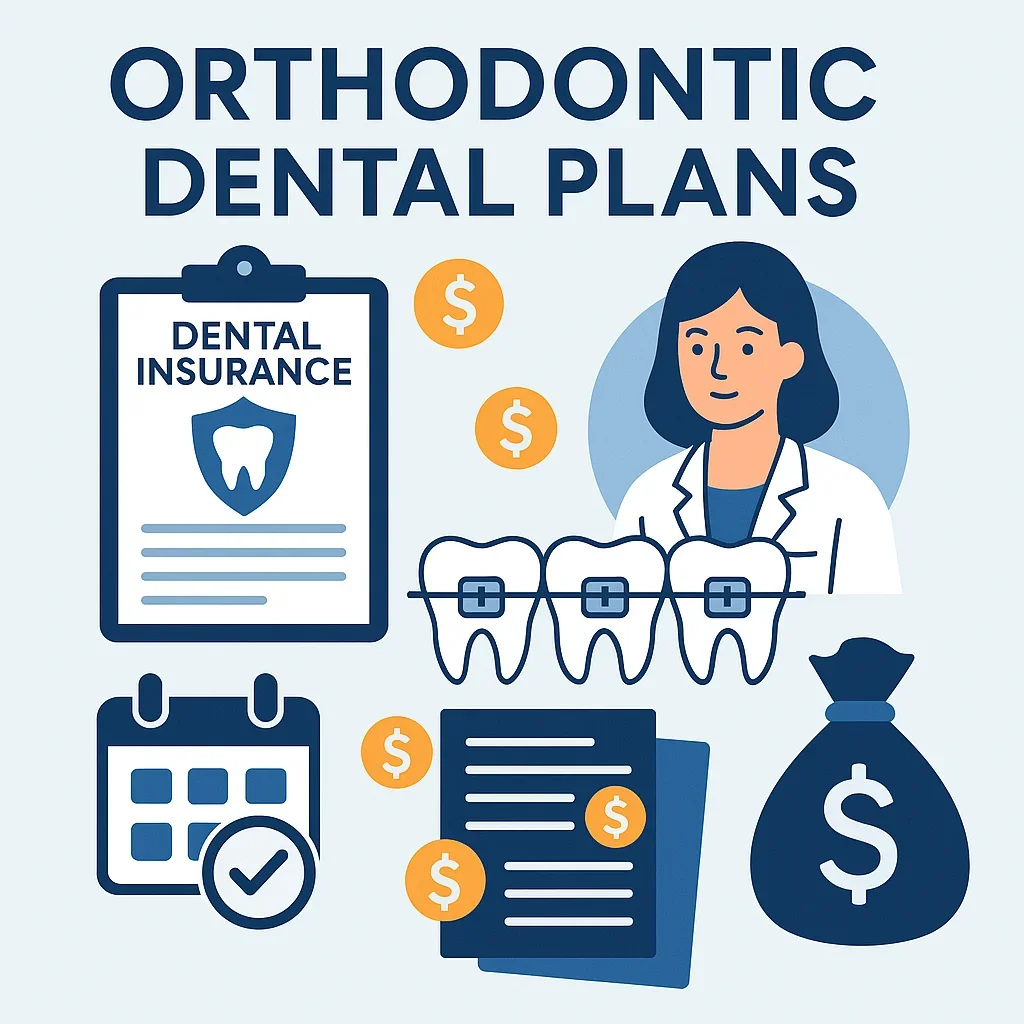
Tips to Maximize Your Orthodontic Dental Plan Benefits
Getting the most out of your orthodontic dental plans requires more than just enrolling in a policy. To truly maximize benefits, you need to understand how your plan works, when to use it, and how to coordinate payments, claims, and coverage periods effectively. By following a few strategic steps, you can reduce out-of-pocket expenses, speed up reimbursements, and ensure continuous orthodontic care without unnecessary financial stress. 🦷💡
Below, we’ll explore the most effective ways to optimize your plan—from timing your treatment start date to using preventive care benefits and coordinating dual coverage. Whether you’re managing your own treatment or your family’s, these actionable tips will help you save money and enjoy smoother orthodontic experiences.
1. Schedule Treatments Strategically
The timing of your orthodontic treatment can significantly impact how much benefit you receive from your orthodontic dental plans. Many plans follow an annual benefit cycle, meaning coverage resets every calendar year. Starting treatment near the end of the year can help you take advantage of two benefit periods for the same orthodontic case—effectively doubling your reimbursement opportunities.
For example, if your insurer covers 50% of treatment costs per calendar year up to $1,500, starting treatment in December allows you to claim the first portion immediately, then another $1,500 in January when the new year’s benefits activate. This technique can reduce your personal expense by thousands of dollars over the treatment period.
Pro Tip:
Ask your orthodontist to structure payment installments to align with your plan’s coverage renewal dates. This ensures maximum benefit utilization with minimal financial overlap.
2. Verify In-Network Orthodontists Before Starting Treatment
Before scheduling your consultation, confirm whether your orthodontist is part of your insurer’s in-network providers. In-network orthodontists have pre-negotiated rates that ensure standardized pricing and faster claim processing. Working with them can save you between 10% and 30% compared to out-of-network providers.
However, if your preferred clinic—such as Redent Klinik—is out-of-network, check if your orthodontic dental plan offers partial reimbursement. Many modern insurers now provide flexible coverage that accommodates specialized clinics, allowing patients to receive treatment from their chosen provider while still receiving financial support.
Why This Matters:
Choosing in-network orthodontists prevents billing delays and ensures your treatment costs are pre-approved under your insurer’s fee schedule, which helps maintain financial transparency throughout the process.
3. Use Flexible Spending Accounts (FSA) or Health Savings Accounts (HSA)
FSAs and HSAs are excellent tools to complement orthodontic dental plans. These accounts allow you to set aside pre-tax income specifically for medical and dental expenses, including orthodontic treatments. By pairing insurance benefits with tax-free savings, you can further reduce your total orthodontic costs.
For example, if you spend $4,000 on braces and pay with FSA funds, you save approximately 20–30% in taxes. Combining this with your plan’s coverage could bring your real cost down to less than half the original treatment price.
Key Tip:
Check your FSA/HSA expiration date. Some plans operate on a “use-it-or-lose-it” basis, so planning orthodontic procedures before the year ends ensures you don’t forfeit unused funds.
4. Coordinate Dual Insurance Coverage
If you or your child are covered by more than one dental insurance policy (for instance, through both parents’ employers), you can often coordinate benefits to maximize total reimbursement. Dual coverage allows one plan to act as the primary insurer and the other as secondary, covering costs the first doesn’t fully reimburse.
This process, called “coordination of benefits,” can significantly reduce your out-of-pocket costs. For example, if your primary plan covers 50% of treatment and the secondary plan covers an additional 20%, you’ll only pay 30% of the total cost yourself.
Important:
Always inform both insurers and your orthodontist about dual coverage at the start of treatment. Proper documentation ensures both claims are processed correctly and on time.
5. Take Advantage of Preventive Care and Diagnostics
Preventive care is often fully covered under most orthodontic dental plans. This includes X-rays, early orthodontic evaluations, and consultations that help detect misalignments before they become severe. Taking advantage of these benefits ensures early intervention—potentially reducing the length and cost of future treatments.
According to the American Dental Association, early orthodontic assessments can prevent extensive corrective procedures later in life. Regular evaluations not only protect your dental health but also help you use your insurance benefits more effectively each year.
Example:
- Annual orthodontic evaluation: $0 with most dental plans
- Panoramic X-ray: Often fully or partially covered
- Pre-treatment consultation: Usually free or discounted
These preventive benefits are valuable even if you haven’t started active treatment yet—use them to your advantage.
6. Understand and Track Your Lifetime Maximum
Every orthodontic dental plan includes a lifetime maximum benefit limit. This cap, typically between $1,500 and $3,500, represents the total reimbursement you can receive for orthodontic treatment in your lifetime. Once you reach that limit, future claims for orthodontic services will not be covered.
To make the most of your benefits, keep a detailed record of all orthodontic expenses and claim payouts. Knowing how close you are to your lifetime maximum helps you time future treatments (for other family members, for example) without exceeding the cap prematurely.
Smart Strategy:
If you anticipate additional treatments—like follow-up retainers or refinements after Invisalign®—consider staggering them across plan renewal periods or using an FSA/HSA to offset non-covered costs.
7. Stay Consistent With Payments and Claims
Missed payments or delayed claim submissions can result in denied benefits. To prevent this, always pay premiums on time and submit claim documentation promptly. Most insurers require claims to be submitted within 90 to 180 days after treatment services. Staying organized ensures continuous eligibility and uninterrupted financial support.
Digital submission portals offered by many providers simplify this process. Uploading receipts and claim forms online reduces administrative delays and allows real-time tracking of reimbursements.
8. Review and Update Your Plan Annually
Your dental and orthodontic needs can evolve over time, especially for growing families. Review your orthodontic dental plans every year during open enrollment to ensure your coverage still meets your needs. Many insurers introduce new plan options, increased lifetime maximums, or expanded provider networks annually.
If you expect future orthodontic work for yourself or your children, upgrading your plan early can secure greater financial benefits before treatment begins.
When to Review:
- During open enrollment (usually once a year)
- When adding new family members to your policy
- Before beginning a new phase of orthodontic care
Conclusion: Unlock the Full Potential of Your Plan
Maximizing orthodontic dental plan benefits comes down to strategy, organization, and awareness. By timing treatments strategically, coordinating coverage, leveraging tax-free savings accounts, and using preventive care regularly, you can substantially reduce orthodontic costs while maintaining high-quality care. 🌟
For expert help in understanding your insurance options or optimizing your treatment plan, contact experienced specialists via the Redent Klinik Contact Page. With professional guidance and smart financial planning, you can transform your orthodontic investment into a lifetime of confident, healthy smiles. 😄