
Orthodontic health cover is one of the most important yet often misunderstood aspects of modern dental care. Whether you are considering braces, clear aligners, or corrective jaw treatments, having the right orthodontic health cover can significantly reduce your financial burden while ensuring you receive high-quality treatment. In today’s world, where dental aesthetics and oral health go hand in hand, understanding orthodontic health cover is essential for making informed decisions. 😊
At its core, orthodontic health cover refers to a type of dental insurance or supplemental plan that helps pay for treatments designed to correct teeth alignment and jaw positioning. These treatments are not only cosmetic but also essential for long-term oral health. Misaligned teeth can lead to issues such as uneven wear, gum disease, jaw pain, and even difficulty chewing. This is why orthodontic health cover is increasingly seen as a necessity rather than a luxury.
One of the biggest advantages of orthodontic health cover is that it makes advanced dental treatments more accessible. Procedures like Invisalign, ceramic braces, or lingual braces can be quite expensive without coverage. With orthodontic health cover, patients can spread costs over time or receive partial reimbursements, making it easier to prioritize their dental health. In fact, many families rely on orthodontic health cover to ensure their children receive early orthodontic intervention, which can prevent more serious problems later in life.
Another key reason why orthodontic health cover matters is the rising awareness of preventive dental care. Orthodontic treatments are no longer just about achieving a perfect smile; they are also about maintaining proper oral function. When teeth are aligned correctly, it becomes easier to clean them effectively, reducing the risk of cavities and gum disease. This preventive aspect is strongly supported by organizations like the American Dental Association, which emphasizes the importance of early and consistent dental care.
Orthodontic health cover also provides peace of mind. Knowing that you have financial support for potential orthodontic needs allows you to focus on your treatment journey without constant worry about costs. Many plans offer flexible options, including monthly premiums, annual limits, and varying levels of coverage, so you can choose one that fits your budget and needs.
It is also important to understand that orthodontic health cover often comes with specific conditions. For example, there may be waiting periods before you can claim benefits, or lifetime limits on how much the insurer will pay. Some plans may only cover treatments deemed medically necessary, while others include cosmetic options as well. This is why carefully reviewing your orthodontic health cover policy is crucial before starting any treatment.
Additionally, orthodontic health cover is not limited to children. Adults are increasingly seeking orthodontic treatments to improve both aesthetics and oral health. With modern solutions like clear aligners, more adults are investing in their smiles, and orthodontic health cover plays a vital role in making these treatments affordable. If you are considering treatment, consulting a trusted clinic and reviewing your orthodontic health cover options is a smart first step. You can also reach out via the Redent Klinik Contact Page to explore personalized solutions tailored to your needs.
From a broader perspective, orthodontic health cover is part of a growing trend toward comprehensive healthcare planning. Just as people invest in general health insurance, they are now recognizing the value of dental-specific coverage. Orthodontic health cover ensures that you are prepared for both expected and unexpected orthodontic needs, allowing you to maintain a healthy, confident smile over the long term. 😁
In conclusion, orthodontic health cover is more than just a financial tool—it is a gateway to better oral health, improved confidence, and long-term well-being. By understanding how orthodontic health cover works and choosing the right plan, you can take control of your dental future and enjoy the benefits of a well-aligned, healthy smile. Whether you are planning treatment for yourself or your family, orthodontic health cover is an investment that truly pays off.
What Is Orthodontic Health Cover and Why It Matters
Orthodontic health cover is a specialized type of dental insurance designed to support the cost of treatments that correct teeth alignment and jaw positioning. Unlike basic dental insurance, which typically focuses on routine check-ups, fillings, and cleanings, orthodontic health cover is specifically tailored for procedures such as braces, aligners, retainers, and other corrective treatments. Understanding orthodontic health cover is essential for anyone planning to improve their smile or address functional dental issues. 😊
The importance of orthodontic health cover goes beyond financial savings. It plays a critical role in ensuring access to high-quality care, encouraging early intervention, and supporting long-term oral health. When individuals have orthodontic health cover, they are more likely to seek treatment at the right time, preventing minor issues from becoming major complications.
Understanding the Core Purpose of Orthodontic Health Cover
The primary purpose of orthodontic health cover is to make orthodontic treatments more affordable and accessible. Treatments like braces or clear aligners can be costly, especially when they require long-term care. Orthodontic health cover helps distribute these costs, often covering a percentage of the treatment or providing a fixed benefit amount.
Without orthodontic health cover, many patients delay or avoid treatment due to financial concerns. This can lead to worsening dental problems, including bite issues, jaw pain, and increased risk of tooth decay. By having orthodontic health cover, patients can take a proactive approach to their oral health and avoid unnecessary complications.
Financial Protection and Predictability
One of the biggest advantages of orthodontic health cover is financial predictability. Instead of facing a large upfront cost, patients can rely on their orthodontic health cover to offset expenses over time. Many plans offer structured payment options, making it easier to manage treatment costs without stress.
Additionally, orthodontic health cover often includes annual or lifetime limits, which help patients understand exactly how much support they will receive. This transparency allows for better financial planning and reduces uncertainty during treatment.
Why Orthodontic Health Cover Matters for Oral Health
Orthodontic health cover is not just about aesthetics—it is fundamentally about improving oral health. Misaligned teeth can create areas that are difficult to clean, increasing the risk of cavities and gum disease. With orthodontic health cover, patients are more likely to undergo corrective treatments that enhance both function and hygiene.
Properly aligned teeth contribute to better chewing efficiency, reduced strain on jaw muscles, and improved speech. Orthodontic health cover ensures that these benefits are within reach for a wider range of patients, supporting overall well-being.
According to the American Dental Association, maintaining proper dental alignment is a key component of long-term oral health. This highlights the importance of having orthodontic health cover as part of a comprehensive healthcare strategy.
Preventive Care and Early Intervention
Another important aspect of orthodontic health cover is its role in preventive care. Many plans encourage early orthodontic assessments, especially for children. Early detection of alignment issues allows for timely intervention, which can reduce the complexity and cost of future treatments.
With orthodontic health cover, families are more likely to schedule regular orthodontic evaluations, ensuring that potential problems are addressed before they escalate. This proactive approach not only saves money but also leads to better treatment outcomes.
Emotional and Confidence Benefits
Orthodontic health cover also contributes to emotional well-being by making smile-enhancing treatments more accessible. A straight, healthy smile can significantly boost self-confidence and improve social interactions. For many individuals, orthodontic health cover is the key to achieving a smile they feel proud of.
Children and teenagers, in particular, benefit greatly from orthodontic health cover. Early treatment can prevent bullying related to dental appearance and support positive self-esteem during critical developmental years. Adults, too, are increasingly turning to orthodontic health cover to invest in their confidence and professional image.
Accessibility for All Age Groups
Modern orthodontic health cover plans are designed to cater to both children and adults. While traditional orthodontic treatments were often associated with younger patients, today’s options—including clear aligners—have made treatment more appealing to adults. Orthodontic health cover ensures that these options are financially accessible to everyone.
If you are considering orthodontic treatment and want to explore your options, you can always reach out through the Redent Klinik Contact Page for professional guidance tailored to your needs.
Long-Term Value of Orthodontic Health Cover
Investing in orthodontic health cover is ultimately an investment in your future. By reducing financial barriers and encouraging timely treatment, orthodontic health cover helps maintain optimal oral health over the long term. It also minimizes the likelihood of requiring more complex and expensive procedures later on.
In today’s healthcare landscape, where preventive care is increasingly prioritized, orthodontic health cover stands out as a valuable tool. It bridges the gap between affordability and quality care, ensuring that patients can achieve healthy, functional, and aesthetically pleasing smiles without unnecessary financial strain. 😁
In summary, orthodontic health cover is essential for anyone looking to improve their dental health and overall quality of life. From financial support to preventive care and emotional benefits, orthodontic health cover plays a crucial role in modern dental care. Understanding its importance allows you to make informed decisions and take control of your oral health journey with confidence.
Types of Orthodontic Health Cover Plans Explained
When exploring orthodontic health cover, one of the most important steps is understanding the different types of plans available. Not all orthodontic health cover options are the same, and choosing the right one can significantly impact both your treatment experience and financial outcomes. From basic add-ons to comprehensive insurance packages, orthodontic health cover plans are designed to meet a wide range of needs, budgets, and treatment goals. 😊
Orthodontic health cover typically falls under dental insurance or private health plans, but the level of coverage can vary widely. Some plans provide minimal support, while others offer extensive benefits that cover a large portion of orthodontic treatments. Knowing the differences helps you select an orthodontic health cover plan that aligns with your expectations and long-term oral health goals.
Basic Orthodontic Health Cover Plans
Basic orthodontic health cover plans are usually the most affordable option, but they also come with limited benefits. These plans often cover only a small percentage of treatment costs or provide a fixed reimbursement amount. While they may not fully cover expensive procedures, they can still reduce out-of-pocket expenses.
For individuals who are unsure about committing to a high-cost plan, basic orthodontic health cover can be a good starting point. It offers some financial relief while keeping monthly premiums low. However, it is important to carefully review the limitations, as basic orthodontic health cover may exclude advanced treatments like clear aligners or lingual braces.
Who Should Consider Basic Plans?
Basic orthodontic health cover is ideal for individuals with mild orthodontic needs or those who want minimal coverage as a safety net. It is also suitable for young adults or families looking to manage costs while still having access to essential orthodontic care.
Comprehensive Orthodontic Health Cover Plans
Comprehensive orthodontic health cover plans provide a higher level of protection and typically cover a larger portion of treatment costs. These plans may include a wider range of procedures, from traditional braces to advanced orthodontic solutions like Invisalign.
With comprehensive orthodontic health cover, patients can benefit from higher annual or lifetime limits, shorter waiting periods, and more flexible reimbursement options. Although the premiums are higher, the overall value can be significant, especially for complex or long-term treatments.
Key Benefits of Comprehensive Plans
Comprehensive orthodontic health cover often includes:
- Higher coverage percentages for treatments
- Access to a broader network of orthodontists
- Coverage for both functional and cosmetic procedures
- Reduced financial stress during treatment
For families planning orthodontic care for multiple members, comprehensive orthodontic health cover can be particularly beneficial. It ensures consistent support and reduces the financial burden over time.
Employer-Sponsored Orthodontic Health Cover
Many employers offer orthodontic health cover as part of their employee benefits package. These plans can be highly advantageous because they are often subsidized, meaning employees pay lower premiums while still receiving substantial coverage.
Employer-sponsored orthodontic health cover may include group discounts, making it more affordable than individual plans. However, the level of coverage can vary depending on the employer and the insurance provider.
Advantages of Employer Plans
Some of the key advantages of employer-sponsored orthodontic health cover include:
- Lower monthly premiums
- Simplified enrollment process
- Access to negotiated rates with providers
It is important to review your employer’s orthodontic health cover details carefully, as some plans may have restrictions or limited coverage for certain treatments.
Family Orthodontic Health Cover Plans
Family orthodontic health cover plans are designed to provide coverage for multiple members under a single policy. These plans are especially useful for parents who want to ensure their children receive timely orthodontic care.
With family orthodontic health cover, benefits are often shared among members, allowing for greater flexibility. This type of plan can also simplify administration, as all family members are covered under one policy.
Why Families Choose These Plans
Family orthodontic health cover is popular because it:
- Reduces overall insurance costs
- Provides consistent coverage for children and adults
- Encourages early orthodontic assessments
Early intervention is key in orthodontics, and having orthodontic health cover for the entire family ensures that potential issues are addressed promptly.
Standalone Orthodontic Health Cover Add-Ons
Some insurance providers offer orthodontic health cover as an add-on to existing dental or health plans. This allows patients to customize their coverage based on specific needs without purchasing a completely new policy.
Standalone orthodontic health cover add-ons are flexible and can be tailored to include only the treatments you anticipate needing. This makes them a cost-effective option for individuals who already have basic dental insurance.
Flexibility and Customization
The main advantage of add-on orthodontic health cover is flexibility. Patients can enhance their existing coverage without overpaying for unnecessary services. However, it is essential to check for waiting periods and coverage limits before adding this option to your plan.
Choosing the Right Orthodontic Health Cover Plan
Selecting the right orthodontic health cover plan depends on several factors, including your budget, treatment needs, and long-term goals. It is important to compare different plans, evaluate their benefits, and consider how they align with your expectations.
Consulting with a dental professional can also help you make an informed decision. If you need personalized advice, you can visit the Redent Klinik Contact Page to connect with experts who can guide you through your options.
Additionally, reviewing trusted resources such as the American Dental Association can provide valuable insights into the importance of orthodontic care and insurance coverage.
In conclusion, understanding the different types of orthodontic health cover plans is essential for making the right choice. Whether you opt for a basic plan, comprehensive coverage, or a customized add-on, orthodontic health cover ensures that you can access the care you need without unnecessary financial strain. By selecting the right plan, you are investing in both your oral health and your overall quality of life. 😁
What Does Orthodontic Health Cover Typically Include?
Understanding what orthodontic health cover typically includes is essential before starting any orthodontic treatment. Many patients assume that all procedures are fully covered, but the reality is that orthodontic health cover varies significantly depending on the provider, plan level, and specific policy terms. Knowing exactly what is included in your orthodontic health cover allows you to plan better, avoid unexpected costs, and maximize your benefits. 😊
Orthodontic health cover generally focuses on treatments that correct misaligned teeth and jaw issues. However, the extent of coverage can differ. Some plans offer comprehensive support, while others provide partial reimbursements or fixed benefits. Let’s explore in detail what orthodontic health cover usually includes and how it works in practice.
Core Treatments Covered by Orthodontic Health Cover
Most orthodontic health cover plans include essential orthodontic treatments designed to improve dental alignment and function. These treatments are often considered medically necessary, which increases the likelihood of coverage.
Traditional Braces
Traditional metal braces are one of the most commonly covered treatments under orthodontic health cover. They are highly effective for correcting a wide range of alignment issues, from minor crowding to severe bite problems. Orthodontic health cover typically pays a percentage of the total cost or provides a fixed contribution toward treatment.
Ceramic Braces
Ceramic braces are similar to traditional braces but are less visible. Many orthodontic health cover plans include ceramic braces, although the reimbursement rate may vary. Because they are considered more aesthetic, some policies may cover them partially rather than fully.
Clear Aligners (e.g., Invisalign)
Clear aligners have become increasingly popular, especially among adults. Many modern orthodontic health cover plans now include aligner treatments, but coverage levels can differ. Some plans treat them as cosmetic, while others recognize their functional benefits and provide broader support.
Diagnostic and Preventive Services
Orthodontic health cover often includes diagnostic services that are necessary before starting treatment. These services help orthodontists develop a personalized treatment plan and ensure accurate results.
Initial Consultations
Many orthodontic health cover plans include the cost of initial consultations. During this visit, the orthodontist evaluates your teeth and jaw alignment and discusses possible treatment options.
X-Rays and Imaging
Diagnostic imaging, such as X-rays and 3D scans, is usually covered under orthodontic health cover. These tools are essential for identifying underlying issues and planning treatment effectively.
Dental Impressions and Digital Scans
Orthodontic health cover may also include impressions or digital scans used to create customized appliances. These procedures are a critical part of modern orthodontic care and are often included in comprehensive plans.
Retention and Post-Treatment Care
Orthodontic health cover does not always end with active treatment. Many plans also include post-treatment care, which is crucial for maintaining results.
Retainers
Retainers are essential for keeping teeth in their new positions after braces or aligners are removed. Some orthodontic health cover plans include retainers as part of the treatment package, while others may require an additional fee.
Follow-Up Visits
Post-treatment check-ups are often included in orthodontic health cover. These visits allow the orthodontist to monitor your progress and ensure that your results remain stable over time.
Coverage Limits and Exclusions
While orthodontic health cover includes many important services, it is equally important to understand what may not be covered. Every orthodontic health cover plan has limitations and exclusions that can affect your overall benefits.
Cosmetic vs Functional Treatments
Some orthodontic health cover plans distinguish between cosmetic and medically necessary treatments. Procedures considered purely aesthetic may have limited coverage or may not be covered at all.
Lifetime and Annual Limits
Orthodontic health cover often comes with financial caps, such as annual or lifetime limits. For example, a plan may cover up to $1,500–$3,000 per person for orthodontic treatments. Once this limit is reached, any additional costs must be paid out of pocket.
Waiting Periods
Many orthodontic health cover plans include waiting periods before benefits can be claimed. These periods can range from a few months to over a year, depending on the policy.
Realistic Cost Breakdown with Orthodontic Health Cover
To better understand the value of orthodontic health cover, here is a general cost breakdown of common treatments:
- Traditional braces: $3,000 – $7,000
- Ceramic braces: $4,000 – $8,000
- Clear aligners: $3,500 – $8,500
- Retainers: $150 – $500
With orthodontic health cover, patients may receive partial reimbursement or fixed contributions toward these costs. This can significantly reduce the financial burden and make treatment more accessible.
How to Confirm What Your Orthodontic Health Cover Includes
Before starting treatment, it is crucial to review your orthodontic health cover policy in detail. Speak with your insurance provider and orthodontist to confirm what is included and what is not.
You can also seek professional guidance through the Redent Klinik Contact Page to better understand your options and create a personalized treatment plan.
Additionally, reliable organizations like the American Dental Association provide valuable information about orthodontic care standards and insurance considerations.
Why Understanding Your Coverage Matters
Knowing what your orthodontic health cover includes helps you avoid unexpected expenses and ensures a smoother treatment journey. It also allows you to choose the most suitable treatment option based on both your dental needs and financial situation.
Orthodontic health cover is not just about reducing costs—it is about empowering you to make informed decisions about your oral health. By understanding your coverage, you can confidently move forward with treatment and achieve the best possible results. 😁
In summary, orthodontic health cover typically includes a wide range of treatments, diagnostic services, and post-treatment care. However, the exact details depend on your specific plan. Taking the time to understand your orthodontic health cover ensures that you get the most value from your investment and enjoy a healthier, more confident smile.
Costs, Limits, and Waiting Periods in Orthodontic Health Cover
When considering orthodontic treatment, one of the most important factors to understand is how costs, limits, and waiting periods work within orthodontic health cover. While orthodontic health cover can significantly reduce financial stress, it is not always straightforward. Each policy has its own structure, including coverage limits, reimbursement percentages, and specific conditions that affect when and how you can claim benefits. Understanding these elements is essential to making the most of your orthodontic health cover. 💡
Orthodontic health cover is designed to make treatments like braces and aligners more affordable, but it rarely covers 100% of the costs. Instead, it typically works within defined limits and rules. By understanding these details, you can plan your treatment timeline and budget more effectively.
Understanding the Cost Structure of Orthodontic Health Cover
The cost structure of orthodontic health cover usually involves a combination of monthly premiums, out-of-pocket expenses, and reimbursements. Patients pay a regular premium to maintain their orthodontic health cover, and in return, they receive partial financial support for treatments.
Typical Treatment Costs Without Coverage
Orthodontic procedures can be expensive without orthodontic health cover. Here is a general breakdown of average costs:
- Traditional metal braces: $3,000 – $7,000
- Ceramic braces: $4,000 – $8,000
- Clear aligners (Invisalign): $3,500 – $8,500
- Lingual braces: $8,000 – $10,000
These costs can vary depending on the complexity of the case and the location of the clinic. With orthodontic health cover, a portion of these expenses is reimbursed, making treatment more manageable.
How Much Does Orthodontic Health Cover Pay?
Most orthodontic health cover plans cover between 25% and 70% of treatment costs, depending on the level of the plan. Some policies offer fixed benefit amounts instead of percentages. For example, a plan may provide up to $2,000 toward orthodontic treatment over a lifetime.
It is important to review your orthodontic health cover policy carefully to understand exactly how much support you will receive. This helps you avoid unexpected costs and plan accordingly.
Annual and Lifetime Limits in Orthodontic Health Cover
One of the key features of orthodontic health cover is the presence of financial limits. These limits determine the maximum amount your insurer will pay for orthodontic treatments.
Annual Limits
Some orthodontic health cover plans include annual limits, which cap the amount you can claim within a single year. For example, your plan might allow up to $1,000 per year for orthodontic treatments.
This means that if your treatment costs exceed this amount, you will need to pay the difference out of pocket. Planning your treatment timeline around these limits can help you maximize your orthodontic health cover benefits.
Lifetime Limits
Lifetime limits are another common feature of orthodontic health cover. These limits set a maximum amount that the insurer will pay over the course of your lifetime. Typical lifetime limits range from $1,500 to $3,500 per person.
Once you reach this limit, your orthodontic health cover will no longer contribute to orthodontic expenses. Understanding this limit is crucial, especially for long-term or complex treatments.
Waiting Periods in Orthodontic Health Cover
Waiting periods are one of the most important aspects of orthodontic health cover. These are the timeframes you must wait after purchasing a policy before you can claim benefits.
Standard Waiting Periods
Most orthodontic health cover plans have waiting periods ranging from 6 to 24 months. During this time, you will pay premiums but will not be eligible to claim orthodontic benefits.
This is designed to prevent individuals from purchasing orthodontic health cover only when they need immediate treatment. It encourages long-term commitment to the plan.
How to Plan Around Waiting Periods
If you are considering orthodontic treatment, it is best to purchase orthodontic health cover well in advance. Starting your plan early ensures that your waiting period is completed by the time you are ready to begin treatment.
Families often use orthodontic health cover strategically by enrolling children at a young age, so coverage is available when orthodontic needs arise during teenage years.
Out-of-Pocket Costs and Gap Payments
Even with orthodontic health cover, patients should expect some out-of-pocket expenses. These are often referred to as gap payments—the difference between the total treatment cost and the amount covered by your plan.
Managing Gap Payments
Many orthodontists offer flexible payment plans to help manage gap payments. This allows patients to spread the remaining cost over several months or years, making treatment more affordable.
Orthodontic health cover reduces the overall financial burden, but understanding your remaining responsibility is essential for proper budgeting.
Tips to Maximize Your Orthodontic Health Cover
To get the most value from your orthodontic health cover, consider the following tips:
- Choose a plan with higher lifetime limits if you anticipate complex treatment
- Start your orthodontic health cover early to complete waiting periods
- Coordinate treatment timing with annual limits to maximize claims
- Consult your orthodontist and insurance provider before starting treatment
For personalized guidance, you can visit the Redent Klinik Contact Page to discuss your treatment options and coverage details.
Additionally, trusted organizations like the American Dental Association provide valuable information about orthodontic care and insurance considerations.
Why Understanding These Factors Is Crucial
Costs, limits, and waiting periods are the foundation of any orthodontic health cover plan. Without a clear understanding of these elements, patients may face unexpected expenses or delays in treatment.
Orthodontic health cover is a powerful tool for improving oral health, but it requires careful planning and informed decision-making. By understanding how costs, limits, and waiting periods work, you can confidently navigate your treatment journey and make the most of your orthodontic health cover. 😁
In conclusion, orthodontic health cover offers significant financial support, but it comes with specific conditions. By taking the time to understand these details, you can avoid surprises, optimize your benefits, and achieve a healthy, well-aligned smile without unnecessary stress.
How to Choose the Best Orthodontic Health Cover Plan
Choosing the best orthodontic health cover plan is one of the most important decisions you can make when planning orthodontic treatment. With so many options available, it can feel overwhelming to determine which orthodontic health cover will truly meet your needs. However, by understanding key factors such as coverage levels, costs, flexibility, and provider networks, you can confidently select the right orthodontic health cover for your situation. 😊
Orthodontic health cover is not a one-size-fits-all solution. Each individual or family has unique dental needs, financial considerations, and treatment goals. That is why it is essential to evaluate orthodontic health cover plans carefully rather than simply choosing the cheapest option. A well-chosen orthodontic health cover plan can save you thousands of dollars while ensuring access to high-quality care.
Assess Your Orthodontic Needs First
Before comparing orthodontic health cover options, you should clearly understand your own orthodontic needs. Are you planning minor alignment correction, or do you require complex treatment involving braces or aligners?
Short-Term vs Long-Term Treatment
If your treatment is expected to be short-term, you may not need the most comprehensive orthodontic health cover. However, for long-term or complex treatments, investing in a higher-level orthodontic health cover plan can provide better value.
Child vs Adult Needs
Children often benefit from early orthodontic intervention, while adults may seek more discreet options like clear aligners. Choosing orthodontic health cover that supports your specific age group and treatment type is crucial.
Compare Coverage Levels Carefully
Not all orthodontic health cover plans offer the same level of benefits. Some plans provide only basic support, while others cover a significant portion of treatment costs.
Percentage vs Fixed Benefit Plans
Some orthodontic health cover policies reimburse a percentage of treatment costs, while others offer fixed benefit amounts. For example, a plan might cover 50% of costs up to a lifetime maximum of $2,500. Understanding how your orthodontic health cover calculates benefits is essential.
Included Treatments
Check whether your orthodontic health cover includes the treatments you are considering. Some plans cover traditional braces but exclude clear aligners or cosmetic procedures. Always confirm that your preferred treatment is included in your orthodontic health cover.
Evaluate Waiting Periods and Limits
Waiting periods and financial limits are critical components of orthodontic health cover that can significantly impact your experience.
Waiting Period Considerations
Most orthodontic health cover plans have waiting periods ranging from 6 to 24 months. If you need immediate treatment, you may need to look for plans with shorter waiting periods or plan ahead accordingly.
Lifetime and Annual Limits
Orthodontic health cover often includes lifetime limits (e.g., $1,500–$3,500 per person). Choosing a plan with higher limits can provide better financial protection, especially for extensive treatments.
Check the Provider Network
Another important factor when selecting orthodontic health cover is the provider network. Some plans require you to visit specific orthodontists to receive full benefits.
Flexibility in Choosing Your Orthodontist
Look for orthodontic health cover plans that allow you to choose your preferred provider. This ensures that you can receive treatment from a trusted clinic without restrictions.
Quality of Care
The quality of care you receive is just as important as the financial benefits of orthodontic health cover. Always prioritize plans that give you access to experienced and reputable orthodontists.
Consider Monthly Premiums vs Long-Term Value
While it may be tempting to choose the cheapest orthodontic health cover plan, it is important to consider long-term value rather than just monthly premiums.
Balancing Cost and Coverage
A low-cost orthodontic health cover plan may have limited benefits, resulting in higher out-of-pocket expenses. On the other hand, a slightly more expensive plan with better coverage can save you money in the long run.
Return on Investment
Think of orthodontic health cover as an investment in your oral health. The right plan should provide a strong return on investment by significantly reducing treatment costs.
Read Policy Details and Fine Print
One of the most overlooked steps when choosing orthodontic health cover is reading the policy details carefully. The fine print often contains important information about exclusions, conditions, and limitations.
Common Exclusions
Some orthodontic health cover plans exclude cosmetic treatments or limit coverage for certain procedures. Make sure you understand these exclusions before committing to a plan.
Claim Process
Understanding how to claim benefits is also important. Choose orthodontic health cover plans with a simple and transparent claims process to avoid unnecessary complications.
Seek Professional Advice Before Deciding
Choosing the best orthodontic health cover can be easier with professional guidance. Orthodontists and dental clinics can provide valuable insights into which plans offer the best value for your specific needs.
If you need expert advice, you can visit the Redent Klinik Contact Page to get personalized recommendations tailored to your situation.
You can also refer to trusted resources like the American Dental Association for additional information about orthodontic care and insurance options.
Final Thoughts on Choosing Orthodontic Health Cover
Selecting the right orthodontic health cover requires careful consideration of multiple factors, including coverage levels, costs, waiting periods, and provider flexibility. By taking the time to evaluate your options and understand your needs, you can choose a plan that offers both financial protection and access to high-quality care.
Orthodontic health cover is more than just an insurance policy—it is a strategic tool that helps you achieve a healthy, confident smile. With the right orthodontic health cover plan, you can move forward with your treatment journey knowing that you are making a smart and informed decision. 😁
In conclusion, the best orthodontic health cover plan is one that aligns with your personal goals, budget, and treatment requirements. By following the steps outlined above, you can confidently choose orthodontic health cover that supports your long-term oral health and overall well-being.
Orthodontic Health Cover for Adults vs Children
Orthodontic health cover plays a crucial role in both pediatric and adult dental care, but the needs, expectations, and coverage details can differ significantly between these two groups. Understanding how orthodontic health cover applies to adults versus children allows patients and families to make smarter decisions about treatment timing, plan selection, and financial planning. 😊
While orthodontic issues can arise at any age, children and adults often require different types of care. Orthodontic health cover is designed to accommodate these differences, offering tailored benefits that support each stage of life. Whether you are a parent planning for your child’s future or an adult seeking to improve your smile, choosing the right orthodontic health cover is essential.
Orthodontic Health Cover for Children
Children are the most common recipients of orthodontic treatment, and orthodontic health cover is often structured with pediatric care in mind. Early intervention is a key advantage when it comes to children’s orthodontics, as many issues can be corrected more easily during growth and development.
Importance of Early Assessment
Orthodontists typically recommend that children have their first evaluation by the age of 7. At this stage, orthodontic health cover can support early diagnostic services and preventive treatments. Identifying problems early allows for simpler and more cost-effective solutions.
Interceptive Orthodontics
Orthodontic health cover often includes interceptive treatments for children, such as space maintainers, expanders, and partial braces. These treatments guide jaw growth and prevent more severe alignment issues later in life.
With orthodontic health cover, parents can ensure that their children receive timely care without facing overwhelming costs. This proactive approach not only improves dental outcomes but also reduces the need for complex treatments in the future.
Benefits of Orthodontic Health Cover for Children
There are several advantages to having orthodontic health cover for children:
- Early detection and treatment of alignment issues
- Lower overall treatment costs due to early intervention
- Improved oral health and hygiene habits
- Enhanced confidence during developmental years
Orthodontic health cover makes it easier for families to prioritize their children’s dental health, ensuring that necessary treatments are accessible and affordable.
Long-Term Savings
Investing in orthodontic health cover early can lead to significant long-term savings. By addressing issues at a young age, families can avoid more expensive and invasive procedures later on.
Orthodontic Health Cover for Adults
In recent years, there has been a growing trend of adults seeking orthodontic treatment. Advances in technology, such as clear aligners, have made treatment more discreet and appealing. Orthodontic health cover has evolved to support this demand, offering benefits tailored to adult patients.
Common Adult Orthodontic Needs
Adults often seek orthodontic treatment for both functional and aesthetic reasons. Common issues include crowding, spacing, bite problems, and relapse from previous orthodontic treatment. Orthodontic health cover can help reduce the cost of addressing these concerns.
Discreet Treatment Options
Many adults prefer less visible treatment options, such as clear aligners or ceramic braces. Orthodontic health cover may include these treatments, although coverage levels can vary. It is important to confirm that your chosen orthodontic health cover plan supports the specific treatment you prefer.
Challenges of Orthodontic Health Cover for Adults
While orthodontic health cover is beneficial for adults, there are some challenges to consider:
- Higher treatment costs due to complex cases
- Limited coverage for cosmetic procedures
- Longer treatment durations in some cases
Despite these challenges, orthodontic health cover remains a valuable tool for adults looking to improve their oral health and confidence.
Emotional and Professional Benefits
For adults, orthodontic treatment can have a significant impact on self-esteem and professional image. Orthodontic health cover makes it more feasible to invest in these benefits, supporting both personal and career growth.
Key Differences Between Adult and Child Coverage
Orthodontic health cover differs between adults and children in several important ways:
Coverage Scope
Children’s orthodontic health cover often focuses on preventive and interceptive treatments, while adult coverage may emphasize corrective and aesthetic procedures.
Eligibility and Limits
Some orthodontic health cover plans have age restrictions or different benefit limits for adults and children. For example, higher benefits may be available for pediatric treatments compared to adult procedures.
Treatment Goals
For children, the goal is often to guide proper development, while for adults, it is typically to correct existing issues and enhance appearance. Orthodontic health cover is designed to support both objectives.
Choosing the Right Orthodontic Health Cover for Your Situation
Whether you are selecting orthodontic health cover for a child or an adult, it is important to choose a plan that aligns with your specific needs. Consider factors such as coverage limits, included treatments, and waiting periods.
If you need personalized advice, you can visit the Redent Klinik Contact Page to discuss your options with experienced professionals.
Additionally, trusted organizations like the American Dental Association provide valuable insights into orthodontic care for both children and adults.
Final Thoughts on Age-Specific Orthodontic Health Cover
Orthodontic health cover is a versatile and essential tool that supports dental care at every stage of life. While children benefit from early intervention and preventive care, adults can take advantage of modern treatment options to improve both function and aesthetics.
By understanding the differences between orthodontic health cover for adults and children, you can make informed decisions that maximize benefits and ensure the best possible outcomes. Orthodontic health cover empowers patients of all ages to achieve healthier, more confident smiles. 😁
In conclusion, orthodontic health cover is not limited by age—it is a lifelong investment in oral health. Whether for a child or an adult, the right orthodontic health cover plan provides the support needed to achieve lasting dental health and confidence.
Common Treatments Covered by Orthodontic Health Cover
Orthodontic health cover is designed to support a wide range of treatments that improve both the function and appearance of your teeth. Understanding which treatments are commonly included in orthodontic health cover helps patients make informed decisions and avoid unexpected costs. Whether you are considering traditional braces, modern aligners, or specialized corrective procedures, orthodontic health cover plays a vital role in making these treatments more accessible. 😊
While the exact coverage depends on your policy, most orthodontic health cover plans include treatments that address alignment issues, bite problems, and jaw irregularities. These procedures are often essential for maintaining long-term oral health and preventing complications such as tooth wear, gum disease, and jaw discomfort.
Traditional Braces and Their Coverage
Traditional metal braces remain one of the most widely used orthodontic treatments, and they are almost always included in orthodontic health cover plans. These braces are highly effective for correcting severe misalignment and complex bite issues.
Why Metal Braces Are Commonly Covered
Orthodontic health cover typically includes metal braces because they are considered medically necessary rather than purely cosmetic. Their effectiveness in treating a wide range of orthodontic problems makes them a standard option covered by most policies.
Cost and Coverage Example
The cost of traditional braces can range from $3,000 to $7,000. With orthodontic health cover, patients may receive partial reimbursement, often covering 30% to 70% of the total cost, depending on the plan.
Ceramic Braces and Aesthetic Options
Ceramic braces are a more discreet alternative to metal braces. They use tooth-colored or clear brackets, making them less noticeable. Many orthodontic health cover plans include ceramic braces, although coverage may be slightly lower compared to traditional options.
When Ceramic Braces Are Covered
Orthodontic health cover may classify ceramic braces as partially cosmetic. As a result, some plans provide reduced benefits or require higher out-of-pocket contributions for this option.
Balancing Aesthetics and Cost
Patients who prioritize appearance often choose ceramic braces despite slightly lower coverage. Orthodontic health cover still provides valuable financial support, making this option more affordable.
Clear Aligners and Modern Orthodontic Solutions
Clear aligners, such as Invisalign, have become increasingly popular, especially among adults. These removable trays offer a nearly invisible way to straighten teeth. Many modern orthodontic health cover plans now include aligners, reflecting their growing acceptance in dental care.
Coverage for Clear Aligners
Orthodontic health cover may treat aligners differently depending on the provider. Some plans offer full coverage similar to braces, while others classify them as cosmetic and provide limited benefits.
Typical Costs with Orthodontic Health Cover
Clear aligner treatments typically cost between $3,500 and $8,500. With orthodontic health cover, patients can significantly reduce these expenses through reimbursements or fixed benefit amounts.
Lingual Braces and Advanced Techniques
Lingual braces are placed on the inner side of the teeth, making them completely invisible from the outside. These advanced systems are often included in higher-tier orthodontic health cover plans.
Specialized Coverage Considerations
Because lingual braces are more complex and expensive, orthodontic health cover may only partially cover them. Patients should carefully review their policy to understand the level of support available.
Jaw Correction and Orthopedic Treatments
Orthodontic health cover may also include treatments that address jaw alignment issues. These procedures are often essential for correcting bite problems and improving overall oral function.
Palatal Expanders
Palatal expanders are commonly used in children to widen the upper jaw. Orthodontic health cover often includes these devices as part of early intervention treatment.
Orthognathic Surgery
In severe cases, jaw surgery may be required to correct structural issues. While orthodontic health cover may contribute to related orthodontic components, surgical costs are often covered under medical insurance rather than dental plans.
Retainers and Post-Treatment Care
Orthodontic health cover does not end with active treatment. Retainers and follow-up care are essential for maintaining results and preventing relapse.
Types of Retainers Covered
Orthodontic health cover may include both removable and fixed retainers. Coverage can vary, so it is important to confirm whether retainers are included in your plan.
Importance of Retention Phase
The retention phase is critical for long-term success. Orthodontic health cover ensures that patients can maintain their results without additional financial strain.
Additional Services Included in Orthodontic Health Cover
In addition to major treatments, orthodontic health cover often includes supporting services that enhance the overall treatment experience.
Adjustments and Follow-Up Visits
Regular adjustments are necessary during orthodontic treatment. Orthodontic health cover typically includes these visits, ensuring continuous progress and optimal results.
Emergency Repairs
If braces or appliances are damaged, orthodontic health cover may help cover repair costs. This provides added peace of mind throughout the treatment process.
How to Confirm Your Coverage
Before starting any treatment, it is essential to verify what your orthodontic health cover includes. Speak with your insurance provider and orthodontist to ensure that your chosen treatment is covered.
If you need personalized assistance, you can visit the Redent Klinik Contact Page to receive expert guidance tailored to your needs.
For additional information, trusted organizations like the American Dental Association offer valuable insights into orthodontic treatments and standards of care.
Final Thoughts on Covered Treatments
Orthodontic health cover provides access to a wide range of treatments, from traditional braces to advanced aligners and corrective procedures. By understanding what is commonly covered, patients can make informed decisions and maximize their benefits.
Orthodontic health cover is not just about reducing costs—it is about ensuring access to high-quality care that improves both oral health and confidence. With the right orthodontic health cover, achieving a healthy, aligned smile becomes a realistic and achievable goal. 😁
In conclusion, knowing which treatments are included in your orthodontic health cover allows you to plan effectively, avoid surprises, and fully benefit from your investment in dental health.
How to Maximize Your Orthodontic Health Cover Benefits
Having orthodontic health cover is a smart investment, but simply having a plan is not enough—you also need to know how to use it effectively. Many patients fail to fully utilize their orthodontic health cover benefits, leaving valuable coverage unused. By understanding the strategies to maximize orthodontic health cover, you can significantly reduce your out-of-pocket costs and ensure the best possible treatment experience. 😊
Orthodontic health cover is designed to support your dental journey, but it requires careful planning, timing, and awareness of policy details. From choosing the right treatment schedule to coordinating claims, there are several ways to make your orthodontic health cover work to your advantage.
Start Planning Early with Orthodontic Health Cover
One of the most effective ways to maximize orthodontic health cover is to plan ahead. Waiting until you need treatment can limit your options, especially if your plan includes waiting periods.
Complete Waiting Periods Before Treatment
Most orthodontic health cover plans require waiting periods of 6 to 24 months. By enrolling early and completing this period before starting treatment, you ensure that your orthodontic health cover is fully active when you need it.
Schedule Treatment Strategically
Timing your treatment to align with your orthodontic health cover benefits can make a big difference. For example, starting treatment at the beginning of a new benefit year allows you to take advantage of annual limits more effectively.
Understand Your Orthodontic Health Cover Policy
To maximize orthodontic health cover, you must thoroughly understand your policy details. This includes knowing your coverage percentages, limits, exclusions, and claim procedures.
Know Your Coverage Limits
Orthodontic health cover often includes annual and lifetime limits. Understanding these limits helps you plan your treatment in phases if necessary, ensuring that you use the maximum available benefits.
Review Included Treatments
Not all treatments are covered equally under orthodontic health cover. Make sure your chosen procedure—whether braces, aligners, or retainers—is included in your plan to avoid unexpected expenses.
Coordinate with Your Orthodontist
Your orthodontist plays a key role in helping you maximize your orthodontic health cover benefits. A knowledgeable provider can guide you through the process and help you make cost-effective decisions.
Request a Detailed Treatment Plan
Ask your orthodontist for a detailed treatment plan that outlines costs, timelines, and procedures. This allows you to align your orthodontic health cover benefits with your treatment schedule.
Pre-Treatment Cost Estimates
Many clinics can provide pre-treatment estimates that show how much your orthodontic health cover will pay. This transparency helps you plan your finances more effectively.
Use Annual Limits to Your Advantage
Annual limits are a key feature of orthodontic health cover, and using them strategically can maximize your benefits.
Split Treatment Across Benefit Years
If your orthodontic treatment spans multiple years, you can use your orthodontic health cover benefits in each year. This allows you to claim more overall compared to completing treatment within a single year.
Track Your Claims Carefully
Keeping track of your claims ensures that you do not exceed your orthodontic health cover limits prematurely. Staying organized helps you make the most of your available benefits.
Take Advantage of Flexible Payment Plans
Many orthodontic clinics offer flexible payment plans that can be coordinated with your orthodontic health cover. This allows you to spread out remaining costs while maximizing insurance contributions.
Combine Insurance and Payment Plans
By combining orthodontic health cover reimbursements with installment plans, you can significantly reduce financial pressure. This approach makes even high-cost treatments more manageable.
Avoid Large Upfront Payments
Instead of paying the full amount upfront, use your orthodontic health cover benefits over time. This ensures that you fully utilize your coverage before paying out of pocket.
Stay In-Network for Better Benefits
Some orthodontic health cover plans offer better reimbursement rates when you visit in-network providers. Choosing a provider within your network can help you maximize your benefits.
Check Provider Agreements
Before starting treatment, confirm whether your orthodontist is part of your orthodontic health cover network. This can lead to lower costs and smoother claim processing.
Maintain Good Oral Health During Treatment
Maintaining good oral hygiene is essential when using orthodontic health cover. Poor oral health can lead to additional treatments that may not be fully covered.
Prevent Additional Costs
By keeping your teeth and gums healthy, you reduce the risk of complications that could increase your overall treatment costs beyond what your orthodontic health cover includes.
Seek Expert Guidance When Needed
If you are unsure how to maximize your orthodontic health cover, seeking professional advice can make a significant difference.
You can visit the Redent Klinik Contact Page to receive personalized recommendations based on your specific situation.
Additionally, trusted resources like the American Dental Association provide helpful information on managing orthodontic care and insurance benefits.
Final Thoughts on Maximizing Orthodontic Health Cover
Orthodontic health cover is a valuable resource, but maximizing its benefits requires careful planning and informed decision-making. By understanding your policy, coordinating with your orthodontist, and strategically timing your treatment, you can significantly reduce costs and improve your overall experience.
Orthodontic health cover empowers you to access high-quality care while maintaining financial stability. With the right approach, you can make the most of your orthodontic health cover and achieve a healthy, confident smile without unnecessary stress. 😁
In conclusion, maximizing orthodontic health cover is about being proactive, informed, and strategic. By following these tips, you can ensure that your orthodontic health cover works to its full potential, supporting your journey toward better oral health and lasting confidence.
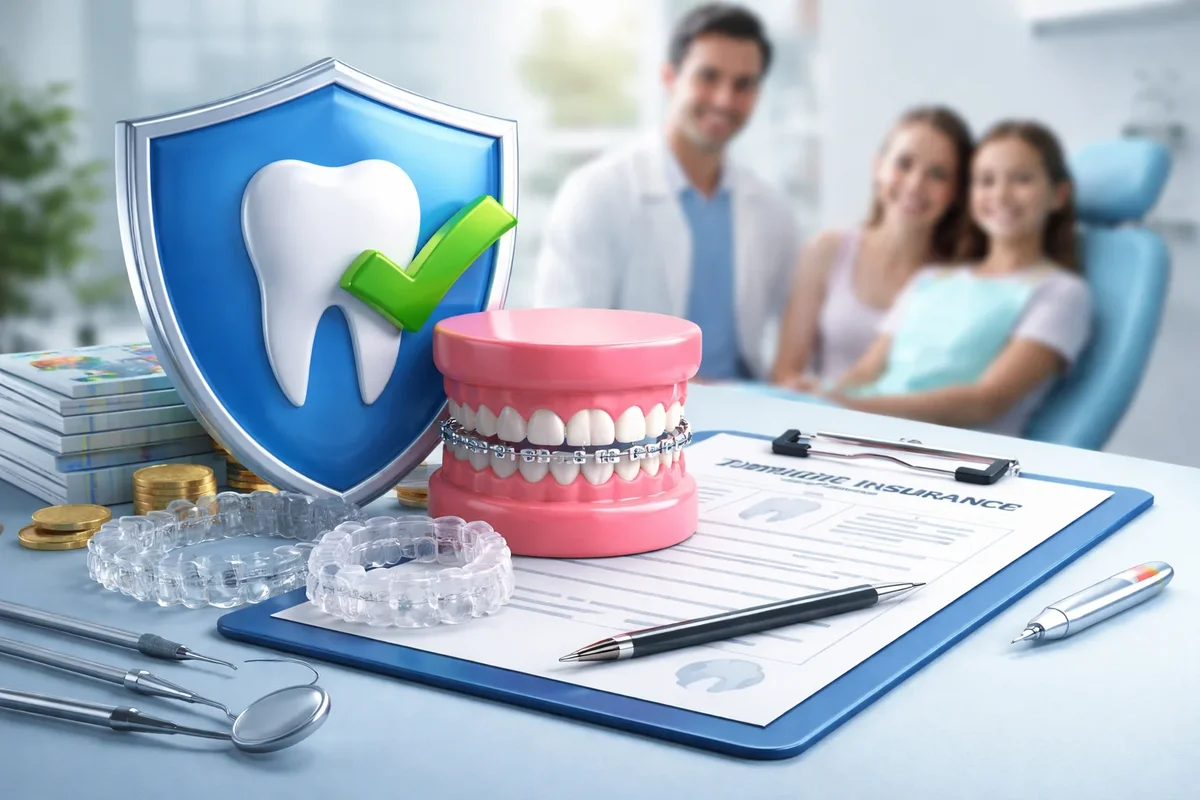
Is Orthodontic Health Cover Worth It? Expert Insights
One of the most common questions patients ask before starting orthodontic treatment is whether orthodontic health cover is truly worth it. With the rising costs of dental care and the increasing popularity of treatments like braces and clear aligners, orthodontic health cover has become a key consideration for individuals and families alike. But is it really a smart investment? The answer depends on several factors, including your dental needs, financial situation, and long-term oral health goals. 😊
Orthodontic health cover is designed to reduce the financial burden of corrective dental treatments, but its value goes beyond just saving money. It also provides access to better care, encourages early intervention, and offers peace of mind throughout the treatment process. Let’s explore expert insights to determine whether orthodontic health cover is worth it for you.
The Financial Perspective of Orthodontic Health Cover
From a financial standpoint, orthodontic health cover can provide significant savings, especially for complex or long-term treatments. Orthodontic procedures can be expensive, and without orthodontic health cover, patients often face high out-of-pocket costs.
Cost Comparison With and Without Coverage
Consider the following average costs:
- Braces: $3,000 – $7,000
- Clear aligners: $3,500 – $8,500
- Advanced treatments: $8,000+
With orthodontic health cover, a portion of these costs is reimbursed, often ranging from 30% to 70%. In many cases, orthodontic health cover can save patients thousands of dollars over the course of treatment.
When Orthodontic Health Cover Pays Off
Orthodontic health cover is particularly valuable when:
- You or your child require extensive orthodontic treatment
- You plan ahead and complete waiting periods
- You choose a plan with high lifetime limits
In these situations, orthodontic health cover offers a strong return on investment.
Health Benefits Beyond Cost Savings
Orthodontic health cover is not just about finances—it also plays a vital role in improving oral health. Misaligned teeth can lead to a variety of issues, including difficulty cleaning, increased risk of cavities, and jaw pain.
Improved Oral Function
Orthodontic treatments supported by orthodontic health cover help correct bite problems, making it easier to chew and speak properly. This improves overall quality of life and reduces long-term dental complications.
Preventive Care Advantages
Orthodontic health cover encourages early treatment, which can prevent more serious issues from developing. Early intervention often results in simpler, less expensive treatments, making orthodontic health cover even more valuable.
Organizations like the American Dental Association emphasize the importance of proper alignment for maintaining long-term oral health, further highlighting the value of orthodontic health cover.
Emotional and Lifestyle Benefits
The benefits of orthodontic health cover extend beyond physical health. A well-aligned smile can significantly boost confidence and improve social interactions.
Confidence and Self-Esteem
Many patients report increased self-confidence after completing orthodontic treatment. Orthodontic health cover makes these life-changing improvements more accessible.
Professional and Social Impact
For adults, a confident smile can enhance professional opportunities and social relationships. Orthodontic health cover helps make these benefits attainable without overwhelming financial stress.
Potential Drawbacks of Orthodontic Health Cover
While orthodontic health cover offers many advantages, it is important to consider potential drawbacks as well.
Waiting Periods
Most orthodontic health cover plans include waiting periods of up to 24 months. If you need immediate treatment, this can be a limitation.
Coverage Limits
Orthodontic health cover often includes lifetime limits, which may not fully cover high-cost treatments. Patients should be prepared for some out-of-pocket expenses.
Monthly Premium Costs
Maintaining orthodontic health cover requires paying regular premiums. Over time, these costs can add up, especially if you do not end up using the coverage extensively.
Who Benefits Most from Orthodontic Health Cover?
Orthodontic health cover is particularly beneficial for certain groups of people:
- Families with children likely to need braces
- Adults planning cosmetic or corrective treatments
- Individuals seeking long-term oral health improvements
For these groups, orthodontic health cover provides both financial and health-related advantages.
Long-Term Planners
People who plan ahead and invest in orthodontic health cover early tend to gain the most value. Completing waiting periods and aligning treatment timing with benefits can maximize returns.
Expert Recommendations for Choosing Orthodontic Health Cover
Experts recommend evaluating orthodontic health cover plans based on your specific needs rather than choosing the cheapest option. Consider factors such as coverage limits, included treatments, and provider networks.
If you need personalized advice, you can visit the Redent Klinik Contact Page to explore options tailored to your situation.
Key Questions to Ask
- What percentage of treatment costs does the plan cover?
- What are the lifetime and annual limits?
- Are my preferred treatments included?
- How long is the waiting period?
Answering these questions will help you determine whether a specific orthodontic health cover plan is worth it for you.
Final Verdict: Is Orthodontic Health Cover Worth It?
In most cases, orthodontic health cover is a worthwhile investment, especially for individuals and families planning orthodontic treatment. It provides financial support, improves access to care, and promotes better oral health outcomes.
However, the value of orthodontic health cover depends on how well it aligns with your needs and how effectively you use it. By choosing the right plan and planning your treatment strategically, you can maximize the benefits of orthodontic health cover.
Orthodontic health cover is more than just an insurance policy—it is a tool that empowers you to take control of your dental health and achieve a confident, healthy smile. 😁
In conclusion, orthodontic health cover is worth it for most patients when used wisely. With proper planning and informed decision-making, it can provide both financial savings and long-term health benefits, making it a valuable part of your overall healthcare strategy.