
Orthodontic hygiene is one of the most important aspects of maintaining a healthy, confident smile, especially for individuals undergoing orthodontic treatment such as braces or clear aligners. While straightening your teeth can significantly improve both appearance and oral function, neglecting proper orthodontic hygiene can lead to serious dental problems, including tooth decay, gum disease, plaque buildup, and permanent staining. That is why understanding and applying effective orthodontic hygiene practices is essential throughout your treatment journey. 😊
At its core, orthodontic hygiene refers to the daily care and maintenance of your teeth, gums, and orthodontic appliances to ensure optimal oral health. Unlike regular oral hygiene, orthodontic hygiene requires additional attention due to brackets, wires, and aligners that can trap food particles and bacteria. These hard-to-reach areas create an environment where plaque can accumulate quickly if not properly cleaned, increasing the risk of cavities and inflammation.
When orthodontic hygiene is neglected, white spots can form on teeth around brackets, which are early signs of enamel demineralization. Over time, these spots may turn into cavities that require restorative treatment. Additionally, poor orthodontic hygiene can lead to gingivitis, characterized by red, swollen gums that bleed easily. In severe cases, this can progress to periodontitis, which affects the supporting structures of the teeth. Therefore, maintaining excellent orthodontic hygiene is not just about aesthetics—it is about protecting your long-term oral health.
Another important aspect of orthodontic hygiene is consistency. Brushing once or twice a day is not enough when you have braces or aligners. You need to clean your teeth after every meal to prevent food debris from lingering in your orthodontic appliances. This consistent care ensures that harmful bacteria do not have the opportunity to thrive. Incorporating flossing and rinsing into your routine is also critical for achieving comprehensive orthodontic hygiene.
Orthodontic hygiene also plays a significant role in the success and duration of your treatment. When oral health issues arise due to poor orthodontic hygiene, your orthodontist may need to pause or modify your treatment plan. This can extend the time you need to wear braces or aligners, ultimately delaying your results. On the other hand, maintaining proper orthodontic hygiene allows your teeth to move efficiently and safely into their correct positions.
Modern orthodontic treatments have made orthodontic hygiene more manageable than ever. With tools such as interdental brushes, water flossers, and specialized orthodontic toothbrushes, patients can effectively clean around brackets and wires. However, simply having the right tools is not enough—you must use them correctly and consistently. Learning proper techniques and building a routine tailored to your needs is key to mastering orthodontic hygiene.
It is also important to recognize that orthodontic hygiene is not limited to brushing and flossing. It includes lifestyle choices such as avoiding sticky or sugary foods that can adhere to brackets and promote plaque formation. Drinking plenty of water and maintaining a balanced diet also contribute to better orthodontic hygiene by supporting overall oral health.
For those who wear clear aligners, orthodontic hygiene involves cleaning both the teeth and the aligners themselves. Aligners must be rinsed and cleaned regularly to prevent bacterial buildup and unpleasant odors. Failing to maintain proper orthodontic hygiene with aligners can lead to similar issues as braces, including cavities and gum irritation.
Education and awareness are fundamental when it comes to orthodontic hygiene. Many patients underestimate the importance of maintaining strict oral care routines during orthodontic treatment. By understanding the risks associated with poor orthodontic hygiene and the benefits of proper care, you can take proactive steps to protect your smile. Trusted organizations like the American Dental Association emphasize the importance of maintaining excellent oral hygiene, especially for individuals undergoing orthodontic treatment.
If you are unsure about your orthodontic hygiene routine or need personalized guidance, it is always a good idea to consult with a dental professional. You can reach out through the Redent Klinik Contact Page to get expert advice tailored to your specific needs. Professional support can make a significant difference in maintaining effective orthodontic hygiene throughout your treatment.
In summary, orthodontic hygiene is the foundation of a successful orthodontic journey. It ensures that your teeth remain healthy while they are being aligned, prevents complications, and helps you achieve the best possible results. By committing to a thorough and consistent orthodontic hygiene routine, you are investing in not only a beautiful smile but also long-lasting oral health. 🦷✨
What Is Orthodontic Hygiene and Why It Matters
Orthodontic hygiene is a specialized form of oral care that focuses on maintaining clean teeth, healthy gums, and properly cared-for orthodontic appliances such as braces, retainers, and aligners. Unlike general dental care, orthodontic hygiene requires extra attention because brackets, wires, and trays create additional surfaces where plaque and food particles can accumulate. Understanding the importance of orthodontic hygiene is essential for anyone undergoing orthodontic treatment, as it directly impacts both oral health and the success of the treatment. 🦷
Understanding the Basics of Orthodontic Hygiene
At a fundamental level, orthodontic hygiene includes brushing, flossing, and rinsing—but with enhanced techniques tailored to orthodontic appliances. Traditional brushing methods may not be sufficient because braces and aligners introduce hard-to-reach areas. This makes orthodontic hygiene more complex and demands a more detailed routine.
Orthodontic hygiene also involves maintaining clean orthodontic devices. For example, clear aligners must be cleaned regularly to prevent bacteria buildup, while braces require careful cleaning around brackets and wires. These additional steps ensure that orthodontic hygiene remains effective throughout the treatment process.
Key Components of Orthodontic Hygiene
- Thorough brushing after every meal
- Daily flossing using specialized tools
- Using antimicrobial mouthwash
- Cleaning orthodontic appliances regularly
- Maintaining a tooth-friendly diet
Each of these components contributes to a complete orthodontic hygiene routine, helping to minimize risks and maintain a healthy oral environment.
Why Orthodontic Hygiene Is Crucial During Treatment
Orthodontic hygiene is not just about keeping your teeth clean—it is about preventing serious dental issues that can arise during orthodontic treatment. Braces and aligners can trap food debris and plaque, making it easier for harmful bacteria to thrive. Without proper orthodontic hygiene, this can lead to cavities, gum disease, and enamel damage.
One of the most common problems associated with poor orthodontic hygiene is the formation of white spot lesions. These are early signs of tooth decay and can become permanent if not addressed. Maintaining proper orthodontic hygiene helps prevent these unsightly marks and preserves the natural appearance of your teeth.
Additionally, gum health plays a major role in orthodontic success. Inflamed or infected gums can slow down tooth movement and complicate treatment. By prioritizing orthodontic hygiene, patients can ensure that their gums remain healthy and supportive throughout the process.
Impact on Treatment Duration
Proper orthodontic hygiene can significantly influence how long your treatment takes. When oral health issues arise, orthodontists may need to pause adjustments or address complications before continuing. This can delay your progress and extend the overall treatment timeline. On the other hand, consistent orthodontic hygiene allows for smoother and more efficient tooth movement.
Orthodontic Hygiene and Overall Oral Health
Orthodontic hygiene is closely linked to overall oral health. When orthodontic hygiene is maintained at a high level, it reduces the risk of long-term dental problems such as cavities and periodontal disease. This means that once your orthodontic treatment is complete, your teeth will not only be straight but also healthy.
Good orthodontic hygiene also contributes to fresh breath and a clean feeling in the mouth. Food particles trapped in braces can lead to unpleasant odors if not properly removed. By practicing consistent orthodontic hygiene, you can maintain confidence in your smile and your oral freshness.
According to the American Dental Association, maintaining excellent oral hygiene during orthodontic treatment is essential for preventing complications and ensuring optimal results. This highlights the importance of making orthodontic hygiene a daily priority.
Who Needs to Focus on Orthodontic Hygiene?
Anyone undergoing orthodontic treatment should prioritize orthodontic hygiene, including children, teenagers, and adults. Each group may face different challenges, but the need for proper orthodontic hygiene remains the same. For younger patients, parental guidance is often necessary to ensure that orthodontic hygiene routines are followed correctly.
Adults, on the other hand, may need to adapt their busy schedules to include consistent orthodontic hygiene practices. Regardless of age, maintaining orthodontic hygiene is essential for achieving the desired results without complications.
Special Considerations for Different Appliances
Different orthodontic devices require slightly different orthodontic hygiene approaches. For example:
- Traditional braces require careful cleaning around brackets and wires
- Clear aligners must be removed and cleaned regularly
- Retainers need daily maintenance to prevent bacterial buildup
Understanding these differences is key to maintaining effective orthodontic hygiene and ensuring that each appliance functions properly.
The Role of Professional Support in Orthodontic Hygiene
While daily care is essential, professional support also plays a vital role in maintaining orthodontic hygiene. Regular dental checkups and cleanings help remove plaque and tartar that cannot be eliminated through brushing alone. Orthodontists can also provide personalized advice to improve your orthodontic hygiene routine.
If you need expert guidance or have concerns about your orthodontic hygiene, you can reach out through the Redent Klinik Contact Page. Professional assistance ensures that your orthodontic hygiene practices are effective and tailored to your needs.
In conclusion, orthodontic hygiene is a critical component of successful orthodontic treatment. It protects your teeth and gums, prevents complications, and helps you achieve the best possible results. By understanding what orthodontic hygiene involves and why it matters, you can take the necessary steps to maintain a healthy, beautiful smile throughout your orthodontic journey. 😊
Daily Orthodontic Hygiene Routine for Braces and Aligners
Maintaining a consistent and effective orthodontic hygiene routine is essential for anyone wearing braces or clear aligners. Unlike regular oral care, orthodontic hygiene requires more attention, precision, and frequency due to the presence of brackets, wires, or removable trays. These appliances create additional spaces where food particles and plaque can accumulate, increasing the risk of cavities and gum problems. A well-structured orthodontic hygiene routine not only protects your oral health but also ensures that your orthodontic treatment progresses smoothly and efficiently. 🦷✨
Why a Daily Orthodontic Hygiene Routine Is Critical
Orthodontic hygiene must be practiced daily and consistently because plaque can begin forming within hours after eating. When you have braces or aligners, the risk of plaque accumulation is significantly higher. Without proper orthodontic hygiene, bacteria can quickly multiply, leading to enamel damage, gum inflammation, and even bad breath.
A strong orthodontic hygiene routine helps eliminate these risks by removing food debris and preventing bacterial growth. It also supports healthier gums, which are essential for proper tooth movement during orthodontic treatment. In short, daily orthodontic hygiene is the foundation of both oral health and treatment success.
How Often Should You Perform Orthodontic Hygiene?
- Brush your teeth after every meal (at least 3 times daily)
- Floss at least once per day
- Rinse with mouthwash once or twice daily
- Clean aligners or appliances every time you remove them
Consistency is key when it comes to orthodontic hygiene. Skipping even one cleaning session can allow bacteria to build up quickly.
Step-by-Step Orthodontic Hygiene Routine
Creating a structured daily orthodontic hygiene routine ensures that no area of your mouth is neglected. Here is a detailed step-by-step process to help you maintain optimal orthodontic hygiene:
1. Brushing Properly with Braces or Aligners
Brushing is the most important part of orthodontic hygiene. Use a soft-bristled toothbrush or an electric toothbrush designed for orthodontic care. Hold the brush at a 45-degree angle and clean above and below the brackets carefully. For aligner users, brush your teeth before reinserting the trays to maintain proper orthodontic hygiene.
Spend at least two minutes brushing, ensuring that every surface is cleaned. Pay special attention to areas around brackets, wires, and gum lines, as these are the most common spots for plaque buildup.
2. Flossing with Orthodontic Appliances
Flossing can be challenging with braces, but it is an essential part of orthodontic hygiene. Use floss threaders, orthodontic floss, or water flossers to clean between teeth and under wires. This step removes debris that brushing alone cannot reach.
For aligner users, flossing is more straightforward but equally important. Maintaining proper orthodontic hygiene through flossing helps prevent gum disease and ensures a healthier mouth.
3. Using Mouthwash for Extra Protection
Mouthwash is a valuable addition to your orthodontic hygiene routine. An antimicrobial or fluoride mouthwash helps reduce bacteria, strengthen enamel, and reach areas that brushing and flossing might miss.
Rinsing daily supports your orthodontic hygiene efforts and provides an extra layer of protection against cavities and gum inflammation.
4. Cleaning Aligners and Appliances
If you wear clear aligners, cleaning them is a crucial part of orthodontic hygiene. Rinse them with lukewarm water and use a gentle cleaning solution or specialized aligner cleaner. Avoid using hot water, as it can warp the trays.
For braces, ensure that elastic bands and other removable components are kept clean and replaced as directed. Proper appliance care is an essential part of maintaining orthodontic hygiene.
Morning vs. Night Orthodontic Hygiene Routine
Orthodontic hygiene routines can vary slightly depending on the time of day. In the morning, your focus should be on removing bacteria that accumulated overnight. At night, orthodontic hygiene becomes even more critical because your mouth produces less saliva during sleep, allowing bacteria to thrive.
A complete nighttime orthodontic hygiene routine should include thorough brushing, flossing, and rinsing. Skipping nighttime care can significantly increase the risk of dental problems.
Quick Morning Routine
- Brush thoroughly
- Rinse with mouthwash
- Clean aligners before wearing
Comprehensive Night Routine
- Brush for at least two minutes
- Floss carefully around all teeth
- Use mouthwash for added protection
- Clean all orthodontic appliances
Common Challenges in Maintaining Orthodontic Hygiene
Many patients struggle to maintain consistent orthodontic hygiene due to busy schedules or difficulty cleaning around braces. However, overcoming these challenges is essential for preventing complications.
Carrying a travel-sized orthodontic hygiene kit can make it easier to clean your teeth after meals, even when you are away from home. This simple habit can significantly improve your orthodontic hygiene routine.
Tips to Stay Consistent
- Set reminders for brushing and flossing
- Keep orthodontic hygiene tools easily accessible
- Develop a routine that fits your lifestyle
Professional Guidance for Better Orthodontic Hygiene
While a daily routine is essential, professional support enhances your orthodontic hygiene efforts. Regular dental visits allow professionals to monitor your oral health and provide tailored advice.
If you need personalized recommendations for your orthodontic hygiene routine, you can contact experts through the Redent Klinik Contact Page. Professional guidance ensures that your orthodontic hygiene practices are effective and aligned with your treatment plan.
In summary, a daily orthodontic hygiene routine for braces and aligners is essential for maintaining oral health and achieving the best treatment results. By following a structured approach and staying consistent, you can protect your teeth, prevent complications, and enjoy a healthier, more confident smile throughout your orthodontic journey. 😊
Best Tools and Products for Effective Orthodontic Hygiene
Achieving excellent orthodontic hygiene is not only about consistency—it is also about using the right tools and products. When you wear braces or aligners, traditional brushing and flossing methods are often not enough to remove plaque and food particles effectively. Orthodontic hygiene requires specialized equipment designed to reach difficult areas around brackets, wires, and trays. Choosing the right tools can dramatically improve your oral health, prevent complications, and make your orthodontic journey much more comfortable. 🦷✨
Why Specialized Tools Are Essential for Orthodontic Hygiene
Orthodontic hygiene is more complex than regular oral care because orthodontic appliances create additional surfaces where debris can accumulate. Standard toothbrushes and floss may not effectively clean these areas. That is why orthodontic hygiene tools are specifically designed to access tight spaces and ensure a deeper clean.
Using the correct tools for orthodontic hygiene helps reduce plaque buildup, prevent gum inflammation, and minimize the risk of cavities. It also supports better breath and a cleaner overall feeling in the mouth. Investing in the right products is a key step toward maintaining consistent orthodontic hygiene.
Main Benefits of Using Orthodontic Hygiene Tools
- Improved plaque removal around brackets and wires
- Better gum health and reduced inflammation
- Enhanced comfort during cleaning
- More efficient and faster orthodontic hygiene routine
Top Toothbrush Options for Orthodontic Hygiene
Choosing the right toothbrush is the foundation of effective orthodontic hygiene. There are several types of toothbrushes designed specifically for orthodontic care, each offering unique advantages.
Manual Orthodontic Toothbrush
Orthodontic toothbrushes are designed with V-shaped bristles that clean around brackets more effectively. These brushes are ideal for maintaining orthodontic hygiene when used with proper technique.
Electric Toothbrush
Electric toothbrushes are highly recommended for orthodontic hygiene because they provide consistent motion and better plaque removal. Many models include pressure sensors and timers, which help ensure thorough cleaning without damaging the gums or appliances.
For patients serious about orthodontic hygiene, an electric toothbrush can significantly improve cleaning efficiency and overall results.
Flossing Tools for Orthodontic Hygiene
Flossing is one of the most challenging aspects of orthodontic hygiene, but it is also one of the most important. Specialized flossing tools make this process much easier and more effective.
Floss Threaders
Floss threaders allow you to guide dental floss under wires, making it possible to clean between teeth properly. This tool is essential for maintaining complete orthodontic hygiene.
Water Flossers
Water flossers use a stream of water to remove debris and bacteria from hard-to-reach areas. They are extremely effective for orthodontic hygiene and are especially helpful for individuals who struggle with traditional flossing methods.
Water flossers are a valuable addition to any orthodontic hygiene routine, providing both convenience and thorough cleaning.
Interdental Brushes for Precision Cleaning
Interdental brushes are small, flexible brushes designed to clean between teeth and around orthodontic appliances. These tools are perfect for targeting areas that standard toothbrushes cannot reach.
Using interdental brushes daily enhances orthodontic hygiene by removing stubborn debris and reducing plaque buildup. They are particularly useful after meals when food particles may be trapped in braces.
How to Use Interdental Brushes Effectively
- Insert gently between brackets and wires
- Move back and forth to remove debris
- Rinse the brush after each use
Incorporating interdental brushes into your orthodontic hygiene routine ensures a more comprehensive clean.
Mouthwash and Fluoride Products
Mouthwash is an important component of orthodontic hygiene because it reaches areas that brushing and flossing might miss. Fluoride mouthwash helps strengthen enamel and protect against cavities, which is especially important during orthodontic treatment.
Antimicrobial mouthwashes also reduce bacteria, supporting better gum health and overall orthodontic hygiene. Using mouthwash daily enhances your routine and provides an extra layer of protection.
Choosing the Right Mouthwash
- Fluoride-based for cavity prevention
- Alcohol-free for sensitive mouths
- Antibacterial for gum health
Cleaning Products for Aligners and Retainers
For patients using clear aligners or retainers, cleaning these devices is a crucial part of orthodontic hygiene. Specialized cleaning tablets and solutions help remove bacteria and prevent odors.
Aligners should be cleaned daily using gentle, non-abrasive products. Avoid toothpaste, as it can scratch the surface. Proper care of aligners ensures that orthodontic hygiene is maintained both inside and outside the mouth.
Cost of Orthodontic Hygiene Tools 💰
Investing in orthodontic hygiene tools is essential, but many patients wonder about the cost. Below is an estimated price range for common orthodontic hygiene products:
Electric Toothbrush: $40 - $150
Water Flosser: $30 - $100
Orthodontic Toothbrush (Manual): $5 - $15
Interdental Brushes: $5 - $20
Floss Threaders: $3 - $10
Mouthwash: $5 - $15
Aligner Cleaning Tablets: $10 - $30
While these costs may seem like an additional expense, they are a worthwhile investment in maintaining proper orthodontic hygiene and avoiding costly dental treatments in the future.
Professional Recommendations for Orthodontic Hygiene
Dental professionals strongly emphasize the importance of using the right tools for orthodontic hygiene. According to the American Dental Association, proper oral care tools significantly improve plaque control and reduce the risk of dental issues during orthodontic treatment.
If you are unsure which products are best for your needs, you can consult experts through the Redent Klinik Contact Page. Professional guidance ensures that your orthodontic hygiene routine is both effective and personalized.
In conclusion, the best tools and products for orthodontic hygiene are those that address the unique challenges of braces and aligners. By investing in specialized equipment and using it consistently, you can maintain excellent oral health, prevent complications, and achieve the best possible results from your orthodontic treatment. 😊
Common Orthodontic Hygiene Mistakes to Avoid
Maintaining proper orthodontic hygiene is essential for achieving a healthy, beautiful smile during and after orthodontic treatment. However, many patients unknowingly make mistakes that can compromise their oral health and slow down treatment progress. Understanding these common errors is the first step toward improving your orthodontic hygiene routine and avoiding unnecessary complications. Even small mistakes, when repeated daily, can lead to plaque buildup, gum inflammation, enamel damage, and longer treatment times. 😬
Why Avoiding Orthodontic Hygiene Mistakes Is So Important
Orthodontic hygiene mistakes can have serious consequences. Braces and aligners create an environment where bacteria can thrive if not properly managed. When orthodontic hygiene is neglected or performed incorrectly, plaque accumulates quickly, increasing the risk of cavities and gum disease. These issues not only affect your oral health but can also interfere with the effectiveness of your orthodontic treatment.
By identifying and correcting mistakes early, you can maintain consistent orthodontic hygiene and ensure that your treatment progresses smoothly. This proactive approach helps protect your teeth, reduce discomfort, and achieve better long-term results.
Key Risks of Poor Orthodontic Hygiene
- Tooth decay and cavities
- Gum inflammation and bleeding
- White spot lesions on enamel
- Bad breath caused by trapped food
- Extended orthodontic treatment time
Skipping Brushing After Meals
One of the most common orthodontic hygiene mistakes is failing to brush after eating. Food particles can easily become trapped in braces or aligners, creating a breeding ground for bacteria. Without immediate cleaning, these particles contribute to plaque buildup and increase the risk of dental issues.
Orthodontic hygiene requires brushing after every meal, not just twice a day. Skipping this step—even occasionally—can have a cumulative negative effect on your oral health.
How to Fix This Mistake
- Carry a travel toothbrush and toothpaste
- Rinse your mouth if brushing is not immediately possible
- Set reminders to maintain consistent orthodontic hygiene
Improper Brushing Technique
Brushing incorrectly is another major orthodontic hygiene mistake. Many patients brush too quickly or fail to clean around brackets and wires thoroughly. This leaves plaque behind and reduces the effectiveness of the routine.
Orthodontic hygiene requires a more detailed brushing technique, including cleaning above, below, and around brackets. Using the wrong angle or insufficient pressure can compromise your results.
Correct Brushing Approach
- Brush for at least two minutes
- Use a 45-degree angle toward the gumline
- Clean each bracket individually
- Use an orthodontic or electric toothbrush for better results
Neglecting Flossing
Flossing is often overlooked because it can be challenging with braces. However, skipping this step is a serious orthodontic hygiene mistake. Flossing removes plaque and debris from between teeth—areas that brushing cannot reach.
Without flossing, bacteria accumulate in these tight spaces, leading to gum disease and cavities. Proper orthodontic hygiene must always include daily flossing.
Solutions for Easier Flossing
- Use floss threaders or orthodontic floss
- Try a water flosser for convenience
- Incorporate flossing into your nightly orthodontic hygiene routine
Using the Wrong Tools
Another common orthodontic hygiene mistake is relying on standard dental tools that are not designed for orthodontic care. Regular toothbrushes and floss may not effectively clean around braces or aligners.
Orthodontic hygiene requires specialized tools such as interdental brushes, water flossers, and orthodontic toothbrushes. Using the wrong tools can limit your ability to maintain proper cleanliness.
Recommended Tools for Better Orthodontic Hygiene
- Orthodontic toothbrush or electric toothbrush
- Interdental brushes for tight spaces
- Water flosser for deep cleaning
- Fluoride mouthwash for added protection
Ignoring Diet Restrictions
Diet plays a significant role in orthodontic hygiene, yet many patients ignore dietary guidelines. Sticky, sugary, and hard foods can damage braces and increase plaque buildup. This makes orthodontic hygiene more difficult and less effective.
Consuming these foods frequently can lead to cavities and prolong treatment time. Maintaining a tooth-friendly diet is a critical part of orthodontic hygiene.
Foods to Avoid
- Sticky candies and chewing gum
- Hard foods like nuts and ice
- Sugary snacks and beverages
Not Cleaning Aligners Properly
For aligner users, neglecting to clean trays is a common orthodontic hygiene mistake. Aligners can harbor bacteria if not cleaned regularly, leading to bad breath and increased risk of oral health issues.
Orthodontic hygiene includes cleaning aligners every time they are removed. This ensures that bacteria are not reintroduced into the mouth.
Proper Aligner Care Tips
- Rinse aligners with lukewarm water
- Use specialized cleaning solutions
- Avoid hot water to prevent damage
Skipping Dental Appointments
Some patients believe that daily orthodontic hygiene is enough and skip regular dental visits. This is a mistake. Professional cleanings remove plaque and tartar that cannot be eliminated at home.
Orthodontic hygiene is most effective when combined with professional care. Regular checkups allow dentists to detect and address issues early.
Benefits of Regular Visits
- Professional plaque removal
- Early detection of dental problems
- Personalized orthodontic hygiene advice
For professional support, you can always consult experts through the Redent Klinik Contact Page, ensuring your orthodontic hygiene routine is optimized for success.
Relying Only on Brushing
Many patients mistakenly believe that brushing alone is sufficient for orthodontic hygiene. While brushing is essential, it cannot remove all debris and bacteria. A complete orthodontic hygiene routine must include flossing, rinsing, and using specialized tools.
According to the American Dental Association, a comprehensive oral care routine is necessary to maintain optimal dental health, especially during orthodontic treatment.
Final Thoughts on Avoiding Orthodontic Hygiene Mistakes
Orthodontic hygiene mistakes are common, but they are also preventable. By understanding these errors and taking proactive steps to correct them, you can maintain a healthier mouth and achieve better treatment outcomes. Consistency, proper technique, and the right tools are the keys to successful orthodontic hygiene.
In conclusion, avoiding common orthodontic hygiene mistakes is essential for protecting your teeth, maintaining healthy gums, and ensuring the success of your orthodontic treatment. With the right approach, you can enjoy a smooth journey toward a confident, radiant smile. 😊
How Diet Impacts Orthodontic Hygiene and Oral Health
Your diet plays a crucial role in maintaining effective orthodontic hygiene throughout your treatment. While brushing and flossing are essential, what you eat directly influences plaque formation, enamel strength, gum health, and the overall success of your orthodontic journey. Orthodontic hygiene is not only about cleaning your teeth—it is also about making smart dietary choices that support oral health and protect your orthodontic appliances. 🍎
When you wear braces or aligners, your teeth and gums are more vulnerable to damage from certain foods. Sticky, sugary, and acidic foods can cling to brackets and wires or become trapped under aligners, making orthodontic hygiene more difficult. Understanding how diet affects orthodontic hygiene helps you make better decisions that protect your smile and prevent complications.
The Relationship Between Diet and Orthodontic Hygiene
Orthodontic hygiene is closely connected to the types of food and drinks you consume daily. Foods rich in sugar and starch feed harmful bacteria in the mouth, leading to plaque buildup and acid production. These acids attack the enamel, increasing the risk of cavities and white spot lesions.
On the other hand, a balanced diet rich in vitamins and minerals supports strong teeth and healthy gums, making orthodontic hygiene more effective. By choosing the right foods, you can enhance your orthodontic hygiene routine and improve your overall oral health.
How Food Affects Orthodontic Hygiene
- Sugary foods increase plaque formation
- Acidic drinks weaken enamel
- Sticky foods cling to braces and wires
- Hard foods can damage orthodontic appliances
Each of these factors directly impacts your ability to maintain proper orthodontic hygiene.
Foods That Harm Orthodontic Hygiene
Certain foods should be avoided or limited during orthodontic treatment because they interfere with orthodontic hygiene and increase the risk of dental issues. These foods not only make cleaning more difficult but can also damage braces or aligners.
Sticky and Sugary Foods
Sticky candies, caramel, and chewing gum are among the worst offenders when it comes to orthodontic hygiene. These foods adhere to brackets and wires, making them difficult to remove even with thorough brushing.
Sugary snacks also promote bacterial growth, which can lead to cavities and gum inflammation if orthodontic hygiene is not maintained properly.
Hard Foods
Hard foods such as nuts, popcorn kernels, and ice can break brackets or bend wires. This not only disrupts your orthodontic treatment but also creates areas where plaque can accumulate, making orthodontic hygiene more challenging.
Acidic Beverages
Soft drinks, energy drinks, and citrus juices contain acids that weaken tooth enamel. When combined with poor orthodontic hygiene, these drinks can significantly increase the risk of enamel erosion and decay.
Foods That Support Orthodontic Hygiene
Just as some foods can harm orthodontic hygiene, others can support it. Choosing the right foods helps maintain strong teeth and healthy gums, making your orthodontic hygiene routine more effective.
Calcium-Rich Foods
Dairy products such as milk, cheese, and yogurt are excellent for strengthening enamel. Strong teeth are more resistant to decay, making orthodontic hygiene easier to maintain.
Crunchy Fruits and Vegetables
Apples, carrots, and celery can help clean teeth naturally by stimulating saliva production. Saliva plays an important role in orthodontic hygiene by neutralizing acids and washing away food particles.
Foods Rich in Vitamins
Vitamin C supports gum health, while vitamin D helps the body absorb calcium. Including these nutrients in your diet enhances your orthodontic hygiene and overall oral health.
Meal Timing and Orthodontic Hygiene
When you eat is just as important as what you eat. Frequent snacking can expose your teeth to constant acid attacks, making orthodontic hygiene more difficult. Each time you eat, bacteria produce acids that can damage enamel.
Limiting snacks and maintaining regular meal times allows your mouth to recover and reduces the burden on your orthodontic hygiene routine. After every meal, it is important to brush your teeth to maintain proper orthodontic hygiene.
Best Practices for Meal Timing
- Avoid frequent snacking
- Brush after every meal
- Drink water to rinse your mouth
Hydration and Orthodontic Hygiene
Staying hydrated is an often-overlooked aspect of orthodontic hygiene. Water helps wash away food particles and bacteria, reducing plaque buildup. It also supports saliva production, which is essential for maintaining a healthy oral environment.
Choosing water over sugary or acidic beverages is one of the simplest ways to improve your orthodontic hygiene and protect your teeth during treatment.
Special Considerations for Aligner Users
If you wear clear aligners, your diet has an even greater impact on orthodontic hygiene. Aligners must be removed before eating, and your teeth should be cleaned before putting them back in. Failing to do so can trap food particles and bacteria against your teeth.
Orthodontic hygiene for aligner users includes cleaning both the teeth and the aligners regularly. This ensures that your mouth remains clean and free from harmful bacteria.
Aligner Hygiene Tips
- Always remove aligners before eating
- Brush before reinserting aligners
- Clean aligners daily with appropriate solutions
Professional Advice on Diet and Orthodontic Hygiene
Dental professionals emphasize the importance of diet in maintaining orthodontic hygiene. According to the American Dental Association, limiting sugar intake and maintaining a balanced diet are essential for preventing dental problems during orthodontic treatment.
If you need personalized dietary advice to improve your orthodontic hygiene, you can consult professionals through the Redent Klinik Contact Page. Expert guidance ensures that your dietary habits support your orthodontic treatment.
Conclusion: Diet as a Key Part of Orthodontic Hygiene
In conclusion, diet is a powerful factor that directly affects orthodontic hygiene and oral health. By avoiding harmful foods, choosing nutrient-rich options, and maintaining proper meal timing, you can enhance your orthodontic hygiene routine and protect your teeth throughout treatment.
Orthodontic hygiene is not just about cleaning—it is about making smart lifestyle choices that support your oral health. With the right diet and consistent care, you can achieve a healthier, brighter smile and enjoy long-lasting results from your orthodontic treatment. 😊
Orthodontic Hygiene Tips for Kids and Teenagers
Maintaining proper orthodontic hygiene is especially important for kids and teenagers undergoing orthodontic treatment. At a younger age, patients often face challenges such as inconsistent routines, limited attention to detail, and a higher preference for sugary foods. These factors can make orthodontic hygiene more difficult to maintain. However, with the right guidance, habits, and tools, children and teens can successfully develop strong orthodontic hygiene practices that protect their oral health and support effective treatment outcomes. 🧒🦷
Orthodontic hygiene for younger patients is not just about keeping teeth clean—it is about building lifelong habits. Since braces and aligners create additional areas where food and bacteria can accumulate, kids and teens must learn how to properly care for their teeth and appliances. Early education and parental involvement play a crucial role in ensuring that orthodontic hygiene becomes a consistent part of their daily routine.
Why Orthodontic Hygiene Is Crucial for Young Patients
Orthodontic hygiene is particularly important for kids and teenagers because their oral habits are still developing. Poor orthodontic hygiene during this stage can lead to long-term dental issues such as cavities, gum disease, and permanent enamel damage.
Additionally, younger patients may be more prone to consuming sugary snacks and drinks, which increase the risk of plaque buildup. Without proper orthodontic hygiene, these habits can quickly result in dental complications that may interfere with orthodontic treatment.
Common Risks for Kids and Teens
- Higher consumption of sugary foods and drinks
- Inconsistent brushing and flossing habits
- Difficulty cleaning around braces
- Increased risk of plaque and cavities
Addressing these risks early is essential for maintaining effective orthodontic hygiene and ensuring successful treatment.
Building Strong Orthodontic Hygiene Habits
Developing good orthodontic hygiene habits at a young age sets the foundation for lifelong oral health. Kids and teenagers need clear instructions and consistent reminders to maintain their routines.
Daily Routine for Effective Orthodontic Hygiene
- Brush teeth after every meal using proper technique
- Floss daily with orthodontic tools
- Use mouthwash for additional protection
- Clean aligners or appliances regularly
Encouraging children to follow this routine consistently helps reinforce the importance of orthodontic hygiene and makes it easier to maintain over time.
The Role of Parents in Orthodontic Hygiene
Parents play a vital role in ensuring that kids maintain proper orthodontic hygiene. Younger children may not have the skills or discipline to clean their teeth effectively, so supervision and guidance are essential.
Parents should monitor brushing and flossing routines, provide the necessary tools, and encourage healthy habits. Making orthodontic hygiene a shared responsibility can significantly improve compliance and results.
Tips for Parents
- Set a consistent daily orthodontic hygiene schedule
- Provide child-friendly orthodontic hygiene tools
- Encourage and reward good habits
- Lead by example with your own oral care routine
Making Orthodontic Hygiene Fun and Engaging
One of the biggest challenges in maintaining orthodontic hygiene for kids and teenagers is keeping them motivated. Turning oral care into a fun and engaging activity can make a significant difference.
Using colorful toothbrushes, flavored toothpaste, and interactive apps can help make orthodontic hygiene more enjoyable. Gamifying the process encourages consistency and helps children stay committed to their routine.
Creative Ways to Encourage Orthodontic Hygiene
- Use a timer or music to make brushing fun
- Create a reward system for consistent orthodontic hygiene
- Use apps that track brushing habits
Dietary Habits and Orthodontic Hygiene for Teens
Diet plays a major role in orthodontic hygiene, especially for teenagers who often consume snacks and sugary drinks. Educating teens about the impact of diet on their oral health is essential.
Encouraging healthier food choices supports better orthodontic hygiene and reduces the risk of dental problems. Teens should be aware of how certain foods can damage braces or contribute to plaque buildup.
Healthy Eating Tips
- Choose water over sugary beverages
- Limit sticky and hard foods
- Eat balanced meals rich in nutrients
Orthodontic Hygiene Challenges in Teenagers
Teenagers often face unique challenges when it comes to orthodontic hygiene. Busy schedules, social activities, and a lack of motivation can lead to inconsistent care. However, maintaining proper orthodontic hygiene is essential for achieving the desired results.
Educating teens about the long-term benefits of orthodontic hygiene can help them stay committed. A healthy, attractive smile is often a strong motivator for maintaining good habits.
Overcoming Teen Challenges
- Keep orthodontic hygiene kits portable
- Set reminders for brushing and flossing
- Emphasize the importance of appearance and confidence
Professional Support for Young Patients
Regular dental visits are essential for maintaining orthodontic hygiene in kids and teenagers. Professional cleanings remove plaque and tartar that cannot be eliminated at home, while orthodontists can provide personalized advice.
According to the American Dental Association, early education and consistent oral care are key to preventing dental issues in young patients. This highlights the importance of maintaining strong orthodontic hygiene habits from an early age.
If you need expert support for your child’s orthodontic hygiene, you can consult professionals through the Redent Klinik Contact Page. Personalized guidance ensures that young patients receive the best care possible.
Conclusion: Setting the Foundation for Lifelong Orthodontic Hygiene
In conclusion, orthodontic hygiene for kids and teenagers is essential for both short-term treatment success and long-term oral health. By building strong habits, encouraging consistency, and providing proper guidance, parents and caregivers can help young patients maintain excellent orthodontic hygiene.
With the right approach, orthodontic hygiene becomes a natural part of daily life, leading to healthier teeth, improved confidence, and a beautiful smile that lasts a lifetime. 😊
Professional Care and Checkups for Orthodontic Hygiene
While daily routines are the foundation of good oral care, professional care plays an equally vital role in maintaining effective orthodontic hygiene. Regular dental checkups and professional cleanings ensure that areas missed during daily brushing and flossing are properly addressed. Orthodontic hygiene is not limited to at-home care—it is a combination of personal effort and expert supervision. This partnership is essential for preventing complications and ensuring that your orthodontic treatment progresses smoothly. 🦷
Many patients underestimate the importance of professional visits during orthodontic treatment. However, even the most diligent orthodontic hygiene routine cannot completely eliminate plaque and tartar buildup. Over time, these deposits harden and require specialized tools for removal. Professional care bridges this gap, making orthodontic hygiene more effective and comprehensive.
Why Professional Care Is Essential for Orthodontic Hygiene
Orthodontic appliances such as braces and aligners create additional surfaces where plaque can accumulate. Despite careful brushing and flossing, some areas remain difficult to clean. This is where professional care becomes crucial for maintaining proper orthodontic hygiene.
Dentists and orthodontists are trained to identify early signs of problems such as cavities, gum inflammation, and enamel damage. Early detection allows for timely intervention, preventing more serious complications. Regular checkups ensure that orthodontic hygiene is maintained at a high standard throughout treatment.
Key Benefits of Professional Orthodontic Hygiene Care
- Removal of plaque and tartar buildup
- Early detection of dental issues
- Improved gum health and reduced inflammation
- Guidance on improving orthodontic hygiene techniques
Frequency of Dental Visits During Orthodontic Treatment
Patients undergoing orthodontic treatment should visit their dentist regularly, typically every 6 months or more frequently if recommended. These visits are essential for maintaining consistent orthodontic hygiene and preventing potential issues.
Orthodontic appointments, on the other hand, may occur every 4 to 8 weeks depending on the treatment plan. These visits focus on adjusting braces or monitoring aligner progress, but they also provide an opportunity to assess orthodontic hygiene.
Recommended Visit Schedule
- Dental checkups: Every 6 months
- Orthodontic adjustments: Every 4–8 weeks
- Additional visits if issues arise
Following this schedule ensures that orthodontic hygiene is consistently monitored and maintained.
Professional Cleaning Procedures for Orthodontic Hygiene
Professional dental cleanings are a key component of orthodontic hygiene. During these sessions, dental hygienists use specialized instruments to remove plaque and tartar from areas that are difficult to reach with regular brushing.
These cleanings are particularly important for patients with braces, as brackets and wires can trap debris. Professional cleaning helps prevent staining and keeps teeth looking their best throughout treatment.
What to Expect During a Cleaning
- Removal of plaque and tartar
- Polishing of teeth to remove surface stains
- Fluoride treatment for added protection
- Evaluation of overall orthodontic hygiene
These steps ensure that orthodontic hygiene is maintained at a professional level.
Monitoring Gum Health and Orthodontic Hygiene
Gum health is a critical aspect of orthodontic hygiene. Inflamed or infected gums can interfere with tooth movement and slow down treatment progress. During checkups, dentists assess gum condition and provide recommendations to improve orthodontic hygiene.
Signs of poor gum health include redness, swelling, and bleeding. Addressing these issues early is essential for maintaining effective orthodontic hygiene and avoiding complications.
Tips for Healthy Gums
- Brush gently along the gumline
- Floss daily to remove plaque
- Use antibacterial mouthwash
Orthodontist’s Role in Maintaining Orthodontic Hygiene
Orthodontists play a crucial role in guiding patients toward better orthodontic hygiene. During appointments, they evaluate how well patients are maintaining their oral care routines and provide personalized advice.
They may recommend specific tools or techniques to improve orthodontic hygiene, such as using interdental brushes or adjusting brushing methods. Their expertise ensures that patients receive tailored guidance based on their individual needs.
Personalized Orthodontic Hygiene Advice
- Recommendations for specific cleaning tools
- Guidance on improving brushing technique
- Advice on managing problem areas
Cost of Professional Orthodontic Hygiene Care 💰
Professional care is an important investment in your oral health. While costs can vary depending on location and clinic, here is a general estimate of expenses related to orthodontic hygiene services:
Routine Dental Cleaning: $75 - $200
Deep Cleaning (Scaling & Root Planing): $150 - $400 per quadrant
Orthodontic Checkup: Usually included in treatment plan
Fluoride Treatment: $20 - $50
These services support effective orthodontic hygiene and help prevent more expensive treatments in the future.
Trusted Recommendations for Orthodontic Hygiene
Leading organizations such as the American Dental Association emphasize the importance of regular dental visits during orthodontic treatment. Professional care complements daily routines and ensures optimal oral health.
If you are unsure about your orthodontic hygiene routine or need expert advice, you can reach out through the Redent Klinik Contact Page. Professional guidance can help you maintain the highest standards of orthodontic hygiene.
Conclusion: Combining Professional Care with Daily Orthodontic Hygiene
In conclusion, professional care and regular checkups are essential components of effective orthodontic hygiene. While daily routines form the foundation, professional visits ensure that no detail is overlooked. Together, they create a comprehensive approach to oral care that protects your teeth and supports successful orthodontic treatment.
By combining consistent at-home care with expert supervision, you can maintain excellent orthodontic hygiene, prevent complications, and achieve a healthy, confident smile. 😊
Managing Pain and Discomfort While Maintaining Orthodontic Hygiene
Orthodontic treatment often comes with a certain level of discomfort, especially after adjustments or when starting with new aligners. However, maintaining proper orthodontic hygiene during these periods is absolutely essential. Many patients tend to neglect orthodontic hygiene when experiencing pain, but this can lead to serious oral health problems. The key is learning how to manage discomfort effectively while continuing a consistent orthodontic hygiene routine. 🦷
Orthodontic hygiene should never be compromised, even when your teeth feel sensitive. In fact, maintaining good orthodontic hygiene during these times can actually help reduce inflammation and speed up recovery. By using the right techniques and tools, you can ensure that your orthodontic hygiene remains effective without causing additional discomfort.
Why Pain Occurs During Orthodontic Treatment
Pain and discomfort are normal parts of orthodontic treatment. They typically occur because your teeth are being gradually moved into new positions. This movement affects the surrounding bone and tissues, leading to temporary sensitivity.
Despite this discomfort, maintaining orthodontic hygiene is critical. Poor orthodontic hygiene can worsen inflammation and prolong discomfort, making the situation more difficult to manage.
Common Causes of Discomfort
- Adjustments to braces or wires
- Switching to new aligner trays
- Pressure from tooth movement
- Irritation from brackets or wires
Understanding these causes helps patients approach orthodontic hygiene more confidently, even during uncomfortable periods.
How Orthodontic Hygiene Helps Reduce Discomfort
Maintaining proper orthodontic hygiene can actually alleviate some of the discomfort associated with treatment. Clean teeth and gums are less likely to become inflamed, which reduces sensitivity and irritation.
When orthodontic hygiene is neglected, plaque buildup can irritate the gums, making pain worse. On the other hand, a consistent orthodontic hygiene routine promotes healing and keeps your mouth in a healthier state.
Benefits of Good Orthodontic Hygiene During Pain
- Reduced gum inflammation
- Faster recovery after adjustments
- Lower risk of infection
- Improved overall comfort
Gentle Brushing Techniques for Sensitive Teeth
When your teeth are sensitive, it is important to adjust your orthodontic hygiene routine rather than skip it. Using gentle brushing techniques can help you maintain cleanliness without causing additional pain.
Tips for Gentle Brushing
- Use a soft-bristled toothbrush
- Brush slowly and carefully around brackets
- Avoid applying excessive pressure
- Use lukewarm water to reduce sensitivity
These adjustments allow you to continue your orthodontic hygiene routine while minimizing discomfort.
Using Orthodontic Wax for Relief
Orthodontic wax is a simple yet effective solution for reducing irritation caused by brackets and wires. Applying wax to areas that rub against the cheeks or lips can significantly improve comfort.
Using wax does not interfere with orthodontic hygiene. In fact, it makes it easier to maintain your routine by reducing pain and allowing you to clean your teeth more effectively.
How to Apply Orthodontic Wax
- Dry the area before application
- Place a small amount of wax over the bracket
- Replace wax as needed throughout the day
Pain Management Options for Orthodontic Hygiene
There are several ways to manage discomfort while maintaining proper orthodontic hygiene. These methods help reduce pain without compromising your oral care routine.
Effective Pain Relief Strategies
- Use over-the-counter pain relievers if recommended
- Rinse with warm salt water to reduce inflammation
- Apply cold compresses to relieve soreness
- Stick to soft foods during sensitive periods
These strategies support your orthodontic hygiene by making it easier to continue daily care.
Best Foods to Eat During Discomfort
Diet plays an important role in managing pain and maintaining orthodontic hygiene. Soft foods are easier to chew and less likely to cause irritation.
Recommended Soft Foods
- Yogurt and smoothies
- Mashed potatoes
- Soups and soft pasta
- Scrambled eggs
Choosing the right foods helps you maintain proper orthodontic hygiene while minimizing discomfort.
Maintaining Consistency in Orthodontic Hygiene
Consistency is the most important factor in successful orthodontic hygiene. Even during painful periods, skipping your routine can lead to plaque buildup and worsen your condition.
Creating a manageable routine ensures that orthodontic hygiene remains a priority. Small adjustments, such as using gentler techniques or taking breaks during brushing, can make a big difference.
Staying Consistent
- Set a daily orthodontic hygiene schedule
- Use tools designed for sensitive teeth
- Stay patient and consistent
When to Seek Professional Help
If pain becomes severe or persistent, it is important to seek professional advice. Orthodontists can identify the cause of discomfort and provide solutions that support your orthodontic hygiene routine.
Regular checkups ensure that your treatment is progressing as expected and that your orthodontic hygiene practices are effective. According to the American Dental Association, maintaining proper oral care during orthodontic treatment is essential for preventing complications.
If you need expert assistance, you can contact professionals through the Redent Klinik Contact Page for personalized support.
Conclusion: Balancing Comfort and Orthodontic Hygiene
In conclusion, managing pain and discomfort while maintaining orthodontic hygiene is entirely possible with the right approach. By using gentle techniques, appropriate tools, and effective pain management strategies, you can continue your orthodontic hygiene routine without interruption.
Orthodontic hygiene should always remain a priority, even during challenging moments. With consistency and proper care, you can achieve a healthy, beautiful smile while minimizing discomfort throughout your orthodontic journey. 😊
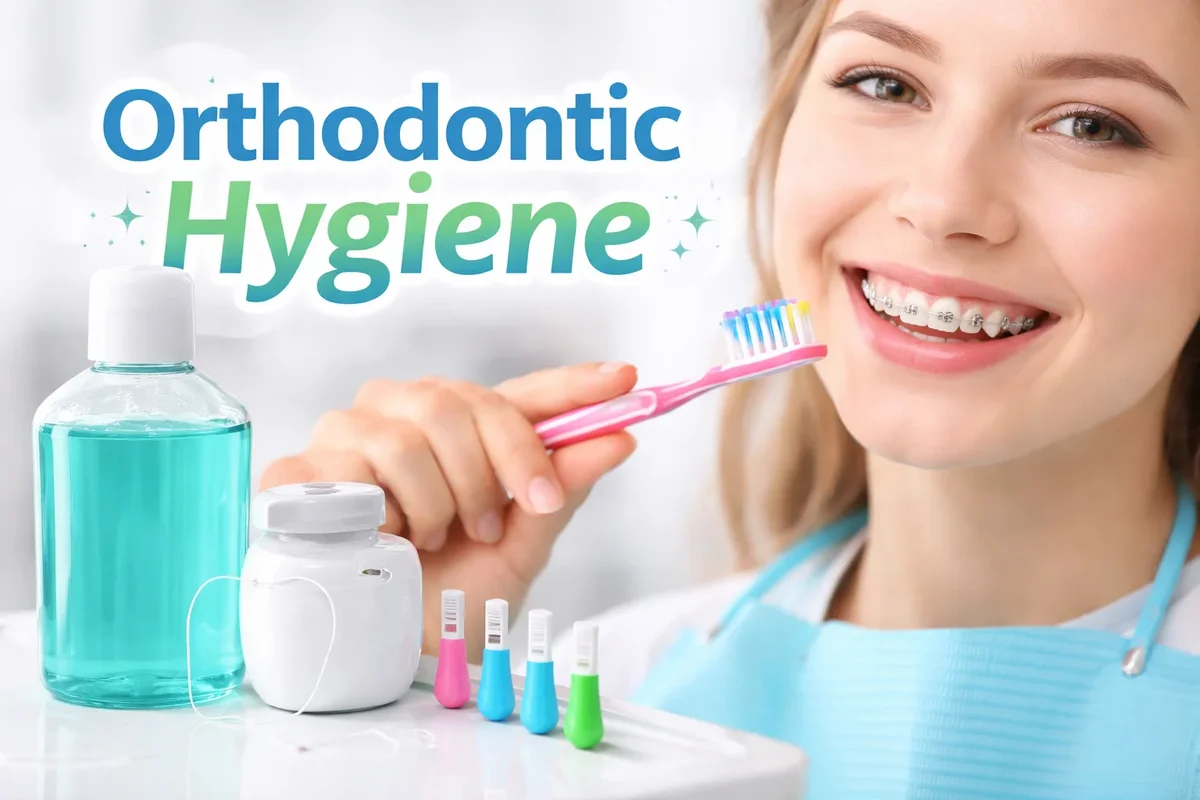
Long-Term Benefits of Proper Orthodontic Hygiene
Maintaining excellent orthodontic hygiene throughout your treatment does far more than simply keep your teeth clean in the short term. It lays the foundation for long-lasting oral health, improved aesthetics, and greater overall well-being. Many patients focus only on achieving straight teeth, but without proper orthodontic hygiene, the final results may be compromised. By committing to consistent orthodontic hygiene practices, you ensure that your smile remains healthy, strong, and beautiful for years to come. 😁
Orthodontic hygiene is not just a temporary routine—it is an investment in your future oral health. The habits you build during orthodontic treatment often carry over into adulthood, helping you maintain a high standard of oral care long after your braces or aligners are removed.
Prevention of Long-Term Dental Problems
One of the most significant benefits of proper orthodontic hygiene is the prevention of long-term dental issues. When orthodontic hygiene is neglected, plaque and bacteria can cause irreversible damage to teeth and gums.
Consistent orthodontic hygiene helps prevent cavities, gum disease, and enamel erosion. These conditions can lead to costly treatments and discomfort if not addressed early. By maintaining strong orthodontic hygiene habits, you reduce the likelihood of experiencing these problems in the future.
Key Preventive Benefits
- Reduced risk of tooth decay
- Healthier gums and reduced inflammation
- Protection against enamel damage
- Lower likelihood of tooth loss
Enhanced Aesthetic Results After Treatment
The goal of orthodontic treatment is to achieve a straight, attractive smile. However, poor orthodontic hygiene can result in visible issues such as white spot lesions, staining, or uneven enamel.
Maintaining proper orthodontic hygiene ensures that your teeth not only become aligned but also remain bright and healthy. This enhances the overall aesthetic outcome of your treatment and boosts your confidence.
Visual Benefits of Good Orthodontic Hygiene
- Whiter, cleaner teeth
- Even enamel without white spots
- Healthy-looking gums
Improved Gum Health and Stability
Healthy gums are essential for maintaining the results of orthodontic treatment. Orthodontic hygiene plays a critical role in keeping gums strong and free from disease. When gums are inflamed or infected, they can compromise the stability of your teeth.
By practicing proper orthodontic hygiene, you ensure that your gums remain firm and supportive. This stability is crucial for maintaining the alignment achieved during treatment.
Signs of Healthy Gums
- Pink, firm appearance
- No bleeding during brushing or flossing
- Absence of swelling or discomfort
Better Breath and Overall Oral Freshness
Another long-term benefit of good orthodontic hygiene is improved breath. Food particles trapped in braces or aligners can lead to bad breath if not properly removed.
Consistent orthodontic hygiene eliminates bacteria and keeps your mouth feeling fresh. This contributes to greater confidence in social and professional settings.
Shorter and More Efficient Treatment Time
Proper orthodontic hygiene can actually influence the duration of your treatment. When oral health issues arise, orthodontists may need to delay adjustments or address complications before continuing.
Maintaining excellent orthodontic hygiene allows your treatment to progress without interruptions. This leads to faster results and a more efficient orthodontic journey.
How Orthodontic Hygiene Affects Treatment Time
- Prevents delays caused by dental issues
- Supports smooth tooth movement
- Reduces need for additional procedures
Cost Savings Over Time 💰
Investing in orthodontic hygiene can lead to significant financial savings in the long run. Preventing dental problems reduces the need for expensive treatments such as fillings, root canals, or gum therapy.
Potential Savings with Good Orthodontic Hygiene:
Cavity Filling: $100 - $300 per tooth
Root Canal Treatment: $500 - $1500
Gum Disease Treatment: $200 - $1000+
By maintaining proper orthodontic hygiene, you can avoid these costs and protect your investment in orthodontic treatment.
Long-Term Habit Formation
Orthodontic hygiene routines developed during treatment often become lifelong habits. Patients who learn to care for their teeth properly during this period are more likely to maintain excellent oral health in the future.
These habits include regular brushing, flossing, and making informed dietary choices. Orthodontic hygiene becomes a natural part of daily life, contributing to long-term wellness.
Habits That Last a Lifetime
- Consistent brushing and flossing routines
- Regular dental checkups
- Healthy eating habits
Professional Endorsement of Orthodontic Hygiene
Leading dental organizations emphasize the importance of maintaining proper orthodontic hygiene. According to the American Dental Association, consistent oral care is essential for preventing dental diseases and ensuring long-term oral health.
If you want to maximize the benefits of your orthodontic hygiene routine, you can seek expert advice through the Redent Klinik Contact Page. Professional guidance ensures that your oral care practices are effective and tailored to your needs.
Conclusion: A Lifetime of Benefits from Orthodontic Hygiene
In conclusion, the long-term benefits of proper orthodontic hygiene extend far beyond the duration of your treatment. From preventing dental problems and enhancing aesthetics to saving money and building lifelong habits, orthodontic hygiene plays a vital role in your overall well-being.
By committing to consistent orthodontic hygiene, you are not only achieving a straighter smile but also ensuring that your teeth and gums remain healthy for years to come. This commitment leads to lasting confidence, improved quality of life, and a smile you can be proud of. 😊