
When it comes to achieving a confident and healthy smile, orthodontic plans play a crucial role in guiding every step of your dental transformation. These plans are not just treatment schedules—they are personalized blueprints designed by orthodontic specialists to align your teeth, correct your bite, and enhance facial harmony. Whether you’re considering traditional braces, clear aligners, or retainers, understanding how orthodontic plans work helps you make informed decisions that can save both time and money in the long run.
At its core, an orthodontic plan is a structured roadmap created after an initial dental evaluation. It outlines the type of treatment needed, expected duration, number of visits, and projected outcomes. Each plan is tailored to the patient’s specific dental structure, age, and overall oral health condition. 🦷 Modern orthodontic clinics like Redent Klinik Contact Page specialize in creating individualized plans that use advanced digital imaging and AI-driven assessments to ensure precision from the very first appointment.
What Exactly Is an Orthodontic Plan?
Simply put, orthodontic plans are detailed treatment programs focused on straightening teeth and correcting irregularities in the jaw. They often start with a diagnostic phase, which includes panoramic X-rays, photographs, and sometimes 3D scans. The orthodontist then analyzes these results to determine the most effective treatment path. For instance, some patients may require full braces to address severe crowding, while others may benefit from Invisalign or lingual braces for mild misalignment. This individualization ensures that the treatment is both efficient and aesthetically pleasing.
Orthodontic planning has evolved dramatically over the last decade. In the past, these plans relied mostly on visual assessments and manual impressions. Today, digital scans and 3D modeling allow orthodontists to visualize your final smile even before treatment begins. This helps patients stay motivated and better understand the journey ahead. It also ensures that tooth movement predictions are accurate, reducing the likelihood of prolonged treatment times or unexpected complications.
The Importance of a Customized Orthodontic Plan
Every patient’s mouth is unique—there’s no universal formula for achieving the perfect smile. That’s why customized orthodontic plans are so valuable. A personalized plan not only improves the aesthetic appearance of your teeth but also ensures that your bite functions properly. Correcting misaligned teeth can prevent problems such as tooth wear, gum recession, and temporomandibular joint (TMJ) issues later in life.
Moreover, a well-structured orthodontic plan contributes to long-term oral health. Straight teeth are easier to clean, reducing the risk of cavities and periodontal disease. They also contribute to better chewing efficiency, improved digestion, and even clearer speech. Beyond physical health, the emotional impact is undeniable—a confident smile can boost self-esteem and positively affect social interactions and career opportunities.
Key Components of Orthodontic Planning
When developing orthodontic plans, orthodontists consider several core factors:
- Diagnosis and Assessment: This stage involves detailed examinations, X-rays, and sometimes 3D imaging to understand the tooth structure and jaw alignment.
- Treatment Options: Based on the diagnosis, options such as metal braces, ceramic braces, or clear aligners are discussed.
- Timeline and Milestones: Each orthodontic plan outlines specific goals, including expected progress checkpoints and overall treatment duration.
- Retention Phase: After active treatment, retainers help maintain the results achieved during the plan.
It’s worth noting that the most effective orthodontic plans involve collaboration between the patient and orthodontist. Regular checkups, adjustments, and patient compliance with recommended routines (like wearing elastics or aligners) all contribute to success.
Trusted Standards and Global Best Practices
Reputable institutions such as the American Dental Association establish evidence-based guidelines for orthodontic care. Their research and recommendations ensure that orthodontic plans adhere to the highest standards of safety and effectiveness. Clinics that follow these standards often see higher success rates and more satisfied patients. These best practices emphasize early intervention when needed—particularly in children or teenagers—as well as digital monitoring tools that allow orthodontists to track progress in real time.
Why Investing in Orthodontic Plans Is Worth It
While some individuals view orthodontic treatment as purely cosmetic, it’s actually a long-term investment in oral health. Properly aligned teeth reduce strain on the jaw, minimize risk of fractures, and make oral hygiene more effective. The structure of your bite affects everything from your chewing efficiency to the health of your gums. Comprehensive orthodontic plans help ensure that all these elements work in harmony, resulting in both beauty and function. 🌟
In addition, with modern innovations like AI-guided treatment and 3D visualization, patients now have more control and clarity than ever before. Understanding your orthodontic plan means understanding your future smile—it’s a partnership between science, technology, and your personal goals. Whether you’re a teenager starting braces or an adult exploring clear aligners, the right plan can truly transform your confidence for life.
The Benefits of Having a Personalized Orthodontic Plan 😁
Every smile is unique, and so should be the journey to achieving it. Personalized orthodontic plans provide a roadmap specifically designed for your dental structure, lifestyle, and long-term oral health goals. Instead of using a one-size-fits-all method, these plans take into account every detail — from tooth alignment and jaw positioning to patient preferences and budget. A customized approach ensures maximum effectiveness, comfort, and lasting results that generic treatments often fail to deliver.
Why Personalization Matters in Orthodontic Treatment
Orthodontics is both a science and an art. While science determines the biological response of your teeth and bones to pressure, the artistic side lies in designing a smile that enhances your facial balance and confidence. Personalized orthodontic plans allow orthodontists to merge these two aspects seamlessly. They don’t just focus on straight teeth — they analyze facial symmetry, smile aesthetics, and long-term functionality.
For example, a patient with mild crowding may benefit from clear aligners like Invisalign, while another with severe misalignment could require metal or ceramic braces. The orthodontist evaluates not just the current alignment but also future growth patterns (especially in young patients) and the condition of supporting tissues. This careful assessment forms the foundation of a personalized orthodontic plan that delivers measurable, predictable, and beautiful outcomes. 🦷
Enhanced Efficiency and Faster Results
One of the most appealing benefits of customized orthodontic plans is efficiency. A tailored plan reduces unnecessary adjustments and ensures that each phase of treatment contributes directly to the desired outcome. With advanced technology such as 3D imaging and computer-assisted design, orthodontists can plan precise tooth movements and simulate results before beginning the actual procedure. This level of accuracy minimizes trial and error, leading to faster treatment completion and fewer appointments.
Modern digital orthodontics also enables remote progress tracking. Patients can upload photos or use AI-powered mobile apps that communicate with their orthodontist, reducing the need for frequent in-person visits. This feature is particularly valuable for international patients or those with busy schedules. As a result, personalized orthodontic plans not only improve outcomes but also make treatment more convenient and time-efficient.
Improved Comfort and Reduced Risk of Complications
When orthodontic treatments are not properly planned, patients often experience discomfort, gum irritation, or uneven tooth movement. Personalized orthodontic plans eliminate these issues by accounting for each tooth’s natural position, root structure, and surrounding bone density. This individualized precision ensures that pressure is evenly distributed, reducing soreness and minimizing side effects such as root resorption or enamel wear.
Additionally, digital treatment simulations allow orthodontists to identify potential obstacles before they occur. For instance, if a tooth is located too close to a nerve or sinus cavity, the plan can be adjusted to ensure safety. The result is a smoother, pain-free experience with predictable outcomes and minimal post-treatment complications. 🌿
Better Long-Term Stability and Retention
Achieving straight teeth is only part of the goal — maintaining them is equally important. Personalized orthodontic plans include a dedicated retention phase designed to keep your teeth in their new positions. This phase typically involves custom-made retainers that match your bite perfectly. Without proper retention, teeth can gradually shift back to their original positions, undoing months or even years of progress.
With a well-designed plan, orthodontists can determine the optimal duration and type of retainer for each patient. Some may require fixed retainers for long-term stabilization, while others can use removable options. Continuous monitoring and follow-up visits also ensure that any minor changes are corrected early, maintaining the integrity of the final smile.
Boosted Confidence and Mental Well-Being
Beyond physical health, orthodontic care has a profound impact on emotional well-being. People who follow structured orthodontic plans often report higher self-confidence, greater satisfaction with their appearance, and improved social interactions. A straight, healthy smile can influence personal relationships, professional success, and even self-image. This emotional transformation often starts from the very first consultation, as patients visualize the outcome using digital previews and progress simulations.
According to the American Dental Association, orthodontic health contributes directly to overall wellness. Misaligned teeth can lead to chronic tension in the jaw muscles, headaches, and poor chewing efficiency. Correcting these issues not only improves aesthetics but also enhances comfort and daily functionality — all achieved through personalized, well-monitored orthodontic planning.
Better Oral Hygiene and Reduced Dental Problems
Personalized orthodontic plans make it easier to maintain good oral hygiene during and after treatment. When teeth are properly aligned, brushing and flossing become more effective, reducing the buildup of plaque and tartar. This lowers the risk of gum disease, cavities, and bad breath. Orthodontists often include professional cleanings and check-ups within the plan, ensuring the mouth stays healthy throughout every phase of treatment.
Financial Flexibility and Cost Transparency
Customized orthodontic planning also offers financial advantages. Many clinics, including Redent Klinik Contact Page, provide cost breakdowns for each stage of treatment, along with flexible payment schedules. Since personalized plans are based on accurate projections, they minimize unexpected expenses caused by prolonged treatment or corrective adjustments. Patients gain clarity on what they are paying for, improving trust and satisfaction with the entire process.
The Lifelong Value of a Personalized Orthodontic Journey
Ultimately, investing in individualized orthodontic plans means investing in a lifetime of health, confidence, and convenience. Unlike generic treatment paths that might overlook small but crucial details, personalized plans ensure every step is calculated, measured, and optimized. The benefits go beyond aesthetics — they influence overall oral function, prevent future dental issues, and contribute to long-term stability.
Whether you’re an adult seeking discreet aligners or a parent exploring options for your child, choosing a customized orthodontic plan ensures you get the most out of your treatment. It’s a partnership between innovation and care — where every adjustment brings you one step closer to a radiant, balanced smile. 🌟
Comparing Different Types of Orthodontic Treatments 🦷
When exploring orthodontic plans, understanding the various treatment options available is essential for making an informed decision. Each method comes with its own advantages, aesthetic appeal, and maintenance requirements. From traditional braces to cutting-edge aligner systems, today’s orthodontic landscape offers personalized solutions for every lifestyle and budget. This section provides a detailed comparison of the most common orthodontic treatments to help patients select the most suitable plan for their unique dental needs.
Traditional Metal Braces: Proven and Reliable
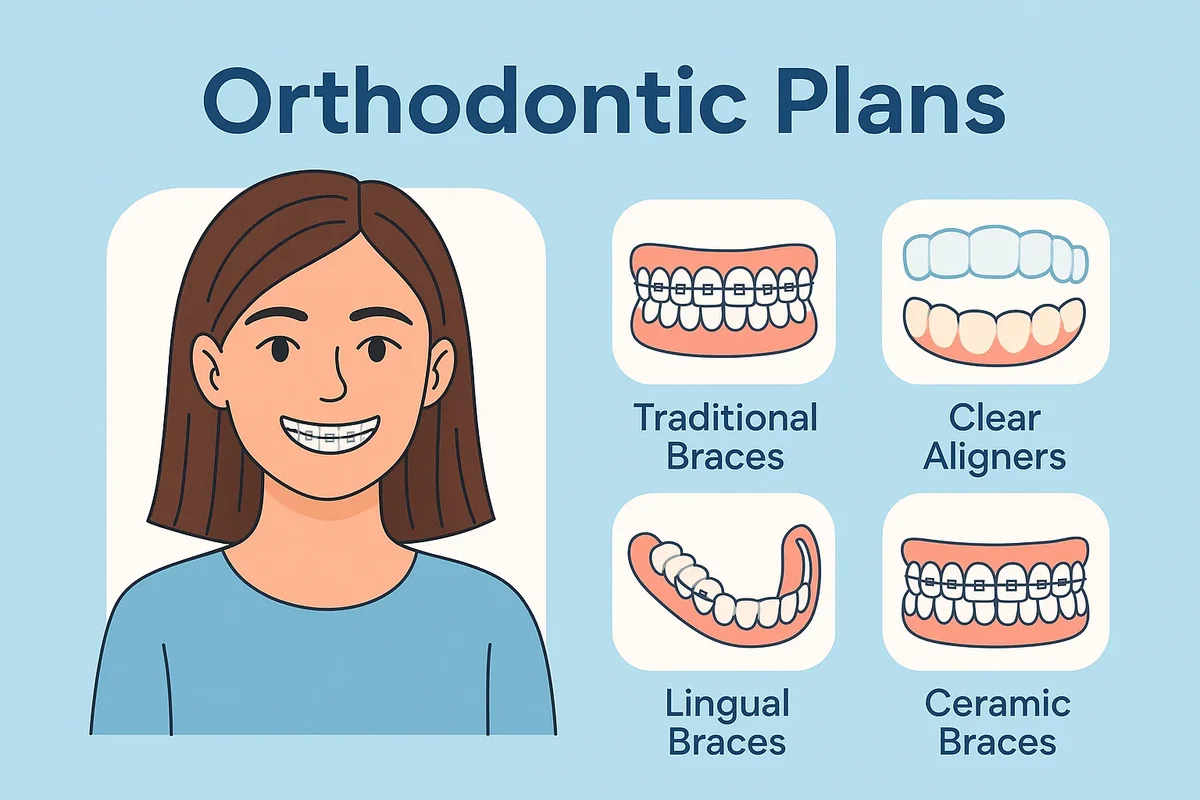
Metal braces remain the cornerstone of many orthodontic plans because of their exceptional effectiveness in treating complex dental issues. These braces consist of stainless steel brackets bonded to each tooth and connected with a flexible archwire that gradually moves teeth into proper alignment. Although they are visible, advancements in design have made them smaller, more comfortable, and less intrusive than older versions.
Metal braces are particularly effective for cases involving severe crowding, crossbites, and misaligned jaw structures. They offer precise control over tooth movement, making them ideal for both teenagers and adults who require significant correction. Orthodontists can also use colored elastic bands to add a fun and personalized touch for younger patients. Despite their visibility, metal braces remain one of the most dependable treatment options, ensuring stable and long-term results.
Advantages of Metal Braces
- Highly effective for complex orthodontic cases.
- Durable and resistant to breakage.
- Typically more affordable compared to advanced aligners.
- Continuous and predictable results under professional supervision.
Potential Drawbacks
- Noticeable appearance during treatment.
- May cause mild discomfort after adjustments.
- Requires diligent oral hygiene to prevent plaque buildup.
Ceramic Braces: Aesthetic Alternative
For patients concerned about appearance, ceramic braces offer a discreet solution within their orthodontic plans. Made of tooth-colored or translucent materials, ceramic braces blend seamlessly with the natural shade of teeth. They function almost identically to metal braces, using brackets and wires to guide teeth into alignment.
The main advantage of ceramic braces lies in their visual appeal. They are less noticeable, making them popular among adults and professionals who wish to maintain a confident look during treatment. However, they are slightly more fragile and can stain if not properly maintained. Despite these minor drawbacks, ceramic braces provide an excellent balance between effectiveness and aesthetics, ensuring that patients enjoy a smoother and more subtle orthodontic journey.
Lingual Braces: Hidden but Effective
Lingual braces represent an innovative form of treatment in modern orthodontic plans. Unlike traditional braces, these brackets are attached to the inner (lingual) surface of the teeth, making them completely invisible from the outside. This makes lingual braces a favorite among public figures, models, and professionals who prioritize discretion.
While lingual braces offer outstanding cosmetic advantages, they also come with certain challenges. Their placement on the inner side of the teeth can initially affect speech and cause mild tongue irritation. Additionally, they require specialized orthodontic expertise and tend to be more expensive. Nevertheless, for patients seeking complete invisibility without compromising results, lingual braces remain one of the most advanced options available.
Clear Aligners: The Modern Orthodontic Revolution
In recent years, clear aligner systems—like Invisalign and Spark—have transformed how orthodontic plans are designed. These custom-made, removable trays gradually shift teeth into the desired position without wires or brackets. Their transparent design makes them virtually invisible, while their removability allows for easier eating, brushing, and flossing.
Clear aligners are perfect for patients with mild to moderate misalignment, crowding, or spacing issues. Each aligner is worn for about two weeks before progressing to the next in the series, gradually achieving optimal alignment. Compliance is key—patients must wear aligners for at least 20–22 hours a day for the treatment to be effective. When followed properly, clear aligners offer a convenient and aesthetically pleasing alternative to traditional braces.
Key Benefits of Clear Aligners
- Virtually invisible and comfortable to wear.
- Removable for meals and oral hygiene.
- Less irritation to gums and cheeks.
- Shorter or more flexible appointment schedules.
Limitations of Clear Aligners
- Less suitable for complex orthodontic cases.
- Requires high patient discipline for consistent wear.
- May have higher costs depending on treatment duration.
Self-Ligating Braces: Advanced Comfort and Speed
Self-ligating braces are an advanced version of traditional systems, using special clips instead of elastic bands to hold the wire in place. This reduces friction and allows teeth to move more freely. Many orthodontic plans now include self-ligating braces for patients who want faster treatment times and fewer adjustments. They are available in both metal and ceramic options, combining efficiency with aesthetics.
These braces also provide more comfort by applying lighter forces, which can reduce soreness after tightening. Additionally, since there are no elastic ties to trap food or plaque, maintaining oral hygiene becomes easier. Overall, self-ligating braces offer a modern and efficient option for achieving optimal alignment with minimal discomfort.
Choosing the Right Option for Your Smile
The choice between these orthodontic treatments depends on multiple factors, including the complexity of your dental issue, your aesthetic preferences, and your lifestyle. During your consultation, your orthodontist will analyze your oral condition using digital scans and X-rays to recommend the best treatment within your orthodontic plan. Whether you prefer the reliability of traditional braces or the subtlety of clear aligners, the goal remains the same—to create a healthy, balanced, and confident smile. 🌟
Expert Guidance and Professional Care
It’s important to remember that no two patients are identical. A customized consultation with professionals such as those at Redent Klinik Contact Page ensures that your chosen treatment aligns perfectly with your oral health goals and expectations. Furthermore, trusted organizations like the American Dental Association set evidence-based standards for orthodontic safety and effectiveness, ensuring that each option within modern orthodontic plans meets the highest level of care.
In conclusion, understanding and comparing the diverse types of orthodontic treatments empowers patients to make confident decisions. From metal braces to clear aligners, today’s technology-driven orthodontic plans make it possible to achieve stunning results with comfort, precision, and convenience. The best smile is not just created—it’s carefully planned, customized, and maintained with expert care. 😁
How to Choose the Right Orthodontic Plan for You 🪞
Selecting the right orthodontic plan is one of the most important decisions in your dental journey. With so many options available—ranging from traditional braces to clear aligners—it’s essential to evaluate your specific dental condition, lifestyle, and budget. A well-chosen plan not only ensures efficient treatment but also guarantees long-term oral health and aesthetic satisfaction. This section provides a step-by-step guide to help you choose the most suitable orthodontic plan with confidence and clarity.
Step 1: Assess Your Dental Needs
Before committing to any treatment, it’s crucial to identify your exact dental issues. Common concerns include crowding, gaps, overbite, underbite, or crossbite. Each condition requires a tailored approach within orthodontic plans. For example, mild crowding may respond well to clear aligners, while complex jaw misalignments often need traditional or self-ligating braces.
During the initial consultation, your orthodontist performs a thorough evaluation using X-rays, photographs, and digital scans. This data-driven process helps determine tooth positioning, jaw symmetry, and bone density—all essential factors in customizing an effective treatment plan. The more accurate the diagnosis, the more precise your orthodontic plan will be. 🦷
Step 2: Understand Different Treatment Options
Modern orthodontics offers several techniques that can be incorporated into your plan. These include:
- Metal Braces: Ideal for comprehensive correction and long-term stability.
- Ceramic Braces: Blend in with natural teeth for a discreet look.
- Clear Aligners: Offer flexibility and aesthetics for mild to moderate issues.
- Lingual Braces: Hidden behind the teeth for complete invisibility.
- Self-Ligating Braces: Provide faster results and reduced friction.
Understanding these options helps you align your personal preferences with clinical requirements. It’s also wise to discuss advantages, maintenance needs, and expected results with your orthodontist before finalizing your decision.
Step 3: Consider Your Lifestyle and Habits
Everyday routines can significantly influence the success of orthodontic plans. If you lead a busy lifestyle, removable aligners may offer convenience by allowing you to eat, brush, and floss without restrictions. However, if you struggle with discipline or might forget to wear them regularly, fixed braces could be a better fit.
For athletes or musicians who play wind instruments, certain treatments may cause discomfort or require protective mouthguards. Similarly, adults in professional environments may prefer discreet solutions like ceramic braces or clear aligners. Your orthodontist will help you balance functionality, appearance, and comfort to ensure the chosen plan integrates seamlessly into your daily life.
Step 4: Evaluate Time Commitment and Patience
The duration of treatment varies based on individual conditions. Most orthodontic plans last between 12 and 36 months, depending on the complexity of the misalignment. If you require fast results, self-ligating braces or accelerated treatment methods may shorten your timeline. However, rushing treatment can compromise long-term stability, so it’s important to prioritize quality over speed.
Ask your orthodontist for a realistic projection of treatment stages and milestones. Digital simulations now allow patients to preview expected outcomes, making it easier to stay motivated throughout the process. Remember, consistency—whether in attending checkups or wearing retainers—plays a key role in achieving a flawless smile.
Step 5: Budget and Insurance Considerations
Financial planning is another vital step when choosing among different orthodontic plans. Costs vary widely depending on treatment type, duration, and technology used. Metal braces are often the most affordable, while lingual braces and clear aligners fall on the higher end. Many clinics provide flexible payment options or installment plans to ease financial stress.
Before starting, verify if your dental insurance covers orthodontic treatment. Some providers offer partial reimbursement for children or adults. To get an accurate estimate, request a detailed cost breakdown from your clinic—similar to the transparent policies offered at Redent Klinik Contact Page. This ensures there are no surprises later and helps you make an informed, cost-effective decision.
Step 6: Verify the Orthodontist’s Expertise
Even the best treatment technology can fail without experienced hands. Choosing a qualified orthodontist is essential to ensure your orthodontic plan is properly designed and executed. Check credentials, years of experience, and patient testimonials. Reputable professionals typically follow international best practices as recommended by the American Dental Association.
It’s also beneficial to seek a second opinion before finalizing a treatment. Different specialists may suggest varying approaches, helping you weigh pros and cons. A trustworthy orthodontist should explain every step of your plan, answer your questions clearly, and provide digital previews of expected outcomes.
Step 7: Assess Technology and Clinic Facilities
Advanced technology plays a major role in modern orthodontic plans. Clinics equipped with 3D imaging, AI-assisted diagnostics, and computer-guided modeling deliver higher accuracy and more predictable results. These innovations help visualize tooth movement and estimate completion timelines even before treatment begins.
Ask if your clinic uses digital impressions instead of traditional molds, as these are more comfortable and accurate. Some practices also provide virtual progress monitoring, allowing patients to check in remotely. Such advancements not only improve precision but also make the entire orthodontic experience more enjoyable and efficient.
Technology Checklist for the Ideal Orthodontic Clinic
- Intraoral 3D scanners and digital X-rays.
- AI-assisted smile design software.
- Computer-aided bracket placement and aligner modeling.
- Cloud-based patient monitoring systems.
Step 8: Prioritize Comfort and Maintenance
Comfort is often underestimated when choosing among various orthodontic plans. Each treatment type comes with unique care requirements. Braces may cause mild soreness after adjustments, while clear aligners can feel tight during the first few days of a new tray. However, following your orthodontist’s recommendations—such as using orthodontic wax or over-the-counter pain relief—can make the transition smoother.
Maintenance is equally important. Regular brushing, flossing, and dental cleanings are necessary to prevent plaque buildup. Some clinics include professional hygiene visits as part of their orthodontic plans, which ensures long-term oral health and keeps your smile bright throughout treatment.
Step 9: Plan for the Retention Phase
Once active treatment is complete, the retention phase begins. This stage ensures that your teeth stay in their new positions permanently. A reliable orthodontic plan always includes this step. Retainers—whether fixed or removable—help stabilize the results and prevent relapse. Patients who neglect this stage risk losing the alignment they’ve worked so hard to achieve.
During your final visits, your orthodontist will guide you on how long to wear retainers and how to maintain them. Staying consistent in this phase ensures lasting beauty and functionality for your smile. 🌟
Final Thoughts: Confidence Through Informed Choice
Choosing the right orthodontic plan requires careful consideration of your needs, habits, and goals. By understanding treatment types, evaluating technology, and partnering with experienced professionals, you can embark on a journey that leads to lifelong confidence and oral health. Whether you’re pursuing clear aligners or traditional braces, remember—your plan is more than a treatment. It’s a personalized path to a healthier, happier you. 😁
The Role of Technology in Modern Orthodontic Planning 🤖
In recent years, technology has transformed the way orthodontic plans are designed, implemented, and monitored. What was once a purely manual process has evolved into a high-precision, data-driven experience that delivers faster, safer, and more predictable results. Modern orthodontic clinics now combine artificial intelligence (AI), 3D imaging, and digital scanning to create customized treatment plans that perfectly fit each patient’s unique dental structure. Understanding how these technologies work can help you appreciate the science behind your new smile. 😁
Digital Diagnostics: The Foundation of Precision
Every successful orthodontic treatment begins with accurate diagnostics. Traditional impressions using putty molds are now largely replaced by digital intraoral scanners, which create a detailed 3D model of your teeth and gums in minutes. This model serves as the foundation for personalized orthodontic plans. Orthodontists can rotate, zoom, and analyze the digital structure from multiple angles, allowing them to identify even the smallest misalignment or spacing issue.
Digital scanning eliminates human error and discomfort, providing a more pleasant experience for patients. These precise images are integrated into advanced orthodontic software, which simulates different treatment scenarios. Patients can visualize their predicted outcomes and better understand how each phase of the plan will progress. Such transparency strengthens trust and motivates patients to stay consistent throughout treatment.
Key Advantages of Digital Impressions
- Improved accuracy compared to traditional molds.
- Reduced chair time and faster diagnosis.
- Instant 3D visualizations for enhanced patient understanding.
- Integration with AI-driven planning tools for seamless workflow.
3D Imaging and CBCT Scans: Seeing Beyond the Surface
Three-dimensional imaging, including Cone Beam Computed Tomography (CBCT), has revolutionized modern orthodontic plans. CBCT scans go beyond teeth—they reveal jawbone density, nerve pathways, and soft tissue structures in exceptional detail. This comprehensive insight allows orthodontists to plan tooth movements with absolute precision while avoiding critical anatomical areas.
For example, CBCT scans can detect hidden root resorption, impacted teeth, or asymmetrical bone structures that traditional X-rays might miss. These details are crucial when planning complex treatments like bite correction or orthognathic surgery. As a result, 3D imaging ensures not only a beautiful smile but also a healthier and safer orthodontic outcome.
Artificial Intelligence (AI) in Treatment Planning
AI is rapidly becoming the backbone of next-generation orthodontic plans. Machine learning algorithms analyze thousands of successful treatment cases to predict tooth movement patterns and optimal force application. This intelligent automation allows orthodontists to design highly efficient plans with improved accuracy and shorter treatment durations.
AI software also assists in automatically identifying potential challenges—such as crowding severity, root angulation, or midline deviation—before treatment begins. It can even simulate post-treatment results, helping both patients and doctors visualize the expected transformation. With AI guidance, orthodontic specialists can make data-backed decisions that minimize risks and maximize efficiency.
How AI Enhances Orthodontic Outcomes
- Predicts precise tooth movement and treatment duration.
- Suggests optimal bracket placement or aligner sequences.
- Reduces trial-and-error adjustments during treatment.
- Provides virtual progress tracking for patients.
3D Printing: From Digital Models to Real Results
Another technological breakthrough influencing orthodontic plans is 3D printing. Orthodontists now use 3D printers to fabricate aligners, retainers, and even indirect bonding trays with exceptional accuracy. Once a patient’s digital model is created, it can be printed in-office within hours, dramatically reducing waiting times compared to traditional laboratory manufacturing.
This innovation not only speeds up treatment but also enhances customization. Each printed component fits perfectly, minimizing discomfort and optimizing performance. For patients, it means fewer adjustments and a more seamless orthodontic experience. Additionally, 3D printing promotes sustainability by reducing material waste and enabling clinics to operate more efficiently.
Virtual Treatment Simulations and Smile Design
One of the most exciting advancements in orthodontic plans is virtual smile design. Using advanced software, orthodontists can create a digital mock-up of the patient’s future smile before treatment even begins. This visualization allows patients to preview their results and discuss adjustments before committing to a plan.
Programs such as ClinCheck (for Invisalign) or proprietary AI-based platforms simulate each tooth’s movement in real time. Orthodontists can refine the plan with microscopic precision, ensuring that the final smile aligns with both aesthetic and functional goals. This approach empowers patients, increases satisfaction, and enhances overall treatment transparency.
Remote Monitoring and Teleorthodontics
Technology has made it possible for patients to participate in their orthodontic plans from the comfort of their homes. Teleorthodontics and remote monitoring systems use mobile apps or smart dental devices to track progress through photos and digital scans. Orthodontists can analyze these updates, make recommendations, or adjust the treatment plan remotely—reducing the need for frequent in-office visits.
This level of flexibility benefits international patients, busy professionals, and those living in remote areas. Remote check-ins also help detect potential issues early, ensuring consistent progress without delays. 🌍
Benefits of Remote Monitoring
- Fewer clinic visits with continuous digital supervision.
- Real-time updates to enhance patient compliance.
- Quicker detection of misalignments or fitting issues.
- Greater comfort and convenience for patients worldwide.
Integration with Patient Portals and Data Management
Today’s digital orthodontic plans often come with integrated patient portals. These secure platforms allow patients to view their progress, upcoming appointments, and treatment stages online. They can also communicate directly with their orthodontist, upload progress photos, or receive personalized hygiene instructions. This interactive approach enhances engagement and ensures patients remain actively involved in their orthodontic journey.
In addition, data management tools help clinics maintain detailed treatment records, improving efficiency and reducing the risk of errors. These digital systems are compliant with privacy regulations, ensuring that patient information remains secure while streamlining clinical operations.
Technology and Professional Expertise: A Powerful Partnership
Despite the advancements, technology alone cannot replace professional expertise. The human touch remains essential in interpreting digital data, customizing plans, and ensuring optimal outcomes. The most successful orthodontic plans are created through collaboration—where skilled orthodontists use advanced tools to enhance precision rather than replace clinical judgment.
Trusted institutions such as the American Dental Association advocate for the responsible use of technology in orthodontics. They emphasize that digital innovations should always be guided by evidence-based practice. Clinics like Redent Klinik Contact Page exemplify this philosophy, combining technology with personalized care to deliver world-class orthodontic experiences.
Looking Ahead: The Future of Orthodontic Technology
As technology continues to evolve, the future of orthodontics promises even more exciting possibilities—AI-guided robotic adjustments, virtual reality consultations, and fully automated aligner fabrication. These innovations will make orthodontic plans more accessible, efficient, and patient-centered than ever before.
In conclusion, technology has redefined orthodontic planning from start to finish. It enhances precision, reduces treatment times, and empowers patients with knowledge and control. Whether it’s digital scans, AI simulations, or 3D-printed aligners, these tools work together to create one result—a healthy, confident, and perfectly aligned smile. 🌟
Cost Factors and Insurance Coverage in Orthodontic Plans 💰
When exploring orthodontic plans, one of the most common questions patients ask is, “How much will it cost?” The truth is, orthodontic treatment is a significant investment—both financially and in terms of long-term oral health. Costs can vary widely depending on the type of treatment, location, duration, and technology used. Understanding these factors, along with your insurance coverage options, ensures you can make well-informed and confident financial decisions about your smile transformation.
Understanding the Cost Structure of Orthodontic Treatment
Orthodontic treatment pricing is typically determined by several variables that collectively influence the total cost. No two orthodontic plans are identical, as each is customized according to the patient’s dental condition and personal preferences. The main elements that impact pricing include treatment complexity, materials used, length of treatment, and professional expertise.
- Complexity of the Case: Minor adjustments or mild misalignments cost less compared to full-mouth correction or jaw realignment cases that require surgical involvement.
- Treatment Type: Traditional metal braces are often the most affordable option, while clear aligners or lingual braces can be more expensive due to material and manufacturing costs.
- Treatment Duration: The longer the treatment takes, the more frequent the appointments, which may increase the overall price.
- Clinic Location and Technology: Clinics in metropolitan areas and those using advanced 3D imaging or AI-driven analysis may charge slightly higher fees, reflecting their precision and efficiency.
According to data from the American Dental Association, orthodontic treatment for adults in the United States typically ranges between $3,000 and $8,000, while children’s treatments average slightly lower. These numbers can vary depending on regional factors and specific orthodontic needs.
Average Costs by Treatment Type
While costs differ by region and clinic, here’s a general overview of average expenses for various orthodontic plans worldwide:
| Treatment Type | Estimated Cost Range (USD) |
|---|---|
| Metal Braces | $3,000 – $7,000 |
| Ceramic Braces | $4,000 – $8,000 |
| Lingual Braces | $8,000 – $10,000+ |
| Clear Aligners (e.g., Invisalign) | $3,500 – $7,500 |
| Self-Ligating Braces | $4,000 – $8,500 |
It’s important to note that these are only approximate ranges. Each clinic customizes pricing based on the patient’s needs and desired outcomes. For personalized quotes, scheduling a consultation with specialists such as those at Redent Klinik Contact Page is the most reliable way to understand what your specific treatment might cost.
Payment Plans and Financial Flexibility
Since orthodontic treatment can be a significant investment, many clinics now offer flexible payment plans. Modern orthodontic plans are designed not only to treat patients effectively but also to accommodate their financial situations. Clinics often divide the total cost into monthly installments spread over the treatment duration. Some also provide zero-interest financing or discounts for upfront payments.
Patients should always inquire about available financial arrangements before committing. A transparent financial agreement helps avoid surprises and ensures peace of mind. Additionally, many orthodontists offer in-house financing, eliminating the need for third-party credit checks and reducing administrative hassle.
Examples of Common Payment Structures
- Monthly installment plans (e.g., 12–36 months)
- Interest-free payment options for qualifying patients
- Discounts for full prepayment or family treatment bundles
- Employer-subsidized health benefits where applicable
Insurance Coverage for Orthodontic Plans
Dental insurance can significantly reduce out-of-pocket costs for orthodontic treatment. However, coverage varies depending on the insurer and the specific policy. Some plans cover only children under 18, while others provide partial benefits for adult orthodontics as well. The key is to thoroughly understand your policy before beginning treatment.
Most dental insurance companies cover a percentage of treatment costs (typically between 25% and 50%) up to a set lifetime maximum—often between $1,000 and $3,000. It’s advisable to check whether your insurer requires pre-authorization before treatment begins. This step ensures that your claim will be processed smoothly once invoices are submitted.
Key Questions to Ask Your Insurance Provider
- Does my plan include orthodontic coverage?
- What is the lifetime maximum benefit amount?
- Does coverage apply to adults as well as children?
- Are clear aligners and lingual braces covered under my plan?
- Do I need a referral or pre-approval before starting treatment?
Tax Deductions and Health Savings Accounts (HSAs)
For patients in countries like the United States, orthodontic expenses may qualify for partial tax deductions or can be paid using pre-tax funds from Health Savings Accounts (HSAs) or Flexible Spending Accounts (FSAs). These options can further reduce the financial burden of comprehensive orthodontic plans.
To maximize savings, always keep detailed receipts and consult your tax advisor. Depending on your income level and healthcare spending, you might be eligible for significant deductions under medical expense categories.
Balancing Quality and Affordability
It’s important not to compromise on quality in an effort to reduce costs. Low-cost or DIY orthodontic kits advertised online can lead to severe complications, such as misaligned bites, gum recession, or root damage. Certified orthodontists who adhere to international standards—such as those outlined by the American Dental Association—ensure that your investment leads to safe and lasting results.
Always choose a clinic with transparent pricing, clear documentation, and reputable credentials. During consultations, ask for a written estimate that includes all costs (diagnostic exams, appliances, follow-ups, and retainers). This clarity helps you budget effectively and avoid hidden fees.
Hidden Costs to Watch Out For
Even with the best orthodontic plans, additional expenses can occasionally arise. Some of these may include:
- Replacement aligners or brackets due to damage or loss
- Retainer fabrication after active treatment ends
- Emergency visits for broken appliances
- Post-treatment maintenance such as whitening or cleaning
To prevent surprises, discuss these potential costs upfront with your orthodontist. Reputable clinics, such as Redent Klinik Contact Page, often include retainers and follow-up appointments within the total price, ensuring a transparent and comprehensive experience.
Final Thoughts: Investing in a Lifetime of Confidence
While the cost of orthodontic plans may seem daunting, the long-term benefits far outweigh the expense. Properly aligned teeth reduce the risk of gum disease, improve oral hygiene, and enhance confidence and self-esteem. By understanding cost factors, exploring insurance benefits, and selecting trustworthy professionals, patients can achieve their dream smiles without unnecessary financial stress. 🌟
Ultimately, your smile is a lifelong investment—one that blends art, science, and technology. With careful financial planning and the right orthodontic team, you can make it both affordable and rewarding. 😁
Step-by-Step Process: From Consultation to Retainers 🦷
Embarking on an orthodontic journey can be both exciting and overwhelming. Understanding the full process—from the initial consultation to the final retention phase—helps patients feel more confident and informed. Comprehensive orthodontic plans follow a structured sequence designed to ensure safety, precision, and lasting results. Each phase builds upon the previous one, guiding your teeth into perfect alignment and maintaining that harmony for years to come.
Step 1: The Initial Consultation and Assessment
Every successful orthodontic journey begins with a thorough initial consultation. During this visit, the orthodontist evaluates your teeth, gums, and jaw alignment to determine whether treatment is necessary. This stage lays the foundation for your personalized orthodontic plan. Diagnostic tools such as X-rays, digital scans, and intraoral photographs provide valuable insights into your oral structure.
At this point, the orthodontist will discuss your concerns, goals, and medical history. They will explain different treatment options, expected timelines, and potential costs. You may also receive a 3D simulation showing how your smile will look after treatment. This session ensures that both patient and doctor are aligned on expectations before moving forward. 🪞
Key Objectives of the First Consultation
- Evaluate overall oral health and bite alignment.
- Identify the most effective treatment approach.
- Provide an estimated duration and cost of treatment.
- Answer patient questions and outline care responsibilities.
Step 2: Creating a Customized Orthodontic Plan
Once the assessment is complete, your orthodontist develops a personalized treatment plan tailored to your needs. This orthodontic plan outlines every stage of your journey—from appliance placement to final retainers. It also specifies the type of braces or aligners used, expected progress checkpoints, and the retention strategy after treatment completion.
Modern clinics use digital imaging software to simulate predicted outcomes. Orthodontists can adjust the plan virtually, refining each tooth’s movement with exceptional precision. This technological integration ensures predictable, safe, and efficient treatment.
Components of an Effective Orthodontic Plan
- Comprehensive diagnosis and treatment roadmap.
- Digital models for visual progress tracking.
- Customized timeline with periodic checkups.
- Post-treatment retention and maintenance strategy.
Step 3: Appliance Placement or Delivery
After the planning stage, the active treatment phase begins. Depending on your customized orthodontic plan, this may involve bonding braces to your teeth or receiving your first set of clear aligners. For patients using braces, brackets and wires are carefully attached to guide teeth into alignment. If you’ve chosen clear aligners, multiple trays will be provided to wear sequentially over time.
During this appointment, your orthodontist will explain how to care for your appliances, maintain oral hygiene, and handle mild discomfort. You’ll also be advised on dietary habits—such as avoiding sticky or hard foods—to protect your orthodontic hardware. This stage marks the official beginning of your smile transformation. 😁
Step 4: Regular Adjustments and Progress Monitoring
Follow-up appointments are a critical part of all orthodontic plans. Typically scheduled every 4–8 weeks, these visits allow your orthodontist to track progress, make adjustments, and ensure that tooth movement is occurring as planned. For patients using aligners, this phase may involve switching to a new set of trays or performing digital scans to assess real-time progress.
At each visit, minor adjustments to wires or aligners help maintain controlled movement, preventing unnecessary strain on the teeth or gums. Orthodontists also monitor gum health and cleanliness to avoid plaque buildup. Compliance during this stage—wearing appliances as instructed and attending checkups—is essential for achieving optimal results.
Tips for Successful Progress Monitoring
- Keep every scheduled appointment to avoid treatment delays.
- Follow all hygiene and appliance care guidelines.
- Report discomfort or appliance damage promptly.
- Stay consistent with aligner wear or elastic use.
Step 5: Mid-Treatment Evaluation and Adjustments
Halfway through the treatment, many orthodontists perform a mid-treatment evaluation. This step ensures that your teeth are responding correctly to the applied forces outlined in your orthodontic plan. Advanced clinics may use 3D imaging or AI-based software to compare current progress with the predicted simulation, ensuring precision and accuracy.
If necessary, minor adjustments to the plan are made. These could include modifying aligner sequences, replacing elastics, or repositioning brackets. The purpose is to keep treatment on track while maintaining comfort and efficiency. This mid-point review often reassures patients that their investment of time and effort is paying off beautifully. 🌟
Step 6: Completion of Active Treatment
The most rewarding stage of any orthodontic plan is the day active treatment concludes. Braces are removed, or the final aligner tray is worn, revealing a straight, radiant smile. During this appointment, the orthodontist evaluates the final bite alignment and takes post-treatment photographs and X-rays to verify the results.
However, this is not the end of your orthodontic journey—it’s the transition to the retention phase. Without proper retention, teeth can gradually shift back toward their original positions. That’s why the next step is crucial for maintaining your new smile for life.
Step 7: The Retention Phase
The retention phase is an essential part of all professional orthodontic plans. After active treatment, your orthodontist will provide retainers designed to hold your teeth in their new positions while surrounding tissues adapt. Depending on your case, you may receive removable retainers (like Hawley or Essix types) or fixed retainers bonded behind your teeth.
Patients are typically instructed to wear retainers full-time for the first few months and then transition to nighttime wear. Skipping this phase can undo months or even years of progress. Orthodontists often schedule periodic follow-ups to ensure your bite remains stable and healthy.
Retention Care Tips
- Clean removable retainers daily with mild soap or recommended solutions.
- Store retainers safely in a protective case when not in use.
- Attend all follow-up appointments for long-term stability checks.
- Report any discomfort or damage to your orthodontist immediately.
Step 8: Post-Treatment Care and Maintenance
After completing your orthodontic plan, maintaining proper oral hygiene and lifestyle habits becomes more important than ever. Regular dental cleanings, brushing twice daily, and flossing are essential to preserving your results. Many clinics, including Redent Klinik Contact Page, schedule post-treatment maintenance visits to monitor gum health and ensure no unwanted movement occurs.
Some patients choose additional aesthetic treatments like whitening after orthodontic completion, further enhancing their smile’s brilliance. Consistent care ensures that your investment lasts a lifetime, giving you both function and beauty in equal measure.
Step 9: Long-Term Results and Patient Satisfaction
The true measure of success in orthodontic plans lies in the long-term stability of results and patient satisfaction. Straight teeth not only improve confidence but also enhance oral function, making chewing and cleaning more effective. Patients often experience better speech clarity and reduced jaw discomfort as a result of improved bite alignment.
Professional organizations such as the American Dental Association emphasize the importance of ongoing monitoring and patient education to ensure lifelong retention. With regular checkups, proper care, and commitment to your retainer routine, your perfect smile can truly last a lifetime. 😄
Final Thoughts: A Journey Worth Every Step
From the first consultation to the final retainer fitting, orthodontic plans are carefully designed to deliver long-lasting, life-changing results. Each phase serves a specific purpose, ensuring your teeth move safely and steadily into their ideal positions. While the process requires patience and discipline, the reward—a confident, healthy, and radiant smile—is absolutely worth it. 🌈
Common Myths About Orthodontic Plans and Treatments 🦷
Orthodontics has come a long way in the past few decades, yet many misconceptions still surround it. These myths often discourage people from pursuing treatment or lead to unrealistic expectations. Understanding the truth behind these misconceptions helps patients make informed choices and fully appreciate how orthodontic plans work. In this section, we’ll debunk the most common myths about orthodontic care, separating fact from fiction to guide you toward a confident and healthy smile. 😁
Myth 1: Orthodontic Treatment Is Only for Teenagers
Perhaps the most widespread myth is that braces and aligners are meant only for adolescents. In reality, orthodontic plans are suitable for all ages. Modern advancements have made adult orthodontics more common than ever before. Adults often seek treatment not just for cosmetic reasons but also to correct bite issues, relieve jaw discomfort, and improve oral hygiene.
Today’s orthodontic solutions—like clear aligners and ceramic braces—are discreet and comfortable, making them ideal for working professionals or anyone concerned about appearance. In fact, the American Dental Association reports that over 25% of orthodontic patients are adults. Orthodontics is no longer age-restricted; it’s a personalized journey that caters to everyone seeking improved dental alignment and oral health. 🌟
Why Adults Benefit from Orthodontic Treatment
- Corrects long-standing bite and jaw problems.
- Improves gum health by making cleaning easier.
- Boosts confidence and self-image.
- Prevents premature wear of teeth caused by misalignment.
Myth 2: Orthodontic Treatments Are Purely Cosmetic
While straighter teeth certainly enhance appearance, orthodontic plans focus primarily on function and long-term oral health. Misaligned teeth can lead to a range of dental issues, including gum disease, uneven wear, speech difficulties, and even chronic jaw pain. Orthodontic treatment corrects these underlying problems by ensuring the teeth and jaws work harmoniously together.
In addition to boosting aesthetics, proper alignment helps distribute bite forces evenly, minimizing strain on specific teeth. It also prevents food particles from becoming trapped in hard-to-clean areas, reducing the risk of decay. Orthodontics, therefore, is not just about beauty—it’s about building a foundation for a lifetime of healthy smiles. 🦷
Myth 3: Orthodontic Plans Are Painful and Uncomfortable
Many people avoid orthodontic care out of fear of pain. The truth is, modern orthodontic plans are far more comfortable than they were in the past. Innovations in materials and design—like self-ligating braces and 3D-printed aligners—allow for gentler, more controlled tooth movements. While mild soreness may occur during the first few days of wearing braces or new aligners, it typically subsides quickly and is manageable with over-the-counter pain relief or orthodontic wax.
Orthodontists also use advanced planning software to calculate precise force application, reducing unnecessary discomfort. Additionally, clear aligners minimize irritation by eliminating metal brackets and wires entirely. These improvements have made orthodontic treatment a smoother and more pleasant experience for patients of all ages.
Myth 4: Orthodontic Treatments Take Many Years
Another common misconception is that braces must be worn for several years. While some complex cases may require extended treatment, most orthodontic plans today range between 12 and 24 months, depending on the severity of misalignment. New technologies such as accelerated orthodontics, AI-guided planning, and high-efficiency archwires have significantly shortened treatment times without compromising results.
Patients who follow their orthodontist’s instructions—wearing aligners as prescribed and maintaining good oral hygiene—often complete treatment even faster. Moreover, clinics offering advanced digital monitoring systems can make real-time adjustments, further optimizing efficiency and ensuring patients reach their desired outcomes sooner.
Factors That Influence Treatment Duration
- Severity and complexity of dental misalignment.
- Type of orthodontic appliance used.
- Patient compliance with daily wear and hygiene.
- Regularity of professional checkups and adjustments.
Myth 5: Orthodontic Treatment Is Too Expensive
While orthodontic care represents an investment, assuming it’s unaffordable is misleading. Many clinics design flexible payment plans and financing options to make orthodontic plans accessible to a wide range of patients. Costs vary depending on the treatment type and duration, but most orthodontic offices now offer monthly installment plans or interest-free financing.
In addition, dental insurance may cover a portion of orthodontic costs. Certain clinics, such as Redent Klinik Contact Page, provide transparent pricing structures with detailed cost breakdowns. This approach eliminates financial surprises and allows patients to plan their budgets confidently. When considering the long-term benefits—improved oral health, enhanced confidence, and fewer dental issues—the value of orthodontic treatment far outweighs the initial expense.
Myth 6: Results Will Last Forever Without Maintenance
Many patients believe that once treatment is complete, their teeth will remain perfectly aligned for life. Unfortunately, this is one of the most misleading myths about orthodontic plans. Without proper retention, teeth have a natural tendency to shift back toward their original positions. That’s why the retention phase—using fixed or removable retainers—is essential to preserving long-term results.
Orthodontists typically advise wearing retainers full-time for the first few months after treatment, then transitioning to nighttime use. Regular follow-up visits are also necessary to ensure stability. Failing to follow these guidelines can undo months or even years of progress. The key takeaway: long-lasting results require consistent care and professional supervision.
Myth 7: DIY Orthodontic Kits Are Safe and Effective
In the digital age, do-it-yourself orthodontic kits have gained popularity. These online services promise affordable, at-home aligner treatments without in-person supervision. However, the American Dental Association and professional orthodontic associations strongly warn against such practices. DIY aligners lack the diagnostic accuracy and clinical monitoring essential for safe, predictable tooth movement.
Without X-rays, digital scans, or professional evaluation, DIY kits can lead to severe complications such as gum damage, tooth loss, or bone deterioration. Only a licensed orthodontist can design a safe, medically sound treatment plan. Always choose clinics with qualified professionals who can provide accurate diagnostics, continuous supervision, and emergency support when needed.
Myth 8: Braces and Aligners Are Just for Aesthetics
While appearance plays a significant role, orthodontic plans extend beyond aesthetic improvements. Correcting misalignment enhances speech clarity, improves chewing efficiency, and prevents temporomandibular joint (TMJ) problems. Furthermore, straighter teeth are easier to clean, reducing the likelihood of cavities and gum disease. Orthodontics contributes to both oral function and overall systemic health by supporting proper jaw alignment and balanced bite forces.
In short, orthodontic treatment is not simply about achieving a beautiful smile—it’s about optimizing the way your teeth, jaw, and muscles work together for lifelong wellness. 🪞
Myth 9: You Can Skip Orthodontic Checkups Once Treatment Starts
Some patients assume that once braces or aligners are in place, follow-up visits aren’t necessary. In truth, regular appointments are integral to successful orthodontic plans. Orthodontists need to monitor progress, adjust forces, and identify any issues early. Skipping visits can delay treatment, compromise results, or even cause oral health problems.
Follow-ups also allow orthodontists to check for oral hygiene issues and reinforce good cleaning habits. These consistent check-ins ensure that your treatment stays on schedule and that your results are both stable and beautiful.
Final Thoughts: The Truth Behind Orthodontic Success
Dispelling these myths is vital to making informed choices about orthodontic plans. Orthodontic care today is safer, faster, and more comfortable than ever before. It’s not limited by age or appearance—it’s guided by science, precision, and personalized care. Partnering with trusted professionals like those at Redent Klinik Contact Page ensures that you receive treatment rooted in clinical expertise and compassion. 🌈
Ultimately, understanding the realities of orthodontic treatment empowers you to take proactive steps toward a healthier, more confident smile. When guided by evidence and expert care, your journey becomes not just transformative but truly rewarding for a lifetime. 😄
How Long Do Orthodontic Treatments Take? Realistic Timelines ⏳
When beginning your journey toward a healthier smile, one of the first questions you may have is: “How long will it take?” The duration of orthodontic plans varies significantly from person to person. Factors such as the complexity of misalignment, treatment type, patient compliance, and biological response all influence how long it takes to achieve optimal results. In this section, we’ll explore the average timelines, stages, and variables that shape the length of orthodontic treatments—and what you can do to make your experience as efficient as possible. 🦷
Average Duration of Orthodontic Treatments
Most orthodontic plans take between 12 and 24 months to complete, though some minor corrections may take as little as six months, while more complex cases can extend to three years or more. The type of appliance plays a major role in treatment duration. For instance, clear aligners often deliver results slightly faster than traditional braces when used for mild to moderate misalignment. However, the exact timeline always depends on how your teeth and jaw respond to gradual movement.
| Treatment Type | Average Duration |
|---|---|
| Traditional Metal Braces | 18 – 30 months |
| Clear Ceramic Braces | 18 – 24 months |
| Clear Aligners (e.g., Invisalign) | 12 – 20 months |
| Self-Ligating Braces | 12 – 18 months |
| Lingual Braces | 18 – 30 months |
These ranges are estimates and can differ widely depending on each patient’s anatomy and habits. For example, a patient who consistently follows their orthodontic plan and attends all scheduled appointments is likely to complete treatment faster than one who misses visits or fails to wear aligners as prescribed.
Phases of Orthodontic Treatment
Every orthodontic journey unfolds in distinct stages. Understanding these phases helps you anticipate what to expect and how long each part typically lasts.
1. Planning and Diagnostic Stage (2–4 Weeks)
This initial stage involves creating a customized orthodontic plan through diagnostics such as X-rays, digital impressions, and bite analysis. Orthodontists use this data to design the optimal treatment path. Once the plan is finalized, appliances—whether braces or aligners—are fabricated or scheduled for placement.
2. Active Treatment Stage (12–30 Months)
This is when the magic happens! During the active phase, appliances apply gentle, controlled pressure to shift teeth gradually into alignment. Regular follow-ups occur every 4–8 weeks to monitor progress and make necessary adjustments. The consistency of this stage directly affects how smoothly and quickly the treatment progresses.
3. Retention Stage (Ongoing)
After achieving the desired alignment, the retention phase ensures long-term stability. This part of orthodontic plans typically involves wearing retainers—either fixed or removable—to prevent teeth from drifting back to their original positions. Retention can last indefinitely, with nighttime wear recommended for lifelong results.
Factors That Influence Treatment Duration
Several factors determine how long your treatment will take. While orthodontists design personalized timelines, certain elements can either accelerate or delay progress:
- Age: Younger patients often experience faster results since their jawbones and teeth respond more easily to movement.
- Severity of Misalignment: Complex bite issues like crossbites or severe overcrowding typically require longer correction periods.
- Type of Appliance: Modern clear aligners and self-ligating braces can shorten timelines compared to traditional brackets.
- Biological Response: Each person’s bone metabolism and tissue adaptation rate differ, influencing movement speed.
- Patient Compliance: Consistent follow-up visits and appliance care directly affect efficiency and success.
How Technology Speeds Up Orthodontic Plans
Thanks to technological advancements, modern orthodontic plans are significantly faster and more predictable. AI-powered treatment simulations, digital scanning, and 3D printing have replaced traditional trial-and-error methods. Smart wires and heat-activated materials apply consistent, gentle pressure that accelerates movement while reducing discomfort.
Additionally, accelerated orthodontics techniques—such as micro-osteoperforations or high-frequency vibration devices—can stimulate bone remodeling, shortening treatment times by up to 30%. Patients who qualify for these methods can achieve outstanding results in less time, provided they maintain excellent compliance and hygiene.
Examples of Time-Saving Innovations
- AI-based digital treatment simulations for precise planning.
- 3D-printed aligners customized for faster tooth movement.
- Smart self-ligating brackets requiring fewer adjustments.
- Vibration-assisted aligner systems promoting bone adaptation.
Compliance: The Secret to Staying on Schedule
One of the most underestimated factors in treatment duration is patient compliance. Even the most advanced orthodontic plans depend on daily discipline. Aligners must be worn for 20–22 hours a day, elastics must be used as directed, and oral hygiene must remain excellent to prevent delays caused by inflammation or appliance damage.
Missed appointments or inconsistent care can extend treatment by months. On the other hand, motivated patients who follow their orthodontist’s guidance often finish earlier than projected. Regular communication with your orthodontist and proactive self-care habits make a measurable difference. 🌟
Signs You’re Nearing Completion
As treatment nears its end, you’ll notice visible improvements in tooth alignment and bite function. Orthodontists may start using lighter wires or slower aligner sequences during this phase to refine minor adjustments. Once alignment and bite harmony are achieved, impressions or digital scans are taken to design your retainers.
Before officially completing your orthodontic plan, your orthodontist will confirm that your bite, jaw function, and aesthetic goals have all been met. This final review ensures stability and long-term satisfaction before transitioning into the retention phase.
Post-Treatment Retention: The Key to Lasting Results
Many patients mistakenly believe their orthodontic journey ends once braces come off or aligners are done. However, the retention phase is just as crucial. Retainers maintain alignment while bone and soft tissues adapt to their new positions. Failing to wear retainers as instructed can cause relapse, requiring future corrective treatment.
Professional clinics such as Redent Klinik Contact Page emphasize the importance of retention in all orthodontic plans. Regular checkups, hygiene maintenance, and consistent retainer use safeguard your investment and ensure your results last a lifetime.
Realistic Expectations and Patient Mindset
Patience is essential when undergoing orthodontic treatment. Teeth move slowly and naturally, ensuring that bone, ligaments, and surrounding tissues adjust safely. While the process may seem long, every adjustment brings you closer to the perfect smile you envisioned. Adopting a positive mindset and following professional advice is key to enjoying the journey as much as the results.
The American Dental Association recommends maintaining regular communication with your orthodontist, adhering to checkup schedules, and practicing consistent oral hygiene throughout treatment. Doing so not only ensures shorter treatment times but also contributes to healthier, stronger teeth and gums.
Final Thoughts: Your Smile Is Worth the Wait
Though orthodontic plans require time and commitment, the reward—a beautiful, balanced, and confident smile—is priceless. Whether your treatment takes one year or three, every moment spent following your orthodontist’s guidance moves you closer to lifelong oral health and self-assurance. ⏱️
By understanding the process, respecting your treatment schedule, and working hand-in-hand with trusted professionals, you can achieve stunning results faster and more comfortably. The time invested today will bring decades of radiant smiles tomorrow. 😄
Maintaining Results After Your Orthodontic Plan Is Complete 🌟
Finishing your orthodontic treatment marks an exciting milestone—your teeth are finally straight, your bite is aligned, and your smile is more radiant than ever. However, the work doesn’t end once your braces or aligners come off. Maintaining your results is a lifelong commitment that ensures the benefits of your orthodontic plans last for decades. Without proper retention and oral care, teeth can gradually drift back to their old positions—a process known as relapse. This comprehensive guide explains how to preserve your perfect smile and protect your investment for the long term. 😁
The Importance of the Retention Phase
The retention phase is a critical part of all professional orthodontic plans. After active treatment, the bone and soft tissues around your teeth need time to stabilize in their new positions. Retainers hold the teeth in place while the surrounding structures adapt and strengthen. Skipping or neglecting this phase can quickly undo months or years of orthodontic work.
Retention is not temporary—it’s an ongoing process. Most orthodontists recommend wearing retainers for life, especially during sleep, to maintain ideal alignment. Just like wearing glasses after vision correction, retainers ensure your teeth remain in the optimal position achieved through treatment.
Why Retention Matters
- Prevents teeth from shifting back to their pre-treatment positions.
- Allows bone and ligaments to solidify around the new alignment.
- Preserves bite balance and jaw function achieved during treatment.
- Protects your aesthetic investment and long-term oral health.
Types of Retainers and How They Work
There are three main types of retainers used in post-treatment care. The right choice depends on your individual needs, orthodontist’s recommendation, and lifestyle. Regardless of type, consistent use is the key to success.
1. Removable Retainers (Hawley or Essix)
Removable retainers are among the most popular and convenient options. The Hawley retainer is made of acrylic and metal wires that rest comfortably on the palate, while the Essix retainer is a clear plastic model similar to aligners. Removable retainers are easy to clean and can be taken out during meals or brushing. However, they require discipline—forgetting to wear them regularly can lead to relapse.
2. Fixed (Bonded) Retainers
Fixed retainers consist of a thin metal wire bonded to the back of the front teeth, usually on the lower arch. They are permanent and provide continuous stability without requiring daily attention. While fixed retainers are invisible and reliable, they must be cleaned thoroughly to prevent plaque buildup. Routine dental checkups ensure that these retainers remain intact and hygienic.
3. Hybrid Retention Systems
Some orthodontic plans include a combination of fixed and removable retainers for maximum security. For example, a patient may wear a bonded lower retainer while using a removable upper one at night. This hybrid system offers durability and flexibility, particularly for complex or relapse-prone cases.
Best Practices for Retainer Care
Maintaining your retainers properly ensures comfort, hygiene, and long-term functionality. Here are some essential care tips to extend the life of your retainers:
- Clean removable retainers daily using mild soap or recommended cleaning tablets—avoid toothpaste, as it can scratch the surface.
- Store retainers in a ventilated protective case when not in use to prevent damage or loss.
- Keep retainers away from heat sources like hot water or direct sunlight, which can distort plastic materials.
- For fixed retainers, floss with threaders or interdental brushes to remove debris around the wire.
Patients should bring retainers to every dental checkup for inspection and adjustment if needed. Clinics like Redent Klinik Contact Page emphasize post-treatment follow-ups as an integral part of maintaining beautiful, stable results. 💎
Long-Term Oral Hygiene Habits
After completing your orthodontic plan, maintaining a consistent oral care routine is crucial. Straight teeth are easier to clean, but neglecting hygiene can lead to gum disease, enamel erosion, and unwanted movement. A proper daily routine should include:
- Brushing at least twice daily using a soft-bristled toothbrush and fluoride toothpaste.
- Flossing once a day to remove plaque from between teeth and under fixed retainers.
- Rinsing with antibacterial mouthwash to keep gums healthy and fresh.
- Scheduling professional cleanings every six months.
Patients who have worn braces or aligners often notice an improvement in their brushing habits post-treatment. Keeping up with these good practices preserves not only your alignment but also your overall oral wellness. 🪥
Diet and Lifestyle Tips for Long-Lasting Results
Your diet and daily habits directly affect the longevity of your orthodontic results. Avoiding harmful habits and choosing teeth-friendly foods can make a big difference. Sticky candies, hard nuts, or ice can damage retainers and shift teeth. Likewise, clenching or grinding (bruxism) can cause gradual misalignment. Using a night guard if recommended by your orthodontist can prevent these effects.
Additionally, maintaining a balanced diet rich in calcium, vitamin D, and phosphorus helps strengthen teeth and supporting bone structures. Drinking plenty of water and minimizing sugary beverages reduces plaque buildup, keeping your post-treatment smile bright and healthy.
Foods and Habits to Avoid
- Chewing ice or hard candies.
- Biting pens, fingernails, or other hard objects.
- Skipping retainer wear for consecutive days.
- Ignoring minor alignment shifts—always report them promptly.
Follow-Up Appointments and Monitoring
Post-treatment follow-ups are a vital part of maintaining results after completing orthodontic plans. Most orthodontists recommend a checkup at three, six, and twelve months after appliance removal, followed by yearly visits. These sessions allow professionals to monitor bite stability, ensure retainers fit correctly, and identify any early signs of relapse.
Digital scans and photographs taken during these appointments help track progress over time. Many modern clinics use AI-driven imaging systems to compare your current bite alignment with previous records—ensuring that even the slightest changes are detected and corrected early.
Recognizing and Managing Relapse
Despite the best care, minor relapse can sometimes occur. This is normal and manageable when caught early. Signs of relapse include mild spacing, crowding, or shifting of front teeth. If detected, your orthodontist may adjust your retainer or recommend short-term aligner therapy to restore alignment. Acting promptly ensures you don’t lose the progress achieved through your original orthodontic plan.
How to Prevent Relapse
- Wear retainers as instructed—consistency is key.
- Maintain excellent oral hygiene to support bone and tissue stability.
- Avoid biting pressure on front teeth or using them to open packages.
- Attend all follow-up appointments without delay.
The Role of Professional Support
Maintaining results is a collaborative effort between you and your orthodontic team. Clinics following international standards—such as those endorsed by the American Dental Association—emphasize ongoing education and support for patients post-treatment. Trusted specialists not only provide retainers and guidance but also monitor your dental health holistically to ensure sustainable results.
Choosing a clinic that prioritizes post-treatment care is just as important as selecting one for initial treatment. This proactive approach minimizes the risk of complications and ensures a lifetime of confident smiles.
Final Thoughts: Protecting Your Smile for Life
Your orthodontic journey doesn’t truly end when your braces come off—it transitions into maintenance mode. The success of your orthodontic plans depends on daily commitment, consistent retainer wear, and regular professional checkups. With proper care, your perfectly aligned smile can last a lifetime. 🌈
By staying proactive, disciplined, and connected with your orthodontist, you preserve not only your beautiful results but also the oral health benefits gained through treatment. The effort you invest today ensures that your smile remains a source of confidence, health, and happiness for years to come. 😄