
The orthodontics definition refers to a specialized branch of dentistry that focuses on diagnosing, preventing, and correcting misaligned teeth and jaws. In simple terms, orthodontics is all about creating a healthier bite and a more balanced smile. While many people associate orthodontics only with braces, the orthodontics definition is far broader and includes a wide range of techniques, appliances, and treatment philosophies aimed at improving both oral function and facial aesthetics 😊.
Understanding the orthodontics definition is essential for anyone considering dental treatment, because orthodontic issues are not merely cosmetic. Crooked teeth, overcrowding, gaps, and bite problems can significantly affect chewing efficiency, speech clarity, jaw comfort, and long-term oral health. From a clinical perspective, the orthodontics definition emphasizes the alignment of teeth within the jaw and the proper relationship between the upper and lower jaws.
When dentists and specialists talk about the orthodontics definition, they are referring to treatments designed to correct malocclusions. A malocclusion is an improper bite, which may include overbites, underbites, crossbites, or open bites. These conditions can lead to uneven tooth wear, gum problems, jaw pain, and even headaches over time. Therefore, the orthodontics definition goes beyond appearance and directly connects to overall oral wellness.
Another key aspect of the orthodontics definition is prevention. Orthodontics does not only correct existing problems but also identifies potential alignment issues early, especially in children. Early intervention can guide jaw growth, create space for incoming teeth, and reduce the need for more complex treatments later in life. This preventive role makes orthodontics a proactive field rather than a reactive one 🦷.
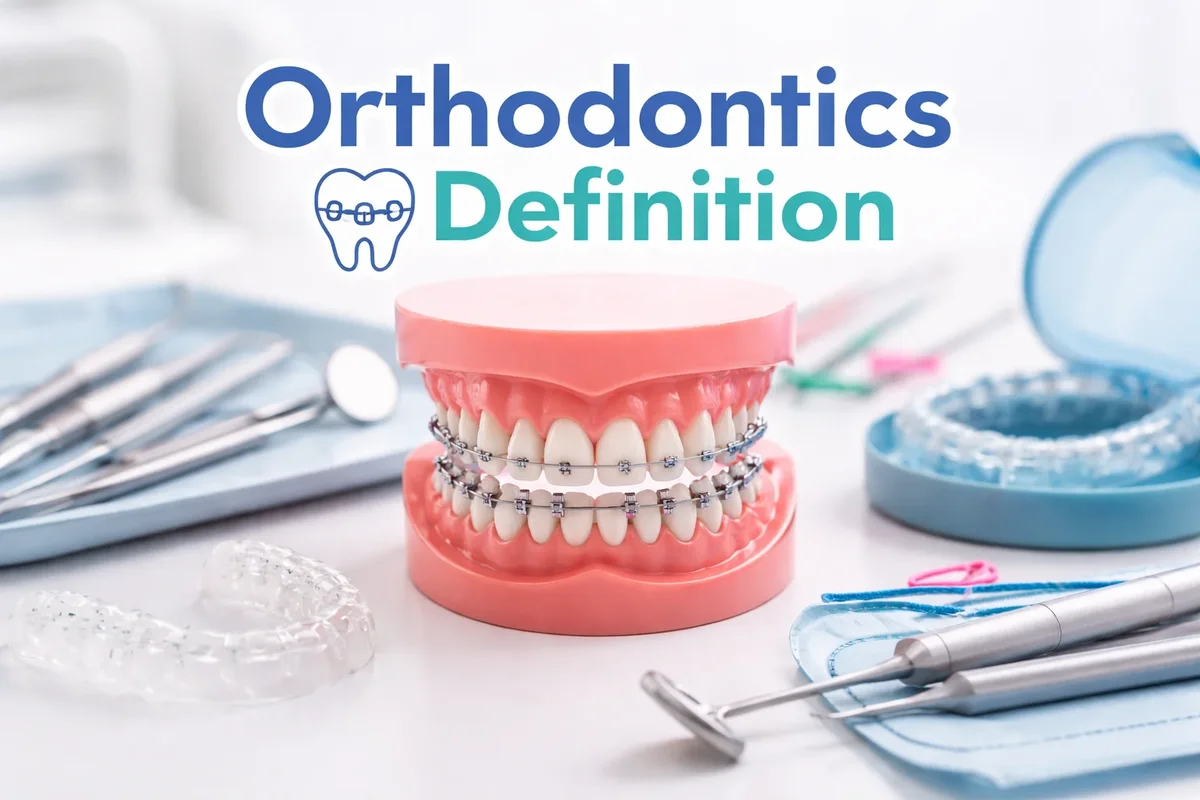
From a professional standpoint, the orthodontics definition includes both fixed and removable appliances. Fixed appliances such as metal braces, ceramic braces, and lingual braces are bonded to the teeth and adjusted periodically. Removable options like clear aligners offer a more discreet approach and are increasingly popular among adults. Regardless of the method, all treatments that fall under the orthodontics definition aim to apply controlled forces to move teeth safely into proper positions.
It is also important to understand that the orthodontics definition is rooted in science and biomechanics. Orthodontic tooth movement occurs when gentle pressure causes the bone around the teeth to remodel. This biological process allows teeth to shift gradually without damaging surrounding tissues. A qualified orthodontist carefully plans this movement to ensure both effectiveness and safety.
The orthodontics definition also includes post-treatment stability. Once teeth are aligned, retention is crucial to maintain results. Retainers, either fixed or removable, are used to prevent teeth from shifting back to their original positions. This long-term perspective is a fundamental part of the orthodontics definition and highlights why orthodontic care does not end the day braces are removed.
For patients researching treatment, the orthodontics definition often raises questions about cost, duration, and suitability. While treatment time varies depending on complexity, most orthodontic treatments last between 12 and 24 months. Costs can differ by country and technology used, but the investment often pays off in improved oral health and confidence. For personalized consultation and accurate planning, patients are encouraged to reach out via the Redent Klinik Contact Page.
Authoritative dental organizations also support a clear and standardized orthodontics definition. According to the American Dental Association, orthodontics is a recognized dental specialty that requires additional years of advanced training beyond dental school. This ensures that orthodontic treatments are based on evidence-based protocols and high clinical standards.
In summary, the orthodontics definition describes a comprehensive dental specialty dedicated to aligning teeth, correcting bite problems, and improving overall oral health. It combines science, technology, and aesthetics to deliver long-lasting functional and visual benefits. Whether for children, teens, or adults, understanding the orthodontics definition empowers patients to make informed decisions about their dental care and long-term well-being 🌟.
What Is the Orthodontics Definition in Simple Terms?
The orthodontics definition in simple terms can be explained as the science of straightening teeth and correcting jaw alignment to improve both oral health and appearance. While this explanation may sound basic, it captures the core purpose of orthodontics: helping teeth and jaws function together in the most balanced and efficient way possible 😊. Many people first encounter the orthodontics definition when they are told they need braces, but the concept extends far beyond that single treatment option.
At its foundation, the orthodontics definition focuses on how teeth fit together when the mouth closes, also known as the bite. A healthy bite allows for proper chewing, clear speech, and even distribution of pressure across the teeth. When teeth are misaligned, these functions can be compromised, leading to long-term dental and jaw problems. This is why the orthodontics definition is closely tied to overall oral health, not just aesthetics.
Breaking Down the Orthodontics Definition for Patients
To better understand the orthodontics definition, it helps to break it down into practical ideas. Orthodontics involves identifying irregularities in tooth position, jaw size, or jaw relationship and then using specialized tools to guide teeth into better alignment. These irregularities may include crowding, spacing, protruding teeth, or bites that do not close properly.
From a patient’s perspective, the orthodontics definition means receiving a customized treatment plan designed to gradually improve alignment over time. This plan may involve braces, clear aligners, or other appliances, depending on individual needs. The goal is always the same: a healthier mouth that functions efficiently and looks natural. Understanding the orthodontics definition helps patients feel more confident and informed before starting treatment.
Why Simple Alignment Is Not the Whole Orthodontics Definition
Many people assume the orthodontics definition is limited to straight teeth, but this is only one part of the picture. Proper jaw alignment plays a crucial role in orthodontic care. If the upper and lower jaws do not align correctly, even straight teeth can cause discomfort, uneven wear, or jaw strain. Therefore, the orthodontics definition also includes correcting skeletal issues when necessary.
This broader orthodontics definition explains why some treatments begin at a young age. In children, orthodontists can guide jaw growth to prevent severe alignment problems later. In adults, treatment may focus more on tooth movement, but jaw relationships are still carefully evaluated. This comprehensive approach ensures long-term stability and comfort.
Functional Benefits Explained by the Orthodontics Definition
Another important part of the orthodontics definition is function. Misaligned teeth can make it difficult to clean the mouth properly, increasing the risk of cavities and gum disease. By aligning teeth correctly, orthodontic treatment supports better oral hygiene and reduces the likelihood of future dental issues 🪥.
Chewing efficiency is also directly linked to the orthodontics definition. When teeth meet correctly, food is broken down more effectively, supporting digestion and overall health. Additionally, proper alignment can improve speech clarity by allowing the tongue and lips to move naturally.
Emotional and Social Aspects of the Orthodontics Definition
Beyond physical health, the orthodontics definition also has psychological and social dimensions. A confident smile can positively influence self-esteem, social interactions, and even professional opportunities. While cosmetic improvement is not the primary medical goal, it is a valuable and meaningful outcome of orthodontic care.
Patients who understand the orthodontics definition often feel reassured that their treatment is about more than appearance. Knowing that orthodontics supports oral health, comfort, and confidence makes the process feel purposeful rather than purely cosmetic.
How the Orthodontics Definition Applies to Everyday Life
In everyday terms, the orthodontics definition affects how people eat, speak, smile, and maintain their teeth. Straight, well-aligned teeth are easier to clean, less prone to damage, and more comfortable over time. This practical impact is why orthodontics is recommended not only for teenagers but also for adults of all ages.
In summary, the orthodontics definition in simple terms describes a dental specialty dedicated to aligning teeth and jaws for better function, health, and appearance. It is a balanced combination of science, prevention, and patient-centered care. By understanding the orthodontics definition clearly, individuals can make informed decisions about treatment and appreciate the long-term benefits it offers 🌟.
The History Behind the Orthodontics Definition
The orthodontics definition has evolved significantly over centuries, shaped by medical discoveries, cultural priorities, and advances in dental science. While modern orthodontics is highly precise and technology-driven, its roots extend far back into ancient civilizations. Understanding this historical development helps explain why today’s orthodontics definition emphasizes both function and aesthetics 😊.
In its earliest form, the orthodontics definition was not formally written or standardized. Instead, early dental practices focused on relieving pain and replacing missing teeth. However, archaeological findings suggest that even ancient societies recognized the importance of tooth alignment. Human remains discovered in Egypt show crude metal bands wrapped around teeth, indicating early attempts to correct positioning.
Ancient Origins of the Orthodontics Definition
The first recognizable steps toward the modern orthodontics definition can be traced to ancient Egypt, Greece, and Rome. Historical records reveal that Roman physicians described methods for applying pressure to teeth to correct alignment. These early techniques lacked scientific precision but demonstrated an intuitive understanding that teeth could be moved gradually.
In ancient times, the orthodontics definition was largely functional rather than cosmetic. Misaligned teeth were addressed only when they caused pain or interfered with eating. Aesthetic considerations, which are now closely associated with the orthodontics definition, played a minimal role. Nevertheless, these early observations laid the groundwork for future orthodontic principles.
The Middle Ages and Slow Progress
During the Middle Ages, progress in dental science slowed considerably. The orthodontics definition during this period was vague and inconsistent, as dentistry itself was not yet recognized as a formal medical discipline. Tooth extraction was often the primary solution for dental problems, and alignment issues were rarely addressed.
Despite this stagnation, some practitioners continued experimenting with tooth movement. Simple wires and threads were occasionally used to reposition teeth, showing that the basic concept behind the orthodontics definition persisted even without advanced knowledge or tools.
The Birth of Modern Orthodontics Definition
The orthodontics definition began to take a clearer and more scientific form in the 18th and 19th centuries. A major turning point came with Pierre Fauchard, often referred to as the father of modern dentistry. He introduced devices designed to expand dental arches and align teeth, moving the orthodontics definition closer to what we recognize today.
As dentistry advanced, orthodontics emerged as a distinct specialty. The orthodontics definition expanded to include systematic diagnosis, treatment planning, and long-term retention. Dental schools began teaching orthodontic principles, and research into jaw growth and tooth movement accelerated.
20th Century Advances Shaping the Orthodontics Definition
The 20th century marked rapid progress in orthodontics. Stainless steel wires, improved brackets, and elastic materials revolutionized treatment methods. These innovations refined the orthodontics definition by making treatments more efficient, predictable, and comfortable for patients 😄.
During this period, orthodontics also became more patient-centered. The orthodontics definition increasingly emphasized facial harmony, bite balance, and long-term stability. Orthodontists began considering how tooth alignment affects speech, jaw joints, and overall oral health.
Digital Age and the Modern Orthodontics Definition
In recent decades, digital technology has further transformed the orthodontics definition. Three-dimensional imaging, computer-assisted treatment planning, and clear aligner systems have expanded treatment options. These tools allow orthodontists to simulate tooth movement and predict outcomes with remarkable accuracy.
Today’s orthodontics definition reflects a balance between tradition and innovation. While the biological principles of tooth movement remain unchanged, modern techniques offer greater comfort, discretion, and customization. This evolution has made orthodontic care accessible to a wider range of patients, including adults who may have avoided treatment in the past.
Why History Matters in Understanding the Orthodontics Definition
Understanding the history behind the orthodontics definition highlights how far the field has come and why current standards exist. Each advancement was built upon earlier observations, trials, and refinements. This historical perspective reinforces the importance of evidence-based practice in modern orthodontics.
In conclusion, the orthodontics definition has evolved from rudimentary attempts at tooth movement to a sophisticated dental specialty grounded in science and technology. Its historical journey underscores a continuous commitment to improving oral function, health, and quality of life. By appreciating this evolution, patients can better understand the value and credibility of modern orthodontic treatment 🌟.
Why the Orthodontics Definition Matters for Oral Health
The orthodontics definition matters for oral health because it connects tooth alignment and jaw balance directly to how the mouth functions every day. Many people believe orthodontic care is mainly cosmetic, but this misunderstanding overlooks the medical importance embedded in the orthodontics definition. Proper alignment affects chewing, speech, hygiene, jaw comfort, and even long-term dental stability 😊.
When teeth are not positioned correctly, they can create hidden health risks. The orthodontics definition emphasizes prevention and correction of these risks by guiding teeth and jaws into a healthier relationship. This is why orthodontic treatment is often recommended not only to improve appearance but also to protect oral structures from damage over time.
How the Orthodontics Definition Supports Healthy Teeth and Gums
A core element of the orthodontics definition is the promotion of easier oral hygiene. Crooked or crowded teeth create tight spaces that are difficult to clean with regular brushing and flossing. Plaque and bacteria can accumulate in these areas, increasing the risk of cavities and gum disease.
By aligning teeth properly, orthodontic treatment reduces these hard-to-reach zones. This practical benefit of the orthodontics definition helps patients maintain cleaner teeth and healthier gums throughout their lives. Over time, improved hygiene lowers the likelihood of advanced periodontal problems that could otherwise lead to tooth loss.
The Role of Bite Alignment in Oral Health
Another critical aspect of the orthodontics definition is bite alignment. When the upper and lower teeth do not meet correctly, excessive pressure can be placed on certain teeth. This uneven force may cause enamel wear, cracks, or sensitivity. In severe cases, it can contribute to gum recession or bone loss.
A balanced bite distributes chewing forces evenly across the teeth. According to the orthodontics definition, correcting bite problems protects teeth from premature wear and reduces stress on supporting structures. This balance is essential for preserving oral health well into adulthood.
Jaw Health and the Orthodontics Definition
The orthodontics definition also includes the relationship between the teeth and the jaw joints, known as the temporomandibular joints (TMJ). Misaligned bites can strain these joints, leading to symptoms such as jaw pain, clicking sounds, headaches, or facial discomfort.
Orthodontic treatment guided by the orthodontics definition aims to create harmony between teeth and jaws. When alignment improves, jaw muscles work more efficiently, and joint strain is often reduced. This functional improvement highlights why orthodontics is not limited to straightening teeth alone.
Speech and Chewing Benefits Explained by the Orthodontics Definition
Clear speech depends on precise interaction between the tongue, teeth, and lips. Misaligned teeth can interfere with certain sounds, making speech less clear. The orthodontics definition recognizes this connection and includes speech improvement as an indirect benefit of proper alignment.
Chewing is another essential function influenced by orthodontics. When teeth fit together correctly, food is broken down more effectively, supporting digestion and nutritional health. Through this lens, the orthodontics definition extends beyond the mouth and contributes to overall well-being 🥗.
Long-Term Oral Health and the Preventive Value of the Orthodontics Definition
One of the most important reasons the orthodontics definition matters is its long-term preventive value. Addressing alignment issues early can prevent more serious dental problems later in life. For example, correcting crowding can reduce the risk of decay, while improving bite alignment can prevent jaw complications.
Even for adults, orthodontic care guided by the orthodontics definition can halt or slow ongoing damage caused by misalignment. This preventive approach often reduces the need for complex restorative treatments such as crowns, implants, or extensive dental repairs in the future.
Emotional Well-Being and Oral Health Connection
Although oral health is the primary focus, the orthodontics definition also indirectly supports emotional well-being. A healthy smile can boost confidence, encourage social interaction, and motivate individuals to maintain good oral hygiene habits. This positive cycle reinforces both mental and dental health 🌟.
Patients who understand the orthodontics definition often feel more motivated to complete treatment because they recognize its broader health benefits. This awareness leads to better compliance, improved outcomes, and long-lasting results.
In summary, the orthodontics definition matters for oral health because it addresses the root causes of many dental and jaw problems. By improving alignment, bite balance, and hygiene access, orthodontics protects teeth, gums, and joints over the long term. Far from being purely cosmetic, the orthodontics definition represents a vital component of preventive and functional dental care.
Common Dental Problems Explained by the Orthodontics Definition
The orthodontics definition plays a crucial role in identifying and explaining many common dental problems that affect both children and adults. While these issues may appear minor at first glance, they often have deeper functional and health-related implications. By understanding how these problems fit within the orthodontics definition, patients can better recognize why orthodontic treatment is frequently recommended 😊.
At its core, the orthodontics definition addresses irregularities in tooth position and jaw alignment. These irregularities, known collectively as malocclusions, can vary widely in severity and impact. Some may affect appearance more noticeably, while others primarily disrupt oral function. In many cases, both aspects are involved.
Tooth Crowding and the Orthodontics Definition
One of the most common issues explained by the orthodontics definition is tooth crowding. Crowding occurs when there is insufficient space in the jaw for all teeth to align properly. As a result, teeth may overlap, rotate, or erupt in abnormal positions.
From the perspective of the orthodontics definition, crowding is not merely a cosmetic concern. Overlapping teeth are harder to clean effectively, increasing the risk of plaque buildup, cavities, and gum disease. Orthodontic treatment creates space and aligns teeth, making daily oral hygiene more effective and sustainable.
Spacing and Gaps Between Teeth
Another condition addressed within the orthodontics definition is excessive spacing or gaps between teeth. This issue can occur due to missing teeth, small tooth size, or jaw size discrepancies. While gaps may seem harmless, they can affect bite stability and allow food to become trapped easily.
The orthodontics definition includes correcting spacing issues to improve both function and aesthetics. By guiding teeth into proper positions, orthodontic care helps create a balanced bite and a more uniform smile.
Overbite, Underbite, and Crossbite Explained
Bite problems are central to the orthodontics definition. An overbite occurs when the upper front teeth excessively overlap the lower teeth. An underbite is the opposite, where the lower teeth protrude beyond the upper teeth. A crossbite involves misalignment where some upper teeth sit inside the lower teeth when biting down.
Each of these conditions can cause uneven tooth wear, jaw discomfort, and difficulty chewing. According to the orthodontics definition, correcting bite issues is essential to protect teeth and jaw joints from long-term damage. Orthodontic appliances apply controlled forces to reposition teeth and, in some cases, guide jaw growth.
Open Bite and Functional Challenges
An open bite is another problem clearly defined by the orthodontics definition. In this condition, the upper and lower teeth do not meet when the mouth is closed, leaving a visible gap. Open bites can interfere with chewing and speech, making everyday activities more challenging.
The orthodontics definition recognizes open bites as both functional and developmental concerns. Treatment aims to restore proper contact between teeth, improving efficiency and comfort while eating and speaking 🍎.
Protruding Teeth and Injury Risk
Protruding or flared teeth are also addressed within the orthodontics definition. When front teeth extend outward excessively, they are more vulnerable to trauma from falls or accidents. This risk is especially significant for children and adolescents.
Orthodontic treatment guided by the orthodontics definition reduces this risk by repositioning teeth into safer, more stable positions. This protective benefit highlights why orthodontics is often recommended early in life.
Jaw Misalignment and Long-Term Effects
Jaw misalignment is one of the more complex issues included in the orthodontics definition. When the upper and lower jaws do not align correctly, it can affect facial balance, chewing efficiency, and jaw joint health. Symptoms may include jaw pain, headaches, or clicking sounds during movement.
The orthodontics definition emphasizes addressing jaw alignment to restore harmony between teeth, muscles, and joints. In some cases, treatment may involve growth guidance in children or coordinated care in adults.
In summary, the orthodontics definition provides a framework for understanding a wide range of common dental problems. From crowding and spacing to bite and jaw issues, orthodontics addresses the underlying causes of misalignment rather than just surface symptoms. By recognizing these problems early and treating them appropriately, patients can achieve better oral health, comfort, and long-term stability 🌟.
Types of Treatments Included in the Orthodontics Definition
The orthodontics definition includes a wide range of treatment methods designed to correct tooth alignment and jaw positioning problems. Many people mistakenly believe that orthodontics only involves traditional metal braces, but this is far from accurate. In reality, the orthodontics definition covers multiple appliances and techniques, each tailored to the patient’s age, dental condition, lifestyle, and treatment goals 😊.
Understanding the different treatment types explained by the orthodontics definition helps patients feel more confident and informed before beginning care. Each option works by applying controlled, gentle forces to teeth and jaws, guiding them into healthier and more functional positions over time.
Traditional Braces Within the Orthodontics Definition
Traditional metal braces are one of the most well-known treatments included in the orthodontics definition. They consist of metal brackets bonded to the teeth and connected by an archwire. Small elastic bands or clips hold the wire in place and help guide tooth movement.
From the perspective of the orthodontics definition, metal braces remain one of the most effective solutions for complex alignment and bite issues. They allow orthodontists precise control over tooth movement, making them suitable for severe crowding, bite problems, and jaw discrepancies.
Ceramic and Aesthetic Braces
Ceramic braces are another option included in the orthodontics definition. These braces function similarly to metal braces but use tooth-colored or clear brackets, making them less noticeable. Many adults prefer this option because it balances effectiveness with improved aesthetics.
The orthodontics definition recognizes ceramic braces as a valuable alternative for patients who want reliable results with a more discreet appearance. However, they may require extra care to prevent staining.
Clear Aligners and the Modern Orthodontics Definition
Clear aligners have become increasingly popular and are a major part of the modern orthodontics definition. These removable, transparent trays are custom-made and replaced periodically to gradually move teeth into alignment.
The orthodontics definition includes clear aligners as an effective solution for mild to moderate alignment issues. They are especially appealing to adults because they are nearly invisible and can be removed for eating and cleaning. This flexibility often improves comfort and convenience 😄.
Advantages and Limitations of Clear Aligners
According to the orthodontics definition, clear aligners offer several advantages, including easier oral hygiene and fewer dietary restrictions. However, they require strong patient compliance. Aligners must be worn for most of the day to achieve desired results.
For complex cases, traditional braces may still be recommended. This highlights how the orthodontics definition emphasizes selecting the right treatment based on individual needs rather than appearance alone.
Lingual Braces Explained by the Orthodontics Definition
Lingual braces are another specialized option included in the orthodontics definition. These braces are attached to the inner surfaces of the teeth, making them virtually invisible from the outside. They offer the strength of traditional braces with maximum discretion.
The orthodontics definition considers lingual braces a highly customized treatment. They require advanced training and careful planning, as placement and adjustments are more complex than standard braces.
Functional Appliances and Growth Guidance
For children and adolescents, the orthodontics definition also includes functional appliances designed to guide jaw growth. These removable or fixed devices help correct skeletal imbalances while the jaws are still developing.
By addressing growth issues early, orthodontic treatment can reduce the need for more invasive procedures later. This preventive aspect is a key part of the orthodontics definition and highlights its long-term health benefits.
Retainers and Post-Treatment Stability
No discussion of the orthodontics definition is complete without mentioning retainers. After active treatment ends, retainers help maintain tooth alignment and prevent relapse. They can be removable or fixed, depending on the case.
The orthodontics definition emphasizes that retention is just as important as active treatment. Teeth have a natural tendency to shift, and retainers ensure that results remain stable over time.
In summary, the orthodontics definition encompasses a diverse range of treatment options, from traditional braces to advanced clear aligners and growth-guiding appliances. Each method serves a specific purpose and is selected based on individual clinical needs. By understanding these treatment types, patients can better appreciate how orthodontics combines science, customization, and long-term care to deliver healthy, lasting smiles 🌟.
Who Needs Treatment According to the Orthodontics Definition?
The orthodontics definition helps clarify who may benefit from orthodontic treatment and why it is recommended across different age groups. Contrary to common belief, orthodontic care is not limited to teenagers or people seeking cosmetic improvement. According to the orthodontics definition, treatment is indicated whenever tooth alignment or jaw relationships interfere with oral health, function, or long-term stability 😊.
By understanding who needs treatment through the lens of the orthodontics definition, patients can recognize early signs of orthodontic problems and seek timely evaluation. Early diagnosis often leads to simpler, more effective solutions and helps prevent complications later in life.
Children and the Orthodontics Definition
Children are one of the primary groups identified by the orthodontics definition as candidates for early evaluation. While not every child requires immediate treatment, orthodontists often recommend an initial assessment around the age when permanent teeth begin to emerge.
The orthodontics definition emphasizes growth guidance in children. At this stage, orthodontic care can identify jaw discrepancies, crowding risks, or bite issues before they become severe. Early intervention may involve simple appliances that guide jaw development and create space for incoming teeth.
Benefits of Early Orthodontic Evaluation
According to the orthodontics definition, early evaluation does not always mean early braces. Instead, it allows orthodontists to monitor development and intervene at the optimal time. This approach can reduce treatment duration, lower complexity, and improve long-term outcomes.
Children who receive timely orthodontic care often experience fewer dental problems as adults. This preventive role is a fundamental part of the orthodontics definition and highlights its long-term value 🧒.
Teenagers and the Orthodontics Definition
Teenagers are the group most commonly associated with orthodontic treatment, and the orthodontics definition strongly applies here. During adolescence, most permanent teeth have erupted, and jaw growth is still ongoing, making it an ideal time for alignment correction.
The orthodontics definition recognizes that treating alignment and bite issues during teenage years can be highly effective. Teeth move more predictably at this age, and growth patterns can still be guided to achieve balanced jaw relationships.
Functional and Social Considerations for Teens
Beyond physical benefits, the orthodontics definition also considers emotional and social factors. Adolescence is a time when self-confidence plays a significant role in personal development. A healthy, aligned smile can positively influence social interactions and self-esteem.
Modern orthodontic options included in the orthodontics definition, such as clear aligners and aesthetic braces, have made treatment more acceptable and comfortable for teenagers.
Adults and the Expanding Orthodontics Definition
Adults are increasingly seeking orthodontic care, and the orthodontics definition fully supports treatment at any age. As long as teeth and gums are healthy, orthodontic treatment can be effective well into adulthood.
For adults, the orthodontics definition often focuses on correcting long-standing alignment issues that may be causing discomfort, uneven wear, or hygiene challenges. In many cases, adults seek treatment to improve oral health as much as appearance.
Orthodontics Definition and Adult-Specific Needs
Adult orthodontic care may require a more comprehensive approach, especially if previous dental work is present. The orthodontics definition accounts for restorations, gum health, and jaw joint considerations when planning treatment for adults.
Discreet treatment options, such as clear aligners and lingual braces, have expanded access for adults who may have avoided orthodontics in the past due to aesthetic concerns 😊.
Signs You May Need Treatment Based on the Orthodontics Definition
The orthodontics definition outlines several signs that indicate a need for evaluation, regardless of age. These include difficulty chewing, jaw pain, frequent biting of the cheeks or lips, crowded or protruding teeth, and noticeable bite irregularities.
Even subtle symptoms can signal underlying alignment issues. The orthodontics definition encourages proactive assessment to prevent these issues from worsening over time.
Medical vs Cosmetic Reasons Explained
While cosmetic improvement is often a motivating factor, the orthodontics definition prioritizes function and health. Many patients begin treatment for aesthetic reasons and later discover significant improvements in comfort and oral health.
This balanced perspective reinforces why orthodontic treatment should be viewed as a healthcare decision rather than a purely cosmetic choice.
In conclusion, the orthodontics definition applies to children, teenagers, and adults alike. Anyone experiencing alignment, bite, or jaw-related issues may benefit from orthodontic evaluation and treatment. By understanding who needs care according to the orthodontics definition, patients can take proactive steps toward healthier smiles, improved function, and long-term oral well-being 🌟.
Orthodontics Definition for Children, Teens, and Adults
The orthodontics definition applies differently across age groups, yet its core purpose remains the same: to improve tooth alignment, bite function, and long-term oral health. Children, teenagers, and adults each experience unique dental development stages, and the orthodontics definition adapts to these differences to deliver effective, age-appropriate care 😊.
Understanding how the orthodontics definition applies at different life stages helps patients and parents make informed decisions about timing, treatment type, and expectations. Orthodontic care is not a one-size-fits-all solution; rather, it is a flexible specialty designed to meet evolving anatomical and functional needs.
Orthodontics Definition in Childhood
In children, the orthodontics definition focuses heavily on growth and development. At this stage, the jaws are still forming, and permanent teeth are beginning to emerge. Orthodontic evaluations during childhood aim to identify potential problems early, even if immediate treatment is not required.
The orthodontics definition includes what is often called interceptive or preventive orthodontics. This may involve guiding jaw growth, correcting harmful oral habits, or creating space for incoming permanent teeth. Early intervention can reduce the severity of future alignment issues and, in some cases, eliminate the need for complex treatment later.
Why Early Monitoring Matters
According to the orthodontics definition, monitoring is just as important as treatment in children. Regular check-ups allow orthodontists to determine the ideal moment to intervene. This strategic timing improves efficiency and minimizes discomfort.
Children who benefit from early orthodontic guidance often experience smoother dental development and improved oral function as they grow 🧒.
Teenagers and the Core Orthodontics Definition
Teenagers represent the most common group receiving orthodontic treatment, and the orthodontics definition is most visibly applied during this phase. By adolescence, most permanent teeth have erupted, and jaw growth is still active, making it an ideal window for alignment correction.
The orthodontics definition at this stage focuses on correcting crowding, spacing, and bite issues while supporting healthy jaw relationships. Treatment is often more efficient during adolescence because teeth respond well to orthodontic forces.
Balancing Function and Confidence
The orthodontics definition for teenagers also acknowledges social and emotional factors. A well-aligned smile can positively influence self-esteem and social interaction during a critical developmental period.
Modern orthodontic solutions, such as aesthetic braces and clear aligners, align with the orthodontics definition by offering effective treatment while addressing appearance-related concerns 😊.
Adults and the Modern Orthodontics Definition
The orthodontics definition fully supports treatment for adults, proving that it is never too late to improve alignment and oral function. Adult orthodontic care has grown significantly in popularity as awareness and technology have advanced.
For adults, the orthodontics definition often emphasizes correcting long-standing issues that may contribute to uneven tooth wear, gum problems, or jaw discomfort. Many adults seek treatment not only for aesthetic reasons but also to preserve oral health.
Special Considerations for Adult Orthodontics
The orthodontics definition accounts for unique adult needs, such as existing dental restorations, bone density, and gum health. Treatment planning may involve collaboration between orthodontists and general dentists to ensure comprehensive care.
Discreet treatment options, including clear aligners and lingual braces, have expanded access for adults who prefer subtle solutions. These innovations fit seamlessly within the modern orthodontics definition 🌟.
Common Goals Across All Age Groups
While treatment approaches differ, the orthodontics definition maintains consistent goals across children, teens, and adults. These goals include achieving a balanced bite, improving oral hygiene access, and enhancing long-term dental stability.
Regardless of age, orthodontic care aims to create harmony between teeth, jaws, and facial structures. This holistic perspective is a defining feature of the orthodontics definition.
Timing and Individualization Explained
The orthodontics definition emphasizes that the best time for treatment varies from person to person. Factors such as growth patterns, dental development, and individual needs all influence timing.
By tailoring treatment to each age group, orthodontics delivers effective, patient-centered care that evolves with the individual.
In conclusion, the orthodontics definition applies throughout life, from early childhood to adulthood. Whether guiding growth in children, optimizing alignment in teenagers, or restoring balance in adults, orthodontics offers adaptable solutions rooted in science and prevention. Understanding these age-specific applications empowers patients to seek timely care and enjoy healthier, more confident smiles at any stage of life 🌈.
Orthodontics Definition vs General Dentistry: Key Differences
The orthodontics definition is often confused with general dentistry, yet the two fields serve different purposes within oral healthcare. While both focus on maintaining healthy teeth and gums, their training, treatment goals, and clinical approaches differ significantly. Understanding these distinctions helps patients choose the right professional for their specific dental needs 😊.
At a basic level, general dentistry provides comprehensive oral care, including cleanings, fillings, crowns, and preventive services. In contrast, the orthodontics definition centers on correcting tooth alignment and jaw relationships to improve function, stability, and long-term oral health. These differences become especially important when dealing with bite problems or complex alignment issues.
Scope of Practice Explained by the Orthodontics Definition
The orthodontics definition describes a dental specialty focused exclusively on the diagnosis, prevention, and correction of malocclusions. Orthodontists receive additional years of specialized training beyond dental school to master tooth movement, jaw growth, and bite correction.
General dentists, on the other hand, are trained to manage a wide range of dental conditions. While many general dentists can provide basic orthodontic services, such as minor aligner treatments, complex cases typically fall under the orthodontics definition and require specialist care.
Training and Expertise Differences
A key distinction highlighted by the orthodontics definition is education. Orthodontists complete advanced residency programs that focus solely on alignment and bite correction. This specialized training allows them to manage complex cases involving jaw discrepancies, severe crowding, or skeletal issues.
General dentists play a vital role in routine dental maintenance, but the orthodontics definition emphasizes that specialized expertise is necessary for predictable, long-term alignment results 🦷.
Treatment Goals: Function vs Maintenance
Another major difference between general dentistry and the orthodontics definition lies in treatment goals. General dentistry primarily aims to maintain oral health by preventing and treating decay, gum disease, and tooth damage.
The orthodontics definition, however, prioritizes functional harmony. Correcting how teeth and jaws fit together can prevent uneven wear, jaw pain, and long-term complications. While both fields support oral health, orthodontics addresses underlying structural issues that general dentistry may not fully resolve.
Long-Term Impact on Oral Health
According to the orthodontics definition, alignment correction can significantly influence long-term oral health. Straight teeth are easier to clean, less prone to damage, and better supported by surrounding bone and gums.
General dentistry maintains oral health on a day-to-day basis, but orthodontics reshapes the foundation on which that health depends. This complementary relationship highlights why both disciplines are essential.
When Orthodontics Definition Becomes Essential
There are situations where the orthodontics definition clearly indicates the need for specialist care. These include significant bite discrepancies, jaw misalignment, severe crowding, and functional issues affecting chewing or speech.
In such cases, orthodontic treatment addresses problems that general dental procedures alone cannot resolve. This distinction helps patients understand why referrals to orthodontists are common for alignment-related concerns.
Collaboration Between Orthodontics and General Dentistry
Despite their differences, general dentistry and orthodontics often work together. The orthodontics definition supports a collaborative approach in which orthodontists align teeth and jaws, while general dentists manage restorative and preventive care.
This teamwork ensures comprehensive treatment planning and optimal outcomes. For example, orthodontic alignment may be completed before placing crowns or implants, ensuring better function and aesthetics.
Patient Perspective: Choosing the Right Care
From a patient’s perspective, understanding the orthodontics definition helps clarify expectations and treatment pathways. While routine dental visits maintain oral health, orthodontic care addresses alignment issues that can impact comfort and longevity.
Patients who recognize these differences are better equipped to make informed decisions about their dental care and long-term well-being 😊.
Cost and Value Considerations
While orthodontic treatment often represents a larger investment than routine dental care, the orthodontics definition emphasizes long-term value. Correcting alignment issues early can reduce future dental costs associated with wear, damage, or complex restorations.
This preventive benefit reinforces why orthodontics is considered a valuable component of comprehensive oral healthcare.
In summary, the orthodontics definition sets orthodontics apart from general dentistry through its specialized focus on alignment, bite correction, and long-term function. While general dentistry maintains oral health, orthodontics transforms the structural foundation of the smile. Together, they form a complete approach to dental care, ensuring healthy, functional, and confident smiles for life 🌟.
How Long Do Treatments Take Based on the Orthodontics Definition?
The orthodontics definition includes not only what orthodontic treatment is, but also how treatment timelines are planned, managed, and completed. One of the most common questions patients ask is how long orthodontic treatment will take. The answer depends on multiple factors, all of which are explained within the orthodontics definition as part of individualized, biologically guided care 😊.
Orthodontic treatment is not a one-day procedure. It is a gradual process that respects the natural movement of teeth and jaw structures. The orthodontics definition emphasizes controlled force, biological response, and long-term stability, which means treatment time must be sufficient to move teeth safely and predictably.
Average Treatment Duration Explained by the Orthodontics Definition
According to the orthodontics definition, most orthodontic treatments last between 12 and 24 months. This range applies to the majority of patients with mild to moderate alignment or bite issues. However, some treatments may be shorter, while others may take longer depending on complexity.
Mild cases, such as small spacing or minor crowding, may be completed in as little as 6 to 9 months. More complex cases involving significant bite correction, jaw discrepancies, or severe crowding may extend beyond two years. The orthodontics definition clearly states that treatment duration is determined by biology and precision, not speed.
Why Faster Is Not Always Better
The orthodontics definition strongly discourages rushing treatment. Moving teeth too quickly can damage tooth roots, bone, and surrounding tissues. Controlled timing allows bone to remodel properly around moving teeth, ensuring stability and safety.
This is why reputable orthodontic care prioritizes health over shortcuts. Treatment duration is a protective factor, not a drawback 🛡️.
Factors That Influence Treatment Time
The orthodontics definition identifies several key factors that influence how long treatment will take. These include the severity of misalignment, the type of bite problem, patient age, and the chosen treatment method.
Age plays an important role. Children and teenagers often experience faster tooth movement because their bone structure is still developing. Adults can achieve equally successful results, but treatment may take slightly longer due to denser bone and completed growth.
Patient Compliance and Its Impact
Patient cooperation is a critical factor highlighted by the orthodontics definition. Wearing aligners as instructed, attending regular appointments, and following care guidelines all directly affect treatment duration.
For example, clear aligner therapy relies heavily on consistent daily wear. Poor compliance can significantly extend treatment time. This reinforces the orthodontics definition as a partnership between patient and provider 🤝.
Treatment Type and Timeline Differences
Different orthodontic appliances influence treatment length in distinct ways. Traditional braces often provide the most control for complex movements, which can shorten treatment time for severe cases. Clear aligners may be ideal for simpler cases but can take longer if compliance is inconsistent.
The orthodontics definition does not rank treatments by speed alone. Instead, it emphasizes selecting the most appropriate tool for the specific clinical situation to achieve stable, long-lasting results.
Phased Treatment and Extended Timelines
In children, orthodontic care may be divided into phases. Phase one focuses on growth guidance, while phase two completes tooth alignment later. According to the orthodontics definition, phased treatment may extend over several years but often reduces complexity and risk in the long term.
This approach highlights that total calendar time is not always the best measure of efficiency. Long-term outcomes matter more than short-term speed.
Retention Phase: A Crucial Part of the Orthodontics Definition
The orthodontics definition does not end when braces or aligners are removed. Retention is a mandatory phase that follows active treatment. Retainers help maintain tooth position while supporting tissues stabilize.
Retention can last months or even years, depending on individual risk factors. This phase is essential to protect the time and effort invested during active treatment.
Long-Term Perspective on Treatment Time
When viewed through the orthodontics definition, treatment time includes planning, active movement, and retention. This long-term perspective ensures results that are not only attractive but also stable and functional.
Patients who understand this timeline are more satisfied and better prepared for the orthodontic journey.
In conclusion, treatment duration based on the orthodontics definition varies from person to person but is always guided by safety, biology, and long-term success. Whether treatment lasts several months or a few years, the goal remains the same: a healthy bite, well-aligned teeth, and lasting oral stability. By respecting the principles outlined in the orthodontics definition, patients achieve results that truly stand the test of time 🌟.