
In recent years, orthodontist aligners have revolutionized the world of dental care. These transparent, removable devices are designed to gently move teeth into their ideal position—offering a modern, comfortable, and nearly invisible alternative to traditional metal braces. With millions of people choosing aligners to enhance their smile, understanding their function, benefits, and process is crucial for anyone considering orthodontic treatment. 😁
Unlike conventional braces that use brackets and wires, orthodontist aligners rely on custom-made trays produced through advanced 3D scanning and digital modeling. Each set of aligners is slightly different, gradually shifting teeth toward the desired alignment. This approach allows orthodontists to precisely control movement and reduce discomfort throughout the treatment. Patients receive multiple sets of aligners over several months, with each one contributing to a straighter smile.
One of the biggest advantages of clear orthodontic aligners is their subtle appearance. Many adults and teenagers prefer them because they blend naturally with the teeth and don’t interfere with professional or social situations. Moreover, they can be removed during meals, brushing, and flossing, which promotes better oral hygiene compared to metal braces. 🪥 Maintaining clean teeth and gums during orthodontic treatment is easier than ever with aligners.
The effectiveness of orthodontist aligners depends on several factors—such as the patient’s age, dental condition, and commitment to wearing the trays for the recommended 20–22 hours per day. Regular checkups allow the orthodontist to monitor progress and make adjustments when needed. These visits are usually shorter and less frequent than traditional orthodontic appointments, which makes the treatment particularly appealing for busy individuals.
Aligner technology has evolved significantly thanks to advancements in computer-aided design and dental imaging. Today’s aligners are not only thinner and stronger but also more adaptive to tooth movement patterns. Some systems even use artificial intelligence to predict tooth responses and optimize alignment pathways. This innovation ensures a smoother experience and more predictable outcomes for patients seeking the best results. 🦷
When it comes to comfort, orthodontist aligners stand out. Since there are no metal wires or brackets, patients rarely experience irritation on their cheeks or gums. The smooth plastic trays provide a snug fit, minimizing speech interference and reducing soreness during adjustments. This makes aligners an ideal choice for individuals who value convenience and comfort throughout their dental journey.
From a health perspective, orthodontist aligners contribute to more than just aesthetics. Properly aligned teeth are easier to clean, reducing the risk of cavities, gum disease, and jaw strain. Misaligned bites can cause excessive tooth wear and even headaches over time, but correcting these issues with aligners improves both function and appearance. The psychological boost of having a straighter smile often enhances confidence and self-esteem—factors that directly influence overall well-being. 😊
For anyone considering aligners, consulting a licensed dental professional is essential. A certified orthodontist will assess your teeth, gums, and bite alignment before creating a personalized treatment plan. At Redent Klinik Contact Page, patients can schedule professional consultations to determine whether aligners are suitable for their specific needs. Personalized evaluation ensures that treatment goals are realistic and achievable within the expected timeframe.
It’s also worth noting that aligner systems are supported by authoritative dental organizations like the American Dental Association, which promotes the safe and ethical use of these devices. Their endorsement gives patients confidence that aligners are a proven, science-backed method for achieving long-term oral health benefits.
In summary, orthodontist aligners represent a blend of modern technology, precision engineering, and patient-centered care. They provide a convenient, discreet, and effective way to straighten teeth while maintaining excellent oral hygiene. Whether you’re a teenager eager to improve your smile or an adult looking for a professional appearance, aligners can deliver the perfect balance of aesthetics and function. As digital dentistry continues to advance, the future of orthodontics shines brighter than ever—with orthodontist aligners leading the way toward healthier, more confident smiles. 🌟
What Are Orthodontist Aligners and How Do They Work?
Orthodontist aligners are transparent, removable dental devices designed to straighten teeth without the use of metal wires or brackets. These aligners have become the modern standard in orthodontic care due to their combination of aesthetics, comfort, and precision. Each aligner tray is custom-made based on 3D digital scans of the patient’s teeth, ensuring a perfect fit and effective tooth movement. Over time, the aligners gently shift teeth into their desired position, producing a balanced and attractive smile. 🦷
Understanding the Science Behind Orthodontist Aligners
At their core, orthodontist aligners function through controlled and gradual force application. Each aligner in the treatment series slightly differs in shape, exerting gentle pressure on specific teeth. This pressure stimulates bone remodeling — the biological process where bone tissue breaks down and rebuilds around the shifting tooth. As a result, teeth progressively move into alignment with minimal discomfort. The aligners are typically worn for 20–22 hours per day and replaced every 1–2 weeks with the next set in the series. ⏱️
Unlike metal braces, aligners offer a clear aesthetic advantage. They are made of medical-grade thermoplastic materials that are safe, durable, and nearly invisible. Patients can smile confidently during treatment without the metallic appearance associated with traditional orthodontics. The transparent structure allows light to pass through naturally, making them almost undetectable in photos or face-to-face conversations.
Digital Planning and Custom Manufacturing
Before treatment begins, the orthodontist performs a full evaluation using 3D imaging and intraoral scanning. These digital impressions eliminate the need for messy molds and ensure extreme accuracy. Specialized software maps out the exact tooth movements needed for optimal alignment. Each stage of the treatment is simulated on a digital model, allowing both patient and orthodontist to visualize the final result before treatment even starts. This technology-driven planning is what makes orthodontist aligners so effective and predictable.
The manufacturing process uses high-precision 3D printers and pressure-molding machines. Each tray is labeled, sterilized, and polished before being delivered to the patient. This advanced workflow guarantees a perfect fit for every individual, reducing the likelihood of irritation and improving treatment consistency.
Smart Features and Advanced Materials
Modern aligner systems have evolved significantly. Many brands incorporate “smart features” such as built-in compliance indicators that change color when worn properly, ensuring patients follow their treatment schedule. Others use variable thicknesses in the aligner walls to control tooth movement more efficiently. Some even integrate AI algorithms that analyze progress and predict necessary adjustments. These innovations have made orthodontist aligners a high-tech alternative to braces that combines comfort with scientific precision. 🤖
The Role of Orthodontists in Aligner Therapy
While clear aligners are often marketed as simple or at-home solutions, professional oversight remains essential. A certified orthodontist carefully designs each movement and monitors the process to prevent complications like root resorption or bite misalignment. Their expertise ensures that every stage follows biological principles and achieves lasting stability. Patients are typically scheduled for checkups every 6–8 weeks to evaluate progress and receive new aligner sets.
During these visits, the orthodontist may use digital tracking tools to assess whether tooth movement aligns with the planned pathway. If any deviations occur, adjustments can be made by refining the treatment plan or issuing new trays. This flexibility is a significant benefit of aligner-based systems compared to fixed metal braces.
Everyday Experience: What Patients Can Expect
Patients often describe orthodontist aligners as comfortable and convenient. Since the trays are removable, daily routines like eating, brushing, and flossing are not disrupted. There are no food restrictions — crunchy snacks, hard fruits, or sticky desserts are all fair game once the aligners are removed. After meals, patients simply brush their teeth and reinsert the aligners. This flexibility improves compliance and oral hygiene throughout the treatment period. 🪥
Speech adjustments may occur in the first few days, but most individuals adapt quickly. Minor pressure or tightness is common when switching to a new aligner set, which is a sign that tooth movement is taking place. Patients are advised to store their aligners in a clean case when not in use to prevent loss or contamination.
Comparing Orthodontist Aligners with Other Methods
Traditional braces rely on fixed components to move teeth, which can make cleaning challenging and aesthetics less appealing. In contrast, clear orthodontic aligners provide freedom and discretion. They are especially beneficial for professionals or adults who wish to maintain a polished appearance throughout treatment. Moreover, aligners often require fewer clinical visits and have shorter treatment durations for mild to moderate cases.
While aligners are suitable for many types of malocclusion — including crowding, spacing, and crossbites — complex skeletal issues may still require traditional braces or combination therapy. That’s why initial consultation with a qualified expert, such as those at Redent Klinik Contact Page, is essential to determine the best path forward.
Safety and Professional Guidelines
The use of orthodontist aligners is supported by global dental authorities such as the American Dental Association. These organizations emphasize that all aligner treatments should be supervised by licensed professionals to ensure safety and long-term success. Patients are encouraged to avoid unverified mail-order aligner kits that bypass clinical evaluation, as these can lead to gum damage, root resorption, or relapse.
Overall, orthodontist aligners represent a fusion of digital innovation and dental expertise. Their transparent design, custom engineering, and predictable results make them a superior solution for patients seeking both beauty and functionality. With proper guidance and commitment, they deliver not just a straight smile but a healthier one — reflecting the perfect harmony of technology and human care. 🌟
The Step-by-Step Process of Getting Orthodontist Aligners
Choosing orthodontist aligners is the first step toward achieving a confident, well-aligned smile. But how exactly does the process work from consultation to completion? Understanding each stage can help patients feel more comfortable and confident about their journey. The process is systematic, safe, and highly customized — ensuring that every tooth moves according to a carefully designed treatment plan. 🦷
Initial Consultation and Smile Assessment
The journey begins with a detailed consultation with a qualified orthodontist. During this visit, the dental specialist performs a comprehensive oral examination to determine whether orthodontist aligners are suitable for the patient’s dental condition. Digital photographs, X-rays, and sometimes 3D scans are taken to evaluate jaw alignment, tooth spacing, and bite irregularities. This diagnostic phase is crucial because not all cases — especially severe skeletal misalignments — can be treated solely with aligners. In such cases, hybrid treatment plans may be recommended.
Patients can schedule this initial consultation through clinics like Redent Klinik Contact Page, where dental professionals provide expert evaluations and detailed guidance on the aligner process. After assessing the dental health and goals of the patient, the orthodontist confirms candidacy and proceeds to the next phase: digital planning.
3D Digital Scanning and Treatment Planning
Instead of traditional dental impressions made with putty, modern orthodontist aligners rely on 3D intraoral scanning technology. This creates a high-resolution digital model of the teeth and gums. The scan is painless, quick, and extremely accurate, allowing the orthodontist to design a virtual simulation of how the teeth will move over time. Specialized software predicts every stage of the transformation — from the initial position to the perfectly aligned end result. 🖥️
After the scan, the orthodontist fine-tunes the digital model to ensure optimal tooth movement efficiency and comfort. Each aligner tray in the sequence represents a small incremental adjustment, usually around 0.25–0.33 mm per stage. Patients are shown a visual “before-and-after” projection to understand how their smile will improve throughout the process. This personalized digital roadmap forms the foundation of the entire treatment.
Custom Manufacturing of the Aligners
Once the treatment plan is finalized, the data is sent to a certified dental laboratory where the orthodontist aligners are manufactured. Using advanced 3D printing and thermoforming technologies, each tray is custom-crafted from biocompatible, BPA-free plastic. The result is a series of transparent aligners that fit precisely over the patient’s teeth. Each set is polished, checked for quality, and individually packaged with numbered labels indicating the sequence.
The precision of these aligners ensures consistent pressure on targeted teeth without causing unnecessary discomfort. Patients typically receive multiple sets at once and are instructed on when to switch to the next aligner in the series — usually every 10 to 14 days. This progressive approach ensures steady and safe tooth movement.
Receiving and Fitting the Aligners
When the aligners are ready, the patient returns to the clinic for the first fitting. The orthodontist checks for tightness, comfort, and accuracy. Some cases may require the placement of small, tooth-colored attachments that act as anchors to enhance grip and control complex movements. These attachments are barely noticeable and are easily removed at the end of treatment.
During this stage, the orthodontist also provides detailed care instructions. Patients learn how to insert and remove the aligners properly, how to clean them with mild soap or special cleaning crystals, and how to store them safely when not in use. Proper hygiene is vital because plaque buildup inside aligners can lead to staining or odor. 🪥
Active Treatment and Progress Monitoring
Patients wear their orthodontist aligners for 20–22 hours daily, removing them only for eating, drinking (except water), brushing, and flossing. Consistency is the key to success. Every few weeks, patients switch to the next set of aligners as teeth gradually move into their ideal position. Orthodontists schedule follow-up visits every 6–8 weeks to monitor progress and ensure the teeth are tracking as expected.
Advanced systems now allow remote monitoring via smartphone apps, where patients can upload photos for virtual checkups. This digital convenience reduces clinic visits while keeping the treatment on track. If any tooth movement deviates from the planned trajectory, refinement aligners are designed to correct the issue. These refinements are common and show how precisely orthodontist aligners can adapt to each patient’s progress.
Completion and Retention Phase
Once all aligner sets are completed and the desired alignment achieved, the active treatment phase ends. However, retaining those results is equally important. At this stage, patients receive custom-made retainers — often made from similar materials as the aligners — to prevent teeth from shifting back to their original positions. This retention phase is a lifelong commitment, though the retainers usually only need to be worn at night after the first few months.
Retainers maintain the stability of the bone and soft tissues surrounding the newly positioned teeth. Regular dental checkups every six months help ensure long-term success and oral health. 🌟
Estimated Timeline and Expectations
The total duration of orthodontist aligners treatment varies based on the complexity of the case. Mild crowding or spacing issues may resolve within six months, while moderate to severe misalignments can take 12–18 months. The orthodontist provides a detailed timeline and updates during each checkup. Adhering to the prescribed wear time is the single most important factor influencing speed and results.
By the end of treatment, patients can expect not only straighter teeth but also better oral function and self-confidence. Eating, speaking, and smiling become effortless, reflecting the positive transformation that aligners bring both physically and psychologically.
Professional Oversight and Safety
Every step of this journey must be supervised by a certified orthodontic specialist to ensure safe and predictable outcomes. Self-managed or mail-order aligner kits that skip professional assessments can cause severe damage, including gum inflammation and bite misalignment. That’s why organizations such as the American Dental Association strongly recommend professional guidance throughout aligner therapy.
In essence, the process of getting orthodontist aligners combines state-of-the-art technology, professional expertise, and patient compliance. From the initial 3D scan to the final retainer fitting, every step is designed to create a healthier, more confident smile — one that reflects both science and artistry. 😁
Advantages of Choosing Orthodontist Aligners Over Metal Braces
The popularity of orthodontist aligners has surged in recent years, and for good reason. Patients across all age groups are embracing this modern approach to straightening teeth because it combines convenience, aesthetics, and comfort. While traditional metal braces have long been effective, they often come with visible hardware, dietary restrictions, and frequent adjustments. Aligners, on the other hand, deliver the same results—if not better—with far fewer inconveniences. This section explores the many benefits of choosing aligners over braces, providing a detailed comparison of functionality, comfort, and lifestyle impact. 😁
Discreet Aesthetic Appeal
One of the most compelling reasons people choose orthodontist aligners is their near invisibility. Made from clear, medical-grade thermoplastic, aligners blend seamlessly with natural teeth. This allows patients to smile, speak, and take photos with confidence—without the metallic reflection of traditional braces. Professionals, students, and even public figures appreciate the subtlety aligners provide, as they do not disrupt facial aesthetics during social or professional interactions.
For adults who postponed orthodontic treatment because of appearance concerns, aligners offer a discreet alternative that fits naturally into daily life. Whether attending a business meeting or enjoying a social event, most people won’t even notice you’re wearing them. 🌟
Comfort and Custom Fit
Unlike metal braces that rely on brackets and wires, orthodontist aligners are custom-engineered for each patient’s mouth using 3D imaging technology. This ensures a smooth, snug fit that eliminates the sharp edges or poking sensations commonly associated with braces. Patients experience less irritation of the cheeks, gums, and tongue. Additionally, because there are no tightening sessions, the gradual pressure applied by aligners feels gentler and more consistent throughout treatment.
Fewer Emergencies and Adjustments
Traditional braces can sometimes cause wire breakage or bracket detachment, requiring emergency orthodontic visits. With orthodontist aligners, such problems are virtually eliminated. Each aligner is replaced according to a pre-scheduled plan, and since they are made from flexible yet durable plastic, they are resistant to fractures. This means fewer clinic visits and less disruption to daily routines—a major advantage for people with busy schedules.
Better Oral Hygiene and Health
Maintaining oral hygiene during orthodontic treatment can be challenging with metal braces. Food often gets trapped between wires and brackets, increasing the risk of cavities and gum inflammation. In contrast, orthodontist aligners are fully removable. Patients can take them out when eating, brushing, and flossing, allowing them to maintain their regular oral hygiene routine without complications. 🪥
This ability to remove aligners helps prevent plaque buildup and enamel staining. It also reduces the likelihood of bad breath, which can develop when food particles remain stuck in braces. Clean aligners mean a cleaner mouth—and healthier gums overall.
No Food Restrictions
Metal braces typically come with a long list of dietary restrictions. Sticky candies, popcorn, hard fruits, and nuts can damage the brackets or wires. With orthodontist aligners, there are no such limitations. Patients simply remove their aligners before eating, enjoy their favorite foods, and brush before reinserting them. This flexibility makes aligners not only more practical but also more enjoyable for long-term wear.
Precision and Predictability
Thanks to computer-aided design and 3D simulation, orthodontist aligners allow for an exceptionally precise treatment plan. The orthodontist can visualize every stage of tooth movement before treatment even begins. This predictive modeling ensures that each tooth is guided to its optimal position efficiently. Patients can see digital “before and after” simulations that help set realistic expectations about the final results.
By contrast, braces rely more on manual adjustments, which can be less predictable and sometimes require mid-course corrections. Aligners, however, follow a digitally defined trajectory, offering greater control and consistency from start to finish.
Reduced Treatment Time and Fewer Visits
For many cases, orthodontist aligners can shorten treatment duration compared to braces. While the exact timeline depends on the complexity of each case, mild to moderate misalignments can often be corrected within 6 to 12 months. Fewer in-office visits are required because new aligner sets are provided in advance, and patients simply switch them at home every 1–2 weeks. This convenience saves valuable time for both patients and practitioners. ⏱️
Many clinics also offer digital progress tracking using mobile apps, allowing patients to upload photos for remote supervision. This technological advancement enhances convenience while maintaining the same level of professional oversight.
Comfort During Everyday Activities
Whether you’re playing a musical instrument, giving a presentation, or engaging in sports, orthodontist aligners are designed to fit seamlessly into your lifestyle. There are no sharp edges or wires to worry about during physical activity. Additionally, aligners can be temporarily removed for special occasions or important meetings—something impossible with fixed braces.
Less Pain and Irritation
Traditional braces often cause soreness, especially after tightening appointments. With orthodontist aligners, discomfort is minimal. The steady, gradual pressure applied by each new set of trays moves teeth gently over time. Most patients report only mild tightness for the first 24–48 hours after switching to a new set, which quickly subsides. This comfort makes aligners a preferred option for children, teens, and adults alike.
Professional and Psychological Benefits
Confidence is one of the most overlooked but significant benefits of using orthodontist aligners. Many patients who were previously self-conscious about their teeth find newfound confidence even before completing their treatment. Being able to see progress month by month keeps motivation high. Additionally, the clear, removable design helps maintain a professional image, which is particularly valuable for individuals in client-facing careers or public roles. 😃
Trusted by Experts and Backed by Research
Aligners are not just about looks—they’re a clinically proven method endorsed by dental organizations such as the American Dental Association. Studies have shown that aligners can achieve the same level of correction as traditional braces for most mild to moderate cases, while offering significantly higher patient satisfaction. For expert guidance and personalized treatment, scheduling a consultation at Redent Klinik Contact Page is the best first step toward your ideal smile.
In conclusion, orthodontist aligners offer a blend of aesthetics, comfort, and practicality that traditional braces simply can’t match. Their transparent design, ease of maintenance, and predictable results make them the top choice for modern orthodontic care. Whether you’re an adult balancing work commitments or a teen seeking confidence, aligners provide a cutting-edge solution that aligns perfectly with today’s fast-paced, image-conscious world. 🌍
How Long Does Orthodontic Treatment with Aligners Take?
The duration of treatment with orthodontist aligners is one of the most common questions patients ask when considering this modern approach to straightening teeth. While aligners are known for their convenience and efficiency, the total treatment time varies depending on several factors — including the complexity of the case, the patient’s commitment to wearing the aligners as prescribed, and the biological response of the teeth and gums. This section provides a detailed breakdown of what affects the timeline, what patients can expect at each stage, and how to achieve optimal results efficiently. 🦷
Average Treatment Duration
For most patients, the typical duration of treatment with orthodontist aligners ranges between six months and eighteen months. Mild cases involving minor crowding or small spacing issues can often be resolved within half a year. Moderate cases—where multiple teeth need to rotate or shift more significantly—usually take around twelve months. More complex cases involving bite correction or jaw alignment adjustments can extend to eighteen or even twenty-four months in rare instances.
Compared to traditional metal braces, aligners often reduce treatment time by 20–30% because they apply more controlled and consistent pressure. Each aligner tray moves the teeth by approximately 0.25 millimeters per stage. Patients typically switch to a new set every 10–14 days, which maintains a steady pace of movement without overloading the teeth or gums. This gentle progression minimizes discomfort while maximizing efficiency. ⏱️
Factors That Influence Treatment Time
1. Case Complexity and Alignment Issues
The more complex the misalignment, the longer the duration of treatment. Mild cases of spacing or crowding are usually faster to correct, while severe bite issues—such as overbites, underbites, or crossbites—require additional refinements and attachments. Complex cases may also need elastics or other supportive devices to aid in jaw movement, which can extend the overall treatment time.
2. Patient Compliance
Wearing orthodontist aligners for at least 20–22 hours per day is essential. Since aligners are removable, success depends heavily on patient discipline. If they’re taken out too often or not worn consistently, progress slows down. This non-compliance can delay results by weeks or even months. To ensure the best outcome, patients should remove their aligners only during meals and oral hygiene routines, reinserting them immediately afterward. Consistency truly defines the success of the treatment.
3. Biological Response and Age
Every person’s biological response to orthodontic pressure is different. Younger patients generally experience faster tooth movement because their jawbones are still developing and more adaptable. Adults, on the other hand, have denser bone structures, so the process can be slightly slower. Nonetheless, orthodontist aligners are effective at any age as long as the treatment plan is followed precisely. The orthodontist accounts for these biological differences when creating a customized schedule of aligner changes.
Phases of Aligner Treatment Timeline
Understanding the stages of the aligner process helps patients set realistic expectations and stay motivated throughout their smile journey. The treatment with orthodontist aligners generally follows five key phases:
1. Initial Consultation and Planning (1–2 Weeks)
During this stage, the orthodontist evaluates the patient’s oral health, takes 3D scans, and develops a personalized digital treatment plan. The virtual simulation shows the projected tooth movements and final smile results. Once approved, the data is sent for aligner production.
2. Fabrication of Aligners (2–4 Weeks)
Using advanced 3D printing and thermoplastic molding, the custom aligners are created and delivered to the clinic. Each set is crafted for precision, ensuring comfort and accuracy for every stage of the treatment.
3. Active Treatment Phase (6–18 Months)
This is the main stage of the journey, where patients wear and replace their orthodontist aligners according to schedule. Each aligner is designed to move specific teeth gradually. Regular checkups—every six to eight weeks—allow the orthodontist to monitor progress and make necessary adjustments. Some clinics now use digital monitoring systems, where patients upload images through mobile apps for remote supervision. This smart feature enhances convenience without compromising professional oversight.
4. Refinement and Adjustments (1–3 Months)
At the end of the main treatment, some teeth may require minor corrections. Refinement aligners are created for this final adjustment stage to perfect alignment and close any remaining gaps. This phase ensures precision in achieving a symmetrical and balanced smile.
5. Retention Phase (Ongoing)
Once active treatment is completed, a retention phase begins. Patients receive retainers—often made from the same material as orthodontist aligners—to maintain the new alignment. Retainers are usually worn full-time for a few months, then only at night. Neglecting this step can lead to teeth gradually shifting back to their old positions, undoing the progress made during treatment. Long-term retention is the key to maintaining lasting results. 🌟
Accelerated Treatment Options
Some modern aligner systems now offer accelerated treatment technologies that stimulate faster bone remodeling. Devices like vibration therapy tools or high-frequency micro-pulses can help speed up tooth movement. However, these methods must be used under professional supervision to ensure safety and efficacy. A certified orthodontist will determine whether such techniques are suitable for each case.
Realistic Expectations and Patient Experience
While orthodontist aligners can be faster than braces, patients should focus on precision rather than speed. The goal is to achieve stable, healthy, and long-lasting results. Rushing the process can lead to relapse or incomplete corrections. The orthodontist will provide a detailed schedule outlining aligner changes, expected milestones, and estimated completion date. Most patients notice visible improvements within the first few months, which helps maintain motivation. 😃
Professional Monitoring and Support
To ensure the treatment remains on track, patients should attend all scheduled visits and communicate any discomfort or issues promptly. Clinics like Redent Klinik Contact Page offer continuous support and progress evaluations throughout the aligner journey. Expert supervision guarantees safe, predictable, and efficient tooth movement.
Final Thoughts
The duration of treatment with orthodontist aligners depends on multiple variables but is almost always shorter and more convenient than traditional braces. With consistent use, professional oversight, and modern technology, patients can achieve beautifully aligned smiles in as little as six months. The key is patience and discipline — two factors that turn digital aligner therapy into a life-changing dental experience. Supported by trusted organizations such as the American Dental Association, aligners continue to set the benchmark for efficient, comfortable, and science-backed orthodontic care. 🦷✨
Best Care and Maintenance Tips for Orthodontist Aligners
Maintaining orthodontist aligners properly is just as important as wearing them consistently. Clean, well-kept aligners not only ensure effective treatment but also prevent oral hygiene issues such as bad breath, plaque buildup, and staining. Since aligners are removable and worn for most of the day, proper care routines are essential for keeping them clear, odor-free, and functional throughout the treatment period. In this section, we’ll explore the best practices for cleaning, storing, and maintaining your aligners to help you achieve the perfect smile without complications. 🦷
Daily Cleaning Routine
Your orthodontist aligners are in contact with your teeth and saliva nearly 22 hours a day, which makes cleaning them crucial. A consistent daily cleaning routine keeps bacteria at bay and ensures that the aligners remain transparent. Ideally, aligners should be cleaned every morning and before bedtime.
Morning and Nighttime Cleaning
Each time you remove your aligners, rinse them under lukewarm water to wash away saliva and debris. Avoid using hot water, as it can warp the aligner’s shape and compromise its fit. Use a soft toothbrush and a gentle, clear liquid soap to scrub the aligner inside and out. Avoid using toothpaste since many contain abrasives that can scratch the smooth plastic surface, making the aligners more visible and susceptible to discoloration.
After brushing your teeth, make sure your aligners are fully clean and dry before putting them back in. This prevents bacterial growth, which can lead to unpleasant odors. 🪥
Midday Rinsing and On-the-Go Hygiene
Whenever possible, rinse your aligners after meals or snacks before reinserting them. If you can’t brush immediately, at least swish your mouth with water or mouthwash. Carrying a small travel case and a cleaning spray designed for orthodontist aligners can help maintain hygiene during work, school, or travel. Always avoid using paper towels to wipe aligners; use a clean microfiber cloth or let them air dry instead.
Deep Cleaning Methods
In addition to daily cleaning, aligners benefit from a deeper cleansing several times a week. This helps remove biofilm and mineral deposits that can accumulate over time.
Soaking Solutions and Tablets
Soaking your orthodontist aligners in specialized cleaning solutions or effervescent tablets is one of the most effective ways to disinfect them. Products like Invisalign Cleaning Crystals, Retainer Brite, or Steraligner are widely available and easy to use. Simply dissolve the tablet in water, soak your aligners for 15–20 minutes, then rinse thoroughly before reinsertion. Avoid soaking them in mouthwash, as alcohol-based formulas can damage the aligner’s material and cause cloudiness.
Natural Cleaning Alternatives
If you prefer natural methods, a mix of white vinegar and water (in a 1:1 ratio) or a gentle hydrogen peroxide solution (diluted with water) can serve as an effective antibacterial soak. These options help eliminate odors and stains safely, but always remember to rinse the aligners thoroughly afterward to avoid lingering taste or residue. 🌿
Storage and Handling Tips
Proper storage prevents loss, contamination, and accidental damage. Since aligners are clear, they can easily be misplaced or thrown away if left on a napkin or countertop. Always store them in a designated protective case when not in use. Most orthodontists provide a compact case during your first fitting. It’s advisable to keep one at home and another in your bag for convenience.
Avoiding Common Mistakes
- Never wrap your aligners in tissue or napkins—they can be mistaken for trash.
- Do not leave them in hot environments like cars, as heat can deform the plastic.
- Keep aligners away from pets; dogs in particular are attracted to the scent of saliva on them.
- Rinse aligners before storing them to reduce bacterial growth inside the case.
Good handling habits ensure that your orthodontist aligners remain intact and functional throughout your treatment. Losing or damaging an aligner set can delay your progress and may require an additional replacement fee.
Oral Hygiene While Using Aligners
Your oral care routine directly influences the effectiveness of orthodontist aligners. Because aligners trap saliva and food particles between your teeth and plastic surface, any neglect in brushing or flossing can quickly lead to plaque buildup and tooth decay.
Brushing and Flossing
Always brush and floss your teeth after every meal before reinserting your aligners. Use fluoride toothpaste and soft-bristled brushes to prevent enamel wear. Water flossers are particularly effective for removing debris from hard-to-reach spaces, ensuring your teeth and gums stay healthy throughout treatment.
Hydration and Dietary Tips
Water should be your go-to drink while wearing orthodontist aligners. Avoid sugary or colored beverages like coffee, tea, or soda when aligners are in place—they can stain both your teeth and the aligners. If you consume them, remove the trays first and rinse your mouth before putting them back in. Staying hydrated also prevents dry mouth, which helps maintain a fresh, clean feeling all day. 💧
When to Replace or Refresh Aligners
Each set of orthodontist aligners is typically worn for about one to two weeks before switching to the next in the series. However, if an aligner becomes cracked, warped, or discolored beyond cleaning, contact your orthodontist immediately. Continuing to wear a damaged tray can reduce its effectiveness and may even hinder progress.
For lost or damaged aligners, orthodontic offices like Redent Klinik Contact Page can provide rapid replacements based on your treatment plan. Delaying replacement can extend the treatment timeline, so timely action is crucial.
Professional Maintenance and Checkups
Regular dental visits are essential for monitoring progress and ensuring the aligners remain effective. During these visits, the orthodontist may inspect your trays for wear and provide new sets. They also check for gum health and signs of irritation or improper fitting. Professional oversight helps identify potential problems early, ensuring that the treatment proceeds smoothly and efficiently.
The American Dental Association emphasizes the importance of professional supervision throughout aligner treatment to prevent complications and maintain oral health. Adhering to their guidelines ensures safe and successful outcomes for all patients using aligners. 🌟
Final Thoughts
Maintaining orthodontist aligners properly ensures they remain invisible, comfortable, and effective throughout the entire treatment journey. With a consistent cleaning routine, proper storage, and good oral hygiene, you can protect your investment and achieve a flawless smile faster. Aligners are a partnership between technology and personal care — when both work together, the results are spectacular. Remember, the clearer you keep your aligners, the brighter and healthier your smile will shine. 😁
Common Problems and Solutions with Orthodontist Aligners
While orthodontist aligners are one of the most convenient and comfortable ways to achieve a beautiful smile, patients may still encounter minor challenges throughout the treatment process. Fortunately, most of these issues are temporary, preventable, and easily managed with proper care and guidance. Understanding common aligner-related problems—and how to solve them—ensures a smoother experience and optimal treatment results. This section covers the most frequent concerns patients face, from discomfort and speech issues to fit problems and hygiene challenges. 🦷
Initial Discomfort and Pressure
It’s perfectly normal to feel slight discomfort or tightness when starting with orthodontist aligners. This mild pressure is a sign that the aligners are working to move your teeth gradually into their desired positions. The sensation usually subsides within a few days as your mouth adjusts.
Solution: Adjusting to Pressure
Patients can ease the initial tension by wearing the aligners consistently. Removing them too often can prolong the adjustment period. Over-the-counter pain relievers like ibuprofen can help relieve temporary soreness. Additionally, orthodontic “chewies”—soft cylindrical cushions used to seat aligners properly—can help improve comfort and ensure a snug fit.
Rinsing with warm saltwater also soothes irritated gums. Remember that each new aligner set will bring mild pressure, but this is both normal and temporary. Within a few days, your teeth and jaw adapt to the new stage of movement. 😊
Speech Changes and Lisping
Some patients experience minor speech changes during the first week of wearing orthodontist aligners. Lisping or unclear pronunciation occurs because the tongue adjusts to the presence of smooth plastic along the teeth. This issue usually disappears within a few days once the tongue adapts.
Solution: Practice Speaking
Reading aloud, singing, or practicing tongue-twisters helps the tongue adjust more quickly. The more you speak with your aligners on, the faster you’ll regain your natural speech rhythm. Avoid removing them during conversations, as constant removal delays adaptation. Most patients regain full clarity within 3–5 days.
Aligner Fit Problems
Occasionally, patients may notice that their orthodontist aligners don’t fit perfectly. This can happen if a tray isn’t seated properly or if teeth aren’t tracking according to plan. Poor fitting may lead to discomfort or slower progress.
Solution: Checking and Correcting Fit
Always ensure each aligner “snaps” securely into place over your teeth. Using aligner chewies several times a day helps seat them fully. If an aligner feels too tight or too loose, contact your orthodontist promptly. Sometimes a new scan or refinement set is required to get the treatment back on track. Clinics like Redent Klinik Contact Page can perform digital tracking to assess and correct such issues quickly.
Lost or Damaged Aligners
Misplacing or damaging aligners is a common issue, especially since they’re transparent and easy to overlook. Cracked aligners may not apply proper pressure, affecting tooth movement.
Solution: Replacement and Prevention
If you lose or break a tray, contact your orthodontist immediately. Do not skip ahead to the next aligner unless instructed to do so. Sometimes the orthodontist will recommend wearing the previous set temporarily to maintain position until a replacement arrives. To avoid loss, always store aligners in a protective case when not in use, and never wrap them in napkins. Keeping a backup case in your bag or car is also a smart idea.
Excess Saliva or Dry Mouth
When first wearing orthodontist aligners, some patients produce more saliva, while others may experience dryness. Both are natural responses as the mouth adjusts to the presence of aligners.
Solution: Hydration and Habits
Drink plenty of water throughout the day to balance saliva production. Avoid sugary or acidic beverages, as they can damage both teeth and aligners. Chewing sugar-free gum for short periods (only when aligners are removed) can help stimulate saliva flow. Staying hydrated keeps your mouth comfortable and fresh. 💧
Aligner Staining and Odor
Because orthodontist aligners are clear, any staining or odor buildup can make them appear cloudy or unpleasant. This typically results from drinking colored beverages, smoking, or neglecting proper cleaning.
Solution: Consistent Cleaning Routine
Rinse aligners with lukewarm water every time you remove them. Brush gently using clear, unscented soap or specialized aligner cleaning crystals. Avoid toothpaste or colored soaps, as they can scratch or discolor the aligner material. Regular deep cleaning once a week with effervescent tablets helps eliminate bacteria and maintain clarity. Never soak aligners in mouthwash containing alcohol—it can cause surface damage.
Gum or Tongue Irritation
Occasionally, aligners may have slightly rough edges that irritate the gums or tongue. This can cause minor discomfort, especially during the early days of wearing new sets.
Solution: Smoothing and Comfort
If you notice a sharp edge, use a fine nail buffer or emery board to gently smooth it down. Alternatively, ask your orthodontist to adjust the aligner. Applying orthodontic wax to the affected spot can also prevent friction until the irritation heals. Rinsing with saltwater or using a soothing mouth gel helps promote faster recovery. 🪥
Tracking Issues and Delayed Progress
Sometimes, orthodontist aligners may not move the teeth exactly as planned due to inconsistent wear or biological resistance. This can result in “tracking issues,” where teeth lag behind the expected alignment sequence.
Solution: Refinement and Monitoring
Tracking problems can often be corrected through additional refinement aligners. Orthodontists use digital scans to update your treatment plan and design new trays that continue movement effectively. Patients should also wear their aligners diligently for 20–22 hours daily. Regular progress checkups or photo submissions via monitoring apps ensure timely intervention before small deviations become major setbacks.
Bad Breath and Oral Hygiene Concerns
Wearing orthodontist aligners for long hours can sometimes lead to halitosis (bad breath), particularly if oral hygiene is neglected. Bacteria trapped between teeth and aligners can multiply quickly in a moist environment.
Solution: Clean Teeth, Clean Aligners
Brush and floss after every meal, and clean your aligners thoroughly before reinsertion. Drinking only water while aligners are in place also helps. For persistent bad breath, consult your dentist to rule out gum disease or other underlying causes. Using a mild antibacterial mouth rinse can also refresh your breath between cleanings. 🌿
When to Consult a Professional
While most issues with orthodontist aligners are manageable at home, certain symptoms require professional attention. If you experience severe pain, swelling, or persistent irritation that doesn’t improve, contact your orthodontist immediately. Never attempt to adjust or modify your aligners on your own. Professional clinics like Redent Klinik Contact Page can evaluate and correct any fitting or tracking issues safely and efficiently.
Organizations such as the American Dental Association emphasize the importance of professional supervision throughout aligner treatment. Self-managed or online mail-order aligners without orthodontic oversight can result in serious dental complications, including tooth root damage or bite misalignment.
Final Thoughts
Even though minor challenges may arise during treatment, orthodontist aligners remain one of the most advanced, comfortable, and efficient orthodontic solutions available today. By maintaining excellent hygiene, following instructions closely, and communicating openly with your orthodontist, you can overcome any temporary difficulties and achieve a flawless, lasting smile. Remember: every small adjustment brings you closer to your goal—a confident, healthy, and perfectly aligned smile. 😁
Ideal Candidates for Orthodontist Aligners: Are You One?
Not everyone is automatically eligible for orthodontist aligners, even though they have become one of the most popular solutions for achieving straighter, healthier smiles. These clear aligners are ideal for many people, but their success depends on specific dental conditions, age, and lifestyle factors. Understanding whether you’re the right candidate ensures that you receive predictable and long-lasting results. In this section, we’ll examine the types of patients best suited for aligner therapy, what criteria orthodontists consider during evaluation, and when traditional braces might be a better choice. 😁
Understanding Who Can Benefit Most
Orthodontist aligners are designed for individuals who want a discreet, comfortable, and effective method to correct misalignment, crowding, or spacing issues. They are particularly beneficial for patients with mild to moderate orthodontic concerns. Thanks to advanced 3D imaging and AI-assisted planning, aligners can now address a broader range of dental irregularities than ever before.
However, their effectiveness still depends on specific case characteristics, bone structure, and the patient’s dedication to following the treatment plan. Let’s explore these factors in greater detail. 🦷
1. Patients with Mild to Moderate Alignment Issues
The best candidates for orthodontist aligners typically have minor to moderate problems such as crooked teeth, mild crowding, gaps between teeth, or slightly misaligned bites. These issues can be corrected efficiently through gradual pressure applied by a series of custom-made trays. Each aligner gently moves the teeth a few millimeters until they reach their correct positions.
Severe malocclusions (extreme overbites, underbites, or jaw misalignments) may still require traditional braces or combined orthodontic treatments. In some cases, orthodontists use hybrid techniques, beginning with braces to correct the bite and transitioning to aligners for fine-tuning.
Case Examples
- Ideal candidates: Patients with spacing less than 6 mm, mild crowding, or rotated teeth within 20°.
- Complex cases: Those with severe skeletal discrepancies or impacted teeth may not qualify for aligners alone.
During your consultation, an orthodontist will evaluate these specifics using 3D digital scans and determine whether aligners are the most suitable option for your needs. Clinics like Redent Klinik Contact Page offer personalized assessments to help determine the right approach for your smile. 🌟
2. Adults and Teens Seeking Discreet Orthodontic Care
Orthodontist aligners are especially popular among adults and older teenagers who want to improve their smiles without the visibility of metal braces. Professionals who frequently interact with clients, presenters, or models often choose aligners for aesthetic reasons. They offer the same transformative benefits as traditional braces but remain almost invisible during daily interactions.
Teen-Specific Aligners
Modern systems now include versions tailored for teenagers. These aligners come with compliance indicators that change color to help orthodontists verify consistent wear time. For active teens involved in sports or music, aligners offer safety and convenience—they can be removed temporarily during high-impact activities or instrument practice. 🎵
3. Patients with Good Oral Hygiene and Discipline
Successful treatment with orthodontist aligners depends heavily on patient cooperation. Because aligners are removable, the responsibility for wearing them rests entirely on the individual. Candidates must be committed to wearing them for 20–22 hours a day, only removing them during meals or brushing.
Additionally, patients should maintain impeccable oral hygiene habits. Brushing after every meal and cleaning aligners before reinsertion are vital to preventing plaque buildup and tooth decay. Those who frequently forget to wear their trays or struggle to maintain cleanliness might be better suited for fixed orthodontic options.
Self-Motivation and Consistency
Motivated patients who follow their treatment schedule and attend regular checkups experience faster, more predictable results. Smartphone reminders or progress-tracking apps can help maintain consistency throughout the treatment journey. 📱
4. Patients Free from Major Dental or Gum Diseases
Before starting orthodontist aligners, patients should have healthy gums, strong tooth roots, and no active cavities. Periodontal diseases or untreated decay can interfere with aligner effectiveness and potentially worsen during treatment. Orthodontists typically recommend addressing all oral health issues first, including deep cleaning and restorative procedures, before beginning aligner therapy.
Professional Pre-Treatment Evaluation
During your initial visit, your orthodontist will take X-rays and perform a gum health assessment. If gum inflammation or bone loss is detected, treatment may be postponed until the condition stabilizes. Aligners depend on stable support from healthy periodontal tissues to move teeth safely and effectively.
5. Patients Looking for Comfort and Flexibility
Unlike braces, orthodontist aligners offer unparalleled comfort and adaptability. People who travel frequently, maintain active lifestyles, or prefer minimal disruption to their daily routines will find aligners an ideal choice. The ability to remove trays for meals, presentations, or photo sessions allows more freedom compared to traditional orthodontics.
For patients with professional obligations—such as teachers, healthcare workers, or corporate executives—aligners blend seamlessly into their daily lives. There are no food restrictions, no frequent wire adjustments, and minimal discomfort during treatment.
Travelers and Busy Professionals
Since multiple aligner sets are provided in advance, patients who travel can continue treatment without interruption. Remote check-ins and digital monitoring also reduce the need for frequent in-person appointments. This makes orthodontist aligners a perfect choice for those with demanding schedules. ✈️
When Are Aligners Not Recommended?
Although orthodontist aligners are suitable for most people, there are some exceptions. Individuals with untreated cavities, severe periodontal disease, or large gaps due to missing teeth might not benefit fully from aligners alone. Also, younger children whose jawbones are still developing typically require alternative orthodontic approaches. Finally, patients who smoke heavily may discolor their aligners, reducing both aesthetics and hygiene.
Alternative Options
For patients who don’t qualify for aligners, orthodontists may suggest ceramic braces, lingual braces (placed behind the teeth), or a combination of methods. Each approach is designed to ensure safe and effective results tailored to individual needs.
Professional Evaluation Is Key
The only reliable way to determine candidacy for orthodontist aligners is through a detailed professional evaluation. Clinics such as Redent Klinik Contact Page conduct digital scans, bite analysis, and health checks before recommending treatment. Their specialists provide honest advice on whether aligners or another orthodontic option would deliver the best outcome.
The American Dental Association also emphasizes that aligners should always be prescribed and monitored by certified dental professionals to ensure safe and predictable movement. DIY or mail-order aligners without supervision can lead to gum recession, tooth mobility, and poor bite alignment over time.
Final Thoughts
Orthodontist aligners are an exceptional solution for adults and teens who value comfort, aesthetics, and flexibility in orthodontic care. Ideal candidates are those with healthy gums, mild to moderate misalignment, and a commitment to consistent wear. By working closely with a qualified orthodontist, patients can enjoy a discreet and comfortable journey toward a straighter, healthier smile. Whether you’re improving your confidence or correcting functional bite issues, aligners represent the future of modern orthodontics — a perfect blend of technology, science, and convenience. 🌟
Costs and Insurance Coverage for Orthodontist Aligners
The cost of orthodontist aligners varies depending on several key factors such as treatment complexity, provider expertise, and geographic location. While aligners may appear more expensive at first glance compared to traditional braces, many patients find that the benefits—like comfort, aesthetics, and shorter treatment time—justify the investment. Understanding the pricing structure, available payment options, and potential insurance coverage is essential before beginning your orthodontic journey. This section provides a detailed breakdown of costs, financing plans, and how to make aligner therapy more affordable. 💰
Average Cost Range of Orthodontist Aligners
The average cost of orthodontist aligners typically ranges between $2,500 and $7,500 depending on the severity of the dental correction required. Mild cases, such as minor spacing or crowding, tend to fall on the lower end of this spectrum. More complex cases that require extensive alignment or bite correction can increase the total cost due to additional refinement trays and longer treatment durations.
Each aligner set is custom-designed using advanced 3D imaging technology, which contributes to the price. However, this precision also ensures optimal results and comfort. In general, treatment plans that involve fewer adjustments or refinements will be more affordable than those requiring multiple digital re-scans or extended monitoring periods. 🦷
Breakdown by Treatment Type
- Express or Lite Packages: Designed for minor corrections—usually 5–7 months of treatment, costing around $2,500–$3,500.
- Comprehensive Packages: Covering full-mouth alignment with 12–18 months of treatment, ranging between $4,000–$6,500.
- Complex or Combination Cases: May involve refinement aligners or partial use of braces, costing $6,000–$7,500.
Although these figures provide a general guide, it’s important to schedule a professional consultation for an exact quote. Clinics like Redent Klinik Contact Page offer personalized evaluations and cost estimates tailored to your specific dental condition and treatment goals.
Factors Affecting Cost
1. Treatment Complexity
The more complex your case, the higher the overall cost. Cases involving jaw adjustments, bite realignment, or rotated teeth require additional aligners and longer supervision. Each new tray adds to production costs, which can slightly extend the total expense.
2. Duration of Treatment
Shorter treatment durations are typically less costly because fewer sets of orthodontist aligners are needed. Conversely, patients requiring 18 months or more of treatment will have higher costs due to additional refinement stages and checkups.
3. Provider Expertise
Experienced orthodontists who specialize in aligner systems may charge more for their services. However, the value of professional oversight cannot be overstated. Expert planning minimizes risks such as poor alignment, improper tracking, or the need for retreatment—saving you money and time in the long run. Patients should always choose certified providers accredited by professional organizations such as the American Dental Association.
4. Geographic Location
Costs can also vary by region. Major metropolitan areas tend to have higher pricing due to increased overhead expenses, while suburban or smaller clinics may offer slightly more affordable options. However, choosing a provider solely based on price may compromise the quality of care.
Insurance Coverage for Orthodontist Aligners
Many dental insurance plans now recognize orthodontist aligners as a valid orthodontic treatment comparable to traditional braces. Insurance coverage typically reimburses between 25% and 50% of the total treatment cost, up to a specific lifetime maximum for orthodontic care (often around $1,500–$3,000).
How Insurance Reimbursement Works
When you begin treatment, your orthodontist will provide a detailed estimate outlining the number of aligners, total cost, and expected treatment duration. This document can be submitted to your insurance company for pre-approval. Once the treatment begins, reimbursement is typically issued either directly to you or to the provider in installments over the course of the treatment.
It’s important to note that coverage for orthodontist aligners depends on your specific policy. Some insurance companies only cover braces for patients under 18, while others include adults. Contact your insurance provider before starting treatment to confirm eligibility and exact reimbursement limits.
Using Flexible Spending Accounts (FSA) or Health Savings Accounts (HSA)
If your dental plan offers limited coverage, you can use pre-tax savings accounts like FSAs or HSAs to cover the remaining balance. These accounts allow you to use tax-free dollars for eligible medical expenses—including orthodontic treatments. This can effectively reduce your overall cost by 20–30% depending on your tax bracket. 💡
Financing and Payment Plans
Most orthodontic offices offer flexible financing plans to make orthodontist aligners more accessible. Monthly payment options typically range between $100 and $250, depending on the total treatment cost and down payment. Some clinics even provide in-house financing without interest for shorter terms, or partnerships with third-party lenders like CareCredit or LendingPoint.
Common Payment Structures
- Upfront Payment Discounts: Paying in full at the start may offer savings of up to 5–10%.
- Monthly Installments: Spread over 12–24 months to fit various budgets.
- Hybrid Financing: Combine insurance, FSA/HSA, and partial out-of-pocket payment for balanced affordability.
Transparency is vital. Before committing, request a written quote detailing all possible costs—such as replacement aligners, refinement sets, and retainers. This ensures there are no hidden fees later in the process.
Are Orthodontist Aligners Worth the Investment?
Absolutely. Beyond cosmetic enhancement, orthodontist aligners improve long-term oral health by correcting bite issues, reducing enamel wear, and promoting easier cleaning. Straighter teeth can also prevent gum disease and jaw strain. From a psychological perspective, patients report higher confidence and satisfaction compared to those using traditional braces. 🌟
Long-Term Value
Considering that results can last a lifetime with proper retention, the cost of aligners is more of an investment than an expense. Maintaining your results only requires wearing a retainer at night and attending periodic checkups. Over time, the value of improved oral health and self-esteem far exceeds the initial treatment cost.
Final Tips for Affording Aligners
To make orthodontist aligners more affordable, compare multiple providers, check for seasonal promotions, and explore payment flexibility. Always ensure your orthodontist is certified and uses clinically proven systems. For precise information about pricing and personalized care, you can schedule an appointment through Redent Klinik Contact Page, where experts provide transparent, detailed treatment plans that fit your financial goals.
With the combined support of insurance, tax-free accounts, and flexible payments, nearly anyone can enjoy the benefits of aligners without financial strain. Investing in your smile is investing in lifelong confidence, health, and happiness — and orthodontist aligners make that goal beautifully attainable. 😁
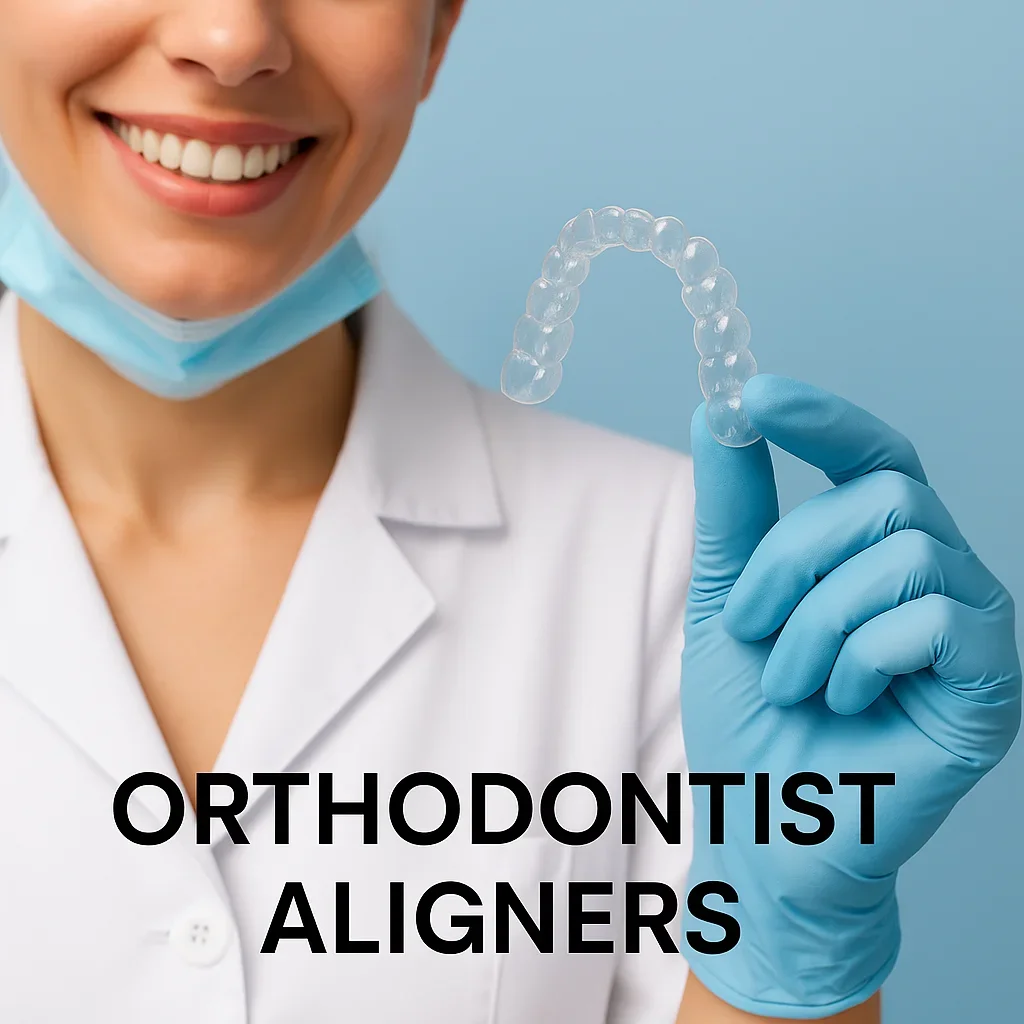
Long-Term Results and Retention After Orthodontist Aligners
Completing treatment with orthodontist aligners marks a major milestone—but maintaining those results is equally important. After months or years of steady tooth movement, your smile reaches its ideal alignment. However, without proper retention and follow-up care, teeth can slowly shift back to their original positions. This section explores what happens after aligner treatment, the role of retainers, long-term oral care, and how to ensure your results last a lifetime. 🌟
What Happens After Completing Aligner Treatment?
When your final set of orthodontist aligners has achieved its goal, your orthodontist will conduct a detailed evaluation using digital scans and bite analysis. This ensures your teeth and bite are stable and aligned correctly. Once verified, the active phase of treatment transitions into the retention phase—a critical step that preserves your newly perfected smile.
Without proper retention, teeth naturally have a tendency to relapse due to memory within the periodontal ligaments. These elastic fibers slowly pull teeth back toward their former positions. Even minor movements can affect bite balance, aesthetics, and long-term oral health. That’s why post-treatment care is as important as the aligners themselves. 🦷
The Role of Retainers
After orthodontist aligners, retainers hold teeth in place while surrounding bone and soft tissues stabilize. Orthodontists usually prescribe one of two main types of retainers: removable or fixed. Both serve the same purpose—keeping your teeth exactly where they belong.
1. Removable Retainers
Removable retainers, often made from clear thermoplastic material, closely resemble aligners in appearance. They are easy to clean and replace if lost. Patients are typically instructed to wear them full-time for the first few months, then transition to nighttime-only wear once the teeth settle into their final positions. 😴
Removable retainers should be cleaned daily using lukewarm water and mild soap—never hot water, which can deform the material. Avoid using toothpaste or harsh chemicals to prevent scratching or clouding. Proper hygiene ensures retainers remain invisible and comfortable during sleep.
2. Fixed Retainers
Fixed retainers, also known as bonded or lingual retainers, consist of a thin wire cemented behind the teeth—usually on the lower front teeth where relapse is most common. These retainers are discreet and require no daily handling, making them a great choice for long-term stability. However, they do require meticulous oral hygiene to prevent tartar buildup around the bonding points.
Most orthodontists recommend fixed retainers for several years after using orthodontist aligners, especially for patients with severe crowding or rotation corrections. Regular dental cleanings ensure they remain hygienic and effective.
Long-Term Oral Care and Maintenance
Maintaining your smile after aligner treatment goes beyond just wearing retainers. Daily oral care habits and periodic checkups are essential for preventing relapse, cavities, and gum issues. Patients should continue regular brushing, flossing, and professional cleanings to keep both teeth and retainers in optimal condition.
Best Practices for Post-Treatment Care
- Brush at least twice daily with fluoride toothpaste to strengthen enamel.
- Floss daily or use water flossers to remove plaque from between teeth and retainer wires.
- Visit your dentist every six months for professional cleaning and evaluation.
- Avoid excessive teeth grinding—consider a night guard if needed.
- Maintain a balanced diet low in sugar to support gum and bone health.
Good oral hygiene prevents issues like gum inflammation and ensures the success of your orthodontist aligners treatment for years to come. 🌿
How Long Should You Wear Retainers?
Retention duration varies depending on individual cases, but most orthodontists recommend lifetime wear—at least at night—to prevent gradual shifting. Teeth are constantly exposed to forces from chewing, swallowing, and even speaking, which can cause slow movement over time.
For the first six months post-treatment, full-time retainer wear is crucial (approximately 20–22 hours per day). After that, nighttime-only wear is usually sufficient to maintain alignment. Skipping retainers for even a few days can cause slight movement, requiring readjustment or even a new retainer set.
Monitoring Retainer Fit
If your retainer feels tight, it may indicate early relapse. Wearing it more consistently or visiting your orthodontist for evaluation can prevent further shifting. Clinics like Redent Klinik Contact Page offer retainer checks and replacements to help you maintain your smile effortlessly. 😁
Common Post-Treatment Issues
Even after successful orthodontist aligners treatment, some patients experience minor complications during retention. These may include discomfort from retainers, slight tooth movement, or speech adjustments. Most of these issues are temporary and easily managed with professional guidance.
1. Tight or Loose Retainers
Retainers can feel tight if worn inconsistently or loose if they’ve warped over time. Always store them in a proper case and avoid heat exposure. If the fit changes noticeably, schedule an appointment to have them refitted or replaced. Delaying adjustment increases the risk of relapse.
2. Wear and Tear
Over time, retainers may develop scratches or lose transparency. This is natural and doesn’t usually affect performance. However, replacing them every 1–2 years ensures comfort and hygiene. Aligners and retainers are both made of medical-grade plastics that can degrade with long-term use.
Importance of Regular Follow-Up Visits
Periodic orthodontic checkups help ensure your teeth remain stable and your retainers function properly. During these visits, the orthodontist checks for wear on retainers, inspects bite alignment, and monitors gum health. Digital scans may be performed every few years to compare long-term stability with your original treatment results.
These appointments are also opportunities to address aesthetic concerns or consider minor refinements if needed. The American Dental Association strongly recommends continued monitoring for all patients post-orthodontic treatment to maintain both functional and cosmetic benefits.
Lifestyle and Confidence After Aligners
The benefits of orthodontist aligners extend well beyond straight teeth. A balanced bite reduces tension on the jaw, improves speech clarity, and boosts self-confidence. Many patients report smiling more often, engaging more comfortably in social situations, and feeling younger and healthier overall. 🌞
Maintaining a Confident Smile
Wearing your retainers consistently and maintaining oral hygiene ensures your new smile remains radiant for life. Avoid habits like nail-biting, pen-chewing, or using teeth as tools—these can affect alignment. Regular whitening treatments and professional cleanings can also enhance the brilliance of your results.
Final Thoughts
The journey doesn’t end when you remove your final set of orthodontist aligners—it transforms into lifelong care. Retainers, good hygiene, and consistent follow-ups protect your investment and keep your smile beautiful for decades. Whether you’re celebrating your new alignment today or years from now, remember that your commitment to maintenance is the key to lasting success. With the right guidance, tools, and dedication, your confident, aligned smile will truly stand the test of time. ✨