
When people search for orthodontist and braces, they are usually looking for clear, trustworthy, and practical information about how orthodontic treatment works, who needs it, and what kind of results they can expect. This guide is designed to fully answer those questions in a simple, user-friendly way while also giving you the depth of information needed to make confident decisions about your oral health 😊.
An orthodontist and braces treatment plan focuses on correcting misaligned teeth and jaw structures. While general dentists handle many routine dental procedures, orthodontists receive additional years of specialized training to diagnose and treat alignment problems. Braces are the most well-known orthodontic tool, but their purpose goes far beyond cosmetic improvements. Properly aligned teeth are easier to clean, function better during chewing, and contribute to long-term gum and bone health.
Many people think orthodontist and braces care is only about achieving a straight smile. In reality, orthodontic treatment plays a critical role in preventing dental issues such as uneven tooth wear, jaw pain, headaches, and even speech difficulties. When teeth do not align correctly, excessive pressure can build up in certain areas of the mouth, leading to discomfort and long-term damage. Braces help distribute biting forces evenly, supporting healthier oral function over time.
Another important aspect of orthodontist and braces care is early diagnosis. Orthodontists can identify developing alignment problems in children even before all permanent teeth have erupted. Early intervention may reduce the complexity of future treatments or shorten overall treatment time. That said, braces are not just for children or teenagers. Adults of all ages can benefit from orthodontic care, and modern techniques have made treatment more comfortable and discreet than ever before.
When you consult an orthodontist, the first step in the orthodontist and braces journey is a comprehensive evaluation. This often includes digital scans, X-rays, and bite analysis. Based on these findings, the orthodontist designs a personalized treatment plan that addresses both functional and aesthetic goals. This customized approach ensures that braces work efficiently while minimizing discomfort and treatment duration.
One of the most common concerns people have about orthodontist and braces treatment is whether it will interfere with daily life. While there is an adjustment period, most patients adapt quickly. Eating habits may change slightly at first, and mild soreness is normal, especially after adjustments. However, these temporary inconveniences are outweighed by the long-term benefits of improved oral health and confidence 😁.
It is also important to rely on evidence-based information when considering orthodontic care. Trusted organizations such as the
American Dental Association emphasize that orthodontic treatment is not merely cosmetic but a medically beneficial procedure for maintaining oral health. Choosing a qualified orthodontist ensures that your braces treatment follows internationally accepted standards of safety and effectiveness.
If you are thinking about starting orthodontist and braces treatment, professional consultation is essential. A reputable dental clinic will guide you through every stage, from diagnosis to post-treatment retention. If you would like expert advice or want to schedule an evaluation, you can easily reach out through the
Redent Klinik Contact Page. Getting accurate information directly from professionals helps you avoid misconceptions and unnecessary anxiety.
In summary, orthodontist and braces treatment is a comprehensive solution for improving both oral health and quality of life. Whether your goal is to fix crowded teeth, correct a bite issue, or simply feel more confident when you smile, orthodontic care offers long-lasting results. Understanding the process, benefits, and expectations allows you to approach treatment with clarity and confidence. A healthier smile is not just about appearance—it is an investment in your overall well-being 🦷✨.
What an Orthodontist Does and Why Braces Matter
Understanding the role of an orthodontist and braces is essential for anyone considering orthodontic treatment. Many people assume braces are purely cosmetic, but in reality, orthodontics is a specialized branch of dentistry focused on correcting dental and skeletal irregularities that can affect both oral health and overall quality of life. An orthodontist is trained to diagnose, prevent, and treat alignment problems involving the teeth and jaws using braces and other corrective appliances.
The Role of an Orthodontist in Modern Dentistry
An orthodontist is a dental professional who has completed additional years of education beyond dental school, focusing exclusively on tooth movement and jaw alignment. When it comes to orthodontist and braces care, this expertise is crucial. Orthodontists evaluate how the teeth fit together, how the jaws function, and how facial structures develop over time. This deep understanding allows them to design precise treatment plans that go beyond simply straightening teeth.
During an orthodontic evaluation, the orthodontist assesses bite issues such as overbites, underbites, crossbites, and open bites. These conditions can cause uneven tooth wear, jaw pain, and even difficulty chewing or speaking. Through a carefully planned orthodontist and braces approach, these functional problems can be corrected in a controlled and safe manner 🦷.
Why Braces Are More Than a Cosmetic Solution
Braces are often associated with improving appearance, but their true value lies in their ability to restore proper oral function. In orthodontist and braces treatment, braces apply gentle, consistent pressure to guide teeth into their correct positions. This process improves how the upper and lower teeth meet, which directly affects chewing efficiency and jaw comfort.
Misaligned teeth are harder to clean effectively, increasing the risk of cavities and gum disease. By aligning teeth properly, orthodontist and braces treatment helps patients maintain better oral hygiene. Straight teeth create fewer hiding spots for plaque and bacteria, making brushing and flossing more effective and reducing long-term dental complications.
Functional Benefits of Orthodontic Treatment
One often overlooked benefit of orthodontist and braces care is the positive impact on jaw health. Poor alignment can strain the temporomandibular joint (TMJ), leading to headaches, facial pain, and clicking sounds when opening or closing the mouth. Braces help balance the bite, reducing unnecessary stress on the jaw joints and supporting healthier movement over time.
Additionally, proper alignment can improve speech clarity. Certain pronunciation issues are linked to tooth positioning, and orthodontic correction may help address these concerns. This makes orthodontist and braces treatment especially valuable for children during developmental years, but adults can also experience noticeable improvements.
Medical Importance of Orthodontic Care
From a medical perspective, orthodontist and braces treatment is considered a preventive measure. Left untreated, alignment issues can worsen with age, leading to tooth loss, gum recession, and chronic discomfort. Orthodontists aim to create a stable bite that will last for decades, protecting both natural teeth and supporting bone structures.
Professional dental organizations such as the American Dental Association recognize orthodontic treatment as an important part of comprehensive oral healthcare. This highlights that braces are not a luxury but a clinically supported solution for maintaining long-term dental health 😊.
Long-Term Impact on Overall Well-Being
The benefits of orthodontist and braces treatment extend beyond the mouth. A balanced bite can reduce muscle tension in the face and neck, contributing to better posture and comfort. Many patients also report increased self-confidence after treatment, which can positively affect social interactions and professional life.
In summary, understanding what an orthodontist does and why braces matter helps patients make informed decisions. Orthodontist and braces care is a comprehensive approach that combines medical expertise, precise technology, and long-term planning. By addressing both functional and aesthetic concerns, orthodontic treatment supports a healthier mouth, improved comfort, and a more confident smile that lasts a lifetime ✨.
How Orthodontist and Braces Treatment Improves Oral Health
When people think about orthodontist and braces treatment, the first thing that usually comes to mind is straighter teeth. While this is certainly one of the most visible outcomes, the real value of orthodontic care lies in its profound impact on oral health. Proper alignment affects how teeth function, how easy they are to clean, and how the jaw system performs over time. An experienced orthodontist uses braces not just to enhance appearance, but to build a healthier and more stable oral environment 🦷.
The Connection Between Tooth Alignment and Oral Hygiene
One of the most significant oral health benefits of orthodontist and braces treatment is improved hygiene. Crooked or crowded teeth create tight spaces where food particles and plaque easily accumulate. These areas are often difficult to reach with a toothbrush or dental floss, increasing the risk of cavities and gum disease.
By gradually moving teeth into proper alignment, orthodontist and braces care eliminates many of these hard-to-clean zones. Once teeth are aligned, daily brushing and flossing become more effective, helping to control plaque buildup and reduce inflammation of the gums. Over time, this leads to healthier gums, fresher breath, and a lower risk of periodontal disease 😊.
How Braces Support Gum and Bone Health
Healthy gums and strong jawbone structure depend heavily on how teeth are positioned. When teeth are misaligned, uneven pressure is applied during chewing. This imbalance can lead to gum recession and bone loss around certain teeth. Through carefully planned orthodontist and braces treatment, biting forces are redistributed evenly across all teeth.
This balanced force helps preserve the supporting bone and gum tissue. Orthodontists pay close attention to how teeth move within the bone, ensuring that braces guide them safely without causing damage. As a result, orthodontist and braces treatment contributes to long-term dental stability rather than just short-term visual improvement.
Reducing the Risk of Tooth Wear and Damage
Another critical way orthodontist and braces treatment improves oral health is by reducing abnormal tooth wear. When the bite is misaligned, certain teeth may bear excessive force, causing them to wear down faster than others. Over time, this can lead to cracks, sensitivity, and even fractures.
By correcting bite issues, braces help ensure that teeth meet evenly. This reduces stress on individual teeth and protects enamel integrity. In many cases, orthodontic treatment can prevent the need for more invasive dental procedures later in life, such as crowns or restorative work.
Jaw Alignment and Its Impact on Overall Comfort
Jaw alignment plays a crucial role in oral health, and it is a key focus of orthodontist and braces care. Misaligned jaws can contribute to temporomandibular joint (TMJ) disorders, which may cause jaw pain, headaches, and difficulty opening or closing the mouth.
Orthodontists evaluate how the jaws relate to each other and use braces to guide proper alignment when necessary. As the bite improves, many patients notice reduced jaw tension and fewer discomfort-related symptoms. This functional improvement highlights how orthodontist and braces treatment goes far beyond cosmetic benefits.
Supporting Long-Term Oral Health and Stability
The long-term goal of orthodontist and braces treatment is stability. Orthodontists aim to create a bite that remains healthy and functional for decades. When teeth and jaws are properly aligned, they are less likely to shift unpredictably or cause complications as a person ages.
According to professional dental organizations such as the
American Dental Association, orthodontic treatment is an essential component of preventive dental care. This reinforces the idea that braces are not just about aesthetics, but about maintaining oral health throughout life.
In summary, orthodontist and braces treatment significantly improves oral health by enhancing hygiene, protecting gums and bone, reducing tooth wear, and supporting proper jaw function. These benefits work together to create a healthier, more comfortable, and more resilient smile. Choosing orthodontic care is an investment not only in appearance, but in long-term dental wellness and overall quality of life ✨.
Different Types of Braces Recommended by an Orthodontist
When starting orthodontist and braces treatment, one of the most important decisions involves choosing the right type of braces. Modern orthodontics offers several effective options, each designed to address specific alignment issues, lifestyle preferences, and aesthetic expectations. An experienced orthodontist evaluates your dental structure, bite condition, and personal needs before recommending the most suitable braces. Understanding these options helps patients feel confident and informed throughout their orthodontic journey 😊.
Traditional Metal Braces: The Most Common Option
Traditional metal braces remain one of the most widely used solutions in orthodontist and braces treatment. These braces consist of metal brackets attached to the teeth and connected by an archwire. Over time, the orthodontist adjusts the wire to guide teeth into their correct positions gradually.
Metal braces are known for their durability and effectiveness, especially in complex cases involving severe crowding or bite issues. Advances in orthodontic technology have made modern metal braces smaller, more comfortable, and more efficient than older versions. For many patients, especially children and teenagers, orthodontist and braces treatment with metal braces offers predictable results and excellent long-term stability.
Advantages of Metal Braces
One of the main benefits of metal braces is their ability to handle a wide range of orthodontic problems. They allow orthodontists to apply precise forces, making them ideal for correcting significant misalignments. Additionally, metal braces tend to be more affordable compared to other options, making them a practical choice for many families.
Ceramic Braces: A More Discreet Alternative
Ceramic braces function similarly to metal braces but use tooth-colored or clear brackets that blend more naturally with the teeth. In orthodontist and braces care, ceramic braces are often recommended for patients who want effective treatment with less visual impact.
These braces are popular among adults and older teenagers who prefer a more subtle appearance. While ceramic braces are slightly more delicate than metal ones, they still provide reliable results when properly maintained. An orthodontist will carefully assess whether ceramic braces are appropriate based on the patient’s bite and lifestyle habits.
Things to Consider with Ceramic Braces
Although ceramic braces are aesthetically appealing, they may require extra attention to oral hygiene. The brackets can stain if not cleaned properly, so patients undergoing orthodontist and braces treatment with ceramic braces must be diligent about brushing and avoiding foods that cause discoloration.
Lingual Braces: Hidden Behind the Teeth
Lingual braces are placed on the inner surface of the teeth, making them virtually invisible from the outside. This option is ideal for individuals who want discreet orthodontist and braces treatment without using removable aligners.
Because lingual braces are custom-made for each patient, they require specialized expertise. Not all orthodontists offer this option, as it involves advanced training and precise adjustments. While lingual braces can take longer to adapt to, many patients appreciate their hidden design and effectiveness.
Clear Aligners as an Alternative to Traditional Braces
In some cases, orthodontists may recommend clear aligners as an alternative within orthodontist and braces treatment. These removable trays gradually shift teeth into place and are nearly invisible. Clear aligners are best suited for mild to moderate alignment issues and require strong patient compliance.
While aligners offer flexibility and comfort, they may not be effective for complex orthodontic problems. An orthodontist carefully evaluates whether aligners can deliver the desired results or if fixed braces are a better choice for long-term success.
Choosing the Right Braces for Your Needs
Selecting the right type of braces is a collaborative decision between the patient and the orthodontist. Factors such as age, oral health, lifestyle, and treatment goals all play a role in determining the best orthodontist and braces plan. What works well for one patient may not be ideal for another.
In conclusion, orthodontist and braces treatment offers multiple options to suit different needs and preferences. Whether you choose metal braces, ceramic braces, lingual braces, or clear aligners, the goal remains the same: achieving a healthy, functional, and confident smile. By understanding the differences between each type, patients can actively participate in their treatment decisions and move forward with clarity and confidence ✨.
Orthodontist and Braces for Children, Teens, and Adults
One of the most common questions about orthodontist and braces treatment is whether age matters. The simple answer is that orthodontic care can be effective at almost any stage of life. Children, teenagers, and adults all benefit from braces in different ways, and an experienced orthodontist tailors treatment plans according to age, dental development, and lifestyle. Understanding how orthodontist and braces treatment differs across age groups helps patients and parents set realistic expectations and make informed decisions 😊.
Orthodontist and Braces Treatment for Children
Early orthodontic evaluation plays a critical role in children’s oral development. Most orthodontists recommend an initial assessment around the age of seven. At this stage, the orthodontist can identify potential alignment or jaw growth issues even before all permanent teeth have erupted. In orthodontist and braces care, early detection does not always mean immediate braces, but it allows for strategic planning.
For some children, early intervention—often called interceptive orthodontics—can guide jaw growth and create space for incoming permanent teeth. This may reduce the severity of future alignment problems or even shorten the duration of later orthodontist and braces treatment. Appliances used at this stage are usually simple and focus on correcting functional issues rather than aesthetics.
Benefits of Early Orthodontic Intervention
Early orthodontic care can help prevent impacted teeth, severe crowding, and bite problems. By addressing these issues at a young age, orthodontists can often avoid more complex procedures later. This proactive approach supports healthier dental development and can make future braces treatment more straightforward and efficient.
Orthodontist and Braces for Teenagers
Teenage years are the most common time for orthodontist and braces treatment. By this age, most permanent teeth have erupted, making it an ideal period for comprehensive orthodontic correction. The jaw is still growing, which allows orthodontists to guide tooth movement more efficiently.
Teenagers often adapt quickly to braces, and modern orthodontic options make treatment more comfortable and visually appealing than ever before. Metal braces, ceramic braces, and even clear aligners may be considered depending on the complexity of the case. During this stage, orthodontist and braces treatment focuses on achieving proper alignment, correcting bite issues, and ensuring long-term stability.
Supporting Teens During Braces Treatment
Consistency and cooperation are key factors in successful orthodontic outcomes for teenagers. Orthodontists provide guidance on oral hygiene, dietary habits, and appliance care to prevent complications. With proper support, teens can complete orthodontist and braces treatment smoothly and enjoy lasting results that extend into adulthood 😁.
Orthodontist and Braces for Adults
More adults than ever are choosing orthodontist and braces treatment to improve their oral health and confidence. Age is no longer a barrier, as teeth can be moved safely at any stage of life with the right approach. Adult orthodontic treatment often addresses issues that were never corrected earlier or problems that developed over time.
Adults may seek braces for functional reasons such as bite discomfort, uneven tooth wear, or jaw pain, as well as aesthetic concerns. Orthodontists take into account existing dental work, gum health, and bone density when designing treatment plans. Thanks to discreet options like ceramic braces and clear aligners, orthodontist and braces care suggests effective solutions that fit professional and social lifestyles.
Unique Considerations for Adult Patients
Adult orthodontic treatment may take slightly longer than treatment for younger patients due to fully developed bone structures. However, the results are equally rewarding. Orthodontists carefully coordinate treatment to protect gums and existing restorations, ensuring safe and predictable outcomes.
In conclusion, orthodontist and braces treatment is not limited by age. From guiding early dental development in children to correcting complex issues in adults, orthodontic care offers lifelong benefits. Each age group presents unique needs and advantages, and a skilled orthodontist adapts treatment accordingly. No matter when treatment begins, the goal remains the same: a healthier bite, improved function, and a confident smile that lasts a lifetime ✨.
The Step-by-Step Orthodontist and Braces Treatment Process
Understanding the full orthodontist and braces treatment process helps patients feel confident and prepared before starting orthodontic care. Many people feel uncertain simply because they do not know what to expect. In reality, orthodontic treatment follows a clear, structured process designed to ensure safety, comfort, and long-lasting results. From the first consultation to the final retention phase, every step is carefully planned by the orthodontist to achieve optimal alignment and oral health 😊.
Initial Consultation and Orthodontic Evaluation
The first step in the orthodontist and braces journey is a comprehensive consultation. During this visit, the orthodontist examines the teeth, jaws, and facial structure to identify alignment problems. Diagnostic tools such as digital scans, panoramic X-rays, and bite analysis are often used to gain a complete understanding of the patient’s oral condition.
This evaluation allows the orthodontist to determine whether braces are necessary and which type of treatment will be most effective. At this stage, patients can ask questions, discuss concerns, and learn about expected outcomes. A well-planned orthodontist and braces treatment always begins with an accurate diagnosis.
Creating a Personalized Treatment Plan
After the evaluation, the orthodontist develops a personalized treatment plan. This plan outlines the type of braces recommended, estimated treatment duration, and expected tooth movements. Every mouth is unique, so orthodontist and braces care is never a one-size-fits-all solution. Customization ensures efficient tooth movement while minimizing discomfort and risks.
Placement of Braces and Initial Adjustment
Once the treatment plan is finalized, the next step in orthodontist and braces care is placing the braces. This procedure is painless and typically takes one to two hours. Brackets are bonded to the teeth, and an archwire is carefully positioned to begin guiding tooth movement.
After placement, patients may experience mild pressure or soreness for a few days. This sensation is a normal part of orthodontist and braces treatment and indicates that the braces are working. Orthodontists provide detailed instructions on how to manage initial discomfort and adapt to daily activities.
Early Adaptation Period
The first few weeks after braces placement are considered the adaptation period. Patients learn how to eat, speak, and clean their teeth with braces. Orthodontists emphasize oral hygiene during this phase to prevent plaque buildup and gum irritation. Proper care early on sets the foundation for a successful orthodontist and braces outcome.
Regular Adjustments and Progress Monitoring
Throughout the treatment, patients attend regular follow-up appointments, usually every four to eight weeks. During these visits, the orthodontist adjusts the wires, replaces elastic bands if needed, and monitors progress. These adjustments are essential to guide teeth gradually into their correct positions.
Consistency is crucial in orthodontist and braces treatment. Skipping appointments can slow progress and affect final results. Orthodontists carefully control the force applied to teeth to ensure safe movement while protecting surrounding bone and gum tissue.
Addressing Challenges During Treatment
Occasionally, minor issues such as loose brackets or discomfort may arise. Orthodontists provide guidance on how to handle these situations and when to seek professional assistance. Clear communication between patient and orthodontist ensures that orthodontist and braces treatment stays on track without unnecessary delays.
Removal of Braces and Retention Phase
Once the teeth have reached their ideal positions, the orthodontist removes the braces. This marks a major milestone in the orthodontist and braces journey. However, treatment does not end here. The retention phase is just as important as active braces treatment.
After braces removal, retainers are provided to maintain the new alignment. Teeth naturally tend to shift over time, and retainers help stabilize the results. Orthodontists give clear instructions on retainer use to protect the long-term success of orthodontist and braces treatment.
Long-Term Success and Maintenance
Following retainer guidelines is essential for preserving the results achieved through braces. With proper retention and regular dental care, the benefits of orthodontist and braces treatment can last a lifetime. Patients who understand and follow each step of the process are more likely to enjoy a healthy, functional, and confident smile for years to come ✨.
How Long Orthodontist and Braces Treatment Usually Takes
One of the most frequently asked questions about orthodontist and braces treatment is how long the process will take. The duration of orthodontic care varies from person to person because every smile is unique. Factors such as age, severity of misalignment, bite condition, and patient cooperation all influence treatment length. Understanding these variables helps patients set realistic expectations and stay motivated throughout their orthodontic journey 😊.
Average Duration of Orthodontist and Braces Treatment
In general, orthodontist and braces treatment lasts between 12 and 24 months for most patients. Mild alignment issues may be corrected in less than a year, while more complex cases can require two years or longer. Orthodontists evaluate each case individually to determine an estimated timeline during the initial consultation.
It is important to remember that orthodontic treatment focuses on safe and controlled tooth movement. Teeth move gradually through bone, and rushing this process can cause damage. A responsible orthodontist and braces plan prioritizes long-term oral health over speed, ensuring stable and lasting results.
Why Some Treatments Take Longer Than Others
The complexity of the alignment problem is one of the main factors affecting treatment time. Severe crowding, impacted teeth, or significant bite discrepancies typically require longer treatment. In these cases, the orthodontist may need to move teeth in multiple stages, carefully monitoring progress to avoid complications.
Age and Its Influence on Treatment Duration
Age plays an important role in orthodontist and braces treatment length. Children and teenagers often experience faster results because their jaws are still growing, making tooth movement more efficient. Orthodontists can guide jaw development and tooth alignment simultaneously during these years.
Adults can achieve excellent results as well, but treatment may take slightly longer. Fully developed bone structures require more time for tooth movement. However, with modern techniques and careful planning, orthodontist and braces treatment for adults remains highly effective and predictable.
Adult Commitment and Its Impact on Timing
Adult patients often demonstrate strong commitment to treatment instructions, which can positively influence treatment duration. Consistent oral hygiene, regular appointments, and proper retainer use all contribute to smoother and more efficient orthodontist and braces care.
The Role of Patient Cooperation
Patient cooperation is one of the most critical factors in determining how long orthodontist and braces treatment will take. Orthodontists provide specific guidelines regarding diet, oral hygiene, and appliance care. Following these instructions helps prevent delays caused by broken brackets, gum inflammation, or other complications.
For patients using elastics or removable appliances, consistency is especially important. Wearing elastics as directed ensures that teeth and jaws move according to plan. Poor compliance can significantly extend orthodontist and braces treatment time and affect final results.
Missed Appointments and Treatment Delays
Regular adjustment visits are essential to maintaining progress. Missing appointments can slow tooth movement and prolong treatment. Orthodontists schedule follow-ups strategically to apply precise forces at the right time, keeping orthodontist and braces treatment on track.
Retention Phase and Long-Term Stability
While active braces treatment has a defined timeline, the retention phase is an ongoing commitment. After braces are removed, retainers are used to maintain the new alignment. Although retainers do not extend active treatment time, they are a crucial part of the overall orthodontist and braces process.
Orthodontists typically recommend wearing retainers full-time initially, followed by nighttime use long-term. This phase ensures that the time invested in braces results in lasting stability rather than relapse.
Why Patience Pays Off
Orthodontic treatment is a gradual journey that rewards patience and consistency. While it may be tempting to focus solely on how quickly braces come off, the true success of orthodontist and braces treatment lies in achieving a healthy, functional, and stable smile. By understanding the factors that influence treatment duration, patients can approach the process with confidence and realistic expectations, knowing that the final results are well worth the time invested ✨.
Daily Care Tips During Orthodontist and Braces Treatment
Proper daily care is essential for the success of orthodontist and braces treatment. While braces do the mechanical work of moving teeth into alignment, patient habits play a major role in determining how smoothly treatment progresses and how healthy the teeth and gums remain throughout the process. With the right routine, patients can avoid common problems such as cavities, gum inflammation, and treatment delays 😊.
Maintaining Excellent Oral Hygiene with Braces
Oral hygiene becomes even more important during orthodontist and braces treatment because brackets and wires create additional surfaces where plaque and food particles can accumulate. Brushing should be done at least twice a day, ideally after every meal. Orthodontists often recommend using a soft-bristled toothbrush or an electric toothbrush to clean around brackets and along the gum line.
Flossing is equally important but may require special tools. Floss threaders or orthodontic floss help reach between teeth and under wires. Many orthodontists also suggest interdental brushes to clean hard-to-reach areas. Consistent hygiene routines ensure that orthodontist and braces treatment improves alignment without compromising dental health.
The Role of Mouthwash in Braces Care
Using an antibacterial or fluoride mouthwash can provide extra protection during orthodontic treatment. Mouthwash helps reduce bacteria, strengthen enamel, and reach areas that brushing and flossing may miss. Including this step in your daily orthodontist and braces routine adds an extra layer of defense against cavities and gum problems.
Eating Habits That Protect Braces
Diet plays a significant role in the success of orthodontist and braces treatment. Certain foods can damage brackets or bend wires, leading to discomfort and unexpected orthodontic visits. Hard foods such as nuts, ice, and hard candies should be avoided, as well as sticky items like caramel or chewing gum.
Orthodontists encourage patients to choose softer foods, especially during the first few days after adjustments. Cutting fruits and vegetables into small pieces and chewing carefully helps protect braces. By following dietary guidelines, patients reduce the risk of breakage and keep orthodontist and braces treatment on schedule.
Managing Cravings Without Risk
Cravings do not have to disappear entirely during braces treatment. With a little creativity, many favorite foods can be modified to be braces-friendly. For example, apples can be sliced instead of bitten into, and crunchy snacks can be replaced with softer alternatives. These small adjustments support both comfort and treatment efficiency.
Handling Discomfort and Minor Issues
Mild discomfort is a normal part of orthodontist and braces treatment, especially after adjustments. Over-the-counter pain relief, soft foods, and cold drinks can help ease soreness. Orthodontic wax is commonly provided to cover brackets that may irritate the inside of the cheeks or lips during the adjustment period.
If a bracket becomes loose or a wire causes persistent discomfort, patients should contact their orthodontist promptly. Addressing small issues early prevents complications that could delay orthodontist and braces progress.
Protecting Braces During Sports and Activities
For patients who play sports or participate in physical activities, wearing a mouthguard is strongly recommended. Orthodontic mouthguards are designed to fit comfortably over braces and protect both the appliances and the teeth from injury. This precaution is an important part of daily care during orthodontist and braces treatment.
Staying Consistent with Orthodontic Appointments
Daily care extends beyond brushing and eating habits. Attending scheduled orthodontic appointments is a key responsibility during orthodontist and braces treatment. These visits allow the orthodontist to adjust wires, monitor progress, and ensure that teeth are moving as planned.
Skipping appointments or delaying adjustments can prolong treatment time and affect results. Patients who follow daily care instructions and keep regular appointments often experience smoother treatment and more predictable outcomes.
Building Long-Term Habits for Lasting Results
The habits developed during orthodontist and braces treatment often continue to benefit patients long after braces are removed. Improved brushing techniques, better dietary awareness, and consistent dental care contribute to long-term oral health. By committing to proper daily care, patients protect their investment in orthodontic treatment and enjoy a healthy, confident smile for years to come ✨.
Choosing the Right Orthodontist and Braces Plan for You
Selecting the right orthodontist and braces plan is one of the most important decisions in your orthodontic journey. The success of treatment depends not only on the type of braces used but also on the expertise of the orthodontist, the accuracy of diagnosis, and how well the plan matches your personal needs. A thoughtful, well-informed choice leads to better results, fewer complications, and a more comfortable overall experience 😊.
Why Choosing the Right Orthodontist Matters
An orthodontist is not just someone who places braces; they are a specialist trained to understand complex tooth and jaw movements. When choosing an orthodontist and braces provider, experience and credentials matter greatly. A qualified orthodontist evaluates not only crooked teeth but also jaw alignment, facial balance, and long-term stability.
A skilled orthodontist takes time to explain your condition, outlines treatment options clearly, and answers questions honestly. This level of communication builds trust and ensures that patients fully understand their orthodontist and braces journey from start to finish. Choosing a specialist rather than a general provider reduces the risk of complications and improves overall treatment outcomes.
What to Look for in an Orthodontic Consultation
During an initial consultation, pay attention to how thoroughly the orthodontist examines your mouth and explains the findings. A comprehensive evaluation should include digital imaging, bite analysis, and a clear discussion of goals. Transparency in treatment planning is a strong indicator of quality orthodontist and braces care.
Matching Braces Options to Your Lifestyle
Every patient has unique needs, which is why a personalized orthodontist and braces plan is essential. Lifestyle factors such as work environment, social preferences, and daily habits influence which type of braces is most suitable. Some patients prioritize durability, while others prefer discretion.
An orthodontist considers these factors when recommending braces. For example, metal braces may be ideal for complex cases, while ceramic braces or clear aligners may suit patients seeking a more subtle appearance. The goal of orthodontist and braces treatment is to balance effectiveness with comfort and convenience.
Understanding Commitment and Responsibility
Different braces options come with different responsibilities. Removable aligners require strict compliance, while fixed braces demand careful hygiene and dietary adjustments. An orthodontist helps patients understand what is required for each option, ensuring the chosen orthodontist and braces plan fits realistically into daily life.
Evaluating Treatment Goals and Expectations
Clear communication about goals is essential when choosing an orthodontist and braces plan. Some patients focus primarily on aesthetics, while others seek relief from bite discomfort or jaw issues. Orthodontists align treatment strategies with these goals while ensuring that oral health remains the top priority.
Setting realistic expectations is also important. Orthodontic treatment is a gradual process, and results take time. A trustworthy orthodontist explains what can and cannot be achieved, helping patients approach orthodontist and braces treatment with patience and confidence.
Long-Term Planning and Retention Strategy
A high-quality orthodontist and braces plan always includes a clear retention strategy. Retainers are essential for maintaining results after braces are removed. Orthodontists who emphasize long-term stability demonstrate a commitment to lasting outcomes rather than short-term fixes.
Access to Ongoing Support and Follow-Up Care
Orthodontic care does not end when braces come off. Ongoing support, follow-up visits, and retainer monitoring are all part of a complete orthodontist and braces experience. Choosing a clinic that offers consistent follow-up ensures that results remain stable and any concerns are addressed promptly.
Patients who feel supported throughout treatment are more likely to follow instructions and attend appointments regularly. This partnership between patient and orthodontist is a key factor in successful orthodontist and braces outcomes.
Making a Confident and Informed Decision
Ultimately, choosing the right orthodontist and braces plan is about trust, communication, and personalized care. Taking the time to research, ask questions, and understand your options leads to better decisions and more satisfying results. With the right orthodontist and a well-designed treatment plan, patients can look forward to a healthier bite, improved comfort, and a confident smile that lasts a lifetime ✨.
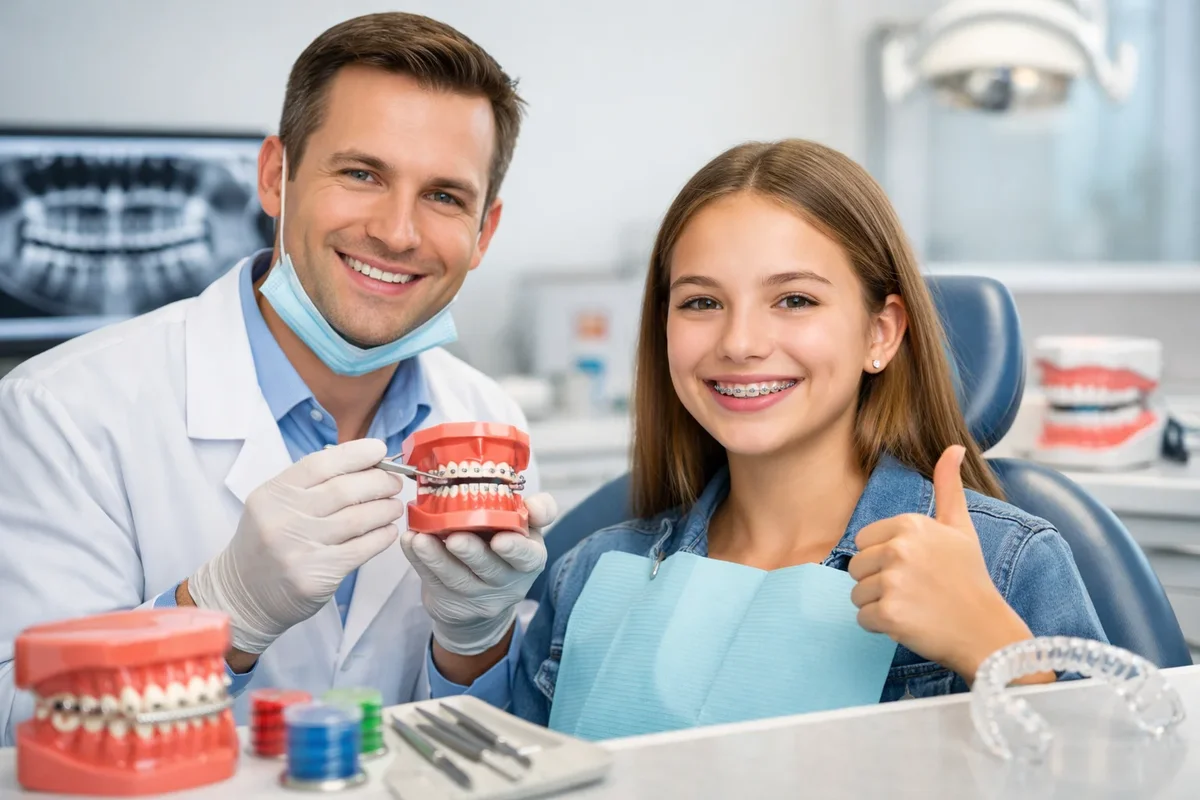
Common Challenges with Orthodontist and Braces and How to Handle Them
Starting orthodontist and braces treatment is an exciting step toward a healthier smile, but like any medical process, it comes with challenges. Most difficulties are temporary, manageable, and completely normal. Understanding these challenges in advance helps patients stay calm, motivated, and committed to their treatment plan. With proper guidance from an orthodontist, nearly all issues can be resolved quickly and effectively 😊.
Initial Discomfort and Adjustment Period
One of the most common challenges in orthodontist and braces treatment is discomfort during the early stages. After braces are placed or adjusted, patients often feel pressure or soreness in their teeth and jaws. This happens because braces apply gentle force to move teeth, and the surrounding tissues need time to adapt.
This discomfort usually lasts a few days and gradually decreases. Orthodontists recommend soft foods, cold beverages, and over-the-counter pain relief if needed. Understanding that this phase is temporary helps patients remain patient and confident in their orthodontist and braces journey.
Tips for Managing Early Soreness
Eating soft foods such as yogurt, soup, and mashed vegetables can reduce strain on sensitive teeth. Rinsing with warm salt water may also soothe irritated gums. Orthodontic wax can be applied to brackets that rub against cheeks or lips, making the adjustment period more comfortable.
Oral Hygiene Challenges with Braces
Maintaining oral hygiene can feel more challenging during orthodontist and braces treatment. Brackets and wires create extra surfaces where food and plaque can accumulate. If not cleaned properly, this can lead to cavities, gum inflammation, and white spots on teeth.
Orthodontists emphasize the importance of consistent brushing and flossing. Special tools such as interdental brushes and floss threaders make cleaning easier. With the right routine, patients can maintain excellent oral health throughout their orthodontist and braces treatment.
Preventing Dental Issues During Treatment
Regular dental check-ups and professional cleanings are strongly recommended while wearing braces. These visits help detect early signs of problems and keep teeth and gums healthy. Good hygiene habits ensure that orthodontic treatment enhances oral health rather than compromising it.
Dietary Restrictions and Lifestyle Adjustments
Food choices can become a challenge during orthodontist and braces treatment. Hard, sticky, or crunchy foods may damage brackets or wires, leading to unexpected repairs and treatment delays. Many patients find it difficult to adjust their eating habits at first.
Orthodontists provide clear guidelines on which foods to avoid and how to modify meals safely. Cutting food into small pieces and choosing braces-friendly alternatives allows patients to enjoy meals without risking damage. These small lifestyle changes play a big role in keeping orthodontist and braces treatment on schedule.
Handling Social and Confidence Concerns
Some patients feel self-conscious when they first get braces, especially adults and teenagers. It is important to remember that orthodontic treatment is extremely common and widely accepted. Modern braces are more discreet than ever, and most people adapt quickly.
Many patients report that initial self-consciousness fades as they begin to notice improvements in their smile. Confidence often increases throughout the orthodontist and braces process, especially as progress becomes visible.
Broken Brackets and Unexpected Issues
Occasionally, brackets may loosen or wires may shift during orthodontist and braces treatment. While this can be frustrating, it is usually not a serious problem. Orthodontists provide instructions on how to manage minor issues temporarily and when to schedule a repair appointment.
Promptly addressing these issues prevents delays and discomfort. Patients who follow care guidelines and attend regular appointments experience fewer disruptions in their orthodontist and braces progress.
Staying Motivated Until the End
Long treatment duration can sometimes affect motivation. It is normal to feel impatient, especially in the later stages of braces treatment. Orthodontists encourage patients to focus on long-term benefits rather than short-term inconvenience.
In conclusion, challenges during orthodontist and braces treatment are a natural part of the process, not a sign of failure. With proper education, good communication, and consistent care, these challenges become manageable and temporary. Patients who stay informed and proactive are rewarded with a healthier bite, improved oral health, and a confident smile that lasts for years ✨.