
Welcome to your comprehensive guide on everything you need to know about an orthodontist clinic 🦷. Whether you’re exploring braces for the first time, researching clear aligners, or simply curious about how orthodontic care can enhance your oral health and confidence, this article will walk you through every essential detail. Visiting an orthodontist clinic is not just about achieving straight teeth — it’s about improving bite alignment, facial aesthetics, and long-term dental health. In this section, you’ll learn what makes an orthodontist clinic unique, what treatments it offers, and why choosing the right one can transform your smile and your life.
At its core, an orthodontist clinic specializes in diagnosing, preventing, and treating dental irregularities such as crowded teeth, overbites, underbites, and gaps. Unlike a general dentist, an orthodontist undergoes advanced education focused on correcting jaw and teeth alignment through various appliances, including braces and aligners. These treatments don’t just improve appearance — they play a crucial role in maintaining oral health. Misaligned teeth can lead to gum problems, uneven wear, and even difficulty chewing. By visiting a professional orthodontist clinic, patients can ensure that both form and function are restored in harmony 😁.
What sets a specialized orthodontist clinic apart from a regular dental office is its deep focus on alignment and corrective treatments. While a general dentist may offer preventive care like cleaning or fillings, orthodontists use modern technology such as 3D scanners, digital x-rays, and AI-driven imaging to create personalized treatment plans. Many clinics also use computer-aided design (CAD) systems to customize braces or aligners for each patient’s unique jaw structure. This precision ensures that every movement of your teeth is carefully planned for optimal comfort and efficiency.
Today’s top orthodontist clinics emphasize not just clinical excellence but also patient experience. From the moment you enter the clinic, you’ll notice a friendly and professional atmosphere designed to reduce anxiety and build trust. Many clinics use soothing interior designs, digital consultation tools, and real-time progress tracking. Patients can often visualize their future smiles before the treatment even begins! This patient-centered approach makes the orthodontic journey smoother and more enjoyable.
One of the greatest advantages of visiting a modern orthodontist clinic is the wide range of treatment options available. Traditional metal braces remain effective for complex cases, while ceramic braces and clear aligners like Invisalign are popular for adults seeking a more discreet solution. Some clinics even offer lingual braces, which are attached behind the teeth and remain completely invisible. Your orthodontist will recommend the best solution depending on your age, dental condition, and aesthetic preferences. No matter which method is chosen, the ultimate goal remains the same — achieving a balanced, healthy smile that lasts a lifetime.
Choosing an orthodontist clinic also means investing in long-term oral health. Properly aligned teeth are easier to clean, reducing the risk of cavities and gum disease. In addition, correcting bite problems can prevent jaw discomfort and speech difficulties. According to studies shared by the American Dental Association, orthodontic treatments can also improve digestion by ensuring proper chewing and contribute to overall facial harmony. These benefits go beyond aesthetics — they contribute to a healthier, more confident lifestyle 🌟.
Another essential factor that defines a reputable orthodontist clinic is its use of digital tools and technology. Many advanced clinics use 3D printing to design custom appliances, AI algorithms to predict tooth movement, and laser tools for precision adjustments. These innovations minimize discomfort and shorten treatment duration. Additionally, progress monitoring apps allow patients to stay updated remotely, making the entire process more interactive and accessible. In a world where convenience matters, these advancements help patients stick to their treatment plans and achieve faster results.
If you’re considering treatment, your first step should be to consult a certified orthodontist at a trusted orthodontist clinic. A professional consultation will typically include a thorough oral examination, detailed imaging, and a discussion of your goals. From there, your orthodontist will design a step-by-step treatment plan tailored to your needs. Whether you’re a teenager starting your first braces journey or an adult exploring smile correction, personalized care ensures safety, comfort, and lasting results.
To schedule a consultation with an experienced team, you can visit the Redent Klinik Contact Page. Their team specializes in modern orthodontic solutions and offers patient-centered care from start to finish. A well-chosen clinic ensures that every step, from diagnosis to aftercare, is handled by professionals who prioritize your comfort and confidence.
In summary, an orthodontist clinic is more than a place to fix teeth — it’s where health, technology, and artistry come together to create beautiful smiles. Through expert hands and advanced equipment, these clinics not only align teeth but also boost confidence, improve functionality, and enhance overall well-being. Whether you want a brighter smile or improved oral health, visiting an orthodontist clinic is one of the best investments you can make for your future self 💎.
The Most Common Orthodontic Treatments You Can Get at an Orthodontist Clinic
When you visit an orthodontist clinic, you’ll discover that there’s no one-size-fits-all approach to achieving a perfect smile. Each treatment plan is tailored to the patient’s specific dental needs, facial structure, and desired results. Orthodontics has evolved dramatically over the past decade, offering a range of innovative and comfortable options to straighten teeth, correct bites, and enhance facial balance. Below, we’ll explore the most common orthodontic treatments available today — from traditional braces to cutting-edge clear aligners and more.
Traditional Metal Braces: The Classic Yet Highly Effective Solution
Metal braces remain one of the most widely used treatments in any orthodontist clinic. These braces consist of high-grade stainless steel brackets attached to each tooth and connected by an archwire. The wire applies gentle, consistent pressure to gradually move the teeth into their ideal position. Although traditional braces have been around for decades, modern versions are smaller, more comfortable, and even customizable with colorful elastics 🎨. Metal braces are particularly effective for complex alignment issues such as severe crowding, rotated teeth, or significant bite discrepancies.
One of the main advantages of metal braces is their precision. Because the orthodontist can control every movement in detail, results are predictable and reliable. Treatment time typically ranges from 18 to 30 months, depending on the case. Many patients choose this method because it offers a proven, cost-effective solution under the supervision of specialists in an experienced orthodontist clinic.
Ceramic Braces: Aesthetic Alternative for Image-Conscious Patients
For individuals who prefer a more discreet appearance, ceramic braces are a popular choice. Available at most modern orthodontist clinics, these braces use tooth-colored or clear brackets that blend seamlessly with the natural shade of your teeth. Ceramic braces function similarly to metal ones but are less noticeable, making them ideal for adults or teenagers who are conscious about aesthetics in professional or social settings.
While ceramic braces are slightly more delicate and may require extra care during brushing and eating, they deliver excellent results without compromising effectiveness. Your orthodontist will monitor them closely to ensure the brackets remain clean and functional throughout treatment. The comfort level and confidence boost provided by ceramic braces have made them a top option in aesthetic orthodontic care 🌟.
Clear Aligners: The Invisible Revolution in Orthodontics
One of the biggest advancements available in a modern orthodontist clinic is the introduction of clear aligners, such as Invisalign. These transparent trays are custom-made using 3D imaging technology to fit snugly over your teeth and gradually move them into place. Each aligner is worn for about 1–2 weeks before being replaced with the next one in the series. Clear aligners have transformed the orthodontic experience for many adults and teens by providing a virtually invisible and removable option.
Patients love clear aligners because they are comfortable, hygienic, and convenient. You can remove them while eating or brushing, which means no dietary restrictions and easier oral hygiene maintenance. Plus, regular visits to the orthodontist clinic allow your provider to track your progress and make necessary adjustments. Although aligners may not be suitable for extremely complex cases, they are highly effective for mild to moderate misalignments and are now among the most requested treatments worldwide 🌍.
Lingual Braces: Hidden Braces Behind the Teeth
Lingual braces are another innovative option offered at advanced orthodontist clinics. Unlike traditional braces placed on the front of the teeth, lingual braces are attached to the backside, making them completely invisible from the outside. They provide the same mechanical strength and control as metal braces but with an aesthetic advantage that appeals especially to adults in professional environments.
Because they are customized for each tooth, lingual braces require a skilled orthodontist and advanced lab support. The treatment may take slightly longer and can cause temporary tongue irritation at the beginning, but most patients adapt quickly. Lingual braces prove that modern orthodontics can deliver both efficiency and discretion in one package — a perfect blend for those who value privacy during their treatment journey 🤫.
Self-Ligating Braces: Faster and More Comfortable Treatment
Many patients visiting an orthodontist clinic today are introduced to self-ligating braces — a high-tech alternative to traditional systems. These braces use a special clip mechanism instead of elastic bands to hold the wire in place. The result? Less friction, fewer adjustments, and faster tooth movement. Patients often report shorter appointment times and reduced discomfort compared to conventional braces.
Self-ligating systems, such as Damon braces, also promote better oral hygiene because they are easier to clean. By minimizing pressure and allowing teeth to move more freely, these braces can shorten the overall treatment duration. Their sleek design and efficiency make them a popular option for both teens and adults who want to complete orthodontic treatment quickly without sacrificing quality ⏱️.
Retention Phase: The Final Step After Active Treatment
After completing your primary orthodontic treatment, your journey at the orthodontist clinic doesn’t end there. Retainers play a crucial role in maintaining your newly aligned smile. These custom-made devices ensure that teeth remain in their new positions while the surrounding bone and tissues stabilize. Depending on your case, your orthodontist might recommend a fixed or removable retainer.
Follow-up visits help your provider monitor stability and prevent relapse. Consistency is key during this stage; patients who diligently wear retainers protect their investment and maintain lifelong results. Every reliable orthodontist clinic emphasizes post-treatment care because maintaining alignment is just as important as achieving it 💎.
Comprehensive Treatment Planning and Technology
Each of these treatment types requires detailed analysis and precision planning. That’s why most advanced orthodontist clinics integrate 3D imaging, digital scanning, and AI modeling into their workflow. These technologies allow orthodontists to visualize movement before treatment begins, predict final results, and enhance overall comfort. Such innovations have elevated orthodontic care into a precise, patient-friendly experience.
To learn more or to book an appointment with a qualified team, visit the Redent Klinik Contact Page. For general orthodontic standards and professional guidelines, you can also consult the American Dental Association, which provides valuable resources for both practitioners and patients seeking quality dental care.
Ultimately, the range of treatments offered at a professional orthodontist clinic ensures that every patient can find a suitable path to achieve a straight, healthy, and confident smile 😁. Whether you prefer traditional braces, invisible aligners, or high-tech self-ligating systems, the goal remains the same — to align your teeth efficiently, comfortably, and beautifully for life.
Benefits of Visiting a Professional Orthodontist Clinic for Long-Term Oral Health
Choosing to visit a professional orthodontist clinic is one of the smartest investments you can make for your smile, health, and confidence. Orthodontic care goes beyond aesthetics—it plays a crucial role in preserving oral function, preventing future dental problems, and improving overall quality of life. In this section, we’ll explore the wide-ranging benefits that an orthodontist clinic can offer, including better dental alignment, gum health, bite correction, and psychological well-being. 🦷✨
Improved Dental Alignment and Functionality
One of the most obvious benefits of visiting an orthodontist clinic is achieving perfectly aligned teeth. Misaligned teeth can cause uneven wear, difficulties in cleaning, and increased stress on the jaw muscles. Orthodontic treatments such as braces and clear aligners reposition teeth into their correct alignment, ensuring that they function as nature intended. Properly aligned teeth allow for smoother chewing, better speech clarity, and balanced bite pressure, all of which contribute to long-term oral health.
Moreover, when teeth are properly positioned, brushing and flossing become more effective. This helps prevent plaque buildup and cavities. A skilled orthodontist ensures that every adjustment supports both aesthetic goals and biomechanical efficiency, leading to a smile that looks beautiful and functions perfectly. The precision and personalized care provided at a professional orthodontist clinic are unmatched in ensuring lifelong results.
Enhanced Gum and Bone Health
A lesser-known but equally important benefit of orthodontic care is its impact on gum and bone health. When teeth are crooked or overlapping, it becomes difficult to clean them thoroughly. This leads to bacterial accumulation, gum inflammation, and bone loss over time. An experienced orthodontist clinic corrects these issues by straightening teeth and distributing pressure evenly across the jawbone.
Once alignment is restored, the gums fit more snugly around the teeth, reducing pockets where bacteria can thrive. This lowers the risk of periodontal disease—a major cause of tooth loss in adults. In addition, balanced bite forces protect the jawbone from uneven stress, maintaining bone density and facial structure. The benefits of orthodontic correction, therefore, extend deep beneath the surface of your smile.
Prevention of TMJ and Bite-Related Issues
Many people don’t realize that jaw discomfort, headaches, and even neck pain can stem from bite misalignment. Visiting an orthodontist clinic can help prevent or alleviate these issues. By diagnosing and correcting problems such as overbites, underbites, and crossbites, orthodontists restore the natural harmony between teeth and jaw movement.
For patients who already experience temporomandibular joint (TMJ) discomfort, orthodontic intervention often provides significant relief. Custom treatment plans may include jaw repositioning appliances, occlusal adjustments, or bite therapy. With proper alignment, jaw joints can function smoothly, preventing chronic pain and wear on surrounding muscles. The long-term comfort and stability achieved through these treatments are among the most valued benefits of modern orthodontic care 💪.
Improved Digestion and Speech
It might surprise you, but your orthodontist clinic can also contribute to better digestion and clearer speech. Misaligned teeth and bite problems can make it difficult to chew food efficiently, leading to improper digestion and gastrointestinal discomfort. By correcting these issues, orthodontic treatment ensures that food is properly broken down before swallowing, promoting healthier digestion overall.
Speech is another area where orthodontic improvements make a big difference. Gaps, overjets, and misaligned teeth can interfere with tongue placement and sound production. Once alignment is corrected, patients often notice improved pronunciation and clarity. These seemingly small improvements can significantly boost confidence in both social and professional interactions 🗣️.
Boosted Self-Confidence and Emotional Well-Being
Beyond physical health, the psychological impact of a well-aligned smile is profound. A reputable orthodontist clinic doesn’t just transform teeth—it transforms lives. People who complete orthodontic treatment often report higher self-esteem, improved body language, and a greater willingness to smile. This has ripple effects across all areas of life, including relationships, career opportunities, and overall happiness.
Smiling releases endorphins and serotonin, which naturally improve mood. When you’re confident about your smile, you’re more likely to engage positively with others. Orthodontic treatment helps remove the insecurities that come with crooked teeth, allowing your personality to shine without hesitation 🌟.
Long-Term Cost Savings and Preventive Benefits
Visiting an orthodontist clinic early can also prevent costly dental procedures in the future. Misaligned teeth can lead to excessive wear, tooth fractures, and gum recession, all of which require complex and expensive repairs. By addressing these issues proactively, orthodontic treatment reduces the likelihood of needing crowns, implants, or gum surgeries later in life.
Additionally, many clinics emphasize preventive orthodontics for children and teenagers. Early intervention can guide jaw growth and ensure that permanent teeth emerge in optimal positions. This approach minimizes the need for invasive procedures in adulthood. Preventive care truly underscores the long-term value of orthodontic expertise.
State-of-the-Art Technology for Safer, Faster Results
Modern orthodontist clinics employ cutting-edge technology to ensure accurate diagnosis, comfortable treatment, and lasting results. 3D imaging, digital impressions, and computer-guided tooth movement make orthodontics more precise than ever before. These innovations also minimize discomfort, reduce treatment time, and enhance safety. Patients benefit from highly personalized care plans that deliver superior outcomes.
Many clinics, such as Redent Klinik Contact Page, utilize AI-powered simulations that show patients what their smiles will look like after treatment. This transparency helps set realistic expectations and motivates patients to follow through with their care. The integration of technology ensures that every step of the process is efficient and comfortable.
Professional Standards and Quality Assurance
Choosing a clinic that adheres to international dental standards ensures you receive the best possible care. Trusted institutions
How to Choose the Best Orthodontist Clinic Near You
Finding the right orthodontist clinic is an essential step in achieving the healthy, confident smile you’ve always wanted 🦷. With so many clinics available, making the right choice requires more than just picking the closest location. You need a practice that combines experience, advanced technology, patient-centered care, and transparent communication. In this section, we’ll cover everything you need to know about selecting the best orthodontist clinic — from evaluating qualifications and technology to assessing patient reviews and long-term care options.
Start with Qualifications and Experience
The foundation of any great orthodontist clinic lies in the expertise of its professionals. Orthodontists undergo several additional years of specialized education after dental school to master tooth movement, jaw alignment, and facial symmetry. When choosing a clinic, verify that the lead orthodontist is board-certified and has extensive experience treating a wide range of cases, from simple misalignments to complex bite corrections.
A reputable orthodontist clinic should proudly display the credentials, certifications, and affiliations of its team members. Membership in organizations such as the American Dental Association or other recognized orthodontic associations indicates that the clinic adheres to the highest standards of professional practice. The more experienced and accredited the orthodontist, the more precise and predictable your treatment outcomes will be.
Evaluate the Technology and Treatment Options
Modern orthodontics has evolved far beyond traditional metal braces. When researching an orthodontist clinic, explore the range of treatments and technologies they offer. The best clinics integrate cutting-edge tools like 3D scanners, digital X-rays, AI-driven treatment planning software, and clear aligner systems such as Invisalign. These innovations allow for greater comfort, faster results, and highly customized care.
Advanced clinics also use computer-assisted modeling to predict tooth movement and simulate your future smile. This technology ensures you understand what to expect from your treatment before it begins. By choosing a technologically advanced orthodontist clinic, you’ll benefit from safer procedures, shorter visits, and better precision in every adjustment.
Check Patient Reviews and Testimonials
Word of mouth and patient feedback are powerful indicators of quality. Before selecting an orthodontist clinic, spend time reading online reviews, testimonials, and patient stories. Look for consistent praise regarding professionalism, punctuality, cleanliness, and treatment success. A clinic that receives regular positive feedback likely values patient satisfaction and delivers consistent results.
Pay special attention to comments about staff friendliness, explanation clarity, and treatment comfort. Patients who feel valued and well-informed often report better overall experiences. You can also request before-and-after photos from previous patients to assess the clinic’s aesthetic results. Transparency in sharing real patient outcomes reflects a clinic’s confidence in its quality of work 💬.
Assess Comfort, Communication, and Atmosphere
When visiting an orthodontist clinic for the first time, take note of how you feel the moment you walk in. A professional clinic should create an atmosphere of trust, comfort, and cleanliness. The staff should greet you warmly, answer questions clearly, and explain procedures thoroughly. Excellent communication is vital to a successful treatment journey.
Ask yourself whether the orthodontist takes the time to listen to your concerns and provides realistic expectations. A trustworthy orthodontist clinic will never rush consultations or recommend unnecessary treatments. Instead, they will offer tailored advice, ensuring that every step aligns with your goals and budget. Clinics that value open dialogue and patient education often foster the best long-term relationships.
Understand Cost Transparency and Payment Plans
Financial transparency is another important factor when choosing an orthodontist clinic. Orthodontic treatment is an investment, and understanding the costs upfront helps you plan accordingly. Reputable clinics provide detailed cost breakdowns and offer flexible payment options to accommodate different financial situations. Some may even have in-house financing or partnerships with healthcare lenders to make treatment more accessible 💰.
During your initial consultation, ask about the total cost of treatment, additional fees, and insurance coverage. Avoid clinics that hesitate to provide written estimates or push for immediate decisions. Honest and transparent pricing reflects professionalism and respect for patients’ trust.
Look for Personalized Treatment Planning
No two smiles are the same, and neither should two orthodontic plans be. The best orthodontist clinics take the time to create personalized treatment strategies based on your unique dental structure, facial proportions, and lifestyle. This might involve combining different techniques — for instance, clear aligners for upper teeth and ceramic braces for lower teeth — to achieve the most effective results.
Personalization ensures maximum comfort and efficiency. It also allows the orthodontist to adjust your plan as treatment progresses. Clinics that emphasize individualized care demonstrate both expertise and dedication to achieving the best possible outcomes for their patients 🧠.
Check Aftercare and Follow-Up Support
After your active treatment phase ends, ongoing care is critical to maintaining results. A high-quality orthodontist clinic will schedule follow-up visits, provide retainers, and monitor your smile for years to come. Proper aftercare helps prevent relapse — when teeth gradually shift back to their original positions — and ensures that your smile stays healthy and aligned for life.
Some clinics even offer digital monitoring options, where patients can upload periodic photos to track progress remotely. This convenience reflects a modern approach to orthodontic care that fits seamlessly into today’s busy lifestyles.
Location, Accessibility, and Scheduling Flexibility
Convenience also matters. When choosing an orthodontist clinic, consider location, parking availability, and appointment flexibility. Clinics with extended hours or weekend availability are ideal for working professionals and students. Accessibility features such as wheelchair ramps, elevators, and online booking systems also enhance patient comfort and convenience.
Ultimately, the best clinic is one that accommodates your schedule without compromising quality. Even small details—like reminder texts, minimal wait times, and efficient scheduling—reflect a patient-first mindset.
Why Choosing the Right Clinic Matters
Your choice of an orthodontist clinic can determine the success, comfort, and duration of your entire treatment journey. A clinic with experienced professionals, cutting-edge technology, and compassionate care ensures not only a beautiful smile but also a positive and stress-free experience. Remember, orthodontics is a long-term partnership between you and your orthodontist — a relationship built on trust, expertise, and open communication.
If you’re looking for expert orthodontic care backed by years of experience, visit the Redent Klinik Contact Page to learn more about scheduling a consultation. Their skilled team combines advanced technology with personalized attention to help patients achieve healthy, radiant smiles.
In conclusion, selecting the best orthodontist clinic requires thoughtful research and attention to detail. By focusing on qualifications, technology, transparency, and communication, you can ensure that your orthodontic journey is safe, efficient, and rewarding. A great clinic doesn’t just align your teeth — it enhances your confidence and sets the foundation for lifelong oral health 😁.
Step-by-Step Process of a Typical Orthodontic Treatment at a Clinic
Beginning treatment at an orthodontist clinic is an exciting step toward achieving a balanced, healthy, and confident smile 😁. Yet for many patients, the process can seem mysterious at first. Understanding what to expect at every stage helps reduce anxiety, set realistic expectations, and ensure long-term success. In this section, we’ll break down the step-by-step journey of orthodontic treatment — from the first consultation to the final retainer fitting — so you can walk into your orthodontist clinic fully informed and confident.
Step 1: Initial Consultation and Comprehensive Examination
Your first visit to an orthodontist clinic begins with a detailed consultation. This appointment allows the orthodontist to understand your goals, assess your dental condition, and determine whether you’re a good candidate for orthodontic treatment. During this stage, the orthodontist performs a full oral examination, reviewing your teeth alignment, bite relationship, jaw position, and facial symmetry.
Digital X-rays, panoramic imaging, and sometimes 3D scans are taken to provide a complete picture of your oral structure. These diagnostic tools help identify issues such as crowding, spacing, overbites, or crossbites that might not be visible with a simple visual exam. You’ll also have an opportunity to discuss treatment goals, aesthetic preferences, and any past dental history. Many modern orthodontist clinics also use AI-powered imaging software to simulate potential results, allowing you to see a digital preview of your future smile 📸.
Step 2: Customized Treatment Planning
Once your orthodontist has gathered the necessary data, the next step involves creating a personalized treatment plan. Every orthodontist clinic takes a unique approach to this, but the goal is always to design a plan that’s efficient, comfortable, and tailored to your needs. The orthodontist uses diagnostic results to determine which appliances — such as metal braces, ceramic braces, lingual braces, or clear aligners — will best achieve your desired outcome.
At this stage, you’ll also discuss estimated treatment duration, appointment schedules, and maintenance routines. Transparency is key, so your orthodontist should explain each option’s benefits, potential risks, and expected timeline in detail. The most advanced clinics use 3D modeling and predictive software to show how your teeth will shift over time, ensuring you fully understand the process before starting. This phase transforms the information from your consultation into a clear, actionable plan 🧭.
Step 3: Application or Fitting of Orthodontic Appliances
Once your plan is finalized, it’s time to begin the active phase of treatment. The orthodontist clinic staff will prepare your teeth and apply the chosen appliances. For traditional braces, this involves attaching brackets to each tooth and connecting them with an archwire. The wire is adjusted periodically to guide the teeth into their new positions. For patients using clear aligners, you’ll receive your first set of custom trays designed specifically for your smile.
The fitting appointment typically lasts between 60–90 minutes, depending on the type of appliance. Your orthodontist and assistants will also provide detailed care instructions — including how to brush, floss, and eat with your new braces or aligners. Mild discomfort is normal in the first few days, as your teeth begin adjusting to the pressure. The orthodontist clinic team will often schedule a follow-up within a few weeks to ensure everything is progressing smoothly.
Step 4: Regular Adjustment Visits and Monitoring
During the active phase of treatment, patients typically visit the orthodontist clinic every 4–8 weeks for adjustments. These visits are essential because they allow your orthodontist to monitor tooth movement, replace or tighten wires, and make necessary corrections. Each adjustment ensures that your teeth are moving safely and efficiently toward the planned alignment.
For patients with clear aligners, these visits may involve receiving new sets of trays and checking progress using digital scans. Many modern clinics now offer remote monitoring options, allowing patients to submit progress photos through mobile apps. This makes treatment more convenient without sacrificing professional oversight. Regular checkups also give your orthodontist the opportunity to address any discomfort and ensure that oral hygiene remains on track 🪥.
Step 5: Oral Hygiene and Dietary Guidance
Maintaining excellent oral hygiene during orthodontic treatment is crucial for preventing cavities, gum disease, and staining. Your orthodontist clinic will provide specific brushing and flossing instructions to ensure optimal results. Specialized tools such as interdental brushes, water flossers, and fluoride rinses can make cleaning around brackets or aligners easier. Regular dental cleanings should continue every six months alongside orthodontic care.
Diet also plays a major role in the success of your treatment. Hard, sticky, or chewy foods — such as nuts, caramel, and popcorn — can damage braces or delay results. Your orthodontist will provide a list of foods to avoid and suggest alternatives that protect both your teeth and appliances. By following these guidelines, you’ll reduce the risk of emergency visits and ensure a smooth, uninterrupted treatment journey 🍎.
Step 6: Progress Tracking and Mid-Treatment Adjustments
Throughout your time at the orthodontist clinic, progress tracking is an ongoing process. Using periodic X-rays, photographs, and bite assessments, your orthodontist ensures that your teeth are moving exactly as planned. If any deviations occur, adjustments are made promptly to prevent delays.
Some advanced clinics utilize digital simulation tools to track treatment milestones and predict final results. This proactive monitoring ensures accuracy and allows patients to stay motivated by seeing how far they’ve come. Communication between the orthodontist and patient remains key during this stage — questions, discomfort, or concerns should always be discussed openly 🤝.
Step 7: Removal of Braces or Final Aligners
Once your teeth have reached their ideal positions, it’s time for one of the most exciting moments at the orthodontist clinic — appliance removal! Whether you’ve been wearing braces or clear aligners, the removal process is quick and painless. After your braces are taken off or your final aligners completed, the orthodontist will clean your teeth thoroughly and polish any adhesive residue.
This stage also includes post-treatment evaluations to ensure that your bite and alignment are perfect. Many clinics offer professional photo sessions or digital scans to document your results and celebrate your transformation 🎉.
Step 8: Retainer Fitting and Maintenance
To keep your teeth from shifting back to their previous positions, your orthodontist clinic will provide a custom-made retainer. Retainers may be removable (clear or Hawley type) or fixed (bonded wire on the back of teeth). You’ll be instructed to wear them full-time initially and then transition to nighttime wear after a few months. Retainers are essential for preserving your smile for life — skipping them risks undoing months or even years of progress.
Your orthodontist will schedule follow-up visits to monitor retention and make any necessary adjustments. Proper retainer care, such as gentle cleaning and safe storage, is emphasized to ensure long-term effectiveness.
Step 9: Long-Term Follow-Up and Lifelong Results
The journey doesn’t end once the braces come off. Regular follow-up appointments at your orthodontist clinic ensure that your teeth and bite remain stable over time. Most patients return for checkups at 6 months, 12 months, and then annually. These visits allow your orthodontist to monitor stability, detect potential relapse early, and keep your smile radiant for years to come.
Clinics like Redent Klinik Contact Page emphasize post-treatment support, combining clinical excellence with ongoing care. Patients who remain engaged in their maintenance programs enjoy the longest-lasting and healthiest results.
In summary, the step-by-step process at an orthodontist clinic is a well-structured journey that blends science, precision, and artistry. From your first consultation to your final retainer, each phase contributes to creating a smile that’s not only beautiful but also functional and enduring. With professional guidance, advanced technology, and consistent care, you can look forward to a lifetime of confidence every time you smile 🌟.
Advanced Technologies Used in Modern Orthodontist Clinics
The evolution of dental technology has completely transformed the way treatments are delivered at a modern orthodontist clinic. Gone are the days of uncomfortable molds, lengthy adjustments, and guesswork in treatment planning. Today’s orthodontic care is a seamless blend of science, innovation, and patient comfort. This section explores the cutting-edge technologies that make modern orthodontic treatments more efficient, precise, and enjoyable — from 3D scanning to AI-powered aligner systems and digital smile simulations. 🦷💻
Digital 3D Imaging and Diagnostic Tools
One of the most groundbreaking advancements in any orthodontist clinic is the use of digital 3D imaging. Traditional X-rays have been replaced with advanced systems such as cone-beam computed tomography (CBCT) and panoramic scanners. These technologies create highly detailed, three-dimensional views of the teeth, jawbone, and facial structure, allowing orthodontists to plan treatments with unparalleled precision.
CBCT scans help detect hidden problems such as impacted teeth, jawbone irregularities, and airway obstructions. With such detailed visuals, orthodontists can design safer and more effective treatment plans. Moreover, these digital tools significantly reduce radiation exposure compared to traditional radiographs, making them safer for both children and adults. Every reputable orthodontist clinic today integrates such imaging systems to provide a comprehensive diagnostic foundation.
Intraoral Scanners: The End of Messy Impressions
In the past, patients dreaded the gooey dental impressions required for braces or aligners. Modern orthodontist clinics have replaced that process with intraoral scanners — handheld devices that capture high-resolution, 3D digital models of your teeth in minutes. These scanners not only eliminate discomfort but also improve accuracy and efficiency.
Devices like iTero and TRIOS create digital impressions that are instantly uploaded into treatment-planning software. Orthodontists can zoom in on specific areas, analyze spacing, and even show patients their projected treatment results in real time. This level of detail ensures that appliances like aligners or retainers fit perfectly, minimizing errors and saving time. It’s a prime example of how modern technology enhances both precision and patient satisfaction 🎯.
AI-Powered Treatment Planning and Predictive Modeling
Artificial intelligence has become a game-changer in orthodontics. Leading orthodontist clinics now use AI-driven software to analyze patient data, simulate tooth movement, and predict treatment outcomes. These systems assess bite patterns, jaw alignment, and tooth spacing with incredible accuracy, helping orthodontists design highly customized plans for each patient.
AI modeling allows for faster and more consistent results by calculating the most efficient sequence of movements for every tooth. It also helps reduce the total treatment time and minimizes the number of in-person visits required. Patients benefit from visual treatment simulations that show exactly how their smile will transform over time. This predictive power fosters transparency, confidence, and motivation throughout the orthodontic journey 🤖.
3D Printing for Custom Appliances
3D printing has revolutionized how appliances are made at a modern orthodontist clinic. Instead of outsourcing models and retainers to external labs, many clinics now have in-house 3D printers. These machines produce precise models, aligners, retainers, and even indirect bonding trays directly on-site within hours.
This technology not only speeds up turnaround times but also enhances accuracy. Orthodontists can make immediate modifications based on patient feedback or progress. The precision of 3D printing ensures a perfect fit, reducing discomfort and improving treatment efficiency. The combination of digital scanning and 3D printing represents the future of personalized dental care — fast, sustainable, and patient-friendly 🌍.
Self-Ligating Braces and Smart Materials
Another technological leap in orthodontics is the introduction of self-ligating braces and smart materials. Unlike traditional braces that rely on elastic bands, self-ligating systems use specialized clips to hold the archwire in place. Many orthodontist clinics now recommend these braces because they reduce friction, require fewer adjustments, and offer faster treatment times.
In addition, nickel-titanium (NiTi) wires, often called “smart wires,” are heat-activated and apply continuous, gentle pressure to move teeth efficiently. These wires adjust naturally to temperature changes inside the mouth, ensuring steady progress with minimal discomfort. Combining these innovations creates a smoother and more comfortable experience for patients while improving results.
Clear Aligner Systems and Digital Monitoring
One of the most popular innovations available at an orthodontist clinic today is clear aligner technology. Systems like Invisalign use digital impressions and computer algorithms to design a series of transparent trays that gradually shift the teeth. Patients receive multiple sets of aligners and change them every one to two weeks as their treatment progresses.
Many clinics have also introduced remote monitoring apps, allowing orthodontists to track progress digitally. Patients can upload photos of their teeth through a secure platform, and AI tools compare them to the treatment plan. This digital check-in system reduces the need for frequent visits and enhances convenience — perfect for busy professionals or international patients 📱.
Laser and Ultrasonic Technology in Orthodontics
Advanced orthodontist clinics are increasingly incorporating laser and ultrasonic tools to improve efficiency and comfort. Lasers can be used to perform minor gum reshaping, remove excess tissue, or speed up tooth movement by stimulating bone remodeling. Ultrasonic devices, on the other hand, help loosen adhesive materials during bracket removal or accelerate aligner seating.
These minimally invasive tools reduce discomfort, promote faster healing, and make the entire orthodontic process more precise. Patients appreciate the added comfort and shorter recovery periods that these technologies bring to modern orthodontic care 🔬.
Virtual Consultations and Tele-Orthodontics
Modern orthodontist clinics have adapted to the digital age by offering virtual consultations and tele-orthodontic follow-ups. Patients can now begin their smile journey from home through online video consultations. Using high-resolution photos or live video, orthodontists can provide preliminary assessments, discuss treatment options, and even present cost estimates before an in-person visit.
This convenience makes orthodontic care accessible to a broader range of people, including those living in remote areas. It also allows patients to maintain regular communication with their provider, ensuring continuous support throughout their treatment journey. Virtual orthodontics demonstrates how patient convenience and high-quality care can coexist in today’s digital landscape 🌐.
Integration of Patient Education and Digital Tools
Education is an essential part of treatment at any orthodontist clinic. Modern software platforms allow orthodontists to visually explain diagnoses, treatment progress, and post-care requirements. Patients can view 3D animations showing how braces, aligners, or retainers will work to achieve their final smile.
Interactive displays and apps also help patients track progress, receive hygiene reminders, and access personalized instructions. This enhanced communication promotes compliance and engagement — two critical factors for successful treatment outcomes. When patients understand their treatment, they are more likely to follow instructions carefully and achieve optimal results 📊.
Why Technology Matters in Orthodontics
The integration of advanced technology into every aspect of the orthodontist clinic experience has made orthodontics faster, safer, and more precise than ever before. It has shifted the focus from mechanical adjustments to patient-centered digital care. Today, orthodontists can deliver predictable results, minimize discomfort, and offer customized solutions for each patient’s needs.
Clinics such as Redent Klinik Contact Page exemplify this evolution, combining innovation with expertise to deliver outstanding results. Patients benefit from shorter treatments, better communication, and enhanced confidence in the process. Moreover, resources from the American Dental Association continue to guide ethical and safe implementation of these technologies across the field.
In conclusion, the technological transformation of the orthodontist clinic has ushered in a new era of dental care — one defined by precision, personalization, and comfort. With every advancement, orthodontic treatment becomes more efficient, more affordable, and more accessible, ensuring that every patient can achieve their dream smile with ease and confidence 🌟.
What to Expect During Your First Visit to an Orthodontist Clinic
Visiting an orthodontist clinic for the first time can feel both exciting and slightly nerve-wracking. Whether you’re a teenager starting braces or an adult exploring clear aligners, knowing what to expect helps make the experience smoother and stress-free. A professional orthodontic team ensures that every new patient feels welcomed, informed, and confident in their treatment plan. This section will walk you through the complete process of your first appointment — from check-in to consultation and diagnostic imaging to treatment recommendations — so you can arrive prepared and relaxed 😁.
Warm Welcome and Initial Check-In
Your journey at an orthodontist clinic typically begins at the reception desk, where friendly staff greet you and help complete any necessary paperwork. Most clinics now offer digital registration forms that you can fill out online before your visit. These forms cover medical history, dental background, and personal preferences, helping the orthodontist understand your unique needs in advance.
Upon arrival, you’ll be guided through the clinic’s amenities and introduced to the dental assistants who will assist throughout your treatment. The warm and professional atmosphere of a modern orthodontist clinic is designed to help you feel comfortable and confident from the start. Some clinics even offer digital displays, coffee stations, and music to ease anxiety and create a welcoming environment 🎵.
Comprehensive Oral Examination
After check-in, your first visit moves into the examination phase. The orthodontist performs a thorough evaluation of your teeth, bite, and jaw alignment. This step is crucial for understanding your dental structure and identifying potential issues such as crowding, spacing, overbites, or crossbites. The orthodontist may also inspect gum health, facial balance, and how your teeth fit together when you close your mouth.
Every reputable orthodontist clinic follows a systematic approach to ensure a complete assessment. The orthodontist may gently move your jaw, check your bite, and look for signs of wear on your teeth that could indicate misalignment. During this process, patients are encouraged to share any concerns or discomfort they’ve been experiencing — open communication is key to personalized treatment success.
Advanced Diagnostic Imaging
Once the physical exam is complete, the next step involves digital imaging. Most modern orthodontist clinics use 3D scanners, panoramic X-rays, and photographic documentation to create a detailed record of your mouth and facial structure. These images reveal what can’t be seen by the naked eye — such as jawbone condition, hidden teeth, or airway issues.
Digital impressions have replaced messy molds, making the process fast, comfortable, and highly accurate. Intraoral scanners like iTero or TRIOS generate real-time 3D models of your teeth, which can be instantly displayed on a monitor. Your orthodontist can rotate and zoom in on these digital models to explain alignment issues clearly. This interactive approach makes the diagnostic stage educational and engaging 📸.
Discussion of Treatment Options
Following your examination and imaging, the orthodontist will sit down with you to discuss possible treatment options. This conversation is one of the most important moments during your first visit to an orthodontist clinic. Based on your specific case, the orthodontist may recommend metal braces, ceramic braces, lingual braces, or clear aligners. Each option will be explained in detail, including its benefits, duration, and level of maintenance required.
The orthodontist may also present a digital simulation of your potential results using specialized software. This gives you a visual preview of how your smile will change over time. Such interactive consultations empower patients to make informed decisions and feel confident about their chosen treatment path. A trusted orthodontist clinic focuses not only on clinical precision but also on patient education and comfort 💬.
Cost Estimate and Financial Planning
Once you’ve reviewed your treatment options, the financial coordinator or clinic manager will provide a detailed cost estimate. Every transparent orthodontist clinic will break down the total cost, payment plans, and insurance coverage (if applicable). Flexible financing options, including monthly installment plans, help make treatment accessible for every budget.
It’s essential to ask questions about what’s included in the quoted price — for instance, whether retainers, follow-up visits, or emergency care are covered. Reliable clinics never pressure patients to commit immediately; instead, they encourage informed decision-making. A written treatment plan ensures that expectations are clear from the start 💳.
Timeline and Treatment Duration
Your orthodontist will outline a tentative treatment timeline based on your case complexity. For example, mild crowding might be corrected in 6–12 months with aligners, while more complex bite issues could require 18–30 months of braces. The orthodontist will explain how often you’ll need to visit the clinic for adjustments or checkups.
Modern orthodontist clinics often use digital progress tracking systems, allowing patients to monitor their treatment through mobile apps. These systems display visual progress, treatment milestones, and upcoming appointment reminders — ensuring transparency and motivation throughout the journey 📱.
Oral Hygiene and Lifestyle Guidance
Before leaving your first appointment, your orthodontist clinic team will offer personalized oral hygiene instructions tailored to your treatment type. This includes guidance on proper brushing, flossing, and using interdental tools. If you’re beginning braces or aligners, you’ll receive detailed instructions on how to clean your appliances and avoid damage.
Dietary advice is also provided — for example, avoiding sticky foods with braces or cleaning aligners after meals. These lifestyle recommendations are designed to protect your teeth and ensure optimal treatment results. Following them closely is essential to achieving a healthy, radiant smile.
Post-Consultation Follow-Up and Scheduling
After your initial visit, the clinic will schedule your next appointment to start treatment. Whether it’s placing braces or receiving your first set of aligners, this appointment marks the official start of your orthodontic journey. The clinic may also send digital follow-ups or reminders via email or text to keep you on track.
It’s worth noting that clinics like Redent Klinik Contact Page excel at providing seamless post-consultation support. They prioritize communication and patient satisfaction at every stage, ensuring that your transition from consultation to treatment is effortless and positive.
Building Trust and Confidence from Day One
Your first visit to an orthodontist clinic sets the tone for the entire treatment process. The goal is not only to diagnose and plan but to build a relationship based on trust and understanding. A compassionate orthodontist listens to your goals, addresses your concerns, and tailors the plan to fit your lifestyle. You should leave feeling reassured, well-informed, and excited to begin your transformation journey 🌟.
In conclusion, a first visit to a modern orthodontist clinic is far from intimidating — it’s an empowering experience filled with knowledge, care, and support. From digital diagnostics to financial transparency and personalized advice, every step is designed to ensure comfort and confidence. With advanced technology, open communication, and expert guidance, your first orthodontic consultation marks the beginning of a lifelong investment in your health, happiness, and self-esteem 🦷❤️.
How Much Do Orthodontic Treatments Cost at an Orthodontist Clinic?
One of the most common questions patients ask before starting treatment at an orthodontist clinic is: “How much will it cost?” The truth is, orthodontic pricing varies depending on multiple factors, including the type of treatment, case complexity, duration, and the technology used. Understanding these factors helps you make informed decisions about your smile investment. In this section, we’ll break down the cost structure, explore different treatment options, and discuss payment plans, insurance, and long-term value. By the end, you’ll have a clear picture of what to expect financially when visiting a professional orthodontist clinic 🦷💰.
Factors Influencing Orthodontic Treatment Costs
Before diving into numbers, it’s important to understand what determines the overall cost of treatment at an orthodontist clinic. Each case is unique, and several variables come into play. Here are the main factors that affect pricing:
- Type of treatment: Metal braces, ceramic braces, lingual braces, and clear aligners each have different cost ranges depending on materials and complexity.
- Severity of the case: Mild crowding requires less time and fewer adjustments than severe malocclusion, which increases total cost.
- Treatment duration: Longer treatment plans naturally involve more appointments, materials, and professional hours.
- Technology and equipment: Clinics that use 3D scanning, AI simulations, and custom-made aligners invest in advanced systems that influence pricing.
- Geographical location: Costs vary depending on the region and the economic level of the area where the clinic operates.
- Orthodontist’s experience: A highly skilled and certified orthodontist with years of expertise may charge more but often delivers superior, faster, and safer results.
Each orthodontist clinic combines these factors differently, which is why prices can range widely — even within the same city. However, investing in quality care ensures better comfort, aesthetics, and long-term results.
Average Price Ranges by Treatment Type
While costs differ globally, the following table provides an approximate range of orthodontic treatment prices commonly found in professional clinics:
| Treatment Type | Estimated Price Range (USD) | Description |
|---|---|---|
| Metal Braces | $3,000 – $7,000 | The most affordable and durable option; ideal for complex corrections. |
| Ceramic Braces | $4,000 – $8,500 | Tooth-colored brackets for a more discreet appearance. |
| Lingual Braces | $8,000 – $10,000+ | Custom braces placed behind the teeth; nearly invisible. |
| Clear Aligners (Invisalign, etc.) | $3,500 – $9,000 | Removable, transparent trays offering comfort and flexibility. |
| Retainers (Post-treatment) | $300 – $800 per set | Essential for maintaining your new alignment after active treatment. |
These are general estimates, and actual costs may differ based on your chosen orthodontist clinic and treatment plan. High-end clinics using premium materials or faster systems might have higher upfront costs but often yield better long-term satisfaction and fewer complications.
Payment Plans and Financing Options
Many patients worry that orthodontic care may be financially overwhelming. Thankfully, most modern orthodontist clinics offer flexible payment options that make treatments affordable. These include:
- Monthly Installments: Many clinics allow patients to spread payments over 12 to 36 months, making costs manageable.
- Interest-Free Financing: Some clinics offer zero-interest plans for qualified patients.
- Down Payment Discounts: Paying a portion upfront can sometimes reduce total cost.
- Family or Multi-Patient Packages: If multiple family members need orthodontic care, bundled discounts may apply.
A transparent orthodontist clinic will always discuss payment options openly before starting treatment. Be wary of hidden fees or vague quotes — reputable clinics provide written agreements with clear breakdowns of costs.
Insurance and Coverage Information
Some dental insurance plans cover a portion of orthodontic costs, especially for patients under 18. However, even adults may receive partial coverage depending on their plan. When visiting an orthodontist clinic, ask whether they accept your insurance provider and what portion of the cost can be reimbursed.
Insurance typically covers a fixed percentage or dollar amount, such as 50% of total cost up to a specific limit. Your clinic’s administrative team can help file claims and verify benefits on your behalf, ensuring you maximize savings without stress.
Hidden Costs to Watch Out For
While most reputable clinics are transparent, some lesser-known providers may charge extra for services not included in the initial quote. Examples include:
- Replacement of lost or broken aligners or retainers
- Emergency visits for wire or bracket repairs
- Post-treatment refinement (additional aligners or adjustments)
- Whitening or polishing after treatment completion
Always ask your orthodontist clinic to clarify what’s included in the total cost. Understanding the fine print upfront helps avoid surprises later in your treatment journey 🧐.
The Long-Term Value of Quality Orthodontic Care
When evaluating prices, it’s essential to view orthodontic treatment as a long-term investment rather than a one-time expense. A professional orthodontist clinic focuses not only on aesthetics but also on functional improvement — aligning your bite, reducing wear, preventing gum issues, and improving speech clarity.
Cheaper, non-clinical alternatives may seem appealing but often lead to relapse or even dental damage, resulting in additional expenses later. Choosing a skilled orthodontist ensures stable, healthy, and lasting results. The value extends beyond your smile — it enhances confidence, comfort, and overall quality of life 🌟.
Consultation and Personalized Quotation
Before starting treatment, schedule a consultation at a trusted orthodontist clinic to receive a personalized estimate. During this appointment, you’ll get a detailed breakdown of treatment costs, duration, and financing options tailored to your needs. Clinics like Redent Klinik Contact Page provide transparent consultations and written proposals so patients can plan confidently.
For general guidance, the American Dental Association recommends that patients always compare at least two professional opinions before committing. This ensures that the proposed treatment plan aligns with both your dental goals and your budget.
Conclusion: Balancing Cost, Quality, and Confidence
The cost of orthodontic treatment at an orthodontist clinic reflects the level of care, expertise, and technology invested in your smile. While prices vary, the true value lies in choosing a clinic that combines affordability with uncompromising quality. Transparent pricing, advanced technology, and flexible payment options make modern orthodontic care more accessible than ever.
Ultimately, the right investment in your oral health pays lifelong dividends — a healthy, confident, and radiant smile that enhances every aspect of your life. Take your time to research, consult professionals, and choose an orthodontist clinic that prioritizes your comfort, safety, and long-term satisfaction 💎.
Post-Treatment Care and Retention After Visiting an Orthodontist Clinic
Completing your treatment at an orthodontist clinic is a major achievement 🎉 — but it’s not the end of your orthodontic journey. The post-treatment phase, also known as the retention period, is just as important as the active phase of wearing braces or aligners. This period ensures that your newly aligned teeth remain stable and that your smile lasts for life. Without proper aftercare, teeth may gradually shift back toward their original positions — a process known as relapse. To maintain your results, you’ll need to follow a consistent post-treatment routine, attend follow-up appointments, and care for your retainers diligently.
The Importance of Retention After Orthodontic Treatment
Every professional orthodontist clinic emphasizes the importance of retention because teeth naturally tend to move even after successful alignment. The bone and soft tissues surrounding your teeth need time to adapt to their new positions. During this stabilization phase, retainers play a crucial role in holding the teeth steady while the bone reforms and gums settle around them.
If retention is neglected, even the best orthodontic results can fade within months. This is why orthodontists consider retainers an essential part of treatment — not an optional add-on. The orthodontist clinic will guide you through every step of the post-treatment process to ensure that your results remain perfect long-term 🦷.
Types of Retainers and Their Benefits
Retainers come in several designs, each with specific advantages depending on your needs and preferences. Your orthodontist clinic will recommend the type that best suits your case:
- Removable Retainers: These are the most common type and include clear plastic retainers (such as Essix or Vivera) and traditional wire-and-acrylic versions (Hawley retainers). They’re easy to clean and convenient to wear during sleep.
- Fixed Retainers: Also known as bonded retainers, these are thin metal wires glued to the back of the teeth. They are ideal for maintaining lower front tooth alignment and are virtually invisible.
- Combination Retainers: Some patients use a combination of both removable and fixed retainers for maximum stability and protection.
Each orthodontist clinic has specific protocols for when and how long you should wear your retainers. Generally, you’ll wear them full-time for the first few months after treatment, then transition to nighttime wear as directed by your orthodontist.
How to Properly Care for Retainers
Maintaining your retainers is essential to ensure they last and remain hygienic. Here are some care tips provided by professional orthodontists:
- Clean removable retainers daily using a soft toothbrush and mild soap. Avoid hot water, which can distort the material.
- Soak retainers in an antibacterial solution once or twice a week for extra freshness.
- When not in use, store retainers in a protective case to avoid loss or damage.
- Never wrap them in tissues or napkins — they can easily be thrown away by accident!
- For fixed retainers, floss threaders or water flossers help clean around the wire effectively.
Your orthodontist clinic may schedule cleaning and inspection appointments to check your retainers periodically. Replacements might be needed every few years depending on wear and tear.
Follow-Up Appointments and Monitoring
Post-treatment visits are scheduled to monitor the stability of your results. Your orthodontist clinic will likely see you one month after appliance removal, then again after 3–6 months, and eventually once per year. These visits ensure that your teeth remain properly aligned, your bite stays functional, and your retainers fit well.
During these checkups, your orthodontist may also perform minor bite refinements or adjustments. If any unwanted movement is detected early, it can usually be corrected without major intervention. Skipping follow-ups can risk unnoticed relapse, so it’s vital to keep these appointments 📅.
Oral Hygiene After Orthodontic Treatment
After treatment, maintaining excellent oral hygiene becomes even more important. Without braces or aligners, you’ll notice how much easier it is to clean your teeth — but consistent care is still essential. Your orthodontist clinic will likely recommend a few hygiene practices to keep your smile healthy:
- Brush twice a day using a soft-bristled toothbrush and fluoride toothpaste.
- Floss daily, especially if you have a fixed retainer, to prevent plaque buildup.
- Use mouthwash with antibacterial properties to maintain gum health.
- Visit your general dentist every six months for professional cleanings and exams.
Many patients also benefit from professional whitening treatments after braces removal to brighten their newly aligned teeth. Always consult your orthodontist clinic before whitening to ensure it’s safe and appropriate for your enamel condition.
Managing Post-Treatment Sensitivity
It’s normal to experience mild sensitivity after your braces or aligners are removed. This sensitivity occurs because your teeth are adjusting to being free of constant pressure. Using desensitizing toothpaste and avoiding extremely hot or cold foods can help. Your orthodontist may also recommend fluoride treatments to strengthen enamel during this phase.
Addressing Common Post-Treatment Concerns
Patients often ask their orthodontist clinic about minor issues they experience after treatment, such as shifting sensations or retainer discomfort. These are typically temporary, but if you notice persistent tightness or movement, it’s best to contact your orthodontist immediately. Delaying could allow unwanted movement that requires additional treatment to correct.
Additionally, if a fixed retainer detaches, schedule a repair appointment right away. Even small gaps in bonding can compromise stability. Your orthodontist will reattach or replace the wire quickly to prevent relapse 🪥.
Diet and Lifestyle After Orthodontic Care
Once treatment is complete, most dietary restrictions are lifted. However, your orthodontist clinic may still advise moderation with extremely sticky, hard, or sugary foods. These can loosen retainers, chip enamel, or cause decay. Water should remain your primary beverage, and it’s wise to avoid excess soda or acidic drinks that may erode enamel over time.
Lifestyle choices like teeth grinding (bruxism) can also threaten alignment. If you grind your teeth at night, your orthodontist may suggest a night guard for added protection. Similarly, avoiding smoking and maintaining a balanced diet rich in calcium supports the long-term health of your new smile 🌿.
Emotional and Aesthetic Satisfaction
Completing treatment at an orthodontist clinic doesn’t just transform your appearance — it boosts your self-confidence and emotional well-being. Patients frequently report smiling more, speaking more clearly, and feeling happier in social situations. The combination of proper retention and continued care ensures that this newfound confidence lasts a lifetime.
Conclusion: Lifelong Commitment to a Perfect Smile
Finishing your orthodontic journey is a milestone worth celebrating, but maintaining those results requires ongoing commitment. A reputable orthodontist clinic provides comprehensive post-treatment guidance, ensuring that your teeth stay beautifully aligned and healthy for years to come. Through regular follow-ups, diligent retainer care, and consistent oral hygiene, you can protect your investment and enjoy your perfect smile indefinitely 😄.
For continued support and expert care, you can always reach out to your trusted clinic — such as Redent Klinik Contact Page. Additionally, the American Dental Association offers valuable resources on long-term orthodontic maintenance and oral health tips. With the right guidance, your smile’s brilliance will last a lifetime 🌟.
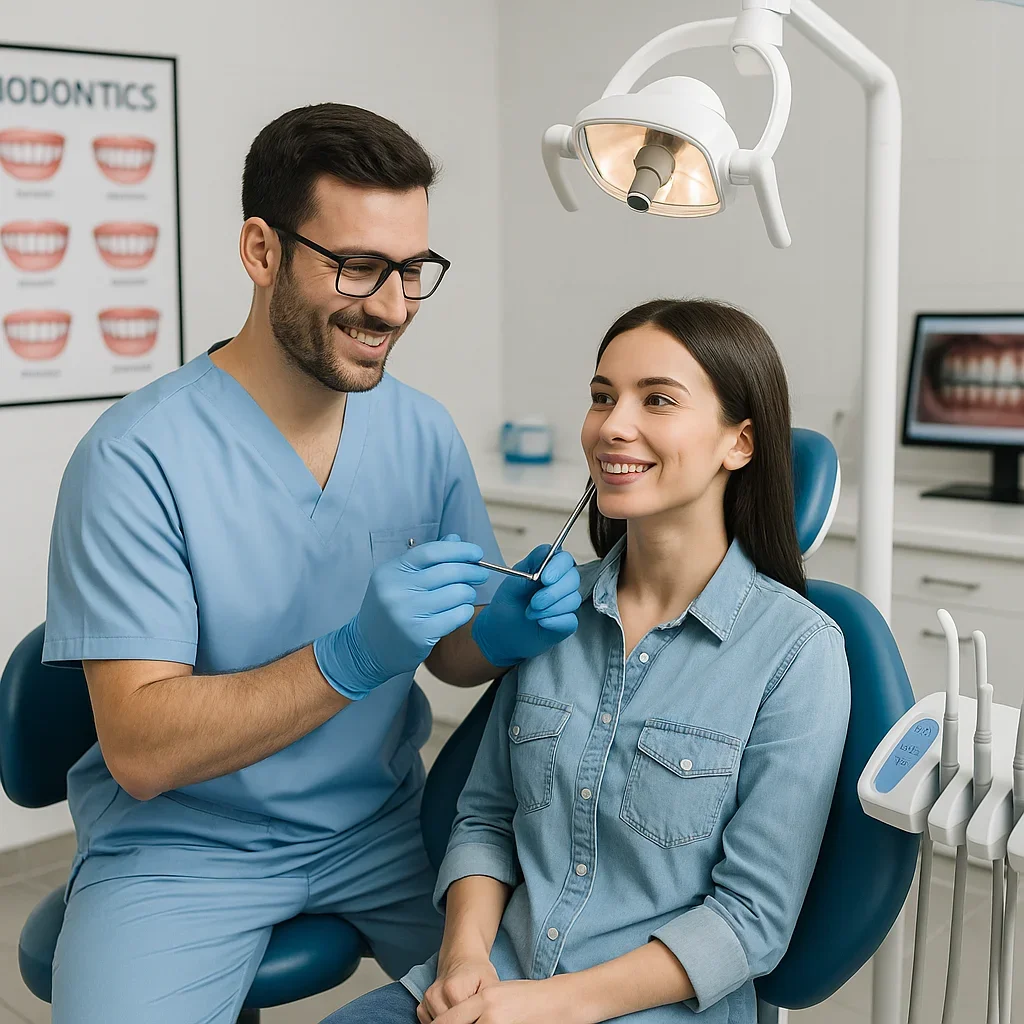
Choosing the Right Orthodontist Clinic for Your Perfect Smile
Selecting the right orthodontist clinic is one of the most crucial decisions in your journey toward a healthier, more confident smile 😁. Orthodontic treatment is a long-term investment in your dental health and appearance, and the quality of care you receive directly impacts your results. With so many clinics available, it’s important to know how to differentiate between options, what questions to ask, and which factors truly matter. In this section, we’ll explore everything you need to consider — from credentials and technology to patient experience and post-treatment support — to help you choose the perfect orthodontist clinic for your needs.
Why the Right Clinic Choice Matters
Not all orthodontic practices are created equal. The skill, experience, and technology available at an orthodontist clinic can significantly affect the outcome of your treatment. A well-qualified orthodontist doesn’t just align teeth; they design a smile that complements your facial symmetry, improves bite function, and enhances overall confidence. Choosing the right clinic ensures that your treatment is safe, efficient, and comfortable — minimizing complications and maximizing results.
Moreover, orthodontic care is often a long-term relationship lasting anywhere from 6 months to 3 years. You’ll visit your orthodontist clinic regularly for adjustments, monitoring, and checkups, so it’s important to select a team that prioritizes communication, comfort, and consistency.
Key Factors to Consider When Choosing an Orthodontist Clinic
When evaluating clinics, it’s helpful to compare them based on a few essential criteria. Each of these factors plays a major role in determining the quality of your treatment and overall experience.
1. Credentials and Professional Experience
First and foremost, verify that the orthodontist is fully licensed and board-certified. A reputable orthodontist clinic employs specialists who have completed accredited orthodontic training and stay updated with continuing education. Memberships in professional associations — such as the American Dental Association or the World Federation of Orthodontists — are strong indicators of professional credibility and dedication to quality care.
Don’t hesitate to ask about the orthodontist’s years of experience, certifications, and specialized expertise (for example, in Invisalign treatment or lingual braces). Clinics with a strong reputation often have extensive portfolios and before-and-after photos that demonstrate consistent, natural-looking results 📸.
2. Technology and Treatment Options
A modern orthodontist clinic should utilize the latest technology to enhance precision, safety, and comfort. Look for clinics equipped with 3D imaging systems, digital impressions, and AI-driven treatment simulations. Advanced technology enables shorter treatment times, fewer visits, and more predictable results. It’s also beneficial when clinics offer multiple treatment options — such as metal braces, ceramic braces, lingual systems, and clear aligners — so patients can choose what fits their lifestyle best.
Ask whether the clinic uses in-house 3D printing for retainers or aligners, as this often speeds up production and ensures better customization. The more comprehensive the clinic’s technology, the smoother your treatment journey will be ⚙️.
3. Patient Reviews and Testimonials
Online reviews can reveal much about the quality of care at an orthodontist clinic. Check patient testimonials on platforms like Google Maps, Trustpilot, or the clinic’s social media pages. Look for consistent positive feedback regarding professionalism, cleanliness, communication, and treatment success. While every clinic might have an occasional mixed review, the overall trend should reflect reliability and patient satisfaction.
Many clinics also showcase video testimonials or case studies on their websites. These can help you gauge how the orthodontist interacts with patients and whether their approach feels personalized and trustworthy. Transparency in patient feedback is always a good sign 🌟.
Clinic Environment and Staff Interaction
During your first consultation, pay attention to how the orthodontist clinic staff treat you. Are they welcoming, knowledgeable, and organized? A friendly environment can make a significant difference, especially for children or anxious patients. Clinics that focus on patient comfort often provide calming amenities such as soothing music, modern décor, and flexible scheduling options.
Ask about the orthodontist’s communication style — do they take time to explain each step clearly? Do they provide written summaries or treatment plans? The ideal orthodontist should make you feel heard, respected, and well-informed throughout the process 🤝.
Financial Transparency and Payment Flexibility
Quality orthodontic care is an investment, so transparent pricing is a must. A trustworthy orthodontist clinic will provide a detailed cost breakdown before treatment begins, including all visits, adjustments, and retainers. Avoid clinics that offer vague or “too good to be true” pricing — hidden costs can appear later. Instead, look for those offering flexible financing options, such as monthly installments, zero-interest plans, or family discounts.
Also, confirm whether your insurance covers orthodontic treatment and whether the clinic assists with claim submissions. Financial clarity builds trust and prevents stress during your treatment journey 💳.
Accessibility and Location
Because you’ll be visiting your orthodontist clinic frequently, location and accessibility matter. Choose a clinic that’s easy to reach from your home, school, or workplace. Parking availability, public transport connections, and flexible appointment hours are all valuable conveniences. Some modern clinics even offer virtual consultations and digital monitoring tools, allowing you to track progress remotely — a huge benefit for busy patients.
Specialization in Complex or Cosmetic Cases
Every smile is unique, and some cases require specialized attention. If you have complex alignment issues, TMJ concerns, or jaw irregularities, make sure your orthodontist clinic has experience handling such advanced cases. Similarly, if your main goal is aesthetic improvement, choose a clinic that specializes in discreet options such as clear aligners or lingual braces.
Reviewing the clinic’s portfolio or before-and-after gallery will give you a sense of their aesthetic philosophy and precision. High-quality orthodontic work not only corrects alignment but also harmonizes your smile with your facial structure ✨.
Follow-Up Care and Long-Term Support
The best orthodontist clinics continue to care for their patients long after treatment is complete. Post-treatment monitoring ensures your teeth remain stable and retainers function correctly. A reliable clinic schedules regular follow-ups and is always available to address concerns like retainer fit or minor shifting.
Ask whether the clinic provides long-term maintenance packages or lifetime retainer guarantees. These offerings demonstrate commitment to lasting results and genuine patient care 🦷.
Red Flags to Avoid
Unfortunately, not all clinics maintain high ethical or professional standards. Be cautious if an orthodontist clinic:
- Offers treatment without a full diagnostic evaluation or X-rays.
- Uses aggressive sales tactics or pressures you into quick decisions.
- Refuses to provide a written treatment plan or cost breakdown.
- Lacks online presence, verifiable credentials, or transparent reviews.
Reputable clinics prioritize patient well-being, not just profits. Always trust your instincts — if something feels off, seek a second opinion before proceeding.
Making the Final Decision
After researching, visiting, and consulting with multiple clinics, compare their treatment approaches, communication quality, and atmosphere. The right orthodontist clinic should make you feel confident, respected, and supported throughout your smile journey. Look for clinics that balance medical expertise with empathy, transparency, and modern innovation.
One example is Redent Klinik Contact Page, which combines advanced digital orthodontics, patient-centered care, and multi-lingual support — ideal for international patients seeking high-quality dental treatment in Turkey. Clinics with such holistic approaches often deliver exceptional results and long-term satisfaction.
Conclusion: Your Smile Deserves the Best
Choosing the right orthodontist clinic is more than just selecting a location — it’s choosing a partner in your transformation. The clinic you trust should combine scientific precision, compassionate care, and advanced technology to craft the best version of your smile. Take your time to research, ask questions, and evaluate your comfort level during the first visit. With the right guidance and support, your dream smile isn’t just achievable — it’s guaranteed to last a lifetime 🌈.