
When people start researching braces, aligners, or other teeth-straightening solutions, one of the most common questions they ask is whether their dental insurance provides orthodontist cover. Orthodontic treatment can be a long-term investment in both oral health and confidence, so understanding how orthodontist cover works is extremely important before beginning any procedure. Many patients assume that all dental insurance automatically includes orthodontic services, but the reality is that orthodontist cover varies significantly depending on the insurance provider, the plan type, and the patient’s age.
In simple terms, orthodontist cover refers to the portion of dental insurance that helps pay for orthodontic treatments such as braces, clear aligners, retainers, and other corrective dental devices. Orthodontics is a specialized field of dentistry focused on correcting bite problems, jaw alignment, and crooked teeth. While general dental insurance may cover cleanings, fillings, and basic dental care, orthodontic procedures are often categorized separately. That is why reviewing your orthodontist cover carefully before starting treatment can help you avoid unexpected expenses.
One of the key benefits of having a strong orthodontist cover plan is financial protection. Orthodontic procedures typically require several visits, custom devices, and long-term monitoring. Without proper orthodontist cover, patients may need to pay the entire cost themselves. In contrast, a good dental plan that includes orthodontic benefits may cover a percentage of the treatment cost, helping patients access necessary care more easily. Understanding how your orthodontist cover works can therefore make orthodontic treatment much more manageable.
It is also important to recognize that orthodontist cover policies can differ widely between insurance providers. Some plans only offer orthodontic coverage for children and teenagers, while others extend orthodontist cover to adults as well. Certain policies may require a waiting period before orthodontic services become eligible for reimbursement. For example, some insurance plans require patients to hold their policy for 12 months before their orthodontist cover benefits become active. Understanding these details can prevent delays in treatment planning.
Another factor that influences orthodontist cover is the type of orthodontic treatment selected. Traditional metal braces, ceramic braces, lingual braces, and clear aligners such as Invisalign may all fall under orthodontic care, but not every insurance policy treats them the same way. Some plans provide full orthodontist cover for medically necessary treatments, while cosmetic orthodontic procedures may receive partial reimbursement. This is why discussing your treatment plan with both your orthodontist and your insurance provider is essential.
Patients should also understand that orthodontist cover often has a lifetime maximum benefit. Instead of covering unlimited orthodontic costs, many insurance policies set a fixed cap. For instance, a plan may offer up to $1,500 or $2,500 in orthodontic benefits per patient. Once that amount is reached, the patient becomes responsible for additional treatment costs. Therefore, carefully reviewing the limits of your orthodontist cover before starting orthodontic care is extremely important.
Orthodontic treatment is not just about aesthetics—it can significantly improve oral health. Misaligned teeth can lead to problems such as difficulty chewing, jaw pain, uneven tooth wear, and even speech issues. By providing financial assistance for corrective procedures, orthodontist cover allows more people to address these dental concerns effectively. Organizations such as the American Dental Association emphasize the importance of orthodontic care in maintaining long-term oral health and proper bite alignment.
Another important advantage of understanding your orthodontist cover is that it helps you plan treatment more strategically. Many orthodontic treatments take between 12 and 24 months to complete, meaning insurance coverage may apply across multiple calendar years. In some cases, orthodontists structure treatment schedules to maximize the benefits of a patient’s orthodontist cover. This approach allows patients to receive high-quality care while managing costs efficiently.
If you are considering orthodontic treatment and want to better understand your options, consulting a dental professional is the best first step. An experienced orthodontic team can evaluate your dental condition, explain treatment possibilities, and help you review your orthodontist cover benefits. If you have questions about orthodontic care or want to discuss treatment options with specialists, you can reach out through the Redent Klinik Contact Page. Professional guidance ensures that patients fully understand their orthodontist cover and make informed decisions about their oral health.
Ultimately, the purpose of orthodontist cover is to make orthodontic treatment more accessible and affordable for patients who need it. By understanding how orthodontist cover works, what treatments it includes, and how insurance limitations apply, patients can confidently move forward with their orthodontic journey. Taking the time to review your insurance policy, consult with dental professionals, and understand the scope of your orthodontist cover will help ensure that your treatment experience is both smooth and financially manageable. 😊
Understanding What Orthodontist Cover Means in Dental Care
For many patients exploring orthodontic treatment, one of the most important topics to understand is orthodontist cover. This term refers to the part of a dental insurance plan that helps pay for orthodontic procedures such as braces, aligners, retainers, and other corrective treatments. Because orthodontic procedures often involve specialized care, longer treatment periods, and advanced dental devices, they are usually handled differently from standard dental services. Understanding how orthodontist cover works can help patients make better financial and medical decisions before beginning treatment.
Orthodontic care is designed to correct problems related to tooth alignment, bite issues, and jaw positioning. While these treatments can significantly improve both oral health and appearance, they can also represent a major investment. This is where orthodontist cover becomes extremely valuable. With proper coverage, patients may only need to pay a portion of the treatment cost while their insurance plan contributes to the remaining amount.
What Orthodontist Cover Typically Includes
Most dental insurance plans that offer orthodontist cover include financial assistance for a range of orthodontic procedures. However, the exact benefits depend on the insurance provider and policy type. Some plans provide partial reimbursement, while others offer fixed benefit limits.
Typical treatments supported by orthodontist cover may include:
- Traditional metal braces
- Ceramic or tooth-colored braces
- Clear aligners and removable orthodontic devices
- Orthodontic consultations and diagnostic imaging
- Retainers used after braces treatment
- Periodic orthodontic adjustments and monitoring
In many cases, orthodontist cover helps reduce the overall cost of these treatments, making them more accessible for patients who require long-term orthodontic care.
How Orthodontist Cover Differs From General Dental Coverage
Many people assume orthodontic care automatically falls under regular dental insurance, but this is not always the case. Standard dental plans usually focus on preventive and restorative services such as cleanings, fillings, crowns, and root canal treatments. Orthodontic procedures, however, often require specialized benefits.
This means orthodontist cover is frequently listed as a separate category within dental insurance plans. Some policies include orthodontic benefits automatically, while others require patients to purchase additional coverage. Reviewing your insurance policy carefully ensures that your orthodontist cover meets your treatment expectations.
Coverage Limits and Payment Structures
One of the most important aspects of orthodontist cover is the payment structure used by insurance providers. Instead of covering unlimited treatment costs, many plans operate with a lifetime orthodontic benefit limit.
For example, a dental plan might include:
- A lifetime orthodontic benefit of $1,500–$3,000
- Coverage of 40–50% of orthodontic treatment costs
- Payments distributed over the duration of treatment
This means your orthodontist cover may contribute to the cost gradually rather than paying the entire amount at once. Orthodontic treatments typically last between 12 and 24 months, and insurance companies often release payments in stages during this period.
Why Orthodontist Cover Matters for Oral Health
Orthodontic treatment is not only about improving the appearance of a smile. In many cases, it plays a critical role in preventing long-term oral health problems. Misaligned teeth can make it difficult to clean properly, increasing the risk of tooth decay, gum disease, and enamel wear. Bite problems can also cause jaw pain and uneven pressure on teeth.
Because of these health benefits, having orthodontist cover allows patients to address structural dental problems early. By making orthodontic treatment more affordable, insurance coverage encourages patients to pursue necessary care rather than delaying it.
Dental organizations such as the American Dental Association emphasize the importance of proper orthodontic care for maintaining long-term dental health. When patients have reliable orthodontist cover, they are more likely to seek treatment at the right time.
Consulting Professionals About Your Orthodontist Cover
Understanding the details of your insurance benefits can sometimes feel confusing. Policies often contain technical terms, benefit caps, waiting periods, and eligibility requirements. For this reason, patients should consult both their insurance provider and their orthodontic clinic when reviewing their orthodontist cover.
Dental clinics typically have staff members who are experienced in working with insurance providers. These professionals can help patients verify their orthodontist cover, estimate treatment costs, and prepare payment plans if necessary.
If you are planning orthodontic treatment or want to better understand your insurance benefits, professional guidance can make the process much easier. You can reach experienced dental professionals through the Redent Klinik Contact Page to discuss treatment options and learn how your orthodontist cover may apply to your specific case.
The Role of Planning in Maximizing Orthodontist Cover
Proper planning can help patients make the most of their orthodontist cover. Because orthodontic treatments often span multiple years, insurance benefits may reset annually depending on the policy structure. This means timing your treatment carefully could increase the total coverage available.
Patients who understand their orthodontist cover ahead of time can also compare treatment options, schedule consultations strategically, and ensure their insurance benefits are applied correctly. This approach not only reduces financial stress but also ensures that orthodontic care proceeds smoothly.
Ultimately, learning about orthodontist cover empowers patients to make informed decisions about their dental health. With clear knowledge of insurance benefits, treatment options, and payment structures, individuals can confidently begin orthodontic treatment while protecting both their oral health and financial well-being. 😊
Who Needs Orthodontist Cover and When It Becomes Essential
Many people wonder whether they truly need orthodontist cover or if orthodontic treatment can simply be paid for out of pocket. The reality is that orthodontic care can be both medically beneficial and financially significant. Because treatments often last for months or even years, having reliable orthodontist cover can make a major difference in accessibility and affordability. Understanding who benefits most from orthodontist cover helps patients decide whether orthodontic insurance coverage is necessary before starting treatment.
Orthodontic issues are more common than many people realize. Crooked teeth, overcrowding, overbites, underbites, and jaw alignment problems affect millions of individuals worldwide. These conditions may cause difficulties in chewing, speaking, or maintaining proper oral hygiene. When orthodontic treatment becomes necessary, strong orthodontist cover ensures that patients can access the care they need without facing overwhelming expenses.
Children and Teenagers Often Benefit Most from Orthodontist Cover
Children and teenagers are among the most common groups that benefit from orthodontist cover. Orthodontists frequently recommend early evaluations around age seven to detect developing alignment issues. If treatment is needed during adolescence, insurance plans that include orthodontist cover can significantly reduce the financial burden for families.
Many dental insurance policies specifically design their orthodontist cover benefits with children in mind. This is because orthodontic treatment during developmental years can guide proper jaw growth and prevent more complex problems later in life. Early orthodontic care supported by orthodontist cover may include braces, expanders, and retainers to ensure that teeth develop in the correct position.
Why Early Orthodontic Treatment Matters
Early orthodontic intervention supported by orthodontist cover offers several advantages. When jawbones are still growing, orthodontists can guide tooth movement more effectively. This reduces the likelihood of complicated surgical procedures later in adulthood. Families with dental insurance that includes orthodontist cover often find it easier to begin treatment at the recommended age.
Without proper orthodontist cover, families may delay orthodontic care due to cost concerns. Unfortunately, delaying treatment can sometimes allow alignment problems to worsen. That is why many insurance providers include orthodontic benefits as part of comprehensive dental coverage.
Adults Seeking Smile Improvements
Although orthodontic treatment is commonly associated with teenagers, many adults also benefit from orthodontist cover. Advances in dental technology have made orthodontic solutions more discreet and comfortable than ever before. Clear aligners, ceramic braces, and lingual braces allow adults to straighten their teeth without the visibility of traditional metal braces.
Adults who did not receive orthodontic treatment earlier in life often develop bite issues or crowding over time. In these cases, orthodontist cover helps make corrective treatment more affordable. Many insurance providers now offer adult orthodontic benefits, recognizing the growing demand for orthodontic care among older patients.
Patients considering adult orthodontics should carefully review their insurance policies to determine whether their orthodontist cover includes treatments such as clear aligners or specialized braces. Some plans provide partial reimbursement, while others offer fixed orthodontic allowances.
Patients with Functional Dental Problems
Orthodontic treatment is not always purely cosmetic. In many cases, misaligned teeth create functional problems that affect oral health. Individuals with severe bite issues may experience jaw pain, headaches, uneven tooth wear, or difficulty chewing. For these patients, orthodontist cover plays an important role in ensuring access to necessary treatment.
Dental professionals often emphasize that correcting structural dental issues can prevent long-term complications. Organizations such as the American Dental Association highlight the importance of orthodontic care in maintaining proper oral function and preventing dental damage. When patients have reliable orthodontist cover, they are more likely to pursue treatment that improves both health and comfort.
Orthodontist Cover for Complex Cases
Some orthodontic cases require more advanced treatment plans that involve multiple stages of care. Patients with severe crowding, jaw discrepancies, or impacted teeth may need longer treatment durations and specialized orthodontic devices. In these situations, comprehensive orthodontist cover becomes even more valuable.
Insurance policies that provide extended orthodontist cover can help patients access complex treatment plans that might otherwise be financially challenging. Orthodontists often coordinate closely with insurance providers to ensure that patients receive the maximum benefits available through their orthodontist cover.
When Orthodontist Cover Becomes Essential
There are certain situations where having orthodontist cover becomes particularly important. If a patient anticipates needing braces, aligners, or other orthodontic devices in the near future, reviewing insurance coverage ahead of time is crucial. Many plans require waiting periods before orthodontic benefits become active, meaning that obtaining orthodontist cover early can prevent delays in treatment.
Additionally, orthodontic treatment often spans one to two years, requiring multiple appointments and adjustments. Having reliable orthodontist cover ensures that patients can continue treatment without interruptions caused by financial concerns.
If you are unsure whether orthodontic treatment is right for you or want to understand how your orthodontist cover applies to your specific situation, consulting with dental professionals is highly recommended. You can contact specialists through the Redent Klinik Contact Page to receive guidance and personalized treatment recommendations.
Ultimately, orthodontist cover plays a crucial role in making orthodontic treatment accessible for patients of all ages. Whether supporting early treatment for children, smile improvements for adults, or corrective procedures for complex dental issues, comprehensive orthodontist cover ensures that patients can achieve healthier, more aligned smiles with greater financial confidence. 😊
Types of Orthodontist Cover Available in Dental Insurance Plans
When exploring dental insurance policies, patients quickly discover that not every plan offers the same level of orthodontist cover. Insurance providers structure orthodontic benefits in several different ways depending on the policy type, patient eligibility, and overall dental coverage. Understanding the different types of orthodontist cover available can help patients choose a plan that fits their dental needs and long-term treatment goals.
Orthodontic treatments often require extended care, specialized equipment, and multiple adjustments over time. Because of this complexity, insurers typically design orthodontic benefits separately from general dental care. Some plans offer full orthodontist cover, while others provide limited assistance or require optional upgrades. Knowing which type of orthodontist cover applies to your insurance plan allows you to estimate treatment costs more accurately before starting orthodontic care.
Comprehensive Orthodontist Cover in Premium Dental Plans
Premium dental insurance plans often include the most extensive orthodontist cover. These policies are designed to provide broad dental benefits, including preventive care, restorative treatments, and orthodontic procedures. Patients who enroll in comprehensive plans usually receive partial reimbursement for orthodontic treatment costs.
With this type of orthodontist cover, insurance companies typically pay a percentage of the orthodontic treatment fee. The most common coverage rate ranges from 40% to 60% of the total cost, depending on the policy. However, even premium plans usually include a lifetime orthodontic benefit cap that limits the total amount the insurer will pay.
Patients who expect to need orthodontic treatment often choose insurance plans with strong orthodontist cover because these policies provide the greatest financial support during long treatment periods.
Example of Premium Orthodontist Cover Benefits
A comprehensive dental plan with strong orthodontist cover may include benefits such as:
- Coverage for traditional metal braces
- Partial reimbursement for ceramic braces
- Support for clear aligner treatments
- Orthodontic consultations and diagnostic imaging
- Retainers following treatment completion
Although these plans often require higher monthly premiums, the extended orthodontist cover they provide can significantly reduce out-of-pocket treatment expenses.
Basic Orthodontist Cover in Standard Dental Insurance
Many standard dental insurance policies offer more limited orthodontist cover. These plans usually focus on preventive dental care such as cleanings, exams, and fillings, while orthodontic services are treated as optional benefits.
With basic orthodontist cover, the insurer may provide a smaller reimbursement percentage or restrict coverage to certain treatments. For example, some policies may only cover traditional braces but exclude cosmetic orthodontic treatments like invisible aligners.
Patients who rely on basic orthodontist cover should review their policy carefully. Understanding the exact limitations of the plan ensures there are no surprises once orthodontic treatment begins.
Typical Limits in Basic Orthodontist Cover
Basic orthodontic insurance plans may include restrictions such as:
- Lower lifetime orthodontic benefit limits
- Coverage only for patients under age 18
- Exclusion of cosmetic orthodontic procedures
- Mandatory waiting periods before orthodontic treatment
Even with these restrictions, having some level of orthodontist cover can still help reduce treatment costs compared to paying entirely out of pocket.
Child-Focused Orthodontist Cover
Another common type of orthodontist cover is designed specifically for children and adolescents. Many dental insurance providers prioritize orthodontic benefits for younger patients because early orthodontic treatment can prevent long-term dental problems.
Child-focused orthodontist cover often includes partial reimbursement for braces and other corrective devices used during developmental years. Because the jaw and teeth are still growing, orthodontic treatment during childhood may be more effective and less complicated than treatment later in life.
Parents who anticipate orthodontic treatment for their children should evaluate dental plans that provide reliable orthodontist cover. These policies can significantly reduce the financial impact of braces or other orthodontic appliances.
Optional Orthodontist Cover Add-Ons
Some dental insurance providers allow patients to add orthodontic benefits to an existing plan. These optional upgrades are another form of orthodontist cover. Instead of automatically including orthodontic services, the insurer offers orthodontic coverage as an add-on feature.
This type of orthodontist cover allows patients to customize their insurance plan according to their dental needs. Individuals who anticipate orthodontic treatment in the future can upgrade their plan to include orthodontic benefits before treatment begins.
However, optional orthodontist cover add-ons often include waiting periods. Patients may need to maintain the upgraded insurance plan for 6–12 months before orthodontic benefits become available.
Why Understanding Orthodontist Cover Options Is Important
Choosing the right type of orthodontist cover can significantly impact the affordability of orthodontic treatment. Because orthodontic procedures often last between 12 and 24 months, selecting a dental plan that aligns with your treatment timeline is essential.
Dental organizations such as the American Dental Association encourage patients to carefully review insurance policies and understand how orthodontic benefits work before starting treatment. By evaluating different types of orthodontist cover, patients can plan their dental care more effectively.
If you are considering orthodontic treatment and want professional guidance on how your orthodontist cover may apply to your situation, consulting with experienced dental professionals can help. Patients can contact specialists through the Redent Klinik Contact Page to discuss treatment options and insurance considerations.
Ultimately, understanding the various types of orthodontist cover empowers patients to make informed decisions about dental insurance and orthodontic treatment. Whether choosing comprehensive coverage, basic insurance benefits, or optional orthodontic add-ons, the right orthodontist cover can make orthodontic care more accessible, predictable, and financially manageable. 😊
What Treatments Are Usually Included in Orthodontist Cover
When patients review their dental insurance policy, one of the most important questions they ask is which treatments are actually included in their orthodontist cover. Orthodontic treatment is a specialized branch of dentistry focused on correcting misaligned teeth, bite problems, and jaw irregularities. Because these treatments often involve long-term care and customized appliances, insurance providers carefully define what falls under orthodontist cover. Understanding these details allows patients to plan treatment confidently and avoid unexpected expenses.
In most dental insurance policies, orthodontist cover applies to treatments that improve the alignment and functionality of teeth and jaws. While each insurance provider may structure coverage differently, many orthodontic procedures share similar eligibility criteria. Some plans provide partial reimbursement for common orthodontic treatments, while others include a fixed orthodontic allowance as part of the policy.
Traditional Braces Covered by Orthodontist Cover
Traditional metal braces are one of the most common treatments included in orthodontist cover. These braces consist of metal brackets attached to the teeth and connected by wires that gradually move teeth into proper alignment. Because this treatment has been used successfully for decades, most dental insurance plans recognize it as a standard orthodontic procedure.
Patients with orthodontist cover often receive reimbursement for a portion of the cost of metal braces. The exact coverage percentage varies by policy, but many insurance plans pay between 40% and 60% of the treatment cost up to the lifetime orthodontic benefit limit.
Why Metal Braces Are Commonly Included
Metal braces are widely supported by orthodontist cover because they are highly effective in treating a wide range of dental alignment problems. Orthodontists can use them to correct severe crowding, spacing issues, and bite irregularities. Since the treatment is considered medically beneficial rather than purely cosmetic, insurance providers frequently include it within orthodontic benefits.
Ceramic and Tooth-Colored Braces
Ceramic braces are another treatment that may fall under orthodontist cover. These braces function similarly to metal braces but use tooth-colored or clear brackets that blend more naturally with the patient’s teeth. Because of their discreet appearance, ceramic braces are particularly popular among adult patients.
Some insurance policies treat ceramic braces differently under orthodontist cover. While the base orthodontic treatment may be covered, patients might need to pay the additional cost associated with the aesthetic materials used in ceramic braces. For this reason, reviewing your orthodontist cover carefully before choosing a specific orthodontic appliance is essential.
Clear Aligners and Invisible Orthodontic Treatments
In recent years, clear aligners have become one of the most popular orthodontic treatments. These removable trays gradually move teeth into alignment without the need for brackets or wires. Many patients prefer aligners because they are nearly invisible and allow easier cleaning compared to traditional braces.
Some dental insurance plans include clear aligners within their orthodontist cover, while others categorize them as cosmetic treatments. In cases where aligners are covered, insurance may reimburse part of the treatment cost similar to traditional braces. However, certain plans limit orthodontist cover to conventional orthodontic appliances only.
Patients considering clear aligner therapy should confirm whether their orthodontist cover includes this type of treatment before beginning orthodontic care.
Orthodontic Diagnostics and Consultations
Another important aspect of orthodontist cover involves diagnostic procedures required before treatment begins. Orthodontists rely on specialized imaging and examinations to evaluate tooth alignment, jaw structure, and bite patterns.
Diagnostic services commonly included in orthodontist cover may include:
- Initial orthodontic consultations
- Digital dental X-rays
- 3D dental scans and impressions
- Orthodontic treatment planning
These diagnostic procedures help orthodontists develop personalized treatment plans for each patient. In many cases, insurance policies provide partial reimbursement for these services as part of orthodontist cover.
Importance of Accurate Diagnosis
Accurate diagnosis is essential for successful orthodontic treatment. Orthodontists must evaluate tooth movement patterns, jaw relationships, and facial structure before designing a treatment plan. Because these evaluations are medically necessary, many insurance providers include them within orthodontist cover.
Retainers and Post-Treatment Care
Orthodontic treatment does not end when braces or aligners are removed. After teeth have been moved into their ideal positions, retainers are used to maintain the results and prevent relapse. Many dental insurance policies include retainers as part of orthodontist cover, especially if they are provided immediately after active treatment.
Retainers help stabilize the teeth while surrounding bone and tissue adapt to the new alignment. Without this stage of care, teeth may gradually shift back to their original positions. Because of this risk, orthodontists strongly recommend wearing retainers as instructed.
Insurance providers that offer comprehensive orthodontist cover often recognize the importance of retention therapy and provide coverage for at least one retainer following treatment completion.
Why Reviewing Orthodontist Cover Is Important
Although many orthodontic treatments may qualify for orthodontist cover, the exact benefits depend on the insurance policy. Patients should carefully review their dental plan to understand what procedures are included and whether any restrictions apply.
Organizations such as the American Dental Association encourage patients to discuss treatment plans and insurance coverage with their dental professionals before starting orthodontic care. This ensures that patients fully understand their orthodontist cover and the financial aspects of treatment.
If you are considering orthodontic treatment and want to learn how your orthodontist cover may apply, consulting with dental professionals can provide valuable guidance. You can reach experienced specialists through the Redent Klinik Contact Page to discuss treatment options and insurance details.
Ultimately, knowing which treatments are included in your orthodontist cover helps you prepare for orthodontic care with confidence. By understanding the scope of coverage, patients can choose appropriate treatment options while managing costs effectively. Proper planning and professional consultation ensure that orthodontic treatment proceeds smoothly and delivers lasting improvements to oral health and smile aesthetics. 😊
Orthodontist Cover for Adults vs Children: Key Differences
When evaluating dental insurance benefits, one of the most important distinctions to understand is how orthodontist cover differs between adults and children. Orthodontic treatment is widely associated with teenagers wearing braces, but in reality, patients of all ages can benefit from orthodontic care. However, insurance companies often structure orthodontist cover differently depending on the patient’s age group. These differences can affect eligibility, reimbursement limits, and treatment options.
Understanding how orthodontist cover works for children compared to adults allows patients and families to plan orthodontic treatment more effectively. Some insurance plans prioritize early orthodontic treatment for children, while others offer broader coverage that also includes adult orthodontic procedures.
Why Orthodontist Cover Often Focuses on Children
Many dental insurance providers design their policies with a strong focus on children’s orthodontic needs. This is because orthodontic treatment during childhood or adolescence can guide jaw growth, improve bite alignment, and prevent more complicated dental problems later in life. As a result, orthodontist cover is often more comprehensive for patients under the age of 18.
Insurance companies recognize that early orthodontic intervention can reduce long-term healthcare costs. By providing strong orthodontist cover for younger patients, insurers encourage families to address alignment problems during the developmental years when treatment is typically more effective.
Common Child Orthodontist Cover Benefits
Child-focused orthodontist cover typically includes financial support for several orthodontic treatments. These benefits may include:
- Coverage for traditional braces
- Partial reimbursement for orthodontic appliances
- Diagnostic orthodontic examinations
- Monitoring visits during treatment
- Retainers following braces removal
In many cases, orthodontist cover for children provides higher reimbursement percentages compared to adult coverage. Families often receive insurance benefits that help reduce the overall cost of orthodontic treatment significantly.
Orthodontist Cover Options for Adults
While orthodontic treatment is commonly associated with children, an increasing number of adults are seeking orthodontic care. Advances in dental technology have introduced more discreet treatment options such as clear aligners, ceramic braces, and lingual braces. As demand for adult orthodontics grows, more insurance providers now offer orthodontist cover for adult patients.
However, adult orthodontic insurance benefits may differ from those available to children. Some dental plans include limited orthodontist cover for adults, while others require patients to purchase upgraded policies that include orthodontic benefits.
Typical Limitations for Adult Orthodontist Cover
Insurance policies that provide orthodontist cover for adults may include certain restrictions such as:
- Lower lifetime orthodontic benefit limits
- Reduced reimbursement percentages
- Exclusion of cosmetic orthodontic treatments
- Additional waiting periods before coverage begins
These limitations are important for adult patients to understand before beginning orthodontic treatment. Reviewing your orthodontist cover policy carefully ensures that you have realistic expectations regarding insurance contributions.
Treatment Goals for Adults vs Children
Another difference between adult and child orthodontic care involves treatment goals. In children, orthodontists often focus on guiding proper jaw development and preventing severe alignment issues. Early treatment supported by orthodontist cover can correct problems such as crowding, crossbites, and jaw discrepancies before they become more complicated.
In contrast, adult orthodontic treatment typically focuses on correcting established alignment problems or improving smile aesthetics. Adults may also seek orthodontic treatment to address bite issues that cause jaw discomfort or uneven tooth wear. In these situations, having reliable orthodontist cover can make treatment more financially manageable.
Popular Adult Orthodontic Treatments
Adults with orthodontist cover often choose orthodontic treatments that are less noticeable. These options may include:
- Clear aligners
- Ceramic braces
- Lingual braces placed behind the teeth
- Short-term orthodontic alignment procedures
Depending on the insurance plan, orthodontist cover may reimburse part of the cost for these treatments. However, cosmetic orthodontic options sometimes require additional out-of-pocket expenses.
The Importance of Reviewing Orthodontist Cover Policies
Whether orthodontic treatment is planned for a child or an adult, reviewing the details of orthodontist cover is essential before starting treatment. Insurance policies often contain specific eligibility rules, benefit limits, and waiting periods that can affect coverage.
Dental organizations such as the American Dental Association encourage patients to consult dental professionals when evaluating orthodontic treatment options. Professional guidance helps patients understand how their orthodontist cover applies to different treatment plans.
If you are considering orthodontic treatment for yourself or a family member and want to review your insurance benefits, consulting with experienced dental professionals can provide valuable insights. You can reach specialists through the Redent Klinik Contact Page to discuss treatment possibilities and understand how your orthodontist cover may apply.
Planning Orthodontic Treatment with Orthodontist Cover
Effective orthodontic planning begins with understanding your insurance coverage. Families planning treatment for children should review orthodontic benefits early to ensure that orthodontist cover is active before treatment begins. Adults considering orthodontic care should also verify whether their insurance plan includes orthodontic benefits.
By understanding the differences between adult and child orthodontist cover, patients can make better decisions about timing, treatment options, and insurance planning. With the right information and professional guidance, orthodontic treatment becomes a more accessible and manageable investment in long-term oral health and confidence. 😊
Average Costs With and Without Orthodontist Cover
Orthodontic treatment is one of the most valuable investments a person can make for their oral health and confidence. However, many patients hesitate to begin treatment because they are unsure about the financial aspect. Understanding the difference between orthodontic costs with and without orthodontist cover is essential for planning treatment properly. The presence of reliable orthodontist cover can significantly reduce out-of-pocket expenses and make orthodontic care more accessible for patients of all ages.
The total cost of orthodontic treatment depends on several factors, including the complexity of the case, the type of orthodontic appliance used, the duration of treatment, and the experience of the orthodontist. Without orthodontist cover, patients typically pay the entire treatment cost themselves. However, when insurance includes orthodontist cover, part of the treatment may be reimbursed according to the plan’s coverage percentage and lifetime benefit limits.
Average Orthodontic Treatment Costs Without Orthodontist Cover
When patients do not have orthodontist cover, the full cost of orthodontic treatment must be paid out of pocket. These costs vary depending on the type of treatment and geographic location. Orthodontic care often involves multiple appointments, custom appliances, and long-term monitoring, which contributes to the overall cost.
Below are typical orthodontic treatment price ranges without orthodontist cover:
Traditional metal braces:        $3,000 – $7,000
Ceramic braces:                  $4,000 – $8,000
Clear aligners (e.g., Invisalign): $4,000 – $7,500
Lingual braces:                  $8,000 – $12,000
Retainers after treatment:       $150 – $600
These estimates illustrate why many patients seek dental insurance that includes orthodontist cover. Without coverage, orthodontic treatment may represent a substantial financial commitment for individuals or families.
How Orthodontist Cover Reduces Treatment Costs
When a dental insurance policy includes orthodontist cover, the insurer helps pay for part of the treatment expenses. Instead of covering the entire cost, most insurance plans reimburse a percentage of the treatment fee up to a lifetime orthodontic benefit limit.
For example, a typical insurance policy might provide:
- 50% reimbursement for orthodontic treatment
- A lifetime orthodontic benefit limit of $1,500 – $3,000
- Coverage distributed throughout the treatment period
With this type of orthodontist cover, patients only need to pay the remaining portion of the treatment cost after insurance contributions are applied.
Example Cost Comparison With Orthodontist Cover
Consider a patient receiving traditional braces with a total treatment cost of $6,000. Without orthodontist cover, the patient would pay the entire amount. However, with an insurance plan that provides $2,000 in orthodontic benefits, the financial breakdown might look like this:
Total treatment cost:           $6,000
Insurance orthodontist cover:   $2,000
Patient out-of-pocket cost:     $4,000
This example shows how orthodontist cover can significantly reduce the financial burden of orthodontic treatment.
Factors That Influence Orthodontic Treatment Costs
Several variables influence the final cost of orthodontic treatment, regardless of whether orthodontist cover is available. Understanding these factors helps patients estimate potential expenses and plan accordingly.
Treatment Complexity
More complex orthodontic cases often require longer treatment durations and advanced orthodontic appliances. Severe crowding, bite problems, or jaw alignment issues may increase treatment costs. In these situations, having strong orthodontist cover becomes even more valuable because the insurance helps offset higher treatment expenses.
Type of Orthodontic Appliance
The type of braces or orthodontic device chosen also affects the total cost. Traditional metal braces are typically the most affordable option, while lingual braces and advanced aligner systems may cost more. Insurance policies with comprehensive orthodontist cover may partially reimburse these treatments depending on the plan.
Treatment Duration
Orthodontic treatment generally lasts between 12 and 24 months. Longer treatment durations may require additional orthodontic visits and adjustments. With proper orthodontist cover, many of these ongoing treatment costs may be partially reimbursed by the insurance provider.
Additional Costs Patients Should Consider
Even with strong orthodontist cover, patients should be aware that certain expenses may not be fully reimbursed. Insurance plans sometimes exclude cosmetic upgrades or specialized orthodontic appliances. Patients may need to pay additional fees if they choose premium orthodontic options.
Other potential costs include:
- Replacement retainers
- Emergency orthodontic visits
- Advanced aligner systems not covered by insurance
- Optional cosmetic orthodontic upgrades
Reviewing the details of your orthodontist cover ensures that you understand exactly what costs are included and which expenses may remain your responsibility.
Why Consulting an Orthodontic Professional Is Important
Before starting treatment, patients should consult orthodontic professionals to obtain a detailed treatment plan and cost estimate. Dental clinics often have experienced staff who can review your insurance benefits and explain how your orthodontist cover will apply to the proposed treatment.
Organizations such as the American Dental Association recommend discussing treatment options and insurance coverage with dental professionals before beginning orthodontic care. This approach ensures that patients fully understand their orthodontist cover and can plan treatment responsibly.
If you want personalized advice about orthodontic treatment costs or need assistance reviewing your orthodontist cover, you can consult dental specialists through the Redent Klinik Contact Page. Professional consultation helps patients understand their treatment options and insurance benefits more clearly.
Ultimately, orthodontic treatment can transform both oral health and self-confidence. While the cost may initially seem significant, having reliable orthodontist cover makes treatment far more manageable. By understanding average orthodontic costs and evaluating the benefits of your orthodontist cover, you can make informed decisions that support long-term dental health and a confident smile. 😊
How to Choose the Best Orthodontist Cover for Your Needs
Selecting the right dental insurance plan can significantly impact your orthodontic treatment experience. Because orthodontic procedures often involve long treatment timelines and specialized appliances, choosing a policy with strong orthodontist cover is essential. A well-structured orthodontist cover plan helps reduce financial stress and ensures that patients receive the orthodontic care they need without unnecessary delays.
However, many patients feel overwhelmed when comparing insurance policies. Each provider may structure orthodontist cover differently, with varying reimbursement rates, benefit limits, waiting periods, and eligibility rules. Understanding these factors will help you identify the most suitable orthodontist cover for your individual situation.
Evaluate the Orthodontic Coverage Percentage
One of the most important aspects to examine when selecting an insurance plan is the percentage of treatment costs covered under orthodontist cover. Insurance providers usually reimburse a certain percentage of orthodontic expenses rather than paying the entire amount.
Common reimbursement structures for orthodontist cover include:
- 40% coverage of orthodontic treatment costs
- 50% coverage of orthodontic treatment costs
- 60% coverage in premium dental plans
The higher the reimbursement percentage, the more financial support your orthodontist cover provides during treatment. When comparing insurance policies, selecting a plan with a strong orthodontic reimbursement rate can significantly reduce your out-of-pocket expenses.
Example of Coverage Impact
Consider a treatment plan costing $5,500. If your orthodontist cover provides 50% reimbursement up to a certain limit, the insurance provider may pay approximately $2,750 toward the treatment. This reduces the financial burden and makes orthodontic care more accessible.
Review Lifetime Orthodontic Benefit Limits
Another key factor when evaluating orthodontist cover is the lifetime orthodontic benefit limit. Unlike general dental treatments that may reset annually, orthodontic coverage often includes a fixed maximum amount the insurer will pay over the lifetime of the policy.
Typical lifetime limits for orthodontist cover range between:
- $1,000 – $1,500 for basic dental plans
- $1,500 – $2,500 for mid-level plans
- $2,500 – $3,500 or more for premium coverage
Choosing a plan with a higher orthodontic benefit cap allows your orthodontist cover to contribute more significantly toward the overall treatment cost.
Understand Waiting Periods for Orthodontist Cover
Many insurance providers require policyholders to wait before they can use their orthodontic benefits. Waiting periods are common in dental insurance and may range from six months to one year before orthodontist cover becomes active.
This means that even if your policy includes orthodontic benefits, you may not be able to begin treatment immediately. When selecting an insurance plan, it is important to confirm how long the waiting period for orthodontist cover will be.
Planning Ahead for Orthodontic Treatment
If you anticipate orthodontic treatment in the near future, enrolling in a dental insurance plan with orthodontic benefits early can be beneficial. Starting your orthodontist cover policy well in advance ensures that the waiting period will be completed before treatment begins.
Check Age Eligibility Requirements
Some insurance providers restrict orthodontist cover to patients under a certain age. Many traditional policies prioritize orthodontic benefits for children and teenagers, as early treatment often produces the best results.
However, the demand for adult orthodontic treatment has grown significantly in recent years. As a result, many insurers now offer expanded orthodontist cover options for adult patients. When comparing insurance plans, confirm whether orthodontic benefits apply to both children and adults.
Evaluate Treatment Options Included in Orthodontist Cover
Not all orthodontic treatments receive the same level of insurance support. Some policies provide comprehensive orthodontist cover for traditional braces but may limit reimbursement for advanced orthodontic solutions such as clear aligners or lingual braces.
Patients interested in modern orthodontic solutions should review whether their orthodontist cover includes treatments such as:
- Clear aligners
- Ceramic braces
- Lingual braces
- Retainers and post-treatment appliances
Understanding which treatments qualify for orthodontist cover helps patients avoid unexpected expenses during orthodontic treatment.
Consult Dental Professionals Before Choosing Orthodontist Cover
Dental professionals can provide valuable guidance when selecting insurance plans with orthodontic benefits. Orthodontists often work closely with insurance providers and understand how different orthodontist cover policies operate.
Organizations such as the American Dental Association recommend discussing orthodontic treatment options and insurance coverage with dental professionals before committing to a plan. Their expertise can help patients evaluate the value of their orthodontist cover and determine whether it aligns with their treatment goals.
If you are considering orthodontic treatment and want to review your insurance options, you can consult experienced specialists through the Redent Klinik Contact Page. Dental professionals can help analyze your current policy and explain how your orthodontist cover may apply to your treatment plan.
Choosing Orthodontist Cover That Supports Long-Term Oral Health
Orthodontic treatment is not just about improving appearance—it also supports long-term dental health. Properly aligned teeth are easier to clean, reduce strain on the jaw, and help prevent uneven tooth wear. Choosing the right orthodontist cover ensures that patients can access these benefits without unnecessary financial barriers.
When evaluating dental insurance options, consider reimbursement rates, lifetime benefit limits, waiting periods, and treatment eligibility. By carefully comparing these factors, patients can select an insurance plan with orthodontist cover that provides the best balance between affordability and treatment access.
Ultimately, choosing the right orthodontist cover empowers patients to pursue orthodontic treatment confidently. With the right coverage in place, individuals can focus on achieving healthier teeth, improved bite alignment, and a confident smile for years to come. 😊
Common Limitations and Waiting Periods in Orthodontist Cover
While dental insurance can make orthodontic treatment significantly more affordable, patients should also understand that orthodontist cover usually comes with certain limitations and waiting periods. These rules are designed by insurance providers to manage risk and ensure that policies are used appropriately over time. Before beginning orthodontic treatment, reviewing the conditions attached to your orthodontist cover is essential. Doing so helps patients avoid unexpected costs and ensures that treatment planning aligns with the available insurance benefits.
Many people assume that once they purchase dental insurance with orthodontist cover, all orthodontic treatments will immediately be reimbursed. In reality, most policies contain restrictions that influence when and how orthodontic benefits can be used. These may include waiting periods, lifetime benefit caps, age limitations, and exclusions for certain cosmetic procedures. Understanding these conditions helps patients make informed decisions when choosing or using their orthodontist cover.
Waiting Periods Before Orthodontist Cover Becomes Active
One of the most common restrictions associated with orthodontist cover is the waiting period. A waiting period is the amount of time a policyholder must hold the insurance plan before orthodontic benefits become available. Insurance providers implement waiting periods to prevent individuals from purchasing a policy solely to receive immediate orthodontic treatment and then canceling the coverage.
Typical waiting periods for orthodontist cover include:
- 6 months for some enhanced dental plans
- 12 months for standard orthodontic coverage
- Up to 24 months in certain insurance policies
During this waiting period, the policyholder may still receive preventive and basic dental benefits, but orthodontic procedures will not yet qualify for reimbursement. Once the waiting period ends, the orthodontist cover becomes active and patients can begin orthodontic treatment with insurance assistance.
Planning Treatment Around Waiting Periods
If orthodontic treatment is anticipated in the near future, enrolling in a dental insurance plan early can be beneficial. Starting your policy ahead of time allows the waiting period for orthodontist cover to pass before treatment begins. Patients who understand this timing can strategically plan orthodontic care without experiencing coverage delays.
Lifetime Benefit Limits in Orthodontist Cover
Another important limitation of most insurance plans is the lifetime orthodontic benefit limit. Unlike general dental coverage, which may renew annually, orthodontic benefits often come with a fixed maximum payout over the life of the policy. This means that once the insurer pays the maximum benefit amount, the patient becomes responsible for additional costs.
Typical lifetime limits for orthodontist cover may include:
- $1,000 – $1,500 for basic plans
- $1,500 – $2,500 for mid-level plans
- $2,500 – $3,500 or more for premium plans
For example, if your orthodontic treatment costs $6,000 and your orthodontist cover includes a lifetime benefit of $2,000, the remaining balance will be paid by the patient. Understanding these limits allows patients to plan treatment budgets more effectively.
Age Restrictions in Orthodontist Cover
Many insurance providers structure their orthodontist cover benefits around age eligibility. Historically, orthodontic treatment has been most common among teenagers, so insurance policies often prioritize orthodontic coverage for patients under 18 years old.
However, the demand for adult orthodontics has grown significantly in recent years. As a result, some insurers now offer expanded orthodontist cover options that include adult patients. When evaluating a dental plan, it is important to confirm whether orthodontic benefits apply only to children or whether adults are also eligible.
Why Age Limits Exist
Insurance providers often believe that orthodontic treatment during childhood can prevent more serious dental problems later in life. By focusing their orthodontist cover benefits on younger patients, insurers aim to support early treatment that may reduce long-term healthcare costs.
Restrictions on Cosmetic Orthodontic Treatments
Another limitation that patients may encounter involves cosmetic orthodontic procedures. Some insurance plans provide orthodontist cover only for treatments that are considered medically necessary. In these cases, procedures primarily intended for cosmetic improvement may not be fully reimbursed.
Examples of treatments that may have limited orthodontist cover include:
- Advanced clear aligner systems
- Lingual braces placed behind the teeth
- Premium aesthetic orthodontic appliances
While the base orthodontic treatment may still qualify for insurance reimbursement, patients might need to pay the additional cost associated with cosmetic upgrades.
Insurance Payment Scheduling
Another aspect of orthodontist cover that patients should understand is how insurance payments are distributed. Instead of paying the entire orthodontic benefit upfront, many insurance providers release payments gradually throughout the treatment period.
This means your orthodontist cover may contribute small amounts each month while treatment is ongoing. If treatment is discontinued early, the insurer may stop payments before reaching the lifetime benefit maximum.
Consulting Professionals About Orthodontist Cover Limitations
Because insurance policies contain detailed terms and conditions, discussing orthodontic coverage with dental professionals is highly recommended. Orthodontists and dental office staff often help patients verify insurance benefits and explain how their orthodontist cover applies to the recommended treatment plan.
Organizations such as the American Dental Association encourage patients to review insurance policies carefully and seek professional advice before beginning orthodontic treatment. Understanding the details of your orthodontist cover ensures that treatment proceeds smoothly without unexpected financial surprises.
If you are planning orthodontic treatment and would like assistance reviewing your insurance benefits, you can contact dental professionals through the Redent Klinik Contact Page. Experienced specialists can help you evaluate your policy and explain how your orthodontist cover will apply to your specific treatment plan.
Ultimately, while limitations and waiting periods may seem restrictive at first, they are a normal part of most dental insurance policies. By understanding these conditions and planning accordingly, patients can make the most of their orthodontist cover and access orthodontic care with confidence. Proper preparation ensures that orthodontic treatment remains both effective and financially manageable, leading to healthier teeth and a more confident smile. 😊
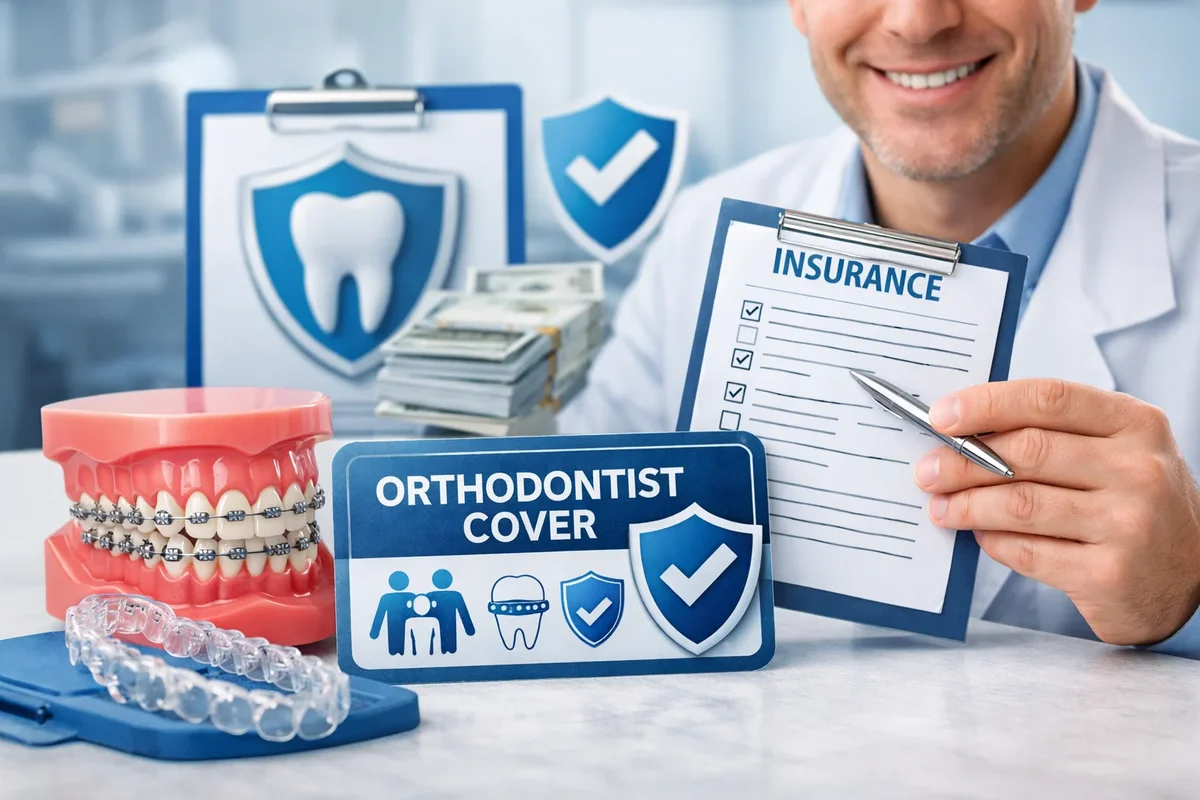
Tips to Maximize the Benefits of Your Orthodontist Cover
Orthodontic treatment is a long-term investment in oral health, comfort, and confidence. Because these treatments often involve multiple appointments and customized appliances, making the most of your orthodontist cover can significantly reduce your financial burden. Many patients are unaware that strategic planning and a clear understanding of their insurance policy can help them fully maximize their orthodontist cover. By learning how insurance benefits work and coordinating closely with dental professionals, patients can ensure they receive the maximum value from their orthodontic coverage.
Insurance plans vary widely, and every policy structures orthodontist cover differently. Some plans offer higher reimbursement percentages, while others provide larger lifetime benefit caps or shorter waiting periods. Regardless of the specific policy structure, patients who understand their orthodontist cover thoroughly are in a better position to reduce out-of-pocket costs and plan treatment more effectively.
Review Your Orthodontist Cover Policy Carefully
The first step in maximizing your orthodontist cover is to thoroughly review your dental insurance policy. Many patients only examine their policy when treatment begins, which can lead to confusion about what is covered and what is not.
Important details to review within your orthodontist cover policy include:
- The reimbursement percentage for orthodontic treatment
- The lifetime orthodontic benefit limit
- Any waiting periods before coverage begins
- Age eligibility requirements
- Types of orthodontic treatments included in the policy
Understanding these details allows patients to plan treatment with realistic expectations and avoid unexpected costs. Knowing the structure of your orthodontist cover also allows you to coordinate treatment timing strategically.
Confirm Benefits Before Starting Treatment
Before beginning orthodontic care, it is always wise to confirm the details of your orthodontist cover with your insurance provider. Dental clinics can also assist with insurance verification and explain how the policy applies to your treatment plan.
Schedule Treatment After Waiting Periods
Many dental insurance policies include waiting periods before orthodontist cover becomes active. This waiting period may range from six months to one year depending on the insurance provider.
Patients who begin treatment before the waiting period ends may not be eligible for insurance reimbursement. Therefore, carefully scheduling treatment after the waiting period ensures that your orthodontist cover benefits are fully available when orthodontic care begins.
Planning treatment around the activation date of your orthodontist cover can significantly increase the amount of insurance reimbursement you receive.
Coordinate Treatment Across Insurance Benefit Periods
Orthodontic treatment typically lasts between 12 and 24 months. Because treatment spans an extended period, insurance companies often distribute orthodontist cover payments over time rather than paying the entire benefit at once.
Patients can sometimes maximize their orthodontist cover by coordinating treatment across multiple insurance benefit periods. For example, starting treatment toward the end of a calendar year may allow part of the treatment to fall within the following year’s insurance cycle.
This strategy can help patients use a greater portion of their available orthodontist cover benefits during the course of treatment.
Discuss Timing With Your Orthodontist
Orthodontists often have experience working with insurance providers and can help patients structure treatment schedules that maximize orthodontist cover. By coordinating treatment timing carefully, patients may receive greater insurance support throughout the treatment process.
Choose Treatments That Qualify for Orthodontist Cover
Not all orthodontic treatments receive the same level of insurance reimbursement. Some dental insurance plans provide full orthodontist cover for traditional braces but may limit reimbursement for cosmetic orthodontic options.
Patients interested in advanced orthodontic treatments such as clear aligners or lingual braces should confirm whether these options qualify for their orthodontist cover. In some cases, insurance policies may only cover the base cost equivalent to traditional braces, while patients must pay the difference for premium orthodontic appliances.
Understanding which treatments qualify for orthodontist cover allows patients to select orthodontic options that align with their insurance benefits and financial goals.
Maintain Your Orthodontic Appointments
Another important way to maximize your orthodontist cover is to maintain regular orthodontic appointments. Insurance payments are often distributed gradually throughout treatment. If a patient misses appointments or delays treatment progress, insurance reimbursements may also be delayed.
Attending scheduled orthodontic visits ensures that treatment progresses as planned and that orthodontist cover benefits continue to be applied throughout the treatment period.
Consult Dental Professionals for Insurance Guidance
Orthodontic treatment planning can be complex, particularly when insurance policies include detailed coverage rules. Consulting experienced dental professionals can help patients fully understand their orthodontist cover and use it effectively.
Organizations such as the American Dental Association encourage patients to discuss orthodontic treatment options and insurance coverage with dental professionals before beginning care. This guidance ensures that patients understand the benefits and limitations of their orthodontist cover.
If you would like professional assistance reviewing your insurance policy or planning orthodontic treatment, you can consult dental specialists through the Redent Klinik Contact Page. Dental professionals can explain how your orthodontist cover applies to your treatment plan and help you maximize your insurance benefits.
Long-Term Value of Maximizing Orthodontist Cover
Orthodontic treatment provides long-term benefits that extend far beyond aesthetics. Properly aligned teeth are easier to clean, improve bite function, and reduce strain on the jaw. By maximizing the value of your orthodontist cover, you can access these health benefits while minimizing financial stress.
Patients who actively review their insurance policies, schedule treatment strategically, and consult with dental professionals are more likely to take full advantage of their orthodontist cover. This proactive approach allows individuals to receive high-quality orthodontic care while maintaining financial confidence throughout the treatment process.
Ultimately, understanding and maximizing your orthodontist cover ensures that orthodontic treatment becomes a manageable and rewarding investment. With proper planning, the right insurance coverage, and professional support, patients can achieve healthier teeth, improved bite alignment, and a confident smile that lasts for years to come. 😊