
If you have ever searched online for answers about braces, you have probably asked yourself a very common question: orthodontist do braces? This phrase reflects a real and important concern for patients who want safe, effective, and long-lasting orthodontic treatment. The short and clear answer is yes—orthodontist do braces, and in fact, they are the dental professionals who specialize in this exact treatment. However, to truly understand why this matters, it is essential to look deeper into what orthodontists do, how braces work, and why choosing the right specialist directly affects your oral health outcomes. 🦷
When people ask whether an orthodontist do braces, they are often comparing orthodontists with general dentists. While general dentists handle a wide range of oral health issues, orthodontists receive additional years of specialized education focused entirely on correcting tooth alignment, jaw positioning, and bite problems. This advanced training makes orthodontists uniquely qualified to plan, apply, and manage braces treatments from start to finish. As a result, when patients want predictable, medically sound results, they turn to orthodontists rather than general practitioners.
Understanding why orthodontist do braces is so important requires knowing what braces are designed to accomplish. Braces are not just cosmetic devices meant to straighten teeth for a better smile. They are medical orthodontic tools that gradually move teeth into healthier positions, correct misaligned bites, reduce uneven tooth wear, and help prevent long-term issues such as jaw pain, gum disease, and tooth loss. Because these changes affect the entire oral structure, they must be supervised by a specialist who fully understands dental biomechanics—which is exactly why orthodontists exist.
Another reason the question orthodontist do braces is frequently asked is the growing popularity of clear aligners and at-home orthodontic kits. While these alternatives may appear convenient, they do not replace the expertise of an orthodontist. Orthodontists evaluate facial symmetry, jaw growth, tooth root positioning, and bite function before recommending any treatment. When complex alignment problems are present, only braces applied and monitored by an orthodontist can deliver safe and accurate correction. This professional oversight significantly reduces the risk of complications that may arise from unsupervised treatments.
From a patient’s perspective, knowing that an orthodontist do braces also means knowing you are receiving personalized care. Every mouth is different, and orthodontists design braces treatment plans based on individual anatomy, age, lifestyle, and long-term oral health goals. This customization ensures that teeth move at the correct pace and in the correct direction, minimizing discomfort while maximizing effectiveness. Orthodontists also make precise adjustments throughout the treatment process, something that cannot be achieved through generalized or remote solutions.
It is also important to recognize that when an orthodontist do braces, they are committed to long-term results, not quick fixes. Orthodontic treatment typically lasts months or years, depending on the case, and requires ongoing monitoring. Orthodontists track progress, manage discomfort, and make modifications when necessary to protect tooth roots and jaw joints. This comprehensive approach ensures that once braces are removed, the results remain stable and healthy for years to come. 😊
For patients considering braces and seeking professional guidance, consulting an experienced orthodontic team is a critical first step. If you would like expert advice or a personalized evaluation, you can visit the Redent Klinik Contact Page to schedule a consultation. Additionally, trusted organizations such as the American Dental Association emphasize the importance of specialist-led orthodontic care for safe and effective treatment outcomes.
In summary, the answer to the question orthodontist do braces is not only yes—it is the foundation of modern orthodontic care. Orthodontists are the professionals who are trained, licensed, and experienced in delivering braces treatments that improve both appearance and oral health. Choosing an orthodontist means choosing precision, safety, and results that truly last.
What Does an Orthodontist Do in Modern Dentistry?
To fully understand why patients often ask whether an orthodontist do braces, it is essential to explore the orthodontist’s role in modern dentistry. Orthodontists are not general dental providers; they are specialists whose entire professional focus is on diagnosing, preventing, and correcting misaligned teeth and jaws. In today’s dental world, orthodontists play a critical role not only in improving smiles but also in protecting long-term oral health and overall well-being. 🦷
When people wonder if an orthodontist do braces, they are really asking who is best qualified to manage complex tooth movement safely. Orthodontists complete dental school just like general dentists, but then go on to receive several additional years of advanced education dedicated exclusively to orthodontics. This specialized training allows them to understand facial growth patterns, jaw alignment, bite mechanics, and tooth movement at a much deeper level.
How Orthodontists Differ from General Dentists
A common source of confusion around whether an orthodontist do braces comes from the overlap between dentistry and orthodontics. General dentists focus on overall oral care, including cleanings, fillings, crowns, and basic preventive treatments. Orthodontists, on the other hand, focus almost entirely on correcting alignment problems that affect how teeth and jaws function together.
Because braces exert controlled pressure over time, improper planning can lead to root damage, gum recession, or bite problems. This is why the question orthodontist do braces has such an important answer. Orthodontists are trained to anticipate these risks and adjust treatment plans accordingly. Their role is not limited to attaching brackets and wires—it involves constant evaluation and precise adjustments throughout the entire treatment process.
The Diagnostic Role of an Orthodontist
Before braces are even considered, orthodontists perform detailed diagnostic evaluations. This is another reason why an orthodontist do braces rather than leaving such treatment to less specialized providers. Diagnostics typically include digital X-rays, 3D scans, bite analysis, and facial assessments. These tools allow orthodontists to see issues that may not be visible during a routine dental exam.
By carefully analyzing jaw alignment and tooth positioning, orthodontists determine whether braces are necessary and which type will be most effective. In some cases, aligners may be recommended, but when alignment problems are complex, braces remain the gold standard. This reinforces the reality that orthodontist do braces as part of a broader, medically guided treatment plan.
Functional vs. Cosmetic Orthodontic Care
Many people mistakenly believe braces are only cosmetic, which leads to misunderstanding around whether an orthodontist do braces for medical reasons. In reality, orthodontic treatment often addresses functional problems such as difficulty chewing, speech issues, jaw pain, and uneven tooth wear. Orthodontists evaluate how the bite functions as a system, not just how teeth look.
This functional focus is what separates orthodontic care from purely aesthetic dental procedures. When an orthodontist do braces, the goal is to improve both appearance and function, ensuring that teeth align in a way that supports healthy jaw movement and reduces long-term strain on oral structures.
The Orthodontist’s Role Throughout Treatment
Another key aspect of modern orthodontics is continuous supervision. When patients ask whether an orthodontist do braces, they may not realize how much ongoing care is involved. Orthodontists regularly adjust braces to guide teeth safely into their ideal positions. These adjustments are based on how the teeth respond biologically over time, not on a fixed schedule.
This ongoing monitoring allows orthodontists to respond quickly to discomfort, inflammation, or unexpected tooth movement. Without this level of supervision, braces could cause more harm than benefit. This is why professional organizations like the American Dental Association strongly support specialist-led orthodontic care.
Patient Education and Long-Term Results
When an orthodontist do braces, patient education is a major part of the process. Orthodontists teach patients how to clean around brackets, manage discomfort, and protect their braces during daily activities. This guidance helps prevent complications such as cavities or gum disease during treatment.
After braces are removed, orthodontists also oversee retention plans to maintain results. Retainers are carefully selected and monitored to prevent teeth from shifting back. This long-term commitment highlights why asking whether an orthodontist do braces is not just about who installs them—it is about who ensures lasting success.
If you are considering orthodontic treatment and want expert guidance tailored to your needs, you can consult experienced professionals through the Redent Klinik Contact Page. A proper evaluation by an orthodontist ensures that braces are used safely, effectively, and with long-term oral health in mind.
In modern dentistry, the role of the orthodontist is clear and essential. The answer to whether an orthodontist do braces is a definitive yes—and they do so with precision, expertise, and a deep understanding of how alignment affects both health and quality of life. 😊
Do Orthodontists Do Braces or Just Aligners?
With the rise of clear aligner systems and heavily marketed at-home orthodontic solutions, many patients now ask an important question: orthodontist do braces, or do they only provide aligners? This confusion is understandable, especially when advertisements suggest that aligners can replace traditional braces in all situations. In reality, orthodontists work with a full range of orthodontic tools, and braces remain one of the most powerful and reliable treatment options in modern orthodontics. 🦷
The idea that aligners have replaced braces is a myth. While aligners are useful for certain cases, they are not suitable for everyone. This is precisely why orthodontist do braces as part of a comprehensive treatment approach. Orthodontists evaluate each patient individually and choose the method that delivers the safest, most effective, and longest-lasting results.
Understanding the Difference Between Braces and Aligners
To understand why orthodontist do braces, it helps to compare braces and aligners from a clinical perspective. Traditional braces use brackets and wires to apply continuous, controlled pressure to teeth. This allows orthodontists to move teeth in very precise directions, including rotations, vertical movements, and complex bite corrections.
Aligners, on the other hand, rely on removable trays that gradually shift teeth. While aligners can be effective for mild to moderate alignment issues, they depend heavily on patient compliance. If aligners are not worn consistently, treatment results can be delayed or compromised. This is one of the main reasons orthodontist do braces for more advanced orthodontic cases.
Why Braces Offer Greater Control
When patients ask whether an orthodontist do braces instead of aligners, the answer often comes down to control. Braces allow orthodontists to make micro-adjustments that are not always possible with aligners. This level of precision is especially important for correcting severe crowding, significant bite problems, or jaw alignment issues.
Because braces are fixed in place, they work continuously without relying on patient behavior. This makes them ideal for younger patients, complex cases, and individuals who want predictable outcomes. These advantages explain why orthodontist do braces even in an era where aligners are widely promoted.
Cases Where Orthodontists Prefer Braces
Orthodontists do not choose treatment methods randomly. When an orthodontist do braces, it is usually because braces offer clear clinical benefits. Conditions such as severe overbites, underbites, crossbites, impacted teeth, and significant spacing problems often respond better to braces than to aligners.
Additionally, braces are often recommended when jaw growth guidance is required in younger patients. Orthodontists are trained to recognize growth patterns and use braces strategically to guide proper development. This type of treatment cannot be replicated with aligners alone, further reinforcing why orthodontist do braces as part of comprehensive orthodontic care.
Aligners Are Tools, Not Replacements
It is important to clarify that orthodontists do use aligners—but they use them selectively. Aligners are simply one tool among many. When patients assume that orthodontists only provide aligners, they overlook the full scope of orthodontic expertise. The reality is that orthodontist do braces because braces remain the most versatile and effective solution for many alignment challenges.
Professional organizations such as the American Dental Association emphasize that orthodontic treatment should always be supervised by a qualified specialist, regardless of whether braces or aligners are used. This ensures patient safety and optimal results.
Patient Lifestyle and Treatment Choice
Another reason orthodontist do braces is related to lifestyle factors. Some patients prefer a fixed appliance that works around the clock without requiring daily attention. Others may struggle with consistently wearing aligners for the recommended number of hours. Orthodontists factor these realities into their treatment recommendations.
Braces also eliminate the risk of lost or damaged aligner trays, which can delay treatment. For patients who want a straightforward, reliable approach, braces often provide peace of mind. This practical advantage is another reason orthodontist do braces in a wide range of cases.
Long-Term Stability and Results
When orthodontists evaluate treatment success, they look beyond short-term aesthetics. Long-term stability is a key priority. Braces allow orthodontists to achieve precise tooth positioning that supports a stable bite and reduces the risk of relapse. This long-term focus explains why orthodontist do braces even when aligners may seem more convenient at first glance.
If you are unsure which option is right for you, consulting an experienced orthodontic team is essential. You can schedule a professional evaluation through the Redent Klinik Contact Page to receive personalized guidance based on your oral health needs.
In conclusion, orthodontists do not limit themselves to aligners. The answer to whether an orthodontist do braces is a clear yes. Braces remain a cornerstone of orthodontic treatment, offering unmatched precision, reliability, and long-term success when guided by a qualified orthodontist. 😊
How Orthodontists Are Trained to Do Braces
When patients ask whether an orthodontist do braces, they are often really asking about qualifications and safety. Braces are not a simple cosmetic accessory; they are a medical device that applies controlled force to teeth, bones, and supporting tissues over long periods of time. This is why orthodontists undergo extensive, specialized training specifically designed to prepare them to deliver braces treatment safely, accurately, and effectively. 🦷
The reason orthodontist do braces is rooted in education. Every orthodontist first completes dental school, where they gain a comprehensive understanding of oral health, tooth structure, gums, and jaw anatomy. However, unlike general dentists, orthodontists then continue with additional years of advanced postgraduate training that focuses entirely on orthodontic diagnosis and treatment. This advanced pathway is what makes orthodontists the true experts in braces.
Advanced Education Beyond Dental School
To truly understand why an orthodontist do braces, it is important to look at their education timeline. After dental school, orthodontists complete a highly competitive orthodontic residency program that typically lasts two to three years. During this time, their entire focus is on tooth movement, facial development, bite correction, and the biomechanics behind braces.
In these programs, orthodontists study how bones grow, how teeth respond to pressure, and how improper movement can cause damage if not carefully controlled. This deep understanding is critical, because braces do not simply move teeth—they interact with nerves, roots, and surrounding bone. This specialized training is the main reason orthodontist do braces rather than leaving such treatment to less specialized providers.
Biomechanics and Tooth Movement
A key subject in orthodontic training is biomechanics. When an orthodontist do braces, they must calculate the amount, direction, and duration of force applied to each tooth. Too much force can damage roots or bone; too little force can stall progress. Orthodontists are trained to strike this delicate balance.
This biomechanical knowledge allows orthodontists to move teeth efficiently while minimizing pain and reducing the risk of long-term complications. It is one of the most technical aspects of orthodontics and cannot be learned through short courses or online certifications. This expertise further explains why orthodontist do braces as a core part of their profession.
Clinical Experience with Real Patients
Another critical reason orthodontist do braces is the extensive hands-on experience gained during training. Orthodontic residents treat hundreds of real patients under expert supervision. These cases range from mild alignment issues to highly complex bite and jaw problems.
Through this clinical exposure, orthodontists learn how different mouths respond to braces, how to adapt treatment plans, and how to manage unexpected challenges. This experience cannot be replicated through theory alone. It is precisely this depth of real-world practice that allows orthodontists to deliver predictable and safe results with braces.
Managing Risks and Complications
Braces treatment is not without risks, which is another reason orthodontist do braces. During their training, orthodontists learn how to identify early signs of problems such as root resorption, gum inflammation, or improper bite development. They are trained to adjust treatment immediately when such issues arise.
This risk-management expertise is critical for protecting long-term oral health. Without proper training, braces could worsen existing problems instead of correcting them. Trusted organizations like the American Dental Association emphasize the importance of specialist-led orthodontic care for this very reason.
Ongoing Education and Professional Standards
Even after formal training, orthodontists continue learning throughout their careers. When an orthodontist do braces, they rely not only on their original education but also on ongoing professional development. Orthodontists regularly attend conferences, complete continuing education courses, and stay updated on new materials and techniques.
This commitment to lifelong learning ensures that orthodontists use the most current, evidence-based approaches when providing braces. It also means that patients benefit from improved comfort, efficiency, and treatment outcomes over time.
Ethics and Patient-Centered Care
Training also instills a strong ethical foundation. Orthodontists are taught to recommend braces only when they are truly necessary and beneficial. When an orthodontist do braces, the decision is based on clinical need, not trends or marketing.
This patient-centered approach ensures that treatment plans prioritize health, function, and long-term stability. Orthodontists are trained to explain options clearly, set realistic expectations, and guide patients through every stage of treatment.
If you are considering braces and want care guided by advanced training and professional standards, consulting an experienced orthodontic team is essential. You can begin by reaching out through the Redent Klinik Contact Page for a comprehensive evaluation.
In conclusion, the reason orthodontist do braces is simple but powerful: they are uniquely trained for it. Their advanced education, clinical experience, and ongoing commitment to excellence make orthodontists the most qualified professionals to deliver safe, effective, and lasting braces treatment. 😊
Types of Braces Orthodontists Commonly Use
When patients search online and ask whether an orthodontist do braces, they often imagine only one traditional metal option. In reality, modern orthodontics offers several types of braces, each designed to address different alignment needs, lifestyles, and aesthetic preferences. Orthodontists are trained to evaluate these options carefully and recommend the most effective type based on medical necessity, not trends. 🦷
The reason orthodontist do braces using different systems is that no two orthodontic cases are the same. Tooth crowding, bite alignment, jaw structure, age, and even daily habits all influence which braces will produce the best results. Understanding the main types of braces helps patients appreciate the depth of planning involved in orthodontic care.
Traditional Metal Braces
Traditional metal braces are the most widely known and frequently used option when an orthodontist do braces. These braces consist of stainless-steel brackets attached to each tooth and connected by an archwire. Despite their long history, modern metal braces are smaller, more comfortable, and more efficient than earlier versions.
Orthodontists often choose metal braces for complex cases because they provide exceptional control over tooth movement. Severe crowding, rotated teeth, and significant bite issues respond especially well to this system. This reliability is a major reason orthodontist do braces with metal brackets when precision is critical.
Why Metal Braces Are Still the Gold Standard
Metal braces allow orthodontists to apply consistent force and make precise adjustments at each visit. Because they are fixed in place, treatment does not depend on patient compliance. This makes them ideal for younger patients and complex orthodontic corrections. These advantages clearly explain why orthodontist do braces using metal systems in many situations.
Ceramic Braces for a More Discreet Look
Ceramic braces function similarly to metal braces but use tooth-colored or clear brackets. When patients want less visible treatment, orthodontists may recommend ceramic braces. Even so, the core principle remains the same—orthodontist do braces because they offer controlled, predictable tooth movement.
Ceramic braces are often chosen by adults who prefer a more aesthetic option without sacrificing effectiveness. Orthodontists carefully evaluate whether ceramic materials are suitable for a patient’s bite and lifestyle, as they may require extra care to prevent staining or damage.
Effectiveness Compared to Metal Braces
While ceramic braces are less noticeable, they may not be ideal for all cases. Orthodontists weigh aesthetics against strength and durability. In situations where higher force is needed, metal braces may still be preferred. This careful decision-making process highlights why orthodontist do braces based on clinical judgment rather than appearance alone.
Lingual Braces: Hidden Orthodontic Treatment
Lingual braces are placed on the inner surfaces of the teeth, making them virtually invisible from the outside. When patients ask if an orthodontist do braces discreetly, lingual braces are often part of the discussion. These braces require advanced expertise because placement and adjustments are more technically demanding.
Orthodontists who offer lingual braces undergo additional training to master this technique. Lingual braces are highly customized and may not be suitable for every patient. Once again, this demonstrates that orthodontist do braces with careful consideration of anatomy and treatment complexity.
Who Is a Good Candidate for Lingual Braces?
Lingual braces are often recommended for adults with specific alignment needs and a strong desire for invisibility. Orthodontists assess tongue position, bite depth, and speech considerations before recommending this option. This individualized evaluation reinforces why orthodontist do braces in a highly personalized manner.
Self-Ligating Braces and Advanced Systems
Some orthodontists also use self-ligating braces, which employ special clips instead of elastic ties. These systems can reduce friction and may shorten adjustment appointments. When an orthodontist do braces using self-ligating systems, the goal is often to enhance comfort and efficiency without compromising results.
However, not every patient benefits equally from this technology. Orthodontists determine whether self-ligating braces are appropriate based on tooth movement needs and treatment goals. This reinforces the fact that orthodontist do braces based on evidence, not marketing claims.
Choosing the Right Braces Type
Selecting the correct type of braces requires professional evaluation. Factors such as bite severity, age, oral hygiene habits, and treatment timeline all matter. This is why expert consultation is essential when deciding on braces. Organizations like the American Dental Association emphasize specialist involvement in orthodontic treatment planning.
If you are considering braces and want to understand which option suits you best, consulting an experienced orthodontic team is the right step. You can arrange a personalized assessment through the Redent Klinik Contact Page.
In summary, the question of whether an orthodontist do braces extends far beyond a simple yes or no. Orthodontists offer multiple types of braces, each selected with precision to meet individual needs. This expertise ensures safe treatment, effective results, and a healthier smile that lasts. 😊
When an Orthodontist Recommends Braces Over Other Options
Many patients exploring orthodontic treatment ask a crucial question: orthodontist do braces in every situation, or are there times when other options are preferred? The reality is that orthodontists do not automatically recommend braces for everyone. Instead, they carefully assess each case and choose braces only when they provide the most effective, safe, and stable outcome. Understanding when and why this recommendation is made helps patients feel confident in their treatment decisions. 🦷
The reason orthodontist do braces over other orthodontic options often comes down to complexity, predictability, and long-term oral health. While clear aligners and removable devices have their place, braces remain the most powerful tool for addressing many structural and functional dental problems.
Complex Tooth Movement Requires Braces
One of the most common reasons orthodontist do braces is the need for complex tooth movement. Certain orthodontic issues—such as severely rotated teeth, vertically misaligned teeth, or teeth that need to be moved bodily rather than tipped—are best treated with braces.
Braces allow orthodontists to apply continuous, multi-directional forces that cannot always be achieved with removable systems. This level of control ensures that teeth move safely within the bone, reducing the risk of root damage or relapse. When precision matters most, orthodontist do braces because they offer unmatched accuracy.
Correcting Severe Crowding and Spacing
Severe crowding or large gaps between teeth often require braces to achieve optimal alignment. In crowded mouths, teeth may overlap or twist in ways that aligners cannot effectively correct. This is a key scenario where orthodontist do braces instead of recommending removable alternatives.
By carefully adjusting wires and brackets, orthodontists can gradually create space and guide teeth into proper positions. This method ensures balanced results and a harmonious bite, which is why braces are frequently chosen for these cases.
Bite Problems and Jaw Alignment Issues
Bite correction is another major reason orthodontist do braces. Conditions such as overbites, underbites, crossbites, and open bites involve the relationship between the upper and lower jaws. These issues affect not only appearance but also chewing efficiency, speech, and jaw comfort.
Braces allow orthodontists to coordinate tooth movement across both arches, improving how the jaws meet. In growing patients, braces can even guide jaw development. This comprehensive approach is difficult to achieve with aligners alone, which reinforces why orthodontist do braces for bite-related concerns.
Preventing Long-Term Oral Health Problems
Untreated bite problems can lead to excessive tooth wear, gum recession, and jaw joint strain. Orthodontists consider these long-term risks when recommending treatment. When an orthodontist do braces, the goal is not just straight teeth but a healthier, more stable bite that lasts a lifetime.
Age and Growth Considerations
Age plays an important role in orthodontic treatment planning. In children and adolescents, orthodontists often recommend braces because they can take advantage of natural growth patterns. This is another scenario where orthodontist do braces rather than delaying treatment or using removable devices.
Early intervention with braces can guide jaw growth, reduce the need for more invasive procedures later, and improve overall facial balance. Orthodontists are specially trained to identify the ideal timing for such interventions.
Why Braces Are Often Better for Younger Patients
Young patients may struggle with the responsibility of wearing removable aligners consistently. Braces eliminate this concern because they work continuously. This reliability is a key reason orthodontist do braces for children and teenagers, ensuring steady progress without relying on compliance.
Patient Lifestyle and Compliance Factors
Lifestyle considerations also influence why orthodontist do braces. Some patients have demanding schedules, forget to wear aligners, or participate in activities where removable devices are impractical. Braces provide a “set it and forget it” approach that keeps treatment on track.
Orthodontists evaluate each patient’s habits, preferences, and expectations before recommending braces. This personalized decision-making ensures that treatment fits seamlessly into daily life while delivering optimal results.
Professional Judgment and Evidence-Based Care
Orthodontists base their recommendations on clinical evidence and years of experience. Trusted organizations such as the American Dental Association support specialist-led decision-making in orthodontic care to ensure patient safety and success.
If you are unsure whether braces are the right option for you, a professional evaluation is essential. You can receive expert guidance by scheduling a consultation through the Redent Klinik Contact Page, where your unique needs can be carefully assessed.
In summary, the decision to use braces is never arbitrary. The reason orthodontist do braces over other options is rooted in science, safety, and long-term effectiveness. By choosing braces when appropriate, orthodontists ensure that patients receive the highest standard of care and results that truly last. 😊
The Step-by-Step Braces Process with an Orthodontist
When patients ask whether an orthodontist do braces, they are often curious not only about who provides treatment but also about how the entire process works. Understanding the step-by-step braces journey helps reduce anxiety, set realistic expectations, and highlight why specialist supervision is essential. From the first consultation to long-term retention, orthodontists guide patients through a carefully structured process designed for safety, comfort, and lasting results. 🦷
The reason orthodontist do braces through a structured process is that tooth movement is a biological change that must be managed gradually. Each phase builds upon the previous one, ensuring teeth and supporting tissues adapt healthily over time.
Initial Consultation and Comprehensive Evaluation
The braces process always begins with a detailed consultation. This is the first moment where patients truly see why an orthodontist do braces rather than a general provider. Orthodontists perform an in-depth evaluation that includes digital X-rays, 3D scans, photographs, and bite analysis.
During this stage, orthodontists assess tooth alignment, jaw relationships, facial symmetry, and overall oral health. They also discuss the patient’s concerns, goals, and lifestyle. This information allows the orthodontist to determine whether braces are the best option and which type of braces will deliver optimal results.
Creating a Personalized Treatment Plan
After evaluation, the orthodontist designs a customized treatment plan. This is a critical step where the expertise behind why orthodontist do braces becomes clear. The plan outlines the expected duration of treatment, the type of braces recommended, and the sequence of tooth movements.
Patients receive a clear explanation of what to expect, including appointment frequency and maintenance requirements. This transparency builds trust and ensures patients are fully informed before treatment begins.
Placement of Braces
The next step is the placement of braces. When an orthodontist do braces, this procedure is performed with precision to ensure brackets are positioned correctly on each tooth. Proper placement is essential, as even small errors can affect tooth movement and treatment efficiency.
The orthodontist bonds brackets to the teeth and connects them with an archwire. This wire applies gentle pressure that initiates tooth movement. While patients may feel mild discomfort initially, orthodontists provide guidance on managing soreness during this adjustment period.
Patient Instructions and Early Care
Immediately after placement, orthodontists educate patients on oral hygiene, diet adjustments, and what sensations are normal. This education is a key reason orthodontist do braces—they ensure patients know how to protect both their teeth and their braces during treatment.
Clear instructions help prevent common issues such as broken brackets or plaque buildup, which can delay progress.
Regular Adjustments and Monitoring
Once braces are in place, patients return for regular adjustment visits. This ongoing supervision is one of the strongest reasons orthodontist do braces. At each appointment, orthodontists adjust wires, change elastics if needed, and evaluate how teeth are responding to treatment.
These visits allow orthodontists to fine-tune tooth movement, address discomfort, and identify potential problems early. Because every patient responds differently, adjustments are customized rather than standardized.
Managing Discomfort and Progress
Some discomfort is normal after adjustments, but orthodontists help patients manage it effectively. They also track progress meticulously, ensuring teeth move according to plan. This careful monitoring reduces risks and improves treatment outcomes, reinforcing why orthodontist do braces under specialist care.
Braces Removal and Final Results
When treatment goals are achieved, braces are removed in a simple, painless procedure. The orthodontist evaluates final alignment and bite function to ensure results meet both aesthetic and functional standards. This final assessment highlights once again why orthodontist do braces—they focus on precision through every phase.
Retention: Keeping the Results Stable
After braces are removed, orthodontists provide retainers to maintain alignment. Without proper retention, teeth may shift back. Orthodontists customize retention plans based on individual needs, ensuring long-term stability.
Professional organizations such as the American Dental Association emphasize the importance of retention as part of orthodontic treatment. Orthodontists continue monitoring patients during this phase to protect results.
If you are considering braces and want expert guidance throughout every step, you can begin with a professional consultation through the Redent Klinik Contact Page.
In conclusion, the braces journey is a carefully managed process that requires expertise at every stage. The reason orthodontist do braces is because they are uniquely qualified to plan, execute, and maintain orthodontic treatment safely. From diagnosis to retention, orthodontists ensure that each step leads to a healthier, more confident smile. 😊
Age, Timing, and Who Should See an Orthodontist for Braces
One of the most common concerns patients have when researching orthodontic care is timing. Many people ask whether an orthodontist do braces only for teenagers or if adults and younger children can also benefit. The truth is that orthodontic treatment is not limited by age. Orthodontists evaluate biological development, dental health, and functional needs rather than focusing solely on chronological age. This flexible, science-based approach ensures that every patient receives treatment at the most effective time. 🦷
Understanding why orthodontist do braces at different stages of life helps patients and parents make informed decisions. Timing plays a critical role in treatment efficiency, comfort, and long-term success.
Early Orthodontic Evaluation for Children
Orthodontic associations recommend that children receive their first orthodontic evaluation at an early age, often around seven years old. This does not necessarily mean braces will be placed immediately, but it allows orthodontists to monitor growth patterns. This early assessment is one of the reasons orthodontist do braces proactively rather than reactively.
At this stage, orthodontists can identify issues such as crowding, jaw discrepancies, or abnormal tooth eruption. Early detection allows for timely intervention, which can reduce the need for more complex treatment later. When braces are recommended during childhood, they are often part of a growth-guided strategy.
Interceptive Orthodontics and Growth Guidance
Interceptive orthodontics focuses on guiding jaw development while the bones are still growing. When an orthodontist do braces during this phase, the goal is to correct problems early and create space for permanent teeth. This approach can shorten treatment time and improve outcomes.
Not every child needs early braces, but orthodontists are trained to recognize when early intervention will provide significant benefits.
Teenagers and the Ideal Window for Braces
Adolescence is the most common time for braces, which is why many people associate orthodontic treatment with teenagers. During this stage, most permanent teeth have erupted, and jaw growth is still occurring. This combination creates an ideal environment for braces, further explaining why orthodontist do braces frequently for teens.
Braces during adolescence can correct alignment issues efficiently and take advantage of natural growth to improve bite relationships. Orthodontists carefully plan treatment to align with growth spurts, maximizing effectiveness.
Compliance and Treatment Success in Teens
Teenagers often adapt well to braces because treatment is fixed and does not rely heavily on daily compliance. This reliability is a key reason orthodontist do braces rather than recommending removable alternatives for this age group.
Orthodontists also educate teens on oral hygiene and brace care, ensuring that treatment progresses smoothly without unnecessary complications.
Adult Orthodontics: It Is Never Too Late
A common myth is that braces are only for young people. In reality, adults of all ages seek orthodontic treatment, and orthodontists regularly treat mature patients. The reason orthodontist do braces for adults is that tooth movement is possible at any age with proper planning.
Adults may pursue braces for cosmetic reasons, functional improvements, or both. Orthodontists consider factors such as bone density, gum health, and existing dental work when planning adult treatment. Modern braces and discreet options make orthodontic care more accessible than ever.
Special Considerations for Adult Patients
Adult orthodontic treatment may take slightly longer due to reduced bone remodeling compared to younger patients. However, orthodontists are trained to manage these differences safely. This expertise is another reason orthodontist do braces rather than leaving treatment to less specialized providers.
Adults also benefit from improved oral health, easier cleaning, and reduced strain on jaw joints after braces treatment.
Who Should Consider Seeing an Orthodontist?
Anyone experiencing crooked teeth, bite issues, jaw discomfort, or difficulty cleaning teeth may benefit from an orthodontic evaluation. Orthodontists assess whether braces are necessary and recommend the best timing for treatment. This individualized approach ensures that orthodontist do braces only when they provide clear benefits.
Professional organizations like the American Dental Association encourage patients to seek specialist evaluations to ensure safe and effective orthodontic care.
Taking the First Step Toward Treatment
If you or your child may need braces, scheduling a consultation with an experienced orthodontic team is the best way to start. A professional evaluation can clarify timing, treatment options, and expected outcomes. You can arrange an assessment through the Redent Klinik Contact Page.
In conclusion, age is not a limitation when it comes to orthodontic care. The reason orthodontist do braces at different life stages is because timing, growth, and individual needs vary. With expert guidance, braces can be effective for children, teenagers, and adults alike, leading to healthier smiles and improved quality of life. 😊
Benefits of Choosing an Orthodontist to Do Braces
When patients are deciding on orthodontic treatment, one of the most important questions they face is whether to see a specialist or not. Understanding the benefits of choosing an orthodontist helps clarify why orthodontist do braces and why this choice has a direct impact on safety, comfort, and long-term success. Braces are a significant investment of time and care, and having the right professional guiding the process makes a measurable difference. 🦷
The reason orthodontist do braces is not just because they can, but because they are uniquely equipped to deliver superior outcomes. From diagnosis to retention, orthodontists bring expertise that general providers cannot match.
Specialized Expertise and Precision
One of the greatest benefits of choosing an orthodontist is their specialized expertise. When an orthodontist do braces, every aspect of treatment is based on advanced knowledge of tooth movement, jaw alignment, and facial structure. This expertise allows orthodontists to design precise treatment plans tailored to each individual.
Unlike general approaches, orthodontic care accounts for how teeth interact as a system. Orthodontists consider bite function, chewing efficiency, and jaw health, ensuring that braces improve both appearance and function.
Reduced Risk of Complications
Improper orthodontic treatment can lead to issues such as root damage, gum recession, or unstable results. One major reason orthodontist do braces is to minimize these risks. Orthodontists are trained to recognize early warning signs and adjust treatment promptly.
This proactive management protects long-term oral health and helps ensure that treatment progresses safely from start to finish.
Customized Treatment Plans
No two smiles are the same, which is why personalization is essential. When an orthodontist do braces, treatment plans are customized based on individual anatomy, age, lifestyle, and goals. This tailored approach leads to more predictable and satisfying results.
Orthodontists also select the most appropriate type of braces for each case, whether traditional metal, ceramic, or advanced systems. This careful selection maximizes efficiency and comfort.
Better Long-Term Stability
One of the most overlooked benefits of specialist care is long-term stability. Orthodontists focus on achieving a balanced bite that supports lasting results. This is another reason orthodontist do braces—they plan not just for straight teeth today, but for healthy alignment years into the future.
Retention plans are also customized to prevent relapse, protecting the investment patients make in their smiles.
Continuous Monitoring and Adjustments
Orthodontic treatment requires ongoing supervision. When an orthodontist do braces, they monitor progress closely and make adjustments based on how teeth respond biologically. This dynamic approach improves outcomes and reduces discomfort.
Regular follow-ups allow orthodontists to fine-tune treatment, address concerns early, and keep progress on track. This level of oversight is a key advantage of choosing a specialist.
Improved Patient Experience
Orthodontists prioritize patient education and comfort throughout treatment. They explain each step, set realistic expectations, and provide guidance on care and hygiene. This supportive approach helps patients feel confident and informed.
Trusted organizations such as the American Dental Association support specialist-led orthodontic care for these reasons, emphasizing safety and effectiveness.
Confidence, Health, and Quality of Life
The benefits of orthodontic treatment extend beyond straight teeth. When an orthodontist do braces, patients often experience improved self-confidence, easier oral hygiene, and reduced risk of dental problems. A properly aligned bite can also alleviate jaw discomfort and improve speech.
These functional and emotional benefits contribute to a better quality of life, making specialist care a valuable choice.
Taking the Next Step with Confidence
If you are considering braces and want to experience the full benefits of expert care, consulting an orthodontist is the best decision. A professional evaluation ensures that treatment is tailored to your needs and goals. You can begin your journey by scheduling a consultation through the Redent Klinik Contact Page.
In conclusion, the advantages of choosing a specialist are clear. The reason orthodontist do braces is because their expertise, precision, and commitment to long-term health lead to superior results. By selecting an orthodontist, patients invest in a safer process, better outcomes, and a healthier, more confident smile that lasts. 😊
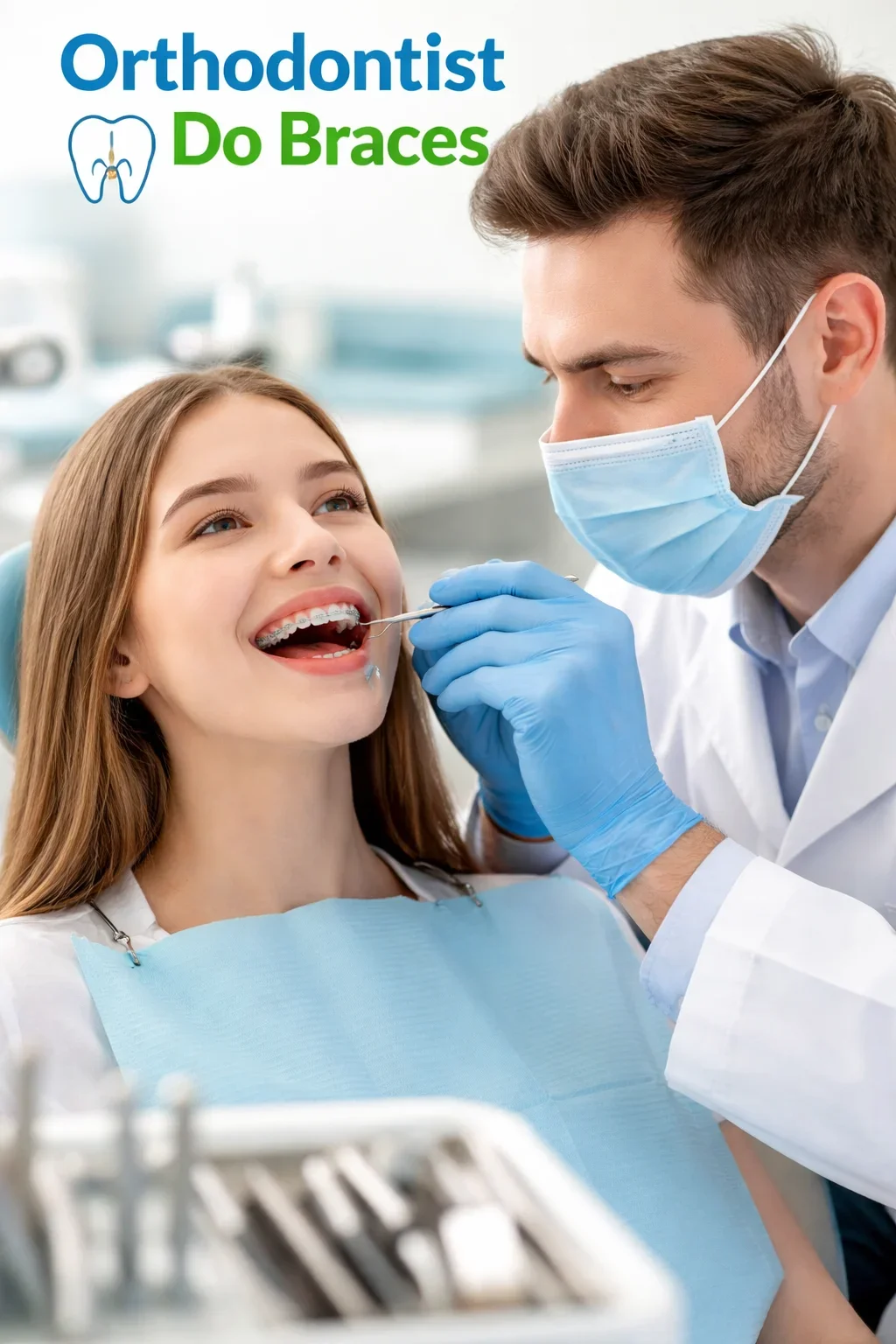
Common Myths About Whether Orthodontists Do Braces
Despite the widespread use of braces and the long-standing role of orthodontists in dental care, many myths still surround the question of whether an orthodontist do braces. Misinformation online, aggressive marketing of alternative treatments, and outdated assumptions have all contributed to confusion among patients. Addressing these myths directly helps people make informed decisions based on facts rather than misconceptions. 🦷
The reality is simple: orthodontist do braces, and they do so with a level of expertise that is unmatched in dentistry. However, understanding why these myths exist—and why they are incorrect—is essential for anyone considering orthodontic treatment.
Myth 1: General Dentists and Orthodontists Do the Same Thing
One of the most common myths is that general dentists and orthodontists offer identical orthodontic services. While some general dentists may provide limited orthodontic treatments, this does not mean they have the same training or specialization. The reason orthodontist do braces is because they have years of advanced education dedicated exclusively to tooth movement and bite correction.
Orthodontists focus on complex alignment issues, jaw relationships, and long-term stability. Their role goes far beyond placing brackets. Believing that any dental provider offers the same level of orthodontic care can lead to suboptimal results.
Why Specialization Matters
Braces involve controlled biological changes. Orthodontists are trained to manage these changes safely. This is a key reason orthodontist do braces instead of leaving such treatments to providers without specialized orthodontic training.
Myth 2: Orthodontists Only Use Braces for Cosmetic Reasons
Another widespread misconception is that braces are purely cosmetic. While improving appearance is a benefit, orthodontic treatment often addresses functional issues. The fact that orthodontist do braces is rooted in health, not vanity.
Braces can correct bite problems, reduce uneven tooth wear, improve chewing efficiency, and alleviate jaw discomfort. Orthodontists evaluate how teeth function together, not just how they look.
Health Benefits Beyond Aesthetics
Correcting alignment issues can make teeth easier to clean, reducing the risk of cavities and gum disease. This functional focus further explains why orthodontist do braces as part of comprehensive oral healthcare.
Myth 3: Clear Aligners Have Replaced Braces
Marketing campaigns often suggest that clear aligners have made braces obsolete. This is not true. Aligners are useful in certain cases, but they cannot replace braces in all situations. This is one of the most important reasons orthodontist do braces continue to rely on them.
Braces provide greater control for complex movements, severe crowding, and significant bite issues. Orthodontists choose treatment tools based on clinical need, not trends.
Aligners vs. Braces: A Professional Decision
Orthodontists assess each patient individually. When aligners are insufficient, braces are recommended. This evidence-based approach highlights why orthodontist do braces as part of a broader treatment toolkit.
Myth 4: Braces Are Only for Children and Teenagers
Many adults believe they are “too old” for braces. In reality, orthodontists treat patients of all ages. The fact that orthodontist do braces for adults is supported by modern techniques and materials.
Adult orthodontic treatment can improve oral health, confidence, and quality of life. Orthodontists tailor treatment plans to accommodate age-related considerations safely.
Age Is Not a Barrier
With proper planning, braces can be effective at any age. This adaptability is another reason orthodontist do braces across diverse age groups.
Myth 5: Braces Are Always Painful and Risky
Some patients avoid braces due to fear of pain or complications. While mild discomfort is normal, modern orthodontic techniques are designed for comfort and safety. When an orthodontist do braces, they carefully control force levels to minimize discomfort.
Orthodontists also monitor treatment closely to prevent complications. Their expertise ensures that risks are identified early and managed effectively.
Professional Oversight Makes the Difference
Trusted organizations like the American Dental Association emphasize the importance of specialist supervision in orthodontic care. This reinforces why orthodontist do braces under strict professional standards.
Separating Facts from Fiction
Understanding the truth behind these myths empowers patients to make confident decisions. If you are unsure whether braces are right for you, a professional evaluation is the best way to get accurate information. You can schedule a consultation through the Redent Klinik Contact Page to receive expert guidance.
In conclusion, misinformation should never guide healthcare decisions. The facts are clear: orthodontist do braces because they are the most qualified professionals to deliver safe, effective, and lasting orthodontic treatment. By debunking common myths, patients can approach braces with confidence, clarity, and realistic expectations—leading to healthier smiles and better outcomes. 😊