
The orthodontist experience is about much more than simply getting braces or clear aligners. For most patients, it is a long-term journey that combines medical expertise, emotional reassurance, lifestyle adjustments, and trust in a specialist who is literally reshaping their smile. People searching for information about the orthodontist experience usually want honest answers: Does it hurt? How long does it take? Will it affect daily life? And most importantly, is it worth it? 😊
At its core, the orthodontist experience begins with a personal decision to improve dental alignment, oral health, and facial harmony. Crooked teeth, bite issues, or jaw misalignment can affect not only appearance but also chewing, speech, and long-term dental health. A professional orthodontist evaluates all these factors and creates a customized treatment plan. This tailored approach is what truly defines a high-quality orthodontist experience, separating it from generic or one-size-fits-all dental solutions.
One of the most important aspects of the orthodontist experience is the feeling of being guided rather than rushed. A skilled orthodontist takes time to explain diagnoses, treatment options, and realistic outcomes in clear, understandable language. Patients often feel anxious during their first visit, especially if they have heard stories about discomfort or long treatment times. A positive orthodontist experience replaces fear with clarity by setting proper expectations from day one.
Another key element of the orthodontist experience is personalization. No two mouths are the same, and orthodontic treatment must reflect that reality. Age, bone structure, oral hygiene habits, and lifestyle all play a role in determining the right approach. Whether the patient chooses traditional braces, ceramic brackets, or clear aligners, the orthodontist experience should feel customized and intentional. This personalized planning is what leads to predictable, stable, and satisfying results.
Comfort is also central to the orthodontist experience. While some level of pressure or soreness is normal—especially after adjustments—modern orthodontics has advanced significantly. Today’s techniques focus on gentle, controlled tooth movement rather than force. Many patients are surprised to discover that the orthodontist experience is far more manageable than they expected, particularly when guided by an experienced professional who prioritizes patient comfort.
Beyond physical treatment, the orthodontist experience includes emotional and psychological factors. A confident smile can dramatically improve self-esteem, social interactions, and even professional opportunities. Patients often report that their orthodontist experience positively impacts how they feel about themselves long before treatment is completed. Seeing gradual progress during regular check-ups reinforces motivation and trust in the process.
Education is another pillar of the orthodontist experience. Patients are taught how to care for their teeth during treatment, what foods to avoid, and how to maintain excellent oral hygiene. This educational aspect empowers patients to actively participate in their own success. A well-informed patient typically has a smoother orthodontist experience with fewer complications and better long-term outcomes.
Time commitment is often misunderstood when discussing the orthodontist experience. While treatment may last months or even years, appointments are usually brief and scheduled at convenient intervals. Many patients find that orthodontic visits quickly become a normal part of their routine. Understanding this time structure early helps align expectations and improves overall satisfaction with the orthodontist experience.
Ultimately, the orthodontist experience is a partnership between patient and specialist. Success depends on mutual communication, compliance, and trust. When patients follow instructions and orthodontists provide attentive, evidence-based care, results are consistently rewarding. A truly positive orthodontist experience leaves patients not only with straighter teeth, but also with a deeper appreciation for professional dental care and long-term oral health.
In summary, the orthodontist experience is a comprehensive journey that blends science, technology, and human connection. It is not simply about aesthetics, but about function, confidence, and well-being. Patients who approach the orthodontist experience with accurate information and realistic expectations are far more likely to feel satisfied, comfortable, and proud of their final smile 😁.
Why Orthodontist Experience Matters More Than You Think
When people think about orthodontic treatment, they often focus on the visible outcome: straighter teeth and a better smile. However, the orthodontist experience plays a far deeper role than aesthetics alone. It directly influences treatment accuracy, comfort levels, emotional confidence, and even long-term oral health. A positive orthodontist experience can make a complex medical process feel manageable and reassuring, while a poor one can lead to stress, complications, or dissatisfaction.
Choosing an orthodontist is not the same as choosing a general dentist. Orthodontics requires advanced training, precision, and long-term planning. The orthodontist experience reflects how well these elements come together in real life. From the way appointments are handled to how clearly treatment steps are explained, every interaction shapes the patient’s perception and overall outcome.
Expertise Directly Shapes the Orthodontist Experience
One of the most critical factors influencing the orthodontist experience is professional expertise. An experienced orthodontist can identify underlying bite issues, jaw discrepancies, and alignment problems that may not be obvious to the patient. This diagnostic accuracy ensures that treatment addresses the root cause rather than just the visible symptoms.
When expertise is lacking, patients may experience prolonged treatment times, unnecessary discomfort, or unstable results. In contrast, a well-qualified specialist delivers a smoother orthodontist experience by applying evidence-based techniques and making informed adjustments at each stage. This level of competence builds trust and allows patients to feel confident in every phase of their care.
Experience Reduces Risks and Complications
An often-overlooked benefit of a strong orthodontist experience is risk prevention. Poorly planned orthodontic treatment can lead to issues such as root resorption, gum recession, or bite imbalance. An experienced orthodontist monitors progress carefully, making timely corrections that protect both teeth and surrounding structures. This proactive approach significantly improves the overall orthodontist experience and long-term safety.
Communication and Transparency Build Confidence
Clear communication is a defining feature of a high-quality orthodontist experience. Patients want to understand what is happening inside their mouth, why certain methods are chosen, and what results they can realistically expect. When orthodontists explain procedures openly and honestly, anxiety decreases and cooperation improves.
Transparency also includes discussing timelines, possible discomfort, and lifestyle adjustments. Patients who are well-informed tend to feel more in control, which greatly enhances the orthodontist experience. Instead of feeling overwhelmed, they feel prepared and supported throughout the journey.
Emotional Comfort Is Part of the Orthodontist Experience
Orthodontic treatment often spans months or years, making emotional comfort an essential component of the orthodontist experience. A welcoming environment, respectful staff, and a patient-centered attitude can transform routine visits into positive interactions. This emotional reassurance is especially important for children, teenagers, and anxious adults.
Feeling heard and respected encourages patients to ask questions, report discomfort, and stay engaged in their treatment. This open dialogue strengthens the orthodontist experience and leads to better adherence to instructions, which ultimately improves results.
Consistency and Follow-Up Influence Outcomes
Another reason the orthodontist experience matters is consistency in care. Orthodontic treatment is not a one-time procedure; it requires regular monitoring and precise adjustments. A reliable orthodontist ensures continuity, tracking progress closely and adapting the plan when necessary.
Inconsistent follow-up or rushed appointments can compromise tooth movement and extend treatment duration. A consistent, attentive approach enhances the orthodontist experience by keeping treatment on track and minimizing setbacks. Patients who feel consistently supported are more likely to complete treatment successfully.
Long-Term Impact Beyond Straight Teeth
The orthodontist experience does not end when braces are removed or aligners are completed. Retention planning, post-treatment guidance, and long-term follow-up all contribute to lasting success. A good orthodontist emphasizes maintenance and provides clear instructions to preserve results.
Patients who have a positive orthodontist experience often develop better oral health habits and a stronger appreciation for preventive care. This long-term mindset benefits not only their smile but also their overall dental well-being.
In conclusion, the orthodontist experience matters far more than many patients initially realize. It affects accuracy, comfort, confidence, and long-term satisfaction. By choosing an orthodontist who prioritizes expertise, communication, and patient-centered care, individuals can ensure an orthodontist experience that is not only effective but genuinely rewarding 😊.
The First Consultation: Your Initial Orthodontist Experience Explained
For many patients, the first appointment sets the tone for the entire orthodontist experience. This initial consultation is not just a quick look at your teeth; it is a comprehensive evaluation that determines how successful, comfortable, and predictable your treatment will be. People often arrive feeling curious, excited, or even nervous, and a well-structured first visit can instantly turn uncertainty into confidence 😊.
The initial orthodontist experience typically begins with a detailed discussion of your concerns. Some patients want a more attractive smile, while others are dealing with bite problems, jaw discomfort, or difficulty chewing. A good orthodontist listens carefully and connects these concerns with clinical findings. Feeling heard during this first meeting is a crucial part of a positive orthodontist experience.
Clinical Examination and Diagnostic Records
One of the most important steps in the first orthodontist experience is the clinical examination. The orthodontist evaluates tooth alignment, bite relationship, jaw position, and facial symmetry. This assessment goes beyond what is visible in the mirror and helps identify hidden issues that may affect treatment outcomes.
Modern orthodontic consultations often include digital X-rays, intraoral scans, and photographs. These tools allow the orthodontist to create an accurate diagnosis and a customized plan. Seeing these visuals helps patients better understand their own dental structure, making the orthodontist experience more transparent and educational.
Why Accurate Diagnosis Shapes the Orthodontist Experience
An accurate diagnosis at the beginning prevents unnecessary complications later. If problems such as impacted teeth or skeletal discrepancies are overlooked, treatment may become longer or less effective. A thorough first orthodontist experience ensures that all variables are considered from the start, creating a smoother and more predictable journey.
Treatment Options and Personalized Planning
After diagnostics, the orthodontist explains possible treatment options. This is a defining moment in the orthodontist experience because it transforms raw data into a clear plan. Patients may learn about traditional braces, ceramic braces, or clear aligners, along with the advantages and limitations of each.
Personalization is key here. Age, lifestyle, work environment, and oral habits all influence the recommended approach. A thoughtful orthodontist experience does not push a single solution but instead aligns treatment with the patient’s needs and expectations. This collaborative planning builds trust and sets realistic goals.
Understanding Timelines and Commitment
Another essential part of the first orthodontist experience is discussing treatment duration and commitment. Patients often worry about how long they will need braces or aligners. While exact timelines vary, a skilled orthodontist provides a realistic estimate and explains what factors can speed up or delay progress.
Understanding the timeline early helps patients mentally prepare and increases compliance. When expectations are clear, the orthodontist experience feels structured rather than uncertain.
Addressing Pain, Comfort, and Daily Life
Concerns about pain are common during the initial orthodontist experience. Patients want to know whether treatment will hurt and how it may affect eating, speaking, or daily routines. A transparent orthodontist explains that mild pressure or soreness is normal but manageable, especially with modern techniques.
This honest discussion reassures patients and prevents unrealistic fears. Knowing what to expect allows individuals to approach their orthodontist experience calmly and confidently.
Financial Clarity and Practical Details
Although clinical care is central, practical details also shape the orthodontist experience. During the first consultation, patients usually receive information about payment structures, insurance coverage, and scheduling frequency. Clear financial explanations reduce stress and help patients focus on treatment rather than uncertainty.
A well-organized clinic treats these topics with transparency and respect, reinforcing trust. When logistics are explained clearly, the orthodontist experience feels professional and patient-centered.
Building Trust from Day One
Perhaps the most lasting outcome of the first visit is trust. A positive initial orthodontist experience builds confidence in the specialist and the treatment plan. Patients who trust their orthodontist are more likely to follow instructions, attend appointments, and stay committed throughout the process.
In summary, the first consultation is the foundation of the entire orthodontist experience. It combines diagnosis, education, emotional reassurance, and practical planning into a single, powerful starting point. When done correctly, it transforms curiosity into clarity and sets patients on a path toward a successful, satisfying orthodontist experience 😁.
How an Orthodontist’s Training Shapes the Patient Experience
The quality of an orthodontist experience is deeply influenced by the orthodontist’s education, clinical training, and real-world expertise. Many patients assume that all dental professionals offer the same level of orthodontic care, but this is far from true. Orthodontists undergo years of additional specialized training beyond dental school, and this advanced preparation directly shapes every aspect of the orthodontist experience—from diagnosis to final results.
Orthodontic training focuses on understanding tooth movement, jaw growth, facial balance, and long-term stability. This knowledge allows orthodontists to create treatment plans that are not only effective but also safe and sustainable. When patients are treated by a highly trained specialist, the orthodontist experience feels structured, confident, and medically sound rather than experimental or rushed 😊.
Specialized Education and Its Impact on Accuracy
After completing dental school, orthodontists typically undergo two to three additional years of full-time specialty training. During this period, they focus exclusively on orthodontic cases under expert supervision. This intensive education is one of the main reasons the orthodontist experience differs so dramatically between a specialist and a general provider.
Advanced education enables orthodontists to diagnose complex bite problems, skeletal discrepancies, and alignment issues with precision. Accurate diagnosis ensures that treatment addresses both function and aesthetics. As a result, patients benefit from an orthodontist experience that prioritizes long-term oral health rather than short-term cosmetic fixes.
Why Training Prevents Trial-and-Error Treatment
Without proper orthodontic training, treatment can become a process of trial and error. Poorly planned tooth movement may lead to prolonged treatment times or unstable results. A well-trained orthodontist, however, anticipates challenges before they arise. This foresight improves the orthodontist experience by reducing unnecessary adjustments, discomfort, and delays.
Clinical Experience Enhances Decision-Making
Beyond formal education, hands-on clinical experience plays a major role in shaping the orthodontist experience. Treating hundreds or thousands of patients exposes orthodontists to a wide range of cases, from simple alignment issues to complex jaw corrections. This exposure sharpens decision-making skills and builds confidence.
Experienced orthodontists recognize subtle signs that may require changes in treatment strategy. They know when to accelerate movement, when to pause, and when to modify appliances. This adaptability creates a smoother orthodontist experience because treatment evolves intelligently rather than rigidly.
Experience Improves Patient Comfort and Trust
Clinical experience also influences how orthodontists interact with patients. Seasoned professionals are better at explaining procedures, managing expectations, and responding calmly to concerns. This interpersonal skill enhances the orthodontist experience by making patients feel supported and respected.
Patients often sense confidence in an experienced orthodontist’s approach. This confidence reduces anxiety and strengthens trust, both of which are essential for long-term treatment success.
Training in Modern Technology and Techniques
Modern orthodontics is driven by technology, and proper training ensures that these tools are used effectively. Digital scanners, 3D treatment planning, and advanced orthodontic materials all contribute to a more efficient orthodontist experience. However, technology alone is not enough; it must be guided by expert knowledge.
Orthodontists trained in contemporary techniques know how to integrate technology into personalized care. This results in more predictable tooth movement, fewer complications, and shorter appointment times. Patients benefit from an orthodontist experience that feels modern, precise, and patient-friendly.
Ethical Training and Patient-Centered Care
Another often-overlooked aspect of orthodontic training is ethics and patient-centered decision-making. Proper training emphasizes treating patients responsibly, recommending only necessary procedures, and prioritizing health over profit. These values strongly influence the orthodontist experience.
Patients who receive ethical, transparent care are more likely to feel satisfied and respected. They trust that recommendations are made in their best interest, which strengthens the overall orthodontist experience.
Long-Term Stability and Outcome Quality
The true test of orthodontic training is long-term success. Teeth that shift back after treatment indicate poor planning or execution. Well-trained orthodontists focus on retention strategies and bite stability, ensuring that results last for years.
This long-term perspective improves the orthodontist experience by protecting the patient’s investment of time, effort, and commitment. Knowing that results are designed to last brings peace of mind and confidence.
In conclusion, an orthodontist’s training is a defining factor in the orthodontist experience. From accurate diagnosis and effective treatment to comfort, trust, and long-term stability, specialized education and clinical experience shape every stage of care. Patients who choose a well-trained orthodontist are far more likely to enjoy a smooth, rewarding, and successful orthodontist experience that delivers both health and confidence 😄.
Modern Technology and Its Impact on the Orthodontist Experience
Advancements in dental technology have dramatically transformed the modern orthodontist experience. What once involved uncomfortable molds, frequent guesswork, and lengthy chair time has evolved into a precise, data-driven process focused on comfort, accuracy, and efficiency. Today’s patients often report that their orthodontist experience feels smoother, faster, and far more predictable than they initially expected 😊.
Technology does not replace professional skill, but it enhances it. When used correctly by a trained orthodontist, modern tools elevate the orthodontist experience by improving diagnosis, treatment planning, and communication. Patients benefit from clearer explanations, better comfort, and outcomes that align closely with expectations.
Digital Scanning and Imaging Improve Accuracy
One of the most significant improvements in the orthodontist experience is the use of digital scanners instead of traditional impressions. Digital intraoral scanners create highly accurate 3D models of the teeth without the discomfort of messy impression trays. This alone has improved the orthodontist experience for many patients who previously dreaded the gag reflex associated with older methods.
These digital models allow orthodontists to analyze tooth position, bite alignment, and spacing with remarkable precision. Accurate data leads to better treatment decisions, fewer errors, and a more predictable orthodontist experience overall.
Better Visualization Builds Patient Confidence
Seeing a digital model of their own teeth helps patients understand their condition more clearly. When orthodontists can visually demonstrate problems and proposed solutions, the orthodontist experience becomes more educational and engaging. Patients feel informed rather than confused, which reduces anxiety and increases trust.
3D Treatment Planning and Predictability
Advanced software now allows orthodontists to simulate tooth movement before treatment even begins. This technology-driven planning is a major upgrade to the orthodontist experience. Instead of relying solely on estimates, orthodontists can map out each stage of movement and anticipate challenges.
For patients, this means fewer surprises. A predictable orthodontist experience helps individuals understand how long treatment may take and what changes will occur along the way. This transparency improves satisfaction and commitment.
Reduced Treatment Time Through Precision
Precise planning often leads to more efficient treatment. Teeth move more accurately when forces are applied correctly, reducing unnecessary adjustments. Many patients notice that their orthodontist experience involves shorter appointments and, in some cases, a shorter overall treatment duration.
Advanced Materials Enhance Comfort
Modern orthodontic materials have also reshaped the orthodontist experience. Brackets are smaller, wires are more flexible, and aligner materials are designed for comfort and durability. These innovations reduce irritation and make daily life with orthodontic appliances easier.
Patients often report that their orthodontist experience is far less painful than expected, especially when compared to stories from older generations. This improvement encourages patients to stay engaged and positive throughout treatment.
Remote Monitoring and Convenience
Some orthodontic practices now use remote monitoring technology to track progress between visits. Patients can submit photos through secure apps, allowing orthodontists to assess movement without requiring frequent in-office appointments. This convenience significantly enhances the orthodontist experience, particularly for busy adults and families.
Remote check-ins do not replace professional care, but they add flexibility. Patients appreciate an orthodontist experience that respects their time while maintaining high standards of care.
Technology Strengthens Communication
Clear communication is essential for a positive orthodontist experience, and technology supports this goal. Digital records, visual simulations, and progress tracking tools help orthodontists explain changes clearly. Patients are more likely to understand instructions and comply when communication is supported by visuals.
Empowered Patients Have Better Experiences
When patients understand their treatment, they feel empowered rather than passive. This sense of involvement improves the orthodontist experience by turning treatment into a collaborative process rather than a mystery.
Balancing Technology with Human Expertise
While technology greatly improves the orthodontist experience, it is most effective when combined with human judgment and experience. Tools provide data, but orthodontists interpret that data and make clinical decisions. Patients benefit most when technology enhances—not replaces—professional care.
In conclusion, modern technology has elevated the orthodontist experience in ways that directly benefit patients. From comfort and accuracy to communication and convenience, these advancements make orthodontic treatment more approachable and effective than ever before. When guided by a skilled orthodontist, technology transforms the orthodontist experience into a confident, informed, and rewarding journey toward a healthier smile 😁.
Braces vs Aligners: Comparing the Orthodontist Experience
One of the most common questions patients ask when starting treatment is how braces and clear aligners differ in terms of the orthodontist experience. While both methods aim to straighten teeth and correct bite issues, the day-to-day journey, comfort level, maintenance, and overall patient involvement can feel very different. Understanding these differences helps patients choose the option that best fits their lifestyle and expectations 😊.
The orthodontist experience is not defined by the appliance alone, but by how that appliance integrates into daily life. Factors such as visibility, convenience, comfort, and appointment frequency all shape how patients perceive their treatment. Comparing braces and aligners highlights how individualized the orthodontist experience can be.
The Orthodontist Experience with Traditional Braces
Traditional braces have been used for decades and remain one of the most reliable orthodontic solutions. The orthodontist experience with braces is often described as structured and highly controlled. Brackets and wires are fixed appliances, meaning the orthodontist maintains direct control over tooth movement at all times.
Patients with braces typically visit the orthodontist regularly for adjustments. These visits are an important part of the orthodontist experience, as they allow precise corrections and steady progress. While some discomfort may occur after adjustments, it usually subsides within a few days.
Daily Life with Braces
Living with braces requires certain lifestyle adjustments. Patients must avoid hard or sticky foods and pay extra attention to oral hygiene. These responsibilities become part of the orthodontist experience and require discipline and consistency.
Despite these challenges, many patients appreciate the predictability of braces. Knowing that treatment continues regardless of daily habits can create a sense of reassurance within the orthodontist experience.
The Orthodontist Experience with Clear Aligners
Clear aligners offer a different orthodontist experience, often described as flexible and discreet. Aligners are removable, nearly invisible, and custom-made to fit the patient’s teeth. This option appeals to adults and teens who want a more subtle treatment approach.
With aligners, patients play a more active role in their orthodontist experience. Wearing aligners for the recommended number of hours per day is crucial. Compliance directly affects treatment success, making responsibility a key part of the aligner-based orthodontist experience.
Comfort and Convenience Factors
Many patients find aligners more comfortable than braces due to the absence of wires and brackets. Eating is also easier, as aligners are removed during meals. This convenience enhances the orthodontist experience for individuals with busy or social lifestyles.
However, aligners require discipline. Forgetting to wear them consistently can delay progress. This balance between comfort and responsibility defines the aligner orthodontist experience.
Appointment Frequency and Monitoring
Another difference in the orthodontist experience between braces and aligners is appointment frequency. Braces often require more frequent in-office visits for adjustments. Aligner treatment may involve fewer visits, especially when combined with digital monitoring tools.
Both approaches still rely on professional supervision. A positive orthodontist experience ensures that progress is monitored closely, regardless of the appliance used.
Effectiveness and Case Complexity
Not all orthodontic cases are the same, and this influences the orthodontist experience. Braces are often preferred for complex cases involving significant bite correction or jaw alignment. Aligners are highly effective for mild to moderate issues but may not be suitable for every situation.
An honest orthodontist explains these limitations clearly, helping patients choose the option that will deliver the best outcome and most satisfying orthodontist experience.
Emotional and Social Aspects
Social comfort is an important but often overlooked part of the orthodontist experience. Some patients feel self-conscious wearing braces, while others view them as a normal part of treatment. Aligners offer discretion, which can boost confidence for certain individuals.
Ultimately, emotional comfort contributes significantly to how patients perceive their orthodontist experience over time.
In conclusion, both braces and clear aligners can offer a successful orthodontist experience when chosen appropriately. Braces provide control and reliability, while aligners offer flexibility and discretion. The best orthodontist experience comes from selecting the option that aligns with clinical needs, lifestyle, and personal preferences—guided by a knowledgeable orthodontist who prioritizes patient success 😄.
Pain, Comfort, and Adjustment: The Reality of Orthodontist Experience
One of the most searched and emotionally charged aspects of the orthodontist experience is pain. Many patients begin orthodontic treatment with anxiety fueled by stories they have heard from friends or family. While discomfort is a real part of orthodontics, the modern orthodontist experience is far more controlled, manageable, and patient-focused than most people expect 😊.
Understanding what pain actually feels like, when it occurs, and how it is managed helps patients approach treatment with realistic expectations. A transparent orthodontist experience replaces fear with preparation and reassurance, allowing patients to feel confident rather than overwhelmed.
Is Pain Inevitable in the Orthodontist Experience?
Pain is not constant, nor is it severe for most patients. During the orthodontist experience, discomfort usually appears as mild to moderate pressure rather than sharp pain. This pressure is a natural response to teeth beginning to move within the bone.
The most noticeable discomfort typically occurs within the first few days after braces are placed or after an adjustment. As the mouth adapts, sensations fade quickly. Knowing this timeline helps patients understand that discomfort is temporary and purposeful, which significantly improves the orthodontist experience.
Why Pressure Is a Sign of Progress
Pressure indicates that orthodontic forces are working correctly. Without it, teeth would not move. Experienced orthodontists carefully calibrate these forces to balance effectiveness with comfort. This precision-driven approach ensures the orthodontist experience remains tolerable and safe.
Comfort Management Techniques Used by Orthodontists
A modern orthodontist experience includes multiple strategies to manage discomfort. Orthodontists may use lighter wires, gradual force application, and advanced materials designed to reduce irritation. These innovations have transformed how patients perceive orthodontic pain.
Patients are also advised on simple comfort solutions such as orthodontic wax, soft foods, and over-the-counter pain relievers when needed. Clear guidance on pain management empowers patients and enhances their orthodontist experience.
Aligners vs Braces: Comfort Differences
The orthodontist experience can vary depending on the appliance used. Clear aligners often cause pressure when switching to a new set, while braces may cause soreness after adjustments. Neither is inherently more painful; they simply produce different sensations.
Understanding these differences helps patients choose a treatment option that aligns with their comfort preferences and lifestyle.
The Adjustment Period: What Patients Should Expect
The adjustment period is a key phase in the orthodontist experience. During the first few weeks, patients adapt to speaking, eating, and cleaning their teeth with new appliances. This phase may feel awkward, but it passes quickly for most individuals.
Patients who receive clear instructions and reassurance during this time tend to have a smoother orthodontist experience. Knowing that adaptation is temporary reduces frustration and builds patience.
Emotional Comfort Is Part of the Orthodontist Experience
Physical sensations are only one part of comfort. Emotional reassurance plays a major role in the orthodontist experience. Feeling supported, listened to, and understood makes discomfort easier to manage.
Orthodontists who encourage questions and normalize patient concerns help reduce anxiety. This emotional safety net is especially important for children, teenagers, and adults who may feel self-conscious or worried about pain.
How Communication Reduces Discomfort
Patients who understand what is happening are less likely to interpret normal sensations as problems. Clear communication transforms the orthodontist experience from a source of stress into a collaborative process.
Long-Term Comfort Improves Over Time
One reassuring truth about the orthodontist experience is that comfort generally improves as treatment progresses. The mouth becomes accustomed to appliances, and adjustments feel less intense over time.
Most patients report that orthodontic treatment becomes part of their routine rather than a daily concern. This gradual normalization is a hallmark of a well-managed orthodontist experience.
When Discomfort Signals a Problem
While mild discomfort is normal, severe or persistent pain is not. A responsible orthodontist experience includes guidance on when to contact the clinic. Sharp pain, sores that do not heal, or broken appliances should always be addressed promptly.
Quick responses to these issues reinforce trust and ensure that the orthodontist experience remains safe and positive.
In conclusion, pain and discomfort are manageable, temporary components of the orthodontist experience—not defining features. With modern techniques, thoughtful planning, and clear communication, orthodontic treatment is far more comfortable than most patients anticipate. When supported by a skilled orthodontist, the orthodontist experience becomes a journey of gradual improvement, confidence, and lasting oral health 😁.
Communication and Trust During Your Orthodontist Experience
Clear communication and mutual trust are often what separate an average treatment journey from an excellent orthodontist experience. Orthodontic care is not a one-time procedure; it is a long-term partnership that can last months or even years. During this time, patients rely heavily on their orthodontist for guidance, reassurance, and honest feedback. When communication is strong, the orthodontist experience becomes smoother, less stressful, and far more satisfying 😊.
Patients who feel comfortable communicating with their orthodontist are more likely to ask questions, report discomfort, and follow instructions accurately. This two-way dialogue is essential for successful outcomes and plays a central role in shaping the overall orthodontist experience.
Why Communication Is the Foundation of the Orthodontist Experience
Orthodontic treatment involves many steps, adjustments, and decisions. Without clear explanations, patients may feel confused or anxious about what is happening in their mouths. A positive orthodontist experience depends on the orthodontist’s ability to translate complex clinical information into simple, understandable language.
When patients understand why certain procedures are necessary and how progress is measured, they feel more in control. This sense of involvement transforms the orthodontist experience from a passive process into an informed collaboration.
Setting Expectations from the Beginning
Expectation management is a critical part of communication. Honest discussions about timelines, potential discomfort, and limitations prevent disappointment later. An orthodontist experience grounded in realism builds trust and reduces frustration.
Patients who know what to expect are less likely to interpret normal adjustments as problems. This clarity strengthens confidence in the orthodontist experience.
Trust Develops Through Consistency and Transparency
Trust does not appear instantly; it develops through consistent, transparent care. When orthodontists explain changes, address concerns promptly, and follow through on promises, patients feel secure. This reliability is a cornerstone of a positive orthodontist experience.
Transparency also includes acknowledging challenges. If treatment needs to be adjusted or extended, clear explanations help preserve trust. Patients value honesty, even when the news is not ideal, because it reinforces confidence in the orthodontist experience.
How Trust Improves Treatment Outcomes
Patients who trust their orthodontist are more likely to comply with instructions, attend appointments, and maintain oral hygiene. This cooperation directly affects treatment success. A trust-based orthodontist experience leads to better alignment, fewer complications, and more stable results.
The Role of Active Listening
Listening is just as important as explaining. A strong orthodontist experience involves orthodontists who take patient concerns seriously. Whether it is discomfort, scheduling challenges, or aesthetic worries, feeling heard improves emotional comfort.
Active listening helps orthodontists tailor care more precisely. This responsiveness reinforces the feeling that the orthodontist experience is personalized rather than generic.
Communication with Children and Teen Patients
For younger patients, communication plays an even larger role in the orthodontist experience. Children and teenagers may struggle to articulate discomfort or fear. Orthodontists trained to communicate at an age-appropriate level create a safer, more positive environment.
When young patients trust their orthodontist, they are more cooperative and less anxious. This trust-based orthodontist experience benefits both the patient and their caregivers.
Handling Problems and Concerns Effectively
No orthodontic journey is completely free of challenges. Broken brackets, sore spots, or delays can occur. How these issues are handled significantly affects the orthodontist experience.
Prompt responses, clear instructions, and reassurance prevent small problems from becoming major frustrations. Patients who feel supported during setbacks are more likely to maintain a positive outlook on their orthodontist experience.
Digital Communication and Accessibility
Modern orthodontist experiences often include digital communication options such as messaging systems or virtual check-ins. These tools increase accessibility and convenience, especially for busy patients.
Knowing that help is available when needed adds an extra layer of comfort and trust to the orthodontist experience.
Long-Term Relationships and Confidence
Over time, strong communication builds a lasting relationship between patient and orthodontist. This relationship is one of the most rewarding aspects of the orthodontist experience. Patients gain confidence not only in their treatment but also in their ability to manage their oral health.
In conclusion, communication and trust are essential pillars of a successful orthodontist experience. Clear explanations, honest discussions, and active listening transform orthodontic care into a supportive partnership. When trust is established, the orthodontist experience becomes more comfortable, efficient, and emotionally positive—leading to results patients can truly feel proud of 😄.
Long-Term Results and Satisfaction After the Orthodontist Experience
For most patients, the true value of the orthodontist experience is measured long after active treatment ends. Straight teeth are only one part of success; long-term stability, oral health improvement, and personal confidence all define whether the orthodontist experience was truly worthwhile. Patients searching for this topic often want reassurance that the time, effort, and commitment they invested will deliver lasting benefits 😊.
A high-quality orthodontist experience is designed with the future in mind. Orthodontists do not simply aim to move teeth into alignment—they plan how to keep them there. This long-term mindset separates professional orthodontic care from short-term cosmetic solutions.
What Defines Successful Long-Term Orthodontic Results?
Successful outcomes from the orthodontist experience include proper bite alignment, balanced jaw function, and teeth that remain stable over time. When these elements work together, patients experience easier chewing, improved speech, and reduced risk of dental wear or jaw discomfort.
Equally important is how natural the results feel. A well-executed orthodontist experience produces a smile that looks harmonious rather than forced. Patients should feel that their teeth belong naturally to their face, not that they were artificially altered.
Function Matters as Much as Appearance
While aesthetics are often the initial motivation, function determines long-term satisfaction. A correct bite reduces strain on the jaw joints and minimizes uneven pressure on teeth. Orthodontists trained to prioritize function ensure the orthodontist experience delivers health benefits that extend well beyond appearance.
The Role of Retainers in Preserving the Orthodontist Experience
Retention is one of the most critical yet misunderstood phases of the orthodontist experience. After braces or aligners are removed, teeth naturally attempt to shift back to their original positions. Retainers prevent this movement and protect the results achieved.
Patients who follow retainer instructions closely tend to enjoy a far more satisfying orthodontist experience in the long run. Orthodontists provide customized retention plans based on individual risk factors, ensuring results remain stable.
Why Retainer Compliance Determines Satisfaction
Failure to wear retainers as directed can undo months or years of progress. This can lead to disappointment and the need for additional treatment. A responsible orthodontist experience emphasizes education and follow-up to help patients protect their investment.
Confidence and Psychological Benefits After Treatment
One of the most rewarding outcomes of the orthodontist experience is improved self-confidence. Many patients report feeling more comfortable smiling, speaking, and engaging socially after treatment. This emotional benefit often continues to grow over time.
Adults frequently describe their orthodontist experience as life-changing, not because of vanity, but because of increased self-assurance in professional and personal settings. This psychological impact is a powerful indicator of treatment success.
Oral Health Improvements Over Time
Straight teeth are easier to clean, which reduces the risk of cavities and gum disease. As a result, the orthodontist experience often leads to better long-term oral hygiene habits and fewer dental problems.
Orthodontists often work in coordination with general dentists to ensure comprehensive care. According to the American Dental Association, properly aligned teeth contribute to improved oral health and reduced dental complications over time.
Patient Satisfaction and Follow-Up Care
Satisfaction with the orthodontist experience is strongly influenced by follow-up care. Regular post-treatment check-ups allow orthodontists to monitor stability and address minor issues early. Patients who feel supported after treatment ends report higher overall satisfaction.
Knowing that professional guidance remains available reinforces confidence in the orthodontist experience. Patients never feel abandoned once appliances are removed.
When to Reconnect with Your Orthodontist
If patients notice shifting teeth, discomfort, or retainer issues, early communication is essential. Reaching out promptly helps preserve results and protects the orthodontist experience from unnecessary setbacks.
Choosing the Right Clinic for Long-Term Success
Long-term satisfaction also depends on choosing a clinic that values continuity of care. Clinics that emphasize patient education, accessibility, and post-treatment support consistently deliver better orthodontist experiences.
If you are considering orthodontic treatment or need guidance after completing it, professional consultation is essential. You can reach out directly through the Redent Klinik Contact Page to receive expert support tailored to your needs.
In conclusion, the orthodontist experience does not end when braces or aligners come off—it evolves into long-term confidence, health, and satisfaction. Stable results, proper retention, emotional well-being, and ongoing support define success. When guided by an experienced orthodontist, the orthodontist experience becomes a lasting investment in both your smile and your overall quality of life 😁.
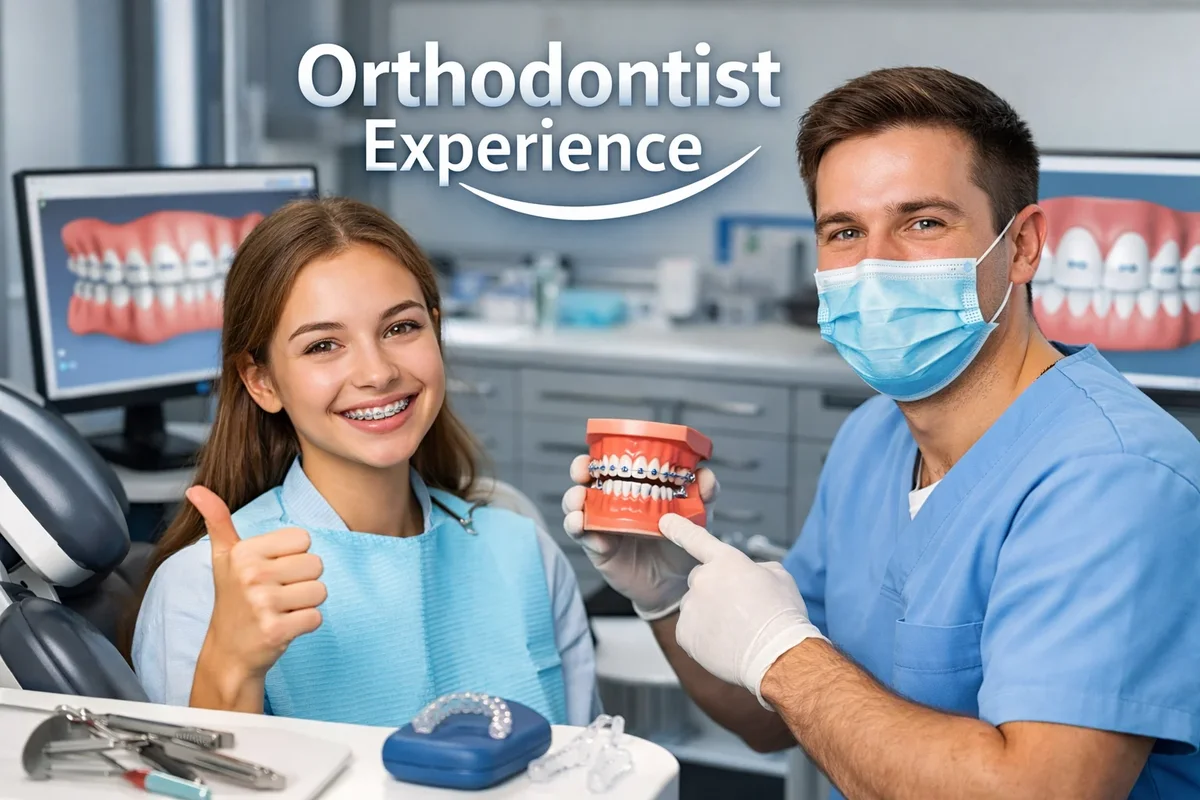
Choosing the Right Clinic to Improve Your Orthodontist Experience
The quality of your orthodontist experience is not determined by treatment methods alone; the clinic you choose plays an equally critical role. From the first phone call to post-treatment follow-ups, the clinic environment, team structure, and care philosophy directly shape how smooth, comfortable, and successful your orthodontist experience will be. Many patients underestimate this factor, only realizing its importance after treatment has already begun 😊.
A well-chosen clinic supports the orthodontist’s expertise with organization, communication, and patient-centered systems. When these elements work together, the orthodontist experience feels seamless rather than stressful. Choosing the right clinic is therefore a strategic decision that affects not only results, but also your overall satisfaction.
Clinic Organization and Its Impact on the Orthodontist Experience
Efficient clinics create a structured orthodontist experience. Appointment scheduling, minimal waiting times, and clear treatment timelines all contribute to a sense of professionalism. Disorganized clinics, on the other hand, can make even high-quality treatment feel frustrating.
Patients benefit when clinics use modern management systems to track appointments, treatment stages, and follow-ups. This organizational strength ensures that the orthodontist experience remains consistent and predictable throughout the entire treatment period.
Why Consistency Matters
Seeing the same orthodontist and support staff regularly builds familiarity and trust. Clinics that prioritize continuity of care offer a more reassuring orthodontist experience, as patients feel recognized rather than treated as numbers.
The Role of the Support Team
Orthodontic assistants, hygienists, and administrative staff all contribute to the orthodontist experience. Friendly, knowledgeable team members improve comfort and communication at every visit. Patients often interact with staff more frequently than with the orthodontist, making their role essential.
A clinic where staff work in harmony creates a calm, supportive atmosphere. This teamwork enhances the orthodontist experience by reducing anxiety and increasing patient confidence.
Cleanliness, Safety, and Comfort Standards
Physical environment strongly influences perception. A clean, modern clinic immediately signals professionalism and care. High hygiene standards reassure patients that their orthodontist experience prioritizes safety and health.
Comfortable waiting areas, modern equipment, and attention to patient comfort all contribute to a positive orthodontist experience, especially for long-term treatments involving frequent visits.
Technology as a Clinic-Wide Commitment
Clinics that invest in updated technology demonstrate commitment to quality care. Digital records, advanced imaging, and efficient communication tools elevate the orthodontist experience by improving accuracy and convenience.
Accessibility and Patient Support
Accessibility is a major factor in long-term satisfaction with the orthodontist experience. Clinics that offer flexible appointment hours, clear contact options, and prompt responses make treatment easier to manage alongside work or school.
Knowing that help is readily available reduces stress and improves trust. Patients feel supported rather than isolated during their orthodontist experience.
Ethical Standards and Transparency
Ethics play a significant role in shaping the orthodontist experience. Clinics that clearly explain treatment options, timelines, and responsibilities foster trust. Transparency ensures that patients feel respected and informed at every stage.
Ethical clinics avoid overpromising and focus on realistic outcomes. This honesty protects patients from disappointment and strengthens long-term satisfaction with the orthodontist experience.
Reviews, Reputation, and Patient Feedback
Patient reviews offer valuable insight into real orthodontist experiences. Consistent positive feedback about communication, comfort, and results often reflects a clinic’s commitment to quality care.
While no clinic is perfect, patterns in feedback can reveal strengths and weaknesses. Choosing a clinic with a strong reputation increases the likelihood of a rewarding orthodontist experience.
Long-Term Support Beyond Active Treatment
The best clinics view orthodontic care as a long-term relationship. Retainer checks, follow-up visits, and continued guidance all extend the orthodontist experience beyond active treatment.
This ongoing support ensures stability and reinforces the feeling that patients are cared for even after appliances are removed.
In conclusion, choosing the right clinic is one of the most important decisions affecting your orthodontist experience. Organization, staff quality, ethics, accessibility, and long-term support all play vital roles. When patients select a clinic that aligns with their needs and values, the orthodontist experience becomes smoother, more confident, and ultimately more successful—leading to results that truly last 😄.