
An orthopedic dentist is a dental professional who focuses on the relationship between the teeth, jaws, facial bones, and the overall musculoskeletal balance of the mouth and face. Unlike general dentistry, which mainly addresses tooth decay, gum disease, and routine oral care, orthopedic dentistry looks deeper into how the jaws grow, align, and function together. This approach is especially important for patients who experience bite problems, jaw pain, facial asymmetry, or long-term chewing and speech difficulties.
Many people mistakenly believe that an orthopedic dentist is the same as an orthodontist. While there is some overlap, an orthopedic dentist places greater emphasis on jaw structure, skeletal development, and functional harmony rather than just straightening teeth. The goal is not only to create a beautiful smile but also to establish a healthy, balanced bite that supports long-term oral and overall health 😊.
An orthopedic dentist evaluates how the upper and lower jaws fit together, how the jaw joints move, and how muscles work during speaking, chewing, and swallowing. Problems in these areas can lead to headaches, temporomandibular joint (TMJ) disorders, neck pain, tooth wear, and even breathing issues. By identifying these concerns early, an orthopedic dentist can guide jaw growth or correct functional problems before they become more serious.
One of the most important roles of an orthopedic dentist is early intervention. In children, jaw bones are still developing, which makes it possible to gently guide growth using specialized appliances. An orthopedic dentist may recommend functional appliances, expanders, or bite-correcting devices to ensure that the jaws develop in proper alignment. This can reduce or even eliminate the need for complex treatments later in life 🦷.
For adults, an orthopedic dentist focuses on correcting long-standing bite issues, managing jaw pain, and improving oral function. Even if jaw growth is complete, modern orthopedic dental techniques can help reposition the bite, relieve muscle tension, and protect teeth from excessive wear. Adults who suffer from chronic jaw discomfort often find significant relief after consulting an orthopedic dentist who understands the functional side of dental health.
A key advantage of visiting an orthopedic dentist is the holistic evaluation process. Instead of looking at teeth in isolation, the orthopedic dentist considers posture, facial balance, airway space, and muscle coordination. This comprehensive perspective helps identify the root cause of symptoms rather than just treating surface-level problems. For example, crowded teeth may actually be a sign of improper jaw development, something an orthopedic dentist is specifically trained to assess.
Patients often seek an orthopedic dentist when they experience symptoms such as jaw clicking, difficulty biting evenly, frequent headaches, or uneven facial appearance. These issues are not only cosmetic; they can affect daily comfort and quality of life. By addressing the underlying skeletal and functional factors, an orthopedic dentist aims to restore harmony to the entire oral system.
Education is also a central part of orthopedic dentistry. A skilled orthopedic dentist will explain how jaw alignment affects chewing efficiency, speech clarity, and even digestion. When patients understand how their bite functions, they are more motivated to follow treatment recommendations and maintain long-term oral health 😊.
If you are considering specialized dental care or have ongoing jaw-related concerns, consulting an orthopedic dentist can be a valuable step. A professional evaluation can determine whether your symptoms are linked to jaw structure or bite imbalance. For personalized guidance or to schedule a consultation, you can visit the Redent Klinik Contact Page and speak with an experienced dental team.
It is also important to rely on evidence-based practices. Orthopedic dentistry is supported by established dental research and professional standards recognized by organizations such as the American Dental Association. Choosing an orthopedic dentist who follows these guidelines ensures that your treatment is safe, effective, and tailored to your individual needs.
In summary, an orthopedic dentist plays a crucial role in maintaining jaw and bite health by focusing on structure, function, and long-term balance. Whether for children whose jaws are still developing or adults seeking relief from chronic discomfort, an orthopedic dentist offers a comprehensive, function-focused approach that goes far beyond routine dental care. By addressing the foundation of the smile, orthopedic dentistry helps patients achieve comfort, stability, and confidence that lasts for years 🌟.
What Is an Orthopedic Dentist and What Do They Do?
An orthopedic dentist is a dental professional who focuses on how the teeth, jaws, facial bones, and muscles work together as a functional system. Rather than treating teeth as isolated structures, an orthopedic dentist evaluates the entire oral and facial framework to ensure proper balance, alignment, and long-term stability. This discipline is rooted in the idea that many dental and jaw-related problems originate from skeletal and functional imbalances rather than surface-level tooth issues alone.
At its core, orthopedic dentistry is about function first, aesthetics second. While a beautiful smile is often a result of treatment, the primary mission of an orthopedic dentist is to establish a healthy bite, proper jaw positioning, and optimal muscle coordination 😊. When these elements are aligned correctly, patients often experience improvements not only in oral health but also in overall comfort and quality of life.
Core Responsibilities of an Orthopedic Dentist
An orthopedic dentist has a broad range of responsibilities that go beyond routine dental care. Their work typically begins with a comprehensive diagnostic evaluation, which may include facial analysis, bite assessment, jaw movement tracking, and airway evaluation. This allows the orthopedic dentist to identify underlying structural issues that may contribute to symptoms such as jaw pain, uneven tooth wear, or difficulty chewing.
Once a diagnosis is made, the orthopedic dentist designs a treatment plan aimed at correcting the root cause of the problem. This may involve guiding jaw growth in younger patients, repositioning the bite in adults, or stabilizing the jaw joints to reduce strain on muscles and ligaments. Every plan is highly individualized, as no two patients share the exact same jaw structure or functional patterns.
Focus on Jaw Alignment and Skeletal Balance
A central task of an orthopedic dentist is ensuring that the upper and lower jaws align properly. When jaws are misaligned, the teeth are forced to compensate, which can lead to crowding, fractures, gum recession, and chronic discomfort. By addressing jaw alignment directly, an orthopedic dentist helps create a stable foundation upon which healthy teeth can function long-term.
This skeletal focus is particularly important in growing children. Because their bones are still developing, an orthopedic dentist can guide jaw growth using functional appliances. These devices gently influence bone development, helping prevent severe bite problems later in life. Early care from an orthopedic dentist can significantly reduce the need for invasive treatments in adulthood 🦷.
How an Orthopedic Dentist Evaluates Patients
The evaluation process used by an orthopedic dentist is far more detailed than a standard dental check-up. In addition to examining the teeth, the orthopedic dentist observes facial symmetry, jaw movement patterns, muscle activity, and posture. Even breathing patterns and tongue position may be assessed, as these factors can influence jaw development and bite stability.
Advanced imaging and bite analysis tools are often used to gain a precise understanding of how the jaws function during movement. This allows the orthopedic dentist to identify imbalances that may not be visible to the naked eye. The goal is to understand not just what the problem looks like, but why it exists in the first place.
Conditions Commonly Addressed
An orthopedic dentist commonly treats patients with bite misalignment, jaw joint disorders, facial asymmetry, and functional chewing problems. Many patients also seek an orthopedic dentist for issues like chronic headaches, jaw clicking, or unexplained tooth wear. These symptoms are often interconnected and linked to improper jaw function.
In adults, an orthopedic dentist frequently works with patients who have lived for years with discomfort, unaware that their bite or jaw alignment was the underlying cause. Correcting these issues can relieve muscle tension, improve chewing efficiency, and protect teeth from further damage 😊.
Education and Long-Term Guidance
Another important role of an orthopedic dentist is patient education. Understanding how the bite works empowers patients to make informed decisions about their oral health. An orthopedic dentist explains how daily habits, posture, and even stress can influence jaw function over time.
Rather than offering quick fixes, an orthopedic dentist focuses on long-term outcomes. Treatment plans are designed to provide lasting stability, not temporary cosmetic improvements. This philosophy makes orthopedic dentistry particularly valuable for patients seeking sustainable, health-focused dental care.
In summary, an orthopedic dentist is a specialist dedicated to optimizing jaw function, skeletal balance, and bite harmony. By addressing the structural foundation of the oral system, an orthopedic dentist helps patients achieve comfort, efficiency, and durability in their smiles. This comprehensive approach makes orthopedic dentistry a vital part of modern, function-driven dental care 🌟.
How Orthopedic Dentistry Differs from Orthodontics
Many patients searching for bite correction or jaw-related treatment often ask whether they should see an orthodontist or an orthopedic dentist. While these two fields are closely related and frequently work together, they are not the same. Understanding how orthopedic dentistry differs from orthodontics is essential for choosing the right type of care and achieving long-term oral health results 😊.
The main difference lies in treatment philosophy and focus. Orthodontics primarily concentrates on aligning teeth for proper spacing and aesthetics, whereas an orthopedic dentist focuses on the underlying jaw structure, skeletal balance, and functional harmony of the entire oral system. In simple terms, orthodontics moves teeth, while orthopedic dentistry guides or corrects jaw function and bone relationships.
Different Treatment Goals and Priorities
An orthodontist’s primary goal is to straighten teeth and correct malocclusions using braces or clear aligners. While this can dramatically improve appearance and bite alignment, it does not always address why the bite problem occurred in the first place. An orthopedic dentist, on the other hand, seeks to understand the root cause of bite issues by analyzing jaw growth patterns, facial structure, and muscle coordination.
For example, crowded teeth are often treated with braces alone. However, an orthopedic dentist may identify that the true issue is insufficient jaw width or improper jaw positioning. In such cases, expanding or guiding the jaw structure can create natural space for teeth, reducing the need for extractions and improving long-term stability 🦷.
Function vs. Appearance
Orthodontics tends to emphasize visual alignment, while orthopedic dentistry emphasizes function. An orthopedic dentist evaluates how the jaws move during chewing, speaking, and swallowing. If the jaws are misaligned, even perfectly straight teeth can wear unevenly or cause discomfort over time.
This functional approach makes an orthopedic dentist especially valuable for patients who experience jaw pain, headaches, or muscle tension even after previous orthodontic treatment. Addressing jaw mechanics can resolve symptoms that tooth alignment alone cannot fix.
Differences in Timing and Patient Age
Another key difference between orthodontics and orthopedic dentistry is the timing of treatment. Orthodontic treatment is often started during adolescence when most permanent teeth have erupted. Orthopedic dentistry, however, can begin much earlier. An orthopedic dentist frequently treats children while their jaws are still developing, sometimes as early as age six or seven.
Early orthopedic intervention allows the dentist to guide jaw growth rather than correct problems later. This proactive approach can prevent severe bite issues, facial asymmetry, and airway problems from developing. In contrast, orthodontics typically works within the existing jaw structure rather than modifying it.
Adult Treatment Considerations
In adults, orthodontics can successfully straighten teeth, but it may not resolve functional jaw problems. An orthopedic dentist working with adult patients often focuses on bite stabilization, jaw repositioning, and relieving muscle strain. This is particularly important for adults with TMJ disorders or chronic facial pain.
While jaw growth is complete in adults, orthopedic dental techniques can still significantly improve function and comfort. Appliances, bite splints, and restorative strategies are often used by an orthopedic dentist to rebalance the bite and protect the jaw joints 😊.
Appliances and Techniques Used
Orthodontists typically rely on braces, wires, and aligners to move teeth. An orthopedic dentist uses a different set of tools, including functional appliances, jaw expanders, and orthopedic devices designed to influence jaw position and muscle activity.
These appliances are often removable and customized to the patient’s skeletal needs. Rather than applying force directly to teeth, they encourage the jaws and muscles to function in a more balanced way. Over time, this can lead to improved bite alignment and facial harmony.
Long-Term Stability and Relapse Prevention
One of the major advantages of working with an orthopedic dentist is improved long-term stability. When teeth are aligned without addressing jaw structure, there is a higher risk of relapse. Teeth may shift back if the underlying skeletal imbalance remains.
By correcting jaw function first, an orthopedic dentist creates a stable foundation for any tooth movement that follows. This integrated approach often results in more durable outcomes and reduces the need for lifelong retainers.
Collaborative Care Between Specialties
It is important to note that orthopedic dentistry and orthodontics are not competing fields; they are complementary. Many patients benefit most when an orthopedic dentist and orthodontist work together. The orthopedic dentist addresses jaw structure and function, while the orthodontist fine-tunes tooth alignment.
This collaborative model ensures that both functional health and aesthetics are optimized. Patients who receive combined care often report greater comfort, better chewing efficiency, and longer-lasting results 🌟.
In conclusion, the difference between orthodontics and orthopedic dentistry lies in depth and focus. Orthodontics aligns teeth, while an orthopedic dentist corrects the foundation on which those teeth rest. For patients seeking comprehensive, function-driven dental care, understanding this distinction is key to making informed and confident treatment decisions.
The Role of an Orthopedic Dentist in Jaw Development
An orthopedic dentist plays a critical role in guiding and optimizing jaw development, particularly during childhood and adolescence when facial bones are still growing. Jaw development is not only about appearance; it directly affects chewing efficiency, speech clarity, breathing patterns, and long-term oral health. By focusing on skeletal growth and functional balance, an orthopedic dentist helps ensure that the jaws develop in harmony with the teeth and surrounding muscles 😊.
Improper jaw development can lead to a wide range of problems, including crowded teeth, bite misalignment, facial asymmetry, and temporomandibular joint discomfort later in life. An orthopedic dentist is trained to identify early signs of these issues and intervene at the most effective time, often preventing complex treatments in the future.
Understanding Jaw Growth and Development
Jaw development is a dynamic process influenced by genetics, breathing habits, posture, muscle function, and oral behaviors such as thumb sucking or tongue thrusting. An orthopedic dentist evaluates all these factors to understand how and why a patient’s jaws are developing in a certain way.
The upper and lower jaws grow at different rates and in different directions. If this growth becomes unbalanced, the bite may not fit together properly. An orthopedic dentist monitors these growth patterns and uses gentle, guided techniques to encourage proper alignment. This approach supports natural development rather than forcing teeth to adapt to an incorrect jaw structure 🦷.
Early Detection of Developmental Issues
One of the most valuable contributions of an orthopedic dentist is early detection. Subtle signs such as mouth breathing, narrow arches, or difficulty chewing may indicate underlying jaw development problems. Identifying these issues early allows the orthopedic dentist to intervene while the bones are still responsive to guidance.
Early assessment does not always mean immediate treatment. Sometimes, careful monitoring is enough. However, when intervention is needed, acting at the right developmental stage can make treatment more efficient and less invasive.
Guiding Jaw Growth in Children
Children are ideal candidates for orthopedic dental care because their jaw bones are still forming. An orthopedic dentist uses functional appliances designed to guide growth rather than restrict it. These appliances encourage the jaws to grow into a more favorable position, supporting proper bite formation.
For example, if the upper jaw is too narrow, an orthopedic dentist may recommend an expansion appliance to widen it gradually. This creates space for erupting teeth and improves nasal airflow, which can positively affect breathing and sleep quality 😊.
Preventing Future Complications
By addressing jaw development early, an orthopedic dentist can help prevent complications such as impacted teeth, severe crowding, and jaw joint disorders. Early orthopedic intervention often reduces or eliminates the need for tooth extractions or surgical procedures later in life.
This preventive approach is especially beneficial for children with a family history of bite problems or facial asymmetry. Proactive care guided by an orthopedic dentist can significantly improve long-term outcomes.
Jaw Development in Adolescents and Adults
While childhood is the optimal time for guiding jaw growth, adolescents and adults can still benefit from the expertise of an orthopedic dentist. During adolescence, growth spurts can be redirected to improve jaw balance if monitored closely.
In adults, jaw growth is complete, but functional adaptation is still possible. An orthopedic dentist focuses on optimizing jaw position, muscle coordination, and bite stability. This can alleviate symptoms such as jaw pain, uneven tooth wear, and chronic tension headaches 🦷.
Functional Harmony and Muscle Balance
Jaw development is not only about bones; muscles play an equally important role. An orthopedic dentist evaluates how muscles function during chewing and speaking. Muscle imbalances can pull the jaws into unfavorable positions over time.
By improving muscle coordination and jaw alignment, an orthopedic dentist helps establish functional harmony. This balance reduces strain on the jaw joints and supports long-term comfort.
Long-Term Benefits of Proper Jaw Development
Proper jaw development guided by an orthopedic dentist offers lifelong benefits. Patients often experience improved chewing efficiency, clearer speech, better facial symmetry, and reduced risk of jaw disorders. Additionally, well-aligned jaws provide a stable foundation for healthy teeth and gums.
Beyond oral health, correct jaw development can influence breathing patterns and posture, contributing to overall well-being. This holistic perspective is what sets orthopedic dentistry apart from traditional approaches.
In conclusion, the role of an orthopedic dentist in jaw development is both preventive and corrective. By guiding growth, balancing function, and addressing structural issues at the right time, an orthopedic dentist helps patients achieve a healthy, stable, and functional bite that supports comfort and confidence throughout life 🌟.
Common Problems Treated by an Orthopedic Dentist
An orthopedic dentist treats a wide range of functional, structural, and developmental issues related to the jaws, bite, and facial balance. Many of these problems are often misunderstood or overlooked because they may not appear as obvious dental concerns at first glance. However, when left untreated, they can significantly affect oral health, comfort, and even overall well-being. By focusing on the root causes rather than just symptoms, an orthopedic dentist provides long-term, function-based solutions 😊.
Patients commonly seek an orthopedic dentist after experiencing persistent discomfort, difficulty chewing, or recurring dental problems that conventional treatments have failed to resolve. These issues are often interconnected and stem from improper jaw alignment or dysfunctional bite mechanics.
Bite Misalignment (Malocclusion)
One of the most frequent reasons patients visit an orthopedic dentist is bite misalignment, also known as malocclusion. This occurs when the upper and lower teeth do not fit together properly during biting or chewing. Malocclusion can place uneven pressure on teeth and jaws, leading to excessive wear, fractures, and muscle strain.
An orthopedic dentist evaluates how the jaws come together during movement, not just when the mouth is closed. This functional assessment helps identify whether the problem originates from jaw positioning rather than tooth alignment alone 🦷.
Types of Bite Problems
Common bite issues include overbites, underbites, crossbites, and open bites. While these conditions are often associated with orthodontics, an orthopedic dentist focuses on the jaw structure causing the misalignment. Correcting the skeletal imbalance can lead to more stable and comfortable results.
Jaw Joint Disorders (TMJ Problems)
Temporomandibular joint disorders are another major area treated by an orthopedic dentist. TMJ problems can cause jaw pain, clicking or popping sounds, limited mouth opening, and facial discomfort. These symptoms often result from improper jaw alignment or muscle imbalance.
An orthopedic dentist addresses TMJ issues by stabilizing the bite and improving jaw mechanics. Rather than masking pain, treatment focuses on restoring proper joint function and reducing strain on surrounding muscles 😊.
Chronic Headaches and Facial Pain
Many patients are surprised to learn that chronic headaches and facial pain can be linked to jaw dysfunction. An orthopedic dentist assesses whether uneven bite forces or jaw tension contribute to these symptoms. Correcting the bite often leads to significant relief.
Uneven Tooth Wear and Fractures
Excessive or uneven tooth wear is a clear sign of bite imbalance. An orthopedic dentist identifies areas where teeth are absorbing too much force due to improper jaw alignment. Over time, this can cause cracks, sensitivity, and premature tooth loss.
By rebalancing the bite, an orthopedic dentist helps distribute chewing forces evenly across all teeth, protecting them from further damage 🦷.
Bruxism and Clenching
Teeth grinding and clenching are often related to bite instability. An orthopedic dentist evaluates whether the jaw position encourages these habits and provides solutions that address the underlying cause rather than relying solely on night guards.
Facial Asymmetry and Skeletal Imbalance
Facial asymmetry is not only a cosmetic concern; it often reflects uneven jaw development. An orthopedic dentist examines facial proportions and jaw positioning to determine whether skeletal imbalance is present.
Correcting jaw alignment can improve facial harmony and support balanced muscle function. This approach is especially effective when applied during growth phases but can also benefit adults through functional adaptation 😊.
Breathing and Airway-Related Issues
Jaw structure plays a crucial role in airway space and breathing patterns. A narrow upper jaw or retruded lower jaw can contribute to mouth breathing and sleep-related issues. An orthopedic dentist considers airway health as part of a comprehensive evaluation.
By guiding jaw development or repositioning the bite, an orthopedic dentist can help improve nasal airflow and support healthier breathing habits.
Speech and Chewing Difficulties
Improper jaw alignment can affect speech clarity and chewing efficiency. An orthopedic dentist identifies how jaw position influences tongue movement and muscle coordination. Improving jaw function often leads to clearer speech and more efficient digestion.
Long-Term Impact of Untreated Problems
When jaw-related issues are left untreated, they can worsen over time. Teeth may shift, joints may deteriorate, and muscle pain can become chronic. An orthopedic dentist addresses these concerns proactively, reducing the risk of complex treatments later in life.
In summary, an orthopedic dentist treats far more than just bite alignment. From jaw joint disorders and tooth wear to facial balance and breathing concerns, their expertise covers the functional foundation of oral health. By addressing these common problems at their source, an orthopedic dentist helps patients achieve lasting comfort, stability, and confidence 🌟.
Orthopedic Dentist Treatments for Children and Teens
An orthopedic dentist plays a vital role in the oral and facial development of children and teens. These growth stages are the most influential periods for jaw formation, bite alignment, and muscle coordination. Because bones are still developing, an orthopedic dentist can guide growth in a gentle, non-invasive way that supports natural development rather than correcting problems later with more complex treatments 😊.
Parents often assume that dental treatment should begin only after all permanent teeth erupt. However, an orthopedic dentist evaluates jaw growth long before that stage. Early assessment helps identify potential problems such as narrow arches, improper jaw positioning, or functional habits that can negatively affect facial development.
Why Early Orthopedic Evaluation Matters
Early evaluation by an orthopedic dentist allows for timely intervention at the most responsive stages of growth. During childhood and early adolescence, jaw bones are adaptable and can be guided into more favorable positions. This proactive approach often simplifies or even eliminates the need for extensive orthodontic treatment later 🦷.
An orthopedic dentist looks for early signs such as mouth breathing, difficulty chewing, speech irregularities, or asymmetrical facial growth. These signs may indicate underlying jaw development issues that are best addressed early rather than corrected after growth is complete.
Preventive vs. Corrective Care
Preventive care is a cornerstone of pediatric orthopedic dentistry. Rather than waiting for problems to worsen, an orthopedic dentist focuses on guiding proper development from the start. This may involve monitoring growth patterns or using appliances at specific times to support balanced jaw formation.
Corrective care, when needed, is far less invasive in children than in adults. Early guidance often reduces treatment duration and improves long-term stability.
Common Orthopedic Appliances for Growing Patients
An orthopedic dentist uses a variety of functional appliances specifically designed for children and teens. These devices work with natural growth processes rather than against them. Appliances are typically removable and customized to each child’s unique skeletal structure.
Examples include jaw expanders to widen narrow arches, functional appliances to guide lower jaw positioning, and orthopedic devices that balance muscle forces. These tools help create space for permanent teeth and promote proper bite development 😊.
Comfort and Adaptation
Parents often worry about comfort and compliance. Modern orthopedic appliances are designed with comfort in mind, and most children adapt quickly. An orthopedic dentist carefully monitors progress and adjusts appliances as needed to ensure effectiveness without discomfort.
Addressing Harmful Oral Habits
Thumb sucking, tongue thrusting, and prolonged pacifier use can negatively influence jaw development. An orthopedic dentist identifies these habits early and provides guidance to reduce their impact on growing jaws.
By addressing these behaviors alongside orthopedic treatment, the dentist helps ensure that jaw growth progresses in a healthy direction. This integrated approach supports both functional and structural development 🦷.
Supporting Facial Balance and Aesthetics
Jaw development directly affects facial appearance. An orthopedic dentist considers facial proportions and symmetry when planning treatment. Proper jaw alignment supports balanced facial growth, contributing to a natural and harmonious appearance.
This focus on facial balance is not cosmetic vanity; it reflects healthy skeletal development. Balanced jaws support proper muscle function and reduce strain on joints and teeth 😊.
Teenage Growth Spurts and Orthopedic Timing
Adolescence is marked by rapid growth spurts, making it a critical period for orthopedic dental care. An orthopedic dentist closely monitors growth timing to apply treatment when it will be most effective.
Guiding jaw growth during these spurts can correct discrepancies between upper and lower jaws, improving bite alignment and reducing future complications. Proper timing ensures that treatment works with the body’s natural development rather than against it.
Coordination with Orthodontic Care
In many cases, orthopedic treatment precedes orthodontic care. An orthopedic dentist establishes a stable jaw foundation, after which an orthodontist may align teeth more efficiently. This coordinated approach often shortens overall treatment time and enhances results.
Long-Term Benefits for Children and Teens
Children and teens treated by an orthopedic dentist often experience long-term benefits that extend into adulthood. These include reduced risk of jaw joint disorders, improved chewing efficiency, and more stable tooth alignment.
Perhaps most importantly, early orthopedic care promotes confidence and comfort during critical developmental years. Children who can chew, speak, and smile comfortably are better equipped for social and emotional well-being 🌟.
In summary, orthopedic dentist treatments for children and teens focus on guiding growth, preventing future problems, and supporting overall facial and functional development. By addressing jaw issues early, an orthopedic dentist helps young patients build a strong, healthy foundation for lifelong oral health.
Orthopedic Dentist Approaches for Adults
An orthopedic dentist is not only for children and teenagers; adults can benefit greatly from orthopedic dental care as well. Many adults live for years with jaw discomfort, bite instability, headaches, or uneven tooth wear without realizing that the root cause lies in improper jaw function. An orthopedic dentist focuses on correcting these functional issues, even after jaw growth has fully completed 😊.
Unlike pediatric care, adult orthopedic dentistry does not aim to guide growth but rather to optimize jaw position, muscle balance, and bite stability within an existing skeletal framework. This makes treatment more focused on adaptation, stabilization, and long-term protection of teeth and joints.
Why Adults Seek an Orthopedic Dentist
Adults often seek an orthopedic dentist after years of unresolved symptoms. These may include jaw clicking, facial pain, chronic headaches, neck tension, or difficulty chewing. In many cases, patients have already undergone orthodontic treatment but still experience discomfort or bite problems.
An orthopedic dentist evaluates whether previous treatments addressed tooth alignment without correcting underlying jaw mechanics. Identifying this mismatch is key to resolving persistent symptoms 🦷.
Late Diagnosis and Long-Standing Issues
Many adults were never evaluated for jaw development issues as children. As a result, their teeth adapted to an imbalanced jaw relationship, leading to gradual wear and muscle strain over time. An orthopedic dentist specializes in identifying these long-standing compensations and correcting them functionally.
Bite Stabilization and Jaw Repositioning
A primary goal of adult treatment by an orthopedic dentist is bite stabilization. This involves ensuring that all teeth contact evenly and that the jaws meet in a balanced, comfortable position. Uneven bite forces are a major contributor to tooth damage and jaw joint stress.
Jaw repositioning techniques may be used to guide the lower jaw into a more optimal position. This can significantly reduce strain on the temporomandibular joints and surrounding muscles 😊.
Use of Orthopedic Appliances
Orthopedic appliances for adults are often custom-made bite splints or functional devices. Unlike simple night guards, these appliances are designed to influence jaw position and muscle activity throughout the day or night.
An orthopedic dentist carefully adjusts these devices over time to achieve optimal jaw balance without causing discomfort.
Managing TMJ Disorders and Muscle Pain
Temporomandibular joint disorders are a common reason adults consult an orthopedic dentist. TMJ problems can cause pain during chewing, jaw locking, ear discomfort, and even dizziness. These symptoms are often linked to improper bite alignment and muscle overuse.
An orthopedic dentist addresses TMJ disorders by correcting bite mechanics and reducing joint strain. Treatment focuses on restoring natural jaw movement rather than suppressing symptoms with medication 🦷.
Reducing Chronic Headaches and Tension
Chronic headaches and facial tension are frequently related to jaw imbalance. An orthopedic dentist evaluates how jaw position affects muscle activity in the face, neck, and shoulders. Improving jaw alignment often leads to noticeable relief from tension-related symptoms.
Protecting Teeth from Excessive Wear
Uneven tooth wear is a clear sign of bite instability. An orthopedic dentist identifies areas where excessive force is damaging teeth and restores balance to the bite. This helps protect enamel, reduce sensitivity, and prevent fractures.
In some cases, restorative treatments such as crowns or bonding may be combined with orthopedic care to rebuild damaged teeth once proper bite alignment is achieved 😊.
Improving Chewing Efficiency and Speech
Adults with jaw imbalance often chew inefficiently, placing stress on certain teeth and muscles. An orthopedic dentist improves chewing efficiency by aligning the jaws to distribute forces evenly. This not only enhances comfort but also supports better digestion.
Speech clarity can also improve when jaw position and muscle coordination are optimized. An orthopedic dentist considers these functional outcomes as part of comprehensive care.
Psychological and Quality-of-Life Benefits
Living with chronic jaw discomfort can affect sleep, concentration, and emotional well-being. Adults treated by an orthopedic dentist often report improvements in overall quality of life. Reduced pain, improved function, and increased confidence all contribute to better daily experiences 🌟.
Long-Term Stability and Maintenance
Adult orthopedic dentistry emphasizes long-term stability. An orthopedic dentist provides guidance on maintaining jaw balance through posture awareness, stress management, and follow-up care. This holistic approach ensures that treatment results are sustainable.
In summary, orthopedic dentist approaches for adults focus on restoring balance, relieving discomfort, and protecting oral structures. Even without active jaw growth, an orthopedic dentist can make meaningful improvements that enhance comfort, function, and long-term oral health.
Advanced Diagnostic Tools Used by an Orthopedic Dentist
An orthopedic dentist relies on advanced diagnostic tools to understand how the jaws, teeth, muscles, and joints function together as a single system. Accurate diagnosis is the foundation of effective orthopedic dental treatment. Rather than focusing only on what is visible on the surface, an orthopedic dentist uses technology-driven analysis to uncover hidden imbalances that affect bite stability, jaw comfort, and long-term oral health 😊.
These diagnostic tools allow the orthopedic dentist to identify the true cause of functional problems, not just their symptoms. This precision is what distinguishes orthopedic dentistry from conventional dental evaluations.
Comprehensive Bite and Jaw Analysis
A primary diagnostic focus for an orthopedic dentist is how the upper and lower jaws interact during movement. Static bite checks alone are not enough. Instead, the dentist evaluates dynamic jaw motion, including opening, closing, chewing, and lateral movements.
This functional analysis helps determine whether the bite is balanced or if certain teeth and muscles are absorbing excessive force. Identifying these pressure points early prevents long-term damage such as tooth wear, fractures, and joint strain 🦷.
Occlusal Force Mapping
Advanced occlusal analysis systems allow an orthopedic dentist to measure bite force distribution digitally. These tools show exactly where pressure is concentrated and how evenly forces are distributed across the dental arches.
This data-driven approach enables precise bite adjustments and appliance design, leading to more predictable and comfortable outcomes.
Digital Imaging and 3D Jaw Assessment
Modern orthopedic dentistry heavily relies on digital imaging technologies. An orthopedic dentist often uses three-dimensional imaging to assess jaw position, joint health, and skeletal relationships in detail.
3D scans provide a comprehensive view of bone structure, joint spaces, and airway dimensions. This level of detail is essential for diagnosing complex jaw discrepancies that may not be apparent with traditional imaging 😊.
Jaw Joint Evaluation
Temporomandibular joint health is a major focus area. An orthopedic dentist evaluates joint alignment, movement paths, and potential signs of degeneration or inflammation. This information is critical for patients experiencing jaw pain, clicking, or limited movement.
Accurate joint assessment ensures that treatment plans protect joint health rather than placing additional stress on already compromised structures.
Muscle Function and Coordination Analysis
Jaw muscles play a crucial role in bite stability and comfort. An orthopedic dentist evaluates muscle activity patterns to identify imbalances that may pull the jaw into unfavorable positions.
Muscle overactivity or asymmetry often contributes to headaches, facial pain, and neck tension. By understanding how muscles interact with jaw position, the orthopedic dentist can design treatments that restore functional balance 🦷.
Functional Movement Observation
In addition to technology, direct observation is essential. An orthopedic dentist carefully observes how patients speak, chew, and swallow. These functional movements provide valuable insight into habitual patterns that influence jaw alignment.
This holistic evaluation ensures that treatment addresses real-life function, not just theoretical alignment.
Airway and Breathing Assessment
An often-overlooked aspect of diagnosis is airway evaluation. An orthopedic dentist considers how jaw position affects airway space and breathing efficiency. Narrow jaws or retruded jaw positions can restrict airflow and contribute to mouth breathing or sleep-related issues.
Assessing airway dimensions helps the orthopedic dentist understand how jaw structure influences overall health, especially in growing patients 😊.
Digital Models and Simulation
Digital dental models allow an orthopedic dentist to simulate bite changes and jaw repositioning before treatment begins. These simulations help predict outcomes and refine treatment strategies.
By visualizing potential improvements, the orthopedic dentist can create a more precise and personalized treatment plan while clearly explaining the process to the patient.
Monitoring Progress Over Time
Diagnosis does not end after the initial evaluation. An orthopedic dentist continuously monitors progress using the same advanced tools to ensure treatment is moving in the right direction.
Regular reassessment allows for timely adjustments and ensures that jaw function improves steadily without unintended side effects 🦷.
Why Advanced Diagnostics Matter
Without proper diagnostics, treatment may only address symptoms temporarily. Advanced tools give the orthopedic dentist the ability to treat the root cause of jaw and bite problems, leading to more stable and lasting results.
Patients benefit from fewer complications, improved comfort, and greater confidence in their treatment outcomes.
In conclusion, advanced diagnostic tools are essential to the work of an orthopedic dentist. From bite force analysis and 3D imaging to muscle and airway evaluation, these technologies enable precise, function-focused care. By combining advanced diagnostics with clinical expertise, an orthopedic dentist delivers comprehensive treatment that supports long-term oral and overall health 🌟.
Benefits of Seeing an Orthopedic Dentist Early
Seeing an orthopedic dentist early—whether for a child, teenager, or even a young adult—can have a profound impact on long-term oral health, comfort, and overall well-being. Early evaluation does not always mean immediate treatment, but it does mean understanding how the jaws, teeth, and muscles are developing and functioning together. When potential problems are identified at the right time, an orthopedic dentist can intervene in ways that are simpler, more effective, and more stable over the long term 😊.
Many complex dental and jaw issues begin subtly. What starts as mild crowding, mouth breathing, or uneven chewing can progress into significant bite problems, jaw pain, or tooth damage if left unaddressed. Early guidance from an orthopedic dentist focuses on prevention and optimization rather than correction after damage has already occurred.
Early Intervention Reduces Future Treatment Complexity
One of the greatest benefits of seeing an orthopedic dentist early is the ability to reduce or even avoid complex treatments later in life. During growth phases, jaw bones are more adaptable. This allows the orthopedic dentist to guide development gently instead of relying on invasive or prolonged procedures in adulthood.
For example, expanding a narrow jaw in a child is typically simpler and more stable than trying to correct severe crowding or bite collapse in an adult. Early orthopedic care often shortens overall treatment time and improves outcomes 🦷.
Lower Risk of Surgical Intervention
Severe jaw discrepancies in adults sometimes require surgical correction. Early evaluation by an orthopedic dentist can significantly reduce the likelihood of such interventions by addressing skeletal imbalances while growth is still ongoing.
Improved Bite Stability and Tooth Health
An orthopedic dentist focuses on creating a stable, balanced bite from an early age. Proper bite alignment ensures that chewing forces are distributed evenly across all teeth. This protects teeth from excessive wear, fractures, and gum recession over time.
When bite stability is established early, teeth are less likely to shift or relapse after orthodontic treatment. This long-term stability is one of the key advantages of orthopedic-guided care 😊.
Protection Against Premature Tooth Wear
Uneven bite forces can cause certain teeth to wear down much faster than others. An orthopedic dentist identifies and corrects these imbalances early, helping preserve natural tooth structure for decades.
Healthier Jaw Joints and Muscles
Jaw joints and muscles adapt to bite patterns over time. If these patterns are imbalanced, chronic strain can develop. An orthopedic dentist evaluates how the jaw moves and how muscles function during daily activities such as chewing and speaking.
Early correction of jaw mechanics helps prevent temporomandibular joint disorders, muscle fatigue, and tension-related headaches later in life 🦷.
Reduced Risk of Chronic Pain
Many adults with jaw pain report symptoms that began years earlier. Early orthopedic assessment can interrupt this progression, reducing the risk of chronic discomfort and long-term joint damage.
Support for Proper Facial and Airway Development
Jaw development influences facial balance and airway space. An orthopedic dentist considers how jaw position affects breathing patterns, especially in children. Narrow jaws or retruded jaw positions can contribute to mouth breathing and reduced airway volume.
By guiding jaw growth early, the orthopedic dentist supports healthier breathing habits and balanced facial development 😊.
Positive Impact on Sleep and Energy Levels
Improved airway space can contribute to better sleep quality. While orthopedic dentistry is not a sleep treatment, early jaw optimization may reduce risk factors associated with breathing-related sleep disturbances.
Enhanced Orthodontic Outcomes
When orthodontic treatment is needed, early care from an orthopedic dentist often makes orthodontic work more efficient. Establishing proper jaw relationships first allows teeth to move into alignment more naturally.
This coordinated approach frequently reduces treatment duration and improves the durability of results 🦷.
Psychological and Confidence Benefits
Children and teens who receive early orthopedic dental care often experience improvements in comfort, speech, and appearance during formative years. An orthopedic dentist helps support healthy development that can positively influence self-esteem and social confidence.
For adults, early evaluation—even before severe symptoms appear—provides reassurance and clarity about long-term oral health planning 😊.
Cost-Effectiveness Over a Lifetime
Although early evaluation may seem like an additional step, it is often cost-effective over time. By preventing severe complications, an orthopedic dentist helps reduce the need for extensive restorative or surgical treatments later.
Preventive orthopedic care is an investment in long-term stability rather than repeated corrective procedures.
Long-Term Health and Quality of Life
Ultimately, the benefit of seeing an orthopedic dentist early extends beyond teeth and jaws. Balanced jaw function supports efficient chewing, clearer speech, reduced discomfort, and overall well-being.
In conclusion, early evaluation and guidance from an orthopedic dentist offer significant advantages at every stage of life. By addressing potential problems before they become complex, an orthopedic dentist helps patients build a strong, stable foundation for lifelong oral health, comfort, and confidence 🌟.
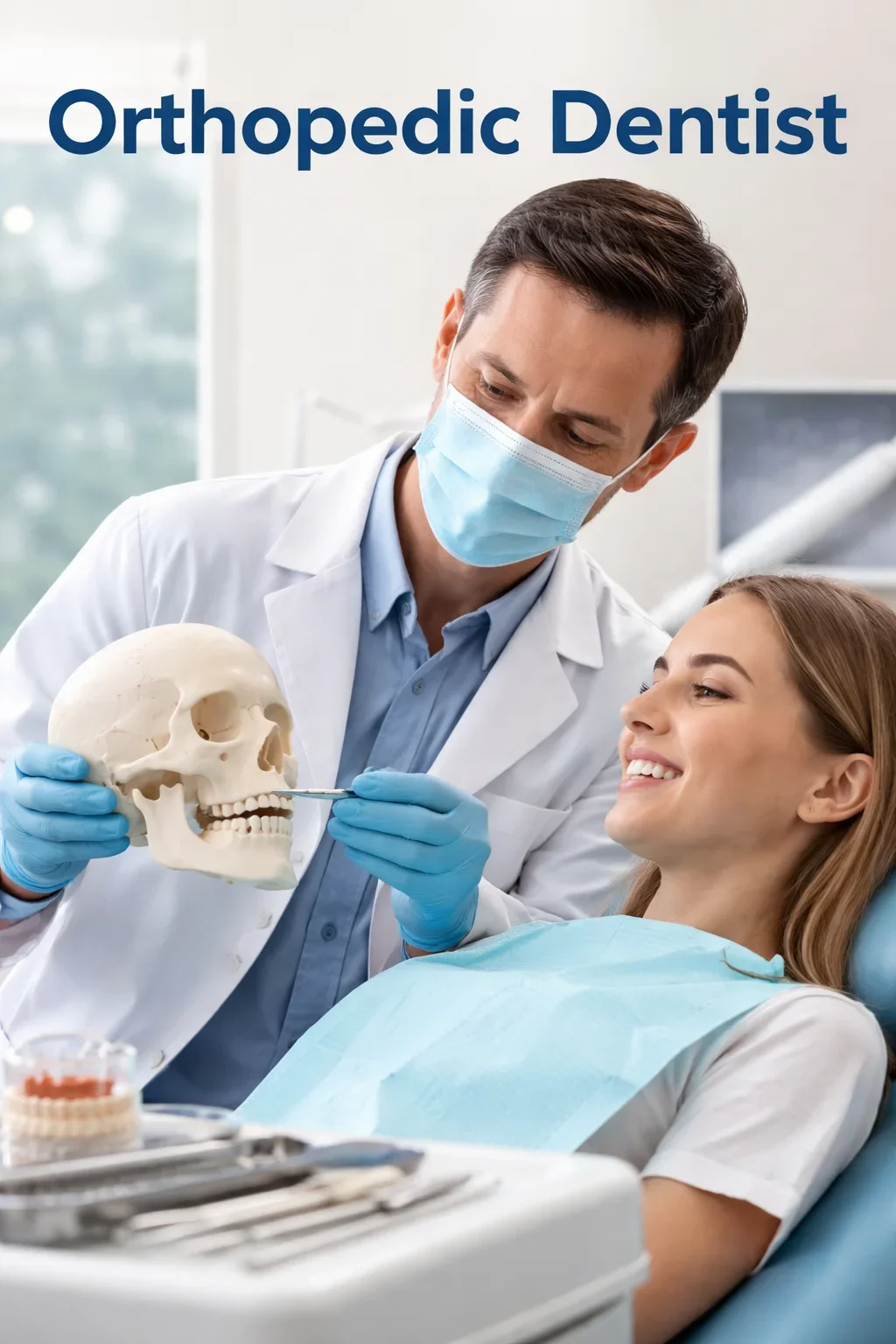
Choosing the Right Orthopedic Dentist for Long-Term Oral Health
Choosing the right orthopedic dentist is a crucial decision that can directly influence your long-term oral health, comfort, and overall quality of life. Because orthopedic dentistry focuses on jaw structure, bite function, and skeletal balance, selecting a professional with the right expertise, philosophy, and diagnostic approach is especially important. Unlike routine dental care, treatment from an orthopedic dentist often has lifelong implications 😊.
Patients frequently seek an orthopedic dentist after experiencing unresolved jaw pain, bite instability, or dissatisfaction with previous dental treatments. Making an informed choice from the beginning can prevent unnecessary procedures and ensure that treatment addresses the true cause of the problem rather than temporary symptoms.
Understanding the Qualifications of an Orthopedic Dentist
The first step in choosing an orthopedic dentist is understanding their training and clinical focus. While all dentists receive general dental education, an orthopedic dentist has additional experience in jaw development, functional bite analysis, and musculoskeletal relationships of the face.
Look for a dentist who emphasizes functional diagnosis and long-term stability rather than purely cosmetic outcomes. A well-qualified orthopedic dentist should be able to clearly explain how jaw structure affects teeth, muscles, and joints 🦷.
Experience with Functional and Skeletal Cases
Experience matters greatly in orthopedic dentistry. An orthopedic dentist who routinely treats jaw-related issues, TMJ disorders, and complex bite problems is more likely to recognize subtle imbalances that others may overlook.
Do not hesitate to ask about the types of cases the orthopedic dentist commonly treats and how they approach long-term follow-up.
Diagnostic Approach and Technology
A skilled orthopedic dentist relies on comprehensive diagnostics rather than quick visual assessments. During your consultation, pay attention to how thoroughly the dentist evaluates your bite, jaw movement, facial balance, and muscle function.
Advanced diagnostic tools, detailed bite analysis, and functional assessments indicate a deeper understanding of orthopedic principles 😊.
Individualized Treatment Planning
Every patient’s jaw structure and functional patterns are unique. A trustworthy orthopedic dentist designs individualized treatment plans rather than applying the same solution to every case.
If treatment is explained in a clear, logical way that focuses on your specific needs, this is a strong sign of quality care.
Communication and Patient Education
Clear communication is a hallmark of a good orthopedic dentist. Because orthopedic dental treatment often spans months or years, patients should fully understand the purpose, process, and expected outcomes.
An orthopedic dentist should take time to educate you about your condition, explain how jaw function affects overall health, and answer questions thoroughly. This collaborative approach builds trust and improves treatment compliance 😊.
Setting Realistic Expectations
Orthopedic dentistry is not about quick fixes. A responsible orthopedic dentist sets realistic expectations and emphasizes gradual, stable improvement rather than immediate cosmetic changes.
Be cautious of promises that seem too fast or too simple for complex jaw-related issues.
Focus on Long-Term Stability
The ultimate goal of an orthopedic dentist is long-term stability. This means creating a bite and jaw position that remains comfortable and functional for years, not just immediately after treatment.
Ask how the dentist plans to maintain results over time and whether follow-up evaluations are part of the care process 🦷.
Collaboration with Other Dental Professionals
In many cases, orthopedic dentistry works best when combined with orthodontic or restorative care. A competent orthopedic dentist understands when collaboration is beneficial and communicates effectively with other specialists.
This integrated approach ensures that tooth alignment, restorations, and jaw function work together harmoniously.
Patient-Centered Philosophy and Comfort
Comfort and trust are essential when choosing an orthopedic dentist. Treatment often involves appliances, bite adjustments, or long-term monitoring. Feeling heard and respected throughout the process greatly enhances the experience.
A patient-centered orthopedic dentist prioritizes comfort, explains adjustments clearly, and adapts treatment as your needs evolve 😊.
Evaluating Long-Term Value Over Short-Term Cost
While cost is a practical consideration, choosing an orthopedic dentist based solely on price can be misleading. Orthopedic dental care is an investment in preventing future complications such as tooth damage, jaw disorders, and repeated treatments.
High-quality care that addresses the root cause of problems often proves more cost-effective over a lifetime than repeated symptom-based interventions.
Trust Your Instincts and the Initial Consultation
The initial consultation with an orthopedic dentist is often very telling. Pay attention to how thoroughly you are evaluated, how clearly information is presented, and whether the dentist listens to your concerns.
Feeling confident and informed after the first visit is a strong indicator that you have found the right professional 😊.
In conclusion, choosing the right orthopedic dentist requires careful consideration of qualifications, diagnostic approach, communication style, and long-term philosophy. By selecting an orthopedic dentist who prioritizes function, stability, and patient education, you lay the foundation for lasting oral health, comfort, and confidence 🌟.