
Orthopedic dentistry is a specialized and highly advanced branch of dental care that focuses on the relationship between the jaws, facial bones, muscles, and teeth rather than concentrating on teeth alone. Unlike conventional approaches that address isolated dental problems, orthopedic dentistry evaluates the entire craniofacial system to restore balance, function, and long-term oral health 😊. This comprehensive perspective makes orthopedic dentistry especially valuable for patients experiencing bite problems, jaw pain, facial asymmetry, or developmental issues related to jaw growth.
At its core, orthopedic dentistry is built on the principle that the position and development of the jaw directly influence chewing efficiency, speech, breathing, posture, and even facial aesthetics. When the jaws are misaligned, the consequences often extend far beyond crooked teeth. Headaches, temporomandibular joint (TMJ) discomfort, neck pain, and chronic muscle tension are frequently linked to underlying orthopedic dental issues. By addressing the root cause rather than just the symptoms, orthopedic dentistry aims to provide stable, long-lasting results.
One of the defining features of orthopedic dentistry is its focus on growth guidance and functional harmony. This approach is particularly effective in children and adolescents, whose jawbones are still developing. Through early intervention, orthopedic dentistry can guide jaw growth into a healthier position, potentially preventing the need for more invasive treatments later in life. However, adults also benefit significantly from orthopedic dentistry, especially when dealing with bite collapse, jaw joint disorders, or long-standing malocclusions that affect daily comfort and quality of life.
Orthopedic dentistry works by carefully analyzing how the upper and lower jaws interact with each other and with the rest of the facial structure. Advanced diagnostic tools such as digital jaw tracking, 3D imaging, and functional bite analysis are commonly used to evaluate these relationships. Based on this analysis, customized treatment plans are created to improve jaw alignment, optimize bite function, and reduce stress on the muscles and joints. This functional dental orthopedics approach ensures that treatment is tailored to the individual rather than following a one-size-fits-all model.
Another important aspect of orthopedic dentistry is its emphasis on prevention. By correcting jaw imbalances early, this discipline helps prevent excessive tooth wear, enamel fractures, gum recession, and joint degeneration. Patients who undergo orthopedic dentistry often report improvements not only in oral comfort but also in sleep quality, breathing patterns, and overall well-being 😌. These benefits highlight why orthopedic dentistry is increasingly recognized as a cornerstone of holistic dental care.
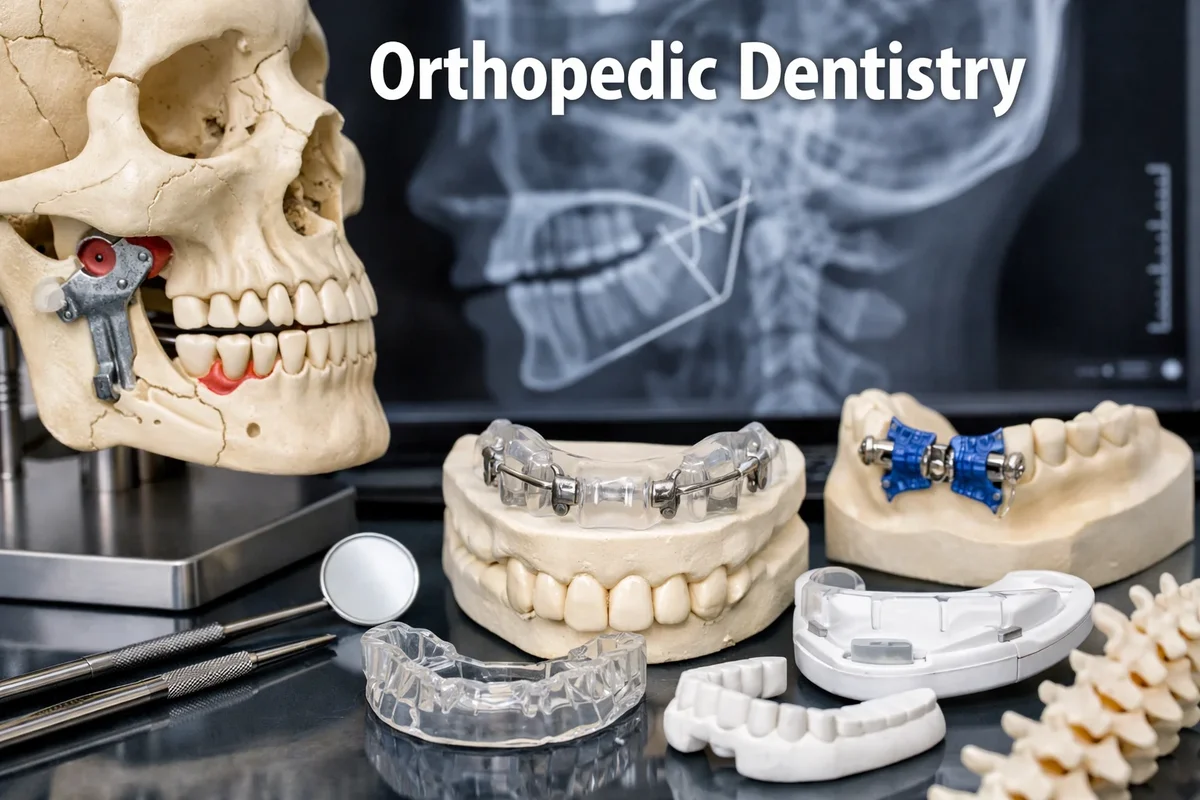
From a patient’s perspective, orthopedic dentistry may involve appliances designed to reposition the jaw, stimulate proper bone growth, or stabilize the bite. These devices are carefully adjusted over time to ensure gradual, controlled changes that respect the body’s natural adaptation processes. The goal is always to achieve a harmonious balance between function, comfort, and aesthetics without unnecessary strain on the dental structures.
It is also worth noting that orthopedic dentistry aligns closely with evidence-based dental standards and interdisciplinary care. Reputable organizations such as the American Dental Association recognize the importance of functional bite analysis and jaw health as part of comprehensive oral care. Dentists trained in orthopedic dentistry often collaborate with orthodontists, oral surgeons, and physical therapists to ensure optimal outcomes, especially in complex cases involving TMJ disorders or facial growth discrepancies.
For patients seeking advanced care, choosing a clinic that understands the principles of orthopedic dentistry is essential. A well-qualified dental team will take the time to assess jaw function, listen to symptoms, and explain treatment options clearly. If you are experiencing jaw discomfort, bite instability, or facial tension, reaching out through the Redent Klinik Contact Page can be an excellent first step toward a personalized orthopedic dentistry evaluation.
In summary, orthopedic dentistry represents a forward-thinking approach to oral health that goes far beyond cosmetic alignment. By addressing jaw structure, function, and growth, orthopedic dentistry provides a solid foundation for lifelong dental stability and comfort 🦷. Whether used preventively in children or therapeutically in adults, this specialized field plays a vital role in achieving a healthy, balanced, and fully functional smile.
The Science Behind Orthopedic Dentistry and Jaw Development
The scientific foundation of orthopedic dentistry lies in understanding how the jaws, facial bones, muscles, and teeth develop and function together as a single biomechanical system. Rather than viewing teeth as isolated units, orthopedic dentistry is rooted in craniofacial biology, growth patterns, and functional dynamics. This science-driven approach explains why correcting jaw relationships can have profound effects not only on oral health, but also on breathing, posture, and overall quality of life 🧠🦷.
Jaw development is a complex, time-sensitive process influenced by genetics, muscle activity, airway function, and environmental factors such as habits or trauma. Orthopedic dentistry studies these influences in detail to determine how and why improper jaw growth occurs. When the upper and lower jaws fail to develop in harmony, the result may be crowding, open bites, crossbites, facial asymmetry, or temporomandibular joint stress. The goal of orthopedic dentistry is to identify these imbalances early and guide development toward a healthier, more stable configuration.
How Jaw Growth Influences Oral and Facial Structure
During childhood and adolescence, the jaws are highly adaptable. Bone tissue responds to functional forces generated by chewing, swallowing, breathing, and speaking. Orthopedic dentistry leverages this biological adaptability by applying controlled forces that encourage proper jaw positioning and growth. This is why early intervention is often emphasized in orthopedic dentistry, as it allows clinicians to work with natural growth rather than against it.
When jaw growth is left unmanaged, compensations often occur. Teeth may erupt in crowded or rotated positions, muscles may overwork to achieve a functional bite, and joints may become overloaded. Over time, these compensations can lead to chronic pain, accelerated tooth wear, and aesthetic concerns. Orthopedic dentistry addresses these issues at their source by focusing on skeletal balance rather than simply aligning teeth within a flawed framework.
The Role of Muscles and Function in Orthopedic Dentistry
A key scientific principle in orthopedic dentistry is the relationship between muscles and bone. Muscles guide bone growth through repetitive functional patterns. For example, mouth breathing, tongue thrusting, or improper swallowing can alter jaw development over time. Orthopedic dentistry evaluates these functional habits and integrates corrective strategies into treatment planning.
By restoring proper muscle function, orthopedic dentistry helps normalize jaw movement and reduce abnormal forces on the teeth and joints. This functional dental orthopedics perspective ensures that improvements are not merely cosmetic but biologically sustainable. Patients often experience relief from muscle fatigue, tension headaches, and jaw clicking once muscular balance is restored 😊.
Scientific Diagnostics Used in Orthopedic Dentistry
Modern orthopedic dentistry relies on advanced diagnostic technologies to accurately assess jaw development. Three-dimensional imaging, digital bite analysis, and jaw tracking systems allow clinicians to visualize how the jaws move in real time. These tools provide objective data on joint position, muscle activity, and bite forces, enabling precise diagnosis and personalized treatment planning.
This data-driven approach distinguishes orthopedic dentistry from traditional methods that rely primarily on visual alignment of teeth. By understanding the underlying skeletal and functional relationships, clinicians can predict how changes in jaw position will affect long-term stability and comfort.
Growth Guidance vs. Compensation: A Scientific Distinction
One of the most important scientific concepts in orthopedic dentistry is the difference between guiding growth and compensating for problems. Traditional treatments often focus on camouflaging skeletal discrepancies by moving teeth. In contrast, orthopedic dentistry aims to guide jaw growth or reposition the jaws to create a balanced foundation.
This distinction is critical because compensatory treatments may look acceptable initially but can lead to relapse or dysfunction over time. Orthopedic dentistry prioritizes biological harmony, ensuring that teeth, bones, and muscles work together efficiently. This approach aligns with the broader principles of evidence-based dentistry promoted by organizations such as the American Dental Association, which emphasize function, stability, and patient-centered care.
In summary, the science behind orthopedic dentistry is grounded in craniofacial growth biology, muscle-bone interaction, and functional adaptation. By applying these principles, orthopedic dentistry offers a powerful framework for preventing and correcting jaw-related problems at their root cause. This scientific depth is what makes orthopedic dentistry a transformative approach for patients seeking long-term oral health, functional comfort, and balanced facial development.
Orthopedic Dentistry vs Traditional Dentistry: Key Differences
Understanding the difference between orthopedic dentistry and traditional dentistry is essential for patients who want long-term, functional, and preventive oral health solutions. While both fields aim to maintain healthy teeth and gums, their philosophies, diagnostic approaches, and treatment goals differ significantly. Orthopedic dentistry looks beyond individual teeth and focuses on the entire jaw system, whereas traditional dentistry primarily concentrates on tooth-level problems such as cavities, gum disease, and cosmetic alignment 🦷.
Traditional dentistry plays a critical role in maintaining oral hygiene, treating decay, and restoring damaged teeth. However, it often addresses symptoms rather than underlying structural causes. Orthopedic dentistry, on the other hand, is concerned with how the jaws develop, how the bite functions, and how muscles and joints interact. This difference in perspective explains why orthopedic dentistry is increasingly chosen by patients who suffer from chronic jaw pain, bite instability, or recurring dental issues despite previous treatments.
Philosophical Differences in Treatment Approach
The core philosophy of orthopedic dentistry is functional balance. It assumes that long-term oral health can only be achieved when the jaws, teeth, muscles, and joints are in harmony. Traditional dentistry generally follows a reactive model—treating problems as they appear. Orthopedic dentistry follows a proactive and preventive model, aiming to guide development and correct imbalances before they escalate.
For example, a patient with worn teeth might receive crowns in traditional dentistry. In orthopedic dentistry, the clinician would ask why the teeth are wearing down. Often, the answer lies in jaw misalignment or muscle overactivity. By correcting the jaw position first, orthopedic dentistry reduces the risk of future damage and increases the longevity of restorations 😊.
Diagnostic Methods: Surface-Level vs System-Level
Another major distinction lies in diagnostics. Traditional dentistry typically relies on X-rays, visual examinations, and periodontal assessments. These tools are effective for detecting decay or bone loss but offer limited insight into jaw function. Orthopedic dentistry incorporates advanced diagnostics such as 3D imaging, digital bite force analysis, and jaw movement tracking.
These system-level diagnostics allow orthopedic dentistry to identify issues such as uneven bite forces, joint compression, and abnormal jaw movement patterns. This deeper level of analysis ensures that treatment plans are customized to the patient’s unique anatomy rather than based on generalized standards.
Orthopedic Dentistry and Bite-Centered Planning
Bite alignment is where orthopedic dentistry truly separates itself from traditional approaches. In traditional dentistry, bite adjustments are often minimal and localized. Orthopedic dentistry treats the bite as a dynamic system that influences chewing efficiency, muscle health, and joint stability.
By centering treatment around the bite, orthopedic dentistry can improve chewing performance, reduce muscle strain, and alleviate symptoms such as jaw clicking or headaches. This bite-centered planning is especially valuable for patients with temporomandibular joint concerns or chronic facial tension.
Short-Term Fixes vs Long-Term Stability
Traditional dentistry often prioritizes immediate problem-solving, which is appropriate in emergency or acute care situations. Orthopedic dentistry prioritizes long-term stability. Treatments may take longer initially, but they aim to produce results that last for decades rather than years.
This long-term focus reduces the likelihood of repeated dental work, making orthopedic dentistry a cost-effective solution over time despite potentially higher upfront planning and diagnostic efforts. Patients benefit from fewer complications, reduced maintenance, and improved comfort.
Patient Experience and Outcomes
From the patient’s perspective, orthopedic dentistry often feels more comprehensive and personalized. Appointments may be longer, with detailed explanations of jaw mechanics and treatment goals. Patients are actively involved in understanding how their habits, posture, and breathing affect their oral health.
Traditional dentistry remains essential for routine care and acute treatment, but when combined with orthopedic dentistry principles, outcomes improve significantly. This integrated approach aligns with modern, evidence-based standards supported by institutions like the American Dental Association, which emphasize patient-centered, functional care.
In conclusion, the difference between orthopedic dentistry and traditional dentistry lies in scope, depth, and long-term vision. While traditional dentistry focuses on teeth, orthopedic dentistry focuses on the foundation that supports them. For patients seeking durable results, functional comfort, and preventive care, orthopedic dentistry offers a more holistic and future-oriented solution 🌟.
Who Needs Orthopedic Dentistry? Signs, Symptoms, and Ideal Age
Orthopedic dentistry is not limited to a specific age group or a narrow set of dental problems. Instead, it serves a wide range of patients who experience functional, structural, or developmental issues related to jaw alignment and bite balance. Understanding who needs orthopedic dentistry begins with recognizing that many oral health problems are not caused by teeth alone, but by how the jaws grow, align, and function together over time 🦷.
Many patients live for years with symptoms they never realize are connected to jaw imbalance. Chronic headaches, jaw clicking, facial muscle fatigue, neck pain, uneven tooth wear, and even breathing difficulties can all be indicators that orthopedic dentistry may be beneficial. Because these symptoms often develop gradually, they are frequently overlooked or treated in isolation rather than as part of a larger functional pattern.
Common Signs That Indicate a Need for Orthopedic Dentistry
There are several clear warning signs that suggest a patient may benefit from orthopedic dentistry. One of the most common is bite discomfort—when the teeth do not come together comfortably or evenly. Patients may notice that they habitually shift their jaw to one side when biting or that only certain teeth make contact. Orthopedic dentistry identifies why these imbalances occur and addresses them at the jaw level rather than simply adjusting tooth surfaces.
Jaw joint symptoms are another strong indicator. Clicking, popping, locking, or pain in the temporomandibular joint (TMJ) often point to misalignment between the jaw position and muscle function. Orthopedic dentistry evaluates joint loading and muscle coordination to reduce stress on these structures. Over time, this approach can significantly reduce joint discomfort and improve jaw mobility 😊.
Children and Adolescents: The Ideal Window for Orthopedic Dentistry
From a developmental perspective, childhood and adolescence are considered the most effective periods for orthopedic dentistry intervention. During these stages, the jawbones are still growing and can be guided into a more favorable position. Orthopedic dentistry in young patients focuses on growth guidance rather than correction, making treatment more efficient and less invasive.
Signs in children that may indicate a need for orthopedic dentistry include mouth breathing, snoring, thumb sucking beyond early childhood, crowded teeth, crossbites, or noticeable facial asymmetry. Early evaluation allows orthopedic dentistry to influence jaw development in harmony with natural growth patterns, potentially reducing or eliminating the need for complex orthodontic or surgical procedures later in life.
Orthopedic Dentistry for Adults: Is It Too Late?
A common misconception is that orthopedic dentistry is only effective for children. In reality, adults can also benefit greatly from orthopedic dentistry, especially when dealing with long-standing bite issues, jaw pain, or dental restorations that repeatedly fail. While adult jawbones no longer grow, they can still be repositioned and stabilized through carefully planned orthopedic dentistry treatments.
For adults, orthopedic dentistry often focuses on improving jaw position, redistributing bite forces, and relieving muscle and joint stress. This can be particularly important before undergoing extensive dental work such as crowns, implants, or full-mouth rehabilitation. By establishing a stable jaw foundation first, orthopedic dentistry increases the success and longevity of restorative treatments.
Functional and Lifestyle Indicators
Beyond physical symptoms, certain lifestyle and functional factors may also signal a need for orthopedic dentistry. Patients who grind or clench their teeth, experience frequent dental fractures, or feel persistent facial tension may be compensating for an unstable bite. Orthopedic dentistry identifies these compensations and works to eliminate the underlying cause.
Breathing and sleep issues are also increasingly linked to jaw structure. Narrow arches or retruded jaws can contribute to airway restriction. In such cases, orthopedic dentistry may play a supportive role by improving jaw posture and oral space, complementing other medical interventions.
When to Seek an Orthopedic Dentistry Evaluation
The best time to seek an orthopedic dentistry evaluation is when symptoms persist despite routine dental care or when multiple dental issues recur over time. A comprehensive assessment considers jaw position, muscle function, bite dynamics, and facial balance rather than focusing solely on teeth.
Clinics that practice orthopedic dentistry often follow evidence-based diagnostic and treatment principles aligned with standards supported by organizations such as the American Dental Association. This ensures that patients receive care rooted in both scientific understanding and clinical experience.
In summary, orthopedic dentistry is suitable for anyone experiencing bite-related discomfort, jaw dysfunction, developmental concerns, or repeated dental problems without a clear cause. Whether applied early in life or later as a corrective strategy, orthopedic dentistry offers a comprehensive solution aimed at restoring balance, comfort, and long-term oral stability 🌟.
Common Treatments Used in Orthopedic Dentistry
Orthopedic dentistry uses a range of specialized treatments designed to correct jaw imbalances, improve bite function, and create long-term stability in the oral system. Unlike conventional dental treatments that primarily address teeth, orthopedic dentistry focuses on guiding or repositioning the jaws so that teeth, muscles, and joints can function in harmony. These treatments are highly individualized and based on detailed functional and structural assessments 🦷.
The goal of orthopedic dentistry treatments is not only to relieve symptoms such as pain or discomfort but also to address the underlying causes of dysfunction. By doing so, orthopedic dentistry helps prevent future complications such as excessive tooth wear, joint degeneration, or repeated restorative failures. Understanding the most common treatment modalities provides valuable insight into how comprehensive and preventive this approach truly is.
Functional Orthopedic Appliances
One of the most widely used tools in orthopedic dentistry is the functional orthopedic appliance. These custom-made devices are designed to guide jaw position, influence muscle activity, and promote balanced growth or adaptation. In children and adolescents, orthopedic dentistry appliances encourage proper jaw development during critical growth periods.
In adults, functional appliances are often used to reposition the jaw into a more stable and comfortable alignment. This can significantly reduce muscle tension, joint stress, and bite instability. Orthopedic dentistry appliances are typically worn for specific periods each day and adjusted gradually to ensure controlled, biologically compatible changes 😊.
Occlusal Splints and Bite Stabilization Devices
Occlusal splints are another common treatment in orthopedic dentistry, particularly for patients with jaw joint symptoms or muscle-related discomfort. These devices are designed to stabilize the bite, redistribute forces evenly, and reduce harmful habits such as clenching or grinding.
Unlike generic night guards, splints used in orthopedic dentistry are carefully calibrated based on jaw position and functional analysis. This ensures that the jaw joints are properly supported and that muscle activity is normalized. Over time, patients often experience reduced pain, improved jaw mobility, and better overall comfort.
Orthopedic Dentistry and Muscle Re-education
A critical but often overlooked component of orthopedic dentistry treatment is muscle re-education. Jaw muscles play a central role in determining how the jaws move and rest. If muscles are overactive or imbalanced, even well-aligned teeth can function poorly.
Orthopedic dentistry incorporates techniques to retrain muscles through appliance therapy, posture awareness, and functional exercises. By addressing muscle behavior alongside skeletal alignment, orthopedic dentistry ensures that treatment results are stable and sustainable rather than temporary.
Growth Guidance and Early Intervention Treatments
In younger patients, orthopedic dentistry often emphasizes growth guidance rather than correction. Early intervention treatments are designed to influence jaw growth patterns before problems become severe. This may involve expanding narrow arches, encouraging forward jaw development, or correcting asymmetries during growth spurts.
These treatments are especially effective because they work with the body’s natural growth processes. Orthopedic dentistry during childhood can reduce the need for extractions, complex orthodontics, or surgical interventions later in life. Parents often appreciate this preventive aspect, as it minimizes long-term risks and treatment complexity 🌱.
Orthopedic Dentistry in Comprehensive Rehabilitation
For adults requiring extensive dental restorations, orthopedic dentistry often plays a foundational role. Before placing crowns, bridges, or implants, clinicians may use orthopedic dentistry techniques to stabilize the jaw and establish an optimal bite position.
This approach ensures that restorative work is not subjected to excessive forces or unstable jaw dynamics. As a result, restorations last longer and function more comfortably. Orthopedic dentistry thus becomes an essential part of full-mouth rehabilitation planning.
Interdisciplinary Treatment Integration
Orthopedic dentistry rarely operates in isolation. It is frequently integrated with orthodontics, prosthodontics, and sometimes physical therapy. This interdisciplinary approach allows for comprehensive management of complex cases involving jaw joints, facial muscles, and dental alignment.
Clinics practicing orthopedic dentistry often follow evidence-based protocols consistent with guidelines promoted by organizations such as the American Dental Association. This ensures that treatments are grounded in scientific research and clinical best practices.
In summary, the treatments used in orthopedic dentistry are diverse, precise, and highly personalized. From functional appliances and splints to growth guidance and rehabilitation support, orthopedic dentistry offers solutions that address the root causes of dysfunction rather than temporary symptoms. This comprehensive treatment philosophy is what makes orthopedic dentistry a powerful tool for achieving long-term oral health, comfort, and stability 🌟.
Benefits of Orthopedic Dentistry for Long-Term Oral Health
Orthopedic dentistry offers a wide range of long-term benefits that go far beyond immediate symptom relief. By addressing the structural and functional foundation of the oral system, orthopedic dentistry aims to create lasting balance between the jaws, teeth, muscles, and joints. This holistic approach not only improves oral comfort but also helps protect patients from recurring dental problems that often arise when underlying jaw issues remain untreated 🦷.
One of the most significant advantages of orthopedic dentistry is its preventive nature. Rather than repeatedly treating the consequences of bite instability or jaw misalignment, orthopedic dentistry focuses on correcting the root cause. This shift in strategy leads to more predictable outcomes, fewer complications, and a healthier oral environment over the long term.
Improved Bite Function and Chewing Efficiency
A properly aligned jaw is essential for efficient chewing and even force distribution. Orthopedic dentistry works to harmonize the bite so that all teeth participate evenly during function. When bite forces are balanced, the risk of excessive wear, fractures, and sensitivity is greatly reduced.
Patients who undergo orthopedic dentistry often report that chewing feels more natural and less tiring. This improvement is not merely subjective; it reflects better coordination between jaw position and muscle activity. Over time, this functional stability supports healthier digestion and reduces stress on the jaw joints 😊.
Reduced Risk of Temporomandibular Joint Problems
Temporomandibular joint (TMJ) disorders are frequently linked to jaw misalignment and muscle imbalance. Orthopedic dentistry directly addresses these factors by optimizing jaw position and reducing abnormal joint loading. As a result, many patients experience relief from jaw pain, clicking, or locking.
By stabilizing the bite and improving muscle coordination, orthopedic dentistry helps protect the TMJ from long-term degeneration. This is especially important for patients who grind or clench their teeth, as these habits can accelerate joint wear when the bite is unstable.
Long-Term Muscle Health and Comfort
Jaw muscles are highly sensitive to imbalance. When the bite is uneven, muscles must compensate, often leading to chronic tension and fatigue. Orthopedic dentistry reduces the need for such compensation by aligning the jaws into a more natural resting position.
This muscle-centered benefit extends beyond the mouth. Patients often notice reduced facial tension, fewer tension headaches, and improved neck comfort. These improvements highlight how orthopedic dentistry contributes to overall musculoskeletal well-being rather than isolated dental outcomes.
Protection of Teeth and Dental Restorations
One of the less obvious but critically important benefits of orthopedic dentistry is the protection it provides to natural teeth and dental restorations. Uneven bite forces can cause restorations to fail prematurely and accelerate enamel wear. Orthopedic dentistry creates a stable foundation that allows restorations to function as intended.
For patients with crowns, bridges, or implants, orthopedic dentistry can significantly extend the lifespan of dental work. By ensuring that forces are evenly distributed, it reduces the likelihood of chipping, loosening, or structural damage. This makes orthopedic dentistry a smart long-term investment in oral health 💡.
Enhanced Stability After Orthodontic Treatment
Relapse after orthodontic treatment is a common concern when jaw imbalances are not addressed. Orthopedic dentistry complements orthodontics by stabilizing the skeletal foundation that supports tooth alignment.
When the jaws are properly positioned, teeth are more likely to remain in their corrected positions. This synergy between orthodontics and orthopedic dentistry improves long-term treatment success and reduces the need for repeated interventions.
Overall Quality of Life Improvements
The benefits of orthopedic dentistry often extend into daily life in unexpected ways. Improved jaw function can enhance speech clarity, breathing patterns, and even sleep quality in some patients. Reduced pain and discomfort contribute to better concentration, mood, and overall well-being.
Clinics that practice orthopedic dentistry typically follow evidence-based care principles aligned with organizations such as the American Dental Association. This ensures that treatments are not only effective but also grounded in scientific research and patient safety.
In conclusion, the long-term benefits of orthopedic dentistry are comprehensive and far-reaching. By promoting functional balance, protecting dental structures, and enhancing overall comfort, orthopedic dentistry supports a healthier, more stable oral system for years to come 🌟. Patients who invest in orthopedic dentistry often experience fewer dental problems, greater comfort, and improved confidence in their oral health.
Orthopedic Dentistry and Facial Aesthetics: Beyond Teeth
Orthopedic dentistry is often associated with functional improvements such as better bite alignment and jaw comfort, but its impact on facial aesthetics is equally significant. Unlike cosmetic dentistry, which primarily focuses on the appearance of teeth, orthopedic dentistry influences the underlying skeletal and muscular structures that define facial shape, symmetry, and balance. By addressing jaw position and development, orthopedic dentistry can subtly but meaningfully enhance a patient’s overall facial appearance 😊.
The face is supported by a complex framework of bones and muscles, with the jaws playing a central role. When jaw alignment is compromised, facial proportions can be affected, leading to asymmetry, a recessed chin, strained lips, or an imbalanced profile. Orthopedic dentistry evaluates these relationships holistically, recognizing that facial aesthetics and oral function are deeply interconnected.
The Relationship Between Jaw Position and Facial Balance
Jaw position has a direct influence on how the face looks at rest and in motion. A retruded or excessively forward jaw can alter the profile, affecting the harmony between the nose, lips, and chin. Orthopedic dentistry works to optimize jaw position so that facial features appear more balanced and natural.
Rather than forcing dramatic changes, orthopedic dentistry aims for subtle corrections that respect the patient’s natural anatomy. These adjustments often result in a more relaxed facial expression, improved lip support, and a profile that appears more proportionate. Patients frequently notice that their face looks less tense and more youthful after orthopedic dentistry treatment.
Orthopedic Dentistry and Muscle Tone
Facial muscles are highly responsive to jaw alignment. When the bite is unstable, muscles may remain in a constant state of compensation, leading to tightness or uneven muscle development. Orthopedic dentistry reduces this muscular strain by establishing a stable jaw position that allows muscles to function efficiently.
As muscle balance improves, facial contours often become smoother and more symmetrical. This effect is not cosmetic in the traditional sense but rather a natural result of improved function. Orthopedic dentistry demonstrates how functional health and aesthetic appearance are closely linked 🧠.
Impact on the Lower Face and Smile Dynamics
The lower third of the face is particularly influenced by jaw position. Orthopedic dentistry can improve the vertical dimension of the face, preventing a collapsed or over-closed appearance that may occur with bite loss or jaw misalignment.
Smile dynamics also benefit from orthopedic dentistry. When the jaws are properly aligned, the smile appears more balanced, and lip movement during speech and smiling becomes more natural. This contributes to a confident, relaxed appearance that patients often find transformative.
Facial Growth Guidance in Younger Patients
In children and adolescents, orthopedic dentistry plays a vital role in guiding facial growth. Early intervention can influence jaw development in a way that supports balanced facial proportions as the child matures. This growth guidance approach is one of the most powerful aesthetic benefits of orthopedic dentistry.
By addressing issues such as narrow arches or jaw asymmetry early, orthopedic dentistry helps prevent more pronounced facial imbalances later in life. This proactive strategy supports both functional health and natural-looking facial aesthetics without the need for aggressive corrective measures.
Orthopedic Dentistry vs Cosmetic Dentistry
It is important to distinguish orthopedic dentistry from cosmetic dentistry. Cosmetic procedures focus on enhancing the appearance of teeth through veneers, whitening, or reshaping. Orthopedic dentistry focuses on the foundation that supports the teeth and face.
When cosmetic treatments are performed without addressing jaw alignment, results may be visually appealing but functionally unstable. Orthopedic dentistry ensures that any aesthetic improvements are supported by a balanced skeletal and muscular framework, leading to more sustainable outcomes.
Confidence and Psychological Benefits
Facial balance and comfort play a significant role in self-confidence. Patients who undergo orthopedic dentistry often report feeling more at ease in social situations due to improved facial harmony and reduced discomfort. These psychological benefits highlight the broader impact of orthopedic dentistry on overall well-being.
Clinics that integrate orthopedic dentistry into their treatment philosophy often adhere to evidence-based standards supported by organizations such as the American Dental Association. This ensures that aesthetic improvements are achieved responsibly, with patient health as the top priority.
In summary, orthopedic dentistry extends far beyond teeth, influencing facial aesthetics through improved jaw position, muscle balance, and structural harmony 🌟. By addressing the root causes of facial imbalance, orthopedic dentistry offers natural, functional, and lasting aesthetic benefits that enhance both appearance and quality of life.
Orthopedic Dentistry Treatment Timeline and What to Expect
Orthopedic dentistry follows a structured yet highly personalized treatment timeline that is designed to respect the body’s natural adaptation processes. Unlike conventional dental treatments that may offer immediate results, orthopedic dentistry prioritizes gradual, stable, and biologically sound changes. Understanding what to expect during the orthopedic dentistry journey helps patients feel informed, confident, and actively involved in their care 😊.
The duration and stages of orthopedic dentistry treatment vary depending on age, jaw structure, severity of imbalance, and treatment goals. However, all orthopedic dentistry plans share a common framework: comprehensive diagnosis, functional correction, stabilization, and long-term maintenance. Each phase plays a critical role in achieving lasting results.
Initial Evaluation and Diagnostic Phase
The first step in orthopedic dentistry is an in-depth evaluation that goes far beyond a routine dental check-up. This phase focuses on understanding how the jaws, muscles, joints, and teeth interact as a system. Orthopedic dentistry assessments typically include bite analysis, jaw movement evaluation, facial symmetry review, and advanced imaging when necessary.
During this phase, patients are often asked about symptoms such as jaw pain, headaches, muscle tension, or chewing difficulties. These details help the clinician identify functional patterns that may not be visible during a standard exam. Orthopedic dentistry relies on this detailed diagnostic foundation to ensure that treatment addresses root causes rather than surface-level issues.
Personalized Treatment Planning in Orthopedic Dentistry
Once diagnostic data is collected, a customized orthopedic dentistry treatment plan is developed. This plan outlines the type of appliances or interventions required, the estimated duration of treatment, and the expected outcomes. Unlike standardized approaches, orthopedic dentistry plans are tailored to the individual’s anatomy and functional needs.
Patients are guided through the rationale behind each step, ensuring transparency and trust. This educational aspect is a defining feature of orthopedic dentistry, as informed patients are more likely to follow recommendations and achieve optimal results.
Active Treatment Phase: Gradual Functional Correction
The active phase of orthopedic dentistry involves the use of appliances or devices designed to guide jaw position, improve muscle coordination, or stabilize the bite. Changes are introduced gradually to allow the body to adapt without undue stress.
This phase may last several months to over a year, depending on the complexity of the case. Regular follow-up appointments are essential, as appliances are adjusted incrementally to maintain progress. Orthopedic dentistry emphasizes patience during this phase, as rushed changes can compromise long-term stability.
What Patients Typically Feel During Treatment
Most patients describe orthopedic dentistry treatment as comfortable, though mild muscle awareness or temporary pressure may occur as the jaw adapts. These sensations are generally short-lived and indicate that the body is responding to improved alignment.
Unlike aggressive corrective methods, orthopedic dentistry respects neuromuscular balance. Patients are encouraged to report any discomfort so adjustments can be made promptly, reinforcing the patient-centered nature of orthopedic dentistry 😊.
Stabilization and Retention Phase
Once the desired jaw position and functional balance are achieved, orthopedic dentistry enters the stabilization phase. This stage ensures that the new alignment is maintained while muscles and joints fully adapt.
Stabilization may involve continued use of appliances at reduced intervals or transition to supportive devices that preserve the corrected bite. This phase is critical in preventing relapse and securing the long-term benefits of orthopedic dentistry.
Integration With Other Dental Treatments
Orthopedic dentistry often serves as a foundation for additional dental procedures. Orthodontic alignment, restorative work, or cosmetic enhancements are typically more successful after jaw stability is established.
By sequencing treatment appropriately, orthopedic dentistry increases the predictability and durability of subsequent dental care. This integrated approach reflects best practices supported by organizations such as the American Dental Association.
Long-Term Maintenance and Follow-Up
The final phase of orthopedic dentistry focuses on long-term maintenance. Periodic check-ups allow clinicians to monitor jaw stability, muscle function, and bite integrity over time.
Patients are also educated on habits that support treatment longevity, such as proper posture, stress management, and awareness of clenching or grinding. These lifestyle considerations reinforce the functional gains achieved through orthopedic dentistry.
In conclusion, the orthopedic dentistry treatment timeline is a carefully structured process that prioritizes accuracy, adaptation, and long-term success 🌟. By understanding what to expect at each stage, patients can approach orthopedic dentistry with confidence, knowing that each phase is designed to build a stable, comfortable, and healthy oral foundation.
Choosing the Right Clinic for Orthopedic Dentistry Treatment
Selecting the right clinic for orthopedic dentistry is one of the most important decisions a patient can make on the path to long-term oral health. Because orthopedic dentistry focuses on jaw function, skeletal balance, and neuromuscular harmony, it requires a higher level of expertise, diagnostics, and individualized planning than routine dental care. Choosing a clinic that truly understands and practices orthopedic dentistry can make the difference between temporary relief and lasting, life-changing results 🦷.
Unlike conventional treatments that may look similar across clinics, orthopedic dentistry outcomes are highly dependent on the clinician’s philosophy, training, and diagnostic accuracy. Patients should therefore approach clinic selection thoughtfully, with an emphasis on functional expertise rather than marketing claims alone.
Experience and Training in Orthopedic Dentistry
The first and most critical factor is the clinician’s experience in orthopedic dentistry. Not all dentists are trained to evaluate jaw position, muscle coordination, and bite dynamics at an advanced level. A qualified orthopedic dentistry provider should demonstrate a clear understanding of craniofacial growth, occlusion, and temporomandibular joint mechanics.
Patients should feel comfortable asking about the dentist’s background, continuing education, and clinical focus. Clinics that specialize in orthopedic dentistry often invest heavily in advanced training and stay updated with evolving research. This commitment reflects a long-term dedication to functional care rather than short-term cosmetic solutions 😊.
Advanced Diagnostic Capabilities
Orthopedic dentistry depends on precise diagnosis. A reputable clinic should use comprehensive diagnostic tools such as digital bite analysis, jaw tracking, facial assessment, and three-dimensional imaging when appropriate. These technologies allow clinicians to understand how the jaws move and interact under real functional conditions.
Clinics that rely solely on visual inspections or standard X-rays may miss critical functional issues. Orthopedic dentistry requires a system-level view, and advanced diagnostics are essential to building accurate, individualized treatment plans.
Personalized Treatment Planning
One of the defining qualities of a high-quality orthopedic dentistry clinic is its approach to treatment planning. Each patient’s anatomy, symptoms, lifestyle, and goals should be considered. There should be no “one-size-fits-all” solutions.
A trustworthy orthopedic dentistry clinic will take time to explain findings, discuss options, and outline realistic timelines. Patients should feel informed and involved, not rushed into decisions. This transparency builds trust and supports better outcomes.
Interdisciplinary and Evidence-Based Care
Orthopedic dentistry often intersects with orthodontics, restorative dentistry, and sometimes physical therapy or sleep medicine. Clinics that collaborate across disciplines are better equipped to manage complex cases involving jaw joints, facial muscles, and bite stability.
Evidence-based practice is another essential factor. Clinics aligned with professional standards supported by organizations such as the American Dental Association demonstrate a commitment to patient safety, scientific integrity, and ethical care. This alignment ensures that orthopedic dentistry treatments are grounded in proven principles rather than experimental or unverified methods.
Patient Education and Communication
Orthopedic dentistry is most successful when patients understand their condition and treatment goals. A strong clinic prioritizes education, helping patients recognize how jaw position affects their symptoms and overall health.
Clear communication also includes discussing expectations, maintenance requirements, and long-term follow-up. Orthopedic dentistry is a process, not a single appointment, and clinics should prepare patients accordingly.
Comfort, Trust, and Long-Term Support
Because orthopedic dentistry treatment often spans months and involves regular visits, patient comfort and trust are essential. Clinics should foster an environment where patients feel heard, respected, and supported throughout their journey.
Long-term follow-up is another hallmark of quality care. Orthopedic dentistry does not end when active treatment concludes; ongoing monitoring ensures stability and helps prevent relapse. Clinics that emphasize long-term relationships rather than quick fixes are better suited to deliver lasting results 🌟.
For patients seeking a clinic that values comprehensive evaluation, transparent communication, and patient-centered care, reaching out through the Redent Klinik Contact Page can be an excellent starting point for an orthopedic dentistry consultation.
In conclusion, choosing the right clinic for orthopedic dentistry requires careful consideration of expertise, diagnostics, philosophy, and patient support. When these elements align, orthopedic dentistry becomes a powerful tool for achieving not only a healthy bite, but also long-term comfort, stability, and confidence. The right clinic does more than treat symptoms—it builds a strong functional foundation for lifelong oral health 😊.
Orthopedic Dentistry Costs, Value, and Long-Term Investment
When patients consider orthopedic dentistry, one of the most common questions revolves around cost and overall value. Unlike routine dental procedures with standardized fees, orthopedic dentistry is a highly individualized form of care that focuses on jaw alignment, functional balance, and long-term stability. Because of this comprehensive scope, orthopedic dentistry should be viewed not as a short-term expense, but as a strategic investment in lifelong oral and overall health 🦷.
The cost structure of orthopedic dentistry reflects the depth of diagnostics, customization, and ongoing care involved. While initial costs may appear higher than conventional treatments, the long-term benefits often outweigh the upfront investment by reducing future dental complications, repeated treatments, and chronic discomfort.
What Determines the Cost of Orthopedic Dentistry?
Several factors influence the overall cost of orthopedic dentistry. One of the most important is case complexity. Patients with mild bite instability may require shorter treatment durations and simpler appliances, while those with significant jaw discrepancies or long-standing dysfunction may need more extensive care.
Diagnostic procedures also play a major role. Orthopedic dentistry relies on advanced evaluations such as functional bite analysis, jaw tracking, and sometimes 3D imaging. These diagnostics are essential for accuracy and personalization, ensuring that treatment addresses root causes rather than symptoms.
Typical Cost Ranges and What They Include
Although exact pricing varies by region and clinic, orthopedic dentistry treatments often fall within a broader range than standard dental procedures. Costs typically include comprehensive diagnostics, custom appliance fabrication, periodic adjustments, and follow-up evaluations.
In many cases, orthopedic dentistry costs are comparable to or slightly higher than advanced orthodontic treatments. However, unlike purely cosmetic alignment, orthopedic dentistry provides functional correction that supports joint health, muscle balance, and bite stability. This added value is a key reason why many patients find the investment worthwhile 😊.
Why Orthopedic Dentistry Can Reduce Future Dental Costs
One of the most compelling financial advantages of orthopedic dentistry is its preventive impact. By stabilizing the jaw and bite, orthopedic dentistry reduces excessive tooth wear, restoration failure, and joint degeneration. This means fewer crowns, repairs, or replacements over time.
Patients who skip functional correction often face recurring dental issues that accumulate costs over the years. Orthopedic dentistry helps break this cycle by establishing a stable foundation that supports all future dental care.
Insurance Considerations and Coverage Limitations
Insurance coverage for orthopedic dentistry varies widely. Some plans may partially cover diagnostic procedures or appliances when treatment is deemed medically necessary, particularly in cases involving jaw dysfunction or joint symptoms.
However, because orthopedic dentistry is sometimes categorized differently from traditional dental services, patients should not rely solely on insurance when evaluating affordability. Many clinics assist patients by providing detailed treatment plans, cost breakdowns, and flexible payment options.
Orthopedic Dentistry as a Health Investment
It is important to frame orthopedic dentistry as a health investment rather than a cosmetic upgrade. Improved jaw function can reduce chronic pain, enhance chewing efficiency, and support better sleep and breathing patterns in some patients.
These benefits contribute to overall well-being and productivity, which adds indirect value beyond dental health alone. When viewed through this broader lens, orthopedic dentistry often proves to be a cost-effective choice over time.
Evaluating Value Beyond Price
Choosing orthopedic dentistry based solely on price can be misleading. The true value lies in diagnostic accuracy, clinician expertise, and long-term outcomes. A lower-cost treatment that fails to address jaw imbalance may result in higher expenses later due to relapse or complications.
Clinics that practice evidence-based orthopedic dentistry, in line with standards supported by organizations such as the American Dental Association, focus on patient safety, transparency, and durable results. This commitment enhances the overall value of care.
Making an Informed Decision
Patients considering orthopedic dentistry are encouraged to request a comprehensive evaluation and detailed treatment plan. This allows for clear understanding of costs, timelines, and expected outcomes before committing to care.
For those seeking professional guidance and transparent planning, contacting a specialized clinic through the Redent Klinik Contact Page can provide clarity and confidence when exploring orthopedic dentistry options.
In conclusion, while orthopedic dentistry may require a greater initial financial commitment, its long-term value is substantial 🌟. By preventing future problems, protecting dental investments, and improving overall function, orthopedic dentistry stands out as a smart, forward-looking choice for patients who prioritize lasting oral health and quality of life.