
When searching for affordable dental care, many people come across the term out of pocket dentist and wonder exactly what it means. Simply put, an out of pocket dentist is a dental professional whose services are paid directly by the patient rather than through a dental insurance provider. While insurance can help reduce some dental expenses, many patients today are discovering that visiting an out of pocket dentist offers unique advantages, including greater treatment flexibility, transparent pricing, and the freedom to choose the best provider for their needs.
The concept of an out of pocket dentist has become increasingly popular as dental insurance plans have become more complex. Many insurance policies contain annual coverage limits, waiting periods, exclusions, and restrictions on specific procedures. As a result, patients often find themselves paying significant costs even when they have insurance. In some situations, choosing an out of pocket dentist can be a simpler and more cost-effective solution.
One of the biggest benefits of working with an out of pocket dentist is transparency. Unlike insurance-based treatment plans that can involve confusing claims and reimbursement processes, an out of pocket dentist typically provides a detailed estimate before treatment begins. This allows patients to understand the expected costs and make informed decisions about their oral healthcare.
🦷 Another major advantage is treatment freedom. Insurance companies sometimes limit coverage to procedures they consider medically necessary. However, an out of pocket dentist can recommend treatments based entirely on the patient’s clinical needs and personal goals. This is particularly valuable for cosmetic procedures such as veneers, professional teeth whitening, smile makeovers, and certain orthodontic treatments, which are frequently excluded from insurance coverage.
Many patients assume that visiting an out of pocket dentist is always more expensive than using insurance. In reality, this is not always the case. When insurance premiums, deductibles, annual maximums, and co-payments are added together, the total cost can sometimes exceed what a patient would pay directly to an out of pocket dentist. Individuals who only require routine preventive care may discover that paying directly is the more economical choice.
Patients who choose an out of pocket dentist also enjoy greater flexibility when selecting a provider. Instead of being limited to a network approved by an insurance company, they can choose a dentist based on experience, reputation, advanced technology, patient reviews, and treatment philosophy. This freedom often leads to better patient satisfaction and stronger long-term relationships with dental professionals.
💡 Financial planning is important when considering an out of pocket dentist. Fortunately, many dental clinics understand that treatment costs can be a concern and therefore offer payment plans, financing options, membership programs, and phased treatment schedules. These options allow patients to spread costs over time while still receiving necessary care.
Below are some common examples of average dental treatment costs that patients may encounter when visiting an out of pocket dentist in the United States:
- Dental examination: $50–$200
- Professional cleaning: $75–$250
- Dental X-rays: $25–$250
- Composite filling: $150–$450 per tooth
- Root canal treatment: $700–$2,000
- Dental crown: $800–$2,500
- Dental implant: $3,000–$6,000 per tooth
- Porcelain veneers: $900–$2,500 per tooth
These figures can vary depending on geographic location, treatment complexity, materials used, and the expertise of the dental provider. A reputable out of pocket dentist will explain all available treatment options and associated costs before any procedure begins.
Another reason many people prefer an out of pocket dentist is faster access to care. Insurance authorization requirements can sometimes delay treatment. By paying directly, patients can often schedule procedures more quickly and avoid administrative complications. This can be especially important when dealing with dental emergencies such as severe tooth pain, infections, broken teeth, or damaged restorations.
The term self-pay dentist is often used interchangeably with out of pocket dentist. Similarly, some patients refer to these providers as cash-pay dentists. While the terminology may vary, the underlying concept remains the same: patients pay directly for dental services without relying on insurance reimbursement.
🌟 An out of pocket dentist can be particularly beneficial for freelancers, self-employed professionals, retirees, international patients, and individuals whose employers do not offer dental insurance benefits. For these groups, direct payment often provides a straightforward and predictable way to manage oral healthcare expenses.
Maintaining good oral health remains essential regardless of whether treatment is covered by insurance. Regular examinations, professional cleanings, and early intervention can prevent minor issues from developing into expensive and complex dental problems. By working with an experienced out of pocket dentist, patients can receive personalized care tailored to their specific needs and goals.
Patients interested in learning more about treatment options or scheduling an appointment can visit the Redent Klinik Contact Page. Additional oral health information and educational resources are available through the American Dental Association.
In conclusion, an out of pocket dentist offers a practical alternative to traditional insurance-based dental care. Through transparent pricing, provider flexibility, personalized treatment planning, and direct communication, an out of pocket dentist allows patients to take greater control of their oral health decisions. As healthcare costs continue to evolve, more individuals are recognizing that an out of pocket dentist can provide excellent value, high-quality care, and a simpler path toward maintaining a healthy and confident smile. 😊
What Does an Out of Pocket Dentist Mean?
Understanding the meaning of an out of pocket dentist is essential for anyone exploring dental care options outside traditional insurance systems. In simple terms, an out of pocket dentist is a dental professional whose services are paid directly by the patient rather than through a dental insurance provider. Instead of submitting claims and waiting for insurance approvals, patients pay the agreed treatment fee themselves and receive care without the involvement of an insurance company.
Over the past decade, the concept of an out of pocket dentist has gained popularity as many patients have become frustrated with insurance limitations, annual maximums, exclusions, waiting periods, and denied claims. While dental insurance can be beneficial in some circumstances, many people discover that working directly with an out of pocket dentist offers greater transparency, flexibility, and control over their oral healthcare decisions.
How an Out of Pocket Dentist Works
When visiting an out of pocket dentist, patients receive an examination, diagnosis, and treatment plan just as they would at any other dental office. The primary difference is how the treatment is paid for. Rather than relying on an insurance company to cover part of the cost, the patient pays the dental clinic directly.
Most out of pocket dentist practices provide detailed treatment estimates before beginning care. This allows patients to understand exactly what services are recommended, how much they will cost, and what payment options may be available.
For example, if a patient requires a dental crown, the out of pocket dentist may provide a written estimate showing the cost of the examination, X-rays, tooth preparation, laboratory work, and crown placement. The patient can then decide whether to proceed immediately or schedule treatment according to their budget.
Why the Term Is Becoming More Common
Many patients are surprised to learn that even those with dental insurance often pay substantial amounts themselves. Dental insurance plans typically include annual coverage limits ranging from $1,000 to $2,000. Once this limit is reached, all additional treatment expenses become the patient’s responsibility.
This reality has encouraged many individuals to compare insurance costs with direct payment options offered by an out of pocket dentist. In some situations, patients discover that insurance premiums, deductibles, co-payments, and coverage restrictions cost more than simply paying directly for treatment.
As a result, the out of pocket dentist model is becoming increasingly attractive to self-employed professionals, freelancers, retirees, international patients, and people without employer-sponsored dental benefits.
Common Services Offered by an Out of Pocket Dentist
An out of pocket dentist provides virtually the same range of treatments as any traditional dental practice. Services commonly include:
- Routine dental examinations
- Professional teeth cleanings
- Dental X-rays
- Tooth-colored fillings
- Root canal therapy
- Dental crowns and bridges
- Dental implants
- Teeth whitening
- Porcelain veneers
- Orthodontic consultations
- Emergency dental care
Because an out of pocket dentist is not restricted by insurance reimbursement policies, treatment recommendations can often be based entirely on clinical needs and patient preferences.
Advantages of Choosing an Out of Pocket Dentist
🦷 One major advantage of an out of pocket dentist is transparency. Patients generally know treatment costs before procedures begin, reducing the risk of unexpected bills. This level of clarity can make financial planning much easier.
Another advantage is provider freedom. Patients are not restricted to insurance networks and can choose an out of pocket dentist based on qualifications, technology, reputation, and patient reviews.
Many patients also appreciate faster treatment approval. Insurance companies sometimes require documentation, pre-authorizations, or additional reviews before approving procedures. An out of pocket dentist can often begin treatment immediately after consultation and patient approval.
Potential Challenges to Consider
Although there are many benefits, an out of pocket dentist may not be the ideal solution for everyone. Patients requiring extensive dental rehabilitation should carefully evaluate costs and financing options before proceeding.
For example, a full-mouth restoration involving implants, crowns, and bone grafting can represent a significant investment. Fortunately, many out of pocket dentist offices provide monthly payment plans, third-party financing programs, or membership discounts to make treatment more manageable.
Patients should always request a detailed treatment estimate and discuss payment arrangements before beginning major procedures.
Average Costs at an Out of Pocket Dentist
While fees vary by location and complexity, common treatment costs may include:
- Dental examination: $50–$200
- Cleaning: $75–$250
- Composite filling: $150–$450
- Root canal: $700–$2,000
- Dental crown: $800–$2,500
- Dental implant: $3,000–$6,000
These prices can differ significantly depending on the region, clinic technology, dentist experience, and materials used. A reputable out of pocket dentist will clearly explain all costs and available alternatives.
Who Benefits Most from an Out of Pocket Dentist?
🌟 Several groups often find the out of pocket dentist model particularly beneficial:
- Self-employed individuals
- Freelancers and contractors
- Retirees without dental coverage
- International dental tourists
- Patients seeking cosmetic dentistry
- Individuals whose insurance has limited benefits
These patients frequently value the flexibility and personalized care that an out of pocket dentist can provide.
Ultimately, an out of pocket dentist represents a direct-pay approach to oral healthcare that emphasizes transparency, treatment flexibility, and patient choice. Whether someone needs preventive care, restorative treatment, or cosmetic improvements, understanding what an out of pocket dentist means helps patients make more informed decisions about their oral health and financial planning. As healthcare costs continue to evolve, the out of pocket dentist model is likely to remain an increasingly popular option for patients seeking high-quality dental care without insurance-related limitations. 😊
Why Patients Choose an Out of Pocket Dentist Instead of Insurance
For decades, dental insurance was considered the standard way to manage oral healthcare expenses. However, a growing number of patients are now choosing an out of pocket dentist instead of relying on traditional dental insurance plans. This shift is not simply about avoiding insurance premiums. Rather, it reflects a desire for greater transparency, flexibility, faster treatment access, and more control over healthcare decisions.
An out of pocket dentist allows patients to pay directly for dental services without depending on insurance companies to determine which treatments are covered. While insurance may appear beneficial on the surface, many patients eventually discover that limitations, exclusions, and annual maximums can make insurance less valuable than expected. As a result, the out of pocket dentist model continues to attract individuals seeking a more straightforward approach to dental care.
Insurance Limitations Often Frustrate Patients
One of the most common reasons people choose an out of pocket dentist is frustration with insurance restrictions. Most dental insurance plans include annual maximums that typically range from $1,000 to $2,000 per year. While this may sound reasonable, modern dental procedures can quickly exceed these limits.
For example, a single dental crown, root canal treatment, or implant procedure may consume most or all of a patient’s yearly dental benefits. Once the maximum is reached, the patient becomes responsible for all remaining costs. Many individuals realize that they are paying monthly premiums while still facing significant out-of-pocket expenses.
In contrast, an out of pocket dentist eliminates these restrictions. Patients receive treatment recommendations based on their actual needs rather than what an insurance company is willing to cover.
Common Insurance Restrictions
- Annual coverage limits
- Waiting periods for major procedures
- Pre-authorization requirements
- Coverage exclusions
- Limited provider networks
- Restrictions on cosmetic treatments
- Frequency limitations for preventive care
Because of these limitations, many patients prefer working directly with an out of pocket dentist who can focus solely on providing the most appropriate treatment.
Greater Treatment Freedom and Flexibility
🦷 Another major reason patients choose an out of pocket dentist is the freedom to pursue treatment without insurance interference. Insurance companies often classify procedures according to strict guidelines. Some treatments may be partially covered, while others may not qualify for reimbursement at all.
An out of pocket dentist can recommend treatment plans based entirely on clinical findings and patient goals. This is particularly important in cosmetic dentistry, where procedures such as veneers, smile makeovers, gum contouring, and professional whitening are often excluded from insurance coverage.
Patients who prioritize aesthetics frequently find that an out of pocket dentist offers more personalized treatment options and a broader range of materials and techniques.
Transparent Pricing Creates Better Financial Planning
One of the most appreciated advantages of an out of pocket dentist is cost transparency. Insurance billing can be complicated and difficult for patients to understand. Coverage percentages, deductibles, co-payments, and denied claims often create confusion.
By comparison, an out of pocket dentist usually provides a detailed treatment estimate before procedures begin. Patients know exactly what they are paying for and can make informed decisions about their care.
This level of transparency makes budgeting easier and reduces the likelihood of unexpected expenses. Patients can compare treatment options, schedule procedures according to their finances, and discuss payment plans when necessary.
Examples of Transparent Cost Discussions
A reputable out of pocket dentist may explain:
- Total treatment costs
- Alternative treatment options
- Material differences
- Expected longevity of restorations
- Available financing programs
- Monthly payment possibilities
This approach allows patients to actively participate in healthcare decisions rather than relying on insurance approval processes.
Freedom to Choose Any Dentist
Many insurance plans restrict patients to specific provider networks. If a preferred dentist is outside the network, treatment costs may increase significantly. This limitation can prevent patients from accessing highly experienced professionals.
With an out of pocket dentist, patients are free to choose providers based on expertise, technology, patient reviews, location, and treatment philosophy. This flexibility is especially important for individuals seeking specialized procedures such as dental implants, full-mouth rehabilitation, or advanced cosmetic dentistry.
Patients often feel more confident when selecting an out of pocket dentist based on quality rather than insurance participation status.
Faster Access to Dental Care
⏰ Insurance companies sometimes require documentation reviews and pre-authorizations before approving treatment. These administrative processes can delay care for days or even weeks.
An out of pocket dentist generally allows patients to move forward with treatment immediately after consultation and informed consent. This can be particularly valuable during dental emergencies involving severe pain, infections, broken teeth, or damaged restorations.
When oral health problems require prompt attention, many patients appreciate the efficiency offered by an out of pocket dentist.
Why Self-Employed Individuals Often Prefer an Out of Pocket Dentist
Freelancers, business owners, contractors, and retirees frequently lack employer-sponsored dental insurance. For these individuals, purchasing private insurance may not always provide sufficient value.
Many self-employed professionals compare annual insurance costs against expected dental expenses and discover that direct payment through an out of pocket dentist can be more economical. Rather than paying premiums throughout the year, they reserve funds specifically for preventive and restorative care.
This strategy provides greater flexibility while avoiding insurance-related restrictions.
Long-Term Value Beyond Insurance
🌟 Patients increasingly recognize that oral health decisions should focus on quality and long-term outcomes rather than insurance reimbursement alone. An experienced out of pocket dentist can often recommend advanced materials, modern techniques, and customized treatment plans that support better long-term oral health.
By emphasizing patient needs rather than insurance policies, an out of pocket dentist helps create a more personalized healthcare experience. While insurance remains valuable for some individuals, many patients find that direct-pay dentistry offers superior transparency, provider freedom, and treatment flexibility.
Ultimately, the growing popularity of the out of pocket dentist model reflects a broader trend toward patient-centered healthcare. As individuals seek greater control over costs, treatment choices, and provider selection, more people are discovering that an out of pocket dentist can provide a practical, efficient, and highly personalized approach to maintaining excellent oral health.
Common Dental Treatments and Their Out-of-Pocket Costs
One of the most important questions patients ask when considering an out of pocket dentist is how much common dental treatments actually cost. Understanding potential expenses allows individuals to budget effectively, compare treatment options, and make informed decisions about their oral health. While treatment fees vary depending on geographic location, clinic reputation, technology, and case complexity, knowing typical price ranges can help patients prepare financially before visiting an out of pocket dentist.
Many people mistakenly assume that every dental procedure is unaffordable without insurance. However, when comparing insurance premiums, deductibles, annual limits, and co-payments, direct payment through an out of pocket dentist may sometimes be more economical. The key is understanding what services are needed and what factors influence pricing.
Routine Preventive Care Costs
Preventive care is the foundation of good oral health. Regular visits to an out of pocket dentist help identify problems early, often preventing expensive restorative treatments later.
The most common preventive services include dental examinations, cleanings, and diagnostic imaging. These procedures are generally the most affordable services offered by an out of pocket dentist.
Average Preventive Care Costs
- Comprehensive dental examination: $50–$200
- Routine dental cleaning: $75–$250
- Panoramic X-ray: $100–$250
- Bitewing X-rays: $25–$150
- Oral cancer screening: $20–$100
- Fluoride treatment: $20–$60
- Dental sealants: $30–$80 per tooth
Many out of pocket dentist offices offer preventive care packages or membership programs that reduce the cost of routine visits. These programs are particularly attractive for patients without dental insurance.
Costs of Dental Fillings
Tooth decay remains one of the most common oral health problems worldwide. When cavities develop, an out of pocket dentist may recommend a dental filling to restore the tooth structure and prevent further damage.
The final cost depends on the size of the cavity, the tooth involved, and the material selected.
Typical Filling Costs
- Composite (tooth-colored) filling: $150–$450
- Large composite filling: $250–$600
- Glass ionomer filling: $100–$300
- Temporary filling: $50–$150
Most patients today choose tooth-colored restorations because they blend naturally with surrounding teeth. A reputable out of pocket dentist will explain the advantages and limitations of each filling material before treatment.
Root Canal Treatment Expenses
🦷 When tooth decay or infection reaches the dental pulp, root canal treatment may be necessary. Although many patients worry about root canal costs, saving a natural tooth is often less expensive than extracting and replacing it.
An experienced out of pocket dentist will evaluate the severity of infection and determine whether endodontic treatment is the most appropriate option.
Average Root Canal Costs
- Front tooth root canal: $700–$1,200
- Premolar root canal: $800–$1,500
- Molar root canal: $1,000–$2,000
- Root canal retreatment: $1,200–$2,500
Additional restorative work such as a crown may be required after treatment, increasing the overall investment at an out of pocket dentist practice.
Dental Crown Pricing
Dental crowns are commonly recommended when a tooth is weakened, fractured, or extensively restored. Crowns provide protection while restoring function and appearance.
The type of material selected significantly influences the price charged by an out of pocket dentist.
Average Crown Costs
- Porcelain crown: $1,000–$2,500
- Zirconia crown: $1,200–$2,500
- Porcelain-fused-to-metal crown: $800–$2,000
- Temporary crown: $100–$300
While higher-quality materials may increase upfront expenses, they often provide superior durability and aesthetics over the long term.
Dental Implant Costs
Dental implants represent one of the most advanced tooth replacement solutions available today. Many patients visiting an out of pocket dentist are interested in implants because of their long-term stability, functionality, and natural appearance.
However, implant treatment involves multiple stages, which contributes to higher overall costs.
Typical Implant Expenses
- Single dental implant: $3,000–$6,000
- Implant-supported crown: $1,000–$3,000
- Bone grafting: $300–$3,000
- Sinus lift procedure: $1,500–$5,000
- Full-arch implant restoration: $15,000–$50,000+
A skilled out of pocket dentist will develop a personalized treatment plan and explain each stage of implant therapy before beginning treatment.
Cosmetic Dentistry Costs
✨ Cosmetic treatments are among the most requested services at an out of pocket dentist office because these procedures are rarely covered by insurance plans.
Patients seeking smile improvements often appreciate the freedom and customization available through direct-pay dentistry.
Average Cosmetic Procedure Costs
- Professional teeth whitening: $300–$1,000
- Porcelain veneers: $900–$2,500 per tooth
- Composite bonding: $200–$800 per tooth
- Smile makeover: $5,000–$30,000+
An out of pocket dentist can often tailor cosmetic treatment plans according to patient goals and budget limitations.
Factors That Influence Pricing
Several factors affect the fees charged by an out of pocket dentist:
- Geographic location
- Dentist experience and specialization
- Clinic technology and equipment
- Material quality
- Case complexity
- Laboratory fees
- Treatment duration
Patients should remember that the lowest price is not always the best value. Choosing a qualified out of pocket dentist with strong credentials and proven results can often reduce the likelihood of future complications and additional expenses.
Planning for Dental Expenses
💡 Many modern out of pocket dentist offices understand that affordability is a major concern. As a result, they frequently offer financing programs, membership plans, phased treatment schedules, and monthly payment options.
By discussing financial concerns openly, patients can often find practical ways to receive necessary treatment without delaying care.
Ultimately, understanding common treatment costs helps patients approach dental care with confidence. Whether someone needs a routine cleaning, a dental crown, or a full implant restoration, working with an experienced out of pocket dentist provides clear pricing, flexible treatment planning, and greater control over healthcare decisions. With proper budgeting and preventive care, patients can maintain excellent oral health while effectively managing the costs associated with an out of pocket dentist.
How to Budget for Out of Pocket Dentist Expenses
For many patients, the idea of paying directly for dental treatment can seem overwhelming at first. However, with proper planning and a clear understanding of expected costs, managing expenses at an out of pocket dentist can be much easier than many people assume. In fact, budgeting for dental care is one of the most effective ways to maintain oral health while avoiding financial stress. By creating a realistic dental budget, patients can prepare for both routine care and unexpected procedures without relying entirely on insurance coverage.
An out of pocket dentist provides patients with the advantage of transparent pricing, making financial planning more predictable. Unlike insurance-based systems where reimbursement amounts and coverage limits can change, an out of pocket dentist typically provides treatment estimates in advance. This allows patients to understand upcoming expenses and organize their finances accordingly.
Why Dental Budgeting Matters
Many dental problems develop gradually. Small cavities, early gum disease, or minor cracks in teeth often produce few symptoms during the initial stages. Unfortunately, delaying treatment frequently results in more complex and expensive procedures later.
By planning for regular visits to an out of pocket dentist, patients can identify problems early and avoid major restorative treatments. Preventive care is almost always less expensive than corrective treatment.
For example, a routine cleaning and examination at an out of pocket dentist may cost a few hundred dollars, whereas untreated decay could eventually require a root canal and crown costing several thousand dollars.
The Cost of Delaying Treatment
- Small cavity → Filling
- Untreated cavity → Root canal treatment
- Advanced infection → Extraction
- Missing tooth → Dental implant or bridge
Early intervention often results in significant long-term savings when working with an out of pocket dentist.
Create a Dedicated Dental Savings Fund
💰 One of the most practical strategies for managing out of pocket dentist expenses is creating a dedicated savings account specifically for dental care. By setting aside a fixed amount each month, patients gradually build a reserve that can be used for both preventive services and unexpected treatments.
For example, saving $50 to $100 monthly can accumulate into a substantial healthcare fund over time. This approach allows patients to pay for services at an out of pocket dentist without disrupting other financial priorities.
Individuals who anticipate future treatments such as orthodontics, crowns, or implants may choose to save larger amounts each month to prepare for those procedures.
Estimate Your Annual Dental Expenses
One effective budgeting technique involves estimating annual oral healthcare costs. Patients who regularly visit an out of pocket dentist often have a good understanding of their routine treatment needs.
Typical annual preventive care expenses may include:
- Two professional cleanings
- One or two examinations
- Routine dental X-rays
- Preventive fluoride treatments
- Emergency visit contingency fund
Once these expected expenses are identified, patients can divide the estimated annual amount by twelve months and save accordingly.
Sample Annual Budget
| Service | Estimated Cost |
|---|---|
| Two cleanings | $300 |
| Dental exams | $200 |
| X-rays | $150 |
| Emergency reserve | $350 |
| Total Annual Budget | $1,000 |
In this example, saving approximately $84 per month would cover expected annual visits to an out of pocket dentist.
Take Advantage of Membership Plans
Many modern out of pocket dentist practices offer membership programs designed specifically for uninsured patients. These plans often provide discounts on preventive and restorative services in exchange for an annual membership fee.
Membership programs may include:
- Routine examinations
- Professional cleanings
- Diagnostic X-rays
- Discounts on fillings and crowns
- Reduced emergency visit fees
For patients who regularly visit an out of pocket dentist, these plans can significantly reduce yearly treatment costs.
Explore Flexible Payment Options
🦷 Larger dental procedures such as implants, bridges, orthodontic treatment, and full-mouth rehabilitation may require additional financial planning. Fortunately, many out of pocket dentist offices offer flexible financing solutions.
Common payment options include:
- Monthly installment plans
- Healthcare financing companies
- Interest-free promotional periods
- Phased treatment scheduling
- Customized payment arrangements
These solutions allow patients to receive necessary treatment while spreading costs over several months or years.
Prioritize Preventive Care
One of the smartest ways to reduce expenses at an out of pocket dentist is focusing on prevention. Regular brushing, flossing, healthy dietary habits, and professional cleanings help minimize the risk of costly dental problems.
Preventive care may seem like an expense initially, but it often produces substantial savings over time by reducing the need for restorative procedures.
Patients who consistently attend preventive appointments with an out of pocket dentist are generally less likely to require extensive treatments later.
Simple Habits That Save Money
- Brush twice daily with fluoride toothpaste
- Floss every day
- Limit sugary snacks and beverages
- Attend routine checkups
- Address symptoms early
- Avoid postponing recommended treatment
Prepare for Dental Emergencies
⚠️ Unexpected dental emergencies can occur at any time. A broken tooth, severe infection, lost crown, or sports-related injury may require immediate attention from an out of pocket dentist.
Including an emergency reserve in your dental budget can prevent financial hardship when urgent treatment becomes necessary. Even a modest emergency fund can provide peace of mind and ensure prompt access to care.
Long-Term Financial Benefits of Planning Ahead
Patients who actively budget for visits to an out of pocket dentist often experience lower long-term healthcare costs. Consistent preventive care, early treatment intervention, and strategic financial planning help reduce the likelihood of expensive dental complications.
An out of pocket dentist offers a transparent and patient-focused approach to oral healthcare, making budgeting more predictable than many insurance-based systems. By establishing a savings plan, utilizing membership programs, exploring financing options, and prioritizing preventive care, patients can confidently manage their dental expenses while maintaining excellent oral health.
Ultimately, learning how to budget effectively for an out of pocket dentist empowers patients to take control of both their finances and their dental well-being. With thoughtful preparation and consistent care, high-quality dental treatment can remain accessible, affordable, and sustainable for years to come.
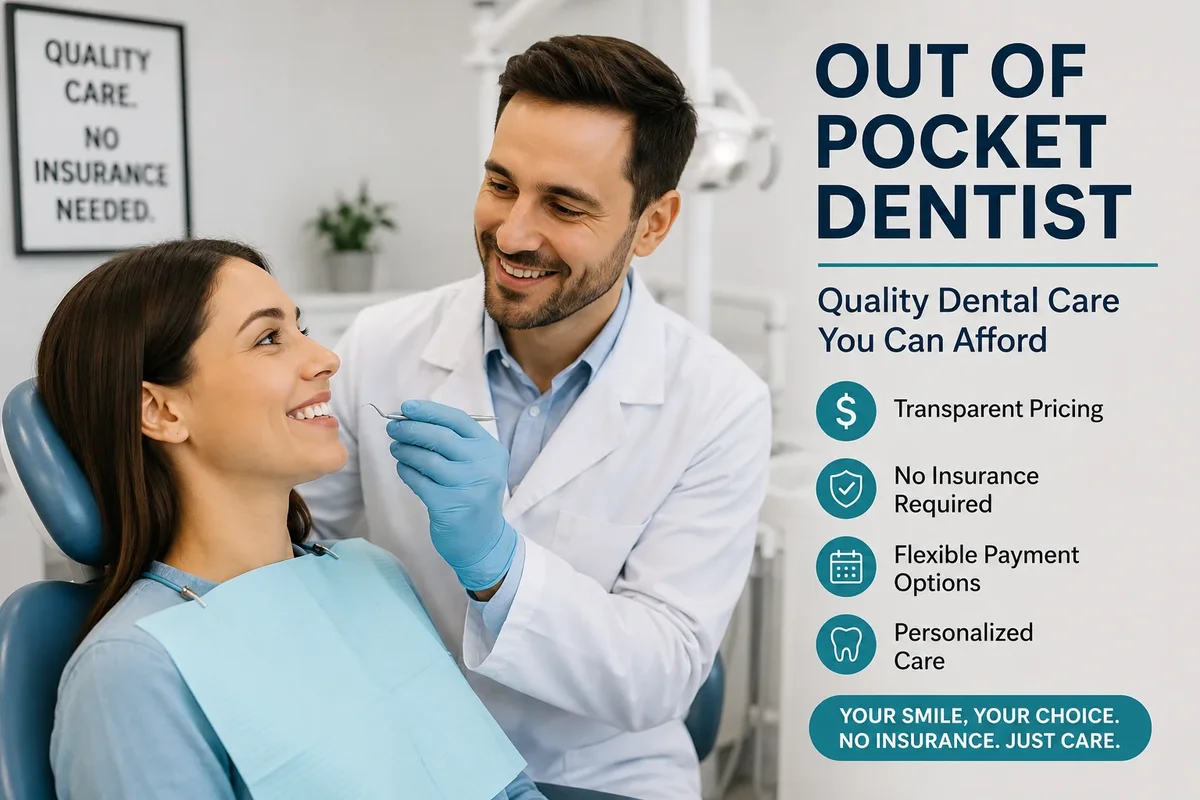
Benefits of Paying Directly for Dental Care
As dental costs continue to rise and insurance policies become increasingly complex, many patients are discovering the advantages of paying directly for treatment through an out of pocket dentist. While insurance can provide benefits in certain situations, direct-pay dentistry offers a level of transparency, flexibility, and personalization that many patients find appealing. Understanding the benefits of working with an out of pocket dentist can help individuals make informed decisions about their oral healthcare and financial planning.
An out of pocket dentist focuses on providing treatment based on patient needs rather than insurance company guidelines. This direct relationship often leads to a more customized experience, clearer communication, and greater control over treatment decisions. For many people, these advantages outweigh the perceived benefits of traditional insurance coverage.
Complete Transparency in Treatment Costs
One of the most significant advantages of choosing an out of pocket dentist is pricing transparency. Many patients become frustrated when insurance claims result in unexpected bills, denied procedures, or lower-than-expected reimbursements.
When visiting an out of pocket dentist, patients typically receive a detailed treatment estimate before any work begins. This estimate outlines recommended procedures, associated fees, available alternatives, and potential financing options.
Because pricing is discussed upfront, patients can make informed decisions without worrying about hidden costs or insurance complications.
Advantages of Transparent Pricing
- Fewer billing surprises
- Improved financial planning
- Clear understanding of treatment costs
- Greater patient confidence
- Easier comparison of treatment options
Transparency is one of the primary reasons many patients continue choosing an out of pocket dentist year after year.
Freedom from Insurance Restrictions
🦷 Traditional insurance plans often determine which procedures qualify for coverage and which treatments are excluded. Unfortunately, insurance guidelines do not always align with the patient’s personal goals or the dentist’s professional recommendations.
An out of pocket dentist is not constrained by insurance limitations. Treatment recommendations are based on clinical findings, oral health needs, and patient preferences rather than reimbursement rules.
This flexibility allows patients to explore a wider range of treatment options, particularly for cosmetic and advanced restorative procedures.
Treatments Frequently Limited by Insurance
- Porcelain veneers
- Smile makeovers
- Professional teeth whitening
- Certain implant procedures
- Advanced cosmetic restorations
- Premium dental materials
By working with an out of pocket dentist, patients can focus on achieving the best possible outcomes rather than simply selecting what insurance will cover.
Access to Any Dental Provider
Many insurance plans require patients to select providers from a limited network. This restriction can make it difficult to access highly experienced dentists, specialists, or clinics equipped with advanced technology.
An out of pocket dentist gives patients complete freedom to choose a provider based on qualifications, expertise, patient reviews, treatment philosophy, and location.
This freedom is especially valuable for individuals seeking specialized services such as dental implants, complex rehabilitation, cosmetic dentistry, or full-mouth reconstruction.
Patients often feel more comfortable knowing they selected an out of pocket dentist because of quality rather than insurance network participation.
Faster Treatment Approval and Scheduling
⏰ Insurance companies frequently require claim reviews, pre-authorizations, and additional documentation before approving treatment. These administrative processes can delay necessary care and create frustration for patients.
With an out of pocket dentist, treatment can often begin immediately following consultation and informed consent. This streamlined process reduces waiting times and allows patients to address dental concerns more quickly.
Faster treatment is particularly important in emergency situations involving:
- Severe tooth pain
- Dental infections
- Broken teeth
- Lost crowns or fillings
- Traumatic dental injuries
Prompt care from an out of pocket dentist can often prevent more extensive and expensive treatment later.
More Personalized Treatment Planning
Every patient has unique oral health goals, financial circumstances, and personal preferences. An out of pocket dentist can dedicate more time to developing customized treatment plans without the limitations imposed by insurance requirements.
Rather than focusing solely on covered procedures, the dentist can discuss all available options, explain benefits and risks, and help patients select the most appropriate course of action.
This patient-centered approach often results in stronger relationships and greater satisfaction with treatment outcomes.
Elements of Personalized Care
- Individualized consultations
- Customized treatment sequencing
- Flexible scheduling
- Tailored payment arrangements
- Long-term preventive strategies
Many patients appreciate the collaborative environment created by an out of pocket dentist.
Potential Long-Term Financial Advantages
💰 Although paying directly may initially appear expensive, an out of pocket dentist can sometimes provide better long-term value than traditional insurance.
Dental insurance policies often involve monthly premiums, annual deductibles, co-payments, and benefit limitations. When these costs are combined, patients may spend substantial amounts each year regardless of whether they require significant treatment.
Some individuals discover that reserving funds specifically for visits to an out of pocket dentist results in lower overall expenses. This is especially true for healthy patients who primarily require preventive care and occasional restorative procedures.
Better Communication and Decision-Making
Communication is a critical component of successful healthcare. Because an out of pocket dentist works directly with patients rather than navigating insurance company requirements, conversations often focus more heavily on education and informed decision-making.
Patients can ask questions about treatment alternatives, material choices, expected outcomes, and costs without the discussion being dominated by insurance coverage limitations.
This direct communication helps patients feel empowered and involved in their oral healthcare journey.
Improved Focus on Quality of Care
🌟 Ultimately, one of the greatest advantages of choosing an out of pocket dentist is the ability to prioritize quality. Treatment recommendations are guided by patient needs rather than reimbursement schedules or insurance restrictions.
Whether a patient requires preventive care, restorative treatment, dental implants, or cosmetic improvements, an out of pocket dentist can focus on achieving the best possible clinical outcome. This emphasis on personalized care, transparency, and flexibility explains why increasing numbers of patients are choosing direct-pay dentistry.
As healthcare continues to evolve, the out of pocket dentist model offers a practical and patient-focused alternative that emphasizes freedom of choice, clear communication, and high-quality treatment. For many individuals, paying directly for dental care provides not only greater control over costs but also a more satisfying and personalized healthcare experience.
Ways to Reduce Costs When Visiting an Out of Pocket Dentist
Many people assume that choosing an out of pocket dentist automatically means paying significantly more for dental care. However, this is not always true. In reality, patients who understand how to manage treatment costs effectively can often save substantial amounts of money while still receiving excellent care. Whether you need preventive services, restorative treatment, cosmetic procedures, or emergency dental care, there are numerous strategies that can make visits to an out of pocket dentist more affordable.
An out of pocket dentist typically offers greater transparency than insurance-based practices, allowing patients to understand expenses in advance and plan accordingly. By taking a proactive approach to oral health and financial planning, patients can significantly reduce long-term dental costs without sacrificing quality.
Prioritize Preventive Care
🦷 The most effective way to lower expenses at an out of pocket dentist is to prevent serious dental problems before they develop. Preventive care is almost always less expensive than restorative treatment.
Routine examinations and professional cleanings allow an out of pocket dentist to identify early signs of tooth decay, gum disease, cracked restorations, and other oral health concerns. Treating these issues at an early stage usually costs far less than addressing advanced problems later.
Preventive Habits That Save Money
- Brush twice daily using fluoride toothpaste
- Floss every day
- Use an antimicrobial mouthwash when recommended
- Attend regular dental checkups
- Reduce sugary food and beverage consumption
- Avoid tobacco products
- Address symptoms immediately
Patients who consistently follow these habits often spend significantly less at an out of pocket dentist over their lifetime.
Ask About Membership Plans
Many modern out of pocket dentist offices offer membership programs specifically designed for patients without dental insurance. These programs typically require an annual fee and provide discounted services throughout the year.
Membership plans may include:
- Routine examinations
- Professional cleanings
- Diagnostic X-rays
- Emergency evaluations
- Discounts on fillings and crowns
- Reduced fees for restorative procedures
For individuals who regularly visit an out of pocket dentist, these programs can generate considerable savings while simplifying treatment planning.
Request a Detailed Treatment Plan
Transparency is one of the greatest advantages of working with an out of pocket dentist. Patients should take full advantage of this by requesting a comprehensive treatment plan before proceeding with care.
A detailed treatment plan allows patients to understand:
- Total expected costs
- Treatment priorities
- Alternative treatment options
- Estimated timelines
- Available payment arrangements
When patients understand the complete picture, they can make informed decisions and avoid unexpected financial surprises.
Benefits of Treatment Planning
An organized treatment plan from an out of pocket dentist can help patients schedule procedures strategically and spread costs over time if necessary.
Consider Phased Treatment Approaches
💰 Not every dental procedure must be completed immediately. In many cases, an out of pocket dentist can divide treatment into multiple phases.
For example, urgent concerns such as infections, broken teeth, or active decay may be addressed first, while cosmetic improvements or elective procedures can be scheduled later.
This phased approach allows patients to manage expenses more comfortably without compromising essential oral health needs.
Many patients appreciate this flexibility because it enables them to receive care according to both medical priorities and financial circumstances.
Compare Treatment Alternatives
Different treatment options often come with varying costs. An experienced out of pocket dentist can explain the advantages, disadvantages, longevity, and pricing of each option.
For example, a missing tooth may potentially be restored using:
- A removable partial denture
- A fixed dental bridge
- A dental implant
Each solution offers unique benefits and costs. By discussing alternatives with an out of pocket dentist, patients can choose a treatment that aligns with both their oral health goals and financial resources.
Explore Financing Options
Many people are surprised to learn that an out of pocket dentist often provides flexible financing solutions. These arrangements can make larger procedures significantly more manageable.
Common Financing Methods
- Monthly payment plans
- Healthcare financing companies
- Interest-free promotional periods
- Customized installment schedules
- Third-party credit programs
Financing allows patients to begin treatment sooner rather than delaying necessary care because of upfront costs.
Address Problems Early
⚠️ Delaying treatment is one of the most expensive mistakes patients can make. Small dental issues rarely resolve on their own. Instead, they often worsen over time, leading to more extensive procedures.
For example:
- A small cavity may require only a filling.
- An untreated cavity may eventually require a root canal.
- Severe infection may lead to extraction and tooth replacement.
Visiting an out of pocket dentist as soon as symptoms appear can prevent costly complications and preserve natural teeth.
Maintain Restorative Work Properly
Existing dental restorations such as crowns, bridges, implants, fillings, and dentures require proper maintenance. Failure to care for these restorations can shorten their lifespan and increase future expenses at an out of pocket dentist.
Patients should follow all professional recommendations regarding oral hygiene, follow-up visits, and restoration maintenance.
Regular monitoring allows an out of pocket dentist to detect potential issues before they require complete replacement of existing work.
Choose Quality Over the Lowest Price
🌟 While cost is an important consideration, selecting a provider solely because they offer the lowest fees may not always be the most economical decision in the long term. High-quality treatment performed by a skilled out of pocket dentist often lasts longer and requires fewer corrections.
Factors worth considering include:
- Professional experience
- Advanced technology
- Patient reviews
- Treatment guarantees
- Material quality
- Clinical reputation
Investing in quality care can reduce future complications and lower overall lifetime dental expenses.
Ultimately, reducing costs when visiting an out of pocket dentist requires a combination of preventive care, financial planning, informed decision-making, and timely treatment. By maintaining excellent oral hygiene, utilizing membership programs, exploring financing options, and addressing problems early, patients can receive outstanding dental care while keeping expenses under control. An experienced out of pocket dentist can help identify the most cost-effective solutions and create a treatment plan that supports both oral health and financial well-being for years to come.
Comparing Dental Insurance vs Out of Pocket Dentist Services
Choosing between dental insurance and an out of pocket dentist is an important decision that can affect both oral health and long-term financial planning. While dental insurance has traditionally been viewed as the standard approach to managing treatment costs, many patients are now exploring whether working directly with an out of pocket dentist may offer greater value, flexibility, and convenience. Understanding the strengths and limitations of both options can help patients make informed decisions based on their individual needs.
There is no universal answer that applies to every situation. Some patients benefit from insurance coverage, while others find that an out of pocket dentist provides a more transparent and cost-effective solution. The right choice often depends on treatment needs, financial circumstances, and personal preferences regarding healthcare management.
How Dental Insurance Works
Dental insurance is designed to help reduce the cost of certain dental procedures. Patients typically pay monthly premiums to maintain coverage and may also be responsible for deductibles, co-payments, and expenses that exceed annual coverage limits.
Most insurance plans categorize treatments into preventive, basic, and major services. Coverage percentages vary according to the type of treatment.
Typical Insurance Coverage Structure
- Preventive care: Often covered at 100%
- Basic restorative care: Frequently covered at 70–80%
- Major procedures: Commonly covered at 50%
- Cosmetic treatments: Usually not covered
Although these benefits appear attractive, insurance plans often contain limitations that may reduce their actual value. This is one reason why many patients consider an out of pocket dentist as an alternative.
How an Out of Pocket Dentist Approach Differs
An out of pocket dentist operates without relying on insurance reimbursement. Instead, patients pay directly for services received. While this means patients assume responsibility for treatment costs, it also removes many administrative complications associated with insurance claims.
Unlike insurance-based systems, an out of pocket dentist typically provides detailed treatment estimates before procedures begin. This transparency allows patients to understand costs clearly and plan accordingly.
Many patients appreciate the simplicity of working directly with an out of pocket dentist because there are no claim forms, reimbursement delays, or unexpected coverage denials.
Comparing Costs
💰 Cost is often the most significant factor when comparing insurance to an out of pocket dentist. While insurance helps offset some treatment expenses, it also requires ongoing financial commitments regardless of whether treatment is needed.
Typical insurance-related expenses may include:
- Monthly premiums
- Annual deductibles
- Co-payments
- Coverage limitations
- Out-of-network penalties
Patients who require only routine preventive care may discover that paying directly through an out of pocket dentist costs less than maintaining insurance coverage throughout the year.
Example Cost Comparison
| Expense Type | Insurance Patient | Out of Pocket Dentist Patient |
|---|---|---|
| Annual Premiums | $600–$1,200 | $0 |
| Deductibles | $50–$150 | $0 |
| Routine Exams | Usually covered | Direct payment |
| Major Treatment Limits | Often restricted | No coverage restrictions |
This comparison highlights why some individuals prefer an out of pocket dentist despite the absence of insurance reimbursement.
Treatment Flexibility and Choice
🦷 One of the greatest advantages of an out of pocket dentist is treatment flexibility. Insurance companies frequently determine which procedures qualify for reimbursement and which materials are approved.
For example, insurance may cover a basic restoration while limiting reimbursement for premium cosmetic or restorative options. An out of pocket dentist can recommend treatments based solely on clinical considerations and patient goals.
This flexibility is particularly valuable for:
- Dental implants
- Porcelain veneers
- Smile makeovers
- Advanced cosmetic procedures
- Full-mouth rehabilitation
Patients seeking highly personalized care often appreciate the freedom offered by an out of pocket dentist.
Provider Selection Freedom
Insurance plans frequently require patients to choose providers from approved networks. This can limit access to specialists, experienced practitioners, or clinics with advanced technology.
By contrast, an out of pocket dentist allows complete provider freedom. Patients can choose dental professionals based on reputation, expertise, patient reviews, technology, and treatment philosophy.
Many patients feel more confident knowing they selected an out of pocket dentist because of quality rather than insurance participation status.
Administrative Simplicity
⏰ Insurance claims can involve paperwork, coverage verification, reimbursement delays, and authorization requirements. These processes often create frustration for both patients and dental offices.
An out of pocket dentist eliminates much of this administrative complexity. Patients receive treatment recommendations, discuss costs directly, and make decisions without waiting for insurance approvals.
This streamlined approach often results in faster treatment scheduling and a more straightforward patient experience.
Advantages of Administrative Simplicity
- Fewer claim-related delays
- Reduced paperwork
- Faster treatment approval
- Improved communication
- Greater treatment transparency
Who May Benefit More from Insurance?
Insurance may still be beneficial for individuals who anticipate extensive restorative care and have access to a high-quality employer-sponsored plan with favorable benefits.
Patients who require multiple procedures within a short timeframe may receive meaningful assistance from insurance coverage, particularly if their plan offers generous annual maximums and minimal restrictions.
However, even insured patients often discover that substantial portions of treatment remain their responsibility.
Who May Benefit More from an Out of Pocket Dentist?
🌟 Many groups find that an out of pocket dentist offers superior value and flexibility:
- Self-employed individuals
- Freelancers
- Retirees without dental benefits
- International patients
- Patients interested in cosmetic dentistry
- Individuals seeking personalized care
These patients frequently appreciate the transparent pricing, provider freedom, and customized treatment planning associated with an out of pocket dentist.
Ultimately, comparing dental insurance with an out of pocket dentist involves evaluating more than simple treatment costs. Factors such as flexibility, transparency, provider choice, administrative simplicity, and long-term value all play important roles. While insurance remains useful for some individuals, many patients discover that an out of pocket dentist offers a more patient-centered approach that prioritizes quality care, informed decision-making, and greater control over oral healthcare expenses.
Questions to Ask Before Scheduling an Appointment
Choosing the right out of pocket dentist is an important decision that can affect your oral health, treatment experience, and overall financial investment. Because patients who visit an out of pocket dentist pay directly for services rather than relying on insurance reimbursement, it becomes even more important to gather accurate information before scheduling an appointment. Asking the right questions can help you evaluate treatment quality, understand expected costs, compare providers, and feel more confident about your dental care decisions.
Many patients focus solely on pricing when selecting an out of pocket dentist. While cost is certainly important, it should not be the only factor considered. Experience, technology, communication style, treatment philosophy, and transparency all play major roles in determining whether a dental provider is the right fit.
By preparing a list of thoughtful questions before your consultation, you can ensure that your experience with an out of pocket dentist is both financially and clinically successful.
What Services Do You Offer?
🦷 One of the first questions to ask an out of pocket dentist concerns the range of services available at the practice. Some dental offices focus primarily on preventive care and routine procedures, while others provide comprehensive restorative, cosmetic, surgical, and implant services.
Understanding available treatment options can help determine whether the clinic can meet both your current and future oral healthcare needs.
Services Worth Asking About
- Routine examinations
- Professional cleanings
- Dental fillings
- Root canal treatment
- Dental crowns and bridges
- Dental implants
- Orthodontic consultations
- Cosmetic dentistry
- Emergency dental care
A well-equipped out of pocket dentist may be able to provide multiple services under one roof, reducing the need for specialist referrals.
Can You Provide a Written Cost Estimate?
One of the greatest benefits of working with an out of pocket dentist is pricing transparency. Before committing to treatment, patients should request a written estimate outlining expected costs.
A detailed estimate should include:
- Examination fees
- Diagnostic imaging costs
- Treatment charges
- Laboratory expenses
- Follow-up appointment fees
- Possible additional costs
Receiving this information upfront allows patients to compare providers and budget effectively for future care.
Why Written Estimates Matter
Written estimates reduce misunderstandings and help establish trust between the patient and the out of pocket dentist. Transparent communication is often a strong indicator of a patient-focused practice.
What Payment Options Are Available?
💰 Since treatment at an out of pocket dentist is paid directly by the patient, understanding available payment arrangements is essential.
Many modern dental offices offer flexible solutions designed to make care more accessible.
Common Payment Options
- Credit card payments
- Debit card payments
- Cash discounts
- Monthly installment plans
- Healthcare financing programs
- Membership plans
- Third-party financing services
Discussing these options before treatment begins can help patients avoid financial surprises and develop realistic payment plans.
What Experience Do You Have with My Procedure?
Not all dental treatments require the same level of expertise. If you are considering implants, veneers, full-mouth rehabilitation, or complex restorative work, it is important to ask the out of pocket dentist about their experience.
Questions may include:
- How many similar procedures have you performed?
- What training have you completed?
- Do you have before-and-after examples?
- What outcomes can I realistically expect?
An experienced out of pocket dentist should be comfortable discussing qualifications, treatment success rates, and patient expectations.
What Technology Does the Practice Use?
Modern dental technology can significantly improve diagnostic accuracy, treatment comfort, and long-term outcomes. Patients should ask an out of pocket dentist about available equipment and digital systems.
Examples of Advanced Technology
- Digital X-rays
- 3D CBCT imaging
- Intraoral scanners
- CAD/CAM restorations
- Laser dentistry
- Digital smile design systems
Practices that invest in advanced technology often provide more efficient and precise treatment experiences.
How Are Dental Emergencies Handled?
⚠️ Dental emergencies can occur unexpectedly. Whether it involves severe tooth pain, infection, trauma, or a broken restoration, patients should understand how an out of pocket dentist manages urgent situations.
Important questions include:
- Do you offer same-day emergency appointments?
- How can I contact the office after hours?
- What emergency services are available?
- What are the associated emergency fees?
Knowing these details in advance provides reassurance and helps patients prepare for unexpected situations.
Do You Offer Treatment Alternatives?
Every patient has unique priorities, budgets, and treatment goals. A quality out of pocket dentist should explain multiple options whenever possible.
For example, replacing a missing tooth might involve:
- A removable partial denture
- A fixed dental bridge
- A dental implant
Each option carries different costs, benefits, and long-term expectations. A trustworthy out of pocket dentist will explain these differences clearly and objectively.
Signs of Patient-Centered Care
- Multiple treatment options discussed
- Benefits and risks explained
- No pressure to choose expensive procedures
- Respect for patient preferences
What Preventive Recommendations Do You Provide?
🌟 Preventive care is one of the most valuable services offered by an out of pocket dentist. Patients should ask how the practice helps prevent future problems and reduce long-term treatment expenses.
Preventive recommendations may include:
- Customized oral hygiene guidance
- Fluoride treatments
- Night guards for teeth grinding
- Nutritional counseling
- Periodontal maintenance programs
- Regular examination schedules
Practices that emphasize prevention often help patients save money while maintaining healthier smiles.
How Do Patients Rate Their Experience?
Before choosing an out of pocket dentist, it is wise to review patient testimonials and online feedback. While individual experiences vary, consistent positive reviews often indicate strong communication, quality care, and patient satisfaction.
Pay particular attention to comments regarding:
- Transparency
- Professionalism
- Treatment outcomes
- Comfort during procedures
- Cost discussions
- Follow-up care
Ultimately, asking thoughtful questions before scheduling an appointment with an out of pocket dentist helps patients make informed healthcare decisions. By discussing treatment options, costs, financing, experience, technology, emergency care, and preventive strategies, patients can confidently select a provider that aligns with their needs and expectations. A reputable out of pocket dentist will welcome these questions and provide clear, honest answers that support a positive and successful treatment experience.
Finding a Reliable Out of Pocket Dentist Near You
Finding a trustworthy out of pocket dentist is one of the most important steps in maintaining long-term oral health while managing dental expenses effectively. Since patients who visit an out of pocket dentist pay directly for treatment rather than relying on insurance reimbursement, selecting the right provider requires careful research and consideration. The goal is not simply to find the lowest price but to identify a dental professional who combines experience, transparency, quality care, and patient-focused service.
Today, patients have access to more information than ever before. Online reviews, professional credentials, clinic websites, patient testimonials, and consultation appointments all provide valuable insight into whether a particular out of pocket dentist is the right choice. By evaluating several important factors, patients can confidently choose a provider who delivers excellent care and long-term value.
Start with Professional Qualifications
🦷 One of the first things to evaluate when searching for an out of pocket dentist is professional training and experience. While all licensed dentists complete extensive education, additional certifications, continuing education courses, and specialized training can indicate a stronger commitment to advanced patient care.
Patients should review information regarding:
- Dental school education
- Professional licenses
- Continuing education participation
- Specialized training programs
- Membership in professional organizations
- Years of clinical experience
A highly qualified out of pocket dentist is generally more prepared to manage complex treatment needs and provide comprehensive care.
Questions About Experience
When speaking with an out of pocket dentist, consider asking:
- How long have you been practicing?
- How frequently do you perform my desired procedure?
- Do you have examples of similar cases?
- What continuing education have you completed recently?
These questions can help patients assess professional expertise and confidence.
Read Patient Reviews Carefully
Patient reviews often provide valuable insight into the overall experience offered by an out of pocket dentist. While no provider receives perfect feedback from every patient, consistent positive reviews usually indicate strong communication, quality treatment, and reliable customer service.
Focus on recurring themes rather than isolated comments. Look for mentions of:
- Treatment quality
- Staff professionalism
- Transparency regarding costs
- Comfort during procedures
- Appointment scheduling efficiency
- Emergency care responsiveness
A reputable out of pocket dentist often develops a strong reputation through years of positive patient experiences.
Evaluate Cost Transparency
💰 Cost transparency is one of the primary advantages associated with an out of pocket dentist. Before committing to treatment, patients should confirm that the clinic provides clear pricing information and detailed treatment estimates.
Reliable dental practices are typically willing to discuss costs openly and explain how fees are calculated.
Signs of Transparent Pricing
- Written treatment estimates
- Clear explanations of fees
- No hidden charges
- Detailed breakdowns of procedures
- Flexible payment discussions
If an out of pocket dentist avoids discussing costs or provides vague answers, patients may wish to continue their search.
Assess Technology and Modern Equipment
Modern dental technology can significantly improve diagnosis, treatment planning, comfort, and clinical outcomes. Patients searching for an out of pocket dentist should evaluate whether the practice invests in current technologies.
Advanced equipment may include:
- Digital X-ray systems
- 3D CBCT imaging
- Intraoral scanners
- CAD/CAM restoration technology
- Laser dentistry equipment
- Digital treatment planning software
An out of pocket dentist who utilizes advanced technology may offer greater precision and a more comfortable patient experience.
Schedule an Initial Consultation
Meeting an out of pocket dentist in person is one of the most effective ways to evaluate compatibility. A consultation allows patients to assess communication style, professionalism, office environment, and overall comfort level.
During the consultation, pay attention to whether the dentist:
- Listens carefully to concerns
- Answers questions thoroughly
- Explains treatment clearly
- Discusses alternatives openly
- Respects patient preferences
Many patients find that their initial consultation provides valuable insight into whether a particular out of pocket dentist is a good long-term fit.
Importance of Communication
Strong communication is essential for successful healthcare. A quality out of pocket dentist should be willing to explain procedures in understandable language and encourage patient participation in treatment decisions.
Review Available Payment Options
Since treatment at an out of pocket dentist is paid directly by the patient, financial flexibility is an important consideration.
Many practices offer:
- Monthly payment plans
- Healthcare financing programs
- Membership plans
- Cash payment discounts
- Flexible scheduling of treatment phases
These options can make care more accessible while helping patients manage larger treatment expenses.
Look for Comprehensive Services
Patients often benefit from choosing an out of pocket dentist who offers a wide range of services. Comprehensive practices can handle preventive care, restorative procedures, cosmetic treatments, and emergency services in a single location.
This approach offers several advantages:
- Improved continuity of care
- Fewer specialist referrals
- Simplified treatment planning
- More consistent patient records
- Greater convenience
A versatile out of pocket dentist can often address evolving oral health needs throughout different stages of life.
Consider Long-Term Value Rather Than Lowest Cost
🌟 While affordability matters, selecting an out of pocket dentist based solely on the lowest advertised price may not produce the best outcome. High-quality materials, advanced technology, extensive experience, and personalized care often contribute to better long-term results.
Investing in excellent treatment may reduce future complications, decrease the likelihood of retreatment, and improve overall satisfaction.
Patients should evaluate value rather than focusing exclusively on upfront costs.
Building a Long-Term Relationship
Oral healthcare is not a one-time event. Maintaining healthy teeth and gums requires ongoing care and professional guidance. Establishing a long-term relationship with a trusted out of pocket dentist allows patients to receive personalized recommendations, preventive care, and continuity of treatment over many years.
Ultimately, finding a reliable out of pocket dentist involves more than comparing prices. Patients should carefully evaluate qualifications, experience, technology, transparency, communication, payment options, and patient reviews. By taking a thoughtful approach to provider selection, individuals can find an out of pocket dentist who delivers exceptional care, supports long-term oral health, and provides outstanding value for every stage of their dental journey.