
Overbite aligners have become one of the most advanced and patient-friendly solutions for correcting dental misalignment, especially when dealing with an excessive overbite. An overbite occurs when the upper front teeth significantly overlap the lower front teeth, which can lead to both aesthetic concerns and functional dental issues. Today, overbite aligners offer a modern, discreet, and highly effective alternative to traditional braces, making them a preferred choice for both adults and teens seeking a confident, healthy smile 😊.
Overbite aligners are custom-made, clear orthodontic trays designed to gradually move your teeth into proper alignment. Unlike metal braces, overbite aligners are virtually invisible and removable, allowing patients to maintain their daily routines with minimal disruption. These aligners are typically created using advanced 3D scanning technology, ensuring a precise fit and predictable results. Each set of overbite aligners is worn for a specific period, gently shifting teeth step by step until the desired alignment is achieved.
One of the main advantages of overbite aligners is their ability to address not only cosmetic concerns but also underlying dental health issues. A severe overbite can cause problems such as jaw pain, uneven tooth wear, speech difficulties, and even gum damage. By using overbite aligners, patients can correct these issues while also enhancing the appearance of their smile. This dual benefit makes overbite aligners an essential solution in modern orthodontics.
The process of using overbite aligners begins with a comprehensive dental evaluation. During this stage, your dentist or orthodontist assesses the severity of your overbite and determines whether overbite aligners are the right treatment option. Digital impressions or scans are taken to create a personalized treatment plan. This plan outlines how your teeth will move over time and estimates the duration of your treatment. With overbite aligners, patients can often preview their expected results even before starting the process, which adds an extra layer of confidence.
Comfort is another major reason why patients choose overbite aligners. Traditional braces often involve brackets and wires that can irritate the gums and cheeks. In contrast, overbite aligners are made from smooth, BPA-free plastic, reducing discomfort significantly. Although mild pressure is expected as the aligners work to shift teeth, most patients find overbite aligners much more comfortable compared to conventional methods.
Another key benefit of overbite aligners is their removability. Patients can easily take them out while eating, brushing, and flossing. This means there are no dietary restrictions, and maintaining oral hygiene becomes much easier. Proper cleaning and care of both your teeth and the overbite aligners are essential for achieving optimal results. Dentists often recommend wearing overbite aligners for 20–22 hours per day to ensure effective treatment.
From an aesthetic perspective, overbite aligners are nearly invisible, making them ideal for individuals who want a subtle orthodontic solution. Whether you are attending professional meetings, social events, or simply going about your daily life, overbite aligners allow you to straighten your teeth without drawing attention. This is especially important for adults who may feel self-conscious about wearing traditional braces.
In terms of effectiveness, overbite aligners have proven to be highly successful in treating mild to moderate overbite cases. With advancements in orthodontic technology, even more complex cases can now be managed using overbite aligners combined with additional techniques such as attachments or elastics. These innovations have significantly expanded the scope of what overbite aligners can achieve.
Patients considering this treatment should always consult a qualified dental professional. Trusted organizations such as the American Dental Association emphasize the importance of professional supervision when undergoing orthodontic treatment. A personalized approach ensures that overbite aligners are used safely and effectively, minimizing risks and maximizing results.
If you are ready to improve your smile and correct your bite, reaching out to a professional clinic is the first step. You can easily get expert guidance and a tailored treatment plan by visiting the Redent Klinik Contact Page. Early consultation helps determine whether overbite aligners are the best solution for your specific dental needs.
In summary, overbite aligners represent a powerful combination of comfort, aesthetics, and effectiveness. They provide a modern solution to a common dental problem, helping patients achieve not only a beautiful smile but also improved oral health. With consistent use and proper guidance, overbite aligners can transform your smile in a predictable and convenient way. As more people seek discreet orthodontic treatments, overbite aligners continue to stand out as one of the most reliable and innovative options available today 😁.
What Are Overbite Aligners and How Do They Work?
Overbite aligners are a modern orthodontic solution specifically designed to correct an excessive overbite by gradually repositioning the teeth and improving bite alignment. An overbite occurs when the upper front teeth significantly overlap the lower front teeth, sometimes leading to functional issues such as jaw discomfort, uneven tooth wear, and even speech difficulties. Overbite aligners offer a discreet and highly effective way to address this condition without the need for traditional metal braces 😊.
At their core, overbite aligners are clear, removable trays made from medical-grade plastic. These trays are custom-designed to fit snugly over your teeth and apply gentle, consistent pressure to move them into the correct position over time. Unlike fixed orthodontic appliances, overbite aligners can be removed for eating, brushing, and flossing, making them extremely convenient for everyday use.
How Overbite Aligners Are Designed
The creation of overbite aligners begins with advanced digital technology. Your dentist or orthodontist takes detailed 3D scans or impressions of your teeth. These scans are then used to map out a precise treatment plan that shows how your teeth will move step by step. Each set of overbite aligners is designed to make small, controlled adjustments, ensuring safe and predictable results.
Customized Treatment Planning
Every patient’s dental structure is unique, which is why overbite aligners are fully customized. The treatment plan considers factors such as the severity of the overbite, jaw alignment, and overall oral health. This personalized approach ensures that overbite aligners deliver optimal results while minimizing discomfort. Patients often receive a preview of their future smile before starting treatment, which adds motivation and clarity.
Series of Progressive Aligners
Instead of using a single device, overbite aligners come in a series. Each aligner is worn for about 1–2 weeks before being replaced by the next one in the sequence. As you progress through the series, your teeth gradually shift into their ideal position. This step-by-step movement is what makes overbite aligners both safe and effective.
How Overbite Aligners Correct an Overbite
Overbite aligners work by applying controlled force to specific teeth, guiding them into better alignment. In cases of overbite, the goal is often to move the upper teeth slightly backward while encouraging the lower teeth to move forward or adjust vertically. This coordinated movement helps reduce the overlap and create a balanced bite.
Use of Attachments and Elastics
In more complex cases, dentists may use small tooth-colored attachments or elastics in combination with overbite aligners. These additions enhance the effectiveness of the treatment by providing extra grip and directional force. While still discreet, these enhancements allow overbite aligners to handle more advanced orthodontic issues.
Jaw Alignment Improvements
Beyond straightening teeth, overbite aligners can also contribute to better jaw positioning. By correcting the bite, patients may experience reduced jaw strain and improved overall oral function. This makes overbite aligners not only a cosmetic solution but also a functional one.
Daily Use and Patient Responsibility
For overbite aligners to be effective, consistency is crucial. Patients are typically advised to wear their aligners for 20–22 hours per day. Removing them too often or failing to follow the recommended schedule can delay progress and reduce effectiveness. Proper care, including cleaning the aligners regularly, is also essential to maintain hygiene and transparency.
One of the biggest advantages of overbite aligners is the flexibility they offer. You can remove them during meals, which means there are no food restrictions. This is a major improvement compared to traditional braces, where certain foods must be avoided. Additionally, brushing and flossing are much easier with overbite aligners, helping maintain excellent oral health throughout the treatment.
Advantages Over Traditional Braces
Overbite aligners provide several benefits compared to conventional braces. First, they are nearly invisible, making them ideal for adults and professionals who prefer a subtle treatment option. Second, they are more comfortable due to their smooth edges and lack of metal components. Third, overbite aligners allow for better oral hygiene since they can be removed easily.
Another important advantage is predictability. With digital treatment planning, patients using overbite aligners can see expected results before starting. This transparency builds trust and helps patients stay committed to their treatment journey.
Professional Guidance Is Essential
While overbite aligners are convenient, they should always be used under professional supervision. Organizations like the American Dental Association recommend consulting a qualified dentist or orthodontist to ensure safe and effective treatment. Professional monitoring ensures that overbite aligners are working correctly and adjustments can be made if needed.
If you are considering improving your smile, it’s important to seek expert advice. You can start your journey by contacting a trusted clinic through the Redent Klinik Contact Page. A professional evaluation will help determine whether overbite aligners are suitable for your specific needs.
In conclusion, overbite aligners represent a revolutionary approach to orthodontic care. By combining advanced technology, comfort, and convenience, overbite aligners provide an effective solution for correcting overbite issues. With proper use and professional guidance, they can deliver outstanding results, helping you achieve a healthier, more confident smile 😁.
Top Signs You Need Overbite Aligners Treatment
Recognizing when you need overbite aligners is the first step toward improving both your smile and your overall oral health. Many people live with an overbite without realizing the long-term consequences it can have on their teeth, jaw, and daily comfort. Overbite aligners are designed to address these issues effectively, but identifying the right time to start treatment is crucial. Understanding the signs can help you take action early and prevent more serious dental complications in the future 😊.
An overbite is not always just a cosmetic concern. While some cases are mild and barely noticeable, others can significantly affect oral function and quality of life. Overbite aligners are commonly recommended when the overlap between the upper and lower teeth becomes excessive and begins to cause problems. Let’s explore the most important indicators that suggest you may benefit from overbite aligners.
Visible Tooth Overlap and Misalignment
One of the most obvious signs that you may need overbite aligners is a noticeable overlap of your upper front teeth over your lower teeth. If your upper teeth cover a large portion of your lower teeth when your mouth is closed, it is likely that you have an overbite that requires correction.
Cosmetic Concerns
Many patients seek overbite aligners because they are unhappy with the appearance of their smile. An overbite can make teeth look uneven or disproportionate, affecting confidence in social and professional settings. Overbite aligners offer a discreet way to correct this issue without the visibility of traditional braces.
Difficulty Closing Your Mouth Properly
If your teeth do not align comfortably when you close your mouth, it may indicate a bite issue. Overbite aligners can help reposition the teeth to create a more natural and comfortable bite.
Jaw Pain and Discomfort
Persistent jaw pain or discomfort is another strong indicator that overbite aligners may be necessary. An untreated overbite can place excessive strain on the jaw joints, leading to discomfort during chewing or speaking.
Temporomandibular Joint (TMJ) Issues
Overbite-related misalignment can contribute to TMJ disorders, which may cause clicking sounds, stiffness, or pain in the jaw. Overbite aligners can help alleviate these symptoms by improving the alignment of the teeth and jaw.
Frequent Headaches
In some cases, the tension caused by an overbite can lead to recurring headaches. By correcting the bite with overbite aligners, patients often experience relief from this discomfort.
Excessive Tooth Wear and Damage
When teeth are not properly aligned, they can rub against each other unevenly. This can lead to premature wear, chipping, or even cracks in the teeth over time. Overbite aligners are designed to distribute pressure evenly, reducing the risk of damage.
Enamel Erosion
The protective enamel on your teeth can wear down faster if your bite is not balanced. Overbite aligners help correct the alignment, preserving the integrity of your teeth.
Increased Sensitivity
As enamel wears down, teeth can become more sensitive to hot and cold temperatures. Treating the underlying cause with overbite aligners can help reduce this sensitivity.
Speech Difficulties
An overbite can sometimes interfere with proper speech, causing issues with pronunciation or clarity. Overbite aligners can help correct the positioning of the teeth, leading to improved speech patterns.
Patients who undergo treatment with overbite aligners often notice clearer articulation and increased confidence when speaking.
Gum Irritation or Injury
In severe cases, an overbite can cause the lower teeth to come into contact with the roof of the mouth or gums, leading to irritation or even injury. Overbite aligners can reposition the teeth to prevent this contact and promote healthier gum tissue.
Difficulty Chewing or Biting
If you find it difficult to chew food properly or experience discomfort while biting, it may be due to an improper bite alignment. Overbite aligners can improve the way your teeth come together, making eating more comfortable and efficient.
Breathing and Oral Health Issues
In some cases, a severe overbite can affect airflow and contribute to mouth breathing. This can lead to dryness, bad breath, and an increased risk of cavities. Overbite aligners can help improve oral function and support better breathing patterns.
Professional Evaluation Is Essential
While these signs can indicate the need for overbite aligners, a professional diagnosis is always necessary. A dentist or orthodontist will evaluate your condition and recommend the most suitable treatment. Trusted organizations like the American Dental Association emphasize the importance of professional guidance when considering orthodontic solutions.
If you are experiencing any of these symptoms, it is important to take action early. You can get a personalized assessment and expert advice by visiting the Redent Klinik Contact Page. Early intervention with overbite aligners can prevent complications and lead to faster, more effective results.
In conclusion, understanding the signs that indicate the need for overbite aligners can help you make informed decisions about your dental health. From visible misalignment to jaw pain and functional issues, these indicators should not be ignored. Overbite aligners provide a comfortable, discreet, and highly effective solution to correct these problems and restore both function and aesthetics. Taking the first step toward treatment can lead to a healthier, more confident smile 😁.
Types of Overbite Aligners: Clear vs Traditional Options
When considering orthodontic treatment, understanding the different types of overbite aligners available is essential for making an informed decision. Overbite aligners have revolutionized how dental professionals approach bite correction, offering multiple solutions tailored to individual needs. While clear aligners dominate modern dentistry, there are still traditional options that can be used to correct an overbite effectively. Choosing between these types of overbite aligners depends on factors such as severity, lifestyle, budget, and personal preferences 😊.
Overbite aligners are designed to gradually reposition teeth and correct bite alignment. However, not all systems work the same way. Some rely on advanced transparent trays, while others combine orthodontic techniques with more visible components. Let’s explore the main types of overbite aligners and how they compare.
Clear Overbite Aligners
Clear overbite aligners are the most popular and widely used option today. These aligners are made from transparent plastic and are custom-fitted to each patient’s teeth. Their discreet appearance makes them ideal for adults and teenagers who want to straighten their teeth without drawing attention.
Features of Clear Overbite Aligners
Clear overbite aligners are removable, which allows patients to maintain excellent oral hygiene. You can take them out when eating, brushing, or flossing, making daily routines much easier compared to traditional braces. Additionally, these overbite aligners are virtually invisible, which is a major advantage for individuals concerned about aesthetics.
Another key feature is precision. Clear overbite aligners are created using digital scans and 3D modeling, ensuring a perfect fit and predictable results. Each aligner in the series moves the teeth slightly, gradually correcting the overbite over time.
Advantages of Clear Overbite Aligners
One of the biggest benefits of clear overbite aligners is comfort. The smooth plastic material reduces irritation to the gums and cheeks. Furthermore, these overbite aligners are highly convenient, as they do not require frequent adjustments like traditional braces.
Clear overbite aligners are also highly effective for mild to moderate cases. With advancements in orthodontic technology, even some complex cases can now be treated using clear systems combined with attachments or elastics.
Limitations of Clear Overbite Aligners
Despite their advantages, clear overbite aligners may not be suitable for every case. Severe overbites or complex jaw issues might require additional orthodontic interventions. Patient compliance is also critical—failing to wear overbite aligners for the recommended 20–22 hours per day can delay results.
Traditional Orthodontic Options for Overbite Correction
While clear systems dominate the market, traditional orthodontic treatments still play a role in correcting overbite issues. These methods are sometimes combined with aligner therapy or used as an alternative when overbite aligners alone are not sufficient.
Metal Braces
Metal braces are one of the oldest and most reliable methods for correcting dental misalignment. Although they are not technically overbite aligners, they are often compared because they serve a similar purpose. In severe cases, dentists may recommend braces instead of overbite aligners due to their ability to apply stronger and more precise force.
Braces are fixed to the teeth and adjusted periodically to guide movement. While they are highly effective, they are more visible and less comfortable than overbite aligners.
Ceramic Braces
Ceramic braces function similarly to metal braces but use tooth-colored materials to reduce visibility. They offer a compromise between aesthetics and effectiveness. However, they are still less discreet than clear overbite aligners and may require more maintenance.
Hybrid Treatments
In some cases, dentists may combine traditional methods with overbite aligners. For example, attachments, elastics, or partial braces may be used alongside aligners to achieve optimal results. This hybrid approach expands the capabilities of overbite aligners and allows treatment of more complex cases.
Choosing the Right Type of Overbite Aligners
Selecting the right type of overbite aligners depends on several factors. Your dentist will evaluate the severity of your overbite, your oral health, and your treatment goals before recommending the best option.
Severity of the Overbite
Mild to moderate overbites are typically treated successfully with clear overbite aligners. However, severe cases may require a combination of treatments or traditional braces for effective correction.
Lifestyle Considerations
If you prefer a discreet and flexible option, clear overbite aligners are usually the best choice. They allow you to maintain your daily routine without significant changes. On the other hand, if compliance is a concern, fixed options like braces may be more suitable.
Budget and Cost Factors
The cost of overbite aligners can vary depending on the type and complexity of the treatment. Clear aligners are often more expensive than traditional braces, but many patients find the comfort and aesthetics worth the investment.
Professional Guidance Matters
Choosing between different types of overbite aligners should always involve professional consultation. According to the American Dental Association, personalized treatment planning is essential for achieving safe and effective results. A qualified dentist or orthodontist can determine which option will provide the best outcome for your specific case.
If you are unsure which treatment is right for you, it is highly recommended to seek expert advice. You can start by visiting the Redent Klinik Contact Page to receive a customized evaluation and explore your options for overbite aligners.
In conclusion, overbite aligners come in various forms, each with its own advantages and limitations. Clear overbite aligners offer unmatched aesthetics and convenience, while traditional methods provide strength and versatility for complex cases. Understanding these differences allows you to make an informed decision and choose the most suitable path toward a healthier, more aligned smile 😁.
Step-by-Step Process of Getting Overbite Aligners
Understanding the full journey of getting overbite aligners helps patients feel more confident and prepared before starting treatment. Overbite aligners are not just about wearing trays; they involve a carefully planned, step-by-step orthodontic process designed to ensure safe, predictable, and long-lasting results. From the initial consultation to the final retention phase, each stage plays a critical role in achieving a properly aligned bite and a beautiful smile 😊.
Overbite aligners use advanced digital technology and customized treatment plans to gradually move teeth into their ideal position. Let’s break down the entire process so you know exactly what to expect when choosing overbite aligners.
Initial Consultation and Assessment
The journey with overbite aligners begins with a professional dental consultation. During this visit, your dentist or orthodontist evaluates your teeth, jaw alignment, and overall oral health. This step is essential to determine whether overbite aligners are suitable for your specific condition.
Comprehensive Oral Examination
Your dentist will check for issues such as tooth decay, gum disease, or jaw problems before recommending overbite aligners. Addressing these concerns beforehand ensures that the treatment proceeds smoothly and effectively.
Diagnosis of Overbite Severity
Not all overbites are the same. Some are mild and purely cosmetic, while others are severe and affect function. Overbite aligners are often recommended for mild to moderate cases, but advanced systems can also handle more complex conditions with additional support techniques.
Digital Scanning and Treatment Planning
Once you are approved for treatment, the next step involves creating a precise digital model of your teeth. This is done using 3D scanning technology, which replaces traditional messy impressions.
3D Imaging and Simulation
The scans are used to create a detailed digital map of your teeth. Specialized software then simulates how your teeth will move over time with overbite aligners. This allows both you and your dentist to preview the expected results before treatment even begins.
Customized Aligners Production
Based on the digital plan, a series of overbite aligners is manufactured specifically for your teeth. Each aligner is slightly different, designed to move your teeth step by step toward the desired alignment.
Receiving Your Overbite Aligners
After your custom aligners are ready, you will receive your first set along with detailed instructions on how to use them. This marks the official start of your treatment with overbite aligners.
Fitting and Adjustment
Your dentist will ensure that the overbite aligners fit properly and comfortably. Minor adjustments may be made to optimize the fit and effectiveness.
Usage Instructions
Patients are typically instructed to wear overbite aligners for 20–22 hours per day. They should only be removed for eating, drinking (except water), and oral hygiene routines.
Progressive Treatment Phase
This is the longest phase of the process, where overbite aligners gradually shift your teeth into alignment. Each set of aligners is worn for about one to two weeks before moving to the next set.
Regular Aligner Changes
Switching to a new set of overbite aligners is crucial for maintaining progress. Each new aligner continues the movement started by the previous one, ensuring steady improvement.
Monitoring Progress
Periodic check-ups with your dentist are scheduled to monitor your progress. These visits ensure that the overbite aligners are working as planned and allow for adjustments if necessary.
Use of Attachments and Elastics
In some cases, small tooth-colored attachments or elastics may be added to enhance the effectiveness of overbite aligners. These tools help guide more complex tooth movements and improve bite correction.
Enhanced Precision
Attachments provide additional grip for the aligners, allowing them to apply more targeted pressure. This increases the effectiveness of overbite aligners, especially in challenging cases.
Improved Bite Alignment
Elastics may be used to correct jaw positioning and ensure that the upper and lower teeth align properly. This is particularly important when treating overbite conditions.
Completion of Active Treatment
Once all sets of overbite aligners have been used, the active phase of treatment is complete. At this stage, your teeth should be in their desired position, and your overbite should be significantly reduced or fully corrected.
Final Evaluation
Your dentist will conduct a final assessment to ensure that the treatment goals have been achieved. If necessary, additional aligners may be provided for fine-tuning.
Retention Phase
After completing treatment with overbite aligners, maintaining the results is essential. Teeth naturally tend to shift back to their original position, so a retention plan is required.
Use of Retainers
Retainers are typically worn after treatment to keep teeth in their new position. Your dentist will advise how often to wear them to maintain the results achieved with overbite aligners.
Long-Term Maintenance
Good oral hygiene and regular dental check-ups are crucial for preserving your new smile. Overbite aligners provide long-lasting results when combined with proper care.
Professional Guidance and Support
Throughout the entire process, professional supervision is essential. Trusted organizations like the American Dental Association emphasize the importance of expert guidance during orthodontic treatment. Regular monitoring ensures that overbite aligners are safe and effective.
If you are ready to begin your journey, you can consult experienced professionals through the Redent Klinik Contact Page. A personalized consultation will help you understand how overbite aligners can transform your smile.
In conclusion, the process of getting overbite aligners is structured, precise, and highly effective. Each step—from consultation to retention—is designed to ensure optimal results. With commitment and proper guidance, overbite aligners can deliver a healthier bite, improved function, and a confident smile that lasts for years 😁.
Benefits of Using Overbite Aligners for Smile Correction
Choosing overbite aligners for smile correction offers a wide range of benefits that go beyond simple aesthetics. While many patients initially consider overbite aligners to improve the appearance of their teeth, the reality is that these advanced orthodontic tools provide significant functional, psychological, and long-term health advantages as well. Overbite aligners have become a preferred solution in modern dentistry because they combine effectiveness, comfort, and convenience into one comprehensive treatment approach 😊.
Overbite aligners are designed to gradually reposition teeth and correct bite issues with precision. Unlike traditional braces, they offer a discreet and flexible alternative, making them highly appealing for patients of all ages. Let’s explore the key benefits of using overbite aligners and why they are considered one of the best solutions for correcting an overbite.
Improved Aesthetic Appearance
One of the most immediate and noticeable benefits of overbite aligners is the improvement in your smile’s appearance. Overbite aligners are clear and virtually invisible, allowing patients to undergo orthodontic treatment without feeling self-conscious.
Discreet Orthodontic Solution
Overbite aligners are made from transparent materials, making them almost unnoticeable when worn. This is especially beneficial for adults and professionals who want to maintain a polished appearance during treatment.
Boost in Confidence
As overbite aligners gradually straighten teeth and correct the bite, patients often experience a significant boost in self-confidence. A well-aligned smile can positively impact both personal and professional interactions.
Enhanced Oral Health
Overbite aligners do more than just improve how your teeth look—they also contribute to better oral health. Misaligned teeth and bite issues can lead to various dental problems if left untreated.
Reduced Risk of Tooth Wear
An untreated overbite can cause uneven pressure on teeth, leading to excessive wear and damage. Overbite aligners help distribute biting forces evenly, protecting the teeth from long-term damage.
Better Gum Health
Correcting alignment with overbite aligners reduces areas where plaque and bacteria can accumulate. This lowers the risk of gum disease and promotes healthier gums overall.
Comfort and Convenience
Comfort is a major factor when choosing orthodontic treatment, and overbite aligners excel in this area. Their design prioritizes patient comfort without compromising effectiveness.
Smooth and Irritation-Free Design
Unlike metal braces, overbite aligners have smooth edges that do not irritate the cheeks or gums. This makes them much more comfortable to wear, especially during long treatment periods.
Removable for Daily Activities
One of the standout advantages of overbite aligners is that they are removable. Patients can take them out while eating, drinking, brushing, and flossing. This flexibility makes maintaining oral hygiene much easier compared to fixed orthodontic appliances.
Predictable and Controlled Results
Overbite aligners use advanced digital technology to ensure precise and predictable outcomes. This level of control is one of the reasons why overbite aligners are so popular among both patients and dental professionals.
Digital Treatment Planning
Before starting treatment, patients can see a digital simulation of how their teeth will move over time. This allows for better understanding and realistic expectations when using overbite aligners.
Gradual and Safe Tooth Movement
Overbite aligners apply gentle, consistent pressure to move teeth gradually. This controlled process reduces the risk of complications and ensures a safe treatment experience.
Improved Bite Function and Jaw Health
Correcting an overbite is not just about aesthetics—it also improves how your teeth function. Overbite aligners help create a balanced bite, which is essential for proper chewing and speaking.
Reduced Jaw Strain
Misaligned teeth can put extra stress on the jaw joints. Overbite aligners help align the bite properly, reducing strain and minimizing the risk of temporomandibular joint (TMJ) issues.
Better Chewing Efficiency
When teeth are properly aligned with overbite aligners, chewing becomes more efficient and comfortable. This improves digestion and overall oral function.
Time Efficiency and Fewer Dental Visits
Overbite aligners often require fewer in-office visits compared to traditional braces. This makes them a convenient option for individuals with busy schedules.
Shorter Appointments
Check-ups for overbite aligners are usually quick and straightforward, focusing on monitoring progress rather than making complex adjustments.
Flexible Treatment Timeline
In many cases, overbite aligners can achieve results faster than traditional methods, especially for mild to moderate cases.
Long-Term Stability and Maintenance
Overbite aligners provide long-lasting results when combined with proper retention and care. Maintaining the outcome is essential for preserving your new smile.
Retention Solutions
After completing treatment with overbite aligners, retainers are used to keep teeth in their new position. This prevents relapse and ensures long-term stability.
Easy Maintenance Routine
Maintaining your results after using overbite aligners is simple with good oral hygiene and regular dental check-ups.
Professional Support and Trusted Guidance
Throughout your treatment journey, professional supervision ensures that overbite aligners deliver optimal results. According to the American Dental Association, orthodontic treatments should always be guided by qualified professionals to ensure safety and effectiveness.
If you are considering improving your smile, you can get expert advice and a personalized plan by visiting the Redent Klinik Contact Page. A professional evaluation will help determine how overbite aligners can best meet your needs.
In conclusion, overbite aligners offer a comprehensive set of benefits that make them an excellent choice for smile correction. From improved aesthetics and oral health to enhanced comfort and convenience, overbite aligners provide a modern, effective solution for correcting overbite issues. With proper use and professional guidance, they can transform not only your smile but also your overall quality of life 😁.
How Long Does Overbite Aligners Treatment Take?
One of the most common questions patients ask before starting orthodontic care is how long overbite aligners treatment will take. The answer depends on several factors, including the severity of the overbite, patient compliance, and the specific treatment plan designed by the dentist or orthodontist. Overbite aligners are known for offering efficient and predictable results, but understanding the timeline helps set realistic expectations and ensures a smoother treatment journey 😊.
Overbite aligners work by gradually moving teeth into their correct positions using a series of custom-made trays. Each aligner applies controlled pressure, shifting teeth step by step. Because this process is gradual, the total treatment time can vary significantly from one patient to another. Let’s explore the key elements that influence how long overbite aligners treatment typically takes.
Average Treatment Duration
For most patients, overbite aligners treatment lasts between 6 to 18 months. Mild cases may be completed in as little as 6 months, while moderate to more complex overbite corrections may require closer to 12–18 months. In rare cases involving severe bite issues, treatment with overbite aligners may extend beyond this range, especially if additional orthodontic techniques are needed.
Mild Overbite Cases
Patients with a slight overbite often see faster results with overbite aligners. These cases typically involve minimal tooth movement, allowing for a shorter treatment period and quicker visible improvements.
Moderate to Severe Overbite Cases
More complex cases require additional time because the teeth and jaw need more extensive adjustments. Overbite aligners may be combined with attachments or elastics to enhance effectiveness, which can extend the overall timeline.
Factors That Affect Treatment Time
Several variables influence how long overbite aligners treatment will take. Understanding these factors can help patients stay committed and achieve optimal results.
Severity of the Overbite
The more pronounced the overbite, the longer it will take to correct. Overbite aligners must gradually reposition teeth and sometimes adjust jaw alignment, which requires time and precision.
Patient Compliance
One of the most critical factors in the success of overbite aligners is how consistently they are worn. Dentists typically recommend wearing overbite aligners for 20–22 hours per day. Removing them too often or failing to follow instructions can significantly delay progress.
Age and Biological Response
Younger patients may experience faster tooth movement because their bones are still developing. However, overbite aligners are highly effective for adults as well, although treatment may take slightly longer in some cases.
Use of Additional Tools
Attachments, elastics, or other orthodontic aids can improve the effectiveness of overbite aligners but may also influence the duration of treatment. These tools are often used in more complex cases to achieve precise results.
Stages of Overbite Aligners Treatment Timeline
Understanding the different stages of treatment can provide a clearer picture of what to expect during your journey with overbite aligners.
Initial Phase (First 1–3 Months)
During the early stages, patients may start noticing subtle changes as their teeth begin to shift. Overbite aligners start applying gentle pressure, initiating the alignment process.
Active Movement Phase (3–12 Months)
This is the most significant stage of treatment, where the majority of tooth movement occurs. Patients will switch to new sets of overbite aligners every one to two weeks, gradually progressing toward the desired alignment.
Final Adjustment Phase
In the final stage, overbite aligners focus on fine-tuning the alignment and ensuring that the bite is properly corrected. Additional aligners may be provided if minor adjustments are needed.
How to Speed Up Overbite Aligners Treatment
While the timeline for overbite aligners cannot be rushed excessively, there are ways to ensure that treatment stays on track and progresses as efficiently as possible.
Wear Aligners Consistently
Following the recommended wear time is the most effective way to avoid delays. Consistent use of overbite aligners ensures that teeth move according to the treatment plan.
Maintain Good Oral Hygiene
Keeping your teeth and overbite aligners clean helps prevent complications such as cavities or gum disease, which could interrupt treatment.
Attend Regular Check-Ups
Regular dental visits allow your dentist to monitor progress and make necessary adjustments. Skipping appointments can lead to setbacks in your overbite aligners treatment.
Post-Treatment Retention Phase
Even after completing the active phase of overbite aligners treatment, maintaining the results is essential. Teeth naturally tend to shift back over time, so a retention phase is required.
Use of Retainers
Retainers are typically worn after treatment to keep teeth in their new position. This phase is crucial for preserving the results achieved with overbite aligners.
Long-Term Stability
With proper care and consistent retainer use, the results of overbite aligners can last a lifetime. Patients who follow their dentist’s recommendations are more likely to enjoy long-term success.
Professional Monitoring Is Essential
Throughout the treatment process, professional supervision ensures that overbite aligners are working effectively. According to the American Dental Association, orthodontic treatments should always be monitored by qualified professionals to ensure safety and optimal outcomes.
If you are considering treatment, it is important to consult with experts who can provide a personalized timeline based on your specific needs. You can begin your journey by visiting the Redent Klinik Contact Page for a detailed evaluation and guidance.
In conclusion, the duration of overbite aligners treatment varies depending on individual factors, but most patients can expect results within 6 to 18 months. By following your treatment plan, wearing your aligners consistently, and maintaining good oral hygiene, you can achieve a beautifully aligned smile as efficiently as possible. Overbite aligners offer a reliable and modern solution for correcting overbite issues, helping you enjoy long-lasting results and improved confidence 😁.
Cost of Overbite Aligners: What to Expect
Understanding the cost of overbite aligners is one of the most important steps before starting treatment. While overbite aligners are widely recognized for their comfort, aesthetics, and effectiveness, their pricing can vary depending on several factors. Patients often wonder whether overbite aligners are affordable, what influences the price, and how they compare to other orthodontic options. This detailed guide will help you fully understand what to expect when planning your investment in overbite aligners 😊.
Overbite aligners are customized orthodontic devices, and their cost reflects the advanced technology, professional expertise, and personalized treatment involved. Unlike one-size-fits-all solutions, overbite aligners are tailored specifically to your dental structure, which plays a significant role in determining the final price.
Average Cost of Overbite Aligners
The cost of overbite aligners typically ranges between $2,500 and $7,500, depending on the complexity of the case and the provider. Mild overbite corrections usually fall on the lower end of this range, while more complex cases requiring extended treatment and additional adjustments may reach higher costs.
Cost Breakdown Example
Here is a general estimate of what you might expect when choosing overbite aligners:
- Mild cases: $2,500 – $3,500
- Moderate cases: $3,500 – $5,500
- Severe cases: $5,500 – $7,500+
These figures are approximate and may vary based on geographic location, clinic reputation, and treatment complexity. It is always recommended to get a personalized quote for your overbite aligners treatment.
Factors That Influence the Cost
Several key factors affect the overall price of overbite aligners. Understanding these elements can help you better evaluate your treatment plan and budget accordingly.
Severity of the Overbite
The more severe the overbite, the more complex the treatment becomes. Overbite aligners for mild cases require fewer trays and shorter treatment duration, making them more affordable. In contrast, severe cases may involve additional aligners, attachments, or elastics, increasing the cost.
Treatment Duration
Longer treatment plans generally cost more because they require more sets of overbite aligners and ongoing monitoring. Extended care and follow-up visits also contribute to the overall expense.
Technology and Brand
Different brands of overbite aligners use varying levels of technology. Premium systems that utilize advanced 3D imaging and highly precise manufacturing may cost more but often provide better predictability and comfort.
Dentist or Orthodontist Expertise
The experience and reputation of the dental professional also influence pricing. Highly skilled specialists may charge more for overbite aligners, but their expertise can lead to better results and fewer complications.
What Is Included in the Cost?
When evaluating the price of overbite aligners, it’s important to understand what is included in the treatment package. Many clinics offer comprehensive plans that cover multiple aspects of care.
Initial Consultation and Diagnostics
The cost often includes the initial consultation, digital scans, and treatment planning. These steps are essential for creating customized overbite aligners.
Aligner Sets and Adjustments
Most treatment packages include all necessary sets of overbite aligners throughout the treatment period. Some providers also include refinement aligners if additional adjustments are needed.
Follow-Up Visits
Regular check-ups are typically part of the overall cost. These visits allow your dentist to monitor progress and ensure that overbite aligners are working effectively.
Retainers After Treatment
Many clinics include retainers in the final cost to help maintain results after completing overbite aligners treatment.
Insurance and Payment Options
One of the biggest concerns for patients is how to manage the cost of overbite aligners. Fortunately, there are several financial options available.
Dental Insurance Coverage
Some dental insurance plans partially cover orthodontic treatments, including overbite aligners. Coverage varies widely, so it is important to check with your provider.
Flexible Payment Plans
Many clinics offer monthly payment plans, allowing patients to spread the cost of overbite aligners over time. This makes treatment more accessible without requiring a large upfront payment.
Health Savings Accounts (HSA/FSA)
In some regions, patients can use health savings accounts or flexible spending accounts to pay for overbite aligners, reducing the financial burden.
Cost vs Value: Are Overbite Aligners Worth It?
While overbite aligners may seem expensive at first, they offer significant long-term value. Beyond improving the appearance of your smile, they address functional issues that can lead to costly dental problems if left untreated.
Preventing Future Dental Costs
Correcting an overbite with overbite aligners can prevent issues such as tooth wear, gum disease, and jaw pain. This can save money on future dental treatments.
Improved Quality of Life
The confidence and comfort gained from a properly aligned smile are invaluable. Many patients consider overbite aligners a worthwhile investment in their overall well-being.
Professional Guidance Is Key
Before starting treatment, it is essential to consult a qualified dental professional. Organizations like the American Dental Association emphasize the importance of personalized care when considering orthodontic solutions such as overbite aligners.
If you want a clear and accurate cost estimate, you can contact a trusted clinic through the Redent Klinik Contact Page. A professional consultation will provide a detailed breakdown tailored to your specific needs.
In conclusion, the cost of overbite aligners varies depending on multiple factors, but they remain a valuable investment in both oral health and confidence. With flexible payment options and long-term benefits, overbite aligners offer an effective and accessible solution for correcting overbite issues. By understanding the pricing structure and planning accordingly, you can confidently take the next step toward achieving a healthier, more attractive smile 😁.
Are Overbite Aligners Safe and Effective?
When considering orthodontic treatment, one of the most important questions patients ask is whether overbite aligners are truly safe and effective. This concern is completely valid, especially when making decisions that affect long-term oral health. Overbite aligners have gained widespread popularity in recent years due to their advanced technology, comfort, and proven results. However, understanding how safe and effective overbite aligners are requires a closer look at both clinical evidence and real-world outcomes 😊.
Overbite aligners are designed using modern orthodontic principles and high-quality materials. They are developed under strict safety standards and are widely used by dental professionals around the world. When prescribed and monitored by a qualified dentist or orthodontist, overbite aligners are considered both safe and highly effective for correcting mild to moderate overbite cases—and increasingly even more complex ones.
Clinical Safety of Overbite Aligners
The safety of overbite aligners is rooted in their design and the materials used in their production. These aligners are made from medical-grade, BPA-free plastic, ensuring they are safe for long-term use inside the mouth.
Biocompatible Materials
Overbite aligners are manufactured using materials that are tested for compatibility with oral tissues. This reduces the risk of allergic reactions or irritation. Patients can wear overbite aligners for extended periods without compromising their oral health.
Gentle and Controlled Force
Unlike some traditional orthodontic methods that apply strong, sudden force, overbite aligners work by applying gradual and controlled pressure. This minimizes the risk of damage to teeth, roots, and surrounding bone structures. The controlled movement ensures that overbite aligners are both safe and comfortable.
Effectiveness in Treating Overbite
Overbite aligners have proven to be highly effective in correcting dental misalignment and improving bite function. With advancements in orthodontic technology, their capabilities continue to expand.
Proven Results for Mild to Moderate Cases
For patients with mild to moderate overbite, overbite aligners offer excellent results. They can successfully reposition teeth, reduce overlap, and create a balanced bite. Many patients achieve noticeable improvements within a few months of starting treatment.
Advanced Solutions for Complex Cases
Modern overbite aligners can now address more complex cases by incorporating attachments, elastics, and detailed treatment planning. These enhancements allow overbite aligners to handle cases that were previously only treatable with traditional braces.
Comparison with Traditional Braces
When comparing overbite aligners to traditional braces, both options are effective, but they differ in terms of comfort, aesthetics, and convenience.
Comfort and Lifestyle Benefits
Overbite aligners are smoother and more comfortable than braces, which often have wires and brackets that can cause irritation. Additionally, overbite aligners are removable, allowing patients to eat freely and maintain better oral hygiene.
Predictability of Results
With digital treatment planning, overbite aligners offer a high level of predictability. Patients can visualize their results before starting treatment, which is not typically possible with traditional braces.
Potential Risks and Limitations
Although overbite aligners are generally safe, like any medical treatment, they come with certain limitations and potential risks if not used correctly.
Importance of Compliance
The effectiveness of overbite aligners depends heavily on patient compliance. If aligners are not worn for the recommended 20–22 hours per day, treatment may be delayed or less effective.
Not Suitable for All Cases
While overbite aligners are highly versatile, extremely severe cases may require additional orthodontic treatments or surgical intervention. A professional evaluation is necessary to determine suitability.
Temporary Discomfort
Some patients may experience mild discomfort or pressure when switching to a new set of overbite aligners. This is normal and indicates that the aligners are working as intended.
Role of Professional Supervision
One of the key factors that ensures the safety and effectiveness of overbite aligners is professional supervision. Treatment should always be guided by a qualified dental professional.
Regular Monitoring
Routine check-ups allow your dentist to track progress and make necessary adjustments. This ensures that overbite aligners are functioning correctly and safely.
Expert Treatment Planning
Accurate diagnosis and personalized planning are essential for achieving optimal results. According to the American Dental Association, professional oversight is critical for safe orthodontic treatment.
Long-Term Effectiveness
Overbite aligners not only provide immediate improvements but also deliver long-term benefits when combined with proper retention and care.
Stable Results with Retainers
After completing treatment with overbite aligners, retainers are used to maintain the new alignment. This helps ensure that the results remain stable over time.
Improved Oral Function
By correcting the bite, overbite aligners improve chewing efficiency, reduce jaw strain, and enhance overall oral health. These functional benefits contribute to long-term effectiveness.
Patient Satisfaction and Success Rates
Studies and patient feedback consistently show high satisfaction rates with overbite aligners. Many patients appreciate the combination of aesthetics, comfort, and effectiveness.
Patients who follow their treatment plan and maintain regular dental visits are more likely to achieve excellent results with overbite aligners.
Start Your Safe Treatment Journey
If you are considering treatment, it is essential to consult a trusted dental professional who can guide you through the process. You can begin by visiting the Redent Klinik Contact Page to receive expert advice tailored to your needs.
In conclusion, overbite aligners are both safe and effective when used correctly and under professional supervision. Their advanced design, proven results, and patient-friendly features make them a reliable solution for correcting overbite issues. With proper care and commitment, overbite aligners can deliver long-lasting improvements in both appearance and oral health 😁.
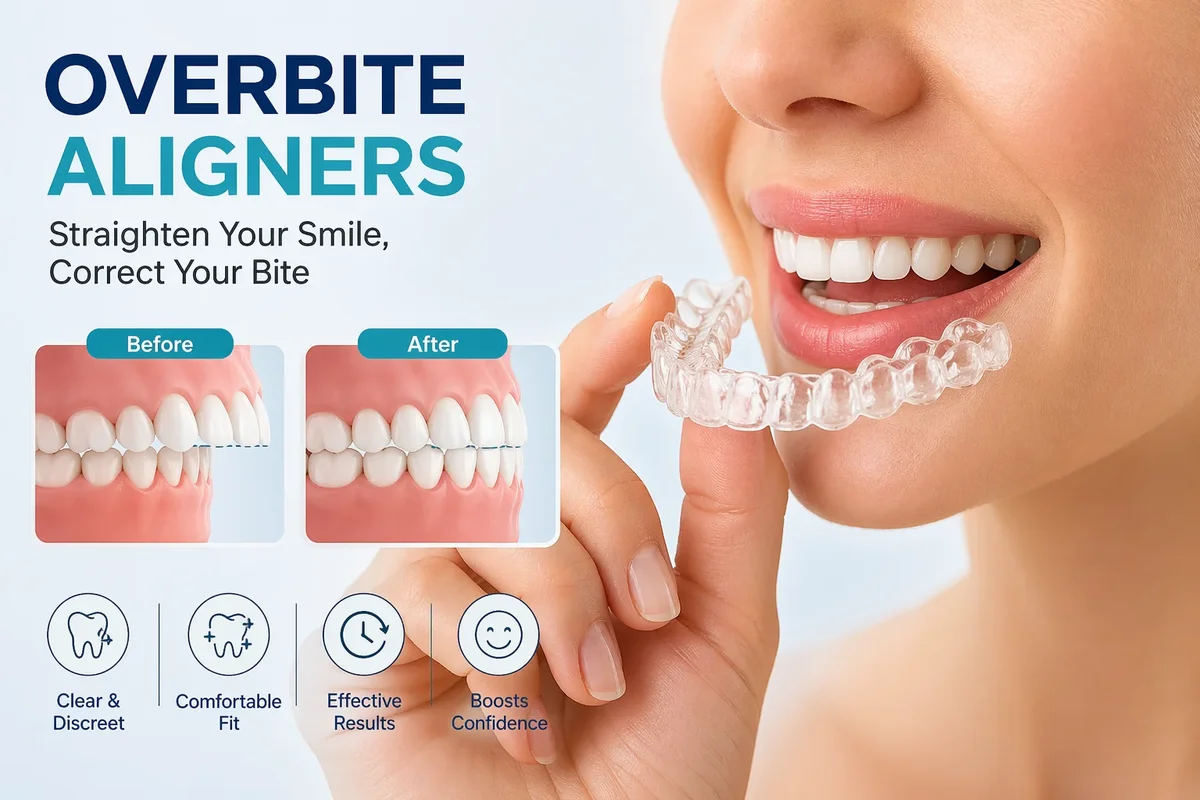
Tips for Maintaining Results After Overbite Aligners
Completing your treatment with overbite aligners is a major milestone, but maintaining those results is just as important as the treatment itself. Many patients mistakenly believe that once they finish wearing overbite aligners, their teeth will remain perfectly aligned forever. However, teeth naturally tend to shift over time, especially if proper post-treatment care is not followed. That’s why understanding how to maintain your results after using overbite aligners is essential for long-term success 😊.
Overbite aligners work by gradually moving teeth into their ideal positions, but the surrounding bone and soft tissues need time to stabilize. Without proper retention and care, teeth can slowly drift back to their original positions, undoing the progress achieved with overbite aligners. Fortunately, with the right habits and professional guidance, you can preserve your new smile for years to come.
Importance of the Retention Phase
The retention phase begins immediately after completing your overbite aligners treatment. This phase is critical because it helps stabilize the teeth in their new position while the surrounding structures adapt.
Why Teeth Shift After Treatment
Even after successful treatment with overbite aligners, the bone and ligaments around the teeth need time to solidify. Without support, teeth may gradually move back, especially within the first few months after treatment.
Role of Retainers
Retainers are essential for maintaining the results achieved with overbite aligners. They hold the teeth in place and prevent relapse. Dentists usually recommend wearing retainers full-time initially, followed by nighttime use for long-term maintenance.
Types of Retainers After Overbite Aligners
There are different types of retainers available, and your dentist will recommend the most suitable option based on your case.
Removable Retainers
These are similar to overbite aligners in appearance and can be easily taken out. They are comfortable and convenient, making them a popular choice for many patients.
Fixed Retainers
Fixed retainers are bonded to the back of the teeth and provide continuous support. They are particularly useful for patients at higher risk of relapse after using overbite aligners.
Daily Oral Hygiene Practices
Maintaining excellent oral hygiene is crucial after completing overbite aligners treatment. Proper care helps preserve both the alignment and health of your teeth.
Brushing and Flossing
Brush your teeth at least twice a day and floss daily to remove plaque and prevent gum disease. Clean teeth are less likely to shift and more likely to remain stable after overbite aligners.
Cleaning Retainers
Just like overbite aligners, retainers need to be cleaned regularly. Use a gentle cleaning solution and avoid harsh chemicals that could damage the material.
Regular Dental Check-Ups
Routine dental visits play a vital role in maintaining the results of overbite aligners. Your dentist can monitor your alignment and detect any early signs of shifting.
Monitoring Stability
During check-ups, your dentist will assess whether your teeth are staying in position. If any movement is detected, adjustments can be made quickly to prevent further changes.
Professional Cleaning
Professional cleanings help maintain oral health and ensure that your teeth and gums remain in optimal condition after overbite aligners treatment.
Lifestyle Habits That Affect Alignment
Certain daily habits can impact the stability of your teeth after using overbite aligners. Being mindful of these habits can help protect your results.
Avoiding Teeth Grinding
Grinding or clenching your teeth can put pressure on your alignment. If you have this habit, your dentist may recommend a night guard to protect your teeth after overbite aligners.
Healthy Diet Choices
A balanced diet supports strong teeth and gums. Avoid excessive sugary or acidic foods that could weaken enamel and compromise your results.
Long-Term Retainer Commitment
One of the most important aspects of maintaining results after overbite aligners is long-term retainer use. Many patients underestimate how crucial this step is.
Nighttime Wear Routine
Even years after treatment, wearing your retainer at night helps ensure that your teeth remain aligned. This simple habit can prevent the need for additional orthodontic treatment.
Replacing Retainers When Needed
Retainers can wear out over time, just like overbite aligners. Replacing them when necessary ensures they continue to provide proper support.
Professional Guidance and Support
Maintaining your results is easier with professional guidance. According to the American Dental Association, ongoing dental care is essential for preserving orthodontic outcomes.
If you have completed your treatment or are planning to start, you can get personalized advice through the Redent Klinik Contact Page. Expert guidance ensures that your results from overbite aligners are maintained effectively.
Psychological and Confidence Benefits
Maintaining your smile after using overbite aligners also has psychological benefits. A stable, well-aligned smile boosts confidence and encourages better oral care habits.
Consistency Builds Confidence
Knowing that your smile remains aligned thanks to overbite aligners can increase self-esteem and improve social interactions.
Motivation for Oral Health
Patients who invest in overbite aligners are often more motivated to maintain their oral hygiene and dental health long-term.
In conclusion, maintaining the results of overbite aligners requires a combination of retainer use, proper oral hygiene, regular dental visits, and healthy lifestyle habits. By following these tips and staying consistent, you can protect your investment and enjoy a beautifully aligned smile for years to come. Overbite aligners provide incredible results, but long-term success depends on your commitment to maintaining them 😁.