
When considering tooth replacement solutions, many patients want to understand one key factor before making a decision: overdenture cost. This comprehensive guide explains what overdentures are, how much they cost in 2025, and what influences pricing. By the end of this section, you will have a clear understanding of the financial aspects, benefits, and long-term value of overdentures compared to other dental options. 😊
An overdenture is a type of removable dental prosthesis that is supported either by remaining natural teeth, dental implants, or both. Unlike conventional dentures that rest directly on the gums, overdentures provide greater stability, comfort, and functionality. Patients often choose them because they enhance chewing efficiency, improve speech, and reduce gum irritation. However, one of the most common questions potential patients ask is: “How much does an overdenture cost?” The answer depends on several variables, which we will break down in detail.
On average, the overdenture cost can range between $3,000 and $25,000 depending on whether the prosthesis is supported by natural roots or implants. For example, a removable overdenture that snaps onto two implants typically falls at the lower end of this range, while a full implant-supported overdenture with four or more implants may approach the higher end. Regional pricing differences, the dentist’s experience, laboratory fees, and materials used also significantly affect the final price. 🌍
Let’s put this into perspective with real numbers. In the United States, a simple removable overdenture may cost around $3,000 to $8,000. If dental implants are needed, each implant may add between $1,500 and $3,000 to the treatment cost. A fully implant-retained overdenture supported by four implants often ranges from $15,000 to $25,000. Meanwhile, patients who consider treatment abroad in countries such as Turkey, Mexico, or Thailand may find comparable quality treatments at a significantly lower price point, often between $5,000 and $12,000 for complete overdenture care.
According to the American Dental Association, prosthetic dentistry costs vary based on geographic region, provider expertise, and the complexity of the case. Patients living in metropolitan areas with high overhead expenses generally pay more than those in smaller towns. Similarly, advanced technology like digital impressions or 3D-guided implant placement can increase the total overdenture cost, but also lead to improved precision and patient satisfaction.
It’s important to recognize that the upfront investment in overdentures may initially seem higher compared to traditional dentures. However, patients often find that the durability, functionality, and comfort of overdentures outweigh the price difference. Over time, choosing overdentures may help avoid additional costs associated with ill-fitting dentures, adhesives, and frequent adjustments. 🦷
Another factor patients should keep in mind is long-term maintenance. While overdentures are built to last, they may require occasional relining, replacement of attachments, or implant care. These ongoing expenses are typically much lower than the original cost but should still be considered in overall budgeting. Some clinics offer comprehensive packages that include follow-up care, which can reduce financial stress later on.
When evaluating overdenture cost, patients should also explore insurance and financing options. Many dental insurance plans cover part of the treatment, especially if the overdenture is medically necessary. Additionally, most clinics provide flexible payment plans that allow patients to spread costs over several months. This makes treatment more accessible and ensures that financial concerns don’t prevent patients from choosing the best option for their oral health.
At Redent Klinik Contact Page, patients can find detailed treatment plans, personalized cost estimates, and financing advice. Clinics that specialize in international dental care often provide transparent pricing and package deals that include consultation, surgery, prosthesis, and even accommodation in some cases. This comprehensive approach not only makes treatment affordable but also stress-free for patients traveling abroad.
Finally, when deciding whether overdentures are worth the cost, patients should consider quality of life improvements. Being able to smile confidently, eat favorite foods, and speak without fear of dentures slipping are priceless benefits that go beyond the numbers. While the financial investment is a significant consideration, the overall return in terms of comfort, function, and confidence often makes overdentures one of the best long-term solutions in modern dentistry.
In summary, the overdenture cost in 2025 varies widely depending on treatment complexity, materials, and geographic location. On average, patients should expect to invest between $3,000 and $25,000. Though this may seem like a large expense, overdentures provide superior stability, comfort, and aesthetics compared to traditional dentures. By considering insurance, financing, and international treatment options, patients can make overdentures an affordable and life-changing choice. 🌟
Factors That Influence Overdenture Cost 💰
Understanding the overdenture cost requires more than just a price list. Several underlying factors determine how much a patient will ultimately pay for this treatment in 2025. These include the type of overdenture, the number of implants used, the dentist’s expertise, the materials chosen, and even geographic location. In this section, we will break down these elements to help patients understand what drives the cost and why prices vary so widely.
1. Type of Overdenture
The type of prosthesis significantly affects the overdenture cost. Patients may choose between two main categories: removable overdentures and fixed overdentures supported by implants. Removable options tend to be less expensive because they require fewer implants and are easier to fabricate. On the other hand, fixed implant-supported overdentures, often called “all-on-four” or “all-on-six” prostheses, come with higher costs due to surgical complexity and long-term stability. Patients should consider how much daily convenience, chewing function, and comfort mean to them when deciding which type to select. 🦷
2. Number of Implants Required
One of the most significant cost drivers is the number of implants supporting the overdenture. A removable overdenture may require only two implants, whereas a fully supported version may need four, six, or even more. Each implant typically costs between $1,500 and $3,000, which can quickly add up. For example, two implants plus a removable overdenture might total $6,000–$8,000, while six implants with a fixed overdenture could reach $20,000–$25,000. The more implants placed, the greater the stability, but also the higher the overdenture cost.
3. Materials and Quality
Patients often underestimate how much material selection influences the final price. Overdentures can be fabricated from acrylic resin, porcelain, or hybrid materials combining titanium frameworks with high-quality ceramics. Acrylic options are more affordable but may wear down faster, leading to additional maintenance costs. Premium ceramic and hybrid solutions provide greater durability, lifelike aesthetics, and long-term value but increase initial investment. Choosing higher-quality materials generally raises the overdenture cost but may reduce long-term expenses associated with repairs or replacements. 🌟
4. Dentist’s Expertise and Clinic Reputation
Like any specialized medical treatment, the experience of the provider significantly influences pricing. Renowned prosthodontists and oral surgeons often charge higher fees, but their expertise ensures optimal results. Clinics with advanced technology such as 3D imaging, guided surgery, and in-house dental labs may also have higher costs, but these facilities often improve treatment accuracy and patient comfort. Patients should view the overdenture cost as not just a financial transaction but an investment in skilled care and predictable outcomes.
5. Geographic Location
Location plays a major role in dental costs worldwide. In the United States, urban areas with higher living expenses and operating costs often see higher treatment prices compared to rural regions. For example, overdentures in New York or Los Angeles may cost 20–30% more than the national average. In contrast, dental tourism destinations such as Turkey, Mexico, or Thailand offer competitive packages, often reducing the overdenture cost by up to 50% without compromising on quality. Patients traveling abroad must, however, factor in travel and accommodation expenses when calculating total costs. 🌍
6. Pre-Treatment Procedures
Before placing an overdenture, patients may require additional treatments such as tooth extractions, bone grafting, or sinus lifts. These preparatory procedures are essential for ensuring long-term implant success but add to the total overdenture cost. For instance, a bone graft may cost between $500 and $3,000, while a sinus lift can add another $1,500–$5,000. Although these steps increase upfront expenses, they are crucial for achieving stability and durability in the final restoration.
7. Laboratory and Technology Fees
The fabrication of an overdenture involves specialized dental laboratories. Advanced technology such as CAD/CAM (computer-aided design and manufacturing) ensures precise fit and natural aesthetics. While this technology improves patient satisfaction, it also increases costs. High-end laboratories that use premium-grade materials and cutting-edge milling machines typically charge more, directly impacting the overdenture cost.
8. Long-Term Maintenance Costs
Patients should also consider maintenance when calculating overall expenses. Overdentures often require replacement of attachments, relining, or periodic adjustments to maintain comfort and functionality. These maintenance costs, while relatively small, accumulate over time. A reline might cost $300–$600, while replacing attachments can cost $50–$200 each. Though these fees are modest compared to the initial investment, they are an important part of the lifetime overdenture cost.
Example of Estimated Price Ranges (2025)
- Two-implant removable overdenture: $6,000 – $8,000
- Four-implant supported overdenture: $12,000 – $18,000
- Six-implant fixed overdenture: $20,000 – $25,000
These ranges highlight how strongly each factor influences the final overdenture cost. Patients should request a detailed treatment plan and estimate from their dentist to avoid surprises.
In conclusion, the overdenture cost is not a fixed number but a combination of multiple factors. The type of prosthesis, number of implants, materials, provider expertise, geographic location, preparatory procedures, laboratory technology, and long-term maintenance all play vital roles. By understanding these components, patients can make informed decisions, balance their budget, and invest wisely in their oral health. Ultimately, choosing the right combination of quality and affordability ensures long-lasting comfort, functionality, and confidence. 😊
Average Overdenture Cost in the USA vs. Abroad 🌍
When exploring the best dental treatment options, patients often ask how much the overdenture cost differs between the United States and other countries. The answer reveals dramatic variations influenced by healthcare systems, labor costs, and regional economics. This section provides a clear breakdown of typical costs in the U.S. compared to popular international dental destinations, allowing patients to evaluate affordability, quality, and overall value.
Overdenture Cost in the USA
In the United States, the overdenture cost is generally higher than the global average. Several factors contribute to this: higher dental clinic overhead, advanced technology standards, strict regulations, and insurance complexities. On average, patients can expect the following ranges:
- Two-implant overdenture (removable): $6,000 – $8,000
- Four-implant overdenture (removable or semi-fixed): $12,000 – $18,000
- Six-implant fixed overdenture: $20,000 – $25,000
Urban areas like New York, Los Angeles, and Chicago often have the highest prices, sometimes exceeding $30,000 for complex cases. In contrast, patients in smaller towns or rural regions may find slightly lower costs, but the difference is usually not more than 15–20%. Insurance coverage in the U.S. may reduce expenses, but even with partial reimbursement, patients often face significant out-of-pocket expenses.
Overdenture Cost Abroad
Many patients look abroad to reduce their overdenture cost without sacrificing quality. Dental tourism has become increasingly popular in countries such as Turkey, Mexico, Thailand, Hungary, and Costa Rica. These destinations are known for skilled dentists, advanced facilities, and competitive pricing. Typical costs are substantially lower than in the U.S.:
- Turkey: $5,000 – $10,000 for a full implant-supported overdenture
- Mexico: $4,500 – $9,000 depending on the number of implants
- Thailand: $6,000 – $12,000 with premium materials
- Hungary: $6,000 – $11,000 for European patients seeking nearby care
- Costa Rica: $5,500 – $10,000 including comprehensive packages
These countries often provide package deals covering consultation, implants, prosthesis, follow-up care, and sometimes even accommodation and transfers. Patients benefit from significant savings, sometimes up to 60% less than U.S. prices, while receiving treatment from internationally trained specialists.
Why the Cost Difference Exists
Labor and Operational Costs
One of the biggest reasons for the difference in overdenture cost is the lower cost of labor and operations abroad. Dentists in countries like Turkey or Mexico often have comparable training to U.S. professionals but operate in economies with lower wages and overhead costs, allowing them to offer treatments at more affordable rates.
Healthcare System Structure
Countries with more streamlined or subsidized healthcare systems can provide advanced treatments at reduced costs. For example, Hungary has state-supported dental infrastructure that reduces overhead for clinics. This leads to lower overdenture cost while still maintaining European Union quality standards.
Currency Exchange Benefits
Favorable currency exchange rates also play a role. For U.S. or European patients traveling to Turkey or Mexico, the value of the dollar or euro stretches much further, making treatments more cost-effective. This directly reduces the overall overdenture cost when converted back to U.S. or European standards.
Additional Expenses to Consider
While the base overdenture cost abroad may look appealing, patients must also account for travel, lodging, and potential follow-up trips. For instance, flights to Europe or Asia and accommodation for several weeks can add $1,000 – $3,000 to the total. Even with these expenses, the overall price often remains much lower than U.S. treatment costs.
Quality and Safety Abroad
One concern patients often have is whether lower cost equals lower quality. In reality, many international clinics meet or exceed global standards. Reputable clinics abroad use advanced technology such as 3D imaging and digital design, and many adhere to strict international safety protocols. Checking patient reviews, accreditations, and affiliations with organizations such as the American Dental Association or European equivalents can provide peace of mind.
Who Should Consider Overseas Treatment?
Overseas treatment may be ideal for patients who want to reduce the overdenture cost, do not have comprehensive insurance coverage, and are open to traveling for care. It is particularly attractive to retirees, self-paying patients, and those seeking package deals that combine treatment with a holiday. For others who prefer immediate accessibility and frequent follow-ups, staying within the U.S. may be more practical despite the higher cost.
In summary, the overdenture cost in the U.S. averages between $6,000 and $25,000 depending on complexity, while abroad it typically ranges from $4,500 to $12,000. Patients willing to travel can save thousands of dollars while still receiving world-class care. However, it’s essential to weigh the savings against additional travel expenses and the need for potential follow-up visits. Ultimately, patients should prioritize both affordability and quality, ensuring that their investment in overdentures delivers comfort, durability, and long-lasting confidence. 🌟
Comparing Overdenture Cost to Traditional Dentures
For patients exploring tooth replacement options, one of the most important decisions involves choosing between conventional dentures and implant-supported overdentures. Both solutions restore function and aesthetics, but they differ significantly in performance, comfort, and pricing. Understanding the differences between traditional dentures and the overdenture cost helps patients make informed choices about their long-term oral health and financial investment.
Initial Cost Comparison
The most obvious distinction lies in the initial treatment price. Traditional dentures are generally much cheaper, with full sets ranging from $1,000 to $3,000. These prosthetics are molded to fit directly over the gums without surgical intervention. By contrast, the overdenture cost is considerably higher, typically ranging from $6,000 to $25,000 depending on the number of implants, materials, and complexity. The difference in price can feel overwhelming at first glance, but it is crucial to assess the long-term value and durability each solution provides.
Longevity and Durability
Traditional dentures often need replacement every 5–7 years due to changes in jawbone structure, wear, and general degradation. This means that a patient may need to pay for multiple sets over a lifetime, making the total expense higher than initially expected. Overdentures, however, are built to last longer. With proper care, the implants supporting an overdenture can last 15–20 years or more, while the prosthesis itself may only require minor adjustments. This long-term durability makes the overdenture cost a more sustainable investment for many patients.
Comfort and Functionality
Traditional Dentures
While conventional dentures restore basic function, they often slip or move while chewing and speaking. Many patients rely on adhesives to keep them in place, which adds ongoing cost and inconvenience. Additionally, because traditional dentures rest on soft tissues, they can cause sore spots and irritation.
Overdentures
By comparison, overdentures are anchored to implants or natural roots, providing superior stability. Patients experience greater confidence while eating, laughing, or speaking. Overdentures also allow for a stronger bite force, enabling individuals to enjoy a wider variety of foods. Although the overdenture cost is higher, the significant improvement in comfort and quality of life justifies the added investment.
Bone Health and Facial Structure
One hidden cost of traditional dentures is bone loss. When teeth are missing, the jawbone gradually resorbs, leading to changes in facial appearance such as a sunken look. Dentures do not prevent this process. Overdentures, on the other hand, stimulate the jawbone through implants, preserving bone structure and maintaining a more youthful facial profile. Considering the long-term health benefits, the overdenture cost can be seen as an investment in both function and appearance. 🦷
Maintenance and Additional Costs
Maintenance plays an essential role in evaluating the real cost of each option. Traditional dentures require relining or rebasing every few years, costing $300 – $600 per adjustment. Adhesives add another recurring expense. Overdentures, while more durable, also require upkeep. Attachments may need replacement, and prostheses may need adjustments over time. However, when compared over a span of decades, the overdenture cost often becomes more economical due to reduced replacements and enhanced longevity.
Insurance and Financing Considerations
Most dental insurance plans cover at least part of the expense for traditional dentures, making them more accessible for patients with budget limitations. Coverage for overdentures varies but is often partial since implant procedures are sometimes considered elective. Despite this, many clinics offer flexible financing plans to make the overdenture cost manageable. Patients should discuss available insurance benefits, payment schedules, and medical necessity documentation with their provider to minimize out-of-pocket expenses.
Quality of Life Evaluation
While money is an essential factor, patients should weigh the impact of each treatment on daily living. Traditional dentures provide an affordable short-term fix but come with limitations in stability and comfort. Overdentures restore function more completely, improve aesthetics, and enhance self-confidence. For many, these advantages far outweigh the higher overdenture cost, making the treatment worthwhile in the long run.
Who Benefits Most from Each Option?
Traditional dentures may be suitable for patients with limited budgets, those seeking quick solutions, or individuals who may not be medically eligible for implants. On the other hand, overdentures are ideal for patients who value long-term stability, wish to preserve bone health, and can invest in advanced care. Clinics such as Redent Klinik Contact Page often guide patients in selecting the best solution tailored to their medical and financial needs.
In conclusion, while traditional dentures are significantly cheaper upfront, the overdenture cost proves to be a better long-term investment. Overdentures provide greater stability, comfort, bone preservation, and aesthetics, making them an attractive option for patients who prioritize lasting oral health and quality of life. By carefully comparing both solutions, individuals can choose the option that best fits their health goals and financial circumstances. 🌟
Insurance Coverage and Financing for Overdentures 🏦
One of the most common concerns for patients considering implant-supported prosthetics is how to manage the overdenture cost. While overdentures offer long-term benefits in stability, bone preservation, and aesthetics, the higher upfront investment can be challenging. Fortunately, a combination of dental insurance and financing solutions can make treatment accessible for many patients. In this section, we will explore how coverage works, what patients can expect from insurance companies, and the financing options available to reduce financial stress.
How Insurance Coverage Works
Dental insurance policies vary widely in what they cover. Some plans may provide partial reimbursement for dentures, while others also cover implant placement if deemed medically necessary. Unfortunately, many insurance companies still consider implants an elective procedure, which complicates coverage for the full overdenture cost. Patients should review their policy carefully and speak directly with their insurance provider before beginning treatment.
Typical Coverage Percentages
In general, insurance plans that do cover overdentures may reimburse around 30–50% of the prosthetic portion of treatment. For example, if a prosthetic overdenture costs $4,000, insurance may cover up to $2,000. However, the implant surgery itself may not be covered, which means patients must often budget for this significant part of the overdenture cost.
Annual Maximums and Limitations
Most dental insurance plans include an annual maximum, often between $1,000 and $2,500. Once a patient reaches that limit, they must cover the rest of the expenses out of pocket. Given that implant-supported overdentures can cost $10,000 or more, this maximum is quickly reached. Patients may need to spread treatment across two calendar years to maximize insurance benefits and reduce out-of-pocket overdenture cost.
Medical Insurance and Overdentures
In some cases, medical insurance may step in to cover part of the expenses if overdentures are deemed medically necessary. This may occur if the patient has experienced oral trauma, congenital abnormalities, or cancer-related tooth loss. While less common, securing medical insurance coverage can significantly reduce the overall overdenture cost.
Financing Options for Patients
For many patients, financing is a practical way to manage the expense. Clinics often partner with third-party financing companies or offer in-house payment plans to spread the overdenture cost into smaller, manageable monthly payments.
Third-Party Financing
Companies such as CareCredit, LendingClub, and Proceed Finance provide low-interest or no-interest financing for dental procedures. Patients can choose repayment terms ranging from 6 months to 60 months depending on the total cost and their budget. For example, a $12,000 overdenture procedure financed over 48 months may cost around $250–$300 per month.
In-House Payment Plans
Some dental clinics also provide flexible payment plans without third-party involvement. This option may not include interest, but payments are often due in larger installments over a shorter period. Patients should ask their provider if an internal financing program exists to reduce the upfront overdenture cost.
Health Savings Accounts (HSA) and Flexible Spending Accounts (FSA)
Another way to offset costs is by using tax-advantaged accounts such as HSAs or FSAs. Contributions made to these accounts are tax-free and can be used toward eligible medical and dental expenses. Patients can use funds from these accounts to pay for part of the overdenture cost, effectively reducing their taxable income while covering treatment expenses.
Dental Tourism and Cost Savings Abroad
For patients without sufficient insurance or financing options, traveling abroad may present another solution. As discussed earlier, countries like Turkey and Mexico offer treatment packages at 40–60% less than U.S. costs. Even when factoring in travel and lodging, the final overdenture cost can still be significantly lower. Many international clinics also offer financing for international patients, making this option even more appealing.
Strategies to Maximize Insurance and Financing Benefits
- Verify coverage before treatment begins and request written confirmation from your insurance provider.
- Plan treatment to span across multiple years to take advantage of annual maximums.
- Use HSA or FSA funds to offset uncovered portions of the overdenture cost.
- Compare multiple financing providers to secure the best repayment terms.
- Ask clinics about special promotions, bundled packages, or loyalty discounts.
At clinics like Redent Klinik Contact Page, financial advisors often work closely with patients to create personalized payment plans. This proactive approach ensures that patients receive the care they need without unnecessary financial strain.
In conclusion, while insurance coverage for overdentures is often limited, combining partial reimbursement with financing, HSAs, FSAs, and international treatment options makes managing the overdenture cost far more achievable. Patients who plan strategically and explore every available resource can access high-quality treatment while keeping their budget under control. 🏦
Long-Term Value: Are Overdentures Worth the Cost?
When evaluating the overdenture cost, patients often wonder whether the long-term benefits truly justify the higher upfront expense compared to conventional dentures. While overdentures require a greater initial investment, they deliver enhanced functionality, comfort, and durability that can improve quality of life for decades. This section provides an in-depth analysis of the long-term value, weighing clinical, financial, and lifestyle advantages to determine whether overdentures are worth the cost in 2025 and beyond.
Durability and Longevity
One of the most important aspects of long-term value is durability. Traditional dentures typically last between 5–7 years before needing replacement due to wear, warping, or changes in jawbone structure. This means patients may end up paying multiple times over the course of their lives. By contrast, overdentures supported by implants can last 15–20 years or longer with proper maintenance. The implants themselves are often permanent, requiring only occasional prosthetic adjustments. In this sense, while the overdenture cost is higher upfront, the extended lifespan reduces the need for frequent replacements, saving money in the long run.
Oral Health Preservation
Bone Loss Prevention
Conventional dentures accelerate jawbone resorption because they do not stimulate the bone structure. Over time, this leads to facial sagging, poor denture fit, and additional healthcare expenses. Overdentures, however, stimulate the jawbone through implants, slowing or preventing bone loss. The prevention of bone deterioration not only saves money on future corrective procedures but also preserves a youthful appearance, which contributes to the overall value of investing in overdentures despite the higher overdenture cost.
Reduced Need for Adhesives and Adjustments
Another hidden long-term cost with traditional dentures is reliance on adhesives and frequent relines. Adhesives may cost only a few dollars monthly, but over decades, these expenses add up significantly. Similarly, denture relines and rebasing every few years can cost hundreds of dollars each time. Overdentures minimize or eliminate these ongoing costs, further improving their long-term value.
Improved Quality of Life
The long-term value of overdentures cannot be measured in dollars alone. Patients often report dramatic improvements in quality of life, which justifies the overdenture cost. Stable, implant-supported prosthetics allow for stronger bite force, enabling patients to eat a varied and nutritious diet. Better nutrition contributes to overall health, reducing risks of digestive problems and systemic issues linked to poor diet. Moreover, overdentures enhance speech clarity and eliminate embarrassing slippage, boosting self-confidence in social and professional settings. 🌟
Financial Considerations Over Time
While a set of traditional dentures may appear cheaper initially, repeated replacements, relines, and associated treatments can make them more expensive in the long run. For example, a patient who replaces dentures every 6 years at $2,000 per set could spend over $12,000 in 36 years. By contrast, a patient who invests in overdentures at $15,000 may only need occasional maintenance over the same timeframe. Thus, the higher overdenture cost upfront can be offset by savings later.
Case Example: Lifetime Cost Comparison
- Traditional Dentures: $2,000 × 6 replacements over 36 years = $12,000 + adhesives and adjustments (~$3,000) → Total = ~$15,000
- Overdentures: Initial $15,000 investment + maintenance (~$2,000) → Total = ~$17,000
The difference in cost is minimal, but overdentures provide far superior function, comfort, and health benefits, making them a more valuable long-term investment despite a higher initial overdenture cost.
Psychological and Social Benefits
Living with dentures that slip, cause sore spots, or limit food choices can lead to frustration and reduced self-esteem. Overdentures offer a secure, natural-looking solution that restores confidence. The psychological benefits of smiling without fear, enjoying meals with family, and engaging in public speaking are intangible yet invaluable. These lifestyle improvements must be factored into the equation when assessing whether the overdenture cost is worthwhile.
Global Perspective on Value
It’s also important to note that the value proposition changes depending on where treatment is performed. In the U.S., overdentures may cost $15,000–$25,000, but in countries like Turkey, Mexico, or Hungary, the same treatment can be obtained for $6,000–$10,000 with comparable quality. For international patients, this significantly improves the return on investment, making the overdenture cost even more attractive.
Expert and Patient Opinions
According to prosthodontists and oral surgeons, overdentures are one of the most reliable long-term solutions in restorative dentistry. Patient testimonials frequently highlight the life-changing impact of choosing overdentures despite the financial commitment. Clinics like Redent Klinik Contact Page often emphasize both the clinical and lifestyle value of overdentures, guiding patients through the cost-benefit analysis to ensure informed decisions.
In conclusion, while the overdenture cost is significantly higher upfront than traditional dentures, the long-term advantages in durability, oral health, nutrition, and quality of life strongly justify the investment. When viewed as a lifetime solution rather than a temporary fix, overdentures offer exceptional value and should be considered by patients seeking both functional and emotional well-being. 😊
Overdenture Cost vs. Dental Implants: Which to Choose?
One of the most common questions patients face when exploring restorative dentistry is whether to invest in overdentures or full-arch dental implants. While both solutions restore function and aesthetics, they differ in design, comfort, longevity, and—most importantly—pricing. Understanding the differences between the overdenture cost and the expense of full dental implants helps patients make the best decision for their oral health, lifestyle, and budget.
Understanding Overdentures vs. Dental Implants
Overdentures
Overdentures are removable or semi-fixed prostheses anchored by two or more implants. They combine the stability of implants with the convenience of a removable device. Patients often choose overdentures because they are less expensive than a full arch of individual implants while still providing significantly more stability than traditional dentures.
Dental Implants
Dental implants are titanium posts surgically placed into the jawbone to replace tooth roots. A single implant supports a crown, while multiple implants can support bridges or full arches. A full-mouth reconstruction with implants is the gold standard in tooth replacement but comes with a much higher price tag than the overdenture cost.
Cost Comparison
The clearest difference is in the numbers. Overdentures generally cost between $6,000 and $25,000, depending on implant quantity and materials. In contrast, full-mouth dental implants can cost between $40,000 and $70,000 in the United States. This makes overdentures a more accessible option for patients who want improved stability but cannot afford or justify the higher expense of complete implant treatment.
- Two-implant overdenture: $6,000 – $8,000
- Four-implant overdenture: $12,000 – $18,000
- Six-implant overdenture (fixed hybrid): $20,000 – $25,000
- Full mouth implants (individual teeth): $40,000 – $70,000+
Patients who want maximum function, permanence, and natural aesthetics may lean toward full implants, but for those balancing quality and affordability, the overdenture cost provides an attractive middle ground. 🌍
Functionality and Daily Comfort
Overdentures
Overdentures provide excellent stability compared to traditional dentures but are not completely fixed. They must be removed for cleaning and may require minor maintenance such as replacement of locator attachments. Despite this, they restore chewing efficiency, improve speech, and provide confidence in daily activities. The lower overdenture cost makes these trade-offs acceptable for many patients.
Dental Implants
Dental implants, especially when done as a full-arch restoration, function almost identically to natural teeth. They are permanent, non-removable, and require only regular brushing and flossing. Implants allow for maximum bite force, letting patients enjoy even the toughest foods without restrictions. This convenience and performance justify the higher cost for those who can afford it.
Maintenance and Longevity
Both overdentures and implants offer long-lasting solutions, but their maintenance differs. Overdentures may need occasional relining or replacement of attachments, adding modest ongoing expenses. Full dental implants, while longer-lasting, may occasionally require crown or bridge replacement. However, the titanium posts themselves can last a lifetime with proper care. In financial terms, the higher upfront overdenture cost remains lower than implants, even when factoring in maintenance.
Impact on Bone Health
One of the main reasons patients consider implants is their ability to preserve jawbone structure. Overdentures supported by implants also provide bone stimulation, preventing bone loss more effectively than traditional dentures. However, full-mouth implants distribute chewing forces even more evenly, offering superior long-term bone preservation. Patients must weigh whether the incremental benefits of implants justify costs that are often double or triple the overdenture cost.
Insurance and Financing Considerations
Insurance coverage for both overdentures and implants is often limited, but overdentures are more likely to be partially reimbursed since they include a removable prosthetic element. Full implants are frequently considered elective. Financing options can help spread both expenses, but the more approachable overdenture cost generally requires less extensive financing, making it accessible to more patients.
Lifestyle and Patient Preferences
Choosing between overdentures and implants is not purely about money. Lifestyle, medical eligibility, and personal preferences play major roles. Patients who want a balance between cost and function may find overdentures ideal, while those seeking the closest possible experience to natural teeth—and who have the financial means—may choose full implants. Clinics like Redent Klinik Contact Page can help patients evaluate these options with personalized treatment plans.
Which Option Provides the Best Value?
For most patients, overdentures provide excellent value because they offer stability, improved chewing, and bone preservation at a fraction of the price of full implants. However, for patients who prioritize permanence and never want to remove their prosthesis, dental implants may justify the additional cost. Ultimately, the choice comes down to balancing oral health goals with financial reality. The overdenture cost represents a practical, affordable compromise that still delivers life-changing results. 🌟
In summary, overdentures and dental implants both provide transformative results, but their costs and benefits differ substantially. Overdentures offer stability and improved oral health at $6,000–$25,000, while full implants provide permanent solutions at $40,000–$70,000. For many, overdentures strike the perfect balance between affordability and functionality, making them the preferred choice for long-term value and quality of life. 😊
How to Lower Your Overdenture Cost Without Sacrificing Quality
For many patients, the biggest concern about pursuing implant-supported prosthetics is the overdenture cost. While overdentures provide exceptional benefits for comfort, stability, and bone preservation, the higher price compared to traditional dentures can feel overwhelming. Fortunately, there are proven strategies to reduce costs while still maintaining high-quality treatment. From exploring financing options to considering treatment abroad, patients have multiple paths to make overdentures affordable without compromising on outcomes. Let’s examine these strategies in detail.
Choose the Right Type of Overdenture
The type of prosthesis selected has a direct impact on the overdenture cost. For example, a removable overdenture supported by two implants is significantly less expensive than a fixed hybrid supported by six implants. While the latter offers greater permanence, patients who prioritize affordability can often achieve excellent function and comfort with fewer implants. Discussing various options with your dentist ensures you only pay for what is medically necessary.
Two-Implant vs. Four-Implant Options
- Two-implant overdenture: $6,000 – $8,000
- Four-implant overdenture: $12,000 – $18,000
Patients who want to lower their expenses while maintaining stability often opt for the two-implant solution. While it offers slightly less retention than four implants, it still provides much better function than traditional dentures at a fraction of the overdenture cost of more complex solutions.
Compare Dental Clinics and Get Multiple Estimates
Just as with any major investment, comparing providers can yield significant savings. Dental clinics vary in pricing due to factors such as location, technology, and experience. Patients should request detailed written treatment plans and compare line-by-line costs for surgery, implants, prosthesis fabrication, and follow-up care. By obtaining multiple quotes, it is easier to identify a clinic that balances affordability and quality.
Use Dental Schools for Reduced Pricing
Many dental schools offer treatments performed by supervised students at significantly reduced costs. While this approach requires more time due to longer appointments, the savings can be substantial. For example, a dental school clinic may reduce overdenture cost by 30–50% compared to private practices, while still ensuring treatment quality under the guidance of experienced instructors.
Maximize Insurance Benefits
Even though many insurance plans don’t fully cover implants, they often provide partial coverage for prosthetic components. Patients can reduce overdenture cost by ensuring their plan pays for as much as possible. Timing treatment across two calendar years may also help maximize annual maximum benefits. Additionally, combining dental coverage with Health Savings Accounts (HSAs) or Flexible Spending Accounts (FSAs) allows patients to use pre-tax dollars for uncovered portions, saving money indirectly.
Consider Dental Tourism 🌍
One of the most effective ways to reduce the overdenture cost without lowering quality is to seek treatment abroad. Countries such as Turkey, Mexico, Thailand, and Hungary offer world-class dental care at a fraction of U.S. prices. For instance, a treatment that may cost $20,000 in the U.S. could be completed in Turkey for $6,000–$10,000. Many clinics abroad provide comprehensive packages that include surgery, prosthesis, hotel stays, and transportation, making the entire process more affordable and convenient.
Example: U.S. vs. Turkey
- U.S. four-implant overdenture: $15,000 – $18,000
- Turkey four-implant overdenture: $6,500 – $9,000
Even when factoring in airfare and accommodation, international treatment can significantly reduce the overall overdenture cost without sacrificing quality.
Explore Financing Options
For patients who prefer treatment locally, financing is a valuable tool. Third-party lenders like CareCredit or LendingClub offer flexible monthly payment plans. Clinics may also provide in-house financing to spread the overdenture cost into smaller installments. Instead of paying $15,000 upfront, patients can divide the expense into manageable payments, making treatment more accessible.
Opt for Phased Treatment
Patients who cannot afford the full overdenture cost at once may consider phased treatment. For example, a dentist may begin by placing two implants and providing a removable overdenture, with the option of adding more implants later. This approach allows patients to benefit from improved stability immediately, while postponing additional expenses until they are financially ready.
Negotiate and Ask About Promotions
Many patients are surprised to learn that dental clinics sometimes offer seasonal promotions, referral discounts, or package deals. Negotiating with providers or asking about ongoing offers can lower overdenture cost. Some clinics also include maintenance visits or attachment replacements as part of their treatment packages, reducing long-term expenses.
Preventive Care and Maintenance
Finally, one of the simplest ways to keep the overdenture cost down is through proper care. Patients who follow oral hygiene routines, attend regular check-ups, and avoid habits such as smoking can extend the lifespan of implants and prosthetics. By minimizing the need for repairs and replacements, long-term savings are achieved naturally.
At trusted providers like Redent Klinik Contact Page, patients often receive personalized guidance on how to minimize expenses while ensuring treatment success. Whether through insurance, financing, or exploring international options, the key is to plan strategically.
In conclusion, while overdentures involve a significant financial commitment, patients can take multiple steps to lower the overdenture cost without sacrificing quality. By selecting the right treatment type, comparing clinics, maximizing insurance, considering dental tourism, and practicing excellent maintenance, overdentures become an affordable, life-changing investment in oral health. 🌟
Patient Experiences: Real Stories on Overdenture Costs
When evaluating the overdenture cost, it’s helpful to move beyond charts and averages to hear directly from patients who have undergone treatment. Real-life stories illustrate not only the financial side but also the emotional, social, and health-related impacts of overdentures. By exploring diverse patient experiences across different budgets and countries, we can gain a deeper understanding of whether the investment is worthwhile and how people feel after treatment.
Case Study 1: Budget-Friendly Overdentures in the U.S.
Maria, a 62-year-old retiree from Texas, had struggled with traditional dentures for years. Loose fit and frequent sores pushed her to explore implant-supported options. After careful consultation, she opted for a two-implant removable overdenture. The total overdenture cost was $7,200. While this was a significant investment on a fixed income, financing through CareCredit allowed her to pay $180 per month over 48 months. Maria now reports she can enjoy foods she had given up, like apples and steak, and her self-confidence has improved dramatically. She describes the experience as “life-changing” despite the financial sacrifice.
Case Study 2: Premium Overdentures for Maximum Comfort
James, a 55-year-old executive from New York City, wanted a permanent solution that looked and felt like natural teeth. He chose a six-implant fixed overdenture with a titanium framework and ceramic teeth. His overdenture cost totaled nearly $25,000, which was not covered by insurance. Despite the steep price, James emphasizes the value of never having to remove his prosthesis and the natural aesthetics. He calls it “the best investment I’ve ever made in myself,” noting that the confidence boost improved both his professional and social life. 🌟
Case Study 3: Affordable Dental Tourism in Turkey
Anna, a 48-year-old teacher from Germany, traveled to Turkey for treatment after being quoted €18,000 in her home country. In Istanbul, she paid the equivalent of $8,500 for a four-implant overdenture package that included surgery, prosthesis, hotel accommodations, and airport transfers. Anna shared that her overdenture cost was less than half of what she would have paid locally, and the care she received was “world-class.” She now recommends dental tourism to friends, emphasizing the importance of researching reputable clinics before traveling abroad.
Case Study 4: Phased Treatment for Cost Management
David, a 60-year-old from California, initially couldn’t afford the full overdenture cost for a four-implant solution. His dentist suggested phased treatment: starting with two implants and a removable overdenture, with the option to add more implants later. His initial cost was $6,800, and he plans to add two more implants in the future. This approach allowed David to improve his oral function immediately while keeping the financial burden manageable. He considers the phased plan a “smart compromise” between cost and quality of life.
Case Study 5: Insurance Support in Special Circumstances
Elaine, a 50-year-old cancer survivor from Florida, qualified for partial medical insurance coverage because her tooth loss was related to oncology treatment. Her total overdenture cost was $15,000, but her medical and dental plans covered nearly 40%. Her out-of-pocket expense was around $9,000. Elaine highlights the importance of persistence, saying, “If I hadn’t appealed my insurance decision, I would have paid the full amount.” Today, she credits her overdentures with helping her regain normalcy after cancer recovery.
Common Themes in Patient Stories
Financial Sacrifice Balanced by Quality of Life
Most patients agree that while the overdenture cost was a significant financial undertaking, the long-term benefits outweighed the expense. Improved confidence, diet, and health were repeatedly mentioned as invaluable outcomes.
Importance of Research and Planning
Patients who shopped around for clinics, requested detailed estimates, and explored insurance or financing options reported higher satisfaction. Those who rushed into treatment without comparing providers often felt they could have saved money.
Diversity of Choices
These stories show that patients find success across a range of budgets. Whether choosing a $7,000 removable overdenture, a $25,000 fixed solution, or an $8,500 overseas package, individuals consistently described their outcomes as positive when expectations matched the chosen treatment.
Advice From Real Patients
- “Don’t just look at the price—ask about follow-up care and maintenance.”
- “If you can, finance it. Paying monthly made my treatment possible.”
- “Consider treatment abroad, but research the clinic thoroughly first.”
- “Appeal your insurance if denied—you might qualify for coverage.”
Clinics such as Redent Klinik Contact Page often share similar testimonials, showing how overdentures transform not just oral function but entire lifestyles. These personal accounts prove that behind every dollar spent is a patient regaining dignity, health, and confidence.
In conclusion, real patient stories confirm that the overdenture cost is not merely an expense but an investment in long-term health and happiness. While financial strategies vary—from financing and phased treatment to dental tourism and insurance appeals—the result is consistently life-changing. Patients across backgrounds affirm that overdentures restore both smiles and confidence, making them one of the most valuable dental treatments available today. 😊
Expert Opinions on Overdenture Pricing and Care
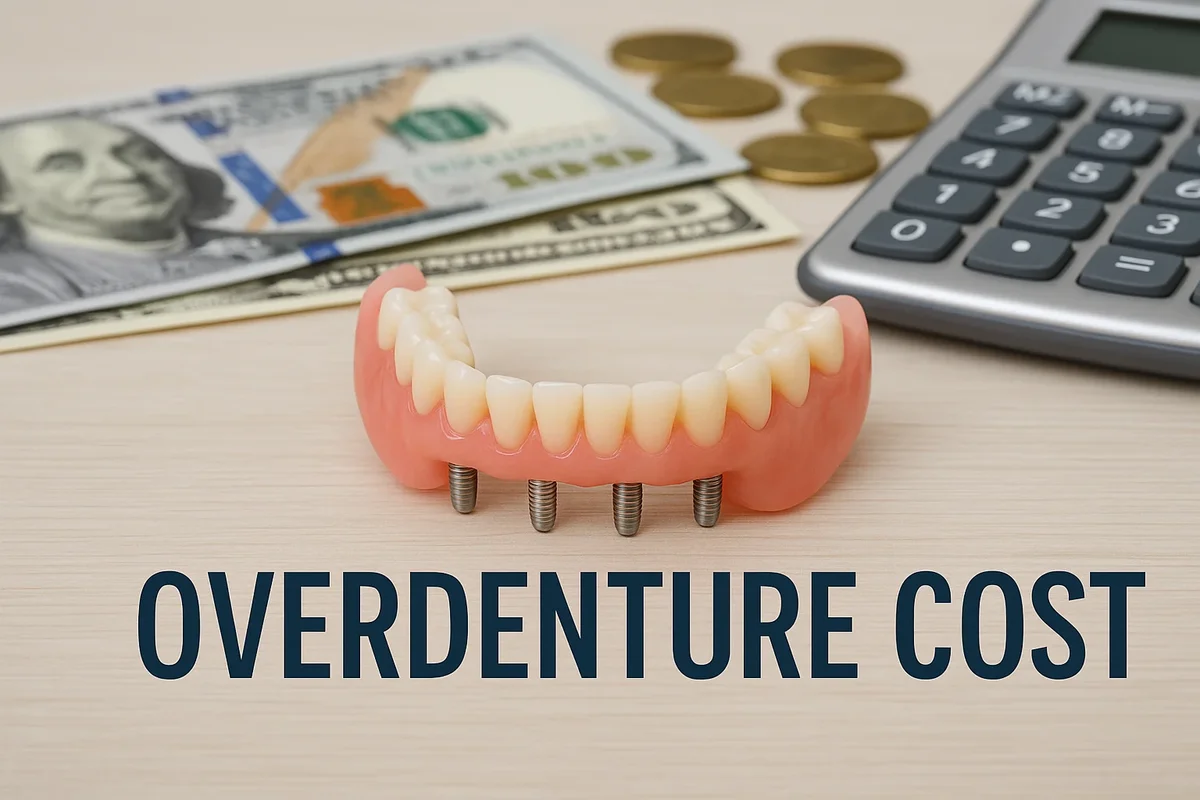
When patients consider the overdenture cost, professional insights from dental experts are crucial in shaping realistic expectations. Prosthodontists, oral surgeons, and dental economists provide valuable perspectives on why costs vary, what factors matter most, and how patients can achieve long-term success with their investment. In this section, we compile expert opinions to create a clear picture of overdenture pricing, care requirements, and value in 2025.
Why Overdenture Cost Varies
According to prosthodontists, the variability in overdenture cost stems from differences in treatment complexity, the number of implants, and the choice of materials. Dr. Alan Richards, a board-certified prosthodontist, notes: “An overdenture anchored by two implants can cost under $8,000, but when six implants and premium ceramic teeth are used, costs may rise to $25,000 or more. It’s not just about price—it’s about functionality and aesthetics tailored to the patient.”
Technology and Laboratory Factors
Dental experts emphasize that advanced technologies such as digital impressions, guided implant surgery, and CAD/CAM fabrication can increase upfront expenses but improve accuracy and reduce complications. Dr. Richards adds, “Investing in technology improves long-term outcomes, so while it raises overdenture cost, it saves patients from frequent adjustments and remakes.”
Long-Term Care and Maintenance Insights
Experts highlight that the real value of overdentures is best understood through their longevity and maintenance needs. According to Dr. Priya Malhotra, an implantologist: “Overdentures typically require occasional replacement of attachments or relining, but these costs are modest compared to replacing conventional dentures every few years.” She estimates maintenance at $200–$500 annually, which is far lower than the recurring expenses of adhesives and rebasing associated with traditional dentures.
Patient Responsibility
Specialists also stress that proper oral hygiene plays a critical role in controlling long-term overdenture cost. Daily cleaning of both the prosthesis and implants helps prevent infections and ensures durability. Patients who smoke or neglect care often face higher long-term expenses due to implant failure or gum complications.
Financial Value vs. Health Investment
Dentists often frame overdentures as a health investment rather than a simple purchase. Dr. Michael Turner, an oral surgeon, explains: “Patients see the price tag and hesitate, but when you compare the improved chewing function, bone preservation, and psychological benefits, overdentures are a cost-effective solution. Over time, the overdenture cost balances out through fewer replacements and better oral health.”
Psychological Benefits According to Experts
Experts underline that the value is not just medical but emotional. Dental psychologists point out that patients with stable, natural-looking overdentures often experience greater self-esteem, reduced anxiety, and improved social interactions. These intangible benefits cannot be quantified directly in the overdenture cost but significantly enhance quality of life.
Global Perspectives on Cost
International experts also weigh in on geographic differences. European dentists highlight that lower overdenture cost in countries like Hungary or Turkey does not mean lower quality. Dr. Eva Horvath, a Hungarian prosthodontist, states: “We use the same implant systems and lab technologies as Western Europe or the U.S., but due to lower labor costs, patients pay 40–60% less. It’s proof that cost and quality are not always directly linked.”
Insurance and Accessibility Views
From an economic perspective, dental policy experts argue that limited insurance coverage is one of the biggest barriers. According to a recent report referenced by the American Dental Association, most U.S. insurance plans treat implants as elective, which reduces accessibility for middle-income patients. Experts recommend policy reforms that recognize overdentures as a medically necessary treatment to improve affordability.
Advice from Experts on Reducing Costs
- Get multiple treatment plans and compare providers before committing.
- Use phased treatment to spread overdenture cost over time.
- Explore financing programs to make payments manageable.
- Consider reputable dental tourism destinations for significant savings.
- Maintain excellent oral hygiene to prevent complications and added costs.
What Experts Say About Patient Outcomes
Clinical specialists agree that patient satisfaction rates with overdentures are consistently high. Success rates exceed 95% when implants are placed correctly, and patients report life-changing improvements in comfort and confidence. As Dr. Malhotra summarizes: “The biggest mistake patients make is focusing only on the upfront overdenture cost. When you factor in improved health, function, and quality of life, overdentures are among the most valuable investments in dentistry today.”
At centers like Redent Klinik Contact Page, expert consultations are a cornerstone of treatment planning, ensuring patients understand the balance between cost, quality, and long-term care. This expert-driven approach empowers patients to make informed choices that fit both their budget and oral health goals.
In conclusion, expert opinions confirm that while the overdenture cost may appear high, it represents an investment in durability, oral health, and psychological well-being. Technology, maintenance, insurance limitations, and geographic location all influence final pricing, but dental professionals universally agree that overdentures deliver exceptional long-term value for patients committed to care. 🌟