
Overnight teeth aligners have quickly become one of the most talked-about solutions for adults and teens who want a straighter smile without the inconvenience of wearing braces all day. If you are searching for a discreet, comfortable, and modern orthodontic option, overnight teeth aligners may sound almost too good to be true. However, with advancements in digital dentistry and clear aligner technology, this treatment approach has become a realistic solution for selected cases.
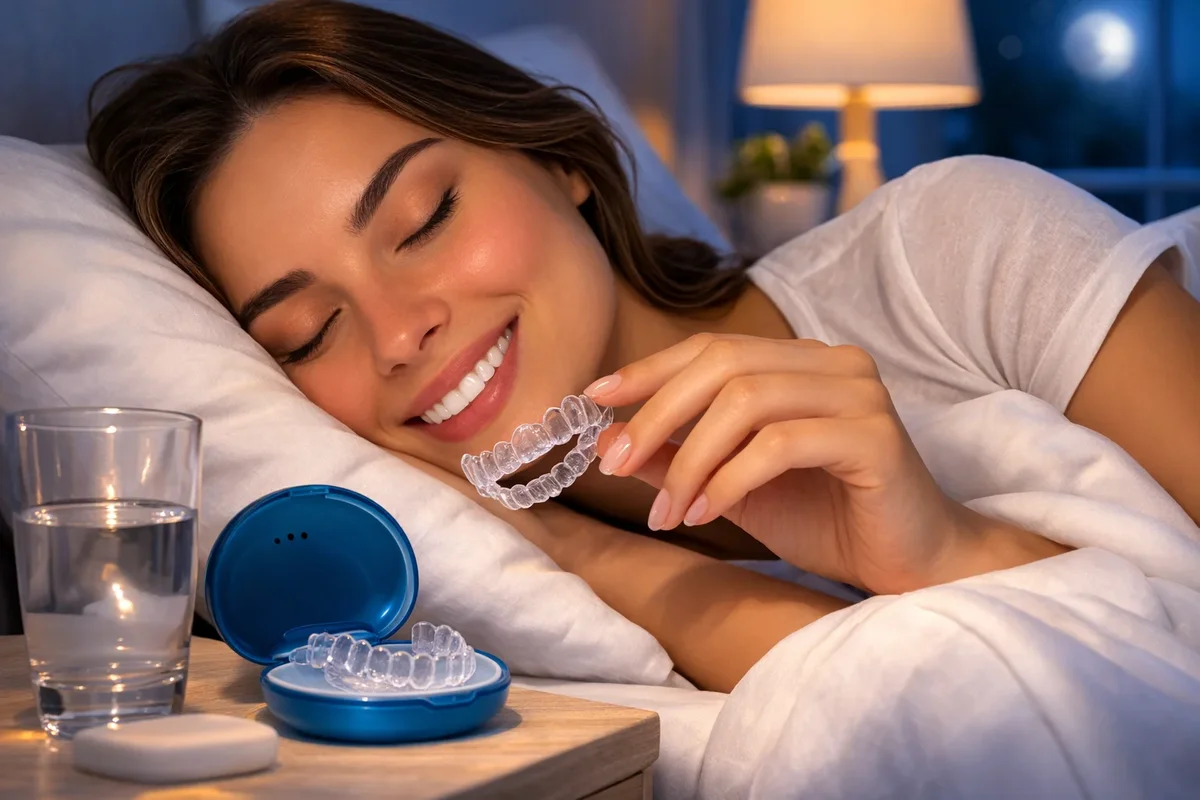
In simple terms, overnight teeth aligners are clear, custom-made trays designed to gradually move your teeth into better alignment while you sleep. Instead of wearing aligners for 20–22 hours per day, as with traditional clear aligner systems, overnight teeth aligners are typically worn for about 8–10 hours at night. This makes them especially attractive for professionals, students, and anyone who prefers not to wear orthodontic appliances during the day.
But how do overnight teeth aligners actually work? The process begins with a detailed consultation and digital scan of your teeth. Using 3D imaging technology, your dentist creates a step-by-step movement plan tailored to your bite and smile goals. Each set of overnight teeth aligners applies gentle, controlled pressure to specific teeth. Over time, this consistent pressure encourages bone remodeling and gradual repositioning of teeth. Even though the aligners are worn only at night, the biologic response of the bone continues between wear cycles, provided the case is suitable for this approach.
One of the main reasons patients consider overnight teeth aligners is aesthetics. Because they are worn while you sleep, there is minimal impact on your daily appearance. You can attend meetings, social events, or school without worrying about visible braces or clear trays. This feature alone makes overnight teeth aligners highly appealing to adults who postponed orthodontic treatment in the past.
Comfort is another key factor. Overnight teeth aligners are typically made from smooth, BPA-free plastic that is custom-trimmed to fit your gum line. Compared to metal brackets and wires, they reduce irritation to cheeks and lips. While you may feel mild pressure when switching to a new set of overnight teeth aligners, this is a normal sign that your teeth are moving as planned.
However, it is important to understand that overnight teeth aligners are not suitable for every orthodontic problem. Mild to moderate crowding, spacing, or minor bite issues are generally the best indications. Severe malocclusions, complex jaw discrepancies, or large rotations may require full-time clear aligners or traditional braces. A thorough clinical examination ensures that overnight teeth aligners are recommended only when predictable results can be achieved.
Another common question is whether wearing aligners only at night can truly deliver lasting results. The answer depends on compliance and case selection. Patients must wear their overnight teeth aligners consistently every night and switch to new trays according to the prescribed schedule. Skipping nights can delay progress or compromise the outcome. When used correctly under professional supervision, overnight teeth aligners can offer satisfying improvements in smile alignment.
From a safety standpoint, professional oversight is essential. Always seek treatment from a qualified dentist or orthodontist who follows recognized clinical guidelines. Organizations such as the American Dental Association emphasize the importance of proper diagnosis and monitoring in any orthodontic treatment. Even though overnight teeth aligners are convenient, they remain a medical dental procedure that requires expert planning.
If you are considering improving your smile and want to know whether overnight teeth aligners are right for you, scheduling a personalized consultation is the best first step. At Redent Klinik, we evaluate your oral health, bite function, and aesthetic goals before recommending any treatment. You can easily reach our team through the Redent Klinik Contact Page to receive tailored advice.
In summary, overnight teeth aligners represent a modern, discreet orthodontic option designed for motivated patients with mild to moderate alignment concerns. They combine digital planning, customized fabrication, and nighttime convenience into a streamlined solution. When properly prescribed and consistently worn, overnight teeth aligners can gradually enhance your smile while fitting seamlessly into your lifestyle. Understanding their indications, limitations, and proper use ensures that you make an informed decision and achieve the confident smile you deserve. 😊
How Overnight Teeth Aligners Work While You Sleep
Understanding how overnight teeth aligners function is essential before starting treatment. Many patients wonder how tooth movement is possible if aligners are worn only during nighttime. The answer lies in controlled orthodontic force, biological adaptation, and consistent treatment planning. Overnight teeth aligners are carefully engineered to apply gentle, targeted pressure to specific teeth, stimulating gradual movement even within a reduced daily wear schedule.
The Science Behind Tooth Movement
Teeth are not rigidly fixed in bone. Instead, they are supported by the periodontal ligament, a flexible connective tissue that allows microscopic movement. When overnight teeth aligners apply steady pressure, the ligament compresses on one side and stretches on the other. This triggers a biological response called bone remodeling. Specialized cells break down bone in the direction of movement while new bone forms behind the tooth to stabilize its new position.
Even though overnight teeth aligners are worn for approximately 8–10 hours, this controlled force is sufficient in carefully selected cases. The key factor is consistency. Wearing overnight teeth aligners every night ensures that the biological process continues in a predictable manner. Missing nights can interrupt the remodeling cycle and slow progress.
Customized Digital Planning
The effectiveness of overnight teeth aligners begins long before you wear your first tray. Treatment starts with a comprehensive clinical examination and 3D digital scan of your teeth. Using advanced orthodontic software, your dentist creates a step-by-step movement plan that maps each stage of alignment.
3D Scanning and Smile Simulation
Digital impressions replace traditional messy molds. The scan produces a precise model of your teeth and bite. From this model, a simulation shows how overnight teeth aligners will gradually shift your teeth over time. This digital roadmap allows for controlled and predictable movement, minimizing guesswork and improving safety.
Series of Progressive Aligners
Overnight teeth aligners are not a single appliance but a sequence of custom trays. Each set is slightly different from the previous one. Typically, patients switch to a new pair every one to two weeks. Each aligner stage moves teeth by a fraction of a millimeter. These small increments add up over months, creating noticeable improvement in alignment.
Why Night-Only Wear Can Be Effective
Traditional clear aligner systems often require 20–22 hours of daily wear. However, overnight teeth aligners are specifically designed for mild to moderate alignment concerns. In these cases, the amount of force and movement required is smaller, making nighttime wear a viable option.
The reason overnight teeth aligners can still work lies in controlled case selection. Dentists evaluate spacing issues, mild crowding, minor rotations, and slight bite discrepancies. When movements are within manageable limits, overnight teeth aligners can provide enough pressure during sleep to stimulate steady progress.
Comfort and Material Technology
Modern overnight teeth aligners are made from transparent, medical-grade thermoplastic materials. These materials are smooth, flexible, and BPA-free. The design ensures a snug fit around each tooth, optimizing force distribution.
Because overnight teeth aligners are worn while sleeping, patient comfort is critical. The aligners are trimmed to follow the gum line closely, reducing irritation. While mild pressure is normal—especially during the first nights with a new set—significant pain is uncommon when treatment is properly managed.
Retention Between Wear Cycles
A common question is whether teeth “move back” during the day when overnight teeth aligners are not being worn. In properly selected cases, the small daily adjustments remain stable throughout the day. The biological adaptation process continues even after the aligners are removed, provided that consistent nightly wear is maintained.
However, compliance is crucial. Patients who skip nights or remove overnight teeth aligners too early in the treatment schedule may notice tightness or discomfort when reinserting them. This is a sign that teeth are attempting to shift back toward their original position.
Monitoring and Professional Supervision
Although overnight teeth aligners are convenient, they are still a medical orthodontic treatment. Regular check-ups ensure that teeth are moving according to plan. Dentists may adjust the schedule, provide refinements, or modify aligner sets if necessary.
Professional supervision also ensures that gum health, enamel integrity, and bite function remain stable throughout treatment. Orthodontic movement should always be monitored to prevent complications such as gum recession or uneven bite contact.
Predictability and Limitations
Overnight teeth aligners are not a universal solution. They are best suited for patients with mild crowding, small gaps, or minor alignment concerns. Severe bite problems, large rotations, or complex jaw issues may require full-time clear aligners or traditional braces.
When recommended appropriately, overnight teeth aligners offer a discreet and manageable path toward smile improvement. The key lies in individualized planning, realistic expectations, and strict adherence to nightly wear instructions.
In conclusion, overnight teeth aligners work through a combination of digital precision, biological adaptation, and patient consistency. By applying controlled force during sleep, they guide teeth into improved alignment without interfering with daytime activities. For suitable candidates, overnight teeth aligners represent a balanced blend of convenience, comfort, and clinically guided orthodontic progress. 😊
Benefits of Overnight Teeth Aligners for Busy Adults
For many adults, the idea of straightening their teeth is appealing—but the thought of wearing visible braces or clear trays all day can feel overwhelming. This is exactly where overnight teeth aligners offer a unique advantage. Designed to be worn primarily during sleep, overnight teeth aligners provide a practical and discreet orthodontic solution for individuals with demanding schedules, professional responsibilities, and active social lives.
Unlike traditional braces or full-time clear aligner systems, overnight teeth aligners focus on nighttime wear, typically for 8–10 hours. For busy adults balancing work, family, travel, and social commitments, this reduced daily visibility makes orthodontic treatment far more manageable.
Discreet Orthodontic Treatment
One of the biggest benefits of overnight teeth aligners is discretion. Adults often hesitate to pursue orthodontic care because they do not want colleagues or clients noticing their treatment. Overnight teeth aligners eliminate this concern by being worn mainly while sleeping. During the day, your smile remains natural and free of appliances.
Professional Confidence
For executives, sales professionals, teachers, and public speakers, appearance matters. Overnight teeth aligners allow you to maintain professional confidence without worrying about speech interference or aesthetic concerns. Since the aligners are not typically worn during work hours, you can attend meetings and presentations comfortably.
Social Comfort
Social events, dining out, and gatherings are easier with overnight teeth aligners. There is no need to remove trays before meals in public or explain orthodontic treatment to others. This convenience encourages better compliance because treatment feels less intrusive.
Greater Lifestyle Flexibility
Time management is crucial for adults. Overnight teeth aligners simplify orthodontic care by fitting seamlessly into your nightly routine. You brush your teeth, insert the aligners, sleep, and remove them in the morning. This routine reduces daily interruptions.
Traditional clear aligners often require 20–22 hours of wear, meaning they must be removed only for meals and oral hygiene. In contrast, overnight teeth aligners provide flexibility for individuals who find extended daytime wear challenging.
Improved Comfort Compared to Braces
Metal braces can cause irritation to cheeks and lips, especially during the initial adjustment period. Overnight teeth aligners are made from smooth, medical-grade thermoplastic material designed for comfort. Because they are custom-fitted, overnight teeth aligners apply controlled pressure evenly across the teeth.
Most patients report mild tightness when switching to a new set of overnight teeth aligners, which is a normal sign of tooth movement. However, the absence of wires and brackets significantly reduces the risk of mouth sores.
Better Oral Hygiene Maintenance
Maintaining oral hygiene is often more complicated with fixed braces. Food particles can easily become trapped around brackets and wires. Overnight teeth aligners, however, are removable. This means you can brush and floss normally during the day without navigating around orthodontic hardware.
Lower Risk of Plaque Accumulation
Because overnight teeth aligners are worn primarily at night, daytime brushing and flossing routines remain uninterrupted. This reduces the likelihood of plaque buildup and gum inflammation, provided that proper hygiene is maintained before reinserting the aligners at bedtime.
Encouraging Consistent Dental Care
Adults who use overnight teeth aligners often become more mindful of their oral hygiene. Since aligners must be inserted over clean teeth, patients tend to brush thoroughly before sleep, supporting overall dental health.
Reduced Impact on Speech
Speech clarity is an important concern for many professionals. While some orthodontic appliances can temporarily affect pronunciation, overnight teeth aligners minimize this issue. Since they are typically worn during sleep, speech disruption during the day is virtually eliminated.
Psychological Benefits and Confidence Boost
A straighter smile can significantly enhance self-esteem. Many adults postpone orthodontic treatment due to embarrassment about wearing braces later in life. Overnight teeth aligners remove that psychological barrier. Patients can pursue smile improvement privately and confidently.
As alignment improves over months, subtle yet meaningful aesthetic changes become visible. The gradual transformation achieved through overnight teeth aligners can positively influence personal and professional confidence.
Suitable for Mild to Moderate Cases
While overnight teeth aligners are not designed for severe orthodontic corrections, they are highly effective for mild crowding, minor spacing, and small alignment concerns. Busy adults who require only moderate adjustments can benefit significantly from this approach.
Proper case selection is essential. A dental professional evaluates whether overnight teeth aligners are appropriate based on bite structure, tooth rotation, and alignment goals.
Time-Efficient Orthodontic Solution
Another advantage of overnight teeth aligners is efficiency. Because treatment focuses on manageable tooth movements, many cases are completed within a reasonable timeframe. Although results vary, patients with mild alignment issues may see noticeable improvement within several months.
Consistency is the key. Wearing overnight teeth aligners every night as prescribed ensures steady progress and predictable outcomes.
Balanced Convenience and Effectiveness
Ultimately, overnight teeth aligners offer a balanced combination of convenience, comfort, and orthodontic effectiveness. They are particularly well-suited for adults who value discretion and flexibility without compromising treatment quality.
By integrating seamlessly into a nightly routine, overnight teeth aligners make smile enhancement achievable for individuals who might otherwise delay orthodontic care. For busy adults seeking a modern solution, overnight teeth aligners represent an appealing pathway toward a healthier, straighter smile. 😊
Are Overnight Teeth Aligners Safe and Effective?
When considering any orthodontic treatment, safety and effectiveness are the two most important factors. Patients often ask whether overnight teeth aligners can truly deliver reliable results while also protecting long-term oral health. The short answer is yes—overnight teeth aligners can be safe and effective when prescribed appropriately, monitored professionally, and worn consistently according to instructions.
However, like all dental treatments, overnight teeth aligners are not a universal solution. Their safety and effectiveness depend on proper case selection, accurate diagnosis, and patient compliance. Understanding these elements helps patients make informed decisions and achieve predictable outcomes.
Clinical Safety of Overnight Teeth Aligners
Overnight teeth aligners are made from medical-grade, BPA-free thermoplastic materials designed for intraoral use. These materials are tested for biocompatibility, durability, and comfort. When produced by reputable dental laboratories and prescribed by licensed professionals, overnight teeth aligners meet established safety standards.
Material Safety and Oral Compatibility
The plastic used in overnight teeth aligners is smooth and custom-fitted to each patient’s teeth. This reduces irritation to the cheeks and gums compared to traditional braces. Because overnight teeth aligners are removable, patients can maintain proper oral hygiene, which lowers the risk of plaque accumulation and gum inflammation.
Supervised Treatment Planning
Safety also depends heavily on professional oversight. Before recommending overnight teeth aligners, a dentist performs a full clinical evaluation. This includes examining gum health, checking for cavities, assessing bite alignment, and reviewing X-rays if necessary. Without this assessment, tooth movement could lead to complications.
Professional organizations such as the American Dental Association emphasize that orthodontic treatments should always be guided by qualified dental professionals. Overnight teeth aligners should never replace a comprehensive diagnosis.
Effectiveness in Mild to Moderate Cases
Overnight teeth aligners are most effective for patients with mild to moderate alignment issues. These include minor crowding, small gaps between teeth, and limited tooth rotations. When used in suitable cases, overnight teeth aligners can gradually improve smile aesthetics and bite harmony.
The key to effectiveness lies in controlled, incremental tooth movement. Each set of overnight teeth aligners shifts teeth by a small, calculated amount. Over several months, these minor adjustments accumulate into noticeable improvements.
Consistency Determines Results
Even though overnight teeth aligners are worn only at night, consistency is essential. Wearing them every night for the recommended duration—usually 8–10 hours—is necessary for predictable movement. Skipping nights may delay progress or cause discomfort when reinserting the trays.
Biological Response and Bone Remodeling
Tooth movement occurs because of a natural biological process known as bone remodeling. When overnight teeth aligners apply steady pressure, the supporting bone adapts gradually. This controlled response ensures stability and long-term results, provided treatment is followed correctly.
Common Safety Concerns
Some patients worry that limited daily wear might cause teeth to shift back during the day. In properly selected cases, this is not typically an issue. Overnight teeth aligners are designed to produce manageable movements that remain stable between wear cycles.
Another concern is discomfort. Mild pressure or tightness is common when switching to a new set of overnight teeth aligners. This sensation usually subsides within a few days and indicates that the aligners are working.
Potential Risks and How They Are Prevented
No orthodontic treatment is completely risk-free. Improperly planned or unsupervised movement can lead to bite imbalance, gum irritation, or enamel stress. However, these risks are minimized when overnight teeth aligners are prescribed by experienced professionals.
Regular follow-up visits allow dentists to monitor tooth movement and adjust the plan if necessary. If unexpected complications arise, refinements can be made to the aligner sequence. This proactive approach ensures that overnight teeth aligners remain both safe and effective throughout treatment.
Comparing Safety to Traditional Braces
Compared to traditional metal braces, overnight teeth aligners offer several safety advantages. There are no brackets or wires that could break or cause mouth injuries. Additionally, because overnight teeth aligners are removable, maintaining oral hygiene is simpler, reducing the likelihood of decalcification or gum disease.
However, braces may be more suitable for complex cases requiring significant bite correction. In such situations, overnight teeth aligners may not provide sufficient force or control.
Long-Term Stability and Retention
After completing treatment with overnight teeth aligners, retention is essential. Just like with other orthodontic methods, teeth naturally tend to shift over time. Dentists typically recommend wearing retainers at night to maintain results.
Long-term success depends on patient commitment. Following retention guidelines ensures that the improvements achieved with overnight teeth aligners remain stable for years.
Final Verdict: Safe and Predictable with Proper Guidance
In conclusion, overnight teeth aligners can be both safe and effective when used under professional supervision and in appropriate cases. Their modern design, comfortable materials, and controlled force application make them a reliable option for mild to moderate alignment concerns.
Patients who are committed to consistent nightly wear and regular dental monitoring can achieve meaningful improvements in their smile. With proper planning and realistic expectations, overnight teeth aligners provide a balanced combination of safety, convenience, and orthodontic effectiveness. 😊
Who Is the Ideal Candidate for Overnight Teeth Aligners?
Not every orthodontic patient is automatically a good fit for overnight teeth aligners. While this treatment option offers flexibility and discretion, its success depends heavily on proper case selection. Understanding who qualifies for overnight teeth aligners helps set realistic expectations and ensures predictable, safe results.
Overnight teeth aligners are specifically designed for individuals with mild to moderate alignment concerns who are committed to consistent nightly wear. Because overnight teeth aligners are worn primarily during sleep, they are most effective in cases where limited, controlled tooth movement is required. Let’s explore in detail who benefits the most from this modern orthodontic approach.
Adults with Mild to Moderate Crowding
One of the most common indications for overnight teeth aligners is mild to moderate crowding. When teeth overlap slightly due to limited space in the dental arch, overnight teeth aligners can gradually create alignment by applying gentle, targeted pressure.
Minor Alignment Irregularities
If teeth are slightly rotated or misaligned but do not involve severe bite problems, overnight teeth aligners can be highly effective. These small corrections respond well to incremental movements planned through digital treatment software.
Stable Bite Relationships
Ideal candidates for overnight teeth aligners generally have a stable overall bite. This means there are no major jaw discrepancies, severe overbites, underbites, or crossbites requiring complex orthodontic correction.
Patients with Small Gaps Between Teeth
Spacing issues are another scenario where overnight teeth aligners perform well. Small gaps between teeth can be closed gradually through controlled tooth movement. Because overnight teeth aligners work in progressive stages, they can effectively bring teeth closer together over several months.
Patients seeking improvement in smile aesthetics without extensive bite reconstruction often benefit significantly from overnight teeth aligners in these situations.
Busy Professionals Seeking Discreet Treatment
Adults who prioritize discretion often make excellent candidates for overnight teeth aligners. Professionals who attend meetings, speak publicly, or interact with clients may prefer avoiding visible orthodontic appliances during the day.
Since overnight teeth aligners are worn at night, they provide a nearly invisible solution for daytime life. This makes them especially appealing to executives, educators, healthcare providers, and entrepreneurs.
Highly Compliant and Motivated Individuals
Compliance is one of the most critical factors for success with overnight teeth aligners. Unlike fixed braces, aligners rely entirely on patient responsibility. Ideal candidates understand that wearing overnight teeth aligners consistently every night is essential.
Commitment to Nightly Wear
Patients who maintain a regular sleep routine and can dedicate 8–10 hours each night to wearing overnight teeth aligners typically experience smoother progress. Skipping nights may delay results or affect treatment predictability.
Strong Oral Hygiene Habits
Good oral hygiene is another important qualification. Since overnight teeth aligners are placed over teeth for extended hours at night, brushing and flossing before insertion is critical. Ideal candidates are already consistent with dental care habits.
Patients with Healthy Gums and Teeth
Before starting overnight teeth aligners, patients must have healthy gums and no untreated cavities. Active gum disease or decay must be addressed prior to orthodontic movement. Healthy periodontal support ensures that teeth can shift safely within the bone.
Dentists conduct a thorough evaluation before recommending overnight teeth aligners. This may include clinical examination, digital scanning, and radiographic analysis to confirm suitability.
Individuals Who Previously Had Braces
Patients who previously completed orthodontic treatment but experienced minor relapse can be excellent candidates for overnight teeth aligners. Small shifts that occur over time are often manageable with nighttime-only correction.
In such cases, overnight teeth aligners can restore alignment efficiently without repeating comprehensive full-time orthodontic therapy.
Who May Not Be a Suitable Candidate?
While overnight teeth aligners offer many benefits, they are not ideal for everyone. Individuals with severe crowding, complex bite issues, jaw misalignment, or significant tooth rotation may require full-time clear aligners or traditional braces.
Teenagers whose jaws are still developing may also need closer monitoring and potentially more intensive treatment options. Proper diagnosis determines whether overnight teeth aligners can deliver the desired outcome safely.
The Importance of Professional Assessment
The decision to use overnight teeth aligners should always be based on professional evaluation. Dentists analyze alignment severity, bite function, gum health, and patient lifestyle before recommending treatment.
A personalized consultation ensures that overnight teeth aligners align with both clinical requirements and patient expectations. When the right candidate is selected, results are often satisfying and predictable.
Final Thoughts on Ideal Candidates
In summary, the ideal candidate for overnight teeth aligners is an adult with mild to moderate alignment concerns, healthy gums, stable bite relationships, and strong compliance habits. Overnight teeth aligners provide a practical and discreet solution for those who value convenience without sacrificing professional supervision.
When prescribed appropriately, overnight teeth aligners can deliver noticeable smile improvements while fitting seamlessly into a nighttime routine. Careful assessment and commitment remain the foundation for successful outcomes. 😊
Overnight Teeth Aligners vs Traditional Braces: Key Differences
When considering orthodontic treatment, many patients compare overnight teeth aligners with traditional metal braces. Both options aim to straighten teeth and improve bite alignment, but they differ significantly in appearance, comfort, treatment mechanics, lifestyle impact, and suitability. Understanding these distinctions helps patients choose the most appropriate solution for their dental needs.
Overnight teeth aligners are designed to be worn primarily during sleep, typically for 8–10 hours per night. In contrast, traditional braces are fixed appliances attached to the teeth and remain in place 24 hours a day throughout treatment. This fundamental difference influences nearly every aspect of the patient experience.
Aesthetic Differences
One of the most noticeable contrasts between overnight teeth aligners and traditional braces is appearance. Metal braces use brackets and wires that are clearly visible when smiling or speaking. While ceramic braces are less noticeable, they are still visible.
Discreet Smile Improvement
Overnight teeth aligners offer a discreet alternative because they are worn while sleeping. During the day, patients do not need to wear visible appliances. This makes overnight teeth aligners especially attractive for adults who prefer subtle treatment.
Confidence in Professional Settings
For individuals in client-facing or leadership roles, overnight teeth aligners eliminate the self-consciousness sometimes associated with braces. Since overnight teeth aligners are removed in the morning, professional and social interactions remain unaffected.
Comfort and Oral Sensation
Traditional braces use wires that are periodically tightened to apply pressure. This can cause temporary soreness and may irritate cheeks and lips. Brackets can also trap food and create discomfort.
Overnight teeth aligners are made from smooth, custom-fitted thermoplastic material. Because overnight teeth aligners do not use wires or brackets, they reduce the risk of cuts and irritation inside the mouth. Mild pressure is common when switching to a new aligner set, but it is generally more manageable compared to wire adjustments.
Oral Hygiene Considerations
Maintaining oral hygiene with traditional braces can be challenging. Food debris may accumulate around brackets and wires, requiring special brushes and flossing techniques.
Removability Advantage
Overnight teeth aligners are removable, allowing patients to brush and floss normally during the day. This makes it easier to maintain healthy gums and reduce plaque buildup. Proper cleaning before reinserting overnight teeth aligners at night is essential for maintaining oral health.
Treatment Scope and Complexity
Traditional braces are highly versatile and capable of correcting complex orthodontic problems, including severe crowding, significant bite discrepancies, and jaw alignment issues.
Overnight teeth aligners, on the other hand, are most suitable for mild to moderate cases. Small spacing issues, minor crowding, and limited tooth rotations respond well to overnight teeth aligners. However, more complex cases may require full-time clear aligners or braces for optimal control.
Precision and Control
Braces provide continuous force because they are fixed to the teeth. Overnight teeth aligners apply controlled force during nighttime wear only. Therefore, proper case selection is critical to ensure that overnight teeth aligners achieve predictable results.
Treatment Duration
Treatment time varies depending on case complexity. Traditional braces may be required for 12–24 months or longer in complex cases. Overnight teeth aligners are often used for shorter durations when addressing mild alignment concerns.
Because overnight teeth aligners focus on limited corrections, some patients notice improvements within several months. However, consistency in nightly wear remains crucial for success.
Lifestyle Flexibility
One of the strongest advantages of overnight teeth aligners is flexibility. Since they are worn only at night, there are no dietary restrictions during the day. Patients with braces must avoid sticky or hard foods that can damage brackets.
Overnight teeth aligners allow unrestricted daytime eating habits because they are not worn during meals. This simplifies daily routines and reduces inconvenience.
Follow-Up and Adjustments
With traditional braces, patients visit the orthodontist for periodic wire adjustments. These visits are necessary to maintain progress.
For overnight teeth aligners, follow-up appointments focus on monitoring tooth movement and providing new aligner sets. Adjustments are typically less invasive compared to tightening braces.
Cost Considerations
The cost of orthodontic treatment varies based on complexity and geographic location. Traditional braces in the United States typically range from $3,000 to $7,000 depending on treatment length and case difficulty.
Overnight teeth aligners may fall within a similar or slightly lower range for mild cases, often between $2,000 and $5,000. Exact pricing depends on the number of aligner stages and professional supervision required. A personalized consultation provides accurate estimates.
Long-Term Maintenance
Regardless of the chosen method, retention is necessary after treatment. Patients who complete therapy with overnight teeth aligners or braces will typically wear retainers at night to maintain results.
Both methods can produce long-lasting outcomes when properly maintained. The decision between overnight teeth aligners and traditional braces ultimately depends on alignment severity, lifestyle preferences, and professional recommendation.
Final Comparison Overview
In summary, overnight teeth aligners provide a discreet, flexible, and comfortable option for mild to moderate alignment concerns. Traditional braces offer greater control for complex cases but come with higher visibility and lifestyle limitations. When selected appropriately, overnight teeth aligners can deliver effective smile enhancement while fitting seamlessly into a nighttime routine. 😊
How Much Do Overnight Teeth Aligners Cost in 2026?
One of the most common questions patients ask before starting orthodontic treatment is about cost. When considering overnight teeth aligners, understanding pricing factors, treatment scope, and long-term value is essential. While overnight teeth aligners are often marketed as a convenient alternative to full-time clear aligner systems, their cost depends on several clinical and practical elements.
In 2026, the price of overnight teeth aligners generally reflects customization, digital planning, professional supervision, and the number of aligner stages required. Because overnight teeth aligners are typically used for mild to moderate alignment cases, the total investment may differ from comprehensive orthodontic treatments.
Average Cost of Overnight Teeth Aligners
In the United States, professionally supervised overnight teeth aligners typically range between $2,000 and $5,500. The final price depends on case complexity, geographic location, and the experience of the treating dentist or orthodontist.
Mild Cases
For patients with minor crowding or small spacing issues, overnight teeth aligners may cost between $2,000 and $3,500. These cases usually require fewer aligner stages and shorter treatment duration.
Moderate Cases
If alignment corrections are slightly more involved, the cost of overnight teeth aligners can range from $3,500 to $5,500. Additional refinement trays, follow-up visits, and monitoring may influence pricing.
It is important to remember that these figures represent average estimates. A personalized consultation provides the most accurate cost assessment for overnight teeth aligners.
What Influences the Cost?
Several factors determine the overall cost of overnight teeth aligners. Understanding these variables helps patients evaluate treatment value beyond just the initial price.
1. Case Complexity
The more tooth movement required, the more aligner stages are necessary. Although overnight teeth aligners are designed for mild to moderate corrections, additional refinements can increase the total cost.
2. Digital Treatment Planning
Advanced 3D scanning and computer-guided simulations are integral to overnight teeth aligners. These technologies ensure precision but also contribute to the overall investment.
3. Professional Supervision
Choosing a qualified dental provider ensures safe and predictable results. Professional monitoring, periodic evaluations, and potential adjustments are included in the cost of overnight teeth aligners.
4. Geographic Location
Orthodontic pricing varies by region. Urban clinics with advanced technology may charge more than smaller practices, although the quality of care remains the primary consideration.
Are Overnight Teeth Aligners Covered by Insurance?
Dental insurance policies sometimes provide partial coverage for orthodontic treatment. Coverage for overnight teeth aligners depends on the individual insurance plan and whether orthodontic benefits are included.
Many plans that cover braces or full-time clear aligners may also contribute to the cost of overnight teeth aligners. However, annual limits and lifetime orthodontic maximums typically apply. It is advisable to review your policy details or consult your insurance provider directly.
Flexible Payment Options
Many dental clinics offer payment plans to make overnight teeth aligners more accessible. Monthly installment options allow patients to spread the cost over time without delaying treatment.
Interest-Free Financing
Some clinics provide interest-free financing for qualified patients. This option can make overnight teeth aligners manageable within a monthly budget.
Health Savings Accounts (HSA) and Flexible Spending Accounts (FSA)
Overnight teeth aligners are typically considered an eligible orthodontic expense under HSA and FSA programs. Using pre-tax funds can effectively reduce the overall financial burden.
Cost Comparison with Traditional Braces
Traditional braces in 2026 often range from $3,000 to $7,000, depending on complexity and treatment duration. Full-time clear aligner systems may fall within a similar range.
Overnight teeth aligners can be more affordable for mild cases because they focus on limited correction rather than comprehensive bite reconstruction. However, for complex cases, traditional braces may offer better value due to broader corrective capability.
Long-Term Value and Investment
While cost is important, the long-term value of overnight teeth aligners should also be considered. Straighter teeth can improve oral hygiene, reduce uneven wear, and enhance overall confidence. These benefits often extend beyond aesthetics.
Patients who follow post-treatment retention guidelines protect their investment. Wearing retainers as recommended ensures that the improvements achieved with overnight teeth aligners remain stable over time.
Hidden Costs to Consider
When evaluating overnight teeth aligners, patients should ask whether the quoted price includes:
- Initial consultation and digital scan
- All aligner trays
- Refinement sets if needed
- Follow-up visits
- Retainers after treatment
A transparent treatment plan prevents unexpected expenses and provides clarity regarding the full cost of overnight teeth aligners.
Is the Investment Worth It?
For suitable candidates, overnight teeth aligners offer a balance between discretion, comfort, and orthodontic effectiveness. While pricing varies, many patients find the convenience of nighttime wear and reduced lifestyle disruption justifies the cost.
Ultimately, the decision should be based on professional evaluation, realistic expectations, and financial planning. With proper case selection and compliance, overnight teeth aligners can provide meaningful smile improvement while fitting comfortably into modern lifestyles. 😊
Treatment Timeline: How Fast Do Overnight Teeth Aligners Work?
One of the most important questions patients ask before starting orthodontic therapy is how long it will take to see results. When it comes to overnight teeth aligners, treatment speed depends on several factors including case complexity, biological response, and patient compliance. Although overnight teeth aligners are worn only during sleep, they can still deliver gradual and predictable tooth movement when used correctly and prescribed for appropriate cases.
In general, overnight teeth aligners are designed for mild to moderate alignment concerns. Because the movements involved are typically smaller and more controlled, the overall treatment timeline may be shorter than comprehensive orthodontic cases that require full bite correction. However, speed should never replace safety. The goal of overnight teeth aligners is steady, biologically sound movement rather than rushed adjustments.
Average Treatment Duration
Most patients using overnight teeth aligners complete treatment within 4 to 10 months. The exact duration varies depending on how much alignment correction is required. Minor spacing issues may be corrected in as little as 4–6 months, while moderate crowding may require closer to 9–10 months of consistent nightly wear.
Mild Cases (4–6 Months)
Patients with small gaps, slight crowding, or minimal rotation often experience visible improvements within the first few months. Overnight teeth aligners in these cases are primarily fine-tuning the smile rather than making major structural changes.
Moderate Cases (6–10 Months)
When alignment adjustments are more involved but still within mild-to-moderate limits, overnight teeth aligners may require additional aligner sets. Each stage moves teeth gradually, typically in fractions of a millimeter, ensuring stability and comfort.
How Tooth Movement Progresses Over Time
Orthodontic movement is a biological process. Overnight teeth aligners apply controlled pressure to specific teeth, stimulating bone remodeling. This process cannot be safely accelerated beyond physiological limits. Even though overnight teeth aligners are worn only at night, the biological adaptation continues during the day.
Each aligner stage is typically worn for 1–2 weeks before switching to the next set. Over time, these small movements accumulate, creating noticeable improvement. Consistency is the key factor influencing how quickly overnight teeth aligners deliver results.
When Do Patients Notice Changes?
Many patients report visible improvement within the first 6–8 weeks of wearing overnight teeth aligners. Minor alignment adjustments may become noticeable in photographs or when comparing digital progress scans.
However, full correction requires patience. Overnight teeth aligners are not an instant cosmetic solution. Instead, they provide gradual, controlled alignment that ensures stability and minimizes risk.
Factors That Influence Treatment Speed
1. Case Complexity
The more movement required, the longer the timeline. Overnight teeth aligners work best for limited corrections. Severe misalignment requires alternative approaches.
2. Patient Compliance
Wearing overnight teeth aligners consistently for 8–10 hours every night is essential. Skipping nights can delay progress and extend the overall timeline. Compliance directly impacts efficiency.
3. Biological Variation
Each person’s bone density and healing response differ slightly. Some individuals may experience faster movement, while others require a slower pace. Overnight teeth aligners are adjusted accordingly to ensure safe progress.
4. Refinement Stages
In some cases, minor refinements are needed after the initial aligner sequence. Additional trays may be provided to perfect the final result. These refinements can slightly extend treatment time.
Is Faster Always Better?
It is important to understand that safe orthodontic treatment respects biological limits. Overnight teeth aligners prioritize controlled and sustainable movement over speed. Attempting to accelerate treatment beyond safe thresholds can increase the risk of gum irritation or unstable results.
Patients who seek extremely rapid transformation may need to reconsider expectations. Overnight teeth aligners offer convenience and discretion, but steady improvement is the primary goal.
Post-Treatment Retention
After completing treatment with overnight teeth aligners, retention is essential to maintain results. Most patients are advised to wear retainers at night to prevent teeth from gradually shifting back. The retention phase protects the time invested in overnight teeth aligners.
Comparing Timeline to Other Options
Traditional braces often require 12–24 months for comprehensive correction. Full-time clear aligners may range from 6–18 months depending on case severity. Overnight teeth aligners generally fall on the shorter end of the spectrum because they focus on manageable alignment goals.
However, not every case qualifies for overnight teeth aligners. Proper evaluation ensures realistic timelines and predictable results.
Final Thoughts on Treatment Speed
In summary, overnight teeth aligners typically work within 4 to 10 months for mild to moderate cases. Visible improvements often begin within the first few weeks, but full correction requires consistent nightly wear and professional monitoring. Overnight teeth aligners provide a balanced approach—combining discretion, comfort, and steady progress—while respecting the biological process of tooth movement. 😊
Care, Maintenance, and Oral Hygiene Tips
Proper care and maintenance play a crucial role in the success of overnight teeth aligners. While these aligners are convenient and discreet, their effectiveness depends not only on consistent nightly wear but also on how well they are cleaned and maintained. Poor hygiene habits can lead to plaque buildup, unpleasant odors, staining, and even gum irritation. Therefore, understanding how to properly care for overnight teeth aligners ensures both optimal treatment results and long-term oral health.
Because overnight teeth aligners are worn for 8–10 hours continuously during sleep, bacteria and saliva naturally accumulate on the surface. Without regular cleaning, this environment may promote bacterial growth. Fortunately, maintaining overnight teeth aligners is straightforward when done correctly and consistently.
Daily Cleaning Routine for Overnight Teeth Aligners
Cleaning overnight teeth aligners should become part of your daily routine. Each morning after removing the aligners, rinse them immediately with lukewarm water. This helps remove saliva and debris before they dry on the surface.
Gentle Brushing Technique
Use a soft toothbrush dedicated exclusively to your overnight teeth aligners. Gently brush the aligners with clear, unscented liquid soap. Avoid using toothpaste, as it can be abrasive and may create micro-scratches on the aligner surface. Scratches can trap bacteria and make overnight teeth aligners appear cloudy.
Avoid Hot Water
Never expose overnight teeth aligners to hot water. High temperatures can warp the thermoplastic material, affecting fit and effectiveness. Always use lukewarm or cool water when rinsing or cleaning.
Deep Cleaning Options
In addition to daily brushing, weekly deep cleaning can help maintain clarity and freshness. Specialized aligner cleaning tablets are available and can be used according to manufacturer instructions. Soaking overnight teeth aligners for 15–20 minutes once a week removes stubborn buildup.
A mixture of equal parts white vinegar and water may also be used occasionally to disinfect overnight teeth aligners. After soaking, rinse thoroughly to remove any residual taste.
Oral Hygiene Before Inserting Aligners
One of the most important steps in caring for overnight teeth aligners is maintaining proper oral hygiene before insertion. Since the aligners cover the teeth for several hours, inserting them over unclean teeth can trap bacteria and food particles.
Brush and Floss Thoroughly
Before placing overnight teeth aligners at night, brush your teeth carefully using fluoride toothpaste and floss between each tooth. This prevents plaque accumulation and reduces the risk of cavities.
Use Antimicrobial Mouthwash
Rinsing with an alcohol-free antimicrobial mouthwash before inserting overnight teeth aligners can further reduce bacterial levels. However, avoid rinsing the aligners themselves with colored mouthwash, as staining may occur.
Storage and Handling Tips
Proper storage protects overnight teeth aligners from damage or contamination. When not in use, always store them in a clean, ventilated case provided by your dentist. Avoid wrapping overnight teeth aligners in tissues, as they may accidentally be discarded.
Keep the storage case clean by washing it daily with soap and water. Allow it to air dry completely before placing overnight teeth aligners inside.
Common Mistakes to Avoid
Eating or Drinking with Aligners In
Overnight teeth aligners should only be worn while sleeping unless otherwise instructed. Eating or drinking anything other than water while wearing them can cause staining and damage.
Skipping Cleaning Days
Neglecting to clean overnight teeth aligners regularly can result in odor and discoloration. Even though they are worn only at night, bacteria accumulate quickly.
Using Harsh Chemicals
Avoid bleach, strong detergents, or alcohol-based solutions when cleaning overnight teeth aligners. These substances can degrade the plastic material and compromise safety.
Maintaining Gum and Tooth Health During Treatment
Healthy gums are essential for successful orthodontic movement. Because overnight teeth aligners gently reposition teeth, inflammation or gum disease can interfere with progress. Schedule regular dental check-ups during treatment to ensure everything remains stable.
If you notice redness, swelling, persistent discomfort, or unusual tightness with overnight teeth aligners, consult your dentist promptly. Early intervention prevents complications.
Travel and Lifestyle Considerations
When traveling, always carry your overnight teeth aligners case and cleaning supplies. Maintaining hygiene routines while away from home ensures uninterrupted treatment progress. Consistency remains critical for achieving desired results.
After Treatment: Retainer Care
Once active treatment with overnight teeth aligners is complete, retainers are typically recommended to preserve alignment. Retainers require similar cleaning and maintenance routines. Continuing proper care protects the investment made in overnight teeth aligners.
Final Thoughts on Care and Maintenance
In conclusion, maintaining overnight teeth aligners requires simple but consistent habits. Daily cleaning, proper oral hygiene, careful storage, and professional monitoring all contribute to successful treatment. By caring for overnight teeth aligners correctly, patients can ensure optimal clarity, comfort, and long-lasting orthodontic results. A healthy routine not only supports aligner effectiveness but also strengthens overall dental health. 😊
Choosing a Trusted Dental Clinic for Overnight Teeth Aligners
Selecting the right dental clinic is one of the most important decisions you will make when considering overnight teeth aligners. While the concept of wearing aligners only at night sounds simple, the planning, diagnosis, and monitoring behind overnight teeth aligners require professional expertise. A trusted clinic ensures that treatment is safe, customized, and capable of delivering predictable results.
Because overnight teeth aligners are most effective in mild to moderate cases, proper case selection is critical. Choosing an experienced dental team minimizes risks, improves comfort, and increases the likelihood of long-term success. Let’s explore what to look for when selecting a clinic for overnight teeth aligners.
Comprehensive Initial Consultation
A reputable clinic will begin with a detailed consultation before recommending overnight teeth aligners. This step should include a clinical examination, digital scanning, and evaluation of your bite alignment. Clinics that skip this stage may not fully assess whether overnight teeth aligners are appropriate for your case.
Digital 3D Scanning Technology
Modern overnight teeth aligners rely on precise digital impressions rather than traditional molds. High-quality clinics use advanced intraoral scanners to create a 3D model of your teeth. This ensures that overnight teeth aligners fit accurately and apply controlled pressure in the correct areas.
Clear Treatment Simulation
Before beginning treatment, you should be shown a digital preview of how your teeth will move over time. A trustworthy clinic explains how overnight teeth aligners will gradually shift your smile and provides realistic expectations regarding timeline and results.
Professional Qualifications and Experience
Experience matters when it comes to orthodontic care. Even though overnight teeth aligners are removable appliances, they are still a medical treatment that influences bone and tooth structure.
Look for dentists or orthodontists who have experience specifically with clear aligner therapy. The more cases a provider has managed with overnight teeth aligners or similar systems, the better equipped they are to handle adjustments and refinements if needed.
Transparent Pricing and Treatment Plans
A trusted clinic provides clear pricing details for overnight teeth aligners. The treatment plan should outline the total number of aligners, expected duration, follow-up visits, and whether refinement stages are included. Transparency prevents misunderstandings and unexpected costs later.
What Should Be Included?
- Initial consultation and digital scan
- Complete set of overnight teeth aligners
- Monitoring appointments
- Refinement trays if required
- Post-treatment retainers
Clear communication about these details reflects professionalism and builds trust.
Ongoing Monitoring and Follow-Up
Although overnight teeth aligners are worn at home, professional supervision remains essential. Choose a clinic that schedules regular progress evaluations. These appointments ensure that overnight teeth aligners are moving teeth according to plan and that gum health remains stable.
If small adjustments are necessary, a responsive clinic will modify the aligner sequence or provide refinement trays to perfect the final result.
Patient Education and Support
A reliable dental clinic educates patients about how to use overnight teeth aligners correctly. This includes instructions on nightly wear, cleaning techniques, storage, and what to expect during treatment.
Clear Communication Channels
Patients should feel comfortable contacting their clinic if they experience discomfort or have questions about overnight teeth aligners. Accessible communication ensures problems are addressed promptly.
Reputation and Patient Reviews
Online reviews and patient testimonials can provide insight into a clinic’s reliability. Positive feedback regarding comfort, professionalism, and successful results with overnight teeth aligners is a strong indicator of quality care.
Look for consistent patterns in reviews rather than focusing on isolated comments. A strong reputation reflects patient satisfaction and trust.
Commitment to Safety Standards
A reputable clinic follows recognized dental guidelines and safety standards. Proper sterilization protocols, updated technology, and adherence to professional recommendations contribute to safe treatment with overnight teeth aligners.
Clinics that prioritize patient safety are more likely to deliver consistent and high-quality results.
Long-Term Retention Planning
The journey does not end when active treatment with overnight teeth aligners is completed. A trustworthy clinic provides a clear retention strategy to maintain alignment results. Retainers are typically recommended for nighttime wear to prevent relapse.
Long-term follow-up demonstrates a commitment to lasting outcomes rather than short-term cosmetic changes.
Personalized Care and Realistic Expectations
Every smile is unique. The best clinics customize overnight teeth aligners based on individual dental structure and lifestyle needs. They avoid overpromising unrealistic results and instead provide honest timelines and achievable goals.
Personalized care ensures that overnight teeth aligners are not simply a generic product but a carefully planned orthodontic solution.
Final Thoughts on Choosing the Right Clinic
Choosing a trusted dental clinic is the foundation for successful treatment with overnight teeth aligners. From digital planning and professional expertise to transparent pricing and follow-up care, each step influences your overall experience.
When guided by an experienced provider, overnight teeth aligners can safely and effectively enhance your smile while fitting comfortably into your nighttime routine. Taking the time to select the right clinic ensures confidence, comfort, and long-lasting results. 😊