
✨ Overnight teeth whitening has become one of the most searched cosmetic dental solutions for people who want a brighter smile without spending hours at a dental clinic. Many patients look for a safe and effective way to remove stains caused by coffee, tea, red wine, smoking, and aging while they sleep. The idea behind overnight teeth whitening is simple: whitening ingredients remain on the teeth for several hours during the night, allowing the active agents to break down surface stains and discoloration more effectively than short daytime applications.
Modern overnight teeth whitening systems are designed to improve tooth color gradually while minimizing discomfort. Unlike quick whitening pens or short 30-minute strips, overnight treatments work continuously for a longer period. This extended contact can produce more visible whitening results over time. However, choosing the correct whitening approach is extremely important because not every product is suitable for every smile. Some people have enamel sensitivity, gum irritation, dental restorations, or underlying oral health conditions that should be evaluated before starting overnight teeth whitening.
😁 The popularity of overnight teeth whitening continues to grow because many people prefer treatments that fit easily into their daily routine. Instead of sitting with whitening trays during the day, users simply apply the treatment before bed and wake up with a fresher and brighter smile appearance. This convenience has made overnight teeth whitening especially attractive for busy professionals, students, and individuals preparing for weddings, interviews, vacations, or special events.
What Is Overnight Teeth Whitening?
Overnight teeth whitening refers to whitening treatments that remain on the teeth during sleep for several hours. These treatments commonly include whitening trays, dentist-made bleaching systems, whitening gels, or low-concentration peroxide formulas designed for prolonged use. Most overnight teeth whitening products contain carbamide peroxide or hydrogen peroxide, which help break apart stain molecules trapped in the enamel.
Professional overnight teeth whitening systems usually involve custom trays created by a dentist. These trays fit precisely over the teeth and help distribute the whitening gel evenly. Many dental clinics recommend custom overnight teeth whitening because it reduces the risk of gum irritation and improves whitening consistency. Patients looking for professional cosmetic solutions can also contact specialists through the Redent Klinik Contact Page.
Some over-the-counter overnight teeth whitening products are also available in pharmacies and online stores. These may include disposable trays, adhesive strips, or paint-on whitening formulas. While they may be convenient, the results are often less predictable compared to professional whitening systems supervised by dental professionals.
How Overnight Teeth Whitening Removes Stains
🦷 Teeth naturally become darker over time due to aging, food pigments, tobacco exposure, and poor oral hygiene habits. Overnight teeth whitening works by penetrating the enamel and targeting stain particles beneath the surface. Whitening agents release oxygen molecules that help dissolve discoloration and lighten the appearance of the teeth.
Extrinsic stains are stains located on the outer enamel surface. These are usually caused by coffee, tea, wine, soda, berries, or smoking. Overnight teeth whitening can often improve these stains effectively within a few applications. Intrinsic stains, however, occur deeper inside the tooth structure and may require professional cosmetic dentistry procedures for better improvement.
Whitening effectiveness depends on several factors:
- The concentration of the whitening agent
- The length of application time
- The original shade of the teeth
- The type of staining present
- The health of the enamel
- Consistency of treatment use
Some users notice improvements after only a few nights of overnight teeth whitening, while others may require several weeks for more dramatic changes. Results vary from person to person depending on lifestyle habits and oral health conditions.
Benefits of Overnight Teeth Whitening
🌟 One major reason patients choose overnight teeth whitening is convenience. Since the treatment works during sleep, users do not need to interrupt their daytime schedule. This makes overnight whitening one of the easiest cosmetic dental treatments to maintain consistently.
Additional benefits of overnight teeth whitening include:
- Longer whitening contact time
- Gradual and natural-looking results
- Reduced daytime inconvenience
- Improved confidence and smile appearance
- Potentially better stain penetration
- Easy integration into nightly routines
Another advantage is that many dentist-supervised overnight teeth whitening systems use lower peroxide concentrations than aggressive in-office bleaching treatments. This can sometimes help reduce severe sensitivity while still delivering effective whitening results over time.
Is Overnight Teeth Whitening Safe?
Safety is one of the most important concerns for anyone considering overnight teeth whitening. In general, professionally supervised whitening treatments are considered safe for most healthy adults when used correctly. The American Dental Association recommends consulting a licensed dental professional before beginning whitening procedures, especially for patients with gum disease, cavities, exposed roots, or damaged enamel.
⚠️ Misusing overnight teeth whitening products can lead to temporary tooth sensitivity or gum irritation. This often occurs when whitening gels are overused or when poorly fitting trays allow peroxide to contact the gums for extended periods. Following professional instructions carefully is essential for safe treatment.
People with crowns, veneers, fillings, or dental bonding should also understand that overnight teeth whitening may not lighten restorations the same way it lightens natural enamel. Uneven coloration may occur if cosmetic restorations are already present.
How to Get Better Overnight Teeth Whitening Results
To maximize overnight teeth whitening results, maintaining strong oral hygiene habits is extremely important. Brushing and flossing before applying whitening trays helps remove plaque and allows the whitening agents to contact the enamel more effectively.
🍓 Avoiding stain-causing foods and drinks during treatment can also improve whitening outcomes. Coffee, black tea, cola, red wine, curry, soy sauce, and tobacco products may reduce the effectiveness of overnight teeth whitening.
Helpful whitening tips include:
- Brush gently with a soft-bristled toothbrush
- Use sensitivity toothpaste if needed
- Drink water after consuming staining beverages
- Follow the dentist’s treatment schedule carefully
- Avoid excessive whitening applications
- Attend regular dental cleanings
Overnight teeth whitening can be an excellent cosmetic dentistry option for patients seeking a brighter and healthier-looking smile without invasive procedures. When performed responsibly and under professional guidance, overnight teeth whitening may safely improve tooth color, boost confidence, and create long-lasting smile enhancement results.
How Overnight Teeth Whitening Works While You Sleep
✨ Overnight teeth whitening has become one of the most popular cosmetic dental treatments because it allows people to improve their smile while sleeping comfortably at home. Many patients want noticeable whitening results without spending hours during the day using whitening strips or visiting a dental office repeatedly. Overnight teeth whitening offers a practical solution by allowing whitening ingredients to remain on the teeth for several uninterrupted hours during sleep. This extended exposure time can help break down stains more effectively and create a brighter, healthier-looking smile.
Unlike quick whitening treatments that remain on the teeth for only 20 to 60 minutes, overnight teeth whitening works continuously throughout the night. The whitening gel gradually penetrates the enamel and targets discoloration beneath the tooth surface. Because saliva production decreases slightly during sleep and the whitening trays stay in place for longer periods, many people experience more consistent whitening effects over time.
The Science Behind Overnight Teeth Whitening
🦷 The effectiveness of overnight teeth whitening comes from active whitening ingredients such as carbamide peroxide and hydrogen peroxide. These whitening agents release oxygen molecules that penetrate the enamel and break apart stain compounds inside the tooth structure. As these stain molecules dissolve, the teeth gradually appear whiter and brighter.
Carbamide peroxide is one of the most common ingredients used in overnight teeth whitening systems. It works more slowly than hydrogen peroxide, making it ideal for long overnight applications. Many dentist-supervised overnight teeth whitening products contain carbamide peroxide concentrations ranging from 10% to 22%, depending on the patient’s sensitivity level and whitening goals.
Hydrogen peroxide works faster and is commonly used in professional in-office whitening procedures. However, some overnight teeth whitening formulas also include lower concentrations of hydrogen peroxide for safe overnight use. The goal is to whiten the teeth effectively without damaging enamel or irritating the gums.
How Whitening Agents Penetrate the Enamel
The outer layer of the teeth, called enamel, contains microscopic pores. Over time, pigments from coffee, tea, wine, berries, soda, tobacco, and certain foods become trapped within these tiny spaces. Overnight teeth whitening allows whitening molecules to travel through the enamel and oxidize the stain particles.
This oxidation process helps lighten discoloration gradually. Surface stains usually respond faster to overnight teeth whitening, while deeper intrinsic stains may require longer treatment periods or professional cosmetic dentistry procedures.
What Happens During Overnight Teeth Whitening?
😁 During overnight teeth whitening, the whitening gel remains in direct contact with the teeth for several hours. Most systems involve placing whitening gel into custom-fitted trays before bed. These trays hold the whitening solution evenly against the enamel while minimizing leakage onto the gums.
As the patient sleeps, the active ingredients slowly work to dissolve discoloration and brighten the teeth. Since overnight teeth whitening treatments operate for an extended duration, they can sometimes produce more even whitening compared to short daytime applications.
Many people notice visible improvements after several nights of overnight teeth whitening, although complete results may take one to three weeks depending on the severity of staining and the strength of the whitening formula.
Types of Stains Overnight Teeth Whitening Can Improve
🌟 Overnight teeth whitening is particularly effective for extrinsic stains. These are stains found on the outer surface of the enamel and are commonly caused by lifestyle habits.
- Coffee stains
- Tea stains
- Wine discoloration
- Smoking stains
- Food pigmentation
- Yellowing from aging
Intrinsic stains, which occur deeper inside the tooth structure, may also improve with overnight teeth whitening but usually require longer treatment periods. Some severe discoloration caused by trauma, medications, or developmental conditions may not respond completely to standard whitening treatments.
Benefits of Overnight Teeth Whitening During Sleep
💤 One of the biggest advantages of overnight teeth whitening is convenience. Patients can continue their normal daytime routine without interruption. Since the whitening process occurs while sleeping, many people find it easier to maintain treatment consistency.
Additional benefits include:
- Longer whitening exposure time
- Gradual and natural-looking results
- Reduced daytime inconvenience
- Better whitening penetration
- Easy treatment routine
- Improved confidence and smile appearance
Another major benefit is that overnight teeth whitening often uses lower peroxide concentrations compared to aggressive in-office bleaching systems. This can help reduce severe tooth sensitivity for some patients while still delivering noticeable whitening results.
Can Overnight Teeth Whitening Cause Sensitivity?
⚠️ Tooth sensitivity is one of the most common side effects associated with overnight teeth whitening. Some patients may experience temporary sensitivity to hot or cold foods during treatment. This occurs because whitening agents temporarily open microscopic enamel pores, allowing sensations to reach the tooth nerves more easily.
Fortunately, most sensitivity caused by overnight teeth whitening is temporary and manageable. Dentists often recommend:
- Using sensitivity toothpaste
- Reducing whitening frequency temporarily
- Using lower peroxide concentrations
- Avoiding extremely hot or cold foods
- Following professional instructions carefully
People with gum recession, cavities, cracked teeth, or enamel erosion should consult a dentist before starting overnight teeth whitening treatment.
Professional Overnight Teeth Whitening vs Store-Bought Kits
🪥 Professional overnight teeth whitening systems usually provide safer and more predictable results than generic over-the-counter products. Dentists create custom trays that fit the patient’s teeth precisely, reducing gel leakage and improving whitening consistency.
Store-bought overnight teeth whitening products may be less expensive initially, but poorly fitting trays can sometimes lead to uneven whitening or gum irritation. Additionally, professional dental supervision helps ensure that the whitening process is safe for the patient’s specific oral health condition.
Patients considering professional cosmetic whitening treatments may contact dental professionals directly through the Redent Klinik Contact Page.
Average Costs of Overnight Teeth Whitening
💰 The cost of overnight teeth whitening depends on the type of treatment selected. General price ranges may include:
- Over-the-counter whitening kits: $20–$80
- Professional custom tray systems: $200–$600
- Combination in-office and overnight systems: $500–$1,500
Professional overnight teeth whitening may cost more initially, but many patients prefer the improved safety, stronger whitening performance, and longer-lasting cosmetic results.
How to Maintain Overnight Teeth Whitening Results
🌈 Maintaining whitening results requires consistent oral hygiene and healthy lifestyle habits. Even after successful overnight teeth whitening, new stains can gradually develop over time if proper dental care is neglected.
Helpful maintenance tips include:
- Brush teeth twice daily
- Floss regularly
- Avoid smoking
- Limit dark-colored beverages
- Use whitening toothpaste occasionally
- Attend professional dental cleanings
The American Dental Association also recommends regular dental examinations to monitor oral health and ensure whitening treatments are used safely.
When used correctly, overnight teeth whitening can be a highly effective and convenient method for improving smile brightness. By understanding how overnight teeth whitening works while you sleep, patients can make informed decisions about achieving safer, healthier, and more attractive cosmetic whitening results.
Best Overnight Teeth Whitening Methods Recommended by Dentists
✨ Choosing the right overnight teeth whitening method can make a major difference in both whitening results and long-term oral health. Many people want a brighter smile quickly, but selecting unsafe or low-quality whitening products may lead to tooth sensitivity, uneven whitening, or gum irritation. Dentists often recommend professional overnight teeth whitening systems because they are designed to balance effectiveness with safety. Understanding the best whitening methods can help patients achieve a healthier and more attractive smile while minimizing unnecessary risks.
Overnight teeth whitening has gained enormous popularity because it allows whitening ingredients to work continuously during sleep. Since whitening gels remain on the enamel for several hours, overnight systems often produce gradual and natural-looking improvements. However, not every overnight teeth whitening method works equally well for every patient. Factors such as enamel condition, stain severity, tooth sensitivity, and existing dental restorations all influence which whitening solution may be most appropriate.
Custom Whitening Trays From a Dentist
🦷 Professional custom trays are widely considered one of the most effective overnight teeth whitening methods available today. Dentists create these trays using detailed impressions or digital scans of the patient’s teeth. The trays are carefully shaped to fit precisely over the enamel, ensuring the whitening gel remains evenly distributed during sleep.
Custom trays provide several important benefits compared to generic store-bought products:
- More even whitening coverage
- Reduced gel leakage onto the gums
- Lower risk of irritation
- Improved comfort during sleep
- More predictable whitening results
- Better long-term durability
Many dentists recommend carbamide peroxide gel for overnight teeth whitening because it works gradually over several hours. Lower peroxide concentrations are often used for overnight applications to help reduce tooth sensitivity while still delivering noticeable whitening improvements.
Why Dentists Prefer Custom Tray Systems
Custom overnight teeth whitening trays are preferred because every patient has a unique bite and tooth shape. Poorly fitting whitening trays can allow peroxide gel to leak onto the gums, causing irritation or temporary whitening of soft tissues. Professionally fitted trays help control gel placement more precisely and improve patient comfort during treatment.
Patients interested in professional cosmetic whitening options may contact dental specialists through the Redent Klinik Contact Page.
Overnight Teeth Whitening Strips
😁 Whitening strips are another common overnight teeth whitening method available in pharmacies and online stores. These strips are coated with whitening agents and adhere directly to the teeth. Some whitening strip products are specifically designed for extended overnight use.
Whitening strips may help improve mild to moderate surface stains caused by:
- Coffee consumption
- Tea drinking
- Smoking
- Wine stains
- Food discoloration
Although overnight teeth whitening strips are convenient and affordable, they may not fit all tooth shapes evenly. This can occasionally result in inconsistent whitening patterns, especially around crowded or rotated teeth.
Additionally, some users experience gum sensitivity because strips may shift slightly during sleep. While many over-the-counter strips produce visible results, dentist-supervised whitening systems usually provide more controlled and personalized outcomes.
Whitening Gels With LED Technology
💡 Some modern overnight teeth whitening systems combine whitening gel with LED light technology. These kits often claim that blue LED light activates whitening ingredients and accelerates stain removal. While some studies suggest LED systems may enhance whitening efficiency slightly, most whitening effects still come primarily from peroxide-based bleaching agents.
LED whitening systems may include:
- Reusable mouth trays
- Battery-powered LED devices
- Whitening syringes
- Sensitivity-reducing gels
Some overnight teeth whitening users prefer LED systems because they feel more advanced technologically. However, dentists generally emphasize that the concentration and proper application of the whitening agent remain more important than the light itself.
Whitening Pens for Overnight Touch-Ups
🪥 Whitening pens are portable products that contain whitening gel applied directly onto the enamel. Some patients use whitening pens as part of their overnight teeth whitening routine for small touch-ups or maintenance between professional whitening sessions.
Whitening pens may help with:
- Minor stain correction
- Travel-friendly whitening
- Maintenance after professional whitening
- Quick cosmetic touch-ups
However, whitening pens generally contain lower whitening concentrations and may not produce dramatic whitening changes on their own. They are usually most effective when combined with broader overnight teeth whitening treatments.
Natural Overnight Teeth Whitening Methods
🌿 Some individuals search for natural overnight teeth whitening alternatives to avoid chemical whitening ingredients. Common natural approaches include activated charcoal, baking soda, coconut oil pulling, and herbal pastes. While some of these methods may help remove mild surface stains temporarily, scientific evidence supporting dramatic whitening results remains limited.
Dentists often caution against excessive use of abrasive ingredients because aggressive scrubbing may wear down enamel over time. Enamel erosion can actually make teeth appear darker or more yellow as the underlying dentin becomes more visible.
Safer natural habits that may support overnight teeth whitening results include:
- Regular brushing and flossing
- Professional dental cleanings
- Reducing stain-causing foods
- Drinking water after dark beverages
- Avoiding tobacco products
Professional In-Office Whitening Combined With Overnight Maintenance
🌟 Many cosmetic dentists recommend combining in-office bleaching treatments with overnight teeth whitening maintenance trays. In-office whitening can produce immediate brightness improvements, while overnight whitening trays help maintain the results long-term.
This combination approach may benefit patients with:
- Severe discoloration
- Wedding or event preparation goals
- Deep staining from smoking
- Long-term coffee or tea stains
- Aging-related yellowing
Although professional whitening procedures may cost more initially, many patients prefer the faster and more reliable cosmetic improvements they provide.
Average Costs of Overnight Teeth Whitening Methods
💰 The cost of overnight teeth whitening varies depending on the treatment type and level of professional supervision.
- Whitening strips: $20–$80
- Whitening pens: $15–$50
- LED whitening kits: $50–$200
- Professional custom trays: $200–$600
- In-office plus overnight maintenance systems: $500–$1,500
While lower-cost products may seem appealing, dentist-supervised overnight teeth whitening often provides safer and more predictable cosmetic outcomes.
Safety Considerations for Overnight Teeth Whitening
⚠️ The American Dental Association recommends consulting a dental professional before starting whitening treatments, especially for patients with cavities, gum disease, exposed roots, or dental restorations.
Some people are not ideal candidates for overnight teeth whitening, including:
- Pregnant women
- Children under 16
- Patients with severe enamel erosion
- Individuals with untreated cavities
- Patients with active gum disease
Using whitening products excessively may increase tooth sensitivity or gum irritation. Following professional instructions carefully is essential for safe and successful overnight teeth whitening results.
Choosing the best overnight teeth whitening method depends on individual dental health, cosmetic goals, and sensitivity levels. Dentist-supervised whitening systems often provide the safest and most effective results, helping patients achieve a brighter smile with greater confidence and long-term oral health protection.
Overnight Teeth Whitening Trays vs Whitening Strips
✨ Choosing between whitening trays and whitening strips is one of the most common decisions people face when starting an overnight teeth whitening routine. Both methods are widely available, both promise brighter teeth, and both can help reduce stains caused by coffee, tea, smoking, aging, and dark-colored foods. However, the way these systems work, their comfort levels, whitening effectiveness, and long-term results can vary significantly. Understanding the differences between whitening trays and strips can help patients choose the most suitable overnight teeth whitening option for their cosmetic goals and oral health needs.
Many people searching for overnight teeth whitening want fast but safe results. While whitening strips are often marketed as a quick and affordable solution, whitening trays are usually recommended by cosmetic dentists for more customized and even whitening outcomes. The ideal option depends on factors such as tooth sensitivity, stain severity, budget, and overall dental health.
What Are Overnight Teeth Whitening Trays?
🦷 Overnight teeth whitening trays are flexible mouth trays designed to hold whitening gel against the surface of the teeth while the patient sleeps. These trays may be professionally customized by a dentist or purchased as generic over-the-counter products.
Professional whitening trays are created using impressions or digital scans of the patient’s teeth. This custom fit allows the whitening gel to remain evenly distributed across the enamel while minimizing contact with the gums.
Most overnight teeth whitening tray systems use carbamide peroxide gel because it releases whitening agents gradually over several hours. Since overnight use involves prolonged contact time, lower peroxide concentrations are commonly selected to reduce sensitivity while still producing effective whitening improvements.
Advantages of Whitening Trays
Professional overnight teeth whitening trays offer several important advantages:
- Even whitening coverage across all teeth
- Reduced gum irritation
- Longer-lasting whitening contact
- Better stain penetration
- Custom comfort during sleep
- More predictable cosmetic results
Patients with uneven teeth, gaps, or mild crowding often benefit more from overnight teeth whitening trays because the gel can adapt more effectively to different tooth shapes.
What Are Whitening Strips?
😁 Whitening strips are thin flexible plastic strips coated with peroxide-based whitening gel. These strips are placed directly onto the teeth and pressed gently into position. Some whitening strips are designed specifically for overnight teeth whitening and may stay on the teeth for several hours while sleeping.
Whitening strips are popular because they are:
- Easy to purchase
- Relatively inexpensive
- Simple to apply
- Portable and convenient
- Widely available without prescriptions
Many over-the-counter overnight teeth whitening strips can improve mild to moderate surface stains effectively when used consistently. However, they may not always provide uniform whitening results, especially for people with irregular tooth alignment.
Common Limitations of Whitening Strips
Although whitening strips are convenient, they also have several disadvantages compared to whitening trays.
- Limited coverage on curved teeth
- Possible slipping during sleep
- Inconsistent whitening near the gumline
- Higher risk of gum irritation
- Less effective on deeper stains
Because strips are manufactured in standard sizes, they may not adapt perfectly to every smile. This can leave certain areas less whitened than others after overnight teeth whitening treatment.
Effectiveness of Overnight Teeth Whitening Trays
🌟 Many cosmetic dentists consider tray systems the gold standard for overnight teeth whitening because they allow whitening agents to maintain close and even contact with the enamel for extended periods.
Custom tray systems are especially effective for:
- Coffee stains
- Tea discoloration
- Smoking stains
- Yellowing from aging
- Moderate intrinsic stains
- Long-term whitening maintenance
Patients often notice gradual but noticeable whitening improvements after several nights of overnight teeth whitening tray use. Results tend to appear natural rather than excessively bright or artificial.
Additionally, professional tray systems usually allow patients to control treatment frequency more easily. Dentists may adjust peroxide concentrations depending on the patient’s sensitivity level and whitening goals.
Effectiveness of Overnight Teeth Whitening Strips
💡 Whitening strips can still provide visible improvements for many users, especially those with mild staining. However, strips often work best on the front visible surfaces of the teeth and may not reach all areas evenly.
Some patients appreciate overnight teeth whitening strips because they are:
- Quick to apply
- Travel-friendly
- Affordable for beginners
- Useful for occasional touch-ups
However, severe stains or deeply discolored teeth may respond less effectively to whitening strips alone. In such cases, dentists often recommend professional overnight teeth whitening trays for stronger and more consistent whitening performance.
Comfort Differences During Sleep
😴 Comfort is extremely important for successful overnight teeth whitening. Since whitening products remain in the mouth during sleep, poorly fitting systems can become uncomfortable quickly.
Custom trays are generally more comfortable because they are specifically molded to the patient’s bite and tooth shape. Over-the-counter trays may feel bulkier, while whitening strips sometimes loosen or fold during sleep.
Some users report waking up with partially detached strips or uneven whitening after overnight teeth whitening strip treatments. Tray systems usually remain more stable throughout the night.
Tooth Sensitivity and Gum Irritation
⚠️ Both overnight teeth whitening trays and strips may cause temporary tooth sensitivity. However, whitening strips often have a slightly higher risk of gum irritation because the whitening gel can spread beyond the enamel onto soft tissues.
Custom whitening trays help reduce this problem by controlling gel placement more precisely. Dentists may also recommend desensitizing toothpaste or fluoride treatments during overnight teeth whitening programs.
People with sensitive teeth should always consult a dental professional before beginning whitening treatments.
Cost Comparison Between Trays and Strips
💰 Cost is another major factor when comparing overnight teeth whitening systems.
- Whitening strips: $20–$80
- Generic whitening trays: $40–$150
- Professional custom trays: $200–$600
- Advanced professional whitening systems: $500–$1,500
While whitening strips are usually cheaper initially, professional overnight teeth whitening trays often deliver longer-lasting and more reliable cosmetic improvements.
Which Overnight Teeth Whitening Method Is Better?
🪥 The best overnight teeth whitening method depends on the individual patient’s needs and expectations. Whitening strips may be suitable for mild staining and temporary cosmetic improvements, while custom trays generally provide stronger, safer, and more even whitening results.
Professional consultation is especially important for patients with:
- Dental crowns or veneers
- Severe tooth sensitivity
- Gum recession
- Deep intrinsic stains
- Enamel erosion
- Existing dental restorations
The American Dental Association recommends using whitening products carefully and under professional guidance whenever possible.
Patients seeking personalized cosmetic whitening solutions may also contact specialists through the Redent Klinik Contact Page.
Ultimately, overnight teeth whitening trays usually offer the highest level of whitening precision, comfort, and long-term stain removal. However, whitening strips remain a convenient and affordable option for many people seeking moderate smile improvements from home.
Can Overnight Teeth Whitening Remove Deep Stains?
✨ Many people considering overnight teeth whitening wonder whether it can truly remove deep stains or only improve minor surface discoloration. Teeth can become stained for many different reasons, including coffee, tea, smoking, aging, medications, trauma, and poor oral hygiene habits. While some stains remain on the outer enamel surface, others penetrate deeper into the tooth structure and become much harder to remove. Understanding how overnight teeth whitening works on different types of stains is essential for setting realistic expectations and choosing the right cosmetic dental treatment.
Overnight teeth whitening is highly effective for many forms of discoloration, especially when used consistently and under professional supervision. However, the success of overnight teeth whitening depends largely on the type, depth, and cause of the stains. Some deep stains respond well to extended whitening treatments, while others may require advanced cosmetic dentistry procedures such as veneers, bonding, or professional bleaching systems.
Understanding the Difference Between Surface and Deep Stains
🦷 To understand whether overnight teeth whitening can remove deep stains, it is important to first distinguish between extrinsic and intrinsic discoloration.
Extrinsic Stains
Extrinsic stains develop on the outer layer of the enamel. These stains are commonly caused by:
- Coffee consumption
- Tea drinking
- Red wine
- Smoking and tobacco
- Dark-colored foods
- Poor oral hygiene
Extrinsic stains usually respond very well to overnight teeth whitening because whitening agents can directly target the stain particles trapped within the enamel surface.
Intrinsic Stains
Intrinsic stains occur deeper inside the tooth structure, often within the dentin layer beneath the enamel. These stains may result from:
- Dental trauma
- Certain medications
- Excessive fluoride exposure
- Aging-related yellowing
- Genetic enamel conditions
- Previous dental infections
Intrinsic discoloration is much more difficult to treat because the stain particles are located deeper within the tooth. Overnight teeth whitening can improve some intrinsic stains, but severe cases may require additional cosmetic procedures.
How Overnight Teeth Whitening Targets Deep Stains
😁 Overnight teeth whitening works by using peroxide-based whitening agents that penetrate the enamel and release oxygen molecules. These oxygen molecules help break apart stain compounds inside the tooth structure.
One advantage of overnight teeth whitening is the extended treatment time. Since whitening gels remain on the teeth for several hours during sleep, the active ingredients have more time to penetrate deeper into the enamel and dentin compared to short daytime whitening sessions.
Professional overnight teeth whitening systems often use carbamide peroxide because it breaks down gradually over time. This slow release allows the whitening ingredients to work continuously while minimizing excessive irritation or sensitivity.
Why Extended Contact Time Matters
Longer exposure allows whitening agents to interact with deeper stain molecules more effectively. This is one reason why overnight teeth whitening trays are frequently recommended by cosmetic dentists for moderate intrinsic staining.
Although results are not always immediate, many patients notice gradual improvement in deeper discoloration after several weeks of consistent overnight teeth whitening treatment.
Which Deep Stains Respond Best to Overnight Teeth Whitening?
🌟 Some forms of deep staining respond better to overnight teeth whitening than others. The most responsive intrinsic stains typically include mild to moderate yellowing caused by aging or long-term exposure to staining beverages.
Stains that may improve significantly include:
- Age-related yellowing
- Moderate smoking discoloration
- Tea and coffee pigmentation
- Mild trauma-related discoloration
- General enamel darkening
Patients often experience more visible whitening improvements when overnight teeth whitening is combined with regular professional dental cleanings and strong oral hygiene habits.
Deep Stains That Are Harder to Remove
⚠️ Certain intrinsic stains are much more resistant to overnight teeth whitening treatments. For example, discoloration caused by tetracycline antibiotics often penetrates deeply into the dentin and may appear gray, brown, or blue.
Additional difficult stains include:
- Severe fluorosis
- Dark trauma-related tooth discoloration
- Developmental enamel defects
- Extremely old intrinsic stains
- Discoloration under dental restorations
In these cases, overnight teeth whitening may still provide some improvement, but patients may require alternative cosmetic solutions for dramatic color correction.
Professional Overnight Teeth Whitening vs Store Products for Deep Stains
💡 Professional overnight teeth whitening systems are usually more effective for deep stains than generic over-the-counter products. Dentists can customize the whitening tray fit and adjust peroxide concentrations based on the patient’s specific staining patterns.
Professional systems often provide:
- Stronger whitening gels
- More controlled peroxide exposure
- Improved whitening consistency
- Reduced gum irritation
- Safer long-term treatment monitoring
Store-bought overnight teeth whitening products may help with mild surface stains but often struggle to produce major improvements in deep intrinsic discoloration.
Patients seeking professional whitening support may contact cosmetic specialists through the Redent Klinik Contact Page.
How Long Does It Take to Remove Deep Stains?
⏳ Deep stains rarely disappear overnight, even with overnight teeth whitening treatments. Whitening improvement is usually gradual and may require several weeks of consistent application.
Average treatment timelines may include:
- Mild surface stains: 3–7 days
- Moderate discoloration: 2–4 weeks
- Deep intrinsic stains: 1–3 months
Results vary depending on the original tooth color, stain severity, enamel thickness, and the patient’s lifestyle habits during treatment.
Can Deep Stains Return After Overnight Teeth Whitening?
☕ Yes, stains can gradually return if proper maintenance is neglected. Even after successful overnight teeth whitening, teeth remain vulnerable to future discoloration from smoking, coffee, tea, red wine, and dark-colored foods.
To maintain whitening results, dentists often recommend:
- Regular brushing and flossing
- Limiting staining beverages
- Using whitening toothpaste occasionally
- Professional cleanings every six months
- Touch-up whitening treatments when needed
Consistent maintenance can significantly extend the results of overnight teeth whitening and help prevent new stain buildup.
Safety Considerations for Deep Whitening Treatments
🪥 Deep whitening treatments should always be approached carefully. Excessive use of whitening products may increase tooth sensitivity or irritate the gums.
The American Dental Association recommends consulting a licensed dental professional before starting long-term whitening programs, especially for patients with:
- Exposed tooth roots
- Gum recession
- Cavities
- Cracked enamel
- Dental restorations
Professional supervision is particularly important when treating deep intrinsic stains because stronger whitening systems may be required.
When Cosmetic Dentistry May Be a Better Option
🌈 In some situations, overnight teeth whitening alone may not fully remove deep discoloration. Cosmetic procedures such as porcelain veneers, composite bonding, or dental crowns may provide more dramatic improvements for severe intrinsic stains.
However, many patients still benefit greatly from overnight teeth whitening as a first step toward smile enhancement. Even moderate whitening improvements can significantly increase confidence and create a healthier, more youthful smile appearance.
When used properly and consistently, overnight teeth whitening can successfully improve many forms of deep tooth discoloration. Although not every stain can be completely removed, professional overnight whitening systems often provide noticeable and satisfying cosmetic improvements for patients seeking a brighter smile.
Overnight Teeth Whitening for Sensitive Teeth
✨ Overnight teeth whitening can help many people achieve a brighter smile, but individuals with sensitive teeth often worry about pain, discomfort, or enamel damage during treatment. Tooth sensitivity is one of the most common concerns associated with whitening products because whitening agents temporarily affect the microscopic structure of the enamel. Fortunately, modern overnight teeth whitening systems are now designed with safer ingredients and lower peroxide concentrations that may reduce discomfort while still producing noticeable whitening improvements.
People with sensitive teeth do not always need to avoid overnight teeth whitening completely. In many cases, proper product selection, dentist supervision, and careful application techniques can allow patients to whiten their teeth safely and comfortably. Understanding why sensitivity occurs and how to minimize it is extremely important for anyone considering overnight teeth whitening treatment.
Why Teeth Become Sensitive During Overnight Teeth Whitening
🦷 Tooth sensitivity during overnight teeth whitening usually occurs because whitening agents penetrate the enamel and temporarily open microscopic channels within the tooth structure. These channels allow whitening molecules to break apart stain particles, but they can also expose the nerves inside the teeth to temperature changes more easily.
As a result, some people experience temporary sensitivity to:
- Cold drinks
- Hot foods
- Sweet snacks
- Cold air exposure
- Pressure while chewing
Sensitivity from overnight teeth whitening is usually temporary and often improves shortly after treatment ends. However, patients with naturally thin enamel or pre-existing dental conditions may experience stronger discomfort if whitening products are not used carefully.
Common Risk Factors for Whitening Sensitivity
Several conditions can increase the likelihood of sensitivity during overnight teeth whitening:
- Enamel erosion
- Gum recession
- Untreated cavities
- Cracked teeth
- Aggressive brushing habits
- Frequent acidic food consumption
People with these conditions should consult a dentist before beginning any overnight teeth whitening program.
Best Overnight Teeth Whitening Ingredients for Sensitive Teeth
😁 Choosing the correct whitening formula is one of the most important steps for minimizing discomfort. Many dentists recommend carbamide peroxide for overnight teeth whitening because it releases whitening agents more slowly than hydrogen peroxide.
Lower peroxide concentrations are often ideal for sensitive teeth because they:
- Reduce enamel irritation
- Lower nerve stimulation
- Provide gradual whitening
- Decrease gum discomfort
- Allow safer overnight exposure
Professional overnight teeth whitening systems commonly use carbamide peroxide concentrations between 10% and 16% for patients with sensitivity concerns.
Desensitizing Ingredients
Some overnight teeth whitening products also contain ingredients specifically designed to reduce discomfort, including:
- Potassium nitrate
- Fluoride
- Calcium phosphate
- Hydroxyapatite
These ingredients help strengthen enamel and calm the tooth nerves during whitening treatment.
Why Professional Whitening Trays Are Better for Sensitive Teeth
🌟 Professional custom trays are often the safest overnight teeth whitening option for patients with sensitivity. Dentists create these trays using impressions or digital scans of the patient’s teeth, allowing the trays to fit precisely and reduce unnecessary gel leakage onto the gums.
Custom trays provide several important benefits:
- More even gel distribution
- Reduced gum exposure
- Better whitening control
- Improved comfort during sleep
- Lower risk of irritation
Store-bought overnight teeth whitening trays or strips may not fit properly, increasing the likelihood of sensitivity and uneven whitening results.
Patients looking for professional cosmetic whitening guidance may contact dental specialists through the Redent Klinik Contact Page.
How to Reduce Sensitivity During Overnight Teeth Whitening
💡 Several strategies can help minimize discomfort while using overnight teeth whitening products.
Use Whitening Products Less Frequently
Instead of whitening every night, some patients achieve better comfort by using overnight teeth whitening products every other night. This gives the enamel additional recovery time between applications.
Use Sensitivity Toothpaste
Desensitizing toothpaste containing potassium nitrate may help reduce nerve irritation before and during overnight teeth whitening treatment.
Avoid Very Hot or Cold Foods
Extremely hot or cold foods can trigger sensitivity more easily while the enamel is temporarily more porous during overnight teeth whitening.
Follow Product Instructions Carefully
Overusing whitening products does not necessarily produce faster results. Excessive overnight teeth whitening exposure may actually increase sensitivity and gum irritation significantly.
Can Sensitive Teeth Still Achieve Good Whitening Results?
😁 Yes, many people with sensitive teeth can still achieve impressive cosmetic improvements through carefully managed overnight teeth whitening programs. The whitening process may progress more gradually, but slower treatment often reduces discomfort while still producing attractive results.
Patients with sensitivity may notice:
- Gradual brightening over several weeks
- Reduced yellow discoloration
- Improved smile appearance
- More natural whitening results
Consistency is usually more important than aggressive whitening intensity. Gentle overnight teeth whitening routines often produce safer long-term outcomes.
Foods and Habits That Increase Sensitivity During Whitening
⚠️ Certain habits can worsen sensitivity during overnight teeth whitening treatment. Patients should try to avoid:
- Acidic beverages
- Soda consumption
- Smoking
- Alcohol-based mouthwashes
- Aggressive tooth brushing
- Chewing ice
Acidic foods and drinks weaken enamel temporarily, making the teeth more vulnerable during overnight teeth whitening sessions.
How Long Does Sensitivity Last?
⏳ Most overnight teeth whitening sensitivity is temporary and resolves within a few days after treatment stops. Mild discomfort often decreases as the enamel naturally remineralizes and microscopic pores close again.
However, severe or persistent pain should never be ignored. Ongoing discomfort may indicate:
- Underlying cavities
- Cracked teeth
- Gum disease
- Excessive whitening exposure
- Enamel damage
Professional dental evaluation is important if sensitivity becomes severe or lasts for an extended period.
Professional Recommendations for Sensitive Teeth
🪥 The American Dental Association recommends consulting a licensed dentist before beginning overnight teeth whitening treatment, especially for patients with sensitivity concerns.
Dentists may recommend:
- Custom whitening trays
- Lower peroxide concentrations
- Shorter whitening durations
- Desensitizing fluoride treatments
- Professional monitoring throughout treatment
These personalized adjustments can significantly improve comfort while still helping patients achieve brighter smiles.
Is Overnight Teeth Whitening Safe for Long-Term Use?
🌈 When used properly and under professional supervision, overnight teeth whitening can be safe for many individuals with sensitive teeth. However, whitening should never become excessive or continuous without dental monitoring.
Healthy whitening practices include:
- Using products only as directed
- Allowing recovery periods between treatments
- Maintaining strong oral hygiene
- Attending regular dental checkups
- Protecting enamel from acidic damage
Overnight teeth whitening for sensitive teeth requires patience, proper product selection, and careful dental supervision. With the right approach, many patients can safely improve their smile brightness while minimizing discomfort and protecting long-term enamel health.
Foods and Drinks to Avoid After Overnight Teeth Whitening
✨ After completing an overnight teeth whitening treatment, many people are excited to enjoy their newly brightened smile. However, the hours and days following whitening are extremely important because the teeth become temporarily more porous and vulnerable to staining. During this period, dark-colored foods and acidic beverages can quickly reduce whitening results and cause discoloration to return faster. Understanding which foods and drinks to avoid after overnight teeth whitening can help patients protect their cosmetic results and maintain a whiter smile for a much longer time.
When whitening agents penetrate the enamel during overnight teeth whitening, microscopic pores within the teeth open temporarily. Although this process is necessary for stain removal, it also makes the teeth more likely to absorb pigments from foods and beverages immediately after treatment. This is why many dentists recommend following a “white diet” for at least 24 to 72 hours after overnight teeth whitening sessions.
Why Teeth Are More Vulnerable After Overnight Teeth Whitening
🦷 During overnight teeth whitening, peroxide-based whitening agents work by breaking apart stain molecules inside the enamel. This whitening process temporarily dehydrates the enamel and increases its permeability. While the teeth naturally remineralize over time, the first few days after overnight teeth whitening are considered the highest-risk period for new staining.
During this sensitive phase, dark pigments from foods and beverages can penetrate the enamel more easily. Acidic products may also weaken enamel temporarily and increase sensitivity.
Because of this, dentists often advise patients to avoid highly pigmented and acidic substances immediately after overnight teeth whitening treatment.
Coffee and Tea After Overnight Teeth Whitening
☕ Coffee and tea are among the most common causes of tooth discoloration worldwide. Both beverages contain tannins, which are natural compounds that easily attach to enamel and contribute to staining.
Why Coffee Causes Stains
Coffee is highly pigmented and acidic. After overnight teeth whitening, the enamel is more absorbent, allowing coffee stains to develop faster. Even a single cup of dark coffee during the first 24 hours may reduce whitening brightness.
Why Tea Can Be Worse Than Coffee
Some black teas actually stain teeth more aggressively than coffee because they contain higher tannin concentrations. Herbal teas with lighter colors are usually safer alternatives immediately after overnight teeth whitening.
Patients who cannot avoid coffee or tea completely may reduce staining risks by:
- Using a straw when possible
- Rinsing with water afterward
- Drinking lighter-colored beverages
- Waiting several hours after whitening
Red Wine and Dark-Colored Alcoholic Drinks
🍷 Red wine is another major threat to overnight teeth whitening results. It combines deep pigmentation with acidity, making it especially harmful to freshly whitened enamel.
Dark alcoholic beverages to avoid include:
- Red wine
- Dark beer
- Whiskey
- Colored cocktails
- Sangria
These beverages can quickly stain the enamel after overnight teeth whitening. White wine may appear safer, but its acidity can still weaken enamel and increase future staining risk.
Colored Foods That Can Stain Teeth
🍓 Many foods contain strong pigments capable of staining freshly whitened teeth. Highly colored sauces, berries, and spices are particularly risky during the first few days after overnight teeth whitening.
Foods Commonly Linked to Tooth Staining
- Tomato sauce
- Soy sauce
- Curry dishes
- Balsamic vinegar
- Blueberries
- Blackberries
- Beets
- Dark chocolate
These foods contain intense natural or artificial pigments that may penetrate enamel more easily after overnight teeth whitening treatment.
Safer Food Alternatives
Many dentists recommend a temporary “white diet” immediately after overnight teeth whitening. Safer options may include:
- Plain chicken
- White rice
- Cauliflower
- Bananas
- Pasta with light sauce
- Plain yogurt
- White fish
- Eggs
These lighter-colored foods are less likely to stain the enamel during the sensitive recovery period.
Smoking and Tobacco Use After Overnight Teeth Whitening
🚬 Smoking is one of the fastest ways to reverse overnight teeth whitening results. Tobacco contains tar and nicotine, both of which contribute heavily to yellow and brown discoloration.
Nicotine itself is colorless, but it turns yellow when exposed to oxygen. Tar also clings aggressively to enamel surfaces, especially after whitening treatments.
People who continue smoking after overnight teeth whitening often notice:
- Faster stain recurrence
- Uneven whitening
- Yellowing near the gumline
- Reduced whitening longevity
Avoiding smoking entirely after overnight teeth whitening can dramatically improve long-term cosmetic results.
Acidic Drinks and Their Effects on Enamel
🥤 Acidic beverages may not always contain dark pigments, but they can still damage whitening results by weakening enamel. After overnight teeth whitening, enamel is temporarily more sensitive and vulnerable.
Highly acidic drinks include:
- Soda
- Energy drinks
- Lemon water
- Sports drinks
- Citrus juices
These beverages may increase tooth sensitivity and make the enamel more prone to future staining.
How Long Should You Avoid Staining Foods?
⏳ Most dentists recommend avoiding heavily pigmented foods and drinks for at least 24 to 48 hours after overnight teeth whitening. However, some patients may benefit from extending these precautions for several days depending on sensitivity and whitening intensity.
The longer patients protect their enamel after overnight teeth whitening, the better their chances of maintaining brighter and longer-lasting results.
Tips to Maintain Overnight Teeth Whitening Results
🌟 Long-term whitening maintenance requires consistent oral hygiene and smart dietary habits.
Helpful Maintenance Strategies
- Brush twice daily
- Use whitening toothpaste occasionally
- Drink water after meals
- Attend regular dental cleanings
- Use touch-up whitening trays if needed
- Avoid excessive staining beverages
Patients interested in professional whitening maintenance solutions may contact specialists through the Redent Klinik Contact Page.
Professional Recommendations for Post-Whitening Care
🪥 The American Dental Association emphasizes the importance of proper oral hygiene and responsible whitening practices to protect enamel health after overnight teeth whitening treatments.
Dentists may recommend:
- Fluoride toothpaste
- Soft-bristled toothbrushes
- Reduced acidic beverage intake
- Professional cleanings every six months
- Customized whitening maintenance plans
Following these professional recommendations can help patients enjoy longer-lasting overnight teeth whitening results while minimizing future discoloration and enamel sensitivity.
Can You Still Enjoy Staining Foods Occasionally?
😁 Yes, patients do not need to avoid staining foods forever after overnight teeth whitening. Moderation and proper oral hygiene are the key factors. Drinking water after consuming coffee or wine, brushing regularly, and attending professional cleanings can all help maintain whitening results more effectively.
Overnight teeth whitening can significantly improve smile brightness, but long-term success depends heavily on post-treatment habits. Avoiding dark-colored foods, acidic beverages, and tobacco products immediately after whitening can greatly extend cosmetic results and keep the smile looking cleaner, healthier, and brighter for a longer time.
Professional Overnight Teeth Whitening vs At-Home Kits
✨ Choosing between professional treatment and over-the-counter products is one of the biggest decisions people face when considering overnight teeth whitening. Both options are designed to improve tooth color and reduce stains, but the level of effectiveness, safety, comfort, and long-term results can vary dramatically. Many people are attracted to at-home whitening kits because they appear affordable and convenient, while others prefer professional overnight teeth whitening systems supervised by experienced dental professionals.
Understanding the differences between professional overnight teeth whitening and store-bought whitening kits is essential for making informed cosmetic dental decisions. Factors such as stain severity, tooth sensitivity, enamel condition, budget, and treatment expectations all play important roles when choosing the right whitening method.
What Is Professional Overnight Teeth Whitening?
🦷 Professional overnight teeth whitening is a dentist-supervised cosmetic treatment that typically uses custom-made whitening trays combined with professional-strength whitening gel. Dentists first examine the patient’s oral health to ensure the teeth and gums are healthy enough for whitening treatment.
During the process, impressions or digital scans are taken to create trays that fit the patient’s teeth precisely. These trays are designed to hold the whitening gel evenly against the enamel while minimizing contact with the gums.
Professional overnight teeth whitening systems often use carbamide peroxide in carefully controlled concentrations. Since the gel remains on the teeth for several hours overnight, lower peroxide concentrations are commonly selected to reduce sensitivity while still delivering effective whitening improvements.
Benefits of Professional Supervision
Professional dental supervision offers several major advantages:
- Customized whitening plans
- Safer peroxide concentrations
- Reduced gum irritation
- Monitoring of tooth sensitivity
- More even whitening results
- Improved long-term safety
Dentists can also identify problems such as cavities, gum disease, enamel erosion, or exposed roots before beginning overnight teeth whitening treatment.
What Are At-Home Overnight Teeth Whitening Kits?
😁 At-home overnight teeth whitening kits are products sold online or in stores without professional supervision. These kits may include:
- Whitening strips
- Generic whitening trays
- Whitening pens
- LED whitening systems
- Peroxide whitening gels
Many at-home overnight teeth whitening products are designed for convenience and lower upfront cost. Users simply apply the product before sleeping and remove it in the morning.
While some over-the-counter systems can improve mild surface stains effectively, the results are often less predictable compared to professional whitening systems.
Common Problems With Generic Whitening Kits
Store-bought overnight teeth whitening kits may present several challenges:
- Poor tray fit
- Uneven whitening
- Higher gum irritation risk
- Limited whitening strength
- Inconsistent treatment quality
Because generic trays are not customized for individual teeth, whitening gel may leak onto the gums or fail to contact certain tooth surfaces evenly.
Whitening Effectiveness Comparison
🌟 One of the biggest differences between professional and at-home overnight teeth whitening is overall effectiveness. Professional systems usually produce stronger and more predictable whitening results because the treatment is customized for the patient’s specific dental condition.
Professional overnight teeth whitening is especially effective for:
- Moderate yellow discoloration
- Smoking stains
- Coffee and tea stains
- Age-related darkening
- Long-term stain accumulation
At-home whitening kits can still improve mild discoloration, but deeper stains may require stronger professional whitening systems for visible improvement.
Why Professional Whitening Works Better
Professional overnight teeth whitening trays fit tightly against the enamel, allowing whitening agents to remain evenly distributed during sleep. Dentists may also adjust peroxide concentrations depending on the patient’s stain severity and sensitivity levels.
This level of customization often produces more balanced and natural-looking whitening outcomes.
Safety Differences Between Professional and At-Home Whitening
⚠️ Safety is one of the most important reasons many patients choose professional overnight teeth whitening instead of unsupervised store-bought kits.
Improper whitening product use may lead to:
- Tooth sensitivity
- Gum irritation
- Enamel dehydration
- Uneven whitening
- Temporary soft tissue burns
Professional dentists monitor these risks closely and may modify treatment if sensitivity or irritation develops.
Patients with crowns, veneers, fillings, exposed roots, or enamel erosion particularly benefit from professional evaluation before starting overnight teeth whitening.
Comfort During Overnight Whitening
😴 Comfort is another major advantage of professional whitening systems. Custom trays are molded precisely to fit the patient’s bite, making them more comfortable to wear overnight.
Generic at-home overnight teeth whitening trays may feel bulky or loose during sleep. Whitening strips may also shift position overnight, causing uneven results or gum exposure.
Comfort often improves treatment consistency because patients are more likely to continue overnight teeth whitening regularly when the trays fit properly.
How Long Results Last
⏳ Professional overnight teeth whitening results usually last longer than over-the-counter whitening outcomes. This is partly because professional systems often whiten more deeply and evenly.
Longevity depends on:
- Smoking habits
- Coffee and tea consumption
- Oral hygiene quality
- Professional dental cleaning frequency
- Dietary choices
Many patients maintain professional overnight teeth whitening results for six months to several years with proper care and occasional touch-up treatments.
Cost Comparison Between Professional and At-Home Whitening
💰 Cost is one of the biggest reasons people initially choose at-home overnight teeth whitening kits.
Typical At-Home Kit Costs
- Whitening strips: $20–$80
- LED whitening kits: $50–$200
- Whitening pens: $15–$50
- Generic trays: $40–$150
Typical Professional Whitening Costs
- Custom overnight tray systems: $200–$600
- Combined in-office and overnight systems: $500–$1,500
Although professional overnight teeth whitening costs more initially, many patients believe the improved safety, whitening quality, and longer-lasting results justify the investment.
Who Should Choose Professional Overnight Teeth Whitening?
🪥 Professional overnight teeth whitening is often ideal for patients with:
- Moderate to severe discoloration
- Sensitive teeth
- Dental restorations
- Uneven staining
- Previous whitening complications
- Deep intrinsic stains
Patients seeking personalized whitening guidance may contact dental specialists through the Redent Klinik Contact Page.
Who May Benefit From At-Home Whitening Kits?
💡 At-home overnight teeth whitening kits may work well for people with mild surface stains and healthy teeth who want affordable cosmetic improvement.
However, users should always follow instructions carefully and avoid excessive whitening frequency.
The American Dental Association recommends consulting a dental professional before beginning whitening treatment, especially for individuals with dental sensitivity or existing oral health conditions.
Final Comparison Between Professional and At-Home Whitening
🌈 Both professional and at-home overnight teeth whitening methods can improve smile brightness, but professional systems generally provide safer, more customized, and longer-lasting cosmetic results. At-home kits remain popular because of their convenience and lower cost, but they may not deliver the same whitening consistency or comfort level.
Ultimately, the best overnight teeth whitening choice depends on the patient’s oral health, cosmetic goals, budget, and sensitivity level. Consulting a qualified dentist can help ensure safer treatment, healthier enamel, and more satisfying long-term whitening results.
How Long Overnight Teeth Whitening Results Really Last
✨ One of the most common questions people ask before starting overnight teeth whitening is how long the results will actually last. Many patients invest time and money into whitening treatments because they want a brighter, more confident smile for as long as possible. However, the longevity of overnight teeth whitening depends on many important factors, including oral hygiene habits, dietary choices, smoking, enamel condition, and the type of whitening system used.
Some individuals maintain their overnight teeth whitening results for several years, while others notice new discoloration within a few months. Understanding why whitening fades over time and learning how to protect the enamel after treatment can help patients enjoy brighter teeth for much longer.
Average Duration of Overnight Teeth Whitening Results
🦷 In general, overnight teeth whitening results may last anywhere from several months to three years depending on the individual patient and their lifestyle habits. Professional whitening systems usually provide longer-lasting improvements than inexpensive over-the-counter products because they whiten more evenly and penetrate deeper into the enamel.
Average whitening longevity may include:
- Over-the-counter whitening strips: 2–6 months
- Generic whitening trays: 3–9 months
- Professional overnight whitening systems: 1–3 years
- Professional maintenance programs: several years with touch-ups
Although overnight teeth whitening can create dramatic cosmetic improvements, no whitening treatment is completely permanent. Teeth naturally continue aging and remain exposed to new staining agents every day.
Why Teeth Become Stained Again After Whitening
😁 Teeth are constantly exposed to foods, beverages, bacteria, and environmental factors that contribute to discoloration. Even after successful overnight teeth whitening, pigments can gradually build up on and within the enamel again.
Common causes of stain recurrence include:
- Coffee consumption
- Tea drinking
- Smoking
- Red wine
- Dark-colored foods
- Poor oral hygiene
- Natural aging
As enamel ages, it becomes thinner over time, allowing the naturally yellow dentin underneath to become more visible. This process can make the teeth appear darker even after overnight teeth whitening treatment.
Extrinsic vs Intrinsic Stain Recurrence
Extrinsic stains return more quickly because they develop on the outer enamel surface from lifestyle habits. Intrinsic stains, which occur deeper inside the tooth structure, usually take longer to redevelop after overnight teeth whitening.
Patients who maintain strong oral hygiene habits often experience much slower stain recurrence.
How Lifestyle Habits Affect Overnight Teeth Whitening Longevity
☕ Lifestyle choices have a major influence on how long overnight teeth whitening results remain visible.
Coffee and Tea Consumption
Both coffee and tea contain tannins that cling to enamel and cause discoloration. Frequent consumption can shorten the lifespan of overnight teeth whitening significantly.
Smoking and Tobacco
Smoking is one of the fastest ways to reverse overnight teeth whitening results. Tar and nicotine contribute heavily to yellow and brown staining.
Dietary Habits
Dark sauces, berries, wine, and acidic beverages can all increase stain buildup after overnight teeth whitening.
Patients who reduce exposure to these substances generally maintain brighter smiles much longer.
How Oral Hygiene Impacts Whitening Longevity
🪥 Consistent oral hygiene is essential for preserving overnight teeth whitening results. Plaque accumulation attracts stains more easily, making poorly cleaned teeth darken faster.
Important oral hygiene habits include:
- Brushing twice daily
- Flossing regularly
- Using fluoride toothpaste
- Attending professional cleanings
- Using whitening toothpaste occasionally
Patients who neglect oral hygiene often notice faster discoloration even after successful overnight teeth whitening treatment.
The Role of Professional Cleanings
Professional dental cleanings help remove plaque, tartar, and surface stains before they become deeply embedded in the enamel. Many dentists recommend cleanings every six months to help maintain overnight teeth whitening results.
Do Professional Whitening Results Last Longer?
🌟 Yes, professional overnight teeth whitening usually lasts significantly longer than most over-the-counter whitening products. This is because dentists use customized whitening systems designed specifically for the patient’s enamel condition and stain severity.
Professional systems often provide:
- More even whitening
- Deeper stain penetration
- Safer peroxide concentrations
- Reduced gum irritation
- Longer-lasting brightness
Professional overnight teeth whitening trays also fit more precisely, improving gel contact with the enamel and reducing inconsistent whitening patterns.
Patients interested in professional whitening maintenance may contact specialists through the Redent Klinik Contact Page.
Touch-Up Treatments After Overnight Teeth Whitening
💡 Many people maintain their smile brightness with occasional touch-up treatments after completing their primary overnight teeth whitening program.
Touch-up whitening may involve:
- One or two whitening nights monthly
- Professional whitening gel refills
- Whitening toothpaste
- Short maintenance tray sessions
Touch-up treatments help slow the return of stains and extend overnight teeth whitening results substantially.
How Often Are Touch-Ups Needed?
The frequency depends on the patient’s habits and enamel condition. Coffee drinkers and smokers may require more frequent touch-ups compared to individuals with lower stain exposure.
Can Whitening Results Fade Unevenly?
⚠️ In some cases, overnight teeth whitening results may fade unevenly. This can happen when certain teeth are exposed to more staining than others or when patients have dental restorations that do not whiten the same way as natural enamel.
Uneven fading may occur around:
- Crowns
- Fillings
- Veneers
- Bonding materials
Professional dentists can evaluate these cosmetic concerns and recommend suitable solutions if uneven coloration develops.
How to Make Overnight Teeth Whitening Last Longer
😁 Protecting whitening results requires consistent daily habits and preventive care.
Helpful Whitening Maintenance Tips
- Drink water after dark beverages
- Use a straw when possible
- Avoid smoking
- Brush after meals
- Limit acidic foods
- Schedule regular dental visits
Even small lifestyle improvements can significantly increase the longevity of overnight teeth whitening results.
Can Enamel Health Affect Whitening Longevity?
🦷 Yes, healthy enamel often helps maintain overnight teeth whitening results more effectively. Strong enamel resists staining better than weakened or eroded enamel.
Factors that weaken enamel include:
- Acid reflux
- Soda consumption
- Aggressive brushing
- Teeth grinding
- Poor oral hygiene
Protecting enamel health is one of the most important ways to preserve whitening improvements over time.
Professional Recommendations for Long-Term Whitening Success
🌈 The American Dental Association recommends using whitening products responsibly and maintaining regular dental care to support healthy enamel and long-lasting cosmetic results.
Dentists may recommend:
- Custom whitening maintenance plans
- Fluoride treatments
- Sensitivity monitoring
- Regular oral health evaluations
- Controlled touch-up schedules
With proper care, overnight teeth whitening can provide long-lasting smile enhancement and significantly improve confidence. Although whitening results naturally fade over time, healthy habits, professional supervision, and occasional maintenance treatments can help preserve a brighter smile for many years.
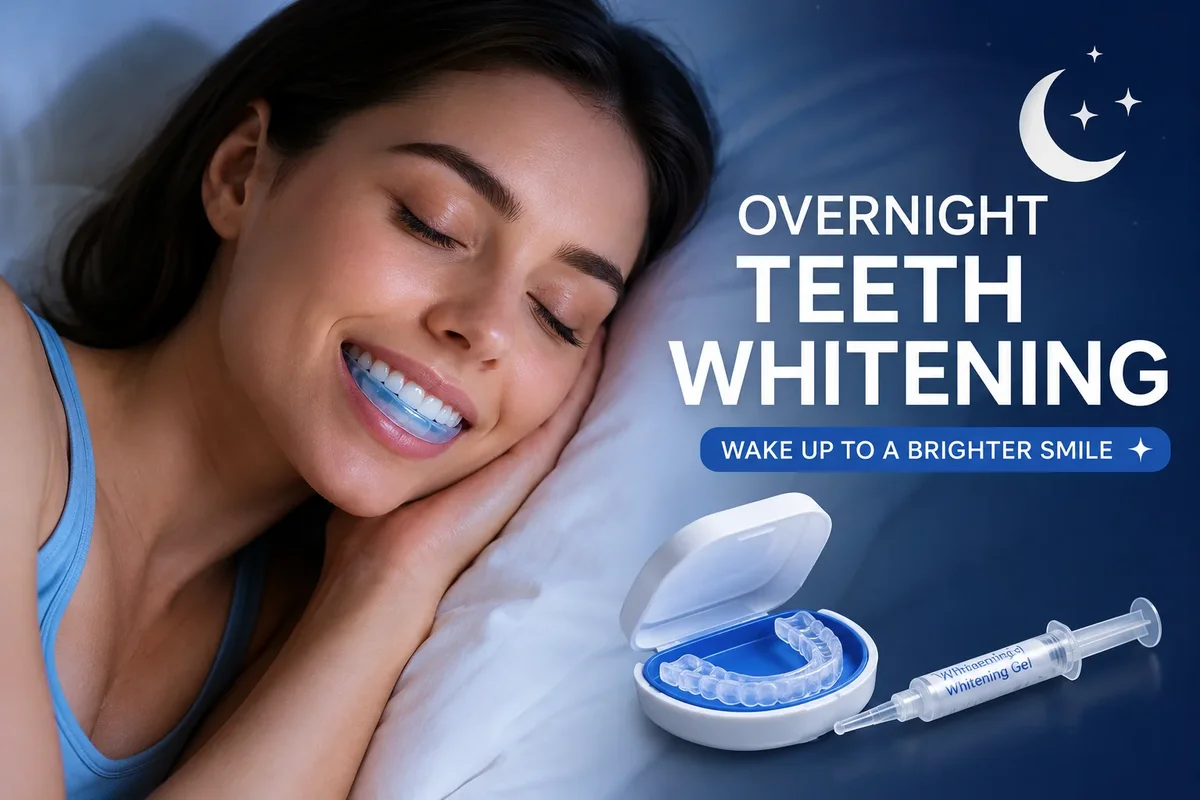
Common Mistakes That Ruin Overnight Teeth Whitening Results
✨ Many people begin overnight teeth whitening treatments expecting fast and dramatic results, but common mistakes can reduce whitening effectiveness, increase sensitivity, and even damage enamel over time. While overnight teeth whitening can be highly successful when performed correctly, improper product use and poor oral care habits may quickly reverse cosmetic improvements or create unnecessary complications.
Understanding the most common overnight teeth whitening mistakes is essential for anyone who wants safer treatment, healthier enamel, and longer-lasting whitening results. Many whitening problems are preventable with proper guidance, consistent oral hygiene, and realistic expectations.
Using Overnight Teeth Whitening Products Too Frequently
🦷 One of the biggest mistakes people make is overusing overnight teeth whitening products in an attempt to achieve faster results. Some users mistakenly believe that more whitening sessions automatically produce whiter teeth. In reality, excessive whitening may lead to serious enamel sensitivity and gum irritation.
Overusing overnight teeth whitening products can cause:
- Temporary tooth pain
- Sharp sensitivity to temperature
- Gum inflammation
- Enamel dehydration
- Uneven whitening
Whitening agents work gradually, and the enamel needs time to recover between treatments. Following the manufacturer’s instructions or a dentist’s recommendations is extremely important for safe overnight teeth whitening.
Why More Whitening Is Not Always Better
Excessive whitening does not necessarily produce dramatically brighter teeth after a certain point. Once stains are removed, additional overnight teeth whitening may simply increase irritation without creating meaningful cosmetic improvement.
Skipping Dental Checkups Before Whitening
😁 Another common mistake is starting overnight teeth whitening without first checking overall oral health. Patients with untreated cavities, gum disease, cracked teeth, or exposed roots may experience significantly more discomfort during whitening treatment.
Professional dental examinations help identify issues such as:
- Hidden tooth decay
- Gum recession
- Enamel erosion
- Broken fillings
- Dental infections
Ignoring these problems before overnight teeth whitening can worsen sensitivity and lead to more serious dental complications.
Patients considering professional whitening evaluation may contact specialists through the Redent Klinik Contact Page.
Using Poorly Fitting Whitening Trays
⚠️ Generic whitening trays are another major source of problems during overnight teeth whitening. Poorly fitting trays may allow whitening gel to leak onto the gums or fail to contact the teeth evenly.
This can result in:
- Patchy whitening
- Gum irritation
- Burning sensations
- Uneven tooth color
- Reduced whitening effectiveness
Professional custom trays are often recommended because they fit the teeth precisely and distribute whitening gel more evenly throughout overnight teeth whitening treatment.
Why Custom Trays Matter
Custom whitening trays reduce unnecessary gel exposure to soft tissues while improving comfort during sleep. Patients who use professional tray systems often experience more predictable and natural-looking overnight teeth whitening results.
Ignoring Post-Whitening Food Restrictions
☕ Many patients ruin overnight teeth whitening results by consuming staining foods and beverages immediately after treatment. Following whitening sessions, enamel becomes temporarily more porous and vulnerable to discoloration.
Common stain-causing substances include:
- Coffee
- Tea
- Red wine
- Dark soda
- Soy sauce
- Tomato sauce
- Berries
Smoking after overnight teeth whitening is also one of the fastest ways to reverse whitening improvements.
The Importance of the “White Diet”
Many dentists recommend following a temporary “white diet” for at least 24 to 48 hours after overnight teeth whitening. This involves eating light-colored foods that are less likely to stain freshly whitened enamel.
Brushing Too Aggressively After Whitening
🪥 Some individuals believe aggressive brushing will help maintain overnight teeth whitening results longer. However, brushing too hard can damage enamel and irritate sensitive gums.
Aggressive brushing may lead to:
- Enamel wear
- Increased tooth sensitivity
- Gum recession
- Uneven enamel texture
Using a soft-bristled toothbrush and gentle brushing techniques is much safer after overnight teeth whitening treatment.
Using Unverified Whitening Products
💡 The internet contains countless whitening products claiming instant overnight teeth whitening results. Unfortunately, some products contain unsafe or unregulated ingredients that may harm enamel or soft tissues.
Risky whitening products may include:
- Excessively strong peroxide formulas
- Abrasive charcoal pastes
- Acidic whitening powders
- Unregulated online whitening kits
Choosing trusted whitening systems approved by dental professionals is much safer for long-term oral health.
How to Identify Safer Whitening Products
Safer overnight teeth whitening products often include:
- Clear ingredient labeling
- ADA-recognized standards
- Professional dental recommendations
- Sensitivity-reducing ingredients
The American Dental Association provides guidance on responsible whitening product selection and safe oral care practices.
Expecting Instant Results From Overnight Teeth Whitening
🌟 Unrealistic expectations are another common mistake. Although overnight teeth whitening can produce visible improvements, most patients require several sessions before achieving major cosmetic changes.
Results depend on:
- Original tooth color
- Type of stains
- Enamel thickness
- Lifestyle habits
- Whitening consistency
Deep intrinsic stains often require longer treatment periods than mild surface discoloration.
Failing to Maintain Proper Oral Hygiene
😁 Overnight teeth whitening alone cannot permanently protect teeth from future stains. Poor oral hygiene allows plaque and tartar buildup, which can attract new discoloration quickly.
Essential oral hygiene habits include:
- Brushing twice daily
- Flossing regularly
- Using fluoride toothpaste
- Scheduling professional cleanings
- Rinsing after dark beverages
Consistent dental care is one of the most important factors in preserving overnight teeth whitening results long-term.
Whitening Teeth With Existing Restorations
⚠️ Many people do not realize that overnight teeth whitening only affects natural enamel. Crowns, veneers, fillings, and bonding materials usually do not whiten the same way as natural teeth.
This may cause:
- Uneven coloration
- Mismatched restorations
- Visible contrast between teeth
Patients with extensive dental restorations should consult a cosmetic dentist before beginning overnight teeth whitening treatment.
Ignoring Tooth Sensitivity Symptoms
😬 Mild sensitivity during overnight teeth whitening is relatively common, but severe pain should never be ignored. Continuing treatment despite intense discomfort may worsen enamel irritation or reveal underlying dental problems.
Signs that require professional evaluation include:
- Persistent sharp pain
- Swollen gums
- Bleeding tissues
- Lingering temperature sensitivity
- Severe enamel discomfort
Dentists may recommend adjusting peroxide concentration, reducing whitening frequency, or using desensitizing products.
How to Protect Overnight Teeth Whitening Results
🌈 Successful overnight teeth whitening depends on patience, proper product use, and consistent oral care. Patients who avoid common whitening mistakes usually enjoy brighter smiles for much longer.
Helpful whitening protection strategies include:
- Following professional instructions carefully
- Avoiding excessive whitening frequency
- Maintaining healthy enamel
- Reducing stain-causing habits
- Using touch-up treatments responsibly
- Attending regular dental checkups
When used correctly, overnight teeth whitening can significantly improve smile appearance and confidence. Avoiding these common mistakes helps ensure safer whitening, healthier enamel, and longer-lasting cosmetic results.