
A paediatric orthodontist is a specialized dental professional who focuses on diagnosing, preventing, and correcting dental and facial irregularities in children and teenagers. Their primary goal is to ensure proper jaw growth, teeth alignment, and oral development during a child’s formative years. While general dentists handle routine cleanings and fillings, a paediatric orthodontist has additional training in guiding teeth and jaw development — ensuring that your child’s smile is not only beautiful but also functional and healthy 😊.
Paediatric orthodontics is not merely about straightening teeth. It’s about identifying early signs of potential bite issues, overcrowding, or jaw misalignments before they become serious problems. By intervening early, a paediatric orthodontist can minimize the need for more invasive treatments later in life. This proactive approach is why the American Dental Association (American Dental Association) recommends orthodontic evaluations for children as early as age 7.
Why Early Orthodontic Care Matters
Children’s jaws and teeth develop rapidly, and small issues can quickly turn into major ones if not addressed. For example, early loss of baby teeth, thumb-sucking habits, or improper tongue posture can cause misalignment of the permanent teeth. A paediatric orthodontist monitors these changes through regular checkups, often using diagnostic tools such as X-rays, dental impressions, and digital scans to evaluate how the teeth and jaws are growing.
In many cases, early orthodontic care involves interceptive treatment — gentle interventions that guide jaw growth and tooth eruption. Examples include space maintainers to preserve gaps for incoming permanent teeth, or functional appliances that help align the bite correctly. These subtle, early adjustments prevent the need for complex braces or jaw surgery later on. Essentially, a paediatric orthodontist lays the foundation for a lifetime of healthy smiles 🦷✨.
The Difference Between a Dentist and a Paediatric Orthodontist
While both professionals play crucial roles in oral health, their expertise differs. A general dentist focuses on maintaining the health of teeth and gums through cleanings, fillings, and cavity prevention. On the other hand, a paediatric orthodontist specializes in how teeth and jaws grow and align. They spend additional years studying child growth patterns, orthodontic biomechanics, and facial development. This advanced knowledge allows them to detect irregularities that might not yet be visible to a general dentist.
For example, a dentist may notice that a child’s teeth are crooked, but a paediatric orthodontist understands whether the underlying cause is a jaw discrepancy, crowding, or delayed eruption. They then create a tailored plan that may involve removable aligners, fixed braces, or early growth modification devices. Their focus is always on achieving balance — not only a straight smile but also proper chewing, speech, and breathing function.
Common Conditions Treated by Paediatric Orthodontists
Paediatric orthodontists treat a wide range of dental and skeletal irregularities. Common conditions include:
- Overbite or underbite – When the upper or lower teeth extend too far forward or backward.
- Crossbite – When the upper teeth sit inside the lower teeth when biting.
- Open bite – When there’s a visible gap between upper and lower front teeth even when the mouth is closed.
- Crowding – When there’s not enough space in the jaw for all teeth to fit properly.
- Spacing issues – Gaps between teeth that can affect alignment and aesthetics.
- Jaw growth irregularities – When one jaw grows faster than the other, affecting facial symmetry.
Each of these conditions can impact not only appearance but also how a child speaks, chews, and even breathes. A paediatric orthodontist uses a mix of early intervention strategies, braces, aligners, and growth appliances to correct them. The earlier these issues are detected, the simpler and more comfortable the correction process tends to be.
Modern Tools and Techniques Used by Paediatric Orthodontists
Today’s orthodontic care for children is more comfortable and precise than ever before. Thanks to innovations like 3D imaging, digital impressions, and clear aligner technology, children can undergo orthodontic treatment with minimal discomfort and maximum accuracy. Many paediatric orthodontists also use behavioral techniques and child-friendly communication to make young patients feel relaxed during appointments 🧸.
Parents often worry about the emotional comfort of their child during dental visits. A good paediatric orthodontist knows how to explain each step in child-friendly terms, ensuring trust and cooperation. They may also offer rewards or visual progress charts to motivate kids to maintain good oral hygiene throughout the process.
When to Book Your Child’s First Visit
The ideal time for your child’s first orthodontic evaluation is around age 7, even if all baby teeth haven’t fallen out yet. At this age, a paediatric orthodontist can assess bite development and spot issues that may not be visible to parents. Early detection ensures timely intervention and avoids more complicated treatments in the teenage years.
If you’re looking for a trusted professional, you can easily reach out through the Redent Klinik Contact Page to consult with a specialist. It’s the first step toward ensuring your child’s dental growth is properly guided from the start.
Final Thoughts
Choosing the right paediatric orthodontist means investing in your child’s long-term oral health, confidence, and overall well-being. With a preventive approach, expert guidance, and compassionate care, these specialists help children develop a healthy, confident smile that lasts a lifetime. Whether your child needs braces, aligners, or simply a professional evaluation, remember that early attention makes all the difference 💫.
When Should Your Child See a Paediatric Orthodontist?
Knowing when to take your child to a paediatric orthodontist is one of the most important steps in ensuring proper dental and facial development. Many parents believe orthodontic care is only necessary once all permanent teeth have erupted, but this is a common misconception. In fact, early orthodontic evaluation — often around age seven — allows potential issues to be identified and treated before they worsen. This proactive approach can make treatments shorter, less invasive, and more effective in the long term. 🦷
Understanding Early Orthodontic Evaluation
According to the American Dental Association, a child should have their first orthodontic check-up no later than age 7. By this stage, a combination of baby and permanent teeth are present, providing the paediatric orthodontist with enough information to assess how the jaw and teeth are developing. At this age, issues such as crowding, spacing, overbites, underbites, and crossbites become easier to detect.
An early evaluation doesn’t always mean immediate treatment. In many cases, the paediatric orthodontist may recommend a “watch and wait” approach. Regular monitoring allows the orthodontist to observe natural growth and intervene at the optimal time if necessary. This timing-based approach is one of the biggest advantages of consulting a specialist early — it helps reduce the complexity and cost of later treatments.
Key Age Milestones for Orthodontic Visits
The timing of visits to a paediatric orthodontist often depends on a child’s unique dental development. Below are the most common stages:
Age 6–7: The First Evaluation
At this point, the first permanent molars and incisors usually begin to appear. The paediatric orthodontist can evaluate bite alignment, jaw growth, and spacing. Any signs of early crowding, thumb-sucking habits, or premature loss of baby teeth can be addressed before they lead to more serious misalignments.
Age 9–11: Interceptive Orthodontic Phase
This phase focuses on guiding jaw growth and correcting functional problems. During this period, a paediatric orthodontist might use removable appliances or partial braces to help align the bite. These gentle interventions can reduce the need for full braces later on. They also help create sufficient space for adult teeth, preventing crowding and overlapping.
Age 12–14: Comprehensive Treatment Phase
Once all permanent teeth have erupted, full orthodontic treatment — such as braces or aligners — may be recommended. The paediatric orthodontist evaluates the bite, facial symmetry, and alignment to create a customized treatment plan. This stage often involves addressing more complex cases, ensuring the child’s teeth, jaws, and facial structure are properly balanced.
Early Warning Signs That Indicate a Need for Orthodontic Evaluation
Parents should be aware of common signs that signal it’s time to visit a paediatric orthodontist. Recognizing these early can make a big difference in treatment success and duration. Look for the following indicators:
- Difficulty chewing or biting food
- Breathing primarily through the mouth
- Thumb-sucking or finger-sucking habits beyond age 5
- Speech difficulties, such as lisping or unclear pronunciation
- Early or late loss of baby teeth
- Protruding, crowded, or misaligned teeth
- Visible jaw shifting when opening or closing the mouth
If any of these symptoms are present, scheduling a consultation with a paediatric orthodontist can help prevent long-term dental complications. Even small irregularities can impact jaw growth, speech development, and self-confidence. Remember, it’s far easier to guide growth than to correct it later in life.
Benefits of Early Orthodontic Visits
Visiting a paediatric orthodontist at the right time offers numerous benefits beyond aesthetic improvements. Early care helps:
- Enhance facial balance: Guiding jaw growth promotes symmetry and proportional facial features.
- Reduce treatment time: Addressing minor issues early can shorten or eliminate the need for braces later.
- Prevent tooth extractions: Proper guidance creates space for permanent teeth to erupt naturally.
- Improve speech and chewing: Correct bite alignment supports natural oral function and speech clarity.
- Boost self-esteem: Early correction of visible misalignments can improve a child’s confidence and social comfort.
Children who visit a paediatric orthodontist early tend to experience smoother, faster treatment outcomes. The orthodontist can plan the process strategically around growth spurts, ensuring optimal and natural results.
Common Myths About Timing of Orthodontic Treatment
There are several myths surrounding the right age to visit a paediatric orthodontist. One popular misconception is that orthodontic treatment should begin only after all permanent teeth have come in. However, waiting too long can make treatment more complicated and costly. Another myth is that braces are only for teenagers. In reality, early interceptive care is one of the most effective ways to correct issues before adolescence.
Another common myth is that baby teeth don’t matter because they will eventually fall out. This couldn’t be further from the truth. Baby teeth play an essential role in holding space for adult teeth and guiding them into the right position. If they are lost prematurely or shift due to crowding, it can lead to long-term bite problems that require complex treatment.
What Happens During the First Orthodontic Visit?
Your child’s first visit to a paediatric orthodontist typically includes a detailed examination of teeth, jaws, and facial structure. The orthodontist may take digital X-rays, photos, or impressions to study alignment and growth patterns. After evaluation, they discuss findings and treatment options with parents, ensuring they understand every step of the process. This transparent communication builds trust and helps children feel more at ease during future visits. 🌟
If you’re uncertain whether it’s time for your child’s orthodontic check-up, consider scheduling an evaluation through the Redent Klinik Contact Page. Early assessment ensures your child receives the right care at the right time — paving the way for a confident, healthy smile that lasts a lifetime.
Ultimately, consulting a paediatric orthodontist early allows for proactive management of potential problems, rather than reactive treatment later. By understanding when to act, parents can help their children grow with balanced jaws, aligned teeth, and a radiant smile that supports lifelong oral health. 🪥💖
Early Signs Your Child May Need Orthodontic Treatment
Recognizing the early signs that your child may need to see a paediatric orthodontist can make a tremendous difference in their oral health and overall facial development. Many orthodontic problems begin in childhood, long before all the permanent teeth have erupted. Identifying these warning signals early allows a paediatric orthodontist to guide jaw growth, align teeth properly, and ensure a balanced bite — saving time, cost, and discomfort later on. 🦷✨
Why Early Detection Matters
Early detection is the foundation of preventive orthodontics. A paediatric orthodontist specializes in identifying subtle problems in jaw alignment or tooth positioning that may not be immediately visible to parents. These early assessments often take place around the age of seven when both baby teeth and permanent teeth coexist. The goal is to diagnose potential developmental issues before they cause permanent damage or affect a child’s confidence.
Ignoring the early signs of misalignment can lead to more serious problems such as speech difficulties, improper chewing, breathing challenges, and even temporomandibular joint (TMJ) pain. By consulting a paediatric orthodontist early, parents can prevent long-term complications and promote natural, healthy oral development.
Common Physical Signs That Indicate Orthodontic Problems
A child’s smile can reveal a lot about their dental health. Below are the most common physical signs that suggest your child might benefit from visiting a paediatric orthodontist:
- Crowded or overlapping teeth: When there isn’t enough space in the mouth for teeth to grow straight, they may twist, overlap, or become crooked.
- Protruding teeth: Teeth that stick out too far — often referred to as “buck teeth” — can increase the risk of injury and affect facial aesthetics.
- Overbite or underbite: If the upper front teeth overlap excessively (overbite) or the lower teeth stick out beyond the upper teeth (underbite), it can interfere with chewing and speech.
- Crossbite: When some upper teeth sit inside the lower teeth instead of outside, it may cause uneven jaw growth and facial asymmetry.
- Open bite: When there’s a visible gap between upper and lower front teeth even when the mouth is closed, often caused by thumb-sucking or tongue thrusting.
Each of these signs can indicate a need for early intervention. A paediatric orthodontist uses X-rays, dental impressions, and digital scans to analyze these issues in depth and recommend suitable treatments such as spacers, expanders, or braces.
Behavioral Signs Parents Should Watch For
While some orthodontic issues are visible, others can be detected through a child’s habits or behaviors. Paying attention to these subtle cues can help parents determine when it’s time to seek help from a paediatric orthodontist. Common behavioral indicators include:
- Frequent mouth breathing rather than nasal breathing.
- Snoring or sleep disturbances caused by jaw misalignment or airway obstruction.
- Persistent thumb or finger sucking beyond age 5.
- Chewing on objects such as pencils, fingernails, or toys.
- Speech difficulties like lisping or unclear pronunciation.
- Complaints of jaw pain or fatigue when eating or speaking.
These behavioral symptoms may not seem serious at first, but they often indicate underlying dental or skeletal issues that a paediatric orthodontist can diagnose accurately. For instance, mouth breathing can affect facial structure over time, leading to a narrow upper jaw and crowded teeth.
Developmental Clues in Jaw and Facial Growth
A child’s face and jaw develop rapidly during the first decade of life. Even small irregularities can disrupt natural growth patterns. A paediatric orthodontist pays close attention to developmental indicators such as:
- Uneven jaw growth (one side appearing larger or higher than the other)
- Difficulty biting into certain foods like apples or sandwiches
- Teeth that don’t come together properly when biting
- Noticeable facial asymmetry or slanted smile lines
These signs may not cause pain immediately but can result in long-term bite and alignment problems. Early assessment allows a paediatric orthodontist to guide jaw development using functional appliances, helping the jaws grow in harmony.
The Role of Genetics and Family History
Genetics plays a significant role in orthodontic health. If parents or siblings required braces, there’s a higher chance the child might too. A paediatric orthodontist often asks about family dental history during consultations to anticipate hereditary patterns such as jaw discrepancies, crowding, or tooth size issues. Understanding these factors allows the specialist to plan early interventions tailored to the child’s unique genetic makeup.
Consequences of Ignoring Early Signs
Delaying a visit to the paediatric orthodontist can lead to complications that affect not only dental health but also overall well-being. Misaligned teeth are harder to clean, increasing the risk of cavities and gum disease. Improper bites can also strain jaw muscles, cause headaches, and impact speech clarity. Moreover, visible misalignment can lower a child’s self-esteem and make them hesitant to smile confidently.
By acting early, parents give their child a better chance of achieving a healthy, harmonious smile. Early orthodontic evaluation ensures the jaws and teeth grow correctly, reducing the likelihood of complex procedures such as tooth extraction or surgery later in life.
When to Schedule an Orthodontic Evaluation
The ideal time to schedule an orthodontic evaluation is around age seven. Even if no visible issues are present, a paediatric orthodontist can use diagnostic tools to assess the potential for future misalignments. The orthodontist will monitor your child’s growth and determine the best moment to intervene, ensuring efficient and comfortable treatment.
If you’re uncertain whether your child shows early warning signs, booking a consultation at the Redent Klinik Contact Page is a great place to start. The clinic’s specialists can evaluate your child’s dental development and recommend personalized guidance.
Final Thoughts
Spotting the early signs of orthodontic problems is key to maintaining your child’s oral health. A paediatric orthodontist provides not only corrective care but also preventive strategies that shape lifelong dental health. By paying attention to changes in your child’s teeth, bite, and habits, you can ensure they grow with a confident, beautiful smile — one that reflects both health and happiness. 🌟
Benefits of Early Orthodontic Evaluation for Children
An early visit to a paediatric orthodontist can make a life-changing difference in a child’s oral health, confidence, and long-term smile aesthetics. Orthodontic issues often begin subtly — sometimes before all permanent teeth have erupted — but early evaluation allows professionals to identify and correct these problems before they escalate. The process, known as interceptive orthodontics, focuses on guiding jaw growth, managing tooth eruption, and preventing severe misalignment in the future. 🦷💫
What Is Early Orthodontic Evaluation?
Early orthodontic evaluation, sometimes referred to as a “phase one” assessment, is a diagnostic process performed by a paediatric orthodontist to monitor a child’s developing teeth and jaws. This usually occurs around the age of 6–7 when the first permanent molars and incisors start to appear. At this stage, the orthodontist can identify underlying issues that may not yet be visible — such as jaw misalignment, crowding, spacing problems, or skeletal discrepancies.
The main advantage of this evaluation is prevention. Instead of waiting until all permanent teeth erupt, a paediatric orthodontist can create a long-term plan to correct growth patterns and reduce the need for complex treatments later. Through digital X-rays, 3D imaging, and impression scans, they can accurately predict how the child’s smile will develop and intervene when necessary.
Key Benefits of Seeing a Paediatric Orthodontist Early
Early orthodontic assessments are not just about aesthetics — they are crucial for oral function, speech, and jaw development. Below are the major benefits parents can expect when scheduling an early evaluation with a paediatric orthodontist:
1. Guiding Jaw Growth and Tooth Eruption
Children’s jaws grow rapidly during early childhood. A paediatric orthodontist can use specialized appliances such as palatal expanders or space maintainers to help the jaws develop properly. This guidance ensures that permanent teeth erupt in their correct positions, reducing the risk of overcrowding or misalignment later in life. Proper jaw alignment also improves facial balance and symmetry, contributing to a more harmonious appearance.
2. Preventing Serious Bite Problems
Malocclusions such as overbites, underbites, and crossbites can affect a child’s ability to chew, speak, and even breathe properly. By intervening early, a paediatric orthodontist can correct these issues while the bones are still growing and flexible. For example, functional appliances can be used to train jaw muscles, helping the bite develop naturally. Early correction can also prevent temporomandibular joint (TMJ) strain, which could lead to headaches and jaw pain later in life.
3. Reducing the Need for Future Extractions or Surgery
One of the most significant benefits of early evaluation is reducing the likelihood of invasive treatments in adolescence or adulthood. When orthodontic problems are caught early, a paediatric orthodontist can use less aggressive approaches, often eliminating the need for tooth extractions or jaw surgery later on. This early intervention approach not only minimizes discomfort but also reduces overall treatment time and cost.
4. Correcting Harmful Oral Habits
Certain habits, such as thumb-sucking, tongue thrusting, or prolonged pacifier use, can have a lasting impact on jaw development and tooth positioning. A paediatric orthodontist can identify these behaviors and provide solutions like habit-breaking appliances or behavior modification techniques. Early correction of these habits prevents open bites and misaligned teeth while supporting proper oral development.
5. Improving Speech and Breathing
Orthodontic problems can sometimes affect a child’s ability to speak clearly or breathe comfortably. For instance, narrow upper jaws can cause nasal obstruction and lead to mouth breathing, which can alter facial growth. A paediatric orthodontist can address these structural issues, ensuring the airways remain open and the child develops normal speech patterns. Correcting these issues early leads to better overall health and improved self-confidence.
6. Boosting Self-Esteem and Social Confidence
A beautiful smile can have a profound effect on a child’s self-esteem. Misaligned or protruding teeth can cause embarrassment or reluctance to smile, affecting social interactions. Early treatment by a paediatric orthodontist helps children feel more confident in their appearance, promoting positive emotional and social development. Confidence in smiling often translates to greater self-assurance in school and social settings. 😊
The Role of Growth Monitoring in Orthodontic Success
An essential aspect of early orthodontic care is continuous monitoring. After the initial evaluation, a paediatric orthodontist typically schedules follow-up visits every 6–12 months. These regular checkups allow them to track jaw growth, tooth eruption, and spacing patterns. If new issues arise, the orthodontist can intervene at the optimal time, preventing more complex corrections later.
This proactive monitoring also helps align orthodontic treatment with natural growth spurts. Timing plays a critical role — by intervening when bones are developing rapidly, a paediatric orthodontist can achieve more effective, stable, and long-lasting results.
Financial and Practical Benefits of Early Intervention
While many parents assume early orthodontic visits are an added expense, the opposite is often true. Addressing dental issues during the developmental phase typically shortens overall treatment duration and reduces costs compared to full corrective treatments in adolescence. In some cases, early treatment eliminates the need for braces altogether.
Moreover, many clinics — such as those accessible through the Redent Klinik Contact Page — offer flexible payment plans and free consultations for early orthodontic assessments. This ensures parents can access specialized care without financial stress, promoting healthier outcomes for children.
Emotional Comfort and Child-Friendly Care
Children who begin orthodontic visits early often feel more comfortable in the dental environment. A paediatric orthodontist is trained not only in dental anatomy but also in child psychology, ensuring that young patients feel safe and supported throughout their journey. Clinics designed for children often include playful decor, rewards, and gentle communication to reduce anxiety.
Final Thoughts
Early orthodontic evaluation offers a foundation for a lifetime of healthy smiles. Consulting a paediatric orthodontist at the right time means taking proactive steps to ensure proper jaw growth, alignment, and confidence for your child. Beyond aesthetics, these specialists support functional health — improving breathing, chewing, and speech — while creating a smile your child can proudly share for years to come. 🌟
If you suspect your child may need early orthodontic evaluation, schedule a visit with a trusted professional today. Begin your journey toward healthier smiles through the Redent Klinik Contact Page and let an experienced paediatric orthodontist guide your child toward a brighter, more confident future.
Common Treatments Performed by a Paediatric Orthodontist
A paediatric orthodontist provides a wide range of treatments designed to guide the growth and alignment of children’s teeth and jaws. These treatments are far more than cosmetic; they focus on improving oral function, preventing long-term dental complications, and ensuring balanced facial development. Because every child’s mouth is unique, a paediatric orthodontist tailors each treatment plan to the child’s specific needs, age, and stage of development. From early-phase interceptive techniques to braces and retainers, these specialists use advanced technology and gentle methods to create confident, healthy smiles. 😁
1. Interceptive Orthodontic Treatment
Interceptive orthodontics is the earliest form of intervention performed by a paediatric orthodontist. It typically occurs between ages 6 and 10, when both baby and permanent teeth are present. The goal is to “intercept” problems as they develop rather than wait until they become more serious. This proactive approach helps guide the growth of the jaw and teeth to avoid future misalignment.
Common procedures during this phase include using space maintainers, palatal expanders, and functional appliances. These devices help widen the upper jaw, preserve space for incoming permanent teeth, and improve bite balance. For example, if a child loses a baby tooth prematurely, a space maintainer ensures that the surrounding teeth do not shift into the empty spot — preventing overcrowding later.
Palatal Expanders
A palatal expander is a custom device used by a paediatric orthodontist to gradually widen the upper jaw. This is especially important when a child has a narrow palate, which can cause crossbites or crowding. The device works by applying gentle pressure on the upper molars, helping the two halves of the jaw bone move apart slightly. Over time, this creates more space for permanent teeth to erupt properly. Expanders are typically worn for several months and can significantly reduce the need for braces or tooth extractions later.
Functional Appliances
Functional appliances are another tool in early orthodontics. These removable or fixed devices help correct jaw discrepancies — for instance, if the lower jaw is smaller than the upper one. By repositioning the jaw and influencing muscle activity, a paediatric orthodontist encourages proper bite development. Early use of these appliances often leads to more balanced facial structure and prevents future skeletal irregularities.
2. Braces for Children and Teenagers
Braces remain one of the most effective and widely used orthodontic treatments. A paediatric orthodontist uses braces to align crooked teeth, correct bite problems, and improve both aesthetics and function. Modern braces come in various forms — metal, ceramic, or lingual (behind the teeth) — and each option is chosen based on the child’s dental needs and preferences.
How Braces Work
Braces consist of brackets attached to each tooth and connected by an archwire that applies gentle, consistent pressure. Over time, this pressure moves teeth into their ideal positions. The paediatric orthodontist adjusts the wire during regular visits, guiding gradual, safe alignment. Elastic bands may also be used to correct jaw positioning and bite coordination.
Benefits of Braces for Children
- Corrects crooked or overlapping teeth
- Improves chewing and speech function
- Reduces the risk of tooth decay and gum disease by improving oral hygiene
- Enhances confidence and facial appearance
Most children wear braces for 18–24 months, depending on the complexity of their case. During this period, the paediatric orthodontist monitors progress closely, ensuring the teeth move as planned and that oral hygiene remains optimal.
3. Clear Aligners for Kids and Teens
Clear aligners, such as Invisalign® First or Invisalign® Teen, are becoming increasingly popular among young patients. These transparent trays gently shift teeth into place without the need for metal wires or brackets. They are comfortable, removable, and almost invisible — ideal for children concerned about appearance or comfort. A paediatric orthodontist designs a series of custom aligners that gradually move the teeth, with each set worn for about one to two weeks.
While aligners require discipline — as they must be worn at least 20–22 hours per day — they offer flexibility for eating and brushing. Regular follow-ups ensure treatment effectiveness and allow the orthodontist to make adjustments as needed.
4. Retainers and Post-Treatment Care
After active orthodontic treatment, the retention phase begins. Retainers are essential for maintaining the newly aligned teeth in their proper positions. A paediatric orthodontist typically recommends either removable or fixed retainers depending on the child’s needs.
Types of Retainers
- Removable retainers: Usually made of clear plastic or acrylic, these are worn at night and can be taken out for cleaning.
- Fixed retainers: Thin metal wires attached behind the teeth, offering long-term stability without daily removal.
Wearing retainers as instructed is vital, as teeth naturally have a tendency to shift back into their previous positions. The paediatric orthodontist monitors the retention phase to ensure that results remain stable and that the child’s bite continues to function correctly.
5. Habit-Breaking Appliances
Some orthodontic problems stem from habits such as thumb-sucking or tongue-thrusting. These behaviors can alter jaw development and cause open bites or misalignment. A paediatric orthodontist can design habit-breaking appliances that discourage these habits gently but effectively. These devices help guide natural oral posture, ensuring that the child’s teeth and jaws develop properly.
6. Orthodontic Headgear (for Complex Cases)
In more advanced cases involving severe overbites or jaw discrepancies, the paediatric orthodontist may recommend headgear. This device applies gentle pressure to influence jaw growth and tooth movement. Although less common today thanks to modern alternatives, headgear remains an effective tool for certain cases, especially when started early in development.
Technology and Comfort in Modern Orthodontics
Modern paediatric orthodontist clinics use cutting-edge technologies such as 3D imaging, digital scanning, and computer-assisted treatment planning to ensure precision and comfort. These innovations eliminate messy impressions, reduce chair time, and allow for more predictable results. Children today benefit from more comfortable braces, faster treatment timelines, and personalized care experiences than ever before.
Final Thoughts
Whether it’s guiding jaw growth, correcting bite issues, or ensuring lifelong oral health, a paediatric orthodontist plays a crucial role in shaping a child’s smile. By offering treatments tailored to growth stages, these specialists not only improve dental alignment but also enhance confidence, speech, and overall well-being. 🌟
If your child is showing signs of misalignment or bite issues, now is the perfect time to seek expert guidance. Visit the Redent Klinik Contact Page to schedule an evaluation with a trusted paediatric orthodontist and start your child’s journey toward a healthy, radiant smile.
How to Choose the Right Paediatric Orthodontist for Your Child
Selecting the right paediatric orthodontist for your child is one of the most important decisions you can make for their long-term dental health and confidence. Orthodontic treatment often spans several years, so finding a specialist who is both highly skilled and child-friendly is essential. A paediatric orthodontist not only corrects teeth alignment and jaw development but also ensures that each visit is comfortable, educational, and positive. This comprehensive guide will help you identify what to look for when choosing the best orthodontic care provider for your child. 🦷💖
1. Verify Qualifications and Specialized Training
Not all orthodontists are created equal. A paediatric orthodontist undergoes additional years of specialized training beyond general dentistry to understand the complexities of children’s oral and facial growth. This training includes child psychology, craniofacial development, and behavior management. When evaluating potential orthodontists, look for certifications from reputable organizations such as the American Dental Association or national orthodontic boards. These credentials ensure the professional has completed rigorous education and adheres to the highest clinical standards.
You can also check if the orthodontist participates in continuing education programs. Since dental technology evolves rapidly, a truly skilled paediatric orthodontist keeps up with the latest techniques, materials, and digital systems to offer the safest and most effective care possible.
2. Assess Experience and Reputation
Experience plays a vital role in choosing the right paediatric orthodontist. Specialists who have treated many pediatric cases are better equipped to manage diverse dental issues, from mild crowding to complex jaw misalignments. Ask how many years they have been practicing and how often they work with children of your child’s age group.
Checking Reviews and Recommendations
Word of mouth and online reviews are valuable indicators of an orthodontist’s reputation. Read testimonials from other parents, and pay attention to comments about professionalism, communication, and how well the staff interacts with children. Positive reviews often reflect a welcoming environment where children feel relaxed and supported — a hallmark of an excellent paediatric orthodontist.
If you know other parents whose children have undergone orthodontic treatment, don’t hesitate to ask for recommendations. Personal referrals are often more trustworthy than advertisements and can help narrow your search to qualified, compassionate professionals.
3. Evaluate Clinic Environment and Child-Friendliness
A comfortable, engaging environment can make a world of difference in how your child perceives dental care. A paediatric orthodontist clinic should be designed with young patients in mind — colorful interiors, friendly staff, and a gentle approach all help alleviate anxiety. Some clinics even include games, educational videos, or reward systems to motivate children to maintain good oral hygiene during treatment.
Pay close attention to how the orthodontist communicates with your child. A great paediatric orthodontist will explain procedures in simple, reassuring language and make sure the child feels involved in their own care. This trust-building approach encourages cooperation and reduces fear.
4. Explore Treatment Options and Technology
Modern orthodontics offers numerous options — from traditional braces to clear aligners and digital treatment planning. When choosing a paediatric orthodontist, ensure they use up-to-date technology such as 3D imaging, digital scans, and computer-guided aligner design. These advancements make treatments faster, more comfortable, and more precise.
Types of Orthodontic Solutions Offered
- Early interceptive treatment: For young children with developing jaws or bite issues.
- Traditional metal braces: The most effective option for moderate to severe misalignment.
- Ceramic or clear braces: Aesthetic alternatives suitable for teens.
- Invisalign® for Kids or Teens: A discreet solution for mild to moderate cases.
A professional paediatric orthodontist will discuss each option’s benefits, limitations, and costs transparently. They will also create a personalized treatment plan that takes into account your child’s growth stage, comfort, and lifestyle needs.
5. Consider Communication and Transparency
Clear communication between the paediatric orthodontist, parents, and the child is key to treatment success. During the consultation, the orthodontist should explain each phase of the process, including expected outcomes, timeline, and maintenance requirements. They should also be open to answering questions about costs, follow-up visits, and possible challenges.
A transparent orthodontist will never pressure you into treatment. Instead, they provide honest recommendations based on your child’s best interests, explaining when immediate action is necessary and when monitoring might be more appropriate.
6. Location, Accessibility, and Scheduling
Since orthodontic treatment often requires regular visits, convenience matters. Choose a paediatric orthodontist whose clinic is easily accessible from home or school. Flexible appointment hours, online booking, and short wait times can make the entire experience smoother for both you and your child.
Some clinics, like those accessible through the Redent Klinik Contact Page, offer convenient communication channels and modern digital follow-ups. This allows parents to discuss progress or concerns without multiple in-person visits — an excellent option for busy families.
7. Financial Transparency and Payment Plans
Orthodontic treatments are long-term investments, so understanding the financial aspect upfront is crucial. A reliable paediatric orthodontist provides a detailed cost breakdown before starting treatment, including consultation fees, appliance costs, and follow-up care. Many clinics also offer installment plans or discounts for upfront payments.
Ask if the clinic collaborates with dental insurance providers, as this can help offset costs. Transparency ensures there are no surprises down the line, allowing you to budget effectively while prioritizing your child’s oral health.
8. Emotional Connection and Trust
Children respond best when they feel safe and understood. A compassionate paediatric orthodontist builds rapport through patience, empathy, and encouragement. Trust is especially vital during long treatments, as it helps reduce fear and ensures better cooperation from young patients. Look for a professional who treats your child not as a case number but as an individual deserving of personalized care and attention. 🌟
Final Thoughts
Choosing the right paediatric orthodontist involves more than checking credentials — it’s about finding someone who combines expertise with kindness and communication. The ideal specialist will make your child feel confident and supported throughout their orthodontic journey, ensuring healthy growth and a beautiful smile that lasts a lifetime. For expert guidance and trusted care, visit the Redent Klinik Contact Page to connect with a qualified paediatric orthodontist dedicated to excellence in children’s orthodontics. 🦷💎
Understanding the Cost of Paediatric Orthodontic Care 💰
The cost of visiting a paediatric orthodontist varies depending on several factors, including the complexity of the child’s dental condition, the treatment duration, and the type of orthodontic appliances used. Orthodontic care is not just an investment in aesthetics — it’s a commitment to your child’s lifelong oral health, comfort, and confidence. Understanding the breakdown of costs, available payment options, and long-term benefits helps parents plan effectively and make informed decisions. This section provides a detailed overview of what influences orthodontic pricing and how to manage it wisely. 🦷
1. Factors That Influence the Cost of Orthodontic Treatment
Every child’s orthodontic needs are unique, and so are the costs associated with treatment. A paediatric orthodontist carefully evaluates several factors before providing an estimate. These include:
- Type of treatment: Traditional braces, ceramic braces, and clear aligners differ significantly in cost. For example, metal braces are generally less expensive than clear aligners like Invisalign®.
- Complexity of the case: Minor crowding or spacing issues may require shorter, simpler treatment, while severe jaw discrepancies can take longer and cost more.
- Duration of treatment: The longer the treatment plan, the higher the total cost due to frequent adjustments and maintenance.
- Geographic location: The cost of orthodontic care can vary based on the clinic’s region or country. Urban areas tend to have slightly higher pricing due to overhead expenses.
- Experience of the orthodontist: A highly skilled and experienced paediatric orthodontist may charge more, but their precision and expertise often lead to better and faster results.
Understanding these variables allows parents to appreciate that orthodontic care is personalized, not standardized. Quality care ensures not only a straighter smile but also proper jaw function and bite alignment — benefits that last a lifetime.
2. Average Costs of Common Orthodontic Treatments
While prices can vary between clinics, here’s an approximate guide to what parents might expect when consulting a paediatric orthodontist for various treatments. These estimates are based on typical pricing in Europe and the UK (in GBP) and can be adapted regionally:
| Treatment Type | Approximate Cost Range | Notes |
|---|---|---|
| Traditional Metal Braces | £2,000 – £4,500 | Most common and effective for complex alignment issues. |
| Ceramic (Clear) Braces | £3,000 – £5,500 | More aesthetic and less visible than metal braces. |
| Lingual Braces (Behind Teeth) | £4,500 – £7,000 | Completely hidden but can be more difficult to clean. |
| Clear Aligners (Invisalign® for Teens) | £2,500 – £5,000 | Removable and nearly invisible; best for mild to moderate cases. |
| Early Interceptive Treatment (Phase 1) | £1,000 – £2,000 | Used in younger children to guide jaw and teeth growth. |
These costs include routine adjustments, consultations, and follow-up appointments. However, additional expenses may arise for replacement retainers or extra visits if the child’s cooperation affects progress. A paediatric orthodontist will typically provide a detailed breakdown before treatment begins.
3. Payment Options and Financing Plans
To make orthodontic care more accessible, many clinics offer flexible payment plans. A reputable paediatric orthodontist understands that orthodontic treatment is a significant investment for families and aims to make it manageable. Common options include:
- Monthly installment plans: Spreading payments over 12–24 months to reduce financial pressure.
- Interest-free financing: Some clinics allow installment payments without additional charges.
- Discounts for upfront payment: Paying the full amount in advance often comes with a small discount.
- Insurance coverage: Dental insurance may partially cover orthodontic treatment, especially for children with functional issues rather than purely cosmetic ones.
Parents should always clarify the payment structure and confirm what is included in the quote — such as X-rays, retainers, or emergency visits — to avoid hidden costs later. Transparency is a key trait of a trustworthy paediatric orthodontist.
4. Cost vs. Long-Term Value
It’s important to view orthodontic care as an investment rather than an expense. A paediatric orthodontist not only enhances your child’s appearance but also prevents more costly dental problems later. Misaligned teeth are harder to clean, increasing the risk of cavities and gum disease. Jaw misalignment can cause headaches, speech difficulties, and uneven tooth wear. By addressing these early, parents save money on restorative dental work and medical complications in the future.
Moreover, the emotional and psychological benefits are priceless. A confident smile can improve a child’s self-esteem, social interactions, and even academic performance. Many parents report that their child’s personality blossoms after orthodontic treatment — a testament to the lasting impact of early care.
5. Affordable Orthodontic Care Without Compromising Quality
Parents should never have to sacrifice quality for affordability. A qualified paediatric orthodontist offers personalized treatment plans that balance cost and effectiveness. Some clinics also provide family packages or sibling discounts, reducing the overall financial burden for households with multiple children requiring orthodontic care.
Finding the Right Clinic
Before choosing a provider, compare clinics not only by cost but also by reputation, experience, and patient satisfaction. Reputable centers like Redent Klinik offer transparent pricing, free consultations, and advanced technology — ensuring you receive world-class care at fair rates. Always ask for a written treatment estimate and make sure the orthodontist explains every step clearly.
6. Questions to Ask Before Starting Treatment
When discussing costs with your paediatric orthodontist, consider asking the following questions:
- What’s included in the treatment quote (X-rays, retainers, emergencies)?
- Are there flexible payment options or family discounts?
- Does the clinic partner with insurance providers?
- What happens if treatment takes longer than expected?
- Are there warranties or guarantees for results?
These questions not only clarify the financial aspects but also demonstrate the orthodontist’s transparency and commitment to quality care.
Final Thoughts
The cost of seeing a paediatric orthodontist should be viewed as an investment in your child’s health, confidence, and future. Early intervention can prevent extensive corrective procedures later in life, saving time, money, and discomfort. With flexible payment plans, transparent communication, and professional guidance, achieving a healthy, beautiful smile is more accessible than ever. 🌟
To explore treatment costs, discuss financing options, or schedule a free consultation, visit the Redent Klinik Contact Page and speak with a certified paediatric orthodontist who can help you find the best plan for your child’s needs and budget.
How to Prepare Your Child for Their First Orthodontic Visit
Visiting a paediatric orthodontist for the first time can be both exciting and nerve-wracking for a child. While parents understand the importance of early orthodontic care, children often associate dental visits with fear or discomfort. Preparing them mentally and physically for their first consultation can make the experience smooth, positive, and educational. In this section, we’ll explore how parents can help their children feel confident before, during, and after their first orthodontic appointment — ensuring that their journey toward a healthy, beautiful smile starts on the right foot. 🦷✨
1. Explain What a Paediatric Orthodontist Does
Before the visit, it’s essential to explain in simple terms who a paediatric orthodontist is and what they do. You might say, “An orthodontist is a special kind of dentist who helps make your teeth straight and your smile even more beautiful.” Avoid using words that might cause anxiety, like “drill” or “pain.” Instead, emphasize that this visit is about learning, checking, and helping their teeth grow in the right way.
You can also show your child pictures or short videos of orthodontists at work so they can visualize what will happen during the visit. The goal is to replace uncertainty with curiosity — helping them see the orthodontist as a friendly helper rather than someone to fear. A compassionate paediatric orthodontist knows how to communicate with children in an encouraging and reassuring way.
2. Choose a Child-Friendly Orthodontic Clinic
The atmosphere of the clinic plays a huge role in shaping your child’s perception of dental care. A paediatric orthodontist clinic should be designed to make young patients feel at ease — with colorful decor, friendly staff, and gentle communication. Many child-focused clinics offer waiting areas with books, games, or cartoons to keep children relaxed before their appointment.
When researching clinics, look for reviews that mention positive experiences for children. A calm and engaging environment helps reduce anxiety and builds trust. You can explore reputable clinics such as those available on the Redent Klinik Contact Page, where specialists create a welcoming experience tailored specifically for young patients.
3. Schedule the Visit at the Right Time
Timing matters when planning your child’s first appointment with a paediatric orthodontist. Choose a time of day when your child is well-rested, fed, and not likely to be cranky. Morning appointments often work best for younger children, as they tend to be more cooperative and alert. Avoid scheduling during nap times or after a long day at school, when fatigue can lead to restlessness or irritability.
Make the day feel special by treating the appointment as an exciting outing rather than a medical obligation. You can even plan a small reward afterward, like a favorite snack or playground visit, to associate positive emotions with the experience.
4. Prepare Necessary Information for the Visit
Before the appointment, gather important details your paediatric orthodontist may need, such as your child’s medical and dental history, previous X-rays (if any), and notes from your family dentist. This information helps the orthodontist better understand your child’s growth patterns and plan personalized care.
It’s also useful to list any habits your child has that might affect their teeth — such as thumb-sucking, mouth breathing, or tongue thrusting. Mentioning these behaviors allows the orthodontist to evaluate whether they’ve influenced jaw or tooth development and recommend preventive strategies if needed.
5. What Happens During the First Visit
Understanding what to expect can make both parents and children more comfortable. The first appointment with a paediatric orthodontist is usually an evaluation, not a treatment. Here’s what typically happens:
- Initial consultation: The orthodontist meets the child and discusses any concerns or questions from parents.
- Oral examination: The orthodontist checks the alignment of teeth, bite function, and jaw development.
- Diagnostic imaging: X-rays or digital scans may be taken to assess tooth positioning and bone structure.
- Treatment discussion: If issues are detected, the orthodontist explains potential treatment options and next steps.
A skilled paediatric orthodontist ensures that this first visit is gentle, educational, and fun — often showing kids their own X-rays or models to spark interest in oral health.
6. Helping Your Child Overcome Fear and Anxiety
It’s natural for children to feel nervous about new experiences, but parents can help them manage this fear. Start by maintaining a calm and positive attitude. Children easily pick up on parental emotions, so showing enthusiasm and confidence will reassure them. You can also engage in role-play at home — pretend to be the paediatric orthodontist and perform a mock “check-up” on your child’s favorite toy. This playful approach helps normalize the idea of dental visits.
Some parents also use books or story-based videos about orthodontic visits to teach kids that these experiences are normal and beneficial. For highly anxious children, consider visiting the clinic beforehand for a quick meet-and-greet to familiarize them with the environment.
7. Discussing Oral Hygiene and Healthy Habits
Before the visit, talk to your child about the importance of keeping their teeth clean and strong. A paediatric orthodontist may discuss brushing techniques, flossing habits, and dietary choices that affect dental development. Encourage your child to ask questions during the appointment — participation gives them a sense of control and boosts confidence.
Positive Reinforcement Techniques
After the appointment, praise your child for their bravery and cooperation. Reward systems such as sticker charts or small treats can reinforce good behavior for future visits. Over time, children begin associating orthodontic care with accomplishment and pride rather than fear.
8. Common Mistakes Parents Should Avoid
Parents sometimes unintentionally increase anxiety by over-explaining or making promises they can’t keep. Avoid statements like “It won’t hurt at all,” since children may focus on the word “hurt.” Instead, keep communication simple and reassuring: “The doctor will just count your teeth and take some pictures.” Also, don’t surprise your child with an appointment. Giving them time to mentally prepare builds trust with both you and the paediatric orthodontist.
9. Follow-Up After the Visit
Once the appointment is complete, your paediatric orthodontist may schedule follow-up visits or recommend preventive measures. Be sure to reinforce any advice given, such as using mouthguards for sports or maintaining proper brushing techniques. This continuity ensures that the child’s dental health remains on track between appointments.
If further treatment is needed, the orthodontist will outline a long-term plan that fits the child’s age and developmental stage. Keeping communication open helps both parents and children understand the journey ahead.
Final Thoughts
Preparing your child for their first orthodontic visit helps set the tone for a lifetime of positive dental experiences. The more informed and relaxed they feel, the smoother the process becomes. A gentle, skilled paediatric orthodontist can transform what could be an intimidating experience into a fun and educational milestone. 🌟
For a warm and welcoming introduction to orthodontic care, consider booking your child’s first visit through the Redent Klinik Contact Page. Their experienced paediatric orthodontist team ensures every child feels valued, supported, and excited about building a healthy smile for life. 💖
Tips for Maintaining Healthy Teeth During Orthodontic Treatment
When your child begins orthodontic treatment, maintaining oral hygiene becomes more important than ever. Braces, aligners, and other appliances can make cleaning challenging, but neglecting it can lead to cavities, plaque buildup, and gum inflammation. A paediatric orthodontist not only focuses on straightening teeth but also emphasizes proper care routines that ensure long-lasting oral health. This detailed guide outlines practical, easy-to-follow steps for parents and children to keep their teeth healthy throughout orthodontic treatment. 🦷✨
1. Importance of Oral Hygiene During Orthodontic Treatment
Braces and other orthodontic devices create small spaces where food particles and bacteria can accumulate. Without proper cleaning, these can lead to plaque formation and white spots on the enamel. A paediatric orthodontist teaches children that orthodontic success is not just about straight teeth — it’s also about keeping them strong and decay-free.
Maintaining good oral hygiene also helps reduce the risk of gingivitis, bad breath, and demineralization (the weakening of tooth enamel). Regular hygiene practices ensure the gums stay healthy and teeth move more efficiently into their desired positions.
2. Effective Brushing Techniques for Children with Braces
Brushing teeth correctly is the foundation of oral hygiene. A paediatric orthodontist usually recommends brushing after every meal to remove trapped food particles around brackets and wires. Children should use a soft-bristled toothbrush or an orthodontic toothbrush with a V-shaped bristle pattern designed to clean around braces.
How to Brush Properly
- Start by rinsing with water to dislodge loose food debris.
- Hold the toothbrush at a 45-degree angle to the gumline.
- Brush gently around each bracket, using small circular motions.
- Spend at least two minutes brushing all tooth surfaces — front, back, and chewing areas.
- Finish by brushing the tongue to eliminate bacteria and freshen breath.
Electric toothbrushes can be especially helpful during orthodontic treatment. Many models come with pressure sensors and specialized heads designed for cleaning around brackets. Your paediatric orthodontist may recommend one based on your child’s needs.
3. The Role of Flossing and Interdental Cleaning
Flossing with braces can be tricky but remains essential for preventing gum disease and decay between teeth. Traditional floss may be difficult to maneuver, which is why a paediatric orthodontist often suggests alternatives such as:
- Floss threaders: Flexible tools that help guide floss under orthodontic wires.
- Orthodontic floss: Pre-cut floss designed for easier navigation around brackets.
- Water flossers: Devices that use pressurized water to clean between teeth and along the gumline.
Water flossers are highly effective for children who find manual flossing frustrating. They not only remove food debris but also massage the gums, improving circulation and overall gum health.
4. Diet and Nutrition Tips for Orthodontic Patients
Diet plays a huge role in maintaining oral health during orthodontic treatment. A paediatric orthodontist usually provides a list of foods to avoid and those that promote strong teeth. Sticky, hard, or crunchy foods can damage brackets or wires, prolonging treatment time.
Foods to Avoid
- Sticky sweets like caramel, chewing gum, or toffee.
- Hard snacks such as popcorn, nuts, and ice cubes.
- Crunchy foods like raw carrots, apples, or crusty bread (unless cut into small pieces).
- Sugary drinks, which increase the risk of cavities and staining.
Healthy Alternatives
- Soft fruits (bananas, berries, sliced apples).
- Yogurt and milk for calcium.
- Cooked vegetables that are gentle on braces.
- Whole grains and lean proteins for balanced nutrition.
Encourage your child to drink plenty of water throughout the day. Water rinses away food particles and neutralizes acid in the mouth — a key factor in preventing decay during treatment.
5. Regular Check-Ups and Professional Cleanings
Routine visits to both your paediatric orthodontist and general dentist are critical during orthodontic treatment. Orthodontic adjustments should be scheduled every 4–8 weeks, allowing the specialist to monitor progress and make necessary changes. Meanwhile, dental cleanings every six months (or more frequently if needed) help remove plaque and tartar that daily brushing might miss.
Your child’s orthodontist and dentist work together to ensure that teeth and gums remain healthy throughout treatment. This collaborative care approach prevents complications and maintains a beautiful, stable smile.
6. The Importance of Using Mouthwash
Mouthwash can significantly enhance oral hygiene for orthodontic patients. An antibacterial or fluoride-based rinse helps strengthen enamel, reduce inflammation, and eliminate bacteria in hard-to-reach areas. A paediatric orthodontist may recommend alcohol-free mouthwash specifically formulated for children.
Rinsing twice daily — once in the morning and once before bed — complements brushing and flossing, giving an extra layer of protection against cavities.
7. Dealing with Common Orthodontic Discomforts
Mild discomfort is normal during orthodontic treatment, especially after adjustments. Your paediatric orthodontist might suggest orthodontic wax to cover sharp bracket edges and prevent irritation. Encourage your child to rinse with warm salt water to soothe sore gums or cheeks.
For pain relief, over-the-counter medications such as ibuprofen can be used if recommended by the orthodontist. Remember — discomfort usually subsides within a few days and is a sign that the teeth are moving properly.
8. Encouraging Good Habits and Consistency
Consistency is key to maintaining healthy teeth during orthodontic care. Parents should establish a routine that includes brushing after meals, flossing daily, and avoiding restricted foods. Many families create visual “hygiene charts” where children track their progress, making the process interactive and rewarding.
Positive Reinforcement
Praising your child for their effort reinforces motivation. A supportive home environment, combined with encouragement from the paediatric orthodontist, helps build lifelong oral hygiene habits that continue long after braces are removed. 🌟
9. Retainer Care After Orthodontic Treatment
Once braces or aligners are removed, the journey isn’t over — retainers keep the teeth in their new positions. Proper cleaning of retainers is crucial, as bacteria can accumulate quickly. A paediatric orthodontist recommends brushing retainers daily using a soft toothbrush and mild soap or a specialized cleaner, never toothpaste (which can scratch surfaces).
Store removable retainers in a case when not in use, and avoid exposing them to heat. Consistent use ensures that your child’s teeth remain perfectly aligned, preserving the results of months or years of orthodontic effort.
Final Thoughts
Maintaining oral hygiene during orthodontic treatment may seem challenging, but with proper guidance and daily discipline, it becomes a rewarding habit. A paediatric orthodontist is your best partner in this journey — teaching effective techniques, offering encouragement, and ensuring long-term dental health. By combining professional care with consistent home routines, your child’s smile will stay bright, healthy, and confident for years to come. 😄
For expert advice or to schedule a hygiene-focused consultation, visit the Redent Klinik Contact Page and connect with a qualified paediatric orthodontist dedicated to creating healthy, lasting smiles.
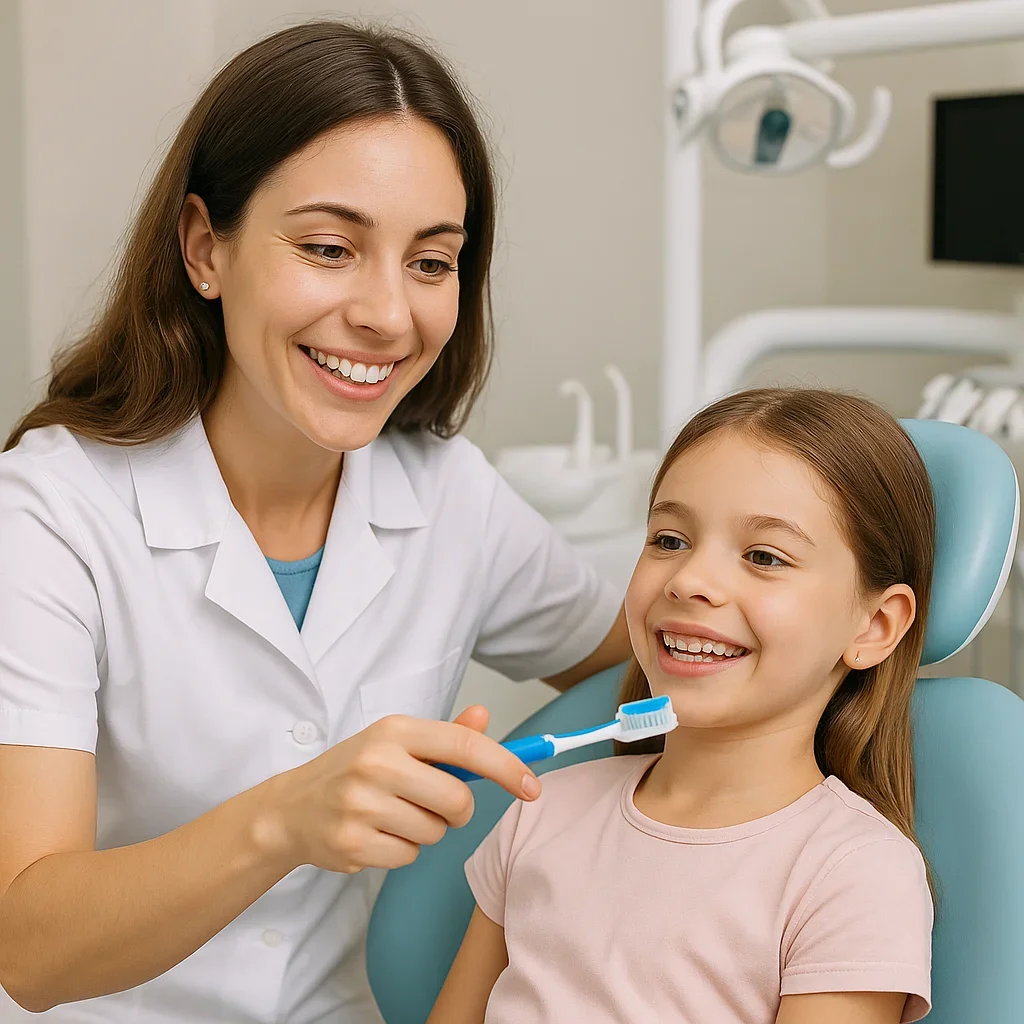
The Role of Parents in Supporting Orthodontic Success
A successful orthodontic journey requires teamwork — not only between the child and the paediatric orthodontist, but also with active involvement from parents. Parental guidance plays a crucial role in ensuring the child follows the recommended instructions, maintains good oral hygiene, and feels emotionally supported throughout treatment. Orthodontic care can span months or even years, and during this time, parents act as motivators, role models, and caregivers. This section provides a comprehensive roadmap for parents who want to maximize their child’s results and make the orthodontic experience positive, productive, and stress-free. 🌟
1. Creating a Supportive Home Environment
Children often mirror their parents’ attitudes toward health and self-care. A positive, encouraging home environment helps them stay motivated and disciplined. When parents demonstrate enthusiasm and patience about dental visits, it builds trust between the child and the paediatric orthodontist. Simple gestures like celebrating each milestone — such as brace adjustments or retainer check-ins — can make children feel proud of their progress.
Parents can also establish structured routines around brushing, flossing, and cleaning orthodontic appliances. Setting reminders or making a daily “tooth-care chart” helps transform oral hygiene into a consistent, enjoyable habit rather than a chore.
2. Monitoring Oral Hygiene and Habits
Good hygiene is essential for orthodontic success. A paediatric orthodontist emphasizes brushing after every meal, but younger children may need help doing it effectively. Parents should supervise brushing sessions, especially during the early stages of treatment, ensuring that teeth, gums, and appliances are cleaned thoroughly.
Practical Tips for Parents
- Use a mirror so the child can see areas that need attention.
- Encourage two minutes of brushing using fluoride toothpaste.
- Provide interdental brushes or water flossers to clean around brackets.
- Reinforce rinsing with an alcohol-free fluoride mouthwash before bedtime.
A paediatric orthodontist may recommend specific tools or techniques depending on the child’s device. Parents who monitor progress daily help prevent plaque buildup, white spots, and gum issues that could otherwise prolong treatment.
3. Ensuring Diet Compliance
Dietary choices significantly influence orthodontic success. Hard, sticky, and sugary foods can damage brackets and wires, leading to treatment delays. Parents should help children make better food decisions and understand why certain snacks are off-limits.
Foods to Encourage
- Soft fruits like bananas, strawberries, and cooked apples.
- Dairy products such as yogurt, milk, and cheese for calcium.
- Protein-rich foods like eggs and soft chicken.
- Cooked vegetables instead of raw, crunchy ones.
Foods to Avoid
- Popcorn, nuts, and chewing gum.
- Hard candies and sticky caramel.
- Raw carrots or apples (unless cut into small pieces).
A paediatric orthodontist explains to parents that diet compliance ensures smooth, uninterrupted progress. Preparing braces-friendly meals also helps children maintain enthusiasm and avoid frustration during treatment.
4. Encouraging Regular Appointments and Check-Ups
Consistency is key to orthodontic success. Missed appointments can delay progress and extend treatment time. Parents should prioritize keeping every scheduled visit with the paediatric orthodontist and arrive on time for adjustments, scans, and evaluations.
These regular check-ups allow the orthodontist to make precise modifications and ensure everything is moving according to plan. Between visits, parents should encourage children to report any discomfort, broken brackets, or loose wires immediately to prevent setbacks.
5. Managing Emotional Support and Confidence
Orthodontic treatment can sometimes make children self-conscious, especially when braces or appliances are visible. Parents play a huge role in boosting their confidence. Complimenting their smile, reminding them that braces are temporary, and sharing stories of successful outcomes can make a big difference.
A compassionate paediatric orthodontist also helps children feel proud of their progress, but parental encouragement at home reinforces that positivity. Children who feel emotionally supported are more likely to stay committed to treatment and maintain good hygiene.
6. Helping with Discomfort and Emergencies
Some discomfort is normal, especially after adjustments. Parents can prepare by having orthodontic wax, saltwater rinses, and mild pain relievers available. A paediatric orthodontist can guide you on managing common issues like:
- Loose brackets: Cover with orthodontic wax until the next appointment.
- Wire irritation: Trim gently with sterilized scissors or use wax to cushion the area.
- Soreness after adjustments: Serve soft foods like soups, mashed potatoes, or smoothies for 1–2 days.
By staying calm and informed, parents can prevent small issues from turning into emergencies and ensure their child remains comfortable throughout the treatment process.
7. Promoting Retainer Discipline After Treatment
Once the braces come off, the work isn’t done yet! Retainers are essential to keep the teeth in their new positions. Parents must remind children to wear their retainers as instructed by their paediatric orthodontist. Failing to do so can cause teeth to shift back, undoing months of progress.
Retainer Care Tips
- Clean retainers daily with mild soap and cool water.
- Store them in a protective case when not in use.
- Avoid exposing retainers to heat or harsh chemicals.
By reinforcing responsibility and care, parents help their child preserve a beautiful, aligned smile for life.
8. Staying Connected with the Orthodontic Team
Open communication with your child’s paediatric orthodontist ensures better outcomes. Parents should never hesitate to ask questions about progress, oral hygiene, or potential challenges. Clinics like Redent Klinik encourage parents to stay informed and engaged throughout every stage of treatment.
Involving parents in the process also strengthens the child’s trust in their care team. When children see cooperation between their parents and orthodontist, they feel more confident about following instructions.
9. Building Long-Term Oral Health Habits
Beyond braces, the ultimate goal of orthodontic treatment is to cultivate lifelong oral health habits. Parents can model these behaviors by practicing good hygiene themselves — brushing twice daily, flossing, and maintaining regular dental visits. A dedicated paediatric orthodontist can provide ongoing education, helping families make dental care a shared priority.
Healthy routines formed during orthodontic care often continue into adulthood, reducing the risk of future dental issues and promoting overall well-being.
Final Thoughts
The role of parents in orthodontic success cannot be overstated. Their involvement transforms treatment from a simple dental process into a journey of confidence, discipline, and care. By collaborating closely with a qualified paediatric orthodontist, encouraging healthy habits, and offering emotional support, parents help their children achieve smiles that radiate health and happiness. 😁
For professional advice on how to guide your child’s orthodontic journey, visit the Redent Klinik Contact Page to connect with an expert paediatric orthodontist dedicated to creating lasting results and joyful smiles. 💖