
For many people, the thought of sitting in a dental chair can trigger anxiety, fear, and even physical stress. The anticipation of discomfort or pain has historically made individuals postpone or avoid dental care altogether. Fortunately, the modern concept of the painless dentist has transformed this experience. Today’s dental clinics are designed not just to fix teeth but to prioritize patient comfort and ensure that treatments are carried out with minimal or no discomfort. This article provides a comprehensive, patient-focused guide to understanding what a painless dentist is, what methods they use, and how you can benefit from choosing one.
At its core, a painless dentist is a dental professional who combines advanced technology, gentle techniques, and patient-centered care to eliminate pain during procedures. Whether you are facing a simple cleaning, a cavity filling, or a more complex procedure such as a root canal, the goal is to make the entire process stress-free. Dental medicine has evolved significantly, and innovations like sedation options, laser dentistry, and computer-assisted anesthesia delivery systems have made a once-dreaded experience surprisingly comfortable. 😊
Patients often wonder: Is truly pain-free dentistry possible? The answer is yes. While sensitivity levels vary from person to person, the methods employed by a painless dentist are designed to reduce discomfort to nearly zero. Local anesthesia techniques are now computer-controlled, which means that the dreaded injection can be delivered so gently that patients hardly notice. For those with deep-seated dental fears, options such as nitrous oxide (“laughing gas”) or intravenous sedation create an even more relaxed environment, turning a stressful appointment into a surprisingly easy one.
The benefits of seeking a painless dentist extend far beyond physical comfort. Many patients report reduced anxiety levels, a higher willingness to schedule routine checkups, and better overall oral health. When fear is removed from the equation, people tend to visit their dentist more regularly, preventing minor issues from escalating into serious oral health problems. This is particularly important for families with children. Early positive dental experiences set the foundation for lifelong oral health habits, and children who see that dentistry can be painless often grow up without dental phobia. 👨👩👧👦
Modern clinics specializing in pain-free dentistry often emphasize communication and transparency. Dentists take time to explain each procedure in simple terms before beginning, allowing patients to feel in control of their treatment. This communication is a vital part of building trust and minimizing fear. Additionally, dental environments are becoming more welcoming. From calming music to spa-like waiting rooms, the design of many dental offices reflects the commitment to a patient’s emotional well-being, not just their teeth.
Another important element of the painless dentist philosophy is the use of laser technology. Laser tools allow for cavity removal, gum reshaping, and even certain root canal procedures with significantly less discomfort and faster healing times. Unlike traditional drills, lasers operate with precision and minimal vibration, which patients find far more comfortable. Furthermore, lasers reduce bleeding and swelling, meaning that the recovery period is shorter and less painful compared to conventional techniques.
There are also broader health benefits. A relaxed, painless dental visit lowers stress hormone levels, which can positively influence overall health. Chronic dental anxiety has been linked to higher blood pressure and heart rate during visits, but when stress-free methods are used, these negative physiological responses are minimized. By choosing a painless dentist, patients not only protect their oral health but also contribute to better systemic health outcomes.
From an educational perspective, many patients feel empowered after experiencing a pain-free dental procedure. They realize that dentistry has advanced beyond the outdated perception of being inherently painful. This renewed trust often leads to healthier smiles, improved confidence, and better social interactions. Patients are more likely to invest in preventive care, cosmetic improvements, and restorative treatments when they know discomfort will not be an obstacle.
If you are considering making the switch to a painless dentist, start by researching clinics that advertise pain-free technologies and sedation options. Look for practices with strong patient testimonials and accreditations. You can also consult professional organizations such as the American Dental Association to ensure your chosen dentist adheres to high standards of patient care and safety. And if you’re ready to schedule an appointment, you can easily reach out through our Redent Klinik Contact Page to connect with professionals who prioritize your comfort every step of the way.
In conclusion, the idea of dental pain as an unavoidable reality is outdated. With today’s advanced methods and technologies, the painless dentist is not a dream but a reality. By embracing gentle techniques, sedation options, and a compassionate approach, these professionals make dental visits not only tolerable but often surprisingly pleasant. The next time you feel hesitant about booking your dental appointment, remember that comfort-focused dentistry is available, and it can truly change the way you view oral healthcare forever. ✨
Understanding What a Painless Dentist Really Means
The concept of a painless dentist goes far beyond simply avoiding pain during dental procedures. It is a holistic approach that combines advanced medical techniques, patient-centered communication, and cutting-edge technology to ensure that every visit is as comfortable as possible. To fully understand what a painless dentist truly means, we need to explore its core principles, the methods used, and the impact it has on both patients and the broader field of dentistry.
The Philosophy Behind Painless Dentistry
A painless dentist focuses on reducing both physical discomfort and emotional stress. Many patients delay or avoid dental care because of the fear of pain, leading to more severe oral health issues over time. The philosophy of pain-free dentistry prioritizes patient well-being at every stage—from the moment you walk into the clinic to the end of the treatment. Comfort is not an afterthought; it is the foundation of the dental practice. 🌿
Advanced Tools and Technology
One of the defining features of a painless dentist is the use of advanced dental technology. Traditional drills, needles, and invasive tools are now often replaced by modern alternatives. For example:
- Computer-Assisted Anesthesia: Injections are delivered with computer precision, ensuring minimal discomfort.
- Laser Dentistry: Lasers reduce the need for drilling, minimize vibration, and speed up healing time.
- Digital Imaging: High-resolution scans reduce the need for uncomfortable molds, improving diagnostic accuracy.
These tools are not only effective but also significantly less intimidating for patients, making the experience far more pleasant.
Personalized Sedation Options
Another key element of a painless dentist practice is offering sedation tailored to each patient’s needs. Some individuals only require mild relaxation methods, such as nitrous oxide (“laughing gas”), while others benefit from oral or intravenous sedation for more complex treatments. This flexibility ensures that patients feel safe and in control, regardless of their anxiety level or the procedure involved.
Sedation for Anxiety-Prone Patients
For patients with severe dental phobia, even the thought of walking into a dental office can be overwhelming. A painless dentist recognizes this and provides calming solutions. By carefully monitoring sedation levels and explaining each step, dentists help patients gradually overcome their fears, creating a more positive association with oral healthcare.
The Human Side of Painless Dentistry
While technology and sedation play an important role, the human element should never be underestimated. A painless dentist takes time to communicate clearly, explain procedures, and listen to patient concerns. This builds trust, which is just as essential for comfort as any anesthetic. Patients who feel heard and respected are naturally more relaxed, and their perception of discomfort is greatly reduced.
Building Trust Through Communication
Trust is built by demystifying dental procedures. Instead of clinical jargon, dentists explain treatments in simple, relatable terms. Visual aids such as digital scans and videos help patients understand exactly what will happen. This transparency not only alleviates fear but also empowers patients to take an active role in their dental care.
Why Painless Dentistry Matters
The significance of a painless dentist extends beyond the immediate dental chair. Patients who know they will not experience pain are far more likely to seek regular preventive care. This leads to healthier teeth, fewer emergency visits, and better overall oral health outcomes. Families in particular benefit, since children who experience gentle, pain-free dentistry early in life grow up with a positive attitude toward dental care. 👶
Moreover, painless dentistry supports broader health. Chronic oral infections are linked to systemic conditions such as diabetes and cardiovascular disease. When patients are unafraid to visit the dentist, these risks can be identified and managed earlier, protecting long-term health.
Myths vs. Reality of a Painless Dentist
Despite modern advancements, some people still believe that dental treatments inevitably involve discomfort. However, these are outdated myths. The reality is that with today’s combination of technology, sedation, and compassionate care, treatments can be carried out with virtually no pain. Patients who once avoided dental clinics often express surprise at how simple and easy their procedures feel with a painless dentist.
Making the Right Choice
If you are searching for a truly painless dentist, look for clinics that emphasize comfort in their practice philosophy. Read patient testimonials, research available technologies, and ensure the clinic is accredited by recognized bodies such as the American Dental Association. And when you are ready to take the next step, you can connect with trusted professionals through our Redent Klinik Contact Page, where patient comfort is always a priority.
Ultimately, a painless dentist is not a luxury but a standard that modern patients deserve. By integrating innovation, compassion, and trust, pain-free dentistry redefines the way we approach oral healthcare. From reducing anxiety to ensuring better long-term outcomes, the concept of a painless dentist is revolutionizing smiles and transforming lives. ✨
Modern Pain-Free Dental Technologies You Should Know
The rapid evolution of dental science has made it possible for a painless dentist to deliver treatments that were once associated with discomfort in a completely new way. Modern technology has transformed dentistry into an experience that prioritizes patient comfort, efficiency, and precision. In this section, we will explore the groundbreaking technologies that make pain-free dentistry a reality, and how they are shaping the future of oral healthcare.
Computer-Assisted Anesthesia Systems
One of the most feared aspects of dental visits has traditionally been the injection of anesthesia. With computer-assisted anesthesia delivery, this fear is becoming obsolete. Instead of relying on the dentist’s hand pressure, the system uses a microprocessor to control the flow of anesthetic. This ensures an even, slow delivery that patients often do not even feel. For many, this is the first step in realizing that a painless dentist truly exists.
Benefits of Computerized Anesthesia
- Gentle, controlled numbing with minimal discomfort
- Targeted application reduces unnecessary numbness in surrounding tissues
- Quicker recovery time compared to traditional injections
Patients who once dreaded injections are now reporting positive, almost painless experiences thanks to this innovative system.
Laser Dentistry: A Revolution in Comfort
Lasers are perhaps the most well-known tool of the painless dentist. They are used for cavity removal, gum reshaping, root canal disinfection, and even teeth whitening. Unlike traditional drills, lasers work with high precision and without the vibrations, noise, and pressure that typically cause discomfort. ✨
Advantages of Laser Dentistry
- Reduced need for anesthesia in many procedures
- Minimal bleeding and swelling during surgery
- Faster healing times and lower risk of infection
For patients with dental anxiety, the quiet hum of a laser is far less intimidating than the high-pitched whir of a drill.
Digital Imaging and 3D Scanning
Traditional dental molds and impressions were often messy and uncomfortable. Today, a painless dentist uses digital scanners that create highly accurate 3D models of teeth in just minutes. This eliminates the need for gag-inducing impression trays while also improving diagnostic accuracy. These scans are essential in creating crowns, bridges, aligners, and implants with perfect precision.
How Digital Imaging Improves Comfort
Instead of enduring sticky impression materials, patients now enjoy a quick, non-invasive scanning process. The images are instantly available, allowing the dentist to explain treatment options clearly. This transparency enhances trust and ensures that patients feel comfortable and informed throughout their care.
Sedation and Relaxation Techniques
Technology in sedation has also advanced dramatically. A painless dentist can now offer tailored sedation options that are both safe and effective. From mild nitrous oxide inhalation to advanced IV sedation, these methods ensure that even complex procedures can be performed with little to no discomfort. For patients with severe phobias, sedation dentistry can be life-changing. 🌙
Types of Sedation in Modern Dentistry
- Nitrous Oxide: Provides light relaxation, wears off quickly after treatment.
- Oral Sedation: Pills taken before the procedure create a calm state.
- IV Sedation: Administered directly into the bloodstream for deeper relaxation.
Each option is carefully chosen based on the patient’s level of anxiety and the type of treatment needed.
Minimally Invasive Restorative Techniques
Modern restorative dentistry now focuses on conserving as much natural tooth structure as possible. Techniques such as air abrasion and micro-dentistry allow a painless dentist to remove decay without drilling and with far less discomfort. Air abrasion, for example, uses a stream of fine particles to gently remove decay, much like a tiny sandblaster. This is especially effective for small cavities and early decay detection.
Digital Patient Education Tools
A crucial aspect of pain-free dentistry is reducing fear by increasing understanding. Many clinics now use advanced digital screens and simulations to show patients what procedures will involve. When patients can visualize what is happening in their mouths, anxiety levels drop significantly. A painless dentist knows that education is just as powerful as anesthesia in creating a calm, trusting environment.
The Future of Pain-Free Dentistry
The innovations listed above are just the beginning. Research is ongoing in areas such as nanotechnology for targeted drug delivery, artificial intelligence for predictive diagnostics, and even virtual reality systems to distract patients during procedures. The vision is clear: dentistry that is completely free of pain, fear, and stress.
For anyone considering dental treatment, it is reassuring to know that technology has already made the role of the painless dentist a reality. To ensure your comfort, look for clinics that highlight these technologies in their services and have professional affiliations, such as recognition by the American Dental Association. If you’re ready to experience these advancements firsthand, reach out via the Redent Klinik Contact Page to schedule your consultation.
In summary, modern pain-free dental technologies have revolutionized the way oral care is delivered. From lasers and sedation to 3D imaging and air abrasion, each innovation makes it easier for patients to maintain healthy, beautiful smiles without fear. By choosing a painless dentist, you are not just avoiding discomfort—you are embracing the future of compassionate, patient-first dentistry. 🌟
How Sedation Dentistry Creates a Calm Experience
One of the cornerstones of the painless dentist approach is sedation dentistry. While advanced technology and gentle techniques reduce much of the physical discomfort, anxiety and fear often remain the biggest obstacles for patients. Sedation dentistry is designed to eliminate these emotional barriers, ensuring that dental visits feel calm, safe, and even relaxing. In this section, we will explore how different sedation methods work, their benefits, and why they are integral to modern pain-free dentistry.
The Role of Sedation in Painless Dentistry
A painless dentist understands that comfort is not only about physical sensations but also about the emotional state of the patient. For many individuals, fear of dental pain is deeply rooted in past negative experiences. Sedation dentistry addresses this by creating a relaxed mental state where the body and mind feel at ease. Patients who undergo sedation often report that time passes quickly, procedures feel shorter, and they remember little of the experience afterward. 🌙
Different Types of Sedation Dentistry
Modern sedation techniques are flexible and can be tailored to each patient’s needs. The choice depends on the complexity of the procedure, the patient’s level of anxiety, and medical history. A painless dentist offers a spectrum of options:
Nitrous Oxide Sedation
Known as “laughing gas,” nitrous oxide is inhaled through a small mask placed over the nose. It produces a light, calming effect within minutes, allowing patients to feel relaxed but fully conscious. The gas wears off quickly after the procedure, meaning patients can usually drive themselves home. It is one of the most commonly used methods by a painless dentist for patients with mild to moderate anxiety.
Oral Sedation
Oral sedation involves taking a prescribed pill before the appointment. The most common medications used are in the benzodiazepine family, which reduce anxiety and create a drowsy, relaxed feeling. Patients remain conscious but may have limited memory of the procedure. A painless dentist may recommend this for patients with higher levels of fear or for longer treatments.
Intravenous (IV) Sedation
IV sedation delivers the sedative directly into the bloodstream, providing a deeper level of relaxation. Patients often feel as though they are asleep, though they remain responsive to the dentist’s instructions. This option is particularly useful for oral surgeries, complex restorative work, or patients with severe dental phobia. The presence of a trained anesthesiologist or sedation-certified dentist ensures safety throughout the procedure.
General Anesthesia
In rare cases, general anesthesia may be used to place the patient in a fully unconscious state. This is typically reserved for hospital settings or very complex dental cases. While not commonly needed, it demonstrates how far a painless dentist is willing to go to guarantee absolute comfort.
Benefits of Sedation Dentistry
Choosing sedation has numerous advantages beyond eliminating pain. Patients who experience sedation dentistry often highlight benefits such as:
- Reduced Anxiety: Even highly fearful patients feel calm and relaxed.
- Time Efficiency: Multiple procedures can often be completed in a single visit.
- Increased Comfort: Long treatments feel shorter, and patients avoid stress.
- Improved Dental Health: Without fear, patients are more likely to attend regular check-ups.
These benefits highlight why sedation is such an essential part of the painless dentist approach, particularly for patients who have avoided dental care for years due to fear.
Safety and Monitoring
A painless dentist ensures that sedation dentistry is always performed under strict safety protocols. Vital signs such as heart rate, oxygen levels, and blood pressure are carefully monitored throughout the procedure. Sedatives are administered in controlled doses, and the team is trained to handle emergencies. Patients are also thoroughly evaluated before receiving sedation to confirm suitability. This commitment to safety allows patients to place complete trust in the process.
Who Can Benefit from Sedation Dentistry?
Sedation dentistry is not only for those with dental anxiety. A painless dentist may recommend sedation for individuals who:
- Have a low pain threshold or very sensitive teeth
- Require extensive or complex dental procedures
- Struggle with sitting still for long periods
- Have a strong gag reflex that interferes with treatment
In each of these cases, sedation transforms the experience from stressful to manageable, making dentistry accessible to everyone.
Building Trust Through Sedation
Perhaps one of the most profound impacts of sedation dentistry is the trust it builds between patient and dentist. Once patients realize that procedures can truly be carried out without pain or fear, their perception of dental care changes permanently. They are more willing to return for preventive care, leading to healthier smiles and fewer emergencies.
To ensure the best experience, patients are encouraged to ask questions about sedation methods during consultations. A painless dentist will explain the options in detail, discuss possible side effects, and provide clear instructions for before and after the procedure. This level of communication reduces uncertainty and fosters confidence.
If you are curious about experiencing sedation dentistry yourself, a good starting point is to verify that your chosen clinic is accredited by professional organizations such as the American Dental Association. And when you’re ready to schedule, you can reach out through the Redent Klinik Contact Page to connect with professionals who specialize in patient comfort.
In summary, sedation dentistry is a powerful tool that redefines what it means to visit the dentist. By offering tailored relaxation methods, a painless dentist ensures that patients experience minimal discomfort, reduced anxiety, and maximum trust. Whether it’s nitrous oxide for a quick cleaning or IV sedation for complex surgery, the end result is the same: a calm, stress-free dental experience that makes oral healthcare accessible and enjoyable for everyone. 🌟
The Role of Laser Dentistry in Pain-Free Treatments
In the modern era of dental innovation, one of the most groundbreaking advancements that supports the mission of the painless dentist is laser dentistry. This technology has revolutionized how treatments are performed, making once uncomfortable or invasive procedures smoother, quicker, and significantly less painful. By replacing traditional drills and scalpels with precision-focused lasers, dentists can now offer patients a level of comfort and efficiency that was unimaginable a few decades ago. In this section, we will explore the science behind laser dentistry, its advantages, and why it has become an essential tool for any clinic dedicated to pain-free care.
What Is Laser Dentistry?
Laser dentistry refers to the use of focused beams of light energy to perform dental procedures. A painless dentist uses either hard tissue lasers, which work on teeth, or soft tissue lasers, which target gums and oral tissue. These lasers provide pinpoint accuracy, meaning less collateral damage to surrounding tissues and therefore less pain and faster healing.
Types of Dental Lasers
- Hard Tissue Lasers: Ideal for preparing teeth for fillings, detecting cavities, and reshaping enamel.
- Soft Tissue Lasers: Used for gum reshaping, treating periodontal disease, and performing biopsies.
- Dual-Purpose Lasers: Designed to handle both hard and soft tissue applications, making them versatile tools for a painless dentist.
The versatility of lasers makes them a central part of pain-free dental practice, covering both cosmetic and restorative needs.
Advantages of Laser Dentistry
Laser dentistry offers several key benefits that align perfectly with the philosophy of a painless dentist:
- Minimal Pain: Many procedures require little to no anesthesia, reducing fear of injections.
- Reduced Bleeding: Lasers seal blood vessels as they cut, leading to less bleeding during soft tissue treatments.
- Faster Healing: Patients typically recover quicker due to less trauma to tissues.
- Lower Risk of Infection: The high-energy beam sterilizes the treatment area, reducing bacterial presence.
- Precision: Surrounding tissues remain unaffected, preserving healthy structures.
These advantages make laser dentistry a preferred choice for patients seeking a stress-free, comfortable dental experience.
Common Procedures Using Laser Dentistry
A painless dentist integrates lasers into a wide range of treatments. Some of the most common procedures include:
Cavity Detection and Removal
Lasers can detect cavities at an early stage, often before they appear on X-rays. For removal, the laser can precisely eliminate decayed material without the pressure, heat, or vibration of traditional drills. This makes fillings less intimidating and more comfortable.
Gum Disease Treatment
Periodontal disease often requires deep cleaning and gum reshaping. Lasers allow a painless dentist to target diseased tissue while leaving healthy gums intact. This precision reduces post-treatment discomfort and promotes quicker healing.
Teeth Whitening
Cosmetic dentistry also benefits from lasers. A bleaching agent is applied to the teeth and activated by a laser beam, speeding up whitening results and minimizing sensitivity often caused by traditional whitening methods.
Root Canal Disinfection
Root canal treatments are historically associated with discomfort. However, lasers can sterilize root canals with exceptional accuracy, reducing both treatment time and postoperative pain.
Laser Dentistry for Children and Anxious Patients
For children and patients with dental anxiety, the noise and sensation of drills are major triggers of fear. A painless dentist who uses lasers can eliminate these concerns by providing a quieter, gentler alternative. Parents often find that their children respond far better to laser treatments, which helps foster positive lifelong dental habits. 👶
Limitations of Laser Dentistry
While lasers are highly effective, they are not suitable for every situation. For example, they cannot remove old fillings or prepare teeth for large crowns. A painless dentist will evaluate each case individually and may combine lasers with other techniques to achieve the best outcome. Importantly, even in cases where lasers cannot be used exclusively, their integration often reduces the overall level of discomfort.
Cost Considerations
Laser dentistry can sometimes be more expensive than traditional methods due to the advanced technology involved. However, many patients view this as an investment in comfort, reduced healing time, and long-term oral health. In general, the cost difference is offset by the benefits of less pain and fewer complications. For example:
Estimated Cost Comparison (U.S. average):
– Traditional gum surgery: $600–$1,200 per quadrant
– Laser gum treatment: $800–$1,800 per quadrant
Although prices may vary, patients often choose laser dentistry when comfort and reduced recovery time are priorities.
Building Trust with Laser Dentistry
A painless dentist using lasers demonstrates a commitment to modern, patient-first care. Patients quickly realize that dentistry no longer needs to be associated with fear or pain. This builds trust and encourages more consistent dental visits, which leads to improved oral health outcomes overall.
For patients considering laser treatments, it is always wise to confirm that the dentist is trained and certified in laser dentistry. Reputable clinics often display their certifications and maintain professional connections with organizations like the American Dental Association. If you’re ready to explore these treatments, you can book an appointment through our Redent Klinik Contact Page to experience the benefits firsthand.
In conclusion, laser dentistry is not just a technological advancement—it is a powerful tool that defines the modern painless dentist. By reducing pain, speeding recovery, and enhancing precision, lasers have elevated dentistry into a new era where comfort is the priority. As more clinics adopt this technology, the once-common fear of dental treatments will continue to fade, making healthy, beautiful smiles achievable without stress or discomfort. 🌟
Common Myths About Visiting a Painless Dentist
Despite the advancements in modern dentistry, many people still hesitate to see a painless dentist because of misconceptions and outdated beliefs. These myths often stem from old-fashioned dental practices, cultural stories, or even fear passed down through generations. In reality, today’s dental environment has changed dramatically, with comfort and pain-free methods becoming the standard of care. In this section, we will break down the most common myths about pain-free dentistry, explain the truth behind them, and show why choosing a painless dentist is one of the best decisions you can make for your oral health.
Myth 1: Dental Treatments Are Always Painful
One of the biggest misconceptions is that all dental treatments are inherently painful. This belief has discouraged millions from seeking essential dental care. In truth, a painless dentist uses advanced anesthesia, laser technology, and sedation options to ensure that procedures—from simple cleanings to root canals—are performed with little or no discomfort.
The Reality
Thanks to computer-assisted anesthesia, precise techniques, and innovations such as laser dentistry, pain-free experiences are now the norm. Patients often report surprise at how smooth and comfortable their procedures are, even those traditionally viewed as “scary,” like extractions or fillings.
Myth 2: Injections Are the Most Painful Part
Many people avoid dental clinics because they fear the dreaded anesthetic injection. They assume that even a painless dentist cannot eliminate that discomfort. However, modern tools and techniques prove otherwise.
The Reality
Computer-controlled anesthesia systems deliver anesthetics slowly and evenly, eliminating the sharp sting associated with manual injections. Additionally, numbing gels are applied before the injection, so patients often don’t feel anything at all. This innovation alone has transformed the dental experience for countless anxious patients.
Myth 3: Sedation Dentistry Is Dangerous
Another myth suggests that sedation is unsafe, causing patients to fear complications. The truth is that sedation dentistry, when performed by a trained painless dentist, is one of the safest and most effective methods to reduce anxiety and ensure comfort.
The Reality
Modern sedation methods such as nitrous oxide, oral medication, and IV sedation are carefully monitored. Patient vitals are tracked throughout the procedure, and dosages are customized to individual needs. When handled by qualified professionals, sedation is extremely safe and effective.
Myth 4: Pain-Free Dentistry Costs Too Much
Some patients believe that choosing a painless dentist is an expensive luxury only for the wealthy. While it is true that some technologies, like lasers, may add slightly to the cost, this myth exaggerates the financial burden.
The Reality
Most pain-free methods, such as sedation or digital imaging, are reasonably priced and often covered by insurance. Even when costs are higher, patients consider them a worthwhile investment for comfort and reduced recovery time. The long-term benefit of preventing severe oral health problems far outweighs the cost of avoiding treatment due to fear.
Myth 5: Pain-Free Dentistry Only Works for Simple Treatments
Some believe that pain-free approaches are limited to routine checkups or cleanings. They assume more complex treatments like root canals, gum surgery, or implants must still involve significant discomfort. This is far from the truth.
The Reality
Today’s painless dentist can perform virtually all dental procedures without causing pain. Lasers, sedation, and minimally invasive techniques make even advanced surgeries more comfortable than ever. Many patients who once feared these treatments now find them surprisingly tolerable and even stress-free.
Myth 6: Children Can’t Benefit from a Painless Dentist
Parents often worry that children are too sensitive to benefit from modern pain-free approaches. They fear kids will inevitably cry or feel traumatized. This myth prevents many children from receiving timely dental care.
The Reality
Pediatric painless dentist practices specialize in making children comfortable. Gentle communication, sedation tailored for kids, and tools like lasers help young patients remain calm. Positive early experiences with a painless dentist often lead to lifelong trust in dental care. 👶
Myth 7: Pain-Free Dentistry Is Just a Marketing Term
Some skeptics think the phrase “painless dentistry” is merely advertising hype. They assume the reality is no different from traditional dentistry.
The Reality
Pain-free dentistry is backed by decades of research and the adoption of genuine technological advancements. Clinics that advertise these services often invest heavily in patient comfort tools, continuing education, and certifications. Patients experience tangible differences in comfort and recovery, proving that a painless dentist is more than a marketing promise.
Why Busting These Myths Matters
Believing in myths about dentistry can have serious consequences. Patients who avoid the dentist due to fear often develop advanced oral problems, leading to higher costs and more invasive treatments later. By understanding the truth about a painless dentist, patients can overcome fear and enjoy preventive care that protects both their oral and overall health.
To ensure accurate information, always check trusted resources like the American Dental Association. If you are ready to experience stress-free dentistry yourself, you can reach out through our Redent Klinik Contact Page to schedule your first visit with professionals who prioritize your comfort.
In conclusion, the idea that dental visits must involve pain is outdated and inaccurate. By debunking myths and embracing modern advancements, patients can confidently seek care from a painless dentist. The result is healthier teeth, reduced anxiety, and a positive outlook on dental care. 🌟
Benefits of Choosing a Painless Dentist for Families 👨👩👧👦
When it comes to family health, oral care plays a vital role in ensuring lifelong wellness. Parents want their children to grow up with healthy smiles, while adults and seniors often need restorative or preventive treatments. Choosing a painless dentist is one of the best decisions families can make, as it ensures comfort, reduces fear, and promotes consistent visits across all age groups. In this section, we will explore the advantages of pain-free dentistry for families, highlighting how it improves oral health, strengthens habits, and creates a positive dental culture within the household.
Creating Positive Dental Experiences for Children
Children are often the most vulnerable to dental anxiety. A single bad experience can create fear that lasts well into adulthood. By choosing a painless dentist, parents can ensure that their child’s first encounters with dental care are comfortable and stress-free. From laser treatments that replace noisy drills to gentle communication styles, pain-free dentistry helps children associate dental visits with positive emotions instead of fear. 👶
Long-Term Impact of Early Comfort
When kids learn that dental care is not something to fear, they are far more likely to maintain regular checkups throughout life. This means fewer cavities, healthier gums, and reduced risk of complex oral health problems later on. A painless dentist essentially helps shape a generation that embraces preventive care instead of avoiding it.
Encouraging Consistent Visits for Parents
Many adults delay or avoid dental appointments because of past painful experiences. Unfortunately, this often leads to advanced problems such as gum disease, infections, or tooth loss. A painless dentist changes this pattern by making visits stress-free. Parents who no longer associate dentistry with discomfort are more likely to schedule regular cleanings, fillings, and preventive treatments.
Breaking the Cycle of Dental Fear
When parents model positive behavior by visiting a painless dentist, children take notice. They see that their parents are calm and confident during appointments, which reinforces the idea that dental care is safe and routine. This family-wide approach breaks generational cycles of dental fear and replaces them with healthy, proactive habits.
Supporting Seniors with Gentle Care
Seniors often require specialized dental treatments, such as dentures, implants, or gum therapy. Because they may have heightened sensitivity or medical conditions, minimizing pain is crucial. A painless dentist uses sedation, laser technology, and minimally invasive methods to ensure that older patients remain comfortable during procedures. This encourages seniors to maintain oral health without the stress of discomfort.
Maintaining Quality of Life
Good oral health directly affects nutrition, speech, and overall quality of life for seniors. By reducing fear of painful treatments, a painless dentist helps elderly patients stay proactive about their oral care. This leads to improved chewing ability, better nutrition, and even higher self-confidence through healthy smiles.
Financial Benefits for Families
While many people assume that pain-free dentistry is costly, the reality is that it often saves families money in the long run. Preventive visits with a painless dentist help identify issues early, reducing the need for expensive, complex treatments. Families that attend routine, comfortable appointments are less likely to face emergencies that strain both health and finances.
Example of Preventive Savings
Consider the difference between a simple, painless cavity filling and an untreated cavity that progresses to require a root canal or extraction. The cost difference can be several hundred dollars. By ensuring that family members do not avoid the dentist due to fear, parents can save significantly on future dental bills.
Building a Family-Friendly Environment
A painless dentist doesn’t just focus on techniques; they create welcoming environments designed for families. Waiting rooms with child-friendly features, calm décor, and compassionate staff help ease anxiety for patients of all ages. Parents can bring their children, spouses, and even grandparents to the same clinic, making dental care a shared family routine.
Strengthening Family Health as a Whole
Oral health is linked to overall health. Issues such as gum disease have been associated with systemic conditions like diabetes and heart disease. By choosing a painless dentist, families are more likely to keep up with checkups, improving not only smiles but also general health outcomes. This proactive approach benefits every member of the household.
Encouraging Preventive and Cosmetic Care
Families who feel comfortable visiting a painless dentist are more open to preventive and cosmetic procedures. From fluoride treatments for kids to whitening or veneers for parents, pain-free methods encourage patients to explore treatments they might otherwise avoid. This leads to healthier teeth and more confident smiles across the family unit. 😁
Trust and Relationship Building
Finally, one of the most important benefits of choosing a painless dentist for families is the trust that develops over time. When all family members experience consistent, comfortable care, they form lasting relationships with their dental providers. This trust ensures continuity of care and provides peace of mind for parents knowing their loved ones are in good hands.
For families looking to start their journey with a painless dentist, it is important to choose a clinic accredited by recognized organizations such as the American Dental Association. To schedule family-friendly, pain-free appointments, you can contact us directly via the Redent Klinik Contact Page.
In conclusion, the advantages of choosing a painless dentist for families go far beyond comfort. They include building healthy lifelong habits, saving money through preventive care, supporting seniors with gentle treatments, and creating a positive environment for all. By prioritizing a painless experience, families can make dental care an enjoyable routine that strengthens both oral health and overall well-being. 🌟
Comparing Costs: Traditional vs. Painless Dentist Procedures 💰
When deciding between conventional dental care and the services of a painless dentist, one of the biggest questions patients and families ask is about cost. Many assume that pain-free dentistry must always be more expensive. While it is true that some advanced technologies and sedation options can add to the price, the reality is more nuanced. In this section, we will break down the financial differences between traditional treatments and those offered by a painless dentist, while also considering the long-term value, benefits, and potential savings involved.
Why Costs Differ Between Traditional and Painless Dentistry
The main reason that procedures performed by a painless dentist may cost more upfront is the use of advanced tools and techniques. Laser systems, computer-assisted anesthesia, and sedation services require investment in modern equipment and additional training. However, these costs are balanced by the improved comfort, reduced healing time, and lower likelihood of complications—factors that ultimately save patients money and stress in the long run.
Factors Affecting Cost
- Technology: Equipment such as lasers and digital scanners are more costly than traditional drills and impression trays.
- Training: A painless dentist often undergoes extra certification in sedation and laser dentistry, which can impact fees.
- Time: Many pain-free methods allow multiple procedures to be performed in fewer visits, which can lower overall costs.
Cost Comparison: Common Procedures
To understand the differences more clearly, let’s compare the average costs of some common dental treatments in traditional versus pain-free dentistry. These figures are based on U.S. averages and may vary depending on location, insurance, and clinic reputation.
Cavity Fillings
- Traditional Method: $100 – $250 per tooth
- Painless Dentist (laser-assisted): $200 – $450 per tooth
While laser-assisted fillings may cost more, they are quicker, often require little anesthesia, and reduce discomfort, making them worthwhile for many patients.
Gum Disease Treatment
- Traditional Surgery: $600 – $1,200 per quadrant
- Painless Dentist (laser periodontal therapy): $800 – $1,800 per quadrant
Laser gum treatments are minimally invasive, offer faster healing, and significantly reduce pain compared to traditional gum surgery.
Root Canal Therapy
- Traditional Root Canal: $700 – $1,200 per tooth
- Painless Dentist (laser-assisted disinfection + sedation): $900 – $1,500 per tooth
The addition of sedation and laser technology not only makes the process more comfortable but also improves sterilization, lowering the chance of future complications.
Teeth Whitening
- Traditional Whitening: $300 – $600
- Painless Dentist (laser whitening): $500 – $1,000
Laser whitening is faster and produces longer-lasting results, with many patients reporting reduced sensitivity compared to traditional methods.
The Long-Term Value of a Painless Dentist
Although the upfront cost may be slightly higher, the value of choosing a painless dentist is substantial. Patients who feel comfortable are more likely to return for regular preventive care. This prevents minor issues from escalating into emergencies, which are often much more expensive. For example, catching a cavity early with laser detection and filling it painlessly might cost a few hundred dollars. Ignoring it due to fear of pain could lead to a root canal or extraction costing over $1,000.
Indirect Savings
- Fewer Missed Workdays: Faster recovery times mean less time away from work or school.
- Lower Emergency Costs: Preventive care avoids urgent visits that are often priced higher.
- Improved Overall Health: By reducing dental anxiety, patients avoid systemic issues linked to untreated oral disease.
Insurance Coverage and Payment Options
Many insurance plans cover both traditional and pain-free dentistry options, especially when procedures are medically necessary. A painless dentist often provides flexible financing, payment plans, and insurance support to make treatments accessible. Patients should always ask clinics about coverage for sedation, laser treatments, and preventive care.
Emotional and Practical Value
Beyond numbers, there is an emotional value to comfort. A painless dentist provides peace of mind that dental care can be stress-free. This alone is priceless for families who want their children, spouses, or elderly parents to feel safe and cared for. The investment in comfort often leads to lifelong loyalty to the clinic, consistent visits, and better long-term health outcomes. 😊
Making an Informed Decision
Ultimately, the choice between traditional care and a painless dentist comes down to balancing cost with comfort and value. Patients should weigh not only the financial aspects but also the benefits of reduced anxiety, faster healing, and better oral health habits. For guidance, always check reliable organizations like the American Dental Association. To explore affordable, pain-free options for you and your family, you can connect with us through the Redent Klinik Contact Page.
In conclusion, while pain-free dentistry may sometimes involve higher upfront costs, the benefits far outweigh the difference. By choosing a painless dentist, patients invest not only in comfort but also in long-term oral health, reduced anxiety, and overall well-being. In many cases, the savings in preventive care and reduced emergencies more than make up for the additional cost, proving that painless dentistry is both a smart and worthwhile choice. 🌟
How to Prepare for Your First Visit to a Painless Dentist
Visiting a new dental clinic can feel overwhelming, especially if past experiences were uncomfortable or stressful. However, preparing for your first appointment with a painless dentist is different—it’s an opportunity to finally experience dentistry without fear or discomfort. Proper preparation ensures you get the most out of your visit, feel relaxed from start to finish, and build a long-term relationship with a dentist who prioritizes your comfort. In this section, we’ll explore practical steps, mental strategies, and what to expect when meeting a painless dentist for the first time.
Understanding the Painless Dentist Approach
Before your appointment, it helps to understand what makes a painless dentist unique. Unlike traditional dentistry, where the focus was mainly on treatment, a pain-free practice emphasizes the entire patient experience. From advanced technology such as laser tools and computer-assisted anesthesia to sedation options and compassionate communication, everything is designed to eliminate fear and discomfort. Knowing this ahead of time can ease your mind and help you arrive with confidence.
Step 1: Research and Choose the Right Clinic
Not all dental clinics advertise or specialize in pain-free techniques. When selecting a painless dentist, consider the following:
- Read patient reviews that specifically mention comfort and pain-free experiences.
- Check if the clinic offers sedation, laser dentistry, or computer-guided anesthesia.
- Verify professional affiliations such as membership in the American Dental Association.
Doing a little research helps ensure that you’re truly choosing a clinic committed to a painless approach rather than just marketing the term.
Step 2: Communicate Your Concerns
A painless dentist knows that every patient has unique fears, pain thresholds, and health needs. Before your first visit, write down your main concerns, past negative experiences, or specific questions. Sharing these details allows the dentist to personalize your treatment plan and recommend techniques—such as nitrous oxide or numbing gels—that will keep you comfortable.
Examples of What to Share
- Fear of injections or drills
- Strong gag reflex during procedures
- Previous traumatic dental experiences
- Medical conditions or allergies that may affect anesthesia
By being open and honest, you empower your painless dentist to create a stress-free environment tailored just for you.
Step 3: Prepare Mentally and Physically
Relaxation starts before you even step into the clinic. Here are some ways to prepare for your first appointment:
- Get Adequate Sleep: Being well-rested helps reduce anxiety.
- Eat Light: Unless instructed otherwise, have a light meal beforehand to avoid dizziness.
- Practice Relaxation Techniques: Deep breathing or listening to calming music can ease nerves.
Some patients even find comfort in bringing headphones or stress-relief items to their visit. Most painless dentist clinics welcome this, as it helps you feel more at ease.
Step 4: Ask About Sedation Options
For patients with higher anxiety levels, sedation may be recommended during the first visit. A painless dentist will explain the available options, such as nitrous oxide for mild relaxation, oral medication for moderate anxiety, or IV sedation for more complex treatments. Knowing your options ahead of time allows you to make informed choices and avoid unnecessary stress.
Step 5: Know What to Expect During the Visit
At your first appointment, you can expect the following:
- Warm Welcome: Most painless dentist clinics are designed to feel inviting, not intimidating.
- Consultation: You’ll discuss your dental history, concerns, and expectations.
- Examination: Modern digital tools and scans replace many older, uncomfortable methods.
- Treatment Plan: The dentist will explain options in simple terms and highlight how each step will remain pain-free.
This process helps patients feel reassured and establishes trust from the very first visit.
Step 6: Prepare for Aftercare
A painless dentist not only makes treatments comfortable but also ensures aftercare is simple. Many procedures require minimal recovery time when performed with lasers or minimally invasive methods. Before leaving, you’ll receive clear instructions for home care, along with follow-up support if needed.
Example of Aftercare Instructions
- Avoid hard foods for 24 hours if you’ve had a filling.
- Rinse gently with salt water after gum treatments.
- Take prescribed medications (if any) as directed.
Because treatments involve less trauma, aftercare is generally easier and faster compared to traditional dentistry.
Step 7: Build Confidence for Future Visits
The first visit is often the hardest. Once you’ve experienced the comfort and reassurance of a painless dentist, future appointments will feel less intimidating. Many patients even find themselves looking forward to regular checkups, knowing that discomfort is no longer part of the process.
Final Thoughts on Preparing for Your First Visit
Visiting a painless dentist for the first time is a transformative experience that can redefine how you view dental care. By researching the right clinic, communicating openly, preparing mentally, and understanding what to expect, you set the stage for a stress-free and positive dental journey. Families, seniors, and children all benefit from this patient-first approach, making it easier to prioritize oral health without hesitation. 🌟
To begin your journey, look for clinics with established reputations and verified accreditations like the American Dental Association. And when you’re ready to take that first step, you can schedule your pain-free consultation through our Redent Klinik Contact Page.
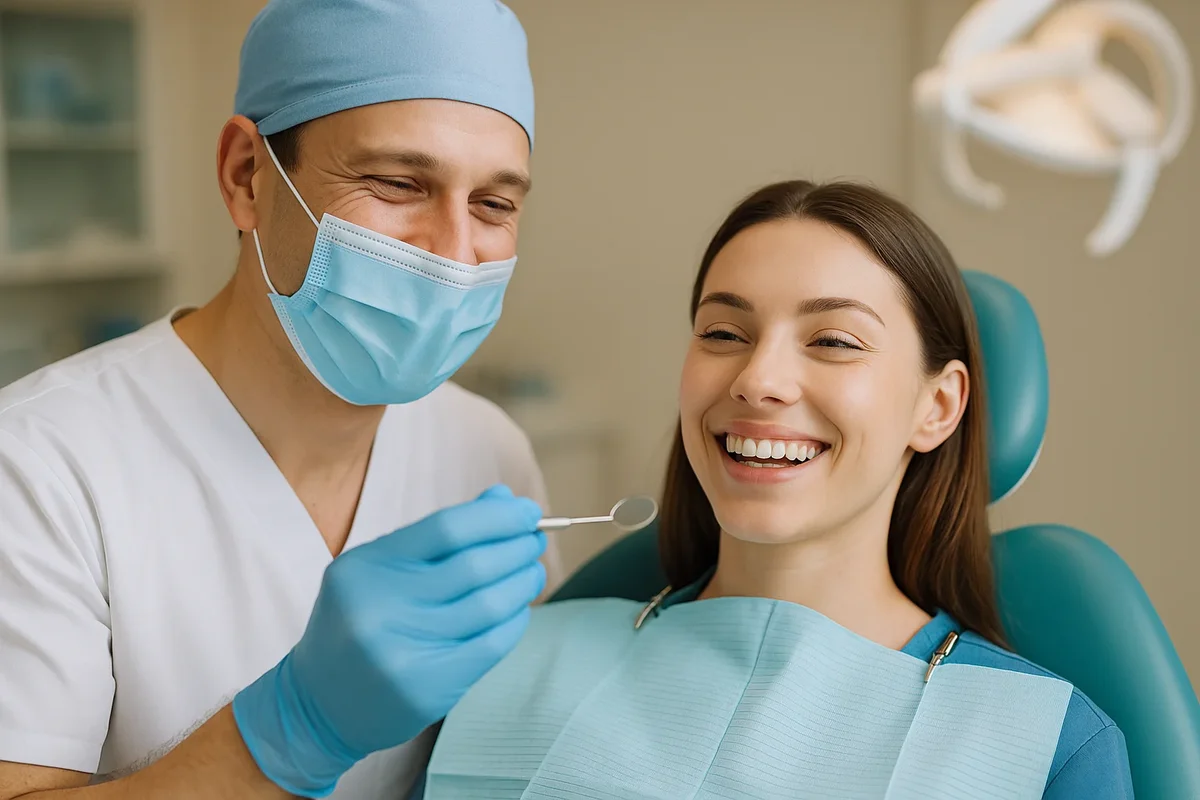
Patient Stories: Real-Life Painless Dentist Experiences ✨
Nothing is more reassuring than hearing directly from people who have overcome dental fear and enjoyed comfortable care with a painless dentist. Real-life patient stories highlight how advanced techniques, modern technologies, and compassionate approaches have transformed dental visits into stress-free experiences. By learning from others, patients gain the confidence to take that first step toward healthier, pain-free smiles. In this section, we’ll explore inspiring testimonials, case studies, and the emotional impact of visiting a painless dentist.
From Dental Fear to Confidence
Many adults live with a deep-rooted fear of dentistry, often due to negative childhood experiences. One patient, Sarah, shared how she avoided dental checkups for nearly a decade. When tooth pain finally forced her to seek treatment, she discovered a painless dentist who used laser technology instead of drills and offered calming sedation. To her surprise, the entire treatment was quick, comfortable, and anxiety-free. Today, she attends regular checkups and encourages her children to embrace dental care without fear. 🦷
Key Takeaway
A painless dentist can break cycles of fear by proving that dentistry no longer has to hurt. Patients like Sarah often say they wish they had made the change sooner.
Transforming Children’s Experiences
Children often react strongly to unfamiliar environments, and dental offices are no exception. James, a father of two, explained how his son cried during his first traditional dental appointment. Switching to a painless dentist changed everything. The clinic offered colorful, child-friendly waiting areas, distraction tools, and gentle laser treatments. His son now associates the dentist with stickers, laughter, and comfort rather than fear. This positive shift ensures better lifelong oral health habits.
Why It Matters for Families
When children have positive dental experiences, parents feel less stressed, siblings feel reassured, and families as a whole build healthier dental routines. Choosing a painless dentist creates a ripple effect of trust across generations.
Senior Success Stories
Older adults often require more complex treatments, such as implants, dentures, or gum therapies. Linda, a 68-year-old retiree, shared her journey of delaying dental work due to fear of pain. Her painless dentist recommended sedation combined with minimally invasive techniques. Not only was she comfortable during treatment, but her recovery was also faster than expected. Today, she enjoys eating her favorite foods again and smiles with confidence in social settings.
Improved Quality of Life
For seniors, comfort during dental care is about more than avoiding pain—it directly impacts nutrition, social interactions, and emotional well-being. A painless dentist helps older patients regain independence and confidence.
Emergency Visits Without the Stress
Even in emergencies, pain-free dentistry makes a dramatic difference. Mark, a college student, broke a tooth during a sports game. Expecting a painful ordeal, he was amazed when his painless dentist repaired the damage using digital imaging and laser restoration. The procedure was done in a single visit, with minimal discomfort and no lingering pain.
The Role of Technology
Modern technology allows a painless dentist to handle urgent issues quickly and effectively, reducing stress for patients who already feel vulnerable in emergencies.
Overcoming Gag Reflex and Sensitivity
Some patients struggle with strong gag reflexes or extreme tooth sensitivity, making even routine cleanings uncomfortable. Maria, who avoided dentists for years because of this, finally sought out a painless dentist. Through sedation and the use of ultrasonic cleaning tools instead of traditional scraping methods, Maria completed her treatment with ease. She now maintains a consistent preventive care routine.
Building Trust Through Comfort
By addressing individual challenges, a painless dentist builds lasting trust. Patients who once avoided dental care entirely now actively participate in their oral health.
Emotional Impact of Patient Stories
Beyond clinical success, these stories highlight the emotional transformation that occurs. Patients often describe their relief, gratitude, and even joy at discovering dentistry without fear. Anxiety fades, self-confidence rises, and a willingness to prioritize health becomes the new normal. 🌟
Why Sharing Experiences Matters
When patients share their positive experiences with a painless dentist, they help others overcome hesitation. Reading testimonials online or hearing from friends encourages new patients to give pain-free dentistry a chance. Word-of-mouth remains one of the most powerful tools for promoting healthier communities.
Final Thoughts on Real-Life Stories
The collective experiences of patients—children, adults, and seniors alike—prove that modern dentistry has evolved into a patient-centered, comfortable practice. By choosing a painless dentist, individuals not only achieve healthier smiles but also transform their perception of dental care. Their stories serve as proof that dentistry can be gentle, positive, and life-enhancing.
If you’re inspired by these stories and want to begin your own journey toward stress-free care, explore reputable resources like the American Dental Association and schedule your visit through the Redent Klinik Contact Page.
In conclusion, the voices of real patients confirm what research and technology have already proven: a painless dentist can completely change the way we experience oral health. Their stories encourage us all to take the first step toward fearless, healthier, and happier smiles. 😁