
Understanding palatal expander cost is extremely important for patients and parents who are considering orthodontic treatment for a narrow upper jaw, crowded teeth, or bite alignment problems. A palatal expander is a specialized orthodontic device designed to widen the upper jaw gradually, creating more space for proper tooth alignment and improving breathing and bite function. Because this treatment can vary significantly depending on age, location, clinic expertise, and appliance type, many people search online to learn the real palatal expander cost before starting treatment.
In most cases, the average palatal expander cost ranges between $1,000 and $4,000. However, the total price may increase if additional orthodontic procedures such as braces, retainers, tooth extractions, or follow-up imaging are necessary. Patients often feel overwhelmed when researching palatal expander cost because every clinic provides different treatment plans and pricing structures. This detailed guide explains everything patients should know before making a decision. 😊
A palatal expander is most commonly used in children and teenagers because their jaw bones are still developing. Orthodontists can gently widen the palate over several weeks or months using controlled pressure. This creates more room for crowded teeth and helps correct crossbites or airway issues. Adult treatment is also possible, although the palatal expander cost for adults may be higher due to more complex procedures and longer treatment durations.
Several important factors influence palatal expander cost. The first factor is the type of appliance selected. Traditional rapid palatal expanders are often more affordable than advanced skeletal expanders or surgically assisted devices. Some orthodontists use removable appliances, while others recommend fixed expanders attached directly to the molars. Each option changes the final palatal expander cost because treatment complexity and monitoring requirements vary.
Another major factor affecting palatal expander cost is geographic location. Clinics in large metropolitan areas or countries with high dental care costs generally charge more. For example, treatment in the United States, Canada, or the United Kingdom may be significantly more expensive compared to dental clinics in Turkey or Eastern Europe. Many international patients travel abroad for affordable orthodontic care while still receiving excellent treatment quality.
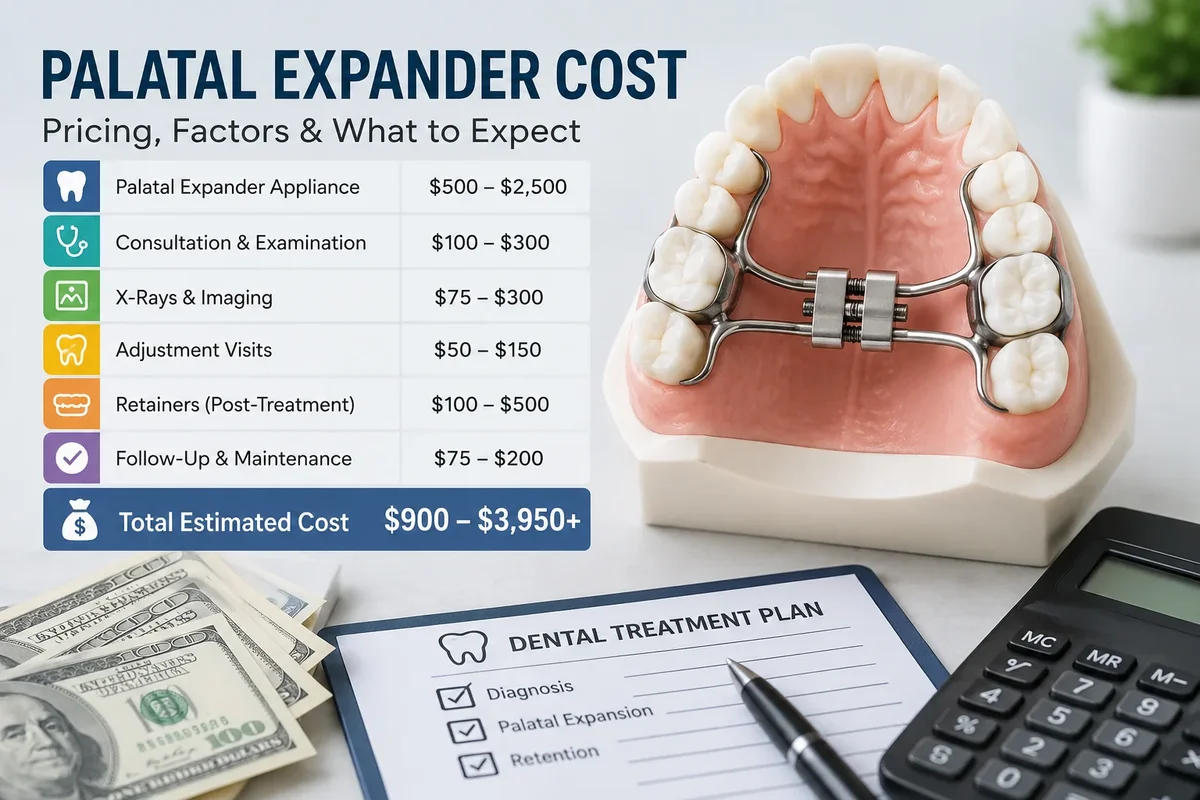
Patients should also understand that the quoted palatal expander cost may not always include every part of treatment. Some clinics separate consultation fees, X-rays, digital scans, follow-up visits, and retainer expenses. Others offer all-inclusive orthodontic packages. Before beginning treatment, patients should request a clear breakdown of the complete palatal expander cost to avoid unexpected charges later.
Below is a general pricing overview patients may encounter when researching palatal expander cost internationally:
| Country | Estimated Palatal Expander Cost |
|---|---|
| United States | $2,000 – $4,000 |
| United Kingdom | £1,500 – £3,500 |
| Canada | $2,000 – $4,500 CAD |
| Turkey | $800 – $2,000 |
| Germany | €1,500 – €3,000 |
These estimates are general averages only, and every patient requires a personalized evaluation. Orthodontists typically perform clinical examinations, digital scans, and bite analysis before determining the exact palatal expander cost. Some patients may only need mild expansion, while others require comprehensive orthodontic treatment combined with braces or aligners.
One important benefit of palatal expansion is improved oral health and facial development. Many orthodontists recommend expansion therapy because it can reduce severe crowding, improve smile aesthetics, and support healthier breathing patterns. Although some people initially focus only on palatal expander cost, the long-term benefits often outweigh the financial investment. Better jaw alignment can reduce future orthodontic complications and improve overall dental function.
Dental insurance may partially cover palatal expander cost if the treatment is considered medically necessary. Coverage varies widely depending on the provider and policy. Some insurance plans cover only pediatric orthodontics, while others contribute toward medically necessary jaw expansion procedures. Patients should contact their insurance company before treatment begins to confirm exact benefits.
Patients searching for affordable orthodontic care should avoid choosing a clinic based solely on low palatal expander cost. Experience, technology, sterilization standards, and orthodontic expertise are extremely important for successful results. A poorly designed treatment plan may lead to complications or additional corrective procedures later. It is always safer to choose an experienced clinic with strong patient reviews and modern orthodontic technology.
At reputable clinics, patients usually receive a customized treatment plan tailored to their facial structure, jaw development, and dental alignment goals. This personalized approach helps ensure better long-term outcomes and reduces unnecessary complications during treatment. If you would like professional guidance about orthodontic solutions, you can visit the Redent Klinik Contact Page for additional information and consultation options.
For trusted oral health information and professional dental guidelines, patients can also review resources provided by the American Dental Association. Reliable education helps patients better understand treatment options, orthodontic appliances, and realistic expectations regarding palatal expander cost.
In conclusion, researching palatal expander cost carefully helps patients make informed decisions about their orthodontic journey. Whether treatment is performed for children or adults, understanding appliance types, clinic quality, insurance coverage, and total treatment expenses is essential. By selecting an experienced orthodontic provider and receiving a customized treatment plan, patients can achieve healthier jaw development, improved smile aesthetics, and long-term oral health benefits. 😁
What Is a Palatal Expander and Why Is It Needed?
A palatal expander is an orthodontic appliance designed to widen the upper jaw gradually. Orthodontists commonly recommend this treatment for children and teenagers who have a narrow palate, crowded teeth, crossbite problems, or breathing difficulties. Understanding why this treatment is necessary can help patients better evaluate the overall palatal expander cost and determine whether the procedure is worth the investment. In many cases, early orthodontic intervention can prevent more complicated dental treatments later in life. 😊
The upper jaw, also called the maxilla, naturally develops during childhood. When the jaw is too narrow, there may not be enough space for permanent teeth to erupt properly. This often leads to overlapping teeth, bite misalignment, speech problems, and even airway issues. A palatal expander works by applying gentle pressure to the upper jaw over time, encouraging the bones to separate gradually and create additional space.
How a Palatal Expander Works
A palatal expander is usually attached to the upper molars using metal bands or dental adhesive. In the center of the appliance, there is a small expansion screw. Patients or parents are typically instructed to turn this screw slightly every day using a special key. Each adjustment creates tiny movements that slowly widen the upper jaw.
The process may sound intimidating at first, but most patients adapt quickly. Mild pressure is common during the first few days, although serious pain is rare. Because the treatment changes jaw structure gradually, the body can adapt naturally. The overall palatal expander cost often reflects the complexity of monitoring and adjusting the appliance throughout treatment.
Orthodontists monitor progress regularly with follow-up visits, digital scans, and bite evaluations. These appointments are important because proper expansion must occur symmetrically to avoid complications. This is one reason why the final palatal expander cost may include multiple office visits and orthodontic supervision.
Common Reasons Patients Need Palatal Expansion
There are several medical and orthodontic reasons why a specialist may recommend a palatal expander. The most common reason is severe dental crowding. When the upper jaw is too narrow, teeth do not have enough room to align properly. Expansion creates additional space and may reduce the need for tooth extraction later.
Another common reason for treatment is posterior crossbite. A crossbite occurs when the upper teeth fit inside the lower teeth instead of outside them. If untreated, this problem may cause uneven jaw growth, tooth wear, and temporomandibular joint discomfort. Although some patients focus mainly on palatal expander cost, correcting bite issues early can help avoid more expensive dental procedures in the future.
Breathing improvement is another important benefit. Some patients with narrow palates also experience airway constriction, mouth breathing, snoring, or mild sleep-disordered breathing. By widening the upper jaw, orthodontic expansion may improve nasal airflow and support healthier breathing patterns.
Signs You May Need a Palatal Expander
- Crowded upper teeth
- Difficulty chewing properly
- Crossbite or bite misalignment
- Chronic mouth breathing
- Speech difficulties
- Narrow smile appearance
- Impacted permanent teeth
- Frequent orthodontic relapse
Patients who notice these symptoms should schedule an orthodontic evaluation. During consultation, specialists usually perform X-rays, photographs, and digital scans before determining the ideal treatment plan and estimated palatal expander cost.
Different Types of Palatal Expanders
There are multiple types of expansion appliances available today. Traditional rapid palatal expanders are fixed appliances attached directly to the teeth. These are among the most commonly used devices in pediatric orthodontics. Removable expanders are sometimes used for minor expansion cases, although they require strong patient compliance.
More advanced options include mini-implant assisted expanders and surgically assisted devices for adults. Adult treatment is generally more complex because the jaw bones are fully developed and less flexible. As a result, adult palatal expander cost is often significantly higher than treatment for children.
Some patients also combine expansion treatment with braces or clear aligners. This integrated approach improves overall smile alignment and facial balance. However, combined orthodontic treatment may increase total palatal expander cost because of longer treatment time and additional appliances.
How Long Does Treatment Usually Take?
The active expansion phase usually lasts several weeks, although the appliance often remains in place for several months afterward to stabilize the new jaw width. Stabilization is extremely important because the bones need time to heal and adapt in their expanded position.
The total treatment duration depends on the patient’s age, orthodontic goals, and severity of jaw constriction. Children generally respond faster to treatment because their bones are still developing. Adults may require longer treatment and more advanced procedures, which directly impacts palatal expander cost.
Can Palatal Expansion Improve Facial Appearance?
Yes, in many cases palatal expansion can positively affect facial aesthetics. Widening the upper jaw may improve smile symmetry, dental alignment, and facial proportions. Patients often notice a broader smile and improved balance between the upper and lower jaw. These cosmetic benefits are one reason why many patients view palatal expander cost as a long-term investment in both oral health and self-confidence. 😁
Modern orthodontic technology has made expansion treatment safer and more predictable than ever before. Digital planning systems allow orthodontists to monitor progress carefully and customize treatment for each patient. While researching palatal expander cost, patients should focus not only on affordability but also on clinic experience, treatment quality, and long-term success rates.
Patients seeking professional orthodontic guidance can visit the Redent Klinik Contact Page to learn more about customized dental treatments and consultation options. For additional oral health education and trusted dental resources, patients may also review information provided by the American Dental Association.
Ultimately, understanding how palatal expanders work helps patients make informed treatment decisions. Although palatal expander cost varies depending on appliance type, age, and treatment complexity, the benefits often include healthier jaw development, improved breathing, better bite alignment, and enhanced smile aesthetics. Early orthodontic intervention can significantly improve both oral function and long-term dental stability.
Average Palatal Expander Cost in Different Countries
The average palatal expander cost can vary dramatically depending on the country where treatment is performed. Factors such as healthcare systems, clinic reputation, orthodontist expertise, dental technology, and local living expenses all influence the final treatment price. Patients researching orthodontic care often compare international pricing because they want high-quality treatment at a more affordable rate. Understanding global differences in palatal expander cost helps patients make smarter financial and medical decisions. 😊
In countries with high healthcare expenses, orthodontic treatment tends to be significantly more expensive. The United States, Canada, and the United Kingdom are among the countries with the highest average palatal expander cost. In contrast, countries like Turkey, Poland, Hungary, and Mexico have become popular destinations for affordable dental and orthodontic tourism.
Palatal Expander Cost in the United States
The United States is one of the most expensive countries for orthodontic treatment. The average palatal expander cost in the U.S. generally ranges between $2,000 and $4,000. However, prices may increase further when treatment is combined with braces, retainers, or airway correction therapies.
Several reasons explain the higher palatal expander cost in America. Orthodontic clinics invest heavily in advanced technology, digital imaging systems, sterilization standards, and highly specialized training. In addition, administrative costs and insurance systems often contribute to higher treatment fees.
Typical U.S. Expenses Included in Treatment
- Initial consultation
- Digital X-rays and scans
- Custom appliance fabrication
- Monthly adjustment appointments
- Retention phase monitoring
- Orthodontic emergency visits
Some clinics provide all-inclusive packages, while others separate each service into individual charges. Patients should always request a complete financial breakdown before agreeing to treatment.
Palatal Expander Cost in the United Kingdom
In the United Kingdom, the average palatal expander cost usually falls between £1,500 and £3,500. Public healthcare systems such as the NHS may partially cover treatment for children when medically necessary, although waiting times can sometimes be long.
Private orthodontic clinics generally offer shorter waiting periods and more advanced treatment technologies. However, private care increases overall palatal expander cost. Patients seeking cosmetic orthodontic improvements often choose private clinics for personalized treatment planning and flexible scheduling.
Palatal Expander Cost in Canada
Canadian orthodontic care is also relatively expensive compared to many international destinations. The average palatal expander cost in Canada ranges from $2,000 to $4,500 CAD. Similar to the United States, additional orthodontic procedures may increase total expenses significantly.
Insurance coverage in Canada varies depending on employer benefits and private insurance plans. Some plans partially reimburse pediatric orthodontic treatment, although adult expansion therapy often receives limited coverage. Patients should verify their benefits carefully before beginning treatment.
Palatal Expander Cost in Turkey
Turkey has become one of the leading destinations for affordable orthodontic care and dental tourism. The average palatal expander cost in Turkey typically ranges from $800 to $2,000, depending on the clinic, appliance type, and treatment complexity.
Many international patients choose Turkey because clinics often combine advanced dental technology with highly competitive pricing. Despite the lower palatal expander cost, many Turkish clinics maintain modern facilities, internationally trained specialists, and multilingual patient support teams.
Another advantage is that treatment packages may include consultation, imaging, follow-up visits, and personalized treatment planning within a single price. This transparency helps patients avoid hidden expenses during orthodontic treatment.
Why Turkey Offers Lower Prices
- Lower operational expenses
- Competitive dental tourism market
- Favorable currency exchange rates
- Government support for medical tourism
- Lower staff and facility costs
Patients considering international treatment should still research clinic credentials carefully. Low palatal expander cost alone should never be the only factor influencing a treatment decision.
Palatal Expander Cost in Germany and Europe
Germany, France, and other Western European countries usually charge between €1,500 and €3,500 for orthodontic expansion treatment. Public insurance may partially support treatment for children with severe functional problems, although adults generally pay privately.
Eastern European countries such as Hungary and Poland often provide lower palatal expander cost options while maintaining strong dental reputations. As a result, many European patients travel within the region for affordable orthodontic care.
Travel Costs and Dental Tourism
When comparing international palatal expander cost, patients should also consider travel-related expenses. Flights, accommodation, local transportation, and follow-up visits may increase total spending. However, even after adding travel expenses, some patients still save thousands of dollars by choosing treatment abroad.
Dental tourism has become increasingly popular because many clinics offer comprehensive packages tailored to international patients. These packages may include airport transfers, hotel arrangements, and multilingual coordinators. While the initial palatal expander cost may appear lower, patients should verify exactly what services are included.
Questions to Ask Before International Treatment
- Is consultation included?
- Are follow-up visits covered?
- What happens during emergencies?
- Are retainers included in the package?
- Does the clinic provide English-speaking staff?
- What certifications does the orthodontist have?
Patients should never choose a clinic based solely on the cheapest palatal expander cost. Orthodontic expertise, hygiene standards, patient reviews, and long-term treatment success are equally important factors.
Modern orthodontics requires detailed treatment planning and ongoing monitoring. Clinics using advanced digital imaging and customized appliance systems may charge higher fees, but these technologies often improve accuracy and comfort. Therefore, slightly higher palatal expander cost may sometimes provide better long-term value and treatment stability.
If you are exploring orthodontic treatment options and would like personalized guidance, you can visit the Redent Klinik Contact Page to learn more about available services and consultation opportunities. Patients can also review trusted oral health information from the American Dental Association for additional educational resources.
In conclusion, average palatal expander cost varies widely depending on country, clinic quality, treatment complexity, and healthcare systems. While international dental tourism can offer significant savings, patients should carefully evaluate clinic reputation, orthodontic experience, and included services before making a final decision. A successful orthodontic treatment plan focuses not only on affordability but also on safety, long-term stability, and overall patient satisfaction. 😁
Factors That Affect Palatal Expander Cost
Many patients are surprised to discover that palatal expander cost can vary significantly from one clinic to another. While some orthodontic treatments may seem straightforward, palatal expansion involves multiple clinical, technical, and diagnostic factors that directly influence pricing. Understanding these variables helps patients make informed decisions and avoid confusion when comparing treatment quotes. 😊
The final palatal expander cost is rarely based on the appliance alone. Instead, orthodontists calculate pricing according to treatment complexity, patient age, appliance type, diagnostic imaging, clinic experience, treatment duration, and follow-up care. Some patients require only mild expansion, while others may need comprehensive orthodontic correction involving braces, retainers, or even surgical procedures.
Patient Age and Jaw Development
One of the most important factors influencing palatal expander cost is the patient’s age. Children and teenagers generally have softer, more flexible jaw bones because their skeletal structures are still developing. This makes expansion treatment easier, faster, and less invasive.
For younger patients, orthodontists can often achieve successful results using traditional rapid palatal expanders without surgery. As a result, pediatric palatal expander cost is usually lower than adult treatment.
Adult patients, however, may require more advanced techniques because the upper jaw bones become fully fused over time. In some adult cases, skeletal anchorage devices or surgically assisted expansion may be necessary. These advanced procedures significantly increase total palatal expander cost due to surgical planning, anesthesia, and specialized orthodontic appliances.
Why Adult Treatment Costs More
- More complex jaw structure
- Longer treatment duration
- Possible surgical intervention
- Additional imaging and monitoring
- Higher risk management requirements
This is why orthodontists strongly encourage early evaluation during childhood whenever possible.
Type of Palatal Expander Used
The type of orthodontic appliance selected also plays a major role in determining palatal expander cost. Different expanders are designed for different orthodontic situations, and each device comes with unique manufacturing and treatment requirements.
Traditional rapid palatal expanders are often the most affordable option. These appliances are fixed directly to the molars and use a central screw mechanism for gradual expansion. Removable expanders are sometimes slightly cheaper, although they may not provide the same level of effectiveness in moderate or severe cases.
Mini-implant assisted rapid palatal expanders (MARPE) are more advanced devices commonly used in adults or complex cases. Because these systems involve skeletal anchorage and additional technical expertise, they increase overall palatal expander cost.
Common Types of Expanders
- Rapid Palatal Expander (RPE)
- Removable Expander
- Quad Helix Appliance
- Mini-implant Assisted Expander (MARPE)
- Surgically Assisted Expander
Each appliance is customized according to the patient’s jaw anatomy and orthodontic goals.
Diagnostic Technology and Imaging
Modern orthodontic treatment relies heavily on advanced imaging and digital planning technologies. These tools improve accuracy, treatment safety, and long-term outcomes. However, they also contribute to higher palatal expander cost.
Before treatment begins, orthodontists often perform panoramic X-rays, cephalometric imaging, intraoral scans, and bite analysis. Some clinics also use 3D cone beam CT scanning for complex jaw evaluations. These technologies allow specialists to assess skeletal structure, airway dimensions, and tooth positioning more precisely.
Although advanced imaging may increase initial palatal expander cost, it often improves treatment efficiency and reduces complications. Accurate diagnostics are especially important for adult expansion therapy and severe crossbite correction.
Orthodontist Experience and Clinic Reputation
Orthodontist expertise significantly affects palatal expander cost. Highly experienced specialists with advanced training and strong reputations often charge more for treatment. While this may initially seem expensive, experienced orthodontists generally provide more predictable and safer outcomes.
Patients should remember that orthodontic treatment directly affects jaw development, bite function, and facial balance. Choosing an inexperienced provider solely to reduce palatal expander cost may lead to complications, asymmetrical expansion, or relapse later.
What Experienced Orthodontists Usually Provide
- Detailed treatment planning
- Customized appliance adjustments
- Advanced digital technology
- Better long-term stability
- Improved patient monitoring
- Emergency support when necessary
High-quality orthodontic care is an investment in both oral health and overall facial development.
Treatment Duration and Follow-Up Visits
The length of treatment directly impacts total palatal expander cost. Some patients complete active expansion within a few months, while others require longer stabilization and monitoring periods.
Follow-up appointments are extremely important during expansion therapy. Orthodontists monitor jaw movement, appliance function, and bite alignment regularly to ensure safe progress. These repeated visits contribute to the overall palatal expander cost, especially in complex cases requiring frequent adjustments.
In some situations, patients may also need additional orthodontic treatment after expansion. Braces or clear aligners are often recommended to align teeth properly after creating sufficient jaw space. Combined orthodontic care increases total expenses but improves long-term treatment success.
Geographic Location and Local Economy
The clinic’s location also affects palatal expander cost. Orthodontic treatment in large metropolitan cities is often more expensive due to higher rent, staff salaries, and operational costs. Countries with high healthcare expenses generally charge significantly more than dental tourism destinations.
For example, patients in the United States or Western Europe often pay substantially more than those seeking treatment in Turkey or Eastern Europe. However, patients comparing international palatal expander cost should also evaluate travel expenses, clinic quality, and orthodontic credentials before making a final decision.
Additional Hidden Expenses Patients Should Consider
- Consultation fees
- Emergency repairs
- Retainers after expansion
- Replacement appliances
- Additional orthodontic treatments
- Travel and accommodation costs
Patients should always request a complete treatment estimate to avoid unexpected financial surprises during therapy.
When researching palatal expander cost, patients should focus on value rather than simply choosing the cheapest option. A successful orthodontic outcome depends on accurate diagnosis, careful monitoring, personalized treatment planning, and professional expertise.
If you would like to learn more about customized orthodontic care and professional dental consultation options, you can visit the Redent Klinik Contact Page. Patients can also review educational resources from the American Dental Association for additional information about orthodontic health and treatment standards.
In conclusion, many variables influence palatal expander cost, including patient age, appliance type, orthodontic expertise, treatment duration, diagnostic technology, and geographic location. Understanding these factors allows patients to compare treatment options more effectively and choose a clinic that prioritizes both affordability and long-term orthodontic success. 😁
Types of Palatal Expanders and Their Price Differences
When researching palatal expander cost, many patients discover that the type of appliance used has a major impact on the final price. Orthodontists use several different expansion systems depending on the patient’s age, jaw structure, severity of crowding, and treatment goals. Each appliance comes with unique benefits, treatment durations, and levels of complexity, which directly affect overall palatal expander cost. Understanding these differences helps patients choose the most suitable treatment option for their needs. 😊
Not all palatal expanders work in the same way. Some devices are removable, while others are permanently fixed to the teeth for several months. Certain appliances are designed specifically for children, whereas others are intended for adults with more developed jawbones. Because treatment complexity varies greatly, palatal expander cost can range from relatively affordable to highly advanced and expensive orthodontic procedures.
Traditional Rapid Palatal Expander (RPE)
The traditional rapid palatal expander, often called an RPE, is one of the most common orthodontic appliances used today. This fixed device is attached to the upper molars and contains a small screw in the center. Patients or parents activate the screw gradually using a special key, which slowly widens the upper jaw over time.
Traditional RPE systems are most commonly used in children and teenagers because their jawbones are still growing. Since pediatric expansion is generally easier and less invasive, the overall palatal expander cost for this appliance is often more affordable compared to advanced adult treatments.
Average Cost of Traditional RPE
- United States: $1,500 – $3,500
- United Kingdom: £1,200 – £3,000
- Turkey: $800 – $1,800
- Canada: $2,000 – $4,000 CAD
Traditional expanders remain one of the most cost-effective solutions for correcting narrow palates and crossbites in younger patients.
Removable Palatal Expanders
Removable expanders are another orthodontic option, especially for patients with mild jaw constriction or early developmental concerns. Unlike fixed expanders, these appliances can be removed for cleaning and eating. Many younger patients appreciate the flexibility and comfort of removable systems.
However, removable appliances require excellent patient compliance. If the appliance is not worn consistently, treatment effectiveness may decrease significantly. In some cases, improper usage can even extend treatment duration and indirectly increase total palatal expander cost.
Although removable devices may initially appear cheaper, they are not suitable for every orthodontic case. Severe crowding or skeletal problems often require stronger fixed expansion systems.
Advantages of Removable Expanders
- Easier cleaning and maintenance
- More comfortable during meals
- Suitable for mild orthodontic cases
- Often lower initial treatment fees
Still, orthodontists usually reserve removable expanders for carefully selected patients.
Quad Helix Appliances
The quad helix is another specialized expansion device used primarily for slow upper jaw widening. This fixed appliance contains wire loops that apply gentle pressure to expand the palate gradually. Orthodontists frequently use quad helix systems in younger patients with mild to moderate crossbites.
Because quad helix appliances do not require daily screw adjustments, some families find them easier to manage. The total palatal expander cost for this appliance may be slightly lower or similar to traditional RPE treatment, depending on the complexity of the case.
Slow expansion techniques are sometimes preferred because they may provide greater patient comfort and reduced pressure during treatment.
Mini-Implant Assisted Rapid Palatal Expander (MARPE)
MARPE systems represent a more advanced orthodontic technology commonly used for adults and older teenagers. These appliances use small mini-implants anchored directly into the palate, allowing orthodontists to apply expansion forces more effectively to skeletal structures rather than only the teeth.
Adult jawbones are significantly less flexible than children’s jaws. Therefore, skeletal anchorage techniques often improve treatment success and stability. However, this advanced technology also increases palatal expander cost considerably.
Why MARPE Treatment Costs More
- Advanced digital planning
- Mini-implant placement procedures
- Specialized orthodontic expertise
- Additional imaging requirements
- Longer treatment monitoring
Patients considering adult expansion therapy often prefer MARPE systems because they can sometimes avoid invasive jaw surgery.
The average palatal expander cost for MARPE treatment may range between $3,000 and $8,000 depending on clinic experience and case complexity.
Surgically Assisted Palatal Expansion
In severe adult cases, orthodontists and oral surgeons may recommend surgically assisted rapid palatal expansion (SARPE). This procedure combines orthodontic appliances with surgical intervention to separate the fused upper jaw bones safely.
SARPE is generally reserved for adults with severe skeletal constriction, airway problems, or major bite discrepancies. Because surgery, anesthesia, hospital fees, and specialized surgical planning are involved, SARPE produces the highest overall palatal expander cost.
Expenses Commonly Included in SARPE Treatment
- Pre-surgical consultations
- Hospital or surgical center fees
- Anesthesia costs
- Orthodontic appliance fabrication
- Post-operative monitoring
- Follow-up orthodontic treatment
The total palatal expander cost for surgically assisted expansion may exceed $10,000 in some countries.
Which Type of Expander Is Best?
The best appliance depends entirely on the patient’s age, jaw anatomy, orthodontic goals, and overall oral health. Children with mild crowding may respond extremely well to traditional expanders, while adults with severe skeletal problems may require MARPE or SARPE procedures.
Patients should never choose an appliance based solely on lower palatal expander cost. The wrong treatment approach may produce unstable results or incomplete correction. Orthodontists perform detailed examinations, digital imaging, and bite analysis before recommending the most suitable expansion method.
Modern clinics use advanced technologies to customize appliances and improve patient comfort during treatment. Although advanced systems may increase palatal expander cost, they often improve treatment precision, efficiency, and long-term stability.
Patients interested in learning more about orthodontic treatment options and personalized care can visit the Redent Klinik Contact Page for additional consultation information. For trusted oral health education and orthodontic guidelines, patients may also review resources from the American Dental Association.
In conclusion, the type of appliance selected plays a critical role in determining palatal expander cost. Traditional expanders, removable systems, quad helix appliances, MARPE devices, and surgically assisted expansion all come with different treatment requirements and pricing structures. Understanding these options helps patients choose a treatment plan that balances affordability, effectiveness, comfort, and long-term orthodontic success. 😁
Does Dental Insurance Cover Palatal Expander Cost?
One of the most common questions patients ask before beginning orthodontic treatment is whether dental insurance will help pay for palatal expander cost. Orthodontic care can represent a significant financial investment, especially when treatment involves advanced appliances, long-term monitoring, or additional braces. Because of this, understanding insurance coverage is extremely important for families and adult patients planning orthodontic treatment. 😊
Insurance coverage for palatal expander cost varies widely depending on the country, insurance provider, policy type, patient age, and medical necessity of the treatment. Some insurance plans partially cover orthodontic expansion for children, while others offer limited or no benefits for adults. Patients should always verify their individual policy details carefully before starting treatment.
Why Insurance Companies May Cover Palatal Expansion
Insurance providers are more likely to contribute toward palatal expander cost when the treatment is considered medically necessary rather than purely cosmetic. Orthodontists often recommend palatal expansion to correct functional problems such as crossbite, severe crowding, airway restriction, speech difficulties, or jaw growth abnormalities.
When a narrow upper jaw affects chewing, breathing, or oral development, insurance companies may classify treatment as medically beneficial. In these situations, partial reimbursement for palatal expander cost becomes more likely.
However, insurance policies differ significantly. Some plans provide orthodontic benefits only for children under a certain age, while others exclude expansion devices entirely. Patients should never assume that orthodontic care is automatically covered.
Conditions That May Improve Coverage Approval
- Posterior crossbite correction
- Severe dental crowding
- Breathing or airway concerns
- Speech development issues
- Jaw growth abnormalities
- Orthodontic treatment for impacted teeth
Orthodontists often provide diagnostic documentation and treatment justification to help patients seek insurance reimbursement.
Coverage for Children vs Adults
Age is one of the biggest factors affecting insurance approval for palatal expander cost. Pediatric orthodontic treatment is far more likely to receive partial coverage because expansion therapy is considered more effective during jaw development years.
Many insurance providers classify childhood orthodontics as preventive or developmental care. Because palatal expansion can prevent severe bite problems later in life, insurance companies may view early treatment as cost-effective.
Adult orthodontic treatment, however, often receives less support. Since adult expansion may involve more complex appliances or surgical procedures, insurance providers may categorize it as elective treatment. As a result, adult palatal expander cost is frequently paid mostly out of pocket.
Typical Insurance Age Limitations
- Coverage often available under age 18
- Reduced benefits for patients over 19
- Adult orthodontic exclusions are common
- Lifetime orthodontic maximums may apply
Understanding these limitations helps families prepare financially before treatment begins.
How Much of Palatal Expander Cost Is Usually Covered?
Insurance rarely covers the entire palatal expander cost. Instead, many plans provide partial reimbursement up to a lifetime orthodontic maximum. This maximum commonly ranges between $1,000 and $3,000 depending on the policy.
For example, if total palatal expander cost is $3,500 and the insurance lifetime orthodontic benefit is $1,500, the patient would still be responsible for the remaining balance.
Some insurance plans also require waiting periods before orthodontic benefits become active. Patients who recently purchased insurance should confirm whether waiting periods apply before scheduling treatment.
Common Insurance Payment Structures
- Percentage-based reimbursement
- Fixed orthodontic allowance
- Lifetime orthodontic maximum
- Monthly payment reimbursement
- Annual treatment caps
Orthodontic offices often help patients submit insurance paperwork and treatment documentation.
What Usually Is Not Covered?
While insurance may contribute toward standard orthodontic expansion, many additional expenses related to palatal expander cost may not be fully reimbursed.
For example, cosmetic orthodontic upgrades, advanced digital technologies, replacement appliances, or elective adult treatments may fall outside standard coverage guidelines. Patients should carefully review treatment estimates to identify potential out-of-pocket expenses.
Possible Non-Covered Expenses
- 3D cone beam CT scans
- Advanced skeletal expanders
- Surgical procedures
- Replacement appliances
- Missed appointment penalties
- Clear aligners combined with expansion
Understanding these exclusions helps patients avoid unexpected financial surprises during treatment.
Flexible Payment Plans and Financing
Even when insurance only partially covers palatal expander cost, many orthodontic clinics offer flexible financing options to make treatment more affordable. Monthly installment plans are extremely common in orthodontics and help patients spread expenses over time.
Some clinics provide interest-free financing for qualified patients, while others partner with healthcare financing companies. These payment plans allow families to begin treatment without paying the entire palatal expander cost upfront.
Flexible financing can be especially helpful for families with multiple children requiring orthodontic care simultaneously.
Questions to Ask Your Insurance Provider
- Is palatal expansion covered under my policy?
- What percentage of treatment is reimbursed?
- Is there a lifetime orthodontic maximum?
- Are diagnostic records included?
- Do age restrictions apply?
- Is pre-authorization required?
Patients should also request a detailed written estimate from the orthodontic clinic before beginning treatment.
Importance of Documentation and Orthodontic Evaluation
Insurance approval often depends on detailed clinical documentation. Orthodontists usually prepare diagnostic records, X-rays, treatment plans, and medical necessity letters explaining why expansion therapy is needed.
Comprehensive evaluations improve the chances of receiving partial reimbursement for palatal expander cost. Patients should maintain copies of all insurance forms, treatment plans, and payment receipts throughout the orthodontic process.
Some clinics have insurance coordinators who help patients navigate benefit verification and claim submission. This support can simplify the reimbursement process significantly.
If you would like personalized guidance regarding orthodontic treatment and financing options, you can visit the Redent Klinik Contact Page to learn more about consultation services. Patients may also review oral health and orthodontic education resources provided by the American Dental Association.
In conclusion, insurance coverage for palatal expander cost depends on many factors including patient age, medical necessity, insurance policy structure, and treatment complexity. While insurance may reduce part of the financial burden, most patients should still expect some out-of-pocket expenses. By understanding policy details, requesting pre-treatment estimates, and exploring financing options, patients can manage orthodontic costs more effectively while receiving high-quality care. 😁
Palatal Expander Cost for Children vs Adults
The difference between pediatric and adult orthodontic treatment is one of the biggest factors influencing palatal expander cost. While both children and adults may benefit from jaw expansion therapy, the treatment process, complexity, duration, and appliance selection can vary significantly depending on age. Understanding these differences helps patients and parents make informed decisions before beginning orthodontic care. 😊
In general, palatal expander cost for children is usually lower than adult treatment. This is because younger patients still have developing jawbones that respond more easily to orthodontic expansion. Adult treatment, on the other hand, often requires advanced appliances, longer monitoring periods, and sometimes surgical assistance due to fully matured skeletal structures.
Why Children Respond Better to Palatal Expansion
Children’s upper jaws are still growing and developing, especially before puberty. The midpalatal suture, which connects the two halves of the upper jaw, remains flexible during childhood. Orthodontists can therefore widen the palate more easily using gentle pressure from a traditional expansion appliance.
Because treatment is less invasive and generally more predictable in younger patients, the overall palatal expander cost tends to be more affordable for children. In many cases, expansion therapy can also prevent more serious orthodontic complications later in life.
Early orthodontic intervention may reduce the need for permanent tooth extraction, severe braces treatment, or jaw surgery in the future. This long-term preventive benefit is one reason many orthodontists recommend expansion treatment during childhood whenever possible.
Benefits of Early Expansion in Children
- Improved jaw development
- Reduced dental crowding
- Better airway support
- Improved facial balance
- Reduced risk of impacted teeth
- Potentially shorter future orthodontic treatment
Parents often view the initial palatal expander cost as an investment that may prevent more expensive treatments later.
Average Palatal Expander Cost for Children
For pediatric patients, average palatal expander cost typically ranges between $1,000 and $3,500 depending on the country, appliance type, and orthodontic clinic. Traditional rapid palatal expanders remain the most commonly used and cost-effective option for younger patients.
In some countries, insurance plans partially cover pediatric orthodontic expansion when medically necessary. This can significantly reduce out-of-pocket expenses for families. However, coverage depends heavily on policy details and provider requirements.
Typical Pediatric Treatment Costs
| Country | Estimated Pediatric Cost |
|---|---|
| United States | $1,500 – $3,500 |
| Canada | $2,000 – $4,000 CAD |
| United Kingdom | £1,200 – £3,000 |
| Turkey | $800 – $1,800 |
Additional orthodontic treatments such as braces or retainers may increase total palatal expander cost over time.
Why Adult Palatal Expansion Is More Complex
Adult treatment presents additional orthodontic challenges because the upper jaw bones become fully fused after skeletal maturity. Unlike children, adults cannot rely solely on natural bone flexibility for expansion. As a result, orthodontists often use more advanced systems such as MARPE appliances or surgically assisted expansion techniques.
These advanced procedures require specialized planning, detailed imaging, and closer monitoring, which increases total palatal expander cost. Adult treatment also tends to take longer due to slower bone adaptation and healing.
In severe adult cases, orthodontists may collaborate with oral surgeons to perform surgically assisted rapid palatal expansion (SARPE). Surgical intervention significantly raises palatal expander cost because hospital fees, anesthesia, and surgical expertise become part of the treatment plan.
Challenges of Adult Expansion
- Fully developed jawbones
- Reduced skeletal flexibility
- Longer healing time
- Greater treatment complexity
- Possible surgical requirements
- Higher risk of discomfort
Despite these challenges, modern orthodontics has made adult expansion more effective and predictable than ever before.
Average Palatal Expander Cost for Adults
The average palatal expander cost for adults generally ranges between $3,000 and $10,000 depending on treatment complexity and whether surgery is required. MARPE systems are often more expensive than traditional expanders because they use mini-implants anchored directly into the palate.
Surgically assisted procedures may exceed $10,000 in some countries due to hospital expenses and multidisciplinary care. Although adult palatal expander cost is higher, many patients pursue treatment to improve bite alignment, airway function, smile aesthetics, and overall oral health.
Factors Increasing Adult Treatment Costs
- Advanced imaging technology
- Surgical consultations
- Mini-implant placement
- Longer treatment duration
- Additional orthodontic appliances
- Post-treatment stabilization
Adults considering treatment should request a detailed treatment plan outlining all expected expenses.
Treatment Comfort and Recovery Differences
Children generally adapt more quickly to expansion appliances because their skeletal systems respond naturally to treatment forces. Mild pressure and temporary speech changes are common during the first few days, but most children adjust rapidly.
Adults may experience slightly greater discomfort because expansion forces affect more rigid skeletal structures. However, modern pain management techniques and customized appliance systems help improve comfort significantly. While higher palatal expander cost in adults may seem discouraging, advanced technologies often improve treatment precision and patient experience.
Long-Term Benefits for Both Age Groups
Both children and adults can experience major functional and cosmetic improvements after successful expansion treatment. Proper jaw widening may improve breathing, bite alignment, facial symmetry, smile aesthetics, and dental stability.
For children, early intervention may guide healthier facial growth and reduce future orthodontic complications. Adults often pursue expansion therapy to correct long-standing bite problems, improve airway function, or prepare for additional orthodontic treatment.
Potential Long-Term Advantages
- Improved breathing patterns
- Better chewing function
- Enhanced smile aesthetics
- Reduced crowding
- Improved bite stability
- Healthier jaw alignment
These benefits explain why many patients view palatal expander cost as a worthwhile long-term investment in oral health and confidence.
If you would like personalized orthodontic guidance and professional consultation options, you can visit the Redent Klinik Contact Page. Patients may also explore educational resources provided by the American Dental Association for additional information about orthodontic treatment and oral health standards.
In conclusion, palatal expander cost differs significantly between children and adults because of jaw development, appliance complexity, treatment duration, and potential surgical requirements. Pediatric expansion is generally simpler and more affordable, while adult treatment often requires advanced techniques and greater orthodontic expertise. Understanding these differences helps patients choose the most appropriate and effective treatment plan for long-term oral health success. 😁
Additional Expenses Related to Palatal Expansion Treatment
When researching palatal expander cost, many patients initially focus only on the price of the appliance itself. However, orthodontic expansion treatment often includes several additional expenses that can significantly increase the total financial investment. Understanding these hidden or secondary costs is extremely important for creating a realistic treatment budget and avoiding unexpected surprises later. 😊
The total palatal expander cost is usually influenced by diagnostic imaging, consultation appointments, follow-up visits, retainers, repairs, and additional orthodontic procedures. Some clinics provide all-inclusive treatment packages, while others charge separately for each service. Patients should always ask for a complete breakdown of expenses before beginning treatment.
Initial Consultation and Diagnostic Fees
Before orthodontic treatment begins, patients typically undergo a comprehensive evaluation. This first appointment allows the orthodontist to assess jaw development, bite alignment, crowding severity, and overall oral health. Consultation appointments are one of the earliest expenses related to palatal expander cost.
During the diagnostic process, orthodontists often use advanced technologies to create accurate treatment plans. These diagnostic records may include panoramic X-rays, cephalometric imaging, digital impressions, and intraoral photographs.
Common Diagnostic Expenses
- Initial orthodontic consultation
- Panoramic dental X-rays
- Cephalometric imaging
- 3D cone beam CT scans
- Digital intraoral scanning
- Photographic records
Depending on the clinic and country, these evaluations may add several hundred dollars to total palatal expander cost. Advanced imaging is especially important in adult cases or complex skeletal expansion treatments.
Follow-Up Visits and Appliance Adjustments
Orthodontic expansion requires regular monitoring to ensure the upper jaw widens safely and evenly. Patients usually attend follow-up appointments every few weeks during active treatment. These visits allow orthodontists to evaluate progress, make adjustments, and address any complications.
Some clinics include follow-up appointments within the original palatal expander cost, while others charge separately for each visit. Patients should clarify this detail before beginning treatment.
Missed appointments or delayed monitoring may negatively affect treatment outcomes and extend overall treatment duration. Longer treatment time may indirectly increase total palatal expander cost due to additional office visits and appliance maintenance.
What Happens During Follow-Up Appointments?
- Expansion progress evaluation
- Appliance adjustment
- Bite analysis
- Oral hygiene monitoring
- Emergency repair assessment
- Digital progress tracking
These routine evaluations are essential for safe and predictable orthodontic expansion.
Retainers After Palatal Expansion
After active jaw expansion is completed, patients often need retainers to stabilize the new jaw width and prevent relapse. Retainers are an important but frequently overlooked part of total palatal expander cost.
The stabilization phase allows newly expanded bone structures to heal properly. Without retention, the upper jaw may gradually shift back toward its original position, reducing treatment effectiveness.
Some orthodontists use fixed retainers, while others recommend removable retainers worn primarily at night. The type of retainer selected influences total expenses.
Retainer Costs Patients Should Expect
- Removable retainers
- Fixed bonded retainers
- Replacement retainers
- Night-time stabilization appliances
Retainer expenses may range from $100 to $1,000 depending on appliance type and treatment complexity.
Braces or Clear Aligners After Expansion
In many cases, palatal expansion is only one part of a larger orthodontic treatment plan. After sufficient jaw widening is achieved, patients often require braces or clear aligners to properly align the teeth.
This additional orthodontic phase significantly increases overall palatal expander cost. Traditional braces, ceramic braces, lingual braces, and clear aligners all come with separate treatment expenses.
Orthodontists frequently combine expansion therapy with comprehensive orthodontic correction to improve both function and aesthetics. While this raises total costs, combined treatment often provides better long-term results.
Additional Orthodontic Treatments That Increase Cost
- Metal braces
- Ceramic braces
- Clear aligners
- Tooth extractions
- Jaw alignment correction
- Bite refinement procedures
Patients should ask whether post-expansion orthodontic treatment is included in the original estimate.
Emergency Repairs and Appliance Replacement
Occasionally, expansion appliances may break, loosen, or require repair during treatment. Damage may occur due to eating hard foods, accidental trauma, or improper oral hygiene habits. Emergency repairs can increase total palatal expander cost, especially if replacement parts are needed.
Orthodontists typically provide detailed care instructions to minimize appliance damage. Patients should avoid sticky candies, chewing ice, and extremely hard foods during treatment.
Common Appliance Problems
- Loose metal bands
- Broken expansion screws
- Distorted appliance wires
- Lost removable expanders
- Irritated oral tissues
Emergency visits and repairs may carry additional fees depending on the clinic’s policies.
Surgical Expenses in Adult Cases
Adult patients sometimes require surgically assisted expansion because mature jawbones are less flexible. Surgical procedures dramatically increase total palatal expander cost due to hospital fees, anesthesia, surgical consultations, and recovery monitoring.
Surgically assisted rapid palatal expansion (SARPE) is typically reserved for severe skeletal constriction or airway-related problems. Although surgery increases treatment complexity and cost, it may provide more stable and effective expansion results for adult patients.
Surgical Expenses May Include
- Hospital or surgical center fees
- Anesthesia costs
- Surgeon consultation fees
- Post-operative monitoring
- Prescription medications
- Recovery follow-up appointments
Patients considering adult expansion should carefully review all surgical costs before treatment begins.
Travel and Accommodation Costs
Patients traveling internationally for orthodontic treatment should also consider transportation and accommodation expenses. While dental tourism may reduce base palatal expander cost, travel-related spending can still add significantly to the final budget.
International patients may require multiple visits during active treatment and stabilization phases. Flights, hotels, transportation, and time away from work should all be considered when comparing treatment options abroad.
Questions Patients Should Ask About Total Costs
- Are consultations included?
- How many follow-up visits are necessary?
- Are retainers included in the package?
- What happens if the appliance breaks?
- Will braces be needed later?
- Are emergency appointments charged separately?
Clear communication with the orthodontic clinic helps patients avoid unexpected expenses during treatment.
If you would like professional orthodontic guidance and personalized consultation options, you can visit the Redent Klinik Contact Page. Patients may also review trusted oral health resources provided by the American Dental Association for additional educational information.
In conclusion, total palatal expander cost often extends beyond the appliance itself. Diagnostic imaging, follow-up appointments, retainers, braces, emergency repairs, surgical procedures, and travel expenses can all contribute to overall treatment costs. Patients who understand these additional financial factors are better prepared to plan their orthodontic journey and avoid unexpected surprises while pursuing healthier jaw development and improved oral function. 😁
How to Choose the Right Clinic for Palatal Expansion
Choosing the right orthodontic clinic is one of the most important decisions patients make when evaluating palatal expander cost. While pricing is certainly an important factor, treatment quality, orthodontic expertise, clinic technology, patient safety, and long-term treatment success are equally critical. A lower palatal expander cost may initially appear attractive, but poor treatment planning or inexperienced care can lead to complications, unstable results, and additional expenses later. 😊
Orthodontic expansion directly affects jaw development, bite alignment, airway function, and facial balance. Because of this, patients should carefully evaluate clinics before committing to treatment. A professional orthodontic clinic provides detailed diagnosis, customized treatment planning, transparent pricing, and continuous patient support throughout the expansion process.
Check the Orthodontist’s Qualifications and Experience
One of the first things patients should evaluate is the orthodontist’s training and professional experience. Orthodontic expansion requires specialized knowledge of jaw growth, skeletal development, and bite mechanics. An experienced orthodontist is more likely to create safe, predictable, and stable results.
Patients researching palatal expander cost sometimes focus too heavily on price alone and overlook the importance of professional expertise. However, choosing a highly qualified orthodontist often reduces the risk of treatment complications and future corrective procedures.
Questions to Ask About Qualifications
- Is the provider a licensed orthodontist?
- How many expansion cases have they completed?
- Do they treat both children and adults?
- Do they use advanced imaging technologies?
- Are they experienced with complex skeletal cases?
Clinics with strong reputations often provide before-and-after photos, patient testimonials, and detailed treatment explanations during consultation appointments.
Evaluate Technology and Diagnostic Equipment
Modern orthodontics relies heavily on advanced digital technologies. Clinics using high-quality diagnostic tools can usually provide more accurate treatment planning and better long-term outcomes. Although advanced technology may slightly increase palatal expander cost, it often improves treatment precision and patient safety.
Digital intraoral scanners, panoramic X-rays, cephalometric imaging, and 3D cone beam CT systems help orthodontists analyze jaw structure in detail. These tools are especially important for adult expansion cases or severe bite abnormalities.
Modern Technologies That Improve Treatment
- 3D digital scanning
- Cone beam CT imaging
- Digital bite analysis
- Customized appliance fabrication
- Computer-guided treatment planning
Clinics investing in modern technology generally offer more efficient and comfortable treatment experiences.
Understand What Is Included in Palatal Expander Cost
Patients should always request a detailed financial breakdown before starting treatment. Some clinics advertise a low palatal expander cost but later charge additional fees for consultations, imaging, follow-up appointments, retainers, or emergency repairs.
Transparent clinics explain all treatment expenses clearly from the beginning. Understanding exactly what is included helps patients compare clinics fairly and avoid hidden costs.
Important Costs to Clarify
- Initial consultation fees
- Diagnostic imaging costs
- Appliance fabrication
- Adjustment appointments
- Retainers after treatment
- Emergency repair visits
- Additional orthodontic appliances
A complete treatment estimate allows patients to budget accurately for total palatal expander cost.
Read Patient Reviews and Testimonials
Online reviews provide valuable insight into patient experiences, clinic professionalism, appointment organization, and treatment outcomes. While researching palatal expander cost, patients should also pay attention to comments regarding communication, cleanliness, staff behavior, and overall satisfaction.
Positive reviews from patients with similar orthodontic concerns can help build confidence in the clinic. However, patients should evaluate reviews carefully and avoid relying solely on marketing claims.
Signs of a Reliable Orthodontic Clinic
- Consistent positive patient feedback
- Clear communication during consultations
- Transparent treatment explanations
- Modern clinic environment
- Professional hygiene standards
- Detailed follow-up support
Strong patient satisfaction often reflects careful treatment planning and quality orthodontic care.
Consider Experience With Adult Expansion Cases
Adult expansion treatment is more complex than pediatric treatment because mature jawbones are less flexible. Adults often require advanced appliances such as MARPE systems or surgically assisted expansion procedures.
Patients comparing adult palatal expander cost should specifically ask whether the clinic has experience treating mature skeletal cases. Clinics specializing in adult orthodontics are more likely to manage complex jaw conditions successfully.
Inexperienced providers may underestimate treatment complexity, increasing the risk of discomfort, relapse, or incomplete expansion.
Adult Treatment Questions to Ask
- Do you use MARPE appliances?
- Do you collaborate with oral surgeons?
- How do you monitor skeletal expansion?
- What imaging systems are used?
- How long is adult treatment expected to take?
These discussions help patients better understand both treatment expectations and total palatal expander cost.
Evaluate Communication and Patient Support
Good communication is essential during orthodontic treatment. Patients should feel comfortable asking questions about procedures, appliance care, follow-up schedules, and financial details.
Professional clinics explain every step of treatment clearly and provide guidance for oral hygiene, appliance adjustment, and emergency situations. Strong patient support improves treatment comfort and reduces anxiety throughout the orthodontic process.
Why Communication Matters
- Improves patient confidence
- Reduces treatment misunderstandings
- Encourages better appliance care
- Supports treatment compliance
- Improves overall treatment success
Patients should never hesitate to request clarification regarding palatal expander cost, treatment duration, or appliance maintenance.
Do Not Choose a Clinic Based Only on Price
Although affordability is important, selecting a clinic based only on low palatal expander cost may create serious problems later. Poorly designed treatment plans can lead to unstable jaw expansion, bite complications, or the need for corrective orthodontic work.
Orthodontic treatment affects long-term oral health and facial structure. Choosing a qualified provider with strong experience and advanced technology is often more valuable than finding the absolute cheapest option.
Warning Signs Patients Should Avoid
- Unusually low treatment prices
- Lack of diagnostic imaging
- Poor clinic hygiene
- No written treatment plan
- Limited orthodontic experience
- Hidden or unclear fees
Patients should prioritize safety, expertise, and treatment quality alongside reasonable palatal expander cost.
If you are looking for professional orthodontic guidance and customized consultation options, you can visit the Redent Klinik Contact Page for additional information. Patients may also review trusted oral health resources provided by the American Dental Association to better understand orthodontic treatment standards and dental care recommendations.
In conclusion, selecting the right orthodontic clinic involves much more than comparing palatal expander cost. Patients should evaluate orthodontist qualifications, clinic technology, treatment transparency, patient reviews, and communication quality before making a final decision. Choosing an experienced clinic helps improve treatment safety, comfort, and long-term orthodontic success while ensuring healthier jaw development and better overall oral function. 😁
Tips to Save Money on Palatal Expander Cost Without Sacrificing Quality
Many patients and parents searching for orthodontic treatment want to reduce palatal expander cost while still receiving safe, effective, and high-quality care. Since orthodontic expansion can represent a significant financial investment, learning how to manage expenses intelligently is extremely important. Fortunately, there are several practical strategies patients can use to lower overall palatal expander cost without compromising treatment quality or long-term results. 😊
The key is finding a balance between affordability and professional expertise. Choosing the cheapest clinic available may seem appealing initially, but poor orthodontic treatment can create expensive complications later. Instead of focusing only on low pricing, patients should look for value, transparency, and long-term treatment success.
Start Orthodontic Treatment Early
One of the most effective ways to reduce palatal expander cost is to begin treatment during childhood whenever possible. Younger patients generally respond more easily to orthodontic expansion because their jawbones are still developing and flexible.
Early intervention often allows orthodontists to use simpler appliances and shorter treatment plans. In contrast, adult expansion may require advanced systems such as MARPE appliances or surgically assisted procedures, which significantly increase palatal expander cost.
Parents who schedule early orthodontic evaluations may help prevent severe crowding, impacted teeth, airway issues, and complicated bite problems later in life.
Benefits of Early Treatment
- Lower treatment complexity
- Reduced need for surgery
- Shorter treatment duration
- Improved jaw development
- Potentially fewer future orthodontic expenses
Early orthodontic monitoring can save both time and money over the long term.
Compare Multiple Orthodontic Consultations
Patients should never choose the first clinic they visit without comparing alternatives. Scheduling consultations with several orthodontists helps patients better understand average palatal expander cost, available treatment options, and clinic quality.
Different clinics may recommend different appliances, treatment durations, or pricing structures. Comparing multiple opinions helps patients identify reasonable pricing and avoid unnecessary procedures.
However, patients should avoid choosing a provider based solely on the lowest palatal expander cost. Experience, technology, communication quality, and patient reviews are equally important factors.
Questions to Ask During Consultations
- What appliance type is recommended?
- Are follow-up visits included?
- Will braces be needed later?
- Are retainers included in the quote?
- How long will treatment last?
- What additional expenses may occur?
Detailed consultation discussions help patients avoid hidden fees and unexpected treatment costs.
Check Insurance Benefits Carefully
Insurance coverage can significantly reduce total palatal expander cost, especially for children. Some insurance plans partially reimburse medically necessary orthodontic expansion procedures related to crowding, crossbite correction, or airway improvement.
Patients should contact their insurance provider before treatment begins to understand exactly what benefits are available. Orthodontic offices often help patients verify insurance eligibility and submit reimbursement paperwork.
Important Insurance Questions
- Does the policy include orthodontic benefits?
- Are children covered differently than adults?
- Is there a lifetime orthodontic maximum?
- Are imaging and retainers included?
- Is pre-authorization required?
Understanding insurance coverage in advance may lower out-of-pocket palatal expander cost substantially.
Consider Dental Tourism Carefully
Many international patients explore dental tourism to reduce palatal expander cost. Countries such as Turkey, Hungary, Poland, and Mexico often provide orthodontic treatment at significantly lower prices compared to the United States or Western Europe.
However, patients should carefully research clinic credentials, orthodontist experience, hygiene standards, and follow-up support before traveling abroad. A lower palatal expander cost is only beneficial if treatment quality remains high.
How to Choose a Safe International Clinic
- Read verified patient reviews
- Check orthodontist certifications
- Ask for before-and-after cases
- Confirm follow-up procedures
- Verify modern diagnostic technology
- Review total travel expenses
When planned carefully, dental tourism may provide substantial savings without sacrificing treatment quality.
Choose Clinics Offering Payment Plans
Many orthodontic clinics offer flexible financing programs to make treatment more manageable. Instead of paying the entire palatal expander cost upfront, patients may spread expenses across monthly installments.
Interest-free financing or healthcare payment plans can significantly reduce financial stress for families managing orthodontic expenses. Some clinics also provide discounts for upfront payments or multiple family members receiving treatment simultaneously.
Common Financing Options
- Monthly installment plans
- Interest-free financing
- Healthcare credit programs
- Family treatment discounts
- Cash payment discounts
Patients should always ask about available payment options during consultation appointments.
Maintain Excellent Appliance Care
Proper appliance care is another important way to control total palatal expander cost. Broken appliances, missed appointments, or poor oral hygiene can increase treatment duration and lead to additional repair expenses.
Patients should carefully follow orthodontic instructions regarding cleaning, appliance activation, and dietary restrictions. Avoiding sticky candies, chewing ice, and hard foods can help prevent appliance damage.
Tips to Avoid Extra Costs
- Brush carefully around the appliance
- Avoid hard and sticky foods
- Attend all scheduled appointments
- Follow activation instructions precisely
- Report appliance problems immediately
Consistent appliance care improves treatment success and helps minimize unnecessary financial expenses.
Understand the Full Treatment Plan
Patients should request a detailed written treatment plan outlining all expected procedures and expenses before starting treatment. Some clinics advertise low palatal expander cost initially but later add charges for retainers, imaging, emergency repairs, or braces.
A transparent orthodontic clinic explains every stage of treatment clearly, including follow-up visits and possible additional procedures. Understanding the complete plan helps patients budget realistically and compare clinics more accurately.
Important Details to Confirm
- Total treatment duration
- Included appointments
- Retainer costs
- Emergency repair fees
- Potential future orthodontic needs
- Replacement appliance policies
Clear communication reduces confusion and protects patients from unexpected increases in palatal expander cost.
Focus on Long-Term Value Instead of Lowest Price
The cheapest treatment option is not always the most affordable in the long run. Poor orthodontic care may result in unstable expansion, bite problems, or additional corrective procedures later. Patients should prioritize professional expertise, treatment safety, and long-term stability alongside reasonable palatal expander cost.
Experienced orthodontists using modern technology often provide better treatment accuracy and improved patient outcomes. Investing in high-quality care may ultimately save money by reducing complications and future orthodontic needs.
If you would like professional orthodontic guidance and personalized treatment consultation, you can visit the Redent Klinik Contact Page. Patients may also review educational resources provided by the American Dental Association for additional information about orthodontic treatment standards and oral health care.
In conclusion, there are many effective ways to reduce palatal expander cost without compromising treatment quality. Early intervention, careful clinic comparison, insurance verification, payment plans, proper appliance care, and transparent treatment planning all help patients manage orthodontic expenses more effectively. By focusing on long-term value rather than simply choosing the cheapest option, patients can achieve healthier jaw development, improved oral function, and successful orthodontic outcomes. 😁