
Choosing dental implants is a life-changing decision for your health, confidence, and quality of life 😊
However, one of the biggest concerns for many patients is affordability. This is exactly where a
payment plan for dental implants becomes essential. In this comprehensive guide, we will explain
everything you need to know about how a payment plan for dental implants works, who it is for, and why it has become
one of the most popular solutions for patients seeking long-term dental care without financial stress.
A payment plan for dental implants allows patients to spread the total cost of implant treatment
over a fixed period instead of paying the full amount upfront. Dental implants are not a single procedure; they
often involve multiple stages such as consultation, imaging, implant placement, healing, abutment fitting, and
final crown placement. Because of this complexity, costs can add up quickly. A structured payment plan for dental
implants makes these advanced treatments accessible to more people by breaking the expense into manageable monthly payments.
Many patients delay or avoid treatment simply because they believe implants are financially out of reach. In reality,
a well-designed payment plan for dental implants can make treatment comparable to everyday monthly expenses like a phone
bill or car payment. Instead of compromising with removable dentures or living with missing teeth, patients can receive
a permanent, natural-looking solution while staying within budget.
It is also important to understand that a payment plan for dental implants is not a discount—it is a
financial strategy. You still receive the same high-quality materials, advanced technology, and expert care. The difference
is that the financial burden is distributed over time, reducing stress and improving treatment acceptance rates. This is
why dental clinics around the world now prioritize flexible implant financing options as part of patient-centered care.
Another key benefit of using a payment plan for dental implants is predictability. Patients know exactly how much they will
pay each month and for how long. This transparency helps families plan their finances confidently without unexpected surprises.
Some payment plans may include interest-free periods, while others may offer longer repayment terms with low interest rates,
depending on the clinic or financing provider.
From a medical perspective, delaying implant treatment due to cost can lead to additional oral health problems 😟. Missing
teeth can cause bone loss, shifting of neighboring teeth, bite issues, and even facial sagging over time. A payment plan for
dental implants helps patients start treatment sooner, preventing further complications and potentially reducing long-term
costs associated with more complex corrective procedures.
Patients often ask whether a payment plan for dental implants is suitable for both single implants and full-mouth restorations.
The answer is yes. Whether you need one implant or a complete smile makeover, payment plans can usually be customized based on
the scope of treatment. This flexibility makes implant dentistry accessible to a wide range of patients, from young adults who
lost a tooth due to injury to older adults seeking stable alternatives to dentures.
Clinics that offer a payment plan for dental implants often combine financial guidance with clinical expertise. During the
consultation phase, patients receive a detailed treatment plan outlining procedures, timelines, and total costs. This clarity
allows patients to choose a payment plan that aligns with their income, lifestyle, and financial priorities. For personalized
assistance, patients are encouraged to reach out through the
Redent Klinik Contact Page.
It is also worth noting that dental implant procedures follow internationally recognized standards. Reputable clinics base
their treatment protocols on guidelines from trusted organizations such as the
American Dental Association. A payment plan for dental implants does not
change these standards—it simply changes how the treatment is paid for.
In summary, a payment plan for dental implants is a practical, patient-friendly solution that removes financial
barriers to high-quality dental care. It empowers patients to invest in their oral health without overwhelming upfront costs,
supports timely treatment, and provides peace of mind throughout the process. Understanding how a payment plan for dental
implants works is the first step toward restoring your smile with confidence and long-term stability 😁.
Why Dental Implant Costs Can Be High Without a Payment Plan
Dental implants are widely regarded as the gold standard for replacing missing teeth 🦷, but many patients are surprised
by the overall cost when no payment plan for dental implants is used. Understanding why implant treatment
can be expensive helps patients see the true value behind the procedure and why structured payment options are so important
for accessibility and long-term oral health.
The Multi-Step Nature of Dental Implant Treatment
One of the main reasons dental implants are costly without a payment plan for dental implants is that they
are not a single, one-time procedure. Implant treatment typically involves multiple stages carried out over several months.
These stages often include an initial consultation, digital imaging such as 3D CBCT scans, surgical implant placement,
a healing period known as osseointegration, and finally the attachment of the crown or prosthetic tooth.
Each step requires specialized skills, advanced technology, and careful planning. When patients are expected to pay for
all of these stages upfront, the financial burden can feel overwhelming. This is precisely why a payment plan for dental
implants has become a critical solution for many patients who want high-quality care without financial shock.
Advanced Materials and Technology Increase Costs
Dental implants are made from biocompatible materials such as medical-grade titanium or zirconia. These materials are
specifically chosen because they fuse safely with the jawbone and can last for decades when properly maintained.
The crowns placed on top of implants are often custom-made using high-quality ceramics designed to match natural teeth
in color, strength, and appearance.
Without a payment plan for dental implants, patients must absorb the cost of these premium materials all at
once. Additionally, modern implant dentistry relies on cutting-edge technology such as guided implant surgery, digital
impressions, and CAD/CAM systems. These technologies improve accuracy and outcomes but also contribute to higher treatment
costs when paid upfront.
Specialist Expertise and Clinical Experience
Another important factor is the expertise of the dental professionals involved. Implant placement is a surgical procedure
that requires advanced training and experience. Many clinics involve implantologists, prosthodontists, or oral surgeons
to ensure long-term success. This level of specialization naturally comes at a higher cost.
A payment plan for dental implants allows patients to benefit from experienced professionals without compromising on care
quality. Instead of choosing cheaper, less reliable alternatives, patients can work with skilled clinicians while spreading
the cost over time.
Additional Procedures That May Be Required
Not all patients are immediately ready for implant placement. Some may require preparatory treatments such as bone grafting,
sinus lifts, or tooth extractions before implants can be placed safely. These procedures improve implant stability and long-term
success but also increase total treatment costs.
When these additional procedures are required, the absence of a payment plan for dental implants can make
treatment feel financially out of reach. By contrast, a structured payment plan integrates these costs into predictable monthly
payments, making comprehensive care far more manageable.
Why Paying Everything Upfront Can Be Risky
Paying the full cost of dental implants upfront may seem straightforward, but it can place unnecessary strain on personal
finances 😕. Large one-time payments can disrupt savings, emergency funds, or monthly budgets. In some cases, patients delay
treatment entirely because they cannot justify the immediate expense.
Delaying treatment due to cost can lead to worsening oral health issues such as bone loss, misalignment of surrounding teeth,
and bite problems. Over time, these complications may require even more complex and expensive treatments. A payment plan for
dental implants helps patients avoid this cycle by enabling timely care without financial pressure.
The Role of Financing in Modern Dental Care
In today’s healthcare landscape, financing is no longer limited to elective procedures. Many dental clinics recognize that
oral health is directly connected to overall well-being, confidence, and quality of life. As a result, offering a payment plan
for dental implants has become a standard part of patient-focused care.
Clinics that provide flexible payment options aim to remove cost barriers while maintaining clinical excellence. Patients
receive the same evidence-based treatment protocols supported by organizations such as the
American Dental Association, but with financial flexibility built into the
process.
For patients considering implant treatment, discussing financing early is essential. Clinics often encourage patients to ask
questions, review detailed cost breakdowns, and explore available payment solutions. If you would like personalized guidance
on treatment planning and affordability, you can contact the clinic directly through the
Redent Klinik Contact Page.
In conclusion, dental implant costs can appear high without a payment plan for dental implants due to the
complexity of treatment, advanced materials, specialist expertise, and potential additional procedures. However, these costs
reflect long-term value, durability, and health benefits. A well-structured payment plan for dental implants transforms what
seems like a major financial obstacle into a manageable, patient-friendly investment in lifelong oral health 😊.
Types of Dental Implant Payment Plans Available Today
As dental implant treatment becomes more common, clinics and financing providers have developed multiple ways to make care
more affordable. A payment plan for dental implants is not a one-size-fits-all solution. Instead, patients
can choose from several structured options depending on their financial situation, treatment complexity, and personal
preferences 😊. Understanding the different types of payment plans available today helps patients make confident and informed
decisions.
In-House Payment Plan for Dental Implants
One of the most patient-friendly options is an in-house payment plan for dental implants offered directly
by the dental clinic. In this model, the clinic allows patients to divide the total treatment cost into monthly installments
without involving external lenders. These plans are often simpler, faster to approve, and may include interest-free periods.
In-house payment plans are especially attractive for patients who prefer a direct relationship with their clinic. Since
there is no third-party approval process, eligibility is often based on mutual agreement rather than strict credit checks.
This makes an in-house payment plan for dental implants ideal for patients who may not qualify for traditional financing but
still want access to high-quality care.
Advantages of In-House Implant Payment Plans
The biggest advantage of in-house plans is transparency. Patients know exactly how much they owe, how long the plan lasts,
and when payments are due. Clinics offering a payment plan for dental implants often align installment schedules with the
treatment timeline, creating a smooth and predictable experience.
However, these plans may require a down payment and are typically limited to shorter repayment periods. Even so, they remain
a popular choice for patients seeking simplicity and trust-based financial arrangements.
Third-Party Financing Programs
Another common option is third-party financing, where an external financial company partners with dental clinics to offer a
payment plan for dental implants. These providers specialize in healthcare financing and allow patients to
spread costs over longer periods, sometimes ranging from 12 to 60 months.
Third-party financing often provides greater flexibility in monthly payment amounts. Patients can choose a plan that fits
their budget while proceeding with comprehensive implant treatment. Approval is usually quick, and many providers offer
promotional interest-free periods for qualified applicants.
Things to Consider with External Financing
While third-party financing can make a payment plan for dental implants more accessible, patients should carefully review
terms and conditions. Interest rates may apply after promotional periods, and missing payments could impact credit scores.
Still, for many patients, this option offers the longest repayment flexibility and immediate access to care.
Customized Installment Plans Based on Treatment Phases
Some clinics structure a payment plan for dental implants according to treatment phases rather than fixed
monthly installments. In this approach, patients pay for each stage of treatment separately as it occurs. For example, one
payment may cover diagnostics and implant placement, while another covers the final crown or prosthetic.
This phased payment model aligns costs with clinical progress, making expenses feel more manageable. It is particularly
useful for complex cases involving bone grafting or full-mouth restorations, where treatment spans several months.
Subscription-Style Dental Implant Payment Plans
Although less common, some modern clinics have introduced subscription-style models as a creative form of payment plan for
dental implants. Patients pay a fixed monthly amount that covers implant treatment along with follow-up visits, maintenance,
and sometimes even additional dental services.
This approach emphasizes long-term care rather than a single procedure. By bundling services, clinics aim to provide value
and encourage ongoing oral health maintenance after implant placement 😁.
Combining Insurance with a Payment Plan
While dental insurance rarely covers the full cost of implants, partial coverage may apply to related procedures such as
extractions or crowns. Many clinics help patients combine insurance benefits with a payment plan for dental implants
to reduce out-of-pocket expenses.
By applying insurance reimbursements first and financing the remaining balance, patients can significantly lower their
monthly payments. This blended approach is one of the most effective ways to maximize affordability without compromising
treatment quality.
Choosing the Right Payment Plan for Your Needs
Selecting the best payment plan for dental implants depends on factors such as income stability, treatment
scope, and personal financial goals. Patients should ask detailed questions, request written cost breakdowns, and fully
understand repayment terms before committing.
Clinics that prioritize patient education will guide individuals through available options and recommend a plan that fits
both medical and financial needs. For personalized assistance and detailed payment planning, patients can contact the clinic
directly via the
Redent Klinik Contact Page.
In summary, today’s dental implant landscape offers multiple forms of payment plan for dental implants,
ranging from in-house installment options to third-party financing and phased payment models. Each option serves the same
purpose: making advanced dental care accessible, predictable, and stress-free. By understanding these choices, patients can
move forward with implant treatment confidently, knowing their smile investment fits their financial reality 😊.
Who Is Eligible for a Payment Plan for Dental Implants?
One of the most common questions patients ask is whether they qualify for a payment plan for dental implants.
The good news is that eligibility is often broader than most people expect 😊. Modern dental clinics design payment plans to
be inclusive, flexible, and patient-focused, making implant treatment accessible to individuals from many financial and
medical backgrounds.
Eligibility for a payment plan for dental implants typically depends on a combination of financial factors, treatment needs,
and clinic-specific policies. Unlike traditional loans, many dental payment plans are created with healthcare accessibility
in mind rather than strict banking standards. This approach helps more patients receive timely treatment without unnecessary
delays.
General Financial Eligibility Criteria
In most cases, basic financial stability is enough to qualify for a payment plan for dental implants. Patients
do not always need perfect credit scores or extensive financial histories. Clinics offering in-house payment plans may focus
more on consistent income, the ability to make monthly payments, and clear communication rather than formal credit approval.
Third-party financing providers may apply additional criteria such as credit checks, but many still offer flexible approval
options. Some programs approve patients with limited credit history or offer alternative plans with adjusted repayment terms.
The goal of a payment plan for dental implants is to reduce barriers, not create them.
Down Payments and Initial Commitments
Some payment plans require an initial down payment before treatment begins. This amount varies depending on the clinic and
the complexity of treatment. A down payment helps reduce the total financed amount and demonstrates patient commitment. Even
with a down payment, a payment plan for dental implants significantly lowers the upfront financial burden compared to paying
the full cost at once.
Medical Eligibility and Oral Health Considerations
Beyond finances, medical suitability plays a role in determining eligibility for a payment plan for dental implants.
Patients must first be clinically evaluated to confirm they are suitable candidates for implant treatment. Factors such as
jawbone density, gum health, and overall oral hygiene are assessed during the consultation phase.
Patients who require preparatory treatments such as bone grafting or periodontal therapy are often still eligible for a
payment plan for dental implants. In fact, payment plans are especially helpful in these cases, as they allow patients to
proceed with necessary preliminary procedures without financial strain.
Employment Status and Income Sources
Many patients worry that employment type may affect their eligibility. In reality, most clinics offering a payment plan for
dental implants accept a wide range of income sources. Full-time employees, freelancers, self-employed individuals, retirees,
and even international patients may qualify depending on the payment structure.
What matters most is the ability to commit to regular payments over time. Clinics may ask for proof of income or basic
financial documentation to ensure the plan is sustainable for both parties. This ensures that the payment plan for dental
implants remains stress-free rather than becoming a financial burden.
Age and Long-Term Treatment Planning
Age is rarely a limiting factor when it comes to eligibility for a payment plan for dental implants. Adults of
all ages seek implant treatment, from younger patients replacing teeth lost to trauma to older adults looking for stable
alternatives to dentures.
Clinics focus more on long-term treatment success than age alone. If a patient is medically suitable for implants, a payment
plan can be tailored to fit their financial situation regardless of age. This inclusive approach ensures that restorative
care remains accessible throughout different life stages.
International Patients and Payment Plans
Dental tourism has increased significantly in recent years, and many international patients wonder if they can access a
payment plan for dental implants. Some clinics offer customized solutions for international patients,
including phased payments aligned with treatment visits.
While long-term monthly installment plans may be more limited for international patients, flexible payment arrangements are
often available. These options still reduce upfront costs and make high-quality implant care more attainable for patients
traveling from abroad.
Why Clinics Encourage Broad Eligibility
Clinics understand that delaying implant treatment can negatively impact oral and overall health 😟. Missing teeth can lead
to bone loss, bite problems, and reduced quality of life. By offering a payment plan for dental implants to a wide range of
patients, clinics promote early intervention and better long-term outcomes.
This patient-centered philosophy aligns financial accessibility with clinical responsibility. The aim is not just to offer
treatment, but to ensure patients can realistically complete it without financial anxiety.
How to Confirm Your Eligibility
The best way to determine eligibility for a payment plan for dental implants is through a personalized
consultation. During this visit, the dental team evaluates your oral health, discusses treatment options, and reviews
available payment solutions tailored to your needs.
Patients are encouraged to ask questions, request clear cost breakdowns, and understand repayment terms fully. Clinics that
prioritize transparency help patients feel confident in both their treatment and financial decisions.
In conclusion, eligibility for a payment plan for dental implants is broader and more flexible than many
patients assume. With options designed around real-life financial situations and medical needs, most patients who qualify
for implant treatment can also find a payment plan that works for them 😊. This accessibility ensures that restoring a
healthy, confident smile is achievable—not postponed.
Pros and Cons of Choosing a Dental Implant Payment Plan
Deciding whether to move forward with a payment plan for dental implants is an important step in the treatment
journey. While payment plans are designed to make implant care more accessible, it is essential for patients to understand
both the advantages and potential drawbacks before committing 😊. A balanced perspective helps patients make confident,
informed decisions that align with their financial and health goals.
Key Advantages of a Payment Plan for Dental Implants
The most obvious benefit of a payment plan for dental implants is affordability. Instead of paying the full
cost upfront, patients can spread expenses over time in predictable monthly installments. This approach removes a major
financial barrier and allows patients to prioritize their oral health without depleting savings or emergency funds.
Another major advantage is access to timely treatment. When patients delay implants due to cost, oral health issues can
worsen, leading to bone loss, shifting teeth, and additional procedures later on 😟. A payment plan for dental implants helps
patients begin treatment sooner, potentially reducing long-term complications and overall costs.
Improved Financial Predictability
With a structured payment plan for dental implants, patients know exactly what to expect each month. Fixed payments provide
clarity and reduce stress, making it easier to budget and plan ahead. This predictability is especially valuable for families
or individuals managing multiple financial responsibilities.
Many payment plans also offer flexible terms, such as interest-free periods or customized repayment durations. These features
allow patients to choose an option that best fits their income level and lifestyle.
Maintaining High Treatment Quality
One concern some patients have is whether using a payment plan for dental implants affects treatment quality.
In reputable clinics, the answer is no. Payment plans do not change the materials used, the technology applied, or the level
of professional expertise involved. Patients receive the same standard of care as those paying upfront.
This means patients do not have to compromise by choosing less durable alternatives or delaying necessary procedures. A
payment plan for dental implants supports access to evidence-based care and long-lasting results 😁.
Psychological and Emotional Benefits
Financial stress can significantly impact a patient’s overall experience. Knowing that treatment costs are manageable can
reduce anxiety and improve satisfaction throughout the implant process. A payment plan for dental implants allows patients
to focus on healing, comfort, and results rather than financial pressure.
Many patients report feeling empowered by taking control of their oral health through structured financing. This sense of
control contributes positively to treatment adherence and follow-up care.
Potential Disadvantages to Consider
While a payment plan for dental implants offers many benefits, it is important to acknowledge potential
downsides. One possible disadvantage is the total cost over time. Depending on the plan structure, interest or administrative
fees may apply, increasing the overall amount paid compared to a single upfront payment.
Patients should carefully review all terms and conditions before agreeing to a payment plan. Understanding interest rates,
payment schedules, and penalties for missed payments is essential to avoid unexpected expenses.
Long-Term Financial Commitment
Another consideration is the long-term commitment involved in a payment plan for dental implants. Monthly payments may extend
over several months or even years. Patients should assess their financial stability and ensure they can comfortably meet
payment obligations throughout the entire term.
Missing payments could lead to additional fees or complications with financing providers. However, clinics often work with
patients to adjust schedules when communication is open and proactive.
Is a Payment Plan the Right Choice for You?
Whether a payment plan for dental implants is the right option depends on individual circumstances. Patients
with stable income who prefer financial flexibility often find payment plans highly beneficial. Those who can comfortably
pay upfront may choose that route to avoid long-term commitments.
The key is informed decision-making. Clinics that prioritize transparency will explain both the pros and cons clearly, helping
patients select the most appropriate option for their needs.
Balancing Benefits and Risks
When weighing the advantages and disadvantages, many patients find that the benefits of a payment plan for dental
implants outweigh the potential drawbacks. The ability to access high-quality care, maintain financial stability,
and improve oral health often makes payment plans a practical and patient-friendly solution.
Ultimately, the goal of a payment plan for dental implants is to support long-term health, confidence, and quality of life.
By understanding both sides of the equation, patients can move forward with clarity and peace of mind 😊.
How to Choose the Best Payment Plan for Dental Implants
Choosing the right payment plan for dental implants is just as important as choosing the right clinic or
treatment approach. A well-matched payment plan can make implant treatment stress-free and sustainable, while a poorly chosen
one may create unnecessary financial pressure 😬. This section will walk you through the key factors to consider so you can
select a payment plan for dental implants that truly fits your needs.
Start With a Clear Understanding of Total Treatment Costs
Before comparing any payment plan for dental implants, you must first understand the full scope of your treatment. Dental
implants often involve multiple components, including consultations, imaging, surgery, healing time, and final restorations.
Some patients may also require additional procedures such as bone grafting.
Ask the clinic for a detailed, written cost breakdown. A transparent clinic will clearly explain what is included and what
may be considered optional. This clarity allows you to evaluate whether a payment plan for dental implants truly covers the
entire treatment or only specific phases.
Beware of Hidden or Excluded Costs
Some payment plans appear affordable at first glance but exclude essential steps such as follow-up visits or final crowns.
Always confirm that the payment plan for dental implants includes all clinically necessary procedures. This prevents
unexpected expenses later in the treatment process.
Evaluate Monthly Payment Amounts Realistically
One of the biggest mistakes patients make is focusing only on approval rather than affordability. A payment plan for
dental implants should fit comfortably into your monthly budget. Consider your fixed expenses such as rent, utilities,
food, and other healthcare costs before committing.
A good rule of thumb is to choose a payment plan that leaves room for flexibility. Life can be unpredictable, and selecting a
plan with manageable monthly payments reduces stress and lowers the risk of missed installments.
Compare Interest Rates and Repayment Terms
Not all payment plans are structured the same. Some clinics offer interest-free payment plan for dental implants options for
a limited period, while others provide longer repayment terms with interest. Understanding how interest affects the total
amount paid is critical.
If interest applies, ask for the annual percentage rate (APR) and calculate the total repayment amount. In some cases, a
shorter repayment term with slightly higher monthly payments may be more cost-effective than a long-term plan with interest.
Ask About Early Payment Options
Some payment plans allow early repayment without penalties. This flexibility can be beneficial if your financial situation
improves. Choosing a payment plan for dental implants with no prepayment penalties gives you more control over long-term costs.
Assess Flexibility and Support From the Clinic
A patient-centered clinic understands that finances can change. When selecting a payment plan for dental implants,
ask how the clinic handles unexpected situations such as temporary financial hardship. Some clinics allow payment adjustments
or short-term pauses if communicated early.
Clinics that offer strong financial counseling and ongoing support demonstrate a commitment to patient well-being, not just
treatment completion 😊.
Consider Your Long-Term Financial Stability
A payment plan for dental implants is a commitment that may last several months or years. Take an honest look at your job
security, income consistency, and future financial obligations. Choosing a plan that aligns with your long-term stability
ensures peace of mind throughout treatment.
Patients with variable income may benefit from shorter-term or more flexible plans, while those with stable income can often
take advantage of longer repayment options.
Combine Professional Guidance With Personal Research
While online research is helpful, nothing replaces professional guidance. Reputable clinics guide patients through available
payment plan for dental implants options and explain which plans best match their treatment and financial profile.
Clinics that follow recognized clinical standards, such as those outlined by the
American Dental Association, often apply the same professionalism to financial
planning. This combination of medical and financial transparency is a strong indicator of trustworthiness.
Ask the Right Questions Before You Commit
Before signing any agreement, ask clear and direct questions:
- Does this payment plan for dental implants cover all treatment stages?
- Are there interest rates or additional fees?
- What happens if a payment is delayed?
- Is early repayment allowed?
Clear answers help eliminate uncertainty and ensure you are making an informed choice.
Make an Informed and Confident Decision
Choosing the best payment plan for dental implants is about balance—balancing affordability, flexibility, and
long-term comfort. The right plan supports your oral health goals without disrupting your financial stability.
In conclusion, a carefully selected payment plan for dental implants empowers patients to invest in their smile responsibly
and confidently 😁. By understanding costs, comparing options, and working closely with your dental clinic, you can move
forward knowing your treatment plan fits both your health needs and your budget.
Common Questions Patients Ask About Dental Implant Payment Plans
When considering implant treatment, patients often have many practical questions about affordability and financial commitment.
A payment plan for dental implants can feel unfamiliar at first, especially for those who have never used
healthcare financing before. This section addresses the most frequently asked questions to help patients feel informed,
confident, and prepared 😊.
Is a Payment Plan for Dental Implants Really Worth It?
One of the most common questions is whether a payment plan for dental implants is worth choosing over paying
upfront. For many patients, the answer is yes. Payment plans allow access to high-quality, long-lasting treatment without
placing strain on personal finances.
Dental implants are not a cosmetic luxury; they are a functional, medically supported solution for missing teeth. By using a
payment plan for dental implants, patients can begin treatment promptly instead of postponing care and risking further oral
health problems.
Will I Pay More Overall With a Payment Plan?
Patients often worry that a payment plan for dental implants will significantly increase the total cost. The
answer depends on the plan structure. Some payment plans are interest-free for a defined period, meaning the total cost remains
the same as paying upfront.
Other plans may include interest, especially those with longer repayment terms. However, many patients find that the ability
to manage costs over time outweighs the slightly higher total amount. Clinics typically explain these differences clearly so
patients can make informed choices.
How Can I Minimize Additional Costs?
To reduce extra expenses, patients should ask about interest-free options, shorter repayment terms, and early payment
flexibility. Choosing the right payment plan for dental implants can help balance affordability and total cost.
What Happens If I Miss a Payment?
Another frequent concern involves missed or delayed payments. Policies vary depending on whether the payment plan for
dental implants is offered in-house or through a third-party provider. In many cases, clinics encourage open
communication and may offer short grace periods or adjusted schedules.
For third-party financing, missed payments may result in late fees or interest adjustments. Understanding these terms before
agreeing to a payment plan for dental implants is essential to avoid surprises.
Can I Change or Upgrade My Payment Plan Later?
Patients often ask whether a payment plan for dental implants can be modified after treatment begins. While
changes are not always guaranteed, some clinics and financing providers allow adjustments based on evolving financial
situations.
For example, patients may choose to pay off the remaining balance early or switch to a shorter repayment term if their income
changes. Discussing flexibility upfront helps ensure the plan remains suitable throughout treatment.
Does a Payment Plan Affect the Treatment Timeline?
A common misconception is that using a payment plan for dental implants delays treatment. In reputable
clinics, this is not the case. Payment plans are designed to support treatment, not restrict it.
Once a payment plan is approved, treatment typically proceeds according to the same clinical timeline as for patients paying
upfront. The medical process—healing, osseointegration, and final restoration—remains unchanged.
Are Payment Plans Available for Complex Implant Cases?
Patients with complex needs, such as full-mouth restorations or bone grafting, often worry about eligibility. Fortunately, a
payment plan for dental implants is especially valuable in these situations. Complex cases involve higher
costs, making monthly installments even more beneficial.
Many clinics tailor payment plans to reflect treatment phases, allowing patients to pay gradually as care progresses. This
approach ensures that comprehensive treatment remains accessible without financial overwhelm.
Is My Personal and Financial Information Safe?
Security is another common concern. Clinics and financing providers take patient privacy seriously. When applying for a
payment plan for dental implants, personal and financial data is handled through secure systems that comply
with data protection standards.
Patients should still feel empowered to ask how their information is stored and used. Transparent clinics are happy to
explain their security measures and privacy policies.
How Do I Know If a Clinic’s Payment Plan Is Trustworthy?
Trust is crucial when choosing a payment plan for dental implants. Reputable clinics provide written
agreements, clear explanations, and open communication. They encourage patients to ask questions and take time before making
decisions.
Clinics that follow established professional guidelines and prioritize patient education tend to apply the same ethical
standards to financial planning as they do to clinical care.
Final Thoughts on Patient Concerns
Asking questions is a sign of responsible decision-making. A payment plan for dental implants is designed to
support patients—not confuse or pressure them. Understanding common concerns helps patients approach treatment with clarity
and confidence 😊.
In summary, most questions about a payment plan for dental implants revolve around cost, flexibility, and security. With
clear communication and careful planning, patients can choose a payment solution that makes implant treatment both achievable
and stress-free. The right information transforms uncertainty into confidence and empowers patients to invest in their oral
health wisely.
How a Payment Plan for Dental Implants Improves Long-Term Oral Health
Many patients initially view a payment plan for dental implants as a purely financial tool, but its impact
goes far beyond affordability 😊. By making implant treatment accessible at the right time, a payment plan for dental implants
plays a crucial role in protecting long-term oral health, overall well-being, and quality of life. This section explains how
financial flexibility directly supports better medical outcomes.
Encouraging Timely Treatment Instead of Delays
One of the biggest risks in dentistry is postponing necessary treatment. When patients delay implants due to cost, missing
teeth can trigger a chain reaction of oral health problems. A payment plan for dental implants removes this
barrier, allowing patients to proceed with treatment when it is medically recommended rather than waiting months or years.
Early implant placement helps preserve jawbone structure, prevent shifting of adjacent teeth, and maintain a stable bite.
Without a payment plan for dental implants, many patients choose temporary or less effective solutions that do not address
these underlying issues.
Preventing Jawbone Loss and Facial Changes
When a tooth is lost, the jawbone in that area begins to deteriorate due to lack of stimulation. Dental implants are the only
tooth replacement option that actively stimulates the jawbone, mimicking natural tooth roots. A payment plan for
dental implants allows patients to access this benefit sooner rather than later.
By preserving bone density, implants help maintain facial structure and prevent the sunken appearance often associated with
long-term tooth loss 😟. Financial accessibility through a payment plan for dental implants directly supports these important
preventive benefits.
Reducing the Need for Future Corrective Procedures
Delaying implant treatment often leads to additional procedures such as bone grafting, orthodontic correction, or complex
restorations later on. These procedures increase both treatment complexity and cost. A payment plan for dental implants helps
patients avoid this cycle by enabling proactive care.
In many cases, starting implant treatment early reduces the need for extensive future interventions, making the overall
treatment journey simpler and more predictable.
Supporting Proper Chewing and Digestive Health
Oral health is closely connected to overall health. Missing teeth can limit a patient’s ability to chew properly, leading to
dietary restrictions and digestive issues. A payment plan for dental implants allows patients to restore
full chewing function, supporting balanced nutrition and general wellness.
Patients with stable implant-supported teeth are more likely to eat a varied, nutrient-rich diet, which contributes to
better systemic health outcomes. This functional benefit is often underestimated when considering the value of a payment
plan for dental implants.
Improving Oral Hygiene and Gum Health
Dental implants are easier to care for than removable dentures or bridges. They do not rely on neighboring teeth for support
and allow patients to brush and floss normally. A payment plan for dental implants makes this long-term oral
hygiene advantage accessible to more patients.
By restoring natural spacing and alignment, implants help reduce plaque accumulation and lower the risk of gum disease.
Patients who delay treatment due to cost may struggle with ongoing hygiene challenges that compromise oral health.
Boosting Patient Confidence and Mental Well-Being
The psychological benefits of implant treatment are significant 😁. Missing teeth can affect self-esteem, speech, and social
confidence. A payment plan for dental implants allows patients to regain a complete, natural-looking smile
without financial distress.
Improved confidence often leads to better social interactions, professional opportunities, and overall quality of life.
When patients feel good about their smile, they are more likely to maintain regular dental visits and follow oral care
recommendations.
Encouraging Ongoing Preventive Dental Care
Patients who invest in implant treatment through a payment plan for dental implants tend to be more engaged
in their long-term oral health. Regular follow-up visits, professional cleanings, and maintenance become priorities rather
than optional extras.
This proactive mindset helps protect the longevity of implants and supports overall dental health. Financial accessibility
fosters a partnership between patient and clinic focused on prevention rather than crisis management.
The Bigger Picture of Health-Focused Financing
A payment plan for dental implants reflects a broader shift in healthcare toward preventive, patient-centered models. By
aligning financial solutions with medical needs, clinics empower patients to make health-driven decisions instead of
cost-driven compromises.
This approach supports better outcomes, lower long-term costs, and improved patient satisfaction. Oral health is not
isolated—it influences speech, nutrition, confidence, and systemic health.
Long-Term Value Beyond Monthly Payments
While monthly payments may initially seem like the primary benefit, the true value of a payment plan for dental
implants lies in its long-term impact. By enabling timely, comprehensive treatment, payment plans help patients avoid
future health complications and enjoy lasting functional and aesthetic benefits.
In conclusion, a payment plan for dental implants is more than a financial convenience—it is a health investment. By removing
cost barriers, it supports early intervention, preserves oral structures, improves daily function, and enhances overall
well-being 😊. This long-term perspective helps patients understand why payment plans play such a vital role in modern dental
care.
Final Thoughts: Is a Payment Plan for Dental Implants Right for You?
After exploring costs, eligibility, advantages, and long-term health benefits, many patients reach the same final question:
is a payment plan for dental implants the right choice for me? The answer depends on your personal health needs,
financial situation, and long-term priorities 😊. This final section brings everything together to help you make a confident,
well-informed decision.
Balancing Oral Health Needs With Financial Reality
Dental implants are not just about appearance; they are a functional and medical solution for missing teeth. When evaluating a
payment plan for dental implants, it helps to view the decision through a health-first lens. Delaying treatment
due to cost can lead to bone loss, bite problems, and additional procedures that may be more expensive and complex later on.
A payment plan for dental implants allows patients to prioritize health now while managing costs responsibly over time. This
balance between medical necessity and financial practicality is one of the strongest reasons patients choose installment-based
solutions.
Who Benefits Most From a Payment Plan?
A payment plan for dental implants is particularly beneficial for patients who value flexibility and
predictability. Individuals who prefer not to make large upfront payments, families managing multiple expenses, and patients
with complex implant needs often find payment plans to be the most realistic path forward.
Even patients who could technically afford upfront payment sometimes choose a payment plan to preserve savings or maintain
financial liquidity. In this sense, a payment plan for dental implants is not only about affordability—it is also about smart
financial planning.
When Paying Upfront May Make Sense
For some patients, paying upfront may still be the preferred option. Individuals with strong financial reserves who want to
avoid long-term commitments or interest costs may choose this route. However, even in these cases, reviewing available payment
plan options ensures that all choices are considered before making a final decision.
Long-Term Value Versus Short-Term Cost
One of the most important mindset shifts patients make is moving from short-term cost thinking to long-term value thinking. A
payment plan for dental implants helps patients invest in a solution that can last decades with proper care.
Compared to bridges or dentures that may need frequent replacement or adjustment, dental implants often provide better
durability, comfort, and function. When viewed over time, the monthly cost of a payment plan for dental implants often
represents strong value rather than an expense.
The Importance of Clear Communication With Your Clinic
The success of any payment plan for dental implants depends heavily on transparency and communication. Patients
should feel comfortable discussing budgets, asking detailed questions, and requesting written treatment and payment plans.
Clinics that encourage open discussion demonstrate a commitment to patient-centered care. They understand that financial
confidence is closely tied to treatment satisfaction and long-term trust.
Making a Confident, Informed Decision
Choosing a payment plan for dental implants should never feel rushed or pressured. Take time to compare
options, understand terms, and reflect on your personal goals. A good payment plan supports your life—not complicates it.
Patients who feel informed and in control are more likely to complete treatment successfully and maintain long-term oral
health habits. Confidence in your financial decision directly influences confidence in your smile 😁.
Looking Beyond the Numbers
While monthly payments and total costs matter, the true impact of a payment plan for dental implants goes
beyond numbers. Restored chewing ability, improved speech, renewed confidence, and better overall health all contribute to
quality of life.
When patients no longer worry about hiding their smile or avoiding certain foods, the benefits extend into daily life,
relationships, and self-esteem. These outcomes are difficult to measure financially but are deeply meaningful.
A Practical Next Step
If you are considering implant treatment, the next step is a professional consultation. A detailed evaluation helps confirm
your clinical suitability and opens the door to tailored financial options. Discussing a payment plan for dental
implants early ensures there are no surprises and that your treatment plan aligns with your expectations.
In conclusion, a payment plan for dental implants is the right choice for many—but not all—patients. What matters most is
choosing a solution that supports your health, fits your financial reality, and gives you peace of mind. With the right
information and guidance, a payment plan for dental implants can transform what feels like a major obstacle into a confident
step toward a healthier, more secure smile 😊.
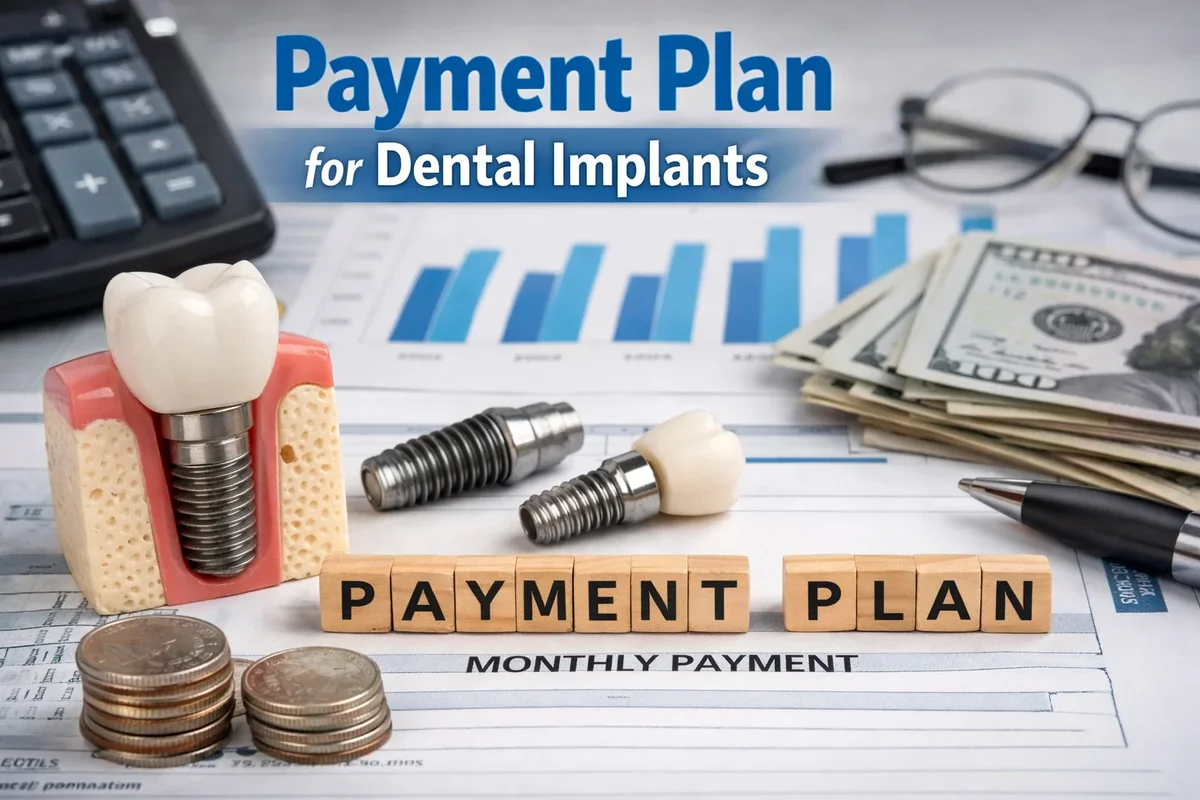
Dental Implant Costs Explained With a Payment Plan Breakdown
Understanding the real cost of dental implants is essential before committing to a payment plan for dental implants.
Many patients feel overwhelmed when they hear a single large number, but that figure often represents multiple procedures,
materials, and professional services combined. Breaking these costs down step by step helps patients see how a payment plan for
dental implants transforms a major expense into a manageable, structured investment 😊.
What Is Included in the Total Cost of Dental Implants?
The total price of dental implant treatment is not just about placing a titanium post. A comprehensive treatment plan usually
includes consultation, digital imaging, surgical placement, healing time, and the final crown or prosthetic. When no
payment plan for dental implants is used, all of these elements are typically bundled into one upfront fee.
In some cases, additional procedures such as tooth extraction, bone grafting, or sinus lifting may be required. These steps
are critical for long-term implant success but naturally increase the overall cost. A payment plan for dental implants allows
patients to include these necessary procedures without facing an immediate financial burden.
Average Dental Implant Cost Ranges
While exact prices vary by country, clinic, and treatment complexity, general cost ranges help patients set realistic
expectations. Below is an approximate overview of typical implant-related costs when paid upfront, before applying a
payment plan for dental implants:
Single Dental Implant: $2,500 – $5,000
Implant Crown: $1,000 – $2,500
Bone Grafting (if needed): $500 – $3,000
Full-Mouth Implant Restoration: $15,000 – $45,000+
Seeing these numbers at once can be intimidating 😟. This is precisely why a payment plan for dental implants plays such a
critical role in patient decision-making. Instead of focusing on the total figure, patients can focus on affordable monthly
payments.
How a Payment Plan Breaks Down These Costs
A payment plan for dental implants takes the total treatment cost and divides it into equal monthly payments
over an agreed period. For example, a $6,000 treatment spread over 24 months results in significantly lower monthly payments
than a single lump sum.
Some clinics align payment schedules with treatment phases. This means patients may pay a portion at the beginning, another
during healing, and the remainder when the final restoration is placed. This phased approach makes costs feel more logical and
less overwhelming.
Interest-Free vs. Interest-Based Payment Plans
Many clinics offer interest-free payment plan for dental implants options for shorter terms, such as 6–12
months. These plans allow patients to pay the exact treatment cost without additional fees, making them especially appealing.
Longer-term plans may include interest, but they offer lower monthly payments. Patients should always compare the total
repayment amount and choose the option that best balances affordability and overall cost.
Comparing Upfront Payment vs. Monthly Installments
Paying upfront may reduce total cost slightly, but it requires significant immediate liquidity. A payment plan for
dental implants preserves cash flow, allowing patients to maintain savings, handle emergencies, or manage other
financial priorities.
From a practical standpoint, many patients prefer predictable monthly expenses over a single large payment. This approach
fits modern budgeting habits and reduces financial stress throughout treatment.
Hidden Costs to Watch For
Not all payment plans are equal. Patients should confirm that their payment plan for dental implants includes
follow-up visits, adjustments, and post-treatment checkups. Excluding these elements may lead to unexpected expenses later.
Clear, written agreements help patients understand exactly what is covered and avoid surprises. Transparency is a key sign
of a trustworthy clinic.
Why Monthly Cost Often Matters More Than Total Cost
For most patients, the deciding factor is not the total price but the monthly affordability. A payment plan for dental
implants reframes the conversation from “Can I afford this?” to “Can I manage this monthly amount?”
This shift helps patients move forward with treatment confidently rather than postponing care due to fear of high upfront
costs. In many cases, monthly payments are comparable to everyday expenses, making implant treatment feel realistic and
achievable 😊.
Seeing Dental Implants as a Long-Term Investment
Dental implants are designed to last many years, often decades, with proper care. When spread over time, the monthly cost of a
payment plan for dental implants often represents excellent value compared to repeated replacements of
temporary solutions.
In conclusion, understanding dental implant costs through the lens of a payment plan provides clarity and confidence. A
payment plan for dental implants turns complex, high-cost treatment into a structured, transparent, and manageable process.
By focusing on breakdowns rather than totals, patients can make informed decisions that support both their oral health and
financial well-being 😊.