
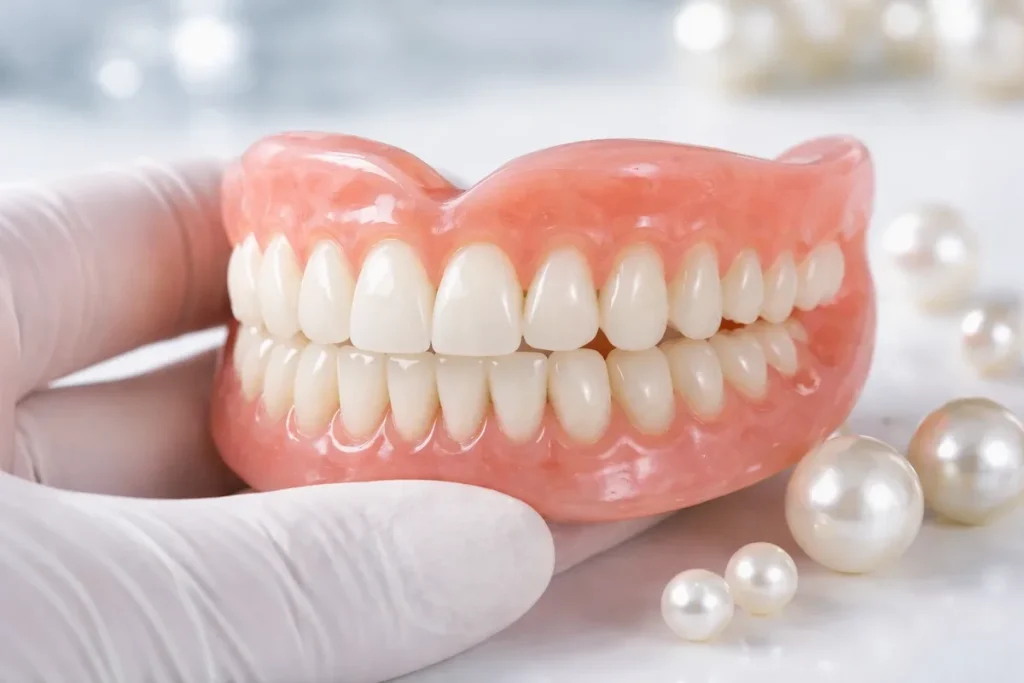
Pearl dentures are a modern, highly aesthetic solution designed for patients who want more than just functional tooth replacement. Unlike conventional removable prosthetics, pearl dentures focus heavily on achieving a bright, luminous, and natural-looking smile that closely resembles healthy enamel. The name “pearl dentures” reflects their soft sheen and lifelike translucency, similar to natural pearls. Today, patients are not only concerned with chewing and speaking properly—they also want confidence, facial harmony, and long-lasting beauty. That is exactly where pearl dentures stand out. 😊
In simple terms, pearl dentures are customized dental prostheses created using advanced materials that mimic the light-reflecting properties of real teeth. These prosthetic teeth are often crafted from high-quality acrylic resins or porcelain-like composites, carefully layered to create depth, texture, and natural coloration. The goal of pearl dentures is to replicate the subtle gradients found in natural enamel, avoiding the flat, artificial appearance often associated with older denture designs.
Functionally, pearl dentures replace missing teeth and surrounding tissues. They restore chewing efficiency, improve speech clarity, and support facial muscles that may otherwise sag due to tooth loss. When teeth are missing, the jawbone can gradually shrink, leading to premature aging of the face. Pearl dentures help restore that lost volume and provide structural support to the lips and cheeks. This means patients often notice a more youthful facial profile after treatment.
From a clinical perspective, pearl dentures can be either full or partial. Full pearl dentures are used when all teeth in an arch are missing, while partial pearl dentures are recommended when some natural teeth remain. In both cases, precision impressions are taken to ensure a comfortable and secure fit. Modern digital scanning technologies are increasingly used to improve accuracy and patient comfort during this process.
One of the key reasons patients choose pearl dentures is the aesthetic customization. Every set of pearl dentures is designed according to the patient’s facial features, skin tone, lip line, and smile symmetry. Dentists evaluate factors such as tooth size, shape, and shade to ensure harmony with the patient’s natural appearance. Unlike mass-produced options, pearl dentures are carefully crafted to avoid a “one-size-fits-all” look.
Another important aspect of pearl dentures is their biocompatibility. High-quality materials reduce the risk of irritation and allergic reactions. Patients who previously experienced discomfort with older dentures often find pearl dentures more comfortable due to improved design and smoother surface finishing. Properly fitted pearl dentures distribute chewing forces evenly, minimizing sore spots and gum inflammation.
Patients frequently ask whether pearl dentures feel natural. While any removable appliance requires a short adaptation period, most individuals adjust within a few weeks. During this time, mild speech differences or slight pressure sensations may occur. However, with proper adjustments and follow-up visits, pearl dentures begin to feel increasingly natural. Regular dental check-ups are essential to maintain comfort and long-term stability.
Hygiene also plays a crucial role in maintaining pearl dentures. Just like natural teeth, pearl dentures require daily cleaning to prevent plaque buildup and staining. Although pearl dentures are designed to resist discoloration better than traditional acrylic dentures, lifestyle habits such as smoking or heavy coffee consumption can still affect appearance over time. Proper cleaning routines help preserve their bright, pearl-like shine. ✨
Another reason pearl dentures are growing in popularity is the psychological benefit. Tooth loss can deeply impact self-esteem, social confidence, and professional interactions. Patients often report feeling hesitant to smile or speak openly before treatment. After receiving pearl dentures, many describe a significant boost in confidence and overall quality of life. A natural-looking smile influences not only aesthetics but also emotional well-being.
It is also important to mention that pearl dentures are created according to professional dental standards. Reputable clinics follow international hygiene and prosthetic protocols. For general dental health guidelines and patient education resources, you can refer to the American Dental Association. These guidelines help ensure that treatments like pearl dentures meet safety and quality benchmarks.
If you are considering pearl dentures and want a personalized evaluation, consulting an experienced dental team is essential. Every patient’s oral anatomy is unique, and proper planning determines the long-term success of pearl dentures. If you would like to discuss your options or receive a professional assessment, you can visit the Redent Klinik Contact Page to schedule a consultation.
In summary, pearl dentures combine advanced materials, aesthetic customization, and functional restoration into one comprehensive solution. They are not simply replacement teeth—they are carefully designed smile restorations aimed at enhancing confidence, comfort, and facial balance. With the right care and professional guidance, pearl dentures can provide years of reliable performance and natural beauty. 🌟
What Are Pearl Dentures and How Do They Work?
Pearl dentures are advanced dental prosthetics designed to restore missing teeth while delivering exceptional aesthetics and comfort. Unlike conventional removable prostheses that may look artificial or bulky, pearl dentures are engineered to replicate the natural translucency, shape, and surface texture of real enamel. Their defining characteristic is a luminous, pearl-like finish that reflects light in a way similar to natural teeth. This makes pearl dentures particularly attractive for patients who prioritize both functionality and cosmetic excellence. 😊
At their core, pearl dentures function as replacement teeth supported either by the gums or, in some cases, by dental implants. They restore chewing ability, improve speech clarity, and maintain facial structure after tooth loss. When teeth are missing, the surrounding bone and soft tissues begin to change. Pearl dentures help counteract these effects by filling the gaps and providing necessary support to the lips and cheeks.
The Structural Components of Pearl Dentures
To fully understand how pearl dentures work, it is helpful to break down their main components. Each part plays a specific role in comfort, durability, and natural appearance.
1. The Artificial Teeth
The visible part of pearl dentures consists of prosthetic teeth made from high-grade acrylic resin or ceramic-based composite materials. These materials are carefully layered to create depth and translucency. Unlike flat-colored traditional dentures, pearl dentures incorporate subtle shade variations, mimicking the gradient found in natural enamel. This layered design allows light to pass through the surface slightly before reflecting back, producing a soft glow rather than a dull finish.
2. The Denture Base
The base of pearl dentures sits directly on the gums. It is typically made from durable acrylic designed to resemble natural gum tissue. The color and contour of the base are customized to match the patient’s oral anatomy. A well-crafted base ensures that pearl dentures fit securely and distribute pressure evenly during chewing.
3. Retention and Support Mechanism
Pearl dentures can be supported in different ways. Traditional removable pearl dentures rely on suction and precise adaptation to the gum ridge. In contrast, implant-supported pearl dentures attach to dental implants placed in the jawbone. This option provides superior stability and prevents slipping while eating or speaking.
How Pearl Dentures Restore Oral Function
Functionality is just as important as aesthetics when discussing pearl dentures. After tooth loss, patients often struggle with chewing efficiency and pronunciation of certain words. Pearl dentures restore bite alignment and improve speech by replacing missing structures that influence airflow and tongue positioning.
During chewing, pearl dentures distribute forces across the gum tissue or implants, depending on the design. Properly fitted pearl dentures prevent excessive pressure on specific areas, reducing discomfort and minimizing the risk of sore spots. This even distribution also supports better digestion, as patients can chew food more effectively.
The Customization Process Behind Pearl Dentures
Every set of pearl dentures is individually designed. The process begins with a comprehensive dental examination. Digital scans or traditional impressions are taken to capture the exact shape of the patient’s mouth. These measurements guide the dental laboratory in fabricating pearl dentures that align perfectly with the jaw structure.
Shade selection is another critical step. Dentists consider factors such as skin tone, age, and facial symmetry. The goal is to ensure that pearl dentures enhance the overall appearance without looking overly bright or artificial. Small details, like slight asymmetries or natural contours, are intentionally incorporated to achieve realism.
How Long Do Pearl Dentures Last?
The lifespan of pearl dentures depends on material quality, oral hygiene, and routine dental care. On average, well-maintained pearl dentures can last between 5 to 10 years. Over time, natural bone resorption may require adjustments or relining to maintain proper fit. Implant-supported pearl dentures often provide greater long-term stability.
Regular dental visits are essential to ensure pearl dentures remain comfortable and functional. Professional cleaning and minor adjustments help extend their durability and preserve their aesthetic qualities. ✨
Advantages Over Conventional Dentures
Compared to traditional options, pearl dentures offer several improvements. First, their aesthetic design significantly reduces the “plastic” appearance sometimes associated with older dentures. Second, improved materials increase resistance to staining and wear. Third, modern fabrication techniques ensure better adaptation to the gums, enhancing comfort.
Many dental professionals follow guidelines established by reputable organizations such as the American Dental Association to ensure safety and effectiveness when designing and fitting pearl dentures. Adhering to these standards ensures high-quality results and patient satisfaction.
Are Pearl Dentures Right for You?
Pearl dentures are suitable for individuals who have lost some or all of their teeth and desire a natural-looking, reliable solution. They are particularly beneficial for patients concerned about aesthetics and facial harmony. If you are considering pearl dentures, a professional consultation can help determine the best treatment plan tailored to your needs.
For personalized advice and detailed treatment planning, you can reach out through the Redent Klinik Contact Page. An experienced dental team can evaluate whether pearl dentures are the right choice for restoring your smile and confidence.
In conclusion, pearl dentures combine scientific precision with artistic craftsmanship. They restore function, enhance beauty, and support overall oral health. By understanding how pearl dentures work—from structure and support to customization and maintenance—you can make an informed decision about achieving a confident, natural-looking smile. 🌟
Types of Pearl Dentures for Natural-Looking Teeth
Pearl dentures are not a one-size-fits-all solution. Modern dentistry offers several types of pearl dentures designed to meet different clinical needs, aesthetic expectations, and lifestyle preferences. Whether a patient has lost all teeth in one arch or only a few, pearl dentures can be customized accordingly. Understanding the different types of pearl dentures helps patients make informed decisions and choose the option that best restores both function and appearance. 😊
The primary goal of pearl dentures is to deliver a natural-looking smile while maintaining durability and comfort. Each type of pearl dentures varies in structure, support mechanism, and material composition. Below, we explore the most common categories of pearl dentures and how they differ from one another.
Full Pearl Dentures
Full pearl dentures are designed for patients who have lost all teeth in the upper jaw, lower jaw, or both. These pearl dentures rest directly on the gum tissue and are custom-made to fit the contours of the patient’s mouth.
Conventional Full Pearl Dentures
Conventional full pearl dentures are fabricated after the gums have completely healed following tooth extraction. This healing period typically takes several weeks. Once the tissue stabilizes, precise impressions are taken to ensure a snug fit. These pearl dentures provide excellent aesthetics and improved chewing function. Because they are created after healing, they tend to fit more accurately compared to immediate alternatives.
Immediate Full Pearl Dentures
Immediate pearl dentures are placed on the same day as tooth extraction. This allows patients to avoid being without teeth during the healing phase. However, as the gums and bone naturally shrink during healing, adjustments or relining may be necessary. Immediate pearl dentures are ideal for individuals who prioritize maintaining their smile without interruption.
Partial Pearl Dentures
Partial pearl dentures are recommended for patients who still have some healthy natural teeth remaining. Instead of replacing an entire arch, these pearl dentures fill specific gaps.
Removable Partial Pearl Dentures
Removable partial pearl dentures attach to existing teeth using discreet clasps or precision attachments. The prosthetic teeth are crafted to match the color and translucency of the natural teeth, ensuring seamless integration. These pearl dentures help prevent adjacent teeth from shifting while restoring proper bite alignment.
Flexible Partial Pearl Dentures
Flexible pearl dentures are made from softer, more adaptable materials. They offer increased comfort and are less likely to cause gum irritation. Because they do not contain visible metal clasps, flexible pearl dentures are often preferred for aesthetic reasons. Their adaptability makes them suitable for patients with sensitive oral tissues.
Implant-Supported Pearl Dentures
Implant-supported pearl dentures represent one of the most advanced options available. Instead of relying solely on gum support, these pearl dentures are anchored to dental implants surgically placed into the jawbone.
Snap-On Pearl Dentures
Snap-on pearl dentures attach securely to implants using special connectors. They can still be removed for cleaning but offer significantly greater stability compared to traditional removable pearl dentures. Patients often report improved confidence when eating and speaking because snap-on pearl dentures minimize movement.
Fixed Implant-Supported Pearl Dentures
Fixed pearl dentures, sometimes referred to as hybrid dentures, are permanently attached to implants and can only be removed by a dentist. These pearl dentures provide the highest level of stability and feel more like natural teeth. They also help preserve jawbone density by stimulating the bone through implant integration.
Material Variations in Pearl Dentures
The materials used in pearl dentures influence durability, appearance, and cost. High-quality acrylic resin remains popular due to its lightweight properties and realistic finish. Porcelain-based pearl dentures offer exceptional translucency and stain resistance but may be slightly heavier. Dentists evaluate each patient’s needs before recommending a material type.
Regardless of the material chosen, pearl dentures are crafted with careful attention to detail. Subtle shading, natural contours, and customized tooth shapes contribute to a lifelike result. Professional standards outlined by organizations such as the American Dental Association help ensure safety and quality in the production of pearl dentures.
Choosing the Right Type of Pearl Dentures
Selecting the appropriate pearl dentures depends on multiple factors, including oral health condition, bone density, budget, and aesthetic expectations. Patients with sufficient bone volume may benefit from implant-supported pearl dentures, while others may prefer removable options for simplicity and affordability.
Consultation with an experienced dental professional is essential. A thorough evaluation includes oral examination, digital imaging, and discussion of lifestyle preferences. Personalized treatment planning ensures that pearl dentures align with long-term oral health goals.
If you are unsure which type of pearl dentures suits your needs, you can request professional guidance through the Redent Klinik Contact Page. A customized consultation can clarify the most appropriate solution for restoring your smile.
In summary, pearl dentures are available in multiple forms, from full and partial designs to advanced implant-supported systems. Each option offers unique benefits in terms of comfort, stability, and aesthetics. By understanding the various types of pearl dentures, patients can confidently choose a treatment that enhances both oral function and natural beauty. 🌟
Benefits of Choosing Pearl Dentures for Your Smile
Pearl dentures have become increasingly popular among patients who want more than a basic tooth replacement solution. Beyond restoring missing teeth, pearl dentures are designed to enhance facial harmony, improve oral function, and deliver a naturally radiant appearance. For individuals struggling with tooth loss, understanding the benefits of pearl dentures can make the decision-making process much clearer. 😊
Tooth loss affects more than just chewing ability. It can influence speech, facial structure, self-confidence, and even overall health. Pearl dentures address all these concerns in a comprehensive way. By combining advanced materials with customized design, pearl dentures offer both functional reliability and aesthetic excellence.
1. Superior Aesthetic Appearance
One of the most important advantages of pearl dentures is their lifelike appearance. Unlike traditional dentures that may look flat or overly artificial, pearl dentures are carefully crafted to replicate the translucency and subtle color variations of natural enamel.
Natural Translucency and Shine
Pearl dentures are manufactured using high-quality materials that reflect light similarly to natural teeth. This creates a soft, pearl-like glow rather than a dull, opaque finish. The layered structure mimics the way real enamel interacts with light, giving pearl dentures a more authentic look.
Customized Tooth Shape and Size
Every set of pearl dentures is individually designed. Dentists evaluate facial proportions, lip support, and smile line to determine the ideal tooth dimensions. This level of customization ensures that pearl dentures complement the patient’s unique features rather than appearing generic.
2. Improved Chewing and Speaking Function
Missing teeth can significantly reduce chewing efficiency. Poor chewing may lead to digestive discomfort because food is not properly broken down before swallowing. Pearl dentures restore bite balance and allow patients to eat a wider variety of foods comfortably.
Speech clarity is another major benefit. Certain sounds require precise tongue placement against the teeth. Pearl dentures help restore proper articulation by filling gaps that may interfere with pronunciation. After a short adaptation period, most patients find that pearl dentures greatly improve their ability to speak clearly and confidently.
3. Enhanced Facial Support and Youthful Appearance
Tooth loss often leads to facial collapse due to the lack of structural support. The cheeks may appear sunken, and wrinkles around the mouth can become more pronounced. Pearl dentures help restore facial volume by supporting the lips and cheeks.
Prevention of Premature Aging
By replacing missing teeth, pearl dentures help maintain proper jaw alignment and facial proportions. This reduces the “collapsed” look often associated with edentulism. Many patients report that pearl dentures give them a noticeably more youthful appearance.
4. Comfort and Biocompatibility
Modern pearl dentures are designed with patient comfort in mind. The materials used are biocompatible and less likely to cause irritation compared to older denture materials. Smooth surface finishing reduces friction against the gum tissue.
Additionally, pearl dentures are custom-fitted using precise impressions or digital scans. This tailored approach ensures even distribution of chewing forces, minimizing sore spots. Regular follow-ups allow dentists to make small adjustments, ensuring that pearl dentures remain comfortable over time.
5. Durability and Stain Resistance
High-quality pearl dentures are built to withstand daily wear. The advanced acrylic or ceramic composites used in pearl dentures are resistant to cracking and discoloration when properly maintained. While no dental prosthesis is completely immune to staining, pearl dentures generally maintain their brightness longer than conventional options.
Patients who follow professional hygiene recommendations can enjoy long-lasting results. For broader oral health guidelines, patients may consult resources provided by the American Dental Association, which outlines best practices for maintaining dental prosthetics like pearl dentures.
6. Psychological and Social Benefits
The emotional impact of tooth loss can be profound. Many individuals avoid smiling, socializing, or even speaking freely due to embarrassment. Pearl dentures play a significant role in restoring self-esteem.
When patients feel confident about their smile, their quality of life often improves dramatically. Pearl dentures help individuals engage more comfortably in professional meetings, social gatherings, and everyday conversations. This psychological benefit is just as important as the physical advantages.
7. Versatile Treatment Options
Pearl dentures are available in multiple forms, including full, partial, removable, and implant-supported designs. This versatility ensures that pearl dentures can be adapted to a wide range of clinical situations. Whether a patient has lost all teeth or only a few, there is a pearl dentures solution available.
If you are considering pearl dentures and want personalized guidance, professional consultation is essential. You can explore your options and receive a tailored treatment plan by visiting the Redent Klinik Contact Page. An experienced dental team can evaluate your needs and explain how pearl dentures can transform your smile.
In conclusion, pearl dentures provide a comprehensive solution that combines aesthetics, functionality, comfort, and durability. From restoring chewing efficiency to enhancing facial harmony and boosting self-confidence, pearl dentures offer multiple benefits that extend far beyond simple tooth replacement. With proper care and professional support, pearl dentures can significantly improve both oral health and overall well-being. 🌟
Who Is a Good Candidate for Pearl Dentures?
Pearl dentures are an advanced tooth replacement solution designed for individuals who want both functionality and natural aesthetics. However, not every patient has the same oral condition, expectations, or medical background. Determining whether pearl dentures are the right option requires a comprehensive evaluation of oral health, bone structure, lifestyle, and long-term goals. Understanding who is a good candidate for pearl dentures helps ensure successful treatment outcomes and long-lasting satisfaction. 😊
In general, pearl dentures are suitable for adults who have lost multiple teeth or all teeth in one or both arches. Whether the tooth loss is due to decay, gum disease, trauma, or aging, pearl dentures can restore chewing ability, speech clarity, and facial balance. The key is ensuring that the oral tissues are healthy enough to support pearl dentures properly.
Patients with Complete Tooth Loss
Individuals who have lost all their teeth in the upper or lower jaw are often excellent candidates for pearl dentures. Full pearl dentures replace an entire dental arch and are custom-designed to match facial proportions and aesthetic preferences.
Healthy Gum Tissue
For full pearl dentures to fit comfortably, the gums must be free of active infection or severe inflammation. Patients with untreated gum disease may require periodontal treatment before receiving pearl dentures. Healthy gum tissue ensures better adaptation and reduces the risk of discomfort.
Stable Jawbone Structure
Although traditional pearl dentures rest on the gums, a stable jawbone foundation improves retention and comfort. In cases of significant bone loss, dentists may recommend bone grafting or implant-supported pearl dentures for enhanced stability.
Patients with Partial Tooth Loss
Pearl dentures are also suitable for individuals who still have some natural teeth remaining. Partial pearl dentures fill the gaps left by missing teeth while preserving the existing healthy ones.
Good candidates for partial pearl dentures should have strong, stable natural teeth that can support the prosthesis. These remaining teeth act as anchors, helping maintain alignment and preventing shifting. Pearl dentures in partial form not only restore function but also prevent further dental complications caused by uneven bite forces.
Patients Seeking Enhanced Aesthetics
One of the primary reasons patients choose pearl dentures is their superior aesthetic quality. Individuals who are concerned about the artificial appearance of traditional dentures may benefit greatly from pearl dentures. The natural translucency and customized tooth shaping make pearl dentures ideal for patients who value a radiant, realistic smile.
Patients who work in public-facing professions, such as business executives, educators, or performers, often prefer pearl dentures because they provide confidence in social and professional interactions. The ability of pearl dentures to mimic natural enamel helps eliminate self-consciousness about smiling.
Patients Considering Implant Support
For individuals seeking maximum stability, implant-supported pearl dentures may be the best option. Good candidates for implant-supported pearl dentures typically have sufficient bone density to support dental implants.
Non-Smokers or Light Smokers
Smoking can interfere with healing and implant integration. Patients who are non-smokers or willing to reduce smoking significantly are generally better candidates for implant-supported pearl dentures.
Good Overall Health
Chronic conditions such as uncontrolled diabetes may affect healing after implant placement. A thorough medical evaluation ensures that pearl dentures, especially implant-supported versions, can be placed safely and predictably.
Psychological Readiness and Commitment
Another important factor in determining candidacy for pearl dentures is patient commitment. Successful use of pearl dentures requires proper hygiene, routine dental visits, and realistic expectations. Patients must understand that pearl dentures, like any prosthetic solution, may require periodic adjustments.
Adhering to professional guidelines from reputable institutions such as the American Dental Association helps ensure long-term success with pearl dentures. Following recommended cleaning routines and attending regular check-ups significantly improves durability and comfort.
Who May Need Additional Preparation?
Some patients may not be immediate candidates for pearl dentures but can become eligible after preparatory treatment. For example, individuals with advanced gum disease may require periodontal therapy. Those with severe bone loss might benefit from bone grafting before implant-supported pearl dentures are considered.
Additionally, patients with poorly fitting old dentures may experience gum irritation or tissue changes. A professional evaluation can determine whether pearl dentures can replace outdated prosthetics and improve overall oral health.
Personalized Consultation Is Essential
Every patient’s oral anatomy and expectations are unique. A comprehensive dental consultation includes clinical examination, digital imaging, and discussion of aesthetic goals. During this process, the dentist assesses whether pearl dentures are the most appropriate solution.
If you are unsure whether pearl dentures are right for you, professional guidance is crucial. You can request a personalized evaluation by visiting the Redent Klinik Contact Page. A qualified dental team can assess your oral health, discuss treatment options, and determine whether pearl dentures align with your needs.
In conclusion, pearl dentures are suitable for a wide range of patients, including those with full or partial tooth loss, individuals seeking enhanced aesthetics, and patients considering implant-supported solutions. With proper evaluation, preparation, and ongoing care, pearl dentures can provide a comfortable, natural-looking, and long-lasting restoration that significantly improves both oral function and confidence. 🌟
The Pearl Dentures Procedure Step by Step
Understanding the treatment journey helps patients feel more confident and prepared before starting their smile transformation. The pearl dentures procedure is carefully planned to ensure optimal comfort, function, and aesthetics. From the initial consultation to final placement, each stage is designed to create pearl dentures that look natural and fit securely. Below is a detailed step-by-step explanation of how pearl dentures are made and delivered. 😊
1. Comprehensive Dental Consultation
The process begins with a detailed clinical examination. During this appointment, the dentist evaluates oral health, gum condition, jawbone structure, and remaining teeth (if any). Digital X-rays or 3D scans may be taken to assess bone density and detect underlying issues.
Medical and Dental History Review
Your dentist will review your overall health, medications, and any history of gum disease or previous dentures. This ensures that pearl dentures are planned safely and effectively.
Treatment Planning
Based on the findings, the dentist determines whether you need full pearl dentures, partial pearl dentures, or implant-supported pearl dentures. A customized treatment plan is created to match your aesthetic goals and functional needs.
2. Tooth Extraction (If Necessary)
If damaged or severely decayed teeth are present, they may need to be removed before fabricating pearl dentures. In some cases, immediate pearl dentures can be prepared in advance and placed on the same day as extraction. This allows patients to maintain their smile without interruption.
After extractions, the gums require healing time. During this period, temporary pearl dentures may be used while the tissues stabilize.
3. Impressions and Digital Scanning
Accurate impressions are critical for well-fitting pearl dentures. Traditionally, dentists use impression materials to capture the shape of the gums and jaw. Today, many clinics use digital intraoral scanners to create highly precise 3D models.
Why Accuracy Matters
Poorly fitted dentures can cause discomfort and sore spots. Precise impressions ensure that pearl dentures adapt closely to the gum contours, improving stability and comfort.
4. Bite Registration and Jaw Alignment
Proper bite alignment is essential for chewing efficiency and long-term comfort. The dentist records how the upper and lower jaws relate to each other. This step ensures that pearl dentures restore natural occlusion and prevent uneven pressure distribution.
Correct bite alignment also supports facial balance. Pearl dentures are carefully designed to restore lip support and prevent a collapsed appearance.
5. Shade and Aesthetic Customization
One of the defining features of pearl dentures is their lifelike appearance. During this stage, tooth shade, size, and shape are selected.
Natural-Looking Design
The dentist considers skin tone, age, facial proportions, and smile line. Pearl dentures are not simply bright white; they incorporate subtle translucency and natural contouring to mimic real enamel.
Patient Involvement
Patients are encouraged to participate in selecting the aesthetic features of their pearl dentures. This ensures satisfaction with the final result.
6. Try-In Appointment
Before final fabrication, a wax model of the pearl dentures is created for a try-in session. This allows the patient and dentist to evaluate appearance, fit, and bite.
During this appointment, adjustments can be made to tooth positioning or shade. This step ensures that the final pearl dentures meet expectations before permanent processing.
7. Final Fabrication
Once approved, the pearl dentures are finalized using durable, high-quality materials. Advanced techniques are used to achieve a smooth finish and natural translucency.
Reputable dental professionals follow standards recommended by organizations such as the American Dental Association to ensure quality and patient safety during fabrication.
8. Placement and Adjustment
When the pearl dentures are ready, they are placed in the mouth and carefully evaluated. The dentist checks pressure points, bite balance, and overall comfort.
Initial Adaptation Period
It is normal to experience minor discomfort or increased saliva production initially. Most patients adapt to pearl dentures within a few weeks.
Follow-Up Visits
Follow-up appointments are essential to make small adjustments. These visits ensure that pearl dentures remain comfortable and functional over time.
9. Implant-Supported Pearl Dentures (If Applicable)
For implant-supported pearl dentures, additional steps are involved. Dental implants are surgically placed into the jawbone and allowed to integrate over several months. Once healed, pearl dentures are attached securely to the implants, providing enhanced stability and chewing power.
Post-Procedure Care
Proper maintenance extends the lifespan of pearl dentures. Daily cleaning, routine dental check-ups, and prompt attention to discomfort are essential. Patients should follow professional instructions carefully to maintain both oral health and the aesthetic quality of pearl dentures.
If you are considering pearl dentures and want personalized guidance throughout every step, you can contact a qualified dental team via the Redent Klinik Contact Page. A comprehensive consultation ensures a smooth and successful treatment journey.
In summary, the pearl dentures procedure involves careful planning, precise measurements, aesthetic customization, and professional follow-up. Each stage is designed to ensure that pearl dentures restore not only missing teeth but also confidence, comfort, and long-term oral health. 🌟
Cost of Pearl Dentures in 2026: What to Expect
The cost of pearl dentures in 2026 depends on several important factors, including the type of restoration, materials used, laboratory quality, and whether dental implants are involved. Because pearl dentures focus on enhanced aesthetics and customized craftsmanship, they are generally positioned as a premium denture option. However, many patients consider pearl dentures a worthwhile investment due to their natural appearance, durability, and long-term comfort. 😊
Understanding the financial aspect of pearl dentures allows patients to plan realistically and compare available options. Below, we break down the main cost determinants and provide general price ranges based on current international averages.
Average Price Ranges for Pearl Dentures
While exact costs vary by country and clinic, the following estimates reflect common 2026 market prices for pearl dentures:
Full Pearl Dentures (Upper or Lower)
- United States: $1,500 – $3,500 per arch
- United Kingdom: £1,200 – £2,800 per arch
- Europe (average): €1,000 – €2,500 per arch
These prices typically include consultation, impressions, try-in appointments, and final delivery. High-end aesthetic customization may increase the total cost of pearl dentures.
Partial Pearl Dentures
- United States: $900 – $2,500 depending on complexity
- United Kingdom: £700 – £1,800
- Europe (average): €600 – €1,800
Partial pearl dentures are generally more affordable than full sets because fewer artificial teeth are required. However, precision attachments or aesthetic enhancements can influence pricing.
Implant-Supported Pearl Dentures
- United States: $6,000 – $15,000 per arch
- United Kingdom: £5,000 – £12,000 per arch
- Europe (average): €4,000 – €10,000 per arch
Implant-supported pearl dentures are significantly more expensive because they involve surgical implant placement, healing time, and advanced attachment systems. However, they provide superior stability and long-term bone preservation.
Factors That Influence the Cost of Pearl Dentures
The price of pearl dentures is not determined by materials alone. Several additional factors affect the final investment.
1. Material Quality
High-grade acrylics and ceramic composites increase the cost of pearl dentures but also improve aesthetics and longevity. Premium materials resist staining and wear better than standard denture materials.
2. Laboratory Expertise
Pearl dentures require skilled dental technicians who carefully layer and shape each artificial tooth. Advanced laboratory techniques increase production time but significantly enhance realism.
3. Number of Appointments
Complex cases may require additional fittings and adjustments. More chair time contributes to the overall cost of pearl dentures.
4. Geographic Location
Dental treatment costs vary widely by country and region. Clinics in metropolitan areas often charge higher fees compared to smaller cities.
Are Pearl Dentures Worth the Investment?
For many patients, pearl dentures offer excellent value due to their aesthetic and functional advantages. Traditional dentures may cost less initially, but they often require more frequent adjustments or replacements. Pearl dentures, when properly maintained, can last between 5 to 10 years or longer.
Implant-supported pearl dentures, while more expensive upfront, may reduce long-term maintenance costs and provide greater comfort. They also help preserve jawbone density, preventing future complications.
Insurance and Financing Options
Some dental insurance plans partially cover pearl dentures, especially when they are considered medically necessary. Coverage typically applies to basic denture components, while premium aesthetic upgrades may require out-of-pocket payment.
Many clinics offer installment plans or third-party financing options to make pearl dentures more accessible. Discussing payment options during consultation helps patients manage the investment comfortably.
Long-Term Maintenance Costs
In addition to the initial price, patients should consider maintenance expenses. Pearl dentures may require periodic relining, professional cleaning, or minor adjustments over time. These costs are generally modest compared to the original treatment fee.
Following professional guidelines from organizations such as the American Dental Association can help patients extend the lifespan of pearl dentures and reduce unexpected repair expenses.
Choosing Quality Over Price
When evaluating pearl dentures, it is important not to base decisions solely on cost. Extremely low prices may indicate lower-quality materials or limited customization. Investing in properly designed pearl dentures ensures better comfort, appearance, and long-term satisfaction.
If you would like a personalized quote and detailed treatment breakdown, you can contact an experienced dental team through the Redent Klinik Contact Page. A consultation will provide transparent pricing and tailored recommendations based on your oral health condition.
In summary, the cost of pearl dentures in 2026 varies depending on type, materials, and treatment complexity. While pearl dentures may represent a higher initial investment compared to conventional options, their aesthetic excellence, durability, and improved function make them a valuable solution for restoring a confident and natural-looking smile. 🌟
Pearl Dentures vs Traditional Dentures: Key Differences
When considering tooth replacement options, many patients wonder how pearl dentures compare to traditional dentures. While both solutions aim to restore missing teeth and improve oral function, there are significant differences in aesthetics, materials, comfort, durability, and overall patient satisfaction. Understanding these distinctions helps individuals make informed decisions based on their needs, expectations, and long-term goals. 😊
Pearl dentures are designed with a strong emphasis on natural appearance and advanced material technology. Traditional dentures, on the other hand, focus primarily on basic function and affordability. Although both types of dentures serve the same fundamental purpose, pearl dentures often provide enhanced realism and improved performance.
Aesthetic Differences
Natural Translucency and Appearance
One of the most noticeable differences between pearl dentures and traditional dentures is the visual outcome. Pearl dentures are crafted using layered materials that mimic the light-reflecting properties of natural enamel. This creates a subtle shine and depth that closely resembles real teeth.
Traditional dentures often use single-layer acrylic teeth that may appear flat or overly opaque. While modern traditional dentures have improved over time, pearl dentures typically offer a more refined and lifelike finish. Patients who prioritize cosmetic excellence frequently prefer pearl dentures for this reason.
Customization Level
Pearl dentures are highly customized in terms of tooth shape, size, shade, and alignment. Dentists carefully analyze facial features and smile dynamics before fabrication. Traditional dentures are also customized, but they may not include the same level of artistic detailing found in pearl dentures.
Material Quality and Durability
The materials used in pearl dentures are generally more advanced. High-quality acrylic resins or ceramic composites provide improved strength and stain resistance. Traditional dentures often rely on basic acrylic materials that may discolor or wear down more quickly.
With proper care, pearl dentures can maintain their aesthetic appeal longer than standard options. Their surface finishing also tends to be smoother, reducing plaque accumulation and staining. This contributes to improved long-term hygiene and durability.
Comfort and Fit
Precision Fabrication
Pearl dentures are frequently fabricated using digital scanning and modern impression techniques. This enhances precision and ensures better adaptation to the gum contours. A well-fitted set of pearl dentures distributes chewing forces evenly, minimizing sore spots.
Traditional dentures can also fit well when properly made, but older fabrication methods may result in less accurate adaptation. Patients transitioning from conventional dentures to pearl dentures often report improved comfort.
Implant Compatibility
Both pearl dentures and traditional dentures can be supported by dental implants. However, pearl dentures are often designed with advanced attachment systems for improved stability. Implant-supported pearl dentures provide superior retention, reducing movement during eating or speaking.
Functionality and Performance
From a functional perspective, both pearl dentures and traditional dentures restore chewing ability and speech clarity. However, pearl dentures may offer better bite balance due to enhanced customization. Precise occlusion design allows pearl dentures to function more efficiently.
Patients who choose implant-supported pearl dentures experience even greater stability and chewing power compared to removable traditional dentures.
Cost Considerations
Traditional dentures are generally more affordable upfront. Pearl dentures, due to their premium materials and advanced fabrication techniques, often involve higher initial costs. However, many patients view pearl dentures as a long-term investment because of their durability and superior aesthetics.
When evaluating cost, it is important to consider maintenance and replacement frequency. Higher-quality pearl dentures may require fewer adjustments over time. Following professional guidance from reputable organizations such as the American Dental Association can help maintain both pearl dentures and traditional dentures effectively.
Psychological and Social Impact
The confidence gained from wearing natural-looking pearl dentures can significantly influence social interactions. Patients often feel more comfortable smiling and speaking in public when their dentures look realistic. While traditional dentures restore function, pearl dentures frequently provide a higher level of aesthetic satisfaction.
Which Option Is Right for You?
The decision between pearl dentures and traditional dentures depends on individual priorities. If affordability is the primary concern, traditional dentures may be suitable. However, if aesthetics, long-term durability, and enhanced comfort are top priorities, pearl dentures may be the better choice.
A personalized consultation is essential to determine the most appropriate option. An experienced dental team can assess oral health, discuss expectations, and recommend the best solution. You can schedule a detailed evaluation through the Redent Klinik Contact Page to explore whether pearl dentures align with your treatment goals.
In summary, while both pearl dentures and traditional dentures restore missing teeth, pearl dentures stand out for their superior aesthetics, advanced materials, and enhanced comfort. By understanding these key differences, patients can confidently select the solution that best supports their smile, function, and long-term satisfaction. 🌟
How to Care for Pearl Dentures Properly
Proper care is essential to maintain the beauty, comfort, and longevity of pearl dentures. While pearl dentures are crafted from durable and stain-resistant materials, they still require daily maintenance to preserve their natural shine and structural integrity. Patients who follow consistent hygiene routines can significantly extend the lifespan of pearl dentures and avoid unnecessary repairs or replacements. 😊
Unlike natural teeth, pearl dentures do not decay. However, plaque, bacteria, and food debris can accumulate on their surface and around the gum line. Poor maintenance may lead to gum irritation, unpleasant odor, staining, and even infections. Therefore, learning how to care for pearl dentures correctly is a crucial part of long-term oral health.
Daily Cleaning Routine for Pearl Dentures
Remove and Rinse After Eating
After meals, pearl dentures should be removed and rinsed under lukewarm running water. This helps eliminate loose food particles and reduces bacterial buildup. Avoid using hot water, as excessive heat may warp the base of pearl dentures.
Brush Gently Every Day
Pearl dentures should be brushed at least once daily using a soft-bristled denture brush. Use a non-abrasive denture cleanser rather than regular toothpaste, as traditional toothpaste can scratch the surface of pearl dentures. Gentle brushing removes plaque and maintains the smooth, pearl-like finish.
Clean Your Gums and Tongue
Even if you wear full pearl dentures, it is important to brush your gums, tongue, and palate with a soft toothbrush. This stimulates circulation and removes bacteria. Healthy oral tissues help ensure a comfortable fit for pearl dentures.
Soaking Pearl Dentures Overnight
Most removable pearl dentures should be soaked overnight in a denture-cleaning solution or plain water. Soaking prevents the material from drying out and losing its shape. Always follow your dentist’s specific instructions regarding soaking solutions suitable for pearl dentures.
If you wear implant-supported pearl dentures that are not removable, your dentist will provide specialized cleaning instructions tailored to your prosthetic design.
Handling Pearl Dentures Safely
Avoid Dropping Them
Pearl dentures can crack if dropped onto a hard surface. When cleaning, place a towel in the sink or fill it partially with water to cushion accidental falls.
Do Not Use Harsh Chemicals
Bleach, strong household cleaners, or abrasive powders should never be used on pearl dentures. These substances can damage the material and affect color stability.
Regular Dental Check-Ups
Routine dental visits are essential for maintaining pearl dentures. Even if no natural teeth remain, annual or semi-annual check-ups allow the dentist to assess gum health, bone condition, and denture fit.
Professional Cleaning
Dental professionals can provide deep cleaning services for pearl dentures, removing stubborn stains and tartar deposits. Professional maintenance helps preserve the natural shine and comfort of pearl dentures.
Relining and Adjustments
Over time, jawbone structure may change due to natural bone resorption. This can affect the fit of pearl dentures. Relining procedures adjust the inner surface to ensure continued comfort and stability.
Protecting Pearl Dentures from Staining
Although pearl dentures are more stain-resistant than traditional dentures, certain habits can still affect their brightness. Coffee, tea, red wine, and tobacco use may cause discoloration over time. Rinsing after consuming staining substances helps maintain the aesthetic appeal of pearl dentures.
Maintaining good hydration and following professional recommendations from trusted organizations like the American Dental Association can further support long-term oral health while wearing pearl dentures.
When to Replace Pearl Dentures
Even with excellent care, pearl dentures may eventually require replacement. Signs that replacement may be necessary include persistent discomfort, visible cracks, difficulty chewing, or noticeable changes in fit. On average, pearl dentures last between 5 to 10 years, depending on maintenance and material quality.
Travel and Storage Tips
When traveling, always store pearl dentures in a secure container filled with appropriate solution. Avoid wrapping pearl dentures in tissue, as they may be accidentally discarded. Proper storage ensures protection against damage and contamination.
Maintaining Long-Term Confidence
Consistent care not only preserves the physical condition of pearl dentures but also maintains confidence in daily life. Clean, well-maintained pearl dentures contribute to fresh breath, comfortable chewing, and a bright smile.
If you have questions about caring for pearl dentures or need professional assistance, you can contact an experienced dental team through the Redent Klinik Contact Page. Personalized guidance ensures that pearl dentures remain in excellent condition for years to come.
In conclusion, caring for pearl dentures involves daily cleaning, safe handling, proper soaking, and regular dental visits. By following these guidelines, patients can protect their investment and enjoy the long-lasting aesthetic and functional benefits that pearl dentures provide. 🌟

Frequently Asked Questions About Pearl Dentures
Patients considering pearl dentures often have many practical and clinical questions before starting treatment. Understanding how pearl dentures function, how long they last, and what daily life looks like with them can significantly reduce anxiety and improve decision-making. Below, we address the most common questions about pearl dentures in detail to help you feel fully informed and confident. 😊
How Long Do Pearl Dentures Last?
The lifespan of pearl dentures depends on material quality, oral hygiene, and regular professional care. On average, well-maintained pearl dentures last between 5 to 10 years. Over time, natural bone changes in the jaw may affect fit, requiring relining or adjustments. Implant-supported pearl dentures may offer even longer stability due to their secure anchorage.
Routine dental check-ups are essential to ensure pearl dentures continue fitting properly and functioning efficiently.
Are Pearl Dentures Comfortable?
Initial Adjustment Period
Like any new dental prosthesis, pearl dentures require a short adaptation period. Some patients experience mild soreness or increased saliva production during the first few weeks. This is completely normal as the mouth adjusts.
Long-Term Comfort
Because pearl dentures are custom-designed using precise impressions or digital scans, they typically offer superior comfort compared to older denture designs. Properly fitted pearl dentures distribute pressure evenly, minimizing irritation and sore spots.
Can I Eat Normally with Pearl Dentures?
Yes, pearl dentures restore chewing ability and allow patients to enjoy a wide range of foods. However, during the first few weeks, it is advisable to start with softer foods while adapting to pearl dentures. Gradually, most patients regain the confidence to eat comfortably.
Implant-supported pearl dentures provide even greater chewing strength and stability, closely resembling natural teeth performance.
Do Pearl Dentures Look Natural?
One of the primary advantages of pearl dentures is their aesthetic design. They are crafted with layered materials that mimic the translucency and subtle color gradients of real enamel. This creates a soft, natural shine rather than an artificial appearance.
Dentists carefully customize tooth shape, size, and shade to complement facial features. As a result, pearl dentures often look more realistic than conventional denture options.
How Do I Clean Pearl Dentures?
Daily Cleaning
Pearl dentures should be brushed daily with a soft denture brush and non-abrasive cleanser. Avoid using regular toothpaste, which can scratch the surface of pearl dentures.
Soaking Overnight
Most removable pearl dentures should be soaked overnight in a recommended cleaning solution. This helps maintain shape and hygiene. Following professional guidance from institutions such as the American Dental Association ensures proper maintenance.
Are Pearl Dentures Expensive?
The cost of pearl dentures varies depending on type and materials used. While pearl dentures may cost more than basic traditional dentures, many patients consider them a valuable investment due to their aesthetic quality and durability. Implant-supported pearl dentures involve higher initial costs but offer enhanced stability and long-term benefits.
Will Pearl Dentures Affect My Speech?
During the first days of wearing pearl dentures, slight speech adjustments may occur. Certain sounds may feel different initially. With practice and consistent use, most patients adapt quickly. Reading aloud at home can accelerate adaptation.
Can Pearl Dentures Be Repaired?
Yes, pearl dentures can be repaired if damaged. Small cracks, chips, or looseness can often be corrected by a dental professional. It is important not to attempt home repairs, as improper adhesives or tools may permanently damage pearl dentures.
Who Should I Contact for a Consultation?
If you are considering pearl dentures and would like personalized advice, consulting an experienced dental team is essential. Every patient’s oral structure and expectations are unique. A comprehensive evaluation ensures that pearl dentures are the right solution for your needs.
You can request a detailed consultation and treatment plan through the Redent Klinik Contact Page. Professional guidance ensures that your pearl dentures are carefully planned, customized, and maintained for long-term success.
In conclusion, pearl dentures offer a modern, aesthetically refined solution for tooth replacement. By understanding the answers to these frequently asked questions, patients can confidently explore pearl dentures as a reliable and natural-looking way to restore their smile, comfort, and quality of life. 🌟
Disclosure: this page may contain affiliate links. We may earn a commission if you use them, at no extra cost to you.