
A pedi dentist plays a critical role in protecting and guiding a child’s oral health from infancy through adolescence. Many parents assume that baby teeth are temporary and therefore less important, but this is one of the most common misconceptions in dental care. In reality, early dental health directly affects speech development, nutrition, jaw growth, self-confidence, and even long-term adult oral health 😊. This guide is designed to fully answer what parents are searching for when they look for a pedi dentist: who they are, why they matter, and how they support healthy smiles at every stage of childhood.
A pedi dentist, also known as a pediatric dental specialist, is a dentist who focuses exclusively on treating infants, children, and teenagers. Unlike general dentists, a pedi dentist receives additional years of specialized training focused on child psychology, growth patterns, behavior management, and pediatric oral diseases. This extra expertise allows a pedi dentist to deliver care that is not only clinically accurate but also emotionally supportive and child-friendly 🦷.
One of the main reasons families choose a pedi dentist is prevention. Early visits help detect problems before they become painful or expensive. Cavities in baby teeth can lead to infections, difficulty eating, and improper alignment of permanent teeth. A pedi dentist monitors how teeth erupt, how the jaw develops, and how habits such as thumb sucking or mouth breathing may affect oral health. Early intervention can prevent years of orthodontic or restorative treatment later in life.
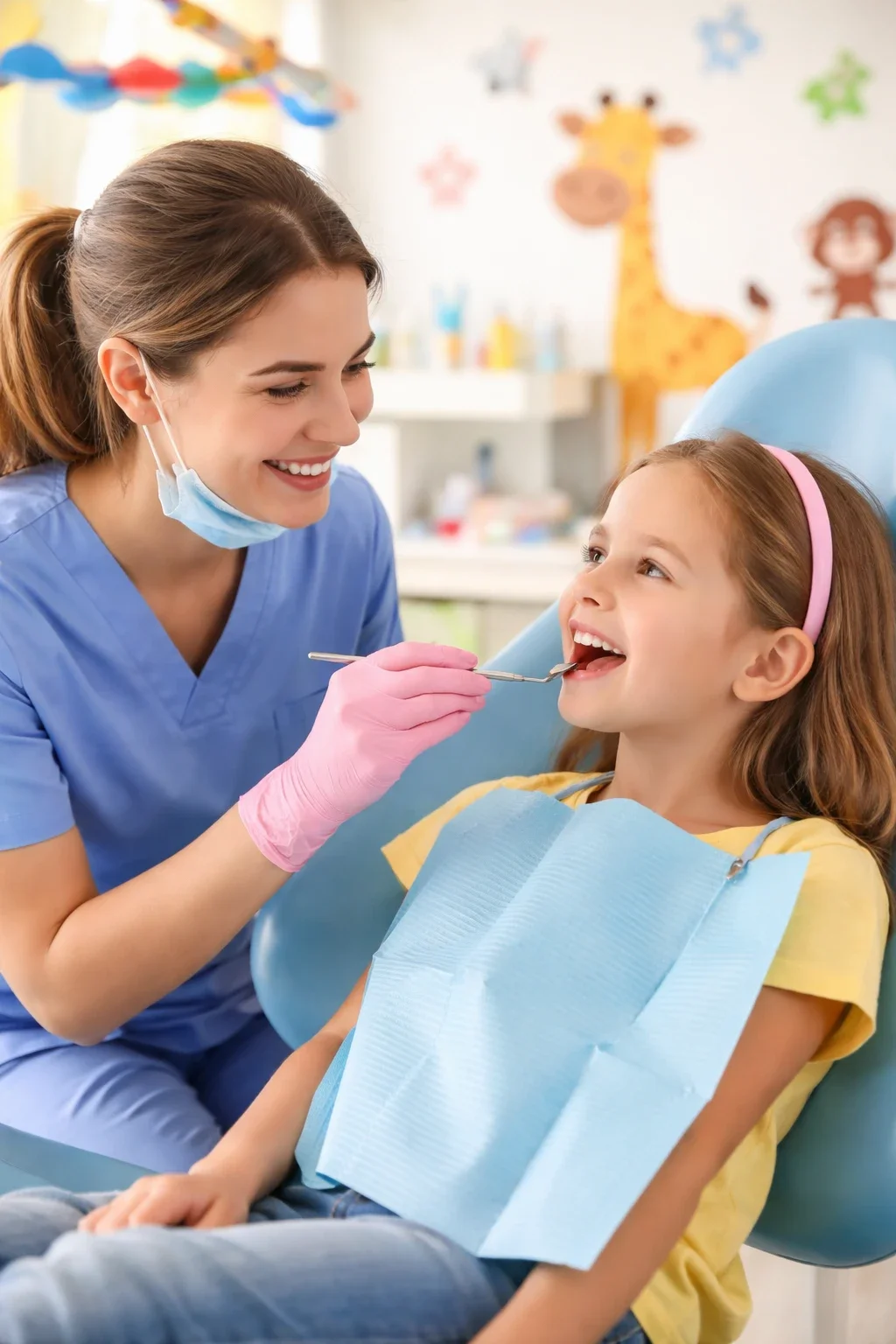
Another key advantage of visiting a pedi dentist is the environment itself. Pediatric dental clinics are designed to feel safe, colorful, and welcoming rather than intimidating. This helps children associate dental visits with positive experiences rather than fear. A skilled pedi dentist knows how to communicate with children using age-appropriate language, gentle techniques, and patience. Over time, this builds trust and reduces dental anxiety, which is one of the biggest barriers to lifelong oral health 😌.
Parents often ask whether a general dentist can care for children instead of a pedi dentist. While general dentists are qualified to treat patients of all ages, a pedi dentist offers a deeper understanding of childhood-specific dental issues. Conditions such as early childhood caries, enamel hypoplasia, delayed tooth eruption, and trauma from falls or sports injuries are more effectively managed by a pedi dentist who treats these cases daily. This specialized focus leads to more accurate diagnoses and tailored treatment plans.
Education is another essential part of a pedi dentist’s role. Parents receive guidance on brushing techniques, fluoride use, nutrition, and cavity prevention strategies customized to their child’s age. A pedi dentist also teaches children how to care for their own teeth in a fun and engaging way, helping them develop healthy habits that last a lifetime 🌟. This educational component is just as important as clinical treatment.
Trustworthy standards and guidelines followed by a pedi dentist are supported by respected organizations such as the
American Dental Association, which emphasizes the importance of early dental visits and preventive care. These guidelines help ensure that children receive safe, evidence-based treatments that align with the latest research in pediatric oral health.
For parents seeking professional pediatric dental care or wanting to ask questions before booking an appointment, you can reach out directly through the
Redent Klinik Contact Page. Speaking with a qualified team can help you understand how a pedi dentist can support your child’s specific needs and developmental stage.
In summary, choosing a pedi dentist is not just about fixing teeth—it is about building a foundation for lifelong oral health. From preventive checkups to early diagnosis and child-centered education, a pedi dentist offers comprehensive care that adapts as your child grows. By starting early and maintaining regular visits, parents can ensure their children develop strong, healthy smiles and a positive relationship with dental care that lasts well into adulthood 😁.
What Is a Pedi Dentist and Why Children Need One
A pedi dentist is a dental professional who specializes exclusively in the oral health of children, from infancy through the teenage years. While the word may sound informal, the role of a pedi dentist is highly structured, regulated, and essential to healthy childhood development. Children’s mouths are constantly changing, and these changes require expert monitoring that goes far beyond basic dental checkups. This is exactly where a pedi dentist becomes indispensable 😊.
Definition and Professional Background of a Pedi Dentist
A pedi dentist completes dental school just like a general dentist but then undergoes additional years of specialized training focused solely on pediatric dentistry. This advanced education includes child psychology, growth and development, pediatric oral pathology, and behavior management techniques. Because of this focused training, a pedi dentist is uniquely equipped to understand how baby teeth, gums, jaws, and facial structures develop over time.
Unlike adult dentistry, pediatric dental care must consider rapid developmental stages. A pedi dentist tracks milestones such as the timing of first tooth eruption, spacing between baby teeth, jaw growth patterns, and the transition to permanent teeth. Any deviation from normal development can be identified early, often before parents notice a problem. Early detection is one of the most powerful benefits of choosing a pedi dentist.
Why Children’s Teeth Require Specialized Care
Children are not simply “small adults” when it comes to dental health. Their enamel is thinner, their nerves are more sensitive, and their oral habits are still forming. A pedi dentist understands these differences and adapts treatment techniques accordingly. For example, cavity progression in children is often faster than in adults, which means delays in care can lead to pain, infection, or tooth loss much more quickly 🦷.
In addition, children often struggle to communicate discomfort clearly. A trained pedi dentist knows how to recognize subtle signs of pain, anxiety, or dental trauma. This awareness is especially important for toddlers and young children who cannot fully explain what they are feeling. The goal of a pedi dentist is to provide gentle, preventive care before small issues escalate into major problems.
Emotional and Psychological Support in Pediatric Dentistry
Another reason children need a pedi dentist is emotional safety. Dental fear often begins in childhood and can persist for life if not addressed properly. A pedi dentist is trained in behavior guidance techniques that help children feel calm and secure during appointments. This may include tell-show-do methods, positive reinforcement, or age-appropriate explanations of procedures 😌.
By creating a positive dental experience early on, a pedi dentist helps children build trust and confidence. This reduces the likelihood of dental anxiety in adulthood and encourages regular dental visits later in life. Parents often notice that children who see a pedi dentist are more cooperative, relaxed, and even excited about dental care.
The Role of a Pedi Dentist in Preventive Health
Prevention is the foundation of pediatric dentistry. A pedi dentist focuses heavily on stopping dental problems before they start. This includes regular cleanings, fluoride applications, sealants, and personalized oral hygiene education. Parents receive clear guidance on brushing techniques, toothpaste selection, diet choices, and habits that may affect oral health, such as thumb sucking or prolonged pacifier use.
A pedi dentist also monitors how oral health connects to overall health. Issues like mouth breathing, sleep-disordered breathing, or chronic cavities may signal underlying concerns that require early attention. By addressing these issues early, a pedi dentist supports not only dental wellness but also general childhood health 🌱.
Long-Term Benefits of Seeing a Pedi Dentist
The benefits of working with a pedi dentist extend far beyond childhood. Healthy baby teeth help guide permanent teeth into proper position, reducing the risk of crowding and misalignment. Early education from a pedi dentist encourages lifelong habits such as daily brushing, flossing, and routine dental checkups.
Most importantly, children who grow up visiting a pedi dentist are more likely to become adults who prioritize their oral health. This leads to fewer cavities, less invasive dental treatment, and better overall quality of life. In this way, a pedi dentist plays a long-term role in shaping not just smiles, but healthy futures 😁.
In summary, a pedi dentist is a specialist who understands the unique medical, emotional, and developmental needs of children. From early prevention to supportive care and education, the expertise of a pedi dentist ensures that children receive the right care at the right time. For parents seeking comprehensive, child-focused dental care, choosing a pedi dentist is one of the most impactful health decisions they can make.
When Should Your Child First Visit a Pedi Dentist?
One of the most common questions parents ask is when their child should first see a pedi dentist. Many families wait until a problem appears, such as visible cavities or tooth pain, but this approach often means issues are already advanced. Dental experts strongly agree that early visits to a pedi dentist are essential for prevention, education, and healthy development. In fact, the timing of the first visit can significantly influence a child’s lifelong relationship with oral health 😊.
The Ideal Age for the First Pedi Dentist Visit
Most pediatric dental guidelines recommend that a child’s first visit to a pedi dentist should occur by their first birthday or within six months after the first tooth erupts. This may surprise many parents, but baby teeth begin playing an important role almost immediately. A pedi dentist evaluates early tooth development, checks gum health, and ensures that teeth are erupting in a healthy pattern.
Early visits are not about intensive treatment. Instead, they focus on familiarizing the child with the dental environment and helping parents understand how to care for baby teeth properly. A pedi dentist uses these early appointments to identify risk factors for cavities, such as feeding habits, prolonged bottle use, or frequent sugary snacks. Addressing these factors early can prevent painful dental problems later 🦷.
Why Waiting Too Long Can Cause Problems
Delaying the first visit to a pedi dentist often leads to missed opportunities for prevention. Baby teeth have thinner enamel than adult teeth, which means cavities can develop and spread much faster. By the time visible damage appears, treatment may already be necessary. A pedi dentist is trained to detect subtle early signs of decay that parents might overlook.
Another risk of waiting too long is dental anxiety. Children who only visit a dentist when they are in pain may associate dental care with fear and discomfort. A pedi dentist focuses on gentle, positive early experiences that help children feel safe and confident. These early impressions can shape how a child feels about dental visits for the rest of their life 😌.
Special Considerations for Infants and Toddlers
Infants and toddlers have unique oral health needs that a pedi dentist is specially trained to address. During early visits, the pedi dentist checks for conditions such as tongue-tie, lip-tie, early enamel defects, and gum inflammation. Parents also receive guidance on cleaning gums before teeth erupt, choosing the right toothbrush, and using fluoride safely.
Feeding habits are another major focus. A pedi dentist can advise parents on breastfeeding, bottle feeding, nighttime feeding routines, and the use of pacifiers. These habits directly impact the risk of early childhood cavities. With professional guidance from a pedi dentist, parents can make informed choices that protect their child’s teeth from the very beginning 🌱.
How Early Visits Build Long-Term Oral Health Habits
Visiting a pedi dentist early helps establish a routine of preventive care. Children who begin dental visits at a young age are more likely to continue regular checkups as they grow older. These routine visits allow the pedi dentist to track changes in tooth alignment, jaw growth, and bite development over time.
Equally important is education. A pedi dentist teaches parents and children age-appropriate oral hygiene habits, such as proper brushing techniques and healthy dietary choices. As children grow, these lessons evolve, helping them take more responsibility for their own dental care. This gradual learning process builds confidence and independence 😁.
Signs Your Child Should See a Pedi Dentist Sooner
While routine timing guidelines are helpful, some children should see a pedi dentist earlier than planned. Warning signs include white or brown spots on teeth, bleeding gums, persistent bad breath, difficulty chewing, or discomfort when eating hot or cold foods. Habits such as thumb sucking beyond age three or mouth breathing during sleep may also require early evaluation.
In cases of dental trauma, such as falls or sports injuries, a pedi dentist should be consulted immediately. Children are especially prone to accidents, and prompt care can make a significant difference in preserving tooth health and preventing complications.
In conclusion, the best time for a child’s first visit to a pedi dentist is much earlier than most parents expect. Early appointments focus on prevention, education, and comfort rather than treatment. By introducing dental care at the right time, a pedi dentist helps children develop healthy smiles, positive habits, and confidence that lasts a lifetime. For parents, early action means fewer dental problems, less stress, and better long-term outcomes for their child’s oral health 🌟.
How a Pedi Dentist Differs from a General Dentist
Many parents wonder whether there is a real difference between a general dentist and a pedi dentist. While both are licensed dental professionals, their training, approach, and daily focus are quite different. Understanding these differences helps parents make informed decisions about their child’s oral health. A pedi dentist is not simply a dentist who treats children occasionally; they are specialists who dedicate their entire practice to the unique dental needs of growing patients 😊.
Specialized Training and Education
The most significant difference between a pedi dentist and a general dentist lies in specialized education. After completing dental school, a pedi dentist undergoes additional years of advanced training focused exclusively on pediatric dentistry. This includes child growth and development, pediatric oral pathology, behavior management, and dental care for children with special healthcare needs.
A general dentist receives broad training that covers patients of all ages, but this training cannot match the depth of pediatric-specific expertise that a pedi dentist develops. Because children’s mouths change rapidly as they grow, a pedi dentist is trained to recognize developmental patterns and potential problems far earlier. This level of precision allows a pedi dentist to provide care that is both proactive and age-appropriate 🦷.
Child-Centered Approach and Communication
Another major difference is how a pedi dentist communicates with children. Pediatric dental visits are not just about clinical procedures; they are about building trust. A pedi dentist uses language, tone, and explanations tailored to a child’s age and emotional development. This approach helps children feel understood rather than intimidated.
General dentists may be skilled clinicians, but they typically focus their communication on adults. A pedi dentist, by contrast, spends years learning how to reduce fear, manage anxiety, and encourage cooperation in young patients. This includes techniques such as positive reinforcement, storytelling, and step-by-step explanations that make dental care less stressful 😌.
Behavior Management Techniques Used by a Pedi Dentist
Behavior management is a cornerstone of pediatric dentistry. A pedi dentist is trained to handle situations such as dental fear, sensory sensitivity, and limited attention spans. Techniques like “tell-show-do,” distraction, and gentle guidance help children remain calm during appointments.
For children with special needs, a pedi dentist offers customized strategies that accommodate physical, emotional, or developmental challenges. This specialized care ensures that every child receives safe and compassionate treatment, regardless of their individual circumstances 🌱.
Dental Environment and Equipment
The physical environment also sets a pedi dentist apart. Pediatric dental clinics are designed specifically for children, with smaller equipment, colorful decor, and child-friendly tools. These details may seem minor, but they significantly impact how children perceive dental visits.
A pedi dentist uses instruments sized appropriately for small mouths and applies techniques that minimize discomfort. Even routine procedures such as cleanings and X-rays are adapted to suit children’s comfort levels. This attention to detail helps reduce anxiety and encourages cooperation during visits 😁.
Focus on Prevention and Development
While all dentists value prevention, a pedi dentist places even greater emphasis on it. Preventive care includes regular cleanings, fluoride treatments, dental sealants, and early orthodontic evaluations. A pedi dentist monitors jaw growth, tooth alignment, and bite development, intervening early when potential issues arise.
General dentists may provide similar services, but a pedi dentist’s daily exposure to pediatric cases allows for earlier detection and more precise timing of interventions. This proactive approach often reduces the need for complex treatments later in life, saving families time, discomfort, and cost.
Long-Term Impact of Choosing a Pedi Dentist
Choosing a pedi dentist can influence a child’s oral health well into adulthood. Children who receive care from a pedi dentist are more likely to develop positive attitudes toward dental visits and maintain consistent oral hygiene habits. These early experiences shape how children approach healthcare as they grow older.
In summary, the difference between a general dentist and a pedi dentist goes far beyond age range. A pedi dentist offers specialized training, child-centered communication, tailored environments, and a deep focus on prevention and development. For families seeking comprehensive, compassionate, and expert dental care for their children, a pedi dentist provides a level of understanding and support that general dentistry alone cannot match 🌟.
Common Treatments Provided by a Pedi Dentist
A pedi dentist offers a wide range of treatments specifically designed to protect, restore, and guide a child’s oral health as they grow. These treatments go far beyond simple cleanings and are carefully adapted to the needs of developing teeth, gums, and jaws. Because children experience rapid changes in their mouths, the role of a pedi dentist is both preventive and corrective, focusing on long-term health rather than short-term fixes 😊.
Preventive Treatments That Protect Children’s Teeth
Prevention is the cornerstone of pediatric dental care. One of the most common services provided by a pedi dentist is routine dental cleaning. These cleanings remove plaque and tartar that regular brushing may miss, helping prevent cavities and gum inflammation. During these visits, the pedi dentist also examines tooth development, bite alignment, and gum health to ensure everything is progressing normally.
Fluoride treatments are another essential preventive service. A pedi dentist carefully applies fluoride to strengthen enamel and make teeth more resistant to decay. Because children’s enamel is thinner than adult enamel, fluoride plays a critical role in cavity prevention 🦷. Dental sealants are also frequently used. These thin, protective coatings are applied to the chewing surfaces of molars, where cavities are most likely to form.
Cavity Treatment and Tooth Restoration
Despite preventive efforts, cavities can still occur. When this happens, a pedi dentist provides gentle and effective treatment to stop decay and restore tooth function. Fillings are one of the most common restorative procedures. A pedi dentist uses child-friendly materials and techniques to ensure comfort while preserving as much natural tooth structure as possible.
In cases where decay is more advanced, a pedi dentist may recommend crowns for baby teeth. These crowns protect weakened teeth, prevent further damage, and maintain proper spacing for permanent teeth. Treating baby teeth is essential because premature tooth loss can affect speech, chewing, and alignment of adult teeth 😌.
Pain Management and Comfort-Focused Care
Comfort is a top priority in pediatric dentistry. A pedi dentist is trained in pain management techniques that are safe and appropriate for children. This may include topical numbing agents, local anesthesia, or calming methods designed to reduce stress. The goal is always to make treatment as comfortable and fear-free as possible.
By addressing pain carefully and compassionately, a pedi dentist helps children feel secure and builds trust that encourages cooperation in future visits 🌱.
Monitoring Growth and Development
Another important role of a pedi dentist is monitoring oral and facial development. As children grow, their jaws expand, teeth shift, and bites change. A pedi dentist evaluates spacing, alignment, and bite patterns to identify potential orthodontic issues early.
Early detection allows for timely referrals or preventive orthodontic guidance that may reduce the need for extensive treatment later. Habits such as thumb sucking, tongue thrusting, or mouth breathing are also monitored, as they can significantly impact dental development if left unaddressed.
Emergency and Trauma Care
Children are active, and dental injuries are common. Falls, sports accidents, and playground incidents often result in chipped, cracked, or knocked-out teeth. A pedi dentist is trained to handle dental emergencies quickly and effectively, minimizing long-term damage.
Immediate care from a pedi dentist can make a critical difference in saving a tooth or preventing infection. Parents are often advised to contact their pedi dentist as soon as an injury occurs to receive proper guidance and treatment 😁.
Education and At-Home Care Guidance
Education is one of the most valuable services a pedi dentist provides. Parents receive clear instructions on brushing, flossing, diet choices, and cavity prevention strategies tailored to their child’s age. As children grow, the pedi dentist gradually involves them more in their own oral care education.
This ongoing education helps children develop responsibility for their dental health and reinforces healthy habits at home. A pedi dentist works as a partner with parents, ensuring that professional care and daily routines support each other.
In summary, the treatments provided by a pedi dentist are comprehensive and child-focused, covering prevention, restoration, development monitoring, and emergency care. By offering specialized treatments adapted to growing smiles, a pedi dentist ensures that children receive the right care at the right time. This holistic approach not only treats dental issues but also lays the foundation for a lifetime of healthy oral habits and confident smiles 🌟.
How a Pedi Dentist Helps Prevent Dental Fear in Kids
Dental fear often begins in childhood, and once it develops, it can follow a person into adulthood. This is why the role of a pedi dentist goes far beyond treating teeth. One of the most important responsibilities of a pedi dentist is helping children feel safe, understood, and relaxed during dental visits. By addressing emotional needs alongside clinical care, a pedi dentist helps prevent dental fear before it becomes a long-term problem 😊.
Understanding Why Children Fear the Dentist
Children experience the world differently than adults, especially in unfamiliar medical environments. Bright lights, strange sounds, unfamiliar tools, and the fear of pain can easily overwhelm a child. A pedi dentist is trained to recognize these emotional triggers and respond in ways that reduce stress rather than intensify it.
Unlike adults, children may not be able to clearly express fear or discomfort. A pedi dentist reads body language, facial expressions, and behavioral cues to understand how a child is feeling. This awareness allows the pedi dentist to adjust the pace, tone, and approach of the appointment in real time 🦷.
Child-Friendly Communication Techniques
One of the most effective ways a pedi dentist prevents dental fear is through communication. A pedi dentist avoids technical or intimidating language and instead explains procedures using simple, positive words. For example, dental tools may be described in playful or imaginative ways that help children feel curious instead of scared.
The commonly used “tell-show-do” technique is a core method in pediatric dentistry. First, the pedi dentist explains what will happen in child-friendly terms. Next, they show the child the tool or demonstrate the sensation. Finally, they perform the procedure gently and calmly. This step-by-step approach builds trust and predictability 😌.
The Importance of Positive Reinforcement
Positive reinforcement plays a major role in fear prevention. A pedi dentist frequently praises children for cooperation, bravery, and effort, no matter how small. Stickers, small rewards, or verbal encouragement help children associate dental visits with positive outcomes.
Over time, this reinforcement builds confidence. Children begin to feel proud of themselves rather than anxious. A pedi dentist understands that emotional success during a visit is just as important as completing the treatment itself 🌱.
Creating a Calm and Welcoming Environment
The physical environment of a pediatric dental clinic is intentionally designed to reduce fear. A pedi dentist practices in spaces that are colorful, welcoming, and visually engaging for children. Waiting rooms often include toys, books, or screens that help children relax before their appointment.
Inside the treatment area, equipment is sized for children, and procedures are adapted to be as gentle as possible. A pedi dentist carefully controls sensory elements such as noise and lighting to avoid overwhelming young patients. These details help children feel safe from the moment they walk in 😁.
Gentle Techniques and Pain Awareness
Fear often comes from the expectation of pain. A pedi dentist is highly trained in minimizing discomfort during procedures. This includes using topical numbing agents, slow and careful movements, and constant communication to ensure the child feels in control.
If a child appears uncomfortable, a pedi dentist pauses, reassures them, and explains what is happening. This responsiveness teaches children that their feelings matter and that they are not powerless during dental care. This sense of control is essential for reducing fear.
Long-Term Impact of Fear-Free Dental Experiences
Children who regularly visit a pedi dentist in a supportive environment are far less likely to develop dental anxiety later in life. These children learn that dental visits are routine, safe, and even positive. As they grow older, they are more likely to maintain regular checkups and good oral hygiene habits.
Parents also benefit from this approach. When children are calm and cooperative, appointments are smoother, more effective, and less stressful for the entire family. A pedi dentist becomes a trusted partner rather than a source of fear.
In conclusion, preventing dental fear is one of the most valuable contributions a pedi dentist makes to a child’s health. Through gentle communication, positive reinforcement, thoughtful environments, and emotional awareness, a pedi dentist transforms dental visits into confidence-building experiences. These early, fear-free encounters create the foundation for a lifetime of healthy attitudes toward oral care and overall well-being 🌟.
Pedi Dentist Tips for Healthy Baby Teeth and Gums
Healthy baby teeth are the foundation of a child’s long-term oral health, and a pedi dentist plays a crucial role in guiding parents through every stage of early dental care. Many people mistakenly believe that baby teeth are not important because they will eventually fall out. However, a pedi dentist strongly emphasizes that baby teeth are essential for proper chewing, speech development, facial structure, and guiding permanent teeth into the correct position 😊.
Why Baby Teeth and Gums Matter More Than You Think
Baby teeth begin forming long before they are visible in the mouth, and their health affects much more than appearance. A pedi dentist monitors how baby teeth emerge and how gums respond during this process. Healthy gums support strong teeth, while inflamed or neglected gums can lead to pain, infection, and early tooth loss.
When baby teeth are lost too early due to decay, nearby teeth may shift into the empty space. This can block permanent teeth from erupting properly, increasing the risk of crowding and bite problems later. A pedi dentist focuses on protecting baby teeth so they can fulfill their role until they naturally fall out 🦷.
Daily Oral Hygiene Tips from a Pedi Dentist
One of the most important recommendations from a pedi dentist is to begin oral care even before the first tooth appears. Parents should gently clean their baby’s gums with a soft, damp cloth after feedings. Once the first tooth erupts, a soft-bristled toothbrush and a tiny amount of fluoride toothpaste should be introduced.
A pedi dentist advises parents to brush their child’s teeth twice daily and to supervise brushing until the child has the coordination to do it properly on their own. This usually happens around age six or seven. Proper brushing technique, including gentle circular motions and cleaning along the gumline, is essential for preventing plaque buildup 😌.
Fluoride Use and Safety
Fluoride is a powerful tool in cavity prevention, and a pedi dentist helps parents use it safely. While fluoride strengthens enamel, too much can cause cosmetic issues. A pedi dentist provides age-specific guidance on toothpaste amounts and fluoride treatments to ensure maximum benefit without risk.
Regular professional fluoride applications recommended by a pedi dentist further protect baby teeth, especially for children at higher risk of cavities 🌱.
Nutrition Advice to Protect Baby Teeth
Diet plays a major role in oral health, and a pedi dentist often discusses nutrition with parents during visits. Frequent exposure to sugary foods and drinks increases the risk of early childhood cavities. This includes fruit juices, sweet snacks, and even prolonged exposure to milk or formula during nighttime feeding.
A pedi dentist encourages balanced meals, limited sugary snacks, and water as the primary drink between meals. Sticky foods and constant snacking are particularly harmful because they allow bacteria to produce acid continuously. Simple dietary adjustments can significantly reduce cavity risk 😁.
Habits That Can Affect Baby Teeth and Gums
Certain habits can impact oral development if they continue too long. A pedi dentist closely monitors habits such as thumb sucking, pacifier use, and mouth breathing. While these behaviors are normal in infancy, prolonged habits can affect jaw growth and tooth alignment.
A pedi dentist works with parents to gently guide children away from these habits at the appropriate age. Early intervention helps prevent the need for more complex dental or orthodontic treatment later.
Regular Checkups and Early Detection
Routine visits to a pedi dentist allow for early detection of potential problems. During checkups, the pedi dentist examines teeth, gums, and bite development while also reinforcing good habits. These visits provide an opportunity to adjust care routines as the child grows.
Parents also benefit from these appointments by receiving personalized advice based on their child’s specific needs. A pedi dentist becomes a trusted guide, helping families navigate each stage of early oral health with confidence.
In conclusion, healthy baby teeth and gums do not happen by chance. They are the result of consistent care, proper habits, and professional guidance from a pedi dentist. By following expert tips on hygiene, nutrition, fluoride use, and routine checkups, parents can give their children a strong start toward lifelong oral health. A pedi dentist helps turn daily care into a powerful investment in a child’s future smile 🌟.
What to Expect During a Child’s First Pedi Dentist Appointment
A child’s first visit to a pedi dentist is a major milestone, both for the child and for parents. Knowing what to expect can significantly reduce anxiety and help families prepare for a smooth, positive experience. Unlike adult dental visits, a first appointment with a pedi dentist is designed to be gentle, educational, and reassuring rather than invasive. The primary goal is comfort, trust, and prevention 😊.
Preparing Your Child for the First Visit
Preparation begins at home. A pedi dentist often advises parents to talk about the visit in a positive and relaxed way. Avoid using words that imply pain or fear, such as “shot” or “hurt.” Instead, describe the pedi dentist as a friendly professional who helps keep teeth strong and healthy.
It is also helpful to schedule the appointment at a time when the child is well-rested and not hungry. A calm and alert child is more likely to cooperate. A pedi dentist understands that every child is different and does not expect perfect behavior, especially during the first visit 🦷.
The Initial Meet-and-Greet Experience
The first few minutes of a visit with a pedi dentist are usually spent building rapport. The dentist or dental team may introduce themselves, show the child the dental chair, and explain what will happen in a friendly, age-appropriate way. This introduction helps the child feel safe and reduces fear of the unknown.
A pedi dentist may allow the child to sit on a parent’s lap during the exam, especially for infants and toddlers. This close physical contact provides reassurance and helps the child feel secure. The emphasis is on creating a positive emotional experience rather than rushing into procedures 😌.
Using the Tell-Show-Do Approach
One of the most effective techniques used by a pedi dentist is the tell-show-do method. First, the dentist explains what they will do in simple terms. Then, they show the child the tool or demonstrate the sensation. Finally, they gently perform the exam or cleaning.
This approach builds trust and predictability. Children feel more in control when they understand what is happening, which significantly reduces anxiety 🌱.
What the Pedi Dentist Examines
During the first appointment, a pedi dentist performs a gentle but thorough examination. This includes checking the teeth for early signs of decay, evaluating gum health, and assessing how teeth are erupting. The pedi dentist also looks at jaw development, bite alignment, and oral habits such as thumb sucking or mouth breathing.
In many cases, the visit may include a light cleaning to remove plaque and introduce the child to dental instruments in a non-threatening way. X-rays are usually not taken unless there is a specific concern. A pedi dentist always prioritizes safety and minimizes exposure to anything unnecessary 😁.
Parent Education and Preventive Guidance
A significant portion of the first visit is dedicated to parent education. A pedi dentist discusses brushing techniques, fluoride use, nutrition, and cavity prevention strategies tailored to the child’s age. Parents can ask questions and receive personalized advice based on their child’s risk factors.
This guidance empowers parents to support oral health at home. A pedi dentist may also provide recommendations on teething, pacifier use, bottle feeding, and transitioning to cups. These conversations are essential for preventing early childhood dental issues.
Setting the Tone for Future Visits
The first appointment with a pedi dentist sets the tone for all future dental care. A calm, positive experience helps children view dental visits as routine rather than frightening. Even if the child is shy or uncooperative, a pedi dentist approaches the situation with patience and understanding.
Parents are often surprised by how short and gentle the first visit is. The goal is not perfection but familiarity. Over time, repeated positive experiences help children become confident dental patients.
In conclusion, a child’s first visit to a pedi dentist is about building trust, educating parents, and establishing a foundation for lifelong oral health. With gentle exams, supportive communication, and preventive guidance, a pedi dentist ensures that the first dental experience is a positive one. When children start early and feel safe, dental care becomes a normal and healthy part of growing up 🌟.
Choosing the Right Pedi Dentist for Your Child
Choosing the right pedi dentist is one of the most important decisions parents can make for their child’s long-term oral health. A pedi dentist is not only responsible for treating teeth but also for shaping how a child feels about dental care for the rest of their life. The right choice can mean stress-free visits, early prevention of problems, and a confident, healthy smile 😊.
Why Choosing the Right Pedi Dentist Matters
Every child is different, and a pedi dentist must be able to adapt to each child’s personality, emotional needs, and developmental stage. Some children are naturally curious and cooperative, while others may feel anxious or fearful. A skilled pedi dentist understands these differences and adjusts their approach accordingly.
The right pedi dentist builds trust not only with the child but also with the parents. Clear communication, transparency, and a supportive attitude help families feel confident in the care their child receives. This trust encourages regular visits and consistent follow-up, which are essential for preventive dental care 🦷.
Key Qualifications to Look For
When selecting a pedi dentist, parents should first look at professional qualifications. A certified pedi dentist has completed specialized training in pediatric dentistry beyond dental school. This ensures expertise in child development, pediatric oral conditions, and behavior management techniques.
Experience also matters. A pedi dentist who treats children daily is more likely to recognize subtle issues early and handle a wide range of situations confidently. Parents should not hesitate to ask about training, experience, and approach during an initial consultation 😌.
Comfort with Special Needs and Anxious Children
Some children require extra patience and customized care. If a child has special healthcare needs, sensory sensitivities, or high dental anxiety, it is especially important to choose a pedi dentist experienced in these areas. A compassionate pedi dentist creates individualized care plans that prioritize comfort and safety.
This level of understanding can make a significant difference in how a child responds to dental visits and whether they feel supported throughout the process 🌱.
The Importance of a Child-Friendly Environment
The environment of a pediatric dental clinic plays a major role in a child’s comfort. A good pedi dentist practices in a space designed specifically for children, with welcoming decor, friendly staff, and equipment sized for small mouths.
From the waiting room to the treatment area, every detail should help children feel at ease. A pedi dentist who invests in a positive environment demonstrates a commitment to emotional as well as clinical care 😁.
Communication with Parents
Open communication is a hallmark of a great pedi dentist. Parents should feel comfortable asking questions and discussing concerns. A pedi dentist should clearly explain findings, treatment options, and preventive strategies in a way that is easy to understand.
Education is a key part of pediatric dental care. A pedi dentist who takes time to guide parents on brushing, diet, fluoride use, and habit management empowers families to support oral health at home.
Consistency and Long-Term Care
Choosing a pedi dentist is not a one-time decision. Ideally, the same pedi dentist will care for a child over many years, tracking growth, development, and changing needs. This continuity allows for more accurate monitoring and stronger relationships.
Children who see the same pedi dentist regularly are more likely to feel comfortable and confident during visits. Familiar faces and routines reduce anxiety and make dental care a normal part of life.
Trusting Your Instincts as a Parent
Finally, parents should trust their instincts. If a child feels comfortable, respected, and understood, that is a strong sign that the pedi dentist is a good fit. A positive first impression often reflects how future visits will feel.
In conclusion, choosing the right pedi dentist involves more than location or availability. It requires careful consideration of training, communication, environment, and emotional support. The right pedi dentist becomes a partner in your child’s health journey, helping them grow up with strong teeth, healthy habits, and confidence in dental care 🌟.
Pedi Dentist Recommendations for Parents at Home
The work of a pedi dentist does not end when a child leaves the clinic. In fact, the most important part of maintaining a child’s oral health happens at home. Daily routines, parental guidance, and consistent habits all play a major role in preventing dental problems. A pedi dentist works closely with parents to ensure that professional care and at-home practices support each other for the best long-term results 😊.
Establishing a Strong Daily Oral Care Routine
One of the first recommendations from a pedi dentist is to establish a consistent oral hygiene routine as early as possible. Cleaning should begin even before the first tooth erupts by gently wiping the baby’s gums with a clean, damp cloth. Once teeth appear, brushing twice a day becomes essential.
A pedi dentist advises parents to use a soft-bristled toothbrush and age-appropriate fluoride toothpaste. Brushing should be supervised closely, as young children lack the coordination to clean their teeth effectively on their own. Parents should assist or monitor brushing until the child can write clearly, which is often used as a guideline for adequate motor control 🦷.
Making Brushing a Positive Habit
Children are more likely to cooperate when brushing feels fun rather than forced. A pedi dentist often recommends turning brushing into a routine with songs, timers, or reward charts. Consistency is more important than perfection, especially in the early years.
When brushing is framed as a normal, positive part of the day, children are less likely to resist. A pedi dentist encourages parents to stay patient and supportive, even during challenging phases 🌱.
Healthy Eating Habits That Protect Teeth
Nutrition is a key factor in dental health, and a pedi dentist frequently discusses diet with parents. Sugary snacks, juices, and frequent grazing increase the risk of cavities by allowing bacteria to produce acid continuously. Even foods that seem healthy, such as dried fruits, can stick to teeth and contribute to decay.
A pedi dentist recommends balanced meals, limited snacking between meals, and water as the primary beverage throughout the day. Offering sweets occasionally with meals rather than as standalone snacks helps reduce cavity risk. Good nutrition supports not only teeth but also overall growth and development 😌.
Managing Oral Habits at Home
Many children develop oral habits such as thumb sucking, pacifier use, or mouth breathing. While these behaviors are normal in infancy, a pedi dentist monitors how long they continue. Prolonged habits can affect jaw growth, tooth alignment, and bite development.
At home, parents can support guidance from a pedi dentist by gently encouraging children to reduce these habits at the appropriate age. Positive reinforcement works better than punishment. A pedi dentist can suggest age-appropriate strategies to help children transition away from habits without stress 😁.
Consistency with Dental Visits
Regular dental visits reinforce what happens at home. A pedi dentist typically recommends checkups every six months, though this may vary depending on the child’s risk factors. These visits allow the pedi dentist to monitor progress, reinforce education, and address concerns early.
Parents play a key role by treating dental appointments as a normal part of healthcare rather than something to fear. Calm, positive attitudes from parents strongly influence how children perceive dental care.
Knowing When to Contact a Pedi Dentist
Parents should contact a pedi dentist if they notice warning signs such as tooth discoloration, white or brown spots, bleeding gums, persistent bad breath, or complaints of pain. Dental injuries from falls or sports should also be evaluated promptly.
Early communication prevents minor issues from becoming major problems. A pedi dentist prefers to address concerns early rather than wait until treatment becomes more complex.
Being a Role Model for Oral Health
Children learn by example. A pedi dentist often reminds parents that their own oral hygiene habits strongly influence their child’s behavior. When children see parents brushing, flossing, and valuing dental care, they are more likely to adopt those habits themselves.
Talking positively about dental visits and avoiding negative language helps children feel confident. A pedi dentist supports families not only through clinical care but also by empowering parents to lead by example.
In conclusion, parents are the most important partners in a child’s dental health journey. By following at-home recommendations from a pedi dentist—such as consistent hygiene routines, healthy nutrition, habit management, and regular checkups—families can prevent most dental problems before they start. With guidance from a trusted pedi dentist, parents can confidently support their child’s smile from the comfort of home and build habits that last a lifetime 🌟.