
A pediatric dental office is more than just a clinic—it is a specially designed environment where children learn to build a lifetime of healthy oral habits under the guidance of trained pediatric dentists. Parents searching for trustworthy information usually want to know what makes these clinics unique, how they support children’s comfort, and why choosing the right clinic impacts long-term health. This comprehensive guide explains every detail parents look for, helping them understand how a pediatric dental office operates, what services it offers, and why early and consistent visits matter. 🦷✨
A modern pediatric dental office focuses not only on treating dental problems but also on preventing them through education, child-friendly technology, and behavior-management techniques that help young patients feel safe. Because children’s oral structures grow rapidly, pediatric specialists are trained to monitor development, identify early abnormalities, and intervene at the right time. From teething to teenage orthodontic assessment, the journey is long—and the right office makes it smooth and pleasant. Many parents also appreciate that these clinics are intentionally designed with colorful decorations, toys, cartoons, and supportive staff members who help reduce anxiety from the moment the family enters. 😊
Unlike general dentists, clinicians working in a pediatric dental office receive additional years of specialized training focused on child psychology, behavior guidance, sedation techniques, and treatment approaches tailored for infants, toddlers, school-age children, and teens. This expertise ensures that treatments such as fluoride application, sealants, early cavity detection, and space maintainers are provided with the highest level of precision and child-appropriate care. Parents who want to learn more about professional standards can explore the guidelines published by the
American Dental Association.
One of the biggest reasons families rely on a pediatric dental office is the strong emphasis on prevention. Pediatric dentists help parents understand proper brushing techniques, the impact of diet on oral health, the risks of prolonged pacifier use, and how habits like thumb-sucking can influence jaw development. They also carefully monitor how baby teeth fall out and how adult teeth erupt, ensuring everything follows the correct sequence. If an issue arises early—such as delayed eruption, misalignment, or enamel defects—intervention becomes simpler and far less invasive.
Additionally, a pediatric dental office often serves as an educational center for families. Dentists and hygienists teach children how to brush effectively, how to use child-age fluoride toothpaste, and how to develop responsibility toward their oral health. This educational component is one of the most valuable aspects of pediatric care because habits formed early tend to last long into adulthood. Parents can even contact expert clinics for personalized guidance through the
Redent Klinik Contact Page.
The workflow inside a pediatric dental office is carefully structured to ensure efficiency and comfort. During each visit, children are gently introduced to tools and instruments before use, helping them feel in control and calm. Pediatric dentists commonly use tell-show-do methods, desensitization techniques, and positive reinforcement to make the experience fun rather than intimidating. Many clinics also rely on digital imaging technology to reduce radiation exposure while improving diagnostic accuracy, making the entire process safer for young patients. 🩺💡
Another essential element of a high-quality pediatric dental office is its ability to accommodate different personalities, medical histories, and emotional responses. Children with special needs or medical conditions benefit significantly from clinics that provide tailored accommodations, sensory-sensitive rooms, or extended appointment times. The atmosphere in these offices is meant to promote emotional well-being while ensuring every child receives proper dental care without feeling overwhelmed. This patient-centered approach helps build trust and encourages children to return willingly.
Parents should think of a pediatric dental office as a long-term health partner. Regular checkups every six months allow dentists to track growth patterns, detect risks, and guide families through each developmental stage. Over time, children become familiar with their dentist, reducing fears and building confidence. This relationship not only improves oral health outcomes but also teaches children that dental care is a normal and positive part of life.
Overall, choosing a pediatric dental office ensures that your child receives specialized care, emotional support, and preventive guidance tailored to their developmental needs. From creating joyful first experiences to forming lifelong habits, pediatric dental professionals play an essential role in shaping children’s oral health journeys. 🌟
Why Early Childhood Dental Visits Matter
The Foundation of Lifelong Oral Health Begins Early
Early dental visits in a pediatric dental office are one of the most important steps parents can take to ensure their children grow up with strong, healthy teeth. Research shows that when children start dental checkups before their first birthday, they experience fewer cavities, better oral development, and far less dental anxiety as they grow. These early visits are not simply about cleaning teeth—they are comprehensive developmental assessments that monitor jaw growth, eruption patterns, alignment, and potential early abnormalities.🦷👶
A pediatric dental office is uniquely equipped to evaluate these early developmental milestones and guide parents on proper oral care from infancy onward. Experts can identify issues such as tongue-tie, early gum irritation, enamel defects, or feeding-related concerns that may impact long-term oral health. These assessments are critical because minor issues detected in infancy are significantly easier to correct before they progress. The environment itself—colorful rooms, child-focused equipment, and gentle communication methods—helps babies and toddlers feel comfortable at each stage of the process.
Preventive Care That Protects Developing Teeth
One of the greatest advantages of visiting a pediatric dental office early is access to preventive strategies that protect developing teeth. Fluoride treatments, dental sealants, early cavity detection, and bite evaluations help reduce the need for complex treatments later in childhood. Because baby teeth hold critical spacing for adult teeth, keeping them healthy prevents complications such as misalignment, crowding, or delayed eruption.
Pediatric dentists also educate parents on topics like bottle-feeding at night, the dangers of sugary snacks, and the effects of prolonged pacifier or thumb-sucking habits. These insights empower families to make informed decisions that support long-term oral well-being. Parents seeking additional guidance can reach out via the
Redent Klinik Contact Page, where personalized advice from dental professionals is available.
Reducing Dental Anxiety Through Early Familiarization
Another significant benefit of early visits to a pediatric dental office is psychological. Children who become familiar with the dental environment at a young age typically experience far less fear or anxiety during future appointments. This comfort is achieved through child-friendly techniques such as tell-show-do, modeling, positive reinforcement, and sensory-friendly tools. When a child feels safe and respected, future dental procedures—even fillings or extractions—are significantly easier to manage.
Many parents underestimate the emotional impact that early dental exposure has on a child’s lifelong oral habits. A positive relationship with a pediatric dental team builds trust, reduces fear-based resistance, and helps children view dental care as a normal responsibility rather than a frightening event. This emotional stability leads to better appointment compliance and healthier outcomes throughout adolescence.
Monitoring Growth Patterns and Identifying Issues Early
A pediatric dental office follows your child’s oral development closely from infancy throughout the teenage years. Early childhood visits allow the dentist to evaluate essential growth factors such as jaw position, spacing between teeth, bite alignment, and eruption sequences. If problems like crossbites, open bites, or underbites appear early, pediatric dentists can recommend timely interventions.
Early orthodontic evaluations often prevent major complications later. Detecting misalignment when bones are still flexible allows for easier corrections, reducing the need for invasive treatments—sometimes even shortening the time a child may need braces. Pediatric dentists can also identify airway issues, mouth breathing patterns, and tongue positioning concerns that may affect speech development or sleep quality.
Preventing Cavities Through Parent Education
Cavities remain the most common chronic disease in children, yet they are almost entirely preventable. A pediatric dental office provides families with clear, actionable strategies to reduce cavity risk. This includes guidance on brushing techniques, child-safe fluoride toothpaste, appropriate toothbrush sizes, and healthy eating patterns. 🍎🪥
Families also receive training on recognizing early signs of tooth decay—white spots on enamel, subtle discoloration, or increased tooth sensitivity. When parents are informed and confident, children benefit from better home hygiene habits, resulting in fewer emergencies and lower treatment needs.
Building a Positive Dental Routine for the Future
The ultimate goal of early dental visits to a pediatric dental office is to instill a healthy, consistent oral care routine that follows children into adulthood. The earlier families establish regular checkups, the more natural these habits become. Pediatric dentists use motivation-based techniques, educational visuals, engaging conversations, and age-appropriate demonstrations to encourage kids to take responsibility for their oral health.
Additionally, early dental experiences help children understand that dentists are partners, not threats. This mindset leads to fewer skipped appointments, shorter treatment times, and significantly improved oral health outcomes. Parents can trust that pediatric dentists follow the highest standards of care as outlined by the
American Dental Association.
In summary, early visits to a pediatric dental office lay the groundwork for strong dental habits, healthy tooth development, reduced anxiety, and long-term wellness. The sooner parents begin this journey, the more benefits their children will enjoy throughout life. 🌟
How to Choose the Best Pediatric Dental Office Near You
Understanding What Makes a Pediatric Specialist Different
Choosing the right pediatric dental office is one of the most important decisions a parent can make for their child’s long-term oral health. Pediatric dentists undergo years of additional education focused on the growth, behavior, and psychological development of children. This specialized background enables them to create a supportive atmosphere that encourages healthy habits while minimizing fear. Unlike general dentists, pediatric specialists offer child-tailored preventive care, age-appropriate communication strategies, and unique technologies designed to protect growing teeth. 🦷💙
When evaluating dental clinics, parents should look for a team that understands how to handle infants, toddlers, school-age children, teens, and even children with special needs. A high-quality pediatric dental office approaches care holistically: promoting preventive strategies, monitoring growth milestones, and addressing potential issues early. This expertise ensures that each visit becomes a positive experience rather than a stressful obligation.
Key Factors to Evaluate During Your Search
Finding a trustworthy pediatric dental office requires a detailed evaluation of several important elements. First, check whether the clinic’s dentist is board-certified or has completed accredited pediatric dentistry training. Board certification indicates a commitment to maintaining high standards and continuous education.
Second, assess the clinic’s environment. A child-friendly setting featuring bright colors, themed rooms, cartoons, and interactive activities instantly reduces anxiety. Many children are sensitive to unfamiliar surroundings, so a welcoming atmosphere can dramatically improve cooperation during treatment. Look for waiting rooms with educational toys, books, and screens displaying comforting content.
Next, review the office’s approach to behavior guidance. A reliable pediatric dental office incorporates methods like tell-show-do, positive reinforcement, and sensory adaptation. Dentists should speak gently, demonstrate instruments beforehand, and encourage children through reassurance. These techniques build trust and create pleasant associations with dental visits.
Evaluating Technology and Safety Standards
Modern technology plays a major role in improving dental care for children. When choosing a pediatric dental office, ask about digital X-rays, which reduce radiation exposure significantly. Advanced imaging tools allow dentists to detect cavities early, examine root development, and assess bite patterns with greater accuracy.
You should also check whether the clinic uses laser dentistry or newer techniques for minimally invasive procedures. These technologies help reduce discomfort, shorten treatment time, and prevent anxiety in younger patients. Many high-quality pediatric clinics also integrate sedation dentistry, such as nitrous oxide (“laughing gas”), for children with severe dental fear or special needs. Ensuring the office adheres to strict safety protocols, sterilization standards, and emergency preparedness guidelines is equally essential.
Infection Control and Cleanliness
A reputable pediatric dental office follows rigorous sterilization procedures, utilizing hospital-grade equipment and disposable tools when necessary. Parents should observe whether staff wear protective gear, maintain clean countertops, and sanitize all surfaces between appointments. Cleanliness is non-negotiable—especially for children whose immune systems may be vulnerable.
Location, Accessibility, and Convenience
When selecting the ideal pediatric dental office, convenience also matters. A nearby location reduces travel stress, especially for toddlers or children who experience anxiety. Parents should also check whether the clinic offers flexible appointment times, quick scheduling for emergencies, and weekend availability. A patient-centered office recognizes that families have busy routines and adjusts accordingly.
Accessibility is another factor—clinics should be easy to navigate with strollers, wheelchairs, or mobility devices. Families with children requiring additional support, such as those on the autism spectrum, benefit from offices that offer sensory-friendly rooms or extended appointment times designed specifically for their needs.
Reading Reviews and Checking Professional Affiliations
Before finalizing your decision, explore online reviews, testimonials, and community feedback about the pediatric dental office. Consistent positive comments regarding staff friendliness, wait times, facility cleanliness, and children’s comfort levels provide meaningful insight.
Professional affiliations matter too. Membership in reputable organizations, such as the
American Dental Association, indicates adherence to ethical standards and continuous training.
The Importance of a Consultation Visit
Most parents find it helpful to schedule an introductory consultation before committing to a pediatric dental office. This allows your child to meet the team, explore the environment, and understand the process without pressure. During this visit, ask about the office’s emergency protocols, treatment philosophy, cavity prevention strategies, and communication style. You can also observe how staff interact with children—whether they speak softly, explain tools gently, and show genuine patience.
A consultation also gives parents the opportunity to ask questions about insurance coverage, estimated costs, and available payment plans. If further assistance or personalized guidance is needed, parents can reach out through the
Redent Klinik Contact Page for professional support.
Trusting Your Intuition and Your Child’s Comfort
Finally, one of the most important elements in selecting a pediatric dental office is your child’s emotional response. Children are perceptive—they sense warmth, compassion, and safety quickly. If your child seems relaxed during the initial visit and responds positively to the staff, chances are you’ve found the right fit.
A high-quality pediatric clinic is more than a place for treatments—it becomes a long-term partner in your child’s oral health journey. With the right choice, dental visits transform from stressful experiences into enjoyable ones that foster lifelong habits. 🌟
What to Expect During Your Child’s First Dental Appointment
A Warm and Welcoming Introduction to Dental Care
A child’s very first visit to a pediatric dental office sets the foundation for future dental habits, emotional comfort, and trust between the child and the dentist. Parents often feel anxious about what will happen during this appointment, but the process is intentionally gentle, supportive, and educational. Pediatric dentists are trained to create a positive atmosphere from the moment a family steps inside. Bright colors, toys, cartoons, and child-focused décor help children feel safe and curious rather than fearful. 🧸🎨
During check-in, the dental team explains the structure of the visit in easy, friendly language. The goal is not only to examine the child’s teeth but also to build rapport. Young patients often explore the environment, touch harmless tools, and interact with team members before the exam even begins. This slow introduction helps eliminate fear and ensures that the child’s first memory of a pediatric dental office is positive.
The Initial Assessment and Parent Consultation
The first part of the appointment typically involves a detailed consultation with the parent. The dentist asks questions about the child’s medical history, dietary habits, brushing routine, pacifier use, bottle habits, and any concerns the parents may have. This information is crucial because the pediatric dental office tailors dental care to each child’s developmental stage and unique needs.
Parents can also discuss topics like teething discomfort, thumb-sucking, spacing concerns, or fluoride use. Because children’s teeth develop rapidly, even minor observations can guide the dentist toward early preventive strategies. Pediatric dentists use this consultation to provide evidence-based advice that supports healthy growth and minimizes future complications.
Tell-Show-Do: A Gentle Approach to the Exam
One of the hallmark methods used in a pediatric dental office is the “tell-show-do” technique. First, the dentist explains each step using age-appropriate words (“We’re going to count your teeth!”). Next, the tools are shown to the child in a fun, non-threatening way (e.g., demonstrating suction tools on a finger). Finally, the dentist performs the gentle examination.
This approach helps children understand what’s happening, reducing surprise and fear. It also builds trust, making future visits smoother and less stressful. Pediatric dentists are trained in child psychology and use warm tones, friendly facial expressions, and playful analogies to keep children engaged and relaxed.
The Dental Examination: What It Includes
The exam itself is thorough but gentle. The dentist checks for:
- Tooth eruption patterns and spacing
- Signs of early cavities or enamel defects
- Gum health and potential inflammation
- Bite alignment and jaw development
- Habits affecting oral structure (e.g., thumb-sucking)
Depending on the child’s age, digital X-rays may be taken, though pediatric dentists minimize radiation exposure and only use X-rays when necessary. These images help the pediatric dental office identify hidden cavities, root issues, or spacing concerns that cannot be detected during a visual exam.
Cleaning and Fluoride Application
If appropriate for the child’s age, the dentist or hygienist performs a gentle cleaning. This includes removing soft plaque, polishing the teeth, and applying a fluoride varnish to strengthen enamel. The tools are adapted for sensitive mouths, and the dentist explains each step to ensure comfort. Even the flavors used are child-friendly, often fruit- or bubblegum-themed. 🍓🫧
Parental Guidance and Professional Recommendations
At the end of the visit, the pediatric dental office provides parents with personalized recommendations. These may include:
- Brushing tips based on the child’s dexterity
- Flossing guidance for tight spacing
- Snack and beverage suggestions to lower cavity risk
- Strategies to stop pacifier or thumb-sucking habits
- Growth and alignment evaluations for future monitoring
This education component is essential because parents play the biggest role in maintaining daily oral hygiene. They may also receive guidance about early orthodontic evaluations, signs of gum disease, and preventive treatments such as sealants or space maintainers.
If families have additional questions or feel unsure about any recommendation, they can also reach out via the
Redent Klinik Contact Page for personalized support.
Building a Positive Relationship for Future Visits
The first dental visit is not only about exam results—it is about relationship-building. Pediatric dentists work hard to ensure that children leave feeling accomplished and proud. Many offices offer small rewards such as stickers, toys, or certificates. These simple gestures reinforce positive behavior and encourage children to return willingly.
A successful first appointment helps children form a lifelong positive association with dental care. When the pediatric dental office experience is joyful and supportive, children develop healthier oral habits, show less resistance to brushing, and grow more confident about future visits. This emotional foundation ultimately contributes to improved oral health outcomes throughout childhood and adolescence.
Scheduling the Next Appointment
Before leaving, the dental team schedules the next check-up—usually six months later. Consistent visits allow the pediatric dentist to monitor developmental changes, catch early issues, and reinforce good habits. Parents who maintain these regular visits often see fewer dental problems over time.
Overall, your child’s first visit to a pediatric dental office is an informative, gentle, and empowering experience. With supportive staff, age-appropriate methods, and a child-focused environment, this appointment marks the beginning of a lifetime of healthy smiles. 🌟🦷
Parents seeking additional educational resources and professional standards can visit the
American Dental Association, a trusted authority in dental health.
Preventive Dental Care Options for Growing Kids
Why Prevention Is the Core of Pediatric Dentistry
Preventive care is the foundation of every high-quality pediatric dental office. While treatment is certainly important, preventing problems before they begin ensures healthier development, fewer emergencies, and lower long-term costs for families. Pediatric dentists are trained to identify risks early and provide powerful preventive strategies tailored to each child’s age, growth stage, and unique needs. Through regular checkups, parental education, and advanced techniques like sealants or fluoride treatments, preventive care protects children’s smiles from infancy through adolescence. 🦷✨
The main goal of a pediatric dental office is to strengthen enamel, support proper jaw development, reduce cavity risk, and guide children into healthy daily habits. Because children’s teeth are more prone to cavities and enamel wear, they need protection and monitoring long before permanent teeth appear. Preventive care also includes early orthodontic evaluations, habit counseling, and dietary recommendations—all of which shape long-term oral health outcomes.
Professional Cleaning and Early Cavity Detection
Routine professional cleanings are essential even when children brush daily. A pediatric dental office uses specialized tools designed for small mouths to remove plaque and tartar buildup in areas that brushing alone cannot reach. Regular cleanings help prevent gum inflammation, early tooth decay, and enamel discoloration. Pediatric hygienists teach children proper brushing angles, flossing techniques, and age-appropriate oral care tips.
Another major component of preventive care is early cavity detection. Using advanced diagnostic technology like digital X-rays and laser scanners, pediatric dentists can spot cavities before they become painful or visible. These early interventions reduce the need for fillings and help maintain natural tooth structure. Because enamel in baby teeth is thinner, cavities spread more quickly—making early diagnosis especially important.
Fluoride Treatments: Strengthening Developing Enamel
Fluoride is one of the most powerful and widely used preventive tools offered in a pediatric dental office. Fluoride strengthens enamel, helps remineralize weak spots, and greatly reduces the chances of childhood cavities. Depending on a child’s risk level, the dentist may apply fluoride every three to six months.
Fluoride varnishes are gentle, fast-drying, and safe for infants, toddlers, and older children. They come in pleasant flavors and are painted onto the teeth with a small brush. Because fluoride continues to protect enamel over time, it is a cornerstone of pediatric preventive care.
At-Home Fluoride Recommendations
Pediatric dentists also guide parents on selecting fluoride toothpaste based on age:
- Smear-sized amount for toddlers (under 3 years)
- Pea-sized amount for ages 3+
Proper fluoride use at home complements in-office treatments and significantly reduces decay risk.
Dental Sealants: Protective Shields for Molars
Dental sealants are another major preventive solution offered in a pediatric dental office. Sealants act as thin, protective coatings applied to the grooves of molars, where more than 80% of childhood cavities occur. Because these back teeth have deep pits that easily trap food, sealants prevent bacteria from settling and causing decay.
Sealant application is quick, painless, and highly effective. The dentist cleans the tooth, applies a bonding gel, and then places the protective coating. A curing light hardens the sealant in seconds. With proper care, sealants can last several years and dramatically lower the risk of molar cavities during school-age years.
Habits That Support Preventive Care
A quality pediatric dental office helps parents understand how certain habits affect oral development. Thumb-sucking, nail-biting, tongue-thrusting, and prolonged pacifier use may lead to bite problems, open bites, or misalignment. Pediatric dentists evaluate these habits early and offer solutions like habit appliances, behavioral guidance, or positive reinforcement techniques.
The office also educates parents on how mouth breathing, sleep patterns, and allergies can influence jaw growth and oral function. Correcting habits early is far easier than treating complications later.
Nutrition and Cavity Prevention
A child’s diet plays a critical role in oral health. Regular visits to a pediatric dental office include nutritional counseling to help families make smart choices. Foods like sticky candies, fruit juices, dried fruits, and sports drinks significantly increase cavity risk. Pediatric dentists recommend snack alternatives that support enamel health, such as dairy products, crunchy vegetables, and water.
Parents learn how to time snacks properly, avoid nighttime milk bottles, and control sugar frequency. These guidance sessions empower families to protect their children’s teeth every day at home.
Early Orthodontic Evaluation
Preventive care also includes early orthodontic assessments, typically around age 6 or 7. A pediatric dental office monitors spacing, jaw alignment, and eruption patterns, identifying issues before they worsen. Early intervention may reduce the need for braces, prevent crowding, or improve overall facial development.
Early evaluations also help detect airway issues, mouth breathing, and tongue posture problems—factors that influence both oral and general health.
Emergency Prevention Through Regular Monitoring
Routine exams help prevent dental emergencies by identifying weak enamel, deep grooves, gum irritation, or early infections before they become serious. The more frequently a child visits a pediatric dental office, the easier it is to avoid traumatic or painful situations.
If parents have concerns about prevention strategies or need personalized recommendations, they can reach out through the
Redent Klinik Contact Page.
To stay aligned with high clinical standards, families can also explore educational materials provided by the
American Dental Association.
Overall, preventive dental care in a pediatric dental office helps children grow with strong, healthy teeth, reduces future treatment needs, and nurtures lifelong oral hygiene habits. 🌟
Managing Dental Anxiety in Children at the Clinic
Understanding Why Children Experience Dental Anxiety
Dental anxiety is one of the most common challenges parents face when bringing their child to a pediatric dental office. Children can become fearful for many reasons: unfamiliar environments, sensory sensitivities, worries about pain, or even stories they’ve heard from others. Because young minds process new experiences differently, pediatric dentists dedicate significant effort to understanding, preventing, and managing anxiety in ways that feel safe and compassionate. 😊
A high-quality pediatric dental office recognizes that fear can impact not only the current visit but also a child’s long-term relationship with oral care. If anxiety is not addressed early, children may resist appointments, avoid treatment, or develop unhealthy habits. That’s why pediatric dental teams integrate emotional guidance, behavior management techniques, and specialized communication styles tailored to each age group.
Creating a Child-Friendly Environment
The first step in reducing anxiety begins with the environment itself. A modern pediatric dental office is intentionally designed to feel playful rather than clinical. Bright colors, murals, toys, cartoons, digital screens, and interactive decorations help children feel comfortable as soon as they enter. These visual cues send the message that the clinic is a safe place made specifically for them.
Waiting rooms often include sensory-friendly activities, such as soft lighting, calming music, tactile toys, and child-sized furniture. These elements are not random—they are strategically chosen to reduce overwhelm and support emotional stability. Many offices also allow children to bring a favorite toy or comfort item during the visit, which further boosts security.
The Tell-Show-Do Technique
One of the most effective techniques used in a pediatric dental office is the “tell-show-do” method. It helps children understand what will happen, reducing uncertainty and fear. The process involves three steps:
- Tell: The dentist explains what they are about to do in simple, child-friendly language.
- Show: The dentist demonstrates the tools or procedures in a fun, non-threatening way.
- Do: The dentist performs the actual procedure gently and slowly, ensuring the child feels calm.
This method builds transparency and trust, ensuring children feel informed rather than surprised. It turns a potentially frightening experience into something predictable and manageable.
Behavior Guidance Techniques That Build Cooperation
A well-trained pediatric dental office uses a combination of behavior management strategies to help children stay relaxed and cooperative. Some commonly used techniques include:
- Positive reinforcement: Praise, encouragement, and rewards help reinforce bravery.
- Distraction methods: Music, toys, cartoons, or conversation redirect the child’s focus.
- Modeling: Children observe a sibling or parent calmly interacting with the dentist.
- Voice control: Gentle, rhythmic tones help regulate a child’s emotional response.
These techniques are not manipulative—they are therapeutic tools rooted in child psychology. They empower children to gain confidence and feel safe during treatment.
Sensory-Friendly Care Options
Some children experience heightened sensitivity to sounds, textures, lights, or touch. A child-focused pediatric dental office adapts to these needs by offering sensory modifications such as:
- Noise-reducing headphones
- Weighted blankets
- Dimmed lighting
- Slow desensitization before treatment
- Minimal verbal stimulation for easily overwhelmed children
These accommodations make an enormous difference, especially for children with autism, ADHD, sensory processing disorders, or developmental delays.
The Role of Parental Presence
Parents play an important role in reducing anxiety. Many pediatric dental office policies allow parents to stay in the room during examinations, especially during the first few visits. A familiar face provides emotional grounding and helps children feel protected.
However, in some cases—especially when older children become distracted—parents may be encouraged to wait nearby. Pediatric dentists make these recommendations based on what will best support the child’s comfort and cooperation.
Sedation Options for Severe Anxiety
For children with extreme dental fear or for those requiring complex procedures, sedation dentistry may be considered. A highly trained pediatric dental office may offer:
- Nitrous oxide (laughing gas): A mild sedative that relaxes children and reduces fear.
- Oral sedation: A stronger option that induces deeper relaxation.
- IV sedation or general anesthesia: Reserved for special cases or extensive treatment needs.
These methods are administered under strict safety protocols, ensuring that children remain comfortable while receiving necessary care.
The Importance of Clear Communication
The way a dentist communicates can make or break the experience. A professional pediatric dental office uses vocabulary that is friendly, non-threatening, and understandable. Instead of saying “needle,” a dentist might say “sleepy juice straw.” Instead of “drill,” they may say “tooth tickler.”
This intentional phrasing removes fear and helps children visualize procedures in a harmless way. Pediatric dentists also avoid showing sharp instruments and keep explanations age-appropriate.
After-Visit Rewards and Reinforcement
Positive reinforcement continues even after the appointment ends. Many pediatric dental office teams give children small gifts such as stickers, balloons, or bravery certificates. These tokens celebrate courage and reinforce that dental visits are positive accomplishments.
Long-term, this approach transforms dental care into a routine that children accept and even enjoy—helping maintain better oral health throughout adolescence.
Parents looking for compassionate pediatric care or anxiety-management support can contact professionals through the
Redent Klinik Contact Page.
Additional authoritative resources can be found via the
American Dental Association.
With the right strategies, environment, and emotional support, a pediatric dental office becomes a place where children feel confident, comfortable, and empowered—ensuring healthy smiles and stress-free appointments for years to come. 🌟
Modern Technologies Used in Pediatric Dentistry
How Technology Elevates the Pediatric Dental Experience
Modern innovations have transformed what families can expect from a pediatric dental office. Today’s clinics rely on advanced tools and digital solutions that make dental care safer, faster, more accurate, and more comfortable for children. These technologies are specifically adapted for young patients, ensuring minimal discomfort, reduced anxiety, and improved outcomes at every stage of treatment. From digital imaging to laser dentistry, the advancements used in pediatric clinics are designed to create a seamless, child-friendly experience that supports long-term oral health. 🦷💡
A modern pediatric dental office doesn’t just diagnose cavities—it monitors facial growth, prevents early issues, guides jaw development, and uses technology to provide highly personalized care. These tools allow dentists to detect abnormalities earlier, reduce radiation exposure, and perform precise treatments with remarkable efficiency. Parents often feel more at ease knowing the office follows evidence-based protocols aligned with the latest clinical standards.
Digital Radiography: Safer, Faster, and More Accurate
One of the most significant advancements in modern dentistry is digital radiography. Unlike traditional X-rays, digital X-rays expose children to significantly less radiation—up to 80% less. This makes them ideal for growing patients whose developing tissues require extra caution. A pediatric dental office uses small, child-sized digital sensors that make the process more comfortable and quicker.
Digital X-rays also provide clearer, high-resolution images, allowing dentists to identify early-stage cavities, bone abnormalities, impacted teeth, and jaw development concerns. Because images appear instantly on the screen, dentists can show children and parents exactly what is happening inside their mouths, improving communication and understanding.
Intraoral Cameras for Real-Time Visualization
An intraoral camera is a small, wand-like device that captures detailed images of teeth and gums. A pediatric dental office uses this technology to show both children and parents what the dentist sees during an exam. This visual approach is especially helpful for young patients who may not understand verbal explanations alone.
Intraoral cameras help detect:
- Small cavities that are not visible during a routine exam
- Cracks or early enamel wear
- Inflammation or gum problems
- Plaque and tartar buildup
This tool encourages early intervention and improves children’s motivation to brush properly because they can see the areas requiring improvement.
Laser Dentistry: Minimally Invasive and Comfortable
Laser dentistry has revolutionized how a pediatric dental office handles soft-tissue and hard-tissue procedures. Dental lasers can treat cavities, reshape gum tissue, and remove decay with minimal discomfort. In many cases, lasers eliminate the need for drills or anesthesia, making them ideal for anxious children.
Benefits of laser dentistry include:
- Reduced bleeding and swelling
- Faster healing times
- No loud drilling noises
- Minimal or no anesthesia for small procedures
Lasers are extremely precise, protecting healthy tissue while removing only the affected areas. This results in shorter appointments and a more relaxing experience for young patients.
Digital Impression Scanners for Mess-Free Molds
Traditional dental impressions often involve sticky trays and uncomfortable materials that children dislike. A pediatric dental office that uses digital impression scanners eliminates this problem entirely. These handheld devices scan the teeth in seconds, creating a 3D model without any mess or discomfort.
Digital impressions are commonly used for:
- Orthodontic planning
- Mouthguards
- Space maintainers
- Custom appliances
The accuracy of digital impressions leads to better-fitting appliances and fewer follow-up adjustments.
3D Imaging for Advanced Growth Monitoring
Some pediatric clinics also use CBCT (Cone Beam Computed Tomography) imaging for complex orthodontic or airway assessments. Although used sparingly due to radiation considerations, CBCT offers remarkable detail for evaluating jaw structure, airway health, and eruption patterns. When used appropriately, it provides powerful insight that supports long-term planning.
Air Abrasion Technology: A Drill-Free Alternative
Air abrasion is a gentle, drill-free method for removing small areas of decay. Instead of metal instruments, the pediatric dental office uses a stream of tiny particles to clean the tooth surface. This technique is ideal for treating early cavities and preserving more natural tooth structure.
Many children prefer air abrasion because it:
- Produces no vibrations
- Creates no drilling noise
- Often requires no anesthesia
It is also excellent for preparing teeth for sealants, increasing their effectiveness.
Advanced Sterilization and Safety Systems
Beyond diagnostic tools, a high-standard pediatric dental office incorporates state-of-the-art sterilization technology. Automatic autoclaves, instrument tracking systems, HEPA air filters, and closed-waterline systems ensure the cleanest environment possible. Safety is especially important for children whose immune systems may still be developing.
Parents can observe how the office handles hygiene, how tools are packaged, and how often equipment is sanitized. A modern sterilization area is a strong indicator of professionalism and adherence to best practices.
Tele-Dentistry and Digital Monitoring
Many forward-thinking pediatric clinics offer tele-dentistry for follow-up appointments or quick consultations. A pediatric dental office may allow parents to send photos, discuss concerns remotely, or schedule virtual check-ins for orthodontic monitoring. This technology is especially helpful for busy families or minor concerns that do not require an in-person visit.
Digital reminders, mobile apps, and educational videos also help reinforce brushing routines, track habits, and prepare children for upcoming appointments.
Technology That Enhances Comfort and Emotional Support
Some technology focuses on emotional wellness rather than clinical precision. Noise-canceling headphones, weighted blankets, calming sensory tools, and ceiling-mounted animated screens all contribute to reducing anxiety. A pediatric dental office that invests in comfort technology demonstrates a commitment to whole-child care, not just dental treatment.
Parents seeking clinics equipped with these advanced options can reach out via the
Redent Klinik Contact Page.
For evidence-based information on pediatric dental innovations, families can also explore resources from the
American Dental Association.
Overall, modern technology in a pediatric dental office ensures safer procedures, more accurate diagnoses, less anxiety, and improved long-term outcomes—making dental care an easier, more positive experience for every child. 🌟
Preventive Care Strategies for Lifelong Oral Health
Why Prevention Matters from the Very First Dental Visit
A reliable pediatric dental office is built on the foundation of preventive care. Pediatric dentistry is not just about treating cavities — it’s about guiding children toward a lifetime of strong, healthy teeth through early intervention, education, and personalized oral-health strategies. Preventive care is considered the cornerstone of a child’s dental journey because small habits established early can dramatically reduce the likelihood of decay, gum problems, orthodontic issues, and dental emergencies later on. 🦷✨
From the first visit onward, a pediatric dental office focuses on identifying risk factors, teaching children proper hygiene, monitoring oral development, and preventing dental issues before they progress. Effective prevention ensures that children grow into adults with fewer dental bills, less pain, and a positive relationship with oral health. This proactive approach not only protects teeth but also supports confidence, speech clarity, nutrition, and overall health.
Regular Check-Ups: The Foundation of Early Detection
Routine dental examinations are one of the most powerful preventive tools. A dedicated pediatric dental office recommends visits every six months (or more frequently for high-risk children). During these appointments, dentists monitor the growth of teeth and jaws, detect subtle signs of decay, and evaluate hygiene habits.
Even an issue invisible to the naked eye can be detected with digital imaging and clinical evaluation. Early detection means early treatment — which is less invasive, less costly, and far less frightening for children. These regular check-ups also help build familiarity with the dental environment, making future visits more comfortable.
Fluoride Treatments: Strengthening Developing Teeth
Fluoride is essential for reinforcing tooth enamel and preventing cavities, especially in children whose teeth are still forming. A pediatric dental office applies fluoride varnish or gel during routine visits to strengthen enamel, remineralize early decay, and reduce sensitivity.
- Varnish: Painted onto teeth and absorbed quickly
- Gel: Applied to trays for older children
- Rinse: Used in certain prevention plans
Fluoride is completely safe for children when applied professionally and is strongly recommended by major organizations such as the
American Dental Association.
Dental Sealants: Powerful Protection Against Cavities
Sealants are one of the most effective cavity-prevention tools available. They are thin, protective coatings applied to the deep grooves of molars, preventing bacteria and food particles from settling. A top-tier pediatric dental office often recommends sealants for children between ages 6 and 12, when their permanent molars emerge.
Why sealants work:
- Blocks plaque buildup in hard-to-clean areas
- Provides long-lasting protection (up to 10 years)
- Painless and quick application
- Reduces cavity risk by up to 80%
Sealants are especially helpful for children who have a history of cavities or have difficulty brushing effectively.
Nutrition Counseling and Healthy Eating Habits
A child’s diet plays a major role in their oral health. A knowledgeable pediatric dental office helps families understand how sugary snacks, juices, candies, and sticky foods contribute to tooth decay. Dentists educate both parents and children about balanced diets, smart snacking strategies, and alternatives to cavity-causing foods.
Healthy dietary habits include:
- Choosing water over juice or soda
- Limiting sugary treats to mealtimes
- Incorporating crunchy fruits and vegetables
- Avoiding frequent grazing between meals
Nutritional education reduces risk factors and empowers families to take control of their oral wellness.
Professional Cleanings for Deep Plaque and Tartar Removal
Even with excellent brushing and flossing, children accumulate plaque, tartar, and food debris in areas that are difficult to reach. A pediatric dental office performs professional cleanings during check-ups to thoroughly remove what home care cannot. This prevents gum inflammation, decay, and bacterial buildup.
Cleanings also serve as opportunities for hygienists to reinforce proper brushing techniques and help children develop effective routines.
Teaching Brushing and Flossing Techniques
Education is one of the most important aspects of preventive dentistry. Pediatric dental teams teach children:
- How to brush using gentle, circular motions
- How long to brush (two minutes minimum)
- How to floss properly between teeth
- When to replace toothbrushes
A pediatric dental office also introduces fun tools such as timers, brushing apps, and kid-friendly toothbrushes to encourage consistent hygiene habits.
Orthodontic Monitoring to Catch Early Alignment Issues
Jaw and tooth development is closely monitored in pediatric dentistry. Regular visits allow a pediatric dental office to evaluate bite alignment, spacing, and eruption patterns. Early orthodontic assessment helps detect:
- Crowding
- Underbite or overbite
- Crossbite
- Thumb-sucking effects
- Tongue-thrusting patterns
Intervening early often reduces the need for extensive orthodontic treatment later in life.
Habit Counseling for Thumb-Sucking and Pacifier Use
Certain childhood habits can affect tooth and jaw development. A supportive pediatric dental office guides parents through gently reducing habits such as:
- Thumb-sucking
- Prolonged pacifier use
- Mouth breathing
- Nail biting
Dentists use positive reinforcement strategies, behavior charts, and habit-correcting appliances when necessary.
A Team-Based Approach for Complete Preventive Care
True preventive dentistry is collaborative. Children, parents, dentists, and hygienists work together to build strong oral-health foundations. A high-quality pediatric dental office empowers families with the knowledge, resources, and personalized plans needed for lifelong wellness.
Parents who want personalized preventive guidance or need to schedule a consultation may visit the
Redent Klinik Contact Page.
Through consistent care, early intervention, and evidence-based strategies, a pediatric dental office ensures that every child grows up with a confident smile and a deep understanding of the importance of oral health. 🌟
Emergency Dental Care for Children: What Parents Should Know
Understanding Pediatric Dental Emergencies
Every parent worries about unexpected accidents, especially when they involve their child’s mouth or teeth. A well-prepared pediatric dental office is trained to handle urgent situations quickly, calmly, and safely. Dental emergencies in children can include anything from toothaches to knocked-out teeth, broken teeth, mouth injuries, gum swelling, infection, or sudden pain that disrupts daily routines. Because children are active and growing, these issues can occur at any moment — during sports, playtime, or even sleep. 🦷⚡
When emergencies happen, immediate action is crucial. Children’s teeth and jaws are still developing, which means injuries may have long-term consequences if not treated promptly. That is why a skilled pediatric dental office provides emergency readiness, offering guidance, same-day appointments, and specialized care tailored to young patients. Parents benefit from knowing how to respond, while children receive compassionate treatment that reduces anxiety and prevents complications.
Most Common Pediatric Dental Emergencies
Children can experience various dental emergencies, each requiring a different response. Being able to identify the problem helps parents make informed decisions and act quickly. A trusted pediatric dental office commonly treats the following urgent issues:
- Knocked-out (avulsed) teeth — one of the most time-sensitive emergencies
- Broken or chipped teeth — resulting from falls, sports, or hard foods
- Severe toothache — often caused by decay, infection, or erupting teeth
- Soft tissue injuries — including bites to the tongue, lips, or cheeks
- Infections or abscesses — sometimes accompanied by fever or swelling
- Objects stuck between teeth
- Loose teeth from trauma — requiring evaluation for root or gum damage
Not every emergency is visibly dramatic — even small symptoms may signal deeper issues. That’s why contacting a pediatric dental office is important whenever parents are unsure. Early intervention prevents complications, pain escalation, and long-term damage.
How to Handle a Knocked-Out Tooth
A knocked-out tooth is one of the most urgent situations a pediatric dental office encounters. The steps differ depending on whether the tooth is primary (baby) or permanent.
If a Baby Tooth Falls Out
Baby teeth are not typically reinserted, as doing so may affect the permanent tooth beneath. Still, the child should be evaluated promptly to ensure no soft tissue injury or root fragment remains.
If a Permanent Tooth Falls Out
This is a true emergency. Parents should:
- Pick up the tooth by the crown, not the root
- Gently rinse it with water — do NOT scrub
- Place it back into the socket if possible
- If not, store it in milk or saline
- Reach a pediatric dental office within 30–60 minutes
Quick action dramatically increases the chances of saving the tooth.
Managing Severe Toothaches
Children often complain of tooth pain, but a severe or sudden toothache requires urgent evaluation. A pediatric dental office will investigate the cause, which may include decay, infection, trauma, or food stuck between teeth.
Parents can help at home by:
- Gently brushing and flossing the affected area
- Rinsing with warm salt water
- Avoiding aspirin or adult pain medications
- Applying a cold compress for swelling
Persistent pain usually indicates a deeper issue requiring professional treatment.
Broken or Chipped Teeth: What to Do
Broken teeth are common among children. A pediatric dental office can restore appearance and function using bonding, composite materials, or crowns depending on severity. Even small chips need attention, as they may expose sensitive areas or weaken the tooth.
Parents should collect any broken fragments and keep them moist before visiting the dentist.
Soft Tissue Injuries and Bleeding
Cuts or bites to the lips, cheeks, or tongue can cause heavy bleeding because these areas are highly vascular. A compassionate pediatric dental office treats these injuries with careful cleaning, possible sutures, and infection prevention strategies.
At home, parents can apply gentle pressure with a clean cloth or gauze until bleeding stops.
Dental Abscesses and Infections
An abscess is a potentially serious condition involving pus buildup due to infection. Symptoms include swelling, throbbing pain, fever, or facial changes. A highly trained pediatric dental office evaluates and drains the infection, prescribes antibiotics when necessary, and provides treatment to remove the source of bacteria, often through pulp therapy or extraction.
Delaying care can cause the infection to spread, making rapid treatment essential.
Emergency Services Provided by Pediatric Dental Clinics
A modern pediatric dental office offers a variety of emergency services, including:
- Same-day appointments
- Pain management strategies
- Digital X-rays for rapid diagnosis
- Pulp therapy for injured nerves
- Temporary restorations
- Safe sedation options for anxious children
These services focus not just on fixing the problem, but also on ensuring the child stays calm, informed, and emotionally supported.
How the Dental Team Keeps Children Calm During Emergencies
Pediatric dentists are experts in calming frightened children, even during stressful situations. A skilled pediatric dental office uses:
- Gentle voice-guidance techniques
- Tell-show-do explanations
- Comfort tools like blankets or cartoons
- Child-friendly wording and slow movements
These methods reduce fear, improve cooperation, and help children process the experience safely.
When to Go to the Emergency Room
Although the dentist handles most emergencies, certain situations require immediate hospital care:
- Uncontrolled bleeding
- Severe facial swelling affecting breathing
- Suspected jaw fracture
- High fever with dental symptoms
A well-trained pediatric dental office will guide parents toward the appropriate level of care.
Parents needing urgent guidance or same-day support can reach professionals through the
Redent Klinik Contact Page.
For medical-grade dental safety guidance, the
American Dental Association
provides trustworthy resources.
With the right preparedness, prompt action, and expert assistance from a pediatric dental office, even the most stressful dental emergencies can be managed safely — protecting both a child’s oral health and long-term well-being. 🌟
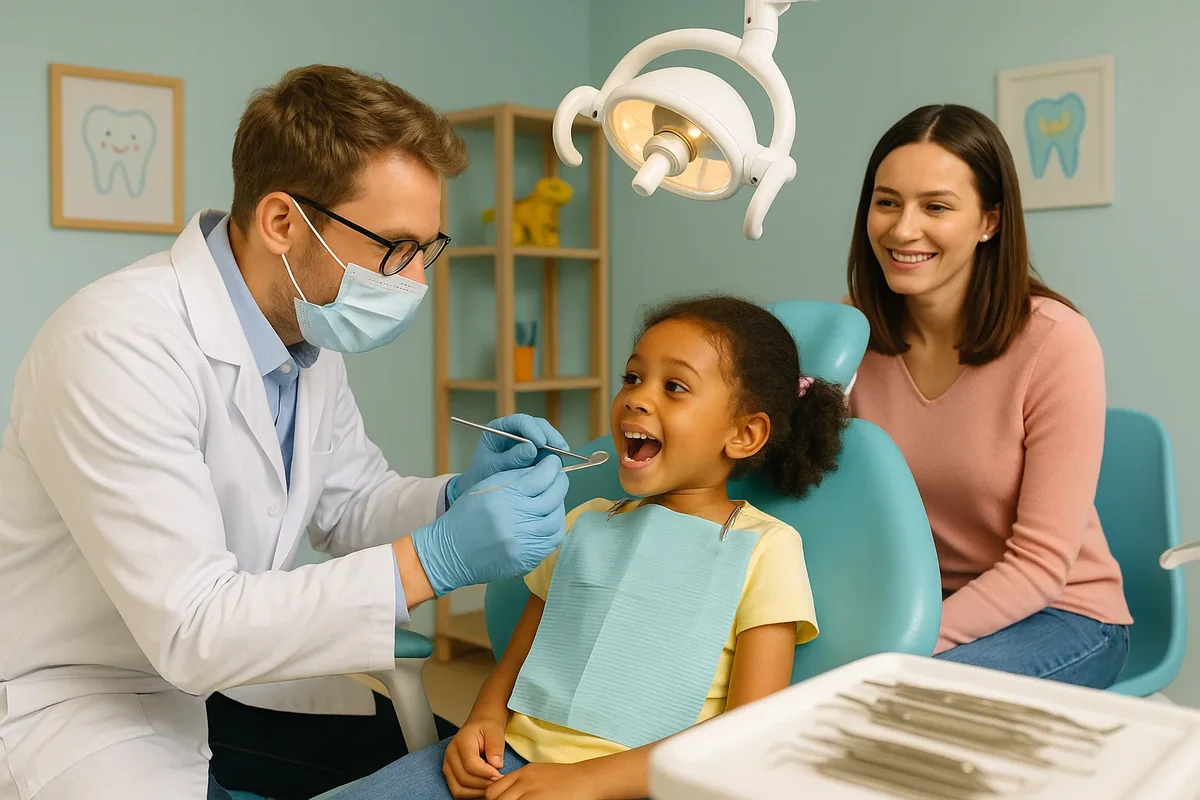
How to Choose the Right Pediatric Dental Office for Your Child
Understanding What Makes a Pediatric Clinic Truly Specialized
Selecting the right pediatric dental office is one of the most important decisions parents can make for their child’s long-term oral health and comfort. Pediatric dentistry is not simply general dentistry for children — it is a dedicated specialty requiring years of additional training in child psychology, growth development, behavior guidance, and advanced oral-health techniques designed specifically for young patients.
A truly exceptional pediatric dental office combines clinical expertise with emotional sensitivity, ensuring that every child feels safe, understood, and respected. The goal is to create an environment where children not only receive high-quality dental care but also build positive associations that last a lifetime. Choosing the right clinic means finding a place that balances compassion, advanced technology, preventive care, emergency readiness, and a child-friendly atmosphere. 🦷💛
Credentials and Specialized Training: What Parents Should Look For
When evaluating a pediatric dental office, parents should first confirm that the dentist is a board-certified pediatric specialist. These dentists undergo extensive residency training after dental school, focusing solely on the needs of infants, children, and adolescents — including those with special healthcare requirements.
A pediatric specialist has advanced knowledge in:
- Child development and behavioral management
- Orthodontic growth patterns and bite alignment
- Pediatric sedation safety
- Dental trauma management
- Special-needs patient care
Parents can look for certifications from reputable organizations such as the
American Dental Association.
These are strong indicators of clinical excellence and commitment to ongoing education.
Evaluating the Clinic’s Environment and Child-Focused Design
A high-quality pediatric dental office should feel welcoming as soon as families walk through the door. The atmosphere must be warm, colorful, and comforting — not cold or clinical. The interior design plays a significant role in reducing anxiety: themed décor, interactive displays, cartoons, games, and sensory-friendly elements help children feel relaxed and engaged.
Parents should also assess the waiting room, treatment rooms, and hygiene areas to ensure they are clean, modern, and designed with children in mind. Small details such as kid-sized furniture, cheerful murals, and friendly staff interactions can dramatically improve a child’s first impression.
Technology and Equipment: Ensuring Safe, Modern Care
Technology is a major indicator of quality. A modern pediatric dental office uses tools that minimize discomfort and ensure precise diagnosis. Before choosing a clinic, parents can ask whether the office offers:
- Digital X-rays with low radiation
- Intraoral cameras for real-time views
- Laser dentistry for painless soft-tissue treatments
- Advanced sterilization systems
- Digital impression scanners for gag-free molds
These technologies demonstrate that the office prioritizes safety, comfort, and accuracy — all essential for pediatric patients.
Behavior Management Techniques: A Key Part of Pediatric Care
Not every dentist is trained to manage the emotional and behavioral needs of children. A specialized pediatric dental office uses communication techniques tailored to each child’s temperament and developmental stage.
Some of the most effective methods include:
- Tell-show-do: A step-by-step explanation and demonstration before each procedure
- Positive reinforcement: Praise, rewards, and encouragement
- Desensitization: Gradual exposure for anxious or sensitive children
- Voice modulation: Calm, soothing tones to regulate emotions
These strategies help make dental visits smooth, predictable, and fear-free.
Sedation Options and Pain-Control Policies
Some children, especially those with severe anxiety or high sensitivity, may benefit from sedation. A professional pediatric dental office offers safe options that are administered only when truly necessary.
- Nitrous oxide (laughing gas)
- Oral conscious sedation
- IV sedation for more complex procedures
- General anesthesia (used in hospital settings)
Parents should ask the dentist about:
- Who administers the sedation
- How the child is monitored
- What safety protocols are in place
Clear, transparent communication around sedation ensures maximum safety.
Reviews, Reputation, and Word-of-Mouth Recommendations
Online reviews and personal recommendations offer valuable insight into a clinic’s atmosphere, professionalism, and quality of care. A trusted pediatric dental office will have consistent positive feedback mentioning patient comfort, successful treatments, friendly staff, and well-managed emergencies.
Parents should look for reviews that highlight:
- Child-friendly interactions
- Clear explanations from the dentist
- Minimal wait times
- Advanced technology
- Cleanliness and organization
Special-Needs Support and Accessibility
Children with autism, sensory processing differences, developmental delays, or medical conditions require a particularly sensitive approach. A compassionate pediatric dental office should offer special accommodations such as:
- Sensory-friendly appointment slots
- Quiet rooms with minimal stimulation
- Weighted blankets or calming tools
- Longer time allowances for appointments
The staff should be patient, understanding, and trained in supportive communication that meets individual needs.
Insurance, Payment Plans, and Cost Transparency
Dental care should never be confusing or financially overwhelming. A trustworthy pediatric dental office provides clear cost structures, flexible payment options, and guidance on maximizing insurance benefits. Parents should inquire about:
- What insurance plans are accepted
- Payment installations
- Preventive-care coverage
- Emergency appointment costs
Transparency helps families plan and avoid unexpected expenses.
Scheduling Convenience and Location
Finally, convenience matters more than parents often realize. A great pediatric dental office offers flexible scheduling, minimal wait times, online booking, and reminders. A location near home or school ensures consistent visits and easier access during emergencies.
Parents looking for personalized guidance or appointments can reach out through the
Redent Klinik Contact Page.
Expert information on pediatric specialty standards is also available via the
American Dental Association.
Choosing the right pediatric dental office means selecting a partner committed to your child’s oral-health journey — one that provides expert care, emotional support, and a warm, welcoming experience from infancy through adolescence. 🌟