
Pediatric dental orthodontics is a specialized branch of dentistry that focuses on diagnosing, preventing, and correcting dental and facial irregularities in children. Unlike general orthodontics, pediatric dental orthodontics emphasizes early detection and intervention, which plays a critical role in guiding proper jaw growth, ensuring healthy tooth alignment, and preventing more complex dental issues later in life. 👶🦷
Understanding pediatric dental orthodontics is essential for parents who want to give their children the best start in oral health. During childhood, the teeth, jaws, and facial bones are still developing, which makes this the ideal time to address alignment problems. Pediatric dental orthodontics allows orthodontists to identify issues such as crowding, spacing, overbite, underbite, and crossbite before they worsen. Early intervention can significantly reduce the need for invasive treatments in adolescence or adulthood.
One of the main goals of pediatric dental orthodontics is to create a functional and aesthetically pleasing smile while supporting proper oral development. When teeth are misaligned, it can affect not only appearance but also chewing, speaking, and even breathing. Pediatric dental orthodontics helps ensure that children can eat comfortably, speak clearly, and maintain optimal oral hygiene. Proper alignment also reduces the risk of tooth decay and gum disease, as straight teeth are easier to clean.
Parents often wonder why pediatric dental orthodontics is necessary if their child still has baby teeth. The answer lies in growth guidance. Even while baby teeth are present, orthodontic evaluation can reveal underlying problems in jaw development and tooth positioning. Pediatric dental orthodontics focuses on interceptive treatment, meaning that potential issues are addressed early before they become severe. This proactive approach saves time, discomfort, and cost in the long run.
Another important aspect of pediatric dental orthodontics is the psychological benefit it provides. Children with well-aligned teeth tend to have higher self-confidence and are more likely to smile freely. 😊 Early correction of dental issues can prevent bullying or self-esteem problems associated with visible misalignment. Pediatric dental orthodontics not only improves oral health but also contributes to a child’s emotional well-being.
In pediatric dental orthodontics, treatment plans are highly individualized. Each child’s dental structure is unique, and orthodontists carefully assess growth patterns, dental development, and facial symmetry. Diagnostic tools such as X-rays, digital scans, and clinical examinations are used to create a comprehensive treatment plan. Pediatric dental orthodontics may involve space maintainers, expanders, partial braces, or other devices designed specifically for growing children.
Timing is a key factor in pediatric dental orthodontics. According to the American Dental Association, children should have their first orthodontic evaluation by age seven. At this stage, enough permanent teeth have emerged to detect potential problems, while the jaw is still flexible enough for effective correction. Pediatric dental orthodontics leverages this window of opportunity to guide proper development.
It is also important to note that pediatric dental orthodontics is not only about braces. Many parents mistakenly believe that orthodontic care starts in the teenage years, but pediatric dental orthodontics begins much earlier. Early treatments may be simple and preventive, such as correcting harmful habits like thumb sucking or tongue thrusting, which can affect dental alignment. By addressing these habits, pediatric dental orthodontics helps ensure that teeth and jaws develop correctly.
Another advantage of pediatric dental orthodontics is its long-term impact on overall health. Misaligned teeth and jaws can lead to problems such as jaw pain, headaches, and even sleep disturbances. Pediatric dental orthodontics helps prevent these complications by ensuring proper alignment and function from an early age. This holistic approach highlights the importance of integrating orthodontic care into a child’s overall healthcare routine.
For parents seeking professional guidance, consulting with a trusted clinic is essential. If you are considering pediatric dental orthodontics for your child, you can easily reach out through the Redent Klinik Contact Page to get expert advice tailored to your child’s needs. Early consultation can make a significant difference in achieving the best outcomes.
In summary, pediatric dental orthodontics is a vital component of children’s healthcare that goes beyond aesthetics. It focuses on early diagnosis, preventive care, and personalized treatment to ensure proper dental and facial development. By investing in pediatric dental orthodontics, parents can help their children achieve healthy, functional, and confident smiles that last a lifetime. 🌟
When Should a Child First Visit a Pediatric Orthodontist?
One of the most common questions parents ask is when their child should first see a specialist in pediatric dental orthodontics. The timing of this first visit plays a crucial role in identifying potential dental and jaw development issues early. Pediatric dental orthodontics focuses on prevention and early intervention, making it essential to understand the ideal age for evaluation and why it matters. 👶🦷
Recommended Age for Pediatric Dental Orthodontics Evaluation
According to dental experts and the American Dental Association, children should have their first orthodontic evaluation by the age of seven. At this stage, a child typically has a mix of baby teeth and permanent teeth, which allows orthodontists specializing in pediatric dental orthodontics to assess how the teeth and jaws are developing.
Pediatric dental orthodontics at this early age does not necessarily mean that treatment will begin immediately. Instead, it provides an opportunity for the orthodontist to monitor growth patterns and detect potential problems before they become severe. Early evaluation ensures that any developing issues, such as misaligned bites or jaw discrepancies, can be addressed at the optimal time.
Why Age Seven Is Important
At around age seven, the first permanent molars and incisors have usually erupted. This makes it easier for pediatric dental orthodontics specialists to evaluate bite relationships, spacing, and crowding. Additionally, the jaw is still growing, which allows orthodontists to guide its development more effectively. Pediatric dental orthodontics uses this growth phase to correct issues that would be more difficult to treat later.
Signs Your Child May Need Pediatric Dental Orthodontics Early
While age seven is the general recommendation, some children may need pediatric dental orthodontics evaluation even earlier. Parents should watch for certain signs that indicate potential orthodontic problems. These include:
- Early or late loss of baby teeth
- Difficulty chewing or biting
- Mouth breathing habits
- Thumb sucking beyond age five
- Crooked, crowded, or protruding teeth
- Jaws that shift or make sounds
If any of these signs are present, pediatric dental orthodontics consultation should not be delayed. Early detection allows for simpler and more effective treatment options, reducing the need for complex procedures in the future.
Impact of Delayed Orthodontic Evaluation
Delaying a pediatric dental orthodontics visit can lead to worsening dental issues. For example, untreated crowding may require tooth extraction later, while jaw misalignment can result in facial asymmetry or functional problems. Pediatric dental orthodontics emphasizes prevention, and missing the early evaluation window can limit treatment options.
Benefits of Early Pediatric Dental Orthodontics Visits
There are numerous advantages to scheduling an early visit for pediatric dental orthodontics. One of the primary benefits is interceptive treatment, which involves addressing issues before they fully develop. This proactive approach can guide jaw growth, create space for permanent teeth, and correct harmful habits.
Another benefit of pediatric dental orthodontics is reduced treatment time. When problems are addressed early, future orthodontic treatments are often shorter and less complicated. In some cases, early intervention can even eliminate the need for braces altogether.
Pediatric dental orthodontics also helps improve oral hygiene. Crowded or misaligned teeth are harder to clean, increasing the risk of cavities and gum disease. By correcting alignment early, children can maintain better oral health throughout their lives.
Emotional and Social Benefits
Beyond physical health, pediatric dental orthodontics provides emotional benefits. Children with properly aligned teeth tend to feel more confident and are more likely to smile openly. 😊 Early correction of dental issues can prevent self-esteem problems and improve social interactions.
What Happens During the First Pediatric Dental Orthodontics Visit?
The initial pediatric dental orthodontics appointment is usually simple and non-invasive. The orthodontist will perform a comprehensive examination, which may include X-rays, photographs, and digital scans. These tools help assess tooth positioning, jaw alignment, and overall oral development.
During this visit, the specialist in pediatric dental orthodontics will discuss any findings with parents and recommend a treatment plan if necessary. In many cases, the orthodontist may suggest a “wait and watch” approach, where the child is monitored regularly until the right time for treatment.
If early intervention is required, pediatric dental orthodontics may involve appliances such as space maintainers, expanders, or partial braces. These treatments are designed to guide growth and prevent more serious problems later.
How Parents Can Prepare for the First Visit
Preparing for a pediatric dental orthodontics visit is simple but important. Parents should explain the process to their child in a positive and reassuring way. Emphasizing that the visit is about keeping their smile healthy can help reduce anxiety.
It is also helpful to gather any relevant dental records and note any concerns about the child’s oral habits or development. Open communication with the pediatric dental orthodontics specialist ensures that all questions are addressed and that parents feel confident in the recommended plan.
If you are ready to schedule your child’s first pediatric dental orthodontics consultation, you can easily get professional guidance through the Redent Klinik Contact Page. Early action can make a lasting difference in your child’s oral health journey.
Conclusion: Early Visits Lead to Better Outcomes
In pediatric dental orthodontics, timing is everything. Scheduling the first visit around age seven allows orthodontists to detect and address potential problems during a critical growth period. Early evaluation does not always mean immediate treatment, but it provides valuable insight into your child’s dental development.
By prioritizing pediatric dental orthodontics at the right time, parents can help their children achieve healthier smiles, improved function, and greater confidence. 🌟 Early care sets the foundation for a lifetime of strong oral health.
Common Orthodontic Problems in Children Explained
Understanding the most common dental issues that affect children is a key part of pediatric dental orthodontics. Early identification of these problems allows specialists to intervene at the right time, ensuring proper oral development and preventing more serious complications later in life. Pediatric dental orthodontics focuses not only on correcting visible misalignment but also on addressing underlying jaw and bite issues that can impact a child’s overall health. 🦷
Tooth Crowding and Spacing Issues
One of the most frequently encountered conditions in pediatric dental orthodontics is tooth crowding. This occurs when there is not enough space in the jaw for all the teeth to align properly. As a result, teeth may overlap, twist, or grow in incorrect positions. Pediatric dental orthodontics addresses crowding early by creating space through guided jaw development or expansion appliances.
On the opposite end, spacing issues can also occur. Large gaps between teeth may be due to missing teeth, abnormal growth patterns, or habits like thumb sucking. Pediatric dental orthodontics evaluates whether spacing is temporary or requires intervention. In many cases, early treatment helps guide teeth into proper alignment as permanent teeth emerge.
Why Crowding Matters
Crowded teeth are harder to clean, increasing the risk of cavities and gum disease. Pediatric dental orthodontics helps ensure that teeth are properly aligned, making oral hygiene easier and more effective. Early correction reduces long-term dental complications.
Overbite, Underbite, and Crossbite
Bite problems are another major focus of pediatric dental orthodontics. These issues involve how the upper and lower teeth come together and can significantly impact chewing, speaking, and facial development.
- Overbite: The upper front teeth excessively overlap the lower teeth.
- Underbite: The lower teeth extend beyond the upper teeth.
- Crossbite: Some upper teeth sit inside the lower teeth instead of outside.
Pediatric dental orthodontics aims to correct these bite issues early, as they can worsen with growth if left untreated. Misaligned bites can lead to uneven tooth wear, jaw pain, and even difficulties in speech. Early intervention allows orthodontists to guide jaw development and prevent these complications.
Functional Impact of Bite Problems
Bite irregularities can affect how a child chews food and pronounces words. Pediatric dental orthodontics ensures that the bite functions properly, supporting both nutrition and communication development. 😊
Protruding Teeth (Overjet)
Protruding front teeth, also known as overjet, are a common concern in pediatric dental orthodontics. This condition makes the upper teeth stick out significantly, increasing the risk of injury during falls or sports activities. Pediatric dental orthodontics addresses overjet by repositioning the teeth and sometimes guiding jaw growth.
Children with protruding teeth may also experience self-confidence issues. Pediatric dental orthodontics not only improves function but also enhances appearance, helping children feel more comfortable with their smiles.
Risk of Dental Trauma
Protruding teeth are more vulnerable to damage. Pediatric dental orthodontics reduces this risk by aligning the teeth properly, providing both aesthetic and protective benefits.
Thumb Sucking and Oral Habits
Habits such as thumb sucking, prolonged pacifier use, and tongue thrusting can significantly impact dental development. Pediatric dental orthodontics often addresses these habits early to prevent long-term issues.
Thumb sucking beyond the age of five can lead to misaligned teeth and changes in jaw structure. Pediatric dental orthodontics may involve behavioral guidance or the use of appliances to discourage these habits and promote proper oral development.
How Habits Affect Development
Continuous pressure from thumb sucking can push teeth out of alignment and alter the shape of the palate. Pediatric dental orthodontics helps correct these effects and guides the mouth back to a healthy structure.
Impacted or Delayed Eruption of Teeth
Another issue commonly addressed in pediatric dental orthodontics is the delayed or improper eruption of permanent teeth. Sometimes teeth fail to emerge at the correct time or become impacted, meaning they are trapped beneath the gum.
Pediatric dental orthodontics uses diagnostic tools such as X-rays to monitor tooth development and determine whether intervention is needed. Early treatment can create space or guide teeth into their correct positions, preventing complications.
Importance of Monitoring Growth
Regular check-ups in pediatric dental orthodontics allow specialists to track tooth eruption patterns and act quickly if problems arise. Early action often leads to simpler and more effective treatment.
Jaw Growth and Alignment Problems
Jaw discrepancies are a critical focus of pediatric dental orthodontics. Some children may have jaws that are too small, too large, or misaligned. These issues can affect facial symmetry and overall oral function.
Pediatric dental orthodontics often uses growth modification techniques to guide jaw development. Appliances such as expanders can widen the upper jaw, while other devices help reposition the lower jaw. Treating these issues early takes advantage of natural growth, making correction more effective.
Long-Term Consequences of Untreated Jaw Issues
If left untreated, jaw misalignment can lead to chronic pain, difficulty chewing, and even breathing problems. Pediatric dental orthodontics prevents these complications by addressing the root cause during childhood.
Speech and Breathing Problems
Some orthodontic issues can affect speech and breathing. For example, misaligned teeth or jaws may cause lisping or difficulty pronouncing certain sounds. Pediatric dental orthodontics helps correct these problems by improving alignment and function.
Additionally, certain jaw structures can contribute to mouth breathing, which may impact sleep quality and overall health. Pediatric dental orthodontics addresses these concerns as part of a comprehensive treatment plan.
Holistic Benefits of Treatment
Pediatric dental orthodontics goes beyond aesthetics. By improving alignment, it supports better breathing, clearer speech, and overall well-being.
When to Seek Professional Help
Parents should seek evaluation in pediatric dental orthodontics if they notice any of the issues mentioned above. Early consultation allows for timely intervention and better outcomes. If you are unsure whether your child needs orthodontic care, you can consult professionals through the Redent Klinik Contact Page.
For additional guidance on children’s oral health, the American Dental Association provides reliable and up-to-date information.
Conclusion: Early Detection Is Key
Pediatric dental orthodontics plays a vital role in identifying and treating common orthodontic problems in children. From crowding and bite issues to jaw misalignment and oral habits, early detection ensures effective and less invasive treatment.
By understanding these common problems, parents can take proactive steps to support their child’s oral health. Pediatric dental orthodontics not only creates beautiful smiles but also lays the foundation for lifelong dental wellness. 🌟
Types of Braces Used in Pediatric Dental Orthodontics
When it comes to improving children’s smiles, pediatric dental orthodontics offers a wide range of treatment options tailored to each child’s unique needs. One of the most effective and commonly used solutions is braces. However, many parents are surprised to learn that there is not just one type of braces—pediatric dental orthodontics includes several advanced options designed for comfort, efficiency, and aesthetics. 🦷✨
Choosing the right type of braces in pediatric dental orthodontics depends on factors such as the child’s age, the severity of the dental issue, jaw development, and personal preferences. Understanding these options helps parents make informed decisions and ensures the best possible outcomes for their child’s oral health.
Traditional Metal Braces
Traditional metal braces are the most widely recognized option in pediatric dental orthodontics. They consist of metal brackets attached to the teeth and connected by wires that gradually move the teeth into proper alignment. Modern versions of metal braces are smaller, more comfortable, and more efficient than ever before.
Pediatric dental orthodontics often recommends metal braces for children with moderate to severe alignment issues because they are highly effective and durable. They can correct complex problems such as severe crowding, bite misalignment, and jaw discrepancies.
Advantages of Metal Braces
- Highly effective for complex orthodontic cases
- Durable and resistant to damage
- Cost-effective compared to other options
- Customizable with colored bands for a fun experience 🎨
Because of their reliability, traditional braces remain a cornerstone of pediatric dental orthodontics treatments.
Ceramic Braces
Ceramic braces function similarly to metal braces but use tooth-colored or clear brackets, making them less noticeable. Pediatric dental orthodontics may recommend ceramic braces for children who are more conscious about their appearance.
While ceramic braces are aesthetically appealing, they require more care to prevent staining and may not be as durable as metal braces. Pediatric dental orthodontics specialists carefully evaluate whether this option is suitable for each child.
When to Choose Ceramic Braces
Ceramic braces are ideal for older children or teenagers who want a more discreet option while still benefiting from the effectiveness of traditional braces. Pediatric dental orthodontics balances aesthetics and functionality when recommending this treatment.
Lingual Braces
Lingual braces are placed on the inside (back) of the teeth, making them virtually invisible from the outside. Although less common in pediatric dental orthodontics for younger children, they can be an option for older patients.
Pediatric dental orthodontics specialists may suggest lingual braces in specific cases where aesthetics are a priority. However, they can be more challenging to clean and adjust, and they may initially affect speech.
Considerations for Lingual Braces
Lingual braces require a higher level of oral hygiene and commitment. Pediatric dental orthodontics ensures that patients and parents fully understand the care requirements before choosing this option.
Clear Aligners (Invisalign for Kids)
Clear aligners have become increasingly popular in pediatric dental orthodontics. These removable, transparent trays gradually shift teeth into alignment without the need for brackets or wires. They are especially appealing for children who prefer a more flexible and discreet treatment.
Pediatric dental orthodontics may recommend clear aligners for mild to moderate cases. They are removable, making it easier for children to eat, brush, and floss. However, success depends on consistent use, as aligners must be worn for most of the day.
Benefits of Clear Aligners
- Nearly invisible appearance 😁
- Removable for meals and cleaning
- More comfortable with no metal components
- Fewer dietary restrictions
Pediatric dental orthodontics carefully monitors compliance to ensure that treatment progresses as planned.
Self-Ligating Braces
Self-ligating braces are similar to traditional braces but use a special clip instead of elastic bands to hold the wire in place. Pediatric dental orthodontics may use this option to reduce friction and improve treatment efficiency.
These braces often require fewer adjustments and may shorten treatment time. Pediatric dental orthodontics considers self-ligating braces for children who would benefit from a more streamlined process.
Efficiency and Comfort
Self-ligating braces can be more comfortable and easier to maintain. Pediatric dental orthodontics uses them to enhance patient experience while achieving excellent results.
Palatal Expanders and Functional Appliances
In addition to braces, pediatric dental orthodontics often uses devices such as palatal expanders and functional appliances. These are especially important for younger children whose jaws are still developing.
Palatal expanders widen the upper jaw to create space for teeth, while functional appliances help guide jaw growth. Pediatric dental orthodontics frequently combines these devices with braces for comprehensive treatment.
Early Intervention Benefits
Using these appliances early allows pediatric dental orthodontics to correct structural issues before they become severe. This reduces the need for more invasive treatments later in life.
Cost Overview of Braces in Pediatric Dental Orthodontics
The cost of braces in pediatric dental orthodontics can vary depending on the type of treatment and complexity of the case. Below is a general price range based on global averages:
- Metal Braces: $3,000 – $7,000
- Ceramic Braces: $4,000 – $8,000
- Clear Aligners: $3,500 – $7,500
- Lingual Braces: $8,000 – $12,000
It is important to note that pediatric dental orthodontics often offers flexible payment plans to make treatment more accessible. For personalized consultation and pricing, you can contact specialists via the Redent Klinik Contact Page.
Choosing the Right Option for Your Child
Selecting the right treatment in pediatric dental orthodontics requires professional evaluation. Each child’s dental structure, lifestyle, and preferences are unique. Pediatric dental orthodontics specialists consider all these factors when recommending the most suitable braces.
Parents should also consult trusted sources such as the American Dental Association for reliable information about orthodontic care.
Conclusion: Personalized Treatment for Best Results
Pediatric dental orthodontics offers a variety of braces and appliances designed to meet the diverse needs of children. From traditional metal braces to modern clear aligners, each option has its advantages and specific applications.
By understanding these choices, parents can make informed decisions that support their child’s oral health and confidence. Pediatric dental orthodontics ensures that every child receives personalized care, leading to a healthy, functional, and beautiful smile for years to come. 🌟
Benefits of Early Pediatric Dental Orthodontics Treatment
Early intervention is one of the most powerful advantages of pediatric dental orthodontics. Treating orthodontic issues during childhood allows specialists to guide dental and jaw development at the most flexible stage of growth. Pediatric dental orthodontics is not just about straightening teeth—it is about preventing complex problems, improving function, and ensuring long-term oral health. 👶🦷
Parents who invest in pediatric dental orthodontics early often see significant improvements in their child’s dental structure, confidence, and overall well-being. By addressing issues before they fully develop, pediatric dental orthodontics minimizes the need for extensive treatments later in life.
Guiding Proper Jaw Development
One of the primary benefits of pediatric dental orthodontics is the ability to guide jaw growth. During childhood, the jawbones are still developing and can be shaped more easily. Pediatric dental orthodontics uses this natural growth phase to correct structural issues such as narrow jaws or misalignment.
Devices like palatal expanders and functional appliances are commonly used in pediatric dental orthodontics to widen the jaw and create space for permanent teeth. This proactive approach ensures that teeth erupt in the correct position and reduces the likelihood of severe crowding.
Why Jaw Guidance Matters
Without early intervention, jaw misalignment can lead to long-term complications such as facial asymmetry, difficulty chewing, and even breathing issues. Pediatric dental orthodontics helps prevent these outcomes by addressing the root cause early.
Reducing the Need for Tooth Extraction
In many cases, pediatric dental orthodontics can eliminate the need for tooth extraction later in life. When teeth are crowded, traditional orthodontic treatment may require removing one or more teeth to create space. However, pediatric dental orthodontics focuses on creating space naturally through jaw expansion and growth guidance.
By intervening early, pediatric dental orthodontics allows permanent teeth to align properly without the need for invasive procedures. This makes treatment less stressful for children and more appealing for parents.
Less Invasive Treatment Approach
Early pediatric dental orthodontics reduces the complexity of future treatments. Instead of dealing with severe crowding or misalignment, orthodontists can manage minor issues before they escalate.
Shorter and More Efficient Treatment Time
Another major advantage of pediatric dental orthodontics is the potential for shorter treatment duration. When problems are addressed early, the severity of misalignment is often reduced, leading to faster correction during later stages.
Pediatric dental orthodontics may involve two phases of treatment: an early phase to guide development and a later phase to fine-tune alignment. This phased approach often results in more efficient and predictable outcomes.
Optimizing Growth Phases
By working with the body’s natural growth patterns, pediatric dental orthodontics maximizes treatment efficiency. This reduces the time children need to wear braces or other appliances in the future.
Improved Oral Hygiene and Reduced Risk of Decay
Misaligned teeth can make brushing and flossing difficult, increasing the risk of cavities and gum disease. Pediatric dental orthodontics helps align teeth properly, making it easier for children to maintain good oral hygiene.
When teeth are straight and evenly spaced, food particles and plaque are less likely to accumulate. Pediatric dental orthodontics therefore plays a preventive role in maintaining overall dental health.
Long-Term Health Benefits
Proper alignment achieved through pediatric dental orthodontics reduces the risk of periodontal disease and tooth decay. This contributes to a healthier smile that lasts into adulthood.
Enhanced Speech Development
Speech development is closely linked to dental and jaw alignment. Certain orthodontic issues, such as overbite or open bite, can affect how children pronounce sounds. Pediatric dental orthodontics addresses these issues early, supporting clearer speech.
By correcting alignment, pediatric dental orthodontics ensures that the tongue and teeth work together properly during speech. This is especially important during early childhood, when language skills are developing rapidly.
Confidence in Communication
Children who can speak clearly are more confident in social and academic settings. Pediatric dental orthodontics contributes to better communication and self-expression.
Boosting Self-Confidence and Emotional Well-Being
A child’s smile plays a significant role in their self-esteem. Misaligned or protruding teeth can make children feel self-conscious, especially as they grow older. Pediatric dental orthodontics helps create a balanced and attractive smile, boosting confidence. 😊
Early treatment ensures that children feel comfortable with their appearance during important developmental years. Pediatric dental orthodontics not only improves physical health but also supports emotional well-being.
Positive Social Impact
Children with healthy smiles are more likely to engage in social activities and interact confidently with peers. Pediatric dental orthodontics helps build this confidence from an early age.
Preventing Dental Trauma
Protruding or misaligned teeth are more susceptible to injury. Pediatric dental orthodontics reduces this risk by positioning teeth correctly within the mouth.
Children are naturally active, and accidents can happen during play or sports. Pediatric dental orthodontics provides an added layer of protection by aligning teeth in a safer position.
Protecting the Smile
By correcting alignment early, pediatric dental orthodontics minimizes the likelihood of chipped or broken teeth caused by impact.
Supporting Better Breathing and Sleep
Jaw alignment can affect breathing patterns, particularly during sleep. Pediatric dental orthodontics addresses structural issues that may contribute to mouth breathing or airway obstruction.
Improved jaw positioning can enhance airflow, leading to better sleep quality and overall health. Pediatric dental orthodontics takes a holistic approach to treatment, considering both dental and general well-being.
Holistic Health Approach
Pediatric dental orthodontics goes beyond aesthetics by improving breathing and sleep, which are essential for a child’s development.
Professional Guidance and Early Planning
Early consultation in pediatric dental orthodontics allows specialists to create a personalized treatment plan tailored to each child’s needs. Regular monitoring ensures that any changes in development are addressed promptly.
If you are considering early treatment, you can consult experts through the Redent Klinik Contact Page for professional advice. Additionally, trusted organizations like the American Dental Association provide valuable information on children’s dental health.
Conclusion: Early Action Leads to Lifelong Benefits
Pediatric dental orthodontics offers numerous benefits when started early. From guiding jaw development and reducing treatment complexity to improving confidence and overall health, early intervention sets the foundation for a lifetime of healthy smiles.
By choosing pediatric dental orthodontics at the right time, parents can ensure that their children enjoy optimal oral health, functional alignment, and lasting confidence. 🌟
How Pediatric Dental Orthodontics Improves Oral Health
Pediatric dental orthodontics plays a vital role in improving not only the appearance of a child’s smile but also their overall oral health. While many parents initially associate pediatric dental orthodontics with straight teeth, its benefits go far beyond aesthetics. Proper alignment of teeth and jaws directly impacts oral hygiene, chewing efficiency, speech development, and long-term dental stability. 🦷✨
By addressing dental issues early, pediatric dental orthodontics helps children avoid complex oral health problems in the future. It ensures that teeth are positioned correctly, making daily oral care easier and more effective. Let’s explore how pediatric dental orthodontics contributes to healthier smiles in a comprehensive and lasting way.
Improved Oral Hygiene and Easier Cleaning
One of the most immediate benefits of pediatric dental orthodontics is improved oral hygiene. Crooked or crowded teeth create tight spaces where plaque and food particles can accumulate. These areas are difficult to clean, even with regular brushing and flossing.
Pediatric dental orthodontics aligns the teeth properly, making it easier for children to maintain good oral hygiene habits. When teeth are straight, toothbrush bristles and floss can reach all surfaces more effectively. This significantly reduces the risk of cavities and gum disease.
Prevention of Plaque Buildup
By correcting alignment issues, pediatric dental orthodontics minimizes plaque retention. This preventive approach helps maintain healthier teeth and gums over time, reducing the need for restorative treatments.
Reduced Risk of Tooth Decay and Gum Disease
Tooth decay and gum disease are common concerns in children with misaligned teeth. Pediatric dental orthodontics addresses these issues by eliminating the conditions that allow bacteria to thrive. Straight teeth are less likely to trap food and plaque, which lowers the risk of decay.
In addition, pediatric dental orthodontics helps maintain healthy gum tissue. When teeth are properly aligned, gums fit more securely around them, reducing the likelihood of inflammation and periodontal problems.
Long-Term Oral Health Protection
Children who undergo pediatric dental orthodontics early are more likely to enjoy strong, healthy teeth into adulthood. Preventive care during childhood sets the foundation for lifelong oral wellness.
Enhanced Chewing and Digestion
Proper chewing is essential for digestion, and pediatric dental orthodontics ensures that teeth function efficiently. Misaligned teeth or bite issues can make it difficult for children to chew food properly, leading to digestive problems.
Pediatric dental orthodontics corrects bite alignment, allowing upper and lower teeth to come together correctly. This improves chewing efficiency, enabling better breakdown of food and aiding digestion.
Functional Bite Alignment
When the bite is properly aligned, children can eat a wider variety of foods comfortably. Pediatric dental orthodontics supports balanced nutrition by ensuring that chewing is effective and pain-free.
Prevention of Abnormal Tooth Wear
Misaligned teeth can cause uneven pressure during chewing, leading to excessive wear on certain teeth. Pediatric dental orthodontics helps distribute bite forces evenly across all teeth, preventing premature wear and damage.
Without pediatric dental orthodontics, abnormal wear can result in weakened enamel, sensitivity, and even fractures. Early correction protects the integrity of the teeth and preserves their natural structure.
Protecting Tooth Enamel
Pediatric dental orthodontics ensures that teeth meet properly, reducing stress on individual teeth and maintaining enamel strength.
Improved Speech Development
Speech clarity is closely linked to the position of teeth and jaws. Certain orthodontic issues, such as open bites or protruding teeth, can interfere with pronunciation. Pediatric dental orthodontics addresses these problems, helping children speak more clearly.
By aligning the teeth and jaws, pediatric dental orthodontics allows the tongue to move freely and interact correctly with the teeth during speech. This is especially important during early childhood when language skills are developing.
Confidence in Communication
Clear speech boosts a child’s confidence in social and academic settings. Pediatric dental orthodontics supports effective communication and self-expression.
Reduced Risk of Dental Injuries
Children with protruding or misaligned teeth are more prone to dental injuries. Pediatric dental orthodontics reduces this risk by positioning teeth correctly within the mouth.
Aligned teeth are less exposed and better protected during physical activities. Pediatric dental orthodontics therefore plays a preventive role in minimizing the chances of chipped or broken teeth.
Safety During Activities
By improving alignment, pediatric dental orthodontics helps protect teeth during sports and play, reducing the likelihood of trauma.
Support for Healthy Jaw Growth
Jaw development is a critical aspect of pediatric dental orthodontics. Misaligned jaws can lead to functional issues such as difficulty chewing, breathing problems, and facial asymmetry.
Pediatric dental orthodontics uses growth guidance techniques to ensure that the jaws develop properly. This not only improves oral health but also contributes to overall facial harmony.
Balanced Facial Development
Proper jaw alignment achieved through pediatric dental orthodontics enhances both function and appearance, creating a balanced facial profile.
Better Breathing and Airway Function
Orthodontic issues can sometimes affect breathing patterns, particularly if the jaw is not properly aligned. Pediatric dental orthodontics addresses structural problems that may contribute to mouth breathing or airway obstruction.
Improved alignment can enhance airflow, leading to better sleep quality and overall health. Pediatric dental orthodontics takes a comprehensive approach that considers both dental and systemic health.
Impact on Sleep Quality
Children who breathe properly during sleep are more likely to experience restful nights and improved daytime energy. Pediatric dental orthodontics supports healthy breathing patterns.
Professional Care and Ongoing Monitoring
Regular visits to a pediatric dental orthodontics specialist ensure that a child’s oral health is closely monitored. Early detection of issues allows for timely intervention and better outcomes.
Parents can seek expert advice and personalized treatment plans through the Redent Klinik Contact Page. Additionally, trusted organizations like the American Dental Association provide valuable information on maintaining oral health.
Conclusion: A Foundation for Lifelong Oral Health
Pediatric dental orthodontics is essential for improving and maintaining oral health in children. From enhancing hygiene and preventing decay to supporting proper jaw development and speech, its benefits are far-reaching.
By investing in pediatric dental orthodontics, parents can ensure that their children develop strong, healthy, and functional smiles that last a lifetime. 🌟
Treatment Process Step-by-Step for Children
Understanding the full journey of pediatric dental orthodontics helps parents feel confident and prepared when starting treatment for their child. Pediatric dental orthodontics is not a one-size-fits-all approach; it is a carefully planned, step-by-step process designed to guide proper dental and jaw development over time. Each phase is tailored to the child’s age, growth stage, and specific orthodontic needs. 🦷✨
From the first consultation to the final retention phase, pediatric dental orthodontics focuses on achieving long-lasting, healthy results. Let’s break down each step in detail so you know exactly what to expect throughout the treatment process.
Initial Consultation and Assessment
The pediatric dental orthodontics journey begins with an initial consultation. During this visit, the orthodontist performs a comprehensive evaluation of the child’s teeth, jaws, and facial structure. This step is crucial in identifying existing issues and predicting potential problems.
Diagnostic tools such as X-rays, digital scans, and photographs are often used in pediatric dental orthodontics to gain a complete understanding of the child’s oral condition. These records allow the orthodontist to develop a precise and personalized treatment plan.
What Parents Should Expect
During the consultation, parents will receive detailed information about their child’s dental development, potential treatment options, and expected timelines. Pediatric dental orthodontics emphasizes clear communication to ensure parents feel informed and involved.
Development of a Personalized Treatment Plan
Once the assessment is complete, the orthodontist creates a customized treatment plan. Pediatric dental orthodontics considers factors such as jaw growth, tooth eruption patterns, and the severity of alignment issues.
The treatment plan may include early intervention (Phase 1) and later corrective treatment (Phase 2). Pediatric dental orthodontics ensures that each phase is timed to maximize effectiveness and minimize discomfort.
Individualized Care Approach
No two children are the same, and pediatric dental orthodontics reflects this by tailoring every treatment plan to the individual child’s needs. This ensures optimal results and a smoother treatment experience.
Phase 1: Early Interceptive Treatment
Phase 1 treatment in pediatric dental orthodontics typically begins between the ages of 6 and 10. The goal is to address developing issues early, such as jaw misalignment, crowding, or harmful oral habits.
Common appliances used during this phase include palatal expanders, space maintainers, and partial braces. Pediatric dental orthodontics uses these tools to guide jaw growth and create space for permanent teeth.
Benefits of Early Intervention
By starting treatment early, pediatric dental orthodontics can reduce the severity of future orthodontic problems. This often leads to shorter and less complex treatment in later stages.
Monitoring Growth and Development
After Phase 1, there is usually a resting period where the orthodontist monitors the child’s growth and the eruption of permanent teeth. Pediatric dental orthodontics ensures that development is progressing as expected before moving to the next phase.
Regular check-ups are essential during this stage. Pediatric dental orthodontics specialists track changes and make adjustments if necessary, ensuring that treatment remains on the right path.
Importance of Regular Visits
Consistent monitoring allows pediatric dental orthodontics to detect any new issues early and respond promptly. This proactive approach prevents complications.
Phase 2: Comprehensive Orthodontic Treatment
Phase 2 treatment typically begins when most or all permanent teeth have erupted. Pediatric dental orthodontics uses full braces or clear aligners during this stage to achieve precise alignment.
The focus of Phase 2 is to refine tooth positioning, correct bite issues, and ensure proper alignment of the entire dental arch. Pediatric dental orthodontics aims to create a balanced and functional smile.
Tools Used in Phase 2
Common tools in pediatric dental orthodontics during this phase include traditional braces, ceramic braces, or clear aligners. The choice depends on the child’s needs and preferences.
Adjustment and Progress Visits
Throughout treatment, regular adjustment appointments are scheduled. Pediatric dental orthodontics specialists make necessary modifications to appliances to ensure continuous progress.
These visits are typically quick and involve tightening wires, replacing aligners, or checking the fit of appliances. Pediatric dental orthodontics ensures that treatment stays on track and achieves the desired results efficiently.
Maintaining Comfort and Progress
Adjustments may cause mild discomfort, but pediatric dental orthodontics prioritizes patient comfort and provides guidance on managing any temporary sensitivity.
Retention Phase: Maintaining Results
Once active treatment is complete, pediatric dental orthodontics enters the retention phase. Retainers are used to keep teeth in their new positions and prevent them from shifting back.
This phase is critical for long-term success. Pediatric dental orthodontics emphasizes the importance of wearing retainers as instructed to maintain the results achieved during treatment.
Types of Retainers
Retainers may be removable or fixed, depending on the child’s needs. Pediatric dental orthodontics ensures that the chosen retainer provides optimal stability.
Parental Role in the Treatment Process
Parents play a vital role in the success of pediatric dental orthodontics. Encouraging good oral hygiene, ensuring appliance compliance, and attending regular appointments are essential responsibilities.
Pediatric dental orthodontics works best when parents and children actively participate in the process. Positive reinforcement and support can make a significant difference in treatment outcomes.
Supporting Your Child
Helping children maintain proper brushing and flossing habits during pediatric dental orthodontics treatment ensures better oral health and prevents complications.
Professional Support and Consultation
Choosing a trusted clinic is essential for a successful pediatric dental orthodontics journey. If you are considering treatment for your child, you can consult experts through the Redent Klinik Contact Page for personalized guidance.
For additional information on orthodontic care, the American Dental Association provides reliable resources.
Conclusion: A Structured Path to a Healthy Smile
Pediatric dental orthodontics follows a well-structured, step-by-step process that ensures effective and lasting results. From early evaluation to retention, each stage is carefully designed to support healthy dental development.
By understanding this process, parents can feel confident in their decision to pursue pediatric dental orthodontics. With proper care and guidance, children can achieve beautiful, functional smiles that last a lifetime. 🌟
Costs and Financing Options for Pediatric Dental Orthodontics
Understanding the financial aspect of pediatric dental orthodontics is an important step for parents considering treatment for their children. While the benefits of pediatric dental orthodontics are clear—ranging from improved oral health to enhanced confidence—the cost can vary depending on several factors. Fortunately, modern pediatric dental orthodontics offers flexible payment options and financing solutions that make treatment more accessible for families. 💳🦷
The cost of pediatric dental orthodontics is influenced by the type of treatment, the severity of the dental issue, the duration of treatment, and the location of the clinic. By understanding these variables, parents can better plan and make informed decisions about their child’s orthodontic care.
Average Costs of Pediatric Dental Orthodontics Treatments
In pediatric dental orthodontics, different treatment methods come with different price ranges. Below is a general overview of average costs based on global estimates:
- Traditional Metal Braces: $3,000 – $7,000
- Ceramic Braces: $4,000 – $8,000
- Clear Aligners (Invisalign): $3,500 – $7,500
- Lingual Braces: $8,000 – $12,000
- Palatal Expanders / Early Appliances: $1,500 – $4,000
These prices reflect typical pediatric dental orthodontics costs worldwide, but actual expenses may vary depending on individual treatment plans. Pediatric dental orthodontics often includes consultations, diagnostic imaging, and follow-up visits within the total cost.
Factors That Affect Pricing
Several factors determine the final cost of pediatric dental orthodontics:
- Complexity of the dental problem
- Length of treatment
- Type of braces or appliances used
- Experience of the orthodontist
- Geographic location of the clinic
Pediatric dental orthodontics specialists evaluate all these aspects before providing a detailed cost estimate.
Insurance Coverage for Pediatric Dental Orthodontics
Dental insurance can significantly reduce the cost of pediatric dental orthodontics. Many insurance plans offer partial coverage for orthodontic treatment, especially if it is considered medically necessary.
Parents should review their insurance policies carefully to understand what is covered. Pediatric dental orthodontics treatments may be covered up to a certain percentage or capped at a lifetime maximum.
What Insurance Typically Covers
Most insurance plans that include pediatric dental orthodontics coverage will contribute to:
- Initial consultation and diagnostic tests
- Braces or aligners
- Periodic adjustment visits
However, cosmetic treatments may not be fully covered, so it is important to clarify details with the provider.
Flexible Payment Plans
One of the most beneficial aspects of pediatric dental orthodontics today is the availability of flexible payment plans. Many clinics understand that orthodontic treatment is a significant investment and offer monthly payment options to ease the financial burden.
These plans allow families to spread the cost of pediatric dental orthodontics over the duration of treatment, making it more manageable without compromising on quality care.
Advantages of Payment Plans
- Affordable monthly installments
- No need for large upfront payments
- Access to high-quality pediatric dental orthodontics care
Flexible financing ensures that children receive timely treatment without delays due to financial concerns.
Third-Party Financing Options
In addition to in-house payment plans, many clinics offering pediatric dental orthodontics collaborate with third-party financing companies. These providers offer loans specifically designed for healthcare expenses.
Parents can choose from various repayment terms and interest rates, depending on their financial situation. Pediatric dental orthodontics becomes more accessible when families have multiple financing options to choose from.
Key Considerations
Before selecting a financing option, it is important to review interest rates, repayment terms, and any additional fees. Pediatric dental orthodontics clinics often assist families in choosing the best financing solution.
Is Pediatric Dental Orthodontics Worth the Investment?
Many parents wonder whether pediatric dental orthodontics is worth the cost. The answer lies in the long-term benefits. Early orthodontic treatment can prevent more serious and expensive dental problems in the future.
Pediatric dental orthodontics reduces the likelihood of tooth extractions, jaw surgery, and extensive corrective procedures later in life. It also improves oral health, which can lower the risk of costly dental treatments.
Long-Term Financial Benefits
Investing in pediatric dental orthodontics early often results in significant savings over time. Preventive care is generally more affordable than corrective treatments.
How to Budget for Pediatric Dental Orthodontics
Planning ahead is essential when considering pediatric dental orthodontics. Parents can take several steps to manage costs effectively:
- Schedule early consultations to identify potential issues
- Compare treatment options and costs
- Check insurance coverage in advance
- Explore payment and financing plans
Pediatric dental orthodontics clinics often provide detailed cost breakdowns and financial guidance to help families make informed decisions.
Seeking Professional Advice
For personalized cost estimates and financial planning, parents can consult experts through the Redent Klinik Contact Page. Professional guidance ensures that families understand all available options.
Trusted Resources for Financial Information
For additional insights into dental care costs and insurance, the American Dental Association offers reliable information. Staying informed helps parents navigate the financial aspects of pediatric dental orthodontics with confidence.
Conclusion: Making Pediatric Dental Orthodontics Affordable
Pediatric dental orthodontics is an investment in a child’s health, confidence, and future. While costs can vary, the availability of insurance coverage, payment plans, and financing options makes treatment more accessible than ever.
By understanding the financial aspects and planning accordingly, parents can ensure that their children receive the benefits of pediatric dental orthodontics without unnecessary stress. 🌟 A healthy smile is a valuable investment that lasts a lifetime.
How Parents Can Support Their Child During Treatment
Parental support plays a crucial role in the success of pediatric dental orthodontics. While orthodontic treatment is guided by professionals, the daily habits and emotional encouragement provided at home significantly impact outcomes. Pediatric dental orthodontics requires consistency, patience, and cooperation, and parents are key partners in this journey. 👨👩👧🦷
Children may initially feel anxious or uncomfortable about orthodontic treatment. Pediatric dental orthodontics can involve new routines, dietary adjustments, and regular appointments. With the right support, parents can help their children adapt quickly and maintain a positive attitude throughout the process.
Encouraging Proper Oral Hygiene Habits
Maintaining excellent oral hygiene is essential during pediatric dental orthodontics treatment. Braces and other appliances can trap food particles, increasing the risk of plaque buildup, cavities, and gum disease.
Parents should guide their children in brushing their teeth at least twice a day and flossing daily. Pediatric dental orthodontics often requires special tools such as orthodontic toothbrushes, interdental brushes, and water flossers to clean around brackets and wires effectively.
Creating a Daily Routine
Establishing a consistent oral care routine helps children develop lifelong habits. Pediatric dental orthodontics becomes more effective when teeth and gums remain healthy throughout treatment.
Monitoring Diet and Food Choices
Diet plays a significant role in pediatric dental orthodontics. Certain foods can damage braces or interfere with treatment progress. Parents should help their children avoid hard, sticky, and sugary foods that can cause problems.
Recommended foods during pediatric dental orthodontics include soft fruits, cooked vegetables, dairy products, and lean proteins. Encouraging healthy eating habits not only protects orthodontic appliances but also supports overall health.
Foods to Avoid
- Sticky candies and chewing gum
- Hard snacks like popcorn and nuts
- Sugary beverages that increase cavity risk
Pediatric dental orthodontics works best when children follow dietary guidelines carefully.
Ensuring Consistent Appliance Use
Some pediatric dental orthodontics treatments involve removable appliances such as clear aligners or retainers. For these treatments to be effective, children must wear them as instructed.
Parents should remind and encourage their children to use their appliances consistently. Pediatric dental orthodontics relies on compliance, and skipping usage can delay progress or affect results.
Building Responsibility
Teaching children to take responsibility for their treatment helps them understand the importance of pediatric dental orthodontics and motivates them to follow instructions.
Managing Discomfort and Adjustments
It is normal for children to experience mild discomfort during pediatric dental orthodontics, especially after adjustments or when new appliances are introduced. Parents can help manage this by providing soft foods, cold compresses, or over-the-counter pain relief if recommended by the orthodontist.
Pediatric dental orthodontics discomfort is usually temporary and subsides within a few days. Reassuring children during this time helps them stay positive and committed to treatment.
Providing Emotional Support
Encouragement and understanding from parents make a big difference. Pediatric dental orthodontics becomes a smoother experience when children feel supported and reassured.
Attending Regular Orthodontic Appointments
Regular check-ups are a critical part of pediatric dental orthodontics. These visits allow the orthodontist to monitor progress, make adjustments, and address any issues.
Parents should ensure that appointments are not missed and that children understand the importance of these visits. Pediatric dental orthodontics requires ongoing professional supervision to achieve optimal results.
Staying Organized
Keeping track of appointments and treatment schedules helps maintain consistency. Pediatric dental orthodontics progresses more efficiently when visits are attended regularly.
Encouraging a Positive Mindset
Children may feel self-conscious about wearing braces or orthodontic appliances. Pediatric dental orthodontics can be a big change, especially in social settings.
Parents can help by emphasizing the long-term benefits of treatment and celebrating small milestones. Pediatric dental orthodontics is a temporary process with lasting results, and maintaining a positive outlook makes the journey easier.
Boosting Confidence
Complimenting children on their progress and reminding them of the end goal helps build confidence. Pediatric dental orthodontics is an investment in their future smile. 😊
Communicating with the Orthodontist
Open communication between parents and the orthodontist is essential in pediatric dental orthodontics. If any concerns arise—such as discomfort, broken appliances, or changes in oral health—parents should contact the specialist promptly.
Professional guidance ensures that pediatric dental orthodontics treatment stays on track and that any issues are resolved quickly.
Seeking Expert Advice
For personalized support and guidance, parents can reach out through the Redent Klinik Contact Page. Additionally, trusted organizations like the American Dental Association provide valuable information on orthodontic care.
Helping Children Maintain Long-Term Results
Even after active treatment is completed, parental support remains important. Pediatric dental orthodontics includes a retention phase where children must wear retainers to maintain results.
Parents should ensure that retainers are used as directed and that follow-up visits are attended. Pediatric dental orthodontics success depends on maintaining the results achieved during treatment.
Reinforcing Good Habits
Encouraging children to continue proper oral hygiene and retainer use ensures that their new smile lasts a lifetime.
Conclusion: Parents as Key Partners in Success
Pediatric dental orthodontics is a collaborative process that involves both professionals and families. Parents play a vital role in supporting their child’s treatment through guidance, encouragement, and consistency.
By actively participating in pediatric dental orthodontics, parents can help ensure successful outcomes, improved oral health, and a confident smile for their child. 🌟 With the right support, the orthodontic journey becomes a positive and rewarding experience.
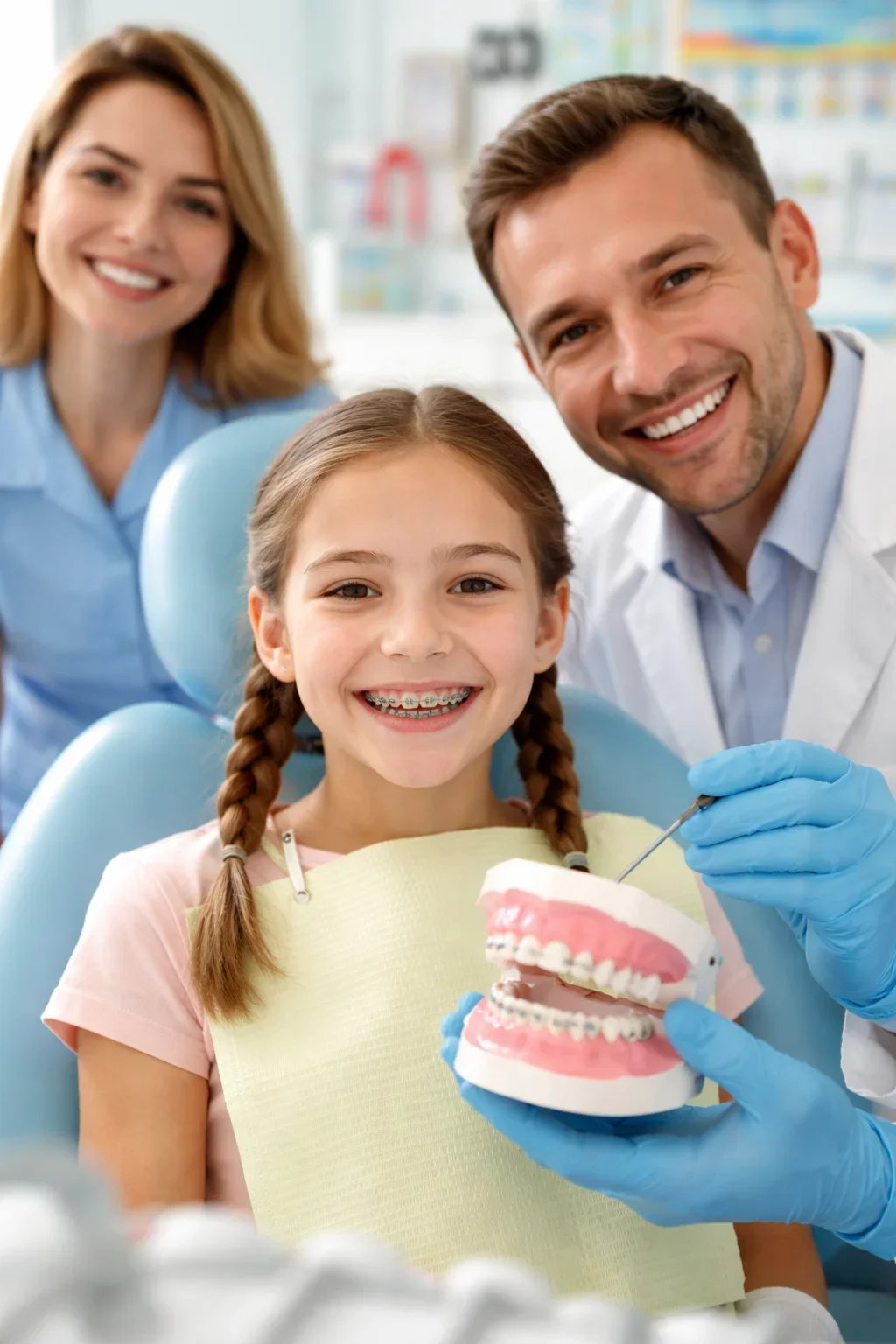
Choosing the Right Pediatric Orthodontic Specialist
Selecting the right professional for pediatric dental orthodontics is one of the most important decisions parents can make for their child’s oral health. A qualified specialist not only ensures effective treatment but also creates a positive experience that helps children feel comfortable and confident throughout the process. Pediatric dental orthodontics requires expertise, patience, and a child-friendly approach, making the choice of orthodontist critical for long-term success. 🦷👨⚕️
With many clinics and specialists available, parents may feel overwhelmed when choosing the best option. Understanding what to look for in a pediatric dental orthodontics provider helps simplify this decision and ensures that your child receives the highest standard of care.
Qualifications and Specialized Training
The first factor to consider in pediatric dental orthodontics is the orthodontist’s qualifications. A pediatric orthodontic specialist should have advanced training beyond general dentistry, focusing specifically on orthodontics and child development.
Look for professionals who have completed accredited orthodontic programs and have experience working with children. Pediatric dental orthodontics requires a deep understanding of growth patterns, dental development, and behavior management.
Why Specialized Training Matters
Children are not just small adults—their dental needs are unique. Pediatric dental orthodontics specialists are trained to handle these differences, ensuring safer and more effective treatment.
Experience with Pediatric Cases
Experience is another key factor in pediatric dental orthodontics. An orthodontist who regularly treats children will be more familiar with common issues and the best approaches for early intervention.
Pediatric dental orthodontics often involves managing developing teeth and jaws, which requires a different skill set compared to adult orthodontics. Experienced specialists can anticipate potential challenges and adjust treatment plans accordingly.
Track Record of Success
Parents should ask about previous cases and outcomes. Pediatric dental orthodontics providers with a strong track record are more likely to deliver consistent and successful results.
Child-Friendly Environment
A welcoming and child-friendly clinic environment is essential in pediatric dental orthodontics. Children may feel anxious about dental visits, so a comfortable setting helps ease their fears.
Pediatric dental orthodontics clinics often include colorful decor, engaging activities, and friendly staff trained to work with children. This environment makes visits more enjoyable and reduces stress.
Building Trust with Young Patients
Establishing trust is crucial in pediatric dental orthodontics. When children feel safe and understood, they are more likely to cooperate during treatment.
Use of Modern Technology
Advanced technology plays a significant role in pediatric dental orthodontics. Clinics that use digital imaging, 3D scanning, and modern treatment techniques can provide more accurate diagnoses and efficient treatment plans.
Pediatric dental orthodontics benefits greatly from these innovations, as they improve precision and reduce treatment time. Modern tools also enhance patient comfort and overall experience.
Benefits of Advanced Tools
Technology in pediatric dental orthodontics allows for better planning, fewer errors, and more predictable outcomes, ensuring optimal results for children.
Clear Communication and Transparency
Effective communication is a cornerstone of pediatric dental orthodontics. Parents should feel comfortable asking questions and receiving clear explanations about treatment options, costs, and expected outcomes.
A good pediatric dental orthodontics specialist will take the time to explain every step of the process, ensuring that both parents and children understand what to expect.
Involving Parents in Decisions
Pediatric dental orthodontics works best when parents are actively involved. Transparent communication builds trust and helps families make informed decisions.
Flexible Treatment Options
Every child is unique, and pediatric dental orthodontics should reflect that. A skilled specialist offers a variety of treatment options, including braces, aligners, and early intervention appliances.
Pediatric dental orthodontics providers who tailor treatment plans to individual needs are more likely to achieve successful outcomes. Flexibility ensures that each child receives the most appropriate care.
Personalized Treatment Plans
Customized care is essential in pediatric dental orthodontics. It ensures that treatment addresses the child’s specific dental structure and lifestyle.
Reviews and Recommendations
Parent reviews and recommendations can provide valuable insights into pediatric dental orthodontics providers. Online testimonials and word-of-mouth referrals help identify clinics with high patient satisfaction.
Pediatric dental orthodontics specialists with positive feedback are more likely to offer quality care and a pleasant experience.
What to Look for in Reviews
Look for comments about professionalism, friendliness, treatment success, and overall experience. These factors reflect the quality of pediatric dental orthodontics services.
Accessibility and Location
Convenience is an important consideration in pediatric dental orthodontics. Regular visits are required, so choosing a clinic that is easily accessible can make the process smoother for families.
Pediatric dental orthodontics appointments are more manageable when travel time is minimized, reducing stress for both parents and children.
Consistency in Appointments
Easy access to the clinic ensures that appointments are not missed, allowing pediatric dental orthodontics treatment to progress as planned.
Consultation and First Impression
The initial consultation provides an opportunity to evaluate the pediatric dental orthodontics specialist. Parents should assess how the orthodontist interacts with their child, explains treatment options, and addresses concerns.
A positive first impression often indicates a supportive and professional approach. Pediatric dental orthodontics requires a long-term relationship, so comfort and trust are essential.
Making the Final Decision
Parents should choose a pediatric dental orthodontics provider who combines expertise, compassion, and clear communication. This ensures a successful and stress-free experience.
Professional Support and Trusted Resources
If you are looking for expert guidance in pediatric dental orthodontics, you can consult professionals through the Redent Klinik Contact Page. Additionally, reliable information about orthodontic care can be found on the American Dental Association website.
Conclusion: Choosing the Best for Your Child’s Smile
Pediatric dental orthodontics is a significant investment in your child’s health and confidence. Choosing the right specialist ensures that treatment is effective, comfortable, and tailored to your child’s needs.
By considering qualifications, experience, environment, and communication, parents can make informed decisions and provide their children with the best possible care. Pediatric dental orthodontics, when guided by the right professional, leads to healthy, beautiful smiles that last a lifetime. 🌟