
Choosing the right dental care for a child is one of the most important health decisions a parent can make. Pediatric dentist medical care is a specialized branch of dentistry that focuses exclusively on the oral health, emotional well-being, and developmental needs of infants, children, and adolescents. Unlike general dentistry, this field combines medical knowledge, child psychology, and preventive strategies to ensure that a child’s dental experience is safe, effective, and positive from the very first visit 😊.
At its core, pediatric dentist medical care is not only about treating cavities or cleaning teeth. It is a medically guided approach designed to support a child’s overall growth, speech development, nutrition, and long-term oral health. Children’s mouths change rapidly, and each stage—from baby teeth to permanent teeth—requires precise medical oversight. A pediatric dental specialist is trained to recognize normal development as well as early warning signs of dental or systemic health issues.
One of the key goals of pediatric dentist medical care is prevention. Early dental visits allow professionals to identify risk factors such as enamel defects, jaw misalignment, or habits like thumb-sucking before they become serious problems. Preventive strategies may include fluoride applications, sealants, dietary guidance, and personalized oral hygiene education tailored to a child’s age and abilities 🦷. These measures significantly reduce the likelihood of complex treatments later in life.
Another defining feature of pediatric dentist medical services is their child-centered medical environment. Pediatric dental clinics are designed to be welcoming and non-threatening, helping children feel comfortable and secure. Medical behavior management techniques—such as positive reinforcement, tell-show-do methods, and gentle communication—are used to reduce anxiety and build trust. This approach not only improves cooperation during treatment but also shapes how children perceive healthcare for the rest of their lives.
From a medical standpoint, pediatric dentist medical professionals are trained to handle a wide range of health considerations. Many children have medical conditions such as asthma, diabetes, heart conditions, or developmental disorders that can affect dental treatment. Pediatric dental specialists understand how these conditions interact with oral health and how to safely modify treatment plans. This medical awareness ensures that dental care is both effective and risk-free.
Parents often underestimate how closely oral health is connected to overall health. In pediatric dentist medical practice, dentists monitor signs of nutritional deficiencies, sleep-related breathing disorders, and infections that may originate in the mouth but impact the entire body. Early detection of these issues can lead to timely referrals and coordinated care with pediatricians and other healthcare providers 🩺.
Education is another essential pillar of pediatric dentist medical care. Parents receive clear, practical guidance on brushing techniques, fluoride use, teething management, and injury prevention. Children, in turn, learn healthy habits in a way that feels fun rather than forced. This educational approach empowers families to actively participate in maintaining oral health between visits.
In modern healthcare, trust and accessibility matter. Clinics that specialize in pediatric dentist medical care often emphasize transparent communication, ethical treatment planning, and evidence-based practices supported by organizations such as the
American Dental Association. When parents need personalized guidance or wish to schedule a consultation, visiting a trusted clinic’s contact page—such as the
Redent Klinik Contact Page—can be the first step toward comprehensive care.
Ultimately, pediatric dentist medical care lays the foundation for a lifetime of healthy smiles. By addressing dental needs through a medical, preventive, and child-focused lens, this specialized field ensures that children grow up with strong teeth, healthy habits, and confidence in healthcare settings 🌟. Investing in the right pediatric dental care today can prevent pain, anxiety, and costly treatments in the future—making it one of the most valuable health decisions a parent can make.
What Is Pediatric Dentist Medical Care?
Pediatric dentist medical care refers to a specialized healthcare discipline that focuses on the diagnosis, prevention, and treatment of oral health conditions in children from infancy through adolescence. This field goes far beyond routine dental checkups. It integrates medical knowledge, developmental science, and child-focused care models to address the unique needs of growing patients 🧒🦷. Understanding what pediatric dentist medical care truly involves helps parents make informed decisions that positively affect their child’s long-term health.
The Medical Foundation of Pediatric Dental Care
Unlike general dentistry, pediatric dentist medical care is built on a strong medical foundation. Pediatric dental specialists complete additional years of training after dental school, focusing on child growth patterns, craniofacial development, pharmacology for children, and the management of pediatric medical conditions. This medical background allows them to safely treat children whose health profiles may be more complex than those of adults.
Children are not simply “small adults.” Their immune systems, bone structures, and pain responses differ significantly. In pediatric dentist medical practice, treatment plans are carefully adjusted according to age, weight, emotional maturity, and medical history. This ensures both safety and effectiveness, especially during procedures that may require local anesthesia or behavior guidance techniques.
Integration With General Pediatric Healthcare
A defining aspect of pediatric dentist medical care is its close integration with overall pediatric healthcare. Pediatric dentists often collaborate with pediatricians, orthodontists, speech therapists, and ENT specialists. Oral health issues such as jaw misalignment, delayed tooth eruption, or chronic mouth breathing can be early indicators of broader medical concerns. Early detection through pediatric dental visits can lead to timely medical intervention.
For example, conditions like sleep-disordered breathing or nutritional deficiencies may first be noticed during a pediatric dentist medical examination. This interdisciplinary approach ensures that children receive holistic care rather than isolated treatment of symptoms.
Preventive Focus in Pediatric Dentist Medical Practice
Prevention is the cornerstone of pediatric dentist medical care. Instead of waiting for dental problems to arise, pediatric dental professionals actively work to prevent disease before it starts. This includes early risk assessment for cavities, guidance on proper oral hygiene techniques, fluoride applications, dental sealants, and age-appropriate dietary counseling 🍎.
Preventive strategies are customized to each child. A toddler learning to brush requires a very different approach than a teenager with orthodontic appliances. In pediatric dentist medical settings, education is adapted to both the child and the parent, ensuring that healthy habits are reinforced at home as well as in the clinic.
Behavioral and Emotional Health Considerations
An often-overlooked component of pediatric dentist medical care is emotional and behavioral health. Dental anxiety can begin at a young age and persist into adulthood if not managed properly. Pediatric dental clinics are specifically designed to reduce fear through friendly environments, clear communication, and child-appropriate explanations of procedures 😊.
Medical behavior management techniques—such as positive reinforcement, gradual exposure, and tell-show-do—are standard in pediatric dentist medical practice. These methods help children feel safe and respected, which improves cooperation and reduces stress for both the child and the parent.
Why Pediatric Dentist Medical Care Is Different From Regular Dentistry
Many parents wonder why pediatric dentist medical care is necessary when general dentists also treat children. The difference lies in specialization. Pediatric dental professionals are trained to identify subtle developmental issues that may not be obvious to non-specialists. They also have experience managing children with special healthcare needs, including developmental delays, sensory sensitivities, or chronic illnesses.
This level of expertise ensures that care is not only technically correct but also developmentally appropriate. A filling, extraction, or preventive treatment performed under a pediatric dentist medical model takes into account how the child’s mouth will change over time, minimizing future complications.
Long-Term Benefits of Pediatric Dentist Medical Care
The impact of pediatric dentist medical care extends far beyond childhood. Early positive dental experiences increase the likelihood that individuals will continue regular dental visits as adults. Preventive care reduces the risk of tooth decay, gum disease, and costly restorative treatments later in life.
More importantly, children who receive consistent pediatric dentist medical care often develop a healthier relationship with healthcare in general. They learn that medical environments can be supportive rather than intimidating 🌟. This mindset contributes to better health outcomes across all areas of life.
In summary, pediatric dentist medical care is a comprehensive, medically informed approach to children’s oral health. By combining prevention, medical expertise, emotional support, and interdisciplinary collaboration, it provides a level of care specifically designed to help children grow up healthy, confident, and smiling.
Why Pediatric Dentist Medical Services Are Critical for Children
Children’s oral health plays a vital role in their overall physical, emotional, and social development. Pediatric dentist medical services are critical because they address dental care through a medically informed, child-specific approach that recognizes how rapidly children grow and change. From the eruption of the first baby tooth to the alignment of permanent teeth, every stage requires professional oversight that goes beyond basic dental cleaning 🦷.
Without proper pediatric dentist medical care, minor oral health issues can quickly escalate into serious medical and developmental problems. Tooth decay, gum infections, and bite irregularities do not only cause pain; they can interfere with eating, speaking, sleeping, and learning. Early intervention ensures that these risks are identified and managed before they affect a child’s quality of life.
Impact of Oral Health on Overall Child Development
One of the most important reasons pediatric dentist medical services are essential is the strong connection between oral health and overall development. Healthy teeth and gums support proper nutrition, as children need pain-free chewing to consume a balanced diet. Dental pain or untreated cavities may lead to poor eating habits, nutritional deficiencies, and even delayed growth.
Speech development is also closely linked to oral health. Misaligned teeth, missing teeth, or jaw abnormalities can affect pronunciation and clarity of speech. In pediatric dentist medical practice, dentists monitor these developmental milestones and intervene early when issues are detected. This proactive approach helps prevent long-term communication difficulties.
Psychological and Social Effects of Dental Health
Children are highly sensitive to discomfort and appearance-related concerns. Dental pain or visible tooth problems can lower self-esteem and cause social withdrawal. Pediatric dentist medical professionals understand these psychological factors and approach care with empathy and reassurance 😊. Creating positive dental experiences helps children feel confident and secure.
A child who feels comfortable smiling, speaking, and interacting with peers is more likely to thrive socially. Pediatric dentist medical services support not only physical health but also emotional well-being by preventing avoidable dental issues that can negatively affect a child’s confidence.
Early Detection and Prevention of Serious Conditions
Another critical function of pediatric dentist medical care is early detection. Many serious dental and medical conditions begin with subtle symptoms that are easy to miss without specialized training. Pediatric dental specialists are trained to recognize early signs of enamel defects, abnormal tooth eruption, jaw growth problems, and oral infections.
Early diagnosis allows for minimally invasive treatments and preventive strategies rather than complex procedures later. For example, identifying a high cavity risk early may lead to targeted fluoride therapy and dietary counseling instead of fillings or extractions. This preventive focus is a defining feature of pediatric dentist medical care 🌱.
Managing Medical Conditions That Affect Dental Care
Many children live with medical conditions such as asthma, allergies, diabetes, or congenital heart issues. These conditions can directly influence oral health and dental treatment planning. Pediatric dentist medical professionals are trained to adapt care safely for children with special medical needs, ensuring that treatments do not interfere with existing health conditions.
This medical awareness reduces risks and ensures that children receive comprehensive, coordinated care. Parents can feel confident knowing that their child’s dental treatment aligns with their overall medical profile.
Building Lifelong Healthy Habits Through Pediatric Care
One of the long-term benefits of pediatric dentist medical services is habit formation. Children who receive consistent, positive dental care are more likely to maintain good oral hygiene practices into adulthood. Pediatric dentists teach age-appropriate brushing and flossing techniques, making oral care feel achievable rather than overwhelming.
Parents also benefit from this educational approach. Pediatric dentist medical visits provide guidance on diet, oral hygiene routines, and injury prevention, empowering families to actively protect their child’s health at home 🏠.
Reducing Dental Anxiety and Future Healthcare Avoidance
Dental fear often begins in childhood and can persist for decades. Pediatric dentist medical services prioritize anxiety reduction through gentle communication, child-friendly environments, and gradual exposure to dental procedures. These strategies help children associate dental visits with safety rather than fear.
When children grow up with positive dental experiences, they are less likely to avoid healthcare as adults. This has profound implications for long-term health outcomes, as regular preventive care reduces the risk of serious dental and medical complications later in life.
In conclusion, pediatric dentist medical services are critical because they protect children during their most vulnerable stages of development. By combining medical expertise, preventive care, emotional support, and education, pediatric dental professionals ensure that children grow up healthier, happier, and better prepared for lifelong wellness 🌟.
Medical Training and Qualifications of a Pediatric Dentist
The effectiveness and safety of pediatric dentist medical care are rooted in the extensive training and qualifications that pediatric dentists undergo. Many parents assume that all dentists receive the same education, but pediatric dentistry is a highly specialized medical discipline. Understanding this training helps explain why pediatric dentist medical professionals are uniquely equipped to care for children’s oral and overall health 🩺.
A pediatric dentist is first trained as a general dentist, completing a rigorous dental school program focused on oral biology, pathology, diagnostics, and clinical procedures. However, pediatric dentist medical expertise begins after this foundational education, with advanced specialization dedicated entirely to infants, children, and adolescents.
Advanced Education Beyond Dental School
After earning a dental degree, pediatric dentists complete an additional two to three years of full-time residency training. This advanced education is what transforms a general dentist into a pediatric dentist medical specialist. During residency, dentists receive intensive instruction in child development, pediatric medicine, and growth-related dental conditions.
This training includes hands-on clinical experience in hospitals, pediatric clinics, and specialized dental centers. Pediatric dentist medical residents treat a wide range of cases, from routine preventive care to complex medical-dental conditions. They learn how to safely manage young patients with chronic illnesses, congenital disorders, and special healthcare needs.
Medical Knowledge Integrated Into Dental Practice
A defining feature of pediatric dentist medical training is the integration of medical knowledge into dental decision-making. Pediatric dentists study pediatric pharmacology, which teaches them how medications affect children differently than adults. This is crucial when administering local anesthesia, prescribing antibiotics, or managing pain safely.
Additionally, pediatric dentist medical specialists are trained to recognize how systemic health issues—such as heart conditions, immune disorders, or respiratory problems—can influence dental treatment. This medical awareness significantly reduces risk and ensures that dental care supports, rather than compromises, a child’s overall health.
Specialized Training in Behavior and Anxiety Management
Children often experience fear or anxiety during medical visits, and dental appointments can be particularly challenging. Pediatric dentist medical education places strong emphasis on behavior management techniques specifically designed for children. These methods are evidence-based and focus on building trust rather than using force or intimidation.
Techniques such as tell-show-do, positive reinforcement, voice modulation, and distraction are standard components of pediatric dentist medical training 😊. Dentists learn how to communicate complex procedures in child-friendly language, helping young patients feel informed and safe.
Care for Children With Special Healthcare Needs
One of the most important aspects of pediatric dentist medical qualifications is training in special needs dentistry. Children with autism spectrum disorders, developmental delays, sensory sensitivities, or physical disabilities require customized approaches to dental care. Pediatric dental specialists are trained to adapt environments, communication styles, and treatment plans to meet these needs.
This specialized training ensures that no child is excluded from quality dental care due to medical or developmental challenges. It also gives parents confidence that their child is being treated by a professional who understands their unique situation.
Board Certification and Ongoing Professional Development
Many pediatric dentists pursue board certification to further demonstrate their expertise in pediatric dentist medical care. Board certification involves comprehensive examinations, peer evaluations, and a commitment to maintaining the highest standards of clinical practice. While not mandatory, it reflects a strong dedication to excellence.
Education does not stop after residency. Pediatric dentist medical professionals are required to complete continuing education throughout their careers. This ensures they stay current with the latest research, technologies, and best practices in pediatric oral healthcare 🦷.
Collaboration With Other Medical Professionals
Another key qualification of pediatric dentist medical specialists is their ability to work within a broader healthcare team. Pediatric dentists often collaborate with pediatricians, orthodontists, oral surgeons, and other specialists. This interdisciplinary approach ensures comprehensive care, especially for children with complex medical needs.
Through collaboration, pediatric dentist medical providers can coordinate treatment plans that align with a child’s overall health strategy. This level of integration is rarely found in general dental practice and highlights the medical depth of pediatric dentistry.
In summary, the medical training and qualifications behind pediatric dentist medical care are extensive and highly specialized. From advanced education and hospital-based experience to behavioral management and interdisciplinary collaboration, pediatric dentists are uniquely prepared to support children’s oral and overall health 🌟. This expertise is what makes pediatric dentist medical care a critical investment in a child’s healthy future.
Pediatric Dentist Medical vs General Dentist: Key Differences
Many parents wonder whether their child truly needs a specialist or if a general dentist is sufficient. Understanding the differences between pediatric dentist medical care and general dentistry is essential for making an informed healthcare decision. While both professionals play valuable roles in oral health, their training, approach, and scope of care differ significantly—especially when it comes to children 🧒.
At a glance, both pediatric dentists and general dentists diagnose and treat dental issues. However, pediatric dentist medical care is specifically designed around the biological, emotional, and developmental needs of children. This specialization impacts everything from clinical decision-making to communication style and treatment environment.
Differences in Education and Medical Training
The most fundamental difference lies in education. A general dentist completes dental school and is trained to treat patients of all ages. In contrast, a pediatric dentist completes additional years of advanced training focused entirely on child health. This extended education forms the backbone of pediatric dentist medical expertise.
During specialized training, pediatric dental professionals study child growth patterns, pediatric medicine, behavior management, and special needs care. This medical emphasis allows pediatric dentist medical specialists to safely treat children whose oral health is closely linked to systemic conditions such as asthma, heart disease, or developmental disorders.
Understanding Growth and Development
Children’s mouths are constantly changing. Tooth eruption, jaw growth, and facial development follow predictable—but delicate—patterns. Pediatric dentist medical professionals are trained to monitor these changes closely and intervene when development deviates from the norm.
General dentists may treat children successfully, but they are not specifically trained to identify subtle developmental red flags early. Pediatric dentist medical care focuses on anticipating future issues rather than simply responding to current problems.
Approach to Child Behavior and Emotional Needs
One of the most noticeable differences between pediatric dentist medical care and general dentistry is the approach to behavior and emotions. Children often feel anxious or fearful in medical environments, and pediatric dentists are trained to manage these emotions effectively.
Pediatric dental clinics use child-friendly language, visual explanations, and positive reinforcement techniques 😊. These methods are not optional add-ons; they are a core part of pediatric dentist medical training. The goal is to create a safe, supportive experience that builds trust rather than fear.
Reducing Dental Anxiety Long-Term
A negative dental experience in childhood can lead to lifelong dental anxiety. Pediatric dentist medical professionals prioritize gentle care and emotional reassurance, helping children develop a healthy relationship with healthcare. This preventive emotional care is rarely emphasized in general dental practice.
By reducing anxiety early, pediatric dentist medical care supports better long-term oral health behaviors and more consistent dental attendance into adulthood.
Clinical Environment and Equipment
The physical environment also differs significantly. Clinics specializing in pediatric dentist medical care are designed with children in mind. Smaller dental instruments, colorful décor, and engaging distractions help children feel at ease.
Treatment rooms are often adapted for parents to stay close, which provides emotional comfort and improves cooperation. This environment supports safer and more effective treatment, particularly for very young children or those with special healthcare needs.
Scope of Care and Preventive Focus
While general dentists often focus on treating existing dental issues, pediatric dentist medical care places stronger emphasis on prevention and long-term planning. Pediatric dentists actively assess cavity risk, dietary habits, oral hygiene routines, and developmental milestones.
Preventive measures such as sealants, fluoride applications, and customized education plans are central to pediatric dentist medical practice. These interventions reduce the need for invasive procedures later and protect a child’s developing teeth.
Managing Special Healthcare Needs
Children with special medical or developmental needs require tailored care. Pediatric dentist medical specialists are trained to modify treatment techniques, appointment length, and communication styles to meet these needs safely and respectfully.
This level of adaptability is often beyond the scope of general dentistry and highlights why pediatric dentist medical care is essential for many families.
Which Is the Right Choice for Your Child?
While general dentists can provide basic care for children, pediatric dentist medical specialists offer a depth of expertise specifically designed for growing bodies and minds. For infants, toddlers, children with anxiety, or those with medical conditions, pediatric dental care is often the safest and most effective option.
In summary, the difference between pediatric dentist medical care and general dentistry lies in specialization, medical integration, and child-centered practice 🌟. Choosing a pediatric dentist means choosing a professional trained to protect not only your child’s teeth but also their overall health and emotional well-being during critical stages of development.
Common Treatments in Pediatric Dentist Medical Practice
Pediatric dentist medical practice covers a wide range of treatments designed specifically for children’s oral health needs at different stages of growth. These treatments are not simply smaller versions of adult procedures; they are medically adapted, developmentally appropriate, and focused on prevention as much as treatment 🦷. Understanding these common services helps parents know what to expect and why specialized pediatric care is so important.
In pediatric dentist medical settings, treatment planning always considers a child’s age, medical history, emotional maturity, and oral development. The goal is to protect both immediate dental health and long-term growth, ensuring that today’s treatments do not create problems in the future.
Preventive Treatments in Pediatric Dentist Medical Care
Prevention is the foundation of pediatric dentist medical practice. The most common preventive treatments aim to stop dental problems before they start, reducing pain, cost, and anxiety later in life.
Dental Cleanings and Oral Examinations
Routine cleanings and exams are essential components of pediatric dentist medical care. These visits remove plaque and tartar buildup while allowing the dentist to monitor tooth eruption, jaw growth, and gum health. Regular examinations also help detect early signs of cavities or developmental concerns before they become serious issues.
During these visits, pediatric dentist medical professionals also educate both children and parents on proper brushing and flossing techniques, tailored to the child’s age and abilities 😊.
Fluoride Treatments and Dental Sealants
Fluoride treatments strengthen enamel and make teeth more resistant to decay. In pediatric dentist medical practice, fluoride is applied carefully based on a child’s risk level, diet, and water exposure.
Dental sealants are another highly effective preventive treatment. These thin protective coatings are applied to the chewing surfaces of molars, where cavities most often develop. Sealants can reduce cavity risk significantly and are a standard recommendation in pediatric dentist medical care.
Restorative Treatments for Children
When prevention is not enough, pediatric dentist medical professionals provide restorative treatments designed to preserve tooth structure and support healthy development.
Fillings for Baby and Permanent Teeth
Cavities are common in children, but treating them early is critical. Pediatric dentist medical specialists use child-safe materials and techniques to restore decayed teeth while minimizing discomfort. Fillings are shaped to accommodate future growth and ensure proper bite alignment.
Treating cavities promptly prevents infection and protects surrounding teeth, reducing the likelihood of more invasive procedures later.
Pediatric Crowns
When decay is extensive, pediatric crowns may be necessary. In pediatric dentist medical practice, crowns are commonly used to restore severely damaged baby teeth and maintain space for permanent teeth. These crowns are durable, safe, and designed specifically for children’s mouths.
Preserving baby teeth is medically important, as early tooth loss can affect speech, chewing, and jaw development.
Developmental and Growth-Related Treatments
A unique aspect of pediatric dentist medical care is its focus on monitoring and guiding oral development. Dentists regularly assess tooth eruption patterns and jaw growth to identify potential orthodontic or developmental concerns.
Space Maintainers
If a baby tooth is lost prematurely due to decay or injury, a space maintainer may be used. This small appliance prevents neighboring teeth from shifting and blocking the eruption of permanent teeth. Space maintainers are a common tool in pediatric dentist medical treatment planning.
By preserving proper spacing, these devices help prevent complex orthodontic problems later.
Emergency and Trauma Care
Children are active, and dental injuries are common. Pediatric dentist medical practices are trained to handle dental trauma such as chipped, fractured, or knocked-out teeth. Prompt treatment is essential to reduce pain and preserve tooth function.
Emergency care also includes managing infections or abscesses that may pose risks beyond the mouth. Pediatric dentist medical professionals recognize when urgent treatment or referral is necessary to protect a child’s overall health 🚑.
Behavioral and Anxiety-Sensitive Treatments
Many children feel anxious about dental procedures. Pediatric dentist medical care incorporates behavior management techniques to ensure treatments are as stress-free as possible. These may include gradual desensitization, clear explanations, and positive reinforcement.
For children with significant anxiety or special healthcare needs, treatment plans are carefully adjusted to ensure safety, comfort, and cooperation. This compassionate approach is a defining feature of pediatric dentist medical practice.
In summary, the treatments provided in pediatric dentist medical practice are comprehensive, preventive, and developmentally focused 🌟. From routine cleanings to emergency care, every procedure is designed to protect children’s oral health while supporting their overall growth and well-being. This specialized approach ensures that children receive the right care at the right time, setting the stage for a lifetime of healthy smiles.
How Pediatric Dentist Medical Care Supports Child Development
Child development is a complex process that involves physical growth, emotional maturity, communication skills, and social confidence. Pediatric dentist medical care plays a surprisingly important role in this process by ensuring that oral health develops in harmony with the rest of the body. Teeth, jaws, and oral muscles are directly involved in eating, speaking, breathing, and facial growth—functions that are essential during childhood 🧒.
When oral health is neglected, developmental delays or complications may occur. Pediatric dentist medical professionals are trained to recognize how dental conditions intersect with broader developmental milestones, allowing them to support healthy growth from infancy through adolescence.
Supporting Proper Nutrition and Physical Growth
Nutrition is a cornerstone of child development, and healthy teeth are essential for proper chewing and digestion. Pediatric dentist medical care helps ensure that children can eat a varied and nutritious diet without pain or discomfort. Untreated cavities, gum inflammation, or tooth sensitivity can cause children to avoid certain foods, leading to nutritional imbalances.
Through regular assessments, pediatric dentist medical specialists identify dental issues that may interfere with eating and address them early. They also provide dietary guidance to parents, helping them understand how sugar intake, acidic foods, and feeding habits affect both oral and overall health 🍎.
Preventing Growth Disruptions Caused by Oral Pain
Chronic dental pain can disrupt sleep, appetite, and daily activity. Pediatric dentist medical care aims to eliminate pain sources quickly and safely, preventing negative effects on growth and energy levels. Children who sleep well and eat comfortably are more likely to grow and develop as expected.
Role in Speech and Communication Development
Speech development is closely linked to oral structures such as teeth, tongue, and jaw. Misaligned teeth, missing teeth, or abnormal jaw growth can affect pronunciation and clarity of speech. In pediatric dentist medical practice, dentists monitor these structures as part of routine care.
Early detection of issues allows for timely intervention, which may include guidance, habit correction, or referral to specialists such as orthodontists or speech therapists. Pediatric dentist medical care thus supports clear communication and helps children express themselves confidently 😊.
Managing Oral Habits That Affect Development
Habits like thumb-sucking, prolonged pacifier use, or mouth breathing can negatively influence dental and facial development. Pediatric dentist medical professionals are trained to identify these habits early and provide gentle, age-appropriate strategies to address them.
Correcting these behaviors at the right time helps prevent long-term orthodontic problems and supports healthy facial growth.
Emotional and Social Development Benefits
A child’s smile plays a powerful role in social interaction and self-esteem. Dental issues that affect appearance or cause bad breath can make children feel self-conscious or withdrawn. Pediatric dentist medical care focuses on maintaining a healthy, confident smile that supports positive social experiences.
Equally important is the emotional experience of dental visits themselves. Pediatric dentist medical environments are designed to reduce fear and build trust, helping children feel safe in healthcare settings. Positive experiences during childhood often translate into better emotional resilience and openness to medical care later in life 🌟.
Monitoring Jaw and Facial Growth
Jaw alignment and facial symmetry develop rapidly during childhood. Pediatric dentist medical professionals regularly assess how the upper and lower jaws grow in relation to each other. Early identification of bite issues or asymmetries allows for timely guidance or referral for orthodontic evaluation.
By monitoring growth patterns, pediatric dentist medical care helps prevent complex orthodontic problems and supports balanced facial development.
Breathing and Sleep Considerations
Oral health also affects breathing and sleep quality. Mouth breathing, narrow arches, or enlarged tonsils may be linked to sleep-disordered breathing. Pediatric dentist medical specialists are trained to recognize these signs and recommend further evaluation when necessary.
Healthy sleep is critical for cognitive development, emotional regulation, and physical growth. Addressing oral factors that affect breathing supports overall developmental health.
Long-Term Developmental Impact
The benefits of pediatric dentist medical care extend far beyond childhood. By supporting proper nutrition, speech, emotional well-being, and facial growth, pediatric dental care lays the foundation for a healthier adolescence and adulthood.
Children who grow up with consistent pediatric dentist medical support are more likely to maintain good oral hygiene habits, seek preventive care, and approach healthcare with confidence. This holistic influence makes pediatric dentistry an essential component of comprehensive child development.
In summary, pediatric dentist medical care supports child development in multiple interconnected ways 🦷. By safeguarding oral health during critical growth periods, pediatric dental professionals help children thrive physically, emotionally, and socially—setting the stage for a lifetime of well-being.
When Should a Child First Visit a Pediatric Dentist?
One of the most common questions parents ask is when their child should first see a dentist. According to modern healthcare standards, pediatric dentist medical care should begin much earlier than many people expect. Early dental visits are not only safe but medically necessary to ensure healthy oral development from the very beginning 🧒🦷.
The timing of the first visit plays a crucial role in prevention, early diagnosis, and habit formation. Pediatric dentist medical professionals recommend proactive care rather than waiting for visible problems or pain to appear. Early visits help establish a strong foundation for lifelong oral and overall health.
The Recommended Age for the First Dental Visit
Most pediatric health authorities agree that a child’s first dental visit should take place by their first birthday or within six months of the eruption of the first tooth—whichever comes first. This guideline is central to pediatric dentist medical practice because early tooth eruption marks the beginning of potential cavity risk.
At this stage, the visit is primarily educational and preventive. Pediatric dentist medical specialists assess early oral development, examine gum health, and provide parents with guidance on proper cleaning techniques, feeding habits, and fluoride use 😊.
Why Waiting Too Long Can Be Risky
Delaying the first dental visit until problems arise can lead to unnecessary pain and more complex treatments. Tooth decay can begin as soon as teeth emerge, especially if feeding practices or oral hygiene routines are not optimal. Pediatric dentist medical care focuses on identifying these risks early to prevent disease rather than reacting to it.
Early visits also help children become familiar with the dental environment before fear or anxiety develops.
What Happens During the First Pediatric Dental Visit?
The first pediatric dentist medical visit is typically gentle, brief, and informative. The dentist will examine the child’s mouth to check tooth eruption, jaw development, and gum health. Parents are encouraged to ask questions and discuss any concerns they may have.
This visit often includes guidance on brushing techniques, teething discomfort, thumb-sucking, pacifier use, and nutrition. Pediatric dentist medical professionals tailor advice to the child’s age and developmental stage, ensuring that parents feel confident caring for their child’s oral health at home 🏠.
Creating a Positive First Experience
A key goal of pediatric dentist medical care is to create a positive emotional experience from the very first visit. Pediatric dental clinics are designed to be welcoming and non-intimidating, helping children associate dental care with safety and comfort.
This early positive exposure significantly reduces the risk of dental anxiety later in life.
Follow-Up Visits and Ongoing Care
After the first appointment, most children should visit a pediatric dentist every six months, unless otherwise recommended. Regular visits allow pediatric dentist medical professionals to monitor growth, track changes, and adjust preventive strategies as needed.
These routine appointments help identify issues such as early cavities, bite irregularities, or harmful oral habits before they progress. Consistency is key in pediatric dentist medical care, as children’s mouths change rapidly during growth phases.
Special Circumstances Requiring Earlier Visits
Some children may benefit from earlier or more frequent pediatric dentist medical visits. Factors such as premature birth, enamel defects, special healthcare needs, or a family history of severe dental decay may increase risk.
In these cases, pediatric dentist medical specialists develop customized care plans to ensure close monitoring and timely intervention. Early professional guidance can significantly reduce complications and improve outcomes 🌟.
Dental Injuries and Emergency Visits
Children are active, and accidents happen. Falls or impacts that affect the mouth may require immediate pediatric dentist medical evaluation, regardless of age. Prompt assessment helps preserve teeth and prevent long-term damage.
Knowing when to seek emergency care is an important part of parental education in pediatric dentistry.
Long-Term Benefits of Early Pediatric Dental Visits
Starting pediatric dentist medical care early offers long-term benefits that extend beyond oral health. Children who begin dental visits early are more likely to maintain regular care routines, experience fewer cavities, and feel comfortable in healthcare settings.
Early visits also empower parents with knowledge and confidence, enabling them to support their child’s health more effectively. This partnership between families and pediatric dentist medical professionals is essential for preventive success.
In summary, the first visit to a pediatric dentist should happen early—and for good reason. Pediatric dentist medical care from infancy supports healthy development, prevents disease, and builds positive lifelong habits 🦷. By starting early, parents give their children one of the strongest foundations for a healthy smile and overall well-being.
Pediatric Dentist Medical Anxiety Management for Kids
Dental anxiety is one of the most common barriers to consistent oral healthcare in children. Pediatric dentist medical care places strong emphasis on recognizing, preventing, and managing fear in a way that protects both emotional and physical well-being. Anxiety in childhood does not just affect one appointment—it can shape a child’s attitude toward healthcare for life. That is why anxiety management is a core medical component of pediatric dentistry, not an optional add-on 😊.
Children experience fear differently than adults. Loud sounds, unfamiliar tools, loss of control, and previous negative experiences can all trigger anxiety. Pediatric dentist medical professionals are trained to understand these triggers and respond with evidence-based strategies that reduce stress and build trust from the very first visit.
Why Dental Anxiety Develops in Children
Dental anxiety often begins early and may stem from fear of pain, separation from parents, or misunderstanding what will happen during treatment. In some cases, anxiety is linked to broader medical sensitivity or sensory processing challenges. Pediatric dentist medical care acknowledges these factors rather than dismissing them.
Children who feel rushed, unheard, or overwhelmed are more likely to develop long-term dental fear. Pediatric dentist medical specialists are trained to slow the process down, explain procedures in child-friendly terms, and adapt care to the child’s emotional readiness 🧒.
The Role of Early Experiences
First impressions matter. A child’s initial dental visit often sets the tone for future care. Pediatric dentist medical practices focus on creating positive early experiences, even if no treatment is needed. Familiarity with the environment, staff, and routine helps normalize dental visits and reduces fear.
By preventing traumatic early encounters, pediatric dentist medical care lowers the risk of anxiety becoming deeply ingrained.
Behavior Management Techniques in Pediatric Dentistry
One of the defining features of pediatric dentist medical care is the use of structured, compassionate behavior management techniques. These methods are supported by pediatric psychology and are designed to guide children through care safely and calmly.
Tell-Show-Do and Positive Reinforcement
Tell-show-do is a cornerstone technique in pediatric dentist medical practice. The dentist first explains what will happen using simple language, then shows the tool or action in a non-threatening way, and finally performs the procedure. This step-by-step approach reduces uncertainty and fear.
Positive reinforcement—such as praise or encouragement—helps children associate dental care with success rather than stress 🌟.
Distraction and Sensory Adaptation
Many pediatric dentist medical clinics use distraction techniques such as storytelling, visual cues, or calming sounds to shift focus away from procedures. For children with sensory sensitivities, lighting, noise, and tactile input may be adjusted to reduce overload.
These adaptations make dental care accessible to a wider range of children, including those with anxiety disorders or developmental differences.
Parental Involvement and Emotional Support
Parents play a crucial role in anxiety management. Pediatric dentist medical professionals guide parents on how to prepare their child for visits without increasing fear. Calm language, honesty without alarm, and avoiding negative stories are key strategies.
In many cases, parents are encouraged to remain nearby during appointments, especially for younger children. Familiar presence can provide emotional security and improve cooperation.
Medical Approaches to Severe Dental Anxiety
Some children experience anxiety that cannot be managed through behavioral techniques alone. In these cases, pediatric dentist medical care may include medically supervised options such as minimal sedation or advanced behavior guidance, always prioritizing safety and necessity.
These approaches are used judiciously and only when clearly indicated. Pediatric dentist medical specialists are trained to assess risks, obtain informed consent, and ensure that any medical intervention supports the child’s long-term well-being.
Children With Special Healthcare Needs
Children with autism spectrum disorders, trauma histories, or chronic medical conditions may require individualized anxiety management plans. Pediatric dentist medical professionals are trained to adapt communication, scheduling, and treatment pacing to meet these needs.
This personalized care ensures that every child—regardless of emotional or medical complexity—can receive safe and respectful dental treatment.
Long-Term Benefits of Anxiety-Sensitive Dental Care
Effective anxiety management in pediatric dentist medical care has lasting benefits. Children who feel safe and respected are more likely to attend regular checkups, comply with treatment, and maintain healthy habits into adulthood.
Reducing fear also improves clinical outcomes. Calm children are easier to treat, procedures are safer, and the overall experience is more positive for families and providers alike 🦷.
In conclusion, managing dental anxiety is a fundamental responsibility of pediatric dentist medical care. Through emotional awareness, behavioral techniques, parental collaboration, and medical expertise, pediatric dental professionals help children overcome fear and build confidence. This compassionate approach not only protects oral health but also supports emotional resilience and lifelong trust in healthcare.
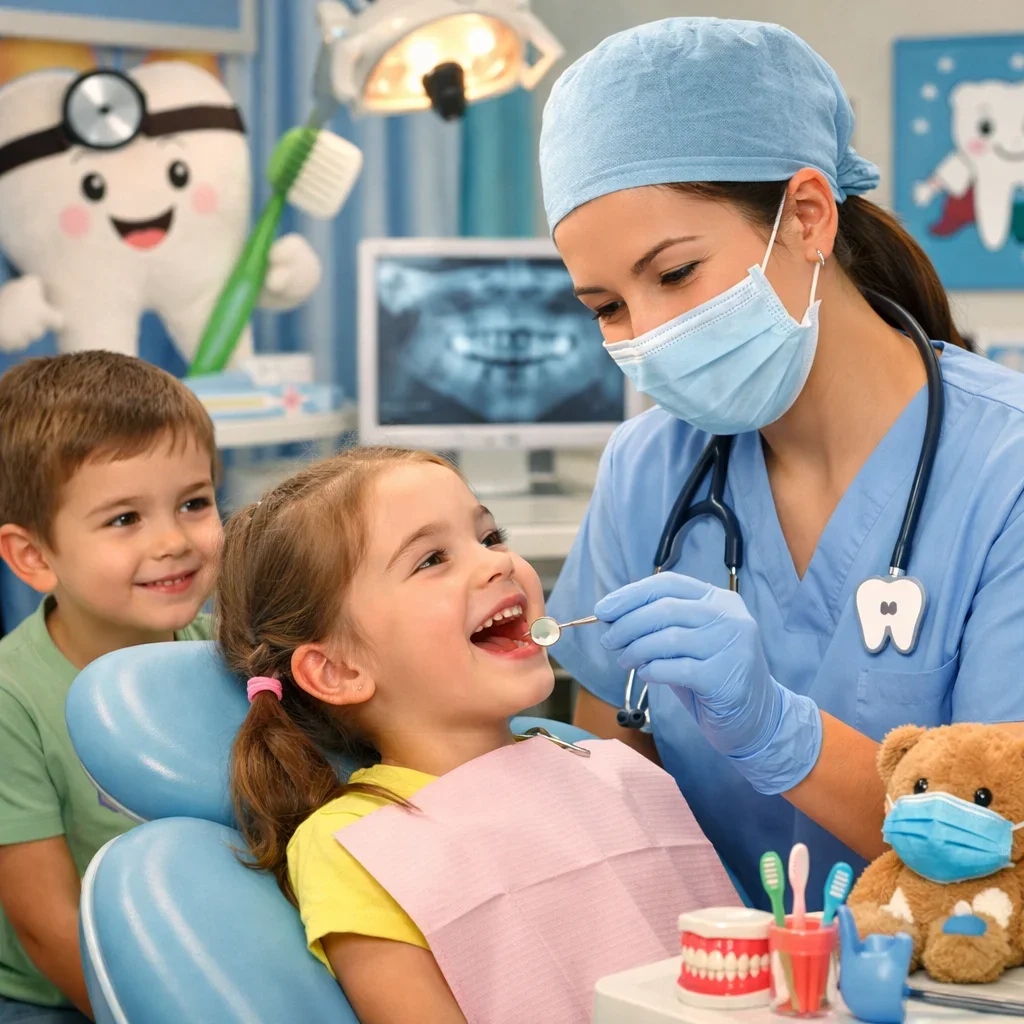
Choosing the Right Pediatric Dentist Medical Clinic
Selecting the right clinic is one of the most important decisions parents make for their child’s long-term oral and overall health. A pediatric dentist medical clinic is not just a place for routine checkups—it is a medically guided environment where prevention, safety, emotional comfort, and development are addressed together. Choosing wisely ensures that your child receives care that is age-appropriate, medically sound, and emotionally supportive 🧒🦷.
Because children’s dental needs change rapidly as they grow, the clinic you choose should be equipped to support every stage of development. Understanding what truly defines a high-quality pediatric dentist medical clinic helps parents avoid common mistakes and feel confident in their decision.
Medical Expertise and Professional Credentials
The first and most critical factor when choosing a pediatric dentist medical clinic is the professional qualifications of the dental team. Pediatric dentists should have advanced training beyond dental school, specifically in pediatric dentistry and child-focused medical care.
Parents should look for clinics where pediatric dentists clearly communicate their training, experience, and approach to care. A strong pediatric dentist medical clinic prioritizes evidence-based practices, continuous education, and adherence to recognized healthcare standards.
Experience With Complex and Special Healthcare Needs
Not all children have the same medical or emotional profiles. Some may have chronic illnesses, developmental differences, or heightened anxiety. A reputable pediatric dentist medical clinic should demonstrate experience in treating children with diverse needs.
Clinics that openly discuss how they adapt care for medically or developmentally complex children show a higher level of preparedness and compassion.
Child-Centered Environment and Clinic Design
The physical and emotional environment of a clinic plays a major role in how children perceive dental care. A well-designed pediatric dentist medical clinic is intentionally structured to reduce fear and promote comfort.
Bright, welcoming spaces, child-sized equipment, and friendly staff help children feel safe. These elements are not cosmetic—they are part of a medically informed approach to anxiety reduction and behavioral support 😊.
Communication Style and First Impressions
From the first phone call or visit, communication matters. A high-quality pediatric dentist medical clinic speaks to children at their level and treats parents as partners in care. Staff should be patient, transparent, and willing to answer questions thoroughly.
Clear communication builds trust, which is essential for long-term cooperation and successful preventive care.
Preventive Philosophy and Long-Term Planning
One of the hallmarks of an excellent pediatric dentist medical clinic is a strong preventive philosophy. Rather than focusing solely on treating problems, the clinic should emphasize early detection, education, and long-term oral health planning.
This includes regular risk assessments, personalized hygiene guidance, dietary counseling, and monitoring of growth and development. Preventive-focused pediatric dentist medical care reduces the need for invasive treatments and supports healthier outcomes over time 🌱.
Safety Standards and Medical Protocols
Safety is non-negotiable in pediatric care. A trusted pediatric dentist medical clinic follows strict infection control procedures, uses child-appropriate materials, and maintains clear medical protocols for emergencies.
If sedation or advanced behavior guidance is offered, the clinic should explain when and why these options are used, how risks are minimized, and what monitoring is in place. Transparency in medical protocols reflects professionalism and respect for patient safety.
Coordination With Other Healthcare Providers
A strong pediatric dentist medical clinic understands that oral health is part of a larger healthcare picture. Clinics that collaborate with pediatricians, orthodontists, and other specialists demonstrate a holistic approach to child health.
This coordination ensures that dental treatment aligns with the child’s overall medical needs and developmental goals.
Accessibility, Trust, and Parental Confidence
Practical considerations also matter. Appointment availability, emergency access, and clear communication channels all contribute to a positive experience. A reliable pediatric dentist medical clinic respects families’ time while maintaining high standards of care.
Most importantly, parents should trust their instincts. Feeling heard, respected, and informed is a strong indicator that a clinic prioritizes patient-centered care. Trust is the foundation of successful pediatric dentist medical relationships 🌟.
In conclusion, choosing the right pediatric dentist medical clinic requires careful evaluation of medical expertise, environment, preventive philosophy, and communication style. The right clinic becomes more than a place for dental visits—it becomes a partner in your child’s healthy development. By making a thoughtful choice, parents set the stage for positive experiences, strong oral health, and lifelong confidence in healthcare.