
Pediatric dentistry is a specialized branch of dental care dedicated to maintaining and improving the oral health of infants, children, and adolescents. It focuses not only on treating dental problems but also on preventing them before they begin. Parents often underestimate how crucial early dental care is for a child’s long-term oral health, yet studies show that dental habits formed in childhood can impact oral wellness for life. In this comprehensive guide, you’ll learn everything about pediatric dentistry, from its importance and methods to how it differs from general dentistry.
At its core, pediatric dentistry combines advanced clinical expertise with a gentle, child-centered approach. Pediatric dentists are specially trained to understand children’s dental growth and emotional needs, helping them feel comfortable during treatment. A pediatric dentist doesn’t just fill cavities — they educate both children and parents about proper brushing, nutrition, and preventive habits that protect teeth and gums. Their approach integrates psychology, education, and medical precision to make dental visits a positive experience for young patients.
Understanding the Importance of Pediatric Dentistry 🦷
Every parent wants their child to have a healthy and bright smile. However, baby teeth are often overlooked because they eventually fall out. The truth is, these early teeth play a vital role in guiding the permanent teeth into proper alignment and supporting speech development. Pediatric dentistry emphasizes caring for these primary teeth to prevent future complications such as crooked teeth, speech issues, and gum infections. By visiting a pediatric dentist regularly, parents can ensure that dental issues are identified early, reducing the need for complex treatments later on.
Beyond oral health, pediatric dental care also influences a child’s self-esteem and overall well-being. Children who suffer from untreated cavities or gum disease may experience pain, difficulty eating, and embarrassment when smiling or speaking. Regular dental visits empower children to take pride in their smile while reducing anxiety about future procedures. This proactive care model aligns perfectly with modern family dentistry principles promoted by the American Dental Association.
How Pediatric Dentistry Differs from General Dentistry
While both pediatric and general dentists share the same foundational dental education, pediatric dentistry goes a step further with specialized training in child psychology, behavior management, and developmental dentistry. Pediatric dentists receive an additional two to three years of education after dental school, focusing entirely on child-specific care. They are experts in dealing with teething discomfort, early tooth decay, orthodontic evaluation, and even managing dental anxiety.
Clinics focusing on pediatric dentistry are designed to be child-friendly, featuring colorful interiors, cartoons, and play areas that reduce fear. Procedures are conducted with small, child-appropriate instruments and techniques tailored to the needs of developing teeth and gums. In contrast, a general dentist may not have the same level of experience or tools specifically made for children. This makes pediatric specialists the safest and most effective choice for young patients.
Building Positive Habits Through Education
Pediatric dentists play a dual role: they treat dental problems and serve as educators for both parents and children. Teaching correct brushing techniques, emphasizing the importance of fluoride, and discussing the effects of sugary snacks are all part of their preventive strategy. These lessons help children adopt healthy routines early, reducing the risk of cavities and gum disease. Most experts recommend scheduling a child’s first dental visit by their first birthday or when the first tooth appears — whichever comes first. Establishing a dental routine early ensures consistent care and builds trust between the child and the dentist.
Why Early Dental Visits Are a Lifelong Investment
Early intervention through pediatric dentistry not only prevents decay but also helps identify developmental abnormalities in teeth and jaws. Orthodontic evaluations can start as early as age six to detect misalignments or bite issues. By addressing these concerns in childhood, parents can avoid expensive orthodontic treatments in the future. Moreover, early dental checkups encourage children to view oral care as a normal and positive part of life, fostering discipline and awareness about hygiene.
Partnering With a Pediatric Dentist
Parents looking to ensure their children’s oral health can easily find professional guidance through trusted clinics. For example, you can reach experienced pediatric dental specialists via the Redent Klinik Contact Page to schedule an appointment and receive personalized advice. A good pediatric dentist will always explain procedures in a child-friendly way, use non-threatening language, and reward positive behavior during visits — all of which make dental care enjoyable and effective.
Final Thoughts
Pediatric dentistry represents the foundation of lifelong oral health. It’s not just about fixing cavities; it’s about teaching, guiding, and nurturing children toward a lifetime of healthy smiles. By focusing on prevention, education, and compassion, pediatric dentists help shape future generations who value and maintain excellent oral hygiene. Whether it’s the first tooth or a teenager’s orthodontic checkup, pediatric dentistry ensures that every stage of development is supported with care, science, and a big smile. 😄
Common Dental Issues in Children and How to Prevent Them
In pediatric dentistry, understanding and preventing common dental issues in children is one of the top priorities. Children’s teeth are constantly developing, making them more vulnerable to cavities, gum inflammation, enamel defects, and alignment problems. Parents who recognize these risks early can help their children maintain healthy, bright smiles well into adulthood. This section explores the most common dental problems among kids, their causes, prevention methods, and professional treatments that make a lasting difference. 🦷
1. Tooth Decay (Cavities): The Most Common Problem in Pediatric Dentistry
Tooth decay is the number one reason children visit the dentist. It occurs when bacteria in the mouth feed on sugars and produce acids that erode tooth enamel. According to the American Dental Association, more than 40% of children experience cavities by age five. Poor brushing habits, frequent snacking, and sugary drinks are key culprits.
Prevention: The best way to prevent cavities is through daily brushing and flossing using fluoride toothpaste, along with regular dental checkups. Pediatric dentistry clinics also recommend professional fluoride treatments and dental sealants — thin protective coatings applied to molars — which can reduce the risk of decay by up to 80%. Limiting sticky candies and juices is another simple but powerful preventive step.
2. Gum Disease (Gingivitis and Early Periodontitis)
Many parents believe gum disease is an adult problem, but even children can develop gingivitis — the early stage of gum inflammation. The signs include red, swollen, or bleeding gums. Left untreated, it can progress into periodontitis, which may lead to tooth loss or misaligned permanent teeth. The role of pediatric dentistry here is vital because early detection and professional cleaning can reverse gingivitis completely.
Prevention: Teaching children to brush gently along the gumline and to rinse with antibacterial mouthwash helps prevent gum disease. Regular professional cleanings every six months remove plaque buildup that home brushing might miss. Balanced nutrition rich in vitamins A, C, and D also strengthens gum tissue.
3. Dental Trauma: Accidents and Injuries in Active Kids
Children love to explore, run, and play — and sometimes that leads to accidents. Dental trauma, such as chipped, cracked, or knocked-out teeth, is a frequent emergency handled in pediatric dentistry clinics. Sports injuries, playground falls, or biting down on hard objects are typical causes. Quick and appropriate action can often save the affected tooth.
What to Do in Case of Dental Injury
- If a permanent tooth is knocked out, gently rinse it and place it back in its socket or in milk until reaching a dentist.
- For chipped teeth, keep any broken fragments and seek dental care immediately.
- Apply a cold compress to reduce swelling.
Specialized pediatric dental clinics can perform emergency restorations, bonding, or reimplantation when addressed promptly.
4. Malocclusion and Orthodontic Problems
Malocclusion refers to misaligned teeth or improper jaw positioning. It can cause chewing difficulties, speech issues, and even affect self-esteem. In pediatric dentistry, orthodontic evaluation begins early — usually around age six — to detect issues before they worsen. Early intervention allows dentists to guide jaw growth and correct bite patterns while the child is still developing.
Prevention: Avoiding habits like thumb sucking or prolonged pacifier use can significantly reduce the risk of malocclusion. Regular visits ensure that abnormal tooth eruption patterns are noticed and addressed promptly with space maintainers or early orthodontic appliances.
5. Tooth Eruption Problems
Tooth eruption refers to the process by which new teeth emerge through the gums. Sometimes, this process can be delayed or result in crooked positioning. Pediatric dentistry helps monitor these patterns and identify causes such as genetic factors, trauma, or lack of space in the jaw. When intervention is needed, dentists may remove obstacles, guide eruption paths, or recommend orthodontic evaluations to ensure normal development.
6. Enamel Hypoplasia and Weak Teeth
Some children are born with thinner enamel or develop enamel hypoplasia, a condition where the enamel doesn’t form correctly. This makes teeth more prone to decay and sensitivity. Pediatric dentistry addresses this through remineralization treatments, fluoride varnishes, and dietary guidance. Regular dental visits ensure these conditions are managed before cavities or fractures occur.
7. Oral Habits That Harm Dental Health
Habits like thumb sucking, tongue thrusting, and teeth grinding (bruxism) can alter a child’s bite and damage enamel. Pediatric dentists use positive reinforcement, habit-breaking appliances, and parent counseling to help stop these behaviors early. Addressing them in time prevents jaw misalignment and tooth wear.
8. Nutritional Deficiencies and Oral Health
Diet plays a major role in children’s oral wellness. A diet high in sugar and low in calcium or vitamin D weakens enamel and promotes decay. Pediatric dentistry professionals often guide parents toward balanced diets that include dairy, leafy greens, and whole grains to support strong teeth and bones. Hydration also matters — water helps wash away food particles and neutralize acids.
9. Preventive Pediatric Dentistry: The Best Long-Term Strategy
Ultimately, the key to protecting children’s teeth is prevention. Regular checkups every six months allow dentists to monitor growth, apply sealants, and detect issues early. Parents can support this at home by creating fun brushing routines, supervising flossing, and rewarding consistency. Visiting a trusted clinic such as Redent Klinik Contact Page ensures that professional care complements home routines effectively.
10. The Role of Parents and Dentists Together
Healthy smiles begin with teamwork between parents and dental professionals. When parents follow expert advice and schedule consistent visits, they create a foundation for lifelong oral health. Pediatric dentistry empowers families through education, prevention, and early intervention — helping children smile with confidence, comfort, and lasting health. 😄
With proactive care and professional support, every child can grow up cavity-free and develop a positive attitude toward dental visits. The secret lies not only in treating problems but in preventing them — the true goal of modern pediatric dentistry.
The First Dental Visit: When and What to Expect 🦷
The first dental visit is a major milestone in every child’s health journey, and it sets the tone for their lifelong relationship with dental care. In pediatric dentistry, early exposure to a dentist helps prevent fear, anxiety, and oral problems later in life. Experts recommend that a child’s first dental appointment occur either when the first tooth erupts or no later than the first birthday. This early visit allows both the dentist and the parents to build a foundation for preventive care and healthy habits that will last a lifetime.
The goal of pediatric dentistry during this first appointment is not to perform complex procedures but to make the child feel comfortable and safe. Parents often underestimate how valuable this initial experience is—it’s more than just a checkup; it’s an educational and psychological introduction to lifelong oral health.
1. The Right Age for the First Dental Visit
According to the American Dental Association, a baby’s first dental visit should happen by 12 months of age or within six months after the first tooth appears. Waiting longer increases the risk of early childhood cavities, also known as “baby bottle tooth decay.” Pediatric dentistry focuses on prevention, and early visits give dentists the opportunity to identify habits that could cause harm—such as thumb sucking, bottle feeding at night, or excessive juice consumption.
2. What Happens During the First Visit
Parents often wonder what actually happens at a child’s first dental appointment. In most cases, the dentist performs a gentle oral examination while the child sits on the parent’s lap. The dentist checks the number of teeth, examines the gums, evaluates jaw growth, and looks for any signs of decay or developmental abnormalities.
Pediatric dentistry appointments also include discussions about teething symptoms, fluoride use, and proper brushing techniques. The dentist will demonstrate how to clean the baby’s mouth and teeth using a soft cloth or small toothbrush. These practical lessons help parents confidently maintain their child’s oral hygiene at home.
Checklist for Parents Before the Visit:
- Schedule the appointment in the morning when the child is well-rested.
- Feed the child before the visit to prevent hunger-related irritability.
- Bring the child’s medical records or list of medications.
- Explain in positive, simple words what will happen (“The dentist will count your teeth”).
3. How Pediatric Dentists Create a Positive Experience
One of the greatest advantages of pediatric dentistry is the child-friendly atmosphere. Pediatric dental clinics are designed with bright colors, toys, and cartoons that help children feel at ease. The dentists themselves are trained in child psychology, allowing them to communicate in gentle, reassuring ways. They use a “tell-show-do” approach — explaining what they will do, demonstrating on a model or finger, and then performing it on the child. This builds trust and eliminates fear.
Some clinics also allow parents to stay in the room, which gives children a sense of safety. In other cases, dentists encourage children to interact independently to build confidence. The key is always making the experience enjoyable so that future visits are met with excitement rather than anxiety.
4. Educational Guidance for Parents
At the first appointment, the pediatric dentist takes time to educate parents about diet, oral hygiene, and developmental milestones. This is one of the pillars of pediatric dentistry. For example, parents learn about the dangers of frequent snacking, nighttime feeding, and sugary drinks, which can accelerate decay. The dentist may also discuss fluoride application and when to begin flossing, depending on how close the teeth are to each other.
It’s also common for the dentist to evaluate thumb sucking, pacifier use, and bottle feeding habits. If these behaviors continue past age three, they may affect jaw alignment and bite formation. Pediatric dentistry provides gentle habit correction strategies, including positive reinforcement and non-invasive orthodontic interventions when needed.
5. The Importance of Early Prevention
Early dental visits help prevent the most common oral diseases in children, such as cavities and gum irritation. Preventive pediatric dentistry services like fluoride varnishes, sealants, and regular cleaning can significantly reduce future treatment needs. Furthermore, early appointments establish a consistent dental routine — ensuring that professional checkups become a natural part of growing up.
In addition to prevention, pediatric dentists monitor facial and jaw growth patterns, ensuring that any developmental issues are detected early. If there are concerns about spacing, tooth eruption, or jaw positioning, timely intervention can minimize future orthodontic costs and discomfort.
6. Addressing Fear and Anxiety in Children
Fear of the dentist is common among children, but it can be completely avoided with proper early exposure. Pediatric dentistry incorporates behavioral techniques such as positive reinforcement, distraction, and parental presence to keep children calm. Using playful language — like calling dental tools “tooth ticklers” or “water sprayers” — transforms fear into curiosity. Some clinics even use interactive technology or cartoons to explain dental procedures in a fun and educational way.
Tips for Reducing Anxiety:
- Read storybooks about visiting the dentist together before the appointment.
- Reward positive behavior after each visit.
- Never use the dentist as a threat (“If you don’t brush, the dentist will give you a shot”).
- Choose a clinic that specializes in pediatric dentistry for a friendlier atmosphere.
7. Building a Lifelong Dental Routine
One of the ultimate goals of pediatric dentistry is to establish lifelong oral hygiene habits. The first dental visit helps set this foundation. When children associate the dentist with care and comfort, they are more likely to maintain consistent oral hygiene and regular checkups as adults. Parents can reinforce this by scheduling visits every six months and modeling good dental behavior at home.
8. Connecting With Professional Pediatric Dental Care
For parents who want trusted, expert care, it’s essential to partner with a reputable clinic. You can easily book your child’s first appointment through the Redent Klinik Contact Page. Here, highly qualified specialists provide gentle, personalized care designed for children. They focus on prevention, education, and creating a fun, fear-free dental environment that supports long-term oral health.
9. Final Thoughts
The first dental visit is much more than a brief checkup — it’s the beginning of a lifelong relationship with oral health. Through the principles of pediatric dentistry, parents can ensure their children grow up with healthy, strong, and confident smiles. By combining early education, preventive care, and emotional comfort, this visit lays the groundwork for positive dental experiences that will last a lifetime. 🌟
Modern Pediatric Dentistry Techniques and Technologies
Over the past decade, pediatric dentistry has undergone remarkable transformation thanks to advancements in technology and scientific research. Modern tools and digital innovations have made dental care for children more precise, comfortable, and even enjoyable. From digital X-rays to laser treatments and sedation options, pediatric dentists now use cutting-edge methods to deliver safe, effective, and anxiety-free experiences for their young patients. These innovations are revolutionizing how children experience dental visits — replacing fear with comfort and precision with empathy.
Understanding these technologies helps parents make informed decisions about their child’s oral health care. Below, we explore the most significant innovations shaping the world of pediatric dentistry today and how each contributes to long-term dental wellness.
1. Digital Radiography (Low-Radiation X-Rays)
One of the most essential innovations in modern pediatric dentistry is digital radiography. Traditional dental X-rays exposed children to higher levels of radiation and required chemical film processing. In contrast, digital X-rays use up to 90% less radiation and produce instant, high-resolution images that allow dentists to detect cavities, tooth development issues, and bone abnormalities with great accuracy.
Digital imaging is not only safer but also more efficient. Dentists can zoom in, enhance contrast, and share visuals with parents to explain dental conditions in a clear, visual manner. This builds transparency and confidence between families and dental professionals — a cornerstone of modern pediatric practice.
2. Laser Dentistry: Gentle and Painless Treatment
Laser technology has brought a new level of comfort and precision to pediatric dentistry. Dental lasers are now used to treat cavities, reshape gums, and even perform frenectomies (tongue-tie correction) with minimal discomfort. Since lasers cauterize as they cut, bleeding is significantly reduced and healing time is faster. Children benefit from painless procedures, minimal need for anesthesia, and almost no noise or vibration — which makes them far less anxious during treatment.
Lasers also help sterilize the treatment area, lowering the risk of infection and eliminating bacteria more effectively than traditional tools. This technology is especially beneficial for children who have sensory sensitivities or fear of dental drills.
3. Intraoral Cameras and 3D Imaging
Modern pediatric dentistry has adopted intraoral cameras to enhance diagnostic precision and parent education. These tiny cameras, about the size of a toothbrush, allow the dentist to capture real-time, detailed images inside a child’s mouth. Parents can view these images on a screen, helping them understand problem areas like small cavities or gum inflammation before they worsen.
Alongside these, 3D cone beam computed tomography (CBCT) scanners create full three-dimensional models of the teeth and jaw structure. This technology helps pediatric dentists plan complex treatments such as orthodontics or surgical procedures with remarkable accuracy, ensuring safer and more predictable outcomes.
4. Computer-Assisted Anesthesia Delivery Systems
One of the most anxiety-inducing aspects of dental treatment for children is the injection of local anesthesia. Fortunately, pediatric dentistry now offers computer-assisted anesthesia systems that deliver anesthetic slowly and precisely, reducing pain and discomfort. Devices like “The Wand” use computerized sensors to control the flow and pressure of the anesthetic, making the process virtually painless. This innovation is especially beneficial for children who fear needles or have heightened anxiety about dental visits.
5. Preventive Technology: Sealants and Fluoride Innovations
Prevention remains a central pillar of pediatric dentistry, and modern advancements have made preventive care more effective than ever. Dental sealants — thin, protective coatings applied to the chewing surfaces of molars — act as barriers against bacteria and plaque buildup. New-generation sealants are BPA-free, long-lasting, and applied within minutes.
Similarly, fluoride treatments have evolved into more palatable, safer, and even flavored gels or foams that encourage children’s cooperation. Combined, these innovations reduce cavity formation by more than 70% when maintained with regular checkups and home care routines.
6. Tele-Dentistry and Remote Consultations
The digital revolution has reached pediatric dentistry through tele-dentistry — the ability to consult a dentist remotely using secure video platforms. This technology allows parents to seek professional advice without visiting the clinic physically, especially for initial assessments or post-treatment checkups. Tele-dentistry also helps identify emergencies that require immediate attention, saving time and offering convenience to busy families.
7. Silver Diamine Fluoride (SDF): A Noninvasive Cavity Solution
For very young or anxious children, drilling cavities can be challenging. Pediatric dentistry now employs Silver Diamine Fluoride (SDF), a liquid treatment that stops the progression of tooth decay without the need for drilling or anesthesia. It works by killing decay-causing bacteria and hardening the softened enamel, making it a revolutionary step toward noninvasive dentistry. SDF is especially helpful for children with special healthcare needs or those unable to undergo traditional procedures.
8. Biocompatible and Tooth-Colored Materials
Today’s pediatric dentistry materials go far beyond traditional metal fillings. Tooth-colored composite resins blend seamlessly with natural enamel, offering aesthetically pleasing and durable restorations. Additionally, biocompatible materials are now preferred for crowns and fillings, reducing allergic reactions and improving overall oral health. These innovations not only restore function but also preserve the appearance of the child’s smile — a key factor for self-esteem and confidence.
9. Behavior Management and Virtual Reality Distraction Tools
In the age of technology, distraction therapy has become a powerful tool in pediatric dentistry. Many modern clinics now use virtual reality (VR) headsets that immerse children in relaxing games or videos during treatment. This reduces anxiety and helps children remain calm and cooperative. Some clinics also use audiovisual distractions, storytelling, or sensory-adaptive environments with soft lighting and soothing music to make visits more pleasant.
Examples of Modern Behavior Management Techniques:
- VR games or interactive movies during dental procedures.
- Positive reinforcement systems with stickers or small prizes.
- “Tell-show-do” methods that explain each step in simple, playful terms.
10. The Integration of AI in Pediatric Dentistry
Artificial intelligence (AI) is the latest frontier in pediatric dentistry. AI-powered diagnostic tools can detect cavities, analyze X-rays, and predict growth patterns with remarkable accuracy. These systems assist dentists in creating customized care plans for each child. Moreover, AI chat systems are beginning to support parents with post-treatment care guidance and oral hygiene reminders, improving treatment outcomes and patient satisfaction.
Conclusion: Technology Enhancing Smiles and Confidence
Modern pediatric dentistry combines compassion with innovation to create a holistic dental care experience for children. Every new technology—from lasers and digital imaging to AI and tele-dentistry—brings dentistry closer to being entirely pain-free, efficient, and child-centered. Parents can take comfort knowing that these advancements ensure safety, precision, and positive experiences for their little ones. To learn more about advanced dental technologies or schedule a consultation, visit the Redent Klinik Contact Page today. 🌟
How to Prepare Your Child for a Dental Appointment
Visiting the dentist can be an intimidating experience for young children, especially if it’s their first time. However, with the right preparation and approach, parents can transform this experience into something positive, educational, and even fun. In pediatric dentistry, preparation plays a crucial role in helping children build confidence and reduce anxiety during dental visits. The goal is to create a sense of comfort and trust so that dental care becomes a normal and enjoyable part of life — not a source of fear. 🦷
Every child reacts differently to new environments. That’s why understanding how to prepare emotionally, mentally, and practically is key to ensuring a smooth dental visit. Below is a detailed, evidence-based guide to preparing your child for their next appointment — based on best practices in modern pediatric dentistry.
1. Start Early: Familiarize Your Child with Dental Care
Preparation should begin long before the appointment date. Pediatric dentistry emphasizes early introduction to oral hygiene. By brushing your child’s teeth daily and discussing why it’s important, you normalize the concept of dental care. Use fun songs, colorful toothbrushes, or character-themed toothpaste to make brushing enjoyable. You can even play “pretend dentist” at home — taking turns counting each other’s teeth — to reduce fear of the unknown.
For toddlers, picture books or short videos about visiting the dentist can be especially helpful. These materials explain the process in simple, positive terms. By doing this, you plant the idea that the dentist is a friend who helps keep their smile healthy and strong.
2. Choose the Right Dentist and Environment
Children feel more secure in environments designed for them. Choosing a clinic that specializes in pediatric dentistry makes a huge difference. These clinics are bright, colorful, and filled with child-friendly designs, toys, and staff who understand how to communicate with kids. Pediatric dentists are trained in child psychology and behavior management, so they can make even the most anxious child feel at ease.
Before the first visit, consider scheduling a short “get to know the dentist” meeting. This allows your child to see the environment, meet the dental team, and explore the instruments in a non-threatening way. Such experiences help eliminate the fear of unfamiliar sounds or tools.
Tips for Selecting the Best Pediatric Dentist:
- Look for certifications in pediatric dentistry (usually two years of additional training).
- Check for positive reviews or recommendations from other parents.
- Visit the clinic beforehand to ensure it’s welcoming and clean.
- Make sure the dentist explains procedures in age-appropriate language.
3. Manage Expectations and Use Positive Language
One of the biggest mistakes parents make is using negative or fearful language when discussing the dentist. Words like “pain,” “needle,” or “drill” can trigger anxiety. Instead, use reassuring and simple phrases. For example: “The dentist will count your teeth and make sure your smile is shiny and healthy.”
In pediatric dentistry, this verbal preparation helps children form positive associations. Explain that the dentist helps keep “sugar bugs” away and that the tools they use tickle the teeth. Avoid sharing your own negative dental experiences — children often absorb their parents’ emotions.
4. Schedule Smartly: Timing Matters
The best time for a child’s dental appointment is when they are well-rested and not hungry — typically in the morning. Avoid scheduling during nap times or right after meals. Pediatric dentists often reserve morning hours for younger children because they are more cooperative and alert then. Good timing helps ensure a smoother and more relaxed visit.
5. Bring Comfort Items and Distractions
Children find security in familiar objects. Bring along a favorite toy, blanket, or stuffed animal to the dental clinic. In modern pediatric dentistry clinics, dentists often use distraction techniques like cartoons, music, or interactive screens to keep kids calm during procedures. These small comforts make the experience feel safe and even fun.
6. Role-Play and Explain What Will Happen
Role-playing is a highly effective technique used in pediatric dentistry to prepare children for real appointments. Pretend to be the dentist at home — use a small mirror to “examine” your child’s mouth and praise them for sitting still. You can also count their teeth aloud to mimic what will happen in the dental chair. This approach turns fear into curiosity.
Show them simple pictures or videos of children having dental checkups. Focus on the positive aspects — the dentist’s friendly smile, the clean tools, and the shiny chair. This reinforces the message that visiting the dentist is normal and nothing to fear.
7. Discuss the Importance of Oral Health in a Fun Way
Help your child understand that dental visits are not punishments but opportunities to learn. Explain that pediatric dentistry keeps teeth strong and bright, allowing them to eat, talk, and smile without pain. Use relatable examples: “Just like superheroes go for training, your teeth go to the dentist for a cleaning mission!” Gamifying the experience helps children look forward to the visit rather than dread it.
Fun Preparation Ideas for Kids:
- Create a sticker chart for brushing twice daily until the dental visit.
- Watch educational cartoons about teeth (e.g., “Dr. Rabbit” by the ADA).
- Let them choose a new toothbrush as a reward after the visit.
8. During the Appointment: Stay Calm and Supportive
Children mirror their parents’ emotions. If you appear nervous, they will sense it. Stay calm, use encouraging words, and maintain a cheerful attitude. Pediatric dentistry professionals often invite parents to stay nearby, especially during early visits, to offer reassurance. Praise your child afterward for their bravery — this positive reinforcement will make future visits even easier.
9. After the Appointment: Reward and Reinforce
After the visit, celebrate the experience! Compliment your child for doing well, and perhaps reward them with a small treat — like a new book, toy, or family outing (not sugary snacks, of course). Talk about what they learned at the clinic and remind them how the dentist helped protect their teeth. This reinforcement helps them associate dental visits with success and pride.
10. Where to Find Trusted Pediatric Dental Care
If you’re seeking a supportive, professional clinic for your child’s next dental appointment, visit the Redent Klinik Contact Page. Their team of experienced specialists in pediatric dentistry provides a welcoming environment where children feel comfortable and confident. From the first smile to the final rinse, they make every visit a positive and educational experience for both parent and child.
Conclusion: Creating a Foundation of Trust and Confidence
Preparation is the cornerstone of success in pediatric dentistry. By communicating positively, familiarizing your child with dental care, and choosing the right environment, you can turn every appointment into an empowering experience. Remember — the earlier you start, the more confident your child becomes. With your support and a compassionate pediatric dentist, dental visits can become something your child actually looks forward to. 🌟
Pediatric Dental Treatments: From Fillings to Orthodontics
Pediatric dentistry is much more than routine checkups and cleanings — it’s a comprehensive field that addresses every stage of a child’s dental development. From baby teeth to braces, pediatric dental treatments are designed to guide healthy growth, prevent problems, and treat conditions early before they become serious. In today’s world, dental care for children is more comfortable, advanced, and preventive than ever before. Understanding these treatments helps parents make informed decisions that can influence their child’s oral health for life. 🦷
Let’s explore the most common and effective pediatric dental treatments — from cavity management to orthodontic care — and learn how each plays a vital role in maintaining a bright and healthy smile.
1. Dental Examinations and Cleanings
The foundation of pediatric dentistry is regular examinations and professional cleanings. These visits allow dentists to detect early signs of decay, gum inflammation, or alignment issues. Professional cleanings remove plaque and tartar buildup that cannot be eliminated through brushing alone. Fluoride varnishes may also be applied during these sessions to strengthen enamel and protect against cavities.
Routine checkups every six months are highly recommended. They not only maintain oral health but also help children become comfortable with dental visits, building positive lifelong habits. Pediatric dentists use gentle techniques and child-friendly tools, ensuring each visit feels safe and supportive.
2. Dental Fillings for Cavities
Even with proper brushing, children can develop cavities due to sugary foods, irregular brushing, or deep grooves in molars. Pediatric dentistry provides specialized filling treatments tailored for young teeth. The most common materials include composite resin (tooth-colored fillings) and glass ionomer, which release fluoride over time to protect adjacent teeth.
The process is simple and nearly painless. The dentist removes the decayed part of the tooth and fills the cavity to prevent bacteria from spreading. For anxious children, mild sedation or distraction techniques may be used to keep them relaxed. Modern materials ensure both durability and a natural look, so your child’s smile remains bright and healthy.
3. Dental Sealants: Preventing Future Cavities
One of the best preventive treatments in pediatric dentistry is the use of dental sealants. Sealants are thin, protective coatings applied to the chewing surfaces of back teeth — where most cavities occur. The process is completely painless and takes only a few minutes per tooth. Sealants act as a barrier, preventing bacteria and food particles from getting trapped in deep grooves.
Sealants can last for several years and are ideal for children who are still mastering their brushing skills. Combined with regular fluoride treatments and good oral hygiene, they form a strong defense against decay.
4. Fluoride Treatments and Remineralization
Fluoride is an essential mineral that strengthens enamel and helps reverse early signs of tooth decay. Pediatric dentistry uses professional fluoride gels, foams, or varnishes that deliver a concentrated dose directly to the teeth. These treatments are quick, safe, and effective, making them an excellent addition to home-based oral care routines.
Some children are prone to “soft enamel” or white spots — early indicators of demineralization. In such cases, fluoride helps remineralize the enamel and stop the decay before cavities form. Parents should also use fluoride toothpaste at home, following the dentist’s guidance on safe amounts based on age.
5. Pulp Therapy (Baby Root Canal)
When decay reaches the inner pulp of a tooth, it can cause severe pain and infection. Rather than extracting the tooth, pediatric dentistry offers pulp therapy — a procedure similar to a mini root canal for baby teeth. The dentist removes the infected pulp tissue, disinfects the area, and seals the tooth to preserve it until it naturally falls out.
This treatment maintains the tooth’s structure, ensuring that it continues to guide the eruption of permanent teeth correctly. Saving baby teeth when possible is crucial, as early loss can lead to alignment problems and difficulty chewing or speaking.
6. Space Maintainers: Guiding Proper Tooth Alignment
If a child loses a baby tooth prematurely, the surrounding teeth can shift into the empty space, causing misalignment. Pediatric dentistry uses space maintainers — small metal or plastic devices that hold the gap open until the permanent tooth grows in. These are custom-made and comfortable, ensuring normal chewing and speech development while preventing future orthodontic complications.
Types of Space Maintainers:
- Fixed space maintainers: Cemented in place and removed once the new tooth erupts.
- Removable space maintainers: Used for older children who can manage them responsibly.
7. Orthodontic Evaluation and Early Braces
Orthodontics is a vital component of pediatric dentistry. Early evaluation — often by age seven — allows dentists to identify jaw development problems, misaligned bites, or overcrowded teeth. Early orthodontic intervention, known as “interceptive orthodontics,” helps guide the jaw’s growth and ensures proper spacing for incoming permanent teeth.
Children may use partial braces, retainers, or expansion devices to correct problems early. This reduces the need for extensive orthodontic treatment during the teenage years. Pediatric dentists and orthodontists often collaborate to provide seamless care and long-term results.
8. Emergency Dental Treatments
Accidents can happen at any age. Whether it’s a knocked-out tooth, a cracked molar, or sudden pain, emergency dental care is an integral part of pediatric dentistry. Quick action can save a tooth and prevent infection. Parents should always keep their pediatric dentist’s contact handy and know basic first-aid steps, such as storing a knocked-out tooth in milk until reaching the clinic.
Pediatric dental clinics are equipped to handle these emergencies with compassion and speed. They also educate parents on how to prevent future injuries through mouthguards and safe play habits.
9. Sedation and Pain Management in Treatments
Managing fear and discomfort is a central goal of pediatric dentistry. Sedation dentistry offers safe, age-appropriate methods such as nitrous oxide (laughing gas), mild oral sedatives, or IV sedation for more complex cases. These options help children remain calm and cooperative during treatments, ensuring positive experiences and effective results.
10. Restorative and Cosmetic Pediatric Dentistry
Modern pediatric dentistry also includes aesthetic solutions like tooth-colored crowns and minimally invasive restorations. For front teeth damaged by decay or trauma, pediatric dentists use composite bonding or zirconia crowns that look natural and blend perfectly with the child’s smile. These restorations protect the tooth structure and boost self-esteem, especially as children become more self-conscious about their appearance.
Final Thoughts: Comprehensive Care for a Lifetime of Smiles
Each treatment in pediatric dentistry serves a purpose — whether it’s protecting baby teeth, guiding jaw development, or ensuring permanent teeth erupt properly. The goal is not just to fix problems but to prevent them before they arise. With the right combination of professional care, good home hygiene, and parental support, every child can enjoy a lifetime of healthy, confident smiles. To schedule a consultation or learn more about available treatments, visit the Redent Klinik Contact Page and connect with experts in modern pediatric dental care. 🌟
Preventive Care and Oral Hygiene Tips for Kids
One of the main goals of pediatric dentistry is prevention — keeping small problems from becoming big ones. Teaching children the right oral hygiene habits early in life helps prevent cavities, gum disease, and costly treatments in the future. Preventive dental care combines home routines, professional checkups, and healthy lifestyle choices to ensure that every child enjoys a bright, confident smile. When prevention becomes a family routine, oral health improves naturally and effortlessly. 🪥
In this section, you’ll discover how pediatric dentistry focuses on prevention, along with detailed tips for brushing, diet, and dental visits that empower both parents and children to take charge of their oral health.
1. The Core Principle of Preventive Pediatric Dentistry
Preventive pediatric dentistry is built on the idea that maintaining oral health is easier and more affordable than fixing dental problems after they occur. Instead of waiting for pain or cavities, pediatric dentists aim to stop decay and disease at their earliest stages. This includes regular dental checkups, fluoride treatments, dental sealants, and educating families about daily hygiene practices.
By emphasizing prevention, pediatric dentists help reduce anxiety and build lifelong trust between children and dental care providers. When kids see that visiting the dentist is about keeping their teeth clean rather than fixing painful problems, they develop a positive attitude toward dental care.
2. Daily Brushing and Flossing Habits
At-home care forms the foundation of good oral health. Parents should begin cleaning a baby’s mouth even before teeth erupt by wiping the gums gently with a soft, damp cloth. Once the first tooth appears, brushing twice a day with fluoride toothpaste becomes essential. In pediatric dentistry, proper brushing technique matters more than brushing strength — gentle, circular motions effectively remove plaque without harming enamel or gums.
Children should use a soft-bristled toothbrush that fits comfortably in their small hands and mouths. A rice-sized amount of fluoride toothpaste is sufficient for kids under three, while older children can use a pea-sized amount. Flossing should begin once two teeth touch each other, as toothbrush bristles cannot reach between them.
Brushing Tips for Parents:
- Supervise brushing until the age of 7 or 8 to ensure proper technique.
- Replace toothbrushes every 3 months or after illness.
- Make brushing fun with songs, apps, or reward charts.
- Brush for at least two minutes each time — use a timer if necessary.
3. Importance of Fluoride in Preventive Dentistry
Fluoride is a cornerstone of preventive pediatric dentistry because it strengthens tooth enamel and helps resist decay. Professional fluoride treatments during dental visits provide a concentrated dose that protects against acid attacks caused by bacteria and sugars. At home, children should use fluoride toothpaste daily and drink fluoridated water whenever possible.
However, moderation is important. Too much fluoride can cause mild enamel discoloration known as fluorosis. Pediatric dentists guide parents on safe fluoride use based on the child’s age and local water quality, ensuring protection without risk.
4. Dental Sealants for Added Protection
Even with excellent brushing habits, some back teeth (molars) are hard to clean due to deep grooves. Pediatric dentistry addresses this with dental sealants — thin, clear coatings that protect these surfaces from bacteria and food particles. Sealants can reduce cavity risk by up to 80% and are completely painless to apply. They typically last several years and are especially recommended for children aged 6 to 12, when permanent molars begin to erupt.
5. Healthy Nutrition and Diet Choices
Diet plays a major role in preventive pediatric dentistry. Frequent snacking, sugary drinks, and sticky foods increase the risk of cavities. Pediatric dentists encourage balanced meals rich in calcium, phosphorus, and vitamins that strengthen teeth and gums. Encourage your child to eat crunchy fruits and vegetables like apples and carrots — these naturally clean teeth and stimulate saliva production, which neutralizes acids.
Limit fruit juices, sodas, and candies, especially those consumed between meals. Water remains the best drink for oral health, as it washes away food particles and hydrates the mouth without feeding bacteria.
Tooth-Friendly Foods for Kids:
- Dairy products like cheese and yogurt for calcium and protein.
- Leafy greens rich in minerals that strengthen enamel.
- Apples, celery, and carrots for natural cleaning.
- Nuts and seeds for phosphorus and vitamin D.
6. Regular Dental Visits and Cleanings
Routine checkups are a critical part of preventive pediatric dentistry. Children should visit their dentist every six months for a cleaning and examination. These visits allow the dentist to remove hardened tartar, check for early signs of cavities, and monitor jaw development. If needed, the dentist may recommend X-rays or orthodontic assessments to ensure proper alignment as the child grows.
Regular visits also provide valuable education opportunities. Dentists use models, mirrors, and digital screens to teach kids about brushing techniques and plaque removal — turning each appointment into a fun learning experience.
7. Preventing Dental Emergencies Through Awareness
Preventive care isn’t limited to cavities — it also includes protecting teeth from trauma. Pediatric dentistry promotes using custom-fitted mouthguards for children involved in sports or physical activities. These guards prevent chipped or knocked-out teeth, especially during contact sports like football or basketball. Teaching kids not to use their teeth to open packages or bite hard objects is another key preventive lesson.
8. Monitoring Oral Habits and Behavior
Some habits, such as thumb sucking, nail biting, or tongue thrusting, can cause alignment issues or damage enamel. Pediatric dentistry offers gentle guidance and habit-breaking techniques to correct these behaviors early. Dentists might recommend simple reminders, habit appliances, or positive reinforcement systems to encourage change. Early correction ensures normal bite development and prevents future orthodontic needs.
9. Creating a Family Routine Around Oral Hygiene
Children learn best by example. When parents brush and floss alongside their children, they demonstrate that oral hygiene is a lifelong habit. Pediatric dentistry experts often encourage family-based routines where everyone participates in brushing together. This builds accountability, consistency, and a sense of teamwork in maintaining healthy smiles.
10. The Role of Education in Long-Term Prevention
Education is one of the strongest preventive tools in pediatric dentistry. Dentists teach children not just what to do, but why it matters — how sugar affects their teeth, how bacteria form plaque, and how brushing prevents cavities. These lessons empower kids to take ownership of their dental health.
Parents can reinforce these messages at home by rewarding consistent brushing and praising good habits. Over time, this creates an internal motivation to maintain oral hygiene rather than relying solely on reminders.
Conclusion: Prevention is the Best Dental Medicine
Ultimately, the heart of pediatric dentistry lies in prevention. By building strong daily habits, scheduling regular visits, and maintaining a balanced diet, parents can protect their child’s teeth from disease and discomfort. Every small effort — from using fluoride toothpaste to applying sealants — contributes to a lifetime of confident smiles. To learn more about preventive programs or to schedule your child’s next checkup, visit the Redent Klinik Contact Page today. 🌟
Sedation and Pain Management in Pediatric Dentistry
One of the most important advancements in modern pediatric dentistry is the development of safe and effective sedation and pain management techniques for children. Many young patients feel anxious or fearful about dental treatments, especially when they hear unfamiliar sounds or see dental instruments. The goal of pediatric dentists is to eliminate pain and reduce stress while maintaining full safety and comfort. Through carefully monitored sedation, gentle communication, and child-centered approaches, today’s dental visits can be completely pain-free and even enjoyable for kids. 🦷
This section provides a detailed explanation of how pediatric dentistry manages discomfort and fear through various sedation methods, behavior management techniques, and advanced technologies that ensure every child receives the best care possible.
1. The Philosophy of Pain-Free Pediatric Dentistry
Modern pediatric dentistry emphasizes a compassionate approach to dental care. The focus is not only on treating teeth but also on nurturing trust and comfort. Pediatric dentists understand that a child’s early experiences at the dentist can shape their lifelong attitude toward oral health. That’s why they combine advanced sedation methods with empathy, communication, and child psychology to ensure every visit is a positive one.
The aim is to eliminate fear by replacing painful or uncomfortable procedures with minimally invasive, gentle alternatives. By using these methods early, dentists help prevent “dental phobia” in adulthood — a common issue caused by negative childhood experiences.
2. Local Anesthesia: Targeted Comfort
The most basic form of pain control in pediatric dentistry is local anesthesia. It numbs a specific area of the mouth so that procedures like fillings, extractions, or root canal treatments can be performed without discomfort. Pediatric dentists use specially formulated, child-safe anesthetics that take effect quickly and wear off gradually.
To make the process stress-free, dentists often use “topical gels” — flavored numbing creams — before administering injections. This ensures that the child feels little to no pain. Additionally, computer-assisted anesthesia devices (like “The Wand”) precisely control the flow of anesthetic, providing a smooth and nearly painless experience. This small detail often makes a huge difference for children with needle anxiety.
3. Nitrous Oxide Sedation (Laughing Gas)
Known as “laughing gas,” nitrous oxide is the most common and safest sedation method in pediatric dentistry. It is a colorless, odorless gas mixed with oxygen, delivered through a small mask placed over the child’s nose. Within minutes, it helps the child feel relaxed, happy, and slightly lightheaded — but fully awake and able to respond to the dentist.
Nitrous oxide wears off quickly once the gas supply stops, and normal breathing with oxygen removes it from the body within minutes. Because it’s non-invasive and mild, this method is ideal for children with mild anxiety, strong gag reflexes, or those undergoing small procedures like fillings or cleanings.
Benefits of Nitrous Oxide Sedation:
- Safe, quick, and easily reversible.
- Reduces anxiety without inducing deep sleep.
- Helps manage mild pain or discomfort.
- Ideal for short procedures and first-time visits.
4. Oral Conscious Sedation
For slightly longer or more complex procedures, oral sedation may be recommended. In this form of pediatric dentistry, the child takes a liquid or pill sedative before the appointment. The medication makes them drowsy, relaxed, and less aware of the dental environment, though they remain responsive. This method is often used for children who experience moderate dental anxiety or need multiple treatments in one session.
During the procedure, the dentist and team continuously monitor vital signs such as oxygen levels, pulse, and blood pressure to ensure the child’s safety. Once the treatment is complete, children typically wake up feeling calm, with little to no memory of the procedure.
5. IV Sedation and General Anesthesia
Some cases require deeper levels of sedation — for example, extensive dental work, oral surgery, or children with special healthcare needs who cannot cooperate during treatment. In such cases, pediatric dentistry specialists may use intravenous (IV) sedation or general anesthesia, administered by a licensed anesthesiologist in a controlled environment.
IV sedation allows the dentist to adjust the level of relaxation in real time, while general anesthesia puts the child into a deep sleep where no pain or memory occurs. These methods are performed only when absolutely necessary and always in accordance with strict medical safety protocols.
Common Reasons for Deep Sedation or General Anesthesia:
- Extensive dental decay requiring multiple extractions or restorations.
- Children with high anxiety or behavioral challenges.
- Special-needs patients with physical or developmental conditions.
- Complex oral surgeries or emergency procedures.
6. Behavior Management Without Sedation
Not all children require sedation. In fact, one of the hallmarks of pediatric dentistry is effective behavior management using non-pharmacological techniques. Dentists are trained to communicate with children through calm tones, humor, and storytelling. Techniques like “tell-show-do,” positive reinforcement, and distraction help children cooperate without medication.
For instance, the dentist might describe an instrument as a “tooth tickler” or a suction tube as a “tiny vacuum” to make the environment sound less intimidating. This approach helps children feel in control and turns dental visits into educational experiences rather than stressful events.
7. Technology-Driven Pain Reduction
Modern pediatric dentistry uses cutting-edge tools to minimize discomfort. Laser dentistry, for example, can perform many procedures without anesthesia, as it causes little to no vibration or heat. Similarly, air abrasion systems clean decay using gentle air and powder particles — eliminating the need for traditional drilling.
These advancements have transformed the perception of dentistry from painful to peaceful. Many clinics now incorporate virtual reality headsets, calming visuals, and sensory-friendly environments to further reduce anxiety in children with sensory sensitivities.
8. Post-Treatment Pain and Comfort Management
Even with the best preventive measures, some procedures can cause mild post-treatment soreness. Pediatric dentistry provides personalized pain management plans that include child-safe medications like ibuprofen or acetaminophen. Dentists also recommend soft foods, cold compresses, and rest after procedures such as extractions or fillings. Parents receive clear instructions to ensure smooth healing and comfort at home.
9. Parental Role in Pain and Anxiety Management
Parents play a vital role in their child’s dental experience. Reassurance, calmness, and preparation make all the difference. Before the visit, parents should explain what will happen using positive words and avoid sharing their own dental fears. During treatment, staying nearby or holding a child’s hand can provide emotional comfort. Afterward, praising bravery reinforces trust and helps children associate pediatric dentistry with success, not stress.
10. Safety Standards and Monitoring in Pediatric Sedation
All sedation techniques in pediatric dentistry are governed by strict safety standards set by organizations like the American Dental Association. Pediatric dentists receive specialized training in airway management, emergency response, and monitoring vital signs during sedation. Clinics are equipped with advanced monitoring systems to ensure oxygenation and heart rate remain stable throughout procedures. These rigorous standards make sedation dentistry for children extremely safe and reliable.
Conclusion: Comfort, Confidence, and Compassion
In summary, pediatric dentistry has evolved to prioritize comfort, safety, and emotional well-being as much as oral health. Whether through gentle communication or advanced sedation, every technique is designed to make dental care stress-free for children. The result is a generation that grows up unafraid of dental visits and proud of their healthy smiles. For compassionate, expert care tailored to your child’s needs, reach out through the Redent Klinik Contact Page today — where comfort meets care in every smile. 🌟
Common Dental Problems in Children and Their Treatments
Every child experiences unique challenges in their dental development — from teething discomfort to cavities and orthodontic concerns. Pediatric dentistry is dedicated to diagnosing, preventing, and treating these conditions in ways that are gentle, effective, and tailored to young patients. Because children’s teeth, jaws, and habits are still forming, early identification and treatment play a crucial role in ensuring lifelong oral health. By understanding the most common dental problems and how pediatric dentists treat them, parents can take proactive steps to protect their child’s smile. 😁
In this section, we’ll explore the most frequent dental issues seen in children and the modern treatment methods that pediatric dentistry offers — from cavities to alignment problems and more.
1. Tooth Decay (Cavities)
Tooth decay, also known as dental caries, is the most common chronic disease in children — even more prevalent than asthma. Pediatric dentistry identifies and treats cavities early through careful examination and digital X-rays. Cavities develop when bacteria feed on sugars left on teeth, producing acids that erode enamel. Early detection is essential because untreated decay can lead to pain, infection, or even tooth loss.
Treatment and Prevention:
- Fluoride treatments to strengthen enamel and resist acid attacks.
- Dental sealants to cover deep grooves on molars.
- Tooth-colored fillings (composite resin) to restore aesthetics and function.
- Education on reducing sugary snacks and maintaining brushing routines.
In severe cases where the decay reaches the pulp (the inner part of the tooth), a procedure called “pulpotomy” may be performed — a type of baby root canal used in pediatric dentistry to save the tooth rather than extract it.
2. Early Tooth Loss
Premature loss of baby teeth can cause significant spacing and alignment issues. When baby teeth are lost too soon — whether from decay or trauma — the adjacent teeth can drift into the empty space. This affects how permanent teeth erupt and can lead to crowding or bite problems.
Solution:
To prevent shifting, pediatric dentistry uses space maintainers, which keep the gap open until the permanent tooth comes in. This simple yet effective device prevents future orthodontic complications, ensuring that teeth grow in their correct positions.
3. Gum Disease (Gingivitis)
Gum disease isn’t just an adult problem — it can start early. Poor brushing habits, plaque buildup, and hormonal changes can cause swollen, bleeding gums in children. Mild gum disease (gingivitis) is common, but if left untreated, it can progress to periodontitis, leading to bone and tooth loss.
Symptoms to Watch For:
- Red or swollen gums
- Bleeding during brushing
- Persistent bad breath
- Gum recession
Pediatric dentistry treatments for gum disease include professional cleanings, scaling to remove tartar, and educating children about proper brushing and flossing. Regular six-month visits help maintain gum health and prevent recurrence.
4. Tooth Sensitivity
Tooth sensitivity in children can be caused by enamel erosion, cavities, or gum recession. Children with sensitivity often complain of discomfort when eating hot, cold, or sweet foods. Pediatric dentistry addresses sensitivity by identifying the underlying cause and applying desensitizing treatments such as fluoride varnishes or protective coatings.
Sometimes, sensitivity results from grinding (bruxism), which can wear down enamel. In these cases, custom night guards are recommended to protect teeth during sleep.
5. Malocclusion (Misaligned Teeth or Bite Problems)
Misaligned teeth or bite issues, known as malocclusion, can cause chewing difficulties, speech problems, and self-esteem issues. Pediatric dentistry works closely with orthodontists to correct these problems during the developmental years. Early evaluation (usually around age 7) allows for “interceptive orthodontics” — early treatment that guides jaw growth and tooth alignment before problems worsen.
Common Bite Issues Include:
- Overbite – upper front teeth extend too far over the lower ones
- Underbite – lower teeth protrude past the upper teeth
- Crossbite – upper and lower teeth don’t align properly
- Open bite – front teeth don’t touch when the mouth is closed
Treatments in pediatric dentistry may include braces, retainers, or palatal expanders, depending on the severity and age of the child. Early correction not only improves function but also supports balanced facial growth.
6. Thumb Sucking and Pacifier Habits
While thumb sucking and pacifier use are natural soothing behaviors, prolonged habits can affect dental development. Continuous pressure on the teeth and jaw can cause open bites or misaligned teeth. Pediatric dentistry encourages parents to help children stop these habits by age three to avoid long-term complications.
Gentle Behavior Correction:
- Positive reinforcement and reward charts.
- Thumb covers or reminder devices prescribed by the dentist.
- Parental encouragement instead of punishment.
In more persistent cases, dentists may recommend habit-breaking appliances to help children overcome the habit gradually.
7. Dental Trauma and Accidents
Children are naturally active, which makes dental injuries a common occurrence. From playground falls to sports accidents, trauma can result in chipped, fractured, or even knocked-out teeth. Pediatric dentistry provides emergency treatments designed for these situations, ensuring rapid and effective care.
Immediate Steps for Parents:
- Keep calm and find the tooth (if knocked out).
- Rinse gently with milk or saline solution.
- Store the tooth in milk or the child’s saliva — never water.
- Visit the dentist immediately for the best chance of saving the tooth.
In many cases, minor chips can be repaired with composite bonding. If permanent teeth are affected, pediatric dentists may perform root canal therapy or apply crowns to restore function and aesthetics.
8. Teething and Eruption Issues
Teething can cause irritability, drooling, and mild gum swelling in infants. However, some children experience more serious problems, such as delayed eruption or teeth erupting in the wrong position. Pediatric dentistry monitors the eruption pattern closely to ensure normal development.
For teething relief, dentists recommend chilled (not frozen) teething rings, gentle gum massages, and avoiding sugary gels. If a permanent tooth erupts behind a baby tooth (a condition known as “shark teeth”), the dentist may extract the baby tooth to allow proper alignment.
9. Oral Infections and Ulcers
Children sometimes develop mouth sores, ulcers, or infections caused by bacteria, viruses, or injuries. Pediatric dentistry professionals differentiate between harmless ulcers and those requiring treatment. For bacterial infections, antibiotics or medicated mouth rinses may be prescribed, while viral sores usually heal on their own with proper hygiene and hydration.
It’s essential to consult a pediatric dentist for recurring mouth sores, as they could indicate an underlying condition such as vitamin deficiency or immune imbalance.
10. Bruxism (Teeth Grinding)
Bruxism, or grinding teeth during sleep, is another frequent condition in children. It can result from stress, misalignment, or jaw development issues. Pediatric dentistry addresses this by evaluating bite alignment and recommending soft night guards to protect enamel. In most cases, bruxism resolves naturally as the child grows, but early monitoring prevents potential damage to the teeth and jaw.
Conclusion: Protecting Smiles Through Early Action
Understanding and addressing common dental problems early ensures lifelong oral health and confidence. Pediatric dentistry focuses on prevention, education, and gentle treatment to make every child’s experience positive. Whether it’s a small cavity or a misaligned bite, early care reduces pain, saves money, and helps children build a strong foundation for the future. To schedule a personalized consultation for your child, visit the Redent Klinik Contact Page — where healthy smiles begin and grow. 🌟
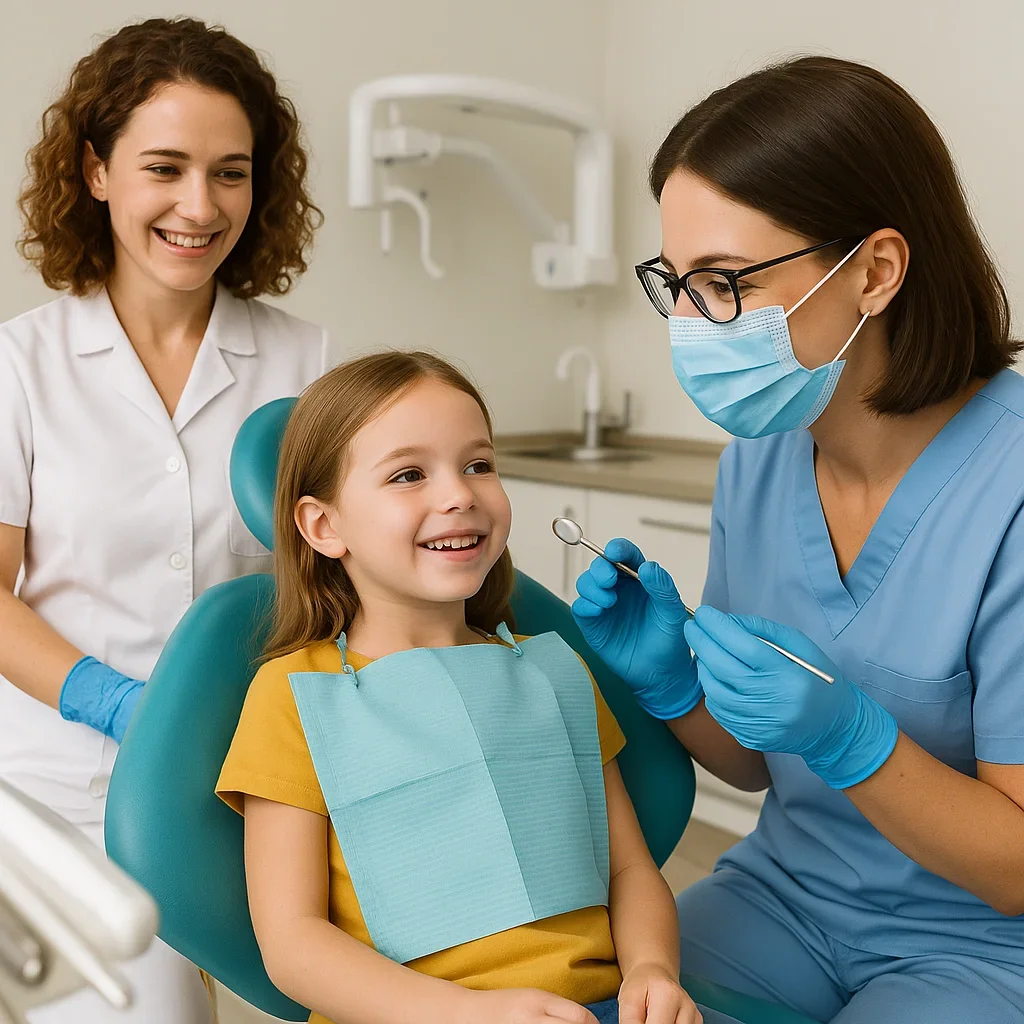
The Future of Pediatric Dentistry: Innovations and Advancements
The world of pediatric dentistry is evolving rapidly, driven by innovations in technology, materials, and patient care. What was once a basic clinical field focused on cleanings and fillings has now become a sophisticated discipline that integrates digital imaging, artificial intelligence, laser therapy, and preventive care into every child’s dental experience. The result is a future where dentistry is more comfortable, efficient, and personalized — and where fear, pain, and anxiety are virtually eliminated from the dental chair. 🦷
In this section, we explore the groundbreaking technologies, treatment trends, and research developments shaping the future of pediatric dentistry. Parents, dentists, and healthcare professionals alike can look forward to a future defined by precision, prevention, and compassion.
1. Digital Dentistry and Artificial Intelligence
Digital transformation is revolutionizing pediatric dentistry. With AI-powered diagnostic systems and 3D imaging technologies, dentists can now detect oral conditions earlier than ever before. Artificial intelligence assists in interpreting dental X-rays, identifying hidden cavities, monitoring tooth development, and even predicting the likelihood of orthodontic problems based on jaw growth patterns.
Digital scanners have replaced traditional molds, offering a more comfortable experience for children. These scanners create highly accurate 3D models of the mouth, which can be used for everything from braces design to custom mouthguards. AI also helps pediatric dentists plan preventive treatments by analyzing oral hygiene trends over time, providing personalized recommendations for each child’s unique needs.
Benefits of AI and Digital Imaging in Pediatric Dentistry:
- Reduces diagnostic errors through real-time analysis.
- Provides faster and more precise treatment planning.
- Eliminates the discomfort of traditional dental impressions.
- Encourages parents’ involvement with visual 3D explanations.
2. Laser Technology in Pediatric Dental Care
Laser dentistry is one of the most transformative innovations in modern pediatric dentistry. Using concentrated beams of light, dental lasers can perform many treatments with minimal pain, bleeding, or anesthesia. They are particularly beneficial for soft tissue procedures like frenectomies (tongue-tie correction), gum contouring, and cavity removal.
Because lasers are quiet and vibration-free, they significantly reduce children’s anxiety. They also promote faster healing and lower the risk of infection. Many clinics are adopting laser systems specifically designed for pediatric use — smaller, more precise, and incredibly gentle.
Common Pediatric Laser Applications:
- Treatment of cavities without drilling or anesthesia.
- Gum reshaping and treatment of infections.
- Frenectomy procedures for tongue or lip ties in infants.
- Disinfection of root canals and deep cleaning.
3. Teledentistry: Remote Dental Consultations
The COVID-19 pandemic accelerated the adoption of telemedicine, and now teledentistry has become a cornerstone of modern pediatric dentistry. Parents can schedule virtual consultations to discuss oral concerns, share photos, and receive professional advice without leaving home. This innovation is especially useful for initial screenings, post-treatment check-ins, and preventive guidance.
Teledentistry saves time, reduces travel, and ensures continuity of care for families in remote or underserved areas. Pediatric dentists can monitor children’s progress between visits and quickly identify any urgent dental issues that require in-person attention.
4. 3D Printing and Customized Dental Solutions
3D printing is reshaping how pediatric dentistry approaches restorations and orthodontics. Using biocompatible materials, dentists can now print crowns, aligners, retainers, and mouthguards tailored precisely to each child’s anatomy. This technology not only improves comfort and fit but also significantly reduces wait times for appliances.
In cases of tooth loss or injury, 3D printing allows for same-day restorations, giving children immediate results. Moreover, ongoing advancements in bio-printing are exploring ways to regenerate dental tissues, offering hope for the eventual growth of natural replacement teeth.
5. Smart Preventive Dentistry: Apps and Wearable Devices
With children growing up in a digital world, technology now plays an active role in teaching oral hygiene. Smart toothbrushes, dental apps, and augmented reality games are increasingly used in pediatric dentistry to make brushing fun and educational. These tools track brushing time, pressure, and motion, providing feedback through interactive apps that reward consistency and technique.
Wearable devices and sensors may soon monitor saliva composition and detect early signs of decay or disease. Such innovations empower parents and children to take real-time control of their dental health, reinforcing the preventive philosophy at the heart of pediatric care.
6. Minimally Invasive and Regenerative Dentistry
The next era of pediatric dentistry emphasizes minimal intervention — treating disease without removing unnecessary tooth structure. Techniques like air abrasion, resin infiltration, and silver diamine fluoride (SDF) stop cavities before they require drilling. SDF, for example, can arrest tooth decay painlessly while preserving the affected tooth until it naturally exfoliates.
At the same time, regenerative dentistry is advancing fast. Researchers are developing biocompatible materials and stem cell therapies to help teeth repair themselves. This means future generations of children could experience dental treatments that restore rather than replace — a truly revolutionary concept in oral health care.
7. Sustainable and Eco-Friendly Dentistry
Environmental awareness is becoming an integral part of pediatric dentistry. Dental clinics are shifting toward eco-friendly practices — reducing plastic waste, recycling dental materials, and using digital records to minimize paper use. Biodegradable toothbrushes, reusable impression trays, and water-conserving systems are just a few examples of green dentistry initiatives now being adopted worldwide.
Children also learn from these practices. Seeing sustainability in action helps them understand the connection between personal health and planetary well-being, turning dental visits into lessons about responsibility and environmental care.
8. The Integration of Behavioral and Emotional Support
Future pediatric dentistry is not just about advanced technology but also emotional intelligence. Dentists are increasingly integrating child psychology, sensory adaptation, and behavioral therapy techniques into their care. For example, clinics now use color therapy, aromatherapy, and interactive storytelling to create positive dental experiences for children with anxiety or special needs.
In addition, many pediatric dental teams include child life specialists trained to help kids manage fear and discomfort through guided relaxation, breathing exercises, and play therapy. The focus is shifting from treatment-centered care to holistic emotional wellness.
9. Collaboration Between Pediatric Dentists and Medical Experts
Modern pediatric dentistry increasingly overlaps with other healthcare fields. Pediatric dentists now collaborate closely with pediatricians, speech therapists, nutritionists, and orthodontists to provide integrated care. This team-based approach ensures that oral health supports overall health, addressing concerns such as sleep apnea, mouth breathing, and developmental disorders early in life.
This multidisciplinary model is especially valuable for children with special healthcare needs, as it offers coordinated, compassionate, and individualized treatment plans tailored to their conditions.
10. Education and Parental Empowerment in the Digital Age
Parents play a critical role in the success of pediatric care. With online platforms and educational resources, pediatric dentistry now empowers parents with tools to track oral development, understand treatment options, and make informed decisions. Digital reminders, progress dashboards, and personalized care plans make it easier to maintain consistency between appointments.
Moreover, clinics now offer virtual seminars, webinars, and social media guides on topics like teething, nutrition, and oral hygiene — helping parents become active participants in their child’s dental journey.
Conclusion: A Brighter, Healthier, and Fear-Free Future
The future of pediatric dentistry is incredibly promising — one where technology, compassion, and prevention converge to create healthier smiles. With innovations like AI, lasers, teledentistry, and regenerative materials, dental care is becoming more precise, efficient, and enjoyable than ever before. The ultimate goal is to ensure every child grows up without fear, pain, or barriers to oral health.
At the forefront of these advancements, clinics like Redent Klinik continue to adopt cutting-edge technologies and child-centered philosophies to redefine pediatric dental care. By embracing progress today, we’re shaping a future where every child’s smile is bright, confident, and healthy — for life. 🌟