
Pediatric invisalign is becoming one of the most preferred orthodontic solutions for children who need teeth alignment without the discomfort and visibility of traditional braces. For many parents, the idea of correcting their child’s smile early—without metal brackets and wires—is both appealing and practical. Pediatric invisalign offers a modern, comfortable, and highly effective way to guide a child’s dental development while maintaining confidence during those important growing years 😊.
At its core, pediatric invisalign is a system of clear, removable aligners that are custom-made to gradually shift a child’s teeth into the correct position. Unlike traditional braces, pediatric invisalign aligners are made from smooth, transparent plastic, making them almost invisible when worn. This is especially important for children and teenagers who may feel self-conscious about their appearance. With pediatric invisalign, kids can smile, speak, and interact confidently without feeling embarrassed about their orthodontic treatment.
One of the key reasons why pediatric invisalign has gained popularity is its personalized approach. Each aligner is designed using advanced 3D imaging technology, ensuring that the treatment plan is tailored specifically to the child’s dental structure. This precision allows pediatric invisalign to address a variety of orthodontic issues such as crowding, spacing, overbite, underbite, and crossbite. Parents can also visualize the expected results even before the treatment begins, which provides reassurance and clarity.
Another major advantage of pediatric invisalign is its flexibility. Because the aligners are removable, children can take them out while eating, brushing, or during special occasions. This means there are no dietary restrictions, which is often a major concern with traditional braces. Kids can continue to enjoy their favorite foods without worrying about damaging brackets or wires. Additionally, maintaining oral hygiene becomes much easier, as brushing and flossing can be done normally without navigating around fixed appliances.
Comfort is another significant benefit of pediatric invisalign. Traditional braces can sometimes cause irritation due to metal components rubbing against the inside of the mouth. Pediatric invisalign aligners, on the other hand, are smooth and custom-fitted, reducing the risk of sores or discomfort. While some mild pressure may be felt when switching to a new set of aligners, this is a normal part of the process and indicates that the treatment is working effectively.
Parents often wonder whether pediatric invisalign is suitable for younger children. The answer depends on the child’s dental development and level of responsibility. Since pediatric invisalign requires wearing the aligners for 20–22 hours per day, it is essential that the child understands the importance of consistency. Many orthodontists recommend pediatric invisalign for children who are disciplined enough to follow instructions and maintain proper care of their aligners.
Another important aspect of pediatric invisalign is its role in preventive orthodontics. Early intervention can help guide jaw growth, create space for incoming permanent teeth, and reduce the need for more complex treatments later in life. By addressing dental issues at an early stage, pediatric invisalign can contribute to a healthier, more balanced smile as the child grows. This proactive approach not only improves aesthetics but also supports long-term oral health.
In addition to physical benefits, pediatric invisalign also has a positive impact on a child’s emotional well-being. A confident smile can significantly boost self-esteem, especially during school years when children are more aware of their appearance. Pediatric invisalign allows kids to undergo orthodontic treatment discreetly, helping them feel more comfortable in social situations. This psychological advantage is often overlooked but plays a crucial role in a child’s overall development.
From a parent’s perspective, pediatric invisalign also offers convenience. Fewer emergency visits are typically required compared to traditional braces, as there are no wires or brackets that can break. Regular check-ups are still necessary, but they are generally quicker and less frequent. This makes pediatric invisalign a practical choice for busy families who want an effective yet manageable orthodontic solution.
It is also worth noting that pediatric invisalign is supported by trusted dental organizations and modern orthodontic practices. For more information about orthodontic treatments and standards, parents can refer to the American Dental Association. Additionally, if you are considering starting pediatric invisalign treatment for your child, you can easily reach out through the Redent Klinik Contact Page to get professional guidance tailored to your needs.
In summary, pediatric invisalign is a revolutionary orthodontic solution designed specifically for children. It combines comfort, aesthetics, and effectiveness to deliver outstanding results while minimizing disruption to a child’s daily life. With its ability to address a wide range of dental issues and its child-friendly design, pediatric invisalign is quickly becoming the preferred choice for parents who want the best for their child’s smile. By choosing pediatric invisalign, you are not only investing in your child’s dental health but also in their confidence and future well-being 🌟.
What Is Pediatric Invisalign and How Does It Work?
Pediatric invisalign is an advanced orthodontic treatment designed specifically for children who need teeth alignment in a comfortable, discreet, and effective way. Unlike traditional braces, pediatric invisalign uses a series of clear, removable aligners that gradually move teeth into their ideal positions. This modern approach to orthodontics has transformed how parents and dentists view early dental correction, making pediatric invisalign one of the most preferred solutions for young patients today 😊.
Understanding the Basics of Pediatric Invisalign
Pediatric invisalign works by applying controlled pressure to specific teeth over time. Each aligner is custom-made using digital scans of the child’s mouth, ensuring a precise fit. These aligners are worn for about 20–22 hours per day and are replaced every 1–2 weeks with a new set that continues the movement process. Pediatric invisalign treatment is carefully planned from start to finish using advanced 3D imaging technology, which allows orthodontists to predict how the teeth will shift at each stage.
Because pediatric invisalign is tailored to the child’s unique dental structure, it can effectively address a variety of orthodontic concerns such as crowded teeth, gaps, overbite, underbite, and crossbite. This level of customization is one of the reasons why pediatric invisalign is considered both efficient and reliable. Parents can also see a virtual preview of the expected results, making the process more transparent and reassuring.
How Pediatric Invisalign Aligners Are Created
The process of creating pediatric invisalign aligners begins with a detailed consultation. During this stage, the dentist or orthodontist evaluates the child’s teeth, jaw development, and overall oral health. Digital impressions or scans are taken instead of traditional molds, which makes the experience more comfortable for children.
Step 1: Digital Scanning and Treatment Planning
Using advanced scanning technology, a 3D model of the child’s teeth is created. This model is used to design a customized treatment plan for pediatric invisalign. The orthodontist maps out the exact movements of each tooth, ensuring that the aligners will guide them into the correct position step by step.
Step 2: Custom Aligner Fabrication
Once the treatment plan is finalized, a series of aligners is produced. Each aligner in the pediatric invisalign system is slightly different, applying gentle pressure to move the teeth gradually. These aligners are made from a smooth, BPA-free plastic material, making them safe and comfortable for children.
Step 3: Wearing and Progression
The child wears each set of pediatric invisalign aligners for about one to two weeks before switching to the next set. Over time, these incremental changes result in noticeable improvements in alignment. Regular check-ups ensure that the treatment is progressing as planned.
Why Pediatric Invisalign Works So Effectively
The effectiveness of pediatric invisalign lies in its ability to deliver consistent and controlled force to the teeth. Unlike traditional braces that rely on wires and brackets, pediatric invisalign uses a sequence of aligners to achieve precise movements. This method reduces discomfort and allows for a more predictable outcome.
Another reason pediatric invisalign works well is its focus on compliance. Since the aligners are removable, children must be responsible enough to wear them consistently. When used correctly, pediatric invisalign can produce results comparable to traditional braces, often in a shorter time frame. This makes it an excellent option for motivated children and supportive parents.
Key Features That Make Pediatric Invisalign Unique
Pediatric invisalign offers several unique features that set it apart from other orthodontic treatments. One of these is the inclusion of eruption tabs or space maintainers in some cases. These features are designed to accommodate growing teeth, making pediatric invisalign suitable even for children who have not yet developed all their permanent teeth.
Additionally, pediatric invisalign aligners are designed with comfort in mind. The smooth edges prevent irritation to the gums and cheeks, which is a common issue with metal braces. This makes pediatric invisalign a more pleasant experience for children, encouraging them to stick with the treatment plan.
The Role of Parents in Pediatric Invisalign Treatment
Parents play a crucial role in ensuring the success of pediatric invisalign. Since the aligners must be worn for most of the day, parents need to monitor their child’s usage and encourage good habits. This includes reminding the child to wear the aligners after meals and ensuring they are cleaned properly.
Regular dental visits are also essential. During these appointments, the orthodontist checks the progress of the pediatric invisalign treatment and makes any necessary adjustments. Parents should also stay informed about the process and communicate openly with the dental professional to address any concerns.
Supporting Oral Health During Pediatric Invisalign
Maintaining good oral hygiene is easier with pediatric invisalign compared to traditional braces. Since the aligners can be removed, children can brush and floss their teeth normally. However, it is important to clean the aligners regularly to prevent bacteria buildup.
Children undergoing pediatric invisalign treatment should also follow a balanced diet and avoid sugary snacks that can lead to cavities. Encouraging healthy habits during treatment not only supports the effectiveness of pediatric invisalign but also promotes long-term oral health.
For more information about dental care standards and orthodontic practices, parents can visit the American Dental Association. If you are considering pediatric invisalign for your child, you can also reach out through the Redent Klinik Contact Page for professional advice and personalized treatment options.
In conclusion, pediatric invisalign is a highly effective and child-friendly orthodontic solution that uses modern technology to deliver excellent results. By combining precision, comfort, and flexibility, pediatric invisalign ensures that children can achieve a healthy, beautiful smile without the challenges associated with traditional braces. With proper guidance and commitment, pediatric invisalign can make a lasting positive impact on a child’s dental health and confidence 🌟.
Benefits of Pediatric Invisalign for Children’s Oral Health
Pediatric invisalign offers a wide range of benefits that go far beyond simple teeth straightening. For parents seeking a modern, comfortable, and effective orthodontic solution, pediatric invisalign provides both functional and aesthetic advantages that support a child’s overall oral health and development. Unlike traditional braces, pediatric invisalign is designed with children in mind, making the entire orthodontic journey smoother, more flexible, and far less intimidating 😊.
Improved Oral Health with Pediatric Invisalign
One of the most important benefits of pediatric invisalign is its positive impact on oral hygiene. Because the aligners are removable, children can brush and floss their teeth without any obstruction. This is a major advantage over traditional braces, where food particles often get trapped around brackets and wires. Pediatric invisalign helps reduce the risk of plaque buildup, tooth decay, and gum disease during treatment.
Additionally, properly aligned teeth are easier to clean and maintain in the long term. Pediatric invisalign not only improves the appearance of a child’s smile but also creates a healthier oral environment that can prevent future dental issues. This makes pediatric invisalign a proactive investment in a child’s dental health.
Enhanced Comfort Compared to Traditional Braces
Comfort is another major reason why many families choose pediatric invisalign. Traditional braces can cause irritation due to metal brackets and wires rubbing against the cheeks and gums. In contrast, pediatric invisalign aligners are made from smooth plastic, minimizing discomfort and eliminating sharp edges.
Smooth and Custom-Fit Design
Each pediatric invisalign aligner is custom-designed to fit the child’s teeth perfectly. This ensures that pressure is applied evenly and gently, making the adjustment process more comfortable. While there may be slight pressure when switching to a new aligner, it is usually mild and temporary.
No Emergency Repairs
Another comfort-related advantage of pediatric invisalign is the absence of broken wires or loose brackets. With traditional braces, these issues can cause pain and require urgent dental visits. Pediatric invisalign eliminates these concerns, making the treatment experience much more convenient for both children and parents.
Boost in Confidence and Self-Esteem
Children and teenagers are often very conscious of their appearance, especially during school years. Pediatric invisalign aligners are nearly invisible, allowing kids to smile confidently without feeling embarrassed about their orthodontic treatment. This discreet nature is one of the most appreciated benefits of pediatric invisalign.
By improving the alignment of teeth without drawing attention, pediatric invisalign helps children maintain their self-esteem throughout the treatment process. A confident smile can positively influence social interactions, academic performance, and overall emotional well-being 🌟.
Flexibility and Lifestyle Convenience
Pediatric invisalign is designed to fit seamlessly into a child’s daily routine. Since the aligners are removable, children can take them out during meals, sports, or special events. This flexibility makes pediatric invisalign a highly practical option for active lifestyles.
No Food Restrictions
Unlike traditional braces, which require avoiding sticky or hard foods, pediatric invisalign allows children to enjoy their favorite meals without limitations. This is particularly important for growing kids who need a balanced diet for proper development.
Easy Maintenance
Cleaning pediatric invisalign aligners is simple and quick. Children can rinse them with water or use a gentle cleaning solution, ensuring that they remain hygienic throughout the day. This ease of maintenance encourages better compliance and overall treatment success.
Effective Correction of Orthodontic Issues
Pediatric invisalign is capable of treating a wide range of dental problems. From mild crowding to more complex bite issues, pediatric invisalign provides a versatile solution that adapts to each child’s needs. The precision of digital treatment planning ensures that every tooth movement is carefully controlled.
By addressing alignment issues early, pediatric invisalign can prevent more serious complications later in life. Early intervention can guide jaw development, create space for incoming teeth, and reduce the need for invasive treatments in the future. This makes pediatric invisalign not only effective but also preventive.
Fewer Dental Visits and Greater Convenience for Parents
For busy families, pediatric invisalign offers a more convenient orthodontic experience. Since there are no wires to adjust or brackets to tighten, appointments are typically shorter and less frequent. Pediatric invisalign allows parents to manage their child’s treatment with fewer disruptions to their schedule.
Regular check-ups are still important, but they are usually straightforward and focused on monitoring progress. This efficiency makes pediatric invisalign an appealing choice for families who value both quality and convenience.
Encouraging Responsibility in Children
Pediatric invisalign also helps children develop a sense of responsibility. Since the aligners must be worn consistently for effective results, children learn to manage their own treatment. This includes remembering to wear the aligners, keeping them clean, and following the dentist’s instructions.
These habits not only contribute to the success of pediatric invisalign but also instill valuable life skills such as discipline and accountability. Parents often find that pediatric invisalign encourages their children to take an active role in their own health.
Trusted and Supported by Dental Professionals
Pediatric invisalign is widely recognized and supported by dental professionals around the world. It is based on advanced technology and proven orthodontic principles, making it a reliable choice for children’s dental care. For more information about orthodontic standards, parents can visit the American Dental Association.
If you are considering pediatric invisalign for your child, professional guidance is essential. You can contact experienced specialists through the Redent Klinik Contact Page to explore personalized treatment options tailored to your child’s needs.
In summary, pediatric invisalign provides a comprehensive set of benefits that support both oral health and overall well-being. From improved hygiene and comfort to enhanced confidence and flexibility, pediatric invisalign stands out as a modern orthodontic solution that meets the needs of today’s children and families. By choosing pediatric invisalign, parents are investing in a healthier, happier, and more confident future for their children 🦷✨.
At What Age Can Kids Start Pediatric Invisalign Treatment?
One of the most common questions parents ask is: when is the right time to begin pediatric invisalign treatment? Understanding the ideal age for pediatric invisalign is essential because timing plays a critical role in achieving the best orthodontic results. Pediatric invisalign is specifically designed to adapt to a child’s growing teeth and jaw structure, making early evaluation and proper planning extremely important 😊.
Understanding the Ideal Age for Pediatric Invisalign
Pediatric invisalign is generally recommended for children who are in the early stages of dental development, often between the ages of 6 and 12. However, the exact timing depends on the child’s individual growth pattern rather than age alone. Orthodontists usually suggest an initial orthodontic evaluation around age 7. At this stage, pediatric invisalign can be considered if there are early signs of alignment or bite issues.
The reason pediatric invisalign can start at a younger age is because it is designed to work with mixed dentition—meaning a combination of baby teeth and permanent teeth. This allows pediatric invisalign to guide jaw development and create space for incoming adult teeth, reducing the likelihood of more complex treatments later on.
Early Evaluation: Why Age 7 Matters
Age 7 is considered a key milestone for orthodontic assessment. By this age, children typically have enough permanent teeth for orthodontists to identify potential problems such as crowding, spacing, or bite irregularities. Pediatric invisalign can be introduced early to address these concerns before they become more severe.
Detecting Problems Early
Early evaluation allows dentists to detect issues like crossbite, overbite, or jaw misalignment. Pediatric invisalign can then be used as an interceptive treatment, helping to correct these problems while the child’s jaw is still developing.
Guiding Jaw Growth
One of the unique advantages of pediatric invisalign is its ability to guide jaw growth. This is particularly beneficial during early childhood when the bones are still flexible. Pediatric invisalign aligners can create the necessary space for permanent teeth to erupt properly.
Is Pediatric Invisalign Suitable for Younger Children?
Pediatric invisalign is not only for teenagers; it is also suitable for younger children under the right conditions. The key factor is whether the child is responsible enough to wear the aligners consistently. Since pediatric invisalign requires wearing aligners for 20–22 hours per day, cooperation is essential for successful treatment.
Some children adapt quickly to the routine of pediatric invisalign, while others may need more guidance and supervision. Parents play a crucial role in ensuring that their child follows the treatment plan correctly. When used as directed, pediatric invisalign can be highly effective even for younger patients.
Signs Your Child May Need Pediatric Invisalign
There are several signs that indicate a child may benefit from pediatric invisalign treatment. Recognizing these early can help parents take timely action and prevent more serious dental issues in the future.
Crowded or Crooked Teeth
If a child’s teeth appear crowded or misaligned, pediatric invisalign can help create space and improve alignment. Early correction can make a significant difference in long-term oral health.
Difficulty Biting or Chewing
Problems with biting or chewing may indicate a misaligned bite. Pediatric invisalign can address these issues by gradually repositioning the teeth and jaw.
Thumb Sucking or Oral Habits
Persistent habits like thumb sucking can affect dental development. Pediatric invisalign may help correct the resulting alignment issues and support healthier oral habits.
Benefits of Starting Pediatric Invisalign Early
Starting pediatric invisalign at the right age offers several advantages. Early treatment can simplify future orthodontic needs and reduce the overall duration of treatment.
Reduced Treatment Complexity
By addressing issues early, pediatric invisalign can prevent them from worsening. This often means that future treatments will be less invasive and more straightforward.
Improved Long-Term Results
Children who begin pediatric invisalign treatment early often achieve more stable and lasting results. Guiding teeth and jaw development at a young age leads to better alignment in adulthood.
Boosted Confidence During Growth Years
Early treatment with pediatric invisalign allows children to develop a healthy, attractive smile as they grow. This can have a positive impact on their self-confidence and social interactions.
When Is It Too Late for Pediatric Invisalign?
While early intervention is beneficial, pediatric invisalign is still effective for older children and teenagers. Even if a child did not start treatment at a younger age, pediatric invisalign can still correct alignment issues during adolescence. The flexibility of pediatric invisalign makes it suitable for a wide range of ages and dental conditions.
However, delaying treatment may result in more complex issues that require longer treatment times. This is why early consultation with a dental professional is highly recommended.
Professional Guidance for Pediatric Invisalign Timing
Determining the right age for pediatric invisalign requires professional evaluation. Orthodontists assess factors such as dental development, jaw growth, and overall oral health before recommending treatment. Parents should seek expert advice to ensure that pediatric invisalign is introduced at the optimal time.
For trusted information about children’s dental care and orthodontic recommendations, you can visit the American Dental Association. If you are considering pediatric invisalign for your child, you can also get personalized guidance through the Redent Klinik Contact Page.
In conclusion, the best age to start pediatric invisalign depends on the child’s individual dental development, but early evaluation around age 7 is highly recommended. Pediatric invisalign offers a flexible and effective solution that can be adapted to different stages of growth. By choosing the right timing for pediatric invisalign, parents can ensure optimal results, improved oral health, and a confident smile for their child’s future 🌟.
Pediatric Invisalign vs Traditional Braces: Which Is Better?
When parents consider orthodontic treatment for their children, one of the biggest decisions they face is choosing between pediatric invisalign and traditional braces. Both options are effective in correcting dental alignment issues, but they differ significantly in terms of comfort, appearance, maintenance, and lifestyle impact. Understanding these differences helps parents make the best choice for their child’s needs. Pediatric invisalign has become increasingly popular due to its modern approach, but traditional braces still remain a reliable option in many cases 😊.
Key Differences Between Pediatric Invisalign and Braces
Pediatric invisalign and traditional braces work on the same principle—gradually moving teeth into proper alignment—but they do so using completely different methods. Pediatric invisalign uses a series of clear, removable aligners, while braces rely on fixed metal brackets and wires attached to the teeth.
Appearance and Aesthetics
One of the most noticeable differences is appearance. Pediatric invisalign aligners are nearly invisible, making them an ideal option for children who are concerned about their looks. Traditional braces, on the other hand, are more visible, although modern versions offer ceramic or tooth-colored brackets to reduce their appearance.
Comfort Level
Comfort is another important factor. Pediatric invisalign aligners are made from smooth plastic, reducing irritation to the gums and cheeks. In contrast, traditional braces can sometimes cause discomfort due to metal components rubbing against the mouth. Pediatric invisalign generally provides a more comfortable experience, especially for younger patients.
Effectiveness: Which Option Works Better?
Both pediatric invisalign and traditional braces are highly effective, but their suitability depends on the complexity of the dental issue. Pediatric invisalign is excellent for mild to moderate alignment problems, while traditional braces may be more effective for severe cases.
Precision and Control
Traditional braces offer continuous force on the teeth, which can be beneficial for complex movements. However, pediatric invisalign uses advanced digital planning to ensure precise and controlled tooth movement. This makes pediatric invisalign a strong competitor, even in more challenging cases.
Treatment Duration
The duration of treatment can vary depending on the case. Pediatric invisalign often provides faster results for mild issues because of its efficient design. However, for more complicated conditions, traditional braces may still be the preferred option.
Lifestyle Impact: Flexibility and Convenience
Pediatric invisalign stands out when it comes to lifestyle flexibility. Since the aligners are removable, children can eat, brush, and floss without restrictions. This makes pediatric invisalign a convenient choice for maintaining daily routines.
Eating and Diet
With pediatric invisalign, there are no food restrictions. Children can remove the aligners and enjoy all types of food. Traditional braces require avoiding sticky, hard, or chewy foods to prevent damage, which can be challenging for kids.
Oral Hygiene
Maintaining oral hygiene is easier with pediatric invisalign because the aligners can be removed for brushing and flossing. Braces, however, require special tools and extra effort to clean around brackets and wires.
Responsibility and Compliance
Pediatric invisalign requires a higher level of responsibility from the child. The aligners must be worn for 20–22 hours per day to be effective. If a child forgets to wear them consistently, the treatment may be delayed.
Traditional braces, on the other hand, are fixed and do not rely on patient compliance. This makes them a better option for younger children who may not be disciplined enough to manage removable aligners. Parents should carefully consider their child’s habits when choosing between pediatric invisalign and braces.
Maintenance and Dental Visits
Pediatric invisalign generally requires fewer dental visits compared to traditional braces. Since there are no wires to adjust or brackets to tighten, check-ups are usually quick and straightforward.
Emergency Situations
Braces can sometimes lead to emergencies such as broken wires or loose brackets, requiring immediate attention. Pediatric invisalign eliminates these issues, making it a more convenient option for busy families.
Cleaning and Care
Cleaning pediatric invisalign aligners is simple and can be done at home. Braces require more complex cleaning routines, which can be challenging for children to maintain consistently.
Cost Comparison
The cost of pediatric invisalign and traditional braces can vary depending on the complexity of the treatment and the location of the clinic. In many cases, pediatric invisalign is slightly more expensive due to the advanced technology involved. However, the added comfort, convenience, and aesthetics often justify the cost for many families.
It is important for parents to discuss pricing and payment options with their dental provider. Some clinics offer flexible payment plans, making pediatric invisalign more accessible.
Which Option Is Best for Your Child?
The choice between pediatric invisalign and traditional braces ultimately depends on the child’s specific dental needs, lifestyle, and level of responsibility. Pediatric invisalign is ideal for children who want a discreet, comfortable, and flexible treatment option. Traditional braces may be more suitable for complex cases or for children who may struggle with compliance.
Consulting with an experienced orthodontist is the best way to determine the most appropriate treatment. For professional advice, you can visit the American Dental Association for trusted information or reach out through the Redent Klinik Contact Page for personalized recommendations.
In conclusion, both pediatric invisalign and traditional braces have their advantages. Pediatric invisalign offers superior comfort, aesthetics, and flexibility, making it a popular choice among modern families. Traditional braces remain a reliable option for more complex cases. By carefully evaluating these factors, parents can choose the best orthodontic solution to ensure their child achieves a healthy, confident smile 🦷✨.
Step-by-Step Pediatric Invisalign Treatment Process
The pediatric invisalign treatment process is carefully structured to ensure safe, predictable, and effective results for children. Many parents feel more confident when they understand exactly how pediatric invisalign works from start to finish. This step-by-step journey combines advanced digital technology with personalized care, making pediatric invisalign one of the most modern orthodontic solutions available today 😊.
Initial Consultation and Assessment
The first step in pediatric invisalign treatment is a comprehensive consultation with a qualified dentist or orthodontist. During this visit, the child’s teeth, jaw development, and overall oral health are thoroughly evaluated. Pediatric invisalign is not a one-size-fits-all solution, so this initial assessment is crucial for determining whether the child is a suitable candidate.
Dental Examination and X-Rays
The dentist may take X-rays, photographs, and digital scans to understand the structure of the teeth and jaw. These diagnostic tools help identify issues such as crowding, spacing, or bite problems that pediatric invisalign can address.
Discussion with Parents
Parents are actively involved in this stage. The dentist explains how pediatric invisalign works, what results can be expected, and how long the treatment may take. This is also the time to ask questions and clarify any concerns.
Digital Scanning and Treatment Planning
Once pediatric invisalign is confirmed as the right option, the next step is creating a precise digital model of the child’s teeth. This replaces traditional molds, making the process faster and more comfortable for children.
3D Imaging Technology
Using advanced 3D scanning technology, the dentist creates a detailed map of the child’s teeth. This allows for highly accurate planning of the pediatric invisalign treatment process.
Customized Treatment Plan
The orthodontist designs a step-by-step movement plan for each tooth. Pediatric invisalign aligners are then created based on this plan, ensuring gradual and controlled adjustments throughout the treatment.
Fabrication of Pediatric Invisalign Aligners
After the treatment plan is finalized, a series of custom aligners is manufactured. Each aligner in the pediatric invisalign system is slightly different, guiding the teeth closer to their ideal position.
Material and Safety
Pediatric invisalign aligners are made from high-quality, BPA-free plastic. This ensures safety, durability, and comfort for children.
Number of Aligners
The number of aligners varies depending on the complexity of the case. Some pediatric invisalign treatments may require as few as 10–15 sets, while others may involve more.
Wearing the Aligners Correctly
One of the most important aspects of pediatric invisalign is wearing the aligners consistently. For optimal results, children must wear them for 20–22 hours per day.
Daily Routine
Aligners should be worn throughout the day and removed only for eating, drinking (except water), brushing, and flossing. This routine ensures that pediatric invisalign treatment progresses as planned.
Switching Aligners
Each set of pediatric invisalign aligners is typically worn for one to two weeks before moving to the next set. This gradual progression allows teeth to shift safely and effectively.
Regular Check-Ups and Monitoring
Throughout the pediatric invisalign process, regular dental visits are scheduled to monitor progress. These appointments are usually less frequent and quicker than those required for traditional braces.
Progress Evaluation
The dentist checks whether the teeth are moving according to the treatment plan. Adjustments can be made if necessary to ensure the best possible outcome.
Parental Involvement
Parents play a key role during this stage by ensuring their child follows the treatment guidelines. Consistency is essential for successful pediatric invisalign results.
Maintaining Oral Hygiene During Treatment
Good oral hygiene is critical during pediatric invisalign treatment. Since the aligners are removable, children can maintain their regular brushing and flossing routine.
Cleaning the Aligners
Aligners should be cleaned daily using lukewarm water and a gentle cleaning solution. This prevents bacteria buildup and keeps the pediatric invisalign system hygienic.
Healthy Habits
Encouraging healthy eating habits and limiting sugary snacks can further support the success of pediatric invisalign treatment.
Completion of Treatment and Retention Phase
Once the final set of pediatric invisalign aligners has been used, the active treatment phase is complete. However, maintaining the results is just as important as achieving them.
Using Retainers
After pediatric invisalign treatment, the child will typically need to wear retainers to keep the teeth in their new position. These retainers are usually worn at night.
Long-Term Maintenance
Regular dental check-ups and good oral hygiene practices ensure that the results of pediatric invisalign last for years to come.
Why Following the Process Matters
The success of pediatric invisalign depends on following each step of the process carefully. Skipping aligner wear time or neglecting oral hygiene can delay results and affect the outcome. When used correctly, pediatric invisalign provides highly predictable and satisfying results.
For more information about orthodontic care standards, parents can visit the American Dental Association. If you are ready to begin your child’s journey with pediatric invisalign, you can contact professionals through the Redent Klinik Contact Page for personalized support.
In conclusion, the pediatric invisalign treatment process is a well-organized journey that combines technology, expertise, and patient cooperation. From the initial consultation to the final retainer phase, pediatric invisalign ensures a smooth and effective path toward a healthier, more confident smile. With proper care and commitment, pediatric invisalign can deliver outstanding results that benefit children for a lifetime 🌟.
How to Care for Pediatric Invisalign Aligners Properly
Proper care is essential for ensuring the success of pediatric invisalign treatment. While pediatric invisalign is designed to be convenient and user-friendly, maintaining the aligners correctly plays a crucial role in achieving optimal results. Children and parents must work together to build consistent habits that protect both the aligners and overall oral health. With the right approach, pediatric invisalign can remain clean, effective, and comfortable throughout the treatment process 😊.
Why Proper Care Matters in Pediatric Invisalign
Pediatric invisalign aligners are worn for most of the day, which means they are constantly exposed to saliva, bacteria, and food particles. Without proper cleaning and maintenance, aligners can develop unpleasant odors, discoloration, and even harmful bacteria buildup. This not only affects the effectiveness of pediatric invisalign but can also impact the child’s oral hygiene.
By maintaining good care routines, pediatric invisalign remains transparent, hygienic, and functional. Proper care also ensures that the aligners fit correctly, which is essential for guiding teeth into their desired positions.
Daily Cleaning Routine for Pediatric Invisalign
Cleaning pediatric invisalign aligners should be part of a child’s daily routine. Consistency is key to preventing bacteria accumulation and maintaining a fresh, clean appearance.
Rinsing After Removal
Every time the child removes their pediatric invisalign aligners, they should rinse them with lukewarm water. This helps remove saliva and prevents buildup from drying onto the aligners.
Brushing the Aligners
Aligners should be gently brushed using a soft toothbrush and mild, non-abrasive soap. Avoid using toothpaste, as it can scratch the surface of pediatric invisalign aligners and make them appear cloudy.
Deep Cleaning Solutions
Occasionally, pediatric invisalign aligners can be soaked in a specialized cleaning solution or clear aligner cleaner. This helps eliminate bacteria and keeps the aligners fresh.
Maintaining Oral Hygiene During Pediatric Invisalign
Oral hygiene is just as important as aligner care during pediatric invisalign treatment. Since the aligners fit closely over the teeth, any trapped food or plaque can lead to dental issues if not properly addressed.
Brushing After Every Meal
Children should brush their teeth after every meal before reinserting pediatric invisalign aligners. This prevents food particles from being trapped between the teeth and the aligners.
Flossing Regularly
Flossing at least once a day is essential to remove plaque and debris from between the teeth. Pediatric invisalign makes this easier compared to traditional braces because there are no wires to navigate around.
Do’s and Don’ts of Pediatric Invisalign Care
Understanding what to do—and what to avoid—can significantly improve the effectiveness of pediatric invisalign treatment.
Do Wear Aligners Consistently
Pediatric invisalign aligners should be worn for 20–22 hours per day. Removing them too often can delay treatment progress and affect results.
Do Store Aligners Properly
When not in use, pediatric invisalign aligners should be stored in their protective case. This prevents loss, damage, or contamination.
Don’t Eat with Aligners On
Eating while wearing pediatric invisalign aligners can damage them and cause staining. Always remove aligners before meals.
Don’t Use Hot Water
Hot water can warp the plastic material of pediatric invisalign aligners, affecting their fit and effectiveness. Always use lukewarm water for cleaning.
Handling Pediatric Invisalign Aligners Safely
Children must learn how to handle their pediatric invisalign aligners carefully to avoid damage or loss.
Removing Aligners Correctly
Aligners should be removed gently using clean hands. Pulling them out too forcefully can cause cracks or distortion.
Avoiding Misplacement
It is common for children to misplace their aligners if they are not stored properly. Encouraging the habit of always using the case can prevent this issue.
Common Problems and How to Prevent Them
Even with proper care, some issues may arise during pediatric invisalign treatment. Being aware of these problems can help parents and children address them quickly.
Bad Odor
If pediatric invisalign aligners develop an odor, it is usually due to inadequate cleaning. Regular rinsing and proper cleaning solutions can prevent this problem.
Staining
Drinking colored beverages while wearing pediatric invisalign can lead to staining. Removing aligners before consuming anything other than water helps maintain their clarity.
Lost Aligners
In case of lost pediatric invisalign aligners, it is important to contact the dentist immediately. A replacement may be required to continue treatment without interruption.
Parental Role in Pediatric Invisalign Care
Parents play a vital role in ensuring that children follow proper care routines for pediatric invisalign. Monitoring daily habits and providing reminders can significantly improve treatment outcomes.
Parents should also encourage their children to take responsibility for their aligners. This not only supports the success of pediatric invisalign but also helps children develop good hygiene habits that will benefit them in the long term.
Professional Support and Guidance
Regular dental visits are essential to ensure that pediatric invisalign treatment is progressing as planned. Dentists can provide additional tips on aligner care and address any concerns.
For reliable information about oral hygiene and orthodontic care, you can visit the American Dental Association. If you need personalized guidance for pediatric invisalign care, you can also reach out through the Redent Klinik Contact Page.
In conclusion, proper care of pediatric invisalign aligners is essential for achieving the best possible results. By following a consistent cleaning routine, maintaining good oral hygiene, and handling aligners responsibly, children can enjoy a smooth and successful treatment journey. Pediatric invisalign offers flexibility and convenience, but its effectiveness depends on proper care and commitment. With the right habits, pediatric invisalign can deliver a healthy, beautiful smile that lasts a lifetime 🦷✨.
Cost of Pediatric Invisalign: What Parents Should Expect
The cost of pediatric invisalign is one of the most important considerations for parents when deciding on orthodontic treatment for their child. While pediatric invisalign offers advanced technology, comfort, and aesthetic advantages, understanding the financial aspect helps families plan effectively. Pediatric invisalign costs can vary widely depending on several factors, including the complexity of the case, treatment duration, and the expertise of the dental provider. By exploring these elements in detail, parents can make informed decisions and feel confident about investing in pediatric invisalign 😊.
Average Cost of Pediatric Invisalign
On average, pediatric invisalign treatment typically ranges between $3,000 and $7,000. This price range reflects the level of customization and advanced technology involved in creating aligners specifically tailored for children. Compared to traditional braces, pediatric invisalign may sometimes appear slightly more expensive, but many parents find the added comfort, convenience, and discreet appearance worth the investment.
Estimated Price Breakdown
- Mild Cases: $3,000 – $4,000
- Moderate Cases: $4,000 – $5,500
- Complex Cases: $5,500 – $7,000+
These estimates can vary depending on geographic location and the clinic’s expertise. Pediatric invisalign pricing is often influenced by the level of care and technology used throughout the treatment process.
Factors That Affect Pediatric Invisalign Cost
Several key factors determine the total cost of pediatric invisalign treatment. Understanding these factors helps parents better anticipate expenses and avoid surprises.
Complexity of the Case
The more complex the dental issue, the more aligners and adjustments are required. Pediatric invisalign treatments involving severe crowding or bite correction tend to cost more than simpler alignment cases.
Treatment Duration
Longer treatment plans typically require more aligners and follow-up visits, increasing the overall cost of pediatric invisalign. Shorter treatments are generally more affordable.
Orthodontist Experience
Highly experienced orthodontists may charge higher fees due to their expertise and success rates. However, choosing a skilled provider for pediatric invisalign can lead to better results and fewer complications.
Location of the Clinic
The cost of pediatric invisalign can vary depending on the region or country. Clinics in major cities or high-demand areas may have higher pricing compared to smaller towns.
Insurance and Coverage Options
Many parents are relieved to know that dental insurance may cover part of the pediatric invisalign cost. Coverage varies depending on the insurance plan, but orthodontic benefits often include aligner treatments.
Partial Coverage
Some insurance plans cover a percentage of pediatric invisalign treatment, typically ranging from 25% to 50%. This can significantly reduce out-of-pocket expenses.
Lifetime Orthodontic Limits
Insurance policies may have a lifetime limit for orthodontic coverage, which applies to pediatric invisalign. Parents should review their policy details to understand the exact benefits.
Flexible Payment Plans for Pediatric Invisalign
To make pediatric invisalign more accessible, many dental clinics offer flexible payment options. These plans allow parents to spread the cost over several months or years.
Monthly Installments
Instead of paying the full amount upfront, parents can choose monthly payment plans. This makes pediatric invisalign more manageable for family budgets.
Interest-Free Financing
Some clinics provide interest-free financing options, allowing families to pay for pediatric invisalign without additional financial burden.
Is Pediatric Invisalign Worth the Cost?
While pediatric invisalign may require a significant financial investment, its benefits often outweigh the cost. The combination of comfort, aesthetics, and convenience makes pediatric invisalign a valuable choice for many families.
Long-Term Oral Health Benefits
Pediatric invisalign helps correct alignment issues early, preventing more serious dental problems in the future. This can reduce the need for costly treatments later in life.
Improved Confidence
The nearly invisible design of pediatric invisalign allows children to maintain their confidence throughout treatment. This emotional benefit is often considered priceless by parents.
Hidden Costs to Consider
While most pediatric invisalign treatment plans include all necessary aligners and check-ups, there may be additional costs in certain situations.
Replacement Aligners
If a child loses or damages an aligner, a replacement may be required, which can add to the total cost of pediatric invisalign.
Retainers After Treatment
After completing pediatric invisalign treatment, retainers are usually needed to maintain results. These may or may not be included in the initial cost.
Tips to Manage Pediatric Invisalign Expenses
There are several strategies parents can use to manage the cost of pediatric invisalign effectively.
Compare Multiple Clinics
Getting quotes from different providers can help parents find the best value for pediatric invisalign treatment.
Use Health Savings Accounts (HSA/FSA)
Many families use HSA or FSA accounts to pay for pediatric invisalign, reducing the financial burden through pre-tax savings.
Start Treatment Early
Early intervention with pediatric invisalign can simplify treatment and potentially reduce overall costs.
Professional Advice and Reliable Resources
Before starting pediatric invisalign treatment, it is important to consult with a qualified dental professional. They can provide a detailed cost estimate and explain all available options. For trusted information about orthodontic care and pricing standards, parents can visit the American Dental Association.
If you are considering pediatric invisalign for your child and want a personalized cost evaluation, you can contact specialists through the Redent Klinik Contact Page for expert guidance.
In conclusion, the cost of pediatric invisalign varies depending on several factors, but it is an investment in a child’s long-term oral health and confidence. By understanding pricing, exploring insurance options, and choosing the right provider, parents can make pediatric invisalign an affordable and worthwhile solution. With proper planning, pediatric invisalign can deliver exceptional results that benefit children for years to come 🌟.
Common Challenges and Solutions in Pediatric Invisalign
While pediatric invisalign is a highly effective and comfortable orthodontic solution for children, it is not completely free of challenges. Like any dental treatment, pediatric invisalign requires proper understanding, discipline, and support to achieve the best results. The good news is that most challenges associated with pediatric invisalign are manageable with the right strategies and guidance. By being aware of these potential issues, parents can proactively support their child throughout the pediatric invisalign journey 😊.
Compliance Issues: Wearing Aligners Consistently
One of the most common challenges with pediatric invisalign is ensuring that children wear their aligners for the recommended 20–22 hours per day. Since pediatric invisalign aligners are removable, children may forget to put them back in after meals or may intentionally leave them out.
Why Compliance Matters
Pediatric invisalign relies on consistent pressure to move teeth. If aligners are not worn as directed, the treatment may be delayed or less effective. This can extend the overall duration of pediatric invisalign treatment.
Solutions for Better Compliance
Parents can help by setting reminders, using mobile apps, or creating a daily routine for pediatric invisalign wear. Encouraging children and explaining the importance of consistency can significantly improve compliance.
Misplacing or Losing Aligners
Another frequent issue in pediatric invisalign treatment is losing aligners. Since they are removable, children may accidentally leave them on a table, wrap them in a napkin, or misplace them during school or activities.
Preventing Loss
Teaching children to always store pediatric invisalign aligners in their protective case when not in use is essential. Making this a habit can prevent unnecessary replacements.
What to Do If Aligners Are Lost
If a pediatric invisalign aligner is lost, parents should contact the dentist immediately. In some cases, the child may need to wear the previous aligner or move to the next one, depending on the treatment stage.
Discomfort and Adjustment Period
Although pediatric invisalign is generally more comfortable than traditional braces, children may still experience mild discomfort when starting treatment or switching to a new set of aligners.
Understanding the Pressure
This discomfort is a sign that pediatric invisalign is working, as the aligners are gently moving the teeth. The sensation usually fades within a few days.
Managing Discomfort
Encouraging children to wear new pediatric invisalign aligners at night can help them adjust while sleeping. Over-the-counter pain relief (if recommended by a dentist) and soft foods can also ease the transition.
Speech Difficulties in the Beginning
Some children may notice slight speech changes, such as a lisp, when they first start wearing pediatric invisalign aligners. This is a temporary issue as the mouth adjusts to the new appliance.
Why Speech Changes Occur
The aligners slightly alter the space inside the mouth, which can affect how sounds are produced. This is common during the early stages of pediatric invisalign.
How to Overcome It
Practicing speaking, reading aloud, and consistent use of pediatric invisalign aligners can help children adapt quickly. Most speech issues resolve within a few days.
Maintaining Proper Oral Hygiene
While pediatric invisalign makes oral hygiene easier than braces, it still requires discipline. Poor hygiene can lead to plaque buildup, bad breath, and cavities.
Common Hygiene Mistakes
Children may forget to brush after meals or reinsert pediatric invisalign aligners without cleaning their teeth. This can trap food particles and bacteria.
Effective Hygiene Solutions
Parents should encourage brushing after every meal and cleaning pediatric invisalign aligners regularly. Keeping a travel toothbrush can help maintain hygiene on the go.
Staining and Discoloration of Aligners
Pediatric invisalign aligners can become stained if children drink colored beverages while wearing them. This affects the transparency and aesthetic appeal of the aligners.
Causes of Staining
Drinks like juice, soda, or tea can discolor pediatric invisalign aligners if consumed without removing them.
Prevention Tips
Children should remove pediatric invisalign aligners before drinking anything other than water. Regular cleaning also helps maintain clarity.
Breakage or Damage to Aligners
Although pediatric invisalign aligners are durable, they can still crack or break if not handled properly.
How Damage Occurs
Improper removal, exposure to heat, or chewing on aligners can damage pediatric invisalign appliances.
Preventive Measures
Teaching children to handle pediatric invisalign aligners gently and avoid biting on them can prevent damage. Always use lukewarm water for cleaning to maintain their shape.
Parental Support and Monitoring
Parents play a crucial role in overcoming challenges associated with pediatric invisalign. Regular monitoring and encouragement can make a significant difference in treatment success.
Creating a structured routine, setting reminders, and maintaining open communication with the child can help address most pediatric invisalign challenges effectively.
Professional Guidance for Problem Solving
Regular dental visits ensure that any issues with pediatric invisalign are addressed promptly. Dentists can provide tailored advice and adjustments to keep the treatment on track.
For reliable dental care information, parents can refer to the American Dental Association. If you need expert assistance with pediatric invisalign challenges, you can also reach out through the Redent Klinik Contact Page.
In conclusion, while pediatric invisalign comes with certain challenges, they are manageable with proper care, discipline, and professional support. By understanding these potential issues and applying the right solutions, parents can ensure a smooth and successful pediatric invisalign experience for their child. With patience and consistency, pediatric invisalign can deliver excellent results and a confident, healthy smile 🦷✨.
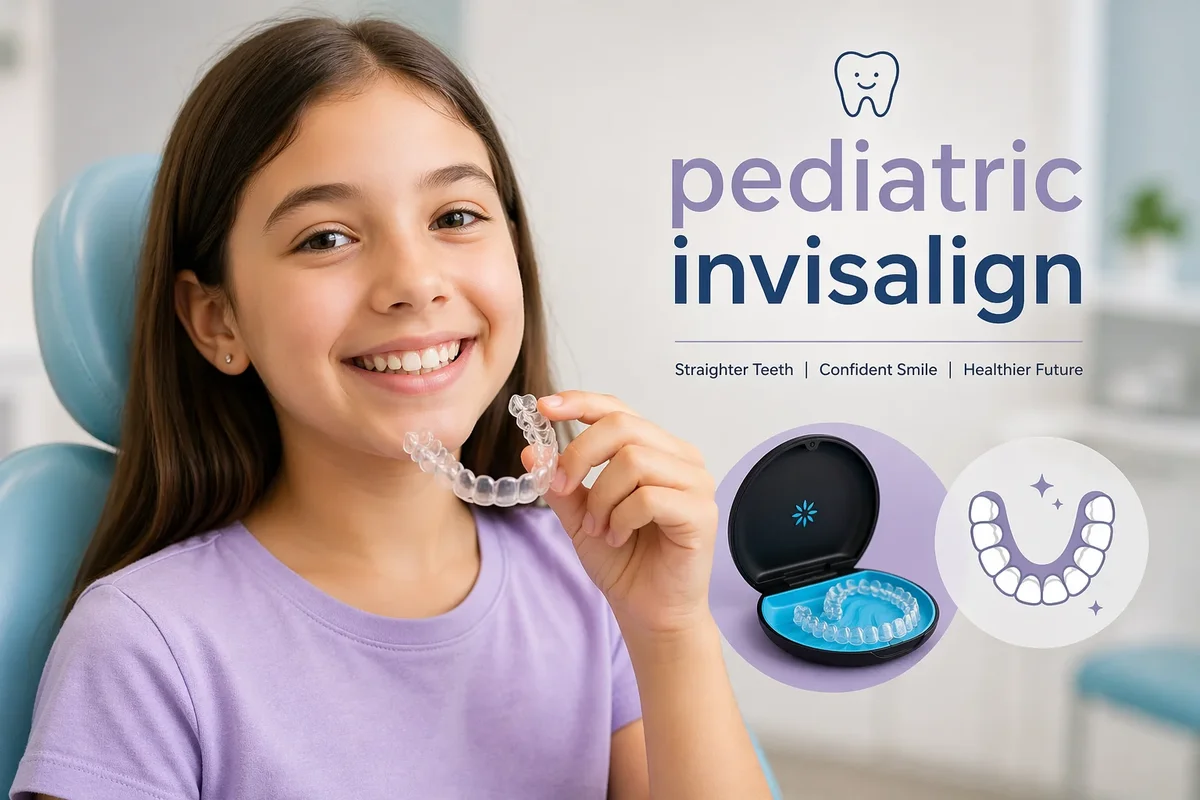
How to Choose the Right Dentist for Pediatric Invisalign
Choosing the right dentist for pediatric invisalign is one of the most critical decisions parents will make during their child’s orthodontic journey. While pediatric invisalign itself is an advanced and highly effective treatment, the success of the process largely depends on the expertise, experience, and approach of the dental professional. A well-qualified dentist ensures that pediatric invisalign treatment is accurate, comfortable, and delivers long-lasting results. For parents, understanding what to look for can make the entire experience smoother and more reassuring 😊.
Why Choosing the Right Dentist Matters
Pediatric invisalign is not just about wearing aligners—it is a carefully planned treatment that requires precise diagnosis, monitoring, and adjustments. A skilled dentist understands how to tailor pediatric invisalign treatment to a child’s unique dental structure and growth pattern. Choosing the wrong provider may lead to delayed results, discomfort, or even ineffective treatment outcomes.
Because pediatric invisalign involves growing teeth and developing jaws, it is especially important to work with a professional who has experience in pediatric dentistry and orthodontics. This ensures that the treatment supports both current alignment needs and future dental development.
Key Qualifications to Look For
When selecting a provider for pediatric invisalign, parents should evaluate the dentist’s qualifications and credentials carefully. This helps ensure that the child receives high-quality care.
Specialized Training in Orthodontics
A dentist or orthodontist with specialized training in orthodontics is better equipped to handle pediatric invisalign cases. They understand the complexities of tooth movement and can create effective treatment plans.
Experience with Pediatric Invisalign Cases
Not all dentists have extensive experience with pediatric invisalign. Parents should ask how many pediatric invisalign cases the dentist has handled and request before-and-after examples if possible.
Certifications and Affiliations
Membership in professional organizations, such as the American Dental Association, indicates that the dentist follows recognized standards of care and stays updated with the latest advancements in pediatric invisalign.
Technology and Equipment Used
Modern pediatric invisalign treatment relies heavily on advanced technology. The right dentist should have access to up-to-date tools that enhance accuracy and efficiency.
3D Scanning and Digital Imaging
Clinics that use digital scanners instead of traditional molds provide a more comfortable experience for children. These tools also improve the precision of pediatric invisalign aligners.
Simulation and Treatment Preview
Advanced software allows dentists to show a virtual simulation of how the child’s teeth will move during pediatric invisalign treatment. This helps parents understand the expected results and timeline.
Child-Friendly Approach and Communication
Since pediatric invisalign is designed for children, the dentist’s ability to communicate effectively with young patients is crucial. A child-friendly environment can make a significant difference in how comfortable the child feels during treatment.
Building Trust with Children
A good pediatric invisalign provider knows how to build trust with children. They explain procedures in a simple, reassuring way and create a positive dental experience.
Clear Communication with Parents
Parents should receive detailed explanations about pediatric invisalign treatment, including timelines, expectations, and responsibilities. Transparent communication ensures that everyone is on the same page.
Personalized Treatment Planning
Every child’s dental structure is unique, which means pediatric invisalign treatment should never be generic. The right dentist will create a customized plan tailored to the child’s needs.
Individual Assessment
The dentist should conduct a thorough evaluation before starting pediatric invisalign. This includes analyzing teeth alignment, jaw development, and oral health.
Flexible Adjustments
During the treatment, adjustments may be necessary. A skilled provider will monitor progress and modify the pediatric invisalign plan if needed to ensure optimal results.
Reviews, Reputation, and Patient Feedback
One of the best ways to evaluate a pediatric invisalign provider is by checking reviews and testimonials from other parents.
Online Reviews
Reading online reviews can provide insights into the dentist’s professionalism, communication, and treatment success rates.
Word-of-Mouth Recommendations
Recommendations from friends, family, or other parents can help identify trustworthy pediatric invisalign providers.
Convenience and Accessibility
Location and convenience also play an important role in choosing the right dentist for pediatric invisalign.
Clinic Location
Choosing a clinic that is easily accessible can make regular visits more convenient, especially for busy families.
Appointment Flexibility
Flexible scheduling options are important for accommodating school and family commitments during pediatric invisalign treatment.
Cost Transparency and Payment Options
The right pediatric invisalign provider should offer clear pricing and flexible payment plans. Transparency in costs helps parents plan their budget effectively.
Detailed Cost Breakdown
Parents should receive a complete breakdown of pediatric invisalign costs, including aligners, check-ups, and retainers.
Payment Plans
Many clinics offer installment plans, making pediatric invisalign more affordable for families.
Taking the Next Step
Choosing the right dentist for pediatric invisalign requires careful research and consideration. By focusing on qualifications, experience, technology, and patient care, parents can ensure the best possible outcome for their child.
If you are ready to begin pediatric invisalign treatment, you can connect with experienced professionals through the Redent Klinik Contact Page for personalized guidance and support.
In conclusion, selecting the right dentist is a key factor in the success of pediatric invisalign. A skilled and compassionate provider can transform the treatment process into a positive and rewarding experience. With the right guidance, pediatric invisalign can deliver outstanding results, helping children achieve a healthy, confident smile that lasts a lifetime 🌟.