
When it comes to protecting your child’s smile, most parents focus on teeth—but healthy gums are just as important. This is where a pediatric periodontist plays a crucial role. A pediatric periodontist is a dental specialist who focuses specifically on diagnosing, preventing, and treating gum-related conditions in children, adolescents, and even infants when necessary. While general dentists and pediatric dentists provide essential care, a pediatric periodontist brings advanced expertise in gum health, ensuring that your child’s oral foundation remains strong and disease-free. 🦷✨
The role of a pediatric periodontist goes far beyond simple check-ups. Children can develop gum inflammation, infections, or even early-stage periodontal disease due to poor oral hygiene, genetics, or systemic health conditions. A pediatric periodontist is trained to identify these issues at an early stage and implement specialized treatments that are gentle, effective, and tailored to young patients. This proactive approach helps prevent long-term complications such as tooth loss, bone damage, and chronic oral discomfort.
One of the most important aspects of visiting a pediatric periodontist is early intervention. Gum disease in children often starts as gingivitis, which may present as red, swollen, or bleeding gums. If left untreated, it can progress into more serious conditions. A pediatric periodontist understands how to manage these issues in a child-friendly way, using techniques that minimize discomfort and reduce anxiety. This ensures that children develop positive associations with dental care rather than fear or avoidance. 😊
Parents are often surprised to learn that children can indeed develop periodontal issues. However, factors such as plaque buildup, poor brushing habits, hormonal changes during adolescence, and even certain medical conditions can increase the risk. A pediatric periodontist is uniquely equipped to evaluate these risk factors and create a customized care plan that supports both immediate treatment and long-term oral health. This personalized approach is one of the key benefits of consulting a pediatric periodontist.
Another critical role of a pediatric periodontist is education. Both children and parents receive guidance on proper brushing techniques, flossing habits, and dietary choices that impact gum health. Teaching children how to care for their gums early in life helps build habits that last a lifetime. Additionally, a pediatric periodontist may recommend preventive treatments such as professional cleanings, antimicrobial therapies, or protective procedures to keep gums healthy and resilient.
In some cases, a pediatric periodontist may also address more complex concerns, such as gum recession, abnormal frenum attachments, or congenital gum issues. These conditions can affect not only oral health but also speech development and overall comfort. With specialized training, a pediatric periodontist can perform minimally invasive procedures that correct these problems while ensuring a smooth recovery for young patients.
It’s also important to understand that a pediatric periodontist works closely with other dental professionals, including pediatric dentists and orthodontists. This collaborative approach ensures comprehensive care for your child. For example, if your child is undergoing orthodontic treatment, maintaining healthy gums is essential for successful results. A pediatric periodontist helps ensure that the gums and supporting structures remain strong throughout the process.
Parents looking for expert care can always seek professional guidance through trusted clinics. If you are concerned about your child’s gum health or want a specialized evaluation, you can easily reach out via the Redent Klinik Contact Page for professional support. Additionally, authoritative organizations such as the American Dental Association provide valuable resources about children’s oral health and the importance of specialized care.
Ultimately, choosing a pediatric periodontist means prioritizing your child’s long-term oral health. By focusing on the health of the gums and supporting tissues, a pediatric periodontist helps create a stable foundation for strong, healthy teeth. Early care, preventive strategies, and expert treatment all work together to ensure that your child grows up with a confident, healthy smile. 😁
In summary, a pediatric periodontist is not just a specialist but a key partner in your child’s overall health journey. From preventing gum disease to managing complex conditions, the expertise of a pediatric periodontist ensures that your child’s oral development stays on the right track. Investing in specialized gum care today can make a significant difference in your child’s future dental health, comfort, and confidence.
What Does a Pediatric Periodontist Do for Children?
A pediatric periodontist is a dental specialist dedicated to protecting and improving the health of children’s gums and the supporting structures of their teeth. While many parents associate dental care with cavity prevention, the role of a pediatric periodontist is equally essential because healthy gums are the foundation of a strong and lasting smile. A pediatric periodontist focuses specifically on diagnosing, preventing, and treating gum-related conditions in children, ensuring that oral health issues are addressed early and effectively. 🦷
Unlike general dentists, a pediatric periodontist has advanced training in periodontal (gum) care tailored for younger patients. This includes understanding how children’s gums develop, how diseases progress differently in children compared to adults, and how to provide treatments that are both gentle and effective. A pediatric periodontist also knows how to communicate with children in a comforting way, helping them feel safe during dental visits.
Diagnosis of Gum Conditions in Children
One of the primary responsibilities of a pediatric periodontist is diagnosing gum conditions at an early stage. Children may develop issues such as gingivitis, gum infections, or even early forms of periodontal disease. These conditions can sometimes go unnoticed because symptoms may be mild at first.
Common Diagnostic Procedures
A pediatric periodontist uses several methods to assess a child’s gum health, including:
- Visual examination of the gums for redness, swelling, or bleeding
- Measuring gum pocket depths around teeth
- Reviewing oral hygiene habits
- Analyzing medical history that may impact gum health
Through these evaluations, a pediatric periodontist can detect early warning signs and prevent more serious complications from developing.
Prevention and Education for Lifelong Gum Health
Prevention is a major focus for any pediatric periodontist. Teaching children proper oral hygiene habits is one of the most effective ways to avoid gum disease. A pediatric periodontist works closely with both the child and parents to build strong daily routines that protect gum health.
Key Preventive Strategies
A pediatric periodontist may recommend:
- Proper brushing techniques for gum lines
- Age-appropriate flossing methods
- Balanced nutrition to support oral health
- Regular professional cleanings
By following these strategies, children can maintain healthy gums and reduce the likelihood of needing complex treatments later. A pediatric periodontist ensures that prevention is both practical and easy to follow at home. 😊
Treatment of Gum Diseases and Conditions
When gum issues arise, a pediatric periodontist provides specialized treatments designed specifically for children. These treatments are tailored to be minimally invasive and comfortable, ensuring a positive experience for young patients.
Common Treatments Provided
Some of the treatments a pediatric periodontist may perform include:
- Deep cleaning procedures (scaling and root planing)
- Antibacterial therapies to control infection
- Management of gum inflammation
- Monitoring and treatment of early periodontal disease
A pediatric periodontist carefully selects the most appropriate treatment based on the severity of the condition and the child’s overall health. This personalized approach ensures effective results while maintaining comfort.
Management of Developmental and Structural Issues
Beyond infections, a pediatric periodontist also addresses structural concerns that may affect gum health. These can include issues such as gum recession, abnormal tissue attachments, or uneven gum lines. These conditions may impact not only oral health but also speech, eating, and appearance.
Specialized Procedures
To correct these issues, a pediatric periodontist may perform:
- Frenectomy procedures for tongue or lip ties
- Gum contouring to improve gum shape
- Soft tissue grafting in rare cases
These procedures are performed with a focus on safety and minimal discomfort, ensuring a smooth recovery for the child.
Collaboration with Other Dental Specialists
A pediatric periodontist often works alongside pediatric dentists, orthodontists, and other dental professionals. This teamwork ensures that every aspect of a child’s oral health is addressed comprehensively. For example, during orthodontic treatment, maintaining healthy gums is essential for successful alignment.
By collaborating with other specialists, a pediatric periodontist helps create a coordinated treatment plan that supports both immediate needs and long-term oral health goals.
Supporting Parents and Building Confidence
Another important role of a pediatric periodontist is guiding parents. Many parents may not be aware of the early signs of gum disease or how to prevent it. A pediatric periodontist provides clear instructions, reassurance, and ongoing support.
If you need professional advice or want to schedule a consultation, you can visit the Redent Klinik Contact Page for expert assistance. For additional trusted information, the American Dental Association also offers valuable resources about children’s oral health.
In conclusion, a pediatric periodontist plays a vital role in ensuring that children develop healthy gums and strong oral habits. From early diagnosis and prevention to specialized treatments and education, the expertise of a pediatric periodontist provides children with the best possible start for lifelong dental health. Investing in the care of a pediatric periodontist means protecting not just your child’s smile today, but their confidence and well-being for years to come. 😁
When Should Your Child See a Pediatric Periodontist?
Knowing the right time to visit a pediatric periodontist can make a significant difference in your child’s oral health. Many parents assume that gum specialists are only necessary for adults, but children can also develop gum-related issues that require expert attention. A pediatric periodontist focuses on early detection, prevention, and treatment of gum conditions in children, ensuring that small concerns do not evolve into serious problems later in life. 🦷
Understanding when to schedule a visit with a pediatric periodontist involves recognizing both routine care needs and warning signs. While regular dental check-ups with a pediatric dentist are essential, certain conditions require the specialized expertise of a pediatric periodontist. Early consultation can help protect your child’s developing smile and overall oral health.
Routine Preventive Visits
Even if your child shows no obvious symptoms, there are situations where a pediatric periodontist visit is recommended as part of preventive care. Prevention is always better than treatment, and early evaluation ensures that gum health is on the right track.
Recommended Preventive Situations
- Family history of gum disease
- Orthodontic treatment planning
- Frequent plaque or tartar buildup
- Difficulty maintaining proper oral hygiene
In these cases, a pediatric periodontist can assess risk factors and create a customized prevention plan. This proactive approach helps maintain healthy gums and avoids future complications. 😊
Early Warning Signs You Should Not Ignore
Children may not always express discomfort clearly, so it is important for parents to watch for visible signs that may indicate the need for a pediatric periodontist. Identifying these symptoms early can prevent more advanced gum disease.
Common Symptoms to Watch For
- Bleeding gums during brushing or flossing
- Red, swollen, or tender gum tissue
- Persistent bad breath (halitosis)
- Gum recession or teeth appearing longer
- Pain or sensitivity in the gums
If any of these signs are present, it is advisable to consult a pediatric periodontist as soon as possible. Early intervention can significantly improve treatment outcomes and reduce discomfort.
Gum Disease in Children
Although less common than in adults, children can develop gum disease. Gingivitis is the most common early stage, and it can progress if not properly managed. A pediatric periodontist is specially trained to treat these conditions in a child-friendly manner.
Stages of Gum Disease
- Gingivitis: Mild inflammation and bleeding
- Early Periodontitis: Damage to supporting tissues begins
- Advanced Periodontitis: Bone loss and potential tooth instability
A pediatric periodontist can diagnose these stages accurately and implement treatments that stop disease progression while preserving healthy tissue.
Special Situations That Require a Pediatric Periodontist
Some children may require specialized care due to unique oral or medical conditions. In such cases, visiting a pediatric periodontist is essential for comprehensive care.
Examples of Special Cases
- Children with systemic health conditions (e.g., diabetes)
- Genetic predisposition to gum disease
- Abnormal gum development or tissue attachment
- Injuries affecting gum tissue
A pediatric periodontist takes a holistic approach, considering both dental and overall health factors when planning treatment.
Orthodontic Treatment and Gum Health
If your child is undergoing orthodontic treatment, maintaining healthy gums is crucial. Braces and aligners can make oral hygiene more challenging, increasing the risk of gum problems. A pediatric periodontist works closely with orthodontists to ensure that gum health is maintained throughout treatment.
By involving a pediatric periodontist during orthodontic care, potential issues can be addressed early, ensuring better long-term results and a healthier smile.
How Early Is Too Early?
Parents often wonder whether their child is too young to see a pediatric periodontist. The truth is, there is no strict minimum age. If gum-related concerns arise, early consultation is always beneficial.
A pediatric periodontist can evaluate even very young patients and provide guidance tailored to their developmental stage. Early visits help establish a baseline for gum health and allow for ongoing monitoring as your child grows.
Professional Guidance and Support
If you are unsure whether your child needs to see a pediatric periodontist, seeking professional advice is always a good step. You can reach out through the Redent Klinik Contact Page for expert consultation. Additionally, trusted resources such as the American Dental Association provide valuable information about children’s oral health and when to seek specialized care.
Ultimately, visiting a pediatric periodontist at the right time can prevent complications, reduce treatment needs, and ensure a positive dental experience for your child. By staying attentive to early signs and prioritizing preventive care, parents can help their children maintain healthy gums and confident smiles for years to come. 😁
Common Gum Diseases in Children Explained
Many parents assume that gum disease is an adult-only problem, but children can also experience a range of gum conditions that require professional care. A pediatric periodontist specializes in identifying, managing, and preventing these conditions early, ensuring that your child’s oral health develops properly. Understanding the most common gum diseases in children is essential for early detection and timely treatment. 🦷
A pediatric periodontist plays a critical role in educating families about these conditions and implementing targeted solutions. While some gum problems are mild and reversible, others can become serious if left untreated. Early awareness allows parents to take action before complications arise.
Gingivitis: The Most Common Childhood Gum Disease
Gingivitis is the most frequently diagnosed gum condition in children. It is characterized by inflammation of the gums caused by plaque buildup along the gumline. A pediatric periodontist often encounters gingivitis as the first stage of gum disease.
Symptoms of Gingivitis
- Red or swollen gums
- Bleeding during brushing or flossing
- Mild tenderness in the gum area
- Bad breath (halitosis)
The good news is that gingivitis is reversible with proper care. A pediatric periodontist will typically recommend improved oral hygiene practices and professional cleaning to restore gum health. 😊
Aggressive Periodontitis in Children
Although rare, aggressive periodontitis can occur in children and adolescents. This condition progresses rapidly and can lead to significant damage to the supporting structures of the teeth. A pediatric periodontist is essential for diagnosing and managing this serious condition.
Key Characteristics
- Rapid loss of gum attachment and bone
- Loose teeth at a young age
- Minimal plaque despite severe damage
- Family history of periodontal disease
Because of its severity, aggressive periodontitis requires immediate attention from a pediatric periodontist. Early intervention can help slow progression and preserve oral structures.
Gum Recession in Children
Gum recession is another condition that may affect children, although it is less common. It occurs when the gum tissue pulls away from the tooth, exposing the root surface. A pediatric periodontist evaluates the underlying cause and determines the appropriate treatment.
Possible Causes
- Improper brushing techniques
- Orthodontic issues
- Genetic predisposition
- Trauma to the gum tissue
A pediatric periodontist may recommend corrective measures such as improved brushing habits or, in rare cases, minor surgical procedures to restore gum coverage.
Gingival Hyperplasia (Gum Overgrowth)
Gingival hyperplasia refers to the excessive growth of gum tissue around the teeth. This condition can make oral hygiene difficult and may lead to further complications. A pediatric periodontist is trained to manage and treat this condition effectively.
Common Triggers
- Certain medications
- Poor oral hygiene
- Hormonal changes
Treatment by a pediatric periodontist may include professional cleaning, improved hygiene routines, and in some cases, minor surgical reshaping of the gum tissue.
Periodontal Abscesses
A periodontal abscess is a localized infection in the gum tissue that can cause pain and swelling. This condition requires immediate care from a pediatric periodontist to prevent the spread of infection.
Warning Signs
- Swelling in the gums
- Pain or discomfort when chewing
- Pus discharge
- Fever in severe cases
A pediatric periodontist will typically drain the abscess and provide appropriate treatment, including antibacterial therapy if needed.
How Gum Diseases Impact Overall Health
Gum diseases do not only affect the mouth—they can also influence overall health. Chronic inflammation in the gums may be linked to systemic conditions. A pediatric periodontist takes a comprehensive approach, considering the child’s overall well-being when diagnosing and treating gum issues.
By addressing gum diseases early, a pediatric periodontist helps prevent complications that could affect your child’s growth, nutrition, and confidence.
Prevention Strategies Recommended by Pediatric Periodontists
Preventing gum disease is always the best approach. A pediatric periodontist emphasizes consistent oral hygiene and regular dental visits.
Effective Prevention Tips
- Brush teeth twice daily using proper technique
- Floss regularly to remove plaque between teeth
- Maintain a balanced diet low in sugary foods
- Schedule regular dental check-ups
A pediatric periodontist may also recommend professional cleanings and preventive treatments tailored to your child’s needs.
When to Seek Professional Help
If you notice any signs of gum problems, it is important to consult a pediatric periodontist promptly. Early diagnosis leads to more effective treatment and better outcomes.
For expert care and guidance, you can visit the Redent Klinik Contact Page. Additionally, trusted resources such as the American Dental Association provide further information on maintaining children’s oral health.
In conclusion, understanding common gum diseases allows parents to take proactive steps in protecting their child’s oral health. With the expertise of a pediatric periodontist, these conditions can be effectively managed or prevented altogether. Early awareness, proper hygiene, and professional care work together to ensure that your child enjoys healthy gums and a confident smile for life. 😁
Signs Your Child Needs a Pediatric Periodontist
Recognizing early warning signs of gum problems in children is essential for protecting their long-term oral health. Many parents focus primarily on cavities, but gum health plays an equally important role in maintaining a strong and healthy smile. A pediatric periodontist specializes in identifying and treating these issues before they become severe. Knowing when to seek help from a pediatric periodontist can prevent discomfort, complications, and costly treatments later on. 🦷
Children may not always communicate oral discomfort clearly, which is why parents must stay attentive to visual and behavioral changes. A pediatric periodontist is trained to detect subtle signs that may indicate underlying gum disease or structural concerns. Early detection allows for more effective and less invasive treatment.
Visible Changes in Gum Appearance
One of the first indicators that your child may need to see a pediatric periodontist is a noticeable change in the appearance of their gums. Healthy gums should be pink, firm, and free of swelling. Any deviation from this can signal a developing issue.
Common Visual Warning Signs
- Red or inflamed gum tissue
- Swelling around the gumline
- Gums that appear shiny or puffy
- Uneven gum contours
If you observe any of these signs, consulting a pediatric periodontist is highly recommended. These changes often indicate inflammation or infection that requires professional evaluation.
Bleeding Gums During Daily Care
Bleeding gums are never normal, even in children. If your child experiences bleeding while brushing or flossing, it may be a sign of gingivitis or early gum disease. A pediatric periodontist can assess the severity and provide appropriate treatment.
When Bleeding Becomes a Concern
- Frequent bleeding during brushing
- Blood visible on toothbrush or floss
- Bleeding without obvious cause
A pediatric periodontist will determine whether the bleeding is due to poor oral hygiene, improper brushing techniques, or a more serious condition. Early intervention can quickly restore gum health. 😊
Persistent Bad Breath (Halitosis)
Bad breath that does not improve with brushing may indicate bacterial buildup beneath the gumline. This is another situation where a pediatric periodontist should be consulted. Chronic halitosis can be a sign of gum infection or periodontal disease.
Possible Causes of Halitosis
- Plaque and tartar accumulation
- Gum infections
- Poor oral hygiene habits
A pediatric periodontist can identify the root cause and recommend targeted treatments to eliminate the issue.
Gum Recession or Tooth Exposure
If your child’s teeth appear longer than usual or the gumline seems to be pulling back, this may indicate gum recession. A pediatric periodontist is the appropriate specialist to evaluate and manage this condition.
Why Gum Recession Matters
- Exposes sensitive tooth roots
- Increases risk of decay
- May indicate underlying periodontal disease
Early treatment by a pediatric periodontist can prevent further damage and protect the integrity of your child’s teeth.
Pain or Sensitivity in the Gums
Children may experience discomfort or sensitivity in their gums, especially when eating or brushing. This is often a sign that something is wrong beneath the surface. A pediatric periodontist can diagnose the issue and provide relief through appropriate care.
Symptoms to Monitor
- Complaints of sore or tender gums
- Pain while chewing
- Sensitivity to hot or cold foods
Ignoring these symptoms can lead to more serious conditions. A pediatric periodontist ensures that the underlying cause is properly treated.
Loose Teeth Without Injury
While it is normal for baby teeth to become loose before falling out, unexpected looseness in other teeth can be a concern. A pediatric periodontist can determine whether this is part of natural development or a sign of gum disease.
When to Be Concerned
- Teeth becoming loose prematurely
- Movement in permanent teeth
- No history of trauma or injury
A pediatric periodontist will assess the stability of the teeth and the health of the supporting structures to ensure proper development.
Difficulty Maintaining Oral Hygiene
If your child struggles with brushing or flossing effectively, plaque can accumulate and lead to gum problems. A pediatric periodontist can provide guidance and professional care to address these challenges.
Indicators of Hygiene Challenges
- Visible plaque buildup
- Frequent dental issues
- Resistance to brushing routines
A pediatric periodontist may recommend tailored strategies to improve oral hygiene and prevent future complications.
When to Take Action
If you notice any of these signs, it is important not to delay seeking professional care. Early consultation with a pediatric periodontist can prevent minor issues from becoming serious conditions.
For expert advice and treatment options, you can visit the Redent Klinik Contact Page. Additionally, reliable information about children’s oral health can be found through the American Dental Association.
In conclusion, being aware of the signs that your child needs a pediatric periodontist is essential for maintaining optimal oral health. Early detection, timely intervention, and professional care ensure that your child’s gums remain healthy and strong. By staying vigilant and proactive, parents can help their children enjoy a lifetime of confident, healthy smiles. 😁
How Pediatric Periodontists Treat Gum Problems
When a child develops gum-related issues, timely and specialized care is essential to prevent long-term complications. A pediatric periodontist is uniquely trained to diagnose and treat these conditions using child-friendly, effective, and minimally invasive methods. Unlike general treatments, the approach of a pediatric periodontist focuses on preserving developing oral structures while ensuring comfort and safety for young patients. 🦷
The treatment process used by a pediatric periodontist is comprehensive and tailored to each child’s specific needs. It typically begins with a detailed evaluation, followed by a customized treatment plan designed to restore gum health and prevent recurrence. Understanding how a pediatric periodontist treats gum problems can help parents feel confident and prepared when seeking care for their child.
Initial Evaluation and Diagnosis
The first step in treatment is a thorough assessment conducted by a pediatric periodontist. This evaluation helps identify the severity and underlying cause of the gum issue.
What the Evaluation Includes
- Examination of gum color, texture, and swelling
- Measurement of gum pocket depths
- Assessment of plaque and tartar buildup
- Review of medical and dental history
By gathering this information, a pediatric periodontist can accurately diagnose the condition and determine the most effective treatment approach.
Professional Cleaning and Plaque Removal
One of the most common treatments provided by a pediatric periodontist is professional cleaning. This step is essential for removing plaque and tartar that cannot be eliminated through regular brushing and flossing.
Types of Cleaning Procedures
- Standard cleaning: Removes surface plaque and debris
- Scaling: Eliminates hardened tartar below the gumline
- Root planing: Smooths tooth roots to promote gum reattachment
A pediatric periodontist performs these procedures with care, ensuring minimal discomfort and a positive experience for the child. 😊
Antibacterial and Medication-Based Treatments
In cases where infection is present, a pediatric periodontist may use antibacterial therapies to control harmful bacteria and reduce inflammation.
Common Medication Options
- Topical antimicrobial gels
- Antibacterial mouth rinses
- Oral antibiotics (in more severe cases)
These treatments help eliminate infection and support the healing process. A pediatric periodontist carefully selects medications based on the child’s age and overall health.
Minimally Invasive Surgical Procedures
While many gum issues can be treated non-surgically, some cases require minor surgical intervention. A pediatric periodontist is trained to perform these procedures safely and effectively.
Examples of Surgical Treatments
- Frenectomy: Corrects abnormal tissue attachments
- Gum contouring: Reshapes uneven gum lines
- Soft tissue grafting: Addresses gum recession (rare in children)
These procedures are typically quick, minimally invasive, and designed to promote rapid healing. A pediatric periodontist ensures that the child remains comfortable throughout the process.
Management of Gum Disease Progression
For children with more advanced gum conditions, a pediatric periodontist focuses on controlling disease progression and preserving healthy tissue.
Key Management Strategies
- Regular monitoring of gum health
- Follow-up cleanings and treatments
- Customized oral hygiene plans
By closely monitoring the condition, a pediatric periodontist can prevent further damage and ensure long-term stability.
Education and Home Care Guidance
Effective treatment does not end in the clinic. A pediatric periodontist emphasizes the importance of proper home care to maintain results and prevent recurrence.
Home Care Recommendations
- Brushing techniques that protect the gumline
- Daily flossing routines
- Use of child-friendly oral care products
- Healthy dietary habits
A pediatric periodontist works closely with parents and children to ensure that these practices are easy to follow and effective.
Collaboration with Other Dental Professionals
A pediatric periodontist often collaborates with pediatric dentists and orthodontists to provide comprehensive care. This teamwork ensures that all aspects of a child’s oral health are addressed.
For example, during orthodontic treatment, a pediatric periodontist helps maintain healthy gums, which are essential for successful tooth alignment.
When to Seek Treatment
If your child shows signs of gum problems, it is important to consult a pediatric periodontist promptly. Early treatment leads to better outcomes and less invasive procedures.
You can seek expert care through the Redent Klinik Contact Page for professional guidance. Additionally, the American Dental Association provides trusted information about dental treatments and gum health.
In conclusion, a pediatric periodontist uses a combination of advanced techniques, preventive strategies, and personalized care to treat gum problems in children. From professional cleaning to specialized procedures and ongoing education, every step is designed to protect and restore gum health. With the expertise of a pediatric periodontist, children can achieve healthy gums, strong teeth, and a confident smile that lasts a lifetime. 😁
Preventive Care Tips from a Pediatric Periodontist
Prevention is the cornerstone of long-term oral health, especially when it comes to protecting children’s gums. A pediatric periodontist focuses not only on treating gum problems but also on preventing them before they begin. By following expert advice from a pediatric periodontist, parents can ensure that their children develop strong oral hygiene habits that last a lifetime. 🦷✨
The guidance of a pediatric periodontist goes beyond simple brushing recommendations. It involves a comprehensive approach that includes daily care routines, dietary choices, regular dental visits, and early intervention when necessary. These preventive strategies are essential for maintaining healthy gums and avoiding complications such as gingivitis or early periodontal disease.
Establishing a Strong Daily Oral Hygiene Routine
One of the most important recommendations from a pediatric periodontist is to build a consistent and effective daily oral hygiene routine. Teaching children proper habits at an early age is key to preventing gum disease.
Essential Daily Practices
- Brush teeth at least twice a day using a soft-bristled toothbrush
- Focus on cleaning along the gumline where plaque accumulates
- Use age-appropriate fluoride toothpaste
- Replace toothbrushes regularly
A pediatric periodontist often demonstrates proper brushing techniques to both children and parents, ensuring that the gumline is cleaned gently but thoroughly. 😊
The Importance of Flossing for Gum Health
Flossing is another critical component of preventive care recommended by a pediatric periodontist. While brushing cleans the surface of the teeth, flossing removes plaque and food particles from between teeth and under the gumline.
Flossing Tips for Children
- Introduce flossing as soon as teeth begin to touch
- Use child-friendly floss picks if traditional floss is difficult
- Supervise young children to ensure proper technique
A pediatric periodontist emphasizes that consistent flossing can significantly reduce the risk of gum inflammation and infection.
Healthy Diet and Its Impact on Gums
Nutrition plays a vital role in maintaining gum health. A pediatric periodontist advises parents to provide a balanced diet that supports strong teeth and healthy gums.
Foods That Promote Gum Health
- Fruits and vegetables rich in vitamins
- Dairy products for calcium intake
- Foods high in vitamin C for gum strength
At the same time, a pediatric periodontist recommends limiting sugary snacks and beverages, as they contribute to plaque buildup and gum disease.
Regular Dental Visits and Professional Cleanings
Routine dental check-ups are essential for preventing gum problems. A pediatric periodontist works alongside pediatric dentists to monitor gum health and provide professional cleanings when needed.
Benefits of Regular Visits
- Early detection of gum issues
- Removal of plaque and tartar buildup
- Personalized oral hygiene advice
By scheduling regular visits, a pediatric periodontist can ensure that any potential problems are addressed before they become serious.
Protecting Gums During Orthodontic Treatment
Orthodontic appliances such as braces can make it more difficult to maintain oral hygiene. A pediatric periodontist provides specialized guidance to protect gums during orthodontic treatment.
Orthodontic Care Tips
- Use interdental brushes to clean around brackets
- Rinse with antibacterial mouthwash if recommended
- Maintain consistent brushing and flossing routines
A pediatric periodontist ensures that gum health is preserved throughout orthodontic treatment, contributing to better overall results.
Building Positive Dental Habits Early
Creating a positive attitude toward oral care is another key focus of a pediatric periodontist. Children who develop good habits early are more likely to maintain them into adulthood.
Encouraging Good Habits
- Make brushing and flossing fun and engaging
- Use reward systems to motivate children
- Lead by example with consistent oral care routines
A pediatric periodontist often uses child-friendly communication techniques to make dental care enjoyable and stress-free.
Parental Involvement and Supervision
Parents play a crucial role in maintaining their child’s oral health. A pediatric periodontist encourages active involvement in daily routines.
How Parents Can Help
- Supervise brushing and flossing until children can do it independently
- Monitor for signs of gum problems
- Ensure regular dental appointments
With guidance from a pediatric periodontist, parents can confidently support their child’s oral health journey.
When to Seek Professional Advice
If you have concerns about your child’s gum health, it is always best to consult a pediatric periodontist. Early advice can prevent minor issues from becoming serious problems.
You can reach out for expert support through the Redent Klinik Contact Page. Additionally, trusted resources such as the American Dental Association provide valuable information on maintaining children’s oral health.
In conclusion, preventive care guided by a pediatric periodontist is essential for ensuring healthy gums and strong teeth. By following these expert tips, parents can help their children avoid gum disease and develop lifelong oral hygiene habits. A proactive approach today leads to a healthier, brighter smile tomorrow. 😁
The Difference Between Pediatric Dentist and Pediatric Periodontist
Parents often wonder whether their child needs a general pediatric dentist or a specialized pediatric periodontist. While both professionals play essential roles in maintaining a child’s oral health, their areas of expertise differ significantly. Understanding the distinction between these two specialties helps parents make informed decisions and ensures that children receive the most appropriate care at the right time. 🦷
A pediatric periodontist focuses specifically on the health of the gums and supporting structures of the teeth, whereas a pediatric dentist provides general dental care such as cleanings, cavity treatment, and routine check-ups. Both professionals often work together to provide comprehensive care, but their training, responsibilities, and treatment approaches are unique.
What Does a Pediatric Dentist Do?
A pediatric dentist is the first line of defense in maintaining a child’s oral health. They are responsible for routine dental care and preventive treatments that keep teeth healthy.
Key Responsibilities of a Pediatric Dentist
- Performing regular dental check-ups and cleanings
- Diagnosing and treating cavities
- Applying fluoride treatments and sealants
- Monitoring tooth development and eruption
- Providing guidance on oral hygiene habits
While a pediatric dentist addresses general dental needs, they may refer patients to a pediatric periodontist if specialized gum care is required.
What Does a Pediatric Periodontist Do?
A pediatric periodontist is a specialist who focuses exclusively on the gums, bone, and supporting structures of the teeth. Their advanced training allows them to diagnose and treat complex gum conditions that go beyond routine dental care.
Core Functions of a Pediatric Periodontist
- Diagnosing gum diseases such as gingivitis and periodontitis
- Providing deep cleaning treatments like scaling and root planing
- Managing gum inflammation and infections
- Performing minor surgical procedures when necessary
- Addressing structural gum issues such as recession or tissue abnormalities
A pediatric periodontist ensures that the foundation of the teeth—the gums and bone—remains healthy and strong.
Education and Training Differences
One of the most important distinctions between a pediatric dentist and a pediatric periodontist lies in their education and specialized training.
Training Path Comparison
- Pediatric Dentist: Completes dental school followed by specialized training in child dentistry
- Pediatric Periodontist: Completes dental school plus additional years of advanced training in periodontal care
This additional training enables a pediatric periodontist to handle more complex gum-related cases with precision and expertise.
When Should You Choose a Pediatric Periodontist?
While routine care is managed by a pediatric dentist, certain conditions require the expertise of a pediatric periodontist. Knowing when to seek specialized care is essential for maintaining optimal oral health.
Situations Requiring a Pediatric Periodontist
- Persistent gum bleeding or inflammation
- Early signs of gum disease
- Gum recession or unusual tissue growth
- Loose teeth without injury
- Complications during orthodontic treatment
In these cases, a pediatric periodontist provides targeted treatment that addresses the root cause of the problem.
How Pediatric Dentists and Pediatric Periodontists Work Together
Collaboration between dental professionals is key to comprehensive care. A pediatric dentist and a pediatric periodontist often work as a team to ensure that all aspects of a child’s oral health are addressed.
Benefits of Collaborative Care
- Early detection of gum issues during routine visits
- Seamless referral to a pediatric periodontist when needed
- Coordinated treatment plans for complex cases
This teamwork ensures that children receive the most effective and efficient care possible.
Differences in Treatment Approaches
The treatment methods used by a pediatric dentist and a pediatric periodontist also differ based on their areas of expertise.
Comparison of Treatment Methods
- Pediatric Dentist: Focuses on preventive care, fillings, and general treatments
- Pediatric Periodontist: Focuses on gum therapies, deep cleanings, and surgical interventions
A pediatric periodontist uses advanced techniques specifically designed to treat gum conditions while ensuring minimal discomfort for children. 😊
Why Specialized Gum Care Matters
Healthy gums are the foundation of a healthy smile. Ignoring gum issues can lead to more serious complications, including tooth loss and bone damage. A pediatric periodontist ensures that these problems are addressed early and effectively.
By focusing on the supporting structures of the teeth, a pediatric periodontist helps maintain the stability and longevity of your child’s oral health.
Getting the Right Care for Your Child
If you are unsure whether your child needs a pediatric dentist or a pediatric periodontist, seeking professional advice is always the best approach. Early consultation can help determine the most appropriate care plan.
You can connect with experienced professionals through the Redent Klinik Contact Page. Additionally, the American Dental Association offers reliable information about dental specialties and oral health care.
In conclusion, both pediatric dentists and pediatric periodontists play vital roles in maintaining children’s oral health. While pediatric dentists handle routine care, a pediatric periodontist provides specialized expertise in gum health. Understanding this difference ensures that your child receives the right care at the right time, leading to a healthier and more confident smile. 😁
Cost of Pediatric Periodontist Treatments
Understanding the cost of treatments provided by a pediatric periodontist is an important part of planning your child’s oral healthcare. While many parents focus on routine dental expenses, specialized gum treatments may involve different pricing structures depending on the complexity of the condition, the procedures required, and the clinic’s location. A pediatric periodontist typically provides personalized treatment plans, which means costs can vary significantly from one case to another. 🦷
Although costs may seem like a concern, it is essential to remember that early intervention by a pediatric periodontist can prevent more serious and expensive treatments in the future. Investing in gum health at an early stage not only protects your child’s smile but also reduces long-term dental expenses.
Factors That Influence Treatment Costs
The cost of visiting a pediatric periodontist depends on several factors. Each child’s needs are unique, and the treatment plan is tailored accordingly.
Main Cost Determinants
- Severity of the gum condition
- Type of treatment required
- Number of visits needed
- Location and reputation of the clinic
- Use of advanced technology or sedation
A pediatric periodontist evaluates all these factors during the initial consultation and provides a detailed cost estimate. This transparency helps parents plan effectively. 😊
Average Cost of Common Procedures
Below is a general overview of typical costs associated with treatments performed by a pediatric periodontist. These estimates may vary depending on the country and clinic.
Estimated Price Range
| Procedure | Estimated Cost (USD) |
|---|---|
| Initial Consultation | $50 – $150 |
| Professional Cleaning | $75 – $200 |
| Scaling and Root Planing | $150 – $400 per quadrant |
| Frenectomy Procedure | $200 – $800 |
| Gum Contouring | $300 – $1,000 |
A pediatric periodontist will always recommend the most appropriate treatment based on the child’s condition rather than unnecessary procedures, ensuring both effectiveness and cost efficiency.
Insurance Coverage and Payment Options
Many parents wonder whether treatments by a pediatric periodontist are covered by dental insurance. Coverage varies depending on the provider and the specific plan.
What Insurance May Cover
- Basic diagnostic exams
- Medically necessary treatments
- Preventive cleanings (in some plans)
However, more advanced procedures may require partial or full out-of-pocket payment. A pediatric periodontist clinic often provides flexible payment options, including installment plans, to make treatment more accessible.
Cost vs. Long-Term Value
While the initial cost of visiting a pediatric periodontist may seem high, the long-term value is significant. Untreated gum disease can lead to tooth loss, bone damage, and the need for more complex procedures later in life.
Benefits of Early Investment
- Prevention of severe gum disease
- Avoidance of costly surgical treatments
- Improved overall oral health
- Better long-term dental stability
A pediatric periodontist helps ensure that minor issues are treated early, saving both time and money in the future.
Affordable Care Options
Parents looking for cost-effective solutions can explore several options to manage expenses related to a pediatric periodontist.
Ways to Reduce Costs
- Scheduling regular preventive visits
- Maintaining strong oral hygiene at home
- Choosing clinics with transparent pricing
- Taking advantage of insurance benefits
By following these strategies, families can make visits to a pediatric periodontist more affordable while ensuring high-quality care.
Choosing the Right Clinic for Value
Cost should not be the only factor when selecting a pediatric periodontist. Quality of care, experience, and patient comfort are equally important.
What to Look For
- Qualified and experienced specialists
- Child-friendly environment
- Clear communication about costs and treatments
- Positive patient reviews
A reputable pediatric periodontist will prioritize your child’s health while offering fair and transparent pricing.
Getting Professional Advice
If you are concerned about treatment costs or need a detailed estimate, it is best to consult directly with a pediatric periodontist. Professional guidance ensures that you understand all available options.
You can contact experts through the Redent Klinik Contact Page for personalized assistance. Additionally, the American Dental Association provides reliable information about dental care costs and treatment standards.
In conclusion, the cost of treatments provided by a pediatric periodontist varies depending on individual needs, but the value of early and specialized care cannot be overstated. By understanding pricing factors, exploring payment options, and prioritizing preventive care, parents can ensure that their child receives the best possible treatment without unnecessary financial stress. Investing in a pediatric periodontist today helps secure a healthier, brighter smile for the future. 😁
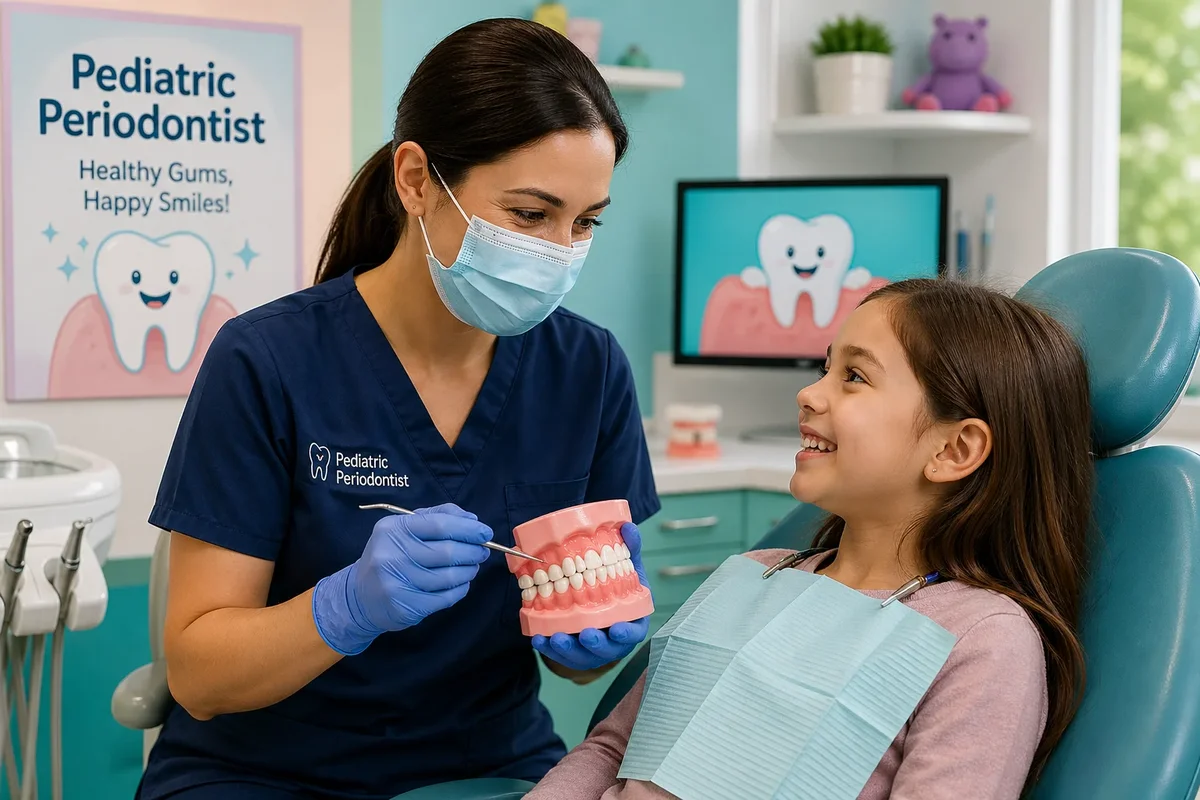
How to Choose the Best Pediatric Periodontist for Your Child
Choosing the right pediatric periodontist for your child is one of the most important decisions you can make for their long-term oral health. Since gum health forms the foundation of a strong and healthy smile, selecting a qualified and experienced pediatric periodontist ensures that your child receives the highest standard of care. Parents often feel overwhelmed by options, but by focusing on key factors, you can confidently find the best pediatric periodontist for your child’s needs. 🦷
A pediatric periodontist is not just a dental specialist but also a partner in your child’s health journey. The right professional will provide expert treatment while creating a comfortable and positive environment for young patients. This combination of clinical expertise and child-friendly care is essential for building trust and ensuring successful outcomes.
Check Qualifications and Specialized Training
The first step in choosing a pediatric periodontist is verifying their qualifications and training. Not all dental professionals have the same level of expertise in gum care for children.
What to Look For
- Completion of dental school and specialized periodontal training
- Additional focus on pediatric care
- Certifications or memberships in professional organizations
A well-trained pediatric periodontist will have the knowledge and skills needed to handle both routine and complex gum conditions in children.
Evaluate Experience with Children
Experience plays a crucial role when selecting a pediatric periodontist. Treating children requires not only technical expertise but also the ability to communicate effectively and create a calming environment.
Signs of a Child-Friendly Specialist
- Ability to explain procedures in simple terms
- Patience and understanding with young patients
- Use of gentle techniques to reduce anxiety
A pediatric periodontist who is experienced with children will make dental visits less stressful and more positive. 😊
Consider the Clinic Environment
The environment of the dental clinic is another important factor. A welcoming and child-friendly setting can significantly improve your child’s experience.
Features of a Good Clinic
- Clean and modern facilities
- Child-friendly décor and atmosphere
- Use of advanced technology
A comfortable environment helps children feel at ease, making it easier for the pediatric periodontist to provide effective care.
Review Treatment Options and Approach
Different specialists may use different approaches to treatment. A good pediatric periodontist will offer a range of options and tailor the treatment plan to your child’s specific needs.
Key Considerations
- Use of minimally invasive techniques
- Focus on preventive care
- Personalized treatment plans
A pediatric periodontist should always prioritize the least invasive and most effective solution for your child.
Check Reviews and Recommendations
One of the best ways to find a reliable pediatric periodontist is by reading reviews and seeking recommendations from other parents.
Where to Look
- Online reviews and testimonials
- Recommendations from your child’s dentist
- Feedback from friends or family
Positive feedback is a strong indicator that a pediatric periodontist provides high-quality care and a good patient experience.
Understand Communication and Transparency
Clear communication is essential when working with a pediatric periodontist. Parents should feel informed and confident about every aspect of their child’s treatment.
What to Expect
- Detailed explanations of procedures
- Transparent cost estimates
- Willingness to answer questions
A trustworthy pediatric periodontist will ensure that you fully understand the treatment plan and feel comfortable with the decisions being made.
Accessibility and Convenience
Location and scheduling flexibility are also important when choosing a pediatric periodontist. Regular visits may be required, so convenience plays a key role.
Factors to Consider
- Clinic location and travel time
- Availability of appointments
- Emergency care options
A conveniently located pediatric periodontist makes it easier to maintain consistent care and follow-up visits.
Trust Your Instincts as a Parent
Finally, trust your instincts when selecting a pediatric periodontist. If you feel comfortable and confident in the specialist’s abilities, it is likely the right choice.
Your child should also feel at ease with the pediatric periodontist, as this will encourage cooperation and a positive attitude toward dental care.
Where to Find the Right Specialist
If you are ready to choose a qualified pediatric periodontist, you can start by contacting trusted clinics. Visit the Redent Klinik Contact Page to connect with experienced professionals. Additionally, the American Dental Association provides reliable information and resources to help you make informed decisions.
In conclusion, selecting the best pediatric periodontist involves evaluating qualifications, experience, environment, and communication. By considering these factors, parents can ensure that their child receives expert care in a supportive and comfortable setting. The right pediatric periodontist not only treats gum issues but also helps build a lifetime of healthy oral habits, leading to a confident and radiant smile. 😁