
Choosing the right peds dentist for your child is one of the most important decisions you will make as a parent. A peds dentist, also known as a pediatric dentist, specializes in the oral health of infants, children, and teenagers. Unlike general dentists, a peds dentist completes additional years of advanced training focused specifically on child psychology, growth and development, preventive care, and behavior management. This specialized education allows a peds dentist to create a positive and safe dental experience tailored to young patients.
A peds dentist understands that children are not simply “small adults.” Their teeth, gums, and jaws are constantly developing. From the eruption of the first baby tooth to the transition into permanent teeth, each stage requires careful monitoring. A peds dentist tracks this development closely to ensure everything progresses normally. Early detection of potential issues such as misalignment, bite problems, enamel defects, or early childhood cavities can make a significant difference in long-term oral health.
One of the primary goals of a peds dentist is prevention. Preventive dentistry begins even before a child’s first birthday. Most experts, including the American Dental Association, recommend that a child visit a peds dentist when the first tooth appears or by age one. These early visits help parents learn proper brushing techniques, fluoride guidance, nutrition advice, and habits that protect young teeth. A peds dentist will also evaluate risk factors for cavities and provide tailored preventive plans.
Parents often wonder why they cannot simply take their child to a general dentist. While many general dentists treat children, a peds dentist has specific tools, office designs, and communication strategies created just for kids. From colorful waiting rooms to smaller dental instruments designed for little mouths, every detail is built to reduce fear and increase comfort. A peds dentist is also trained in managing dental anxiety, which is common among young patients. By using child-friendly language, gentle techniques, and positive reinforcement, a peds dentist helps children feel secure during treatment. 😊
Another important advantage of seeing a peds dentist is their expertise in handling behavioral challenges. Some children may be nervous, have special healthcare needs, or struggle with sitting still. A peds dentist receives training in behavior guidance techniques that promote cooperation without trauma. This ensures that even complex treatments can be completed safely and effectively while protecting the child’s emotional well-being.
Preventing cavities is a central focus for every peds dentist. Tooth decay remains one of the most common chronic childhood conditions worldwide. Through professional cleanings, fluoride applications, and dental sealants, a peds dentist significantly reduces the risk of decay. Sealants, for example, are thin protective coatings applied to molars to prevent food and bacteria from settling into deep grooves. A peds dentist may recommend sealants as soon as permanent molars erupt.
Education is another cornerstone of care. A peds dentist spends time teaching children proper brushing and flossing habits in an engaging and easy-to-understand way. By building good habits early, a peds dentist helps set the foundation for a lifetime of healthy smiles. Parents are also guided on limiting sugary snacks, avoiding prolonged bottle use, and encouraging water instead of sugary drinks.
In addition to preventive care, a peds dentist treats common dental conditions such as cavities, gum inflammation, enamel defects, and minor orthodontic concerns. If more advanced care is required, a peds dentist coordinates with specialists such as orthodontists or oral surgeons. Early orthodontic evaluations are often recommended around age seven, and a peds dentist plays a key role in identifying when referral is necessary.
Cost is another concern for many families. The price of visiting a peds dentist varies depending on location and treatment type. Routine check-ups and cleanings in the United States typically range from $80 to $200 without insurance. Fluoride treatments may cost between $20 and $50, while sealants can range from $30 to $60 per tooth. Most dental insurance plans cover preventive visits to a peds dentist twice per year. It is always recommended to confirm coverage details in advance.
If you are seeking professional pediatric dental care and personalized guidance, you can also reach out through the Redent Klinik Contact Page for further information about child-friendly dental services.
Ultimately, selecting a trusted peds dentist ensures that your child develops healthy dental habits, receives early preventive care, and feels confident about dental visits. A supportive and experienced peds dentist not only protects your child’s teeth today but also builds positive dental attitudes that last into adulthood. By prioritizing early visits and consistent follow-ups, you are investing in your child’s long-term oral and overall health. 🦷✨
What Is a Peds Dentist and How Are They Different?
A peds dentist is a dental professional who specializes exclusively in the oral health care of infants, children, and adolescents. While many parents assume that any general dentist can treat children, a peds dentist completes additional years of focused education after dental school. This advanced training equips a peds dentist with in-depth knowledge of child development, behavior management, preventive pediatric treatments, and the unique needs of growing smiles. Understanding these differences helps parents make informed decisions about their child’s dental care.
Specialized Education and Training
After completing dental school, a peds dentist undergoes two to three additional years of residency training dedicated specifically to pediatric dentistry. During this period, a peds dentist studies child psychology, growth and development of the jaw and teeth, and advanced behavior guidance techniques. This training ensures that a peds dentist can confidently manage both routine and complex dental cases in young patients.
Unlike a general dentist, a peds dentist is trained to monitor how baby teeth erupt, how permanent teeth replace them, and how jaw alignment develops over time. Early recognition of bite issues, crowding, or delayed eruption allows a peds dentist to intervene promptly. This early approach can prevent more complicated orthodontic problems later in life. 🦷
Child-Friendly Environment and Equipment
One of the most noticeable differences when visiting a peds dentist is the environment. Pediatric dental offices are often designed with bright colors, playful themes, and comforting spaces that reduce anxiety. A peds dentist understands that the physical setting plays a major role in shaping a child’s perception of dental visits.
Smaller Instruments for Smaller Smiles
A peds dentist uses dental instruments specifically designed for children’s smaller mouths. These tools are less intimidating and allow for greater precision when treating primary (baby) teeth. The smaller equipment also ensures more comfort during procedures, which encourages positive experiences at the peds dentist office.
Behavior Guidance Techniques
Children may feel nervous or fearful during dental visits. A peds dentist is trained in specialized communication methods such as “tell-show-do,” positive reinforcement, and distraction techniques. These strategies help children understand what will happen during treatment and reduce fear. A skilled peds dentist knows how to adapt language and tone based on the child’s age and personality, creating trust and cooperation.
Focus on Preventive Care
Prevention is a central philosophy of every peds dentist. Tooth decay remains one of the most common chronic conditions in children worldwide. A peds dentist prioritizes preventive services such as professional cleanings, fluoride applications, dental sealants, and early risk assessments.
Fluoride treatments strengthen enamel and protect against cavities. Sealants are thin protective coatings applied to the chewing surfaces of molars to prevent food particles and bacteria from becoming trapped. A peds dentist evaluates when these preventive measures are most beneficial based on the child’s age and cavity risk.
In addition, a peds dentist provides personalized guidance on brushing techniques, flossing habits, and nutritional choices. Parents receive detailed advice about limiting sugary snacks, encouraging water consumption, and preventing habits like prolonged bottle feeding that can contribute to early childhood cavities. 😊
Expertise in Growth and Development Monitoring
Children’s mouths are constantly changing. A peds dentist closely monitors how teeth erupt, how the jaw grows, and how the bite develops. Early detection of misalignment or crossbite allows a peds dentist to recommend timely orthodontic evaluations. Many professional guidelines suggest orthodontic assessment around age seven, and a peds dentist plays a critical role in identifying potential concerns.
Because a peds dentist focuses on growing patients, they are also experienced in handling dental trauma such as chipped or knocked-out teeth — common occurrences in active children. Prompt evaluation by a peds dentist can significantly improve treatment outcomes in such situations.
Managing Special Healthcare Needs
Another key distinction is the ability of a peds dentist to care for children with special healthcare needs. Whether a child has developmental delays, sensory sensitivities, or medical conditions that affect oral health, a peds dentist receives training in adapting treatment plans safely and effectively. This specialized expertise ensures that all children receive compassionate and appropriate care.
How a Peds Dentist Differs from a General Dentist
While general dentists can provide dental care for all ages, a peds dentist dedicates their entire practice to children. This focused approach allows a peds dentist to stay updated on the latest pediatric treatment techniques, sedation options, preventive strategies, and behavior management research. Professional organizations such as the American Dental Association recognize pediatric dentistry as a distinct specialty, reinforcing the importance of this dedicated training.
Ultimately, choosing a peds dentist means selecting a provider who understands both the clinical and emotional needs of children. From infancy through adolescence, a peds dentist supports healthy dental development while building positive lifelong attitudes toward oral care. For parents seeking guidance or scheduling information, visiting the Redent Klinik Contact Page can provide additional assistance.
In summary, a peds dentist is not simply a dentist who treats children — they are a highly trained specialist focused on preventive care, growth monitoring, and creating comfortable experiences. By understanding how a peds dentist differs from other dental professionals, parents can confidently prioritize specialized care that protects their child’s smile for years to come. ✨
When Should Your Child First Visit a Peds Dentist?
One of the most common questions parents ask is: When is the right time to see a peds dentist for the first time? According to leading dental authorities, a child should visit a peds dentist by their first birthday or within six months after the first tooth appears — whichever comes first. Early visits to a peds dentist are not just about checking teeth; they are about building a strong foundation for lifelong oral health.
Many parents mistakenly believe that baby teeth are not important because they will eventually fall out. However, a peds dentist emphasizes that primary teeth play a critical role in speech development, chewing, facial structure, and guiding permanent teeth into the correct position. Seeing a peds dentist early allows potential problems to be detected and treated before they become serious.
Why Age One Is the Ideal Time
The first visit to a peds dentist is often called a “well-baby dental visit.” At this stage, the appointment is usually simple, gentle, and educational. The peds dentist examines the child’s gums, newly erupted teeth, jaw development, and oral tissues. Even if only one or two teeth are present, a peds dentist can identify early signs of decay or enamel weakness.
During this visit, the peds dentist also guides parents on:
- Proper brushing techniques for infants 🪥
- Safe fluoride use
- Teething management
- Thumb-sucking and pacifier habits
- Healthy feeding practices
Early education from a peds dentist significantly reduces the risk of early childhood cavities, also known as baby bottle tooth decay.
Understanding Early Childhood Cavities
Tooth decay can begin as soon as the first tooth erupts. A peds dentist often sees cases where sugary drinks, prolonged bottle feeding, or frequent snacking lead to rapid decay. This is why visiting a peds dentist early is essential. Prevention is much easier and less costly than restorative treatment later.
Risk Factors a Peds Dentist Looks For
During early assessments, a peds dentist evaluates several cavity risk factors, including:
- Frequent exposure to sugary liquids
- Family history of dental decay
- Poor oral hygiene habits
- Enamel defects
If a child is considered high-risk, a peds dentist may recommend more frequent visits, fluoride varnish applications, or additional preventive strategies.
What Happens at the First Appointment?
A first visit to a peds dentist is usually short and stress-free. The child may sit on a parent’s lap while the peds dentist gently examines the mouth. This “knee-to-knee” approach allows both comfort and visibility. The goal is not to perform extensive treatment but to create a positive introduction to dental care.
The peds dentist will also answer parents’ questions in detail. Topics may include teething discomfort, gum cleaning before teeth erupt, transitioning from bottle to cup, and when to begin flossing. Establishing trust with a peds dentist early makes future visits smoother and anxiety-free. 😊
How Often Should Children Visit a Peds Dentist?
After the initial visit, most children should see a peds dentist every six months for routine check-ups and cleanings. However, the recommended frequency may vary depending on cavity risk and oral health status. A peds dentist customizes recall intervals based on the child’s specific needs.
Routine visits allow the peds dentist to:
- Monitor tooth eruption and jaw growth
- Apply fluoride treatments
- Provide professional cleanings
- Evaluate bite development
- Detect early orthodontic concerns
Benefits of Starting Early with a Peds Dentist
Starting dental care early with a peds dentist offers several long-term advantages:
1. Reduced Dental Anxiety
Children who begin visiting a peds dentist at a young age are more likely to view dental appointments as normal and non-threatening. Positive early experiences prevent fear later in life.
2. Better Preventive Care
A peds dentist focuses heavily on prevention. Early fluoride guidance, sealant recommendations, and dietary counseling significantly lower cavity risk.
3. Cost Savings Over Time
Preventive visits to a peds dentist typically range from $80 to $200 without insurance in the United States. Fluoride treatments may cost $20–$50. Addressing small issues early avoids more expensive restorative procedures, which can cost several hundred dollars per tooth.
Many insurance plans cover two annual visits to a peds dentist, making preventive care affordable and accessible.
When to See a Peds Dentist Sooner Than Age One
Although age one is the general guideline, parents should contact a peds dentist earlier if they notice:
- White or brown spots on teeth
- Injury to the mouth or teeth
- Delayed tooth eruption
- Swelling or signs of infection
In such cases, immediate evaluation by a peds dentist can prevent complications and discomfort.
Parents seeking professional pediatric dental advice can also reach out through the Redent Klinik Contact Page for guidance and appointment scheduling.
In conclusion, the best time to visit a peds dentist is earlier than many parents expect. Establishing care by age one sets the stage for healthy dental development, prevents cavities, reduces anxiety, and promotes lifelong oral hygiene habits. With early and consistent visits to a trusted peds dentist, children can grow up with confident smiles and strong, healthy teeth. 🦷✨
Top 7 Treatments Offered by a Peds Dentist
A peds dentist provides a wide range of treatments specifically designed for infants, children, and teenagers. Because children’s teeth and jaws are still developing, the services offered by a peds dentist focus heavily on prevention, early diagnosis, and minimally invasive care. Understanding the most common procedures performed by a peds dentist helps parents feel informed and confident when making decisions about their child’s oral health.
Below are the top seven treatments commonly provided by a peds dentist, each playing a critical role in maintaining healthy smiles from early childhood through adolescence. 🦷😊
1. Comprehensive Dental Exams
Routine examinations are the foundation of pediatric dental care. During each visit, a peds dentist carefully evaluates the teeth, gums, jaw alignment, and overall oral development. These exams allow the peds dentist to detect early signs of cavities, bite issues, enamel defects, or gum inflammation.
X-rays may be taken when necessary to identify problems that are not visible to the naked eye. A peds dentist ensures that radiographs are used safely and only when clinically appropriate. Regular exams typically occur every six months, although a peds dentist may recommend more frequent visits for children at higher risk of decay.
2. Professional Cleanings and Fluoride Treatments
Professional cleanings remove plaque and tartar buildup that regular brushing may miss. A peds dentist uses gentle tools and child-friendly techniques to make the cleaning process comfortable and stress-free. After cleaning, fluoride treatments are often applied to strengthen enamel and prevent cavities.
Why Fluoride Is Important
Fluoride helps remineralize weak enamel and protect teeth against acid attacks caused by bacteria and sugary foods. A peds dentist evaluates each child’s cavity risk before recommending fluoride frequency. Fluoride applications generally cost between $20 and $50 per visit in the United States without insurance.
3. Dental Sealants
Dental sealants are thin protective coatings applied to the chewing surfaces of molars. A peds dentist often recommends sealants when permanent molars first erupt, usually around ages six and twelve. These teeth have deep grooves that easily trap food particles and bacteria.
By applying sealants, a peds dentist significantly reduces the risk of decay in these vulnerable areas. Sealants typically cost between $30 and $60 per tooth and are often covered by dental insurance plans.
4. Tooth-Colored Fillings
Despite preventive efforts, cavities can still occur. When decay develops, a peds dentist removes the affected portion of the tooth and restores it with a tooth-colored composite filling. These materials blend naturally with the child’s teeth and preserve as much healthy structure as possible.
A peds dentist ensures that the procedure is performed gently, often using behavior guidance techniques to reduce anxiety. Early treatment prevents further infection and protects the underlying permanent tooth.
5. Pulp Therapy (Baby Root Canal Treatment)
If decay reaches the inner pulp of a baby tooth, a peds dentist may recommend pulp therapy. Sometimes referred to as a “baby root canal,” this treatment removes infected tissue while preserving the remaining healthy tooth structure.
Why Saving Baby Teeth Matters
A peds dentist prioritizes saving primary teeth whenever possible because they maintain space for permanent teeth and support proper jaw development. Premature loss of baby teeth can lead to misalignment and orthodontic complications.
6. Space Maintainers
If a baby tooth is lost too early due to trauma or decay, a peds dentist may place a space maintainer. This small dental appliance holds the gap open to ensure the permanent tooth erupts in the correct position.
Without intervention from a peds dentist, nearby teeth may shift into the empty space, causing crowding or alignment problems. Space maintainers are simple yet highly effective preventive devices.
7. Emergency Dental Care
Children are active, and accidents can happen. A peds dentist is trained to manage dental emergencies such as chipped teeth, knocked-out teeth, or soft tissue injuries. Prompt treatment by a peds dentist can significantly improve outcomes and reduce complications.
Parents should contact a peds dentist immediately if a child experiences dental trauma. Acting quickly can sometimes save a tooth and prevent infection.
Additional Preventive and Behavioral Services
Beyond these core treatments, a peds dentist also provides habit counseling (for thumb sucking or pacifier use), orthodontic monitoring, and nutritional guidance. A peds dentist carefully tracks jaw growth and bite development, recommending orthodontic evaluations when necessary.
Education is integrated into every appointment. A peds dentist teaches proper brushing techniques, flossing habits, and dietary practices that reduce cavity risk. Parents are encouraged to ask questions and actively participate in maintaining their child’s oral health.
According to professional standards supported by the American Dental Association, preventive pediatric dental care plays a key role in reducing childhood cavities and promoting overall well-being.
If you are seeking personalized pediatric dental services, you can also visit the Redent Klinik Contact Page for additional information and appointment scheduling support.
In summary, a peds dentist offers comprehensive, child-centered treatments designed to protect growing smiles. From preventive cleanings and fluoride applications to restorative care and emergency services, a peds dentist ensures that every stage of dental development is carefully monitored and supported. By partnering with a trusted peds dentist, parents invest in long-term oral health, confidence, and comfort for their children. ✨
How a Peds Dentist Helps Prevent Cavities Early
Preventing cavities is one of the primary goals of every peds dentist. Tooth decay remains one of the most common chronic conditions in children, yet it is largely preventable with proper care and early intervention. A peds dentist focuses heavily on proactive strategies that protect primary and permanent teeth from the very beginning. By combining professional treatments, education, and regular monitoring, a peds dentist significantly reduces the risk of dental problems before they become serious or costly.
Many parents underestimate how quickly cavities can develop in young children. Baby teeth have thinner enamel compared to adult teeth, which makes them more vulnerable to decay. A peds dentist understands these vulnerabilities and creates personalized prevention plans tailored to each child’s needs. 🦷😊
Early Risk Assessment by a Peds Dentist
During routine check-ups, a peds dentist evaluates each child’s cavity risk. This assessment includes reviewing dietary habits, oral hygiene routines, fluoride exposure, and family history of tooth decay. Because genetics and environment both play roles in oral health, a peds dentist considers all contributing factors.
Key Risk Factors Identified by a Peds Dentist
- Frequent consumption of sugary snacks or drinks
- Poor brushing technique or inconsistent hygiene
- Prolonged bottle or sippy cup use
- Limited fluoride exposure
- Previous history of cavities
If a child is considered high-risk, a peds dentist may recommend more frequent visits, professional fluoride treatments, or dietary adjustments. Early identification allows a peds dentist to intervene before cavities progress.
Professional Fluoride Treatments
Fluoride plays a crucial role in strengthening tooth enamel and reversing early stages of decay. A peds dentist often applies fluoride varnish during routine visits. This quick, painless treatment helps remineralize weak areas and prevent cavity formation.
Fluoride treatments provided by a peds dentist are safe and carefully measured based on age and risk level. In the United States, fluoride applications typically cost between $20 and $50 per session without insurance. Many dental insurance plans cover fluoride treatments for children.
Dental Sealants for Long-Term Protection
Molars have deep grooves that easily trap food particles and bacteria. A peds dentist frequently recommends dental sealants once permanent molars erupt. Sealants act as protective barriers, preventing plaque accumulation in hard-to-clean areas.
Why Sealants Are Highly Effective
Research shows that sealants can reduce the risk of cavities in molars by up to 80%. A peds dentist carefully applies a thin resin coating that bonds to the chewing surface of the tooth. The procedure is painless and takes only a few minutes per tooth.
The cost of sealants ranges from $30 to $60 per tooth without insurance. When applied by a peds dentist at the right time, sealants provide years of added protection.
Education and Habit Building
A peds dentist does more than provide clinical treatments — education is a major component of cavity prevention. Children are taught proper brushing and flossing techniques using age-appropriate explanations and demonstrations. By making oral hygiene fun and interactive, a peds dentist encourages children to take ownership of their dental care. ✨
Parents also receive guidance from a peds dentist on:
- Using a rice-sized amount of toothpaste for infants
- Supervising brushing until at least age 7 or 8
- Limiting sugary snacks and beverages
- Encouraging water as the primary drink
Consistent reinforcement from a peds dentist helps establish lifelong habits that dramatically reduce cavity risk.
Monitoring Tooth Development and Alignment
Crowded or misaligned teeth can make brushing more difficult, increasing the likelihood of plaque buildup. A peds dentist carefully monitors tooth eruption and jaw growth during each visit. Early identification of alignment concerns allows timely orthodontic referrals if needed.
Preventive orthodontic guidance from a peds dentist reduces the risk of hard-to-clean areas that contribute to decay. Growth monitoring is especially important between ages 6 and 12, when permanent teeth are erupting.
Dietary Counseling from a Peds Dentist
Nutrition plays a vital role in preventing cavities. A peds dentist provides clear recommendations on limiting sugary foods, sticky snacks, and acidic drinks. Frequent snacking increases acid exposure in the mouth, weakening enamel over time.
Instead, a peds dentist may suggest healthier alternatives such as:
- Fresh fruits and vegetables 🥕🍎
- Cheese and yogurt
- Water instead of juice or soda
Balanced nutrition supports both oral and overall health.
Regular Check-Ups for Continuous Protection
Routine visits every six months allow a peds dentist to remove plaque buildup, reapply fluoride, and reassess cavity risk. Professional cleanings eliminate tartar that cannot be removed at home. These appointments also provide opportunities for parents to ask questions and address concerns.
According to preventive guidelines supported by the American Dental Association, early and consistent dental visits significantly reduce childhood cavity rates.
If you would like personalized preventive care guidance, you can reach out through the Redent Klinik Contact Page for more information about pediatric dental services.
In summary, a peds dentist plays a critical role in preventing cavities before they begin. Through risk assessment, fluoride treatments, sealants, education, dietary counseling, and regular monitoring, a peds dentist creates a protective shield around your child’s developing smile. Early prevention not only saves money but also prevents discomfort and builds confidence in lifelong oral health habits. 🦷💙
Costs and Insurance: What to Expect at a Peds Dentist
Understanding the financial aspect of pediatric dental care is an important part of planning your child’s oral health journey. While many parents prioritize finding a qualified peds dentist, they also want clarity about costs, insurance coverage, and payment options. The good news is that preventive care at a peds dentist is generally affordable, especially when addressed early. Preventive visits are far less expensive than treating advanced dental problems later.
A peds dentist focuses on prevention first, which helps families avoid high-cost restorative procedures. However, knowing what to expect financially allows parents to budget confidently and avoid surprises. Let’s break down typical costs and insurance details related to visiting a peds dentist. 🦷💰
Average Cost of Routine Visits to a Peds Dentist
Routine dental check-ups are the most common service provided by a peds dentist. These appointments typically include an oral examination, professional cleaning, fluoride treatment, and sometimes X-rays.
Estimated Preventive Care Costs (Without Insurance)
- Comprehensive exam: $80 – $150
- Professional cleaning: $75 – $150
- Fluoride treatment: $20 – $50
- Dental X-rays: $50 – $150 (depending on type)
Combined, a routine visit to a peds dentist may range between $150 and $300 without insurance. Prices vary depending on location and clinic reputation. Urban areas may have slightly higher fees compared to smaller towns.
Because a peds dentist emphasizes preventive care, these visits are typically recommended twice per year. Regular attendance helps minimize long-term expenses.
Costs of Common Treatments by a Peds Dentist
If treatment beyond preventive care is needed, a peds dentist will discuss all available options with parents before proceeding.
1. Tooth-Colored Fillings
Cavity fillings at a peds dentist generally cost between $150 and $300 per tooth, depending on the size and location of the cavity.
2. Dental Sealants
Sealants, which protect molars from decay, typically cost $30 – $60 per tooth. A peds dentist often recommends sealants when permanent molars erupt.
3. Pulp Therapy (Baby Root Canal)
When decay reaches the inner pulp of a baby tooth, pulp therapy may cost between $250 and $600 per tooth. A peds dentist performs this procedure to preserve the primary tooth and maintain space for permanent teeth.
4. Space Maintainers
If a baby tooth is lost prematurely, a peds dentist may recommend a space maintainer, which typically ranges from $250 to $500.
These figures reflect general U.S. market estimates. Actual pricing can vary significantly based on region and clinical complexity.
How Dental Insurance Works for a Peds Dentist
Most dental insurance plans provide strong coverage for preventive pediatric services. A peds dentist typically works closely with insurance providers to maximize patient benefits.
Preventive Coverage
Most insurance plans cover 100% of preventive services, including exams, cleanings, and fluoride treatments, when performed by a peds dentist. These services are usually covered twice annually.
Basic and Major Treatments
Basic procedures like fillings are often covered at 70%–80%, while more complex treatments such as pulp therapy may be covered at 50%–70%. A peds dentist’s office usually provides cost estimates in advance to help parents understand their portion of payment.
It is important to verify your annual maximum coverage limit. Many plans have an annual maximum between $1,000 and $2,000 per child.
Government Programs and Pediatric Dental Coverage
For families who qualify, government-supported programs may cover pediatric dental services. In the United States, Medicaid and CHIP programs often include comprehensive pediatric dental benefits. A participating peds dentist can provide preventive and restorative care under these plans.
Eligibility and coverage details vary by state, so it is recommended to confirm participation directly with the peds dentist’s office.
Flexible Payment Options Offered by a Peds Dentist
Many families appreciate that a peds dentist may offer flexible financial arrangements, including:
- Payment plans for larger treatments
- Third-party healthcare financing
- Family discount plans
- In-house membership programs
These options make it easier to prioritize children’s dental health without financial strain. Preventive care from a peds dentist is far more cost-effective than emergency treatment.
Why Preventive Visits Save Money Long-Term
One of the biggest advantages of visiting a peds dentist regularly is cost prevention. Small cavities treated early are significantly less expensive than advanced decay requiring pulp therapy or extraction. Routine visits also reduce the likelihood of dental emergencies.
According to professional standards supported by the American Dental Association, preventive pediatric dental care reduces long-term treatment expenses and improves overall oral health outcomes.
If you would like more detailed information about pediatric dental services and scheduling, you can visit the Redent Klinik Contact Page for personalized assistance.
In conclusion, understanding costs and insurance coverage helps parents confidently plan visits to a trusted peds dentist. Preventive services are generally affordable and widely covered by insurance. When treatment is necessary, a peds dentist provides transparent pricing, flexible payment options, and guidance every step of the way. Investing in regular visits to a peds dentist not only protects your child’s smile but also ensures financial peace of mind in the long run. ✨🦷
How to Choose the Best Peds Dentist Near You
Choosing the right peds dentist is one of the most important decisions you can make for your child’s oral health. A positive relationship with a peds dentist can shape how your child feels about dental care for the rest of their life. Because pediatric dental experiences influence long-term habits and attitudes, it is essential to select a peds dentist who combines clinical expertise with compassion, patience, and a child-friendly environment.
Parents often search online for a “peds dentist near me,” but proximity alone should not be the only deciding factor. The best peds dentist is one who understands your child’s needs, communicates clearly with parents, and prioritizes preventive care. Let’s explore the most important criteria to consider when choosing a peds dentist. 🦷😊
Check Qualifications and Specialized Training
The first step in choosing a peds dentist is verifying credentials. A qualified peds dentist completes additional years of pediatric-focused training after dental school. This specialized education includes child psychology, growth and development, and advanced behavior guidance techniques.
Why Specialized Training Matters
A peds dentist is specifically trained to treat infants, toddlers, and adolescents. Their knowledge of developing jaws, erupting teeth, and early orthodontic concerns allows for early detection of problems. A peds dentist also understands how to communicate with children in a reassuring way, reducing fear and building trust.
You can confirm professional standing through reputable organizations such as the American Dental Association, which recognizes pediatric dentistry as a specialty.
Evaluate the Office Environment
The atmosphere of a peds dentist office plays a significant role in your child’s comfort. A well-designed pediatric dental clinic often includes bright colors, playful décor, and child-friendly entertainment options.
Look for a Child-Centered Approach
A great peds dentist creates a welcoming experience from the moment you walk in. Staff members should be friendly, patient, and experienced in working with children. Observe how the peds dentist and team interact with young patients — do they speak gently? Do they explain procedures in simple terms? These small details make a big difference.
Comfort-focused tools and smaller dental instruments designed for children are additional signs of a dedicated peds dentist practice.
Assess Preventive Philosophy
A high-quality peds dentist prioritizes prevention over treatment. During consultations, ask about their approach to fluoride treatments, sealants, dietary counseling, and early cavity detection.
A preventive-focused peds dentist will:
- Recommend regular six-month visits
- Provide detailed brushing and flossing guidance
- Monitor bite development
- Offer personalized cavity risk assessments
Preventive care reduces the likelihood of costly and uncomfortable procedures later.
Read Reviews and Ask for Recommendations
Online reviews can offer insight into other parents’ experiences with a peds dentist. Look for comments about professionalism, patience, cleanliness, and communication. While no clinic will have perfect reviews, consistent positive feedback about a peds dentist is reassuring.
Personal recommendations from friends, family members, or your child’s pediatrician can also guide you toward a trusted peds dentist in your area.
Consider Location and Accessibility
While expertise is essential, convenience matters too. A nearby peds dentist makes it easier to maintain regular appointments and respond quickly in case of dental emergencies. Flexible scheduling options, including after-school or weekend hours, can also be beneficial.
If you are exploring professional pediatric dental care options, you can visit the Redent Klinik Contact Page for additional information and assistance.
Discuss Costs and Insurance Acceptance
Before selecting a peds dentist, confirm insurance participation and payment policies. Many families prefer a peds dentist who accepts their dental insurance plan or offers flexible payment options.
Questions to Ask About Financial Policies
- Does the peds dentist accept my insurance?
- Are preventive visits fully covered?
- Are payment plans available for larger treatments?
- Is there an in-house membership program?
Transparent financial communication builds trust and prevents unexpected expenses.
Schedule a Consultation Visit
If possible, schedule an introductory appointment before committing long-term. A consultation allows you to observe how the peds dentist interacts with your child. Does your child feel comfortable? Does the peds dentist answer your questions thoroughly?
A skilled peds dentist will take time to explain treatment options clearly, address concerns, and create a personalized care plan. Trust your instincts — if the environment feels supportive and professional, you are likely in the right place.
Emergency Care Availability
Children are active, and accidents can happen. A reliable peds dentist should offer guidance for handling dental emergencies. Ask about after-hours protocols and how quickly urgent appointments can be scheduled.
Knowing that your chosen peds dentist is available during unexpected situations provides peace of mind.
In conclusion, choosing the best peds dentist requires thoughtful evaluation of training, environment, preventive philosophy, financial transparency, and communication style. The right peds dentist will not only protect your child’s teeth but also build positive, lifelong attitudes toward oral health. By taking time to research and ask the right questions, you ensure that your child receives compassionate, expert care from a trusted peds dentist who prioritizes both comfort and clinical excellence. ✨🦷
What Happens During a Peds Dentist Appointment?
For many parents and children, the biggest uncertainty about visiting a peds dentist is not knowing what to expect. Understanding the step-by-step process of a peds dentist appointment can significantly reduce anxiety and help families feel more prepared. A peds dentist designs each visit to be educational, gentle, and positive, ensuring that children build confidence while receiving high-quality dental care.
Whether it is your child’s first visit or a routine six-month check-up, a peds dentist follows a structured approach focused on comfort, prevention, and early detection. Let’s explore exactly what happens during a typical peds dentist appointment. 🦷😊
Warm Welcome and Introduction
The experience begins the moment you enter the clinic. A well-trained peds dentist office team understands how important first impressions are. Friendly staff greet children warmly and explain the process in simple, reassuring language. The environment of a peds dentist clinic is often colorful and inviting to make children feel relaxed.
Building Trust from the Start
A peds dentist typically takes a few minutes to introduce themselves to the child before beginning any examination. This may include casual conversation about school, hobbies, or favorite cartoons. Establishing rapport is essential because a peds dentist knows that trust leads to cooperation.
Medical and Dental History Review
Before the examination, the peds dentist reviews your child’s medical and dental history. Parents may be asked about:
- Past dental treatments
- Allergies or medications
- Oral habits such as thumb-sucking
- Dietary patterns
- Previous dental injuries
This information helps the peds dentist tailor care to your child’s unique needs.
Comprehensive Oral Examination
The clinical examination is the core part of the visit. A peds dentist carefully evaluates the teeth, gums, tongue, and jaw development. The goal is to detect early signs of cavities, gum inflammation, bite issues, or developmental concerns.
Checking Tooth Development
A peds dentist monitors how primary and permanent teeth are erupting. During mixed dentition stages (when baby and adult teeth are both present), careful tracking is essential. Early identification of crowding or alignment problems allows the peds dentist to recommend timely orthodontic evaluations if necessary.
Looking for Cavities and Enamel Weakness
Because children’s enamel is thinner, decay can progress quickly. A peds dentist inspects each tooth carefully. If needed, digital X-rays may be taken to identify hidden cavities between teeth. Radiation exposure is kept minimal and used only when clinically justified.
Professional Cleaning
After the exam, a dental hygienist or the peds dentist performs a professional cleaning. This involves removing plaque and tartar buildup that regular brushing may not eliminate.
The cleaning process usually includes:
- Gentle scaling to remove plaque
- Polishing with flavored paste 🍓
- Flossing between teeth
A peds dentist ensures the cleaning experience is comfortable and explains each step to prevent fear.
Fluoride Treatment and Preventive Care
In many cases, a peds dentist applies a fluoride varnish after cleaning. Fluoride strengthens enamel and helps prevent cavities. The application is quick, painless, and highly effective in protecting young teeth.
If permanent molars have recently erupted, a peds dentist may also recommend dental sealants to protect deep grooves from decay.
Education and Demonstration
Education is a major component of every peds dentist appointment. Children are shown proper brushing techniques using visual aids or demonstration models. A peds dentist may encourage children to practice brushing motions in the chair.
Parental Guidance
Parents receive clear instructions about supervising brushing, selecting appropriate toothpaste, and maintaining a balanced diet. A peds dentist may also provide advice on reducing sugary snacks and encouraging water consumption.
Professional recommendations align with preventive guidelines supported by the American Dental Association, which emphasizes early and consistent pediatric dental care.
Discussion of Findings and Treatment Plan
Before the appointment concludes, the peds dentist reviews all findings with parents. If no issues are detected, the next routine visit is scheduled. If treatment is necessary, the peds dentist explains options clearly, including costs and timelines.
For families seeking further consultation or appointment scheduling support, the Redent Klinik Contact Page offers additional assistance.
Positive Reinforcement and Encouragement
Many peds dentist offices end visits with positive reinforcement, such as praise, stickers, or small rewards. This encourages children to associate dental visits with positive experiences. 😊
In conclusion, a peds dentist appointment is carefully structured to be informative, preventive, and stress-free. From the warm welcome to the final encouragement, every step is designed to protect oral health while building confidence. By understanding what happens during a peds dentist visit, parents can help their children approach appointments with comfort and reassurance, laying the foundation for a lifetime of healthy smiles. 🦷✨
Managing Dental Anxiety with a Peds Dentist
Dental anxiety is one of the most common concerns among children, and managing it properly is a core strength of every experienced peds dentist. Fear of the unknown, sensitivity to sounds, or previous negative experiences can all make a child nervous about dental visits. A peds dentist understands that emotional comfort is just as important as clinical care. By combining child psychology, gentle communication, and specialized techniques, a peds dentist creates a safe and reassuring environment where children can feel calm and confident.
Parents often worry that anxiety may prevent their child from cooperating during treatment. However, a well-trained peds dentist is specifically educated to manage these situations with patience and professionalism. Let’s explore how a peds dentist effectively reduces fear and builds positive dental experiences. 🦷💙
Understanding Why Children Fear the Dentist
A peds dentist first works to understand the source of a child’s anxiety. Common causes include:
- Fear of pain
- Strange noises or unfamiliar equipment
- Separation anxiety from parents
- Previous medical or dental trauma
- Sensitivity to lights, smells, or sounds
By identifying these triggers, a peds dentist can tailor the visit to minimize stress. Recognizing emotional cues early allows the peds dentist to adapt communication and pacing accordingly.
Child-Friendly Communication Techniques
One of the most powerful tools a peds dentist uses is communication. Children respond better when they understand what is happening in simple, non-threatening language.
The “Tell-Show-Do” Method
A peds dentist often uses the “tell-show-do” approach. First, the procedure is explained in age-appropriate terms. Then, the peds dentist demonstrates the tool or step on a model or even the child’s finger. Finally, the procedure is gently performed. This structured method reduces uncertainty and builds trust.
Positive Reinforcement
Praise and encouragement are essential. A peds dentist consistently reinforces cooperative behavior with positive feedback, stickers, or small rewards. This builds confidence and transforms dental visits into empowering experiences rather than fearful ones. 😊
Creating a Calming Environment
The physical setting of a peds dentist office is intentionally designed to reduce anxiety. Bright décor, playful themes, and entertainment options distract children from clinical surroundings.
Distraction Techniques
Many peds dentist clinics offer ceiling-mounted televisions, music, or storytelling during treatment. Distraction shifts attention away from the procedure, lowering stress levels naturally.
Parental Involvement
For younger children, a peds dentist may encourage a parent to remain nearby for reassurance. The “knee-to-knee” positioning method is often used during early visits, allowing the child to sit comfortably with parental support.
Gradual Exposure and Desensitization
If a child has significant anxiety, a peds dentist may recommend gradual exposure. This means scheduling short, non-invasive visits initially, allowing the child to become familiar with the environment. Over time, comfort increases and treatment can proceed smoothly.
This step-by-step strategy ensures that the child associates the peds dentist with safety rather than stress.
Behavior Guidance and Advanced Options
In certain cases, additional behavior guidance techniques may be necessary. A peds dentist is trained in safe and appropriate methods to manage more complex anxiety situations.
Nitrous Oxide (Laughing Gas)
Nitrous oxide is a mild sedative sometimes used by a peds dentist to help anxious children relax during procedures. It is safe, effective, and wears off quickly after treatment.
Protective Stabilization and Sedation
In rare cases involving extensive treatment or special healthcare needs, a peds dentist may discuss sedation options. These decisions are made carefully and only when absolutely necessary to ensure safety and comfort.
How Parents Can Support Anxiety Management
Parents play a crucial role in helping children feel comfortable before visiting a peds dentist. Avoid using negative words like “pain” or “shot.” Instead, describe the visit positively and emphasize that the peds dentist helps keep teeth strong and healthy.
Reading children’s books about visiting a peds dentist or role-playing a dental check-up at home can also reduce fear. Consistency is key — regular visits normalize the experience and reduce anxiety over time.
The Long-Term Benefits of Anxiety-Free Care
Children who feel safe with a peds dentist are more likely to maintain good oral health habits into adulthood. Positive early experiences prevent dental avoidance behaviors later in life.
Professional guidelines supported by the American Dental Association emphasize the importance of early and positive pediatric dental exposure.
If you would like to schedule a consultation or discuss anxiety concerns with a qualified professional, you can visit the Redent Klinik Contact Page for more information.
In conclusion, managing dental anxiety is a fundamental part of pediatric dental care. A skilled peds dentist combines empathy, communication, environment design, and specialized training to create calm and confident young patients. By working together with parents, a peds dentist transforms dental visits into positive milestones that support lifelong oral health. 🦷✨
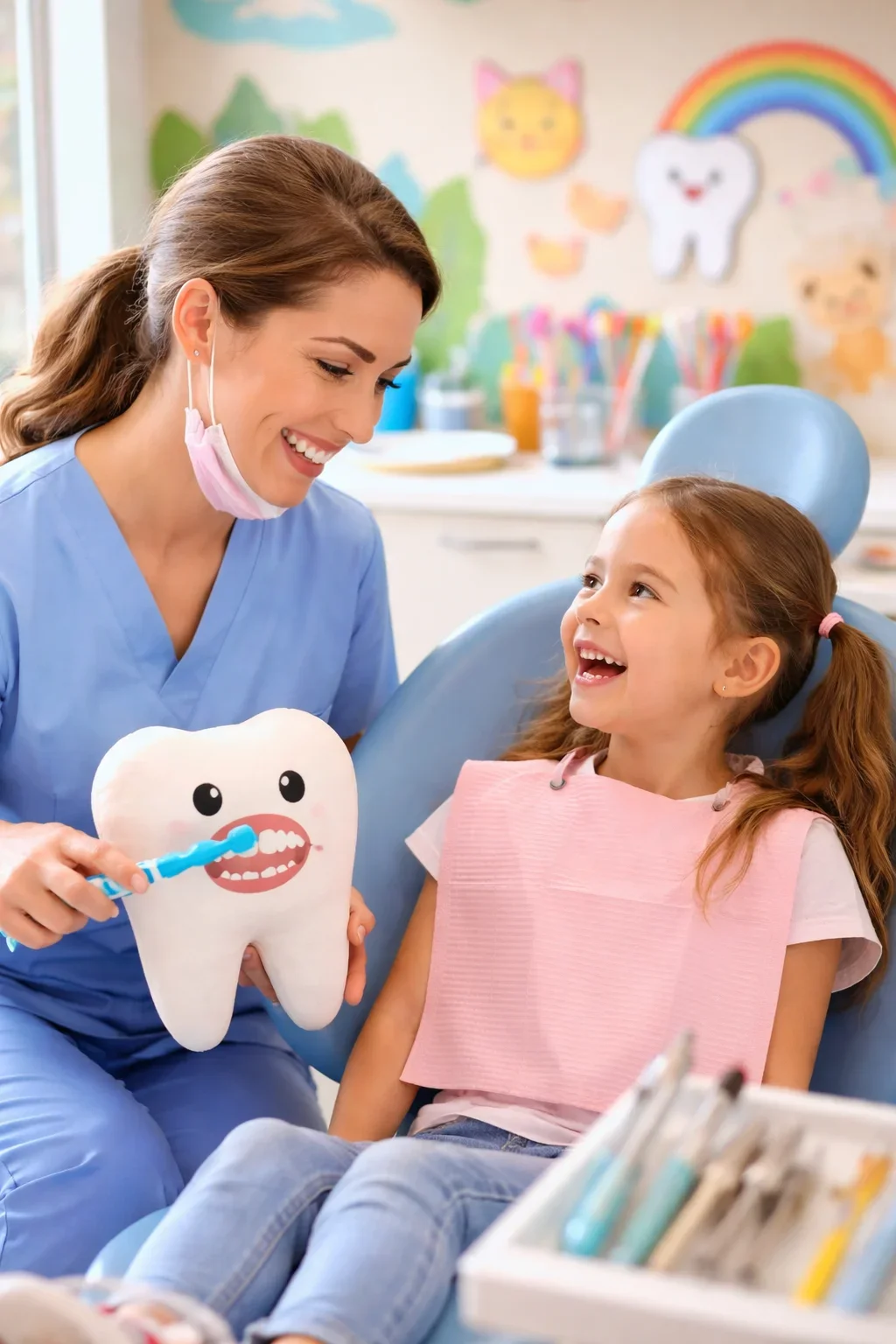
Emergency Care: When to Call a Peds Dentist Immediately
Children are naturally active, curious, and energetic — which means dental emergencies can happen when you least expect them. Knowing when to contact a peds dentist immediately can make a significant difference in protecting your child’s oral health. A peds dentist is specially trained to manage pediatric dental emergencies quickly, safely, and with minimal stress for both the child and parents.
Dental emergencies in children range from minor toothaches to serious trauma involving knocked-out teeth or infections. Acting quickly and contacting a peds dentist at the right time can prevent complications, reduce pain, and even save a tooth. 🦷🚑
Common Pediatric Dental Emergencies
A peds dentist frequently treats several types of urgent dental conditions. Understanding these situations helps parents respond calmly and effectively.
1. Severe Toothache
If your child complains of persistent or intense tooth pain, it may indicate deep decay, infection, or an abscess. A peds dentist should evaluate severe pain as soon as possible. While mild sensitivity can sometimes wait until the next appointment, ongoing pain that disrupts eating or sleeping requires urgent care.
Before seeing a peds dentist, gently rinse the mouth with warm water and check for trapped food particles. Avoid placing aspirin directly on the gums. Over-the-counter pain relievers may be used according to pediatric dosing guidelines until the peds dentist appointment.
2. Knocked-Out (Avulsed) Tooth
A knocked-out tooth is one of the most serious emergencies a peds dentist treats. The response depends on whether the tooth is a baby tooth or a permanent tooth.
- Baby tooth: Do not attempt to reinsert it. Contact a peds dentist immediately for evaluation.
- Permanent tooth: If possible, gently rinse it without scrubbing and try to place it back in the socket. If reinsertion is not possible, store it in milk and seek care from a peds dentist within 30–60 minutes.
Quick action greatly increases the chance that a peds dentist can successfully save a permanent tooth.
3. Chipped or Broken Tooth
Children frequently chip teeth during sports or playground activities. Even if the damage appears minor, a peds dentist should assess the tooth. Fractures may expose inner layers, increasing infection risk. A peds dentist may smooth sharp edges, place a filling, or recommend additional treatment depending on severity.
4. Swelling or Abscess
Facial swelling, gum swelling, or visible pus near a tooth can indicate infection. This condition requires immediate attention from a peds dentist. Dental infections can spread quickly and should never be ignored. Symptoms may include fever, bad taste in the mouth, or difficulty chewing.
Soft Tissue Injuries
Cuts or tears to the lips, tongue, or cheeks are also common in children. A peds dentist can evaluate whether stitches or additional care are needed.
How to Respond to Oral Bleeding
If bleeding occurs, gently clean the area and apply firm pressure with sterile gauze for 10–15 minutes. If bleeding does not stop or if the injury is severe, contact a peds dentist or visit an emergency medical facility immediately.
Dental Trauma During Sports
Sports-related injuries are a leading cause of pediatric dental emergencies. A peds dentist strongly recommends protective mouthguards for children participating in contact sports.
Custom vs. Store-Bought Mouthguards
A peds dentist can create a custom-fitted mouthguard that offers superior protection and comfort compared to over-the-counter versions. Preventive measures significantly reduce the risk of emergency visits.
When Is It Safe to Wait?
Not all dental concerns require immediate care. Minor sensitivity, a slightly loose baby tooth, or small chips without pain may not be urgent. However, if you are uncertain, contacting a peds dentist for advice is always the safest option.
Professional guidelines supported by the American Dental Association emphasize the importance of prompt evaluation for dental trauma and infection in children.
Emergency Appointment Costs
The cost of emergency care at a peds dentist varies depending on treatment complexity. An emergency exam may range from $100 to $200 without insurance. Additional procedures, such as fillings or pulp therapy, may increase costs. Most dental insurance plans partially cover emergency visits.
How to Be Prepared for a Dental Emergency
Preparation helps reduce panic during urgent situations. Parents should:
- Keep the contact number of their peds dentist easily accessible 📞
- Have sterile gauze at home
- Store a small container for transporting a tooth if needed
- Encourage consistent use of mouthguards during sports
If you need professional guidance or urgent assistance, you can also visit the Redent Klinik Contact Page for support and scheduling.
In conclusion, recognizing when to call a peds dentist immediately can protect your child from unnecessary pain and long-term complications. Whether it is a severe toothache, dental trauma, or infection, prompt care from a skilled peds dentist ensures the best possible outcome. Being informed, prepared, and proactive allows parents to respond confidently when emergencies arise, safeguarding their child’s healthy smile. 🦷✨