
Peds dentistry is a specialized branch of dental care that focuses entirely on the oral health of infants, children, and adolescents. Unlike adult dentistry, this field is designed around the unique developmental, emotional, and medical needs of growing children. From the moment a baby’s first tooth appears through the teenage years, peds dentistry plays a critical role in building strong dental foundations that last a lifetime 🦷.
At its core, peds dentistry is not only about treating cavities or cleaning teeth. It is about prevention, education, early diagnosis, and creating positive dental experiences. Children who receive proper care through peds dentistry are more likely to develop healthy habits, experience fewer dental problems, and feel confident visiting the dentist as they grow older. This long-term impact is one of the key reasons parents and healthcare professionals emphasize early and consistent pediatric dental care.
One of the most important aspects of peds dentistry is its focus on early intervention. Baby teeth, also known as primary teeth, may be temporary, but they serve essential functions. They help children chew properly, speak clearly, and guide permanent teeth into their correct positions. Neglecting these teeth can lead to pain, infections, speech difficulties, and alignment problems later in life. Peds dentistry addresses these risks early, often before parents notice any visible issues.
Another defining feature of peds dentistry is its child-centered approach. Pediatric dental environments are intentionally designed to feel welcoming and non-threatening. Bright colors, friendly language, and gentle techniques help reduce fear and anxiety 😊. Dentists trained in peds dentistry understand child psychology and use age-appropriate communication to explain procedures in a way children can understand. This emotional awareness is just as important as technical skill when treating young patients.
Peds dentistry also places strong emphasis on prevention rather than reaction. Regular checkups allow dentists to monitor jaw growth, tooth eruption patterns, and oral habits such as thumb sucking or teeth grinding. Through peds dentistry, potential problems like early tooth decay or bite misalignment can be identified and managed before they become complex or costly. Preventive measures such as fluoride applications, dental sealants, and personalized hygiene guidance are central to this approach.
Education is another pillar of peds dentistry. Dentists don’t just treat children; they educate parents as well. Families learn how diet, oral hygiene routines, and daily habits affect a child’s teeth and gums. Guidance on brushing techniques, flossing, sugar consumption, and bottle or pacifier use is routinely provided. This educational support empowers parents to take an active role in their child’s oral health journey, reinforcing what is done in the dental clinic at home.
Importantly, peds dentistry is also equipped to manage children with special healthcare needs. Some children require adapted treatment plans due to medical conditions, developmental challenges, or behavioral differences. Dentists trained in peds dentistry receive additional education in managing these cases safely and compassionately. This ensures that all children, regardless of their circumstances, can receive appropriate and respectful dental care.
Another reason peds dentistry matters is its role in building trust. Early positive experiences with dental care help children view oral health as a normal and important part of life rather than something to fear. When a child feels safe and understood during dental visits, they are more likely to maintain regular appointments into adulthood. This continuity of care significantly reduces the risk of advanced dental disease later on.
In today’s health-focused world, peds dentistry is increasingly recognized as an essential component of overall wellness. Oral health is closely connected to general health, influencing nutrition, sleep quality, self-esteem, and even academic performance. Pain or infection in the mouth can affect a child’s ability to eat, concentrate, and socialize. By addressing these issues early, peds dentistry supports both physical and emotional development.
In summary, peds dentistry is far more than “dentistry for kids.” It is a proactive, preventive, and educational discipline dedicated to protecting children’s smiles from the very beginning. Through specialized training, child-friendly techniques, and a strong focus on prevention, peds dentistry lays the groundwork for a lifetime of healthy teeth and positive dental habits 🌟. This is why choosing proper pediatric-focused care is one of the most important decisions a parent can make for their child’s long-term health.
What Is Peds Dentistry and Why It Matters for Children
Peds dentistry is a specialized area of dental medicine dedicated exclusively to the oral health of children, from infancy through adolescence. While many people assume children can be treated the same way as adults in a dental setting, this is not the case. Peds dentistry exists because children’s teeth, jaws, behaviors, and emotional needs are fundamentally different. Understanding these differences is essential for providing safe, effective, and long-lasting dental care 🧒🦷.
At its foundation, peds dentistry combines clinical dental expertise with child development knowledge. Pediatric-focused dentists undergo additional training beyond general dentistry, allowing them to recognize growth patterns, manage behavior appropriately, and adapt treatments to young patients. This specialized background is what makes peds dentistry uniquely qualified to care for children at every stage of dental development.
The Core Definition of Peds Dentistry
Peds dentistry focuses on the prevention, diagnosis, and treatment of oral health issues in children. This includes monitoring tooth eruption, protecting baby teeth, guiding jaw growth, and ensuring permanent teeth develop correctly. Unlike adult dentistry, where treatment often addresses damage that has already occurred, peds dentistry is largely proactive. The goal is to prevent problems before they start and intervene early when necessary.
A critical aspect of peds dentistry is recognizing that baby teeth are not “temporary placeholders.” These teeth play a vital role in chewing, speech development, facial structure, and self-confidence. Losing baby teeth too early due to decay or infection can lead to crowding, misalignment, and long-term orthodontic issues. Peds dentistry helps preserve these teeth until they naturally fall out, supporting healthy oral development.
Why Children Need Specialized Dental Care
Children’s mouths are constantly changing. Teeth are erupting, jaws are growing, and habits are forming. Peds dentistry is designed to adapt to these changes rather than apply one-size-fits-all solutions. For example, early signs of misalignment or bite problems can often be corrected more easily during childhood than in adulthood. Through regular visits, peds dentistry allows dentists to guide growth in a gentle and effective way.
Another reason peds dentistry matters is emotional development. Many dental fears begin in childhood due to negative experiences. Pediatric-focused dental care prioritizes comfort, trust, and communication 😊. Dentists trained in peds dentistry use child-friendly explanations, calm tones, and non-threatening techniques to reduce anxiety. This emotional sensitivity helps children build positive associations with dental care that last for life.
The Preventive Power of Early Dental Visits
One of the strongest advantages of peds dentistry is its emphasis on prevention. Regular dental checkups allow dentists to detect early signs of decay, enamel weakness, or gum inflammation before they cause pain. Preventive treatments such as fluoride applications and dental sealants are commonly used in peds dentistry to strengthen teeth and block bacteria.
Early visits also provide parents with valuable education. Through peds dentistry appointments, families learn proper brushing techniques, age-appropriate toothpaste use, and dietary guidance. These small daily habits have a significant impact on long-term oral health. Prevention not only protects a child’s smile but also reduces the need for invasive or costly treatments later on.
Peds Dentistry and Overall Child Health
Oral health is closely linked to a child’s overall well-being, and peds dentistry recognizes this connection. Dental infections can affect nutrition, sleep, concentration, and even growth. A child experiencing tooth pain may struggle to eat properly, leading to nutritional deficiencies. Peds dentistry helps prevent these issues by maintaining a healthy oral environment from an early age.
Additionally, peds dentistry plays an important role in identifying signs of broader health concerns. Certain conditions, such as enamel defects or gum abnormalities, can be early indicators of systemic health issues. Dentists trained in peds dentistry are equipped to recognize these signs and recommend further medical evaluation when needed.
Long-Term Benefits of Peds Dentistry
The benefits of peds dentistry extend far beyond childhood. Children who receive consistent pediatric-focused care are more likely to maintain good oral hygiene habits as adults. They also tend to have fewer cavities, healthier gums, and a lower risk of complex dental problems later in life. This preventive foundation can save years of discomfort and expense.
Equally important is the psychological benefit. Children who grow up with supportive peds dentistry experiences are less likely to avoid dental care due to fear. Instead, they view dental visits as a normal part of staying healthy. This mindset supports lifelong oral health and overall confidence 🌟.
In conclusion, peds dentistry matters because it addresses the unique physical, emotional, and developmental needs of children. It protects growing smiles, supports overall health, educates families, and builds positive habits that last a lifetime. By focusing on prevention, early intervention, and compassionate care, peds dentistry provides children with the strongest possible start on their oral health journey.
When Should a Child First Visit a Peds Dentistry Specialist?
One of the most common questions parents ask is when their child should first see a dental professional. According to modern clinical guidelines and best practices, the answer is much earlier than many people expect. Peds dentistry recommends that a child’s first dental visit should occur by their first birthday or within six months after the first tooth erupts. This early timing is not arbitrary; it is based on decades of research into childhood oral development and disease prevention 🦷👶.
Early visits through peds dentistry are not primarily about treatment. Instead, they are about assessment, prevention, and education. At this stage, the dentist evaluates how the child’s teeth are developing, checks for early signs of decay, and provides parents with guidance on proper oral care. These initial appointments are often short, gentle, and focused on building familiarity rather than performing procedures.
The Importance of the First Dental Visit
The first visit in peds dentistry sets the tone for a child’s lifelong relationship with oral healthcare. Introducing dental care early helps normalize the experience, reducing fear and anxiety later on. Children who begin visiting a peds dentistry clinic at a young age tend to be more comfortable, cooperative, and confident during future appointments 😊.
From a clinical perspective, early visits allow dentists to detect issues that parents may not notice. Early childhood cavities, also known as early childhood caries, can develop rapidly—even in baby teeth. Through peds dentistry, these problems can be identified and managed before they cause pain, infection, or long-term damage.
Age-Based Guidelines in Peds Dentistry
Peds dentistry follows age-specific guidelines to ensure care aligns with each stage of development. Between ages one and three, visits focus on monitoring tooth eruption, evaluating oral habits, and educating parents. Dentists assess brushing routines, fluoride exposure, and feeding practices, including bottle use and nighttime feeding.
As children grow older, typically between ages four and six, peds dentistry begins to place more emphasis on cavity prevention and bite development. This is when many children develop their first cavities if preventive care is lacking. Regular checkups during this stage help reinforce healthy habits and identify early orthodontic concerns.
School-Age Children and Regular Checkups
For school-age children, peds dentistry recommends routine dental visits every six months unless otherwise advised. At this stage, dentists closely monitor the transition from baby teeth to permanent teeth. X-rays may be introduced selectively to assess tooth position and detect hidden decay. Preventive treatments like dental sealants are often applied to protect newly erupted molars.
Regular visits during these years are critical because permanent teeth are more vulnerable shortly after eruption. Peds dentistry helps strengthen these teeth through fluoride treatments and personalized hygiene instruction, reducing the risk of decay during this high-risk period.
Adolescence and Continued Peds Dentistry Care
Many parents assume that peds dentistry is only for young children, but adolescence is equally important. Teenagers experience hormonal changes that can affect gum health, as well as lifestyle changes that increase cavity risk, such as higher sugar intake and inconsistent oral hygiene. Peds dentistry remains relevant through these years by addressing these challenges proactively.
Additionally, peds dentistry supports adolescents who may require orthodontic treatment or wisdom tooth evaluations. Dentists trained in peds dentistry are skilled at coordinating care with orthodontists and other specialists when needed, ensuring continuity and comprehensive treatment planning.
What Happens If the First Visit Is Delayed?
Delaying the first dental visit can increase the risk of preventable problems. Without early guidance from peds dentistry, parents may unknowingly follow habits that contribute to tooth decay, such as prolonged bottle use or improper brushing techniques. By the time a child experiences pain, the condition may already be advanced.
Late introduction to dental care can also contribute to dental anxiety. Children who first visit a dentist due to pain or emergency treatment may associate dental care with discomfort. Peds dentistry aims to prevent this by making early visits positive, calm, and educational rather than reactive.
How Parents Can Prepare for the First Visit
Preparation plays a key role in the success of early peds dentistry visits. Parents are encouraged to speak positively about dental care, avoid using frightening language, and schedule appointments at times when the child is well-rested. Bringing a favorite toy or comfort item can also help children feel secure during the visit.
Most importantly, parents should view the first peds dentistry appointment as a partnership rather than a test. The dentist is there to support both the child and the family, offering guidance tailored to the child’s unique needs. This collaborative approach builds trust and sets the stage for long-term oral health success 🌟.
In summary, the ideal time for a child’s first visit to a peds dentistry specialist is early—often much earlier than many expect. These early appointments focus on prevention, education, and comfort, laying the groundwork for healthy teeth and positive dental habits. By following age-appropriate guidelines and maintaining regular visits, peds dentistry helps ensure that children grow up with strong smiles and confidence in their oral health.
Differences Between Peds Dentistry and General Dentistry
Although both peds dentistry and general dentistry focus on maintaining oral health, they are fundamentally different in training, approach, and scope. Many parents assume that any dentist can treat children equally well, but peds dentistry exists precisely because children are not simply “small adults.” Their teeth, jaws, behavior, and emotional responses require a distinctly specialized form of care 🧒🦷.
Understanding the differences between peds dentistry and general dentistry helps parents make informed decisions about their child’s oral health. Choosing the right type of dental care can influence not only treatment outcomes but also a child’s comfort, confidence, and long-term dental habits.
Specialized Training and Education
One of the most important differences lies in professional training. Dentists who practice peds dentistry complete additional years of specialized education beyond dental school. This advanced training focuses on child growth and development, pediatric oral diseases, behavior management, and treating children with special healthcare needs.
General dentistry training, while comprehensive, is primarily centered on adult oral health. While general dentists can legally treat children, they may not have the same depth of experience in managing pediatric-specific issues. Peds dentistry specialists are trained to recognize subtle developmental concerns early and adapt treatment plans as a child grows.
Approach to Child Behavior and Emotions
Another key distinction between peds dentistry and general dentistry is how patient behavior is managed. Children often experience fear or anxiety during dental visits, especially if the environment feels unfamiliar or intimidating. Peds dentistry is built around child psychology and emotional development 😊.
Pediatric-focused dentists use age-appropriate language, positive reinforcement, and gentle techniques to help children feel safe. They know how to explain procedures in a way that reduces fear and builds trust. In contrast, general dentistry settings are typically designed for adults and may not provide the same level of emotional comfort for young patients.
Child-Friendly Environment in Peds Dentistry
The physical environment is another clear difference. Peds dentistry clinics are often colorful, playful, and welcoming. Waiting areas may include toys, books, or screens designed to engage children. Treatment rooms are designed to minimize stress and distraction.
General dentistry offices usually prioritize efficiency and adult comfort, which may feel overwhelming to children. The child-friendly design of peds dentistry clinics plays a crucial role in creating positive early experiences and reducing dental anxiety over time.
Focus on Growth and Development
Peds dentistry places a strong emphasis on monitoring growth and development. Children’s jaws and teeth change rapidly, and early intervention can prevent complex issues later on. Pediatric-focused dentists track tooth eruption patterns, jaw alignment, and bite development at each stage of childhood.
General dentistry often focuses on treating existing problems rather than guiding development. While adult patients typically have stable oral structures, children require ongoing evaluation. Peds dentistry uses this developmental focus to anticipate issues and intervene at the most effective time.
Preventive vs. Reactive Care
Prevention is central to peds dentistry. Regular checkups are designed to stop problems before they begin. Fluoride treatments, dental sealants, and early habit correction are common tools used to protect children’s teeth.
General dentistry, especially in adult patients, is often more reactive. Treatments may address cavities, gum disease, or tooth damage after symptoms appear. Peds dentistry aims to minimize the need for invasive procedures by emphasizing early prevention and education.
Communication with Parents and Caregivers
Peds dentistry involves a strong partnership with parents. Dentists take time to educate caregivers about brushing techniques, nutrition, fluoride use, and oral habits. This guidance is tailored to the child’s age and individual needs.
In general dentistry, communication is typically directed solely toward the patient. Peds dentistry recognizes that parents play a crucial role in daily oral care and ensures they are fully informed and supported.
Managing Special Healthcare Needs
Children with medical, developmental, or behavioral challenges often require adapted dental care. Peds dentistry specialists receive specific training to treat children with special healthcare needs safely and compassionately. This may include modified techniques, extended appointment times, or collaboration with medical providers.
While some general dentists may treat patients with special needs, peds dentistry offers a level of expertise specifically designed for pediatric cases. This specialized care ensures that all children can receive appropriate and respectful treatment.
In conclusion, the differences between peds dentistry and general dentistry go far beyond age. Peds dentistry is defined by specialized training, child-centered communication, developmental focus, and preventive care. These differences directly impact a child’s comfort, oral health outcomes, and long-term attitude toward dental care 🌟. For growing smiles, peds dentistry provides an approach that is uniquely suited to meet children’s needs at every stage of development.
Common Treatments in Modern Peds Dentistry Practices
Modern peds dentistry offers a wide range of treatments designed specifically for children’s developing teeth and gums. These treatments are not simply scaled-down versions of adult procedures; they are carefully adapted to suit a child’s anatomy, comfort level, and emotional needs. The primary goal of peds dentistry treatments is to protect oral health early, minimize discomfort, and support healthy growth over time 🦷.
Because children’s mouths change rapidly, peds dentistry focuses on preventive and minimally invasive care whenever possible. When treatment is needed, pediatric-focused dentists prioritize gentle techniques, clear communication, and age-appropriate methods to ensure the best outcomes for both the child and the family.
Preventive Treatments in Peds Dentistry
Prevention is the cornerstone of peds dentistry, and many of the most common treatments are designed to stop problems before they start. Routine dental cleanings remove plaque and tartar that brushing alone cannot eliminate. These cleanings are especially important for children who are still learning proper oral hygiene habits.
Fluoride treatments are another essential preventive service in peds dentistry. Fluoride strengthens tooth enamel, making it more resistant to decay. Pediatric dentists carefully control fluoride exposure based on the child’s age, diet, and risk level, ensuring safety and effectiveness.
Dental Sealants for Cavity Protection
Dental sealants are one of the most effective preventive tools used in peds dentistry. Sealants are thin protective coatings applied to the chewing surfaces of molars, where cavities most commonly develop. These surfaces often have deep grooves that trap food and bacteria.
By sealing these grooves, peds dentistry significantly reduces the risk of cavities in both baby and permanent teeth. Sealants are painless, quick to apply, and can protect teeth for several years, making them a highly valuable preventive treatment.
Restorative Treatments for Children
Despite the best preventive care, some children still develop cavities. When this happens, peds dentistry focuses on restoring the tooth while preserving as much natural structure as possible. Tooth-colored fillings are commonly used to repair small cavities, blending naturally with the child’s teeth.
For larger areas of decay, especially in baby teeth, pediatric dentists may recommend crowns. In peds dentistry, stainless steel or white pediatric crowns are often used because they are durable and protect the tooth until it naturally falls out. These crowns help maintain proper spacing for permanent teeth and prevent further infection.
Pulp Therapy and Tooth Preservation
When decay reaches the inner pulp of a tooth, peds dentistry may recommend pulp therapy. This treatment removes infected tissue while preserving the remaining healthy portion of the tooth. It is similar in concept to a root canal but adapted specifically for children.
Pulp therapy in peds dentistry helps save baby teeth that might otherwise need to be extracted. Preserving these teeth is important for chewing, speech, and guiding permanent teeth into proper alignment.
Managing Dental Injuries in Children
Children are active, and dental injuries are common. Falls, sports accidents, and playground mishaps can result in chipped, broken, or knocked-out teeth. Peds dentistry includes specialized training in managing dental trauma quickly and effectively.
Pediatric-focused dentists know how to assess injuries in developing mouths and determine the best course of action. Early treatment through peds dentistry can often save injured teeth and prevent long-term complications.
Orthodontic Evaluation and Early Intervention
While full orthodontic treatment is usually associated with adolescence, peds dentistry plays a key role in early orthodontic evaluation. Pediatric dentists monitor jaw growth and tooth alignment from a young age, identifying potential issues before they worsen.
Early intervention through peds dentistry may include space maintainers for lost baby teeth or guidance on habits such as thumb sucking. These measures can reduce the severity or duration of future orthodontic treatment.
Behavior and Comfort-Focused Treatments
Another important aspect of modern peds dentistry is managing comfort and cooperation. Some children experience significant anxiety or have difficulty sitting still for procedures. Pediatric dentists are trained in behavior guidance techniques that help children feel safe and relaxed 😊.
In certain cases, peds dentistry may use mild sedation or specialized calming methods to ensure treatment can be completed safely. These approaches are carefully selected based on the child’s needs and are always focused on safety and comfort.
In summary, modern peds dentistry offers a comprehensive range of treatments tailored to children’s unique needs. From preventive care and cavity treatment to injury management and early orthodontic guidance, peds dentistry is designed to protect growing smiles at every stage 🌟. By combining specialized training with a gentle, child-centered approach, these treatments support both immediate oral health and long-term well-being.
How Peds Dentistry Supports Healthy Tooth Development
Healthy tooth development is one of the primary goals of peds dentistry, and it begins long before a child has a full set of teeth. From the eruption of the first baby tooth to the alignment of permanent teeth during adolescence, peds dentistry closely monitors every stage of dental growth. This ongoing supervision allows dentists to guide development, prevent complications, and support a strong, functional smile 🦷.
Unlike adult dental care, which often focuses on maintenance and repair, peds dentistry is deeply rooted in growth assessment. Children’s mouths are dynamic, constantly changing environments. Teeth erupt, jaws expand, and facial structures evolve. Peds dentistry is designed to adapt to these changes and intervene at the most beneficial times.
Monitoring Tooth Eruption and Spacing
One of the earliest ways peds dentistry supports healthy development is by tracking tooth eruption patterns. Baby teeth typically follow a predictable timeline, but variations can occur. Pediatric-focused dentists monitor when teeth emerge, how they are positioned, and whether spacing is adequate for future permanent teeth.
Proper spacing between baby teeth is essential. Contrary to what many parents believe, gaps in baby teeth are often a positive sign. Peds dentistry recognizes that these spaces allow room for larger permanent teeth later on. When spacing is inadequate, early guidance can help reduce the risk of crowding and alignment issues.
Identifying Delays and Abnormal Patterns
Delayed tooth eruption or unusual eruption patterns may signal underlying issues. Through routine peds dentistry visits, dentists can identify concerns such as missing teeth, extra teeth, or impacted teeth early. Early detection allows for timely referrals or interventions, preventing more complex problems in the future.
This proactive monitoring is a key advantage of peds dentistry and plays a significant role in supporting natural, healthy tooth development.
Guiding Jaw Growth and Bite Alignment
Healthy tooth development is closely linked to jaw growth. Peds dentistry evaluates how the upper and lower jaws grow in relation to each other. Bite issues such as overbites, underbites, or crossbites can often be identified in early childhood.
By recognizing these patterns early, peds dentistry can recommend simple interventions that guide growth while the jaw is still flexible. Early guidance may reduce or even eliminate the need for extensive orthodontic treatment later in life.
The Role of Early Orthodontic Assessment
Peds dentistry does not replace orthodontics, but it plays a vital role in early assessment. Pediatric dentists identify children who may benefit from early orthodontic evaluation and coordinate care when needed.
This collaborative approach ensures that tooth and jaw development stays on track and that any necessary treatment is started at the most effective time.
Managing Oral Habits That Affect Development
Childhood habits can significantly influence tooth development. Thumb sucking, prolonged pacifier use, mouth breathing, and tongue thrusting can all affect tooth alignment and jaw shape. Peds dentistry actively monitors these behaviors and provides guidance to parents on how and when to intervene.
Rather than using punishment-based approaches, peds dentistry focuses on education and positive reinforcement 😊. Gentle strategies are used to help children break habits naturally, minimizing their impact on dental development.
Protecting Developing Teeth from Decay
Tooth decay can disrupt healthy development by causing premature tooth loss. Peds dentistry prioritizes cavity prevention to protect both baby and permanent teeth. Fluoride treatments, sealants, and personalized hygiene guidance strengthen enamel and reduce bacterial activity.
Maintaining healthy baby teeth is especially important because they guide permanent teeth into proper positions. Peds dentistry works to preserve these teeth until they are ready to fall out naturally.
Nutrition and Its Impact on Tooth Development
Diet plays a crucial role in dental development, and peds dentistry addresses nutrition as part of comprehensive care. Pediatric dentists educate families about the importance of calcium, vitamin D, and balanced nutrition for strong teeth and bones.
Limiting sugary snacks and acidic drinks is also emphasized, as these can weaken enamel and disrupt healthy tooth formation. Through peds dentistry guidance, parents learn how everyday food choices influence their child’s oral health.
Long-Term Benefits of Development-Focused Care
The developmental support provided by peds dentistry has lifelong benefits. Children who receive consistent monitoring and guidance are more likely to develop properly aligned teeth, balanced bites, and healthy oral habits.
By focusing on growth rather than just treatment, peds dentistry helps prevent many common dental issues before they become serious. This proactive approach supports not only a healthy smile but also improved confidence and overall well-being 🌟.
In summary, peds dentistry plays a vital role in supporting healthy tooth development from infancy through adolescence. Through careful monitoring, early intervention, habit management, and preventive care, peds dentistry ensures that children’s teeth and jaws develop in the healthiest way possible. This foundation sets the stage for strong oral health throughout life.
Behavior Management Techniques Used in Peds Dentistry
One of the defining strengths of peds dentistry is its specialized approach to behavior management. Children often arrive at the dental clinic with fear, uncertainty, or limited ability to understand what is happening. Peds dentistry recognizes that successful dental care for children depends not only on clinical skill but also on emotional intelligence, patience, and communication 🧒🦷.
Behavior management in peds dentistry is not about control or force. Instead, it is about building trust, reducing anxiety, and guiding children through dental experiences in a positive and supportive way. These techniques are carefully tailored to each child’s age, personality, developmental level, and previous experiences.
Why Behavior Management Is Essential in Peds Dentistry
Children’s reactions to dental care are influenced by many factors, including fear of the unknown, sensitivity to sounds or sensations, and separation anxiety. Peds dentistry addresses these challenges directly by using structured behavior management techniques that make dental visits less stressful and more predictable.
Without proper behavior guidance, even simple procedures can become overwhelming for a child. Peds dentistry helps prevent negative experiences that could lead to long-term dental fear or avoidance. Positive early interactions increase cooperation and make future visits smoother for both the child and the dental team 😊.
Tell–Show–Do: The Foundation Technique
One of the most widely used methods in peds dentistry is the “tell–show–do” technique. This approach involves explaining a procedure in simple, child-friendly language, demonstrating it in a non-threatening way, and then performing the procedure exactly as described.
For example, instead of saying “we’re going to use a drill,” a peds dentistry professional might say “we’re going to clean your tooth with a special toothbrush.” By reducing unfamiliar or frightening terms, children feel more comfortable and in control.
Why Predictability Builds Trust
Children are more cooperative when they know what to expect. Peds dentistry uses predictability to reduce anxiety. When a dentist follows through exactly as explained, trust is reinforced. Over time, children learn that dental visits are safe and manageable.
This consistency is a cornerstone of effective behavior management in peds dentistry.
Positive Reinforcement and Motivation
Positive reinforcement is another key behavior management tool in peds dentistry. Children are encouraged and praised for cooperative behavior, no matter how small. Verbal praise, stickers, or small rewards help reinforce positive experiences.
Rather than focusing on fear or resistance, peds dentistry emphasizes success. This approach helps children associate dental visits with achievement and pride instead of stress.
Voice Control and Communication Style
Peds dentistry professionals are trained to use their tone, volume, and pace of speech strategically. Calm, confident communication reassures children, while clear instructions help them understand what is expected.
Voice control in peds dentistry is never harsh or intimidating. It is used to gain attention, provide structure, and maintain a calm environment. Children often respond positively to clear, steady guidance.
Distraction Techniques in Peds Dentistry
Distraction is a powerful behavior management strategy, especially for younger children. Peds dentistry clinics often use visual and auditory distractions such as cartoons, music, or storytelling to shift the child’s focus away from the procedure.
By engaging a child’s attention elsewhere, peds dentistry reduces perceived discomfort and anxiety. This technique is particularly effective during cleanings or short procedures.
Managing Anxiety and Dental Fear
Some children experience heightened dental anxiety due to previous experiences or general sensitivity. Peds dentistry addresses this through gradual exposure and empathy. Appointments may be shortened, procedures broken into steps, or additional time allowed for acclimation.
Dentists trained in peds dentistry are skilled at recognizing signs of stress and adjusting their approach accordingly. This flexibility ensures that care remains compassionate and effective.
When Additional Support Is Needed
In certain cases, behavioral techniques alone may not be sufficient. Peds dentistry may recommend additional support methods such as mild sedation or specialized calming strategies. These options are carefully considered and used only when necessary, always prioritizing the child’s safety and comfort.
Parents are fully informed and involved in these decisions, reinforcing trust and transparency.
The Long-Term Impact of Proper Behavior Management
Effective behavior management in peds dentistry has lasting benefits. Children who feel respected and supported are more likely to develop positive attitudes toward dental care. They learn that the dental office is a safe place and that oral health is an important part of overall well-being.
This positive foundation reduces dental avoidance in adulthood and supports consistent preventive care throughout life 🌟.
In conclusion, behavior management is a central pillar of peds dentistry. Through techniques such as tell–show–do, positive reinforcement, distraction, and empathetic communication, peds dentistry creates an environment where children can feel calm, confident, and cooperative. These strategies not only improve immediate treatment outcomes but also shape a child’s lifelong relationship with oral health.
Preventive Care Strategies in Peds Dentistry
Preventive care is the backbone of peds dentistry and one of the main reasons pediatric-focused dental care is so effective. Rather than waiting for problems like cavities, infections, or misalignment to appear, peds dentistry emphasizes stopping these issues before they begin. This proactive approach protects children from pain, reduces the need for invasive treatments, and supports healthy oral development from the very beginning 🦷.
In peds dentistry, prevention is not a single action but a comprehensive strategy that combines professional care, home routines, education, and regular monitoring. These preventive measures are carefully adapted to each child’s age, risk level, and developmental stage, ensuring that care remains both effective and gentle.
Routine Dental Checkups as a Preventive Foundation
Regular dental checkups are the foundation of preventive care in peds dentistry. These visits allow pediatric-focused dentists to examine teeth, gums, and oral tissues for early signs of decay or developmental concerns. Because children’s oral health can change quickly, consistent monitoring is essential.
During routine visits, peds dentistry professionals also track growth patterns, tooth eruption, and bite alignment. Identifying minor issues early often prevents them from becoming serious problems. These appointments are also an opportunity to reinforce positive dental experiences, making children more comfortable with ongoing care 😊.
Professional Cleanings and Plaque Control
Even with good brushing habits, children often struggle to clean every surface of their teeth effectively. Professional cleanings are a key preventive service in peds dentistry. These cleanings remove plaque and tartar buildup that cannot be eliminated through brushing alone.
By keeping plaque levels low, peds dentistry reduces the risk of cavities and gum inflammation. Cleanings also help children learn what a clean mouth feels like, motivating them to maintain better hygiene at home.
Teaching Proper Brushing and Flossing Techniques
Education is inseparable from prevention in peds dentistry. Dentists and hygienists demonstrate age-appropriate brushing and flossing techniques, often involving both the child and the parent. These demonstrations help families understand how to clean teeth effectively at each stage of development.
Peds dentistry recognizes that habits formed in childhood often last a lifetime. Teaching proper techniques early builds a strong foundation for long-term oral health.
Fluoride Treatments for Enamel Strengthening
Fluoride is one of the most powerful preventive tools used in peds dentistry. It strengthens tooth enamel, making it more resistant to acid attacks from bacteria and sugary foods. Professional fluoride applications are carefully dosed based on the child’s age and risk level.
In peds dentistry, fluoride treatments are especially important for children at higher risk of cavities. These treatments are quick, painless, and highly effective in reducing decay.
Dental Sealants as a Protective Barrier
Dental sealants are another cornerstone of preventive care in peds dentistry. Sealants are thin coatings applied to the chewing surfaces of molars, where deep grooves can trap food and bacteria. These areas are particularly difficult for children to clean thoroughly.
By sealing these grooves, peds dentistry creates a physical barrier that prevents bacteria from causing cavities. Sealants can protect teeth for several years and are one of the most cost-effective preventive treatments available.
Dietary Guidance and Cavity Prevention
Nutrition plays a critical role in oral health, and peds dentistry includes dietary counseling as part of preventive care. Pediatric dentists educate families about how sugar, acidic foods, and frequent snacking contribute to tooth decay.
Rather than promoting strict restrictions, peds dentistry focuses on balance and informed choices. Parents learn how timing, frequency, and food combinations affect cavity risk. This practical guidance helps families make realistic changes that support healthy teeth.
Managing Oral Habits Early
Certain oral habits, such as thumb sucking or prolonged pacifier use, can interfere with healthy tooth and jaw development. Peds dentistry monitors these habits during routine visits and provides guidance on when and how to address them.
Early intervention through peds dentistry often prevents the need for more complex treatments later. Gentle, supportive strategies are used to help children transition away from habits naturally.
Individualized Risk Assessment in Peds Dentistry
Not all children have the same risk for dental problems. Peds dentistry uses individualized risk assessments to tailor preventive strategies. Factors such as diet, oral hygiene habits, family history, and fluoride exposure are all considered.
This personalized approach ensures that each child receives the level of preventive care they need—no more, no less. It is one of the reasons peds dentistry is so effective in maintaining long-term oral health 🌟.
In conclusion, preventive care strategies in peds dentistry are designed to protect children’s teeth before problems arise. Through regular checkups, cleanings, fluoride treatments, sealants, education, and habit management, peds dentistry creates a strong defense against dental disease. This proactive, child-centered approach not only preserves healthy smiles but also builds lifelong habits that support overall well-being.
Choosing the Right Peds Dentistry Clinic for Your Child
Choosing the right peds dentistry clinic is one of the most important decisions a parent can make for their child’s long-term oral health. Because dental experiences in childhood often shape attitudes toward dental care for life, selecting a clinic that truly understands children’s needs is essential. Peds dentistry is not just about clinical skill; it is about trust, communication, environment, and a preventive philosophy 🧒🦷.
A well-chosen peds dentistry clinic becomes a partner in your child’s health journey. From the first visit through adolescence, the right dental team supports healthy development, prevents problems, and creates positive experiences that build confidence rather than fear.
Qualifications and Specialized Training
The first factor to consider when choosing a peds dentistry clinic is the dentist’s training. Dentists who specialize in peds dentistry complete advanced education focused on child development, pediatric oral diseases, and behavior management. This additional training equips them to handle the unique challenges of treating children safely and effectively.
Parents should look for clear indications that a clinic focuses on peds dentistry rather than simply offering children’s appointments as an extension of general dentistry. A dedicated pediatric approach ensures that care is tailored to a child’s physical and emotional needs.
Clinic Environment and Child-Friendly Design
The environment of a peds dentistry clinic plays a major role in how children perceive dental care. Child-friendly clinics are designed to reduce anxiety and make visits feel welcoming. Bright colors, playful decor, and age-appropriate entertainment can significantly improve a child’s comfort level 😊.
In peds dentistry, even small details matter. Friendly staff, gentle communication, and a calm atmosphere help children feel safe. A clinic that prioritizes these elements is more likely to foster positive dental experiences.
First Impressions and Trial Visits
Many parents find it helpful to schedule a preliminary visit to observe how the clinic operates. During this visit, notice how the staff interacts with children and whether they take time to explain procedures clearly. Peds dentistry clinics that encourage questions and transparency often provide better long-term care.
Communication with Parents and Families
Strong communication is a hallmark of high-quality peds dentistry. Parents should feel informed, respected, and involved in their child’s care. A good pediatric-focused dentist explains findings, preventive strategies, and treatment options in clear, understandable terms.
Peds dentistry recognizes that parents are partners in daily oral care. Clinics that offer guidance on brushing, nutrition, and habits empower families to support oral health at home. This collaborative approach leads to better outcomes and fewer dental issues over time.
Preventive Philosophy and Long-Term Focus
When choosing a peds dentistry clinic, it is important to evaluate its approach to prevention. Clinics that emphasize regular checkups, early intervention, and education align closely with the core principles of peds dentistry.
Ask whether the clinic prioritizes preventive treatments such as fluoride applications, sealants, and individualized risk assessments. A prevention-focused philosophy reduces the likelihood of invasive procedures and supports healthy development.
Handling Anxiety and Special Needs
Children vary widely in temperament, and some may experience significant dental anxiety or have special healthcare needs. Peds dentistry clinics are trained to manage these situations with compassion and flexibility.
Parents should inquire about behavior management techniques, comfort strategies, and available support options. Clinics experienced in peds dentistry are prepared to adapt care plans and ensure that every child feels respected and safe.
Emergency Care and Accessibility
Accessibility is another important consideration. Dental emergencies can happen unexpectedly, especially with active children. Choosing a peds dentistry clinic that offers clear guidance for emergencies or has reliable communication channels provides peace of mind.
Convenient appointment scheduling and a supportive response to urgent concerns are signs of a clinic that truly prioritizes children’s care.
Trust, Reputation, and Professional Standards
Reputation matters when selecting a peds dentistry clinic. Reviews, recommendations, and professional affiliations can provide valuable insight into a clinic’s quality of care. Clinics that follow guidelines from respected organizations such as the
American Dental Association demonstrate a commitment to high professional standards.
Trust is built over time, but a clinic that is transparent, patient, and child-focused from the start is more likely to earn a family’s confidence.
Taking the Next Step
If you are considering professional pediatric dental care and would like to discuss your child’s needs in detail, you can reach out through the
Redent Klinik Contact Page. Open communication is an important first step in building a strong dental care partnership.
In conclusion, choosing the right peds dentistry clinic involves more than location or convenience. It requires careful consideration of training, environment, communication, preventive philosophy, and emotional support. A clinic that truly embodies the principles of peds dentistry provides children with not only healthy teeth but also confidence, comfort, and a positive outlook on oral health 🌟. This thoughtful choice lays the foundation for a lifetime of healthy smiles.
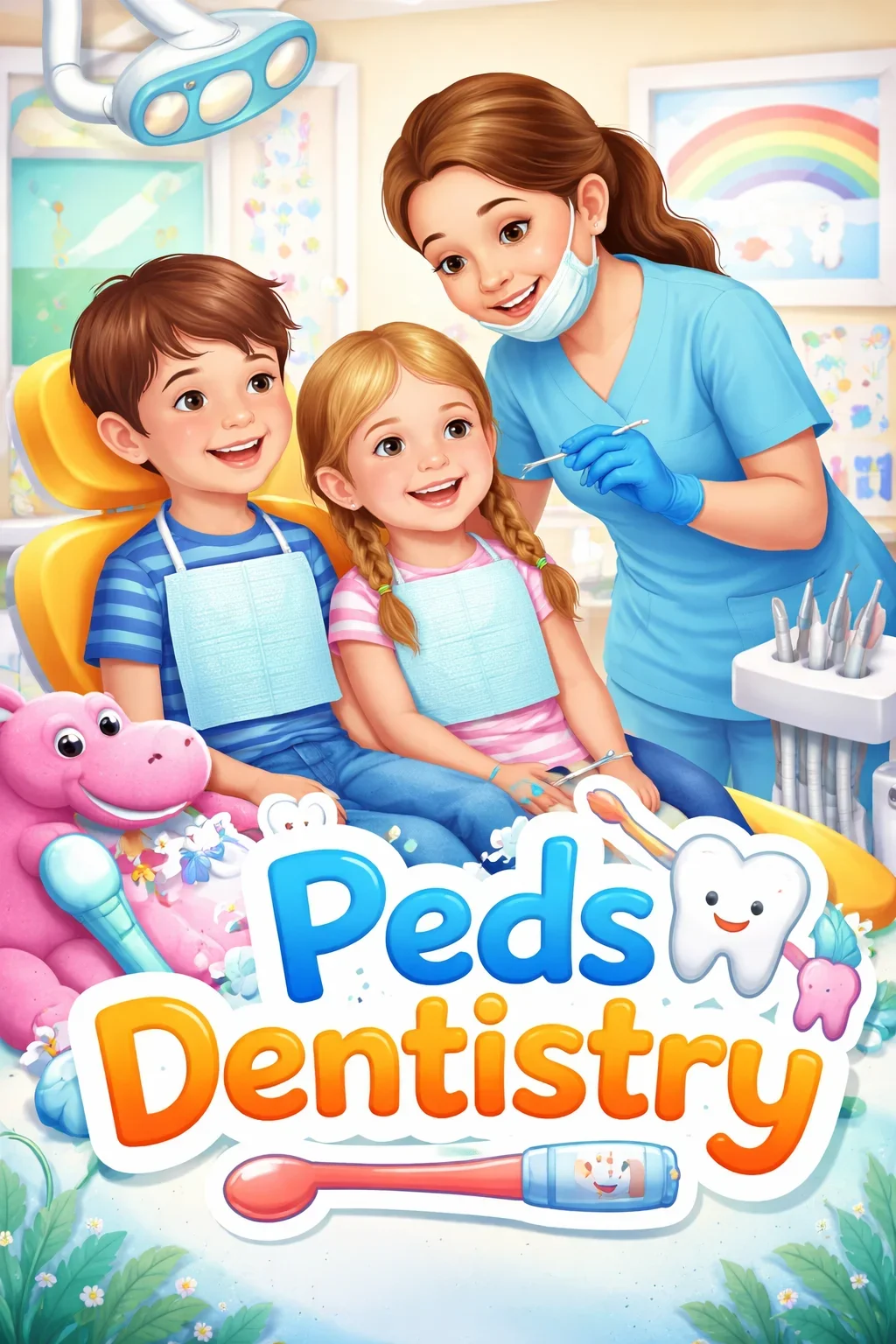
Costs, Insurance, and Accessibility in Peds Dentistry
Understanding costs, insurance coverage, and accessibility is an essential part of making informed decisions about your child’s oral healthcare. While peds dentistry is highly preventive and cost-effective in the long run, many parents still have questions about affordability and access. Knowing how peds dentistry services are structured helps families plan ahead and prioritize consistent dental care 🦷.
One of the key advantages of peds dentistry is that it focuses on prevention rather than expensive corrective treatments. Regular checkups, early interventions, and education significantly reduce the likelihood of complex procedures later in life. This makes peds dentistry not only beneficial for health but also financially sensible over time.
How Costs in Peds Dentistry Are Structured
Costs in peds dentistry typically depend on several factors, including the child’s age, oral health condition, and the types of services required. Routine preventive visits generally include an examination, professional cleaning, and sometimes fluoride treatment. These visits are usually the most affordable aspect of peds dentistry.
When additional treatments are needed—such as fillings, crowns, or sealants—costs may increase. However, peds dentistry treatments are often simpler and less invasive than adult procedures, which helps keep expenses lower overall.
Preventive Care vs. Restorative Costs
Preventive care is consistently more affordable than restorative care. Peds dentistry emphasizes early detection because treating small issues early costs significantly less than addressing advanced decay or infections.
For example, applying sealants or fluoride through peds dentistry is far less costly than treating cavities that require extensive restoration. This preventive focus benefits both the child’s health and the family’s budget.
Insurance Coverage and Peds Dentistry
Many health insurance plans include dental coverage for children, and peds dentistry services are often well-supported by these plans. Preventive services such as exams, cleanings, and fluoride treatments are commonly covered or partially covered.
Peds dentistry clinics are usually familiar with pediatric dental insurance policies and can help parents understand their benefits. This guidance simplifies the process and reduces unexpected expenses.
Public and Private Insurance Options
In many regions, public health programs provide dental coverage for children, ensuring access to essential peds dentistry services. These programs typically emphasize preventive care and early treatment.
Private insurance plans may offer broader coverage options, including restorative and orthodontic-related services. Understanding your specific plan helps maximize the value of peds dentistry benefits.
Accessibility and Availability of Peds Dentistry
Accessibility is a growing focus within peds dentistry. Clinics aim to make care available to families from diverse backgrounds by offering flexible scheduling, family-friendly environments, and clear communication.
Many peds dentistry practices are located near residential areas or schools to improve convenience. Some clinics also offer extended hours to accommodate working parents.
Addressing Barriers to Care
Despite increased awareness, some families still face barriers to accessing peds dentistry. These may include geographic distance, lack of insurance, or limited availability of pediatric-focused clinics.
To address these challenges, peds dentistry continues to evolve through community outreach programs, school-based dental initiatives, and education campaigns. These efforts aim to ensure that all children have access to essential oral healthcare.
The Role of Education in Improving Access
Education plays a crucial role in accessibility. When parents understand the importance of early and regular dental visits, they are more likely to seek peds dentistry care proactively.
Clear communication about costs, insurance, and preventive benefits helps families overcome uncertainty and prioritize dental health.
Long-Term Value of Investing in Peds Dentistry
While any healthcare expense requires consideration, peds dentistry offers strong long-term value. Children who receive consistent pediatric-focused dental care tend to experience fewer serious dental issues as they grow older.
By preventing pain, infections, and extensive treatments, peds dentistry reduces future healthcare costs and supports overall well-being. This makes early investment in pediatric oral care both practical and beneficial 🌟.
In conclusion, costs, insurance, and accessibility are important aspects of peds dentistry, but they should be viewed in the context of long-term health and prevention. With insurance support, preventive-focused care, and increasing accessibility, peds dentistry remains one of the most effective and valuable investments in a child’s overall health. By understanding these factors, families can confidently choose consistent, high-quality dental care that supports healthy smiles for years to come.