
When people think about dental care, they often focus on teeth—whitening, fillings, crowns, or braces. However, healthy teeth depend on healthy gums and supporting bone structures. This is where periodontal dentistry becomes essential. Periodontal dentistry is a specialized branch of dental care focused on the prevention, diagnosis, and treatment of gum diseases and conditions that affect the tissues surrounding and supporting the teeth. These tissues include the gums (gingiva), periodontal ligament, and jawbone.
Many patients underestimate the importance of gum health, yet research consistently shows that gum disease is one of the most common oral health problems worldwide. Without proper care and professional treatment through periodontal dentistry, gum disease can progress silently and eventually lead to tooth loss, bone damage, and even broader health complications. Maintaining healthy gums through periodontal dentistry not only protects your smile but also supports your overall well-being.
The primary goal of periodontal dentistry is to keep the foundation of your teeth strong and disease-free. Just as a building requires a solid base, your teeth rely on healthy gums and bone to remain stable. If these structures become infected or weakened, even perfectly healthy teeth may become loose or fall out. This is why dentists emphasize the importance of regular gum evaluations and preventive care within periodontal dentistry.
One of the most common conditions treated in periodontal dentistry is gum disease, also known as periodontal disease. This condition usually begins as gingivitis, a mild inflammation of the gums caused by plaque buildup. If left untreated, gingivitis can progress into periodontitis, a more severe infection that damages the soft tissue and destroys the bone supporting the teeth. Periodontal dentistry focuses on identifying these problems early and stopping them before permanent damage occurs.
Patients often do not realize they have gum disease until it becomes advanced. Symptoms such as bleeding gums, persistent bad breath, gum recession, and tooth sensitivity are early warning signs that periodontal dentistry professionals carefully evaluate during dental examinations. Early detection is critical because treating gum disease in its initial stage is significantly easier and less invasive than treating advanced periodontal conditions.
Another important aspect of periodontal dentistry is preventive care. Prevention includes professional dental cleanings, scaling procedures, plaque removal, and patient education about proper oral hygiene habits. Dentists trained in periodontal dentistry also help patients understand how daily habits such as brushing, flossing, and diet influence gum health. Maintaining these habits significantly reduces the risk of periodontal infections.
Modern periodontal dentistry also plays an important role in cosmetic dentistry and restorative treatments. Healthy gums are essential for procedures such as dental implants, crowns, and veneers. In fact, dental implants require strong jawbone support and healthy gum tissue to succeed. Periodontal dentistry ensures that the gum and bone structures are stable enough for these advanced treatments to function properly.
In addition to oral health benefits, periodontal dentistry has been linked to overall systemic health. Scientific studies suggest connections between gum disease and conditions such as cardiovascular disease, diabetes, and respiratory infections. Because the mouth serves as a gateway to the body, infections within the gums can influence other parts of the body if not properly treated. Organizations such as the
American Dental Association emphasize the importance of gum health as part of comprehensive healthcare.
Patients seeking professional guidance or specialized care can always reach out to a trusted dental clinic. If you are experiencing gum discomfort, bleeding gums, or signs of gum infection, contacting a professional team trained in periodontal dentistry is the best step toward protecting your oral health. For personalized consultations or professional dental advice, you can visit the
Redent Klinik Contact Page to connect with experienced dental professionals who focus on advanced gum treatments and preventive dental care.
In summary, periodontal dentistry focuses on preserving the health of the gums, bone, and connective tissues that support your teeth. Through early diagnosis, preventive care, and advanced treatment techniques, periodontal dentistry helps patients maintain strong, healthy smiles for life. Understanding the role of periodontal dentistry is the first step toward preventing gum disease, protecting your teeth, and ensuring long-term oral health. As dental science continues to evolve, periodontal dentistry remains one of the most important pillars of modern dentistry, safeguarding not only your smile but also your overall health.
What Is Periodontal Dentistry and Why It Matters for Oral Health
Periodontal dentistry is a specialized area of dental medicine dedicated to the prevention, diagnosis, and treatment of conditions affecting the gums and the supporting structures of the teeth. While general dentistry focuses on overall oral care, periodontal dentistry concentrates specifically on gum health, bone support, and the connective tissues that keep teeth firmly in place. Healthy gums are the foundation of a strong smile, and without proper gum care, even healthy teeth can become unstable over time.
Many people believe brushing their teeth twice a day is enough to maintain oral health. While daily hygiene is essential, it cannot fully prevent or treat gum disease without professional care. This is why periodontal dentistry plays such a critical role in modern dental healthcare. By addressing gum problems early, periodontal dentistry helps patients avoid serious complications such as tooth loss, bone deterioration, and chronic oral infections.
The Core Purpose of Periodontal Dentistry
The primary goal of periodontal dentistry is to maintain the health of the structures that support teeth. These structures include the gums (gingiva), periodontal ligament, cementum, and the alveolar bone of the jaw. When these tissues become inflamed or infected, the stability of the teeth is threatened. Periodontal dentistry focuses on protecting these tissues and restoring them when disease develops.
One of the key aspects of periodontal dentistry is early detection. Gum disease often develops silently, with mild symptoms that many patients ignore. Regular dental visits allow specialists in periodontal dentistry to detect early warning signs before they progress into severe conditions. This proactive approach greatly improves treatment success and helps preserve natural teeth for longer periods.
Key Structures Protected by Periodontal Dentistry
To fully understand why periodontal dentistry is so important, it helps to know the structures it protects:
- Gums (Gingiva): These soft tissues surround the teeth and act as a protective barrier against bacteria.
- Periodontal Ligament: This connective tissue anchors the tooth to the jawbone.
- Alveolar Bone: The bone that holds teeth in place and provides structural support.
- Cementum: A layer covering the tooth root that allows attachment of supporting ligaments.
Damage to any of these structures can compromise dental stability. Periodontal dentistry ensures that these tissues remain healthy and capable of supporting natural teeth for decades.
Why Gum Health Is Essential for Overall Dental Stability
Healthy gums play a much larger role in oral health than many people realize. Without proper gum support, teeth can become loose, sensitive, and prone to infection. Periodontal dentistry focuses on preventing and managing these issues through specialized treatments that target the root causes of gum disease.
Plaque buildup is the most common cause of gum problems. When bacteria accumulate along the gumline, they create toxins that irritate the gums and trigger inflammation. If not removed through professional periodontal dentistry treatments, plaque hardens into tartar, which cannot be removed by brushing alone.
As gum disease progresses, the infection spreads deeper into the gum pockets around the teeth. At this stage, periodontal dentistry becomes essential to stop the infection and restore gum health. Advanced treatments may involve deep cleaning procedures, medication therapy, or surgical intervention depending on the severity of the condition.
The Connection Between Periodontal Dentistry and Overall Health
Modern research shows that oral health and overall health are closely connected. Chronic gum infections can contribute to systemic inflammation, which may increase the risk of several serious health conditions. This is another reason why periodontal dentistry is considered an essential component of comprehensive healthcare.
Studies referenced by organizations such as the
American Dental Association suggest that untreated gum disease may be linked to:
- Heart disease
- Diabetes complications
- Respiratory infections
- Pregnancy complications
Because the mouth is closely connected to the bloodstream, bacteria from infected gums can enter circulation and affect other parts of the body. Periodontal dentistry helps reduce these risks by maintaining healthy gums and preventing infections from spreading.
How Periodontal Dentistry Protects Your Smile
The ultimate purpose of periodontal dentistry is to protect natural teeth for as long as possible. Tooth loss is often the final stage of untreated gum disease, but with proper periodontal dentistry care, this outcome can usually be prevented.
Professional periodontal dentistry treatments include:
- Scaling and root planing (deep cleaning)
- Gum disease therapy
- Periodontal maintenance cleanings
- Laser-assisted gum treatment
- Bone regeneration procedures
These treatments help eliminate harmful bacteria, repair damaged tissues, and restore the healthy attachment between teeth and gums. With modern periodontal dentistry techniques, many patients can successfully reverse early gum disease and stabilize advanced conditions.
When You Should Consider Periodontal Dentistry Care
Recognizing the signs of gum problems early can help patients seek periodontal dentistry treatment before serious damage occurs. Common symptoms that indicate the need for periodontal dentistry include:
- Bleeding while brushing or flossing
- Swollen or tender gums
- Persistent bad breath
- Receding gumline
- Loose or shifting teeth
If you experience any of these symptoms, consulting a dental professional experienced in periodontal dentistry is essential. Early treatment not only improves oral health but also reduces the need for more complex procedures later.
Patients who want personalized advice or professional periodontal dentistry evaluation can easily connect with experienced dental teams. For consultation or professional assistance, you can visit the
Redent Klinik Contact Page to receive expert guidance and support for maintaining healthy gums.
In summary, periodontal dentistry is one of the most important fields in dental medicine because it focuses on protecting the foundation of the teeth. Through prevention, early diagnosis, and specialized treatments, periodontal dentistry ensures that the gums and supporting structures remain strong and healthy. Maintaining good gum health is essential not only for preserving your smile but also for protecting your overall health and quality of life.
Common Gum Diseases Treated in Periodontal Dentistry
One of the primary responsibilities of periodontal dentistry is diagnosing and treating gum diseases that affect the tissues surrounding and supporting the teeth. Gum disease is one of the most widespread oral health conditions globally, affecting millions of people every year. Without proper care, these conditions can lead to severe complications including bone loss, tooth mobility, and even complete tooth loss. Through early detection and specialized treatments, periodontal dentistry plays a vital role in protecting the long-term health of your gums and teeth.
Gum diseases usually begin with bacterial plaque accumulation along the gumline. When plaque is not removed effectively through daily oral hygiene and professional dental cleanings, it can trigger inflammation in the gums. Over time, this inflammation can progress into more severe infections that damage the supporting structures of the teeth. Periodontal dentistry focuses on identifying these conditions early and implementing treatment strategies that prevent further deterioration.
Gingivitis: The Earliest Stage of Gum Disease
The most common gum condition treated in periodontal dentistry is gingivitis. Gingivitis is the earliest and mildest stage of gum disease, characterized by inflammation of the gums caused by plaque buildup. At this stage, the infection has not yet damaged the underlying bone or connective tissues, which means it is typically reversible with proper treatment.
Symptoms of Gingivitis
Patients experiencing gingivitis may notice several warning signs that should not be ignored. Periodontal dentistry specialists carefully evaluate these symptoms during routine dental examinations.
- Red or swollen gums
- Bleeding when brushing or flossing
- Bad breath that persists despite brushing
- Tender gum tissue
- Minor gum sensitivity
Because gingivitis is reversible, early periodontal dentistry intervention is highly effective. Professional dental cleaning, improved oral hygiene habits, and plaque removal often restore gum health quickly.
Periodontitis: Advanced Gum Infection
If gingivitis is not treated properly, the infection may progress into periodontitis. Periodontitis is a more advanced stage of gum disease that causes damage to the supporting tissues and bone around the teeth. In periodontal dentistry, periodontitis is considered a serious condition that requires specialized treatment to control infection and preserve dental stability.
As the disease progresses, bacteria spread deeper into the gum pockets surrounding the teeth. These pockets become breeding grounds for harmful bacteria, which can gradually destroy the bone and connective tissues that hold the teeth in place. Periodontal dentistry treatments aim to eliminate bacteria, reduce pocket depth, and prevent further tissue damage.
Common Signs of Periodontitis
Patients with periodontitis often experience more severe symptoms compared to gingivitis. Recognizing these symptoms early allows periodontal dentistry professionals to begin treatment before irreversible damage occurs.
- Persistent gum bleeding
- Gum recession exposing tooth roots
- Loose or shifting teeth
- Pain when chewing
- Pus formation between teeth and gums
- Chronic bad breath
Treatment for periodontitis often includes deep cleaning procedures such as scaling and root planing. In more advanced cases, periodontal dentistry may involve surgical treatments, regenerative therapies, or laser-assisted procedures to restore damaged tissues.
Aggressive Periodontitis
Another condition managed in periodontal dentistry is aggressive periodontitis. Unlike chronic gum disease, aggressive periodontitis progresses rapidly and can cause severe bone loss even in otherwise healthy individuals. This form of periodontal disease often affects younger patients and may have genetic or immune system components.
Because aggressive periodontitis develops quickly, early diagnosis through periodontal dentistry examinations is critical. Treatment typically involves deep cleaning, antimicrobial therapy, and ongoing periodontal maintenance to control bacterial activity.
Periodontal Abscess
A periodontal abscess is a localized infection that occurs when bacteria become trapped in the gum pockets surrounding the teeth. This condition is considered a dental emergency in periodontal dentistry because the infection can spread quickly and cause significant discomfort.
Symptoms of a periodontal abscess include swelling, severe gum pain, pus discharge, and sensitivity when biting. Immediate periodontal dentistry treatment is necessary to drain the infection, eliminate bacteria, and prevent further complications.
Gum Recession and Tissue Damage
Gum recession is another common condition addressed in periodontal dentistry. When gums pull away from the teeth, the tooth roots become exposed, increasing sensitivity and vulnerability to decay. Gum recession may occur due to periodontal disease, aggressive brushing, genetic factors, or aging.
Periodontal dentistry treatments for gum recession may include deep cleaning, gum grafting procedures, or regenerative therapies that restore the protective gum tissue around the teeth.
Importance of Professional Periodontal Evaluation
Because many gum diseases progress silently, routine dental checkups are essential for early detection. Professional periodontal dentistry evaluations allow dentists to measure gum pocket depth, assess gum health, and detect signs of infection before severe damage occurs.
Dental organizations such as the
American Dental Association emphasize the importance of regular dental examinations and professional gum care as part of comprehensive oral health maintenance.
Patients who notice symptoms such as bleeding gums, gum swelling, or persistent bad breath should seek professional periodontal dentistry consultation promptly. Early treatment greatly improves outcomes and helps prevent long-term damage to the teeth and supporting structures.
If you are experiencing symptoms of gum disease or want to ensure your gums remain healthy, professional support is always recommended. For personalized periodontal dentistry consultation or gum health evaluation, you can reach experienced dental specialists through the
Redent Klinik Contact Page.
In summary, periodontal dentistry plays a critical role in diagnosing and treating a wide range of gum diseases, from mild gingivitis to severe periodontitis and infections. With proper care, early intervention, and ongoing periodontal maintenance, most gum conditions can be effectively managed, allowing patients to maintain healthy gums and strong teeth for many years.
Early Warning Signs That Indicate You Need Periodontal Dentistry
Recognizing early symptoms of gum problems is essential for protecting your long-term oral health. Many people delay treatment because gum disease often develops slowly and painlessly in its early stages. However, periodontal dentistry focuses specifically on identifying these early warning signs before they progress into severe infections or permanent damage. By understanding the symptoms that signal the need for professional evaluation, patients can seek help earlier and prevent more complicated dental problems.
Gum disease does not appear overnight. Instead, it develops gradually as plaque and bacteria accumulate around the gumline. Without professional cleaning and proper home care, these bacteria trigger inflammation that damages gum tissue. Periodontal dentistry specialists are trained to detect these changes early and intervene before gum disease reaches advanced stages.
Bleeding Gums During Brushing or Flossing
One of the most common warning signs that indicate the need for periodontal dentistry is bleeding gums. Healthy gums generally do not bleed during regular brushing or flossing. If you notice blood on your toothbrush or dental floss, it may indicate gum inflammation caused by bacterial plaque.
Why Bleeding Gums Should Never Be Ignored
Bleeding gums are often associated with gingivitis, the earliest stage of gum disease. While gingivitis can usually be reversed, ignoring it allows the infection to spread deeper into the gums. Periodontal dentistry focuses on eliminating plaque buildup and restoring gum health before the disease progresses to periodontitis.
If gum bleeding occurs regularly, scheduling a professional evaluation through periodontal dentistry is highly recommended. Early treatment may involve professional cleaning, plaque removal, and guidance on improved oral hygiene habits.
Persistent Bad Breath or Unpleasant Taste
Another important symptom that may signal the need for periodontal dentistry is chronic bad breath, also known as halitosis. While occasional bad breath can result from food or dehydration, persistent bad breath often indicates bacterial infection within the gums.
When bacteria accumulate beneath the gumline, they produce toxins that create unpleasant odors and irritate the gum tissue. Periodontal dentistry treatments focus on removing these bacteria and reducing the deep pockets where they thrive.
How Periodontal Dentistry Addresses Bad Breath
Treatments commonly used in periodontal dentistry to eliminate chronic bad breath include:
- Professional deep cleaning (scaling and root planing)
- Antibacterial rinses
- Pocket reduction therapy
- Improved oral hygiene strategies
These treatments eliminate bacterial colonies responsible for unpleasant oral odors and restore a healthier environment within the mouth.
Gum Recession and Tooth Sensitivity
Gum recession is another major sign that may indicate the need for periodontal dentistry. When gums pull away from the teeth, the roots become exposed. This exposure increases sensitivity to hot or cold foods and may make teeth appear longer than normal.
Receding gums often result from long-term gum disease, aggressive brushing, or genetic factors. Periodontal dentistry specialists evaluate the severity of recession and determine whether treatment such as gum grafting or deep cleaning is necessary to protect the tooth roots.
Risks of Untreated Gum Recession
If gum recession is not treated through periodontal dentistry, several complications may develop:
- Increased tooth sensitivity
- Higher risk of root decay
- Weakened tooth stability
- Progressive bone loss
Timely periodontal dentistry treatment helps restore gum coverage and protects exposed tooth roots from further damage.
Loose or Shifting Teeth
Loose teeth are a more advanced warning sign that requires immediate periodontal dentistry attention. Teeth normally remain stable because they are supported by bone and connective tissue. When periodontal disease destroys these supporting structures, teeth may become loose or begin shifting position.
Patients sometimes notice gaps forming between teeth or feel movement while chewing. Periodontal dentistry professionals examine these symptoms carefully because they often indicate advanced periodontal disease.
Treatments for Tooth Mobility
Depending on the severity of the condition, periodontal dentistry treatments may include:
- Deep cleaning to remove bacteria from gum pockets
- Bone regeneration therapy
- Splinting procedures to stabilize teeth
- Periodontal surgery to repair damaged tissues
Early intervention significantly improves the chances of preserving natural teeth.
Swollen, Red, or Tender Gums
Healthy gums should appear firm and pink. If your gums look red, swollen, or feel tender when touched, it may indicate inflammation caused by bacterial infection. These symptoms often appear during the early stages of gum disease and are commonly addressed through periodontal dentistry treatments.
Ignoring gum inflammation allows bacteria to penetrate deeper into the tissue. Periodontal dentistry aims to stop this progression through professional cleaning, antimicrobial treatments, and patient education on oral hygiene practices.
Importance of Early Diagnosis in Periodontal Dentistry
Detecting gum disease early dramatically improves treatment outcomes. During routine examinations, periodontal dentistry specialists measure gum pocket depth, evaluate gum attachment, and identify signs of inflammation. These assessments help determine whether preventive care or more advanced treatment is necessary.
Organizations such as the
American Dental Association emphasize the importance of regular dental checkups to detect gum disease before it becomes severe.
If you experience symptoms such as bleeding gums, persistent bad breath, gum recession, or tooth sensitivity, seeking professional periodontal dentistry evaluation is essential. Early treatment protects both the gums and the underlying bone structures that support your teeth.
Patients who want expert guidance or a professional periodontal dentistry consultation can easily reach experienced dental professionals through the
Redent Klinik Contact Page. Early attention to gum health helps prevent serious complications and ensures a healthier, more confident smile.
In conclusion, recognizing early warning signs plays a crucial role in maintaining oral health. Periodontal dentistry focuses on identifying these symptoms before irreversible damage occurs. By paying attention to changes in your gums and seeking professional care promptly, you can protect your teeth, maintain healthy gums, and prevent long-term dental complications.
Professional Periodontal Dentistry Treatments and Procedures
Modern periodontal dentistry offers a wide range of treatments designed to prevent, control, and repair gum disease while protecting the structures that support the teeth. When gum infections progress beyond simple plaque buildup, specialized periodontal dentistry procedures become necessary to remove bacteria, reduce inflammation, and restore damaged tissues. These treatments focus on both eliminating infection and rebuilding the health of the gums and jawbone so that teeth remain stable for years to come.
Many patients assume that gum disease treatment simply involves a routine dental cleaning. However, periodontal dentistry goes much deeper than standard dental hygiene procedures. Advanced techniques are used to treat infections below the gumline, where harmful bacteria hide and damage the periodontal tissues. Early treatment within periodontal dentistry can often stop gum disease from progressing, while more advanced procedures may repair or regenerate lost tissue and bone.
Scaling and Root Planing (Deep Cleaning)
One of the most common treatments in periodontal dentistry is scaling and root planing, also known as deep cleaning. This procedure is typically recommended when plaque and tartar accumulate below the gumline and cannot be removed with regular brushing or routine cleanings.
How Scaling and Root Planing Works
During this periodontal dentistry procedure, dental professionals carefully clean the root surfaces of the teeth. Specialized instruments remove plaque, tartar, and bacterial toxins from the periodontal pockets surrounding the teeth. The root surfaces are then smoothed to discourage bacteria from reattaching.
- Removes hardened tartar beneath the gums
- Reduces inflammation in gum tissues
- Allows gums to reattach more firmly to the teeth
- Helps shrink deep periodontal pockets
Scaling and root planing is often performed under local anesthesia to ensure patient comfort. For many individuals with early or moderate gum disease, this periodontal dentistry treatment alone can significantly improve gum health.
Periodontal Maintenance Therapy
After initial treatment, ongoing care through periodontal dentistry is essential to prevent the return of infection. Periodontal maintenance therapy is a specialized cleaning schedule designed for patients who have previously experienced gum disease.
Unlike standard dental cleanings, periodontal maintenance appointments focus on monitoring gum health and removing bacteria from deep periodontal pockets. These visits typically occur every three to four months instead of the standard six-month interval.
Benefits of Periodontal Maintenance
- Prevents recurrence of gum infections
- Monitors gum pocket depth
- Removes bacteria before damage occurs
- Maintains results achieved through periodontal dentistry treatment
Consistent maintenance is one of the most important aspects of long-term periodontal dentistry success. Without it, bacteria may quickly recolonize and restart the disease process.
Laser Periodontal Therapy
Advances in dental technology have introduced laser-assisted treatments into periodontal dentistry. Laser periodontal therapy uses concentrated light energy to remove infected tissue and eliminate bacteria from gum pockets.
Many patients prefer laser-based periodontal dentistry treatments because they are minimally invasive and often result in faster healing times compared to traditional surgical methods.
Advantages of Laser Periodontal Dentistry
- Less bleeding during treatment
- Reduced discomfort
- Faster healing time
- Precise removal of infected tissue
Laser technology allows periodontal dentistry specialists to target diseased tissue while preserving healthy gum structures.
Gum Grafting Procedures
Gum recession is another condition treated through periodontal dentistry. When gum tissue pulls away from the teeth, the roots become exposed, increasing sensitivity and risk of decay. Gum grafting procedures help restore lost tissue and protect vulnerable tooth roots.
During a gum graft procedure, periodontal dentistry specialists transfer healthy tissue from another area of the mouth—or use donor tissue—to cover exposed roots and rebuild the gumline.
Types of Gum Grafts Used in Periodontal Dentistry
- Connective tissue grafts
- Free gingival grafts
- Pedicle grafts
These procedures not only improve oral health but can also enhance the appearance of the smile by restoring natural gum contours.
Bone Regeneration and Tissue Regeneration
Advanced gum disease can destroy the bone that supports teeth. In such cases, periodontal dentistry may include regenerative procedures that stimulate new bone and tissue growth.
Bone regeneration treatments use specialized materials or membranes to encourage the body to rebuild lost bone structure around the teeth.
Common Regenerative Techniques
- Guided tissue regeneration
- Bone grafting
- Biological growth factors
These advanced periodontal dentistry treatments are particularly important for preserving teeth that might otherwise require extraction.
Dental Implants and Periodontal Support
Another important role of periodontal dentistry is preparing patients for dental implants. Dental implants require strong bone support and healthy gum tissue to function properly. Periodontal specialists evaluate gum health and perform necessary treatments before implant placement.
By ensuring that the surrounding tissues are healthy, periodontal dentistry significantly improves the success rate of dental implants.
Importance of Professional Expertise
Because gum disease can damage multiple oral structures simultaneously, treatment often requires a comprehensive approach. Periodontal dentistry professionals are specially trained to diagnose complex gum conditions and create personalized treatment plans that address each patient’s needs.
Dental authorities such as the
American Dental Association emphasize that early professional intervention greatly improves the success of gum disease treatment.
Patients experiencing gum discomfort, bleeding gums, or gum recession should seek professional evaluation promptly. For personalized consultation and advanced periodontal dentistry care, patients can connect with experienced dental specialists through the
Redent Klinik Contact Page.
In conclusion, professional periodontal dentistry treatments are designed to eliminate infection, repair damaged tissues, and restore the health of the gums and supporting bone. From deep cleaning procedures to advanced regenerative therapies, periodontal dentistry provides effective solutions for managing gum disease and preserving natural teeth. With timely treatment and proper maintenance, patients can maintain strong, healthy gums and enjoy long-lasting oral health.
How Periodontal Dentistry Prevents Tooth Loss and Bone Damage
One of the most important goals of periodontal dentistry is preventing tooth loss and protecting the jawbone that supports your teeth. Many people assume that cavities are the main cause of losing teeth, but in reality, advanced gum disease is one of the leading reasons adults lose their natural teeth. When gum infections progress without treatment, they damage the soft tissues and the bone that anchor teeth in place. This is where periodontal dentistry plays a critical role in preserving long-term oral health.
The tissues surrounding teeth form a complex support system. These structures include the gums, periodontal ligament, and the alveolar bone of the jaw. Healthy gums keep bacteria away from the roots of the teeth, while the bone structure stabilizes each tooth during chewing and speaking. If infection begins to destroy these tissues, the stability of the tooth gradually weakens. Periodontal dentistry focuses on detecting and stopping this damage before it becomes irreversible.
Understanding the Relationship Between Gums and Bone
To understand how periodontal dentistry prevents tooth loss, it is helpful to first understand how gum disease affects the jawbone. Gum infections begin with plaque buildup along the gumline. As bacteria multiply, toxins irritate the gum tissue and trigger inflammation. If the infection spreads deeper, it begins attacking the periodontal ligament and the surrounding bone.
When the jawbone begins to deteriorate, teeth lose their structural support. This process is known as bone resorption. Once bone loss progresses significantly, teeth may loosen, shift, or eventually fall out. Periodontal dentistry treatments are designed to interrupt this destructive cycle and restore a healthy environment within the mouth.
Stages of Bone Damage Caused by Gum Disease
- Early inflammation: Bacterial plaque irritates the gums, causing redness and swelling.
- Periodontal pocket formation: Infection creates pockets between teeth and gums.
- Bone deterioration: Bacteria attack the bone supporting the teeth.
- Tooth instability: Teeth begin to loosen as bone support weakens.
- Tooth loss: Severe damage results in teeth falling out or requiring extraction.
Through regular evaluations and treatments, periodontal dentistry specialists work to stop this progression before severe bone damage occurs.
Early Intervention in Periodontal Dentistry
Early treatment is one of the most powerful tools in periodontal dentistry. When gum disease is detected early, treatments such as professional cleanings and deep scaling procedures can remove harmful bacteria and allow gum tissues to heal naturally.
During early stages, periodontal dentistry professionals often recommend scaling and root planing. This deep cleaning procedure removes plaque and tartar from beneath the gumline and smooths the root surfaces of the teeth. By eliminating bacteria and toxins, periodontal dentistry helps the gums reattach to the teeth and prevents infection from spreading deeper into the bone.
Benefits of Early Periodontal Treatment
- Stops bacterial infection before bone loss begins
- Restores healthy gum attachment
- Prevents formation of deep periodontal pockets
- Reduces inflammation and gum bleeding
Patients who receive early periodontal dentistry treatment often avoid the need for surgical procedures later.
Regenerative Treatments in Periodontal Dentistry
When bone damage has already begun, modern periodontal dentistry offers advanced regenerative procedures that can help rebuild lost tissue and bone. These treatments are designed to stimulate the body’s natural healing processes and restore structural support for the teeth.
Bone grafting is one of the most common regenerative techniques used in periodontal dentistry. During this procedure, specialized materials are placed in areas where bone has deteriorated. These materials encourage new bone growth and strengthen the foundation that supports the teeth.
Types of Regenerative Procedures
- Bone grafting to rebuild lost jawbone
- Guided tissue regeneration to encourage healthy tissue growth
- Growth factor therapy to stimulate healing
- Soft tissue grafting to restore gum coverage
These advanced periodontal dentistry procedures can significantly improve tooth stability and prevent further deterioration.
Maintaining Tooth Stability Through Periodontal Dentistry
Preventing tooth loss does not end with treatment. Long-term success in periodontal dentistry requires consistent monitoring and maintenance. After gum disease treatment, patients typically follow a periodontal maintenance schedule that includes professional cleanings every three to four months.
These appointments allow dental professionals to monitor gum health, remove bacteria before they cause damage, and ensure that the bone supporting the teeth remains stable. Without regular periodontal dentistry maintenance, gum disease may return and restart the destructive process.
The Role of Daily Oral Hygiene
While professional treatment is essential, daily habits also play an important role in supporting periodontal dentistry outcomes. Patients are encouraged to maintain strong oral hygiene routines to prevent bacterial buildup.
Recommended Daily Habits
- Brush teeth twice daily using fluoride toothpaste
- Floss carefully along the gumline
- Use antibacterial mouthwash when recommended
- Attend regular dental examinations
Combining good home care with professional periodontal dentistry treatments significantly reduces the risk of gum disease returning.
The Importance of Professional Evaluation
Many patients are unaware of gum disease until it becomes advanced. Regular dental visits allow specialists trained in periodontal dentistry to measure gum pocket depth, evaluate bone levels, and identify early signs of infection.
Organizations such as the
American Dental Association emphasize the importance of regular dental checkups and gum evaluations for maintaining long-term oral health.
If you experience symptoms such as bleeding gums, gum recession, or loose teeth, it is important to seek professional evaluation. Patients who want personalized advice or advanced periodontal dentistry care can connect with experienced professionals through the
Redent Klinik Contact Page.
In summary, periodontal dentistry plays a vital role in preventing tooth loss and protecting the jawbone. Through early diagnosis, specialized treatments, and long-term maintenance, periodontal dentistry helps preserve natural teeth and maintain a strong foundation for a healthy smile. By addressing gum disease before it causes severe damage, patients can protect both their oral health and overall well-being.
Advanced Technologies Used in Modern Periodontal Dentistry
Over the past two decades, periodontal dentistry has evolved significantly thanks to technological innovation. Modern dental clinics now use advanced diagnostic tools, minimally invasive treatment devices, and digital planning systems to improve the accuracy, comfort, and effectiveness of gum disease treatment. These innovations allow specialists in periodontal dentistry to detect gum problems earlier, treat infections more precisely, and help patients recover faster than ever before.
Traditional periodontal treatments relied heavily on manual instruments and surgical techniques. While these methods are still effective, modern periodontal dentistry integrates technology to improve treatment outcomes and patient comfort. From digital imaging systems to laser-assisted therapies, these tools help dental professionals diagnose gum disease earlier and treat it with greater precision.
Digital Periodontal Diagnosis and Imaging
Accurate diagnosis is one of the most important aspects of periodontal dentistry. Detecting gum disease early allows dentists to begin treatment before irreversible damage occurs. Modern dental clinics now use advanced imaging technologies that provide detailed views of the teeth, gums, and underlying bone structure.
Common Imaging Technologies Used in Periodontal Dentistry
- Digital X-rays – Provide detailed images of bone levels and hidden infections.
- 3D Cone Beam CT scans – Offer three-dimensional visualization of the jawbone and periodontal structures.
- Intraoral cameras – Allow dentists to examine gum tissues in high detail.
- Digital periodontal probes – Measure gum pocket depth with high precision.
These technologies help periodontal dentistry specialists detect early bone loss, identify gum pocket formation, and monitor treatment progress. Digital imaging also allows patients to visually understand their condition, which improves communication and treatment planning.
Laser Technology in Periodontal Dentistry
Laser technology has become one of the most exciting developments in periodontal dentistry. Dental lasers use focused light energy to remove infected tissue and eliminate bacteria from periodontal pockets without the need for traditional surgical incisions.
Laser-assisted periodontal therapy is often preferred by patients because it is less invasive and usually results in faster healing. The laser precisely targets diseased tissue while preserving healthy gum structures.
Benefits of Laser-Assisted Periodontal Dentistry
- Reduced bleeding during procedures
- Minimal discomfort and swelling
- Faster healing times
- Greater treatment precision
- Lower risk of infection after treatment
Because lasers can disinfect gum pockets while removing infected tissue, they are particularly effective in treating moderate to advanced gum disease within periodontal dentistry practices.
Ultrasonic Scaling Devices
Another major advancement in periodontal dentistry is the use of ultrasonic scaling devices. These tools use high-frequency vibrations combined with water irrigation to remove plaque and tartar from tooth surfaces and periodontal pockets.
Ultrasonic scalers are more efficient than traditional hand instruments and are commonly used during scaling and root planing procedures. The vibrating tip breaks apart hardened tartar deposits while the water spray flushes away bacteria and debris.
Advantages of Ultrasonic Cleaning
- Faster plaque and tartar removal
- Improved access to deep periodontal pockets
- Reduced discomfort during treatment
- Enhanced bacterial elimination
Ultrasonic tools allow periodontal dentistry specialists to clean deep areas around the teeth more effectively, improving the success rate of gum disease treatment.
Guided Tissue Regeneration Technology
For patients experiencing bone loss due to gum disease, modern periodontal dentistry uses regenerative technologies that help restore lost tissue. Guided tissue regeneration is a technique designed to encourage the body to rebuild bone and connective tissues that have been damaged by periodontal infection.
During this procedure, dentists place a special membrane between the gum tissue and the bone. This barrier prevents unwanted tissue from growing into the area and allows the bone to regenerate properly.
Applications of Regenerative Periodontal Dentistry
- Repairing bone damage caused by gum disease
- Stabilizing teeth affected by periodontal infections
- Preparing patients for dental implants
- Improving long-term gum health
These regenerative techniques represent one of the most promising areas of periodontal dentistry because they allow dentists to rebuild structures that were once considered permanently lost.
Digital Treatment Planning for Dental Implants
Periodontal specialists frequently work with dental implant procedures, and digital technology has transformed how implants are planned and placed. Modern periodontal dentistry uses digital planning software to analyze bone density and determine the ideal position for implants before surgery even begins.
Using 3D imaging, dentists can create a virtual model of the patient’s mouth and simulate implant placement with incredible accuracy. This technology improves treatment outcomes and minimizes surgical risks.
Artificial Intelligence and Predictive Diagnostics
Artificial intelligence is beginning to play a role in modern periodontal dentistry. AI-powered diagnostic tools can analyze dental images and detect early signs of gum disease that might be difficult for the human eye to identify.
These systems assist dentists by highlighting areas of bone loss, measuring gum pocket depth, and predicting the likelihood of disease progression. As AI technology continues to evolve, it is expected to become an important tool in preventive periodontal dentistry.
The Future of Periodontal Dentistry
The future of periodontal dentistry will likely include even more advanced technologies designed to improve patient care. Researchers are currently exploring regenerative stem cell therapy, advanced biomaterials for bone regeneration, and robotic-assisted dental procedures.
These innovations could allow dentists to restore damaged gum tissues more effectively and reduce treatment time for patients suffering from advanced periodontal disease.
Professional organizations such as the
American Dental Association continue to support research and education in modern dental technologies that improve patient outcomes.
Patients who want to benefit from advanced periodontal dentistry treatments should consult experienced dental professionals who use modern equipment and evidence-based techniques. For professional guidance or to schedule a consultation, you can visit the
Redent Klinik Contact Page to connect with dental specialists who provide advanced gum care.
In summary, technological innovation has transformed periodontal dentistry into a highly precise and patient-friendly field of dental medicine. From digital diagnostics to laser therapy and regenerative treatments, modern periodontal dentistry offers powerful solutions for diagnosing, treating, and preventing gum disease. As technology continues to advance, patients can expect even more effective and comfortable treatments that protect their oral health for years to come.
Daily Oral Care Habits Recommended by Periodontal Dentistry Experts
Maintaining healthy gums requires consistent daily care, and periodontal dentistry strongly emphasizes preventive habits that patients can follow at home. While professional treatments play an essential role in managing gum disease, the long-term success of periodontal dentistry depends heavily on daily oral hygiene routines. By following the right habits every day, patients can significantly reduce plaque buildup, prevent gum inflammation, and maintain strong support for their teeth.
The foundation of preventive care in periodontal dentistry begins with understanding how harmful bacteria develop in the mouth. Plaque—a sticky film of bacteria—forms continuously on teeth and along the gumline. If not removed regularly, plaque can harden into tartar, which irritates the gums and leads to periodontal disease. Effective daily habits recommended by periodontal dentistry professionals help control this bacterial buildup and protect gum health.
Proper Tooth Brushing Techniques
Brushing your teeth properly is one of the most important daily practices encouraged in periodontal dentistry. However, many people brush incorrectly or not long enough, which leaves plaque behind and allows bacteria to accumulate around the gumline.
Recommended Brushing Method
Periodontal dentistry specialists often recommend the modified Bass brushing technique, which focuses on cleaning the area where teeth and gums meet.
- Brush at least twice per day, preferably morning and night.
- Use a soft-bristled toothbrush to avoid damaging gum tissue.
- Hold the brush at a 45-degree angle toward the gumline.
- Use gentle circular motions instead of aggressive scrubbing.
- Brush for at least two minutes to remove plaque thoroughly.
Gentle brushing protects gum tissues while effectively removing plaque. Periodontal dentistry experts also advise replacing toothbrushes every three months or sooner if the bristles become worn.
Daily Flossing for Gum Health
Flossing is another essential habit emphasized in periodontal dentistry. Toothbrushes cannot effectively clean between teeth where bacteria frequently accumulate. Dental floss removes plaque from these tight spaces and prevents bacteria from spreading below the gumline.
How to Floss Correctly
To maximize the benefits of flossing recommended by periodontal dentistry professionals, patients should follow proper technique:
- Use about 18 inches of dental floss for effective control.
- Gently slide the floss between teeth without snapping it.
- Curve the floss into a “C” shape around each tooth.
- Move the floss up and down to clean the tooth surface.
- Clean beneath the gumline carefully without causing injury.
Flossing once per day significantly reduces plaque accumulation and helps prevent gum inflammation. Many periodontal dentistry specialists recommend flossing before brushing to remove debris and allow toothpaste to reach deeper areas.
Using Antibacterial Mouthwash
Many periodontal dentistry professionals recommend adding antibacterial mouthwash to daily oral care routines. Mouthwash helps reduce harmful bacteria throughout the mouth and can reach areas that brushing and flossing may miss.
Benefits of Therapeutic Mouthwash
- Reduces bacteria responsible for gum disease
- Helps control plaque formation
- Freshens breath
- Reaches difficult areas between teeth
Patients with early gum inflammation or a history of periodontal disease may receive specialized mouthwash recommendations from their periodontal dentistry provider.
Healthy Nutrition for Gum Strength
Nutrition also plays an important role in supporting gum health. Periodontal dentistry research shows that certain nutrients help strengthen the immune system and protect gum tissues from infection.
Nutrients That Support Gum Health
- Vitamin C: Supports tissue healing and reduces inflammation.
- Calcium: Strengthens jawbone and teeth.
- Vitamin D: Helps the body absorb calcium effectively.
- Antioxidants: Help combat bacterial damage to gum tissues.
Eating a balanced diet that includes fruits, vegetables, dairy products, and lean proteins helps maintain healthy gums and supports the goals of preventive periodontal dentistry.
Avoiding Harmful Habits That Damage Gums
In addition to positive habits, periodontal dentistry specialists advise avoiding behaviors that increase the risk of gum disease. Certain lifestyle habits can weaken the immune system and make gums more vulnerable to infection.
Habits That Increase Gum Disease Risk
- Smoking or tobacco use
- Poor oral hygiene routines
- Excessive sugar consumption
- Skipping regular dental visits
Smoking is particularly harmful because it restricts blood flow to gum tissues and slows healing. Many periodontal dentistry professionals strongly encourage patients to quit smoking to improve gum health and treatment outcomes.
Regular Professional Dental Visits
Even with excellent home care, professional dental visits remain essential. Periodontal dentistry experts recommend scheduling dental checkups at least twice per year—or more frequently for patients with a history of gum disease.
During these visits, dental professionals examine gum health, measure periodontal pocket depth, and remove hardened tartar that cannot be eliminated through brushing alone. Early detection during these appointments allows periodontal dentistry specialists to treat problems before serious damage occurs.
Dental organizations such as the
American Dental Association consistently emphasize the importance of routine dental examinations and preventive care for maintaining healthy gums.
Professional Support When Needed
Patients experiencing symptoms such as bleeding gums, persistent bad breath, or gum recession should seek professional advice promptly. Early intervention through periodontal dentistry can prevent minor gum irritation from developing into serious periodontal disease.
For professional consultation or personalized oral care guidance, patients can connect with dental professionals through the
Redent Klinik Contact Page. Experienced dental teams can provide tailored recommendations based on each patient’s unique oral health needs.
In summary, daily oral care habits are a crucial component of preventive periodontal dentistry. By combining proper brushing, daily flossing, antibacterial mouthwash, healthy nutrition, and regular dental visits, patients can significantly reduce the risk of gum disease. Consistency in these habits not only protects gum health but also ensures that teeth remain strong and stable for many years.
Cost of Periodontal Dentistry Treatments and What Affects Pricing
One of the most common questions patients ask when considering treatment is how much periodontal dentistry procedures cost. Gum disease treatment can vary widely depending on the severity of the condition, the complexity of the procedure, the technology used, and the experience of the dental specialist. While early-stage gum problems may require only basic treatments, advanced periodontal disease may require surgical procedures, regenerative therapies, or long-term periodontal maintenance care. Understanding the cost structure of periodontal dentistry helps patients make informed decisions about their oral health.
The cost of periodontal dentistry treatments can range from relatively affordable preventive care to more complex procedures that require specialized expertise. However, it is important to remember that treating gum disease early is almost always less expensive than managing advanced periodontal damage later. Investing in periodontal dentistry treatment not only protects your oral health but also helps prevent costly restorative procedures in the future.
Typical Periodontal Dentistry Treatment Costs
Although prices vary depending on the clinic, location, and treatment complexity, the following estimates provide a general overview of common periodontal dentistry procedures and their approximate costs internationally. These ranges are based on commonly reported averages from dental associations and clinical data.
Average Treatment Price Estimates
| Periodontal Dentistry Procedure | Estimated Price Range |
|---|---|
| Periodontal evaluation and consultation | $50 – $200 |
| Scaling and root planing (deep cleaning) | $150 – $400 per quadrant |
| Periodontal maintenance cleaning | $120 – $300 per visit |
| Laser periodontal therapy | $500 – $1,500 per treatment area |
| Gum graft surgery | $600 – $3,000 depending on complexity |
| Bone grafting for periodontal damage | $800 – $3,500 |
| Guided tissue regeneration | $1,000 – $4,000 |
These costs can vary significantly depending on geographic location and clinic specialization. Clinics offering advanced periodontal dentistry technology and experienced specialists may charge higher fees due to the expertise and equipment involved in treatment.
Factors That Influence Periodontal Dentistry Costs
Several important factors influence how much periodontal dentistry treatment will cost for each patient. Because gum disease affects individuals differently, treatment plans are usually customized to address the patient’s specific condition.
Severity of Gum Disease
The stage of gum disease is one of the most significant cost factors in periodontal dentistry. Early-stage gingivitis often requires only professional cleaning and improved oral hygiene, while advanced periodontitis may require surgical intervention, bone regeneration, or gum grafting.
Patients who seek periodontal dentistry care early typically spend significantly less on treatment compared to those who delay care until the disease progresses.
Number of Teeth Affected
The number of teeth requiring treatment also affects periodontal dentistry costs. If gum disease affects multiple areas of the mouth, treatment may be required in several quadrants. Deep cleaning procedures, for example, are often priced per quadrant rather than as a single procedure.
Technology and Treatment Methods Used
Modern periodontal dentistry often incorporates advanced technologies such as laser therapy, digital imaging, and regenerative biomaterials. While these technologies improve treatment outcomes and patient comfort, they can increase treatment costs compared to traditional methods.
Laser-assisted periodontal dentistry, for instance, may cost more initially but can reduce healing time and minimize the need for surgical intervention in some cases.
Experience of the Periodontal Specialist
Dentists who specialize in periodontal dentistry undergo additional years of training beyond general dentistry. Their expertise allows them to diagnose complex gum conditions and perform advanced surgical procedures. As a result, treatment performed by a specialist may cost more than treatment performed by a general dentist, but the expertise often leads to better outcomes.
Long-Term Value of Periodontal Dentistry Treatment
Although some periodontal dentistry procedures may seem expensive, they often prevent much more costly dental problems later. Untreated gum disease can eventually lead to tooth loss, which may require dental implants, bridges, or dentures to restore function.
Dental implants alone can cost between $3,000 and $6,000 per tooth in many countries. By treating gum disease early through periodontal dentistry, patients can often avoid these major restorative expenses.
Insurance and Coverage for Periodontal Dentistry
Many dental insurance plans provide partial coverage for periodontal dentistry procedures, particularly for treatments considered medically necessary. Preventive services such as periodontal evaluations and maintenance cleanings are often covered at higher rates than surgical treatments.
However, coverage varies depending on the insurance provider and policy details. Patients are encouraged to check with their insurance provider to determine which periodontal dentistry treatments are included in their plan.
Preventing Expensive Treatments Through Early Care
The most effective way to reduce periodontal dentistry costs is through prevention and early intervention. Maintaining proper oral hygiene habits and attending regular dental checkups can prevent plaque buildup and gum disease from developing in the first place.
Dental professionals and organizations such as the
American Dental Association emphasize preventive care as the most effective way to maintain oral health and minimize treatment expenses.
When to Seek Professional Periodontal Dentistry Consultation
If you notice symptoms such as bleeding gums, gum recession, persistent bad breath, or loose teeth, seeking professional periodontal dentistry evaluation is strongly recommended. Early treatment not only protects your oral health but can also significantly reduce long-term treatment costs.
Patients who want to receive professional guidance or personalized treatment plans can connect with experienced dental professionals through the
Redent Klinik Contact Page. Consulting with specialists helps determine the most effective periodontal dentistry treatment based on your individual oral health needs.
In conclusion, the cost of periodontal dentistry treatments depends on several factors, including disease severity, treatment complexity, and the technology used. While some procedures may require a financial investment, early intervention and preventive care significantly reduce long-term costs. By prioritizing gum health and seeking professional periodontal dentistry care when needed, patients can protect both their smile and their overall dental health.
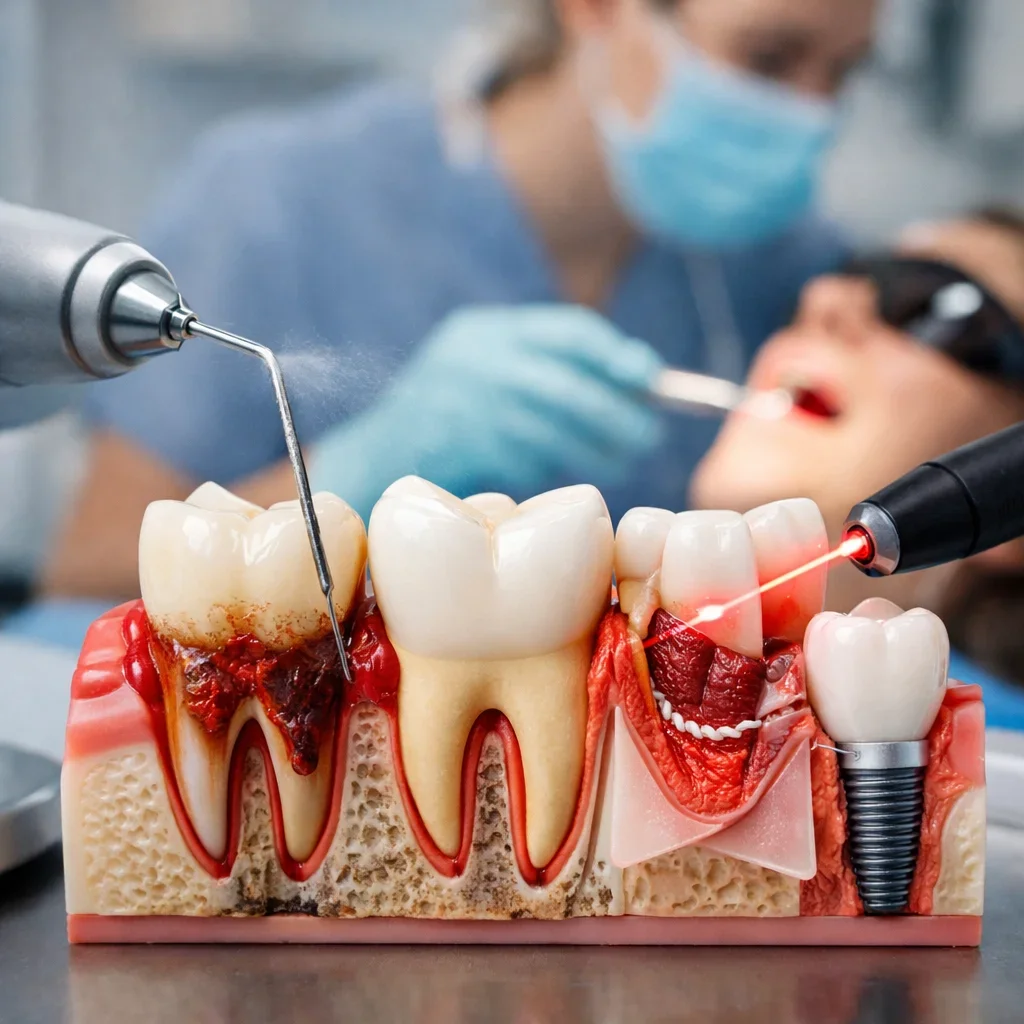
Choosing the Right Periodontal Dentistry Specialist for Long-Term Gum Health
Selecting the right professional for periodontal dentistry is one of the most important decisions patients can make when protecting their gum health and preventing long-term dental complications. Gum disease can progress silently and damage the tissues that support the teeth, so choosing a knowledgeable and experienced specialist in periodontal dentistry ensures accurate diagnosis, effective treatment, and long-term oral stability.
While general dentists provide excellent preventive care, periodontal dentistry specialists receive advanced training focused specifically on gum health, bone preservation, and treatment of complex periodontal diseases. These specialists are experts in diagnosing gum infections, managing advanced periodontal disease, and performing surgical procedures when necessary. For patients experiencing persistent gum problems or advanced periodontal disease, working with a periodontal dentistry expert significantly improves treatment outcomes.
Understanding the Role of a Periodontal Dentistry Specialist
A specialist in periodontal dentistry, often called a periodontist, undergoes additional years of education beyond general dental school. This advanced training focuses on the diagnosis, prevention, and treatment of diseases affecting the gums and supporting structures of the teeth.
Periodontal dentistry specialists are particularly skilled in procedures such as deep cleaning, gum grafting, bone regeneration, and dental implant placement. Their training allows them to treat complex gum conditions that may not respond to standard dental treatments.
Key Services Offered in Periodontal Dentistry
- Diagnosis and treatment of gum disease
- Scaling and root planing procedures
- Periodontal surgery and gum grafting
- Bone regeneration and tissue regeneration treatments
- Dental implant placement and maintenance
- Long-term periodontal maintenance programs
By focusing exclusively on gum health and supporting structures, periodontal dentistry specialists provide comprehensive care that helps preserve natural teeth whenever possible.
Important Qualifications to Look For
When choosing a professional for periodontal dentistry, it is essential to evaluate their qualifications and experience. A highly trained periodontal specialist will have completed an accredited periodontal residency program and maintain active certification in their field.
Credentials That Indicate Expertise
- Advanced periodontal specialty training
- Membership in recognized dental organizations
- Continuing education in periodontal dentistry techniques
- Experience performing periodontal surgery and implant procedures
Organizations such as the
American Dental Association promote professional standards and continuing education within the dental field. Choosing a periodontal dentistry specialist who follows these standards helps ensure high-quality care.
Technology and Modern Treatment Methods
Modern periodontal dentistry relies heavily on advanced technology to diagnose and treat gum disease more effectively. When selecting a specialist, it is helpful to consider whether the clinic uses modern diagnostic tools and treatment equipment.
Technologies Commonly Used in Periodontal Dentistry
- Digital X-rays and 3D imaging
- Laser-assisted periodontal therapy
- Ultrasonic scaling equipment
- Regenerative biomaterials for bone growth
- Digital periodontal pocket measurement systems
Clinics that incorporate these technologies into periodontal dentistry treatment can often provide more precise care and improved patient comfort.
Patient Communication and Personalized Treatment Plans
Another critical factor when selecting a periodontal dentistry specialist is the ability to communicate clearly with patients. Gum disease treatment often requires multiple appointments, lifestyle adjustments, and ongoing maintenance. A good specialist should explain treatment options thoroughly and help patients understand their oral health condition.
Personalized treatment planning is a core element of periodontal dentistry. Every patient’s gum condition is unique, and treatment should be tailored to address specific symptoms, risk factors, and long-term health goals.
What to Expect During a Periodontal Consultation
- Detailed examination of gum tissue and tooth support
- Measurement of periodontal pocket depth
- Evaluation of bone levels using imaging
- Discussion of treatment options and preventive strategies
These evaluations allow periodontal dentistry professionals to develop treatment plans that effectively control infection and protect the patient’s natural teeth.
Importance of Long-Term Maintenance Care
Successful treatment in periodontal dentistry does not end after the initial procedure. Long-term maintenance is necessary to prevent gum disease from returning. Patients who have experienced periodontal disease typically require more frequent dental visits to monitor gum health and remove bacteria before infections reappear.
Periodontal maintenance programs usually involve professional cleanings every three to four months. These visits allow periodontal dentistry specialists to track gum pocket depth, evaluate tissue health, and maintain the stability achieved through treatment.
Building Trust With Your Periodontal Dentistry Provider
Trust and comfort are essential when choosing a dental specialist. Patients should feel confident discussing symptoms, treatment concerns, and long-term oral health goals with their periodontal dentistry provider. A supportive and knowledgeable dental team can make a significant difference in the overall treatment experience.
Patients should also consider reading patient reviews, evaluating clinic hygiene standards, and asking questions during consultations to determine whether the clinic aligns with their expectations.
Professional Support for Gum Health
If you suspect you may have gum disease or want to maintain optimal gum health, seeking professional guidance from an experienced periodontal dentistry provider is the best step. Early evaluation allows specialists to identify potential issues before they become serious.
Patients who want personalized consultation and professional periodontal dentistry care can reach out through the
Redent Klinik Contact Page. Experienced dental professionals can provide tailored recommendations and advanced treatment solutions designed to maintain healthy gums and strong teeth.
In conclusion, choosing the right periodontal dentistry specialist is essential for protecting long-term oral health. A qualified expert with advanced training, modern technology, and a patient-focused approach can diagnose gum disease accurately and provide effective treatment. With proper care, professional guidance, and ongoing maintenance, periodontal dentistry helps patients maintain healthy gums, preserve natural teeth, and enjoy a confident smile for many years.