
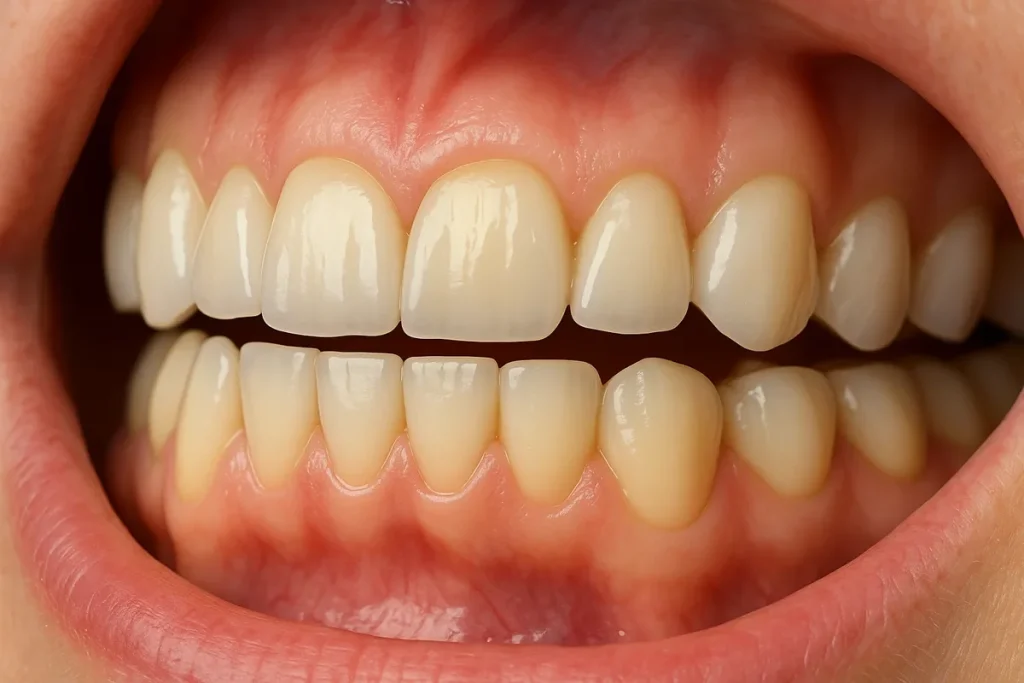
When it comes to restoring a beautiful smile and maintaining oral function, permanent bridge teeth are among the most reliable and widely used dental treatments. Patients who have lost one or more teeth often struggle not only with appearance but also with chewing, speaking, and overall oral health. This is where permanent bridges provide a long-term, effective solution. In this detailed guide, we will cover what permanent bridges are, how they function, who they are suitable for, and why they are considered one of the top choices in restorative dentistry. By the end of this article, you will have a clear understanding of whether permanent bridge teeth are the right option for your dental needs. 🦷
Permanent bridge teeth are fixed dental restorations designed to replace missing teeth by literally “bridging” the gap between healthy natural teeth or implants. Unlike removable dentures that patients must take out daily, permanent bridges are cemented or anchored in place, making them stable and natural-looking. They consist of artificial teeth known as pontics, which are supported by crowns placed on the adjacent natural teeth or implants. These crowns act as anchors, ensuring that the bridge stays firmly in place. This design restores both function and aesthetics, giving patients the confidence to smile, eat, and speak without discomfort.
One of the key reasons why permanent bridge teeth are so popular is that they mimic the look and feel of natural teeth. Patients report that once the adaptation period is over, they often forget they even have a bridge. The material options available today, such as porcelain fused to metal, zirconia, or all-ceramic bridges, make it possible to create restorations that blend seamlessly with the surrounding teeth. This ensures that the results are not only functional but also cosmetically pleasing. For many patients, this aspect is just as important as restoring chewing ability.
In addition to their aesthetic value, permanent bridges also play a vital role in maintaining oral health. When a tooth is lost and the space is left untreated, nearby teeth tend to drift into the empty gap. This movement can cause misalignment, bite problems, and even temporomandibular joint (TMJ) issues. Furthermore, missing teeth can lead to bone loss in the jaw over time. By placing permanent bridge teeth, dentists prevent these complications by stabilizing the bite and maintaining the natural alignment of the teeth and jaw. This makes bridges not just a cosmetic fix, but a functional necessity for long-term oral health.
It is also important to highlight the psychological benefits. Tooth loss often leads to self-consciousness, decreased self-esteem, and reluctance to engage socially. Many patients feel embarrassed when speaking or smiling. A permanent bridge helps restore confidence by giving back a natural, complete smile. This psychological boost can have a positive effect on both personal and professional life. In fact, dental studies frequently note that patients who replace their missing teeth with bridges or implants report higher satisfaction with their quality of life compared to those who leave the gaps untreated.
When considering permanent bridge teeth, patients should be aware of the eligibility criteria. Not everyone is an ideal candidate. To support a bridge, the adjacent teeth or implants must be healthy and strong enough to bear the additional load. If the supporting teeth are weak or compromised by decay, gum disease, or bone loss, the dentist may recommend alternative treatments, such as dental implants or removable partial dentures. This is why an initial consultation and thorough dental examination are crucial before beginning the bridge placement process. During the consultation, your dentist will likely perform X-rays, take impressions, and evaluate your bite to determine the best treatment approach.
Another factor that makes permanent bridge teeth attractive is their relatively quick treatment time compared to implants. While implants may take several months due to healing and osseointegration, a permanent bridge can often be completed within a few weeks. After the supporting teeth are prepared, impressions are taken and sent to the dental lab. Once the custom bridge is fabricated, it is permanently cemented in place, restoring function almost immediately. For patients seeking a faster solution to tooth loss, this shorter treatment timeline can be a decisive advantage.
Durability is another strong point. With proper care, permanent bridge teeth can last anywhere from 10 to 15 years, and sometimes longer. Regular dental visits, good oral hygiene, and avoiding harmful habits like teeth grinding or chewing very hard foods help extend their lifespan. Dentists often emphasize that while a bridge is permanent in terms of placement, its longevity depends heavily on the patient’s commitment to maintenance. This includes brushing twice daily, flossing with special floss threaders designed for bridges, and attending professional cleanings. By following these steps, patients ensure the long-term success of their restoration.
In summary, permanent bridge teeth are a trusted solution in modern dentistry, offering a balance of aesthetics, function, and long-term oral health benefits. They prevent shifting of neighboring teeth, improve chewing and speech, restore facial harmony, and boost self-confidence. Although they require certain conditions to be met and involve a careful dental evaluation, they remain one of the most reliable restorative options available. For those exploring this treatment, it is always wise to consult a qualified dentist to discuss your unique case and expectations. If you would like to learn more or schedule a consultation, visit the Redent Klinik Contact Page to speak directly with an expert dental team. For additional professional guidelines and standards in dentistry, you may also refer to the American Dental Association.
What Are Permanent Bridge Teeth and How Do They Work?
Permanent bridge teeth are a restorative dental treatment used to replace one or more missing teeth. Unlike removable dentures that patients take out daily, bridges are cemented or anchored permanently in the mouth. This means they cannot be removed by the patient, providing a natural and stable replacement that looks and feels like real teeth. By creating a “bridge” between existing natural teeth or implants, the gap left by a missing tooth is filled with an artificial tooth called a pontic. These pontics are supported by crowns placed on the adjacent teeth, ensuring the restoration stays secure and functional.
The Basic Components of a Permanent Bridge
Every dental bridge consists of three essential parts:
- Abutment Teeth: These are the natural teeth or implants on either side of the gap. They serve as anchors to hold the bridge securely in place.
- Pontics: The artificial teeth that replace the missing teeth. They are custom-made to match the size, shape, and color of the surrounding natural teeth.
- Crowns: The caps that cover the abutment teeth, bonding the pontics in position to create a seamless and durable bridge.
Together, these elements form a functional unit that restores the smile and prevents further oral health complications associated with tooth loss.
How Do Permanent Bridges Function?
The main function of permanent bridge teeth is to restore chewing ability, speech clarity, and aesthetics. When a person loses teeth, several problems occur:
- Chewing efficiency decreases, which can limit food choices.
- Speech may be affected, especially with front tooth loss.
- Adjacent teeth may shift into the empty gap, leading to misalignment.
- The jawbone in the missing tooth area can weaken over time.
By placing a permanent bridge, these issues are prevented or minimized. The bridge ensures that biting forces are distributed evenly, maintains the natural shape of the face, and prevents drifting or tilting of nearby teeth. Essentially, permanent bridge teeth restore harmony and stability to the dental arch.
Different Designs of Permanent Bridges
Not all bridges are designed the same way. Depending on the location of the missing tooth and the condition of the supporting teeth, dentists may recommend one of the following:
Traditional Bridge
This is the most common type. It involves creating crowns for the abutment teeth on either side of the missing tooth and placing a pontic in between. Traditional bridges are strong, reliable, and suitable for most patients.
Cantilever Bridge
In this design, the pontic is supported by a crown on only one side instead of both. This option is less common and usually applied in areas with less biting stress, such as the front teeth.
Maryland Bonded Bridge
Also known as a resin-bonded bridge, this type uses a framework of metal or porcelain wings bonded to the back of adjacent teeth. It is a more conservative option since it does not require crowns, but it is less durable under heavy biting pressure.
Implant-Supported Bridge
Instead of relying on natural teeth, this design uses dental implants to support the bridge. Implant-supported permanent bridge teeth provide superior stability and longevity, especially for patients missing multiple teeth in a row.
Materials Used in Permanent Bridges
The success and appearance of a bridge largely depend on the material used. Common options include:
- Porcelain fused to metal (PFM): Offers strength and natural appearance.
- All-ceramic or zirconia: Provides excellent aesthetics and is metal-free, suitable for patients with allergies or those desiring maximum cosmetic appeal.
- Metal-only bridges: Strong but less natural-looking, often used in molar areas where appearance is less critical.
Modern dentistry increasingly favors zirconia and all-ceramic options because of their lifelike translucency and durability.
Who Can Benefit from Permanent Bridge Teeth?
Permanent bridges are ideal for individuals who:
- Have one or more missing teeth with healthy teeth on either side of the gap.
- Want a fixed, non-removable solution that feels natural.
- Seek faster treatment compared to dental implants.
- Desire an option that prevents shifting of teeth and maintains bite stability.
However, patients with severe gum disease, weak supporting teeth, or significant bone loss may not be suitable candidates unless additional treatments are performed first.
Advantages of Permanent Bridge Teeth
The benefits of bridges go beyond just filling a gap. Key advantages include:
- Restored chewing and speaking ability.
- Natural-looking smile enhancement.
- Prevention of teeth shifting into empty spaces.
- Improved facial aesthetics by maintaining jaw alignment.
- Durability, with a lifespan of 10–15 years or more when maintained properly.
These features make permanent bridges a long-term investment in both oral health and self-confidence. 🌟
Considerations and Limitations
Although effective, permanent bridges are not without limitations. They require reshaping of the abutment teeth, which is an irreversible process. Patients also need to commit to meticulous oral hygiene to prevent decay around the supporting crowns. Additionally, bridges do not address bone loss beneath the missing tooth, something implants can resolve. Therefore, discussing the pros and cons with a dentist is essential before making a final decision.
In conclusion, permanent bridge teeth provide a practical, aesthetic, and functional solution for missing teeth. They combine durability with natural-looking results and have been trusted in dentistry for decades. By understanding their components, function, and design variations, patients can make informed choices about whether bridges are the right treatment. For personalized consultation and expert advice, you can reach out through the Redent Klinik Contact Page. For professional standards and further educational resources, refer to the American Dental Association.
The Procedure for Getting Permanent Bridge Teeth
Understanding the procedure for permanent bridge teeth is essential for patients considering this restorative dental option. The process involves several steps, ranging from the initial consultation to the final placement of the bridge. Each stage plays a critical role in ensuring a successful outcome that restores function, aesthetics, and comfort. Below, we will walk through each step in detail, covering what patients can expect, how dentists prepare, and the follow-up care required for long-term success.
Step 1: Initial Consultation and Examination
The journey to permanent bridge teeth begins with a thorough consultation. During this appointment, the dentist will:
- Review the patient’s dental and medical history.
- Conduct a full oral examination to check the health of surrounding teeth and gums.
- Take X-rays or digital scans to assess bone structure and bite alignment.
- Discuss treatment options and determine whether a bridge, implant, or another solution is best.
This stage is vital because the success of permanent bridge teeth depends on the strength and health of the abutment teeth or implants that will support the bridge. Patients with gum disease or weak supporting teeth may require preliminary treatments, such as periodontal therapy or fillings, before proceeding.
Step 2: Tooth Preparation
Once a patient is deemed suitable for a bridge, the next step is tooth preparation. This involves reshaping the abutment teeth that will anchor the bridge. The dentist removes a small portion of enamel and dentin to create space for the crowns. Although this step is irreversible, it ensures a snug and secure fit for the bridge.
Why Tooth Preparation Matters
Proper preparation is crucial for stability and comfort. If the abutment teeth are not shaped correctly, the bridge may not fit properly, leading to complications such as discomfort, poor bite alignment, or premature failure. Modern dental technology, such as CAD/CAM scanning, allows dentists to prepare teeth with extreme precision.
Step 3: Taking Impressions
After preparation, the dentist takes impressions or digital scans of the teeth. These impressions are sent to a dental laboratory, where technicians fabricate a custom-made bridge. The artificial teeth, or pontics, are carefully designed to match the shape, color, and size of the patient’s natural teeth for a seamless appearance. The laboratory process usually takes one to two weeks, depending on the complexity of the case and the materials used.
Step 4: Placement of a Temporary Bridge
While the permanent restoration is being created, patients typically receive a temporary bridge. This serves several purposes:
- Protects the exposed abutment teeth from sensitivity and damage.
- Maintains proper spacing and bite alignment.
- Allows patients to eat and speak more comfortably during the waiting period.
Temporary bridges are not as durable as permanent ones, but they provide functional and cosmetic benefits until the final bridge is ready.
Step 5: Fitting the Permanent Bridge
When the custom bridge is ready, the dentist schedules a second appointment. The permanent bridge is carefully fitted into place, and the dentist checks for proper bite alignment and aesthetics. Adjustments may be made to ensure maximum comfort and stability. Once the fit is confirmed, the bridge is cemented permanently using a strong dental adhesive.
Ensuring Proper Fit
The dentist will ask the patient to bite down and move their jaw in different directions to verify that the bridge does not interfere with chewing or speech. Minor adjustments may be made on the spot to perfect the fit. This step is essential because a poorly fitted bridge can cause gum irritation, bite issues, or even damage to the supporting teeth.
Step 6: Post-Procedure Care and Instructions
After placement, patients receive detailed care instructions. These typically include:
- Maintaining excellent oral hygiene with brushing and flossing around the bridge.
- Using special floss threaders or interdental brushes to clean under the pontics.
- Avoiding very hard or sticky foods that could put stress on the bridge.
- Scheduling regular dental check-ups and professional cleanings.
Following these guidelines ensures the longevity of permanent bridge teeth and minimizes the risk of complications such as decay or gum disease around the abutment teeth.
Step 7: Adjustments and Follow-Up Visits
It is normal for patients to require minor adjustments in the days or weeks following bridge placement. Dentists may fine-tune the bite or polish rough areas to enhance comfort. Regular follow-up visits allow the dentist to monitor the condition of the bridge, gums, and supporting teeth, ensuring everything remains healthy and stable over time.
Patient Experience During the Procedure
Most patients report minimal discomfort during the bridge process. Local anesthesia is used during tooth preparation, so pain is rarely an issue. After the procedure, mild sensitivity or soreness may occur but usually resolves within a few days. Compared to dental implants, which require surgery and months of healing, bridges are faster and involve less downtime, making them a popular choice for patients seeking immediate results.
Timeframe for Completing Permanent Bridge Teeth
The entire process for permanent bridges generally takes two to three visits over two to three weeks. In contrast, dental implants can take several months. This shorter timeframe is a significant advantage for patients who want a quick and reliable solution to tooth loss.
In conclusion, the procedure for permanent bridge teeth is a carefully planned and executed process that involves consultation, preparation, impressions, temporary placement, and final fitting. With modern dental technology, bridges today are more precise, natural-looking, and durable than ever before. Patients who follow care instructions and attend regular dental check-ups can expect their bridges to last a decade or more. For those considering treatment, visiting the Redent Klinik Contact Page is an excellent first step toward restoring a confident and functional smile. For authoritative guidelines on dental care, refer to the American Dental Association.
Benefits of Permanent Bridge Teeth for Oral Health
Choosing permanent bridge teeth goes beyond simply restoring a smile. This treatment has profound oral health benefits that protect surrounding teeth, preserve the bite, and improve overall dental function. Patients who replace missing teeth with permanent bridges often notice better chewing efficiency, improved clarity of speech, and enhanced confidence. More importantly, the restoration prevents long-term oral complications that could arise from leaving gaps untreated. Below, we will explore the most significant benefits of permanent bridges in detail.
Restoring Chewing and Eating Function
One of the primary advantages of permanent bridge teeth is the restoration of chewing function. Missing teeth make it difficult to properly grind and break down food, which may lead to digestive issues and a limited diet. With a bridge in place, patients can chew efficiently, enjoy a wider variety of foods, and maintain balanced nutrition. Since the bridge distributes biting forces evenly, it minimizes excess pressure on the remaining teeth, thereby protecting them from wear and strain.
Preventing Malnutrition Risks
Tooth loss can push patients toward soft, carbohydrate-rich foods while avoiding harder, fibrous options such as fruits, vegetables, and nuts. This can contribute to nutritional deficiencies over time. Permanent bridge teeth restore the ability to eat a full range of foods, reducing the risk of malnutrition and promoting overall well-being.
Improving Speech and Pronunciation
Teeth play a crucial role in the proper pronunciation of words. Gaps caused by missing teeth, especially in the front, may cause lisps, slurred speech, or difficulties pronouncing certain consonants. By filling these spaces, permanent bridges provide the tongue with the correct points of contact, resulting in clearer and more confident speech. Patients often notice immediate improvement in their ability to communicate effectively in both professional and personal settings.
Preventing Teeth from Shifting
When a tooth is lost, the surrounding teeth naturally begin to drift into the empty space. This movement can cause misalignment, crookedness, and bite imbalances. Over time, this leads to complications such as temporomandibular joint (TMJ) pain, uneven tooth wear, and gum disease. Permanent bridge teeth prevent this shifting by maintaining the natural spacing and alignment of the dental arch, ensuring the bite remains stable and functional.
Preserving Jaw Structure and Facial Appearance
Tooth loss not only affects oral function but also impacts facial aesthetics. Missing teeth can make the cheeks appear sunken and the lips unsupported, contributing to premature aging of the face. Permanent bridges provide support to surrounding tissues, helping maintain natural facial contours. While they do not prevent bone resorption as effectively as implants, they still play a significant role in preserving facial harmony by keeping adjacent teeth aligned and functional.
Boosting Confidence and Self-Esteem
A complete, natural-looking smile has powerful psychological benefits. Patients with permanent bridge teeth frequently report improved self-confidence, reduced social anxiety, and greater willingness to engage in conversations, photos, and social events. The cosmetic improvement combined with functional restoration makes bridges one of the most confidence-boosting treatments in dentistry. 😁
Maintaining Oral Hygiene and Gum Health
While bridges require careful cleaning, they also contribute indirectly to better oral hygiene. By filling empty spaces, they make it easier to clean teeth properly and prevent food debris from accumulating in gaps. Specialized floss threaders and interdental brushes allow patients to maintain healthy gums around and beneath the bridge. With proper care, permanent bridge teeth can support gum health and reduce the risk of periodontal disease that often develops when gaps are left untreated.
Durability and Long-Term Reliability
Another benefit is the longevity of bridges. With consistent care, patients can expect their bridges to last 10–15 years or more. Advances in dental materials, such as zirconia and high-quality ceramics, mean that bridges are now more resistant to wear, staining, and fractures than ever before. Their durability makes them a worthwhile investment for long-term oral health.
Faster Results Compared to Implants
Unlike implants, which require surgery and months of healing, permanent bridges can usually be completed in just a few weeks. This quick turnaround offers patients an immediate improvement in both function and aesthetics, making them ideal for individuals seeking fast, effective solutions to tooth loss.
Cost-Effective Oral Health Solution
While not the cheapest option, permanent bridges often provide a more cost-effective solution compared to dental implants, especially when multiple teeth are missing. They restore oral health and aesthetics at a lower upfront cost while still delivering long-lasting results. For many patients, this balance of affordability and effectiveness makes them an attractive choice.
Enhancing Overall Quality of Life
Finally, the comprehensive benefits of permanent bridge teeth extend to a patient’s overall quality of life. Eating comfortably, speaking clearly, smiling confidently, and preventing further dental complications all contribute to improved well-being. When patients feel comfortable with their smiles and can enjoy the foods they love, they experience better physical health and psychological satisfaction.
In summary, the benefits of permanent bridge teeth reach far beyond aesthetics. They restore proper function, protect oral health, improve confidence, and preserve facial harmony. By choosing this treatment, patients not only replace missing teeth but also invest in long-term stability and well-being. For expert guidance and to explore treatment options, visit the Redent Klinik Contact Page. For professional dental care standards, the American Dental Association provides comprehensive resources and information.
Potential Risks and Complications to Consider
While permanent bridge teeth are highly effective in restoring function and aesthetics, patients should also be aware of potential risks and complications. Understanding these factors is crucial for making an informed decision about treatment. Like any dental restoration, bridges come with considerations that can affect their long-term success. By learning about these challenges in advance, patients can take preventive measures and maintain healthy outcomes.
Tooth Sensitivity After Placement
One of the most common side effects after receiving permanent bridge teeth is tooth sensitivity. Since the abutment teeth must be reshaped and covered with crowns, they may feel sensitive to temperature changes or pressure for several weeks. In most cases, this sensitivity diminishes over time. Dentists may recommend fluoride treatments, desensitizing toothpaste, or protective mouthguards to ease discomfort during the adjustment period.
Risk of Decay and Gum Disease
Permanent bridges rely heavily on the health of the supporting teeth and surrounding gums. If oral hygiene is not maintained properly, food particles and plaque can accumulate around the crowns and underneath the pontic. This increases the risk of:
- Dental decay on the abutment teeth, which could compromise the entire bridge.
- Gingivitis or periodontitis (gum disease), leading to inflammation, bleeding, and potential bone loss.
- Bridge failure if supporting structures become too weak to hold the restoration.
To prevent these issues, patients must commit to meticulous oral care, including brushing twice a day, using interdental brushes, and flossing with specialized threaders designed for bridges.
Structural Damage to Abutment Teeth
Since bridges depend on abutment teeth for support, these teeth bear additional stress during chewing. Over time, this added strain can weaken the abutment teeth, making them more susceptible to cracks, fractures, or root canal problems. If the abutment teeth fail, the entire bridge may need to be replaced. Dentists carefully assess the strength of these teeth before treatment, but patients should be mindful of avoiding habits like teeth grinding, chewing ice, or biting very hard foods.
Preventive Measures
Wearing a custom night guard for bruxism, maintaining regular dental checkups, and choosing softer foods when necessary can significantly reduce the risk of abutment tooth failure.
Fit and Alignment Issues
In some cases, patients may experience discomfort due to improper bridge alignment. A poorly fitted bridge can cause bite problems, gum irritation, and even jaw pain. Fortunately, dentists can adjust or reshape the restoration for better comfort. This highlights the importance of selecting an experienced dental professional for the procedure.
Bone Loss Underneath the Missing Tooth
Unlike dental implants, permanent bridge teeth do not stimulate the jawbone where the missing tooth was located. This can lead to gradual bone resorption in the area beneath the pontic. While the bridge restores chewing and appearance, the underlying bone may still shrink over time, slightly affecting facial aesthetics. Patients concerned about bone preservation may discuss implant-supported bridges as an alternative solution.
Longevity and the Need for Replacement
Although permanent bridges are designed to last, they are not truly “permanent” in the sense of lasting a lifetime without maintenance. On average, a bridge lasts 10–15 years, but complications such as gum disease, fractures, or decay may shorten its lifespan. When problems arise, replacement or repair is necessary, which adds to long-term costs. Patients should factor in this reality when considering treatment.
Signs a Bridge May Need Replacement
- Persistent pain or discomfort around the abutment teeth.
- Visible cracks, chips, or loosening of the bridge.
- Receding gums exposing the bridge margins.
- Difficulty chewing or changes in bite alignment.
Allergic Reactions or Material Sensitivities
Although rare, some patients may experience allergic reactions to the metals used in certain bridges. Nickel and other base metals can occasionally trigger sensitivities. For these patients, dentists often recommend zirconia or all-ceramic bridges, which are biocompatible and highly aesthetic alternatives.
Financial Considerations and Insurance Coverage
Cost is another factor to consider. While permanent bridge teeth are generally more affordable than implants, the expense can still be significant, especially for complex cases. Additionally, insurance coverage may vary depending on the patient’s plan. Some insurers only cover a portion of the treatment, leaving patients to handle out-of-pocket expenses. Understanding potential financial risks and confirming coverage with your provider helps avoid surprises.
Patient Responsibility in Preventing Complications
Ultimately, the long-term success of permanent bridge teeth depends heavily on the patient’s care habits. Consistent oral hygiene, healthy diet choices, and avoiding harmful behaviors like smoking or chewing on hard objects play a vital role in preventing complications. Patients who follow their dentist’s guidance typically enjoy years of function and satisfaction with their bridges.
In summary, while permanent bridge teeth offer tremendous benefits, they are not without risks. From tooth sensitivity and gum disease to structural damage and eventual replacement needs, patients must be aware of potential challenges. The good news is that with proper care and preventive strategies, most of these complications can be avoided. For expert advice tailored to your unique case, you can consult the Redent Klinik Contact Page. To explore professional dental care guidelines, visit the American Dental Association, which provides extensive resources for both patients and dental professionals.
Cost of Permanent Bridge Teeth: What to Expect
When patients consider permanent bridge teeth, one of the most important questions is cost. Understanding the financial aspect helps individuals plan their treatment effectively and avoid surprises. The price of dental bridges can vary widely based on factors such as material choice, number of missing teeth, the dentist’s experience, and geographic location. While the investment in a permanent bridge can be significant, it should also be seen as a long-term solution for restoring function, aesthetics, and oral health. Below, we will explore the different elements that influence cost, average price ranges, and ways to manage expenses.
Factors That Influence the Cost of Permanent Bridge Teeth
The final cost of a bridge is rarely fixed because multiple variables are involved. Key factors include:
- Type of bridge: Traditional, cantilever, Maryland bonded, and implant-supported bridges all have different pricing structures.
- Material selection: Porcelain-fused-to-metal (PFM), zirconia, and all-ceramic bridges vary in durability, appearance, and cost.
- Number of teeth replaced: A single-tooth bridge costs less than replacing multiple teeth with a longer restoration.
- Complexity of the case: If abutment teeth require root canal therapy, fillings, or gum treatment before bridge placement, costs increase.
- Dentist’s expertise and clinic location: Urban dental practices and specialists often charge higher fees than rural practices or general dentists.
Average Cost Ranges by Region
Costs vary significantly depending on where patients live. Below are general ranges based on common markets (prices may differ over time and by clinic):
- United States: $2,000 – $5,000 for a traditional three-unit bridge.
- United Kingdom: £1,200 – £3,500 depending on materials and number of units.
- Turkey (a popular destination for dental tourism): $700 – $1,500 per bridge, making it more affordable for international patients.
- European Union: €1,500 – €3,000 depending on the country and clinic reputation.
Patients seeking more affordable solutions often consider dental tourism. Countries like Turkey, Hungary, and Poland are known for offering high-quality permanent bridge teeth at lower costs compared to Western Europe and North America.
Example Price Breakdown (United States)
Traditional 3-unit PFM bridge: $2,500
Zirconia 3-unit bridge: $3,000 – $4,000
Implant-supported bridge (2 implants + 3-unit span): $5,000 – $8,000
Additional costs: X-rays ($50 – $200), consultation ($100 – $300)
Insurance Coverage for Permanent Bridges
Dental insurance may partially cover the cost of permanent bridge teeth, but coverage depends on the plan. Most insurers classify bridges as “major dental procedures,” which may be covered at 40–50% after deductibles. However, some plans have restrictions on materials, types of bridges, or frequency of replacement (for example, covering one bridge every five to seven years). Patients should check their policy details carefully before committing to treatment.
Financing and Payment Options
Because bridges are an investment, many clinics offer financing options to make them more accessible. Common options include:
- Monthly installment plans offered directly by the clinic.
- Third-party financing through healthcare credit providers.
- Discounts for upfront payments.
- Dental tourism packages that include flights, accommodation, and treatment at a lower bundled cost.
Patients who need multiple bridges or other extensive dental work often benefit from financing programs that spread costs over time without compromising quality.
Comparing Cost to Value
Although permanent bridge teeth require an upfront investment, they should be considered in terms of long-term value. Bridges restore chewing ability, prevent teeth from shifting, improve speech, and boost confidence. Compared to leaving gaps untreated—which can lead to misalignment, bone loss, and additional dental issues—the cost of a bridge is often much less than managing the long-term consequences of tooth loss.
Bridges vs. Implants: Cost Comparison
Some patients wonder whether implants are a better long-term investment. Here is a general comparison:
- Permanent bridge teeth: $2,000 – $5,000, lifespan of 10–15 years with good care.
- Dental implants: $3,000 – $6,000 per tooth, often lasting 20+ years with proper maintenance.
While implants may last longer, they are more expensive and require surgery, which not every patient is comfortable with. For many, bridges strike the right balance between cost, speed, and function.
Hidden and Long-Term Costs
Patients should also be aware of potential additional costs associated with permanent bridge teeth. These may include:
- Replacement or repair if the bridge wears out prematurely.
- Treatment of gum disease or decay affecting abutment teeth.
- Professional cleanings and checkups to maintain oral health.
Factoring in these long-term costs provides a more realistic financial picture and helps patients budget responsibly.
Maximizing Investment with Proper Care
With the right oral care habits, patients can extend the lifespan of their bridges and reduce overall costs. Daily brushing, flossing with bridge threaders, using fluoride toothpaste, and scheduling routine dental visits are all essential. Patients who follow these recommendations often enjoy their bridges for more than a decade, making them a cost-effective solution in the long run.
In summary, the cost of permanent bridge teeth depends on many factors, including material, design, number of units, and location. While the investment may seem high, bridges provide long-lasting value by restoring oral health and preventing further complications. Patients should explore insurance coverage, financing plans, and even international treatment options to make bridges more affordable. For personalized guidance on treatment pricing, visit the Redent Klinik Contact Page. To better understand dental standards and recommendations, consult the American Dental Association, which offers detailed insights on restorative treatments.
How to Care for and Maintain Your Dental Bridge
After investing in permanent bridge teeth, proper care and maintenance are essential to ensure their longevity. While bridges are designed to be durable and function much like natural teeth, they require special attention to stay healthy and stable over time. Without adequate care, patients may face issues such as gum disease, decay of the supporting teeth, or premature failure of the bridge. The good news is that with the right oral hygiene practices, dietary choices, and regular dental checkups, permanent bridges can last well over a decade. Below, we will discuss in detail how to maintain your bridge for long-term success.
Daily Oral Hygiene for Permanent Bridges
Oral hygiene is the cornerstone of maintaining permanent bridge teeth. Patients must adopt a routine that keeps the supporting teeth and gums healthy, while also preventing plaque buildup around the bridge. A typical care routine should include:
- Brushing twice a day: Use a soft-bristled toothbrush and fluoride toothpaste to clean all surfaces of your teeth and bridge. Electric toothbrushes are often more effective at removing plaque around bridge margins.
- Flossing daily: Special floss threaders or super floss are necessary to clean underneath the pontic (the artificial tooth in the bridge). Regular floss cannot reach these areas effectively.
- Rinsing with mouthwash: Antimicrobial mouthwashes help control bacteria that cause gum inflammation and decay around abutment teeth.
By following these steps, patients can significantly reduce the risk of complications and extend the lifespan of their restoration.
Special Cleaning Tools for Bridges
Because standard flossing is not enough, dentists often recommend specialized cleaning aids for permanent bridge teeth:
- Interdental brushes: Small brushes that clean between the bridge and the gums where plaque tends to accumulate.
- Water flossers: Devices that use a stream of water to flush out food debris and bacteria under the pontic and around the abutments.
- Super floss: A type of dental floss with stiff ends for threading under the bridge, a spongy section for cleaning wide spaces, and regular floss for tight contacts.
These tools make daily cleaning easier and more effective, ensuring better gum health and bridge stability.
Dietary Habits for Long-Term Maintenance
Diet plays a big role in the longevity of permanent bridge teeth. Although bridges are strong, certain foods can increase the risk of damage or decay in the supporting teeth. Key recommendations include:
- Avoid very hard foods such as ice, hard candy, or unpopped popcorn kernels, which may crack the bridge.
- Limit sticky foods like caramel or chewing gum that can pull at the bridge or allow bacteria to settle under the crowns.
- Incorporate calcium-rich foods (milk, yogurt, cheese) to strengthen teeth and bones supporting the bridge.
- Eat crunchy fruits and vegetables, such as apples and carrots, to stimulate the gums and clean teeth naturally.
Maintaining a balanced diet not only preserves the bridge but also promotes overall oral and systemic health.
Impact of Sugary Beverages
Soda, energy drinks, and sugary juices increase the risk of decay around abutment teeth. Patients should limit these beverages or rinse with water afterward to reduce harmful effects.
Regular Dental Checkups and Professional Cleanings
Even with excellent home care, professional dental visits are non-negotiable. Dentists can identify early signs of decay, gum disease, or wear that patients may not notice. During a routine checkup, the dentist will:
- Examine the fit and integrity of the bridge.
- Check the health of gums and supporting teeth.
- Perform a professional cleaning to remove tartar buildup.
- Take X-rays if needed to assess bone and tooth health under the crowns.
It is generally recommended to visit the dentist every six months. Patients with a history of gum disease may need more frequent visits.
Managing Habits That Damage Bridges
Certain lifestyle habits can compromise the stability of permanent bridge teeth. Patients should avoid:
- Bruxism (teeth grinding), which places excessive force on the bridge. A night guard can help protect against this condition.
- Using teeth as tools (to open bottles or tear packaging), which risks chipping or loosening the bridge.
- Smoking, which stains the bridge, weakens gums, and contributes to gum disease.
By eliminating these habits, patients can ensure that their dental bridge remains intact and functional for many years.
Signs of Problems and When to Seek Help
Patients should remain alert to warning signs that indicate potential issues with their bridge. These include:
- Persistent pain or sensitivity around the abutment teeth.
- Swollen or bleeding gums near the bridge.
- Movement or looseness of the bridge.
- Bad breath or a foul taste, which may signal infection beneath the bridge.
If any of these issues occur, contacting a dentist promptly can prevent more serious complications and save the bridge from failure.
Extending the Lifespan of Permanent Bridge Teeth
With proper maintenance, bridges can last 10–15 years, and in many cases even longer. Patients who adhere to consistent oral hygiene, attend regular dental visits, and make smart lifestyle choices often enjoy decades of reliable function from their bridges. When cared for correctly, permanent bridges not only replace missing teeth but also contribute to long-term oral stability and quality of life.
In conclusion, maintaining permanent bridge teeth requires a combination of daily oral hygiene, dietary awareness, regular professional care, and healthy habits. By taking responsibility for their care, patients protect both their investment and their smile. For expert maintenance advice or checkups, you can schedule an appointment through the Redent Klinik Contact Page. To learn more about best practices for oral health, visit the American Dental Association, which provides detailed resources on bridge maintenance and preventive care.
Alternatives to Permanent Bridge Teeth: Implants vs. Dentures
Although permanent bridge teeth remain one of the most popular treatments for replacing missing teeth, they are not the only option. Depending on individual needs, oral health condition, and budget, alternatives such as dental implants and removable dentures may also be considered. Understanding the pros and cons of each solution helps patients make informed decisions about which restorative treatment is best for their lifestyle and long-term oral health. Below, we compare permanent bridges with implants and dentures in detail.
Dental Implants: A Modern Alternative
Dental implants are widely regarded as the gold standard for replacing missing teeth. Unlike permanent bridge teeth, which rely on adjacent natural teeth for support, implants are surgically placed into the jawbone, acting as artificial tooth roots. A crown is then attached to the implant, creating a restoration that looks, feels, and functions like a natural tooth.
Advantages of Dental Implants
- Bone preservation: Implants stimulate the jawbone, preventing bone resorption that typically occurs after tooth loss.
- Longevity: With proper care, implants can last 20 years or even a lifetime, outlasting most bridges.
- No impact on adjacent teeth: Implants do not require reshaping or crowning nearby teeth, preserving natural tooth structure.
- Superior stability: Implants allow for confident chewing, biting, and speaking, without the risk of shifting.
Limitations of Dental Implants
- Higher cost: Implants are more expensive upfront compared to permanent bridge teeth.
- Surgical procedure: Implant placement requires minor oral surgery, which involves healing time and potential complications.
- Longer treatment timeline: It may take 3–6 months (or more) for the implant to fully integrate with the jawbone before the crown is attached.
- Bone and gum health requirements: Patients with insufficient bone density may require grafting, which increases cost and treatment time.
Overall, implants are an excellent option for patients seeking a long-term solution and willing to undergo surgery, but they may not be suitable for everyone.
Removable Dentures: A Budget-Friendly Option
Removable dentures are another alternative to permanent bridge teeth, typically chosen for affordability and simplicity. Dentures can replace a few teeth (partial dentures) or an entire arch (full dentures). They rest on the gums and can be taken out for cleaning.
Advantages of Dentures
- Lower cost: Dentures are usually the most affordable tooth replacement option.
- Non-invasive: Placement does not require surgery or significant alteration of existing teeth.
- Quick solution: Dentures can often be fabricated and delivered within a few weeks.
- Suitable for multiple missing teeth: Full dentures replace entire rows of teeth, making them ideal for advanced tooth loss.
Limitations of Dentures
- Less stability: Dentures may slip or move, especially while eating or speaking, which can be uncomfortable.
- Bone loss risk: Since dentures do not stimulate the jawbone, bone resorption continues, leading to changes in facial structure over time.
- Adjustment period: Patients often require time to adapt to wearing dentures, and some report irritation or sore spots.
- Shorter lifespan: Dentures typically need replacement or relining every 5–8 years due to changes in the mouth’s shape.
While dentures are less expensive, they may not provide the same level of comfort and stability as permanent bridge teeth or implants.
Comparing Permanent Bridges, Implants, and Dentures
When deciding between these options, it is essential to consider functionality, aesthetics, cost, and long-term oral health. Here is a direct comparison:
| Treatment | Support System | Longevity | Bone Preservation | Cost |
|---|---|---|---|---|
| Permanent Bridge Teeth | Adjacent natural teeth or implants | 10–15 years (with care) | No stimulation of bone under missing tooth | Moderate ($2,000–$5,000 in the U.S.) |
| Dental Implants | Directly anchored into jawbone | 20+ years, often lifetime | Yes, preserves bone density | High ($3,000–$6,000 per tooth in the U.S.) |
| Removable Dentures | Rest on gums | 5–8 years | No bone preservation, resorption continues | Low ($800–$2,000 depending on type) |
Which Option Is Right for You?
The choice between permanent bridge teeth, implants, and dentures depends on several personal factors:
- Health of surrounding teeth: If adjacent teeth are strong, bridges may be a practical choice.
- Budget considerations: Dentures are cost-effective, while implants require a higher upfront investment.
- Long-term goals: Patients seeking a lifelong solution may prefer implants, whereas bridges provide a balance of durability and cost.
- Comfort and convenience: Those who want a fixed, non-removable solution often favor bridges or implants over dentures.
Conclusion
Each tooth replacement option has unique advantages and drawbacks. Permanent bridge teeth are reliable, functional, and cost-effective, making them an excellent choice for many patients. Dental implants offer unmatched stability and bone preservation but come with higher costs and longer treatment times. Dentures remain the most affordable option, though they sacrifice some comfort and long-term benefits. Ultimately, the best choice depends on your oral health, lifestyle, and financial situation. For expert guidance tailored to your needs, you can schedule a consultation through the Redent Klinik Contact Page. To explore professional standards and further resources on tooth replacement, visit the American Dental Association.
Frequently Asked Questions About Permanent Bridge Teeth
When patients consider permanent bridge teeth, they often have several questions regarding the procedure, durability, comfort, and maintenance. Addressing these concerns is essential for helping individuals make informed decisions about their oral health. Below, we provide comprehensive answers to some of the most common questions about dental bridges, along with expert guidance on what to expect before, during, and after treatment.
How Long Do Permanent Bridge Teeth Last?
On average, permanent bridges last 10–15 years. With proper care, some patients enjoy their bridges for 20 years or more. The longevity depends on several factors:
- Oral hygiene: Consistent brushing, flossing, and dental checkups significantly extend lifespan.
- Material: Zirconia and all-ceramic bridges typically last longer than porcelain-fused-to-metal bridges.
- Lifestyle: Avoiding smoking, teeth grinding, and very hard foods protects the bridge from damage.
Patients who invest time in maintenance often find that permanent bridge teeth provide a cost-effective and reliable long-term solution.
Is Getting a Bridge Painful?
The procedure is generally painless because local anesthesia is used when preparing abutment teeth. Some patients may experience temporary sensitivity or mild discomfort after the anesthesia wears off, especially in the first few days. This typically subsides quickly and can be managed with over-the-counter pain relievers. Compared to implants, which require surgery, permanent bridge teeth involve far less discomfort and a shorter healing time.
Can I Eat Normally With Permanent Bridge Teeth?
Yes, one of the primary advantages of bridges is the ability to chew and eat comfortably again. Once the adjustment period is over, patients can enjoy most foods without difficulty. However, dentists recommend limiting extremely hard or sticky foods to prevent unnecessary strain on the bridge. For example, chewing ice or sticky caramel can loosen the cement or damage the bridge over time.
Foods to Enjoy Safely
- Fruits and vegetables, both raw and cooked
- Lean proteins such as chicken, fish, and eggs
- Dairy products like cheese and yogurt
- Whole grains and legumes
With these food groups, patients can maintain both nutrition and oral health without worrying about bridge damage.
Do Permanent Bridges Look Natural?
Yes, modern permanent bridge teeth are designed to blend seamlessly with natural teeth. Dentists use advanced materials like zirconia and porcelain, which mimic the translucency and color of real teeth. Custom shading ensures that the bridge matches surrounding teeth, making it virtually indistinguishable from the rest of the smile. Patients often report a boost in confidence once their bridge is placed, as it restores both aesthetics and function.
How Do I Clean Around Permanent Bridge Teeth?
Cleaning is slightly different compared to natural teeth. Since pontics are fused to crowns, regular floss cannot pass between them. Patients must use floss threaders, interdental brushes, or water flossers to clean under the pontics and around the abutments. Daily brushing with fluoride toothpaste and rinsing with an antimicrobial mouthwash are also essential. Maintaining this routine prevents decay around abutment teeth and keeps gums healthy, extending the life of the bridge.
Are Permanent Bridges Covered by Insurance?
In many cases, yes. Most dental insurance plans categorize permanent bridge teeth as “major restorative procedures.” Coverage typically includes 40–50% of the cost after deductibles, though limits and restrictions may apply. Some plans may only cover replacement every 5–7 years. Patients should review their insurance policies carefully and consult their dentist’s office about financing options if coverage is limited.
What Happens If My Bridge Becomes Loose?
If a bridge feels loose, patients should visit their dentist promptly. A loose bridge may indicate that the cement has weakened, decay has developed around the abutment teeth, or there is gum disease. In many cases, the bridge can be re-cemented if caught early. Ignoring the issue may lead to more extensive repairs or even replacement of the entire bridge. Timely intervention saves both cost and discomfort.
Can Children or Teenagers Get Permanent Bridges?
Generally, permanent bridge teeth are not recommended for children or teenagers. This is because their jaws and teeth are still developing, which could compromise the fit and durability of the bridge over time. In such cases, temporary solutions or removable partial dentures may be suggested until growth is complete. Once the jaw has fully developed, usually in early adulthood, a permanent bridge or implant may then be considered.
What Are the Signs That a Bridge Needs Replacement?
Although designed to last for many years, bridges eventually wear out. Warning signs that indicate replacement may be needed include:
- Visible cracks, chips, or fractures on the bridge.
- Persistent bad breath or taste, which may suggest decay under the crowns.
- Looseness or movement of the bridge during chewing.
- Receding gums exposing the margins of the crowns.
If any of these symptoms occur, patients should seek dental care immediately to prevent further complications.
Are Permanent Bridges Better Than Dentures?
In many cases, yes. Permanent bridge teeth offer more stability, comfort, and natural appearance compared to removable dentures. They do not slip or shift, and they allow for stronger chewing function. However, dentures may still be recommended for patients with multiple missing teeth who are not candidates for implants or bridges due to cost or oral health limitations. Each case is unique, so consulting with a dentist is the best way to determine the most suitable option.
In conclusion, patients considering permanent bridge teeth often have valid concerns about cost, comfort, durability, and care. By understanding the answers to these frequently asked questions, individuals can approach their treatment with confidence and realistic expectations. To receive personalized advice or schedule a consultation, visit the Redent Klinik Contact Page. For professional guidelines and further resources, refer to the American Dental Association, a trusted authority in dental care.

Long-Term Success and Patient Experiences
The true value of permanent bridge teeth can be measured not only in years of function but also in patient satisfaction. While clinical studies show that bridges have an average lifespan of 10–15 years, many individuals report decades of reliable use when the restoration is placed and maintained properly. Real-life experiences reveal how bridges restore confidence, improve oral function, and enhance overall quality of life. In this section, we will explore the factors that influence long-term success and share insights from patients who have undergone this treatment.
Clinical Longevity of Permanent Bridge Teeth
Dental bridges are designed to last. Research suggests that with proper care, more than 80% of bridges remain functional after 15 years. The materials used today—such as zirconia and high-strength ceramics—are significantly stronger and more aesthetically advanced than earlier generations. Patients who invest in high-quality materials often enjoy better durability and a more natural look. Still, the longevity of permanent bridge teeth depends heavily on oral hygiene, regular dental checkups, and lifestyle choices.
Key Factors Affecting Longevity
- Abutment tooth health: The stability of a bridge depends on the strength of the teeth supporting it. If abutment teeth develop decay or gum disease, the bridge may fail prematurely.
- Material quality: Zirconia bridges often outperform porcelain-fused-to-metal bridges in terms of wear resistance and aesthetics.
- Bite alignment: Patients with a balanced bite experience less stress on the bridge, reducing the risk of fractures.
- Oral hygiene practices: Consistent brushing, flossing, and the use of interdental aids help prevent plaque buildup and maintain gum health around the bridge.
Patient Experiences and Testimonials
Patient stories provide valuable insight into how permanent bridge teeth improve everyday life. Common themes include:
- Restored confidence: Many patients share that after receiving a bridge, they feel more comfortable smiling and speaking in public.
- Improved diet: With restored chewing ability, individuals enjoy a wider variety of foods without discomfort.
- Enhanced speech: Missing teeth often cause slurred or unclear speech; bridges restore clarity and fluency.
These positive outcomes highlight why bridges remain one of the most trusted treatments in restorative dentistry. Patients often describe the treatment as life-changing, especially when compared to the struggles of living with missing teeth.
Common Challenges and How Patients Overcome Them
Despite the many benefits, some patients face challenges in the early stages of wearing a bridge. These typically include slight discomfort, gum sensitivity, or difficulty cleaning under the pontic. However, with professional guidance and the use of proper cleaning tools such as floss threaders and water flossers, patients quickly adapt. Many report that after the adjustment period, permanent bridge teeth feel almost indistinguishable from their natural teeth.
Adaptation Period
The first few weeks are crucial for adaptation. Patients may need to practice speaking clearly or adjust to chewing with the bridge. Most individuals report that within a month, the bridge feels completely natural.
Long-Term Health Benefits
Beyond aesthetics, permanent bridge teeth provide significant health benefits:
- Preventing tooth movement: Filling gaps ensures that surrounding teeth do not drift out of alignment.
- Supporting facial structure: Bridges help maintain the natural shape of the face by preventing bone resorption and tooth shifting.
- Improved oral stability: A complete set of teeth distributes bite forces evenly, reducing stress on individual teeth and the jaw joint.
Patients often appreciate these long-term advantages as much as the cosmetic improvements.
Comparing Success Rates With Alternatives
When comparing long-term outcomes, permanent bridge teeth perform very well. Dental implants may last longer but are costlier and require surgery. Dentures, while affordable, often lack the same stability and comfort. For many patients, bridges provide the ideal middle ground—long-lasting, aesthetically pleasing, and relatively affordable compared to implants.
Tips From Patients for Long-Term Success
Many experienced bridge wearers share similar advice for maintaining their restorations:
- Attend dental checkups every six months without fail.
- Use special cleaning tools such as water flossers or interdental brushes.
- Avoid chewing very hard foods like ice or hard candy.
- Protect bridges from grinding forces with a night guard if prone to bruxism.
- Follow dietary advice—limit sugary snacks and beverages.
These small lifestyle adjustments contribute significantly to the longevity of the bridge.
Conclusion: The Patient Perspective
In conclusion, permanent bridge teeth offer long-term success and satisfaction for most patients when maintained properly. Clinical data supports their durability, while real-world experiences demonstrate their ability to restore confidence, oral function, and quality of life. For individuals seeking expert advice on whether a bridge is right for them, scheduling a consultation through the Redent Klinik Contact Page is an excellent first step. To further explore professional guidelines and patient success rates, visit the American Dental Association, which provides trusted information on restorative dentistry.
Disclosure: this page may contain affiliate links. We may earn a commission if you use them, at no extra cost to you.