
When it comes to restoring a beautiful, confident smile, permanent full mouth dental implants have revolutionized modern dentistry 🦷. They provide a lasting, natural-looking solution for patients who have lost most or all of their teeth. Unlike removable dentures that can slip or cause discomfort, these implants are securely anchored into the jawbone — giving you the function, feel, and aesthetics of real teeth for life. This guide will walk you through every detail, from how they work to their long-term benefits and care tips, helping you make an informed decision about your oral health.
Many people who suffer from multiple missing teeth often experience difficulties with speaking, chewing, and self-confidence. Traditional dentures might offer a temporary fix, but they can’t stop bone loss or replicate the stability of natural teeth. That’s where permanent full mouth dental implants come in. These advanced restorations fuse with your jawbone through a process called osseointegration, creating a strong foundation for a set of custom-designed prosthetic teeth that look and feel completely natural. 🌟
Essentially, a full mouth implant treatment replaces all your upper and/or lower teeth with durable titanium posts that act as artificial roots. Depending on your unique case, your dentist may use solutions like the All-on-4, All-on-6, or even All-on-8 implant systems. These approaches minimize surgical complexity while maximizing stability and aesthetic results. Once the implants are placed, a high-quality zirconia or porcelain bridge is fixed onto them — permanently restoring your smile and bite strength.
What makes permanent full mouth dental implants stand out is their longevity and ability to prevent further bone resorption. When teeth are lost, the jawbone begins to shrink due to lack of stimulation. Over time, this can alter facial structure, leading to a sunken appearance. Implants counteract this process by mimicking natural tooth roots, maintaining bone density and facial contour. In other words, they don’t just give you your smile back — they help preserve your youthful look too 😄.
From a comfort perspective, patients describe permanent implants as life-changing. Unlike dentures, they don’t require adhesives or daily removal. You can eat your favorite foods again — whether it’s a crisp apple, a steak, or crunchy vegetables — without fear of your teeth shifting. Moreover, speaking becomes clearer and more natural, which significantly improves social confidence. Over time, this can positively impact mental well-being, making permanent full mouth dental implants a holistic investment in both health and happiness.
The treatment process usually starts with a comprehensive dental evaluation that includes 3D imaging, bone density assessment, and digital smile design. Your dentist will tailor a personalized treatment plan based on your oral condition, facial structure, and expectations. In many modern clinics, including Redent Klinik Contact Page, cutting-edge technologies such as guided implant surgery are used to ensure precision and safety throughout the procedure. This level of digital planning guarantees ideal implant placement, ensuring long-term success and natural aesthetics.
When it comes to durability, permanent full mouth dental implants are designed to last decades — often a lifetime — with proper care. The titanium posts are biocompatible and integrate seamlessly with bone, while the prosthetic crowns resist wear and staining. With routine oral hygiene, professional cleanings, and regular checkups, you can maintain a radiant smile for life. According to the American Dental Association, dental implants have a success rate exceeding 95%, making them one of the most reliable restorative treatments available today.
Another key advantage of full mouth implants is customization. Each restoration is designed to match your natural facial proportions, gum line, and bite. This personalized approach ensures not just functionality but also harmony with your overall facial aesthetics. Patients who undergo implant treatment often report that their new teeth feel indistinguishable from real ones — both in comfort and appearance. 💎
Financially, while permanent full mouth dental implants may have a higher initial cost than dentures, their lifetime value far outweighs temporary alternatives. There’s no need for periodic replacements, relines, or adhesives — and the quality of life improvement is immeasurable. Most importantly, implants protect your oral health long-term, preventing further complications that might otherwise require costly interventions later on.
In summary, permanent full mouth dental implants are more than a cosmetic treatment — they’re a complete oral rehabilitation solution designed for those seeking a strong, natural, and enduring smile. Whether you’ve lost your teeth due to decay, trauma, or gum disease, implants can restore not just your bite but also your confidence and quality of life. 🌿 With the right clinic and professional care, you can truly achieve a smile that lasts a lifetime.
Ready to take the next step toward your new smile? Contact your dental specialist today and discover how permanent full mouth dental implants can transform your life forever!
What Are Permanent Full Mouth Dental Implants and How Do They Work?
Permanent full mouth dental implants represent one of the most advanced and effective solutions in modern restorative dentistry 🦷. They are designed to completely replace missing or severely damaged teeth with artificial roots and fixed prosthetic teeth that look, feel, and function like natural ones. Unlike removable dentures that can shift, rub, or require adhesives, full mouth implants are anchored securely into the jawbone, providing a stable and permanent foundation for replacement teeth.
Understanding the Structure of Permanent Full Mouth Dental Implants
A complete set of permanent full mouth dental implants usually consists of three essential components:
- Implant post (fixture): A small titanium or zirconia screw inserted into the jawbone that serves as an artificial tooth root.
- Abutment: A connector that attaches the implant post to the dental prosthesis, ensuring secure and precise alignment.
- Prosthetic restoration: A custom-made bridge or full arch of teeth made from durable, natural-looking materials such as zirconia or porcelain.
These components work together harmoniously to create a functional and aesthetic restoration. The titanium post integrates with the jawbone through a biological process called osseointegration, where the bone cells naturally bond to the implant surface. This integration provides the same level of stability as natural tooth roots, making permanent full mouth dental implants feel indistinguishable from real teeth.
The Biological Science Behind Osseointegration
One of the key reasons permanent full mouth dental implants are so effective is due to the process of osseointegration. When the implant post is placed into the bone, the body recognizes it as biocompatible material — not a foreign object. Over several months, bone tissue grows tightly around the implant surface, locking it in place. This fusion prevents slippage, ensures long-term stability, and allows the implant to withstand strong chewing forces, just like natural teeth. 🔬
The result is a permanent, strong, and natural-looking smile that can last a lifetime with proper care. This biological bond also helps preserve bone structure, preventing the facial collapse that often occurs with prolonged tooth loss.
Types of Full Mouth Implant Solutions
Depending on each patient’s bone density, oral health, and desired results, different techniques can be used for permanent full mouth dental implants:
1. All-on-4 Dental Implants
This method uses four strategically placed implants in each arch to support a full set of teeth. It’s ideal for patients with moderate bone loss, offering excellent stability and shorter treatment times. The posterior implants are placed at an angle to maximize bone contact and strength.
2. All-on-6 and All-on-8 Dental Implants
For patients requiring enhanced support and durability, six or eight implants can be used per arch. These solutions distribute bite forces more evenly, providing maximum stability and a more natural chewing experience.
3. Zygomatic Implants
When traditional implants aren’t feasible due to severe bone loss, zygomatic implants — anchored in the cheekbone — offer an advanced alternative. They allow even patients with minimal bone volume to enjoy the benefits of permanent full mouth dental implants.
The Step-by-Step Process of How Permanent Full Mouth Dental Implants Work
The journey to a new smile involves multiple stages, each critical to long-term success:
- Initial Consultation: The process begins with a thorough dental examination, digital scans, and a 3D CT scan to assess bone density and oral health.
- Treatment Planning: A personalized treatment plan is developed to determine implant placement, prosthetic design, and desired outcomes.
- Implant Surgery: Under local anesthesia or sedation, implants are placed into the jawbone. In most modern clinics, guided surgical technology ensures precision and comfort.
- Healing Period: Over the next few months, osseointegration occurs — the implants fuse with the bone to create a strong foundation.
- Final Restoration: Once healing is complete, permanent bridges or arches are securely attached to the implants, completing your smile transformation.
This process, although meticulous, ensures outstanding long-term results. Clinics like Redent Klinik Contact Page specialize in digitally guided implant systems that minimize discomfort and recovery time while maximizing accuracy.
Advantages Over Traditional Dentures
Compared to dentures, permanent full mouth dental implants offer unmatched benefits:
- They provide superior bite strength, allowing patients to eat all types of food comfortably 🍎.
- They prevent bone loss and maintain natural facial contours.
- No adhesives or daily removal are required — they stay in place permanently.
- They look and feel completely natural, improving speech and self-confidence.
- They require minimal maintenance with proper oral hygiene and dental check-ups.
Moreover, while dentures often need replacement every few years, implants are built to last decades or even a lifetime. This long-term durability makes them a financially sound investment in both oral and overall health.
Scientific Backing and Success Rates
According to research published by the American Dental Association, dental implants show a success rate exceeding 95% when performed under optimal clinical conditions. This high success rate is attributed to advancements in materials science, surgical precision, and ongoing innovations in implant surface technology.
Long-Term Outlook of Permanent Full Mouth Dental Implants
Once placed and properly maintained, permanent full mouth dental implants integrate so naturally that patients often forget they even have them. Regular brushing, flossing, and periodic professional cleanings are enough to keep them in top condition. The restored smile not only enhances aesthetic appeal but also significantly boosts quality of life — allowing you to smile, speak, and eat confidently every single day. 🌟
In summary, permanent full mouth dental implants are more than just a dental procedure; they are a comprehensive, life-changing solution for anyone seeking a permanent fix for full tooth loss. With the right care and professional expertise, they can truly offer a lifetime of comfort, confidence, and beauty.
Benefits of Choosing Permanent Full Mouth Dental Implants Over Traditional Dentures
When it comes to full mouth restoration, choosing permanent full mouth dental implants instead of traditional dentures is a life-changing decision. These implants don’t just restore your smile — they restore your confidence, chewing ability, and long-term oral health 🦷. While dentures may appear more affordable initially, the comfort, stability, and functionality of implants make them a far superior investment over time. Below, we’ll explore all the remarkable benefits that set permanent full mouth dental implants apart from traditional solutions.
1. Long-Term Stability and Natural Functionality
Unlike removable dentures that rely on suction or adhesives to stay in place, permanent full mouth dental implants are securely anchored into the jawbone through titanium or zirconia posts. This direct connection creates unmatched stability — allowing patients to bite, chew, and speak naturally without any fear of slipping or discomfort. Whether you’re enjoying a steak, biting into an apple 🍎, or laughing with friends, implants remain completely secure.
The feeling they provide is incredibly close to natural teeth because implants mimic real tooth roots. As the jawbone bonds with the implant during osseointegration, your new teeth become part of your body’s natural structure. This biological integration not only enhances comfort but also ensures that the implants function just like real teeth for decades.
2. Preservation of Jawbone and Facial Structure
One of the major downsides of dentures is bone resorption — the gradual shrinking of the jawbone caused by lack of stimulation from natural tooth roots. Over time, this leads to sagging facial features and an aged appearance. However, permanent full mouth dental implants prevent this problem entirely. By stimulating the bone just like natural teeth, they help preserve jaw density and facial volume. This means a more youthful and balanced look even as you age 😄.
💡 The Science Behind Bone Preservation
Every time you chew, the force is transferred from your teeth through the roots into the bone, signaling your body to maintain bone mass. When natural teeth are lost, this signal stops — and bone tissue starts to deteriorate. Implants act as artificial roots, continuing to send those signals and maintaining the bone’s health and structure. This makes permanent full mouth dental implants not just cosmetic restorations, but also functional tools for preventing long-term oral deterioration.
3. Comfort and Convenience
Traditional dentures often cause sore spots, slipping, and irritation due to constant movement against the gums. They also require daily removal, cleaning, and the use of adhesives to stay in place. In contrast, permanent full mouth dental implants become a part of your mouth — no adhesives, no overnight soaking, and no embarrassment from loose dentures. You simply brush and floss like you would with natural teeth, maintaining a clean and healthy mouth effortlessly.
4. Enhanced Aesthetic Appeal and Confidence Boost
Nothing impacts your smile more than having teeth that look natural and harmonious with your facial structure. Permanent full mouth dental implants are custom-designed to complement your individual features, gum line, and bite alignment. The crowns or bridges are crafted from high-quality zirconia or porcelain, providing an incredibly lifelike appearance — translucent, glossy, and color-matched to your natural teeth. The result is a radiant smile that boosts self-esteem and helps you feel confident in social and professional situations 🌟.
5. Durability and Longevity
When properly maintained, permanent full mouth dental implants can last a lifetime. Titanium, the primary material used in implants, is biocompatible and resistant to corrosion, ensuring lasting performance. Meanwhile, dentures usually need to be replaced or relined every 5–8 years due to wear and bone changes. Although implants have a higher initial cost, their long-term durability makes them far more cost-effective. Over time, they become a one-time investment that continues to deliver benefits year after year.
6. Improved Speech and Chewing Efficiency
Many denture wearers experience speech difficulties due to slipping or ill-fitting plates. Words can sound slurred or unclear, and chewing efficiency is often compromised. With permanent full mouth dental implants, your new teeth stay firmly in place, allowing for clear pronunciation and normal speech patterns. You’ll also regain full chewing function, meaning you can enjoy all kinds of food without restrictions — from crunchy vegetables to chewy meats. This improvement not only enhances nutrition but also contributes to overall well-being 🍽️.
7. Maintenance and Oral Hygiene
Maintaining permanent full mouth dental implants is simple and similar to caring for natural teeth. Regular brushing, flossing, and professional cleanings are usually sufficient. There’s no need for messy adhesives or specialized cleaning solutions. Most importantly, implants don’t cause gum irritation or sores like dentures often do. As long as patients follow standard hygiene practices, their implants can remain strong and healthy indefinitely.
🪥 Practical Care Tips
- Brush at least twice a day using a soft-bristle toothbrush.
- Floss around the implants or use an interdental brush to remove plaque.
- Visit your dentist every six months for professional cleaning and implant evaluation.
8. Cost-Effectiveness in the Long Run
Although permanent full mouth dental implants may seem expensive initially, they save patients significant money in the long run. With dentures, ongoing maintenance, replacements, adhesives, and repairs add up over time. Implants, on the other hand, require minimal maintenance and can last decades without replacement. Many clinics offer flexible payment plans, making implants more accessible than ever. According to the American Dental Association, the lifetime cost of implants can be lower than that of repeated denture replacements — especially when considering quality of life improvements.
9. Psychological and Social Advantages
The emotional benefits of permanent full mouth dental implants cannot be overstated. People who regain a complete, beautiful smile often experience profound increases in confidence, happiness, and social comfort. They smile more, eat freely, and feel youthful again. This emotional transformation has measurable effects on mental well-being, reducing anxiety and depression linked to tooth loss or self-consciousness. 😁
10. Why Dentists Recommend Implants as the Gold Standard
Dental professionals worldwide agree that permanent full mouth dental implants are the gold standard for full arch restoration. They restore up to 90% of natural bite strength, prevent bone deterioration, and provide the best aesthetic outcomes. Clinics like Redent Klinik Contact Page utilize advanced digital imaging and surgical planning to ensure each implant is placed with precision, resulting in superior long-term success rates.
In conclusion, while dentures serve as a temporary fix, permanent full mouth dental implants provide a lifetime of strength, comfort, and confidence. They’re not just about replacing missing teeth — they’re about reclaiming your lifestyle, preserving your health, and investing in a permanent, radiant smile that will never let you down. 🌿
Step-by-Step Procedure of Getting Permanent Full Mouth Dental Implants
Embarking on the journey toward permanent full mouth dental implants is one of the most rewarding decisions you can make for your oral health and confidence 🦷. Understanding the process in detail helps patients feel comfortable, informed, and prepared for every stage of treatment. While it may sound complex, today’s modern dentistry techniques make this procedure smooth, safe, and efficient. In this section, we’ll explore the entire process step-by-step — from the first consultation to your beautiful new smile.
1. Comprehensive Consultation and Digital Evaluation
The first step in receiving permanent full mouth dental implants is a detailed dental consultation. During this initial stage, your dentist evaluates your oral health, gum condition, and bone structure. Using 3D imaging and CBCT (cone beam computed tomography), the dentist can visualize your jaw in precise detail. This allows for accurate implant planning and identification of any bone loss or infection that must be addressed before treatment.
Patients also discuss their expectations, smile design preferences, and medical history. It’s essential to share any existing conditions, such as diabetes or cardiovascular issues, as these may influence healing time. Based on these findings, your dentist develops a customized treatment plan that outlines every step of the permanent full mouth dental implants process. 🖥️
2. Pre-Surgical Preparation and Bone Grafting (If Needed)
Before implant placement, the jawbone must be strong enough to support the implants. If bone density is insufficient, your dentist may recommend bone grafting. This procedure involves adding bone material to the jaw to strengthen the foundation for future implants. In some cases, sinus lift surgery is required for the upper jaw to create more vertical space for implant placement.
💡 Bone Grafting Materials Used
- Autografts – Bone taken from another part of your body, such as the chin or hip.
- Allografts – Processed bone from a human donor source.
- Xenografts – Bone from animal sources, usually bovine, sterilized and safe.
- Alloplasts – Synthetic biocompatible materials designed to promote bone growth.
Once bone grafting is complete, the healing phase can take several months, depending on individual health and bone integration. This preparatory stage ensures that the permanent full mouth dental implants will have a solid, long-lasting foundation.
3. Implant Placement Surgery
Once your jawbone is ready, the actual implant placement begins. During this minor surgical procedure, your dentist or oral surgeon places titanium or zirconia posts directly into the jawbone. These posts act as artificial tooth roots that will eventually support your new teeth. The surgery is typically performed under local anesthesia or sedation, ensuring maximum comfort and minimal pain.
🔬 Precision with Guided Surgery
Modern clinics, such as Redent Klinik Contact Page, use computer-guided implant technology. This allows for micrometric precision during placement, minimizing tissue trauma and promoting faster healing. In some cases, implants can even be placed using a flapless technique, eliminating the need for sutures and reducing recovery time.
Depending on the treatment plan, four to eight implants are placed per arch to support a full set of prosthetic teeth. Techniques like All-on-4 or All-on-6 are commonly used for permanent full mouth dental implants, offering both stability and aesthetics.
4. Healing and Osseointegration Phase
After the implants are placed, your jawbone begins to naturally bond with the titanium posts — a process known as osseointegration. This biological fusion is what gives permanent full mouth dental implants their extraordinary stability. The healing period usually lasts between 3 to 6 months, during which temporary prosthetic teeth may be fitted for comfort and aesthetics.
During this time, patients should maintain excellent oral hygiene and follow dietary guidelines. Avoiding hard or sticky foods ensures that the healing implants remain undisturbed. Your dentist will schedule regular check-ups to monitor progress and verify that osseointegration is occurring properly.
🕒 Healing Tips
- Follow your dentist’s post-operative instructions precisely.
- Use prescribed antibiotics or rinses to prevent infection.
- Stick to soft foods and avoid smoking during the healing phase.
- Attend all follow-up appointments to ensure optimal bone fusion.
5. Abutment Placement and Impressions
Once osseointegration is complete, small connector pieces called abutments are attached to the implants. These abutments serve as the anchor between the implant post and the prosthetic bridge. After the gums heal around the abutments (which takes a few days), detailed digital impressions of your mouth are taken. These impressions are sent to a dental laboratory to design your custom permanent teeth with perfect color, shape, and alignment. 🎨
6. Final Prosthetic Attachment
The most exciting step in the permanent full mouth dental implants journey is the final restoration. Your permanent prosthetic bridge — crafted from zirconia or porcelain — is securely attached to the abutments. Each tooth is shaped to match your facial symmetry, ensuring a natural, radiant appearance. The result is a strong, stable, and aesthetically pleasing smile that looks and feels just like natural teeth. 😁
✨ Final Adjustment and Bite Alignment
After placement, your dentist will make minor bite adjustments to ensure perfect comfort and even pressure distribution. You’ll be guided through how to clean and maintain your new smile properly. Most patients describe the feeling of their permanent full mouth dental implants as indistinguishable from natural teeth.
7. Post-Treatment Care and Follow-Up
Following the completion of the treatment, it’s essential to maintain regular dental visits for cleaning and check-ups. Proper maintenance helps preserve both the aesthetics and functionality of your implants. Your dentist will monitor bone health and gum integrity to ensure long-term success.
Additionally, according to the American Dental Association, well-maintained dental implants have success rates exceeding 95%. Patients who brush, floss, and visit their dentist routinely can expect their implants to last a lifetime.
8. Recovery Timeline Overview
The complete process of getting permanent full mouth dental implants generally spans several months, depending on individual healing speed and treatment complexity:
- Consultation & planning: 1–2 visits
- Implant placement: 1 day (surgery)
- Healing period: 3–6 months
- Final restoration: 1–2 weeks
In some advanced clinics, “same-day implants” or “teeth-in-a-day” procedures are possible for select candidates with strong bone density, offering immediate aesthetic results while healing occurs beneath.
9. The Emotional Transformation
The completion of the permanent full mouth dental implants process often marks the beginning of a new life chapter for patients. Being able to smile confidently, enjoy favorite foods, and speak naturally again has a profound psychological impact. Many patients report feeling rejuvenated, happier, and more self-assured — proving that implants not only restore teeth but also transform lives. 🌟
In summary, the process of getting permanent full mouth dental implants is a meticulously planned journey that combines science, precision, and artistry. From diagnosis to final restoration, each step is designed to ensure long-term success and satisfaction. With the right clinic, advanced technology, and professional care, you can achieve a permanent, natural-looking smile that lasts a lifetime.
Who Is the Right Candidate for Permanent Full Mouth Dental Implants?
Choosing to undergo permanent full mouth dental implants is a major step toward achieving a healthier, more confident smile 🦷. However, not everyone is automatically an ideal candidate for this procedure. Understanding the specific criteria, health requirements, and suitability factors is crucial for ensuring long-term success. In this section, we’ll explore who makes the best candidates, what conditions may require pre-treatment, and how your overall health affects implant eligibility.
1. General Requirements for Implant Candidates
The foundation of successful permanent full mouth dental implants lies in having sufficient jawbone structure and good oral health. A candidate must have healthy gums, adequate bone density, and be free from active oral infections. Since implants are surgically placed into the jaw, bone quality and healing ability are essential for proper osseointegration — the process where the implant fuses with the bone.
Key criteria for suitable candidates include:
- Complete or near-complete tooth loss in one or both arches.
- Good overall health with no uncontrolled chronic diseases.
- Adequate bone density or willingness to undergo bone grafting if needed.
- Non-smokers or individuals committed to quitting before surgery.
- Commitment to maintaining excellent oral hygiene and regular dental check-ups.
While these are general guidelines, each patient is unique. Dentists use digital 3D imaging and clinical evaluations to determine if permanent full mouth dental implants are suitable for you. 👨⚕️
2. Importance of Bone Density and Jaw Structure
The most critical physical requirement for permanent full mouth dental implants is having enough bone volume and density. The implants need a solid foundation to anchor into, just like natural teeth. If bone loss has occurred due to long-term tooth loss, gum disease, or trauma, bone grafting may be necessary to rebuild the area. The stronger the bone, the more stable and long-lasting the implants will be.
🦴 How Dentists Evaluate Bone Health
Modern diagnostic tools like cone-beam computed tomography (CBCT) allow dentists to analyze the jawbone in 3D. This scan reveals bone height, width, and density, helping the dental surgeon plan precise implant placement. Clinics such as Redent Klinik Contact Page use these advanced imaging systems to ensure predictable and safe results.
Even if a patient has moderate bone loss, they may still qualify for treatment using techniques such as the All-on-4 system, where implants are strategically angled to maximize existing bone support.
3. Gum Health and Oral Hygiene Habits
Healthy gums are essential for the longevity of permanent full mouth dental implants. Gum disease (periodontitis) can weaken supporting tissues and lead to implant failure if not properly treated beforehand. Therefore, patients must be free from active infections and maintain consistent oral hygiene practices.
🪥 Pre-Implant Periodontal Care
- Treating existing gum inflammation or infection before surgery.
- Regular professional cleanings to remove plaque and tartar buildup.
- Daily brushing and flossing to maintain gum health during recovery.
Once the gums are healthy, they provide a stable environment for the implants to heal and integrate successfully.
4. Medical and Lifestyle Considerations
Your overall health plays a significant role in determining whether you are a candidate for permanent full mouth dental implants. Certain systemic conditions can affect bone healing and implant stability. However, with proper management and medical collaboration, many patients with underlying health issues can still safely receive implants.
⚕️ Common Health Conditions to Consider
- Diabetes: Controlled diabetics are generally good candidates, but uncontrolled diabetes can delay healing.
- Heart disease: Patients with stable cardiovascular conditions can proceed with proper medical clearance.
- Osteoporosis: Bone density medications should be reviewed before treatment.
- Autoimmune disorders: May require modified treatment plans or extended healing time.
In addition to medical history, lifestyle choices such as smoking or excessive alcohol consumption can negatively impact implant success rates. Smoking reduces blood flow to the gums, hindering bone fusion and increasing the risk of infection. Dentists strongly recommend quitting smoking at least several weeks before undergoing surgery to ensure proper healing.
5. Age-Related Factors
Age itself is not a limiting factor for permanent full mouth dental implants. Many successful cases involve patients in their 60s, 70s, or even 80s. What matters most is overall health, bone strength, and gum condition. In fact, older adults often benefit greatly from implants since they restore not only chewing ability but also facial volume and aesthetics — reversing the effects of aging caused by tooth loss. 🌟
🧓 Implants for Seniors
Permanent implants help seniors maintain a nutritious diet, improve digestion, and enhance confidence in social interactions. They also prevent bone resorption, which can cause a “sunken” facial look. As long as there is adequate bone support and no contraindicating medical conditions, older patients are excellent candidates for permanent full mouth dental implants.
6. Psychological Readiness and Expectations
Beyond physical and medical suitability, emotional readiness plays a key role. Patients must have realistic expectations about the treatment process, recovery time, and outcome. While implants are a long-term investment, they require patience during healing and commitment to maintenance. Those who understand the procedure and actively participate in aftercare experience the best results.
During the consultation, your dentist will discuss your goals and address any concerns. This open communication ensures that you know exactly what to expect at every stage of your permanent full mouth dental implants journey.
7. Situations Where Implants May Not Be Recommended
While rare, some individuals may not be suitable for permanent full mouth dental implants due to specific medical or anatomical reasons:
- Severe bone loss without the possibility of grafting.
- Uncontrolled systemic diseases such as advanced diabetes or cancer.
- Chronic bruxism (teeth grinding) that places excessive stress on implants.
- Untreated gum disease or oral infections.
- Pregnancy — surgery is usually postponed until after delivery.
For these patients, temporary alternatives such as implant-supported dentures or partial prosthetics may be recommended until conditions improve.
8. Consultation with a Dental Specialist
The best way to determine candidacy is to schedule a professional consultation with an experienced implantologist. During this appointment, all diagnostic tests are performed, and a personalized treatment plan is created. Clinics like Redent Klinik Contact Page offer free evaluations and digital imaging to help patients assess their suitability and understand the potential of modern implant techniques.
According to the American Dental Association, successful implant outcomes depend heavily on proper patient selection, skilled surgical execution, and consistent follow-up care — all of which contribute to the 95%+ success rate of modern dental implants.
9. Final Thoughts: A New Smile Within Reach
In conclusion, the ideal candidates for permanent full mouth dental implants are individuals in good health, with strong bone support, healthy gums, and a commitment to maintaining oral hygiene. Even patients with bone loss or previous dental issues can qualify with the right preparatory treatments. The rewards are immense — a lifetime of comfort, confidence, and functionality.
If you’ve suffered from tooth loss or struggle with uncomfortable dentures, consult your dental specialist today. You may discover that permanent full mouth dental implants are the transformative solution you’ve been waiting for — restoring not just your smile, but your overall quality of life. 😁
Healing and Recovery Timeline After Full Mouth Implant Surgery
The healing and recovery process after receiving permanent full mouth dental implants is a crucial phase that determines the long-term success of your treatment 🦷. Although dental implant surgery is considered minimally invasive, it still involves a biological healing process where the implants integrate with the jawbone — known as osseointegration. Understanding what to expect during each stage of recovery helps patients heal faster, reduce discomfort, and ensure that their new smile remains strong for decades.
1. Immediate Post-Surgery Phase (First 24–72 Hours)
Right after the placement of permanent full mouth dental implants, it’s normal to experience mild discomfort, swelling, or slight bleeding around the surgical area. These symptoms are natural responses of the body as it begins to heal. Most patients are surprised to find that post-surgical pain is less intense than expected — typically manageable with over-the-counter pain relief prescribed by the dentist.
🩹 Essential Post-Operative Care Tips
- Apply an ice pack on the cheeks intermittently during the first 24 hours to reduce swelling.
- Avoid hot food and drinks for the first 48 hours — consume cool, soft foods instead.
- Do not rinse your mouth vigorously for the first day to prevent disrupting the blood clot.
- Refrain from smoking or using straws, as suction pressure can delay healing.
Patients who follow these guidelines typically experience a smooth transition from surgery to early healing. The gum tissues will begin to close around the implants, and the initial inflammation subsides within a few days.
2. Early Healing Period (First 1–2 Weeks)
During the first couple of weeks, your body starts to repair the gum tissue and stabilize the implants. This is a sensitive stage where following your dentist’s post-operative instructions is vital. You may be advised to eat a soft diet consisting of foods like soups, mashed potatoes, yogurt, and smoothies. Maintaining gentle but consistent oral hygiene is equally important.
🪥 Cleaning During Early Recovery
Use a soft-bristled toothbrush to gently clean around the implants and avoid direct pressure on the surgical area. Antibacterial mouth rinses prescribed by your dentist help prevent infection and promote healing. As discomfort decreases, you’ll gradually be able to return to normal daily activities. Most patients can resume light work within 3–5 days after receiving permanent full mouth dental implants.
3. Osseointegration Phase (2–6 Months)
The most important part of recovery is the osseointegration phase — the period where the implants fuse with your jawbone. This natural biological process ensures that permanent full mouth dental implants become firmly anchored, providing the stability required for long-term success. The process typically takes between 3 to 6 months depending on bone density, implant placement, and overall health.
During this time, temporary prosthetic teeth are often fitted so that patients can maintain normal function and appearance. Although these are not the final restorations, they help protect the implant sites and allow you to smile confidently throughout healing. 😄
🔬 Factors Influencing Osseointegration
- Bone quality and density — stronger bone leads to faster integration.
- Implant surface technology — modern implants promote better cell attachment.
- Patient health — smokers or those with uncontrolled diabetes may heal slower.
- Compliance with post-operative instructions — following all care guidelines ensures optimal bone fusion.
During this phase, regular dental check-ups are scheduled to monitor progress. Digital imaging allows your dentist to confirm that the implants are bonding correctly without any inflammation or infection. Clinics such as Redent Klinik Contact Page use advanced diagnostic tools to evaluate bone integration at each stage.
4. Gum Maturation and Abutment Placement
Once osseointegration is complete, the dentist will perform a minor follow-up procedure to place abutments — small connectors that link the implant posts to the prosthetic bridge. This step involves reopening the gum slightly and allowing it to heal naturally around the abutments. It usually takes one to two weeks for the gums to fully adjust.
🦷 Healing After Abutment Placement
After abutment attachment, patients might experience minor tenderness, but recovery is quick. During this short phase, you should maintain good oral hygiene and avoid hard or sticky foods. The gums will form a natural seal around each abutment, creating a healthy, protective barrier for the final prosthetic teeth.
5. Final Prosthesis Placement and Bite Adjustment
After the gums heal, impressions are taken to design the final zirconia or porcelain bridge. Once ready, the permanent prosthetic is secured onto the implants. The dentist then adjusts the bite to ensure even pressure distribution, guaranteeing comfort and functionality. This marks the end of your permanent full mouth dental implants treatment and the beginning of a new, confident smile 🌟.
6. Long-Term Recovery and Maintenance
Healing doesn’t end once your final teeth are placed. The long-term success of permanent full mouth dental implants depends on consistent care and maintenance. Most patients adapt quickly to their new teeth and can return to normal eating and speaking within days after final placement.
🪥 Long-Term Care Recommendations
- Brush twice a day using a soft or electric toothbrush to remove plaque buildup.
- Floss or use interdental brushes to clean around implants and bridges.
- Use antibacterial mouthwash as recommended by your dentist.
- Schedule professional dental cleanings every 6 months for thorough maintenance.
- Avoid habits like chewing ice or smoking that can damage implants or surrounding tissue.
Following these maintenance steps keeps your implants strong and functional for life. According to the American Dental Association, patients who maintain excellent oral hygiene and visit their dentist regularly enjoy implant success rates exceeding 95%.
7. Expected Recovery Timeline Summary
| Stage | Duration | Description |
|---|---|---|
| Initial Recovery | 1–3 days | Swelling and mild discomfort; soft diet recommended. |
| Soft Tissue Healing | 1–2 weeks | Gums close and protect implant sites. |
| Osseointegration | 3–6 months | Implants bond with the jawbone; temporary teeth used. |
| Abutment Healing | 1–2 weeks | Gum adjusts to connectors; ready for final prosthesis. |
| Final Restoration | 1–2 weeks | Permanent bridge placed; bite adjustment completed. |
8. Common Concerns During Recovery
Some patients may notice minor bruising, mild swelling, or a temporary change in speech during the healing process. These are normal and resolve as tissues stabilize. If you experience persistent pain, swelling, or any signs of infection, contact your dentist immediately. Early intervention ensures continued healing and prevents complications.
9. The Reward — A Lifetime of Confidence
Once recovery is complete, patients enjoy the full benefits of permanent full mouth dental implants: a strong bite, natural aesthetics, and renewed confidence. Unlike traditional dentures, implants won’t slip or cause discomfort — allowing you to live life without limits. With proper care, your implants can truly last a lifetime, giving you every reason to smile proudly every day 😁.
In summary, healing from permanent full mouth dental implants is a gradual yet predictable process. With patience, proper care, and guidance from your dental professional, you’ll soon experience the freedom and confidence that come with a fully restored smile — one built to last for life.
Permanent Full Mouth Dental Implants Cost Breakdown (2025 Update)
The cost of permanent full mouth dental implants is one of the most frequently asked questions by patients considering this life-changing procedure 🦷. While implants are a long-term investment in health, aesthetics, and confidence, understanding the detailed pricing structure helps you plan effectively. In 2025, the overall cost of full mouth dental implants varies depending on the country, materials used, and individual treatment requirements. This section provides a transparent breakdown of implant costs, influencing factors, and realistic pricing expectations for patients seeking the best value for their money.
1. Average Cost Range in 2025
In 2025, the average cost of permanent full mouth dental implants ranges widely based on geographic location and clinic standards. In the United States, the full-mouth procedure typically costs between $40,000 and $80,000 for both arches combined. In the United Kingdom, the price is slightly lower, ranging from £25,000 to £50,000. However, dental tourism destinations such as Turkey offer the same high-quality implants for a fraction of the cost — between $7,000 and $15,000 — without compromising on quality or technology.
This makes Turkey, and particularly reputable clinics like Redent Klinik Contact Page, one of the most popular destinations for international patients seeking affordable yet world-class permanent full mouth dental implants.
2. Cost Breakdown by Component
The total cost of implants consists of several components, each contributing to the overall treatment plan. Understanding these helps patients see exactly where their investment goes.
| Component | Description | Average Cost (USD) |
|---|---|---|
| Consultation & Imaging | Includes 3D scans, X-rays, and digital treatment planning. | $150 – $500 |
| Implant Surgery | Placement of titanium or zirconia implants into the jawbone. | $8,000 – $20,000 per arch |
| Abutments | Connectors that attach the prosthetic bridge to the implants. | $1,000 – $2,000 |
| Prosthetic Bridge | Custom zirconia or porcelain teeth permanently fixed on implants. | $5,000 – $15,000 per arch |
| Additional Procedures | Bone grafting, sinus lift, or extractions if required. | $500 – $4,000 |
When combined, these figures explain why permanent full mouth dental implants are a premium treatment — but also one that delivers lifelong results and unmatched value compared to traditional dentures.
3. Factors That Influence the Final Price
Several variables affect the total cost of permanent full mouth dental implants treatment. These include:
🦷 Type of Implant Material
Most implants are made from titanium due to its biocompatibility and long-term success. However, zirconia implants — a metal-free, ceramic alternative — are growing in popularity among patients who prefer holistic and aesthetic options. Zirconia implants are usually 15–25% more expensive due to advanced manufacturing techniques and material properties.
🏥 Clinic Technology and Expertise
Clinics equipped with digital dentistry systems, guided surgery, and in-house laboratories often charge slightly more, but they also ensure higher precision and shorter treatment times. A highly skilled implantologist or prosthodontist with international certification may also charge premium fees — a worthwhile investment for safety and results.
🦴 Bone Grafting or Sinus Lifting
If bone loss has occurred, bone grafting or sinus lifting may be required to create a stable foundation for the implants. These preparatory procedures can add between $500 to $4,000 to the total cost, depending on the extent of bone reconstruction needed.
🦷 Type of Restoration (All-on-4, All-on-6, All-on-8)
The number of implants used per arch also impacts cost. For instance:
- All-on-4: $7,000 – $15,000 per arch
- All-on-6: $9,000 – $18,000 per arch
- All-on-8: $12,000 – $20,000 per arch
Each additional implant increases stability and longevity but also raises the cost proportionally.
4. Cost Comparison: Implants vs. Dentures
At first glance, dentures appear cheaper — costing around $2,000 to $5,000 per arch. However, dentures need frequent relining, replacement, and special adhesives. Over time, these ongoing expenses surpass the one-time cost of permanent full mouth dental implants. More importantly, implants prevent bone loss, preserve facial structure, and eliminate discomfort — benefits that traditional dentures simply cannot match.
💡 Lifetime Value Analysis
Studies show that implants can last 25+ years, while dentures typically require replacement every 5–8 years. When you factor in quality of life, maintenance costs, and health benefits, permanent full mouth dental implants are significantly more cost-effective long-term.
5. Financing Options and Payment Plans
Because permanent full mouth dental implants represent a substantial investment, many clinics provide flexible financing options. These include monthly installment plans, third-party medical financing, or discounts for upfront payments. Some dental insurance policies may cover part of the cost, such as diagnostic imaging or preliminary procedures, but full implant treatment is often classified as elective.
To make treatment more accessible, clinics like Redent Klinik Contact Page offer personalized cost plans for international patients, often including travel, accommodation, and aftercare within package deals — making Turkey one of the most affordable and attractive options in 2025.
6. International Pricing Comparison (2025)
| Country | Average Cost (Full Mouth) | Notes |
|---|---|---|
| USA | $40,000 – $80,000 | High-quality implants, but most expensive globally. |
| UK | £25,000 – £50,000 | Comprehensive care, limited insurance support. |
| Germany | €20,000 – €40,000 | Excellent precision and technology, moderate cost. |
| Turkey | $7,000 – $15,000 | High-quality implants with affordable packages. |
| India | $6,000 – $10,000 | Budget-friendly, but quality varies widely. |
7. How to Choose the Right Clinic for Your Budget
Price should never be the only factor in choosing an implant provider. When evaluating options for permanent full mouth dental implants, consider the surgeon’s experience, clinic certifications, and technology. Accredited clinics provide warranty coverage, transparent pricing, and comprehensive aftercare — all of which are vital for your safety and peace of mind.
8. Are Implants Worth the Cost?
Absolutely. Permanent full mouth dental implants are not just a cosmetic investment — they restore full chewing power, speech clarity, and self-confidence. Unlike dentures, they prevent bone loss, maintain facial aesthetics, and improve long-term oral health. When viewed as a lifelong medical and aesthetic upgrade, their cost becomes justifiable and worthwhile 💎.
9. Summary: Investing in a Lifetime Smile
While the upfront expense of permanent full mouth dental implants may seem high, their lifetime benefits far exceed temporary alternatives. You gain a permanent, natural-looking smile that enhances confidence, health, and lifestyle — all with minimal maintenance. With the right dental team and modern techniques, achieving a full smile restoration is now more accessible and affordable than ever before. 🌿
For an accurate, personalized quote and treatment plan, contact your dental specialist or visit the American Dental Association to learn more about implant standards and certified providers worldwide.
How to Maintain and Care for Your Permanent Full Mouth Dental Implants
After investing in permanent full mouth dental implants, proper maintenance and oral care become the key to ensuring your new smile lasts a lifetime 🦷. Just like natural teeth, implants require daily cleaning, routine checkups, and good lifestyle habits. While they are resistant to decay, the surrounding gums and bone still need attention to prevent infection or implant failure. In this section, we’ll explore the best ways to care for your implants, the tools you should use, and expert-recommended habits to keep your smile healthy and radiant for decades.
1. Importance of Maintenance for Long-Term Success
Permanent full mouth dental implants are designed to be durable and long-lasting, but they depend on your oral hygiene routine for success. Unlike natural teeth, implants attach to the jawbone through a process called osseointegration, which creates a strong foundation. However, poor maintenance can lead to peri-implantitis — an inflammatory condition similar to gum disease that affects the tissues surrounding implants. This is why consistent oral hygiene and professional follow-ups are critical for preserving both functionality and aesthetics.
Studies show that patients who maintain proper oral care have a 95–98% success rate with their implants. Therefore, understanding the correct cleaning methods and preventive care techniques ensures that your permanent full mouth dental implants remain as healthy and beautiful as the day they were placed.
2. Daily Oral Hygiene Routine
Just because implants can’t develop cavities doesn’t mean they are maintenance-free. Food particles and plaque can accumulate around the gumline, potentially leading to infection. A consistent, gentle, and thorough cleaning routine is essential to prevent these issues.
🪥 Step-by-Step Cleaning Routine
- Brush twice daily using a soft-bristled or electric toothbrush. Use circular motions to gently clean the gumline and prosthetic surfaces.
- Floss daily using implant-safe floss or an interdental brush designed for implants. This removes plaque buildup between implants and under bridges.
- Rinse with antibacterial mouthwash to eliminate harmful bacteria and keep breath fresh.
- Use a water flosser (oral irrigator) for deeper cleaning around the implants and under fixed bridges. It’s especially useful for full-arch restorations.
Brushing too aggressively can irritate gums, so always use gentle strokes. Specialized implant cleaning tools can also help maintain hygiene without scratching prosthetic surfaces. 💧
3. Choosing the Right Oral Care Products
When maintaining permanent full mouth dental implants, not all dental products are created equal. Certain toothpastes and brushes can actually harm the prosthetic materials if they are too abrasive. Here’s what to look for:
- Toothpaste: Choose non-abrasive formulas that are free from baking soda or whitening agents. Fluoride toothpaste is safe for implants and helps protect natural gums.
- Toothbrush: A soft-bristle or sonic toothbrush ensures effective cleaning without damaging prosthetics.
- Mouthwash: Alcohol-free antiseptic mouthwashes are ideal for daily use. Alcohol can dry out soft tissues, slowing healing or causing irritation.
- Floss: Use nylon-coated or implant-specific floss to prevent shredding or scratching the implant surface.
💡 Expert Tip:
Many implant patients benefit from using an interdental brush with a soft rubber tip for gentle plaque removal. For full-arch bridges, a superfloss threader makes cleaning under the bridge much easier.
4. Professional Checkups and Maintenance Visits
Regular dental visits are vital for ensuring the health of permanent full mouth dental implants. Dentists can identify early signs of inflammation, misalignment, or loosening before they develop into major issues. Typically, patients should visit their implant dentist every six months for professional cleaning and examination.
🔍 What Happens During an Implant Maintenance Visit
- Professional cleaning of the prosthesis using non-metal instruments to avoid scratching surfaces.
- Digital X-rays or 3D scans to evaluate bone health and implant integration.
- Assessment of bite alignment and prosthetic stability.
- Gum health evaluation to detect early signs of peri-implantitis.
Clinics such as Redent Klinik Contact Page specialize in long-term implant maintenance using advanced diagnostic tools to ensure your implants remain stable and beautiful throughout life.
5. Lifestyle Factors That Affect Implant Longevity
Several daily habits directly influence the success of permanent full mouth dental implants. Smoking, poor nutrition, and excessive alcohol consumption are the top contributors to implant failure. Here’s how to protect your investment:
- Avoid smoking: Nicotine restricts blood flow to the gums, impairing healing and bone integration.
- Eat a balanced diet: Foods rich in calcium, vitamin D, and protein promote bone and gum health.
- Limit alcohol and caffeine: Overconsumption can dehydrate soft tissues, slowing recovery and weakening implant support.
- Avoid grinding or clenching (bruxism): If you grind your teeth at night, use a custom night guard to prevent damage to the implant structure.
🥦 Nutrition for Healthy Implants
Consuming nutrient-dense foods helps maintain the stability of permanent full mouth dental implants. Incorporate leafy greens, dairy products, fish, and nuts to strengthen the jawbone and enhance tissue healing. Hydration is equally important — drink plenty of water to keep the mouth clean and hydrated.
6. Managing Minor Complications
Even with perfect care, patients may occasionally experience mild gum irritation or sensitivity. This can be due to trapped food particles or excessive brushing. Rinsing with salt water or using an antimicrobial mouth rinse can alleviate discomfort. If bleeding, pain, or swelling persists, contact your dentist immediately. Early detection prevents small issues from escalating into serious implant complications.
7. Avoiding Common Mistakes
Many patients make simple yet harmful mistakes after getting permanent full mouth dental implants. To avoid long-term problems, remember the following:
- Never use metal or hard-bristle brushes that can scratch the prosthesis.
- Avoid skipping dental checkups — neglecting maintenance visits can lead to implant failure.
- Do not use toothpicks or sharp objects to remove debris from around the implants.
- Never chew ice, hard candy, or open packages with your teeth — implants are strong but not indestructible!
8. Professional Cleaning Frequency and Techniques
Your dentist will determine the frequency of professional cleaning depending on your gum health and oral hygiene habits. Typically, cleanings are scheduled every 6 months, but patients prone to plaque buildup may require visits every 3–4 months. Dentists use ultrasonic scalers and soft plastic tips to safely clean around permanent full mouth dental implants without damaging their polished surfaces.
9. Long-Term Benefits of Proper Maintenance
When properly cared for, permanent full mouth dental implants can last for decades — often a lifetime. Patients who follow good hygiene practices enjoy these long-term benefits:
- Stable, natural-looking smile with minimal maintenance.
- Preserved bone structure and facial aesthetics.
- Improved gum health and reduced risk of infection.
- Enhanced confidence and peace of mind knowing your investment is protected.
According to the American Dental Association, proper oral hygiene and regular dental care can extend implant lifespan by 25 years or more. This makes maintenance not just a recommendation — but a vital part of protecting your smile for life.
10. Conclusion: A Lifetime of Confidence Through Care
In conclusion, the success of permanent full mouth dental implants doesn’t end after surgery — it continues through consistent care, good habits, and professional supervision. By investing a few minutes daily in cleaning and routine checkups, you can enjoy a beautiful, functional, and healthy smile for decades to come. 🌿
Make your implants a lifelong success story — protect them as you would your natural teeth, and they will reward you with the confidence and freedom to smile without hesitation for the rest of your life 😁.
Long-Term Results and Benefits of Permanent Full Mouth Dental Implants
The long-term advantages of permanent full mouth dental implants extend far beyond aesthetics — they improve oral health, confidence, digestion, and overall quality of life 🦷. Unlike dentures or bridges that require frequent replacements, implants are a lifetime solution when properly maintained. In this section, we will explore the physical, psychological, and functional benefits that make permanent dental implants the gold standard for full-mouth restoration.
1. Lifelong Durability and Stability
One of the biggest benefits of permanent full mouth dental implants is their unmatched longevity. Made from high-quality titanium or zirconia, implants integrate directly into the jawbone through a natural biological process called osseointegration. This creates a stable foundation that mimics the strength of natural tooth roots.
🦴 Long-Term Implant Success Rates
According to long-term clinical studies and data from the American Dental Association, success rates for dental implants remain above 95% even after 20 years when maintained correctly. Unlike removable dentures, which often loosen or warp over time, implants stay securely anchored, ensuring consistent comfort and performance. Patients can chew, bite, and speak naturally without fear of slipping or shifting prosthetics.
Additionally, materials such as zirconia offer superior biocompatibility and resistance to corrosion, making them ideal for patients with metal sensitivities or allergies. This long-lasting durability translates to fewer repairs, replacements, and maintenance costs over the years — a major advantage over conventional solutions.
2. Preservation of Jawbone and Facial Structure
Tooth loss leads to gradual bone resorption — a process where the jawbone deteriorates due to lack of stimulation. Over time, this results in sagging facial features and a prematurely aged appearance. Permanent full mouth dental implants are the only restorative option that effectively halts this process by replicating the function of natural tooth roots.
💀 How Implants Prevent Bone Loss
- Each implant transmits chewing forces directly into the bone, stimulating regeneration.
- This process prevents bone atrophy and maintains facial contours.
- Patients retain youthful facial proportions even decades after tooth loss.
By preserving bone volume and structure, implants help maintain a strong, healthy jawline — giving you a natural and balanced facial appearance for life. 🌟
3. Superior Chewing Efficiency and Digestion
Traditional dentures often reduce bite force by up to 70%, limiting food choices and digestion efficiency. In contrast, permanent full mouth dental implants restore up to 90–95% of natural chewing capacity. This means you can comfortably enjoy all types of foods — from crunchy fruits to tender meats — without discomfort or fear of dislodgement.
🍎 Health Benefits of Improved Chewing
- Better food breakdown leads to enhanced nutrient absorption.
- Improved digestion supports overall health and metabolism.
- Patients can maintain balanced diets, promoting long-term wellness.
Eating normally again after years of dental problems is one of the most life-changing benefits for many patients who choose permanent full mouth dental implants.
4. Aesthetic and Psychological Benefits
Beyond health improvements, implants provide a significant boost to self-esteem and appearance. A complete, symmetrical smile enhances facial harmony, boosts confidence, and restores a youthful look. Patients often report feeling more social, expressive, and confident after completing implant treatment.
💫 Confidence and Emotional Well-Being
People with missing teeth or loose dentures may avoid social events or smiling in public. After receiving permanent full mouth dental implants, these concerns vanish. Implants look and feel natural — no one can distinguish them from real teeth. This emotional transformation often leads to improved relationships, career confidence, and a better overall quality of life.
5. Speech Improvement and Natural Functionality
Missing teeth or ill-fitting dentures can make speech slurred or unclear. Because implants are securely anchored, they provide the same stability and alignment as natural teeth. This allows for precise pronunciation of words and a natural speaking pattern. Patients no longer worry about clicking sounds, shifting dentures, or embarrassment during conversations.
In essence, permanent full mouth dental implants restore not only your smile but also your voice — an essential part of your personal identity and confidence in daily life 🗣️.
6. Enhanced Oral Health and Hygiene
Unlike traditional bridges, which require grinding down adjacent teeth, permanent full mouth dental implants stand independently without affecting neighboring structures. This preserves healthy enamel and reduces the risk of cavities and decay in surrounding teeth.
🪥 Long-Term Hygiene Advantages
- No adhesives or overnight soaking required.
- Easy cleaning with brushing, flossing, and water flossers.
- Prevention of gum irritation and bacterial buildup common with dentures.
Implants promote healthier gums and a fresher mouth environment — contributing to long-term oral wellness and reduced dental expenses over time.
7. Economic and Practical Benefits
Although the initial cost of permanent full mouth dental implants may seem higher than dentures, they are actually more cost-effective in the long run. Traditional dentures and bridges require regular adjustments, relining, and replacement every few years. Implants, however, can last decades — or even a lifetime — with minimal maintenance.
Financially, this means fewer clinic visits, fewer replacements, and greater peace of mind knowing your smile is permanent and stable. Clinics like Redent Klinik Contact Page even offer lifetime warranty options on implant fixtures, ensuring patients feel secure in their investment.
8. Improved Quality of Life
Patients with permanent full mouth dental implants often describe their experience as “getting their life back.” The freedom to eat, speak, laugh, and live without limitations dramatically improves daily satisfaction. Simple pleasures like dining with friends or smiling in photos become effortless again.
Furthermore, implants eliminate the need for messy adhesives and the embarrassment of removable prosthetics. With no slippage or discomfort, life feels natural and unrestricted — a priceless benefit for those who have struggled with tooth loss.
9. Scientific Backing and Global Recognition
Leading dental associations worldwide, including the American Dental Association, recognize permanent full mouth dental implants as the most effective and scientifically supported solution for total tooth replacement. Decades of clinical evidence confirm their superior function, safety, and long-term satisfaction compared to any other restorative treatment available.
With innovations in digital dentistry, guided surgery, and bioactive materials, today’s implants are safer, faster, and more comfortable than ever before. Patients benefit from faster recovery times, improved precision, and natural-looking aesthetics that truly redefine modern smile restoration.
10. Conclusion: A Lifetime of Confidence and Comfort
In conclusion, the long-term results of permanent full mouth dental implants are truly transformative — physically, functionally, and emotionally. From preserving bone structure and improving digestion to boosting confidence and providing lifelong stability, implants are more than just a dental treatment — they are a complete lifestyle upgrade.
If you’re ready to experience the freedom and confidence of a permanent smile, consult your implant specialist or visit Redent Klinik Contact Page to begin your journey toward a healthier, more radiant you. 🌿
With the right care, your permanent full mouth dental implants will not only restore your smile but also redefine your future — giving you the gift of confidence, health, and happiness for life. 😁
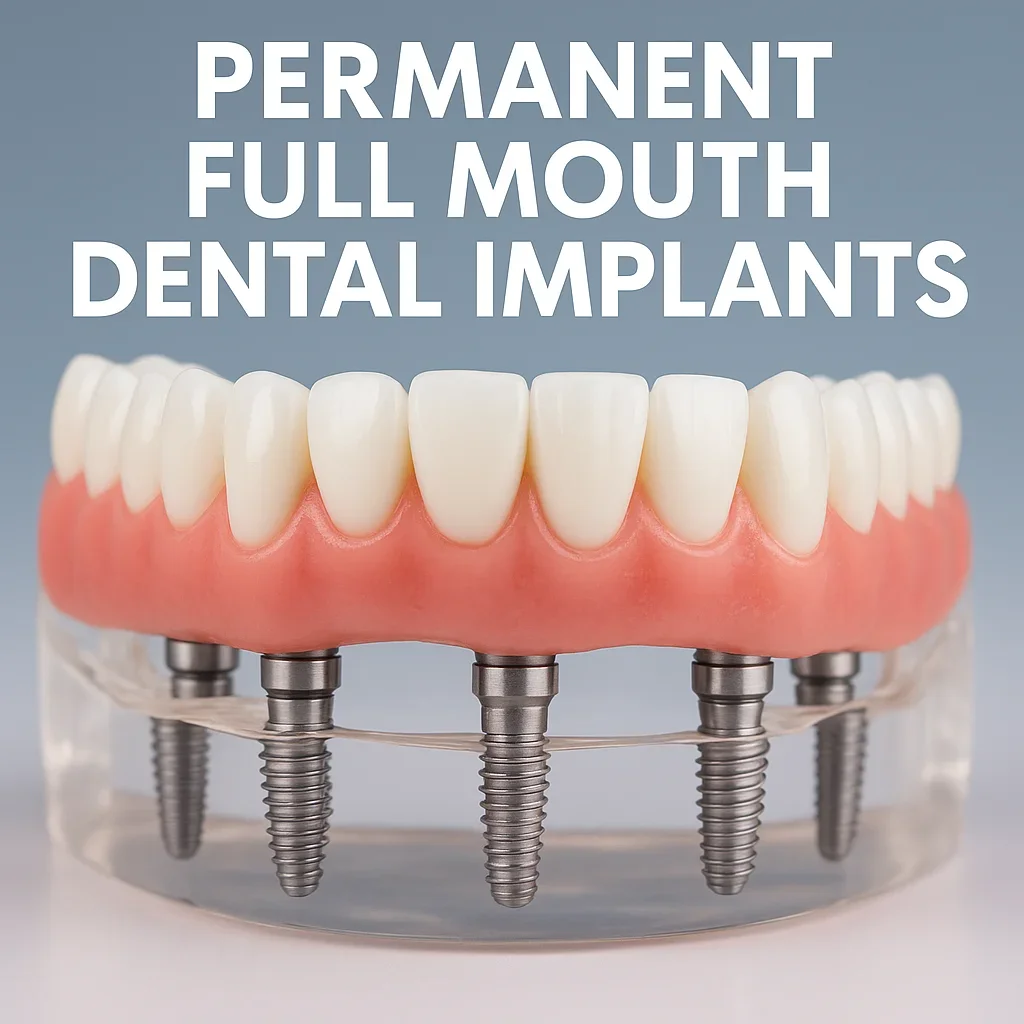
Why Choose Permanent Full Mouth Dental Implants Over Other Tooth Replacement Options?
Choosing the right tooth replacement method is a major decision — one that directly impacts your health, comfort, and self-confidence. While dentures and bridges were once considered the only solutions, the rise of permanent full mouth dental implants has revolutionized restorative dentistry 🦷. Implants offer unparalleled stability, natural aesthetics, and long-term functionality that other methods simply cannot match. In this section, we will compare all major alternatives in detail, explaining why implants stand out as the superior choice for patients seeking a lifelong smile restoration.
1. Overview: Traditional Dentures vs. Permanent Full Mouth Dental Implants
Traditional dentures rest on the gums and rely on suction or adhesive for stability. While they can temporarily replace missing teeth, they come with several drawbacks — including slippage, discomfort, and limited chewing power. In contrast, permanent full mouth dental implants are anchored directly into the jawbone, offering a secure, natural, and maintenance-free solution.
🦷 Comparison Table
| Feature | Traditional Dentures | Permanent Full Mouth Dental Implants |
|---|---|---|
| Stability | Can slip or move during eating or speaking. | Firmly anchored to jawbone — zero movement. |
| Comfort | May cause gum irritation or sores. | Feels natural and comfortable like real teeth. |
| Chewing Ability | Restores only 20–30% of natural chewing power. | Restores up to 95% of natural function. |
| Bone Health | Does not prevent bone loss; can accelerate resorption. | Stimulates bone growth and prevents deterioration. |
| Lifespan | Needs replacement every 5–8 years. | Can last a lifetime with proper care. |
Simply put, dentures may seem affordable initially, but the recurring costs and inconvenience make them a short-term fix. Permanent full mouth dental implants provide a long-term, health-preserving solution that truly enhances your lifestyle.
2. Comparing Implants with Dental Bridges
Dental bridges require grinding down adjacent healthy teeth to support the prosthetic, which weakens natural structures. Over time, this can lead to decay or further tooth loss. Permanent full mouth dental implants, on the other hand, are independent restorations that do not rely on neighboring teeth — preserving your natural enamel and oral health.
💎 Advantages Over Bridges
- Implants replace missing tooth roots, not just visible crowns.
- They distribute bite pressure evenly across the jaw.
- Implants prevent bone resorption that bridges cannot address.
- No damage to adjacent teeth — a major long-term health advantage.
Therefore, while bridges may be suitable for minor tooth loss, they cannot match the durability, function, and health benefits of permanent full mouth dental implants.
3. Health Benefits Unique to Implants
The biological integration of permanent full mouth dental implants provides unique health advantages. Since the titanium posts act like real roots, they stimulate bone cells (osteoblasts) to maintain bone density. This prevents facial sagging, jaw shrinkage, and the aged appearance associated with tooth loss. Implants also help maintain proper bite alignment and prevent neighboring teeth from drifting into gaps.
🦴 Bone Preservation and Regeneration
Each time you chew, the implants transmit pressure to the bone, maintaining healthy circulation and density. This regenerative effect is what makes implants superior to all removable solutions — they preserve both form and function at a cellular level.
4. Long-Term Financial Advantage
Although permanent full mouth dental implants have a higher upfront cost compared to dentures or bridges, they are significantly more economical over time. Dentures require continuous adjustments, replacements, and adhesives, while implants require minimal upkeep and can last for decades.
💰 Lifetime Value Breakdown
- Dentures: $2,000–$5,000 per arch, replaced every 5–8 years = long-term total cost of $20,000+.
- Implants: $7,000–$15,000 per arch (in Turkey, including full restoration), lasting 25+ years.
In other words, implants pay for themselves over time — not just financially, but in comfort, health, and confidence. Clinics like Redent Klinik Contact Page provide full cost transparency and lifetime support, ensuring patients receive lasting value for their investment.
5. Comfort and Convenience
Once placed and healed, permanent full mouth dental implants feel completely natural. There is no bulky acrylic plate covering the roof of the mouth, no slipping while talking, and no need for adhesives. Patients can eat, laugh, and speak freely without worrying about movement or discomfort.
🌿 Everyday Freedom
Unlike dentures, which require removal every night for cleaning, implants stay in place 24/7. You can brush and floss them like natural teeth, simplifying daily hygiene and giving you the confidence to smile and live without restrictions.
6. Aesthetic Superiority
Implants are custom-designed to match your facial symmetry, gum line, and natural tooth color. This makes permanent full mouth dental implants virtually indistinguishable from real teeth. They restore your facial balance and rejuvenate your appearance — something dentures and bridges often fail to achieve.
✨ Smile Design Excellence
Modern digital dentistry uses 3D scanning and computer-aided design (CAD/CAM) to craft prosthetic teeth that complement your unique facial structure. As a result, your smile doesn’t just look natural — it enhances your overall attractiveness and confidence.
7. Enhanced Oral Function and Health
With permanent full mouth dental implants, patients regain nearly full chewing efficiency and clear speech articulation. They also enjoy improved gum health because implants prevent bacterial accumulation under removable prosthetics. This leads to fresher breath, healthier gums, and a cleaner oral environment overall.
8. Emotional and Lifestyle Benefits
The psychological impact of regaining a full, natural smile cannot be overstated. Many patients report a dramatic boost in confidence, energy, and overall happiness after receiving permanent full mouth dental implants. Being able to eat, laugh, and speak freely without embarrassment restores quality of life in ways that dentures and bridges simply cannot.
😊 Real-Life Impact
Patients who previously avoided social gatherings due to missing teeth often rediscover a sense of joy and belonging after their smile transformation. Everyday activities such as dining in public, taking photos, or giving presentations become effortless and enjoyable again.
9. Expert and Scientific Support
The American Dental Association recognizes implants as the most advanced and reliable solution for tooth replacement. Clinical data consistently proves that implants outperform all other alternatives in function, durability, and satisfaction rates.
Moreover, modern technologies — including guided implant surgery and digital impressions — have made procedures faster, safer, and virtually painless. This means you can achieve your new smile in fewer visits, with precise, predictable outcomes every time.
10. Final Verdict: The Ultimate Choice for a Lifetime Smile
When comparing all tooth replacement methods, permanent full mouth dental implants emerge as the clear winner. They provide stability, function, aesthetics, and health benefits unmatched by dentures or bridges. Although the initial investment is higher, the lifetime advantages far outweigh temporary alternatives.
With proper care, your implants can last forever — offering a natural-looking, functional, and confident smile. To explore personalized treatment plans, reach out to Redent Klinik Contact Page and take the first step toward restoring your smile permanently. 🌟
In conclusion, permanent full mouth dental implants are not just a dental solution — they are a total life transformation. They combine advanced science, lasting strength, and aesthetic excellence to give you the freedom to live, laugh, and smile without compromise for a lifetime 😁.