
Orthodontic treatment does not truly end when braces or clear aligners are removed. The final step in maintaining a beautifully aligned smile is retention, and this is where the topic of permanent retainer cost becomes extremely important. Many patients assume that once their braces come off, their teeth will stay perfectly aligned forever. In reality, teeth naturally tend to shift over time. Because of this natural movement, dentists and orthodontists frequently recommend a permanent retainer to maintain the results achieved during orthodontic treatment.
A permanent retainer is a thin wire that is bonded to the back of your teeth, usually the lower front teeth. It remains in place continuously and works silently to prevent the teeth from moving back to their previous positions. Because this retainer stays fixed in the mouth, many patients start researching permanent retainer cost before deciding whether this option fits their needs and budget. Understanding what affects the cost and why it is recommended helps patients make a confident and informed decision.
When people search for permanent retainer cost, they are usually trying to understand whether this investment is necessary and how it compares to removable retainers. A permanent retainer has several advantages that make it appealing. First, it provides continuous support for your teeth. Unlike removable retainers that must be worn only at night or during certain hours, a permanent retainer works 24 hours a day. This constant support helps maintain the alignment achieved through orthodontic treatment.
Another reason many patients research permanent retainer cost is convenience. Removable retainers can easily be lost, forgotten, or damaged. In contrast, a permanent retainer stays securely bonded behind the teeth. This means patients do not need to remember to wear it every night. For individuals with busy schedules or teenagers who may forget to wear removable retainers, the permanent solution can be extremely helpful.
However, understanding the permanent retainer cost also requires looking beyond the initial placement. The price typically includes several factors such as the orthodontist’s expertise, the type of wire used, bonding materials, and follow-up appointments. These elements ensure the retainer fits perfectly and remains effective for many years. Although the cost may vary from clinic to clinic, the long-term benefits often justify the investment.
Many dental professionals emphasize the importance of retainers because orthodontic relapse is a common problem. Teeth have memory within the periodontal ligament, which means they can gradually shift back toward their original position after braces are removed. A permanent retainer prevents this movement and protects the time, effort, and financial investment already made during orthodontic treatment. For this reason, discussions about permanent retainer cost are often framed as part of protecting your overall orthodontic investment.
Patients also wonder whether the permanent retainer cost differs depending on whether it is placed on the upper or lower teeth. In most cases, the lower front teeth are more prone to shifting, so permanent retainers are commonly placed there. Some patients also receive an upper permanent retainer depending on their orthodontic needs. The placement area can slightly influence the total permanent retainer cost because different bonding techniques may be required.
Another important aspect when evaluating permanent retainer cost is the level of expertise provided by the dental clinic. Orthodontists with extensive experience may charge higher fees, but they also ensure precise placement and long-lasting results. A properly bonded retainer should feel comfortable, remain discreet, and not interfere with daily activities like speaking or eating.
According to guidance provided by the American Dental Association, retainers play a crucial role in maintaining orthodontic results and preventing relapse. This highlights why many dental professionals strongly encourage patients to consider a permanent retainer after braces treatment. While researching permanent retainer cost, patients should remember that the retainer helps preserve the alignment achieved through months or years of orthodontic work.
At many modern dental clinics, including international treatment centers, patients can receive personalized consultations to understand their options. If you want to learn more about orthodontic retention or discuss your individual treatment plan, you can reach out through the Redent Klinik Contact Page. Consulting a professional allows you to evaluate your specific case and understand the most accurate permanent retainer cost for your situation.
In addition to protecting your smile, permanent retainers also provide psychological reassurance. Patients who have invested significant time in orthodontic treatment often worry about their teeth shifting again. Knowing that a retainer is actively maintaining alignment offers peace of mind and confidence when smiling. Because of this, the discussion around permanent retainer cost is not only about money but also about maintaining long-term dental stability.
From a long-term perspective, many orthodontists consider the permanent retainer cost to be relatively small compared with the cost of repeating orthodontic treatment. If teeth shift significantly after braces are removed, patients may require additional aligners or braces to correct the relapse. A permanent retainer acts as a preventive measure, reducing the risk of needing expensive corrective procedures in the future.
Ultimately, understanding the permanent retainer cost involves looking at the bigger picture of dental health and smile maintenance. The retainer functions as a protective tool that maintains alignment, supports long-term stability, and ensures the results of orthodontic treatment last for many years. For most patients, it becomes a valuable component of their overall dental care strategy.
What Is a Permanent Retainer and Why Do People Choose It?
After orthodontic treatment, whether it involves braces or clear aligners, maintaining the new alignment of your teeth becomes the most important priority. This is where permanent retainers come into the picture. Many patients researching orthodontic aftercare quickly begin looking into permanent retainer cost because they want to understand the value of this long-term solution and whether it is necessary for protecting their smile.
A permanent retainer, sometimes called a bonded retainer or fixed retainer, is a thin metal wire that is permanently attached to the back surface of your teeth. It is typically bonded to the lower front teeth, although in some cases it can also be applied to the upper teeth. Because the retainer is fixed in place, it works continuously to prevent teeth from shifting back to their original positions. When patients compare options, they often realize that understanding the permanent retainer cost is part of making a long-term investment in their dental health.
Many orthodontists strongly recommend permanent retainers because teeth naturally move over time. Even after successful orthodontic treatment, the surrounding bone and ligaments need time to stabilize. Without a retainer, teeth may gradually shift, undoing months or even years of orthodontic work. For this reason, discussions about permanent retainer cost often focus on the long-term protection it provides.
How a Permanent Retainer Works
A permanent retainer functions by holding teeth in their corrected position through a small wire bonded to the inner surface of the teeth. This wire is extremely thin and usually not visible from the outside, which makes it a discreet solution for maintaining a straight smile. Patients considering orthodontic retention often compare removable retainers with fixed options, but many choose permanent retainers after evaluating the long-term benefits alongside the permanent retainer cost.
The retainer wire is typically made from stainless steel or a flexible metal alloy designed to withstand daily use. A dentist or orthodontist carefully bonds the wire to each tooth using dental adhesive. This process ensures the retainer remains secure while still allowing natural movement during chewing and speaking.
Because the retainer is fixed in place, patients do not have to remember to wear it every night. This convenience is one of the main reasons why many people accept the permanent retainer cost as a worthwhile investment. The retainer works continuously without requiring daily effort from the patient.
Placement Procedure
The placement of a permanent retainer is a relatively simple and painless procedure. After braces are removed, the orthodontist cleans and prepares the teeth before bonding the retainer wire to the back surfaces. The entire process usually takes less than 30 minutes. Many patients researching permanent retainer cost are relieved to learn that the procedure itself is quick and comfortable.
Once the wire is bonded, the dentist checks the bite to ensure it does not interfere with normal chewing. Patients can typically resume normal activities immediately after placement. The simplicity of the procedure contributes to the affordability of the overall permanent retainer cost compared with other dental treatments.
Why Permanent Retainers Are Popular
Several reasons explain why permanent retainers have become increasingly popular among orthodontic patients. The most important advantage is reliability. Since the retainer stays in place permanently, there is no risk of forgetting to wear it. For individuals who struggled with removable retainers in the past, this reliability makes the permanent retainer cost especially appealing.
Another reason for their popularity is aesthetic discretion. Permanent retainers are placed behind the teeth, making them invisible when smiling or speaking. Patients who want to maintain a natural appearance appreciate this feature, and it often influences their decision when evaluating the permanent retainer cost.
Durability is another key benefit. A properly maintained permanent retainer can last many years without needing replacement. This longevity means that the initial permanent retainer cost can be spread over a long period, making it a cost-effective option for maintaining orthodontic results.
Who Typically Needs a Permanent Retainer?
Permanent retainers are often recommended for patients who had significant tooth movement during orthodontic treatment. Teeth that were severely crowded or rotated have a higher risk of shifting back after braces are removed. In these cases, orthodontists frequently suggest permanent retainers as the most reliable solution. Patients evaluating the permanent retainer cost should also consider how much orthodontic correction they received.
Teenagers and young adults are also common candidates for permanent retainers. Younger patients may forget to wear removable retainers regularly, which increases the risk of relapse. A permanent retainer eliminates this concern, making the permanent retainer cost a practical solution for maintaining alignment during these years.
Maintenance and Care
Although permanent retainers require minimal effort compared with removable retainers, they still need proper care. Good oral hygiene is essential to prevent plaque buildup around the wire. Patients should brush carefully and use dental floss or special floss threaders to clean around the retainer.
Routine dental checkups are also important. During these visits, dentists check the stability of the retainer and ensure that the bonding remains intact. When patients understand the long-term benefits and maintenance requirements, the permanent retainer cost becomes easier to justify as part of comprehensive dental care.
Ultimately, a permanent retainer serves as an insurance policy for your smile. Orthodontic treatment requires time, effort, and financial investment, and retainers protect those results. When patients evaluate the advantages of permanent retention alongside the permanent retainer cost, many conclude that the benefits far outweigh the expense.
Average Permanent Retainer Cost Around the World
One of the most common questions patients ask after orthodontic treatment is how much a retainer will cost. Understanding the permanent retainer cost is an essential step for anyone who wants to protect their newly aligned teeth. Since orthodontic treatment often requires months or years of effort, patients want to ensure that their investment is preserved. A permanent retainer helps maintain alignment, but its price can vary depending on several factors, including location, dental expertise, and the type of materials used.
When researching the permanent retainer cost, patients quickly discover that prices vary widely around the world. This variation is influenced by local healthcare systems, dental clinic standards, orthodontic specialization, and even the cost of dental materials. While some clinics include the retainer in the overall orthodontic treatment package, others charge for it separately.
Typical Permanent Retainer Cost in Different Countries
To help patients understand the global landscape, it is useful to look at approximate price ranges for the permanent retainer cost in several regions. These prices represent typical averages for one retainer and may vary depending on the clinic and complexity of treatment.
United States
In the United States, the permanent retainer cost is typically among the highest in the world due to higher healthcare costs and specialized orthodontic services. Patients usually pay between $250 and $600 per arch. If both the upper and lower teeth require a permanent retainer, the total permanent retainer cost can reach $500 to $1,200. Some orthodontic treatment plans include the retainer in the original braces package, while others charge separately.
United Kingdom
In the UK, the permanent retainer cost generally ranges from £150 to £400 per arch. Private orthodontic clinics tend to charge more depending on their level of expertise and the materials used. Many orthodontists recommend fixed retainers for long-term stability, which makes understanding the permanent retainer cost particularly important for patients completing braces treatment.
Europe
Across Europe, the permanent retainer cost can vary depending on the country. In Germany, France, and other Western European countries, the cost usually ranges between €200 and €500. Some public health insurance systems partially cover orthodontic treatment for young patients, but the retainer itself is often an additional expense.
Turkey
Turkey has become a well-known destination for dental treatments due to competitive pricing and high-quality care. The permanent retainer cost in Turkey typically ranges between $100 and $300. This lower price does not necessarily mean lower quality. Many internationally accredited clinics offer advanced orthodontic services with experienced specialists.
Why Permanent Retainer Cost Varies So Much
Patients often wonder why the permanent retainer cost differs so dramatically between countries and even between clinics within the same city. Several factors contribute to these price differences, including professional expertise, clinic technology, and the materials used.
Orthodontists with extensive experience and advanced certifications may charge higher fees. However, their expertise ensures precise placement of the retainer wire and long-lasting results. When evaluating the permanent retainer cost, patients should consider both the price and the quality of treatment.
Material Quality
The wire used in permanent retainers is usually made from stainless steel or specialized orthodontic alloys. Higher-quality materials improve durability and reduce the risk of breakage. Because of this, the material used can influence the permanent retainer cost.
Clinic Technology
Modern dental clinics often use advanced imaging and bonding techniques to place retainers more precisely. Digital scanning, high-quality adhesives, and improved bonding methods may increase the permanent retainer cost slightly, but they also improve the long-term success of the treatment.
Is Permanent Retainer Cost Usually Included with Braces?
In many orthodontic clinics, retainers are included as part of the overall braces treatment plan. However, this is not always the case. Some orthodontists charge separately for retainers, which means patients must consider the additional permanent retainer cost after their braces are removed.
When starting orthodontic treatment, it is important to ask whether the permanent retainer cost is included in the package. If not, patients should budget for the retainer as part of their overall orthodontic expenses.
Long-Term Value Compared to Orthodontic Treatment
Although the permanent retainer cost may seem like an extra expense, it is relatively small compared with the total cost of orthodontic treatment. Braces or aligners can cost thousands of dollars, depending on the complexity of the case. Without a retainer, teeth may gradually shift, potentially requiring additional orthodontic treatment in the future.
Because of this, many orthodontists consider the permanent retainer cost a protective investment rather than an optional expense. By maintaining proper alignment, the retainer helps patients avoid costly corrective treatments later on.
Cost Compared to Removable Retainers
Another important comparison when researching permanent retainer cost is the price of removable retainers. Removable retainers usually cost between $100 and $300. However, they may need replacement more frequently because they can be lost or damaged. Over time, multiple replacements can equal or exceed the permanent retainer cost.
Permanent retainers, on the other hand, remain fixed in place and typically last many years with proper care. This durability makes the permanent retainer cost more cost-effective over the long term.
Making an Informed Decision
Ultimately, understanding the permanent retainer cost helps patients make informed decisions about maintaining their orthodontic results. While prices vary globally, the purpose of the retainer remains the same: preventing teeth from shifting and preserving a straight smile.
Before making a decision, patients should consult their orthodontist to discuss the exact permanent retainer cost for their specific case. Factors such as the number of teeth involved, placement complexity, and long-term maintenance will all influence the final price. By evaluating these elements carefully, patients can choose the best retention option for their needs and budget.
Factors That Influence Permanent Retainer Cost
When patients begin researching orthodontic retention options, one of the most common questions they ask is why the permanent retainer cost varies so much between clinics and countries. While the procedure itself may appear simple, several clinical, material, and professional factors influence the final price. Understanding these variables helps patients make informed decisions about their orthodontic aftercare and ensures they choose the best solution for long-term dental stability.
A permanent retainer is designed to maintain the alignment of teeth after orthodontic treatment. Because it remains fixed behind the teeth, it requires precise placement and high-quality materials to ensure durability. For this reason, the permanent retainer cost is influenced by multiple components including orthodontist expertise, the complexity of the case, and the type of bonding materials used.
Orthodontist Expertise and Professional Skill
One of the most significant factors affecting the permanent retainer cost is the experience and qualifications of the orthodontist performing the procedure. Orthodontists undergo specialized training beyond general dentistry, focusing on tooth alignment and bite correction. Their advanced expertise allows them to place permanent retainers with high precision.
Clinics with highly experienced orthodontists may charge a slightly higher permanent retainer cost. However, this often translates into better treatment outcomes and a lower risk of complications such as retainer detachment or discomfort. When evaluating treatment options, patients should consider that professional skill can influence the longevity and effectiveness of the retainer.
Clinic Reputation and Technology
Dental clinics equipped with modern orthodontic technology may also have a higher permanent retainer cost. Advanced diagnostic tools such as digital scanners, intraoral imaging systems, and precision bonding techniques improve the accuracy of retainer placement. These technologies allow orthodontists to ensure that the retainer wire fits perfectly along the natural contours of the teeth.
Although these technological advancements may increase the permanent retainer cost slightly, they also improve patient comfort and long-term stability. Patients often find that investing in a reputable clinic results in better long-term value.
Material Quality and Retainer Type
The materials used in orthodontic retainers play a major role in determining the permanent retainer cost. Permanent retainers are typically made from high-quality stainless steel or specialized orthodontic wire alloys. These materials are designed to withstand years of chewing pressure and daily oral activity.
Higher-grade materials may increase the permanent retainer cost because they offer better durability and resistance to corrosion. However, they also reduce the likelihood of breakage or the need for early replacement. Patients who choose high-quality materials often benefit from longer-lasting retention.
Bonding Adhesive and Dental Cement
The adhesive used to bond the retainer wire to the teeth is another factor influencing the permanent retainer cost. High-quality dental adhesives are essential for keeping the retainer securely attached while allowing normal chewing and speaking.
Orthodontists use specialized bonding materials designed specifically for orthodontic applications. These materials provide strong adhesion while remaining safe for enamel. Using premium bonding agents can slightly increase the permanent retainer cost but greatly improves the stability of the retainer.
Number of Teeth Involved
The number of teeth included in the retainer design also affects the permanent retainer cost. In most cases, the retainer wire is bonded to the lower front teeth, typically covering four to six teeth. However, some patients may require a retainer that covers additional teeth depending on their orthodontic treatment.
When more teeth are included in the retainer, the orthodontist must spend additional time customizing the wire and bonding it carefully to each tooth. This additional work can slightly increase the permanent retainer cost. However, the extended coverage may provide better long-term stability for patients with complex orthodontic cases.
Location and Regional Pricing
Geographic location is another major factor influencing the permanent retainer cost. Dental services are priced differently depending on local healthcare systems, clinic overhead costs, and economic conditions. For example, dental procedures in large metropolitan areas often cost more than those in smaller cities.
In countries with higher healthcare expenses, the permanent retainer cost may be significantly higher compared to countries with lower operational costs. However, many internationally accredited clinics provide high-quality orthodontic care at competitive prices, making it possible for patients to receive excellent treatment without excessive expense.
Additional Follow-Up Visits
Some orthodontic clinics include follow-up appointments as part of the overall permanent retainer cost. These visits allow the orthodontist to check the stability of the retainer, ensure the bonding remains intact, and confirm that the teeth are staying properly aligned.
Follow-up care is essential for long-term success. During these appointments, orthodontists may also provide guidance on cleaning techniques and maintenance strategies. Clinics that include these services within the permanent retainer cost often provide better long-term value for patients.
Customization and Individual Treatment Planning
Every orthodontic patient has unique dental anatomy and treatment needs. Because of this, the permanent retainer cost may vary depending on how much customization is required. Some patients need specially shaped wires or additional adjustments to ensure the retainer fits comfortably behind their teeth.
Customized retainers require additional time and expertise from the orthodontist. However, this personalized approach ensures optimal comfort and effectiveness. Patients who receive a customized retainer often experience better long-term results and fewer complications.
Long-Term Value Compared to Replacement Costs
When considering the permanent retainer cost, patients should also think about the long-term financial perspective. If teeth shift after orthodontic treatment due to lack of retention, additional corrective procedures may be required. These treatments can cost significantly more than a retainer.
Permanent retainers act as a safeguard that protects the investment already made in orthodontic care. By maintaining alignment and preventing relapse, they reduce the risk of needing future orthodontic corrections. This makes the permanent retainer cost a practical and cost-effective choice for many patients.
Ultimately, several factors combine to determine the final permanent retainer cost. Orthodontist expertise, material quality, geographic location, and treatment complexity all contribute to the overall price. By understanding these elements, patients can better evaluate their options and choose a retainer solution that protects their smile for many years to come.
Permanent Retainer Cost vs Removable Retainers: Which Is Better?
After completing orthodontic treatment, patients must choose the right retention method to keep their teeth aligned. One of the most common comparisons people make is between fixed retainers and removable retainers. During this decision-making process, many patients research the permanent retainer cost and compare it with the price and convenience of removable options. Both solutions aim to maintain orthodontic results, but they differ significantly in function, maintenance, and long-term value.
Understanding the difference between these two retention methods helps patients determine whether the permanent retainer cost is justified for their specific situation. Orthodontists often recommend permanent retainers for patients who want consistent results without the need to remember daily wear. However, removable retainers also have advantages, which is why a detailed comparison is necessary before making a final decision.
Understanding Permanent Retainers
A permanent retainer is a thin metal wire bonded to the back of the teeth. It remains fixed in place and continuously prevents teeth from shifting. Because the retainer stays attached to the teeth, it provides constant support and does not rely on patient compliance. When patients evaluate orthodontic aftercare, they often consider the permanent retainer cost as part of their long-term dental investment.
Permanent retainers are typically placed behind the lower front teeth because these teeth are most prone to shifting after orthodontic treatment. In some cases, orthodontists may recommend placing them on the upper teeth as well. The retainer wire is nearly invisible from the outside, which makes it a discreet option for maintaining a straight smile.
Advantages of Permanent Retainers
The biggest advantage of permanent retainers is reliability. Because the retainer stays in place, there is no risk of forgetting to wear it. This is one reason many patients feel comfortable accepting the permanent retainer cost, knowing that the retainer works continuously to protect their orthodontic results.
Another benefit is long-term durability. A properly maintained permanent retainer can last many years without replacement. This means the initial permanent retainer cost can be spread over a long period, making it a cost-effective solution.
Permanent retainers are also discreet. Since the wire is attached behind the teeth, it cannot be seen when smiling or speaking. For patients who value aesthetics, this hidden design makes the permanent retainer cost more appealing.
Understanding Removable Retainers
Removable retainers are designed to be worn for specific periods, typically during the night. They can be removed while eating, brushing, or participating in certain activities. Many orthodontists provide removable retainers after braces are removed, especially when the patient prefers a flexible solution.
When comparing the permanent retainer cost to removable retainer prices, removable options often appear cheaper at first. However, removable retainers can be lost, damaged, or worn out over time. Replacement costs can accumulate, sometimes exceeding the permanent retainer cost in the long run.
Advantages of Removable Retainers
The main advantage of removable retainers is convenience during oral hygiene routines. Because they can be removed, patients can brush and floss normally without navigating around a wire. This makes cleaning easier compared with permanent retainers.
Removable retainers also allow orthodontists to adjust retention plans more easily. If the teeth shift slightly, a new retainer can be created to correct minor alignment changes. However, despite these advantages, patients must wear them consistently. If they forget to wear the retainer regularly, teeth may begin to move.
Comparing Costs: Permanent vs Removable Retainers
When evaluating orthodontic retention options, many patients compare the permanent retainer cost with the cost of removable retainers. On average, removable retainers may cost between $100 and $300 per device. However, they may require replacement every few years.
In contrast, the permanent retainer cost generally ranges from $250 to $600 per arch depending on the clinic and materials used. Although this price may appear higher initially, the retainer can remain functional for many years with proper care. Over time, the permanent retainer cost may actually be more economical.
Long-Term Cost Comparison
Patients should consider long-term expenses rather than just the initial price. For example, if a removable retainer needs replacement multiple times due to damage or loss, the cumulative cost may exceed the permanent retainer cost. Permanent retainers eliminate this issue because they remain securely bonded to the teeth.
Additionally, permanent retainers reduce the risk of orthodontic relapse caused by inconsistent retainer use. If teeth shift due to improper retainer wear, corrective orthodontic treatment may be required. Preventing this situation can make the permanent retainer cost a valuable preventive investment.
Which Option Do Orthodontists Recommend?
Orthodontists often recommend permanent retainers for patients who had severe crowding or significant tooth movement during treatment. These cases carry a higher risk of relapse, making a permanent retainer the safest option. When discussing retention strategies, orthodontists frequently explain the benefits alongside the permanent retainer cost so patients can understand the value of the treatment.
For some patients, orthodontists may recommend using both types of retainers. A permanent retainer may be placed behind the lower teeth while a removable retainer is worn on the upper teeth. This combination provides maximum stability while balancing convenience.
Choosing the Right Retention Solution
Ultimately, the best retention method depends on each patient’s orthodontic history, lifestyle, and dental anatomy. Patients who want a low-maintenance solution often prefer permanent retainers despite the initial permanent retainer cost. Meanwhile, individuals who prefer flexibility may choose removable retainers.
Consulting with an orthodontist is essential before making a final decision. A professional evaluation ensures that the chosen retention method will effectively maintain alignment and prevent future dental complications.
When patients carefully evaluate their options and consider both short-term and long-term expenses, the permanent retainer cost often emerges as a practical investment in maintaining a healthy, confident smile for years to come.
Does Dental Insurance Cover Permanent Retainer Cost?
Many patients who finish orthodontic treatment quickly begin asking whether their dental insurance will cover the permanent retainer cost. Because orthodontic procedures can already require a significant financial investment, it is natural for patients to hope that insurance policies will help reduce the expense of retention. However, coverage for retainers varies widely depending on the insurance provider, the patient’s policy details, and the specific circumstances of the orthodontic treatment.
Understanding how insurance companies evaluate orthodontic procedures is essential for determining whether the permanent retainer cost will be partially or fully covered. In many cases, retainers are considered a necessary continuation of orthodontic treatment, which may allow for partial reimbursement. In other cases, retainers are categorized as maintenance devices and may not be fully included in standard insurance plans.
How Dental Insurance Typically Handles Orthodontic Retainers
Dental insurance plans often treat orthodontic services differently from routine dental care. While procedures like cleanings and fillings are commonly covered under preventive or basic services, orthodontic treatments fall into a specialized category. Because of this classification, the permanent retainer cost may only be covered under orthodontic benefits rather than general dental coverage.
Some orthodontic insurance plans include retainers as part of the overall orthodontic treatment package. If the retainer was included in the initial braces or aligner treatment plan, the permanent retainer cost may already be accounted for within the total treatment fee. In such cases, patients do not need to pay separately for the retainer placement.
Coverage Included in Orthodontic Treatment Plans
Many orthodontists offer treatment packages that include retainers once braces are removed. When a retainer is included in the package, the permanent retainer cost is essentially bundled into the total orthodontic treatment cost. This approach simplifies the financial process for patients and ensures that retention is not overlooked after orthodontic treatment is completed.
However, not all orthodontic treatment plans include retainers automatically. Some clinics charge separately for retention devices, meaning patients may still need to pay the permanent retainer cost out of pocket. This is why it is important to ask your orthodontist about retainer policies before starting treatment.
Partial Insurance Coverage for Permanent Retainers
In many insurance plans, orthodontic benefits provide partial reimbursement rather than full coverage. For example, a policy may cover a percentage of orthodontic procedures up to a maximum lifetime benefit. If retainers are considered part of orthodontic treatment, the insurance provider may reimburse part of the permanent retainer cost.
Typical orthodontic coverage ranges from 25% to 50% of eligible procedures. However, policies often include lifetime orthodontic limits, commonly between $1,000 and $3,000. Once this limit is reached, the patient becomes responsible for any remaining expenses, including the permanent retainer cost.
Age Restrictions in Orthodontic Insurance
Another important factor influencing insurance coverage is age eligibility. Some insurance policies provide orthodontic benefits primarily for patients under the age of 18. If an adult patient requires orthodontic treatment and retention, the permanent retainer cost may not be covered under the policy.
Adult orthodontics has become increasingly common, but insurance coverage for adults can still be limited. Patients considering orthodontic treatment should review their insurance policy carefully to determine whether retention devices are included.
Situations Where Insurance May Not Cover Permanent Retainers
In some cases, insurance providers classify retainers as maintenance devices rather than medically necessary treatments. When this occurs, the patient may be responsible for paying the full permanent retainer cost. This situation is more likely when the retainer is placed after the orthodontic treatment plan has officially ended.
Additionally, replacement retainers are rarely covered by insurance policies. If a retainer becomes damaged or detached, patients may need to pay the permanent retainer cost again for repairs or replacements. This is another reason why maintaining proper oral hygiene and attending regular dental checkups is essential.
Ways to Reduce Permanent Retainer Cost with Insurance
Although insurance coverage varies, there are several strategies patients can use to reduce the permanent retainer cost. The first step is reviewing the orthodontic benefits section of the insurance policy. Understanding the percentage coverage, lifetime limits, and eligibility requirements can help patients estimate how much of the cost will be reimbursed.
Another effective approach is coordinating treatment timing with insurance benefits. If a patient begins orthodontic treatment while still eligible for orthodontic coverage, the permanent retainer cost may fall within the covered treatment period.
Flexible Spending Accounts and Health Savings Accounts
Many patients also use Flexible Spending Accounts (FSAs) or Health Savings Accounts (HSAs) to pay for orthodontic procedures. These accounts allow patients to use pre-tax income for eligible medical and dental expenses. In many cases, the permanent retainer cost qualifies as an eligible expense under these programs.
Using these accounts can significantly reduce the financial burden of orthodontic retention because the funds are not subject to income tax. Patients who plan ahead can use FSAs or HSAs to cover the permanent retainer cost without increasing their overall healthcare expenses.
Consulting Your Orthodontist and Insurance Provider
The most reliable way to determine whether insurance will cover the permanent retainer cost is to speak directly with both the orthodontic clinic and the insurance provider. Orthodontists often have experience working with insurance companies and can help patients understand how their benefits apply to retention devices.
Patients should request a detailed treatment estimate that includes the permanent retainer cost and any potential insurance reimbursement. This transparency helps patients plan their finances and avoid unexpected expenses.
Ultimately, insurance coverage for orthodontic retention depends on the individual policy and treatment plan. While some patients receive partial coverage, others may need to pay the full permanent retainer cost. Regardless of coverage, a permanent retainer remains a valuable investment for protecting the results of orthodontic treatment and maintaining a healthy, well-aligned smile for years to come.
Permanent Retainer Cost for Repair and Replacement
While permanent retainers are designed to last for many years, they are not completely immune to damage or wear. Patients who are researching the permanent retainer cost should also consider the potential expenses associated with repairs or replacement over time. Although permanent retainers are durable and reliable, everyday activities such as chewing, accidental trauma, or long-term wear can sometimes affect their stability.
Understanding the possible repair and replacement expenses helps patients plan for the long term and fully evaluate the permanent retainer cost. In many cases, repairs are relatively inexpensive compared with the original placement, but the exact price depends on the extent of the damage and the complexity of the retainer design.
Orthodontists typically explain that permanent retainers can last anywhere from five to ten years or even longer with proper care. However, because they remain bonded behind the teeth, they may occasionally require adjustments or maintenance. For this reason, evaluating the full permanent retainer cost should include not only the initial placement but also possible future maintenance.
Common Reasons Permanent Retainers Need Repair
Permanent retainers are exposed to daily forces from chewing, brushing, and speaking. Over time, these forces can occasionally weaken the bonding material or cause the wire to loosen. When this happens, patients may need a small repair procedure. These repairs are typically quick and relatively affordable compared with the initial permanent retainer cost.
The most common issue is partial detachment. In this situation, one section of the wire becomes detached from a tooth while the rest of the retainer remains intact. If detected early, the orthodontist can simply re-bond the wire to the tooth without replacing the entire retainer. This type of repair is usually inexpensive and does not significantly increase the overall permanent retainer cost.
Wire Breakage
Although the retainer wire is made from strong orthodontic alloys, it can occasionally break due to excessive force. Hard foods, accidental bites on objects, or trauma to the mouth can cause the wire to bend or fracture. When this occurs, patients may need a complete replacement rather than a simple repair.
Wire replacement may increase the permanent retainer cost because the orthodontist must remove the damaged retainer and bond a new one. However, this procedure is still less expensive than repeating orthodontic treatment to correct shifted teeth.
Typical Permanent Retainer Repair Costs
The repair cost for a permanent retainer varies depending on the type of damage and the clinic’s pricing structure. Patients researching permanent retainer cost should also consider these approximate repair price ranges:
- Rebonding a loose retainer wire: $50 – $150
- Minor wire adjustment: $30 – $100
- Replacing a damaged section of wire: $100 – $250
These costs may differ depending on the orthodontist’s experience and the complexity of the retainer design. Even when repairs are necessary, they usually represent only a small portion of the original permanent retainer cost.
Emergency Repairs
In rare cases, patients may require urgent repair if a retainer wire becomes sharp or begins irritating the tongue. Emergency appointments may slightly increase the repair portion of the permanent retainer cost. However, orthodontists generally prioritize patient comfort and address these issues quickly.
Replacement Permanent Retainer Cost
Sometimes the entire retainer must be replaced instead of repaired. Replacement may be necessary if the wire breaks completely, the bonding material fails in multiple places, or the retainer has worn down after many years of use. In these situations, patients may need to pay a new permanent retainer cost similar to the original placement.
The average replacement permanent retainer cost typically ranges between $200 and $600 per arch. The exact price depends on the clinic, materials used, and the number of teeth involved in the retainer design. While this may seem expensive, it is still far less costly than undergoing additional orthodontic treatment to correct shifting teeth.
Factors That Affect Repair and Replacement Costs
Several factors can influence the repair or replacement portion of the permanent retainer cost. These include the orthodontist’s experience, the number of teeth bonded to the retainer, and the type of wire used. Clinics that use premium orthodontic materials may charge slightly higher fees, but these materials often provide better durability and longer lifespan.
Geographic location also plays a role. Dental services in major metropolitan areas may have higher repair fees compared with smaller cities or regions where healthcare costs are lower. Patients should always request a detailed cost estimate from their orthodontist to understand the full permanent retainer cost for their specific situation.
How to Prevent Retainer Damage
Preventive care is the most effective way to avoid additional repair expenses and keep the overall permanent retainer cost low. Maintaining good oral hygiene and following your orthodontist’s recommendations can significantly extend the lifespan of the retainer.
Patients should avoid biting hard foods such as ice, hard candies, or extremely crunchy snacks that can place excessive pressure on the retainer wire. Additionally, using proper flossing techniques helps prevent plaque buildup around the bonded areas, which protects both the retainer and the teeth.
Regular Dental Checkups
Routine dental checkups allow dentists to monitor the condition of the retainer and identify potential problems early. During these visits, the dentist may check the bonding points and ensure the wire remains stable. Early detection of minor issues can prevent more expensive repairs and keep the overall permanent retainer cost manageable.
Long-Term Financial Perspective
When patients evaluate orthodontic retention, they should consider the long-term value rather than focusing solely on the initial permanent retainer cost. Even if occasional repairs are needed, the total expense is usually much lower than the cost of repeating orthodontic treatment.
A permanent retainer protects the alignment achieved through braces or clear aligners. By preventing teeth from shifting back to their original positions, it safeguards the investment patients have already made in their dental health.
Ultimately, understanding the potential repair and replacement expenses allows patients to evaluate the full permanent retainer cost more accurately. With proper care, regular dental visits, and good oral hygiene, most permanent retainers can remain functional for many years, providing reliable protection for a healthy and confident smile.
How Long Permanent Retainers Last and Their Long-Term Cost
When patients evaluate orthodontic retention options, one of the most important questions they ask is how long a retainer will last. This question is closely connected to understanding the permanent retainer cost over time. While the initial placement price is important, the long-term value of a permanent retainer often depends on its durability, maintenance requirements, and ability to prevent orthodontic relapse.
A permanent retainer is designed to remain bonded behind the teeth for many years. Unlike removable retainers that may need frequent replacement due to loss or damage, permanent retainers are built to withstand daily oral activities. When evaluating the permanent retainer cost, patients should consider not only the initial expense but also the extended lifespan that makes it a cost-effective solution.
Orthodontists commonly recommend permanent retainers because they provide consistent support for teeth after braces or aligners are removed. Teeth naturally tend to shift throughout life due to factors such as aging, bite pressure, and bone remodeling. By maintaining constant stabilization, a permanent retainer protects the results of orthodontic treatment and reduces the likelihood of needing additional corrections.
Average Lifespan of a Permanent Retainer
Most permanent retainers can last anywhere from 5 to 10 years, and in many cases even longer with proper care. Some patients have retainers that remain functional for more than 15 years without needing replacement. Because of this durability, the permanent retainer cost often becomes more economical when calculated over the retainer’s entire lifespan.
Several factors influence how long a permanent retainer will last. These include oral hygiene habits, dietary choices, dental health, and the quality of the materials used during placement. Orthodontists typically use strong stainless steel wires or flexible orthodontic alloys that are designed for long-term performance.
Material Quality and Longevity
The type of wire used in the retainer plays a major role in determining how long it will last. Higher-quality orthodontic wires resist corrosion and bending, which helps extend the retainer’s lifespan. While these materials may slightly increase the initial permanent retainer cost, they often reduce the likelihood of needing repairs or early replacement.
Bonding materials also contribute to longevity. Modern orthodontic adhesives are designed to securely attach the retainer wire while protecting the tooth enamel. These adhesives help ensure the retainer remains stable for many years.
Factors That Affect Long-Term Permanent Retainer Cost
When calculating the true permanent retainer cost, patients should consider the total cost of ownership over time rather than focusing solely on the initial price. Long-term expenses may include occasional repairs, professional adjustments, or eventual replacement.
Fortunately, these additional costs are usually minimal compared with the overall investment in orthodontic treatment. Even if a permanent retainer requires occasional maintenance, the combined expenses typically remain lower than the cost of repeating orthodontic treatment due to relapse.
Oral Hygiene and Maintenance
Good oral hygiene significantly influences the lifespan of a permanent retainer. Brushing thoroughly and using floss threaders or interdental brushes helps prevent plaque buildup around the retainer wire. Proper hygiene not only protects the teeth but also helps keep the retainer securely bonded.
Patients who maintain excellent oral hygiene often experience fewer complications, which helps keep the overall permanent retainer cost low over time.
Permanent Retainer vs Replacement Retainer Costs
Another important factor in evaluating the permanent retainer cost is comparing it with the long-term expense of removable retainers. Removable retainers can easily be lost or damaged, and they often need replacement every few years. Each replacement adds additional costs that accumulate over time.
In contrast, a permanent retainer remains bonded to the teeth and typically requires fewer replacements. Even if a repair or replacement becomes necessary after many years, the total long-term expense is often comparable to or lower than the repeated purchase of removable retainers.
Cost Comparison Example
For example, if a removable retainer costs $200 and needs replacement every two to three years, the total expense over ten years could reach $600 to $1,000. Meanwhile, the permanent retainer cost may only involve a single placement procedure plus occasional maintenance. This comparison illustrates why many orthodontists recommend permanent retainers for long-term stability.
Preventing Orthodontic Relapse
One of the most significant long-term financial benefits of a permanent retainer is preventing orthodontic relapse. Teeth can gradually move back to their original positions if retention is not maintained. Correcting this relapse may require additional orthodontic treatment such as aligners or braces.
These corrective procedures can be significantly more expensive than the original permanent retainer cost. By stabilizing the teeth continuously, the retainer protects the investment made during orthodontic treatment.
Regular Dental Checkups
Routine dental visits play an essential role in maintaining a permanent retainer. Dentists and orthodontists can examine the bonding points, check for wire damage, and ensure that the retainer remains secure. Early detection of small issues helps prevent larger problems and keeps the overall permanent retainer cost manageable.
During these checkups, dental professionals may also clean areas around the retainer that are difficult to reach during daily brushing. This helps prevent plaque buildup and protects both the retainer and surrounding teeth.
Is Permanent Retainer Cost Worth It Long-Term?
When patients consider the lifespan of a permanent retainer and its ability to prevent orthodontic relapse, the permanent retainer cost often becomes a worthwhile investment. Maintaining tooth alignment not only preserves the aesthetic benefits of orthodontic treatment but also supports proper bite function and oral health.
Ultimately, the long-term value of a permanent retainer lies in its ability to protect the results of orthodontic treatment for many years. By preventing teeth from shifting and reducing the need for future corrections, the retainer helps patients maintain a confident and healthy smile.
For individuals who want a reliable and low-maintenance retention solution, the permanent retainer cost represents an investment in long-term dental stability and peace of mind.
Is Permanent Retainer Cost Worth the Investment?
Many patients who complete orthodontic treatment begin to ask an important question: is the permanent retainer cost really worth it? After spending months or even years wearing braces or clear aligners, it is natural to want to protect the results. However, some patients hesitate when they see the price associated with permanent retention. To understand whether the permanent retainer cost is a worthwhile investment, it is important to evaluate both the financial and dental health benefits that a permanent retainer provides.
Orthodontic treatment is a significant commitment. Patients invest time, effort, and financial resources to achieve a straighter smile. Without proper retention, teeth may gradually shift back toward their original positions. When this happens, the investment made in orthodontic treatment can be partially lost. For this reason, many orthodontists emphasize that the permanent retainer cost should be viewed as a protective measure rather than an optional expense.
Protecting Your Orthodontic Investment
One of the strongest arguments supporting the permanent retainer cost is that it protects the results of orthodontic treatment. Teeth naturally move over time due to aging, chewing pressure, and changes in the jawbone. Even after braces are removed, the tissues surrounding the teeth require time to stabilize.
A permanent retainer acts as a stabilizing device that prevents teeth from drifting out of alignment. Because it remains bonded behind the teeth, it provides continuous support without requiring daily effort from the patient. When evaluating the long-term value of orthodontic treatment, the permanent retainer cost becomes a small but essential part of maintaining a straight smile.
Preventing Orthodontic Relapse
Orthodontic relapse is one of the most common reasons patients require additional dental treatment after braces. Relapse occurs when teeth gradually shift back to their previous positions due to insufficient retention. Correcting relapse may require another round of orthodontic treatment, which can cost thousands of dollars.
Compared with the cost of repeat orthodontic treatment, the permanent retainer cost is relatively small. By preventing relapse, a permanent retainer helps patients avoid expensive corrective procedures in the future.
Convenience and Compliance
Another reason many patients find the permanent retainer cost worthwhile is the convenience it provides. Unlike removable retainers, permanent retainers do not require the patient to remember to wear them every night. Once bonded behind the teeth, the retainer works continuously without any effort from the patient.
Compliance is a major challenge with removable retainers. Many patients forget to wear them regularly, especially months or years after orthodontic treatment ends. This inconsistency increases the risk of tooth movement. Because permanent retainers remain in place at all times, they eliminate this problem entirely.
Discreet Appearance
Permanent retainers are also highly discreet. The wire is attached to the back surfaces of the teeth, making it invisible when smiling or speaking. Patients who prefer a natural appearance often consider the permanent retainer cost justified because it allows them to maintain their smile without visible appliances.
Long-Term Financial Perspective
From a financial standpoint, the permanent retainer cost becomes more reasonable when evaluated over time. Permanent retainers can last many years with proper care, meaning the initial cost is spread across a long period. In contrast, removable retainers may require frequent replacements due to loss or damage.
For example, if a removable retainer costs $200 and must be replaced multiple times over ten years, the total expense could easily exceed the permanent retainer cost. Permanent retainers offer durability and reliability that reduce long-term expenses.
Reduced Risk of Additional Dental Procedures
Maintaining proper tooth alignment can also prevent other dental problems. Misaligned teeth may contribute to uneven wear, jaw discomfort, or difficulty cleaning certain areas of the mouth. By keeping teeth properly aligned, a permanent retainer helps maintain overall oral health.
When patients consider the broader dental health benefits, the permanent retainer cost becomes part of a preventive strategy rather than a standalone expense.
Patient Satisfaction and Confidence
Another factor that influences whether the permanent retainer cost is worthwhile is patient satisfaction. Many individuals who complete orthodontic treatment feel proud of their improved smile. A permanent retainer helps preserve that confidence by ensuring the teeth remain aligned for years to come.
Patients often report greater peace of mind knowing that their retainer is continuously protecting their orthodontic results. This reassurance can be especially valuable for individuals who spent years undergoing orthodontic treatment.
Situations Where Permanent Retainers Are Especially Valuable
In some orthodontic cases, the permanent retainer cost becomes even more worthwhile because of the high risk of relapse. Patients who experienced severe crowding, rotated teeth, or significant bite corrections may require stronger retention methods to maintain alignment.
For these patients, orthodontists frequently recommend permanent retainers as the most reliable solution. The continuous support provided by the retainer helps maintain complex corrections that might otherwise be difficult to preserve.
Young Patients and Long-Term Stability
Teenagers and young adults often benefit greatly from permanent retainers because their teeth are still adapting to orthodontic changes. Younger patients may also forget to wear removable retainers consistently. In these cases, the permanent retainer cost becomes a practical investment in long-term stability.
Professional Recommendations
Most orthodontists strongly recommend some form of retention following braces or aligner treatment. While both removable and permanent retainers have their place in orthodontics, permanent retainers are often chosen for their reliability and long-term effectiveness.
Dental professionals frequently explain that the permanent retainer cost is a small price to pay for preserving the results of orthodontic treatment. Considering the time and resources invested in achieving a straight smile, protecting that outcome becomes a priority for many patients.
Ultimately, whether the permanent retainer cost is worth it depends on the patient’s priorities, lifestyle, and orthodontic history. However, when considering the benefits of long-term stability, convenience, and relapse prevention, many patients conclude that the investment is both practical and worthwhile.
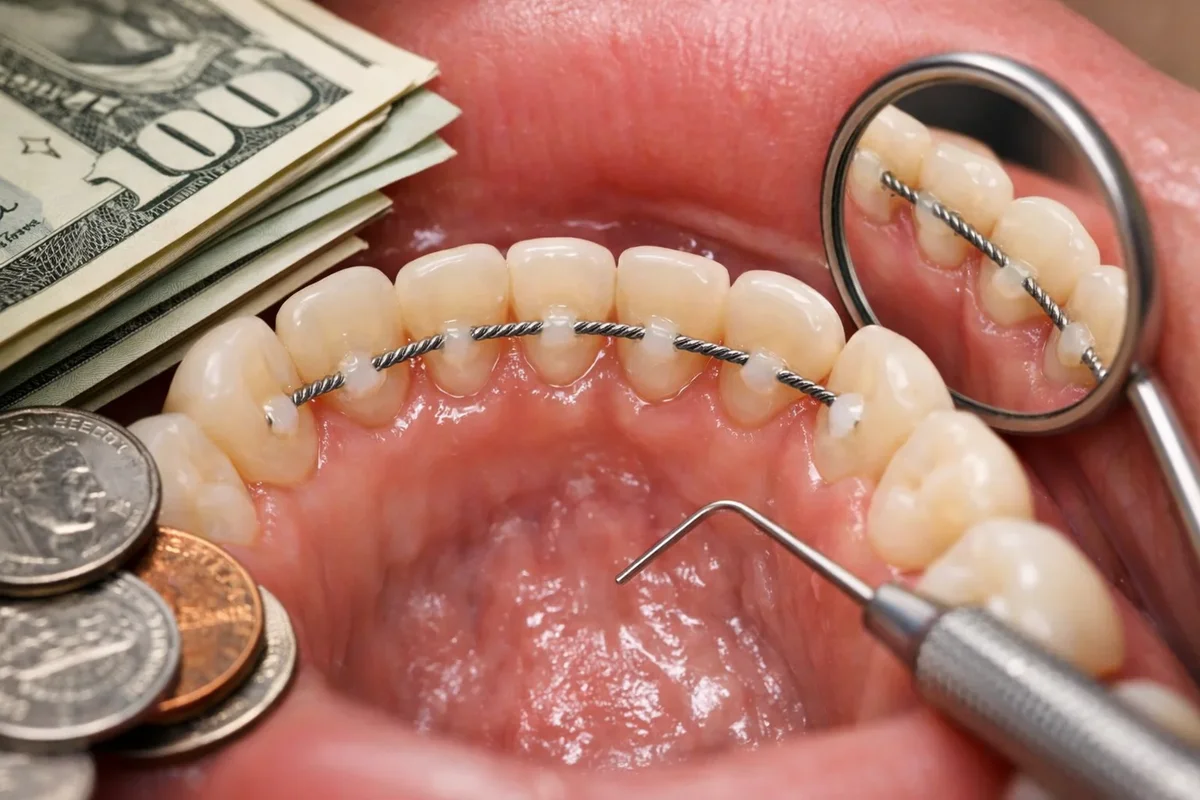
How to Reduce Permanent Retainer Cost Safely
Many patients who finish orthodontic treatment start researching ways to reduce their overall dental expenses. One of the most common questions they ask is whether it is possible to lower the permanent retainer cost without compromising quality or long-term results. While orthodontic retention is an essential step in maintaining a straight smile, there are several safe and practical strategies that can help patients manage the permanent retainer cost more effectively.
It is important to remember that reducing the permanent retainer cost should never mean choosing low-quality materials or unqualified providers. Orthodontic retention plays a critical role in protecting the results of braces or aligners, and poor-quality treatment could lead to relapse or additional dental expenses later. Instead, patients should focus on smart financial strategies, proper planning, and careful selection of dental providers.
Choose an Experienced Orthodontist
One of the best ways to manage the permanent retainer cost safely is to work with an experienced orthodontist from the beginning. Skilled orthodontists are able to place retainers accurately, which reduces the likelihood of repairs, adjustments, or replacements later. Although an experienced professional may charge a slightly higher initial permanent retainer cost, their expertise often leads to better long-term value.
A well-placed permanent retainer can last many years without complications. This means patients may spend less money on repairs or replacements over time. When evaluating orthodontic providers, patients should consider reputation, experience, and patient reviews rather than focusing only on the lowest permanent retainer cost.
Avoid Extremely Cheap Offers
While searching for ways to reduce the permanent retainer cost, some patients may come across extremely cheap offers. These offers may appear attractive, but they can sometimes involve lower-quality materials or inexperienced practitioners. In orthodontics, extremely low prices may increase the risk of retainer failure or poor bonding.
If a retainer fails early, patients may need repairs or complete replacement, which increases the total permanent retainer cost over time. Choosing a reliable clinic ensures the retainer is placed correctly and functions effectively for many years.
Ask If Retainers Are Included in Orthodontic Treatment
Another way to reduce the permanent retainer cost is to ask whether retainers are included in the orthodontic treatment package. Many orthodontic clinics provide retention devices as part of the overall braces or aligner treatment plan.
If the retainer is included, patients may not need to pay a separate permanent retainer cost after braces are removed. This approach simplifies financial planning and ensures patients receive proper retention immediately after treatment.
Compare Treatment Packages
Patients should always compare treatment plans from different orthodontic clinics. Some clinics include retainers, follow-up visits, and adjustments within the overall orthodontic price. Others charge separately for these services. Comparing packages helps patients identify the best value and minimize the permanent retainer cost without sacrificing quality.
Use Dental Insurance Benefits
Dental insurance can sometimes help reduce the permanent retainer cost. Some orthodontic insurance plans partially cover retainers as part of orthodontic treatment. While coverage varies depending on the policy, it is worth checking the details with the insurance provider.
Patients should also ask their orthodontist whether insurance claims can be submitted for the retainer procedure. Even partial reimbursement can significantly reduce the final permanent retainer cost.
Health Savings and Flexible Spending Accounts
Many patients also use Health Savings Accounts (HSA) or Flexible Spending Accounts (FSA) to pay for orthodontic procedures. These accounts allow individuals to use pre-tax income for qualified medical and dental expenses.
Because orthodontic retainers are typically considered eligible medical expenses, using these accounts can effectively reduce the permanent retainer cost by lowering the patient’s overall tax burden.
Maintain Proper Oral Hygiene
Proper oral hygiene is one of the most effective ways to control the long-term permanent retainer cost. Permanent retainers require careful cleaning because plaque can accumulate around the bonded wire. If oral hygiene is neglected, patients may develop dental problems that require additional treatment.
By brushing thoroughly, flossing around the retainer, and using interdental cleaning tools, patients can protect both their teeth and the retainer wire. This reduces the likelihood of bonding failure and helps avoid unnecessary repairs that would increase the permanent retainer cost.
Attend Regular Dental Checkups
Routine dental visits are essential for maintaining the stability of a permanent retainer. Dentists and orthodontists can monitor the retainer during checkups and detect small issues before they become major problems.
Early detection of loose bonding or minor wire adjustments can prevent costly repairs later. Regular checkups therefore help keep the total permanent retainer cost under control while ensuring optimal dental health.
Avoid Damaging Foods and Habits
Another practical way to reduce the permanent retainer cost is to avoid habits that may damage the retainer. Biting hard foods such as ice, hard candies, or extremely crunchy snacks can place excessive pressure on the retainer wire.
Additionally, habits like biting fingernails or chewing on pens can weaken the retainer bonding. Avoiding these habits helps protect the retainer and prevents unexpected repair costs.
Consider Long-Term Value Rather Than Initial Price
When evaluating orthodontic retention options, patients should focus on long-term value instead of simply choosing the lowest permanent retainer cost. A high-quality retainer placed by an experienced orthodontist can last many years and provide reliable protection against tooth movement.
In contrast, choosing a cheaper option that requires frequent repairs or replacements may ultimately cost more. By prioritizing durability and professional expertise, patients can ensure their permanent retainer cost remains a worthwhile investment.
Consult a Professional Before Making Decisions
The best way to manage the permanent retainer cost safely is to consult a qualified orthodontist. Each patient’s dental structure and orthodontic history are unique, which means retention strategies should be personalized.
An orthodontist can explain the available options, estimate the expected permanent retainer cost, and recommend the most effective retention method for maintaining alignment. This professional guidance helps patients make confident decisions about their dental health.
Ultimately, reducing the permanent retainer cost is possible through careful planning, proper oral care, and smart financial strategies. By focusing on quality treatment and long-term value, patients can maintain a straight and healthy smile without unnecessary expenses.