
If you have recently finished orthodontic treatment or are considering long-term solutions to keep your smile straight, you have probably come across the term permanent retainer front teeth. This guide is designed to fully answer what patients are searching for: what it is, why it is used, how it feels, and whether it is the right option for protecting your orthodontic results. 😊
A permanent retainer front teeth solution is most commonly recommended after braces or clear aligners, especially when the front teeth are prone to shifting. These teeth are highly visible and often the first to relapse after orthodontic treatment. Even minor movement can affect both aesthetics and bite alignment, which is why dentists often suggest a permanent option rather than a removable one.
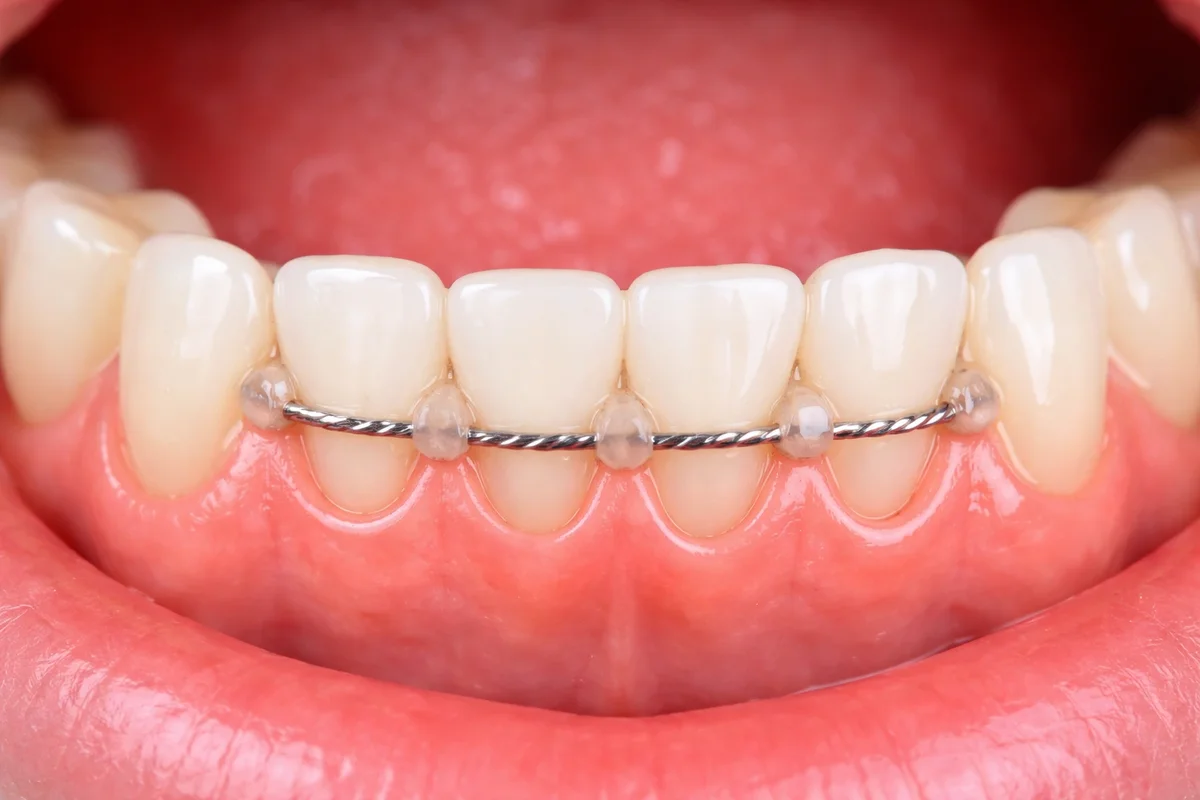
Unlike removable retainers that can be forgotten, lost, or inconsistently worn, a permanent retainer front teeth system is bonded to the back of the teeth. This thin wire sits behind the front teeth, making it invisible from the outside while continuously holding the teeth in their corrected position. Because it works passively 24/7, it offers a high level of stability for long-term results.
Patients often ask whether a permanent retainer front teeth appliance feels uncomfortable or restrictive. In reality, most people adapt within a few days. Since the retainer is placed on the inner surface of the teeth, it does not interfere with speech or appearance. Over time, it becomes almost unnoticeable in daily life, which is a major advantage for those who want a low-maintenance solution.
From a clinical perspective, dentists frequently recommend permanent retainer front teeth devices for patients who had significant crowding or spacing issues before treatment. Front teeth have a natural tendency to move back toward their original positions due to muscle pressure, aging, and jaw changes. A fixed retainer acts as a safeguard against these forces.
Another important aspect of permanent retainer front teeth care is oral hygiene. While the retainer itself does not damage teeth, improper cleaning can lead to plaque buildup if not managed correctly. With proper brushing techniques, floss threaders, or interdental brushes, maintaining excellent oral health is completely achievable. Dentists emphasize that good hygiene habits are essential for long-term success.
Patients also wonder if a permanent retainer front teeth option is truly permanent. The term “permanent” refers to long-term use, not that it can never be removed. Dentists can remove or replace the retainer if needed, whether due to damage, dental work, or a change in treatment plan. This flexibility provides reassurance to patients who worry about being “locked in” forever.
From a safety standpoint, permanent retainer front teeth appliances are widely accepted and supported by dental associations. When placed correctly and monitored during regular dental check-ups, they are considered a safe and effective method of retention. Organizations such as the American Dental Association emphasize the importance of retention after orthodontic treatment to preserve results.
If you are unsure whether a permanent retainer front teeth solution is right for you, a professional evaluation is essential. Every patient’s dental anatomy, treatment history, and lifestyle are different. Consulting an experienced dental team allows you to make an informed decision based on long-term oral health rather than short-term convenience.
For personalized advice, professional assessment, or post-orthodontic retention planning, you can contact a qualified dental clinic directly through the Redent Klinik Contact Page. A detailed consultation ensures that your smile stays straight, healthy, and confident for years to come 😁.
What Is a Permanent Retainer for Front Teeth?
A permanent retainer front teeth solution is a fixed orthodontic retention device designed to keep the front teeth in their corrected position after braces or clear aligner treatment. It is typically a thin, smooth wire that is bonded to the inner (tongue-facing) surface of the front teeth using dental adhesive. Because it is not removable by the patient, it provides continuous support and prevents unwanted tooth movement over time.
The main purpose of a permanent retainer front teeth appliance is to protect the results achieved through orthodontic treatment. Front teeth are particularly prone to shifting because of daily forces such as chewing, speaking, tongue pressure, and natural aging of the jaw. Without proper retention, even teeth that were perfectly aligned can gradually move out of place.
How a Permanent Retainer Front Teeth System Is Structured
A typical permanent retainer front teeth system consists of a custom-shaped metal wire, often made from stainless steel or a flexible alloy. This wire is carefully contoured to fit the natural curve of the teeth. It is then bonded individually to each tooth or to selected teeth, depending on the clinical situation.
The retainer is placed on the back of the teeth, making it completely invisible when you smile or speak. This hidden placement is one of the reasons many patients prefer a permanent retainer front teeth option over removable alternatives, especially for aesthetic reasons.
Bonding Technique and Placement Precision
For a permanent retainer front teeth appliance to work effectively, precision is critical. The dentist must ensure the wire is passive, meaning it does not apply pressure that could unintentionally move the teeth. Once positioned correctly, a dental bonding material is applied and cured to secure the wire in place.
Proper placement reduces the risk of discomfort, breakage, or hygiene issues. This is why permanent retainers should always be placed by experienced dental professionals familiar with post-orthodontic retention protocols.
Why Dentists Recommend Permanent Retainer Front Teeth
Dentists frequently recommend permanent retainer front teeth devices for patients whose teeth were significantly crowded or spaced before treatment. These teeth have a strong tendency to relapse, especially in the lower front region. A fixed retainer offers constant stabilization without relying on patient compliance.
Another reason for recommending a permanent retainer front teeth system is lifestyle convenience. Many patients struggle to remember wearing removable retainers consistently. Since permanent retainers work automatically, they eliminate the risk of forgetting, losing, or damaging removable appliances.
Difference Between “Permanent” and “Lifetime” Use
The term permanent retainer front teeth can be misleading for some patients. “Permanent” does not mean irreversible or untouchable. Instead, it refers to long-term placement. The retainer can be removed, repaired, or replaced by a dentist if necessary, such as during dental treatments or if the wire becomes damaged.
Many patients keep their permanent retainer for years or even decades, as long as it remains intact and oral hygiene is well maintained. Regular dental check-ups help ensure the retainer continues to function correctly.
Is a Permanent Retainer Front Teeth Option Noticeable or Uncomfortable?
Most patients adapt quickly to a permanent retainer front teeth appliance. During the first few days, mild awareness or tongue irritation may occur, but this usually resolves as the mouth adjusts. Because the retainer sits behind the teeth, it does not affect appearance or social confidence.
Speech is rarely affected, and eating habits generally remain unchanged. Unlike removable retainers, there is no need to remove the device while eating or speaking, which adds to its practicality.
How a Permanent Retainer Front Teeth Differs From Other Retention Methods
Compared to removable retainers, a permanent retainer front teeth solution provides constant stabilization. Removable retainers rely heavily on patient discipline, while fixed retainers function automatically. This makes permanent retainers especially beneficial for patients who want a worry-free retention method.
In orthodontic terminology, permanent retainers are sometimes referred to as fixed retainers or bonded retainers. These related terms fall under the same concept of long-term fixed retention and help reinforce the semantic relevance of the permanent retainer front teeth approach.
In summary, a permanent retainer front teeth appliance is a reliable, discreet, and clinically proven way to maintain straight front teeth after orthodontic treatment. Understanding how it works and why it is recommended allows patients to make confident, informed decisions about protecting their smile for the long term 😄.
How Permanent Retainer Front Teeth Work After Orthodontic Treatment
After orthodontic treatment is completed, teeth naturally try to move back toward their original positions—a process known as relapse. This is where permanent retainer front teeth play a crucial role. Once braces or clear aligners are removed, the bone and surrounding tissues need time to stabilize around the newly aligned teeth. A permanent retainer provides continuous support during this critical phase and beyond.
A permanent retainer front teeth system works passively. It does not push or pull teeth; instead, it holds them exactly where orthodontic treatment placed them. This constant stabilization is especially important for the front teeth, which are more susceptible to movement due to tongue pressure, lip forces, and everyday activities like speaking and chewing.
The Biological Reason Teeth Shift After Braces
Understanding why permanent retainer front teeth are necessary starts with biology. Teeth are supported by periodontal ligaments and bone that adapt slowly to new positions. After braces are removed, these tissues have “memory” and may attempt to pull teeth back.
Front teeth are particularly vulnerable because they experience constant pressure from the tongue and lips. Without a retention system, even a few months without support can undo years of orthodontic correction. A permanent retainer front teeth solution acts as a long-term stabilizer, preventing these biological forces from causing relapse.
Why Front Teeth Need Extra Retention
Dentists often emphasize retention for front teeth because even slight misalignment in this area is immediately visible. A small gap or rotation can significantly affect the appearance of your smile. Using a permanent retainer front teeth device helps preserve both aesthetics and functional bite alignment.
Step-by-Step: What Happens After Braces Are Removed
Once orthodontic treatment ends, the dentist or orthodontist evaluates whether a permanent retainer front teeth option is appropriate. If recommended, the retainer is usually placed on the same day braces are removed or shortly after, ensuring there is no gap in retention.
The wire is custom-shaped to match the exact contour of your teeth. After bonding, it immediately begins working by holding the teeth steady. Because the retainer is fixed, patients do not need to remember daily wear schedules, which improves long-term success.
Immediate vs Long-Term Stabilization
In the short term, a permanent retainer front teeth device prevents rapid shifting that can occur within weeks of brace removal. In the long term, it protects against gradual movement caused by aging, jaw changes, or habits like teeth grinding.
Many orthodontic relapses occur years after treatment, not immediately. This is why long-term use of a permanent retainer front teeth solution is often recommended, even when teeth appear stable at first.
Daily Function With Permanent Retainer Front Teeth
One of the most common concerns patients have is how a permanent retainer front teeth appliance affects daily life. Fortunately, most people quickly forget it is even there. Eating, speaking, and smiling all feel natural after a short adjustment period.
Because the retainer is bonded behind the teeth, it remains invisible and does not interfere with facial aesthetics. Unlike removable retainers, there is no need to take it out before meals or remember to put it back in afterward.
How Permanent Retainer Front Teeth Support Long-Term Results
Orthodontic treatment is an investment of time, effort, and cost. A permanent retainer front teeth system protects that investment by maintaining alignment around the clock. Studies and clinical experience show that fixed retention significantly reduces the risk of relapse in the front teeth.
In orthodontic terminology, permanent retainers are also known as fixed or bonded retainers—terms closely related to the concept of permanent retainer front teeth. These semantically related terms highlight the same goal: stable, long-lasting results without reliance on patient compliance.
Monitoring and Professional Follow-Up
Although a permanent retainer front teeth device works automatically, regular dental check-ups are still essential. Dentists check the bonding points, ensure the wire remains intact, and evaluate oral hygiene around the retainer.
If any issues arise, such as partial debonding or wire damage, early detection allows for quick repairs. With proper care and professional monitoring, a permanent retainer front teeth solution can function effectively for many years.
In summary, permanent retainer front teeth work by providing continuous, invisible, and reliable stabilization after orthodontic treatment. By counteracting natural biological forces and supporting long-term alignment, they help ensure that your straight smile stays exactly the way you worked hard to achieve 😁.
Benefits of Permanent Retainer Front Teeth for Long-Term Alignment
Choosing a permanent retainer front teeth solution offers several important advantages for patients who want to protect their orthodontic results over the long term. Front teeth are among the most visible and most vulnerable to shifting, which makes retention especially critical in this area. A permanent retainer provides continuous support, helping patients maintain a straight, confident smile without daily effort 😊.
One of the biggest benefits of permanent retainer front teeth is reliability. Because the retainer is fixed in place, it works 24 hours a day without relying on patient compliance. This eliminates one of the most common reasons for orthodontic relapse: forgetting to wear a removable retainer.
Consistent Alignment Without Daily Effort
A key advantage of permanent retainer front teeth is that it removes the need for reminders, routines, or discipline. Removable retainers are effective only when worn as instructed, which many patients struggle with over time. A fixed retainer ensures the teeth remain aligned regardless of busy schedules, travel, or lifestyle changes.
This consistency is especially beneficial for front teeth, where even small movements are noticeable. By holding the teeth in place continuously, a permanent retainer front teeth appliance prevents subtle shifts that can gradually compromise the appearance of the smile.
Ideal for Long-Term Smile Preservation
Many orthodontic patients invest years into achieving straight teeth. A permanent retainer front teeth solution protects that investment by offering long-term stability. It helps preserve both aesthetic results and functional bite alignment, reducing the likelihood of needing future corrective treatment.
Invisible and Aesthetic Advantage
Another major benefit of permanent retainer front teeth is discretion. The retainer is bonded to the back of the teeth, making it invisible when smiling or speaking. This is particularly appealing to adults and professionals who want to maintain a natural appearance without visible dental appliances.
Because the retainer is hidden, patients can enjoy the benefits of ongoing orthodontic support without feeling self-conscious. This invisible design makes a permanent retainer front teeth option one of the most aesthetically pleasing retention methods available.
Reduced Risk of Orthodontic Relapse
Orthodontic relapse is a well-documented phenomenon, especially in the front teeth. Muscular pressure, aging, and natural jaw changes can all cause teeth to shift over time. A permanent retainer front teeth system directly addresses this risk by acting as a physical barrier against unwanted movement.
Clinical experience shows that fixed retention significantly lowers the chance of relapse compared to removable options alone. For patients who had severe crowding or spacing issues, permanent retainer front teeth provide an extra layer of security.
Protection Against Age-Related Tooth Movement
Even people who never had braces may experience shifting of their front teeth as they age. For orthodontic patients, this tendency can be stronger. A permanent retainer front teeth appliance helps counteract these natural changes, keeping teeth aligned well into adulthood.
Comfort and Daily Convenience
Many patients are surprised by how comfortable a permanent retainer front teeth appliance feels. After a short adjustment period, most people barely notice it. There is no need to remove it while eating or speaking, and it does not interfere with normal daily activities.
This convenience is a significant benefit compared to removable retainers, which must be taken out for meals and cleaned separately. With a permanent retainer front teeth system, retention becomes a seamless part of daily life.
Cost-Effectiveness Over Time
While initial placement may involve a one-time cost, permanent retainer front teeth can be cost-effective in the long run. Removable retainers are often lost, broken, or need replacement over the years. A well-maintained permanent retainer can last for many years with minimal maintenance.
By reducing the likelihood of relapse and the need for retreatment, a permanent retainer front teeth solution may help patients avoid additional orthodontic expenses in the future.
Supports Overall Oral Health Goals
Maintaining straight front teeth is not just about appearance. Proper alignment contributes to balanced bite function and easier oral hygiene. A permanent retainer front teeth appliance helps keep teeth in optimal position, making brushing and flossing more effective when proper techniques are used.
When combined with good oral hygiene habits and regular dental visits, a permanent retainer front teeth solution supports long-term dental health while preserving the results of orthodontic care.
In summary, the benefits of permanent retainer front teeth extend beyond convenience. From continuous alignment and invisible design to long-term stability and cost efficiency, this retention method offers a dependable way to keep your smile straight and confident for years to come 😁.
Permanent Retainer Front Teeth vs Removable Retainers
When it comes to keeping teeth straight after orthodontic treatment, patients are often asked to choose between a fixed option and a removable one. Understanding the differences between permanent retainer front teeth and removable retainers is essential for making an informed decision. Both methods aim to prevent relapse, but they function in very different ways and suit different lifestyles.
A permanent retainer front teeth appliance is bonded to the back of the teeth and works continuously without patient involvement. Removable retainers, on the other hand, must be worn according to a prescribed schedule and removed during meals or cleaning. This fundamental difference affects effectiveness, convenience, and long-term outcomes.
Effectiveness in Preventing Tooth Movement
From a clinical standpoint, permanent retainer front teeth are generally more reliable for preventing relapse in the front teeth. Because they are fixed in place, they provide constant stabilization against natural forces such as tongue pressure, lip movement, and age-related changes.
Removable retainers can be effective when worn consistently, but compliance is a common challenge. Even short periods of non-use can allow teeth to shift. This is why many orthodontists prefer permanent retainer front teeth for patients with a high risk of relapse or a history of severe crowding.
Why Front Teeth Need Special Consideration
Front teeth are more likely to move than back teeth due to their position and exposure to daily forces. A permanent retainer front teeth solution offers targeted protection for this sensitive area, whereas removable retainers rely entirely on patient discipline to achieve the same result.
Convenience and Lifestyle Compatibility
One of the biggest advantages of permanent retainer front teeth is convenience. Once placed, the retainer works automatically without requiring any daily action. Patients do not need to remember to wear it, store it, or clean it separately.
Removable retainers require a routine. They must be worn for a certain number of hours each day, removed before eating, and cleaned regularly. For some patients, especially those with busy schedules, this routine can become inconsistent over time, reducing effectiveness.
Aesthetic Differences
A permanent retainer front teeth appliance is virtually invisible because it is bonded to the inner surface of the teeth. This makes it a popular choice for adults and professionals who want discreet orthodontic retention.
Removable retainers, depending on their design, may be visible when worn. While clear retainers are less noticeable, they are still removable and can be misplaced or damaged. A permanent retainer front teeth option eliminates these concerns.
Comfort and Adaptation
Both retention methods require an adjustment period. With permanent retainer front teeth, patients may feel mild tongue awareness for a few days, but this usually subsides quickly. Once adapted, most people forget the retainer is there.
Removable retainers may feel bulky at first and can affect speech temporarily. Additionally, repeatedly inserting and removing them can cause minor irritation for some patients.
Daily Comfort Over the Long Term
Over time, many patients find permanent retainer front teeth more comfortable simply because they do not have to think about them. Removable retainers may become uncomfortable if worn inconsistently, as teeth can shift slightly and cause tightness when reinserted.
Maintenance and Oral Hygiene
Maintaining oral hygiene with permanent retainer front teeth requires a bit more attention. Special flossing tools and interdental brushes help clean around the bonded wire. With proper technique, long-term oral health can be maintained effectively.
Removable retainers are easier to clean separately, but they still require daily maintenance. They can accumulate bacteria if not cleaned properly, which may affect oral health and breath.
Long-Term Reliability and Cost Considerations
In the long run, permanent retainer front teeth can be more reliable and cost-effective. Removable retainers are often lost, cracked, or need replacement. A permanent retainer, when properly cared for, can last many years.
While repairs may occasionally be needed if a bond loosens, the overall stability of permanent retainer front teeth often outweighs the recurring replacement costs associated with removable retainers.
In conclusion, both options have their place, but for patients seeking maximum stability, minimal effort, and long-term protection of their smile, permanent retainer front teeth offer a dependable and clinically favored solution. Choosing the right retainer should always involve a personalized discussion with a dental professional who understands your specific orthodontic needs 😄.
How Long Should a Permanent Retainer Stay on Front Teeth?
One of the most common questions patients ask after orthodontic treatment is how long a permanent retainer front teeth solution should remain in place. The short answer is that there is no universal timeline, because retention depends on biology, treatment history, and long-term stability goals. However, modern dentistry increasingly supports long-term or even indefinite retention for front teeth due to their high tendency to shift.
A permanent retainer front teeth appliance is designed for durability and continuous function. Unlike removable retainers that are often phased out after a few years, permanent retainers are typically recommended for extended periods—sometimes decades—when oral hygiene is well maintained and the retainer remains intact.
Why Front Teeth Often Need Long-Term Retention
Front teeth are uniquely vulnerable to movement. Even after successful orthodontic treatment, the surrounding bone and periodontal tissues take years to fully stabilize. Additionally, natural aging causes subtle changes in jaw shape and muscle pressure. Because of this, dentists often advise keeping a permanent retainer front teeth appliance in place long term to prevent relapse.
Clinical studies and orthodontic experience show that tooth movement can occur many years after braces are removed. This delayed shifting is one of the main reasons why a permanent retainer front teeth solution is often recommended beyond the initial retention phase.
Lower vs Upper Front Teeth Retention Duration
In many cases, the lower front teeth are more prone to crowding over time than the upper front teeth. As a result, dentists are especially likely to recommend lifelong use of a permanent retainer front teeth appliance on the lower arch. Upper front retainers may also be kept long term, depending on the patient’s bite and alignment history.
Is “Permanent” Really Permanent?
The term permanent retainer front teeth can be misleading. “Permanent” does not mean that the retainer can never be removed. Instead, it means the retainer is fixed in place and intended for long-term use. Dentists can safely remove or replace the retainer if clinical conditions change.
Some patients may need temporary removal of a permanent retainer front teeth appliance for dental procedures such as deep cleaning, restorations, or orthodontic adjustments. Afterward, the retainer can be rebonded or replaced if continued retention is recommended.
Factors That Influence How Long You Should Keep It
Several factors determine how long a permanent retainer front teeth should stay in place:
- Severity of initial tooth misalignment
- Age at the end of orthodontic treatment
- Natural bite forces and jaw changes
- Consistency of oral hygiene
- History of tooth shifting or relapse
Patients who experienced significant crowding before treatment or who notice rapid shifting without retention are usually advised to keep their permanent retainer front teeth indefinitely.
Role of Regular Dental Check-Ups
Routine dental visits play a crucial role in determining whether a permanent retainer front teeth appliance should remain in place. Dentists assess the integrity of the bonding, the condition of the wire, and the health of the surrounding gums and teeth.
If the retainer remains stable and oral health is excellent, there is often no clinical reason to remove it. In many cases, leaving a well-maintained permanent retainer front teeth in place is safer than removing it and risking relapse.
What Happens If a Permanent Retainer Is Removed Too Early?
Removing a permanent retainer front teeth too early can increase the risk of tooth movement, even if the teeth appear stable at first. Relapse may occur slowly and subtly, making it harder to correct later without additional orthodontic treatment.
For this reason, dentists typically recommend transitioning to another form of retention, such as a removable retainer, if a permanent retainer must be removed. However, removable retention still depends heavily on patient compliance.
Long-Term Safety of Permanent Retainer Front Teeth
When properly placed and monitored, permanent retainer front teeth appliances are considered safe for long-term use. They do not damage teeth when oral hygiene is maintained and bonding remains intact. Advances in materials and bonding techniques have further improved their durability and comfort.
In summary, there is no fixed expiration date for a permanent retainer front teeth solution. For many patients, long-term or lifelong retention offers the best protection against relapse. With regular dental monitoring and good hygiene, keeping the retainer in place is often the most reliable way to preserve a straight, healthy smile for years to come 😁.
Cleaning and Oral Hygiene Tips for Permanent Retainer Front Teeth
Maintaining excellent oral hygiene is especially important when you have a permanent retainer front teeth appliance. Because the retainer is bonded behind the teeth, it creates additional surfaces where plaque and food particles can accumulate if not cleaned properly. With the right techniques and habits, however, keeping your teeth and gums healthy is absolutely achievable 😊.
A permanent retainer front teeth does not cause dental problems on its own, but inadequate cleaning around it can increase the risk of plaque buildup, tartar formation, and gum inflammation. Understanding how to clean effectively is essential for long-term success.
Why Oral Hygiene Is More Important With Permanent Retainer Front Teeth
The bonded wire of a permanent retainer front teeth sits close to the gumline and between teeth, areas that are already prone to plaque accumulation. This means standard brushing alone may not be enough to remove debris effectively.
Without proper cleaning, bacteria can collect around the retainer, potentially leading to gingivitis, bad breath, or enamel demineralization. This is why dentists emphasize specialized hygiene routines for patients with permanent retainer front teeth.
Plaque Traps and Hard-to-Reach Areas
The spaces between the wire and the teeth can act as plaque traps. These areas are not always accessible with a regular toothbrush, making additional tools essential for cleaning around a permanent retainer front teeth appliance.
Daily Brushing Techniques
Brushing at least twice a day is critical for anyone, but it becomes even more important with a permanent retainer front teeth. A soft-bristled toothbrush is recommended to clean gently around the retainer without damaging the bonding material or irritating the gums.
Angle the brush toward the gumline and use small circular motions to clean above and below the wire. Electric toothbrushes can also be effective, as they help remove plaque more efficiently around fixed appliances like permanent retainer front teeth.
Flossing With a Permanent Retainer Front Teeth
Flossing is often the biggest challenge for patients with a permanent retainer front teeth, but it is also the most important step. Traditional floss cannot slide easily between teeth because of the bonded wire.
Using Floss Threaders and Interdental Tools
Floss threaders allow you to guide floss under the wire so you can clean between each tooth individually. Interdental brushes are another excellent option for cleaning around a permanent retainer front teeth, especially for wider spaces.
With consistent use, these tools become part of a normal routine and significantly reduce the risk of gum problems associated with fixed retainers.
Additional Cleaning Aids
In addition to brushing and flossing, many dentists recommend adjunctive cleaning tools for patients with permanent retainer front teeth. Water flossers can help flush out food particles and bacteria from hard-to-reach areas.
Antibacterial mouthwashes may also support gum health, but they should be used as a supplement—not a replacement—for mechanical cleaning around a permanent retainer front teeth.
Professional Cleanings and Dental Visits
Regular dental check-ups are essential when you have a permanent retainer front teeth. Professional cleanings remove hardened plaque (tartar) that cannot be eliminated with home care alone.
During these visits, dentists and hygienists also inspect the retainer to ensure the bonding remains intact and that no areas are being neglected during daily cleaning.
Early Detection of Hygiene-Related Issues
Routine monitoring allows dental professionals to detect early signs of gum inflammation or enamel wear around a permanent retainer front teeth. Addressing these issues early prevents more serious complications and ensures long-term oral health.
Common Hygiene Mistakes to Avoid
Some common mistakes include skipping flossing because it feels inconvenient, brushing too aggressively around the wire, or assuming that professional cleanings alone are enough. A permanent retainer front teeth requires consistent daily care to function safely over time.
Avoid using sharp objects to clean around the retainer, as this can damage the bonding or scratch tooth enamel. Always use dentist-approved tools designed for fixed appliances.
Long-Term Oral Health With Permanent Retainer Front Teeth
With proper care, a permanent retainer front teeth appliance can coexist with excellent oral health for many years. Patients who follow recommended hygiene routines typically experience no additional dental problems compared to those without retainers.
In summary, cleaning and caring for permanent retainer front teeth requires attention, consistency, and the right tools. By maintaining strong daily habits and attending regular dental visits, you can protect both your retainer and your smile, ensuring long-term alignment and healthy gums 😁.
Can Permanent Retainer Front Teeth Break or Fail?
Although a permanent retainer front teeth appliance is designed for long-term stability, many patients wonder whether it can break, loosen, or fail over time. This is a very valid concern. Like any dental appliance, permanent retainers are durable but not indestructible. Understanding how and why problems occur helps patients protect their retainer and respond quickly if an issue arises.
A permanent retainer front teeth system is made to withstand everyday forces such as speaking, chewing, and light biting. However, excessive force, poor oral habits, or accidental trauma can compromise its integrity. The good news is that most issues are minor and easily repairable when addressed early.
Common Ways Permanent Retainer Front Teeth Can Be Damaged
The most common issue with a permanent retainer front teeth is debonding, where the adhesive holding the wire to one or more teeth loosens. This does not always mean the entire retainer has failed, but even partial debonding can allow teeth to shift if left untreated.
Another potential problem is wire distortion or breakage. While the wire is thin and flexible, repeated stress—especially from biting hard foods—can weaken it over time. A damaged wire may stop functioning passively, which can compromise the effectiveness of the permanent retainer front teeth.
Foods and Habits That Increase Risk
Certain habits significantly increase the risk of damage to a permanent retainer front teeth. These include biting ice, chewing on pens, opening packages with teeth, or consuming very hard or sticky foods. These actions place excessive pressure on the bonded wire.
Teeth grinding (bruxism) can also stress a permanent retainer front teeth, especially during sleep. Patients who grind their teeth may require additional protective measures such as night guards.
Signs That a Permanent Retainer Front Teeth Is Failing
Early detection of problems is crucial. Common warning signs include a rough or sharp feeling behind the teeth, a sensation that the wire is loose, or slight tooth movement. Some patients notice that floss suddenly slides too easily between teeth that were previously tight—this can indicate partial failure of a permanent retainer front teeth.
Another red flag is difficulty cleaning around the retainer due to changes in its position. If the retainer feels different than usual, it is important to consult a dentist promptly.
What Happens If a Permanent Retainer Front Teeth Breaks?
If a permanent retainer front teeth breaks or debonds, it does not automatically mean orthodontic relapse will occur immediately. However, even short periods without proper retention can allow teeth to shift gradually. This is why dentists recommend addressing issues as soon as they are noticed.
In most cases, repairing a permanent retainer front teeth is straightforward. The dentist may rebond the wire, replace a damaged section, or install a new retainer if necessary. Early intervention keeps repairs simple and minimizes risk.
Temporary Precautions Before Repair
If a permanent retainer front teeth feels loose or broken, patients should avoid hard or sticky foods and refrain from manipulating the wire with their tongue or fingers. This helps prevent further damage until professional care is provided.
How Often Do Permanent Retainers Fail?
When properly placed and maintained, a permanent retainer front teeth can function effectively for many years. Failure rates are relatively low, especially when patients follow dietary recommendations and maintain good oral hygiene.
Regular dental check-ups play a key role in preventing failure. Dentists routinely inspect the bonding points and wire condition during examinations, allowing small issues with a permanent retainer front teeth to be corrected before they become major problems.
Can Permanent Retainer Front Teeth Be Made More Durable?
Yes, durability can be improved through proper placement, high-quality bonding materials, and patient cooperation. Choosing an experienced dental professional reduces the likelihood of premature failure of a permanent retainer front teeth.
Patients also contribute significantly by avoiding damaging habits and following hygiene recommendations. In some cases, dentists may recommend combining a permanent retainer front teeth with a removable nighttime retainer for added security.
Long-Term Outlook After Repairs
A repaired permanent retainer front teeth can be just as effective as the original if handled correctly. Repairs do not weaken the overall treatment outcome when performed promptly and professionally.
In summary, while a permanent retainer front teeth can break or fail under certain conditions, problems are usually minor and manageable. With awareness, regular dental monitoring, and good habits, patients can rely on their permanent retainer to protect their smile safely and effectively for the long term 😁.
Who Is an Ideal Candidate for Permanent Retainer Front Teeth?
Not every orthodontic patient knows whether a permanent retainer front teeth solution is right for them. While permanent retainers are widely used and highly effective, candidacy depends on individual dental history, risk of relapse, and lifestyle factors. Understanding who benefits most helps patients and dentists make the right long-term retention decision.
In general, a permanent retainer front teeth appliance is recommended for patients whose front teeth are at higher risk of shifting after orthodontic treatment. Because front teeth play a major role in smile aesthetics and speech, even small movements can be noticeable and frustrating.
Patients With a High Risk of Orthodontic Relapse
One of the strongest indicators for a permanent retainer front teeth is a high risk of relapse. Patients who had severe crowding, rotations, or spacing before braces are more likely to experience tooth movement after treatment ends.
Teeth tend to move back toward their original positions due to biological memory in the surrounding tissues. A permanent retainer front teeth solution provides constant stabilization, making it ideal for patients whose teeth shifted significantly before orthodontic correction.
History of Rapid Tooth Movement
Some patients notice that their teeth move quickly when retainers are not worn consistently. For these individuals, a permanent retainer front teeth option removes the risk of relapse caused by missed wear time, offering peace of mind and long-term stability.
Patients Who Struggle With Removable Retainers
Another group of ideal candidates for permanent retainer front teeth includes patients who find removable retainers inconvenient or difficult to manage. Forgetting to wear retainers, losing them, or stopping use over time is extremely common.
Because a permanent retainer front teeth works automatically, it is particularly beneficial for busy professionals, teenagers, or anyone who prefers a low-maintenance approach to orthodontic retention.
Adults Seeking Long-Term Aesthetic Stability
Adults often prioritize maintaining the appearance of their smile after orthodontic treatment. A permanent retainer front teeth appliance is invisible from the outside, making it an excellent option for those who want discreet, long-term retention.
Since adults are more likely to experience age-related tooth movement, many dentists recommend permanent retainer front teeth for ongoing alignment protection well into adulthood.
Professionals and Public-Facing Individuals
Patients who frequently speak in public or work in appearance-focused professions often prefer permanent retainer front teeth because it does not affect speech or visible aesthetics. This makes it a popular choice for presenters, educators, and customer-facing professionals.
Patients With Lower Front Teeth Crowding
Lower front teeth are particularly prone to crowding over time, even in people who never had braces. For those who have undergone orthodontic treatment, the risk is even higher. A permanent retainer front teeth on the lower arch is commonly recommended to prevent late-onset crowding.
Many orthodontists consider lower permanent retainer front teeth retention to be a long-term or lifelong solution due to the predictable nature of lower incisor relapse.
Patients With Good Oral Hygiene Habits
Ideal candidates for permanent retainer front teeth are those who maintain good oral hygiene or are willing to adopt enhanced cleaning routines. Because the retainer adds additional surfaces where plaque can accumulate, consistent brushing and flossing are essential.
Patients who attend regular dental check-ups and follow professional hygiene advice typically have no difficulty maintaining excellent oral health with a permanent retainer front teeth.
When a Permanent Retainer May Not Be Ideal
In some cases, patients with poor oral hygiene, active gum disease, or frequent missed dental appointments may not be ideal candidates for permanent retainer front teeth. In such situations, dentists may recommend removable retention until oral health improves.
Personalized Assessment Is Key
Ultimately, the best way to determine candidacy for a permanent retainer front teeth is through a personalized dental evaluation. Dentists assess bite stability, tooth alignment, hygiene habits, and long-term risk factors before making a recommendation.
In summary, ideal candidates for permanent retainer front teeth include patients at high risk of relapse, those seeking low-maintenance retention, adults prioritizing long-term aesthetics, and individuals with a history of front tooth crowding. When chosen appropriately and maintained properly, a permanent retainer is one of the most reliable tools for preserving a straight, healthy smile for the long term 😁.
Cost, Maintenance, and Long-Term Considerations for Permanent Retainer Front Teeth
When patients consider a permanent retainer front teeth solution, cost and long-term maintenance are often major factors in the decision-making process. While permanent retainers are primarily chosen for their effectiveness and convenience, understanding their financial and practical implications helps set realistic expectations and ensures long-term satisfaction.
A permanent retainer front teeth appliance is generally viewed as a long-term investment in the stability of your smile. Compared to repeated orthodontic retreatments caused by relapse, permanent retention can be both practical and economical over time.
Typical Cost of Permanent Retainer Front Teeth
The cost of a permanent retainer front teeth can vary depending on geographic location, dental clinic expertise, and whether it is placed on the upper or lower front teeth. In many cases, the cost of placement is included as part of the overall orthodontic treatment package.
When priced separately, a permanent retainer front teeth appliance is usually considered affordable compared to the total cost of braces or aligners. Because it is custom-made and professionally bonded, it reflects skilled clinical work rather than a mass-produced device.
Why Online Price Ranges Can Vary
Online research may show a wide range of prices for permanent retainer front teeth. This variation is often due to differences in materials, bonding techniques, follow-up care, and regional dental fees. It is important to view cost in the context of quality and professional monitoring.
Ongoing Maintenance Costs
One of the advantages of permanent retainer front teeth is minimal ongoing expense. Unlike removable retainers that may need frequent replacement, a well-maintained permanent retainer can function for many years without additional cost.
Occasionally, minor repairs may be needed if a bonding point loosens. These repairs are typically simple and far less costly than replacing an entire removable retainer or undergoing orthodontic retreatment due to relapse.
Time and Effort Required for Long-Term Care
From a time perspective, a permanent retainer front teeth is extremely efficient. There is no daily insertion or removal routine, and no need to track wear hours. This saves time and reduces the mental burden of orthodontic maintenance.
However, patients must invest effort into oral hygiene. Cleaning around a permanent retainer front teeth requires slightly more time during brushing and flossing, but this becomes routine with practice.
Balancing Convenience and Responsibility
While a permanent retainer front teeth offers unmatched convenience in terms of wear, it requires responsibility in hygiene and regular dental visits. Patients who understand and accept this balance tend to have the best long-term outcomes.
Long-Term Value Compared to Retreatment
Orthodontic relapse can be costly, both financially and emotionally. Minor tooth movement may require aligner correction, while more severe relapse could necessitate full orthodontic retreatment. A permanent retainer front teeth significantly reduces this risk.
When viewed over a period of years, the cost of maintaining a permanent retainer front teeth is often far lower than the expense of correcting relapse. This makes it a high-value preventive solution rather than a recurring expense.
Impact on Future Dental Treatments
Some patients worry that a permanent retainer front teeth may interfere with future dental work. In reality, dentists can temporarily remove or adjust the retainer if needed for procedures such as restorations or deep cleanings.
This flexibility ensures that having a permanent retainer front teeth does not limit future dental care when managed properly by experienced professionals.
Psychological and Lifestyle Benefits
Beyond financial considerations, a permanent retainer front teeth offers peace of mind. Patients no longer worry about forgetting their retainer, losing it, or noticing unwanted tooth movement months or years later.
This sense of security is often cited as one of the most valuable long-term benefits of a permanent retainer front teeth, particularly for patients who invested significant time and effort into achieving a straight smile.
Making an Informed Long-Term Decision
Choosing a permanent retainer front teeth should always be a collaborative decision between patient and dentist. Evaluating cost, maintenance commitment, lifestyle compatibility, and long-term goals ensures the solution aligns with individual needs.
In conclusion, when considering cost, maintenance, and long-term value, permanent retainer front teeth offer a reliable, efficient, and cost-effective way to protect orthodontic results. With proper care and professional monitoring, they provide lasting stability and confidence—making them a smart investment in both dental health and smile longevity 😁.