
Discovering that your permanent retainer wire broke can be alarming, especially if you have relied on your orthodontic treatment to keep your teeth straight and stable. Permanent retainers—also known as bonded retainers or fixed retainers—are thin metal wires attached behind the teeth after braces treatment. Their main purpose is to prevent teeth from shifting back to their original position. When a permanent retainer wire broke, it can lead to discomfort, tooth movement, or even damage to nearby tissues if it is not addressed quickly.
Many patients panic when they notice that a permanent retainer wire broke, but the situation is usually manageable with proper dental care. The key is understanding what the problem means, why it happens, and what steps you should take next. In most cases, a broken or detached retainer wire is not a dental emergency, but delaying treatment can allow your teeth to gradually shift out of alignment. Orthodontic retention is critical after braces or aligner therapy, which is why addressing the issue promptly helps maintain the results you worked hard to achieve.
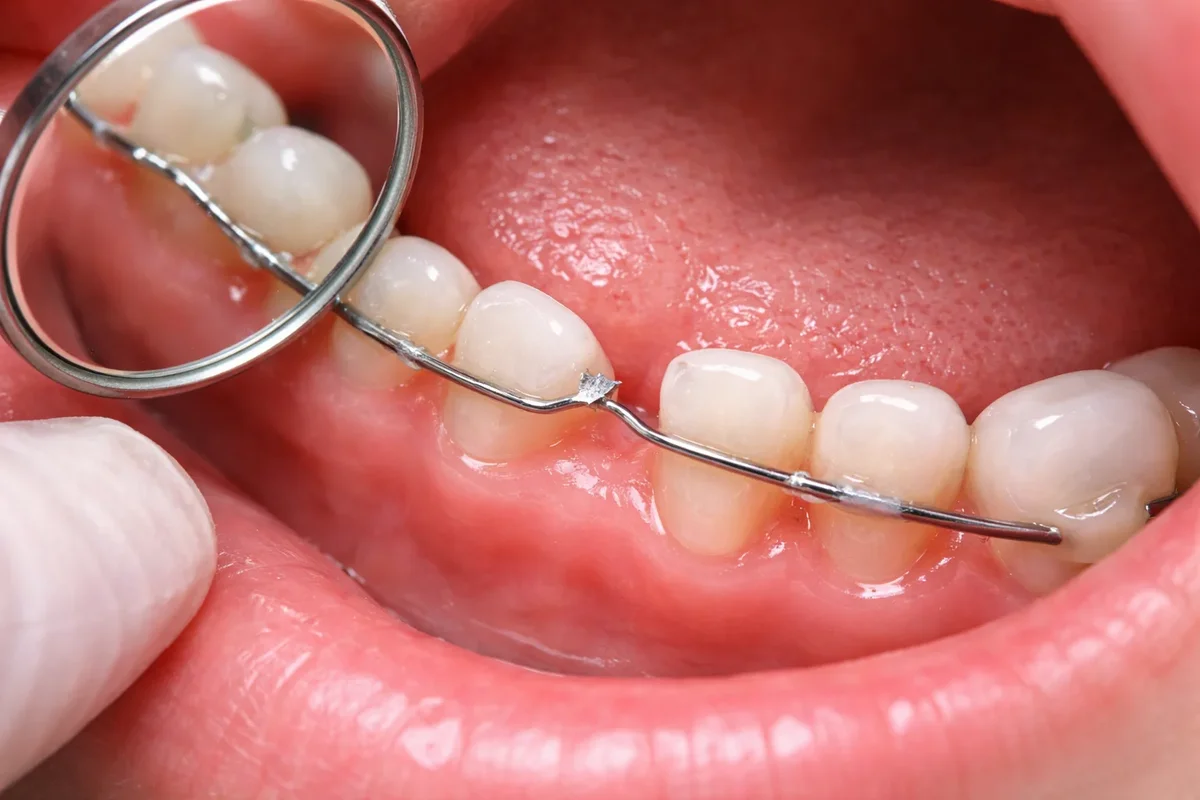
When a permanent retainer wire broke, the first thing you may notice is a loose wire behind your teeth or a rough feeling when you run your tongue across it. Sometimes the adhesive bonding that holds the retainer in place loosens rather than the wire itself breaking. However, patients commonly describe both situations as the moment their permanent retainer wire broke. Regardless of whether the wire snapped or simply detached from one tooth, the function of the retainer is compromised and should be evaluated by a dental professional.
Permanent retainers are usually made from durable stainless steel or flexible orthodontic wire. Despite their strength, everyday factors such as chewing hard foods, biting into crunchy snacks, or even teeth grinding can cause stress on the wire. Over time, these pressures can lead to a situation where the permanent retainer wire broke or partially detached. This is why orthodontists recommend avoiding extremely hard foods and maintaining excellent oral hygiene around the retainer.
Another important consideration when a permanent retainer wire broke is the risk of teeth shifting. Teeth naturally have a tendency to move throughout life due to pressure from chewing, jaw growth, and aging. Without a functioning retainer, even small movements can gradually occur. That is why orthodontists emphasize the importance of long-term retention after braces treatment. According to guidance shared by the American Dental Association, retainers play a crucial role in maintaining orthodontic results for many years.
If you suspect your permanent retainer wire broke, scheduling a dental appointment should be your next step. A dentist or orthodontist will examine the retainer to determine whether it can be repaired or needs replacement. In many cases, the solution is relatively simple: the orthodontist can rebond the wire to the tooth or replace the damaged segment. The procedure is usually quick, painless, and far less complicated than the original orthodontic treatment.
While waiting for your appointment, there are a few precautions you should follow if your permanent retainer wire broke. Avoid hard or sticky foods that could further damage the retainer or loosen additional bonding points. If the wire is poking your tongue or causing irritation, orthodontic wax can temporarily cover the sharp area until you visit your dentist. Maintaining good oral hygiene is also important, as plaque can accumulate around a loose retainer wire.
Some patients also worry that a permanent retainer wire broke means they will need braces again. Fortunately, this is rarely the case if the issue is addressed early. Quick repair usually prevents significant tooth movement. However, if the broken retainer goes unnoticed for months, teeth may shift enough to require orthodontic correction. This is why early action is essential whenever a permanent retainer wire broke.
It is also worth noting that permanent retainers typically last several years, but they are not indestructible. Over time, wear and tear can weaken the bonding material or the wire itself. If your permanent retainer wire broke, it does not necessarily mean something went wrong with your treatment—it is often just part of normal long-term orthodontic maintenance.
If you experience discomfort, shifting teeth, or visible damage after your permanent retainer wire broke, contacting a dental professional is the safest course of action. You can reach out for guidance or schedule an evaluation through the Redent Klinik Contact Page. A timely consultation allows dentists to assess the retainer and recommend the most effective repair solution.
Ultimately, while discovering your permanent retainer wire broke can feel concerning, it is a common issue that dentists handle frequently. With proper care, prompt repair, and ongoing orthodontic monitoring, you can protect your smile and maintain the straight teeth you achieved through treatment. Understanding the causes, risks, and solutions helps you respond confidently if your permanent retainer wire broke—ensuring your orthodontic results remain stable for years to come. 😊
Permanent Retainer Wire Broke: Understanding the Problem
Many patients feel confused or worried the moment they realize their permanent retainer wire broke. After finishing orthodontic treatment, a permanent retainer is usually placed behind the teeth to maintain alignment and prevent shifting. When the permanent retainer wire broke, the stability of your teeth can be affected, and understanding the problem becomes essential to protecting your smile.
A permanent retainer is a thin metal wire bonded to the back of the front teeth, typically from canine to canine. Because it is fixed in place, it works continuously to keep teeth from moving after braces or clear aligner treatment. However, like any dental appliance, it can occasionally fail. When a permanent retainer wire broke, the wire itself may snap, or the bonding material attaching the wire to one or more teeth may loosen.
Although discovering that a permanent retainer wire broke can feel alarming, it is actually a fairly common orthodontic issue. Dentists and orthodontists frequently repair or replace retainers, and the procedure is usually quick and painless. The most important factor is recognizing the issue early and seeking professional help before tooth movement begins.
What Is a Permanent Retainer and Why Is It Important?
To understand why a permanent retainer wire broke matters, it helps to know the purpose of this device. Orthodontic treatment moves teeth into a new position, but teeth naturally try to return to their original alignment over time. Retainers prevent this process, known as orthodontic relapse.
A permanent retainer offers several advantages:
- It works 24/7 without needing to be removed or remembered.
- It is hidden behind the teeth, making it invisible when smiling.
- It provides long-term stability for orthodontic results.
However, when a permanent retainer wire broke, these benefits disappear because the retainer can no longer function properly. Even a small break or loose bonding point may allow teeth to begin shifting slowly.
According to dental professionals and resources from the American Dental Association, retention after orthodontic treatment is essential for maintaining long-term alignment. That is why dentists recommend checking your retainer regularly and addressing problems immediately if a permanent retainer wire broke.
How Does a Permanent Retainer Wire Break?
There are several situations where a permanent retainer wire broke may occur. Even though the wire is designed to be durable, it is still exposed to daily chewing forces and environmental conditions inside the mouth.
Common causes include:
- Chewing very hard foods such as nuts, ice, or hard candy
- Biting directly into crunchy foods like apples or crusty bread
- Teeth grinding (bruxism) during sleep
- Accidental trauma to the mouth
- Natural wear and tear over time
Sometimes the wire itself does not snap, but the dental bonding holding it to the teeth fails. Patients still describe this situation as the moment their permanent retainer wire broke because the retainer becomes partially detached and ineffective.
Partial Break vs Complete Break
Not every situation where a permanent retainer wire broke is identical. Dentists usually classify the problem in two main categories:
Partial break: One bonding point becomes loose while the rest of the retainer remains attached. The wire may feel lifted or movable with the tongue.
Complete break: The wire snaps or detaches entirely from several teeth, leaving it hanging or completely loose.
Both cases require professional attention because a permanent retainer wire broke can gradually allow teeth to shift out of alignment.
Why Quick Action Matters
When a permanent retainer wire broke, many patients assume they can wait weeks or months before visiting a dentist. Unfortunately, this delay can lead to unwanted tooth movement. Teeth are constantly subjected to pressure from chewing, tongue movements, and natural biological changes.
If the retainer is not functioning properly, the front teeth may slowly drift. Even a small amount of movement can affect your bite or the appearance of your smile. That is why orthodontists recommend scheduling an appointment as soon as you notice your permanent retainer wire broke.
Another reason to act quickly is comfort. When a permanent retainer wire broke, the loose wire can sometimes irritate the tongue or gums. Sharp edges may cause small cuts or sores if left untreated. Temporary orthodontic wax may help, but professional repair is the safest solution.
How Dentists Diagnose the Issue
When you visit a dental clinic after your permanent retainer wire broke, the dentist will examine the retainer carefully. This evaluation usually includes:
- Checking the wire for fractures
- Testing bonding points on each tooth
- Assessing whether teeth have already shifted
- Evaluating the overall condition of the retainer
Based on this assessment, the dentist will determine whether the retainer can be repaired or if replacement is necessary. In many cases, repairing a permanent retainer wire broke is quick and simple. The dentist may simply rebond the wire to the tooth or replace the damaged section.
If you notice symptoms such as looseness, discomfort, or visible damage, it is wise to seek professional guidance promptly. Patients who experience a permanent retainer wire broke can schedule a consultation through the Redent Klinik Contact Page to receive a proper evaluation.
Ultimately, understanding the issue when a permanent retainer wire broke helps reduce anxiety and ensures the problem is handled effectively. With timely dental care, your retainer can be repaired quickly, allowing your teeth to remain straight and stable for many years. 😊
Common Reasons Why a Permanent Retainer Wire Broke
Many patients are surprised when they realize their permanent retainer wire broke, especially if they have carefully followed their orthodontist’s instructions after braces treatment. However, even though permanent retainers are designed to be durable and long-lasting, several everyday factors can cause damage over time. Understanding the most common reasons why a permanent retainer wire broke can help you prevent similar problems in the future and maintain the straight smile you achieved through orthodontic treatment.
A permanent retainer is a thin metal wire bonded to the back of the front teeth. It is intended to hold the teeth in place indefinitely after braces or clear aligner therapy. While this device is highly effective, it is constantly exposed to chewing pressure, temperature changes, and oral bacteria. Because of this environment, it is not unusual for a permanent retainer wire broke situation to occur at some point during the lifespan of the retainer.
Eating Hard or Crunchy Foods
One of the most common causes when a permanent retainer wire broke is the frequent consumption of very hard foods. Even though the wire is strong, biting into hard substances can place excessive stress on the retainer and the bonding material holding it in place.
Foods that may contribute to a permanent retainer wire broke situation include:
- Hard candy and caramelized sugar treats
- Ice cubes
- Popcorn kernels
- Very crunchy nuts
- Hard crust bread or toasted bagels
Biting directly into foods like apples or carrots can also place significant force on the front teeth. Over time, this pressure may cause the adhesive to loosen or cause the wire itself to bend. Eventually, patients notice that their permanent retainer wire broke or has partially detached from the tooth.
Tip for Prevention
Dentists often recommend cutting hard foods into smaller pieces and chewing them with your back teeth. This simple habit can reduce the likelihood that your permanent retainer wire broke due to biting pressure.
Teeth Grinding and Clenching (Bruxism)
Another major factor when a permanent retainer wire broke is nighttime teeth grinding, also known as bruxism. Many people grind their teeth during sleep without realizing it. The repetitive pressure from grinding can weaken both the retainer wire and the bonding material.
Over time, constant pressure may cause the wire to bend, loosen, or eventually snap. In such cases, patients may suddenly discover that their permanent retainer wire broke even though they have not eaten anything hard or experienced trauma to the mouth.
Signs of nighttime grinding include:
- Jaw soreness in the morning
- Worn or flattened teeth
- Headaches after waking up
- Pressure on dental appliances
If grinding is the cause behind a permanent retainer wire broke, your dentist may recommend a night guard to protect both your teeth and orthodontic retainers.
Bonding Material Failure
Sometimes the wire itself is not the problem when a permanent retainer wire broke. Instead, the dental composite used to bond the wire to the teeth may weaken or detach over time. This bonding material is similar to the adhesive used for braces brackets, and it can wear down after years of use.
When the adhesive loosens, the wire may lift slightly from the tooth. Patients often describe this moment as when their permanent retainer wire broke, even though the wire itself may still be intact.
This issue may happen because of:
- Natural wear and tear
- Acidic foods and beverages
- Poor oral hygiene around the retainer
- Long-term plaque buildup
Regular dental checkups help identify weakening bonding points early before a full permanent retainer wire broke occurs.
Accidental Trauma or Injury
Physical trauma to the mouth is another reason a permanent retainer wire broke may happen. Sports injuries, falls, or accidental impacts can place sudden pressure on the teeth and retainer wire.
For example, if someone receives a blow to the mouth while playing sports, the retainer wire can bend or detach from its bonding points. Even if the damage seems minor at first, patients may later discover that their permanent retainer wire broke or shifted slightly.
Using a mouthguard during sports activities can help protect both teeth and orthodontic retainers from these types of accidents.
Orthodontic Movement Over Time
Even after braces treatment ends, teeth continue to experience small natural movements throughout life. Over many years, these movements can place stress on the retainer wire. In some cases, this pressure eventually causes the wire to weaken until a permanent retainer wire broke.
This is why orthodontists often monitor retainers during routine dental visits. According to guidance from the American Dental Association, regular dental checkups play an important role in maintaining long-term oral health and orthodontic stability.
Poor Oral Hygiene Around the Retainer
Maintaining proper oral hygiene is also important in preventing situations where a permanent retainer wire broke. Because the wire sits behind the teeth, plaque and tartar can accumulate around it more easily than on smooth tooth surfaces.
If plaque buildup becomes excessive, it may weaken the bonding material holding the retainer in place. Eventually, the adhesive may detach and patients may realize their permanent retainer wire broke.
To reduce this risk, dentists recommend:
- Using floss threaders to clean under the retainer wire
- Brushing carefully along the gumline
- Using interdental brushes
- Scheduling regular professional cleanings
What to Do If Your Permanent Retainer Wire Broke
If you discover that your permanent retainer wire broke, the best action is to schedule a dental appointment as soon as possible. A dentist can evaluate the retainer and determine whether it should be repaired or replaced.
Fortunately, fixing a permanent retainer wire broke is usually a simple procedure. In many cases, the dentist can rebond the wire in a single visit. Addressing the issue quickly helps prevent teeth from shifting out of alignment.
If you suspect that your permanent retainer wire broke, you can contact a dental professional for guidance through the Redent Klinik Contact Page. Early treatment ensures your orthodontic results remain stable and your smile stays healthy.
By understanding the reasons behind why a permanent retainer wire broke, patients can take proactive steps to protect their retainers. Avoiding hard foods, maintaining proper oral hygiene, and attending regular dental checkups are key strategies for preventing future problems and keeping your orthodontic results intact for years to come. 😊
Signs Your Permanent Retainer Wire Broke or Became Loose
Many people do not immediately realize that their permanent retainer wire broke. Because the retainer is bonded behind the teeth, it is not always visible when looking in the mirror. However, your mouth often provides several early warning signs that something is wrong. Recognizing these symptoms quickly is extremely important, because if a permanent retainer wire broke and remains untreated, teeth can slowly shift out of alignment.
A permanent retainer is designed to stay fixed to the teeth for years, holding them in their corrected position after orthodontic treatment. When a permanent retainer wire broke, the wire may detach partially, bend, or snap completely. In many cases, the problem begins subtly. Patients may first notice small changes in how the retainer feels against their tongue or how their teeth feel when biting.
Understanding the most common signs that a permanent retainer wire broke helps you take action early and prevent orthodontic relapse. Below are the most frequent indicators dentists see in patients.
A Loose or Moving Wire Behind the Teeth
The most obvious sign that a permanent retainer wire broke is a loose wire behind your teeth. Normally, the retainer should feel completely fixed and stable. If you can move the wire slightly with your tongue or feel it shifting while speaking or eating, it is very likely that your permanent retainer wire broke or the bonding adhesive has detached from one of the teeth.
Patients sometimes describe the sensation as a “wiggling” feeling behind the teeth. Even if only one bonding point has loosened, the retainer will not function correctly. When a permanent retainer wire broke, the teeth connected to that segment are no longer stabilized.
How This Feels
- The wire feels flexible instead of firm
- You notice slight movement when touching it with your tongue
- The retainer shifts while chewing
- You feel the wire lift away from the tooth
If you notice these symptoms, it is very possible that a permanent retainer wire broke, and you should schedule a dental visit promptly.
Sharp or Rough Edges Irritating the Tongue
Another common clue that a permanent retainer wire broke is irritation of the tongue. When the wire snaps or bends, it can create sharp edges that rub against the soft tissues of the mouth.
The tongue constantly touches the back of the teeth during speaking, swallowing, and resting. If a permanent retainer wire broke, the sharp end of the wire may cause discomfort or small cuts.
Symptoms of Tongue Irritation
- Soreness under the tongue
- Small cuts or scratches
- Burning sensation when eating acidic foods
- Difficulty moving the tongue comfortably
If the irritation persists, dental wax can temporarily cover the sharp wire. However, this is only a short-term solution until your dentist repairs the retainer after your permanent retainer wire broke.
Teeth Starting to Feel Different
One subtle but important sign that a permanent retainer wire broke is a change in how your teeth feel. Teeth that were previously stable may begin to feel slightly different when biting or touching them together.
Because retainers prevent teeth from shifting, any failure of the retainer can allow minor movement to begin. If a permanent retainer wire broke, you might notice:
- A slight gap forming between teeth
- Pressure when biting
- Teeth feeling slightly misaligned
- Changes in your bite
These changes may occur gradually. That is why orthodontists emphasize early detection when a permanent retainer wire broke. The sooner the issue is repaired, the lower the risk of tooth movement.
Food Getting Stuck More Frequently
If you suddenly notice food getting trapped behind your retainer, it may indicate that your permanent retainer wire broke. When the wire detaches from the tooth, it can create a small space where food debris accumulates.
This buildup can increase plaque formation and raise the risk of cavities or gum irritation. When a permanent retainer wire broke, maintaining oral hygiene becomes more difficult because floss cannot pass normally under the loose wire.
Using floss threaders or interdental brushes can help temporarily, but repairing the retainer is the best long-term solution.
Visible Damage to the Retainer
Sometimes the signs are visible when you examine the back of your teeth in a mirror. If you look carefully and see that the wire appears bent, detached, or missing in certain areas, it is very likely that your permanent retainer wire broke.
Common visual signs include:
- Wire detached from one tooth
- Wire bent away from the teeth
- Broken wire segments
- Bonding material missing
Even if the damage seems small, a permanent retainer wire broke can quickly affect tooth stability if ignored.
Why Early Detection Is Important
Recognizing the signs early helps prevent long-term orthodontic problems. When a permanent retainer wire broke, the retainer stops doing its job of holding teeth in place. Teeth naturally shift due to chewing forces, tongue pressure, and aging.
According to recommendations from the American Dental Association, maintaining orthodontic retention is essential for preserving treatment results. This is why dental professionals advise patients to seek evaluation whenever a permanent retainer wire broke or becomes loose.
Prompt treatment often involves a simple repair where the orthodontist rebonds the wire or replaces the damaged section. The process is usually quick and painless.
When to Contact a Dentist
If you suspect that a permanent retainer wire broke, scheduling a dental visit as soon as possible is the safest option. Dentists can determine whether the retainer needs repair or replacement.
You can arrange a consultation or ask for guidance through the Redent Klinik Contact Page. Early intervention prevents unwanted tooth movement and keeps your orthodontic results intact.
Ultimately, paying attention to these warning signs ensures that if your permanent retainer wire broke, you can address the issue quickly and maintain the healthy, aligned smile you worked so hard to achieve. 😊
Is It an Emergency If Your Permanent Retainer Wire Broke?
One of the first questions patients ask after noticing their permanent retainer wire broke is whether the situation is considered a dental emergency. The sudden discovery can cause anxiety, especially for individuals who have spent months or years in orthodontic treatment. Fortunately, in most cases, when a permanent retainer wire broke, it is not a true dental emergency. However, that does not mean the issue should be ignored. A broken retainer still requires professional attention to prevent long-term orthodontic complications.
A permanent retainer is designed to maintain the alignment of teeth after braces or clear aligner treatment. When the permanent retainer wire broke, the appliance can no longer perform its stabilizing function properly. Without support, teeth may gradually begin to shift due to natural forces from chewing, speaking, and tongue pressure. This process is called orthodontic relapse, and it can begin sooner than many people expect if a permanent retainer wire broke and remains untreated.
Although a broken retainer rarely causes immediate danger, there are certain circumstances where the problem may require quicker attention. Understanding the difference between a minor issue and a situation needing urgent care can help patients respond appropriately when their permanent retainer wire broke.
When a Broken Retainer Is Not an Emergency
In many cases, when a permanent retainer wire broke, patients simply notice that the wire feels loose or detached from one tooth. The rest of the retainer may still be attached, and there may be no pain or irritation. Situations like these are usually considered routine orthodontic repairs.
Typical non-emergency scenarios include:
- The wire has come loose from one bonding point
- The retainer feels slightly flexible but not painful
- You notice mild movement of the wire with your tongue
- The wire is still mostly attached to the teeth
Even though these situations are not emergencies, it is still important to schedule a dental visit within a few days. When a permanent retainer wire broke, delaying treatment may allow subtle tooth movement to occur.
When It Might Require Faster Attention
Sometimes a permanent retainer wire broke in a way that causes discomfort or injury inside the mouth. In these cases, you may want to contact your dentist sooner for advice or treatment.
You should seek quicker dental attention if:
- The wire is poking or cutting your tongue
- You feel sharp pain while eating or speaking
- The wire has completely detached
- Your teeth suddenly feel misaligned
- You see visible damage to the retainer
When a permanent retainer wire broke and causes irritation, the loose wire may scratch the tongue or gums. Covering the sharp area temporarily with orthodontic wax can help until your dentist repairs the retainer.
Temporary Comfort Measures
If you are waiting for a dental appointment after your permanent retainer wire broke, several temporary steps can reduce discomfort:
- Apply orthodontic wax over the sharp edge of the wire
- Avoid hard or sticky foods
- Brush gently around the retainer
- Rinse with warm salt water if irritation occurs
These steps are only temporary solutions. Professional repair is still necessary once your permanent retainer wire broke.
How Quickly Teeth Can Shift
One reason dentists encourage prompt repair when a permanent retainer wire broke is that teeth naturally move over time. Orthodontic treatment works by carefully guiding teeth into new positions, but the surrounding tissues still remember the original alignment.
Without a functioning retainer, teeth can slowly drift due to:
- Chewing forces
- Tongue pressure
- Natural aging changes
- Jaw growth in younger patients
Although movement may be subtle at first, if a permanent retainer wire broke and remains unrepaired for weeks or months, noticeable changes in alignment may occur. This could eventually require additional orthodontic treatment.
How Dentists Evaluate the Problem
When you visit a dentist after your permanent retainer wire broke, they will perform a careful examination of the retainer and surrounding teeth. The dentist will check the bonding points, evaluate the integrity of the wire, and determine whether the retainer can be repaired or should be replaced.
The evaluation usually includes:
- Inspecting the retainer wire for fractures
- Checking if bonding material has detached
- Examining whether teeth have already shifted
- Assessing gum health around the retainer
In many cases, repairing a permanent retainer wire broke is quick and straightforward. The dentist may simply rebond the wire to the tooth or replace the damaged portion.
Dental organizations such as the American Dental Association emphasize the importance of maintaining orthodontic appliances to protect long-term oral health. Addressing problems like a permanent retainer wire broke early helps prevent more complex orthodontic issues.
When to Contact Your Dental Clinic
If you notice signs that your permanent retainer wire broke, contacting a dental professional is the best next step. Early repair ensures your orthodontic results remain stable and prevents unnecessary complications.
You can schedule a professional evaluation or ask questions about your situation through the Redent Klinik Contact Page. Dentists can quickly assess the problem and recommend the most appropriate repair.
Ultimately, while discovering that your permanent retainer wire broke can be stressful, it rarely requires emergency treatment. With timely dental care, the retainer can usually be repaired quickly, allowing your teeth to stay aligned and your smile to remain healthy and confident. 😊
What Happens If You Ignore a Permanent Retainer Wire Broke?
Many patients assume that if their permanent retainer wire broke, it is a minor inconvenience that can wait weeks or even months before being fixed. Unfortunately, ignoring the problem can lead to several orthodontic and oral health complications. A permanent retainer plays a crucial role in keeping teeth aligned after braces or clear aligner treatment. When a permanent retainer wire broke, the stabilizing support that holds teeth in their corrected positions may no longer function effectively.
Orthodontists place permanent retainers specifically to prevent relapse—the gradual movement of teeth back toward their original positions. If a permanent retainer wire broke and remains unrepaired, the teeth that were once carefully aligned may slowly shift. While this process is usually gradual rather than immediate, even small changes in tooth position can affect the appearance of your smile and your bite.
Understanding the potential consequences of ignoring a permanent retainer wire broke can help patients recognize why prompt dental care is so important.
Gradual Tooth Movement and Orthodontic Relapse
The most significant risk when a permanent retainer wire broke is orthodontic relapse. Teeth naturally move throughout life due to pressure from chewing, tongue movements, and changes in jaw structure. Retainers prevent this natural movement from undoing orthodontic treatment.
If a permanent retainer wire broke, the teeth connected to that part of the retainer lose their support. Even if only one bonding point fails, the retainer can no longer maintain consistent pressure across the teeth.
Possible signs of relapse after a permanent retainer wire broke include:
- Small gaps forming between teeth
- Teeth appearing slightly rotated
- Changes in bite alignment
- Front teeth overlapping again
Once teeth move significantly, repairing the retainer alone may not be enough to correct the problem. Additional orthodontic treatment may be required if the permanent retainer wire broke and tooth movement becomes noticeable.
How Fast Teeth Can Shift
The speed at which teeth move after a permanent retainer wire broke varies from person to person. Some patients experience minimal change for several weeks, while others may notice movement within days. Factors that influence tooth movement include:
- Age and bone density
- Original orthodontic condition
- Bite pressure
- Tongue habits
This unpredictability is one reason dentists recommend addressing a permanent retainer wire broke as soon as possible.
Increased Risk of Gum Irritation
Another issue that can arise when a permanent retainer wire broke is irritation to the gums or tongue. A loose wire can rub against soft tissues inside the mouth, causing discomfort or small injuries.
Common symptoms include:
- Soreness under the tongue
- Small cuts or abrasions
- Inflamed gum tissue
- Difficulty speaking comfortably
If the sharp end of a retainer wire is exposed after a permanent retainer wire broke, it can continuously irritate the tongue with every movement. While orthodontic wax may temporarily cover the sharp edge, professional repair is the safest solution.
Higher Risk of Plaque and Tartar Buildup
When a permanent retainer wire broke, it may create small gaps where food particles become trapped. These spaces can make brushing and flossing more difficult, increasing the risk of plaque buildup.
If plaque accumulates around the broken retainer wire, it may contribute to:
- Cavities near the bonded teeth
- Gum inflammation
- Bad breath
- Tartar formation
Maintaining oral hygiene becomes more challenging when a permanent retainer wire broke, which is why dentists recommend addressing the problem quickly.
Importance of Regular Dental Checkups
Routine dental visits help detect retainer issues early before they cause significant complications. Dental professionals often identify problems such as a permanent retainer wire broke during routine cleanings or examinations.
Organizations like the American Dental Association emphasize the importance of preventive dental care in maintaining oral health and orthodontic stability.
Potential Need for Additional Orthodontic Treatment
If a permanent retainer wire broke and tooth movement progresses too far, orthodontic retreatment may become necessary. This could involve new aligners, braces, or other corrective procedures.
While repairing a permanent retainer wire broke is usually simple and inexpensive, correcting orthodontic relapse can require months of treatment. This is why orthodontists strongly encourage patients not to ignore retainer damage.
Early repair helps maintain the position of teeth and prevents the need for further orthodontic intervention.
When to Contact a Dentist
If you suspect that your permanent retainer wire broke, it is best to contact a dental professional as soon as possible. Dentists can examine the retainer, assess any tooth movement, and determine whether the appliance should be repaired or replaced.
Scheduling a consultation through the Redent Klinik Contact Page allows you to receive professional guidance and ensure that your orthodontic results remain stable.
Ultimately, ignoring a permanent retainer wire broke can lead to several preventable problems, including tooth movement, gum irritation, and increased plaque buildup. Addressing the issue promptly helps protect your smile and ensures that the time and effort invested in orthodontic treatment continue to provide long-term benefits. 😊
Immediate Steps to Take When a Permanent Retainer Wire Broke
Discovering that your permanent retainer wire broke can be surprising and even stressful, especially if you have worked hard to achieve a straight smile through orthodontic treatment. The good news is that in most cases the problem can be fixed quickly and easily by a dental professional. However, the actions you take immediately after realizing your permanent retainer wire broke can make a big difference in preventing discomfort, tooth movement, and additional damage to the retainer.
Permanent retainers are designed to keep your teeth stable after braces or clear aligner treatment. When a permanent retainer wire broke, the retainer can no longer perform its full stabilizing function. While this situation is usually not an emergency, taking the right steps immediately will help protect your orthodontic results until the retainer is repaired.
Step 1: Stay Calm and Assess the Situation
The first step when you notice your permanent retainer wire broke is to remain calm. Many patients worry that the entire orthodontic treatment has failed, but this is rarely the case. In most situations, a dentist can repair the retainer quickly.
Carefully check the retainer using your tongue or a mirror. Try to determine whether the wire itself snapped or if one of the bonding points detached from the tooth. In many cases when a permanent retainer wire broke, the wire is still intact but has come loose from the bonding material.
Look for the following signs:
- A loose or lifted section of the wire
- A visible break in the metal wire
- Bonding material missing from one tooth
- Sharp wire edges touching your tongue
This initial evaluation helps you understand how serious the issue is after your permanent retainer wire broke.
Why This Step Matters
Identifying the exact problem allows your dentist to repair the retainer more efficiently. Whether the permanent retainer wire broke completely or simply detached from one tooth, your dentist will need to know what happened.
Step 2: Avoid Hard or Sticky Foods
After your permanent retainer wire broke, it is important to protect the remaining parts of the retainer from additional damage. Eating hard or sticky foods can worsen the break or loosen other bonding points.
Foods to avoid temporarily include:
- Hard candy
- Ice cubes
- Popcorn kernels
- Sticky caramel or chewing gum
- Very crunchy foods
If a permanent retainer wire broke, chewing softer foods for a few days can help prevent further damage until your dental appointment.
Step 3: Use Orthodontic Wax if Needed
Sometimes when a permanent retainer wire broke, the exposed wire may feel sharp and irritate the tongue. This can make speaking and eating uncomfortable.
Orthodontic wax can provide temporary relief by covering the sharp edge of the wire. This wax is commonly used for braces and is available at most pharmacies.
To apply orthodontic wax:
- Dry the area gently with a tissue
- Roll a small piece of wax into a ball
- Press the wax onto the sharp part of the wire
- Replace the wax as needed
Although wax can help temporarily, it does not fix the issue. A dental visit is still necessary once your permanent retainer wire broke.
Rinse With Salt Water
If the loose wire causes irritation, rinsing with warm salt water can help reduce inflammation and promote healing of small cuts caused after the permanent retainer wire broke.
Step 4: Schedule a Dental Appointment
The most important step after discovering your permanent retainer wire broke is contacting a dental professional. Dentists and orthodontists frequently repair retainers, and the procedure is usually quick and painless.
During the appointment, the dentist will examine the retainer and determine the best solution. The repair may involve:
- Rebonding the wire to the tooth
- Replacing the broken wire segment
- Installing a new retainer if necessary
According to dental guidance from the American Dental Association, maintaining orthodontic appliances is essential for preserving long-term treatment results. Promptly addressing problems like a permanent retainer wire broke helps prevent tooth movement.
If you suspect your permanent retainer wire broke, you can schedule an evaluation through the Redent Klinik Contact Page. Early repair ensures that your teeth remain properly aligned.
Step 5: Monitor Your Teeth Until Repair
While waiting for your appointment, pay attention to any changes in your teeth. When a permanent retainer wire broke, teeth may gradually shift if the retainer is not functioning.
Watch for:
- New gaps between teeth
- Teeth feeling slightly loose
- Changes in bite alignment
- Increased pressure when chewing
If you notice these symptoms after your permanent retainer wire broke, mention them to your dentist during your appointment. Early detection helps prevent further orthodontic complications.
Why Acting Quickly Is Important
Although a permanent retainer wire broke is rarely a medical emergency, ignoring the problem can lead to tooth movement or additional damage to the retainer. Acting quickly ensures that the retainer can be repaired before any significant changes occur in tooth alignment.
Most repairs take less than 30 minutes and restore the retainer’s ability to stabilize your teeth. Addressing the issue early is the best way to protect your orthodontic investment and maintain a healthy, straight smile.
By following these immediate steps when your permanent retainer wire broke, you can minimize discomfort, prevent tooth movement, and ensure that your retainer is repaired quickly and effectively. 😊
How Dentists Repair a Permanent Retainer Wire Broke
When patients discover their permanent retainer wire broke, one of the biggest concerns is how complicated the repair process might be. Fortunately, repairing a retainer is usually a quick and straightforward dental procedure. Orthodontists and dentists frequently handle situations where a permanent retainer wire broke, and most repairs can be completed during a single visit.
A permanent retainer is bonded to the back of the front teeth using dental composite. When a permanent retainer wire broke, either the wire itself has fractured or the bonding material holding the wire in place has loosened. The repair method depends on the type of damage and whether the retainer can be salvaged or must be replaced.
The main goal of repairing a permanent retainer wire broke is to restore stability to the teeth and prevent orthodontic relapse. Once the retainer is fixed, it resumes its role of maintaining the alignment achieved after braces or clear aligner treatment.
Step 1: Dental Examination and Diagnosis
The first step when a permanent retainer wire broke is a detailed examination by a dentist or orthodontist. During this evaluation, the dental professional checks the condition of the retainer and determines the extent of the damage.
The dentist will typically examine:
- The wire for visible fractures
- The bonding material attached to each tooth
- The stability of the surrounding teeth
- Signs of tooth movement or orthodontic relapse
In many cases, a permanent retainer wire broke because the bonding composite has detached from one tooth rather than the wire actually snapping. This type of issue is usually easier to repair.
Why Early Evaluation Is Important
When a permanent retainer wire broke, early examination helps prevent unwanted tooth movement. The sooner the dentist evaluates the retainer, the easier it is to restore proper alignment.
Step 2: Cleaning the Retainer and Teeth
Before repairing a permanent retainer wire broke, the dentist must prepare the area carefully. This preparation ensures that the new bonding material adheres properly to the teeth.
The preparation process typically includes:
- Cleaning plaque and debris from the retainer and teeth
- Drying the tooth surface
- Applying a dental etching solution
- Preparing the bonding area for adhesive
This step is essential because strong bonding ensures that the retainer remains securely attached after the permanent retainer wire broke repair is completed.
Step 3: Rebonding the Retainer Wire
If the wire itself is intact and only the bonding has failed, the dentist may simply rebond the wire to the tooth. This is one of the most common repairs when a permanent retainer wire broke.
The rebonding process usually involves:
- Applying dental adhesive to the tooth
- Positioning the retainer wire correctly
- Adding composite resin over the wire
- Hardening the composite with a curing light
This procedure usually takes only a few minutes per tooth. Once complete, the retainer regains its ability to stabilize the teeth after the permanent retainer wire broke.
Comfort During the Procedure
Patients often worry about discomfort during retainer repair. Fortunately, repairing a permanent retainer wire broke is generally painless. The procedure does not usually require anesthesia because the work is performed on the surface of the teeth.
Step 4: Replacing a Broken Wire
If the wire itself has snapped and the permanent retainer wire broke completely, the dentist may need to replace the damaged section or install a new retainer.
Replacement typically involves:
- Removing the damaged wire
- Measuring the correct retainer length
- Bonding a new orthodontic wire to the teeth
- Securing it with dental composite
This process ensures that the retainer functions properly again after the permanent retainer wire broke. In many cases, a stronger or more flexible orthodontic wire may be used to improve durability.
Step 5: Checking Tooth Alignment
Once the repair is complete, the dentist will check whether the teeth have shifted since the permanent retainer wire broke. If the retainer was repaired quickly, there is usually little or no movement.
However, if the permanent retainer wire broke and remained untreated for a long period, minor tooth movement may have occurred. In such cases, the dentist may recommend additional orthodontic monitoring.
Dental professionals often follow guidelines recommended by organizations such as the American Dental Association to ensure proper orthodontic maintenance.
Step 6: Post-Repair Care Instructions
After repairing a permanent retainer wire broke, your dentist will provide instructions to help prevent future damage. These recommendations may include:
- Avoiding very hard foods
- Maintaining excellent oral hygiene
- Using floss threaders around the retainer
- Scheduling regular dental checkups
These habits help ensure the retainer remains secure and functional long after the permanent retainer wire broke repair.
When to Contact Your Dentist Again
If you notice looseness, discomfort, or shifting teeth after your repair, it may indicate that the permanent retainer wire broke again or another bonding point has weakened. In such cases, contacting your dental provider promptly is recommended.
Patients who suspect their permanent retainer wire broke can schedule an evaluation through the Redent Klinik Contact Page to receive professional guidance.
Overall, repairing a permanent retainer wire broke is usually a simple dental procedure that restores the retainer’s ability to keep teeth aligned. With timely care and proper maintenance, patients can continue enjoying the long-term benefits of their orthodontic treatment and maintain a confident, healthy smile. 😊
Cost of Fixing a Permanent Retainer Wire Broke
When patients discover that their permanent retainer wire broke, one of the first questions they ask their dentist is how much the repair will cost. The good news is that fixing a broken retainer is usually far less expensive than orthodontic treatment itself. However, the total cost of repairing a permanent retainer wire broke can vary depending on several factors, including the type of damage, the dental clinic, and whether the retainer needs repair or complete replacement.
A permanent retainer is designed to last for many years, but it is still a dental appliance that can occasionally fail due to daily wear, chewing pressure, or bonding deterioration. When a permanent retainer wire broke, the repair process is often straightforward, but understanding the potential costs helps patients prepare and make informed decisions about treatment.
Average Cost of Repairing a Broken Permanent Retainer
In many cases, the repair cost when a permanent retainer wire broke depends on whether the dentist needs to simply rebond the wire or completely replace it. If the wire itself is intact and only one bonding point has detached, the repair is usually quick and relatively inexpensive.
Typical dental price ranges for repairing a permanent retainer wire broke may include:
- Rebonding a loose retainer wire: $50 – $200
- Repairing multiple bonding points: $150 – $350
- Replacing a damaged retainer wire: $200 – $600
- Installing a completely new permanent retainer: $250 – $700
These prices may vary depending on location, clinic reputation, and whether the treatment is performed by a general dentist or orthodontist. Nevertheless, repairing a permanent retainer wire broke is typically much less expensive than undergoing orthodontic retreatment.
Why Early Repair Saves Money
One important reason to repair the retainer quickly when a permanent retainer wire broke is to avoid higher long-term costs. If the retainer remains broken for too long, teeth may shift out of alignment. Correcting this movement could require additional orthodontic treatment such as clear aligners or braces.
Orthodontic retreatment can cost thousands of dollars, making prompt repair of a permanent retainer wire broke a far more cost-effective option.
Factors That Affect the Cost
Several factors influence the total cost when a permanent retainer wire broke. The dentist will evaluate the condition of the retainer before determining the final treatment plan.
The most common cost factors include:
- The extent of the damage to the retainer wire
- The number of teeth affected
- The type of orthodontic wire used
- The clinic’s geographic location
- Whether the dentist or orthodontist performs the repair
If the permanent retainer wire broke in only one small section, the repair is usually simple and inexpensive. However, if the wire snapped completely or the bonding material has failed on multiple teeth, the dentist may recommend replacing the retainer.
Does Dental Insurance Cover Retainer Repairs?
Some dental insurance plans may partially cover repairs when a permanent retainer wire broke, especially if the retainer was placed as part of orthodontic treatment included in the insurance policy.
Insurance coverage varies depending on the provider and the type of plan. In many cases:
- Orthodontic insurance may cover part of the repair
- General dental plans may not include retainer repair
- Some policies provide discounts for orthodontic appliances
If you suspect that your permanent retainer wire broke, it is helpful to check with your insurance provider before scheduling treatment. This allows you to understand your out-of-pocket costs in advance.
Flexible Payment Options
Many dental clinics offer payment plans or financing options for orthodontic appliance repairs. If a permanent retainer wire broke and replacement is required, your clinic may allow installment payments to make the treatment more manageable.
What Happens During the Repair Appointment
The cost of fixing a permanent retainer wire broke usually includes a dental evaluation and the repair procedure itself. During the appointment, the dentist will:
- Examine the retainer wire and bonding points
- Check if teeth have shifted
- Clean the area around the retainer
- Rebond or replace the wire as needed
The repair process is usually quick and painless. Most appointments take between 15 and 30 minutes depending on how severely the permanent retainer wire broke.
Dental professionals often follow recommendations from organizations such as the American Dental Association to ensure orthodontic appliances are properly maintained.
When to Schedule a Repair
If you notice that your permanent retainer wire broke, it is best to schedule a dental visit as soon as possible. Waiting too long may allow teeth to shift, which can increase treatment complexity and cost.
You can contact a dental professional for evaluation through the Redent Klinik Contact Page. Early treatment helps maintain the alignment of your teeth and prevents further complications.
Ultimately, while discovering that your permanent retainer wire broke can be concerning, the repair is usually affordable and quick. Addressing the issue promptly protects your orthodontic results, saves money in the long run, and ensures your smile stays healthy and properly aligned. 😊
How to Prevent Another Permanent Retainer Wire Broke
After experiencing a situation where a permanent retainer wire broke, many patients naturally want to know how to prevent it from happening again. Permanent retainers are designed to last for many years, but like any dental appliance, they require proper care and attention. By following good oral hygiene practices, avoiding excessive pressure on the retainer, and attending regular dental checkups, you can significantly reduce the chances that a permanent retainer wire broke again in the future.
A permanent retainer works continuously to keep your teeth in their correct position after orthodontic treatment. Because it is fixed behind the teeth, it is exposed to daily chewing forces, saliva, temperature changes, and bacteria. Over time, these factors can weaken the bonding material or place stress on the wire. Taking preventive steps helps protect the retainer and reduces the likelihood that a permanent retainer wire broke again.
Maintain Excellent Oral Hygiene
One of the most effective ways to prevent problems after a permanent retainer wire broke is maintaining strong oral hygiene habits. Plaque and tartar buildup around the retainer can weaken the bonding material that holds the wire to the teeth.
Because the retainer sits behind the teeth, it can be harder to clean compared to smooth tooth surfaces. Food particles and plaque can accumulate along the wire if brushing and flossing are not done carefully.
To reduce the risk that a permanent retainer wire broke again due to weakened bonding, dentists recommend:
- Brushing at least twice daily using a soft-bristled toothbrush
- Cleaning carefully around the retainer wire
- Using floss threaders to clean under the wire
- Using interdental brushes to reach tight spaces
- Rinsing with antibacterial mouthwash
Consistent oral hygiene helps keep the bonding material strong and prevents conditions that may lead to a permanent retainer wire broke in the future.
Use Special Flossing Tools
Floss threaders or orthodontic floss are extremely helpful for cleaning under permanent retainers. These tools allow floss to pass beneath the wire and remove plaque that standard floss cannot reach. Regular use of these tools helps prevent situations where a permanent retainer wire broke due to weakened adhesive or plaque buildup.
Avoid Hard and Sticky Foods
Another major factor that contributes to cases where a permanent retainer wire broke is biting into hard or sticky foods. Although the retainer wire is durable, repeated pressure from hard foods can stress the wire or loosen the bonding points.
Foods that commonly cause problems include:
- Hard candy
- Ice cubes
- Popcorn kernels
- Sticky caramel
- Very crunchy nuts
To protect your retainer, dentists often recommend cutting hard foods into smaller pieces and chewing with the back teeth. This reduces direct pressure on the front teeth where the retainer is bonded and lowers the chances that a permanent retainer wire broke again.
Protect Your Teeth During Sports
Physical impact is another reason a permanent retainer wire broke can occur. Sports injuries or accidental blows to the mouth may bend the wire or detach the bonding material.
If you participate in contact sports such as basketball, football, or martial arts, wearing a custom mouthguard can help protect both your teeth and orthodontic appliances.
A mouthguard acts as a cushion that absorbs impact forces. This protective layer reduces the risk that a permanent retainer wire broke due to sudden trauma.
Night Guards for Teeth Grinding
Some people grind or clench their teeth during sleep, a condition known as bruxism. This repeated pressure can gradually weaken the retainer wire. If a dentist determines that grinding contributed to a permanent retainer wire broke, they may recommend wearing a night guard while sleeping.
Attend Regular Dental Checkups
Routine dental visits are extremely important in preventing situations where a permanent retainer wire broke. During checkups, dentists examine the retainer closely to ensure that the bonding material remains secure and the wire remains intact.
Regular checkups allow dentists to detect small issues before they develop into larger problems. If bonding begins to weaken, the dentist can repair it early before a full permanent retainer wire broke occurs.
Professional dental organizations such as the American Dental Association recommend regular dental visits as part of maintaining overall oral health and orthodontic stability.
Monitor Your Retainer Regularly
Patients should occasionally check their retainer themselves to make sure everything feels normal. If the wire feels loose, rough, or lifted away from the teeth, it may indicate early signs that a permanent retainer wire broke or is about to fail.
Signs to watch for include:
- Wire movement when touched with the tongue
- Sharp edges behind the teeth
- Food frequently getting stuck behind the retainer
- Changes in tooth alignment
If any of these symptoms appear, it is best to contact a dental professional promptly to avoid a full permanent retainer wire broke.
Contact a Dentist When You Notice Changes
If you suspect any damage to your retainer or believe a permanent retainer wire broke, seeking professional advice quickly is the best step. Early repair helps maintain tooth alignment and prevents larger orthodontic issues.
Patients who experience symptoms that their permanent retainer wire broke can schedule a dental evaluation through the Redent Klinik Contact Page. Prompt dental care helps ensure the retainer remains secure and functional.
Ultimately, preventing another permanent retainer wire broke comes down to proper care, smart food choices, regular dental monitoring, and good oral hygiene. With these habits in place, your retainer can continue doing its job effectively—keeping your teeth straight, stable, and healthy for many years to come. 😊