
Dental health plays a critical role in overall well-being, confidence, and quality of life. One of the most common restorative procedures used by dentists worldwide is placing a crown. This treatment helps restore damaged, weakened, or aesthetically compromised teeth so that patients can regain full dental function and a natural smile. If you have ever been told you may need a dental crown, understanding the process of placing a crown can help you feel more comfortable and informed about the procedure. 🦷
In simple terms, placing a crown involves covering a damaged tooth with a custom-made cap that restores its shape, size, strength, and appearance. Dental crowns are designed to look and function like natural teeth, allowing patients to chew, speak, and smile normally again. The procedure of placing a crown is considered one of the most reliable and long-lasting solutions in restorative dentistry.
Dentists recommend placing a crown for several reasons. One of the most common is to protect a weakened tooth that has been severely affected by decay or trauma. When a tooth becomes structurally compromised, a simple filling may no longer be sufficient. In such cases, placing a crown provides the necessary protection by fully encasing the tooth and preventing further damage.
Another frequent reason for placing a crown is after a root canal treatment. When a tooth undergoes a root canal, the internal structure of the tooth is cleaned and sealed, but the remaining tooth structure can become fragile. Dentists often recommend placing a crown afterward to reinforce the tooth and restore full functionality.
Cosmetic improvement is also an important reason patients consider placing a crown. Teeth that are severely discolored, misshapen, or worn down can dramatically affect a person’s smile. With modern dental technology, placing a crown can significantly enhance the aesthetics of a tooth, creating a more symmetrical and natural-looking appearance. Many crowns today are crafted from advanced materials such as porcelain or ceramic that mimic the translucency of natural enamel.
Understanding the procedure of placing a crown helps patients feel more confident before visiting the dentist. Typically, the process begins with a thorough dental examination and imaging. Your dentist will evaluate the condition of the tooth and determine whether placing a crown is the most appropriate treatment option. X-rays may be taken to assess the roots and surrounding bone structure before proceeding with the restoration.
Once it is confirmed that placing a crown is necessary, the dentist will prepare the tooth. This preparation step involves reshaping the tooth so the crown can fit securely over it. A small portion of the tooth surface is gently removed to create enough space for the crown material. While the idea of reshaping a tooth might sound intimidating, the procedure of placing a crown is typically performed under local anesthesia, ensuring that patients remain comfortable throughout the treatment.
After the tooth preparation, the dentist will take precise impressions or digital scans of the tooth. These impressions are used to design a crown that perfectly matches the surrounding teeth in shape, size, and color. During this stage of placing a crown, patients usually receive a temporary crown to protect the prepared tooth while the permanent restoration is being fabricated.
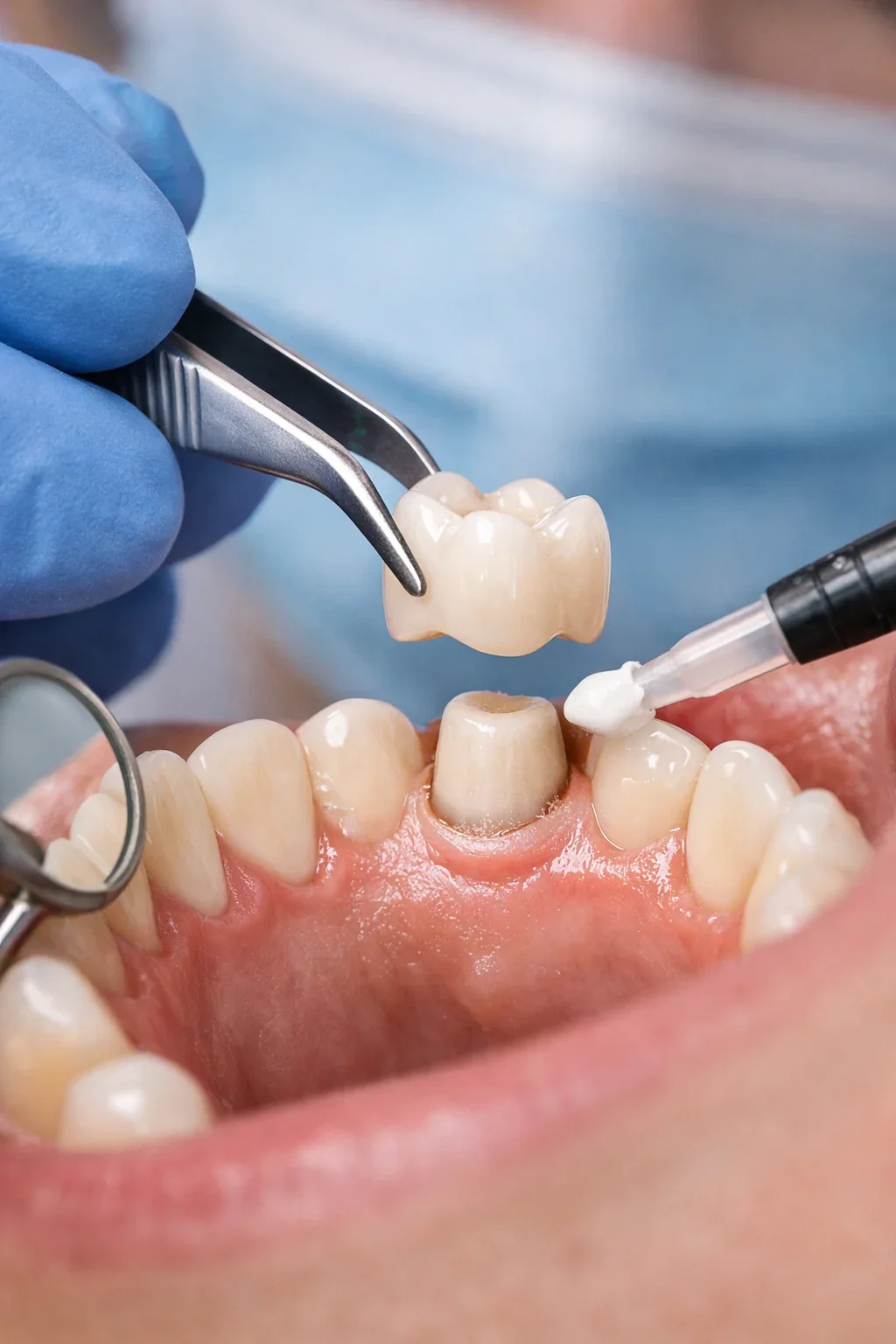
The final stage of placing a crown occurs when the permanent crown is ready. The dentist removes the temporary crown, checks the fit and bite alignment, and then carefully bonds the permanent crown to the tooth using a strong dental cement. Once secured, the crown becomes a durable protective covering that allows the tooth to function normally again.
Modern dentistry has made placing a crown safer, faster, and more comfortable than ever before. Advances in digital dentistry and CAD/CAM technology even allow some clinics to complete the entire process of placing a crown in a single visit. Same-day crowns are becoming increasingly popular because they eliminate the need for temporary crowns and multiple appointments.
Patients considering placing a crown should also understand the long-term benefits of this treatment. A well-maintained crown can last many years, often between 10 and 15 years or longer depending on oral hygiene habits and lifestyle factors. Regular brushing, flossing, and routine dental visits help ensure the longevity of the crown and protect the surrounding teeth.
In addition to restoring function, placing a crown often improves overall oral health. By protecting weakened teeth and preventing fractures, crowns help avoid more complex treatments in the future. In many cases, placing a crown can save a tooth that might otherwise require extraction.
If you believe you may benefit from placing a crown or have been advised by a dentist to consider this treatment, it is important to consult a trusted dental professional. Clinics with advanced restorative expertise can guide you through every step of the process and ensure the best possible outcome. Patients who wish to discuss their dental concerns can easily reach a specialist through the
Redent Klinik Contact Page.
For additional educational resources about dental restorations and oral health standards, patients can also explore the official information provided by the
American Dental Association, one of the most respected authorities in global dentistry.
Ultimately, placing a crown is a highly effective treatment that combines both functional and cosmetic dentistry. Whether used to restore a damaged tooth, strengthen a weakened structure, or improve the appearance of a smile, the procedure of placing a crown continues to be one of the most valuable tools in modern dental care. With proper care and professional placement, a dental crown can provide lasting protection, improved aesthetics, and renewed confidence for years to come. ✨
What Does Placing a Crown Mean in Modern Dentistry?
In modern dentistry, placing a crown is one of the most common and reliable restorative procedures used to protect, strengthen, and restore damaged teeth. A dental crown is essentially a custom-made cap that covers the entire visible portion of a tooth above the gum line. The goal of placing a crown is to restore both the function and appearance of a compromised tooth while preventing further damage. 🦷
Unlike simple fillings or cosmetic treatments, placing a crown addresses deeper structural problems in a tooth. When decay, trauma, or extensive dental work weakens a tooth, a crown provides full coverage protection. This protective cap acts as a shield, allowing patients to chew comfortably and maintain the natural alignment of their bite.
The Core Purpose of Placing a Crown
The main objective of placing a crown is to preserve a natural tooth that might otherwise require extraction. Dentists aim to maintain natural teeth whenever possible because they play an essential role in jaw stability, chewing efficiency, and facial structure.
When dentists recommend placing a crown, it usually means the tooth has been significantly weakened but still has a healthy root and surrounding bone support. By covering the tooth completely, the crown redistributes biting forces and prevents cracks from spreading further.
In many restorative cases, placing a crown becomes the ideal treatment because it offers durability and longevity. Crowns are designed to withstand everyday biting pressure and can last for many years with proper care.
Protecting Structurally Weak Teeth
One of the most important roles of placing a crown is protecting teeth that are structurally compromised. Teeth that have large fillings or extensive decay are more likely to fracture under pressure. By placing a crown, dentists reinforce the remaining tooth structure and significantly reduce the risk of breakage.
For example, when a tooth loses more than half of its natural structure, a standard filling often cannot provide enough strength. In such cases, placing a crown creates a durable outer layer that stabilizes the tooth and restores normal chewing function.
Functional Benefits of Placing a Crown
Beyond structural reinforcement, placing a crown offers numerous functional benefits. Patients who undergo this treatment often experience improved bite alignment, restored chewing ability, and increased comfort when eating.
Teeth that are cracked, worn down, or severely decayed can make chewing painful. The process of placing a crown restores the natural contour of the tooth, allowing food to be distributed evenly across the bite. This reduces strain on neighboring teeth and helps maintain proper oral function.
Additionally, placing a crown can help prevent excessive wear on surrounding teeth. When one tooth is weakened or misaligned, other teeth may compensate by taking on additional pressure. By stabilizing the affected tooth through placing a crown, dentists restore balance to the entire bite.
Supporting Teeth After Root Canal Treatment
Another important application of placing a crown occurs after root canal therapy. During a root canal procedure, the infected pulp inside the tooth is removed and replaced with a filling material. While this saves the tooth from infection, it also makes the tooth more fragile.
To prevent fractures, dentists often recommend placing a crown over the treated tooth. The crown acts as a protective shell that absorbs chewing forces and shields the weakened tooth structure. Without placing a crown, a root canal-treated tooth may be at higher risk of breaking.
Aesthetic Advantages of Placing a Crown
Modern dentistry is not only about restoring function but also about improving aesthetics. Today, placing a crown can dramatically enhance the appearance of a smile. Crowns made from porcelain or ceramic materials closely mimic the translucency and color of natural enamel.
Patients with severely stained, misshapen, or worn teeth may choose placing a crown as part of a smile restoration plan. Because crowns cover the entire visible surface of the tooth, they can correct multiple cosmetic concerns at once.
Dentists carefully match the shade and contour of the crown to blend seamlessly with surrounding teeth. When placing a crown is done correctly, the result looks completely natural and virtually indistinguishable from the patient’s original teeth.
Modern Materials Used When Placing a Crown
Advances in dental materials have significantly improved the outcomes of placing a crown. Modern crowns are crafted from highly durable materials designed to combine strength with aesthetics.
Common materials used when placing a crown include porcelain, ceramic, zirconia, porcelain-fused-to-metal, and gold alloys. Each material offers unique advantages depending on the location of the tooth and the patient’s needs.
For example, zirconia crowns are known for their exceptional strength and resistance to fracture, making them ideal for molars that experience heavy chewing forces. On the other hand, porcelain crowns provide excellent cosmetic results, making them popular choices for front teeth when placing a crown.
Why Placing a Crown Is Considered a Standard Treatment
The reason placing a crown remains one of the most widely performed dental procedures is its proven effectiveness. Decades of clinical research have demonstrated that crowns provide long-term protection and restore normal tooth function.
Dental organizations such as the American Dental Association emphasize the importance of restorative treatments that preserve natural teeth whenever possible. Procedures like placing a crown align with this philosophy by strengthening teeth rather than removing them.
Patients who are advised to consider placing a crown should consult experienced dental professionals to explore their options. Dental clinics specializing in restorative dentistry can provide detailed consultations and treatment planning. Those interested in personalized dental care can reach specialists through the
Redent Klinik Contact Page.
Ultimately, placing a crown represents a powerful combination of science, engineering, and cosmetic dentistry. By restoring damaged teeth with precision-crafted restorations, dentists can protect oral health while helping patients regain confidence in their smiles. Whether used to repair structural damage or enhance aesthetics, the process of placing a crown continues to be one of the most effective and trusted treatments in modern dental care.
When Do Dentists Recommend Placing a Crown?
Dentists recommend placing a crown when a tooth becomes too damaged, weakened, or cosmetically compromised to function properly on its own. The procedure of placing a crown is designed to restore strength, protect the remaining tooth structure, and return the tooth to its natural shape and appearance. In modern restorative dentistry, placing a crown is often considered the most effective way to preserve a natural tooth that might otherwise be lost.
Understanding when dentists advise placing a crown helps patients recognize the importance of early intervention. Many dental problems progress gradually, and by the time symptoms become noticeable, the tooth may already require significant restoration. The goal of placing a crown is not only to repair existing damage but also to prevent future complications.
Severe Tooth Decay That Cannot Be Restored With Fillings
One of the most common reasons dentists suggest placing a crown is severe tooth decay. When cavities become too large, a traditional dental filling may not provide sufficient support for the remaining tooth structure. In these situations, placing a crown allows the dentist to cover and protect the weakened tooth completely.
Large cavities can compromise the structural integrity of a tooth, making it more vulnerable to fractures. By placing a crown, dentists reinforce the tooth and restore its ability to withstand normal chewing forces. This approach not only stabilizes the tooth but also prevents further decay from spreading deeper into the dental structure.
Why Fillings Are Sometimes Not Enough
Dental fillings work well when damage is relatively minor. However, when more than half of the tooth structure is lost, the remaining enamel may not be strong enough to support a filling alone. In these cases, placing a crown provides full coverage and distributes biting pressure evenly across the restored tooth.
Without placing a crown, a tooth weakened by extensive decay may crack under everyday stress from chewing. The crown essentially acts as a protective helmet for the tooth, significantly reducing the risk of fracture.
After Root Canal Treatment
Another major reason dentists recommend placing a crown is following root canal therapy. During a root canal procedure, the infected pulp inside the tooth is removed to eliminate infection and pain. While the treatment saves the tooth, it also leaves the tooth more brittle because the inner tissue that nourished the tooth has been removed.
For this reason, dentists frequently recommend placing a crown after a root canal to restore strength and durability. The crown protects the treated tooth from cracking and ensures that it can continue to function normally for many years.
Protecting the Tooth After Internal Treatment
A root canal-treated tooth may initially feel stable, but over time it becomes more susceptible to breakage. By placing a crown, dentists create a strong outer layer that shields the tooth from everyday chewing pressure. This protective restoration significantly improves the long-term success rate of root canal treatments.
Repairing Cracked or Fractured Teeth
Teeth can crack for many reasons, including biting hard foods, teeth grinding, accidents, or trauma. When a tooth develops a crack that extends beyond the enamel, dentists often recommend placing a crown to prevent the crack from spreading further.
Cracks can worsen over time if left untreated, eventually leading to tooth loss. By placing a crown, the dentist stabilizes the tooth and holds the remaining structure together. This prevents additional damage and restores the tooth’s ability to function normally.
Patients who experience sensitivity or pain when biting down may already have a cracked tooth. In such cases, placing a crown not only strengthens the tooth but also reduces discomfort during chewing.
Restoring Worn or Severely Damaged Teeth
Teeth can also become worn down over time due to grinding (bruxism), acid erosion, or long-term mechanical stress. When the tooth surface becomes excessively worn, placing a crown may be the best way to restore the original shape and height of the tooth.
Worn teeth can affect both chewing efficiency and facial appearance. By placing a crown, dentists rebuild the tooth’s structure and reestablish proper bite alignment. This helps prevent additional wear on neighboring teeth and improves overall oral function.
How Crowns Restore Tooth Structure
Unlike fillings that repair only a portion of a tooth, placing a crown rebuilds the entire visible surface of the tooth. The crown is carefully designed to replicate the natural anatomy of the tooth, including its contours and bite pattern.
This comprehensive restoration makes placing a crown particularly effective for teeth that have suffered extensive wear or trauma. Once the crown is secured, the tooth regains both its structural strength and natural appearance.
Improving the Appearance of Severely Discolored or Misshapen Teeth
Cosmetic concerns can also lead dentists to recommend placing a crown. Teeth that are severely discolored, irregularly shaped, or damaged by enamel defects may benefit from a full-coverage restoration.
Modern crowns are crafted from advanced materials such as porcelain or zirconia, which closely mimic the color and translucency of natural teeth. As a result, placing a crown can dramatically improve the appearance of a patient’s smile while maintaining durability.
Patients who wish to explore restorative or cosmetic dental treatments can consult qualified professionals through the
Redent Klinik Contact Page. A personalized dental evaluation can determine whether placing a crown is the most suitable option.
Support for Dental Bridges and Implants
In some cases, placing a crown is necessary to support other dental restorations. Crowns are often used as anchors for dental bridges that replace missing teeth. In implant dentistry, placing a crown is the final step that restores the visible portion of the artificial tooth.
Dental organizations such as the
American Dental Association emphasize the importance of restorations that preserve oral function and long-term dental health. Treatments like placing a crown align with these principles by reinforcing natural teeth and restoring normal chewing ability.
Ultimately, dentists recommend placing a crown when a tooth requires both protection and restoration. Whether addressing severe decay, structural damage, cosmetic concerns, or post-treatment reinforcement, the procedure of placing a crown plays a crucial role in preserving oral health and ensuring that patients can maintain a strong, functional smile for many years.
The Step-by-Step Procedure of Placing a Crown
Understanding the full process of placing a crown helps patients feel more confident and prepared before visiting the dentist. Although the exact method can vary depending on the clinic, materials, and patient needs, the general procedure of placing a crown follows a series of carefully planned steps designed to restore the tooth safely and effectively. Modern dentistry combines advanced imaging, digital scanning, and precision manufacturing to ensure that placing a crown results in a comfortable and long-lasting restoration. 🦷
Most patients will complete the process of placing a crown over two dental visits. The first visit focuses on examination, preparation, and impressions, while the second visit involves permanently attaching the final crown. However, some clinics now offer same-day technology that allows dentists to complete placing a crown in a single appointment using CAD/CAM digital systems.
Initial Dental Examination and Diagnosis
The first step in placing a crown begins with a comprehensive dental evaluation. During this appointment, the dentist examines the affected tooth and surrounding structures to determine whether placing a crown is the most appropriate treatment option.
Dentists typically perform several diagnostic procedures before beginning placing a crown. These may include digital X-rays, intraoral scans, and visual examinations. These tools allow the dentist to assess the health of the tooth root, surrounding bone, and gum tissue. If any infection or decay is present, it must be treated before placing a crown can proceed.
Evaluating Tooth Structure and Stability
Before moving forward with placing a crown, the dentist must ensure the remaining tooth structure is strong enough to support the restoration. In cases where the tooth is severely damaged, a dental core build-up may be required to provide additional support before placing a crown.
This careful evaluation stage ensures that the crown will fit securely and function properly once the procedure of placing a crown is complete.
Tooth Preparation for Placing a Crown
After confirming that the tooth is suitable for restoration, the dentist begins preparing the tooth for placing a crown. This step involves reshaping the tooth so the crown can fit over it comfortably and securely.
Local anesthesia is typically administered to ensure the patient experiences minimal discomfort during the preparation stage of placing a crown. Once the tooth is numb, the dentist carefully removes a thin layer of enamel from the outer surface of the tooth. This process creates enough space for the crown material while maintaining proper alignment with neighboring teeth.
The amount of tooth reduction required during placing a crown depends on the type of crown being used. For example, porcelain crowns often require slightly more space than metal crowns due to their thickness.
Protecting the Inner Tooth Structure
While preparing the tooth, dentists take great care to preserve as much healthy tooth structure as possible. The goal of placing a crown is to reinforce the tooth rather than remove excessive material. Precision instruments and magnification tools help ensure accuracy during this stage.
Once the tooth preparation is complete, the tooth is ready for impression taking — the next essential step in placing a crown.
Taking Dental Impressions or Digital Scans
Creating a perfectly fitting crown requires extremely accurate measurements of the prepared tooth. During this stage of placing a crown, the dentist takes either a traditional dental impression or a digital scan.
Traditional impressions involve placing a soft dental material around the prepared tooth to capture its shape. Digital scanning technology, however, uses a handheld device to generate a precise 3D model of the tooth. This modern method of placing a crown is faster, more comfortable, and highly accurate.
The impression or digital scan is then sent to a dental laboratory where technicians fabricate the permanent crown. These specialists design the crown to match the size, shape, and color of the surrounding teeth, ensuring that placing a crown results in a natural appearance.
Temporary Crown Placement
Because the permanent crown takes time to manufacture, dentists usually place a temporary crown to protect the tooth. The temporary restoration allows patients to chew and speak normally while waiting for the final step of placing a crown.
Temporary crowns are typically made from acrylic or composite materials. Although they are not as durable as permanent crowns, they provide essential protection during the waiting period.
Final Placement of the Permanent Crown
Once the permanent crown is ready, the patient returns to the dental clinic for the final stage of placing a crown. During this appointment, the dentist removes the temporary crown and carefully cleans the prepared tooth.
Before permanently bonding the restoration, the dentist checks the crown’s fit, color, and bite alignment. This step ensures that placing a crown will feel comfortable and function naturally when the patient bites or chews.
If any adjustments are necessary, the dentist will make them before final cementation. Once everything is properly aligned, the dentist uses a strong dental adhesive to secure the crown in place. This bonding process completes the procedure of placing a crown.
Ensuring Proper Bite Alignment
After placing a crown, the dentist asks the patient to bite down gently on special dental paper to verify the bite alignment. This test identifies any high spots that may need minor adjustments.
Ensuring correct bite alignment is a crucial step because improper pressure could cause discomfort or damage to the crown. Once adjustments are complete, the process of placing a crown is fully finished.
Recovery and Immediate Results
One of the advantages of placing a crown is that recovery time is minimal. Most patients can return to their normal activities immediately after the procedure. Some mild sensitivity may occur for a few days following placing a crown, especially when consuming hot or cold foods.
Dentists typically recommend avoiding very sticky or hard foods for the first 24 hours after placing a crown to allow the dental cement to fully set. Maintaining proper oral hygiene is also essential to ensure the long-term success of the restoration.
Patients who have questions about restorative treatments or wish to schedule an evaluation can easily contact dental professionals through the
Redent Klinik Contact Page.
For additional educational information about dental restorative procedures, patients may also consult the
American Dental Association, which provides reliable guidance on treatments like placing a crown.
Overall, the procedure of placing a crown is a highly structured and predictable treatment that restores strength, functionality, and appearance to damaged teeth. With advances in dental materials and technology, placing a crown has become faster, more precise, and more comfortable than ever before. When performed by experienced professionals, this restoration can protect the tooth for many years and significantly improve both oral health and confidence.
Types of Dental Crowns Used When Placing a Crown
When dentists recommend placing a crown, one of the most important decisions involves choosing the right crown material. Modern dentistry offers several types of dental crowns, each designed to meet different functional, aesthetic, and durability requirements. The material used when placing a crown can influence the restoration’s strength, appearance, longevity, and overall cost.
Selecting the correct crown type ensures that placing a crown restores both the structure and the natural look of the tooth. Dentists carefully evaluate the tooth location, bite pressure, cosmetic expectations, and patient preferences before determining the best option. Understanding the different crown materials helps patients feel confident when undergoing the process of placing a crown.
Porcelain Crowns: Natural Appearance and Aesthetic Excellence
Porcelain crowns are one of the most popular choices when placing a crown, especially for front teeth. These crowns are highly valued because they closely resemble natural tooth enamel in color, translucency, and light reflection. Patients who prioritize aesthetics often prefer porcelain restorations when placing a crown.
Porcelain crowns are carefully crafted to blend seamlessly with surrounding teeth. This makes them an excellent option for visible areas of the mouth where appearance is particularly important. When placing a crown on a front tooth, dentists frequently recommend porcelain to ensure the smile looks natural and harmonious.
Advantages of Porcelain Crowns
One of the main benefits of using porcelain when placing a crown is its ability to mimic the natural shade variations found in real teeth. Dental laboratories can customize the color and shape to achieve a highly realistic result.
Additionally, porcelain crowns are biocompatible and rarely cause allergic reactions. This makes them a safe option for many patients undergoing placing a crown. However, because porcelain is slightly less durable than metal-based materials, it is typically recommended for teeth that experience lighter chewing pressure.
Porcelain-Fused-to-Metal Crowns
Another widely used option when placing a crown is the porcelain-fused-to-metal crown, often abbreviated as PFM. These crowns combine the strength of a metal base with the natural appearance of a porcelain exterior.
The metal core provides durability and structural support, while the outer porcelain layer ensures the crown blends with surrounding teeth. For many years, this combination has made PFM crowns a common solution when placing a crown for both front and back teeth.
Strength and Longevity
The metal foundation inside the crown makes this type particularly resistant to chewing forces. This durability makes PFM crowns suitable for molars, where the pressure during biting is significantly higher.
When dentists choose this material for placing a crown, they aim to balance aesthetics with strength. Although the porcelain surface provides a natural look, the metal interior ensures the crown can withstand years of use.
Zirconia Crowns: Advanced Strength and Modern Technology
Zirconia crowns represent one of the most advanced options available when placing a crown. Zirconia is an extremely strong ceramic material that provides exceptional durability while maintaining a tooth-colored appearance.
Many modern dental clinics prefer zirconia when placing a crown because it offers both strength and aesthetic benefits. These crowns are especially useful for patients who grind their teeth or require restorations on molars that experience heavy chewing forces.
Why Zirconia Is Increasingly Popular
Zirconia crowns are resistant to fractures and chipping, making them one of the most durable materials used when placing a crown. Additionally, zirconia can be milled using digital CAD/CAM technology, allowing dentists to create extremely precise restorations.
Another advantage of zirconia when placing a crown is its ability to preserve more of the natural tooth structure. Because the material is so strong, dentists often need to remove less enamel during preparation compared to other crown types.
Gold and Metal Crowns
Although less common today for cosmetic reasons, gold and metal crowns remain one of the most durable solutions when placing a crown. These crowns are made from high-quality metal alloys that can withstand decades of chewing pressure without cracking.
Dentists sometimes recommend gold crowns when placing a crown on molars that are not visible when smiling. The exceptional strength and minimal wear on opposing teeth make metal crowns a reliable option for certain patients.
Exceptional Durability
Metal crowns require minimal tooth reduction during preparation, which helps preserve healthy tooth structure. Because the material is highly resistant to wear, crowns made from metal alloys can last for many years after placing a crown.
Despite their durability, many patients prefer tooth-colored materials for aesthetic reasons. As a result, gold crowns are typically reserved for back teeth where appearance is less of a concern.
Choosing the Right Crown Material
Choosing the most suitable material when placing a crown depends on several factors. Dentists evaluate the location of the tooth, the patient’s bite force, cosmetic expectations, and overall oral health before recommending a specific crown type.
For example, when placing a crown on a front tooth, aesthetics usually take priority, making porcelain or ceramic crowns ideal. For molars, durability may be more important, leading dentists to recommend zirconia or metal-based crowns.
Patients who want personalized guidance about crown materials can consult dental specialists through the
Redent Klinik Contact Page. Professional consultations help determine the most appropriate approach when placing a crown.
Long-Term Performance of Dental Crowns
When properly designed and maintained, crowns placed during the process of placing a crown can last many years. With good oral hygiene and regular dental checkups, most crowns remain functional for 10–15 years or longer.
Dental professionals emphasize preventive care to protect both the crown and the surrounding teeth. Organizations such as the
American Dental Association highlight the importance of maintaining healthy oral habits after restorative procedures like placing a crown.
Ultimately, understanding the different crown materials allows patients to make informed decisions about their dental treatment. Whether the goal is aesthetic enhancement, structural reinforcement, or long-term durability, selecting the right material plays a vital role in the success of placing a crown. With the guidance of experienced dentists and modern dental technology, patients can achieve a restoration that looks natural, functions comfortably, and protects their smile for many years.
How Long Does the Process of Placing a Crown Take?
One of the most common questions patients ask before dental restoration is how long the process of placing a crown actually takes. While the exact timeline may vary depending on the patient’s oral health, the material used, and the dental clinic’s technology, most cases of placing a crown follow a predictable schedule. In traditional dentistry, the procedure typically takes two visits over one to two weeks. However, advances in digital dentistry now allow some clinics to complete placing a crown in just one day. ⏱️
Understanding the timeline helps patients plan their dental visits and reduces anxiety about the treatment. The process of placing a crown involves several precise steps, including diagnosis, tooth preparation, crown fabrication, and final placement. Each stage contributes to ensuring that placing a crown results in a durable, comfortable, and natural-looking restoration.
The Traditional Timeline for Placing a Crown
In most dental practices, placing a crown is completed in two main appointments. These visits allow the dentist to properly prepare the tooth and ensure the crown is fabricated with maximum accuracy.
During the first appointment, the dentist prepares the tooth and takes impressions or digital scans. The dental laboratory then manufactures the permanent crown, which usually takes several days. After the crown is ready, the patient returns for the final step of placing a crown, where the restoration is permanently bonded to the tooth.
First Appointment: Tooth Preparation
The first visit for placing a crown generally lasts between 60 and 90 minutes. During this appointment, the dentist examines the tooth and prepares it for the crown. Local anesthesia is typically used so that patients remain comfortable throughout the preparation process.
Once the tooth is reshaped, impressions or digital scans are taken to ensure the crown fits perfectly. While waiting for the permanent crown to be fabricated, the dentist usually places a temporary crown to protect the tooth. This temporary restoration allows patients to continue eating and speaking normally until placing a crown is completed.
Laboratory Fabrication Time
After the impressions are taken, the crown must be fabricated in a dental laboratory. This stage is a crucial part of placing a crown because the restoration must be precisely crafted to match the patient’s bite, tooth shape, and color.
Laboratory technicians use the impressions or digital scans to design the crown using specialized equipment. Depending on the dental clinic and material chosen, the laboratory fabrication stage for placing a crown usually takes between 5 and 10 days.
During this period, the temporary crown protects the prepared tooth from sensitivity and damage. Patients should avoid extremely sticky or hard foods while waiting for the permanent restoration to ensure the temporary crown remains secure before placing a crown is finalized.
Second Appointment: Final Crown Placement
The second visit is typically shorter and focuses on the final stage of placing a crown. During this appointment, the dentist removes the temporary crown and cleans the prepared tooth thoroughly.
The permanent crown is then carefully tested for fit, shape, and bite alignment. Dentists check how the crown contacts neighboring teeth and ensure the patient can bite comfortably. If necessary, minor adjustments are made before completing placing a crown.
Bonding the Crown Permanently
Once the crown fits perfectly, the dentist uses a strong dental adhesive or cement to secure the restoration. This final bonding step completes the procedure of placing a crown. After cementation, the crown becomes a permanent part of the tooth structure.
Patients can usually resume normal activities shortly after placing a crown. Some mild sensitivity may occur for a few days, but this typically resolves quickly as the tooth adjusts to the restoration.
Same-Day Crown Technology
Advances in digital dentistry have introduced a faster alternative to traditional methods of placing a crown. Some modern dental clinics use CAD/CAM technology to create crowns on-site within a single appointment.
With this technology, the dentist takes a digital scan of the prepared tooth and designs the crown using specialized software. A milling machine then fabricates the crown from a ceramic block while the patient waits. This approach allows dentists to complete placing a crown in as little as two hours.
Benefits of Same-Day Crowns
Same-day technology eliminates the need for temporary crowns and reduces the number of dental visits required for placing a crown. Patients benefit from a faster restoration process while still receiving a high-quality result.
However, not all cases are suitable for same-day crowns. Dentists evaluate the complexity of the restoration and the condition of the tooth before deciding whether same-day placing a crown is appropriate.
Factors That Can Affect the Timeline
Several factors may influence how long the process of placing a crown takes. The complexity of the case, the health of the tooth, and the type of crown material can all affect the timeline.
For example, if additional treatments such as a root canal or gum therapy are required before placing a crown, the procedure may take longer. Similarly, crowns made from specialized materials may require additional fabrication time in the laboratory.
Patients who want to learn more about dental restorations or schedule a consultation can visit the
Redent Klinik Contact Page. Dental professionals can evaluate the condition of the tooth and explain the timeline involved in placing a crown.
For further information about restorative dental procedures and oral health guidelines, patients may consult trusted sources such as the
American Dental Association. These organizations provide valuable educational resources about treatments like placing a crown.
Ultimately, the time required for placing a crown depends on the treatment method and the patient’s dental needs. Whether completed in two visits or one day using modern technology, placing a crown remains one of the most reliable and effective ways to restore a damaged tooth. With careful planning and professional care, patients can expect a strong, natural-looking restoration that supports long-term oral health.
Costs and Factors That Affect the Price of Placing a Crown
For many patients, one of the most important questions before undergoing dental treatment is the cost involved. When it comes to placing a crown, the price can vary depending on several important factors such as the crown material, the dentist’s expertise, the complexity of the case, and the geographic location of the clinic. Although placing a crown is a highly reliable and long-lasting restorative treatment, understanding the financial aspects helps patients plan their care more confidently.
The cost of placing a crown should not only be viewed as an expense but also as an investment in long-term oral health. A well-designed crown protects a damaged tooth, prevents further complications, and restores full function. Without placing a crown when necessary, patients may eventually face more extensive treatments such as tooth extraction, dental implants, or bridges, which can be significantly more expensive.
Average Cost of Placing a Crown
The price of placing a crown can vary significantly depending on the country and the dental clinic. In many regions, dental crowns fall within the following approximate price ranges:
- Porcelain Crown: $800 – $1,800
- Zirconia Crown: $1,000 – $2,000
- Porcelain-Fused-to-Metal Crown: $800 – $1,500
- Gold or Metal Crown: $1,200 – $2,500
- Same-Day CAD/CAM Crown: $1,200 – $2,200
These prices usually include tooth preparation, impressions, laboratory fabrication, and the final step of placing a crown. However, additional treatments such as root canal therapy or gum treatment may increase the total cost.
International Dental Tourism Pricing
In some countries known for dental tourism, the cost of placing a crown may be significantly lower while maintaining high-quality standards. Many patients travel internationally to receive restorative treatments because the cost savings can be substantial without compromising professional care.
For example, clinics specializing in dental tourism often provide comprehensive treatment plans where placing a crown is part of a larger smile restoration program. These clinics frequently combine advanced technology with competitive pricing.
Material Choice and Its Impact on Price
The material selected for the crown plays a major role in determining the cost of placing a crown. Different materials offer varying levels of durability, aesthetics, and longevity.
For instance, porcelain crowns are often chosen when placing a crown on visible teeth because they provide the most natural appearance. Zirconia crowns, on the other hand, tend to be slightly more expensive due to their superior strength and advanced manufacturing process.
Durability vs Aesthetic Value
Patients undergoing placing a crown often must balance durability and aesthetic preferences. While metal crowns offer exceptional longevity, they are less popular due to their visible metallic appearance. Porcelain or ceramic crowns are more aesthetically pleasing but may require slightly higher costs when placing a crown.
Dentists typically guide patients through the advantages and disadvantages of each material to ensure the chosen option provides the best long-term value.
Dentist Expertise and Clinic Technology
Another important factor influencing the cost of placing a crown is the expertise of the dentist and the level of technology available at the clinic. Highly experienced restorative dentists often invest in advanced equipment such as digital scanners and CAD/CAM crown fabrication systems.
Clinics that use modern technology may charge more for placing a crown, but these tools often improve accuracy, comfort, and efficiency. Digital scanning eliminates the need for traditional dental impressions and allows crowns to be fabricated with remarkable precision.
Same-Day Crown Technology
Clinics equipped with CAD/CAM systems can sometimes complete placing a crown in a single appointment. Although same-day crowns may have slightly higher upfront costs, they eliminate the need for temporary crowns and additional visits.
Patients often appreciate the convenience of completing the entire process of placing a crown in one day, especially when traveling for dental care.
Additional Procedures That May Affect Cost
Sometimes placing a crown requires preparatory treatments to ensure the tooth is healthy enough to support the restoration. These procedures may increase the total treatment cost.
For example, if the tooth has severe decay or infection, a root canal may be necessary before placing a crown. Similarly, a dental core buildup might be required if a large portion of the tooth structure is missing.
Common Preparatory Treatments
- Root canal therapy before placing a crown
- Core buildup to strengthen the tooth
- Gum treatment if inflammation is present
- Removal of old fillings or previous restorations
These additional procedures help ensure that placing a crown will be successful and that the restoration will last many years without complications.
Insurance Coverage and Payment Options
In many cases, dental insurance may partially cover the cost of placing a crown, especially when the procedure is medically necessary rather than purely cosmetic. Coverage policies vary depending on the provider and the patient’s plan.
Some dental clinics also offer flexible payment plans that allow patients to spread the cost of placing a crown over several months. This makes restorative dental treatment more accessible for patients who may not be able to pay the full amount upfront.
Patients interested in receiving professional advice about restorative dentistry can schedule a consultation through the
Redent Klinik Contact Page. Dental specialists can evaluate the tooth and explain the expected cost of placing a crown based on the individual treatment plan.
Long-Term Value of Placing a Crown
Although the cost of placing a crown may seem significant initially, the long-term benefits often outweigh the expense. Dental crowns protect vulnerable teeth, restore chewing function, and prevent more serious dental problems.
When properly maintained with good oral hygiene and regular dental checkups, crowns placed during the process of placing a crown can last between 10 and 15 years or even longer.
Dental authorities such as the
American Dental Association emphasize the importance of restoring damaged teeth promptly to avoid more complex dental problems. Treatments like placing a crown play a key role in preserving natural teeth and maintaining long-term oral health.
Ultimately, the cost of placing a crown depends on multiple factors, but it remains one of the most effective solutions for restoring damaged teeth. With the right material choice, experienced dental professionals, and proper aftercare, placing a crown can provide years of comfort, protection, and a confident smile.
Aftercare Tips Following Placing a Crown
Proper aftercare plays a crucial role in ensuring the long-term success of placing a crown. Although dental crowns are designed to be durable and resilient, maintaining good oral hygiene and following professional recommendations is essential to protect both the crown and the surrounding natural tooth structure. After placing a crown, patients should adopt specific care habits that help prevent complications such as gum irritation, crown loosening, or decay around the restoration.
The good news is that once placing a crown is completed, most patients can return to their normal daily activities almost immediately. However, the first few days following the procedure are especially important for ensuring the crown bonds properly and functions comfortably within the bite. Understanding the correct aftercare routine can significantly extend the lifespan of the crown and support overall oral health. 🦷
Immediate Care After Placing a Crown
During the first 24 hours after placing a crown, the dental cement that secures the crown continues to set and strengthen. While modern dental adhesives are highly reliable, dentists usually recommend a few precautions to avoid unnecessary pressure on the newly restored tooth.
Patients should avoid chewing extremely hard or sticky foods immediately after placing a crown. Sticky foods such as caramel or chewing gum may pull on the crown before the bonding process is fully stabilized. Similarly, very hard foods like ice or nuts should be avoided during the first day after placing a crown.
Managing Temporary Sensitivity
Some patients experience mild sensitivity after placing a crown, particularly when consuming hot or cold beverages. This sensitivity usually occurs because the tooth has recently been prepared and adjusted. In most cases, this sensation gradually disappears within a few days as the tooth adapts to the crown.
Using toothpaste designed for sensitive teeth can help reduce discomfort following placing a crown. If sensitivity persists for more than a week, it is advisable to contact the dentist for further evaluation.
Daily Oral Hygiene After Placing a Crown
Maintaining proper oral hygiene is essential after placing a crown. Although the crown itself cannot develop cavities, the natural tooth beneath it and the surrounding gum tissue remain vulnerable to plaque buildup and decay.
Brushing twice a day with a soft-bristled toothbrush is recommended after placing a crown. Gentle brushing helps remove plaque and bacteria without damaging the crown surface or irritating the gums.
Flossing is equally important because plaque can accumulate around the edges of the crown where it meets the natural tooth. When flossing after placing a crown, patients should slide the floss carefully between the teeth and avoid snapping it downward, which could potentially disturb the crown.
Using Mouthwash and Additional Cleaning Tools
Dentists often recommend antimicrobial mouthwash as part of the routine following placing a crown. Mouthwash helps reduce bacteria levels in the mouth and supports gum health around the restored tooth.
Patients with crowns may also benefit from using interdental brushes or water flossers. These tools can reach areas around the crown margins that traditional brushing might miss. Consistent cleaning after placing a crown significantly reduces the risk of gum inflammation and secondary decay.
Foods to Eat and Avoid
Dietary habits can influence the longevity of the restoration after placing a crown. While crowns are designed to withstand normal chewing forces, certain foods may increase wear or stress on the restoration.
Soft foods are generally recommended during the first few days after placing a crown. Foods such as yogurt, soup, scrambled eggs, and cooked vegetables allow the tooth to adjust gradually to the new crown.
Hard foods like popcorn kernels, ice cubes, or very crunchy snacks should be consumed carefully even after placing a crown. Excessive force may damage not only the crown but also the underlying tooth.
Protecting the Crown from Grinding
Patients who grind their teeth at night (a condition known as bruxism) should take special precautions after placing a crown. Grinding can place significant stress on dental restorations and may shorten the lifespan of the crown.
Dentists may recommend wearing a custom night guard to protect the crown and surrounding teeth. This protective appliance distributes biting pressure evenly and helps prevent damage after placing a crown.
Regular Dental Checkups After Placing a Crown
Routine dental visits remain essential even after successful placing a crown. Dentists typically recommend checkups every six months to monitor the condition of the crown and ensure the surrounding teeth remain healthy.
During these visits, the dentist will examine the crown margins, evaluate the bite alignment, and check for any signs of wear or loosening. Early detection of potential issues ensures that the restoration continues to function properly after placing a crown.
Patients who experience unusual symptoms such as persistent pain, crown movement, or gum swelling should contact their dentist promptly. Professional evaluation ensures that any problems following placing a crown are addressed quickly.
Professional Cleaning and Maintenance
Professional dental cleanings are an important part of long-term care after placing a crown. Dental hygienists use specialized tools to remove plaque and tartar buildup around the crown and other teeth.
Regular cleanings help protect the gums and prevent bacterial accumulation near the crown margin. Consistent professional maintenance ensures the success of placing a crown for many years.
When to Contact Your Dentist
Although complications after placing a crown are relatively rare, patients should remain aware of warning signs. If the crown feels loose, if pain increases rather than decreases, or if biting becomes uncomfortable, contacting a dentist promptly is essential.
Patients who need professional dental advice or wish to schedule a follow-up visit can easily reach experienced dental specialists through the
Redent Klinik Contact Page.
For additional oral health information and guidance about restorative treatments like placing a crown, patients may consult trusted dental resources such as the
American Dental Association.
Ultimately, the success of placing a crown depends not only on the skill of the dentist but also on the patient’s commitment to proper aftercare. With consistent oral hygiene, mindful eating habits, and regular dental visits, a crown can protect the tooth and maintain a healthy smile for many years.
Possible Risks and Complications When Placing a Crown
Although placing a crown is considered a safe and highly successful dental procedure, it is important for patients to understand that, like any medical or dental treatment, there can be certain risks or complications. The good news is that modern dentistry has significantly reduced these risks thanks to improved technology, advanced materials, and better diagnostic techniques. When performed by experienced professionals, placing a crown typically provides long-lasting protection and excellent results.
However, being aware of potential complications allows patients to recognize symptoms early and seek appropriate care if needed. Most issues related to placing a crown are minor and easily treatable when addressed promptly. In many cases, good oral hygiene and regular dental checkups help prevent these complications from occurring at all.
Temporary Tooth Sensitivity After Placing a Crown
One of the most common and generally harmless side effects after placing a crown is temporary tooth sensitivity. Patients may notice mild discomfort when consuming very hot or cold foods and beverages. This sensitivity occurs because the tooth was reshaped during the preparation stage before placing a crown.
In most situations, this sensitivity fades within a few days or weeks as the tooth adapts to the new restoration. Dentists often recommend using toothpaste formulated for sensitive teeth to ease discomfort during the adjustment period after placing a crown.
How to Manage Sensitivity
Patients who experience mild sensitivity after placing a crown should avoid extremely hot or cold foods for a short time. Using a soft-bristled toothbrush and desensitizing toothpaste can also help reduce discomfort. If sensitivity continues for an extended period, a dentist should evaluate the tooth to ensure the crown is properly fitted.
Crown Loosening or Detachment
Another possible complication associated with placing a crown is crown loosening. Although dental cement used during placing a crown is designed to be strong and durable, certain factors may cause the crown to become loose over time.
For example, chewing extremely sticky foods, trauma to the tooth, or gradual wear of the dental cement may weaken the bond holding the crown in place. If a crown feels unstable after placing a crown, patients should contact their dentist immediately.
What Happens If a Crown Falls Off?
In rare cases, a crown may detach completely after placing a crown. If this occurs, patients should avoid chewing on the affected side and schedule a dental appointment as soon as possible. Dentists can often clean the crown and reattach it without requiring a full replacement.
Prompt dental care helps prevent bacteria from entering the exposed tooth structure following complications related to placing a crown.
Improper Bite Alignment
Occasionally, patients may notice that their bite feels slightly different after placing a crown. If the crown sits too high on the tooth, it can create uneven pressure when biting or chewing. This condition is known as bite misalignment.
Dentists carefully test bite alignment during the final stage of placing a crown, but minor adjustments may still be needed once the patient begins using the tooth normally. Fortunately, correcting bite issues after placing a crown is typically quick and simple.
Why Bite Balance Matters
A properly balanced bite is essential because uneven pressure can cause discomfort, headaches, or excessive wear on surrounding teeth. If patients feel unusual pressure when chewing after placing a crown, a brief dental adjustment usually resolves the issue.
Damage to the Crown Material
Although crowns are designed to be durable, they are not completely indestructible. Excessive biting force, teeth grinding, or accidents may cause chips or cracks in the crown after placing a crown.
The likelihood of damage depends partly on the material used when placing a crown. Porcelain crowns, for example, provide excellent aesthetics but may be more vulnerable to chipping than zirconia or metal crowns.
Preventing Crown Damage
Patients can help protect their restoration by avoiding habits such as chewing ice, opening packages with their teeth, or biting very hard foods. Dentists may also recommend night guards for patients who grind their teeth to protect crowns placed during placing a crown.
Decay Around the Crown Margin
Even though the crown itself cannot decay, the natural tooth underneath it can still develop cavities. If plaque accumulates around the edges where the crown meets the tooth, bacteria may enter and cause decay after placing a crown.
This type of decay usually occurs when oral hygiene is inadequate. Brushing, flossing, and regular dental visits are essential to prevent cavities around crowns following placing a crown.
Importance of Gum Health
Healthy gums also play a major role in the success of placing a crown. Gum inflammation or recession can expose the edges of the crown and increase the risk of bacterial accumulation. Maintaining proper gum care ensures the crown remains secure and functional.
Allergic Reactions to Crown Materials
Although extremely rare, some individuals may experience allergic reactions to certain metals used in dental restorations. When dentists plan placing a crown, they carefully review the patient’s medical history to avoid materials that may cause sensitivity.
Patients with metal allergies may benefit from ceramic or zirconia restorations when placing a crown. These materials are highly biocompatible and rarely cause adverse reactions.
When to Contact Your Dentist
Patients should seek professional evaluation if they notice persistent pain, swelling, crown movement, or changes in bite pressure after placing a crown. Early intervention helps prevent small issues from becoming more serious problems.
Anyone who has concerns about dental restorations or wants to schedule a consultation can reach dental professionals through the
Redent Klinik Contact Page.
For reliable information about restorative dentistry and oral health standards, patients can also consult the
American Dental Association, which provides educational resources regarding treatments like placing a crown.
Overall, while complications associated with placing a crown are possible, they are relatively uncommon and usually easy to manage. With proper dental care, professional placement, and consistent oral hygiene, most crowns remain stable and functional for many years. Understanding potential risks helps patients make informed decisions and ensures that placing a crown continues to be a reliable solution for restoring damaged teeth.
How to Ensure Long-Term Success After Placing a Crown
The success of placing a crown does not end when the dental procedure is completed. While modern dental crowns are designed to be highly durable and aesthetically pleasing, their longevity largely depends on the patient’s oral hygiene habits, lifestyle choices, and regular dental care. Understanding how to maintain your restoration properly after placing a crown can significantly extend the lifespan of the crown and help protect the surrounding teeth and gums.
Most dental crowns can last between 10 and 15 years, and in some cases even longer, when proper care is followed after placing a crown. Patients who commit to good dental hygiene and preventive care often enjoy many years of reliable function from their crown. The key to success after placing a crown lies in consistent maintenance and awareness of potential risks.
Maintaining Excellent Oral Hygiene
One of the most important factors influencing the success of placing a crown is daily oral hygiene. Although the crown itself cannot decay, the natural tooth structure beneath it and the surrounding gum tissue remain vulnerable to bacterial buildup. Without proper cleaning, plaque can accumulate around the crown margins and lead to gum disease or cavities.
Dentists strongly recommend brushing at least twice a day with fluoride toothpaste after placing a crown. Brushing helps remove plaque and bacteria from the tooth surface and the gumline. Patients should also floss daily to clean the tight spaces between teeth where food particles may become trapped after placing a crown.
Choosing the Right Dental Tools
Using the correct dental tools can enhance oral hygiene after placing a crown. A soft-bristled toothbrush is ideal because it cleans effectively without scratching the crown surface or irritating the gums. Interdental brushes and water flossers can also be helpful for removing plaque around the crown edges.
Adding an antibacterial mouthwash to the daily routine after placing a crown may further reduce harmful bacteria and support overall gum health.
Protecting the Crown from Excessive Pressure
Although crowns are designed to withstand normal chewing forces, certain habits can place unnecessary stress on the restoration. Patients who have recently undergone placing a crown should avoid biting very hard objects such as ice cubes, hard candies, or non-food items.
Chewing extremely sticky foods may also weaken the bond between the crown and the tooth over time. Practicing mindful eating habits helps preserve the integrity of the restoration after placing a crown.
Managing Teeth Grinding (Bruxism)
Teeth grinding is one of the most common threats to dental restorations. Patients who grind their teeth during sleep may unknowingly place intense pressure on the crown after placing a crown. Over time, this repeated force can cause cracks or premature wear.
Dentists often recommend wearing a custom night guard to protect dental restorations. A night guard distributes bite pressure evenly and prevents excessive force on crowns placed during placing a crown.
Regular Dental Checkups and Professional Monitoring
Routine dental visits are essential for maintaining the success of placing a crown. Dentists typically recommend checkups every six months to examine the condition of the crown and surrounding teeth.
During these visits, dental professionals check for signs of wear, crown movement, gum inflammation, or early decay around the crown margins. Detecting potential issues early ensures that placing a crown continues to provide reliable protection.
Professional Cleaning and Maintenance
Professional dental cleanings remove hardened plaque (tartar) that cannot be eliminated through regular brushing. This cleaning is particularly important around the gumline and crown edges after placing a crown.
Dental hygienists use specialized tools to clean areas that are difficult to reach at home. These cleanings help maintain healthy gums and protect the natural tooth supporting the crown after placing a crown.
Recognizing Warning Signs Early
Patients should remain aware of any unusual symptoms after placing a crown. Warning signs may include persistent pain, sensitivity when biting, gum swelling around the crown, or the sensation that the crown feels loose.
If any of these symptoms occur, it is important to contact a dental professional promptly. Early evaluation allows dentists to correct minor issues before they develop into larger complications after placing a crown.
When to Seek Professional Assistance
While crowns are designed to remain stable for many years, patients should seek professional assistance if they notice visible damage, cracks, or sudden discomfort after placing a crown. Quick dental intervention often prevents further damage and preserves the restoration.
Patients who wish to schedule a dental evaluation or discuss their restorative treatment options can easily reach specialists through the
Redent Klinik Contact Page.
Lifestyle Habits That Support Crown Longevity
Several lifestyle habits can also contribute to the long-term success of placing a crown. Maintaining a balanced diet that supports strong teeth and gums plays an important role in preserving dental restorations.
Limiting excessive sugar intake helps reduce the risk of decay forming around the crown margins. Drinking plenty of water and maintaining a balanced diet rich in vitamins and minerals further supports oral health after placing a crown.
Avoiding Harmful Dental Habits
Patients should avoid habits such as using teeth to open packaging, chewing on pens, or biting fingernails. These actions can place excessive stress on dental restorations and compromise the results of placing a crown.
Maintaining healthy habits and protecting the teeth ensures that the crown continues to function properly for many years.
Trusted Dental Resources for Ongoing Education
Staying informed about oral health can help patients maintain their dental restorations effectively. Reliable organizations such as the
American Dental Association provide valuable information on dental care, prevention strategies, and restorative treatments like placing a crown.
Educating oneself about dental health empowers patients to take proactive steps in preserving their restorations and maintaining a healthy smile.
Ultimately, the long-term success of placing a crown depends on a partnership between the patient and the dental professional. While dentists ensure precise placement and high-quality materials, patients play an equally important role by maintaining excellent oral hygiene and healthy habits. With proper care, attention, and routine dental visits, placing a crown can restore comfort, strength, and confidence to a smile for many years to come. ✨