
A bright smile is one of the first things people notice, and it often reflects confidence, health, and personal care. Over time, however, teeth naturally lose their brightness due to food stains, aging, lifestyle habits, and plaque buildup. This is where polished teeth whitening becomes an effective and professional solution. Unlike basic whitening methods that only lighten stains, polished teeth whitening combines advanced whitening techniques with professional dental polishing to create a smoother, brighter, and healthier smile. ✨
In modern dentistry, polished teeth whitening is considered one of the most reliable ways to restore tooth brightness while also improving oral hygiene. The process typically involves removing surface stains, polishing the enamel, and applying whitening agents that help enhance the natural color of the teeth. This dual approach allows patients to achieve a radiant smile while maintaining the integrity of their tooth structure.
Many people confuse simple tooth whitening with polished teeth whitening, but there is an important difference. Standard whitening treatments focus mainly on bleaching discoloration, while polished teeth whitening focuses on both whitening and polishing the enamel surface. The polishing stage removes plaque, biofilm, and minor stains, leaving teeth smoother and less likely to accumulate new stains quickly.
One of the reasons polished teeth whitening has become increasingly popular is because it provides both aesthetic and dental health benefits. During the polishing phase, dentists remove accumulated tartar and plaque that may not be easily removed through daily brushing. This step not only improves the appearance of teeth but also contributes to healthier gums and a cleaner oral environment.
Another major advantage of polished teeth whitening is that it is performed under professional supervision. Dental specialists evaluate the condition of your teeth, check for enamel sensitivity, and determine the most suitable whitening method. This ensures that the whitening process is both safe and effective. According to the American Dental Association, professional dental whitening procedures performed by licensed dentists are significantly safer and more effective than unsupervised treatments.
Patients often choose polished teeth whitening because it delivers immediate and noticeable results. In many cases, teeth can become several shades lighter in a single session. The polishing process further enhances this effect by creating a glossy surface that reflects light more effectively, making the smile appear naturally brighter.
Beyond aesthetics, polished teeth whitening can also improve confidence and social comfort. Many people feel more confident when smiling, speaking, or appearing in photos after their teeth have been professionally whitened and polished. A clean and bright smile often creates a strong positive impression in both personal and professional environments. 😁
The procedure also integrates elements of professional dental cleaning. During polished teeth whitening, dentists remove stubborn stains caused by coffee, tea, red wine, tobacco, and certain foods. These stains can penetrate the enamel over time, dulling the natural brightness of teeth. By removing these discolorations and polishing the enamel surface, the whitening treatment becomes more effective and long-lasting.
Another reason patients consider polished teeth whitening is its preventive role in oral care. Polishing reduces rough surfaces on the enamel where bacteria can accumulate. This means fewer plaque deposits, easier cleaning during daily brushing, and better long-term dental hygiene.
If you are considering improving your smile through polished teeth whitening, consulting a professional dental clinic is always the best first step. A dentist will evaluate your enamel condition, existing restorations, and oral health before recommending the most appropriate whitening approach. Patients who want personalized guidance can easily reach out through the Redent Klinik Contact Page to learn more about available treatments and professional dental consultations.
It is also worth mentioning that polished teeth whitening may be combined with other cosmetic dental procedures for even better results. Treatments such as dental cleaning, enamel polishing, and professional bleaching can be tailored to meet individual needs. In many cases, dentists design customized whitening plans to ensure that the final smile looks natural and balanced rather than overly artificial.
In summary, polished teeth whitening represents a modern and comprehensive approach to smile enhancement. By combining whitening agents with professional polishing techniques, this treatment not only brightens teeth but also improves overall oral cleanliness and enamel smoothness. With the right care and maintenance, the results of polished teeth whitening can last for months or even years, giving patients a confident and radiant smile.
Whether you are preparing for an important event, improving your appearance, or simply taking better care of your dental health, polished teeth whitening can be an excellent solution. In the following sections of this guide, we will explore the benefits, procedure steps, costs, safety considerations, and long-term maintenance strategies associated with polished teeth whitening.
What Is Polished Teeth Whitening and How Does It Work?
Many people want a brighter smile, but they are unsure which dental treatment is the most effective and safe. One increasingly popular cosmetic dental treatment is polished teeth whitening. This method combines professional tooth whitening with dental polishing techniques to produce a smoother, cleaner, and noticeably brighter smile. Unlike basic whitening treatments that focus only on bleaching stains, polished teeth whitening enhances both the color and surface quality of teeth, making the results appear more natural and long-lasting. ✨
The goal of polished teeth whitening is not only to lighten the shade of teeth but also to remove surface stains, plaque, and microscopic roughness on the enamel. When teeth are polished after whitening, their surfaces become smoother and shinier, which allows them to reflect light more effectively. This reflective effect is one reason why polished teeth whitening often makes teeth look even brighter than traditional whitening procedures.
The Core Concept Behind Polished Teeth Whitening
At its core, polished teeth whitening involves two complementary dental processes: professional whitening and enamel polishing. Whitening agents are used to break down stains embedded in the tooth structure, while polishing removes superficial discoloration and smooths the enamel. When these two techniques are combined, patients experience both cosmetic improvement and enhanced oral hygiene.
During polished teeth whitening, dentists first evaluate the condition of the patient’s teeth and gums. This examination ensures that the whitening process will be safe and suitable for the patient. After the assessment, the dentist typically begins with a professional cleaning that removes plaque and tartar buildup. This step is crucial because plaque can block whitening agents from penetrating the enamel effectively.
Once the teeth are clean, the dentist applies a specialized whitening gel. This gel contains active ingredients such as hydrogen peroxide or carbamide peroxide, which break down deep stains in the enamel. As the gel works, the color of the teeth gradually becomes lighter. After the whitening stage is completed, the polishing phase begins. This final step is what makes polished teeth whitening different from many other whitening treatments.
How Dental Polishing Enhances Whitening Results
The polishing stage of polished teeth whitening uses a special dental polishing paste and a rotating rubber cup or polishing brush. This tool gently removes residual stains, plaque, and microscopic debris that remain on the tooth surface. The result is a smooth enamel surface that feels clean and looks glossy.
Dental polishing plays an important role in the overall success of polished teeth whitening. When enamel surfaces are smoother, they are less likely to accumulate new stains quickly. This means that patients who undergo polished teeth whitening often enjoy longer-lasting whitening results compared to standard bleaching treatments.
Another advantage is that polishing helps remove extrinsic stains caused by everyday foods and beverages such as coffee, tea, red wine, and berries. These stains often adhere to tiny irregularities on the enamel surface. By smoothing these irregularities, polished teeth whitening reduces the likelihood that pigments will attach to the teeth again.
Key Components Used in the Procedure
Several professional tools and materials are used during polished teeth whitening. These include:
- Professional whitening gels containing peroxide compounds
- Dental polishing paste with fine abrasive particles
- Rubber polishing cups or rotating polishing brushes
- Protective barriers to shield gums and soft tissues
- Optional LED or laser activation systems for faster whitening
These materials work together to ensure that polished teeth whitening is both safe and highly effective. Dentists carefully control the concentration of whitening agents and the duration of treatment to prevent tooth sensitivity or gum irritation.
Why Professional Supervision Matters
While many over-the-counter whitening kits exist, professional polished teeth whitening offers significant advantages. Dentists can customize the treatment according to the patient’s enamel thickness, tooth sensitivity, and existing dental restorations. This personalized approach helps prevent uneven whitening results.
Professional supervision also ensures that whitening agents are used safely. According to the American Dental Association, dentist-supervised whitening treatments are more predictable and significantly safer than unsupervised products. This is especially important when combining whitening with polishing, as improper polishing techniques can damage enamel if performed incorrectly.
For patients considering professional treatment options, consultation with a dental clinic can provide valuable guidance. If you want personalized advice about whether polished teeth whitening is suitable for you, you can easily contact a dental professional through the Redent Klinik Contact Page.
How Polished Teeth Whitening Improves Smile Aesthetics
Beyond simply making teeth whiter, polished teeth whitening enhances the overall appearance of a smile. Polished enamel reflects light more evenly, which makes teeth appear brighter and healthier. The removal of plaque and surface stains also creates a more uniform tooth color.
Patients who choose polished teeth whitening often report that their teeth feel smoother and cleaner immediately after the procedure. This smooth sensation is a direct result of the polishing stage, which eliminates tiny deposits that accumulate on enamel over time.
Another aesthetic benefit of polished teeth whitening is that it helps highlight the natural contours of the teeth. When the enamel surface is polished and stain-free, the natural translucency of the tooth becomes more visible. This creates a more natural and attractive smile compared to treatments that only bleach the enamel without polishing it.
Ultimately, polished teeth whitening represents a comprehensive approach to smile enhancement. By combining stain removal, enamel polishing, and professional whitening, this treatment offers a balanced solution that improves both dental appearance and oral hygiene.
Top Benefits of Polished Teeth Whitening for Dental Health and Appearance
A brighter smile is more than just a cosmetic feature—it often reflects good oral hygiene, confidence, and overall well-being. One of the most effective ways to achieve this transformation is through polished teeth whitening. Unlike standard whitening procedures that only focus on bleaching stains, polished teeth whitening combines professional stain removal, enamel polishing, and whitening technology to create a healthier and more radiant smile. Because this method improves both the color and texture of the teeth, many dental professionals consider polished teeth whitening one of the most comprehensive cosmetic dental treatments available today. 😁
The advantages of polished teeth whitening go far beyond aesthetics. Patients often notice improvements in oral hygiene, smoother enamel surfaces, and increased confidence when smiling or speaking. By addressing both surface stains and deeper discoloration, polished teeth whitening creates results that look natural while supporting long-term dental health.
Improved Smile Aesthetics and Natural Brightness
The most obvious benefit of polished teeth whitening is the dramatic improvement in smile appearance. Over time, teeth accumulate stains from foods, beverages, smoking, and aging. Coffee, tea, red wine, and tobacco are some of the most common causes of tooth discoloration. These stains attach to microscopic irregularities on the enamel surface, dulling the natural brightness of the teeth.
During polished teeth whitening, these stains are carefully removed through professional cleaning and polishing before whitening agents are applied. This preparation ensures that the whitening gel can penetrate the enamel more effectively. As a result, teeth often become several shades lighter while maintaining a natural appearance.
The polishing stage is what truly distinguishes polished teeth whitening from other treatments. By smoothing the enamel surface, dentists help teeth reflect light more evenly. This reflective effect creates a glossy finish that enhances the brightness of the smile.
Smoother Enamel Surface for Better Oral Hygiene
Another important advantage of polished teeth whitening is the improvement in enamel smoothness. During the polishing stage, dentists use specialized polishing pastes and rotating tools to gently smooth the surface of the teeth. This process removes plaque deposits and microscopic debris that regular brushing may miss.
When enamel surfaces become smoother after polished teeth whitening, bacteria have fewer areas to attach and grow. This can help reduce plaque accumulation and make daily brushing more effective. As a result, patients may experience improved overall oral hygiene after the treatment.
Smooth enamel also feels noticeably cleaner. Many patients describe the sensation after polished teeth whitening as similar to having freshly cleaned glass—sleek, shiny, and smooth to the touch.
Reduced Stain Accumulation
A key benefit of smoothing the enamel during polished teeth whitening is that it reduces the likelihood of new stains forming quickly. When teeth have rough surfaces, pigments from foods and beverages can cling more easily. However, polished enamel surfaces are less likely to trap these pigments.
This means the results of polished teeth whitening often last longer compared to treatments that skip the polishing stage. Patients who follow good oral hygiene habits can maintain their brighter smiles for many months after treatment.
Enhanced Confidence and Social Comfort
A bright and healthy smile can significantly boost a person’s confidence. Many individuals feel self-conscious about stained or discolored teeth, which can affect how often they smile or speak in social situations. Polished teeth whitening can transform this experience by giving patients a smile they are proud to show.
After completing polished teeth whitening, patients frequently report feeling more confident during conversations, presentations, and photographs. A whiter smile often creates a positive first impression and can even influence professional interactions.
Because polished teeth whitening produces natural-looking results, patients can enjoy a brighter smile without it appearing artificial. This balance between cosmetic improvement and natural appearance is one reason why dentists recommend polished teeth whitening for individuals seeking subtle but impactful smile enhancement.
Support for Long-Term Dental Health
While the primary goal of polished teeth whitening is cosmetic improvement, the treatment also supports long-term dental health. Removing plaque and tartar during the polishing stage helps prevent gum inflammation and reduces the risk of cavities.
The process also encourages patients to maintain better oral hygiene habits after treatment. When people invest in polished teeth whitening, they often become more motivated to protect their results by brushing regularly, flossing, and visiting their dentist for routine checkups.
According to the American Dental Association, maintaining clean tooth surfaces and regular professional dental care plays a critical role in preventing oral health problems. Because polished teeth whitening includes professional cleaning and polishing, it aligns well with these recommendations.
Professional Monitoring and Safety
Another benefit of polished teeth whitening is that it is performed under the supervision of dental professionals. Dentists evaluate enamel strength, gum health, and tooth sensitivity before beginning treatment. This ensures that the whitening process is both safe and effective.
Patients who are interested in improving their smiles through polished teeth whitening should always seek guidance from experienced dental professionals. A consultation allows dentists to determine whether the treatment is appropriate and to customize the whitening process based on the patient’s individual needs.
If you would like to learn more about professional dental treatments or schedule a consultation, you can visit the Redent Klinik Contact Page to connect with a dental expert.
Ultimately, polished teeth whitening provides multiple benefits that extend beyond simple whitening. By combining stain removal, enamel polishing, and professional whitening technology, this treatment enhances smile aesthetics while also supporting better oral hygiene and long-term dental health. For patients seeking a brighter smile that looks natural and lasts longer, polished teeth whitening offers a reliable and effective solution.
The Step-by-Step Procedure of Professional Polished Teeth Whitening
Understanding the full procedure of polished teeth whitening can help patients feel more confident and prepared before undergoing treatment. Unlike basic at-home whitening kits, professional polished teeth whitening is a carefully structured process performed by dental professionals. Each stage is designed to maximize whitening effectiveness while protecting the enamel and gums. By combining deep cleaning, polishing, and controlled whitening agents, polished teeth whitening provides results that are both noticeable and long-lasting. ✨
The process of polished teeth whitening usually takes between 45 minutes and 90 minutes depending on the patient’s dental condition and the whitening technique used. Because dentists monitor every step, they can adjust the procedure according to tooth sensitivity, enamel thickness, and the degree of discoloration. This professional approach ensures that polished teeth whitening is both safe and highly effective.
Step 1: Initial Dental Examination
The first step in polished teeth whitening is a comprehensive dental examination. Before any whitening agents are applied, the dentist evaluates the condition of the teeth and gums. This step is crucial because certain dental issues—such as cavities, gum disease, or enamel damage—must be treated before whitening can safely proceed.
During this consultation, the dentist also discusses the patient’s expectations and desired tooth shade. Photographs or shade guides may be used to document the current tooth color and estimate the potential results of polished teeth whitening. By establishing a baseline, dentists can track how much brighter the teeth become after treatment.
In many cases, patients interested in cosmetic improvements are encouraged to ask questions during this stage. If you want personalized advice about whether polished teeth whitening is suitable for you, you can reach out to a professional dental team through the Redent Klinik Contact Page.
Step 2: Professional Cleaning Before Whitening
Once the dentist confirms that the teeth and gums are healthy, the next stage of polished teeth whitening involves professional dental cleaning. This step removes plaque, tartar, and surface debris that may prevent whitening agents from working effectively.
Professional cleaning is essential because plaque can create a barrier between the whitening gel and the enamel. By eliminating these deposits, dentists ensure that the whitening solution penetrates evenly across the teeth during polished teeth whitening.
Cleaning may include scaling to remove hardened tartar and gentle polishing to eliminate superficial stains. This preparation improves both the effectiveness and the uniformity of polished teeth whitening results.
Why Pre-Cleaning Improves Whitening Results
Pre-cleaning is a critical step in polished teeth whitening because it allows whitening agents to work directly on the enamel surface. Without this step, stains hidden beneath plaque layers may remain untouched. Removing plaque and debris also ensures that the whitening effect appears consistent across all teeth.
Step 3: Protection of Gums and Soft Tissues
Before the whitening gel is applied, dentists take precautions to protect the gums and surrounding tissues. During polished teeth whitening, a protective barrier or gel is placed along the gum line. This barrier prevents the whitening chemicals from irritating the sensitive gum tissue.
The lips and cheeks may also be gently held away from the teeth using dental retractors. These protective measures ensure that polished teeth whitening focuses solely on the tooth surfaces while maintaining patient comfort and safety.
Step 4: Application of the Whitening Agent
After the protective measures are in place, the dentist applies a professional whitening gel to the teeth. This gel typically contains hydrogen peroxide or carbamide peroxide, which break down deep stains inside the enamel.
During polished teeth whitening, the whitening gel remains on the teeth for a specific period, usually between 15 and 30 minutes per cycle. Some dental clinics use LED or laser activation to enhance the chemical reaction and accelerate the whitening process.
The gel penetrates microscopic pores in the enamel and breaks apart stain molecules. As these molecules dissolve, the teeth gradually appear brighter and more uniform in color. This chemical reaction is the core whitening component of polished teeth whitening.
Step 5: Professional Polishing of the Teeth
The polishing stage is what makes polished teeth whitening unique compared to traditional whitening treatments. After the whitening gel is removed, dentists use a polishing paste and specialized tools to smooth the enamel surface.
The polishing paste contains fine abrasive particles that gently remove remaining surface stains and plaque. A rotating rubber cup or polishing brush is used to spread the paste across each tooth. This stage enhances the shine and smoothness of the enamel, giving teeth a glossy and refreshed appearance.
Polishing also helps seal the whitening effect by reducing microscopic rough areas where stains can accumulate. Because of this, polished teeth whitening often produces longer-lasting results than whitening alone.
The Role of Enamel Smoothing
One of the most important benefits of polishing during polished teeth whitening is enamel smoothing. When enamel surfaces are smoother, they reflect light more evenly, making teeth appear brighter. Smooth enamel also makes it harder for new stains to adhere to the teeth.
This is one reason dentists recommend polished teeth whitening for patients who frequently consume staining beverages such as coffee or tea. The polishing step helps protect the newly whitened teeth from rapid discoloration.
Step 6: Final Rinse and Result Evaluation
The final stage of polished teeth whitening involves removing any remaining gel and polishing residue. The dentist rinses the mouth thoroughly and evaluates the whitening results using the original shade guide.
In many cases, teeth become several shades lighter after a single session of polished teeth whitening. Patients can immediately see the improvement in brightness and enamel smoothness.
Dental professionals may also provide post-treatment instructions to maintain the results. Avoiding dark-colored foods, practicing good oral hygiene, and scheduling regular dental checkups can help prolong the benefits of polished teeth whitening.
For additional guidance about dental whitening safety and professional care standards, patients can refer to the recommendations provided by the American Dental Association. These guidelines emphasize the importance of dentist-supervised whitening treatments.
Overall, the structured and carefully monitored procedure of polished teeth whitening ensures both effectiveness and safety. By combining professional cleaning, controlled whitening, and enamel polishing, this treatment offers one of the most comprehensive approaches to achieving a brighter, healthier smile.
Who Is the Ideal Candidate for Polished Teeth Whitening?
While polished teeth whitening is widely considered a safe and effective cosmetic dental treatment, it may not be suitable for everyone. Understanding who benefits most from polished teeth whitening helps patients achieve better results and avoid unnecessary disappointment. Dentists evaluate several factors—including oral health, enamel condition, lifestyle habits, and existing dental work—before recommending this procedure. When performed on the right candidates, polished teeth whitening can dramatically improve smile brightness while also supporting better oral hygiene.
Many people assume that any individual with stained teeth can immediately undergo polished teeth whitening. However, dentists usually perform a professional examination before beginning treatment. This evaluation ensures that the enamel is strong enough for whitening agents and that the gums are healthy enough to tolerate the procedure. Because polished teeth whitening combines both bleaching and polishing steps, dental professionals must ensure that the teeth and gums are in good condition beforehand.
Patients With Surface Stains and Discoloration
The most common candidates for polished teeth whitening are individuals who have developed tooth discoloration due to lifestyle factors. Over time, teeth can become stained from beverages such as coffee, tea, red wine, and soda. Smoking and tobacco use also contribute significantly to yellow or brown tooth discoloration.
For these patients, polished teeth whitening can effectively remove both surface stains and deeper pigmentation within the enamel. The polishing stage eliminates external staining, while the whitening gel breaks down internal discoloration molecules. This dual-action approach allows polished teeth whitening to deliver visible results in a relatively short time.
Patients who frequently consume staining foods or beverages may especially benefit from polished teeth whitening, as the polishing process smooths the enamel surface. This smoother enamel makes it more difficult for new stains to adhere, helping the whitening results last longer.
Adults With Healthy Teeth and Gums
Another important factor when determining eligibility for polished teeth whitening is overall oral health. Dentists typically recommend this procedure for adults whose teeth and gums are in good condition. Individuals without untreated cavities, gum infections, or severe enamel erosion tend to achieve the best outcomes.
If a patient has untreated dental issues, those problems must be addressed before beginning polished teeth whitening. For example, cavities may require fillings, and gum disease may require periodontal treatment. Once these issues are resolved, polished teeth whitening can safely enhance the patient’s smile.
Regular dental visits and good oral hygiene habits also improve the success of polished teeth whitening. Patients who brush and floss daily often maintain their whitening results longer than those with inconsistent dental care routines.
Importance of Professional Dental Evaluation
A professional dental consultation plays a crucial role in determining whether polished teeth whitening is appropriate. During the consultation, dentists evaluate enamel thickness, tooth sensitivity, and previous dental restorations. These factors help determine the safest whitening concentration and treatment plan.
Patients who want to explore professional cosmetic dental treatments can easily contact dental specialists through the Redent Klinik Contact Page to receive personalized recommendations regarding polished teeth whitening.
Individuals Preparing for Important Events
Many people choose polished teeth whitening before special occasions such as weddings, professional photo sessions, interviews, or major celebrations. A brighter smile can enhance confidence and help individuals feel more comfortable in social situations.
Because polished teeth whitening often produces noticeable results after a single appointment, it is particularly appealing for individuals who need quick cosmetic improvements. The polishing stage also adds a glossy shine to the teeth, which enhances their appearance under bright lighting and in photographs.
For patients preparing for important life events, polished teeth whitening provides a reliable way to achieve a cleaner and more vibrant smile.
Patients Seeking Natural-Looking Whitening Results
Some individuals hesitate to undergo whitening treatments because they fear the results may appear unnatural or overly bright. Polished teeth whitening addresses this concern by combining whitening with enamel polishing, creating a more natural visual effect.
The polishing stage enhances the natural translucency of the teeth while removing dull surface stains. This makes the results of polished teeth whitening appear balanced rather than artificially white. Patients who prefer subtle but noticeable improvements often choose polished teeth whitening for this reason.
People With Mild to Moderate Tooth Sensitivity
Another group that may benefit from polished teeth whitening includes patients with mild tooth sensitivity. Because the procedure is performed under professional supervision, dentists can adjust the strength of the whitening agents to minimize discomfort.
In many cases, dentists use desensitizing gels or fluoride treatments alongside polished teeth whitening to protect sensitive teeth. These precautions help ensure that patients experience minimal discomfort while still achieving effective whitening results.
Who May Not Be Suitable for Polished Teeth Whitening?
Although polished teeth whitening is effective for many people, certain individuals may not be ideal candidates. Patients with severe enamel erosion, extensive dental restorations, or untreated gum disease may require alternative cosmetic dental treatments.
For example, dental crowns, veneers, and composite fillings do not respond to whitening agents in the same way as natural enamel. In these situations, dentists may recommend other cosmetic procedures to achieve uniform smile aesthetics.
According to guidance from the American Dental Association, professional evaluation is essential before undergoing any whitening treatment. Dentist-supervised whitening procedures help ensure safe and predictable results.
Ultimately, the ideal candidate for polished teeth whitening is someone with healthy teeth and gums who wants to improve the brightness and appearance of their smile. With proper evaluation, professional guidance, and good oral hygiene habits, polished teeth whitening can provide a safe and highly effective solution for achieving a radiant smile.
How Long Do Polished Teeth Whitening Results Last?
One of the most common questions patients ask before undergoing a cosmetic dental treatment is how long the results will last. When it comes to polished teeth whitening, the longevity of the results depends on several factors, including lifestyle habits, oral hygiene routines, and the condition of the enamel. While no whitening treatment lasts forever, polished teeth whitening often produces longer-lasting results compared to many basic whitening methods because it combines deep whitening with enamel polishing.
The polishing stage in polished teeth whitening plays a critical role in maintaining results. By smoothing the enamel surface, polishing reduces microscopic irregularities where stains typically accumulate. This means that after the treatment, teeth are not only brighter but also more resistant to staining from everyday foods and beverages. As a result, many patients enjoy visible results from polished teeth whitening for several months or even years when proper oral care is maintained. ✨
Average Duration of Polished Teeth Whitening Results
For most patients, the effects of polished teeth whitening last between 6 months and 2 years. The exact duration varies depending on individual habits and dental care routines. Patients who maintain excellent oral hygiene and limit stain-causing foods typically experience longer-lasting results.
Because polished teeth whitening removes both surface stains and deeper discoloration, the brightness achieved during treatment tends to remain stable for a longer period. The polishing step further enhances the longevity by preventing rapid buildup of plaque and pigments on the enamel.
In many cases, dentists recommend occasional maintenance treatments to refresh the brightness achieved through polished teeth whitening. These touch-up procedures are usually quicker and less intensive than the initial whitening session.
Lifestyle Habits That Affect Whitening Longevity
The longevity of polished teeth whitening results is strongly influenced by daily habits. Some foods and beverages contain pigments that can gradually stain the teeth again after treatment. These include coffee, tea, red wine, dark berries, and soy-based sauces.
Smoking is another major factor that can shorten the effects of polished teeth whitening. Tobacco products contain tar and nicotine, which create stubborn yellow and brown stains on enamel. Patients who quit or reduce smoking often preserve their whitening results much longer.
Additionally, acidic foods and drinks can slightly roughen the enamel surface over time, making it easier for stains to attach. Even though polished teeth whitening initially smooths the enamel, consistent exposure to acidic substances may gradually reduce this protective effect.
Foods and Drinks to Limit After Treatment
To maintain the brightness achieved with polished teeth whitening, dentists often recommend limiting the following items:
- Coffee and espresso
- Black tea
- Red wine
- Dark-colored soft drinks
- Tomato-based sauces
- Highly pigmented berries
This does not mean these foods must be completely avoided. However, rinsing the mouth with water after consuming them can help protect the results of polished teeth whitening.
The Role of Oral Hygiene in Maintaining Results
Good oral hygiene is one of the most important factors in preserving the brightness achieved with polished teeth whitening. Brushing twice daily with fluoride toothpaste helps remove plaque and prevent stain buildup. Flossing daily also removes debris and bacteria from between the teeth where stains can develop.
Regular dental checkups and professional cleanings further extend the benefits of polished teeth whitening. During these visits, dentists remove tartar and surface stains that may gradually accumulate over time.
According to the American Dental Association, routine dental cleanings and preventive care are essential for maintaining both oral health and cosmetic dental results. These professional cleanings can help preserve the brightness achieved through polished teeth whitening.
How the Polishing Step Helps Extend Whitening Results
The polishing phase is one of the defining features of polished teeth whitening. During this step, dentists use specialized polishing pastes and tools to smooth the enamel surface. This smoothing effect reduces microscopic pits and grooves where stains typically accumulate.
Because polished enamel is less porous, pigments from foods and beverages have a harder time attaching to the tooth surface. This is why polished teeth whitening often produces longer-lasting results than treatments that focus only on bleaching.
Patients frequently notice that their teeth feel smoother and cleaner after polished teeth whitening. This smooth surface not only enhances shine but also helps maintain the brightness of the teeth for a longer time.
Recommended Maintenance Treatments
To maintain the results of polished teeth whitening, dentists sometimes recommend periodic maintenance treatments. These touch-ups may include light polishing, professional cleaning, or mild whitening applications.
Maintenance treatments are usually much quicker than the original whitening procedure. In many cases, a short polishing session can restore the shine and brightness achieved through polished teeth whitening.
Patients interested in maintaining their whitening results can consult dental professionals for personalized recommendations. Scheduling follow-up visits through the Redent Klinik Contact Page allows patients to receive expert advice on preserving the results of polished teeth whitening.
Long-Term Smile Care After Whitening
Ultimately, the longevity of polished teeth whitening results depends on a combination of professional care and daily habits. Patients who practice good oral hygiene, avoid excessive staining foods, and attend regular dental checkups often enjoy their brighter smiles for extended periods.
Because polished teeth whitening improves both the color and smoothness of the enamel, it provides a strong foundation for long-term smile aesthetics. With proper care and occasional maintenance, many individuals can keep their teeth looking bright and healthy long after the initial treatment.
For anyone seeking a cosmetic dental solution that offers both immediate improvement and lasting results, polished teeth whitening remains one of the most reliable and effective options available today.
Professional Polished Teeth Whitening Costs Around the World
One of the most important factors patients consider before undergoing cosmetic dental treatment is cost. The price of polished teeth whitening can vary significantly depending on the country, the dental clinic, the technology used, and the experience of the dentist performing the procedure. Because polished teeth whitening combines professional whitening agents with dental polishing techniques, it is generally more advanced than basic whitening treatments, which means the cost may be slightly higher than over-the-counter options.
However, many patients find that polished teeth whitening offers excellent value for money. The procedure not only improves tooth color but also enhances enamel smoothness and oral hygiene. These combined benefits often make polished teeth whitening a preferred choice for individuals seeking both cosmetic and dental health improvements. Additionally, the long-lasting results of polished teeth whitening often reduce the need for frequent repeat treatments, which can save money in the long run. 💡
Average Cost of Polished Teeth Whitening
The typical price for polished teeth whitening depends on several factors, including geographic location and clinic reputation. In most professional dental clinics, the procedure includes a dental examination, professional cleaning, whitening gel application, and enamel polishing.
Below is a general overview of typical pricing ranges for polished teeth whitening in different regions:
- United States: $400 – $900
- United Kingdom: £300 – £700
- Germany: €350 – €800
- Turkey: $150 – $350
- Canada: $450 – $900
- Australia: $500 – $1,000
These prices typically include the complete polished teeth whitening procedure performed by a qualified dentist. Some clinics may also include post-treatment care or take-home whitening kits as part of the overall package.
Why Costs Differ Between Countries
The cost of polished teeth whitening can vary widely between countries due to differences in dental service pricing, clinic operating costs, and healthcare regulations. For example, dental services in the United States and Western Europe often cost more because of higher operational expenses, staff salaries, and insurance structures.
In contrast, countries known for dental tourism—such as Turkey—often offer polished teeth whitening at more competitive prices while maintaining high-quality dental standards. This is one reason why many international patients travel abroad for cosmetic dental treatments.
Patients interested in affordable yet professional dental treatments can learn more about available options through the Redent Klinik Contact Page, where consultations can provide personalized information about polished teeth whitening procedures.
Technology and Equipment Influence Pricing
Another factor that affects the cost of polished teeth whitening is the type of technology used during the procedure. Some clinics use advanced whitening systems that incorporate LED lights or laser activation to accelerate the whitening process.
While these technologies can enhance the efficiency of polished teeth whitening, they may also increase the overall treatment cost. However, many patients find the faster results and improved whitening performance worth the additional investment.
What Is Usually Included in the Treatment Cost?
When evaluating the price of polished teeth whitening, it is important to understand what services are included in the package. Professional dental clinics typically offer a comprehensive treatment plan that includes multiple steps to ensure safe and effective results.
Most polished teeth whitening procedures include the following services:
- Initial dental consultation and oral health evaluation
- Professional dental cleaning and plaque removal
- Application of whitening gel with controlled peroxide levels
- Protective gum barriers for safety
- Enamel polishing to enhance brightness
- Final shade assessment and treatment evaluation
These elements ensure that polished teeth whitening delivers both aesthetic and hygienic benefits. Because the procedure includes professional supervision and specialized equipment, it offers greater safety and effectiveness compared to non-professional whitening options.
Cost Comparison With Other Whitening Methods
Patients sometimes compare polished teeth whitening with other whitening methods such as drugstore whitening strips, at-home trays, or basic dental bleaching treatments. While these alternatives may initially appear cheaper, they often provide less consistent results.
For example, over-the-counter whitening kits typically cost between $20 and $150, but they do not include professional cleaning or enamel polishing. Without these additional steps, the whitening effect may be less noticeable and may fade faster.
In contrast, polished teeth whitening addresses both stain removal and enamel smoothness. This comprehensive approach produces brighter results and often extends the lifespan of the whitening effect.
Why Professional Whitening Is Often Worth the Investment
Professional dental supervision is a key advantage of polished teeth whitening. Dentists carefully control the concentration of whitening agents to minimize tooth sensitivity and gum irritation. This controlled approach ensures both safety and predictable results.
According to the American Dental Association, dentist-supervised whitening treatments are generally safer and more effective than unsupervised products. Professional treatments allow dentists to monitor enamel health while achieving optimal whitening results.
Dental Tourism and Polished Teeth Whitening
In recent years, dental tourism has become increasingly popular among patients seeking affordable cosmetic dentistry. Countries with strong dental tourism industries often provide polished teeth whitening at significantly lower prices without compromising treatment quality.
Patients traveling abroad for polished teeth whitening often combine their treatment with other dental procedures such as professional cleaning, veneers, or dental implants. This allows them to achieve multiple smile improvements during a single trip.
Clinics specializing in international patients typically offer consultation services, treatment planning, and transparent pricing to help patients understand the full cost of polished teeth whitening before traveling.
Long-Term Value of Polished Teeth Whitening
Although polished teeth whitening may initially cost more than basic whitening kits, the long-term benefits often justify the investment. Because the procedure includes enamel polishing and professional cleaning, the results tend to last longer and appear more natural.
Patients who maintain good oral hygiene and attend regular dental checkups can extend the lifespan of their polished teeth whitening results significantly. This reduces the need for frequent repeat treatments, making the procedure cost-effective over time.
Ultimately, the price of polished teeth whitening reflects the expertise, safety, and comprehensive care involved in the procedure. For individuals seeking a brighter smile with professional guidance and lasting results, polished teeth whitening remains one of the most valuable cosmetic dental treatments available today.
Risks, Safety, and Dentist Recommendations for Polished Teeth Whitening
Although polished teeth whitening is widely considered a safe and effective cosmetic dental treatment, understanding the potential risks and safety considerations is essential before undergoing the procedure. Like any dental treatment, polished teeth whitening should always be performed under professional supervision to ensure optimal results and minimal complications. When conducted by experienced dentists using approved whitening agents, polished teeth whitening is generally very safe and well tolerated by most patients. 😊
However, patients should still be informed about possible side effects, proper preparation steps, and post-treatment care. Dentists evaluate oral health carefully before recommending polished teeth whitening because certain dental conditions—such as untreated cavities, gum disease, or severely weakened enamel—can increase the likelihood of complications. A thorough dental examination ensures that polished teeth whitening will enhance the smile safely without harming the teeth or surrounding tissues.
Common Side Effects of Polished Teeth Whitening
The majority of patients experience little to no discomfort during polished teeth whitening, but some mild side effects can occasionally occur. These effects are typically temporary and resolve within a few hours or days after treatment.
The most frequently reported side effects include:
- Temporary tooth sensitivity
- Mild gum irritation
- Slight dryness of the mouth
- Short-term enamel sensitivity to hot or cold foods
Tooth sensitivity after polished teeth whitening usually occurs because whitening agents temporarily open microscopic pores in the enamel. These pores allow the whitening gel to break down stain molecules but may also make the teeth slightly more sensitive to temperature changes. Fortunately, this sensitivity typically fades quickly once the enamel naturally rehydrates.
Managing Temporary Tooth Sensitivity
Dentists often use desensitizing gels or fluoride treatments to minimize sensitivity during polished teeth whitening. Patients may also be advised to use toothpaste designed for sensitive teeth for several days after the procedure. These simple measures help ensure that polished teeth whitening remains a comfortable and positive experience.
Why Professional Supervision Is Important
One of the most important safety factors in polished teeth whitening is professional supervision. Dentists carefully control the concentration of whitening agents and the duration of exposure to protect the enamel and gums. Over-the-counter whitening kits, by contrast, may contain inconsistent chemical concentrations or lack protective barriers.
During professional polished teeth whitening, dentists apply protective gels or barriers to shield the gums and soft tissues from the whitening solution. These precautions significantly reduce the risk of irritation and ensure that the whitening gel affects only the tooth surfaces.
According to the American Dental Association, dentist-supervised whitening treatments are the safest and most reliable method for improving tooth color. Professional monitoring helps prevent complications and allows dentists to adjust treatment parameters if sensitivity occurs.
Potential Risks When Whitening Is Performed Incorrectly
Although rare, complications can occur if polished teeth whitening is performed incorrectly or without professional supervision. For example, excessive exposure to whitening agents can irritate gum tissues or cause prolonged tooth sensitivity.
Improper polishing techniques may also damage enamel if abrasive materials are used too aggressively. This is why trained dental professionals use specialized polishing pastes with controlled abrasiveness during polished teeth whitening. These materials gently smooth the enamel without weakening its structure.
Patients should always avoid attempting professional-level whitening procedures at home without guidance. Improvised methods or unregulated products can harm enamel and produce uneven results.
Patients Who Should Delay Whitening
Some individuals may need to postpone polished teeth whitening until certain dental issues are treated. For example, patients with active gum infections, untreated cavities, or exposed tooth roots may experience increased sensitivity during whitening.
Pregnant or breastfeeding individuals may also be advised to delay polished teeth whitening as a precaution, even though the procedure is generally considered low risk. Dentists typically recommend waiting until after pregnancy before undergoing cosmetic dental treatments.
Safety Guidelines Dentists Recommend
To ensure safe and successful polished teeth whitening, dental professionals often provide several important recommendations before and after treatment. These guidelines help protect enamel and maintain whitening results.
Common dentist recommendations include:
- Avoid staining foods and drinks for 24–48 hours after treatment
- Use a soft-bristled toothbrush to prevent enamel irritation
- Maintain daily brushing and flossing habits
- Attend regular dental checkups and professional cleanings
Following these guidelines helps patients maintain the brightness achieved through polished teeth whitening while protecting the health of their teeth and gums.
The Role of Polishing in Whitening Safety
The polishing stage of polished teeth whitening plays an important role in both aesthetics and safety. After the whitening gel removes stains from the enamel, polishing smooths the tooth surface and removes residual debris.
Smooth enamel surfaces reduce plaque accumulation and minimize the risk of new stains forming quickly. This means that polished teeth whitening not only improves the appearance of teeth but also supports better long-term oral hygiene.
Patients often notice that their teeth feel cleaner and smoother after polished teeth whitening. This smooth texture helps make daily brushing more effective and contributes to healthier gums.
Consulting a Dentist Before Whitening
Before choosing any whitening procedure, it is always wise to consult a qualified dentist. A professional evaluation ensures that polished teeth whitening is appropriate for the patient’s dental condition.
Patients who want expert advice about cosmetic dentistry can easily schedule a consultation through the Redent Klinik Contact Page. Dental professionals can assess tooth health, discuss treatment options, and determine whether polished teeth whitening is the best choice for achieving a brighter smile.
Maintaining Safe and Effective Whitening Results
Ultimately, the safety of polished teeth whitening depends on professional supervision, proper dental evaluation, and good oral hygiene habits. When performed correctly, the procedure provides a reliable and effective way to improve smile brightness without damaging the enamel.
Patients who follow their dentist’s recommendations can enjoy the benefits of polished teeth whitening while minimizing potential risks. With the right preparation and professional care, polished teeth whitening remains one of the safest and most effective cosmetic dental treatments available today.
Daily Habits to Maintain Your Polished Teeth Whitening Results
Achieving a brighter smile through polished teeth whitening is an exciting transformation, but maintaining those results requires consistent daily care. While polished teeth whitening removes stains and smooths the enamel surface, everyday habits can either preserve or gradually diminish the brightness achieved during treatment. By adopting proper oral hygiene practices and making mindful lifestyle choices, patients can significantly extend the lifespan of their polished teeth whitening results. ✨
Dental professionals emphasize that long-lasting whitening results depend heavily on routine maintenance. Although polished teeth whitening provides a strong foundation for a radiant smile, maintaining that brightness involves protecting the enamel from stain-causing substances and plaque buildup. Fortunately, simple daily habits can make a remarkable difference.
Maintain Consistent Oral Hygiene
The most important factor in preserving the results of polished teeth whitening is maintaining excellent oral hygiene. Brushing twice daily with fluoride toothpaste removes plaque and surface stains that could otherwise accumulate on the enamel.
Using a soft-bristled toothbrush helps protect the smooth enamel surface created during polished teeth whitening. Gentle brushing prevents enamel abrasion while still effectively removing debris and bacteria.
Flossing at least once per day is equally essential. While brushing cleans the outer surfaces of teeth, flossing removes food particles and plaque from between the teeth—areas where stains can easily develop after polished teeth whitening.
Patients who follow consistent oral hygiene routines often notice that their polished teeth whitening results remain bright and clean for a longer period.
Use Whitening-Friendly Dental Products
Many dentists recommend using toothpaste specifically designed for maintaining whitening results after polished teeth whitening. These products help gently remove surface stains without damaging the enamel.
Some whitening toothpastes also contain mild polishing agents that help maintain the smooth enamel surface created during polished teeth whitening. This additional polishing effect helps prevent stains from attaching easily to the teeth.
Be Mindful of Stain-Causing Foods and Drinks
Diet plays a major role in determining how long the results of polished teeth whitening will last. Certain foods and beverages contain strong pigments that can gradually stain the enamel again.
Common stain-causing items include:
- Coffee and espresso
- Black tea
- Red wine
- Dark sodas
- Blueberries and blackberries
- Tomato-based sauces
This does not mean patients must completely avoid these foods after polished teeth whitening. However, moderation and proper oral care can significantly reduce the likelihood of staining.
Simple Strategies to Prevent Stains
Several simple strategies can help protect the results of polished teeth whitening when consuming staining foods or beverages:
- Drink water after consuming dark beverages
- Use a straw for drinks like iced coffee or soda
- Rinse the mouth after meals
- Avoid brushing immediately after acidic drinks to protect enamel
These small habits help preserve the brightness achieved through polished teeth whitening and reduce the buildup of new stains.
Schedule Regular Dental Cleanings
Professional dental cleanings play an essential role in maintaining the results of polished teeth whitening. Even with excellent daily hygiene, plaque and tartar can still accumulate over time.
Routine dental cleanings remove these deposits before they develop into stubborn stains. During these appointments, dentists can also perform light polishing to restore the shine of the enamel.
According to the American Dental Association, visiting a dentist regularly for preventive care is one of the most effective ways to maintain both oral health and cosmetic dental results.
Patients who attend routine dental checkups often find that their polished teeth whitening results remain brighter and more consistent over time.
Avoid Tobacco and Smoking
Smoking is one of the most common causes of tooth discoloration after polished teeth whitening. Tobacco products contain tar and nicotine, which create yellow or brown stains that attach strongly to enamel.
Even after successful polished teeth whitening, smoking can quickly reverse whitening results. Patients who reduce or eliminate tobacco use typically maintain their brighter smiles much longer.
Quitting smoking not only protects the results of polished teeth whitening but also significantly improves overall oral health and gum condition.
Hydration and Saliva Production
Drinking sufficient water throughout the day also supports the longevity of polished teeth whitening. Saliva naturally helps cleanse the teeth by washing away food particles and neutralizing acids.
Staying hydrated promotes healthy saliva production, which helps protect the enamel and maintain the brightness achieved through polished teeth whitening.
Consider Occasional Touch-Up Treatments
Even with excellent care, the brightness achieved through polished teeth whitening may gradually fade over time. Many dentists recommend occasional touch-up treatments to refresh the whitening effect.
Touch-up treatments are usually much shorter and less intensive than the initial polished teeth whitening session. A quick polishing or mild whitening application can restore brightness and maintain the appearance of the smile.
Patients interested in maintaining long-term whitening results can consult dental professionals for personalized guidance. Scheduling a consultation through the Redent Klinik Contact Page allows individuals to receive professional advice on maintaining polished teeth whitening results.
Building Long-Term Habits for a Brighter Smile
Ultimately, the longevity of polished teeth whitening results depends on consistent daily habits and preventive dental care. By combining good oral hygiene, mindful dietary choices, and regular dental visits, patients can enjoy the benefits of polished teeth whitening for an extended period.
The polishing stage of polished teeth whitening already provides an advantage by smoothing the enamel and reducing the likelihood of rapid staining. When this professional treatment is supported by proper daily habits, patients can maintain a bright, confident smile for months or even years.
With the right care and attention, polished teeth whitening becomes more than just a cosmetic treatment—it becomes part of a long-term strategy for maintaining a healthy and radiant smile.
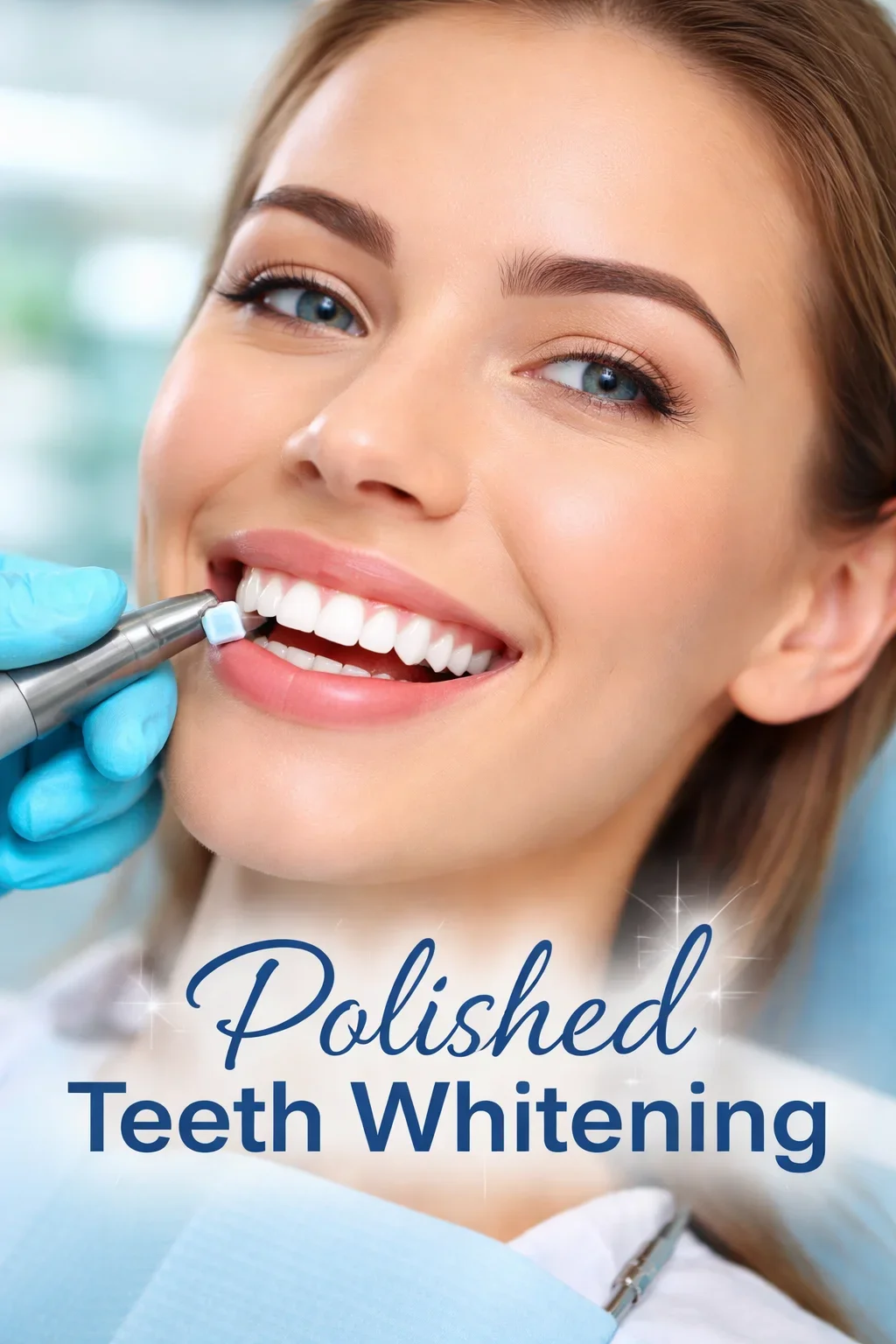
Polished Teeth Whitening vs Traditional Whitening Treatments
When people begin researching cosmetic dentistry, they often encounter multiple whitening options. Two of the most commonly compared approaches are polished teeth whitening and traditional whitening treatments. While both aim to brighten the smile, the techniques, results, and long-term benefits can differ significantly. Understanding the differences between these treatments helps patients choose the most suitable solution for achieving a healthier and brighter smile.
At its core, polished teeth whitening combines professional bleaching with enamel polishing to improve both the color and the surface texture of the teeth. Traditional whitening treatments, on the other hand, typically focus only on bleaching stains using whitening gels or strips. Because polished teeth whitening includes additional steps such as professional cleaning and polishing, the final results often appear smoother, glossier, and more natural.
How Traditional Teeth Whitening Works
Traditional whitening treatments generally rely on peroxide-based gels that break down stain molecules within the enamel. These whitening products are available in different forms, including professional in-office bleaching, dentist-provided take-home trays, and over-the-counter whitening kits.
Although these methods can lighten tooth color, they do not always address plaque buildup or enamel roughness. Without polishing, microscopic surface irregularities may remain on the teeth even after whitening. Because of this, new stains can accumulate more quickly following traditional whitening treatments.
While traditional whitening can improve tooth color, it often lacks the comprehensive benefits provided by polished teeth whitening. Patients seeking a more complete smile enhancement frequently choose polished teeth whitening because it improves both brightness and enamel smoothness.
The Key Difference: The Polishing Stage
The most important distinction between polished teeth whitening and traditional whitening lies in the polishing stage. After whitening agents remove discoloration from the enamel, dentists performing polished teeth whitening use specialized polishing pastes and rotating tools to smooth the tooth surface.
This polishing process eliminates tiny irregularities where plaque and pigments can accumulate. As a result, polished teeth whitening not only brightens the teeth but also creates a smoother enamel surface that reflects light more effectively.
Because polished enamel is less porous than untreated enamel, patients who undergo polished teeth whitening often experience longer-lasting whitening results compared to traditional bleaching alone.
Benefits of Enamel Polishing
The polishing stage provides several advantages beyond cosmetic improvement:
- Removes plaque and residual surface stains
- Smooths enamel to reduce stain accumulation
- Enhances light reflection for a brighter smile
- Improves the overall cleanliness of the teeth
These additional benefits make polished teeth whitening a more comprehensive dental procedure compared to traditional whitening methods.
Longevity of Results
Another major difference between polished teeth whitening and traditional whitening treatments is how long the results typically last. Because traditional whitening focuses only on bleaching stains, the teeth may become susceptible to new discoloration relatively quickly.
In contrast, polished teeth whitening includes enamel polishing that reduces microscopic roughness on the tooth surface. This smooth enamel makes it more difficult for pigments from foods and beverages to adhere to the teeth.
As a result, patients who undergo polished teeth whitening often enjoy brighter smiles for longer periods. With proper oral hygiene and routine dental care, the results can last significantly longer than standard whitening treatments.
Professional Supervision and Safety
Professional supervision is another key advantage of polished teeth whitening. Dentists carefully evaluate oral health before beginning the procedure to ensure that the teeth and gums are healthy enough for whitening treatment.
During professional polished teeth whitening, dentists use protective barriers to shield the gums and control the concentration of whitening agents. This helps minimize the risk of irritation and ensures that the whitening gel is applied safely.
According to the American Dental Association, dentist-supervised whitening treatments provide more predictable and safer results than unsupervised methods. Because polished teeth whitening is performed under professional care, it aligns with these safety recommendations.
Customization for Each Patient
Another advantage of polished teeth whitening is the ability to customize the treatment based on each patient’s dental condition. Dentists evaluate factors such as enamel thickness, tooth sensitivity, and previous dental restorations before selecting the most appropriate whitening approach.
This individualized care ensures that polished teeth whitening produces natural-looking results without causing unnecessary sensitivity or enamel damage.
Aesthetic Results and Smile Quality
From a cosmetic perspective, polished teeth whitening often produces a more refined final appearance compared to traditional whitening treatments. The polishing step enhances the natural translucency of the enamel and creates a glossy surface that reflects light evenly.
Patients who undergo polished teeth whitening frequently report that their teeth feel smoother and cleaner after the procedure. This smooth sensation is a direct result of enamel polishing, which removes plaque and microscopic debris.
Because polished teeth whitening improves both brightness and texture, the smile often appears healthier and more vibrant.
Choosing the Right Whitening Method
Ultimately, the choice between traditional whitening and polished teeth whitening depends on the patient’s goals and dental condition. Individuals seeking quick and inexpensive whitening may choose basic bleaching treatments, while those looking for comprehensive cosmetic improvement often prefer polished teeth whitening.
Patients interested in learning which option is best for them should consult a dental professional. A consultation allows dentists to evaluate oral health and recommend the most appropriate treatment.
For individuals considering professional smile enhancement, scheduling an appointment through the Redent Klinik Contact Page provides access to expert guidance and personalized treatment planning.
In summary, while both methods aim to brighten the smile, polished teeth whitening offers a more complete approach by combining whitening, plaque removal, and enamel polishing. This combination creates brighter, smoother, and longer-lasting results, making polished teeth whitening an increasingly popular choice for patients seeking a confident and radiant smile.