
When undergoing dental treatments such as crowns, bridges, or implants, patients often need a temporary solution to protect their teeth before the final restoration is placed. This is where polycarbonate temporary crowns play a crucial role. These crowns are widely used in modern dentistry as a reliable, cost-effective, and aesthetically acceptable short-term solution that ensures both function and comfort while your permanent crown is being prepared.
Polycarbonate temporary crowns are pre-formed crowns made from a durable plastic material known as polycarbonate. This material is lightweight yet strong enough to withstand daily chewing forces for a limited time. Dentists commonly use polycarbonate temporary crowns to cover prepared teeth, especially in the front region where appearance matters most. 😊
One of the main reasons polycarbonate temporary crowns are so popular is their ability to provide immediate protection. After a tooth is shaped for a permanent crown, it becomes vulnerable to sensitivity, bacterial invasion, and damage. By placing polycarbonate temporary crowns, dentists can shield the tooth structure, reduce discomfort, and maintain proper oral function until the final restoration is ready.
Another important advantage of polycarbonate temporary crowns is their aesthetic appeal. Unlike older temporary solutions, these crowns are tooth-colored and designed to blend naturally with surrounding teeth. This makes polycarbonate temporary crowns an ideal option for patients who are concerned about their smile during the treatment process. Whether you are attending work, social events, or simply going about your daily life, these crowns help you maintain confidence. 😁
From a clinical perspective, polycarbonate temporary crowns are easy for dentists to adjust and customize. They can be trimmed, shaped, and relined chairside to achieve a proper fit. This flexibility allows dental professionals to ensure that polycarbonate temporary crowns not only look good but also function properly with your bite. In many cases, they are secured with temporary cement, making them easy to remove when it is time to place the permanent crown.
Patients often wonder whether polycarbonate temporary crowns are strong enough for daily use. While they are not intended for long-term wear, they are designed to handle normal chewing and speaking. However, it is still recommended to avoid very hard or sticky foods to prevent damage. With proper care, polycarbonate temporary crowns can comfortably last for several weeks.
In addition to protection and aesthetics, polycarbonate temporary crowns also help maintain tooth position. When a tooth is left uncovered, neighboring teeth may shift into the empty space. By using polycarbonate temporary crowns, dentists preserve spacing and alignment, ensuring that the final crown fits perfectly when it is placed.
It is also worth noting that polycarbonate temporary crowns play a role in evaluating the final outcome. They allow both the dentist and the patient to assess shape, size, and bite before committing to a permanent restoration. This trial phase can be extremely valuable in achieving optimal results.
For patients seeking treatment abroad or planning multiple appointments, polycarbonate temporary crowns provide a practical solution between visits. If you are considering dental treatment and want professional guidance, you can always reach out through the Redent Klinik Contact Page for personalized support.
According to guidelines from the American Dental Association, temporary crowns are an essential part of restorative dentistry, helping to protect oral health during transitional phases. In this context, polycarbonate temporary crowns have become one of the most trusted options for both dentists and patients.
In summary, polycarbonate temporary crowns are a vital component of many dental procedures. They offer protection, aesthetics, comfort, and functionality during the period between tooth preparation and permanent crown placement. Whether you are undergoing cosmetic improvements or restorative treatments, understanding the role of polycarbonate temporary crowns can help you feel more confident and informed throughout your dental journey. 🦷✨
What Are Polycarbonate Temporary Crowns and Why Are They Used?
In restorative dentistry, polycarbonate temporary crowns are widely used as short-term protective coverings placed over prepared teeth. These crowns are essential during the transitional phase between tooth preparation and the placement of a permanent crown. When a dentist reshapes a tooth for a final restoration, the natural structure becomes exposed and vulnerable. At this stage, polycarbonate temporary crowns act as a protective barrier, ensuring that the tooth remains safe, functional, and comfortable until the definitive crown is ready. 🦷
Polycarbonate temporary crowns are pre-formed shells made from a durable thermoplastic material. They are designed to mimic the natural appearance of teeth while providing sufficient strength for short-term use. Dentists select the appropriate size and shape, then customize the fit chairside to ensure optimal comfort and function. Because of their adaptability and efficiency, polycarbonate temporary crowns have become a standard solution in modern dental treatments.
Material Composition and Design of Polycarbonate Temporary Crowns
The effectiveness of polycarbonate temporary crowns lies in their material composition. Polycarbonate is a lightweight yet strong plastic known for its flexibility and resistance to fracture. This makes polycarbonate temporary crowns ideal for temporary restorations, especially in areas where aesthetics are important.
These crowns are typically pre-manufactured in various sizes and shapes, allowing dentists to quickly select the most suitable option. Once chosen, the crown can be trimmed and relined to match the patient’s tooth anatomy. This customization process ensures that polycarbonate temporary crowns fit snugly and do not interfere with the patient’s bite.
Why Polycarbonate Material Is Preferred
There are several reasons why dentists prefer polycarbonate temporary crowns over other temporary materials. First, the material provides a natural tooth-like color, which is particularly important for front teeth restorations. Second, polycarbonate temporary crowns are easy to manipulate, allowing quick adjustments during the appointment. Lastly, they are cost-effective, making them accessible for a wide range of patients.
Main Functions of Polycarbonate Temporary Crowns
The primary purpose of polycarbonate temporary crowns is to protect the prepared tooth. After a tooth is reduced for a crown, it becomes sensitive to temperature changes, pressure, and bacteria. By covering the tooth, polycarbonate temporary crowns help minimize discomfort and prevent complications.
Another key function is maintaining proper spacing between teeth. Without polycarbonate temporary crowns, adjacent teeth may shift into the prepared space, making it difficult to place the final crown correctly. These temporary restorations preserve alignment and ensure a successful long-term outcome.
Additionally, polycarbonate temporary crowns restore basic chewing and speaking abilities. While they are not as strong as permanent crowns, they allow patients to continue their daily activities with minimal disruption. 😊
Clinical Situations Where Polycarbonate Temporary Crowns Are Used
Dentists commonly use polycarbonate temporary crowns in a variety of clinical scenarios. One of the most common situations is during crown preparation procedures. After shaping the tooth, the dentist places polycarbonate temporary crowns to protect it until the lab-fabricated crown is ready.
They are also frequently used in dental implant treatments. When an implant is placed, a healing period is required before the final crown can be attached. During this time, polycarbonate temporary crowns provide both aesthetic and functional benefits.
In cosmetic dentistry, polycarbonate temporary crowns serve as a preview of the final result. Patients can evaluate the appearance, size, and shape of the restoration, allowing adjustments before the permanent crown is fabricated.
Temporary vs. Permanent Crowns
It is important to understand that polycarbonate temporary crowns are not designed for long-term use. Unlike permanent crowns made from ceramic or metal, these temporary options are less durable. However, their purpose is not longevity but protection and transition. Polycarbonate temporary crowns fill this role effectively by providing short-term stability while maintaining oral health.
Patient Experience with Polycarbonate Temporary Crowns
For patients, wearing polycarbonate temporary crowns is generally a comfortable experience. Most people adapt quickly and can eat, speak, and smile normally. However, dentists usually recommend avoiding very hard or sticky foods to prevent dislodgement.
Patients may also notice slight differences compared to natural teeth, such as minor sensitivity or a different texture. These sensations are normal and temporary. With proper care, polycarbonate temporary crowns remain secure and functional throughout the treatment period.
If a temporary crown becomes loose or damaged, it is important to contact your dentist promptly. Professional guidance ensures that polycarbonate temporary crowns continue to perform their protective role effectively.
Why Understanding Polycarbonate Temporary Crowns Matters
Understanding the purpose and function of polycarbonate temporary crowns helps patients feel more confident during dental treatments. Knowing that these crowns are designed to protect, restore function, and maintain aesthetics can significantly reduce anxiety. 😌
Moreover, being informed allows patients to follow proper care instructions and avoid potential complications. By recognizing the importance of polycarbonate temporary crowns, individuals can actively participate in their dental care and achieve better long-term results.
In conclusion, polycarbonate temporary crowns are a vital component of modern dentistry. They provide protection, maintain alignment, support aesthetics, and ensure a smooth transition to permanent restorations. Whether used in restorative or cosmetic procedures, polycarbonate temporary crowns play an essential role in delivering successful dental outcomes.
Key Benefits of Polycarbonate Temporary Crowns in Modern Dentistry
In today’s advanced dental treatments, polycarbonate temporary crowns have become an essential solution for patients undergoing restorative or cosmetic procedures. These crowns are not just placeholders; they offer multiple functional and aesthetic advantages that make them a preferred choice among dental professionals. Understanding the key benefits of polycarbonate temporary crowns helps patients appreciate their role in ensuring a smooth and comfortable treatment journey. 😊
From immediate protection to aesthetic enhancement, polycarbonate temporary crowns serve several purposes that go beyond basic coverage. They are carefully designed to support oral health while maintaining patient confidence during the waiting period for permanent restorations.
Immediate Protection for Prepared Teeth
One of the most important benefits of polycarbonate temporary crowns is the protection they provide to prepared teeth. After a dentist reshapes a tooth for a crown, the inner layers of the tooth become exposed and highly sensitive. Without protection, this can lead to discomfort, bacterial invasion, and potential complications.
By placing polycarbonate temporary crowns, dentists create a protective barrier that shields the tooth from temperature changes, pressure, and food particles. This significantly reduces sensitivity and ensures that the tooth remains healthy until the permanent crown is placed.
Prevention of Infection and Sensitivity
Another critical advantage of polycarbonate temporary crowns is their ability to prevent infections. When a tooth is left uncovered, bacteria can easily enter and cause decay or inflammation. These temporary crowns act as a seal, minimizing the risk of infection while maintaining oral hygiene standards.
Additionally, polycarbonate temporary crowns help control sensitivity to hot and cold foods, making daily activities much more comfortable for patients.
Aesthetic Appeal and Natural Appearance
Unlike older temporary solutions, polycarbonate temporary crowns are designed with aesthetics in mind. They are tooth-colored and blend seamlessly with natural teeth, making them ideal for visible areas such as the front teeth.
This aesthetic advantage is especially important for patients who want to maintain their confidence during dental treatment. Whether attending work, social gatherings, or important events, polycarbonate temporary crowns allow patients to smile naturally without feeling self-conscious. 😁
Maintaining Smile Confidence
Patients often worry about how their teeth will look during treatment. With polycarbonate temporary crowns, this concern is significantly reduced. These crowns are shaped to resemble natural teeth, ensuring that the overall appearance remains attractive and balanced.
Ease of Placement and Adjustment
Another major benefit of polycarbonate temporary crowns is their ease of use for dentists. These crowns are pre-formed and available in various sizes, allowing quick selection and placement. Dentists can easily trim, shape, and adjust polycarbonate temporary crowns chairside to achieve a precise fit.
This flexibility not only saves time during the procedure but also ensures better comfort for the patient. Properly fitted polycarbonate temporary crowns minimize irritation and provide a stable temporary solution.
Quick Chairside Customization
The ability to customize polycarbonate temporary crowns quickly is a significant advantage in busy dental practices. Dentists can make real-time adjustments to ensure that the crown fits perfectly with the patient’s bite and gum line.
Cost-Effective Temporary Solution
Affordability is another reason why polycarbonate temporary crowns are widely used. Compared to other temporary crown materials, they offer a cost-effective solution without compromising essential benefits.
Patients can receive reliable protection and aesthetics at a lower cost, making polycarbonate temporary crowns accessible for a broader range of individuals. This is particularly beneficial for those undergoing multiple dental procedures.
Maintenance of Tooth Position and Alignment
When a tooth is left uncovered after preparation, adjacent teeth may begin to shift into the empty space. This can lead to alignment issues and complications during the placement of the permanent crown. Polycarbonate temporary crowns help maintain proper spacing and alignment.
By preserving the position of the prepared tooth, polycarbonate temporary crowns ensure that the final restoration fits accurately and functions properly. This contributes to long-term treatment success.
Support for Normal Functionality
Despite being temporary, polycarbonate temporary crowns allow patients to perform essential functions such as chewing and speaking. While they are not as strong as permanent crowns, they provide sufficient durability for everyday use.
Patients can continue their daily routines with minimal disruption, which is a significant advantage during multi-step dental treatments. However, it is still recommended to avoid very hard or sticky foods to prolong the lifespan of polycarbonate temporary crowns.
Trial Phase for Final Restoration
Another unique benefit of polycarbonate temporary crowns is that they act as a preview of the final result. Patients and dentists can evaluate the shape, size, and bite before the permanent crown is fabricated.
This trial phase allows for adjustments and improvements, ensuring that the final restoration meets both functional and aesthetic expectations. Polycarbonate temporary crowns play a key role in achieving optimal outcomes.
Enhanced Patient Comfort and Convenience
Comfort is a top priority in dental care, and polycarbonate temporary crowns are designed with this in mind. Their lightweight structure and smooth surface make them comfortable to wear for extended periods.
Patients typically adapt quickly to polycarbonate temporary crowns, experiencing minimal discomfort. This convenience contributes to a more positive overall dental experience.
Why Dentists Prefer Polycarbonate Temporary Crowns
From a professional perspective, dentists favor polycarbonate temporary crowns because they combine efficiency, reliability, and patient satisfaction. Their versatility makes them suitable for a wide range of dental procedures.
In conclusion, polycarbonate temporary crowns offer numerous benefits, including protection, aesthetics, affordability, and functionality. These advantages make them an indispensable part of modern dentistry. By understanding these benefits, patients can feel more confident and informed throughout their treatment journey, knowing that polycarbonate temporary crowns are supporting their oral health every step of the way. 🦷✨
How Polycarbonate Temporary Crowns Compare to Other Temporary Crowns
When patients undergo restorative dental procedures, choosing the right temporary crown material is an important part of the process. Among the available options, polycarbonate temporary crowns stand out due to their balance of aesthetics, convenience, and affordability. However, to fully understand their value, it is essential to compare polycarbonate temporary crowns with other types of temporary crowns commonly used in dentistry.
Temporary crowns can be made from various materials, including acrylic resin, composite resin, and stainless steel. Each type has its own advantages and limitations. By examining how polycarbonate temporary crowns differ from these alternatives, patients can better understand why dentists often prefer them in specific situations. 😊
Polycarbonate vs Acrylic Temporary Crowns
Acrylic temporary crowns are one of the most widely used alternatives to polycarbonate temporary crowns. They are typically custom-made chairside using a liquid and powder mixture that hardens into a solid form.
While acrylic crowns can provide a decent fit and are relatively affordable, polycarbonate temporary crowns offer several advantages. First, they are pre-formed, which significantly reduces chair time. Dentists can quickly select and adjust polycarbonate temporary crowns without waiting for material curing.
Additionally, polycarbonate temporary crowns tend to have a more consistent structure, reducing the risk of shrinkage or distortion that can occur with acrylic materials. This ensures a more reliable fit and improved comfort for the patient.
Durability Comparison
In terms of durability, polycarbonate temporary crowns are generally more resistant to cracking compared to acrylic crowns. Acrylic materials can be brittle and prone to fractures, especially under chewing pressure. In contrast, polycarbonate temporary crowns provide better flexibility and resilience for short-term use.
Polycarbonate vs Composite Temporary Crowns
Composite resin crowns are another option often used in temporary restorations. These crowns are made from tooth-colored materials that can be shaped and polished for improved aesthetics.
While composite crowns offer excellent visual results, they are more technique-sensitive and time-consuming to fabricate. Polycarbonate temporary crowns, on the other hand, provide a faster and more practical solution, especially in busy clinical settings.
Moreover, polycarbonate temporary crowns are easier to adjust and modify. Dentists can quickly trim and reline them to achieve a proper fit, whereas composite crowns may require more complex adjustments.
Aesthetic Differences
Although composite crowns may offer slightly superior aesthetics, polycarbonate temporary crowns still provide a natural tooth-like appearance that is sufficient for most patients. For temporary use, the difference is often minimal, making polycarbonate temporary crowns a preferred choice in many cases.
Polycarbonate vs Stainless Steel Crowns
Stainless steel crowns are primarily used in pediatric dentistry or for back teeth where aesthetics are less important. Unlike polycarbonate temporary crowns, these crowns are metallic and highly visible.
From an aesthetic standpoint, polycarbonate temporary crowns are clearly superior. Their tooth-colored design makes them ideal for visible areas, allowing patients to maintain a natural smile during treatment. 😁
However, stainless steel crowns are extremely durable and may last longer than polycarbonate temporary crowns. Despite this, their appearance limits their use in adult cosmetic and restorative procedures.
When Stainless Steel Is Preferred
In cases where strength is more important than appearance, such as in children’s molars, stainless steel crowns may be chosen. However, for adult patients and aesthetic zones, polycarbonate temporary crowns remain the better option.
Ease of Use and Clinical Efficiency
One of the biggest advantages of polycarbonate temporary crowns over other materials is their ease of use. Because they are pre-formed, dentists can significantly reduce procedure time. This not only improves efficiency but also enhances patient comfort.
Compared to custom-fabricated options like acrylic or composite crowns, polycarbonate temporary crowns require fewer steps and less equipment. This makes them a practical solution in both routine and emergency dental situations.
Patient Comfort and Experience
From the patient’s perspective, polycarbonate temporary crowns offer a comfortable and convenient experience. Their smooth surface and lightweight design make them easy to wear, while their quick placement reduces time spent in the dental chair.
Patients often report that polycarbonate temporary crowns feel natural and do not interfere significantly with speaking or chewing. This level of comfort is a major factor in their widespread use.
Cost Comparison Between Materials
Cost is another important factor when comparing temporary crown options. Polycarbonate temporary crowns are generally more affordable than composite crowns and comparable in price to acrylic crowns.
Because they are pre-manufactured, polycarbonate temporary crowns reduce labor costs and chair time, which can result in overall savings for both the patient and the dental practice.
Which Option Is Best for You?
The choice between different temporary crown materials depends on several factors, including the location of the tooth, aesthetic needs, budget, and treatment plan. In many cases, polycarbonate temporary crowns provide the best balance of aesthetics, durability, and efficiency.
For front teeth or situations where appearance matters, polycarbonate temporary crowns are often the preferred choice. For back teeth requiring extra strength, other materials may be considered.
Final Comparison Summary
In summary, polycarbonate temporary crowns offer a unique combination of advantages that make them highly suitable for temporary restorations. Compared to acrylic, composite, and stainless steel crowns, they provide better aesthetics, ease of use, and patient comfort.
While no single material is perfect for every situation, polycarbonate temporary crowns consistently stand out as a reliable and practical solution in modern dentistry. Their versatility and effectiveness ensure that patients receive the protection and confidence they need during their treatment journey. 🦷✨
The Step-by-Step Procedure for Placing Polycarbonate Temporary Crowns
The placement of polycarbonate temporary crowns is a carefully structured process designed to protect the prepared tooth while ensuring comfort, functionality, and aesthetics. Although these crowns are temporary, the procedure must be performed with precision to guarantee optimal results. Understanding each step involved in placing polycarbonate temporary crowns helps patients feel more confident and prepared for their dental treatment. 😊
From initial tooth preparation to final cementation, dentists follow a systematic approach to ensure that polycarbonate temporary crowns fit properly and perform their protective role effectively.
Initial Tooth Preparation
The first step in the process involves preparing the tooth for a permanent crown. During this stage, the dentist removes any decay or damaged portions of the tooth and reshapes it to create space for the final restoration.
Once the tooth is prepared, it becomes more sensitive and vulnerable. This is why placing polycarbonate temporary crowns immediately after preparation is essential. These crowns act as a protective shield, preventing exposure to bacteria, temperature changes, and physical stress.
Importance of Proper Preparation
A well-prepared tooth ensures that polycarbonate temporary crowns fit securely and function correctly. If the preparation is not done accurately, the temporary crown may feel loose or uncomfortable, which can affect the overall treatment outcome.
Selecting the Right Polycarbonate Temporary Crown
After preparing the tooth, the dentist selects the appropriate size and shape of polycarbonate temporary crowns. These crowns come in various pre-formed designs, allowing for quick selection based on the patient’s tooth anatomy.
The dentist evaluates factors such as tooth position, size, and alignment to choose the most suitable polycarbonate temporary crowns. This step is crucial for achieving a natural appearance and proper bite.
Customization for a Perfect Fit
Even though polycarbonate temporary crowns are pre-formed, they often require customization. Dentists may trim or adjust the crown to match the patient’s tooth structure. This ensures a snug fit and enhances comfort.
Adjusting and Relining the Crown
Once the correct crown is selected, the dentist proceeds to adjust and reline the polycarbonate temporary crowns. This involves modifying the inner surface of the crown to improve its fit on the prepared tooth.
Relining materials may be used to fill gaps and create a more precise adaptation. This step ensures that polycarbonate temporary crowns remain stable and do not cause irritation to the surrounding gum tissue.
Ensuring Proper Bite Alignment
During this stage, the dentist also checks the patient’s bite. Polycarbonate temporary crowns must align correctly with opposing teeth to prevent discomfort or uneven pressure. Adjustments are made as needed to achieve a balanced bite.
Polishing and Final Adjustments
After fitting the crown, the dentist smooths and polishes the surface of polycarbonate temporary crowns. This step enhances comfort by eliminating rough edges that could irritate the tongue or gums.
Polishing also improves the appearance of polycarbonate temporary crowns, making them look more like natural teeth. This is especially important for crowns placed in visible areas.
Cementation of Polycarbonate Temporary Crowns
Once all adjustments are complete, the dentist secures the polycarbonate temporary crowns using temporary dental cement. This type of cement is designed to hold the crown in place while allowing easy removal when it is time to place the permanent crown.
The dentist carefully applies the cement and positions the crown over the prepared tooth. Excess cement is removed to ensure a clean and comfortable fit.
Why Temporary Cement Is Used
Temporary cement allows dentists to remove polycarbonate temporary crowns without damaging the underlying tooth. This flexibility is essential for transitioning to the final restoration.
Post-Placement Instructions for Patients
After placing polycarbonate temporary crowns, the dentist provides instructions to help patients maintain them properly. These guidelines are crucial for preventing damage or dislodgement.
Patients are typically advised to avoid hard or sticky foods, chew carefully, and maintain good oral hygiene. While polycarbonate temporary crowns are durable, they are not intended for long-term use and require mindful care.
What Patients Can Expect After Placement
Most patients adjust quickly to polycarbonate temporary crowns. It is normal to experience slight sensitivity or a different feel compared to natural teeth. However, these sensations usually subside within a few days.
If any discomfort persists or if the crown becomes loose, patients should contact their dentist promptly. Proper monitoring ensures that polycarbonate temporary crowns continue to function effectively.
Common Challenges During the Procedure
While the placement of polycarbonate temporary crowns is generally straightforward, certain challenges may arise. These can include difficulty achieving a perfect fit, bite alignment issues, or minor gum irritation.
Experienced dentists can quickly address these challenges by making necessary adjustments. This ensures that polycarbonate temporary crowns provide maximum comfort and protection.
Why This Procedure Is Essential
The placement of polycarbonate temporary crowns is not just a routine step—it is a critical part of successful dental treatment. These crowns protect the tooth, maintain alignment, and allow patients to function normally during the waiting period for permanent restorations.
By following a precise and detailed procedure, dentists ensure that polycarbonate temporary crowns deliver optimal results. Patients benefit from improved comfort, aesthetics, and confidence throughout their treatment journey. 🦷✨
In conclusion, the step-by-step placement of polycarbonate temporary crowns highlights the importance of precision and care in modern dentistry. Each stage, from preparation to cementation, plays a vital role in achieving a successful outcome and ensuring patient satisfaction.
Who Needs Polycarbonate Temporary Crowns? Ideal Candidates Explained
Not every dental patient requires temporary crowns, but in many restorative and cosmetic procedures, polycarbonate temporary crowns play a critical role. These crowns are specifically designed for short-term use, providing protection, functionality, and aesthetics while a permanent solution is being prepared. Understanding who needs polycarbonate temporary crowns helps patients recognize their importance and determine whether they are suitable for their specific dental situation. 😊
In general, polycarbonate temporary crowns are recommended for individuals undergoing multi-step dental treatments where a delay exists between tooth preparation and final restoration placement. They ensure that the patient can continue daily activities without discomfort or aesthetic concerns.
Patients Undergoing Crown Preparation
One of the most common groups who need polycarbonate temporary crowns includes patients receiving permanent dental crowns. When a tooth is reshaped to accommodate a crown, the natural structure becomes exposed and sensitive.
During this waiting period, which may last days or weeks, polycarbonate temporary crowns are placed to protect the tooth from damage, bacteria, and sensitivity. Without these crowns, the prepared tooth could be at risk of complications such as decay or discomfort.
Why Temporary Protection Is Essential
After tooth preparation, even simple actions like eating or drinking can cause discomfort. Polycarbonate temporary crowns create a barrier that shields the tooth, ensuring that patients remain comfortable and protected until their permanent crown is ready.
Patients Receiving Dental Implants
Another key group who benefit from polycarbonate temporary crowns are those undergoing dental implant procedures. After an implant is placed, a healing period is required before the final crown can be attached.
During this time, polycarbonate temporary crowns can be used to maintain aesthetics and function. They allow patients to smile confidently and chew comfortably while the implant integrates with the bone.
Maintaining Appearance During Healing
For patients with missing teeth in visible areas, appearance is a major concern. Polycarbonate temporary crowns provide a natural-looking solution that helps maintain confidence throughout the healing phase. 😁
Patients Undergoing Cosmetic Dental Procedures
Cosmetic dentistry often involves multiple steps, including reshaping, whitening, or placing veneers and crowns. In such cases, polycarbonate temporary crowns serve as an interim solution that allows patients to preview the final results.
These crowns give both the dentist and the patient an opportunity to evaluate the shape, size, and alignment of the teeth before finalizing the permanent restoration. Polycarbonate temporary crowns are therefore an essential tool in achieving optimal cosmetic outcomes.
Patients with Damaged or Broken Teeth
Individuals with cracked, chipped, or severely worn teeth may also require polycarbonate temporary crowns. In these situations, the crowns act as a temporary fix, stabilizing the tooth and preventing further damage.
By covering the affected area, polycarbonate temporary crowns reduce pain and restore basic function until a permanent solution can be implemented.
Emergency Dental Situations
In urgent cases, such as accidental tooth damage, polycarbonate temporary crowns can be placed quickly to protect the tooth. Their ease of use makes them an effective solution in emergency dental care.
Patients Waiting for Laboratory-Fabricated Crowns
Modern dentistry often relies on dental laboratories to create customized crowns. This process can take several days or even weeks. During this waiting period, polycarbonate temporary crowns are essential for maintaining oral health and function.
Without polycarbonate temporary crowns, patients would be left with exposed teeth, increasing the risk of sensitivity, infection, and shifting of adjacent teeth.
Patients Concerned About Aesthetics
For many patients, maintaining a natural-looking smile during treatment is a top priority. Polycarbonate temporary crowns are ideal for individuals who want to avoid visible gaps or unattractive temporary solutions.
These crowns are designed to blend with natural teeth, making them suitable for front teeth restorations where appearance is especially important.
Confidence in Social and Professional Settings
Whether attending meetings, social events, or daily activities, patients wearing polycarbonate temporary crowns can feel confident in their appearance. This psychological benefit is just as important as the physical protection they provide.
Patients Undergoing Full Mouth Rehabilitation
In complex cases involving multiple teeth, such as full mouth reconstruction, polycarbonate temporary crowns are often used extensively. They help maintain bite alignment, spacing, and function throughout the treatment process.
These crowns allow dentists to test and refine the overall treatment plan before placing permanent restorations, ensuring better long-term results.
Who May Not Need Polycarbonate Temporary Crowns?
While polycarbonate temporary crowns are highly beneficial, they may not be necessary in every situation. For example, procedures that can be completed in a single visit, such as same-day crowns using CAD/CAM technology, may not require temporary crowns.
Additionally, in cases where aesthetics are not a concern, alternative materials may be used. However, even in these scenarios, polycarbonate temporary crowns remain a versatile and reliable option.
Final Thoughts on Ideal Candidates
In summary, polycarbonate temporary crowns are suitable for a wide range of patients, including those undergoing crown preparation, implant procedures, cosmetic treatments, and emergency dental care. Their ability to provide protection, restore function, and maintain aesthetics makes them an indispensable part of modern dentistry.
By identifying whether you are an ideal candidate for polycarbonate temporary crowns, you can better understand your treatment plan and feel more confident throughout your dental journey. 🦷✨
Durability and Lifespan of Polycarbonate Temporary Crowns
The durability and lifespan of polycarbonate temporary crowns are among the most common concerns for patients undergoing restorative dental treatments. While these crowns are designed for short-term use, they are engineered to provide reliable protection, acceptable strength, and comfortable functionality during the transitional phase before a permanent crown is placed. Understanding how long polycarbonate temporary crowns last—and what affects their longevity—can help patients take better care of them and avoid unexpected issues. 😊
In general, polycarbonate temporary crowns are intended to last anywhere from a few days to several weeks, depending on the treatment plan. Although they are not as durable as permanent crowns made from ceramic or metal, polycarbonate temporary crowns are strong enough to handle everyday activities such as speaking and light chewing.
Typical Lifespan of Polycarbonate Temporary Crowns
The average lifespan of polycarbonate temporary crowns ranges between 2 to 6 weeks. This timeframe aligns with the period required for dental laboratories to fabricate permanent crowns. In some cases, patients may wear polycarbonate temporary crowns for a slightly longer duration if treatment is delayed, but this is not ideal.
Dentists design polycarbonate temporary crowns specifically for temporary use, meaning they are not built to withstand long-term stress. Their primary role is to protect the tooth and maintain function until the final restoration is ready.
Short-Term vs Extended Use
While polycarbonate temporary crowns can occasionally last longer than expected, extended use increases the risk of wear, fractures, or loosening. For this reason, it is important to follow your dentist’s schedule and replace polycarbonate temporary crowns with permanent crowns as recommended.
Factors That Affect Durability
Several factors influence how long polycarbonate temporary crowns will last. Understanding these factors can help patients maximize their lifespan and avoid complications.
1. Eating Habits
Diet plays a major role in the durability of polycarbonate temporary crowns. Hard foods such as nuts or ice can cause cracks, while sticky foods like caramel can dislodge the crown. Patients wearing polycarbonate temporary crowns should stick to softer foods and chew carefully.
2. Oral Hygiene Practices
Proper oral hygiene is essential for maintaining polycarbonate temporary crowns. Brushing and flossing help prevent plaque buildup and gum irritation. However, patients should floss gently around polycarbonate temporary crowns to avoid pulling them loose.
3. Bite Forces and Habits
Patients who grind or clench their teeth (a condition known as bruxism) may experience reduced durability of polycarbonate temporary crowns. Excessive pressure can weaken the crown and lead to fractures.
4. Quality of Fit
A well-fitted crown will last longer than one that is poorly adjusted. Dentists carefully customize polycarbonate temporary crowns to ensure a secure fit, which helps improve stability and durability.
Common Signs of Wear and Damage
Although polycarbonate temporary crowns are designed to be reliable, they may show signs of wear over time. Recognizing these signs early can prevent further complications.
Common issues include cracks, chips, loosening, or discomfort when biting. If any of these symptoms occur, patients should contact their dentist immediately. Prompt attention ensures that polycarbonate temporary crowns continue to provide adequate protection.
When to Seek Immediate Help
If a crown falls off or breaks completely, it is important to seek dental care as soon as possible. Leaving the tooth exposed can lead to sensitivity, infection, or shifting of adjacent teeth. Polycarbonate temporary crowns should always remain in place until the permanent crown is ready.
How to Extend the Lifespan of Polycarbonate Temporary Crowns
While polycarbonate temporary crowns are not permanent, there are several ways to extend their lifespan and maintain their effectiveness.
- Avoid chewing hard or sticky foods
- Brush teeth gently with a soft-bristled toothbrush
- Floss carefully without pulling upward
- Avoid using teeth as tools (e.g., opening packages)
- Wear a night guard if you grind your teeth
By following these simple guidelines, patients can ensure that polycarbonate temporary crowns remain intact and functional throughout the treatment period.
Comparison with Permanent Crowns
It is important to understand that polycarbonate temporary crowns are not meant to match the durability of permanent crowns. Permanent crowns are made from stronger materials such as porcelain, zirconia, or metal alloys, which can last for many years.
In contrast, polycarbonate temporary crowns prioritize convenience, ease of placement, and short-term protection rather than long-term strength. This distinction helps set realistic expectations for patients.
Why Durability Still Matters in Temporary Crowns
Even though they are temporary, the durability of polycarbonate temporary crowns is crucial. A stable and intact temporary crown ensures that the prepared tooth remains protected, aligned, and functional.
If polycarbonate temporary crowns fail prematurely, it can delay treatment and increase the risk of complications. This is why dentists emphasize proper care and regular monitoring.
Final Thoughts on Lifespan and Performance
In conclusion, polycarbonate temporary crowns offer a reliable short-term solution with sufficient durability for everyday use. While their lifespan is limited compared to permanent crowns, they are specifically designed to fulfill their role effectively during the treatment period.
By understanding the factors that affect their longevity and following proper care instructions, patients can ensure that polycarbonate temporary crowns remain secure and functional until the final restoration is placed. 🦷✨
Cost of Polycarbonate Temporary Crowns: What to Expect
Understanding the cost of polycarbonate temporary crowns is an important part of planning your dental treatment. While these crowns are designed for short-term use, they still involve materials, professional expertise, and clinical time. Fortunately, polycarbonate temporary crowns are generally considered an affordable option compared to permanent restorations, making them accessible for most patients. 😊
The total cost of polycarbonate temporary crowns can vary depending on several factors, including location, clinic reputation, dentist experience, and whether the crown is included as part of a larger treatment plan. In many cases, polycarbonate temporary crowns are bundled into the overall cost of a permanent crown procedure.
Average Price Range of Polycarbonate Temporary Crowns
On average, the cost of polycarbonate temporary crowns ranges between $50 and $300 per tooth. This variation depends on geographic location and the complexity of the case. In some countries or clinics, polycarbonate temporary crowns may be provided at no additional charge when included in a full crown treatment package.
For example:
- Basic dental clinics: $50 – $100 per crown
- Mid-range clinics: $100 – $200 per crown
- Premium clinics or complex cases: $200 – $300 per crown
These estimates highlight the affordability of polycarbonate temporary crowns compared to permanent crowns, which can cost significantly more.
Are Temporary Crowns Included in Treatment Costs?
In many dental practices, polycarbonate temporary crowns are included in the overall price of a permanent crown. This means patients may not see a separate charge for them. However, it is always recommended to confirm this with your dentist before starting treatment.
Factors That Influence the Cost
Several factors can affect the price of polycarbonate temporary crowns. Understanding these variables can help patients make informed decisions.
1. Location of the Dental Clinic
Dental costs vary significantly by region. Clinics in major cities or countries with higher living costs may charge more for polycarbonate temporary crowns compared to clinics in more affordable areas.
2. Dentist’s Experience and Expertise
Highly experienced dentists may charge higher fees due to their skill and reputation. However, this often ensures better fitting and more comfortable polycarbonate temporary crowns, which can improve the overall treatment experience.
3. Complexity of the Case
If the tooth requires additional preparation or customization, the cost of polycarbonate temporary crowns may increase. More complex cases require extra time and materials, which can influence pricing.
4. Number of Crowns Needed
Patients requiring multiple polycarbonate temporary crowns may benefit from discounted rates. Many clinics offer package pricing for full-mouth treatments or multiple restorations.
Cost Comparison with Other Temporary Crowns
Compared to other materials, polycarbonate temporary crowns are generally more cost-effective. Composite temporary crowns tend to be more expensive due to their fabrication process, while acrylic crowns may be slightly cheaper but less durable.
This balance of affordability and performance makes polycarbonate temporary crowns a popular choice in modern dentistry. Patients receive reliable protection and acceptable aesthetics without significant financial burden.
Insurance Coverage and Payment Options
In some cases, dental insurance may partially cover the cost of polycarbonate temporary crowns, especially if they are part of a medically necessary procedure. However, coverage varies widely depending on the insurance provider and plan.
Patients are encouraged to check with their insurance company to determine whether polycarbonate temporary crowns are included in their benefits. Additionally, many clinics offer flexible payment plans to make treatment more accessible.
Financing Options for Patients
For patients concerned about cost, many dental clinics provide financing options. These plans allow patients to spread the cost of polycarbonate temporary crowns and other treatments over time, reducing immediate financial pressure.
Are Polycarbonate Temporary Crowns Worth the Cost?
Considering their benefits, polycarbonate temporary crowns offer excellent value for money. They protect the tooth, maintain function, and provide aesthetic appeal during the treatment period.
Without polycarbonate temporary crowns, patients would face increased risks of sensitivity, infection, and tooth movement. The relatively low cost makes them a worthwhile investment in maintaining oral health.
Hidden Costs to Be Aware Of
While polycarbonate temporary crowns are generally affordable, patients should be aware of potential additional costs. These may include emergency visits if the crown becomes loose or damaged, or replacement costs if the crown needs to be remade.
Proper care and adherence to dentist instructions can help minimize these risks and avoid extra expenses related to polycarbonate temporary crowns.
Cost Differences in Dental Tourism
Dental tourism has become increasingly popular, with many patients traveling abroad for affordable treatments. In countries known for dental tourism, polycarbonate temporary crowns may be significantly cheaper while still maintaining high quality standards.
However, patients should carefully research clinics and ensure they meet international standards before proceeding with treatment involving polycarbonate temporary crowns.
Final Thoughts on Pricing and Value
In conclusion, polycarbonate temporary crowns are a cost-effective and essential part of many dental procedures. Their affordability, combined with their protective and aesthetic benefits, makes them a practical choice for patients worldwide.
By understanding the factors that influence pricing and exploring available options, patients can confidently plan their treatment and make informed decisions about polycarbonate temporary crowns. 🦷✨
Care Tips to Extend the Life of Polycarbonate Temporary Crowns
Taking proper care of polycarbonate temporary crowns is essential to ensure they remain intact, comfortable, and functional throughout your dental treatment. Although these crowns are designed for temporary use, following the right care routine can significantly extend their lifespan and prevent unnecessary complications. Patients who understand how to maintain polycarbonate temporary crowns properly are less likely to experience issues such as loosening, cracking, or discomfort. 😊
Because polycarbonate temporary crowns are not as strong as permanent crowns, they require a bit more attention in daily oral care habits. Fortunately, with a few simple precautions, you can keep your temporary crowns in excellent condition until your final restoration is placed.
Maintain Proper Oral Hygiene
One of the most important aspects of caring for polycarbonate temporary crowns is maintaining good oral hygiene. Brushing your teeth at least twice a day helps remove plaque and bacteria that can accumulate around the crown and gum line.
Use a soft-bristled toothbrush and gentle strokes to clean around polycarbonate temporary crowns. Avoid applying excessive pressure, as this could dislodge or damage the crown. Keeping the area clean ensures that polycarbonate temporary crowns continue to protect the underlying tooth effectively.
Flossing Techniques for Temporary Crowns
Flossing is equally important, but it must be done carefully. Instead of pulling the floss upward, slide it out gently from the side. This technique prevents accidental removal of polycarbonate temporary crowns while still maintaining proper hygiene.
Be Mindful of Your Diet
Your eating habits play a significant role in the durability of polycarbonate temporary crowns. Certain foods can weaken or dislodge the crown, so it is important to make smart dietary choices during this period.
Foods to Avoid
To protect polycarbonate temporary crowns, avoid the following:
- Hard foods like nuts, ice, and hard candies
- Sticky foods such as caramel, chewing gum, and toffee
- Very chewy foods that require excessive force
These foods can put stress on polycarbonate temporary crowns, increasing the risk of cracks or dislodgement.
Recommended Foods
Instead, opt for softer foods like yogurt, pasta, cooked vegetables, and eggs. These options are gentle on polycarbonate temporary crowns and help maintain their integrity.
Avoid Using Teeth as Tools
Many people have the habit of using their teeth to open packages or bite non-food items. This behavior can be particularly harmful when wearing polycarbonate temporary crowns.
Using your teeth in this way can cause unnecessary stress on polycarbonate temporary crowns, leading to damage or loosening. Always use appropriate tools instead of your teeth to avoid compromising your dental restoration.
Protect Your Crowns from Grinding
Teeth grinding or clenching, also known as bruxism, can significantly reduce the lifespan of polycarbonate temporary crowns. The constant pressure can weaken the crown and cause it to crack or become loose.
Use a Night Guard if Needed
If you grind your teeth at night, your dentist may recommend wearing a night guard. This protective device reduces pressure on polycarbonate temporary crowns and helps preserve their structure.
Handle Sensitivity Carefully
It is normal to experience some sensitivity after receiving polycarbonate temporary crowns. However, extreme sensitivity should be avoided by limiting exposure to very hot or cold foods and beverages.
Using toothpaste designed for sensitive teeth can help reduce discomfort while wearing polycarbonate temporary crowns.
Check for Signs of Damage or Loosening
Regularly monitoring the condition of polycarbonate temporary crowns is important. Look for signs such as movement, discomfort when biting, or visible cracks.
If you notice any of these issues, contact your dentist immediately. Early intervention ensures that polycarbonate temporary crowns continue to provide proper protection and function.
What to Do If a Crown Falls Off
If a crown becomes dislodged, avoid attempting to fix it yourself. Keep the crown safe and schedule an appointment with your dentist as soon as possible. Prompt action prevents complications related to exposed teeth.
Follow Your Dentist’s Instructions
Your dentist will provide specific guidelines tailored to your situation. Following these instructions is crucial for maintaining polycarbonate temporary crowns.
These recommendations may include dietary restrictions, cleaning techniques, and follow-up appointments. Adhering to professional advice ensures that polycarbonate temporary crowns perform their role effectively.
Limit Pressure on the Crowned Tooth
Whenever possible, try to chew on the opposite side of your mouth to reduce pressure on polycarbonate temporary crowns. This simple habit can significantly extend their lifespan and prevent unnecessary stress.
By minimizing force on the temporary crown, you reduce the risk of damage and maintain its stability.
Why Proper Care Is Essential
Proper care of polycarbonate temporary crowns is not just about preserving the crown itself—it is about protecting your overall oral health. A damaged or lost temporary crown can expose the prepared tooth, leading to sensitivity, infection, or shifting of surrounding teeth.
By taking the time to care for polycarbonate temporary crowns, you ensure a smoother transition to your permanent restoration and avoid potential complications.
Final Thoughts on Maintenance
In conclusion, maintaining polycarbonate temporary crowns requires a combination of good oral hygiene, mindful eating habits, and careful daily practices. While these crowns are temporary, their role is essential in protecting your teeth and ensuring successful treatment outcomes.
With proper care, polycarbonate temporary crowns can remain secure, comfortable, and functional throughout your dental journey, helping you achieve the best possible results. 🦷✨
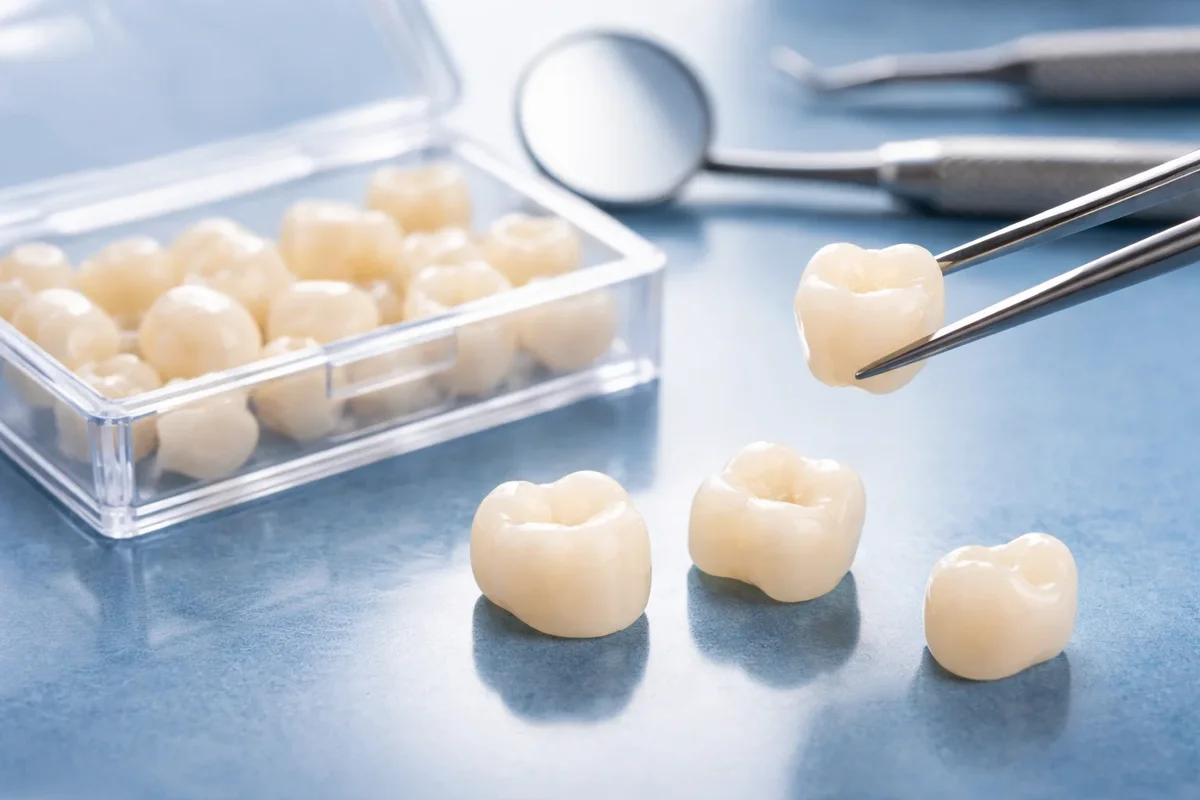
Risks, Limitations, and When to Replace Polycarbonate Temporary Crowns
While polycarbonate temporary crowns are highly effective for short-term dental protection, it is important for patients to understand that they are not without limitations. Like any dental solution, these crowns come with certain risks and require careful monitoring. By being aware of the potential challenges associated with polycarbonate temporary crowns, patients can take proactive steps to avoid complications and ensure a successful transition to permanent restorations. 😊
Although polycarbonate temporary crowns are designed to provide comfort and functionality, they are not intended to replace permanent crowns. Their temporary nature means they must be handled with care and replaced at the appropriate time.
Common Risks of Polycarbonate Temporary Crowns
One of the primary risks associated with polycarbonate temporary crowns is their limited durability. Since they are made from plastic material, they are more prone to wear, cracks, or breakage compared to permanent crowns.
Patients may also experience loosening of polycarbonate temporary crowns, especially if they consume hard or sticky foods. This can lead to discomfort and expose the underlying tooth to potential damage.
Risk of Dislodgement
Because polycarbonate temporary crowns are secured with temporary cement, they can occasionally become loose or fall off. This is one of the most common issues patients encounter. If a crown becomes dislodged, it is essential to seek dental care promptly to avoid complications.
Limitations of Polycarbonate Temporary Crowns
Understanding the limitations of polycarbonate temporary crowns helps set realistic expectations. These crowns are not designed to withstand long-term chewing forces or heavy pressure.
Another limitation is their aesthetic quality compared to permanent crowns. While polycarbonate temporary crowns offer a natural appearance, they may not match the exact color and translucency of permanent restorations made from advanced materials like porcelain or zirconia.
Functional Limitations
Although polycarbonate temporary crowns allow basic chewing and speaking, they are not as strong as permanent crowns. Patients should avoid excessive force on these crowns to prevent damage.
Potential Gum and Tooth Sensitivity
Some patients may experience mild gum irritation or tooth sensitivity while wearing polycarbonate temporary crowns. This is usually temporary and resolves as the mouth adjusts.
However, if sensitivity becomes severe or persistent, it may indicate an issue with the fit or condition of polycarbonate temporary crowns. In such cases, a dental evaluation is necessary.
When Should Polycarbonate Temporary Crowns Be Replaced?
Knowing when to replace polycarbonate temporary crowns is crucial for maintaining oral health. These crowns should be replaced as soon as the permanent crown is ready.
In addition, replacement may be necessary if polycarbonate temporary crowns become damaged, loose, or uncomfortable. Ignoring these signs can lead to complications such as infection or tooth movement.
Signs That Replacement Is Needed
- Visible cracks or chips in the crown
- Loosening or movement when chewing
- Increased sensitivity or pain
- Gum irritation around the crown
If any of these symptoms occur, patients should contact their dentist immediately to address issues with polycarbonate temporary crowns.
Risks of Delaying Replacement
Delaying the replacement of polycarbonate temporary crowns can lead to several problems. The exposed tooth may become sensitive or infected, and surrounding teeth may shift into the empty space.
These complications can affect the fit of the permanent crown and may require additional dental work. Therefore, timely replacement of polycarbonate temporary crowns is essential for successful treatment outcomes.
How Dentists Manage Complications
Dentists are well-equipped to handle issues related to polycarbonate temporary crowns. If a crown becomes loose or damaged, it can often be re-cemented or replaced quickly.
Regular follow-up appointments allow dentists to monitor the condition of polycarbonate temporary crowns and make necessary adjustments. This proactive approach helps minimize risks and ensures patient comfort.
Tips to Minimize Risks
Patients can reduce the risks associated with polycarbonate temporary crowns by following simple precautions:
- Avoid hard, sticky, and chewy foods
- Maintain proper oral hygiene
- Follow dentist instructions carefully
- Schedule regular check-ups
By adopting these habits, patients can ensure that polycarbonate temporary crowns remain stable and effective throughout their use.
Balancing Risks and Benefits
Despite their limitations, the benefits of polycarbonate temporary crowns far outweigh the risks when used correctly. They provide essential protection, maintain aesthetics, and support daily functions during dental treatment.
Understanding both the advantages and potential challenges of polycarbonate temporary crowns allows patients to make informed decisions and take an active role in their oral health.
Final Thoughts on Risks and Replacement
In conclusion, polycarbonate temporary crowns are a valuable part of modern dentistry, but they require proper care and timely replacement. Being aware of the risks and limitations ensures that patients can avoid complications and achieve the best possible results.
By monitoring their condition and following professional advice, patients can confidently rely on polycarbonate temporary crowns as a safe and effective temporary solution on their path to a permanent, healthy smile. 🦷✨