
A porcelain and metal crown is one of the most widely used dental restorations in modern dentistry, combining strength, functionality, and acceptable aesthetics in a single solution. It is designed to restore teeth that are severely damaged, weakened, or structurally compromised, while still maintaining a natural-looking appearance. This type of crown has been used successfully for decades and remains a reliable option for both dentists and patients 🦷.
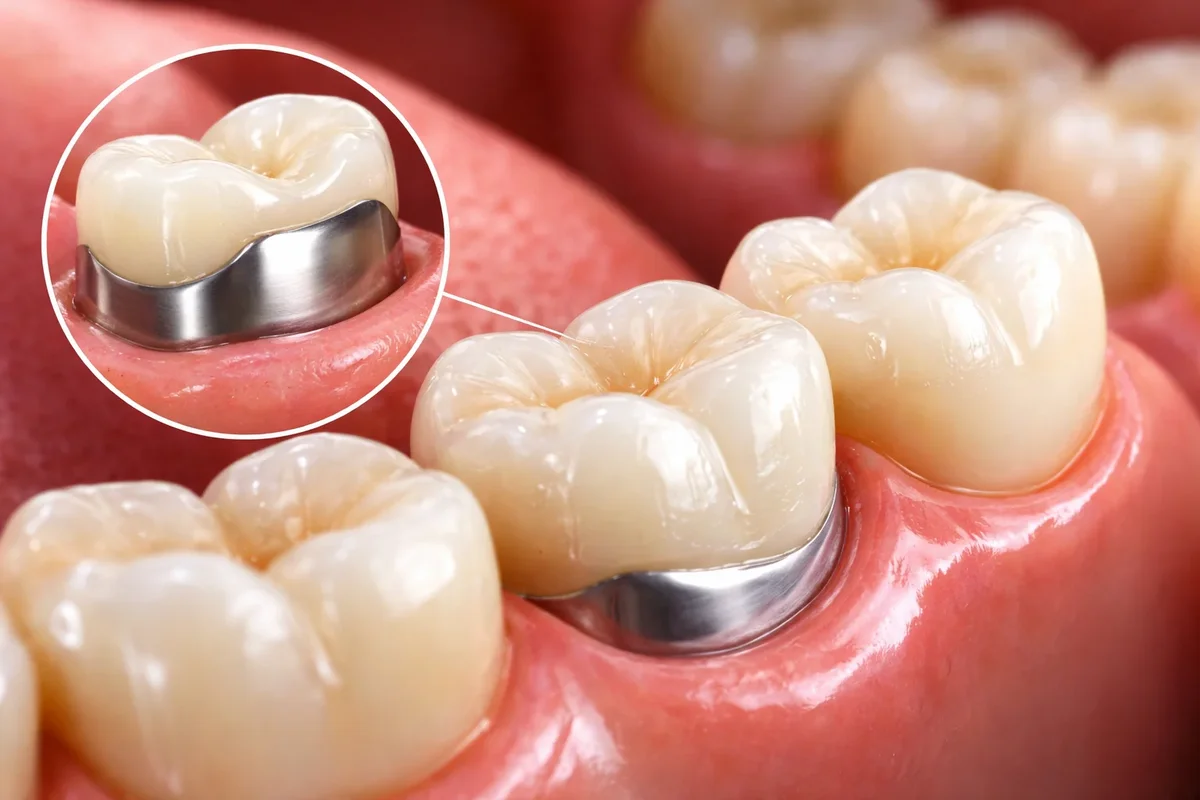
At its core, a porcelain and metal crown consists of two layers. The inner layer is made of a strong metal alloy, which provides durability and resistance to chewing forces. The outer layer is coated with tooth-colored porcelain, carefully shaped and shaded to blend with the surrounding natural teeth. This hybrid structure allows the porcelain and metal crown to withstand daily biting pressure while still offering a pleasing cosmetic result.
Many patients choose a porcelain and metal crown because it offers a balanced solution between aesthetics and strength. While all-ceramic crowns may look slightly more natural, they can sometimes be less durable in high-pressure areas. On the other hand, full metal crowns are extremely strong but lack visual appeal. The porcelain and metal crown sits comfortably between these two options, making it especially suitable for molars and premolars where strength is essential but visibility still matters 😊.
From a clinical perspective, a porcelain and metal crown is often recommended when a tooth has undergone extensive decay, large fillings, or root canal treatment. In these cases, the remaining tooth structure may be too weak to support normal chewing forces. By fully covering the tooth, the porcelain and metal crown protects it from fractures, sensitivity, and further damage, significantly extending its functional lifespan.
Another important advantage of a porcelain and metal crown is its long-standing track record. Dentists have used this restoration type for many years, and its performance is well documented. According to guidance and educational resources provided by the American Dental Association, crowns play a crucial role in restoring oral function, protecting weakened teeth, and maintaining proper bite alignment. This makes the porcelain and metal crown a clinically trusted choice rather than a trend-driven option.
In terms of appearance, modern porcelain layering techniques have significantly improved the aesthetics of the porcelain and metal crown. Skilled dental laboratories can now closely match the color, shape, and translucency of natural teeth. However, it is important to note that because of the metal substructure, a slight gray line may appear near the gum margin over time, especially if gum recession occurs. While this does not affect function, it can be a cosmetic consideration for front teeth.
Patients often ask whether a porcelain and metal crown feels different from a natural tooth. Once properly fitted and cemented, it generally feels very similar to a real tooth. The bite is carefully adjusted so that chewing pressure is evenly distributed, reducing strain on both the crown and neighboring teeth. After a short adaptation period, most patients forget they even have a porcelain and metal crown in place 😄.
Cost is another factor that influences the popularity of the porcelain and metal crown. Compared to high-end all-ceramic or zirconia crowns, porcelain-fused-to-metal crowns are often more affordable while still offering excellent performance. Prices vary depending on the country, clinic, and materials used, but internationally, the average cost typically ranges between $300 and $800 per tooth. In dental tourism destinations like Turkey, patients may find high-quality porcelain and metal crown treatments at significantly lower prices without compromising clinical standards.
For patients considering treatment abroad or seeking professional advice, consulting directly with a reputable dental clinic is always recommended. You can reach experienced dental professionals through the Redent Klinik Contact Page to receive personalized guidance based on your oral health needs and expectations.
In summary, a porcelain and metal crown remains a practical, durable, and clinically proven solution for restoring damaged teeth. It combines the strength of metal with the natural look of porcelain, offering a dependable balance of function and aesthetics. For patients who prioritize longevity, bite strength, and reasonable cost, the porcelain and metal crown continues to be a smart and effective choice in modern restorative dentistry ✨.
How a Porcelain and Metal Crown Is Made
The process of creating a porcelain and metal crown is a precise combination of clinical dentistry and advanced dental laboratory craftsmanship. Each step is designed to ensure that the final crown fits perfectly, functions naturally, and lasts for many years. Understanding how a porcelain and metal crown is made helps patients feel more confident about the treatment and sets realistic expectations about results 🦷.
Initial Tooth Preparation and Impression
The journey of a porcelain and metal crown always begins with thorough tooth preparation. During this stage, the dentist carefully reshapes the damaged tooth to create enough space for both the metal substructure and the porcelain outer layer. This step is critical because a porcelain and metal crown is thicker than some other crown types, due to its dual-layer design.
After reshaping the tooth, an accurate impression is taken using digital scanning or traditional impression materials. This impression captures every detail of the prepared tooth, surrounding teeth, and bite alignment. The precision of this step directly affects how well the porcelain and metal crown will fit, how comfortable it will feel, and how evenly it distributes chewing forces.
Designing the Metal Substructure
Once the impression reaches the dental laboratory, technicians begin designing the inner metal framework of the porcelain and metal crown. This metal core is the foundation of the restoration and is typically made from biocompatible alloys such as cobalt-chromium, nickel-chromium, or precious metal blends. The choice of alloy depends on strength requirements, patient sensitivities, and clinical preference.
The metal framework is carefully shaped to fit snugly over the prepared tooth while allowing enough space for the porcelain layer. This balance is crucial. If the metal is too thick, the porcelain layer may appear bulky or unnatural. If it is too thin, the crown may lack durability. The success of a porcelain and metal crown heavily relies on this precise engineering.
Metal Casting and Quality Control
After digital or manual design, the metal framework is cast or milled with high accuracy. Technicians then inspect it for fit, smoothness, and structural integrity. Any imperfections at this stage could compromise the longevity of the porcelain and metal crown, so quality control is strict and detailed.
Porcelain Layering and Aesthetic Shaping
Once the metal base is approved, the porcelain application begins. Dental porcelain is applied in multiple layers over the metal core and fired in a high-temperature furnace. This process bonds the porcelain securely to the metal, creating a unified structure that gives the porcelain and metal crown its strength and appearance.
Layering is not done randomly. Technicians carefully build the porcelain to mimic natural tooth anatomy, including subtle contours, translucency, and color gradients. This artistry allows a porcelain and metal crown to blend with neighboring teeth rather than looking flat or artificial. Advanced shading techniques help match the patient’s natural tooth color as closely as possible 😊.
Trial Fitting and Adjustments
Before final placement, the porcelain and metal crown is often tried in the patient’s mouth. During this appointment, the dentist checks the fit, bite alignment, and overall comfort. Any pressure points or bite irregularities are adjusted to ensure that the porcelain and metal crown integrates seamlessly into the patient’s natural bite.
Small refinements at this stage can make a significant difference in long-term comfort and function. A well-adjusted porcelain and metal crown reduces stress on surrounding teeth and minimizes the risk of jaw discomfort or uneven wear.
Final Cementation and Polishing
Once the fit and aesthetics are confirmed, the porcelain and metal crown is permanently cemented onto the tooth using strong dental cement. Excess cement is removed, and the crown is polished to ensure a smooth surface that resists plaque buildup.
After cementation, the porcelain and metal crown becomes a fixed part of the mouth, functioning just like a natural tooth. Patients are usually advised to avoid very hard or sticky foods for the first 24 hours while the cement fully sets.
Why the Manufacturing Process Matters
The detailed manufacturing process is one of the main reasons a porcelain and metal crown has remained a popular restorative option for decades. Each stage—from metal design to porcelain layering—directly affects strength, appearance, and longevity. When crafted and placed correctly, a porcelain and metal crown can last 10–15 years or longer with proper oral care.
In conclusion, making a porcelain and metal crown is a meticulous, multi-step process that combines science, engineering, and dental artistry. This careful approach ensures that the final restoration not only protects the tooth but also restores confidence, comfort, and everyday functionality ✨.
Who Is a Good Candidate for a Porcelain and Metal Crown?
A porcelain and metal crown is not a one-size-fits-all solution, but it is an excellent option for a wide range of patients who need strong, long-lasting tooth restoration. Dentists recommend this type of crown based on clinical needs, bite force, tooth position, and aesthetic expectations. Understanding who is a good candidate for a porcelain and metal crown helps patients make informed, confident decisions about their dental care 🦷.
Patients With Severely Damaged or Weakened Teeth
One of the most common reasons for recommending a porcelain and metal crown is extensive tooth damage. Teeth that have large cavities, fractures, or multiple old fillings often lack the structural strength needed for normal chewing. In such cases, a filling alone is not enough. A porcelain and metal crown fully covers and reinforces the tooth, preventing further breakage.
Patients who grind or clench their teeth (a condition known as bruxism) are also strong candidates for a porcelain and metal crown. Because of the metal core, this type of crown can withstand heavy biting forces better than many all-ceramic alternatives. For these patients, durability often takes priority over purely cosmetic concerns.
After Root Canal Treatment
Teeth that have undergone root canal therapy are especially vulnerable. The procedure removes infected pulp tissue, which can leave the tooth brittle over time. Dentists frequently recommend a porcelain and metal crown after root canal treatment to protect the remaining tooth structure.
A porcelain and metal crown acts like a protective shell, sealing the treated tooth and restoring full chewing function. This is particularly important for back teeth, where chewing pressure is highest. Without proper coverage, root canal–treated teeth are at a much higher risk of cracking or fracturing.
Ideal Tooth Locations for a Porcelain and Metal Crown
Tooth position plays a major role in crown selection. A porcelain and metal crown is especially suitable for molars and premolars, where strength is essential and visibility is less critical. These teeth handle the majority of chewing forces, making the metal substructure a significant advantage.
In some cases, a porcelain and metal crown may also be used on front teeth, particularly when patients prioritize durability or have bite alignment issues. However, dentists may carefully evaluate gum line visibility before recommending this option for highly visible areas.
Functional Needs vs Aesthetic Expectations
Patients who value function and longevity over perfect translucency are often excellent candidates for a porcelain and metal crown. While modern porcelain techniques have improved aesthetics, the metal base can sometimes slightly limit light transmission compared to all-ceramic crowns. For many patients, this trade-off is well worth the added strength and reliability.
Patients With Budget Considerations
Cost is an important factor in dental treatment decisions. A porcelain and metal crown is generally more affordable than premium ceramic or zirconia options while still offering excellent clinical performance. This makes it a practical choice for patients seeking a balance between quality and cost.
For individuals considering dental treatment abroad, such as dental tourism patients, a porcelain and metal crown can provide outstanding value. Clinics in countries like Turkey often offer high-quality porcelain and metal crown treatments at significantly reduced costs compared to many Western countries, without compromising safety or materials.
Patients With Metal Sensitivities or Allergies
While most patients tolerate dental alloys well, a porcelain and metal crown may not be suitable for individuals with known metal allergies, particularly to nickel. In such cases, dentists can choose alternative alloys or recommend metal-free crowns. A thorough medical and dental history is essential before selecting a porcelain and metal crown.
Who May Not Be the Best Candidate?
Although a porcelain and metal crown is versatile, it may not be ideal for patients with very high aesthetic demands for front teeth or those with thin gum tissue prone to recession. Over time, gum recession can reveal a dark line at the crown margin due to the metal core. For patients who are highly concerned about cosmetic perfection, all-ceramic options may be preferred.
Additionally, patients with excellent remaining tooth structure and minimal damage may not need a full porcelain and metal crown at all. In these cases, less invasive treatments such as inlays, onlays, or veneers may be sufficient.
Professional Evaluation Is Key
The best way to determine whether a porcelain and metal crown is right for you is through a comprehensive dental examination. Dentists assess bite force, tooth condition, gum health, and aesthetic goals before making a recommendation. Personalized treatment planning ensures that the porcelain and metal crown delivers long-term comfort, durability, and satisfaction 😊.
In summary, a porcelain and metal crown is an excellent choice for patients who need strength, reliability, and proven performance. When selected for the right indications and placed correctly, it offers a dependable solution that restores both function and confidence for many years ✨.
Porcelain and Metal Crown vs All-Ceramic Crowns
When patients are advised to get a dental crown, one of the most common questions is whether a porcelain and metal crown or an all-ceramic crown is the better choice. Both options are widely used in modern dentistry, but they differ significantly in structure, strength, aesthetics, and long-term performance. Understanding these differences helps patients choose the restoration that best matches their functional needs, cosmetic expectations, and budget 🦷.
Structural Differences and Core Strength
The most fundamental difference lies in how these crowns are built. A porcelain and metal crown has a strong metal substructure that supports an outer porcelain layer. This metal core provides exceptional resistance to biting and chewing forces, making the porcelain and metal crown particularly suitable for back teeth.
In contrast, all-ceramic crowns are made entirely from ceramic materials, such as lithium disilicate or zirconia-based ceramics. While modern ceramics are strong, they generally do not match the long-term fracture resistance of a porcelain and metal crown under heavy load. For patients who grind their teeth or apply significant pressure when chewing, this structural difference can be decisive.
Aesthetic Comparison
From a purely cosmetic perspective, all-ceramic crowns often have an advantage. Because they do not contain metal, they allow light to pass through in a way that closely mimics natural tooth enamel. This makes them especially popular for front teeth, where translucency and color depth are critical.
A porcelain and metal crown, while aesthetically pleasing, may slightly limit light transmission due to the metal core. In some cases, a faint gray line can appear near the gum margin over time if gum recession occurs. However, advances in porcelain layering have significantly improved the appearance of the porcelain and metal crown, making it visually acceptable for many patients, even in moderately visible areas 😊.
Gum Line and Long-Term Appearance
One important aesthetic consideration is how each crown interacts with the gums over time. All-ceramic crowns typically maintain a more natural appearance at the gum line, even if minor recession occurs. A porcelain and metal crown, on the other hand, may reveal the metal edge if the gums recede, which can affect cosmetic outcomes in highly visible areas.
Durability and Longevity
Durability is where the porcelain and metal crown truly stands out. Thanks to its metal framework, it is highly resistant to cracking, chipping, and wear. With proper oral hygiene and regular dental checkups, a porcelain and metal crown can last 10 to 15 years or even longer.
All-ceramic crowns can also be durable, especially zirconia-based options, but they may be more susceptible to chipping in certain situations. For patients with strong bite forces, uneven occlusion, or a history of broken restorations, dentists often favor a porcelain and metal crown for its proven reliability.
Tooth Reduction and Preparation
Another key difference involves how much natural tooth structure must be removed. A porcelain and metal crown usually requires slightly more tooth reduction to accommodate both the metal and porcelain layers. This is necessary to ensure proper thickness, strength, and aesthetics.
All-ceramic crowns may sometimes allow for more conservative preparation, depending on the material used. However, this benefit must be weighed against the functional demands placed on the tooth. In high-stress areas, the additional reduction required for a porcelain and metal crown is often justified by its superior strength.
Cost and Accessibility
Cost is often a deciding factor for many patients. A porcelain and metal crown is generally more affordable than premium all-ceramic options, particularly those made from advanced ceramic systems. This makes the porcelain and metal crown an attractive choice for patients seeking a balance between performance and price.
In many dental clinics worldwide, porcelain and metal crown treatments are widely available and supported by experienced dental laboratories. All-ceramic crowns, while increasingly common, may require more specialized equipment and expertise, which can influence cost and availability.
Clinical Recommendations and Use Cases
Dentists do not view this choice as purely aesthetic or purely functional. Instead, they evaluate each patient individually. A porcelain and metal crown is often recommended for molars, premolars, bridge supports, and patients with bruxism. All-ceramic crowns are commonly suggested for front teeth where appearance is the top priority.
Ultimately, both crown types have their place in restorative dentistry. The key is matching the right crown to the right clinical situation.
Making the Right Decision
Choosing between a porcelain and metal crown and an all-ceramic crown should always involve a professional dental consultation. Factors such as bite force, tooth location, gum health, aesthetic goals, and budget all play a role. When durability, longevity, and cost-effectiveness are primary concerns, the porcelain and metal crown remains a dependable and time-tested solution ✨.
Durability and Lifespan of a Porcelain and Metal Crown
The porcelain and metal crown is widely recognized for its exceptional durability and long-term reliability, which is one of the main reasons it continues to be used in restorative dentistry today. Patients who need a restoration that can withstand strong chewing forces, daily wear, and long-term use often find that a porcelain and metal crown offers peace of mind and consistent performance 🦷.
Why Porcelain and Metal Crowns Are So Durable
The durability of a porcelain and metal crown comes primarily from its internal metal framework. This metal core provides a level of strength that purely ceramic materials often cannot match. While the porcelain exterior delivers a natural tooth-like appearance, the metal substructure absorbs and distributes chewing forces evenly across the tooth.
This dual-layer design allows the porcelain and metal crown to resist cracking, fracturing, and excessive wear, even in patients who exert high bite pressure. For molars and premolars—teeth that handle the majority of chewing—this strength is especially important.
Resistance to Chewing and Grinding Forces
Patients who grind or clench their teeth place extreme stress on dental restorations. In such cases, a porcelain and metal crown performs significantly better than many all-ceramic alternatives. The metal base acts as a shock absorber, reducing the risk of catastrophic failure.
Average Lifespan of a Porcelain and Metal Crown
With proper care, a porcelain and metal crown typically lasts between 10 and 15 years, and in many cases, even longer. Some patients maintain the same porcelain and metal crown for 20 years or more without complications. Longevity depends on several factors, including oral hygiene habits, bite alignment, and regular dental checkups.
Compared to other crown types, the porcelain and metal crown consistently ranks among the longest-lasting options. This makes it a cost-effective solution over time, as fewer replacements are needed.
Factors That Influence Longevity
While the porcelain and metal crown is inherently strong, its lifespan is influenced by how it is used and maintained. Good oral hygiene plays a crucial role. Plaque buildup around the crown margin can lead to decay in the underlying tooth, potentially shortening the life of the restoration.
Regular brushing, flossing, and professional cleanings help protect both the crown and the natural tooth underneath. Dentists also recommend periodic examinations to ensure that the porcelain and metal crown remains properly sealed and structurally sound.
Bite Alignment and Occlusion
Proper bite alignment significantly affects how long a porcelain and metal crown lasts. If the crown is subjected to uneven pressure due to misalignment, it may experience premature wear or porcelain chipping. This is why dentists carefully adjust the bite during placement to ensure balanced contact with opposing teeth.
Porcelain Wear and Chipping Risks
Although the metal core of a porcelain and metal crown is extremely strong, the porcelain outer layer can still be vulnerable to chipping under certain conditions. This is most likely to occur if the patient bites down on very hard objects, such as ice or hard candy, or if there is untreated bruxism.
Minor porcelain chipping does not always require full crown replacement. In many cases, small chips can be smoothed or repaired. However, avoiding excessive force helps preserve the aesthetics and integrity of the porcelain and metal crown.
Comparison With Other Crown Types
When compared to all-ceramic crowns, the porcelain and metal crown generally offers superior resistance to fracture in high-stress areas. While modern ceramic materials have improved significantly, they may still be more prone to cracking under extreme pressure.
Metal-only crowns may last longer in terms of structural strength, but they lack the aesthetic appeal that the porcelain and metal crown provides. This balance of durability and appearance is a key reason why this crown type remains popular.
Signs a Porcelain and Metal Crown May Need Replacement
Even the most durable restorations eventually show signs of wear. Indicators that a porcelain and metal crown may need replacement include persistent discomfort, visible cracks in the porcelain, gum recession exposing the metal margin, or decay forming at the crown’s edge.
Early detection of these issues allows dentists to address problems before they lead to tooth damage. Regular dental visits are essential for maximizing the lifespan of a porcelain and metal crown.
Long-Term Reliability and Patient Satisfaction
From a long-term perspective, the porcelain and metal crown has an excellent track record. Decades of clinical use have demonstrated its ability to restore function, protect weakened teeth, and maintain oral stability over time. Patients often report high satisfaction due to its strength, comfort, and predictable performance 😊.
In summary, the porcelain and metal crown is a durable, long-lasting solution for patients who prioritize strength and reliability. With proper care and professional maintenance, it remains one of the most dependable restorative options available in modern dentistry ✨.
Aesthetic Advantages and Limitations
The porcelain and metal crown is often chosen for its balance between strength and appearance, but aesthetics remain a key concern for many patients. While this type of crown can look very natural when properly designed and placed, it also has certain visual limitations that patients should understand before making a decision. Evaluating both the aesthetic advantages and limitations of a porcelain and metal crown helps set realistic expectations and improves long-term satisfaction 😊.
How Natural Does a Porcelain and Metal Crown Look?
Modern dental technology has significantly improved the appearance of the porcelain and metal crown. The outer porcelain layer is carefully shaded to match the color, shape, and surface texture of surrounding natural teeth. Skilled dental technicians use advanced layering techniques to mimic enamel translucency, subtle color variations, and natural contours.
For many patients, especially when the crown is placed on molars or premolars, a porcelain and metal crown blends seamlessly into the smile. In everyday situations such as speaking or laughing, it is often indistinguishable from natural teeth.
Porcelain Layering and Shade Matching
One of the biggest aesthetic strengths of a porcelain and metal crown lies in its porcelain veneer. High-quality dental porcelain can be customized to match neighboring teeth extremely closely. Dentists select shades based on natural tooth color, lighting conditions, and facial features to ensure harmony within the smile.
This customization allows a porcelain and metal crown to meet the aesthetic expectations of many patients, particularly when absolute translucency is not critical.
Limitations Caused by the Metal Substructure
Despite aesthetic improvements, the internal metal framework does impose some limitations. Because metal does not transmit light like natural enamel, a porcelain and metal crown may appear slightly less translucent than all-ceramic alternatives. This difference is subtle but can become noticeable in highly visible front teeth.
In certain lighting conditions, the crown may reflect light differently than natural teeth. While this is rarely an issue for back teeth, it can be a consideration for patients with high cosmetic demands.
The Risk of a Dark Gum Line
One of the most commonly discussed aesthetic concerns with a porcelain and metal crown is the potential appearance of a dark or gray line at the gum margin. This can occur if the gums recede over time, exposing the metal edge beneath the porcelain.
Gum recession is influenced by factors such as age, oral hygiene, genetics, and periodontal health. While not every patient will experience this issue, those with thin gum tissue or a history of gum disease may be at higher risk.
Tooth Position and Aesthetic Expectations
The visual success of a porcelain and metal crown is strongly influenced by where it is placed in the mouth. Dentists frequently recommend this crown type for molars and premolars, where strength is more important than aesthetics and the teeth are less visible when smiling.
For front teeth, dentists carefully evaluate smile line, lip movement, and gum visibility before recommending a porcelain and metal crown. In cases where the crown margin is well hidden and the bite forces are high, it may still be a suitable option.
How Dentists Minimize Aesthetic Drawbacks
Experienced dentists and dental laboratories use several techniques to reduce the visual limitations of a porcelain and metal crown. These include placing the metal margin slightly below the gum line, using porcelain shoulder designs, and selecting advanced porcelain materials that improve light reflection.
Proper crown contouring also plays a major role. When the shape of the porcelain and metal crown follows natural tooth anatomy, it supports healthy gums and reduces the likelihood of recession, helping preserve aesthetics over time.
Patient Satisfaction and Realistic Expectations
Most patients report high satisfaction with the appearance of their porcelain and metal crown, particularly when it is placed in a low-visibility area. Problems usually arise when expectations are not aligned with the material’s limitations.
Open communication between the patient and dentist is essential. Discussing aesthetic priorities, lifestyle habits, and long-term expectations allows the dentist to determine whether a porcelain and metal crown is the most appropriate solution or if an alternative should be considered.
Aesthetic Longevity Over Time
Unlike some cosmetic restorations that may discolor or degrade quickly, the porcelain surface of a porcelain and metal crown is highly resistant to staining. Coffee, tea, and other pigmented foods rarely affect its color. This helps the crown maintain a consistent appearance for many years.
However, changes in surrounding natural teeth or gums over time can affect overall smile harmony. Regular dental visits allow dentists to monitor these changes and address any emerging aesthetic concerns early.
Balancing Beauty and Function
In summary, the porcelain and metal crown offers a strong balance between acceptable aesthetics and exceptional durability. While it may not match the translucency of all-ceramic crowns in highly visible areas, it delivers reliable, natural-looking results for a wide range of patients.
For individuals who value long-term strength, functional stability, and reasonable aesthetics, the porcelain and metal crown remains a trusted and visually satisfying restorative option in modern dentistry ✨.
The Dental Procedure Step by Step
The process of receiving a porcelain and metal crown is a carefully planned dental procedure designed to restore strength, function, and comfort to a damaged tooth. While the idea of a crown procedure may feel intimidating to some patients, understanding each step helps reduce anxiety and builds confidence in the treatment. From the initial consultation to final placement, every stage of a porcelain and metal crown procedure is focused on precision and long-term success 🦷.
Initial Consultation and Examination
The first step in the porcelain and metal crown procedure is a comprehensive dental examination. During this visit, the dentist evaluates the condition of the tooth, surrounding gums, and bite alignment. X-rays are often taken to assess the tooth roots and bone structure, ensuring that a porcelain and metal crown is the appropriate solution.
The dentist also discusses the patient’s symptoms, such as pain, sensitivity, or difficulty chewing. Based on these findings, a treatment plan is created. If decay, infection, or nerve damage is present, additional procedures such as a root canal may be completed before proceeding with the porcelain and metal crown.
Tooth Preparation
Once the tooth is ready for restoration, the dentist begins tooth preparation. This involves reshaping the tooth to make space for the porcelain and metal crown. Because this type of crown includes both a metal core and a porcelain layer, slightly more tooth structure may need to be removed compared to some other crown types.
Local anesthesia is used to ensure patient comfort during this step. The goal is to create a stable, smooth foundation that allows the porcelain and metal crown to fit securely and function naturally within the bite.
Protecting the Tooth Structure
During preparation, dentists take care to preserve as much healthy tooth structure as possible. Proper preparation helps ensure that the porcelain and metal crown bonds securely and reduces the risk of future complications.
Taking Impressions or Digital Scans
After the tooth is prepared, an impression or digital scan is taken. This captures precise details of the tooth shape, neighboring teeth, and bite alignment. Accuracy at this stage is essential, as it directly affects the fit and comfort of the porcelain and metal crown.
The impression is sent to a dental laboratory, where skilled technicians begin crafting the custom crown. This collaboration between dentist and lab ensures that the porcelain and metal crown meets both functional and aesthetic requirements.
Temporary Crown Placement
While the permanent porcelain and metal crown is being fabricated, a temporary crown is placed over the prepared tooth. This temporary restoration protects the tooth from sensitivity, damage, and bacterial exposure.
Patients are advised to avoid very hard or sticky foods during this period. Although temporary crowns are functional, they are not as strong as the final porcelain and metal crown.
Final Crown Try-In and Adjustment
Once the permanent porcelain and metal crown is ready, the patient returns for a fitting appointment. The dentist removes the temporary crown and places the final restoration on the tooth to check fit, bite, and appearance.
Any necessary adjustments are made to ensure that the porcelain and metal crown feels comfortable and does not interfere with normal chewing or jaw movement. This step is critical for preventing uneven pressure and long-term discomfort.
Ensuring Proper Bite Alignment
Bite alignment is carefully evaluated using articulation paper and patient feedback. A properly aligned porcelain and metal crown distributes forces evenly, protecting both the crown and surrounding teeth.
Permanent Cementation
After final adjustments, the porcelain and metal crown is permanently cemented in place using strong dental cement. Excess cement is removed, and the crown is polished to create a smooth surface that resists plaque buildup.
Once cemented, the porcelain and metal crown becomes a fixed part of the mouth. Patients can usually resume normal eating habits within a short time, although caution is recommended for the first 24 hours.
Post-Procedure Care and Adaptation
It is normal to experience mild sensitivity or pressure after receiving a porcelain and metal crown. This typically subsides within a few days as the mouth adapts. Maintaining good oral hygiene and following the dentist’s instructions help ensure a smooth recovery.
Regular dental checkups allow the dentist to monitor the porcelain and metal crown and address any issues early. With proper care, the crown functions just like a natural tooth.
A Predictable and Proven Process
In summary, the step-by-step procedure for placing a porcelain and metal crown is methodical, precise, and patient-focused. Each phase—from preparation to final cementation—is designed to maximize comfort, durability, and long-term success.
Understanding the dental procedure helps patients approach treatment with confidence, knowing that a porcelain and metal crown is a reliable solution supported by decades of clinical experience ✨.
Cost of a Porcelain and Metal Crown
The cost of a porcelain and metal crown is one of the most common concerns for patients considering this treatment. While dental crowns are an investment in long-term oral health, understanding what affects pricing helps patients plan confidently and avoid surprises. The good news is that a porcelain and metal crown is generally one of the most cost-effective fixed restorations available, offering an excellent balance between durability, aesthetics, and affordability 🦷.
Average Cost Range Worldwide
Globally, the price of a porcelain and metal crown varies significantly depending on geographic location, clinic standards, materials used, and professional expertise. In many countries such as the United States, the average cost of a porcelain and metal crown typically ranges between $700 and $1,500 per tooth. This price often reflects higher operational costs, insurance structures, and laboratory fees.
In contrast, patients seeking treatment in countries known for dental tourism may pay considerably less for the same porcelain and metal crown quality. In destinations like Turkey, Eastern Europe, and parts of Asia, prices often range between $250 and $600 per crown, while still using internationally approved materials and modern techniques.
Typical Price Breakdown
Although exact costs vary, the price of a porcelain and metal crown usually includes:
- Dental examination and diagnosis
- Tooth preparation and impressions
- Laboratory fabrication of the crown
- Temporary crown placement
- Final fitting and cementation
Factors That Influence the Cost
Several variables determine how much a porcelain and metal crown ultimately costs. One of the most significant factors is the type of metal alloy used. Crowns made with high-noble or precious metal alloys are generally more expensive than those made with base metal alloys, even though both can offer excellent strength.
The quality of the dental laboratory also plays a major role. Skilled technicians who specialize in aesthetic porcelain layering and precise metal frameworks may charge higher fees, but their work often results in better fit, appearance, and longevity for the porcelain and metal crown.
Clinic Expertise and Technology
Dental clinics that invest in advanced imaging, digital impressions, and strict sterilization protocols may charge slightly more for a porcelain and metal crown. However, these investments often translate into greater precision, reduced adjustment time, and improved patient comfort.
Experienced dentists with extensive restorative backgrounds may also charge higher fees. Their expertise helps ensure that the porcelain and metal crown is placed correctly, minimizing the risk of complications and premature failure.
Insurance Coverage and Payment Considerations
In many countries, dental insurance plans partially cover the cost of a porcelain and metal crown, especially when it is deemed medically necessary. Coverage percentages vary, and some plans may cover only a portion of the total cost.
Patients should always verify coverage details with their insurance provider. In cases where insurance does not apply, many clinics offer flexible payment plans or financing options to make a porcelain and metal crown more accessible.
Cost vs Long-Term Value
While the initial price of a porcelain and metal crown may seem significant, it is important to consider long-term value. Thanks to its durability and lifespan of 10–15 years or more, this type of crown often proves more economical over time compared to restorations that require frequent replacement.
Fewer repairs, lower risk of fracture, and reduced need for future dental interventions contribute to the overall cost-effectiveness of a porcelain and metal crown.
Dental Tourism and Cost Savings
Many patients choose to travel abroad for a porcelain and metal crown to reduce expenses without sacrificing quality. Dental clinics in popular dental tourism destinations often follow international standards, use globally recognized materials, and employ experienced specialists.
In addition to lower crown costs, patients may benefit from bundled treatment packages, shorter waiting times, and personalized care. However, it is essential to research clinics carefully and choose reputable providers with transparent pricing and patient reviews.
Hidden Costs to Be Aware Of
When comparing prices, patients should ask whether additional procedures are included. Treatments such as root canal therapy, gum treatment, or tooth buildup may add to the total cost of a porcelain and metal crown.
Clarifying these details upfront helps avoid unexpected expenses and ensures accurate budgeting.
Making an Informed Financial Decision
Ultimately, the cost of a porcelain and metal crown should be evaluated alongside factors such as durability, comfort, and long-term oral health benefits. Choosing the cheapest option is not always the best decision if it compromises quality or longevity.
In summary, a porcelain and metal crown offers excellent value for patients seeking a strong, reliable, and reasonably priced dental restoration. With careful planning and professional guidance, it remains one of the most financially sensible crown options available in modern dentistry ✨.
Care, Maintenance, and Long-Term Oral Health
Proper care is essential to ensure that a porcelain and metal crown lasts as long as possible and continues to function like a natural tooth. Although a porcelain and metal crown is highly durable, it still relies on the health of the underlying tooth and surrounding gums. With consistent oral hygiene and regular dental checkups, patients can protect their investment and maintain excellent long-term oral health 🦷.
Daily Oral Hygiene for a Porcelain and Metal Crown
Caring for a porcelain and metal crown is very similar to caring for natural teeth. Brushing twice a day with a soft-bristled toothbrush and fluoride toothpaste is essential. This helps remove plaque and food debris that can accumulate around the crown margin.
Flossing is equally important. While the porcelain and metal crown itself cannot decay, the natural tooth underneath still can. Plaque buildup at the gum line can lead to decay or gum disease, which may compromise the crown’s stability. Gently flossing around the porcelain and metal crown helps protect the surrounding tissue and tooth structure.
Choosing the Right Oral Care Products
Non-abrasive toothpaste is recommended to avoid unnecessary wear on the porcelain surface. While porcelain is stain-resistant, harsh abrasives can dull its shine over time. Antibacterial mouthwashes can also help reduce plaque and maintain gum health around the porcelain and metal crown.
Eating Habits and Lifestyle Considerations
Although a porcelain and metal crown is strong, certain habits can shorten its lifespan. Biting on hard objects such as ice, pens, or hard candies can increase the risk of porcelain chipping. Patients are advised to use their teeth only for chewing food, not for opening packages or cracking hard items.
For individuals who grind or clench their teeth, wearing a night guard is highly recommended. Bruxism places excessive stress on all teeth, including a porcelain and metal crown. A custom night guard helps protect the crown and surrounding teeth from damage during sleep.
Regular Dental Checkups and Professional Care
Routine dental visits play a crucial role in maintaining a porcelain and metal crown. Dentists monitor the crown’s condition, check for signs of wear or gum recession, and ensure that the bite remains properly aligned. Early detection of issues allows for simple adjustments rather than complex repairs.
Professional cleanings remove hardened plaque (tartar) that cannot be eliminated through brushing alone. This helps keep the gums healthy and prevents inflammation around the porcelain and metal crown.
Gum Health and Its Impact on Crown Longevity
Healthy gums are essential for the long-term success of a porcelain and metal crown. Gum disease can lead to recession, exposing the crown margin and increasing the risk of decay beneath the crown. In severe cases, gum disease can compromise the tooth’s support structure.
Maintaining good gum health through proper hygiene, professional cleanings, and early treatment of inflammation helps preserve both the appearance and function of the porcelain and metal crown.
Managing Gum Recession Risks
Patients with a history of periodontal disease or thin gum tissue should be especially diligent. Dentists may recommend more frequent cleanings or specific oral care techniques to reduce the risk of recession around a porcelain and metal crown.
Long-Term Oral Health Benefits
A well-maintained porcelain and metal crown contributes positively to overall oral health. By restoring proper chewing function, it helps maintain balanced bite forces and prevents excessive wear on neighboring teeth. This stability reduces the risk of jaw discomfort and uneven tooth wear.
Additionally, a porcelain and metal crown protects weakened teeth from further damage, reducing the likelihood of tooth loss. Preserving natural teeth plays a vital role in maintaining facial structure, speech clarity, and overall quality of life.
Signs That Require Dental Attention
Even with excellent care, patients should remain alert to warning signs. Persistent pain, sensitivity, loosening of the crown, or visible cracks in the porcelain should be evaluated promptly. Addressing these issues early often prevents more serious complications.
Regular self-checks combined with professional monitoring ensure that any problems with a porcelain and metal crown are managed effectively.
A Long-Term Commitment to Oral Health
In summary, caring for a porcelain and metal crown is a long-term commitment that pays off with years of reliable function and comfort. Daily hygiene, mindful eating habits, and routine dental visits work together to protect the crown and the natural tooth beneath it.
When properly maintained, a porcelain and metal crown not only restores a single tooth but also supports overall oral health and confidence. With the right care, it remains a dependable and rewarding solution for many years to come ✨.
Frequently Asked Questions About Porcelain and Metal Crowns
Even after a detailed explanation, many patients still have practical questions before choosing a porcelain and metal crown. This is completely normal. Dental crowns are a long-term decision, and understanding real-life concerns helps patients feel confident and informed. Below are the most frequently asked questions about porcelain and metal crown treatments, answered clearly and in detail 🦷.
Does a Porcelain and Metal Crown Feel Like a Real Tooth?
One of the most common concerns is whether a porcelain and metal crown feels natural in the mouth. Once properly placed and adjusted, most patients report that their porcelain and metal crown feels almost identical to a natural tooth. The crown is shaped to match your bite and chewing pattern, allowing smooth and comfortable function.
There may be a short adaptation period during the first few days, during which the tongue and jaw adjust to the new restoration. This sensation typically disappears quickly, and the porcelain and metal crown becomes unnoticeable during everyday activities like eating and speaking.
Can a Porcelain and Metal Crown Stain Over Time?
The porcelain surface of a porcelain and metal crown is highly resistant to staining. Unlike natural enamel, porcelain does not absorb pigments from coffee, tea, red wine, or smoking. This means the visible portion of the porcelain and metal crown generally maintains its original color for many years.
However, surrounding natural teeth may change color over time due to aging or dietary habits. This can sometimes create a slight contrast between the crown and adjacent teeth, even though the crown itself remains unchanged.
Can the Crown Be Whitened?
It is important to note that whitening treatments do not affect a porcelain and metal crown. If whitening is planned, it should ideally be done before crown placement so the crown can be matched to the final tooth shade.
Is a Porcelain and Metal Crown Safe?
A porcelain and metal crown is considered very safe and has been used successfully for decades. The materials used are biocompatible and designed to function safely in the oral environment. For patients without metal allergies, this type of crown poses minimal risk.
For individuals with known metal sensitivities, dentists can select alternative alloys or recommend metal-free options. A thorough medical history ensures that the porcelain and metal crown chosen is appropriate for the patient.
Can a Porcelain and Metal Crown Break or Fall Off?
Although a porcelain and metal crown is extremely durable, no dental restoration is indestructible. Excessive force, trauma, or untreated teeth grinding can cause porcelain chipping or crown loosening.
If a porcelain and metal crown becomes loose or dislodged, it should be addressed promptly. Early intervention often allows the crown to be re-cemented without replacement, provided the underlying tooth remains healthy.
How Long Does the Entire Treatment Take?
The full porcelain and metal crown process typically requires two dental visits spread over one to two weeks. The first visit includes tooth preparation and impressions, while the second visit involves fitting and cementation of the final crown.
In some clinics equipped with advanced laboratory support, treatment timelines may be shortened. However, careful fabrication remains essential for a long-lasting porcelain and metal crown.
Can You Eat Normally With a Porcelain and Metal Crown?
Yes, once the porcelain and metal crown is permanently cemented, patients can eat normally. The crown is designed to handle typical chewing forces and restore full function.
As with natural teeth, it is wise to avoid biting very hard objects. Sensible eating habits help protect the porcelain layer and extend the life of the porcelain and metal crown.
Is Replacement Difficult If Needed in the Future?
If a porcelain and metal crown eventually needs replacement due to wear, gum changes, or decay, the process is usually straightforward. Dentists remove the old crown, evaluate the tooth, and fabricate a new one if the tooth structure is still healthy.
This predictability is another reason why a porcelain and metal crown is considered a reliable long-term solution.
Final Thoughts for Patients
Choosing a porcelain and metal crown is a practical and well-supported decision for many patients. Its combination of strength, affordability, and proven performance makes it one of the most trusted restorations in dentistry.
By understanding expectations, care requirements, and long-term outcomes, patients can confidently move forward with a porcelain and metal crown, knowing it offers a durable and dependable solution for restoring oral health and everyday comfort ✨.