
If you are researching porcelain dental implants cost, you are likely considering a long-term solution for missing teeth and want clear, honest information before making a decision. Dental implants are one of the most advanced restorative treatments in modern dentistry, and porcelain (often referred to as ceramic or zirconia) implants have gained attention for their aesthetics and biocompatibility. Understanding porcelain dental implants cost requires more than just looking at a single price tag — it involves analyzing materials, surgical expertise, technology, and long-term value. 🦷
In 2026, porcelain dental implants cost typically ranges between $3,000 and $6,500 per tooth in the United States, depending on complexity and clinic location. In some European countries, the average porcelain dental implants cost ranges from €2,000 to €4,500 per implant. These figures usually include the implant fixture, abutment, and crown. However, they may not include additional procedures such as bone grafting or sinus lifting. Because porcelain implants are manufactured from high-strength ceramic materials, the porcelain dental implants cost can be slightly higher than traditional titanium options.
One reason porcelain dental implants cost more is the advanced manufacturing process. Unlike titanium implants, ceramic implants require specialized production techniques to ensure strength, fracture resistance, and precise osseointegration. The material itself is metal-free, making it attractive to patients seeking holistic or allergy-conscious dental solutions. This premium material contributes directly to porcelain dental implants cost but also enhances aesthetics, especially in patients with thin gum tissue where metal may otherwise show through.
Another key factor influencing porcelain dental implants cost is the expertise of the implantologist. Placing ceramic implants demands precision and experience. Not every dentist offers this treatment because it requires specific surgical protocols and training. Clinics that specialize in ceramic implantology may charge higher fees, but this often reflects better technology, 3D imaging systems, and digital planning tools. These investments improve accuracy and reduce complications, which can ultimately protect you from unexpected increases in porcelain dental implants cost due to corrective procedures.
Patients frequently ask whether porcelain dental implants cost includes consultation, imaging, and follow-up visits. In reputable clinics, the full treatment plan usually covers:
- Initial consultation and oral examination
- 3D CBCT scan and digital planning
- Implant placement surgery
- Healing cap or temporary crown
- Final porcelain crown placement
- Post-operative check-ups
However, always confirm what is included in your personalized quote. Transparent communication ensures you understand the true porcelain dental implants cost without hidden fees.
Compared to other tooth replacement options like bridges or removable dentures, porcelain dental implants cost may initially seem high. A dental bridge in the U.S. can range from $2,000 to $5,000, but it often requires replacing it every 10–15 years. Dentures may cost $1,000 to $3,000, but they require maintenance and may affect bone health. In contrast, porcelain implants can last 20 years or longer with proper care. This means that although porcelain dental implants cost more upfront, they may provide superior long-term value.
According to general dental standards outlined by the American Dental Association, dental implants are considered a safe and predictable treatment when placed correctly. While the ADA does not specifically regulate pricing, it emphasizes patient safety, hygiene standards, and informed consent. Choosing a reputable clinic directly impacts both your health and the final porcelain dental implants cost.
If you are considering treatment abroad to reduce porcelain dental implants cost, many patients explore dental tourism destinations where prices can be 40–60% lower than in the United States or Western Europe. Clinics that focus on international patients often provide complete treatment packages. If you would like personalized information about your situation, you can visit the Redent Klinik Contact Page to request a detailed consultation plan.
Ultimately, porcelain dental implants cost reflects material quality, surgical precision, technology, and long-term durability. Instead of focusing solely on the number, evaluate what you are receiving for that investment. A properly placed porcelain implant not only restores your smile but also protects jawbone integrity, chewing function, and facial structure. 😊
In this comprehensive guide, we will break down every aspect of porcelain dental implants cost — from average prices and regional differences to insurance options and cost-saving strategies. By the end, you will have a clear, data-driven understanding of what influences pricing and how to make the best decision for your oral health and budget.
What Determines Porcelain Dental Implants Cost?
When patients begin researching porcelain dental implants cost, one of the first questions they ask is: “Why do prices vary so much?” The answer lies in multiple clinical, technical, and geographic factors that directly influence the final porcelain dental implants cost. Understanding these elements allows you to compare treatment plans more accurately and avoid unexpected expenses. 🦷
1. Material Quality and Manufacturing Standards
The primary driver of porcelain dental implants cost is the material itself. Porcelain implants, often made from high-strength zirconia ceramic, are metal-free and highly biocompatible. Unlike traditional titanium implants, ceramic implants require advanced manufacturing processes to ensure durability and fracture resistance.
Premium-grade zirconia is processed under strict quality controls to guarantee optimal integration with the jawbone. This advanced production technology increases porcelain dental implants cost compared to standard titanium systems. However, many patients choose ceramic implants for their aesthetic advantages, especially when gum tissue is thin and metal shadows could otherwise appear.
Why Ceramic Materials Cost More
- High-purity zirconia production
- Precision milling and surface treatment
- Enhanced biocompatibility testing
- Metal-free formulation for allergy-sensitive patients
Because of these factors, material selection plays a direct role in porcelain dental implants cost and overall treatment value.
2. Dentist’s Expertise and Surgical Skill
Another major factor affecting porcelain dental implants cost is the experience of the implant specialist. Ceramic implants require precise placement techniques. Unlike titanium, zirconia implants are often one-piece systems, which means surgical accuracy is critical.
Clinics with highly trained implantologists may charge more, but this higher porcelain dental implants cost often reflects advanced skills, reduced complication rates, and better long-term outcomes. Experienced surgeons also use digital planning software and guided surgery techniques, which improve safety and accuracy.
Choosing a qualified specialist minimizes the risk of implant failure, which could otherwise significantly increase porcelain dental implants cost due to revision procedures.
3. Diagnostic Technology and Digital Planning
Modern implant dentistry relies heavily on 3D imaging systems such as CBCT scans. These scans allow dentists to assess bone density, nerve positioning, and sinus anatomy before surgery. Clinics equipped with advanced imaging technology typically incorporate these costs into porcelain dental implants cost.
Although this may slightly increase the initial porcelain dental implants cost, it greatly reduces surgical risks and enhances precision. Digital planning ensures optimal implant positioning, improving longevity and function.
Technology That Impacts Cost
- CBCT 3D imaging
- Digital smile design software
- Computer-guided surgical templates
- Intraoral scanning for crown fabrication
These technologies represent an investment in safety and predictability, directly influencing porcelain dental implants cost.
4. Additional Procedures Required
Not every patient is immediately ready for implant placement. If bone density is insufficient, additional procedures such as bone grafting or sinus lifting may be necessary. These treatments naturally increase porcelain dental implants cost.
For example, bone grafting in the United States may range from $500 to $3,000, depending on complexity. Sinus lift procedures can cost between $1,500 and $5,000. These procedures are often not included in the base porcelain dental implants cost and must be evaluated individually.
Patients with healthy bone structure may avoid these additional expenses, resulting in a lower total porcelain dental implants cost.
5. Geographic Location and Clinic Reputation
Where you receive treatment significantly impacts porcelain dental implants cost. In metropolitan areas like New York, Los Angeles, or London, operating expenses are higher, leading to higher overall pricing. In contrast, clinics in countries known for dental tourism may offer lower porcelain dental implants cost while maintaining high standards.
For example:
- United States: $3,000 – $6,500 per implant
- United Kingdom: £2,500 – £5,000 per implant
- Turkey: $1,500 – $3,500 per implant
- Germany: €2,000 – €4,500 per implant
While lower prices abroad can reduce porcelain dental implants cost, always verify clinic certifications and hygiene standards. According to professional guidelines shared by the American Dental Association, patient safety and infection control protocols are essential in any dental procedure.
6. Custom Crown Design and Laboratory Fees
The final crown placed on the implant also contributes to porcelain dental implants cost. High-quality crowns are fabricated in specialized dental laboratories using CAD/CAM technology. Custom shading, shape design, and bite alignment increase precision but also affect porcelain dental implants cost.
Premium aesthetic crowns may add $800 to $2,000 to the total treatment price. However, they provide natural translucency and long-lasting durability, making the additional porcelain dental implants cost worthwhile for many patients.
7. Post-Operative Care and Follow-Up Visits
After implant placement, follow-up appointments ensure proper healing and osseointegration. Some clinics include these visits in the initial porcelain dental implants cost, while others bill separately. Regular check-ups protect your investment and help prevent complications.
If you are considering treatment and want a personalized cost breakdown, you can request detailed information through the Redent Klinik Contact Page. A transparent consultation helps clarify what is included in your porcelain dental implants cost and prevents misunderstandings.
In summary, porcelain dental implants cost is influenced by material quality, surgeon expertise, diagnostic technology, additional procedures, geographic location, and laboratory craftsmanship. Instead of focusing solely on price, evaluate what is included in your treatment plan. A well-planned procedure not only justifies porcelain dental implants cost but also ensures long-term oral health, comfort, and confidence. 😊
Average Porcelain Dental Implants Cost in 2026
Understanding the average porcelain dental implants cost in 2026 is essential for patients who want realistic expectations before starting treatment. Prices vary significantly depending on country, clinic standards, material quality, and case complexity. While the internet is filled with broad estimates, a detailed breakdown helps you see what you are truly paying for — and why porcelain dental implants cost may differ from one provider to another. 🦷
In general, the porcelain dental implants cost in 2026 ranges between $3,000 and $6,500 per tooth in the United States. This typically includes the implant fixture, abutment, and final ceramic crown. However, this base porcelain dental implants cost does not always include additional treatments such as bone grafting, sinus lifts, or temporary restorations.
Porcelain Dental Implants Cost in the United States
In major U.S. cities like New York, Los Angeles, and Chicago, porcelain dental implants cost can reach the higher end of the spectrum due to overhead expenses and specialist expertise. On average:
- Implant fixture (zirconia): $1,500 – $3,000
- Abutment and crown: $1,000 – $2,500
- Total estimated porcelain dental implants cost: $3,000 – $6,500 per tooth
Full-mouth rehabilitation using porcelain implants can range from $25,000 to $60,000, depending on the number of implants required. Although the porcelain dental implants cost appears high initially, many patients value the long-term durability and aesthetics.
Porcelain Dental Implants Cost in Europe
European countries show moderate price variations. In Germany and Switzerland, porcelain dental implants cost typically ranges between €2,000 and €4,500 per implant. In the United Kingdom, patients can expect to pay between £2,500 and £5,000.
These figures often reflect strict regulatory standards, high-quality laboratories, and advanced digital planning systems. When evaluating porcelain dental implants cost in Europe, patients should confirm whether consultation, imaging, and follow-up appointments are included.
Porcelain Dental Implants Cost in Dental Tourism Destinations
Many international patients travel abroad to reduce porcelain dental implants cost. Countries such as Turkey, Hungary, and Poland are known for competitive pricing while maintaining modern clinical standards.
- Turkey: $1,500 – $3,500 per implant
- Hungary: €1,800 – €3,000 per implant
- Poland: €1,700 – €3,200 per implant
In these regions, porcelain dental implants cost may be 40–60% lower compared to the U.S. The lower porcelain dental implants cost is usually due to reduced operational expenses rather than compromised quality. However, patients should always research clinic certifications and hygiene standards. The American Dental Association emphasizes the importance of infection control and qualified professionals in implant procedures.
What Is Usually Included in the Average Cost?
When clinics advertise porcelain dental implants cost, the treatment package often includes:
- Initial consultation and examination
- 3D CBCT scan
- Surgical implant placement
- Healing cap or temporary restoration
- Custom porcelain crown
- Post-operative check-ups
However, additional procedures can significantly increase the overall porcelain dental implants cost. Bone grafting may add $500–$3,000, while sinus lift surgery may add $1,500–$5,000 depending on complexity.
Single Tooth vs. Full-Arch Porcelain Dental Implants Cost
The porcelain dental implants cost varies dramatically depending on how many teeth require replacement. A single implant is relatively straightforward, but full-arch solutions involve multiple implants and complex prosthetics.
Single tooth replacement: $3,000 – $6,500
All-on-4 porcelain solution: $20,000 – $40,000 per arch
Full-mouth reconstruction: $40,000 – $80,000
Although full-mouth porcelain dental implants cost is higher, patients often benefit from improved chewing efficiency, jawbone preservation, and aesthetic restoration.
Are Lower Prices Always Better?
While comparing porcelain dental implants cost is important, extremely low pricing may indicate limited technology, inexperienced practitioners, or lower-quality materials. Implant dentistry requires precision and expertise. A poorly placed implant may fail, increasing long-term porcelain dental implants cost due to corrective procedures.
Instead of focusing solely on price, evaluate:
- Clinic certifications and sterilization standards
- Surgeon experience with ceramic implants
- Warranty policies
- Before-and-after case documentation
If you are exploring international treatment options and want transparent information about porcelain dental implants cost, you can request a consultation through the Redent Klinik Contact Page. A personalized treatment plan provides clarity on what is included and prevents hidden expenses.
Long-Term Value vs. Initial Porcelain Dental Implants Cost
Although porcelain dental implants cost more than dentures or bridges initially, they often provide superior long-term value. Traditional bridges may need replacement every 10–15 years, while dentures require regular adjustments. Ceramic implants, when properly maintained, can last 20 years or more.
When evaluating porcelain dental implants cost, consider durability, aesthetics, comfort, and bone preservation. In many cases, the higher upfront porcelain dental implants cost translates into fewer replacements and improved quality of life over time. 😊
In summary, the average porcelain dental implants cost in 2026 depends on geography, clinical expertise, additional procedures, and treatment scope. By understanding these variables, you can make an informed decision and confidently plan your dental investment.
Porcelain vs Titanium: Cost and Value Comparison
When evaluating porcelain dental implants cost, one of the most common comparisons patients make is between porcelain (zirconia) implants and traditional titanium implants. Both materials are widely used in modern implant dentistry, but they differ in price, aesthetics, biocompatibility, and long-term value. Understanding these differences helps you determine whether the higher porcelain dental implants cost is justified for your specific situation. 🦷
Material Differences and Their Impact on Cost
The primary reason porcelain dental implants cost more than titanium implants lies in the material itself. Porcelain implants are made from zirconia, a high-strength ceramic known for its durability and natural tooth-like color. Titanium implants, on the other hand, are made from medical-grade metal that has been used in dentistry for decades.
Manufacturing zirconia implants requires precise milling, advanced sintering processes, and strict quality control. These factors increase production expenses and directly influence porcelain dental implants cost. Titanium implants are more widely produced and have been standardized for years, which typically results in slightly lower pricing.
Average Cost Comparison (Per Tooth)
- Titanium implant: $2,500 – $5,000
- Porcelain (zirconia) implant: $3,000 – $6,500
Although porcelain dental implants cost may be $500–$1,500 higher per tooth, many patients consider the additional expense worthwhile due to aesthetic and biological advantages.
Aesthetic Advantages and Smile Design
One major reason patients accept a higher porcelain dental implants cost is aesthetics. Zirconia implants are white and blend naturally with surrounding teeth. In patients with thin gum tissue, titanium implants may create a subtle gray shadow along the gum line. Porcelain implants eliminate this risk, making them especially popular for front teeth replacements.
For individuals who prioritize a completely metal-free and natural-looking restoration, the increased porcelain dental implants cost is often seen as an investment in confidence and appearance. 😊
Biocompatibility and Allergic Concerns
Both titanium and zirconia are considered biocompatible materials. However, some patients prefer ceramic implants because they are entirely metal-free. Although titanium allergies are rare, patients with sensitivities or holistic health preferences may choose zirconia despite the higher porcelain dental implants cost.
Zirconia implants are also highly resistant to plaque accumulation, which may reduce inflammation risks around the implant site. This biological benefit sometimes justifies the additional porcelain dental implants cost in the long term.
Durability and Strength Comparison
Titanium implants have decades of clinical research supporting their durability. They are slightly more flexible than zirconia, which can help absorb chewing forces. Porcelain implants are extremely strong but more rigid. Advances in ceramic technology have significantly improved fracture resistance, yet the surgical placement technique is critical.
If placed by an experienced specialist, both options can last 20 years or longer. The difference in porcelain dental implants cost does not necessarily reflect lower durability — it reflects material and manufacturing complexity.
Longevity and Maintenance
- Both materials can last 20+ years with proper care
- Regular dental check-ups are essential
- Oral hygiene directly impacts long-term success
In many cases, porcelain dental implants cost more upfront but may offer comparable or even superior long-term results when aesthetics and tissue health are priorities.
Surgical Protocol and Treatment Complexity
Titanium implants are typically two-piece systems, allowing flexibility in angulation and placement. Porcelain implants are often one-piece systems, requiring highly precise surgical technique. This technical demand may increase porcelain dental implants cost because it requires additional planning and expertise.
Clinics offering zirconia implants often invest in advanced 3D imaging and guided surgery systems. These technologies add to porcelain dental implants cost but significantly improve accuracy and safety.
According to professional standards outlined by the American Dental Association, implant success depends heavily on proper case selection and surgical precision. Choosing a qualified provider ensures that porcelain dental implants cost reflects quality care rather than unnecessary expense.
Long-Term Value Assessment
When comparing titanium and zirconia, it is important to evaluate not only price but also value. Porcelain dental implants cost may be higher, but they provide:
- Superior aesthetic integration
- Metal-free composition
- Excellent tissue compatibility
- High resistance to corrosion
If appearance and holistic considerations matter most to you, the additional porcelain dental implants cost may deliver greater satisfaction. On the other hand, titanium implants remain an excellent and slightly more affordable solution for many patients.
Making the Right Choice for Your Budget
Ultimately, the decision between titanium and zirconia should be based on clinical suitability, aesthetic expectations, and financial comfort. A personalized consultation allows your dentist to assess bone density, gum thickness, and bite alignment before recommending the best option.
If you would like a customized treatment plan and transparent breakdown of porcelain dental implants cost versus titanium alternatives, you can request detailed information through the Redent Klinik Contact Page. Clear communication helps ensure you understand what is included in your porcelain dental implants cost and why.
In summary, while titanium implants remain a reliable and slightly more economical option, porcelain dental implants cost reflects advanced ceramic technology, aesthetic benefits, and metal-free design. The right choice depends on your personal priorities, long-term goals, and clinical needs. 💡
Factors That Increase Porcelain Dental Implants Cost
While many clinics advertise a base price, the final porcelain dental implants cost can rise depending on clinical complexity, patient-specific conditions, and treatment choices. Understanding what increases porcelain dental implants cost helps you prepare financially and avoid surprises during your treatment journey. 🦷
It is important to remember that porcelain dental implants cost is not a fixed number. Instead, it is influenced by biological factors, technology, materials, and the level of customization required. Below, we break down the most common elements that can significantly increase porcelain dental implants cost.
1. Bone Grafting and Jawbone Preparation
One of the most common reasons porcelain dental implants cost increases is insufficient bone density. Dental implants require a stable foundation in the jawbone. If bone loss has occurred due to long-term tooth loss, gum disease, or trauma, additional procedures become necessary.
Common Bone-Related Procedures
- Minor bone graft: $500 – $1,500
- Major bone graft: $1,500 – $3,000
- Sinus lift surgery: $1,500 – $5,000
These procedures are usually not included in the base porcelain dental implants cost. Because they require surgical expertise and healing time, they can significantly increase the total porcelain dental implants cost for patients with advanced bone resorption.
2. Number of Implants Required
The more implants you need, the higher your porcelain dental implants cost will be. A single missing tooth requires one implant, but multiple missing teeth or full-arch restoration may require four to eight implants per arch.
For example:
- Single tooth porcelain dental implants cost: $3,000 – $6,500
- All-on-4 porcelain solution: $20,000 – $40,000 per arch
- Full-mouth rehabilitation: $40,000 – $80,000
Each additional implant increases porcelain dental implants cost not only because of the implant fixture itself, but also due to additional surgical time, prosthetic design, and laboratory fees.
3. Advanced Digital Technology and Guided Surgery
Clinics that invest in advanced digital dentistry often have higher porcelain dental implants cost structures. Technologies such as CBCT imaging, computer-guided surgical templates, and CAD/CAM crown fabrication improve precision and safety.
Technology That Impacts Cost
- 3D cone-beam imaging
- Digital implant planning software
- Computer-guided surgical placement
- In-house digital milling systems
Although these technologies may increase porcelain dental implants cost, they reduce surgical risks and improve long-term success rates. According to professional standards highlighted by the American Dental Association, accurate diagnosis and treatment planning are essential for implant longevity.
4. Custom Aesthetic Design and Laboratory Work
The final porcelain crown plays a major role in overall porcelain dental implants cost. High-end dental laboratories create customized crowns using layered ceramics to achieve natural translucency and color matching.
Premium aesthetic customization may add $800 to $2,000 to porcelain dental implants cost per tooth. Patients replacing front teeth often choose enhanced aesthetic crowns, which increases porcelain dental implants cost but significantly improves smile appearance. 😊
5. Geographic Location and Clinic Reputation
Where you receive treatment strongly affects porcelain dental implants cost. Clinics in large metropolitan cities typically charge more due to higher operational expenses. Rent, staff salaries, insurance, and regulatory compliance all contribute to porcelain dental implants cost.
By contrast, dental tourism destinations may offer lower porcelain dental implants cost due to reduced overhead expenses. However, it is crucial to evaluate clinic certifications, sterilization protocols, and surgeon experience before choosing a lower price.
6. Complexity of the Case
Each patient’s oral health condition is unique. Factors such as gum disease, infection, bite misalignment, and previous implant failure can complicate the procedure. Complex cases require longer surgical time and more detailed planning, which increases porcelain dental implants cost.
For instance, patients who require removal of a failed implant before placing a new porcelain implant will see higher porcelain dental implants cost due to additional surgery and healing periods.
7. Sedation and Comfort Options
Some patients choose IV sedation or general anesthesia for comfort during implant surgery. While local anesthesia is often included in porcelain dental implants cost, advanced sedation options may add $300 to $1,500 depending on duration and provider expertise.
This optional comfort upgrade increases porcelain dental implants cost but may reduce anxiety and improve overall treatment experience.
8. Post-Operative Care and Warranty Policies
Reputable clinics often include follow-up visits and limited warranties in porcelain dental implants cost. However, extended warranty plans or long-term maintenance programs may increase the initial porcelain dental implants cost.
If you want a detailed and transparent breakdown tailored to your situation, you can request a consultation through the Redent Klinik Contact Page. A personalized evaluation ensures that your porcelain dental implants cost reflects your clinical needs rather than a generic estimate.
Understanding True Value vs. Initial Porcelain Dental Implants Cost
While many factors can increase porcelain dental implants cost, these elements often enhance safety, aesthetics, and durability. Choosing the lowest possible price may compromise quality and increase the risk of complications. In contrast, investing in experienced specialists and advanced technology may protect your long-term oral health.
Ultimately, porcelain dental implants cost reflects more than just materials — it represents surgical precision, diagnostic accuracy, aesthetic customization, and long-term reliability. By understanding what increases porcelain dental implants cost, you can make informed decisions and plan your treatment confidently. 💡
Country-by-Country Porcelain Dental Implants Cost Comparison
One of the most important considerations for patients researching porcelain dental implants cost is geographic variation. The same procedure can differ significantly in price depending on the country, healthcare system, clinic standards, and cost of living. Understanding global differences in porcelain dental implants cost helps patients make informed decisions, especially if they are considering treatment abroad. 🌍
While quality and safety should always come first, comparing porcelain dental implants cost internationally can reveal substantial savings opportunities. Below is a detailed breakdown of porcelain dental implants cost across major regions in 2026.
Porcelain Dental Implants Cost in the United States
The United States remains one of the most expensive countries for implant dentistry. On average, porcelain dental implants cost between $3,000 and $6,500 per tooth. This typically includes:
- Initial consultation
- CBCT 3D imaging
- Implant surgery
- Abutment placement
- Custom porcelain crown
In large metropolitan areas such as New York, Los Angeles, or Miami, porcelain dental implants cost may exceed $7,000 per tooth due to high operational expenses and specialist demand. Although the porcelain dental implants cost is higher in the U.S., patients benefit from strict regulatory standards and advanced clinical technology.
Porcelain Dental Implants Cost in Canada
In Canada, porcelain dental implants cost ranges from CAD 3,500 to CAD 6,500 per implant. Pricing structures are similar to the U.S., though slightly lower in some provinces. However, dental implants are usually not fully covered by public health insurance, meaning patients often pay out-of-pocket.
When comparing porcelain dental implants cost in Canada versus the U.S., the difference is moderate, and patients often prioritize proximity and continuity of care.
Porcelain Dental Implants Cost in the United Kingdom
In the UK, porcelain dental implants cost typically falls between £2,500 and £5,000 per tooth. Private dental clinics offer ceramic implant systems, while NHS coverage is extremely limited for implant treatments.
Although porcelain dental implants cost may appear slightly lower than in the U.S., London-based clinics often charge prices comparable to American providers. Regional clinics may offer more competitive porcelain dental implants cost options.
Porcelain Dental Implants Cost in Germany and Switzerland
Germany is known for precision dentistry and high-quality ceramic implant systems. Porcelain dental implants cost in Germany generally ranges between €2,000 and €4,500 per implant. Switzerland tends to be slightly higher, often exceeding €5,000 per tooth.
Patients choosing Germany often value technological innovation and high laboratory standards. The porcelain dental implants cost reflects strict medical regulations and premium materials.
Porcelain Dental Implants Cost in Turkey
Turkey has become a leading destination for dental tourism. Porcelain dental implants cost in Turkey typically ranges from $1,500 to $3,500 per implant, often including accommodation packages and airport transfers.
The lower porcelain dental implants cost is largely due to reduced operational expenses and favorable exchange rates rather than lower quality. Many Turkish clinics operate with modern equipment and internationally trained specialists. However, patients should verify certifications and hygiene standards before committing.
For detailed information about personalized treatment plans and transparent porcelain dental implants cost breakdowns, you can visit the Redent Klinik Contact Page.
Porcelain Dental Implants Cost in Hungary and Poland
Hungary and Poland are also well-known for affordable implant treatments. In these countries, porcelain dental implants cost typically ranges from €1,700 to €3,200 per implant. These destinations attract patients from Western Europe seeking lower porcelain dental implants cost without sacrificing quality.
Clinics in these regions often provide comprehensive treatment packages that include consultation, imaging, surgery, and final restoration within the porcelain dental implants cost estimate.
Why Prices Differ Between Countries
- Cost of living and clinic overhead
- Laboratory and material expenses
- Regulatory compliance requirements
- Insurance and malpractice costs
- Currency exchange rates
These economic factors significantly influence porcelain dental implants cost across regions.
Safety Considerations When Comparing Costs
Although lower porcelain dental implants cost abroad can be attractive, patient safety must remain the priority. According to the American Dental Association, proper sterilization, qualified professionals, and detailed treatment planning are critical for implant success.
Before choosing a country based solely on porcelain dental implants cost, patients should research clinic reviews, request before-and-after cases, and verify professional credentials.
Travel Expenses and Hidden Costs
When calculating porcelain dental implants cost abroad, remember to include:
- Flight tickets
- Accommodation
- Transportation
- Time off work
- Possible follow-up visits
Even with these added expenses, the total porcelain dental implants cost may still be lower than domestic treatment in some countries. However, continuity of care should be carefully evaluated.
In conclusion, porcelain dental implants cost varies significantly worldwide. While the U.S., UK, and Switzerland represent higher-cost markets, countries like Turkey, Hungary, and Poland offer more competitive pricing. By carefully comparing quality, safety standards, and total expenses, patients can make an informed decision that balances porcelain dental implants cost with long-term oral health and peace of mind. 😊
Are Porcelain Dental Implants Worth the Higher Cost?
One of the most common questions patients ask after reviewing porcelain dental implants cost is whether the higher price truly delivers greater value. While porcelain dental implants cost can exceed traditional titanium options, cost alone should not determine your decision. Instead, the focus should be on long-term benefits, aesthetics, biological compatibility, and overall quality of life. 🦷
To determine whether porcelain dental implants cost is justified, it is essential to evaluate both tangible and intangible advantages. From improved gum aesthetics to potential health considerations, ceramic implants offer features that may outweigh their initial expense.
Aesthetic Superiority and Natural Appearance
One of the strongest arguments supporting higher porcelain dental implants cost is aesthetic performance. Zirconia implants are white and tooth-colored, which makes them ideal for visible areas such as front teeth. Unlike titanium, porcelain does not create gray shadows under thin gum tissue.
Patients with high smile lines or delicate gingival structures often choose ceramic implants despite the increased porcelain dental implants cost because the final result looks more natural. The seamless blend with surrounding teeth can significantly boost self-confidence. 😊
When Aesthetics Matter Most
- Front tooth replacements
- Thin gum biotype patients
- High smile line cases
- Patients prioritizing cosmetic excellence
In these scenarios, the added porcelain dental implants cost may provide superior visual harmony and long-term satisfaction.
Biocompatibility and Metal-Free Advantage
Another reason some patients accept higher porcelain dental implants cost is the metal-free composition. Zirconia is hypoallergenic and resistant to corrosion. Although titanium allergies are rare, some patients prefer to avoid metal entirely.
Porcelain implants are also associated with reduced plaque accumulation, which may contribute to healthier surrounding gum tissue. For individuals seeking holistic or biologically compatible dentistry, the slightly elevated porcelain dental implants cost may align with personal health preferences.
Longevity and Long-Term Investment Value
When evaluating porcelain dental implants cost, it is important to consider durability. High-quality zirconia implants can last 20 years or more with proper care. While the upfront porcelain dental implants cost may be higher than bridges or dentures, these alternative treatments often require replacement every 10–15 years.
Over time, repeated bridge replacements or denture adjustments may approach or even exceed the original porcelain dental implants cost. In this sense, porcelain implants can represent a long-term financial investment rather than a short-term expense.
Cost Comparison Over 20 Years
- Dental bridge replacement (twice): $4,000 – $10,000
- Denture adjustments and replacements: $3,000 – $8,000
- Single porcelain implant lasting 20+ years: $3,000 – $6,500
Although porcelain dental implants cost appears higher initially, long-term maintenance expenses may be lower.
Functional Benefits and Jawbone Preservation
Dental implants, including ceramic options, stimulate the jawbone and prevent bone resorption. Unlike dentures, implants integrate with bone and preserve facial structure. The functional stability gained from implants supports chewing efficiency and speech clarity.
When factoring in improved nutrition, speech confidence, and jawbone preservation, porcelain dental implants cost may offer significant value beyond aesthetics.
Psychological and Lifestyle Benefits
Confidence plays a major role in quality of life. Patients who feel secure in their smile often experience improved social interactions and professional confidence. Although porcelain dental implants cost is higher than removable solutions, the emotional benefits can be substantial.
Many patients report that the comfort and stability of implants eliminate the daily inconvenience associated with dentures. This convenience factor adds indirect value to porcelain dental implants cost.
When Porcelain Dental Implants May Not Be Necessary
While porcelain dental implants cost may be justified in many cases, they are not mandatory for every patient. Titanium implants remain an excellent and slightly more affordable option. Patients without aesthetic concerns or metal sensitivities may find titanium implants more cost-effective.
A professional consultation helps determine whether the added porcelain dental implants cost aligns with your clinical needs.
According to clinical guidance shared by the American Dental Association, implant success depends on proper case selection, oral hygiene, and professional placement. The material choice should be based on clinical suitability rather than marketing alone.
Making an Informed Decision
If you are uncertain whether porcelain dental implants cost is worth it in your case, request a personalized assessment. A tailored treatment plan clarifies risks, benefits, and total financial investment. You can contact specialists directly through the Redent Klinik Contact Page to receive transparent information.
Ultimately, porcelain dental implants cost reflects advanced ceramic technology, enhanced aesthetics, and metal-free design. For patients prioritizing natural appearance and long-term durability, the higher porcelain dental implants cost often represents strong value. For others, titanium may provide a practical alternative at a lower price point.
In conclusion, whether porcelain dental implants cost is “worth it” depends on your expectations, oral health condition, and financial priorities. By weighing aesthetic, biological, and functional benefits against price, you can make a confident and informed decision. 💡
Insurance and Financing Options for Porcelain Dental Implants Cost
For many patients, understanding insurance and payment solutions is just as important as understanding porcelain dental implants cost itself. While ceramic implants provide long-term durability and aesthetic advantages, the upfront porcelain dental implants cost can feel significant. Fortunately, several insurance and financing pathways can make treatment more accessible and manageable. 💳🦷
Before assuming that porcelain dental implants cost must be paid entirely out-of-pocket, it is essential to review your dental insurance policy, explore financing programs, and understand flexible payment structures offered by modern clinics.
Does Dental Insurance Cover Porcelain Dental Implants Cost?
Coverage for porcelain dental implants cost varies widely depending on your provider and policy type. Traditionally, many insurance plans classified implants as elective or cosmetic procedures. However, modern dental policies increasingly recognize implants as medically necessary restorative treatments.
What Insurance May Cover
- Initial consultation and diagnostic imaging
- Tooth extraction prior to implant placement
- Partial coverage of the crown portion
- Bone grafting (if medically necessary)
Even if insurance does not fully cover porcelain dental implants cost, partial reimbursement can significantly reduce your overall financial burden. On average, insurance plans may cover 10% to 50% of certain components, depending on annual maximums.
However, most policies have annual benefit limits between $1,000 and $2,000, which may cover only a portion of the total porcelain dental implants cost. Patients should carefully review waiting periods, exclusions, and pre-authorization requirements before starting treatment.
Medical Insurance and Implant Coverage
In rare cases, medical insurance may contribute to porcelain dental implants cost if tooth loss is related to trauma, congenital conditions, or medically necessary reconstructive surgery. Documentation from your dentist and physician is typically required.
Because policies vary significantly, patients are encouraged to contact their insurance provider directly to clarify porcelain dental implants cost coverage before proceeding.
Flexible Financing Plans
Many dental clinics understand that porcelain dental implants cost represents a major investment. As a result, they offer structured payment plans to make treatment affordable.
Common Financing Options
- In-house monthly payment plans
- Third-party financing (CareCredit, etc.)
- 0% interest promotional periods
- Extended low-interest installment plans
With financing, porcelain dental implants cost can be divided into manageable monthly payments instead of requiring a large upfront sum. For example, a $4,000 treatment plan could translate into approximately $150–$250 per month depending on the financing structure.
Health Savings Accounts (HSA) and Flexible Spending Accounts (FSA)
Many patients reduce porcelain dental implants cost by using pre-tax funds from Health Savings Accounts (HSA) or Flexible Spending Accounts (FSA). Because dental implants are considered restorative treatment, they are typically eligible expenses.
Using pre-tax dollars effectively lowers porcelain dental implants cost by reducing taxable income. Patients should confirm eligibility rules with their plan administrator.
Dental Tourism as a Cost Strategy
Some patients explore international options to reduce porcelain dental implants cost. Countries known for dental tourism often provide competitive pricing while maintaining modern clinical standards. Even after travel expenses, total porcelain dental implants cost may be 40–60% lower compared to certain domestic markets.
However, patients should carefully evaluate clinic certifications, hygiene standards, and follow-up care policies. The American Dental Association emphasizes that proper sterilization, training, and safety protocols are critical for successful implant outcomes.
Phased Treatment Planning
Another practical strategy to manage porcelain dental implants cost is phased treatment. Instead of completing all procedures at once, your dentist may divide the process into stages.
Example of Phased Approach
- Phase 1: Extraction and bone graft
- Phase 2: Implant placement
- Phase 3: Final crown placement
Spreading treatment over several months allows patients to distribute porcelain dental implants cost across multiple budget cycles. This approach does not reduce total porcelain dental implants cost but improves financial flexibility.
Comparing Total Cost vs. Monthly Affordability
When evaluating porcelain dental implants cost, it is important to consider total lifetime value rather than just immediate expense. Financing options may slightly increase overall porcelain dental implants cost due to interest, but they allow patients to begin treatment sooner.
Delaying necessary treatment can sometimes lead to further bone loss or additional procedures, which may ultimately increase porcelain dental implants cost in the future.
Getting a Transparent Cost Breakdown
The best way to understand your personal porcelain dental implants cost is through a detailed consultation. A professional evaluation provides a written treatment plan outlining each component of porcelain dental implants cost, including surgical fees, laboratory work, and follow-up visits.
If you would like a personalized estimate and financing discussion, you can contact specialists directly through the Redent Klinik Contact Page. Transparent communication ensures that porcelain dental implants cost aligns with your expectations and financial planning.
In conclusion, while porcelain dental implants cost can be substantial, insurance contributions, financing plans, HSAs, phased treatment, and strategic planning make this advanced dental solution accessible to many patients. By exploring all available options, you can manage porcelain dental implants cost responsibly while investing in long-term oral health and confidence. 😊
Long-Term Value: Maintenance and Lifetime Cost Analysis
When evaluating porcelain dental implants cost, it is essential to move beyond the initial price and examine long-term value. Many patients focus only on the upfront porcelain dental implants cost, but true financial wisdom comes from understanding maintenance expenses, longevity, potential complications, and replacement cycles. 🦷
Porcelain dental implants are designed as a long-term tooth replacement solution. While porcelain dental implants cost may appear higher compared to bridges or dentures, their durability and bone-preserving qualities often make them more cost-effective over decades.
How Long Do Porcelain Dental Implants Last?
High-quality ceramic implants can last 20 years or more with proper oral hygiene and professional care. In many cases, the implant fixture itself may last a lifetime, while the porcelain crown may require replacement after 15–20 years due to normal wear.
This longevity significantly influences how porcelain dental implants cost should be evaluated. Instead of comparing only immediate price differences, patients should calculate the cost spread over 20 or 30 years.
Average Longevity Overview
- Implant fixture lifespan: 20+ years
- Porcelain crown lifespan: 15–20 years
- Bridge lifespan: 10–15 years
- Denture lifespan: 5–10 years
Although porcelain dental implants cost may initially exceed alternative treatments, the reduced need for frequent replacements often balances the financial equation.
Maintenance Costs Over Time
Routine dental care is essential to protect your investment. Fortunately, ongoing maintenance after porcelain dental implants cost is relatively low compared to removable prosthetics.
Typical Maintenance Expenses
- Professional cleanings: $100 – $300 per visit
- Annual check-ups and imaging: $100 – $400
- Occasional crown polishing or adjustment
Unlike dentures, implants do not require adhesives, relining, or frequent remakes. This stability helps control long-term porcelain dental implants cost.
Bone Preservation and Prevented Future Costs
One often overlooked factor in porcelain dental implants cost analysis is jawbone preservation. When a tooth is lost, the surrounding bone begins to deteriorate. Dentures and bridges do not prevent this bone loss, which may eventually require complex grafting procedures.
Because implants integrate directly with the bone, they stimulate the jaw and prevent resorption. By preserving bone structure, porcelain dental implants cost may actually prevent future surgical expenses related to severe bone loss.
Risk of Complications and Their Financial Impact
Although implant success rates are high (often above 95%), complications can occur if oral hygiene is neglected or if placement is not ideal. Potential issues include peri-implantitis, crown damage, or mechanical wear.
Choosing an experienced provider reduces the likelihood of additional procedures that could increase overall porcelain dental implants cost. According to guidance from the American Dental Association, long-term success depends on proper placement and regular professional monitoring.
Cost Comparison Over 20 Years
To better understand porcelain dental implants cost in long-term perspective, consider this simplified comparison:
20-Year Financial Projection
- Single bridge replaced twice: $6,000 – $12,000
- Denture replacements and adjustments: $5,000 – $10,000
- Single porcelain implant lasting 20+ years: $3,000 – $6,500
When calculating cost over time, porcelain dental implants cost may be equal to or lower than alternative treatments, especially when factoring in durability and bone preservation.
Quality of Life and Indirect Financial Benefits
Financial evaluation should also include indirect value. Stable implants improve chewing efficiency, which supports proper nutrition. They eliminate discomfort caused by loose dentures and restore natural speech patterns.
For working professionals, improved confidence and comfort may contribute positively to career performance and social interactions. While these benefits are difficult to measure financially, they add substantial value beyond basic porcelain dental implants cost calculations. 😊
When Replacement May Be Necessary
Although implant fixtures rarely fail when properly placed, crowns may require replacement after years of wear. Replacing a crown typically costs between $800 and $2,000, depending on materials and laboratory quality.
Even with crown replacement expenses, total lifetime porcelain dental implants cost remains competitive compared to recurring bridge or denture replacements.
Making a Smart Long-Term Investment
Ultimately, porcelain dental implants cost should be viewed as a long-term health investment rather than a short-term cosmetic expense. By preserving bone, reducing maintenance needs, and offering long-lasting durability, implants often provide superior financial efficiency over decades.
If you would like a personalized lifetime cost evaluation tailored to your oral health condition, you can request a detailed consultation through the Redent Klinik Contact Page. Transparent planning ensures you understand both immediate and long-term porcelain dental implants cost implications.
In conclusion, while porcelain dental implants cost may initially appear higher than other restorative options, their longevity, low maintenance, and bone-preserving benefits frequently make them the most cost-effective solution over time. By evaluating treatment from a lifetime perspective, patients can confidently choose a solution that balances financial responsibility with lasting oral health. 💡
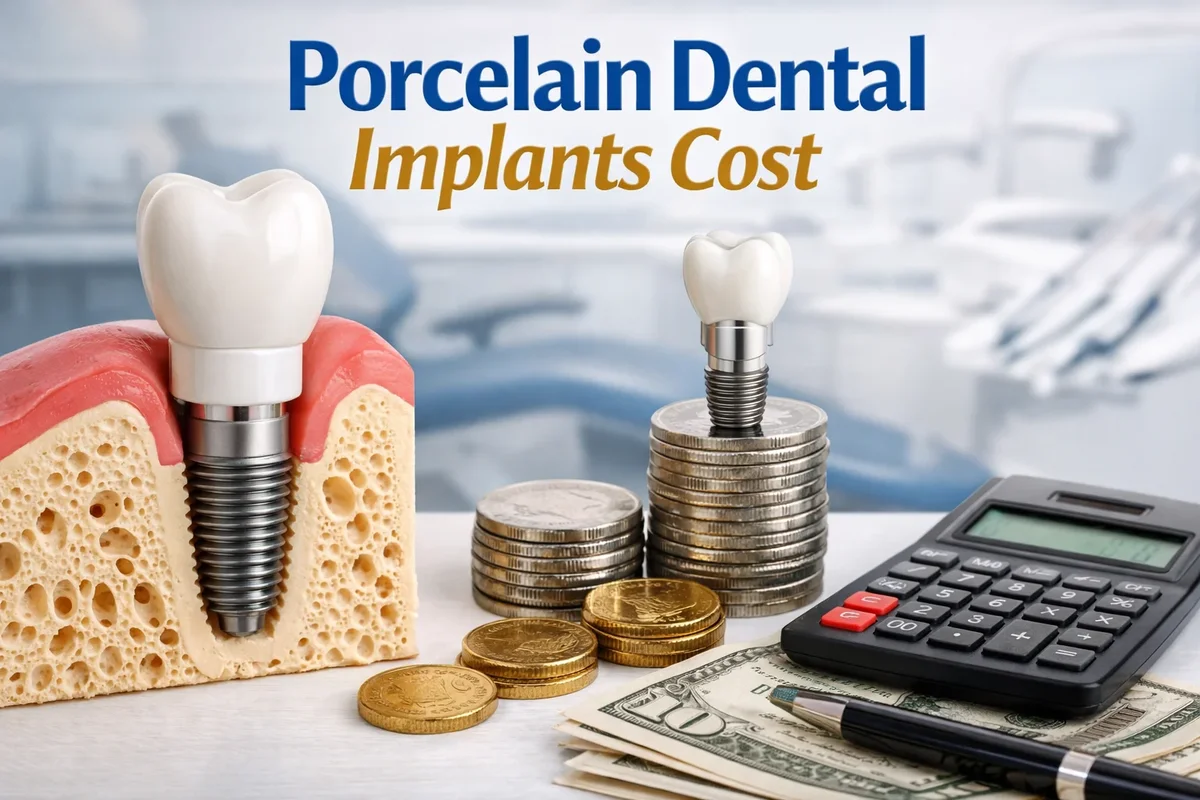
How to Reduce Porcelain Dental Implants Cost Safely
For many patients, the biggest concern is not whether implants work — it is how to manage porcelain dental implants cost responsibly. While ceramic implants provide excellent durability and aesthetics, the upfront porcelain dental implants cost can feel overwhelming. The good news is that there are safe, practical, and ethical ways to reduce porcelain dental implants cost without compromising treatment quality. 🦷
It is important to emphasize that reducing porcelain dental implants cost should never mean sacrificing safety, sterilization standards, or professional expertise. Instead, cost optimization should focus on smart planning, informed choices, and transparent communication with your provider.
1. Compare Multiple Treatment Plans
One of the simplest ways to control porcelain dental implants cost is by obtaining consultations from more than one qualified clinic. Treatment plans may differ in approach, materials, and included services.
What to Compare
- Is CBCT imaging included in porcelain dental implants cost?
- Are abutment and crown included?
- Are follow-up visits covered?
- Is there a warranty?
By comparing comprehensive quotes rather than just headline prices, patients can identify fair porcelain dental implants cost structures and avoid hidden fees.
2. Consider Dental Tourism Carefully
Traveling abroad can significantly reduce porcelain dental implants cost. In some countries, total porcelain dental implants cost may be 40–60% lower than in high-cost regions like the United States or Switzerland.
However, reducing porcelain dental implants cost through travel requires thorough research. Verify clinic credentials, sterilization standards, and surgeon experience. The American Dental Association emphasizes the importance of qualified professionals and proper infection control in all implant procedures.
When planned correctly, dental tourism can safely lower porcelain dental implants cost while maintaining high-quality care.
3. Choose Phased Treatment
Phased treatment planning allows patients to spread porcelain dental implants cost over several months. Instead of completing every stage immediately, your dentist may divide the process into separate appointments.
Typical Phased Approach
- Phase 1: Extraction and bone preparation
- Phase 2: Implant placement
- Phase 3: Final crown placement
This strategy does not reduce total porcelain dental implants cost but makes it more financially manageable.
4. Use Insurance, HSA, or FSA Benefits
Some components of porcelain dental implants cost may be partially covered by dental insurance. Even if the full procedure is not covered, diagnostic imaging or crown placement might qualify for reimbursement.
Health Savings Accounts (HSA) and Flexible Spending Accounts (FSA) can also reduce effective porcelain dental implants cost because payments are made using pre-tax income. This indirectly lowers the total financial burden.
5. Maintain Excellent Oral Hygiene
Prevention is one of the most powerful ways to reduce long-term porcelain dental implants cost. Proper brushing, flossing, and regular dental check-ups prevent complications such as peri-implantitis.
A failed implant may require removal and replacement, dramatically increasing porcelain dental implants cost. By maintaining excellent oral hygiene, you protect your investment and avoid costly corrective procedures.
6. Select the Right Candidate Timing
Delaying treatment after tooth loss can increase porcelain dental implants cost due to bone deterioration. Early implant placement may eliminate the need for bone grafting or sinus lifts.
Since bone grafting procedures can add $500–$5,000 to porcelain dental implants cost, timely action can prevent additional expenses. Acting sooner rather than later may significantly reduce overall porcelain dental implants cost.
7. Ask About Package Pricing
Some clinics offer bundled treatment packages that reduce porcelain dental implants cost compared to paying separately for each component. Package pricing may include consultation, imaging, surgery, and crown placement.
If you are considering treatment and want transparent package information, you can request a personalized consultation through the Redent Klinik Contact Page. Clear communication ensures that porcelain dental implants cost is fully explained before treatment begins.
8. Avoid Unrealistically Low Prices
While reducing porcelain dental implants cost is important, extremely low prices should raise caution. Implant dentistry requires advanced materials, sterile environments, and experienced professionals.
Choosing the cheapest option without verifying quality may result in complications, increasing porcelain dental implants cost in the long run. Safe cost reduction focuses on value — not shortcuts.
Balancing Cost and Quality
Ultimately, porcelain dental implants cost reflects material quality, surgical expertise, and long-term durability. Instead of searching for the absolute lowest porcelain dental implants cost, patients should aim for the best balance between affordability and clinical excellence.
In conclusion, reducing porcelain dental implants cost safely involves smart comparison, phased treatment, insurance utilization, preventive care, and careful clinic selection. By taking a strategic approach, you can manage porcelain dental implants cost responsibly while protecting your oral health and ensuring long-term success. 😊