
Choosing the right dental professional is one of the most important decisions you can make for your long-term oral health. If you’ve ever come across the term preferred dentist, you might have wondered what it really means and why it matters so much. In today’s healthcare landscape, selecting a preferred dentist is not just about convenience—it’s about quality, cost efficiency, and receiving consistent, reliable care tailored to your needs. 😊
A preferred dentist is typically part of a network approved by your dental insurance provider. These dentists agree to provide services at negotiated rates, which often translates to lower out-of-pocket costs for patients. However, the role of a preferred dentist goes far beyond financial advantages. It also ensures that patients receive standardized, high-quality treatments that meet strict professional guidelines.
When you choose a preferred dentist, you are essentially selecting a provider who has been vetted for their qualifications, experience, and adherence to industry standards. Many insurance companies carefully evaluate dentists before including them in their preferred network. This means that your preferred dentist is more likely to follow best practices in modern dentistry, including preventive care, advanced diagnostic techniques, and patient-centered treatment planning.
Another major advantage of working with a preferred dentist is the seamless coordination with your insurance plan. Claims processing is usually faster and more straightforward because the preferred dentist is already familiar with the insurance provider’s requirements. This reduces paperwork, minimizes billing surprises, and allows you to focus more on your treatment and less on administrative issues.
Patients often report higher satisfaction when visiting a preferred dentist because of the consistent level of care and transparency in pricing. For example, before starting any procedure, your preferred dentist will typically provide a clear treatment plan outlining what is covered by insurance and what costs you may need to pay. This clarity helps eliminate uncertainty and builds trust between you and your dental provider.
From routine cleanings to more complex procedures like implants or orthodontics, a preferred dentist is equipped to handle a wide range of dental needs. Many preferred providers also invest in advanced technologies such as digital X-rays, 3D imaging, and minimally invasive treatment options. This commitment to innovation ensures that patients receive effective and comfortable care at every visit.
It’s also important to understand that choosing a preferred dentist supports preventive care. Regular check-ups, cleanings, and early detection of issues are strongly encouraged within these networks. By visiting your preferred dentist consistently, you can avoid more serious dental problems in the future, saving both time and money in the long run.
According to the American Dental Association, maintaining regular dental visits is essential for overall health, as oral conditions can impact systemic health issues like heart disease and diabetes. A preferred dentist plays a key role in helping patients stay on track with these preventive measures and ensuring comprehensive care.
If you’re considering switching providers or visiting a new clinic, it’s worth exploring your options carefully. Clinics like Redent Klinik Contact Page can help guide you through the process of selecting a preferred dentist that aligns with your needs and expectations.
In summary, a preferred dentist offers more than just cost savings—they provide reliability, quality assurance, and a structured approach to dental care. Whether you’re looking for routine maintenance or specialized treatments, choosing a preferred dentist can significantly enhance your overall dental experience. By understanding the benefits and making an informed decision, you can take a confident step toward better oral health and a brighter smile. 😁
What Is a Preferred Dentist and How Does It Work?
Understanding what a preferred dentist is can completely change the way you approach dental care. Many patients hear this term through their insurance provider but are unsure how it actually impacts their treatment, costs, and overall experience. In simple terms, a preferred dentist is a dental professional who has entered into an agreement with an insurance company to provide services at pre-negotiated rates while maintaining specific quality standards.
This arrangement benefits both patients and providers. Patients gain access to affordable, transparent care, while the preferred dentist receives a steady flow of patients from the insurance network. However, the real value lies in how this system improves accessibility, consistency, and trust in dental services. 😊
How a Preferred Dentist Network Operates
A preferred dentist typically participates in what is known as a Preferred Provider Organization (PPO). In this model, the insurance company creates a network of approved dentists who agree to reduced fees for services. When you visit a preferred dentist, your insurance plan covers a larger portion of the cost compared to visiting an out-of-network provider.
For example, a routine cleaning might be covered at 80–100% when performed by a preferred dentist, whereas the same procedure could cost significantly more out-of-pocket if done outside the network. This cost structure encourages patients to choose a preferred dentist, ensuring they receive quality care without financial stress.
Key Agreements Between Dentists and Insurance Providers
Every preferred dentist signs a contract that outlines pricing, treatment standards, and patient care expectations. These agreements ensure that the preferred dentist adheres to ethical practices and delivers consistent results. This is why many patients feel more confident choosing a preferred dentist over a non-network provider.
Additionally, a preferred dentist must regularly update their credentials and comply with continuing education requirements. This guarantees that patients receive modern, evidence-based treatments aligned with current dental advancements.
How Patients Benefit from a Preferred Dentist
One of the biggest advantages of choosing a preferred dentist is predictability. From appointment scheduling to billing, everything is streamlined. Your preferred dentist already understands your insurance plan, which eliminates confusion and speeds up administrative processes.
Another benefit is transparency. A preferred dentist will usually provide a detailed cost breakdown before starting treatment. This allows you to make informed decisions and avoid unexpected expenses. Patients who consistently visit a preferred dentist often report higher satisfaction because they know exactly what to expect.
Moreover, preventive care becomes more accessible. Regular visits to a preferred dentist are often encouraged and partially or fully covered by insurance. This helps patients maintain good oral health and catch potential issues early, reducing the need for more expensive treatments later on.
Step-by-Step: What Happens When You Visit a Preferred Dentist
Visiting a preferred dentist is a smooth and efficient process. Here’s what typically happens:
- Step 1: You select a preferred dentist from your insurance provider’s network list.
- Step 2: You schedule an appointment, often with flexible availability due to network demand.
- Step 3: During your visit, the preferred dentist performs an examination and recommends treatment if necessary.
- Step 4: The clinic submits claims directly to your insurance, simplifying the payment process.
- Step 5: You pay only the remaining balance, which is usually lower than non-network rates.
This streamlined approach makes working with a preferred dentist far more convenient compared to traditional dental visits without network support.
Common Services Covered by a Preferred Dentist
A preferred dentist typically offers a full range of services, including:
- Routine check-ups and cleanings
- X-rays and diagnostics
- Fillings and restorative treatments
- Root canal therapy
- Dental crowns and bridges
- Cosmetic procedures such as whitening
Because these services are often partially covered, choosing a preferred dentist ensures you receive comprehensive care at manageable costs.
Why Understanding This System Matters
Knowing how a preferred dentist works empowers you to make smarter healthcare decisions. Instead of choosing a provider randomly, you can strategically select a preferred dentist who aligns with your financial and medical needs.
In addition, organizations like the American Dental Association emphasize the importance of regular dental visits and professional standards. A preferred dentist often meets or exceeds these standards, providing an extra layer of assurance for patients.
If you’re unsure where to start, visiting a trusted clinic such as Redent Klinik Contact Page can help you connect with a qualified preferred dentist and receive personalized guidance.
Ultimately, the concept of a preferred dentist is designed to simplify dental care. It combines affordability, quality, and convenience into a single system that benefits patients at every stage of their oral health journey. By understanding how a preferred dentist operates, you can take full advantage of your insurance plan and enjoy a more confident, stress-free dental experience. 😁
Top Benefits of Choosing a Preferred Dentist for Your Oral Health
Selecting a preferred dentist is one of the smartest decisions you can make when it comes to maintaining excellent oral health. While many people focus only on convenience or location when choosing a dentist, the advantages of working with a preferred dentist go far beyond that. From financial savings to higher-quality care, a preferred dentist provides a well-rounded, reliable dental experience designed to meet both your health and budget needs. 😊
Understanding these benefits helps you make informed decisions and ensures that your dental care is not only effective but also sustainable over time. Let’s explore the key reasons why choosing a preferred dentist can significantly improve your oral health journey.
Lower Treatment Costs and Financial Transparency
One of the most attractive benefits of choosing a preferred dentist is the reduced cost of dental treatments. Since a preferred dentist works within an insurance network, they agree to provide services at negotiated rates. This means you pay less out-of-pocket compared to visiting a non-network dentist.
Here’s a general comparison of average dental costs when visiting a preferred dentist versus an out-of-network provider:
- Routine Cleaning: $0–$50 with a preferred dentist, vs $100–$200 outside the network
- Dental Filling: $50–$150 with a preferred dentist, vs $150–$300 without network benefits
- Crown: $500–$900 with a preferred dentist, vs $1,000–$2,000 outside the network
- Dental Implant: $1,500–$3,000 (partial coverage possible) with a preferred dentist
These savings make it much easier to stay consistent with your dental care. A preferred dentist also provides clear treatment estimates, so you always know what to expect financially.
Why Cost Transparency Matters
A preferred dentist typically explains all costs upfront, including what your insurance will cover. This transparency helps you avoid unexpected bills and gives you full control over your treatment decisions.
High-Quality and Standardized Care
Another major benefit of choosing a preferred dentist is the assurance of quality. Insurance providers carefully evaluate dentists before including them in their network. This means a preferred dentist is more likely to follow strict clinical guidelines and maintain high professional standards.
Many preferred dentist clinics invest in modern technology such as digital imaging, laser dentistry, and minimally invasive procedures. These advancements improve accuracy, reduce discomfort, and enhance overall treatment outcomes.
Continuous Professional Development
To remain in the network, a preferred dentist often needs to participate in ongoing education and training. This ensures they stay updated with the latest techniques and best practices in dentistry.
Streamlined Insurance and Administrative Processes
Working with a preferred dentist simplifies the entire administrative side of dental care. Since the dentist is already familiar with your insurance provider, claims are processed quickly and accurately. You don’t have to deal with complicated paperwork or delayed reimbursements.
This efficiency saves time and reduces stress, allowing you to focus entirely on your oral health. A preferred dentist will often handle claim submissions on your behalf, ensuring that everything is processed smoothly.
Faster Approval for Treatments
Because of the established relationship between the preferred dentist and the insurance company, treatment approvals are often quicker. This means you can begin necessary procedures without unnecessary delays.
Improved Preventive Care and Long-Term Health
Preventive care is the foundation of good oral health, and a preferred dentist plays a crucial role in making it accessible. Most insurance plans fully or partially cover preventive services when you visit a preferred dentist, including cleanings, exams, and X-rays.
By regularly visiting your preferred dentist, you can detect issues early, such as cavities or gum disease, before they become serious. This proactive approach not only protects your health but also reduces the need for expensive treatments later on.
According to the American Dental Association, preventive dental care is essential for maintaining overall health. A preferred dentist ensures you stay on track with these important visits.
Enhanced Patient Experience and Comfort
Many patients feel more comfortable and confident when visiting a preferred dentist. This is because these providers are committed to patient satisfaction and long-term relationships. From friendly staff to modern facilities, a preferred dentist creates a welcoming environment that reduces anxiety.
Additionally, a preferred dentist often offers flexible scheduling and personalized care plans tailored to your needs. This level of attention ensures that every visit is efficient, comfortable, and productive.
Personalized Treatment Plans
A preferred dentist takes the time to understand your dental history, lifestyle, and goals. This allows them to create customized treatment plans that deliver the best possible results.
Easy Access to Trusted Dental Clinics
Finding a reliable dental provider can be challenging, but choosing a preferred dentist simplifies the process. Insurance networks provide a curated list of qualified professionals, making it easier to select a trusted provider.
If you are looking for expert guidance, you can visit the Redent Klinik Contact Page to connect with a qualified preferred dentist who meets your expectations.
In conclusion, choosing a preferred dentist offers numerous benefits, including cost savings, high-quality care, convenience, and improved long-term oral health. By making this choice, you are investing in a more efficient, transparent, and comfortable dental experience that supports your overall well-being. 😁
How to Find the Best Preferred Dentist Near You
Finding the right preferred dentist near you is a crucial step toward maintaining excellent oral health while also maximizing your insurance benefits. While many patients assume that simply choosing any preferred dentist from a list is enough, the reality is that selecting the best preferred dentist requires careful evaluation of several important factors. From qualifications and experience to patient reviews and clinic technology, each detail plays a role in ensuring you receive top-quality care. 😊
A preferred dentist offers cost advantages and streamlined insurance processes, but not all providers deliver the same level of service. That’s why taking a strategic approach when searching for a preferred dentist can make a significant difference in your overall experience.
Start with Your Insurance Provider’s Network
The first and most important step in finding a preferred dentist is to review your insurance provider’s directory. This list includes all approved preferred dentist options in your area. By starting here, you ensure that your dental visits will be covered under your plan, reducing out-of-pocket costs.
Most insurance companies allow you to filter preferred dentist options based on location, specialties, and patient ratings. This makes it easier to narrow down your choices and find a preferred dentist that fits your specific needs.
Tip: Verify Network Status
Even if a dentist appears in the directory, always confirm that they are still an active preferred dentist. Networks can change, and verifying this information helps avoid unexpected expenses.
Check Qualifications and Experience
Not all dentists in a network have the same level of expertise. When choosing a preferred dentist, it’s important to review their education, certifications, and years of experience. A highly qualified preferred dentist is more likely to provide accurate diagnoses and effective treatments.
Look for dentists who participate in continuing education programs, as this indicates that the preferred dentist stays updated with the latest advancements in dental care. Modern techniques and technologies can significantly improve treatment outcomes.
Specializations Matter
If you need specific treatments such as implants, orthodontics, or cosmetic procedures, choose a preferred dentist with relevant expertise. Specialized training ensures better results and a smoother treatment process.
Read Patient Reviews and Testimonials
Patient feedback is one of the most valuable tools when selecting a preferred dentist. Reviews provide real insights into the quality of care, professionalism, and overall patient experience. A preferred dentist with consistently positive reviews is more likely to meet your expectations.
Pay attention to comments about wait times, staff friendliness, and treatment satisfaction. These details help you understand what it’s like to visit that preferred dentist on a regular basis.
Look for Consistency
A few negative reviews are normal, but consistent complaints may indicate issues. Choose a preferred dentist with a strong reputation for reliability and patient care.
Evaluate Technology and Clinic Environment
A modern clinic is a strong indicator of a high-quality preferred dentist. Advanced equipment such as digital X-rays, intraoral cameras, and laser tools improve accuracy and comfort during treatments.
When visiting a preferred dentist, observe the cleanliness, organization, and overall atmosphere of the clinic. A well-maintained environment reflects professionalism and attention to detail.
Comfort and Patient Experience
The best preferred dentist will prioritize patient comfort by offering a welcoming environment, clear communication, and gentle treatment techniques. This is especially important for patients with dental anxiety.
Compare Accessibility and Location
Convenience plays a major role in maintaining regular dental visits. Choosing a preferred dentist close to your home or workplace makes it easier to keep appointments and stay consistent with preventive care.
Also, check the clinic’s operating hours. A preferred dentist with flexible scheduling options, including evenings or weekends, can better accommodate your lifestyle.
Understand Costs and Treatment Plans
Even though a preferred dentist offers reduced rates, it’s still important to understand the cost structure. Ask for a detailed treatment plan that outlines what your insurance covers and what you need to pay.
For example:
- Basic exam: Often fully covered by a preferred dentist
- Fillings: Typically 70–80% covered
- Major procedures: Coverage varies depending on your plan
A trustworthy preferred dentist will explain all costs clearly and help you plan your treatment accordingly.
Consult Trusted Dental Resources
To ensure you are making the right choice, consult reputable organizations such as the American Dental Association. These resources provide guidelines and recommendations that can help you identify a reliable preferred dentist.
You can also explore professional clinics like Redent Klinik Contact Page to connect with an experienced preferred dentist who meets international standards.
Schedule an Initial Consultation
Before committing, consider scheduling a consultation with your chosen preferred dentist. This visit allows you to evaluate communication style, professionalism, and overall comfort level.
During the consultation, ask questions about treatment options, preventive care strategies, and long-term planning. A good preferred dentist will take the time to address your concerns and provide clear, honest answers.
Questions to Ask
- What services are fully covered by my insurance?
- How often should I schedule visits with this preferred dentist?
- What preventive measures do you recommend?
In conclusion, finding the best preferred dentist near you involves more than just selecting a name from a list. By evaluating qualifications, reviews, technology, and accessibility, you can choose a preferred dentist who delivers exceptional care and long-term value. Taking the time to research and compare options ensures that your dental health is in the best possible hands. 😁
Preferred Dentist vs Regular Dentist: Key Differences Explained
When choosing a dental provider, many patients wonder whether they should visit a preferred dentist or a regular dentist outside of their insurance network. While both types of professionals can provide quality care, there are important differences that directly affect your costs, treatment experience, and long-term oral health. Understanding how a preferred dentist compares to a regular dentist will help you make a more informed and confident decision. 😊
A preferred dentist is part of an insurance-approved network, meaning they have agreed to specific pricing and treatment guidelines. A regular dentist, on the other hand, may not have any contractual relationship with your insurance provider. This distinction plays a major role in how services are delivered and billed.
Cost Differences Between a Preferred Dentist and a Regular Dentist
The most noticeable difference between a preferred dentist and a regular dentist is the cost structure. When you visit a preferred dentist, your insurance typically covers a larger percentage of the treatment costs. This is because the preferred dentist has negotiated rates with your insurance company.
In contrast, a regular dentist may charge standard market rates, which can be significantly higher. Even if your insurance provides partial reimbursement, you will likely pay more out-of-pocket compared to visiting a preferred dentist.
Example Cost Comparison
- Dental Cleaning: $0–$50 with a preferred dentist, vs $100–$200 with a regular dentist
- Filling: $50–$150 with a preferred dentist, vs $150–$300 outside the network
- Crown: $500–$900 with a preferred dentist, vs $1,000–$2,000 with a regular dentist
- Root Canal: $300–$800 with a preferred dentist, vs $800–$1,500 outside the network
These differences highlight why many patients prefer choosing a preferred dentist for ongoing care.
Insurance Compatibility and Claim Processing
Another key distinction is how insurance is handled. A preferred dentist works directly with your insurance provider, making claim submissions quick and hassle-free. The preferred dentist already understands the coverage details, ensuring accurate billing and fewer delays.
With a regular dentist, you may need to handle claims yourself or wait longer for reimbursements. This can add unnecessary complexity and stress to your dental visits.
Simplified Administration
Choosing a preferred dentist means less paperwork and faster approvals. This convenience is especially valuable for patients who require ongoing or complex treatments.
Quality Standards and Professional Requirements
A preferred dentist is typically required to meet specific standards set by the insurance network. These standards often include maintaining up-to-date certifications, following evidence-based treatment protocols, and participating in continuing education programs.
While many regular dentists also provide excellent care, they are not always subject to the same network-based evaluations. This makes the preferred dentist option more consistent in terms of quality assurance.
Commitment to Best Practices
A preferred dentist is more likely to follow guidelines recommended by organizations such as the American Dental Association. This ensures that treatments are safe, effective, and aligned with current dental standards.
Flexibility vs Structure in Treatment Options
One advantage of a regular dentist is flexibility. Since they are not bound by insurance agreements, they may offer a wider range of treatment options or materials. However, this flexibility often comes at a higher cost.
A preferred dentist, on the other hand, operates within structured guidelines. While this may limit certain choices, it ensures that treatments are cost-effective and covered by your insurance plan.
Balancing Options and Affordability
For most patients, the balance between affordability and quality makes a preferred dentist the more practical choice. You receive reliable care without the financial burden associated with out-of-network providers.
Patient Experience and Continuity of Care
Visiting a preferred dentist often leads to a more consistent patient experience. Because these dentists are part of a network, they focus on building long-term relationships with patients and maintaining regular care schedules.
In contrast, patients who visit different regular dentists may experience variations in treatment approaches and communication styles. A preferred dentist provides continuity, which is essential for tracking your oral health over time.
Preventive Care Focus
A preferred dentist emphasizes preventive care, encouraging regular check-ups and early intervention. This proactive approach reduces the likelihood of serious dental issues and supports long-term oral health.
Accessibility and Availability
Finding a preferred dentist is often easier because insurance providers offer curated lists of approved professionals. This simplifies the search process and ensures that you are choosing from qualified providers.
If you are looking for a reliable clinic, you can explore the Redent Klinik Contact Page to connect with a trusted preferred dentist who meets high standards of care.
Which Option Is Right for You?
The choice between a preferred dentist and a regular dentist ultimately depends on your priorities. If you value affordability, convenience, and consistent quality, a preferred dentist is the ideal option. On the other hand, if you require highly specialized treatments not covered by insurance, a regular dentist may offer more flexibility.
However, for the majority of patients, the benefits of choosing a preferred dentist outweigh the alternatives. From cost savings to streamlined care, this option provides a balanced and reliable approach to dental health.
In conclusion, understanding the differences between a preferred dentist and a regular dentist allows you to make smarter decisions about your oral care. By choosing a preferred dentist, you gain access to affordable, high-quality, and well-coordinated dental services that support your long-term well-being. 😁
Costs and Insurance: Does a Preferred Dentist Save You Money?
One of the most important reasons patients actively search for a preferred dentist is the potential for significant cost savings. Dental care can be expensive, especially for procedures like crowns, root canals, or implants. However, choosing a preferred dentist can dramatically reduce your financial burden by aligning your treatment with your insurance plan. Understanding exactly how a preferred dentist helps you save money will allow you to make smarter, more confident healthcare decisions. 😊
A preferred dentist operates within an insurance network, meaning they have agreed to accept reduced fees for services. These negotiated rates are often much lower than standard pricing, making dental care more accessible for patients. But the savings don’t stop there—there are several layers of financial advantages when working with a preferred dentist.
How Insurance Works with a Preferred Dentist
When you visit a preferred dentist, your insurance provider covers a higher percentage of the treatment cost compared to out-of-network dentists. This is because the preferred dentist has a contractual agreement with the insurer, ensuring that services are billed at pre-approved rates.
For example, a typical dental insurance plan may cover:
- Preventive care: 80%–100% coverage when visiting a preferred dentist
- Basic procedures: 70%–80% coverage with a preferred dentist
- Major treatments: 50% coverage when performed by a preferred dentist
These coverage levels make it much more affordable to maintain regular visits and address dental issues early with a preferred dentist.
In-Network vs Out-of-Network Costs
Choosing a preferred dentist ensures that you benefit from in-network pricing. In contrast, out-of-network dentists may charge higher fees, and your insurance may reimburse only a portion of those costs, leaving you with a larger bill.
Real Cost Comparisons: Preferred Dentist vs Others
To better understand the savings, let’s compare typical treatment costs:
- Routine Cleaning: $0–$50 with a preferred dentist, vs $120–$200 out-of-network
- Dental Filling: $50–$150 with a preferred dentist, vs $150–$350 without network coverage
- Dental Crown: $500–$900 with a preferred dentist, vs $1,200–$2,000 outside the network
- Root Canal: $300–$800 with a preferred dentist, vs $900–$1,500 out-of-network
These examples clearly show how choosing a preferred dentist can cut your dental expenses by a significant margin. Over time, these savings can add up to thousands of dollars.
Hidden Savings You Might Not Notice
In addition to direct cost reductions, a preferred dentist helps you avoid hidden expenses such as administrative fees, claim processing delays, and unexpected billing errors. Everything is handled more efficiently within the network.
Preventive Care and Long-Term Financial Benefits
One of the biggest financial advantages of choosing a preferred dentist is the emphasis on preventive care. Regular check-ups, cleanings, and early detection are often fully or partially covered when visiting a preferred dentist.
By maintaining consistent visits with a preferred dentist, you can prevent minor issues from turning into major, costly procedures. For example, treating a small cavity early is far less expensive than needing a root canal or crown later.
Why Prevention Saves Money
A preferred dentist focuses on proactive care, which reduces the likelihood of expensive treatments. This approach not only protects your oral health but also keeps your dental expenses under control.
Transparent Pricing and Treatment Planning
Another major benefit of working with a preferred dentist is pricing transparency. Before starting any procedure, your preferred dentist will usually provide a detailed treatment plan that outlines costs, insurance coverage, and your expected out-of-pocket expenses.
This level of clarity allows you to plan your budget effectively and avoid surprises. Patients often feel more confident when they know exactly what they are paying for, which is a standard practice with a preferred dentist.
No Surprise Billing
Unlike some out-of-network providers, a preferred dentist adheres to agreed pricing structures, minimizing the risk of unexpected charges.
Annual Maximums and Smart Planning
Most dental insurance plans have an annual maximum limit. A preferred dentist can help you strategically plan your treatments to maximize your benefits within that limit.
For instance, your preferred dentist may recommend splitting treatments across two calendar years to ensure you receive the maximum insurance coverage possible.
Trusted Guidance and Financial Advice
A reliable preferred dentist doesn’t just focus on treatment—they also help you understand your financial options. Many clinics offer flexible payment plans for procedures not fully covered by insurance.
If you need assistance finding a qualified provider, you can visit the Redent Klinik Contact Page to connect with an experienced preferred dentist who can guide you through both treatment and financial planning.
Additionally, organizations like the American Dental Association emphasize the importance of affordable and accessible dental care, which aligns with the benefits provided by a preferred dentist.
Is a Preferred Dentist Always the Cheapest Option?
While a preferred dentist generally offers the best value, there may be rare cases where specialized treatments are only available outside the network. However, for routine and most advanced procedures, a preferred dentist remains the most cost-effective choice.
In conclusion, choosing a preferred dentist is one of the most effective ways to reduce dental expenses while maintaining high-quality care. From lower treatment costs to better insurance coverage and transparent pricing, a preferred dentist provides a comprehensive financial advantage that benefits both your wallet and your health. 😁
What Services Can You Expect from a Preferred Dentist?
When you choose a preferred dentist, you are not only selecting a provider within your insurance network—you are also gaining access to a comprehensive range of dental services designed to support your long-term oral health. A preferred dentist typically offers everything from preventive care to advanced restorative and cosmetic procedures, all delivered with consistent quality and cost transparency. Understanding what services a preferred dentist provides helps you fully utilize your benefits and maintain a healthy, confident smile. 😊
One of the biggest advantages of visiting a preferred dentist is that most treatments are structured to align with your insurance coverage. This ensures that you receive necessary care without unnecessary financial strain. Let’s explore the full scope of services you can expect from a preferred dentist.
Preventive Care Services
Preventive care is the foundation of dental health, and a preferred dentist places strong emphasis on early detection and routine maintenance. These services are often fully or partially covered by insurance when performed by a preferred dentist.
- Routine dental exams and check-ups
- Professional teeth cleaning (scaling and polishing)
- Digital X-rays and diagnostic imaging
- Fluoride treatments and sealants
- Oral cancer screenings
By visiting your preferred dentist regularly, you can prevent cavities, gum disease, and other oral health issues before they become serious. This proactive approach is both cost-effective and essential for long-term wellness.
Why Preventive Care Matters
A preferred dentist focuses on identifying problems early. According to the American Dental Association, regular preventive visits significantly reduce the risk of complex dental conditions.
Restorative Dental Treatments
If you already have dental issues, a preferred dentist offers a wide range of restorative treatments to repair and restore your teeth. These procedures are designed to improve both function and appearance while being partially covered under most insurance plans when performed by a preferred dentist.
- Dental fillings for cavities
- Root canal therapy
- Dental crowns and bridges
- Dentures (partial and full)
- Inlays and onlays
Because a preferred dentist follows network guidelines, these treatments are provided at negotiated rates, making them more affordable compared to out-of-network providers.
Cost Example for Restorative Care
- Filling: $50–$150 with a preferred dentist
- Crown: $500–$900 with a preferred dentist
- Root canal: $300–$800 depending on coverage
Cosmetic Dentistry Options
A preferred dentist often provides cosmetic treatments to enhance your smile. While some of these services may not be fully covered by insurance, many patients choose a preferred dentist because of the competitive pricing and high-quality results.
- Teeth whitening (in-office and take-home kits)
- Dental veneers
- Smile makeovers
- Bonding and contouring
Cosmetic procedures performed by a preferred dentist are typically planned carefully to ensure both aesthetic appeal and long-term durability.
Personalized Smile Design
A preferred dentist will assess your facial structure, tooth alignment, and personal preferences to create a customized cosmetic treatment plan.
Advanced Procedures and Specialized Treatments
Many preferred dentist clinics also offer advanced dental procedures or collaborate with specialists within the network. This ensures that you receive comprehensive care without leaving the insurance system.
- Dental implants
- Orthodontic treatments (braces and clear aligners)
- Periodontal (gum) treatments
- Oral surgery (tooth extractions, wisdom teeth removal)
Choosing a preferred dentist for these procedures often results in better coordination of care and reduced overall costs.
Integrated Treatment Approach
A preferred dentist works closely with specialists to ensure seamless treatment planning, improving outcomes and patient satisfaction.
Emergency Dental Services
Dental emergencies can happen at any time, and a preferred dentist is equipped to handle urgent situations quickly and efficiently. Whether it’s severe tooth pain, a broken tooth, or an infection, your preferred dentist provides immediate care to relieve discomfort and prevent complications.
- Emergency tooth repair
- Infection treatment
- Pain management
- Temporary restorations
Because your preferred dentist is already familiar with your dental history, emergency treatments are often more effective and personalized.
Patient Education and Preventive Guidance
A preferred dentist doesn’t just treat problems—they also educate patients on maintaining optimal oral health. This includes guidance on brushing techniques, dietary habits, and lifestyle changes that support healthy teeth and gums.
By following the advice of your preferred dentist, you can significantly reduce the need for future treatments and maintain a healthy smile for years to come.
Ongoing Support and Monitoring
Regular visits to a preferred dentist allow for continuous monitoring of your oral health, ensuring that any changes are addressed promptly.
Access to Trusted Dental Clinics
Finding a reliable provider is easier when you choose a preferred dentist. Insurance networks guide you toward qualified professionals who meet strict standards.
If you’re ready to begin your journey, you can visit the Redent Klinik Contact Page to connect with an experienced preferred dentist who offers comprehensive care tailored to your needs.
In conclusion, a preferred dentist provides a full spectrum of dental services, from preventive care to advanced treatments, all delivered with affordability and consistency. By choosing a preferred dentist, you ensure that every aspect of your oral health is managed professionally, efficiently, and with your long-term well-being in mind. 😁
How Preferred Dentist Networks Improve Treatment Quality
Choosing a preferred dentist is not only about saving money—it is also about receiving consistently high-quality dental care. One of the most overlooked advantages of a preferred dentist is how the network system itself enhances treatment standards. Insurance providers carefully select each preferred dentist based on strict criteria, ensuring that patients receive safe, effective, and modern dental care. 😊
In today’s healthcare environment, quality assurance is essential. A preferred dentist operates within a structured network that emphasizes accountability, continuous improvement, and patient satisfaction. This system creates a reliable framework that benefits patients at every stage of their dental journey.
Strict Credentialing and Selection Process
Before becoming part of a network, every preferred dentist must go through a detailed evaluation process. Insurance companies assess qualifications, clinical experience, and professional history before approving a preferred dentist. This ensures that only highly competent professionals are included.
As a result, patients who choose a preferred dentist can feel confident knowing that their provider has been thoroughly vetted. This level of screening reduces the risk of inconsistent or substandard care.
Verification of Skills and Experience
A preferred dentist must demonstrate proficiency in various dental procedures and maintain a clean professional record. This guarantees that patients receive care from a trusted and qualified provider.
Standardized Treatment Protocols
One of the key ways a preferred dentist network improves quality is through standardized treatment guidelines. These protocols ensure that every preferred dentist follows evidence-based practices and delivers consistent results.
For example, procedures such as fillings, crowns, and periodontal treatments are performed according to established clinical standards. This minimizes variability and ensures that patients receive predictable outcomes from their preferred dentist.
Consistency Across Providers
Even if you switch locations within the network, a preferred dentist will follow similar treatment approaches. This consistency is especially valuable for patients who travel frequently or relocate.
Continuous Education and Professional Development
A preferred dentist is often required to participate in ongoing education programs to remain in the network. This commitment to learning ensures that every preferred dentist stays updated with the latest advancements in dental technology and techniques.
From digital imaging to minimally invasive procedures, a preferred dentist is more likely to adopt innovations that improve patient outcomes and comfort.
Keeping Up with Modern Dentistry
Advancements in dental care happen rapidly, and a preferred dentist must stay current. This ensures that patients benefit from the most effective and up-to-date treatments available.
Use of Advanced Technology
Many preferred dentist clinics invest in state-of-the-art equipment to meet network standards. Technologies such as digital X-rays, 3D imaging, and laser dentistry enhance diagnostic accuracy and treatment precision.
When you visit a preferred dentist, you are more likely to experience modern, efficient care that reduces discomfort and shortens recovery time.
Improved Patient Outcomes
Advanced tools allow a preferred dentist to detect issues earlier and treat them more effectively, leading to better long-term results.
Quality Monitoring and Patient Feedback
Another important aspect of a preferred dentist network is ongoing quality monitoring. Insurance providers regularly review patient feedback, treatment outcomes, and compliance with standards.
If a preferred dentist does not meet expectations, corrective actions may be taken. This accountability ensures that patients continue to receive high-quality care.
Patient Satisfaction as a Priority
A preferred dentist is motivated to maintain high patient satisfaction ratings. This leads to better communication, improved service, and a more positive overall experience.
Collaboration with Specialists
A preferred dentist network often includes specialists such as orthodontists, periodontists, and oral surgeons. This allows your preferred dentist to collaborate with experts when needed, ensuring comprehensive and coordinated care.
This integrated approach improves treatment outcomes and reduces the need for multiple referrals outside the network.
Seamless Care Coordination
Your preferred dentist can easily refer you to trusted specialists within the network, ensuring continuity and efficiency in your treatment plan.
Alignment with Professional Standards
A preferred dentist is expected to follow guidelines set by reputable organizations such as the American Dental Association. These standards ensure that treatments are safe, ethical, and based on scientific evidence.
This alignment reinforces the credibility of every preferred dentist and provides patients with peace of mind.
Access to Trusted Clinics and Providers
Finding a high-quality dental provider can be challenging, but choosing a preferred dentist simplifies the process. Insurance networks guide you toward reliable professionals who meet strict criteria.
If you are looking for expert care, you can visit the Redent Klinik Contact Page to connect with a qualified preferred dentist who prioritizes quality and patient satisfaction.
Long-Term Benefits of Quality Care
High-quality treatment from a preferred dentist leads to better long-term oral health outcomes. Properly performed procedures last longer, reduce complications, and minimize the need for repeat treatments.
In conclusion, a preferred dentist network significantly improves treatment quality through strict standards, continuous education, advanced technology, and ongoing monitoring. By choosing a preferred dentist, you are investing in reliable, consistent, and high-quality dental care that supports your health for years to come. 😁
Common Mistakes to Avoid When Choosing a Preferred Dentist
Choosing a preferred dentist can greatly improve your dental experience, but many patients make avoidable mistakes during the selection process. While a preferred dentist offers cost savings, quality assurance, and convenience, selecting the wrong provider within the network can still lead to dissatisfaction. Understanding these common mistakes will help you choose the best preferred dentist and ensure a positive, long-term relationship with your dental care provider. 😊
It’s important to remember that not all providers in a network offer the same level of care. Taking the time to evaluate your options carefully can make a significant difference in your oral health outcomes.
Choosing a Preferred Dentist Based Only on Location
One of the most common mistakes is selecting a preferred dentist simply because they are close to home or work. While convenience is important, it should not be the only factor in your decision.
A nearby preferred dentist may not always provide the highest quality care or the specific services you need. It’s essential to balance location with qualifications, experience, and patient reviews when choosing a preferred dentist.
Why Quality Should Come First
A slightly longer commute to a highly rated preferred dentist can result in better treatment outcomes and a more satisfying experience overall.
Ignoring Qualifications and Experience
Another mistake is failing to research the background of a preferred dentist. Just because a dentist is part of a network does not mean they all have the same level of expertise.
Before choosing a preferred dentist, check their education, certifications, and years of experience. A well-qualified preferred dentist is more likely to provide accurate diagnoses and effective treatments.
Look for Continuing Education
A preferred dentist who regularly updates their skills demonstrates a commitment to delivering modern, high-quality care.
Overlooking Patient Reviews and Feedback
Patient reviews are a valuable resource when evaluating a preferred dentist. Ignoring this information can lead to choosing a provider who may not meet your expectations.
Look for consistent positive feedback about communication, professionalism, and treatment results. A reputable preferred dentist will have strong reviews that reflect patient satisfaction.
Red Flags to Watch For
Repeated complaints about long wait times, unclear billing, or poor communication may indicate issues with a preferred dentist.
Not Verifying Insurance Coverage
Some patients assume that every preferred dentist offers the same coverage, which is not always the case. Insurance plans can vary, and it’s important to confirm that your chosen preferred dentist is fully covered under your specific plan.
Failing to verify this information can result in unexpected costs, even when visiting a preferred dentist.
Confirm Before Your Appointment
Always contact the clinic or your insurance provider to ensure that your preferred dentist is in-network and that your treatments are covered.
Focusing Only on Price
While cost savings are a major benefit of choosing a preferred dentist, focusing solely on price can be a mistake. The cheapest option is not always the best when it comes to dental care.
A high-quality preferred dentist may charge slightly more within the network but provide better results, reducing the need for future treatments.
Value Over Cost
Choosing a preferred dentist based on value rather than price ensures long-term satisfaction and better oral health outcomes.
Neglecting the Clinic Environment and Technology
Another common mistake is not evaluating the clinic itself. A modern, well-equipped clinic is a strong indicator of a reliable preferred dentist.
Outdated equipment or poor hygiene standards may affect the quality of care provided by a preferred dentist. Always visit the clinic or review photos online before making your decision.
Importance of Modern Equipment
A preferred dentist who uses advanced technology can provide more accurate diagnoses and comfortable treatments.
Skipping the Initial Consultation
Many patients choose a preferred dentist without scheduling an initial consultation. This is a missed opportunity to evaluate communication style, professionalism, and overall comfort.
Meeting your preferred dentist in person allows you to ask questions and understand their approach to treatment.
Questions to Ask During Your Visit
- What preventive care plan do you recommend?
- How do you handle emergencies?
- What technologies do you use in your practice?
Ignoring Preventive Care Focus
A good preferred dentist emphasizes preventive care rather than just treating problems. Choosing a provider who does not prioritize prevention can lead to more serious issues in the future.
According to the American Dental Association, preventive care is essential for maintaining long-term oral health. A reliable preferred dentist will encourage regular check-ups and early intervention.
Not Exploring Trusted Clinics
Many patients limit their search and miss out on high-quality providers. Exploring trusted clinics can help you find a top-rated preferred dentist who meets your expectations.
If you need assistance, you can visit the Redent Klinik Contact Page to connect with an experienced preferred dentist who offers comprehensive care.
Final Thoughts: Make an Informed Choice
Choosing the right preferred dentist requires careful consideration and research. By avoiding these common mistakes, you can ensure that your dental care experience is positive, efficient, and effective.
In conclusion, a preferred dentist offers numerous advantages, but only when selected wisely. Take the time to evaluate your options, verify credentials, and prioritize quality to make the best decision for your oral health. A well-chosen preferred dentist will support your smile for years to come. 😁
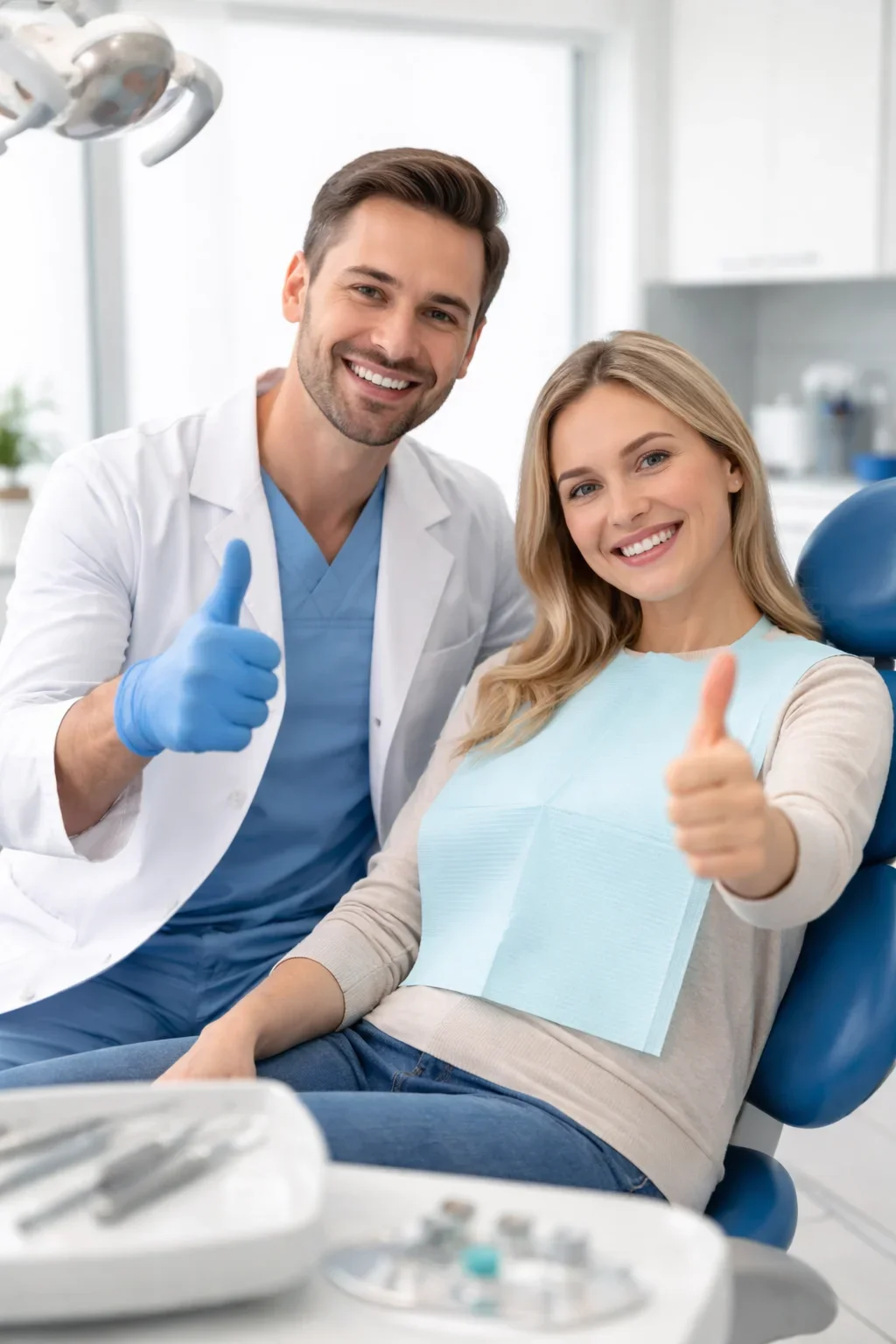
Why a Preferred Dentist Is the Smart Choice for Long-Term Dental Care
When it comes to maintaining a healthy smile over the years, choosing a preferred dentist is one of the most strategic decisions you can make. While short-term benefits like cost savings and convenience are important, the real value of a preferred dentist becomes clear over time. From consistent care to early detection of dental issues, a preferred dentist plays a crucial role in supporting your long-term oral health. 😊
Many patients underestimate how continuity of care impacts their dental outcomes. Visiting the same preferred dentist regularly allows for better monitoring, personalized treatment planning, and stronger patient-dentist relationships. These factors contribute significantly to long-term success.
Consistency in Dental Care and Monitoring
One of the biggest advantages of choosing a preferred dentist is consistency. When you visit the same preferred dentist over time, they develop a deep understanding of your dental history, habits, and specific needs.
This familiarity allows your preferred dentist to detect even minor changes in your oral health. Early identification of issues such as cavities, gum disease, or bite problems leads to quicker and more effective treatment.
Why Continuity Matters
A preferred dentist who knows your history can provide more accurate diagnoses and avoid unnecessary treatments. This continuity improves both efficiency and outcomes.
Preventive Care for Lifelong Oral Health
A preferred dentist emphasizes preventive care, which is essential for maintaining healthy teeth and gums over the long term. Regular check-ups, cleanings, and screenings performed by a preferred dentist help prevent serious dental problems before they develop.
By following a preventive care plan created by your preferred dentist, you can reduce the likelihood of needing complex and costly procedures in the future.
Long-Term Cost Savings
Preventive care provided by a preferred dentist not only protects your health but also saves money by avoiding expensive treatments.
Personalized Treatment Plans
Every patient is unique, and a preferred dentist understands this. Over time, your preferred dentist can create customized treatment plans tailored to your lifestyle, dental goals, and medical history.
This personalized approach ensures that your care evolves with your needs, whether you require cosmetic improvements, restorative treatments, or ongoing maintenance.
Adapting to Changing Needs
A preferred dentist adjusts your treatment plan as your oral health changes, ensuring that you always receive the most appropriate care.
Improved Trust and Communication
Building a long-term relationship with a preferred dentist fosters trust and open communication. Patients feel more comfortable discussing concerns, asking questions, and following treatment recommendations.
This trust leads to better cooperation and improved outcomes. A preferred dentist who understands your preferences can also provide more comfortable and stress-free care.
Reducing Dental Anxiety
Familiarity with your preferred dentist helps reduce anxiety, making dental visits more pleasant and encouraging regular attendance.
Access to Comprehensive and Coordinated Care
A preferred dentist often works within a network of specialists, allowing for seamless coordination of care. If you require advanced treatments such as implants or orthodontics, your preferred dentist can refer you to trusted professionals within the network.
This integrated approach ensures that all aspects of your dental care are aligned and efficiently managed.
Streamlined Treatment Process
With a preferred dentist, referrals and follow-ups are handled smoothly, reducing delays and improving treatment outcomes.
Alignment with Professional Standards
A preferred dentist is expected to follow guidelines set by reputable organizations such as the American Dental Association. These standards ensure that treatments are safe, effective, and based on scientific evidence.
Choosing a preferred dentist gives you confidence that your care meets high professional standards.
Financial Predictability and Planning
Long-term dental care requires financial planning, and a preferred dentist makes this easier. With negotiated rates and clear treatment plans, your preferred dentist helps you understand costs and manage your budget effectively.
This predictability allows you to plan treatments in advance and avoid unexpected expenses.
Maximizing Insurance Benefits
A preferred dentist helps you make the most of your insurance coverage, ensuring that you receive maximum benefits over time.
Easy Access to Trusted Providers
Choosing a preferred dentist simplifies the process of finding reliable care. Insurance networks guide you toward qualified professionals who meet strict criteria.
If you are ready to take the next step, you can visit the Redent Klinik Contact Page to connect with a trusted preferred dentist who supports your long-term dental goals.
Building a Healthier Future
Ultimately, a preferred dentist is more than just a provider—they are a partner in your long-term health. Regular visits, preventive care, and personalized treatment all contribute to a healthier future.
In conclusion, choosing a preferred dentist is a smart investment in your oral health. With consistent care, improved communication, and financial advantages, a preferred dentist ensures that your smile remains healthy and confident for years to come. 😁