
Preferred dentistry is a modern approach to oral healthcare that prioritizes patient comfort, personalized treatment, and long-term dental wellness. Unlike traditional dental models that often focus only on treating immediate problems, preferred dentistry takes a proactive and holistic perspective. It combines advanced technology, preventive care strategies, and a patient-first philosophy to ensure that every individual receives high-quality, tailored treatment. In today’s fast-paced world, where healthcare expectations are rapidly evolving, preferred dentistry has become a trusted standard for patients seeking both efficiency and excellence.
At its core, preferred dentistry emphasizes a strong relationship between the patient and the dental provider. This relationship is built on trust, transparency, and communication. Patients are no longer passive recipients of care; instead, they actively participate in treatment decisions. Dentists practicing preferred dentistry take the time to explain procedures, discuss options, and create customized plans that align with each patient’s goals. This level of engagement significantly improves satisfaction and treatment outcomes 😊.
One of the key reasons why preferred dentistry is gaining popularity is its focus on preventive care. Rather than waiting for dental issues to become severe, this approach encourages early detection and intervention. Routine check-ups, professional cleanings, and digital diagnostics help identify potential problems before they escalate. This not only protects oral health but also reduces the need for complex and costly treatments in the future. Patients who embrace preferred dentistry often experience fewer dental emergencies and maintain healthier smiles over time.
Technology plays a vital role in the success of preferred dentistry. Modern clinics are equipped with cutting-edge tools such as digital X-rays, intraoral scanners, and laser dentistry systems. These innovations allow for more accurate diagnoses and minimally invasive treatments. For example, digital imaging provides instant results with lower radiation exposure, while laser technology can perform procedures with greater precision and less discomfort. As a result, patients benefit from faster recovery times and improved overall experiences.
Another important aspect of preferred dentistry is its commitment to comfort and convenience. Many dental practices now offer flexible scheduling, shorter appointment times, and relaxing environments designed to reduce anxiety. Features such as sedation options, ergonomic dental chairs, and calming clinic atmospheres make visits more pleasant for patients who may have previously avoided dental care due to fear or discomfort. This patient-centered approach ensures that individuals feel at ease from the moment they walk into the clinic.
Preferred dentistry also integrates comprehensive treatment planning. Instead of addressing isolated issues, dentists evaluate the entire oral system, including teeth, gums, jaw alignment, and even overall health connections. Conditions such as gum disease, bite problems, and tooth wear are considered together to create a balanced and effective treatment plan. This holistic perspective helps prevent recurring issues and supports long-term oral health stability.
In addition, preferred dentistry often aligns with internationally recognized standards and guidelines. Organizations such as the American Dental Association provide evidence-based recommendations that many preferred dentistry clinics follow. This ensures that patients receive care that is both safe and scientifically validated. By adhering to these standards, dental professionals maintain a high level of quality and consistency in their services.
For patients seeking reliable and professional care, finding a trusted clinic is essential. If you are considering starting your journey with preferred dentistry, you can explore options and get personalized guidance through the Redent Klinik Contact Page. Taking the first step toward better oral health has never been easier.
Ultimately, preferred dentistry represents the future of dental care. It combines innovation, prevention, and patient-centered values to deliver an exceptional healthcare experience. Whether you are looking for routine maintenance, cosmetic improvements, or advanced restorative procedures, preferred dentistry offers a comprehensive solution tailored to your needs. By choosing this approach, you are investing in a healthier smile, improved confidence, and long-term well-being.
What Is Preferred Dentistry and Why It Matters Today
Preferred dentistry is more than just a trend in modern oral healthcare—it is a transformative approach that places patients at the center of every decision. In today’s healthcare environment, patients expect more than basic treatments; they want personalized care, advanced technology, and long-term solutions. This is exactly where preferred dentistry stands out. It focuses on delivering high-quality, customized dental care that not only addresses immediate concerns but also supports lifelong oral health.
Understanding the Core Concept of Preferred Dentistry
At its foundation, preferred dentistry is about providing a patient-first experience. Instead of a one-size-fits-all approach, dentists evaluate each patient’s unique needs, lifestyle, and expectations. This ensures that every treatment plan is tailored specifically to the individual. Preferred dentistry combines preventive care, restorative treatments, and cosmetic enhancements into a seamless, integrated strategy.
One of the defining features of preferred dentistry is its emphasis on communication. Dentists take the time to educate patients about their oral health, explain procedures in detail, and discuss all available options. This transparency builds trust and empowers patients to make informed decisions. As a result, patients feel more confident and engaged throughout their dental journey 😊.
Personalized Treatment Planning
In preferred dentistry, no two treatment plans are the same. Dentists carefully assess factors such as oral health history, current conditions, and future goals. Whether a patient needs preventive care, orthodontic treatment, or dental implants, the plan is designed to achieve optimal results while maintaining comfort and efficiency. This level of customization is one of the reasons why preferred dentistry continues to gain popularity worldwide.
Why Preferred Dentistry Is Important in Modern Healthcare
The importance of preferred dentistry has grown significantly in recent years due to changes in patient expectations and advancements in technology. Today’s patients are more informed and proactive about their health. They seek dental care that aligns with their overall well-being, not just temporary fixes. Preferred dentistry meets these expectations by offering comprehensive solutions that prioritize both function and aesthetics.
Another reason preferred dentistry matters is its preventive focus. Early detection of issues such as cavities, gum disease, and bite misalignment helps avoid complex treatments later. Regular check-ups, digital imaging, and professional cleanings are key components of this approach. By preventing problems before they escalate, preferred dentistry saves time, reduces discomfort, and minimizes costs in the long run.
Integration of Advanced Technology
Technology is a cornerstone of preferred dentistry. Modern clinics utilize digital X-rays, 3D imaging, and intraoral scanners to provide accurate diagnoses and precise treatments. These tools not only improve efficiency but also enhance patient comfort by reducing invasive procedures. Laser dentistry, for example, allows for minimally invasive treatments with faster healing times.
In addition, many preferred dentistry practices follow guidelines from trusted organizations such as the American Dental Association. This ensures that treatments are based on the latest scientific evidence and safety standards, giving patients peace of mind.
Patient Experience in Preferred Dentistry
One of the most noticeable differences in preferred dentistry is the overall patient experience. From the moment a patient enters the clinic, every detail is designed to create a comfortable and stress-free environment. Modern waiting areas, friendly staff, and efficient scheduling systems contribute to a positive experience.
Preferred dentistry also addresses dental anxiety, which is a common concern for many individuals. Options such as sedation dentistry, gentle techniques, and clear communication help reduce fear and make treatments more manageable. Patients who once avoided dental visits often find themselves more willing to maintain regular appointments when they experience preferred dentistry.
Convenience and Accessibility
Convenience is another key factor that makes preferred dentistry so relevant today. Many clinics offer flexible appointment times, online booking systems, and streamlined processes to accommodate busy lifestyles. This accessibility ensures that patients can receive the care they need without unnecessary delays.
If you are considering transitioning to preferred dentistry, it is important to connect with a trusted provider. You can easily reach out for personalized guidance through the Redent Klinik Contact Page, where experienced professionals can help you take the next step toward better oral health.
Long-Term Benefits of Preferred Dentistry
The long-term benefits of preferred dentistry extend far beyond a healthy smile. By focusing on prevention, personalization, and advanced care, this approach supports overall health and well-being. Research has shown that oral health is closely linked to conditions such as heart disease and diabetes. Preferred dentistry helps manage these risks by maintaining optimal oral hygiene and early intervention.
Additionally, preferred dentistry enhances confidence and quality of life. A healthy, attractive smile can improve self-esteem and social interactions. Whether it’s through teeth whitening, orthodontics, or restorative procedures, patients can achieve results that positively impact both their appearance and their daily lives.
In summary, preferred dentistry is a comprehensive, patient-centered approach that addresses the evolving needs of modern dental care. By combining innovation, prevention, and personalized treatment, it delivers a superior healthcare experience. As more patients recognize the value of this approach, preferred dentistry continues to set new standards in oral health excellence.
Top 7 Benefits of Choosing Preferred Dentistry for Your Oral Health
Preferred dentistry has rapidly become one of the most trusted approaches in modern dental care, and for good reason. Patients today are not only looking for effective treatments but also for comfort, transparency, and long-term results. Preferred dentistry delivers all of these benefits by combining advanced techniques with a patient-focused philosophy. In this section, we will explore the most important advantages of choosing preferred dentistry and how it can significantly improve your oral health and overall quality of life.
1. Personalized and Patient-Centered Care
One of the biggest advantages of preferred dentistry is its personalized approach. Every patient is unique, and preferred dentistry recognizes that by creating tailored treatment plans based on individual needs, goals, and medical history. Dentists take time to understand your concerns, expectations, and lifestyle before recommending any procedures.
This level of customization ensures that treatments are not only effective but also comfortable and aligned with your preferences. In preferred dentistry, patients are actively involved in decision-making, which leads to higher satisfaction and better long-term outcomes 😊.
Why Personalization Matters
Personalized care reduces unnecessary treatments and focuses on what truly benefits the patient. It also helps in building trust between the dentist and the patient, which is a key component of successful preferred dentistry practices.
2. Strong Focus on Preventive Care
Preferred dentistry emphasizes prevention rather than just treatment. Regular check-ups, cleanings, and early diagnostics are essential components of this approach. By identifying issues early, preferred dentistry helps patients avoid complex procedures and maintain healthier teeth and gums.
Preventive care in preferred dentistry also includes patient education. Dentists guide patients on proper brushing, flossing, and lifestyle habits that contribute to long-term oral health.
Long-Term Cost Savings
Preventing dental problems is always more affordable than treating them later. Preferred dentistry reduces the risk of expensive procedures by addressing issues at an early stage, making it a cost-effective choice in the long run.
3. Advanced Technology for Better Results
Technology plays a crucial role in preferred dentistry. Modern dental clinics are equipped with digital X-rays, 3D imaging systems, and laser tools that enhance accuracy and efficiency. These technologies allow dentists to diagnose problems quickly and provide minimally invasive treatments.
Preferred dentistry uses these innovations to improve patient comfort and reduce recovery times. Procedures that once required multiple visits can now often be completed in a single appointment.
Safer and More Precise Treatments
Advanced tools minimize risks and improve precision, ensuring better outcomes. Many preferred dentistry clinics follow standards set by organizations like the American Dental Association, ensuring safe and evidence-based care.
4. Enhanced Comfort and Reduced Anxiety
Dental anxiety is a common issue that prevents many people from seeking care. Preferred dentistry addresses this by creating a calm and welcoming environment. From comfortable seating to sedation options, every detail is designed to make patients feel at ease.
Preferred dentistry also emphasizes gentle techniques and clear communication, helping patients understand what to expect during each procedure. This reduces fear and builds confidence.
Stress-Free Dental Visits
Patients who experience preferred dentistry often report feeling more relaxed and willing to maintain regular appointments, which is essential for long-term oral health.
5. Comprehensive Treatment Options
Preferred dentistry offers a wide range of services under one roof, including preventive care, cosmetic dentistry, orthodontics, and restorative treatments. This comprehensive approach ensures that all aspects of oral health are addressed in a coordinated manner.
Instead of visiting multiple specialists, patients can receive integrated care that saves time and ensures consistency in treatment planning.
Holistic Approach to Oral Health
Preferred dentistry looks at the bigger picture, considering how different dental issues are interconnected. This leads to more effective and lasting solutions.
6. Improved Aesthetics and Confidence
A beautiful smile can have a significant impact on self-confidence and social interactions. Preferred dentistry includes cosmetic treatments such as teeth whitening, veneers, and smile makeovers to enhance appearance.
These treatments are carefully planned to achieve natural-looking results that complement the patient’s facial features. Preferred dentistry ensures that aesthetics and functionality go hand in hand.
Boosting Self-Esteem
Patients who undergo cosmetic procedures through preferred dentistry often experience improved self-esteem and a more positive outlook on life.
7. Easy Access and Ongoing Support
Preferred dentistry prioritizes accessibility and continuous care. Many clinics offer flexible scheduling, online consultations, and follow-up support to ensure patients receive consistent care.
If you are ready to experience the benefits of preferred dentistry, you can easily connect with professionals through the Redent Klinik Contact Page for personalized assistance.
Continuous Care for Lasting Results
Ongoing support is a key element of preferred dentistry. Regular follow-ups and maintenance plans help patients maintain their results and prevent future issues.
In conclusion, preferred dentistry offers a comprehensive and patient-focused approach that delivers numerous benefits. From personalized care and advanced technology to improved comfort and long-term results, preferred dentistry sets a new standard in oral healthcare. By choosing this approach, patients can enjoy healthier smiles, greater confidence, and a better overall dental experience.
How Preferred Dentistry Improves Patient Experience and Comfort
Preferred dentistry has redefined what patients expect from a dental visit. In the past, dental care was often associated with discomfort, long waiting times, and limited communication. Today, preferred dentistry focuses on transforming that experience into something positive, efficient, and even enjoyable. By combining advanced technology, patient-centered communication, and comfort-focused techniques, preferred dentistry ensures that every step of the journey is designed with the patient in mind.
Creating a Patient-First Environment
One of the most important ways preferred dentistry improves patient experience is by creating a welcoming and supportive environment. From the moment patients enter the clinic, they are greeted by friendly staff, modern interiors, and a calming atmosphere. This is not accidental—preferred dentistry intentionally designs spaces to reduce stress and anxiety.
Unlike traditional dental offices, preferred dentistry clinics often include features such as soothing lighting, comfortable seating, and even entertainment options. These small details play a big role in helping patients feel relaxed and confident about their visit 😊.
The Role of Atmosphere in Dental Comfort
The physical environment directly affects how patients perceive their treatment. Preferred dentistry recognizes this and invests in creating spaces that promote calmness and trust. A comfortable setting can significantly reduce anxiety, especially for patients who have had negative dental experiences in the past.
Advanced Pain Management Techniques
Pain is one of the biggest concerns for dental patients, and preferred dentistry addresses this with modern pain management solutions. Techniques such as local anesthesia, sedation dentistry, and laser treatments ensure that procedures are as painless as possible.
Preferred dentistry also uses minimally invasive methods, which reduce tissue damage and speed up recovery times. Patients can often return to their normal activities much sooner compared to traditional treatments.
Types of Comfort-Focused Treatments
Preferred dentistry offers various options to enhance comfort, including:
- Oral sedation for anxious patients
- Laser dentistry for less invasive procedures
- Topical anesthetics for pain-free injections
These innovations ensure that patients no longer need to fear dental visits.
Efficient and Time-Saving Appointments
Time is valuable, and preferred dentistry respects that. Modern scheduling systems, streamlined workflows, and advanced diagnostic tools allow for faster and more efficient appointments. Many procedures that once required multiple visits can now be completed in a single session.
Preferred dentistry also minimizes waiting times by using digital systems for patient records and appointment management. This level of efficiency enhances the overall patient experience and makes dental care more accessible.
Digital Integration for Faster Care
Digital tools such as intraoral scanners and same-day crown technology allow dentists to diagnose and treat issues quickly. Preferred dentistry leverages these tools to reduce delays and improve accuracy.
Clear Communication and Transparency
Another key element of preferred dentistry is effective communication. Dentists take the time to explain procedures, discuss treatment options, and answer any questions patients may have. This transparency builds trust and reduces uncertainty.
Patients are provided with detailed treatment plans, including expected outcomes and timelines. In many preferred dentistry clinics, visual aids such as digital scans and 3D models are used to help patients better understand their oral health.
Empowering Patients Through Knowledge
When patients understand their treatment, they feel more in control. Preferred dentistry empowers individuals by giving them the information they need to make informed decisions about their care.
Personalized Comfort Solutions
Every patient has different needs, and preferred dentistry adapts accordingly. Whether it’s adjusting chair positions, offering noise-canceling headphones, or providing breaks during procedures, dentists ensure maximum comfort.
Preferred dentistry also considers medical history and personal preferences when planning treatments. This personalized approach ensures that patients feel respected and cared for at every stage.
Tailored Care for Every Patient
Customization is a defining feature of preferred dentistry. By understanding each patient’s unique situation, dentists can provide solutions that enhance both comfort and effectiveness.
Building Long-Term Trust and Relationships
Preferred dentistry is not just about individual visits—it’s about building lasting relationships. Dentists focus on continuity of care, ensuring that patients receive consistent support over time. This ongoing relationship helps patients feel more comfortable and confident in their dental care.
Trust is further strengthened by adherence to professional standards, such as those recommended by the American Dental Association. These guidelines ensure that patients receive safe, high-quality treatments.
Consistent Care for Better Outcomes
Regular visits and follow-ups are easier when patients trust their dentist. Preferred dentistry encourages this continuity, leading to improved oral health and fewer complications.
Easy Access to Support and Guidance
Preferred dentistry also improves patient experience by making support easily accessible. Many clinics offer online consultations, appointment reminders, and follow-up care to ensure that patients stay on track with their treatment plans.
If you are looking to experience the comfort and convenience of preferred dentistry, you can connect with professionals through the Redent Klinik Contact Page. This step can help you begin your journey toward a more comfortable dental experience.
Continuous Support Beyond the Clinic
Preferred dentistry extends care beyond the clinic by providing ongoing guidance and support. This ensures that patients maintain their oral health and feel confident about their treatment results.
In conclusion, preferred dentistry significantly enhances patient experience and comfort by focusing on personalized care, advanced technology, and effective communication. It transforms dental visits into positive experiences, encouraging patients to prioritize their oral health. With its patient-first approach, preferred dentistry sets a new benchmark for comfort and satisfaction in modern dental care.
Preferred Dentistry vs Traditional Dental Care: Key Differences
Understanding the differences between preferred dentistry and traditional dental care is essential for patients who want to make informed decisions about their oral health. While both approaches aim to maintain and improve dental health, preferred dentistry offers a more advanced, patient-centered, and technology-driven experience. Traditional dental care, on the other hand, often follows a more reactive model, focusing primarily on treating issues after they arise. In this section, we will explore the key distinctions between these two approaches and explain why preferred dentistry is becoming the preferred choice for modern patients.
Approach to Treatment: Proactive vs Reactive
One of the most significant differences between preferred dentistry and traditional dental care is the approach to treatment. Preferred dentistry emphasizes prevention and early intervention. Dentists actively monitor oral health and address potential issues before they become serious problems. This proactive approach helps patients maintain healthier teeth and gums over time.
In contrast, traditional dental care often focuses on treating problems as they occur. Patients may visit the dentist only when they experience pain or discomfort, which can lead to more complex and costly treatments. Preferred dentistry reduces the likelihood of emergencies by encouraging regular check-ups and preventive care.
Why Prevention Matters
Preventive care is a cornerstone of preferred dentistry. By identifying issues early, patients can avoid procedures such as root canals, extractions, and extensive restorations. This not only saves money but also preserves natural teeth for longer.
Patient Experience and Comfort
Preferred dentistry places a strong emphasis on patient comfort and overall experience. Clinics are designed to create a relaxing environment, and modern techniques are used to minimize pain and anxiety. Sedation options, gentle procedures, and clear communication all contribute to a positive experience.
Traditional dental care may not always prioritize comfort to the same extent. While many dentists strive to provide a pleasant experience, older methods and limited resources can result in longer procedures and increased discomfort. Preferred dentistry addresses these challenges by integrating comfort-focused solutions.
Reducing Dental Anxiety
Preferred dentistry recognizes that many patients feel anxious about dental visits. By offering personalized care and advanced pain management techniques, it helps patients feel more at ease and encourages regular visits.
Use of Technology and Innovation
Technology is a defining feature of preferred dentistry. Modern clinics use digital X-rays, 3D imaging, intraoral scanners, and laser treatments to improve accuracy and efficiency. These tools allow for faster diagnoses and minimally invasive procedures.
Traditional dental care may rely on older technologies, which can be less precise and require longer recovery times. Preferred dentistry leverages innovation to enhance both the quality of care and the patient experience.
Benefits of Modern Technology
Advanced tools reduce treatment time, improve precision, and increase patient comfort. Many preferred dentistry practices follow guidelines from the American Dental Association, ensuring safe and effective treatments based on the latest research.
Customization and Treatment Planning
Preferred dentistry focuses on personalized treatment plans tailored to each patient’s unique needs. Dentists consider factors such as lifestyle, medical history, and long-term goals when developing a plan. This ensures that treatments are both effective and aligned with the patient’s preferences.
In traditional dental care, treatment plans may be more standardized, with less emphasis on individual customization. Preferred dentistry goes beyond basic care to provide a comprehensive and tailored approach.
Holistic Care Approach
Preferred dentistry evaluates the entire oral system, including teeth, gums, and jaw alignment. This holistic perspective helps prevent recurring issues and supports overall health.
Time Efficiency and Convenience
Preferred dentistry is designed to fit into modern lifestyles. Many clinics offer flexible scheduling, online booking, and streamlined processes to reduce waiting times. Advanced technology also allows for quicker procedures, often completing treatments in fewer visits.
Traditional dental care may involve longer appointment times and multiple visits for the same procedure. Preferred dentistry improves efficiency, making it easier for patients to maintain regular dental care.
Modern Scheduling Solutions
Digital systems and efficient workflows ensure that patients spend less time waiting and more time receiving quality care. This convenience is a major advantage of preferred dentistry.
Long-Term Outcomes and Value
Preferred dentistry focuses on long-term results rather than short-term fixes. By combining preventive care, advanced technology, and personalized treatment, it helps patients achieve lasting oral health. This approach reduces the need for repeated treatments and improves overall well-being.
Traditional dental care may address immediate concerns but may not always provide the same level of long-term planning. Preferred dentistry ensures that patients receive comprehensive care that supports their health for years to come.
Investing in Your Smile
Choosing preferred dentistry is an investment in your future. Patients benefit from healthier teeth, improved confidence, and fewer dental issues over time.
Accessibility and Ongoing Support
Preferred dentistry also stands out in terms of accessibility and continuous support. Many clinics provide follow-up care, online consultations, and patient education to ensure ongoing success. This level of support helps patients stay on track with their oral health goals.
If you are ready to experience the advantages of preferred dentistry, you can connect with professionals through the Redent Klinik Contact Page for personalized assistance.
Continuous Care Benefits
Ongoing support ensures that patients maintain their results and avoid future complications. Preferred dentistry creates a partnership between the dentist and the patient, leading to better outcomes.
In conclusion, the differences between preferred dentistry and traditional dental care are clear. Preferred dentistry offers a proactive, patient-centered, and technology-driven approach that enhances both the experience and the results of dental care. By choosing preferred dentistry, patients can enjoy improved comfort, better outcomes, and a more modern approach to oral health.
Services Offered in Preferred Dentistry Clinics Explained
Preferred dentistry is not limited to basic dental treatments—it represents a comprehensive, all-in-one approach to oral healthcare. Patients who choose preferred dentistry benefit from a wide range of services designed to meet both functional and aesthetic needs. From preventive care to advanced restorative procedures, preferred dentistry clinics provide integrated solutions that ensure long-term oral health and patient satisfaction. Understanding these services helps patients make informed decisions and fully utilize the advantages of preferred dentistry.
Preventive Services in Preferred Dentistry
Prevention is the foundation of preferred dentistry. Clinics prioritize routine care to help patients maintain healthy teeth and gums while avoiding complex treatments in the future. Preventive services include regular dental check-ups, professional cleanings, fluoride treatments, and oral cancer screenings.
Preferred dentistry also emphasizes patient education. Dentists guide patients on proper oral hygiene techniques, dietary habits, and lifestyle changes that support dental health. This proactive approach reduces the risk of cavities, gum disease, and other oral issues.
Routine Check-Ups and Cleanings
Regular visits are essential in preferred dentistry. During check-ups, dentists use advanced diagnostic tools to detect early signs of problems. Professional cleanings remove plaque and tartar buildup, ensuring a healthier oral environment.
Restorative Treatments for Functional Health
Preferred dentistry offers a wide range of restorative treatments to repair damaged or missing teeth. These services aim to restore both function and appearance, allowing patients to eat, speak, and smile with confidence.
Common restorative procedures in preferred dentistry include dental fillings, crowns, bridges, and implants. Each treatment is customized to suit the patient’s specific needs, ensuring optimal results.
Dental Implants and Advanced Restorations
Dental implants are one of the most popular services in preferred dentistry. They provide a permanent solution for missing teeth and help preserve jawbone structure. Crowns and bridges are also used to restore damaged teeth and improve functionality.
Cosmetic Dentistry for Aesthetic Enhancement
Preferred dentistry goes beyond health by focusing on aesthetics as well. Cosmetic treatments are designed to improve the appearance of teeth and enhance overall confidence. Services such as teeth whitening, veneers, and smile makeovers are commonly offered.
These procedures are carefully planned to achieve natural-looking results. Preferred dentistry ensures that cosmetic improvements do not compromise oral health, creating a balance between beauty and function.
Smile Design and Makeovers
Smile design is a key feature of preferred dentistry. Dentists use digital tools to plan and visualize results, allowing patients to see potential outcomes before treatment begins.
Orthodontic Solutions in Preferred Dentistry
Orthodontics is another important aspect of preferred dentistry. Clinics offer solutions for correcting misaligned teeth and bite issues, including traditional braces and clear aligners. These treatments not only improve appearance but also enhance oral function.
Preferred dentistry uses advanced orthodontic techniques to provide faster and more comfortable results. Clear aligners, for example, are discreet and convenient, making them a popular choice among adults.
Modern Orthodontic Technologies
Digital scanning and treatment planning tools allow for precise adjustments and improved outcomes. Preferred dentistry ensures that orthodontic care is efficient and patient-friendly.
Periodontal Care for Gum Health
Healthy gums are essential for overall oral health, and preferred dentistry places a strong emphasis on periodontal care. Treatments for gum disease include scaling and root planing, laser therapy, and maintenance programs.
Preferred dentistry focuses on early detection and treatment of gum issues to prevent complications such as tooth loss and systemic health problems.
Importance of Gum Health
Gum health is closely linked to overall health. Preferred dentistry helps patients maintain strong gums, reducing the risk of conditions such as heart disease and diabetes.
Emergency and Specialized Services
Preferred dentistry clinics are equipped to handle dental emergencies and specialized treatments. Whether it’s a sudden toothache, a broken tooth, or a complex procedure, patients can rely on prompt and effective care.
Specialized services may include oral surgery, endodontics (root canal therapy), and treatment for TMJ disorders. Preferred dentistry ensures that these procedures are performed with precision and care.
Quick Response for Emergencies
Timely treatment is crucial in emergencies. Preferred dentistry clinics prioritize urgent cases to relieve pain and prevent further damage.
Technology-Driven Services
Technology is at the heart of preferred dentistry services. Digital X-rays, 3D imaging, and intraoral scanners improve diagnostic accuracy and treatment efficiency. Laser dentistry allows for minimally invasive procedures with faster healing times.
Many preferred dentistry clinics follow guidelines from the American Dental Association, ensuring that treatments are safe and evidence-based.
Benefits of Digital Dentistry
Digital tools enhance precision, reduce treatment time, and improve patient comfort. Preferred dentistry leverages these technologies to deliver superior care.
Continuous Care and Patient Support
Preferred dentistry does not end with treatment—it includes ongoing care and support. Follow-up appointments, maintenance plans, and patient education ensure that results are long-lasting.
If you are interested in exploring these services, you can connect with professionals through the Redent Klinik Contact Page for personalized assistance.
Long-Term Maintenance Plans
Maintenance is a key component of preferred dentistry. Regular follow-ups help prevent issues and maintain optimal oral health over time.
In conclusion, preferred dentistry clinics offer a comprehensive range of services that address every aspect of oral health. From preventive care and restorative treatments to cosmetic enhancements and advanced technologies, preferred dentistry provides a complete solution for modern dental needs. By choosing preferred dentistry, patients gain access to high-quality, personalized care that supports both health and confidence.
Cost Factors and Pricing in Preferred Dentistry Treatments
Understanding the cost structure of preferred dentistry is essential for patients who want to plan their treatments effectively and avoid unexpected expenses. While preferred dentistry offers high-quality care, advanced technology, and personalized treatment plans, the pricing can vary depending on several important factors. Unlike traditional dentistry, where costs may be less transparent, preferred dentistry emphasizes clarity, value, and long-term affordability. In this section, we will explore the key elements that influence pricing in preferred dentistry and how patients can make informed financial decisions.
Main Factors That Affect Preferred Dentistry Costs
The cost of preferred dentistry treatments depends on multiple variables, including the complexity of the procedure, the materials used, the dentist’s expertise, and the technology involved. Each of these factors contributes to the overall quality and effectiveness of the treatment.
For example, a simple dental cleaning in preferred dentistry will cost significantly less than a full-mouth restoration or implant procedure. However, even basic treatments in preferred dentistry often include advanced diagnostics and preventive measures, which add value and improve outcomes.
Complexity of the Procedure
More complex procedures require additional time, expertise, and resources. Preferred dentistry ensures that even complex treatments are performed with precision and care, which can influence the overall cost.
Average Price Ranges in Preferred Dentistry
While prices may vary depending on location and clinic standards, here are general estimates for common preferred dentistry treatments:
- Dental Cleaning: $80 – $200
- Tooth Filling: $150 – $400
- Dental Crown: $800 – $2,000
- Dental Implant (single): $2,500 – $5,000
- Teeth Whitening: $300 – $1,000
- Clear Aligners: $3,000 – $7,000
These price ranges reflect the use of high-quality materials and advanced techniques commonly found in preferred dentistry clinics. Although the initial cost may seem higher, the long-term benefits often outweigh the investment.
Value vs Cost in Preferred Dentistry
Preferred dentistry focuses on delivering value rather than just low prices. Patients benefit from durable results, fewer complications, and reduced need for repeat treatments.
Role of Technology in Pricing
Advanced technology is a defining feature of preferred dentistry, and it plays a significant role in pricing. Digital imaging, 3D scanning, and laser treatments require substantial investment from clinics, which can influence treatment costs.
However, these technologies also improve accuracy, reduce treatment time, and enhance patient comfort. In many cases, preferred dentistry technology leads to better outcomes and lower long-term costs.
Efficiency and Cost Savings
Although technology may increase upfront costs, it often reduces the number of visits and minimizes complications. This makes preferred dentistry a cost-effective choice over time.
Insurance and Payment Options
Many preferred dentistry clinics work with insurance providers to help patients manage their expenses. Coverage varies depending on the type of treatment and the patient’s insurance plan. Preventive services are often partially or fully covered, while cosmetic procedures may not be included.
In addition to insurance, preferred dentistry clinics frequently offer flexible payment plans, financing options, and installment programs. These solutions make high-quality dental care more accessible to a wider range of patients.
Flexible Financing Solutions
Payment plans allow patients to spread the cost of treatments over time, reducing financial pressure. Preferred dentistry ensures that patients can receive the care they need without delay.
Importance of Transparent Pricing
Transparency is a key principle of preferred dentistry. Patients receive detailed treatment plans that outline all costs, procedures, and expected outcomes. This eliminates surprises and helps patients plan their budgets effectively.
Preferred dentistry also encourages open communication, allowing patients to ask questions and explore alternative treatment options if needed.
Building Trust Through Clarity
Clear pricing builds trust between the patient and the dentist. Preferred dentistry ensures that patients feel confident and informed throughout their treatment journey.
Long-Term Financial Benefits of Preferred Dentistry
While preferred dentistry may involve higher initial costs, it often results in long-term savings. Preventive care reduces the risk of major dental issues, and high-quality treatments last longer, minimizing the need for replacements.
Preferred dentistry also improves overall oral health, which can reduce medical expenses related to systemic conditions linked to poor dental hygiene.
Investing in Oral Health
Choosing preferred dentistry is an investment in your future. Patients benefit from better health, improved confidence, and fewer dental problems over time.
Choosing the Right Clinic for Cost Efficiency
Selecting the right preferred dentistry clinic is crucial for balancing cost and quality. Patients should consider factors such as experience, technology, and patient reviews when making their decision.
If you are looking for a reliable clinic, you can explore your options through the Redent Klinik Contact Page to receive personalized guidance.
Quality Over Cheap Alternatives
Choosing the cheapest option may lead to poor results and additional costs in the future. Preferred dentistry prioritizes quality and long-term success.
Professional Standards and Pricing Justification
Preferred dentistry clinics often follow international standards and guidelines, such as those provided by the American Dental Association. These standards ensure that treatments are safe, effective, and based on the latest research.
Adhering to these guidelines requires continuous training and investment, which can influence pricing. However, it also guarantees high-quality care and patient safety.
Why Standards Matter
Professional standards ensure consistency and reliability in preferred dentistry. Patients can trust that they are receiving the best possible care.
In conclusion, the cost of preferred dentistry is influenced by various factors, including treatment complexity, technology, and clinic standards. While the initial investment may be higher, the long-term benefits make preferred dentistry a smart and cost-effective choice. By understanding pricing structures and exploring available options, patients can confidently invest in their oral health and enjoy lasting results.
How to Choose the Right Preferred Dentistry Clinic Near You
Choosing the right preferred dentistry clinic is one of the most important decisions you can make for your oral health. With so many options available, it can feel overwhelming to determine which clinic truly offers the quality, comfort, and expertise associated with preferred dentistry. However, by understanding the key criteria and knowing what to look for, you can confidently select a clinic that meets your needs and delivers exceptional results. Preferred dentistry is not just about treatment—it’s about trust, long-term care, and a positive patient experience.
Evaluate Qualifications and Experience
The first step in choosing a preferred dentistry clinic is to assess the qualifications and experience of the dental team. A reputable preferred dentistry provider should have well-trained professionals with certifications, ongoing education, and a strong track record of successful treatments.
Experienced dentists are more likely to handle complex cases efficiently and provide accurate diagnoses. In preferred dentistry, continuous learning is essential because technology and techniques are constantly evolving. Clinics that invest in professional development demonstrate a commitment to excellence.
Check Credentials and Certifications
Look for dentists who are affiliated with recognized organizations such as the American Dental Association. These affiliations indicate adherence to high standards and ethical practices in preferred dentistry.
Assess Technology and Equipment
Modern technology is a defining feature of preferred dentistry. Clinics that use advanced tools such as digital X-rays, intraoral scanners, and laser systems can provide more accurate diagnoses and efficient treatments.
When evaluating a preferred dentistry clinic, consider whether they use up-to-date equipment. Advanced technology not only improves treatment outcomes but also enhances patient comfort and reduces recovery time.
Why Technology Matters
Technology in preferred dentistry allows for minimally invasive procedures, faster appointments, and better results. It is a key indicator of a clinic’s commitment to high-quality care.
Review Patient Feedback and Reputation
Patient reviews and testimonials are valuable resources when choosing a preferred dentistry clinic. They provide insights into the experiences of other patients, including the quality of care, professionalism of staff, and overall satisfaction.
Look for consistent positive feedback about comfort, communication, and results. Preferred dentistry clinics with strong reputations often prioritize patient relationships and deliver reliable outcomes.
Online Reviews and Word of Mouth
Check online platforms, social media, and recommendations from friends or family. A well-reviewed preferred dentistry clinic is more likely to meet your expectations.
Consider Range of Services Offered
A comprehensive range of services is another important factor. Preferred dentistry clinics typically offer preventive care, cosmetic treatments, restorative procedures, and orthodontics under one roof.
Choosing a clinic that provides multiple services ensures continuity of care and eliminates the need to visit different specialists. Preferred dentistry focuses on integrated treatment plans that address all aspects of oral health.
Comprehensive Care Advantage
Having access to various treatments in one location saves time and ensures consistent quality. Preferred dentistry clinics are designed to provide complete solutions for patients.
Evaluate Comfort and Patient Experience
Comfort is a major priority in preferred dentistry. When visiting a clinic, pay attention to the environment, staff behavior, and overall atmosphere. A welcoming and relaxing setting can significantly improve your experience.
Preferred dentistry clinics often include features such as modern interiors, friendly staff, and sedation options to reduce anxiety. These elements are essential for patients who may feel nervous about dental visits.
First Impressions Matter
Your initial interaction with the clinic can reveal a lot about their approach. Preferred dentistry emphasizes patient satisfaction from the very beginning.
Transparency in Pricing and Communication
Clear communication and transparent pricing are key indicators of a trustworthy preferred dentistry clinic. Patients should receive detailed treatment plans, including costs, procedures, and expected outcomes.
Preferred dentistry values honesty and ensures that patients are fully informed before making decisions. This transparency builds trust and helps avoid unexpected expenses.
Ask Questions and Compare Options
Do not hesitate to ask about treatment alternatives, timelines, and costs. A reliable preferred dentistry clinic will provide clear and comprehensive answers.
Accessibility and Convenience
Location, scheduling flexibility, and accessibility are practical considerations when choosing a preferred dentistry clinic. Clinics that offer online booking, extended hours, and easy access make it simpler to maintain regular visits.
Preferred dentistry is designed to fit into modern lifestyles, ensuring that patients can receive care without unnecessary inconvenience.
Flexible Scheduling Options
Look for clinics that accommodate your schedule. Preferred dentistry prioritizes convenience to encourage consistent dental care.
Personalized Consultation and Trust Building
Before committing to a clinic, consider scheduling a consultation. This allows you to meet the dentist, discuss your needs, and evaluate their approach. Preferred dentistry clinics often provide detailed consultations to understand patient goals and expectations.
If you are ready to explore your options, you can connect with professionals through the Redent Klinik Contact Page for personalized guidance.
Building a Long-Term Relationship
Preferred dentistry is about more than one visit—it’s about creating a long-term partnership with your dentist. Trust and communication are essential for successful outcomes.
Final Thoughts on Choosing Preferred Dentistry
Selecting the right preferred dentistry clinic requires careful consideration of multiple factors, including qualifications, technology, reputation, and patient experience. By focusing on these elements, you can find a clinic that aligns with your needs and provides high-quality care.
Preferred dentistry offers a modern, patient-centered approach that enhances both oral health and overall well-being. Choosing the right clinic ensures that you receive the full benefits of this advanced dental care model, leading to healthier teeth, greater confidence, and a better quality of life 😊.
Technology and Innovation in Preferred Dentistry Practices
Preferred dentistry is at the forefront of innovation in modern healthcare, transforming the way dental treatments are delivered and experienced. Technology plays a central role in making preferred dentistry more accurate, efficient, and comfortable for patients. Unlike traditional methods, preferred dentistry integrates advanced tools and digital systems to enhance diagnosis, treatment planning, and patient outcomes. This technological evolution not only improves clinical precision but also creates a more seamless and stress-free experience for patients.
Digital Diagnostics in Preferred Dentistry
One of the most significant advancements in preferred dentistry is the use of digital diagnostic tools. Technologies such as digital X-rays, 3D imaging, and intraoral cameras allow dentists to detect issues with greater accuracy and detail. These tools provide instant results, enabling faster decision-making and reducing the need for repeated visits.
Digital X-rays used in preferred dentistry emit significantly less radiation compared to traditional methods, making them safer for patients. Intraoral cameras allow patients to see real-time images of their teeth, helping them better understand their oral health and treatment needs 😊.
Benefits of Digital Imaging
Digital imaging improves diagnostic accuracy, reduces errors, and enhances patient education. Preferred dentistry uses these tools to create more effective and personalized treatment plans.
CAD/CAM Technology for Same-Day Solutions
Computer-Aided Design and Computer-Aided Manufacturing (CAD/CAM) technology is a game-changer in preferred dentistry. This innovation allows dentists to design and produce dental restorations such as crowns, veneers, and bridges in a single visit.
In traditional dentistry, patients often need multiple appointments to complete these procedures. Preferred dentistry eliminates this inconvenience by offering same-day solutions, saving time and improving efficiency.
Faster and More Convenient Treatments
CAD/CAM technology reduces waiting times and ensures precise results. Patients benefit from fewer appointments and quicker restoration of their smiles.
Laser Dentistry for Minimally Invasive Care
Laser technology is another key component of preferred dentistry. It is used for a variety of procedures, including gum reshaping, cavity treatment, and teeth whitening. Laser dentistry offers a minimally invasive alternative to traditional methods, resulting in less pain and faster healing.
Preferred dentistry uses lasers to target specific areas with precision, reducing damage to surrounding tissues. This leads to improved comfort and shorter recovery periods.
Advantages of Laser Treatments
Laser dentistry minimizes bleeding, reduces the need for anesthesia, and speeds up healing. These benefits make preferred dentistry more appealing to patients who value comfort and efficiency.
Intraoral Scanners and Digital Impressions
Traditional dental impressions can be uncomfortable and time-consuming. Preferred dentistry replaces these methods with intraoral scanners that create accurate digital impressions of the teeth.
These scanners are quick, non-invasive, and highly precise. They improve the fit of dental restorations and enhance the overall treatment experience.
Improved Patient Comfort
Digital impressions eliminate the need for messy materials and reduce discomfort. Preferred dentistry ensures a more pleasant experience for patients.
Artificial Intelligence in Preferred Dentistry
Artificial intelligence (AI) is becoming increasingly important in preferred dentistry. AI-powered software can analyze dental images, detect early signs of disease, and assist in treatment planning.
Preferred dentistry uses AI to enhance diagnostic accuracy and provide data-driven insights. This technology helps dentists make informed decisions and deliver better outcomes.
Smart Diagnostics and Predictive Care
AI enables early detection of issues and predicts potential problems, allowing for proactive treatment. Preferred dentistry leverages this capability to improve long-term oral health.
Teledentistry and Remote Consultations
Teledentistry is another innovation that has transformed preferred dentistry. Patients can now consult with dentists remotely, receive advice, and even get preliminary diagnoses without visiting the clinic.
This technology is especially useful for follow-up appointments and initial consultations. Preferred dentistry uses teledentistry to increase accessibility and convenience.
Convenience and Accessibility
Remote consultations save time and make dental care more accessible. Preferred dentistry ensures that patients can receive guidance whenever they need it.
Integration with Professional Standards
Preferred dentistry practices often follow guidelines from reputable organizations such as the American Dental Association. These standards ensure that technological advancements are implemented safely and effectively.
By adhering to these guidelines, preferred dentistry maintains a high level of quality and patient safety.
Ensuring Safety and Reliability
Professional standards provide a framework for safe and effective use of technology. Preferred dentistry combines innovation with reliability to deliver the best results.
Continuous Innovation and Future Growth
The field of preferred dentistry continues to evolve with new technologies and innovations. From robotic-assisted procedures to advanced biomaterials, the future of preferred dentistry promises even greater improvements in patient care.
Clinics that invest in innovation demonstrate a commitment to staying ahead of industry trends and providing cutting-edge treatments.
Staying Ahead with Innovation
Continuous advancements ensure that preferred dentistry remains a leader in modern healthcare. Patients benefit from improved treatments and enhanced experiences.
Connecting with Advanced Preferred Dentistry Clinics
If you are interested in experiencing the benefits of advanced technology in preferred dentistry, you can connect with professionals through the Redent Klinik Contact Page. This step allows you to explore modern treatment options and receive personalized care.
Taking the First Step
Choosing a technology-driven preferred dentistry clinic ensures that you receive high-quality, efficient, and comfortable care.
In conclusion, technology and innovation are the driving forces behind the success of preferred dentistry. By integrating advanced tools, digital systems, and modern techniques, preferred dentistry delivers superior results and enhances patient experience. As technology continues to evolve, preferred dentistry will remain at the forefront of dental care, offering patients the best possible solutions for their oral health.
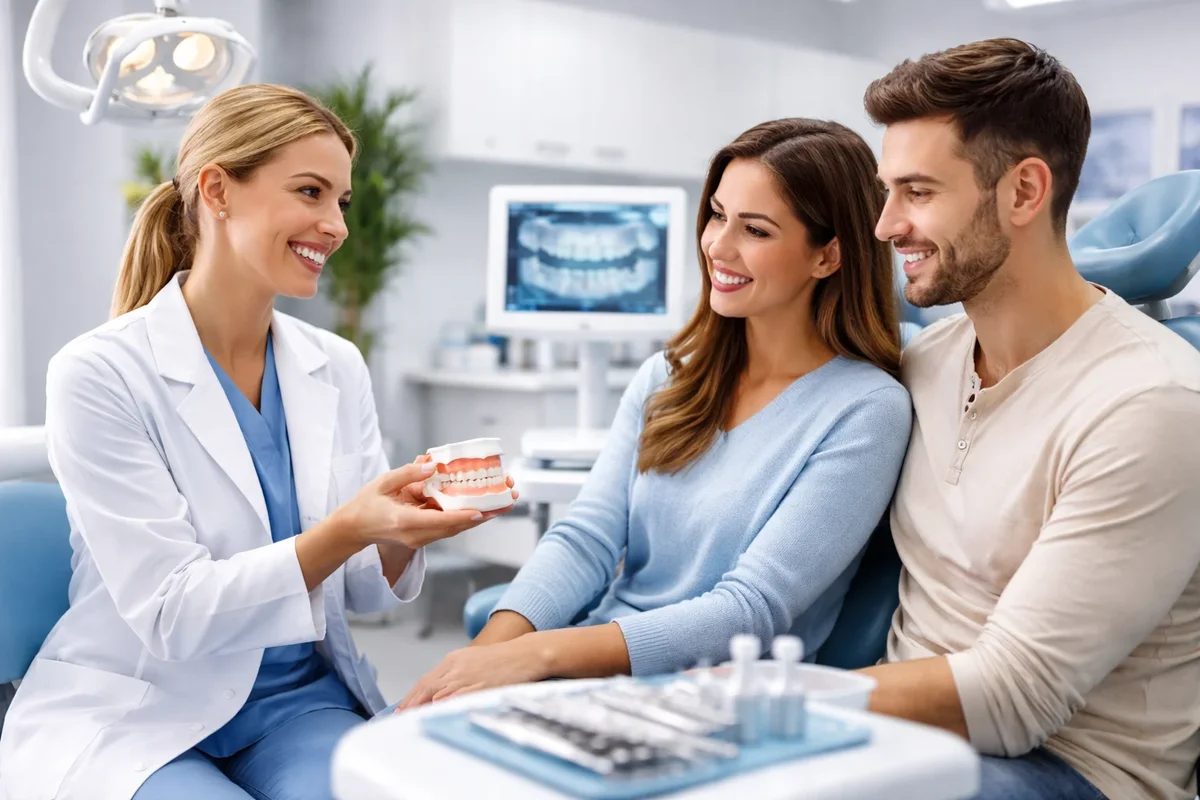
Future Trends: Why Preferred Dentistry Is the Standard of Tomorrow
Preferred dentistry is not only shaping the present of oral healthcare—it is also defining its future. As patient expectations evolve and technology continues to advance, preferred dentistry is emerging as the new global standard. This approach combines innovation, personalization, and preventive care to create a dental experience that aligns with modern lifestyles. Understanding the future trends in preferred dentistry helps patients and providers prepare for a more efficient, comfortable, and results-driven era of dental care.
The Shift Toward Preventive and Predictive Care
One of the most important trends in preferred dentistry is the move toward preventive and predictive care. Instead of waiting for dental problems to occur, preferred dentistry focuses on identifying risks early and preventing issues before they develop. This proactive approach is supported by advanced diagnostics and data analysis.
Predictive tools, including artificial intelligence and digital monitoring systems, allow dentists to anticipate potential problems and recommend timely interventions. Preferred dentistry ensures that patients maintain optimal oral health with fewer invasive treatments.
Early Detection Saves Time and Money
Preventive care reduces the need for complex procedures and lowers long-term costs. Preferred dentistry empowers patients to stay ahead of dental issues and maintain healthier smiles 😊.
Integration of Artificial Intelligence and Automation
Artificial intelligence (AI) is becoming a cornerstone of preferred dentistry. AI-powered systems can analyze dental images, detect abnormalities, and assist in treatment planning with remarkable accuracy. Automation also streamlines administrative tasks, allowing dental professionals to focus more on patient care.
Preferred dentistry uses AI to enhance precision and efficiency, ensuring that treatments are both accurate and personalized. This technology also improves patient communication by providing clear visual explanations of conditions and procedures.
Smart Dentistry for Better Outcomes
AI-driven insights help dentists make informed decisions, leading to improved results. Preferred dentistry leverages these tools to deliver high-quality care.
Personalized and Patient-Centric Innovations
Personalization will continue to be a defining feature of preferred dentistry. Future advancements will allow for even more customized treatment plans based on genetic data, lifestyle factors, and individual preferences.
Preferred dentistry is moving toward a model where every aspect of care is tailored to the patient. This includes customized aligners, personalized preventive strategies, and individualized cosmetic treatments.
Customized Solutions for Every Patient
Personalized care ensures better results and higher patient satisfaction. Preferred dentistry prioritizes individual needs to deliver optimal outcomes.
Expansion of Teledentistry and Remote Care
Teledentistry is expected to play an even larger role in preferred dentistry. Remote consultations, virtual follow-ups, and digital monitoring tools make dental care more accessible and convenient.
Preferred dentistry uses these technologies to reach patients who may have limited access to traditional clinics. This trend is particularly beneficial for busy individuals and those living in remote areas.
Convenience Without Compromise
Remote care solutions save time and improve accessibility. Preferred dentistry ensures that patients can receive expert guidance from anywhere.
Advanced Materials and Biocompatible Solutions
The development of new dental materials is another key trend in preferred dentistry. Biocompatible and durable materials improve the longevity and safety of treatments. Innovations such as ceramic implants and advanced composites offer better aesthetics and functionality.
Preferred dentistry focuses on using materials that are not only effective but also safe for the body. This reduces the risk of complications and enhances patient comfort.
Long-Lasting and Safe Treatments
High-quality materials ensure durability and reliability. Preferred dentistry invests in innovations that improve treatment outcomes.
Sustainability in Preferred Dentistry
Sustainability is becoming increasingly important in healthcare, and preferred dentistry is no exception. Clinics are adopting eco-friendly practices, such as digital records, energy-efficient equipment, and reduced waste.
Preferred dentistry aims to minimize its environmental impact while maintaining high standards of care. This trend reflects a broader commitment to responsible healthcare practices.
Eco-Friendly Dental Practices
Sustainable initiatives benefit both patients and the environment. Preferred dentistry supports a greener future for healthcare.
Continuous Education and Professional Development
The future of preferred dentistry depends on continuous learning and adaptation. Dental professionals must stay updated with the latest technologies, techniques, and research to provide the best care.
Many preferred dentistry clinics follow guidelines from organizations such as the American Dental Association, ensuring that treatments are based on the latest scientific evidence.
Commitment to Excellence
Ongoing education ensures that dentists remain skilled and knowledgeable. Preferred dentistry prioritizes professional growth to maintain high standards.
Enhanced Patient Engagement and Digital Experience
Digital platforms are transforming how patients interact with preferred dentistry clinics. Online booking systems, mobile apps, and digital communication tools make it easier for patients to manage their appointments and access information.
Preferred dentistry uses these tools to enhance engagement and improve the overall patient experience. Patients can track their treatment progress, receive reminders, and communicate with their dentist بسهولة.
Seamless Digital Interaction
Technology simplifies communication and improves convenience. Preferred dentistry ensures a smooth and user-friendly experience.
Global Accessibility and Medical Tourism
Preferred dentistry is also driving growth in medical tourism. Patients are increasingly traveling to access high-quality dental care at competitive prices. Countries with advanced preferred dentistry clinics are becoming popular destinations for international patients.
If you are considering exploring global options, you can connect with professionals through the Redent Klinik Contact Page to receive personalized guidance.
Expanding Opportunities for Patients
Medical tourism provides access to world-class treatments. Preferred dentistry ensures consistent quality across different regions.
Conclusion: The Future Is Preferred Dentistry
Preferred dentistry represents the future of oral healthcare, combining innovation, personalization, and patient-centered care. As technology continues to evolve, preferred dentistry will offer even more advanced solutions that improve both health and experience.
By embracing these trends, patients can enjoy better outcomes, greater comfort, and long-term oral health. Preferred dentistry is not just a modern approach—it is the standard of tomorrow, setting new benchmarks for excellence in dental care.