
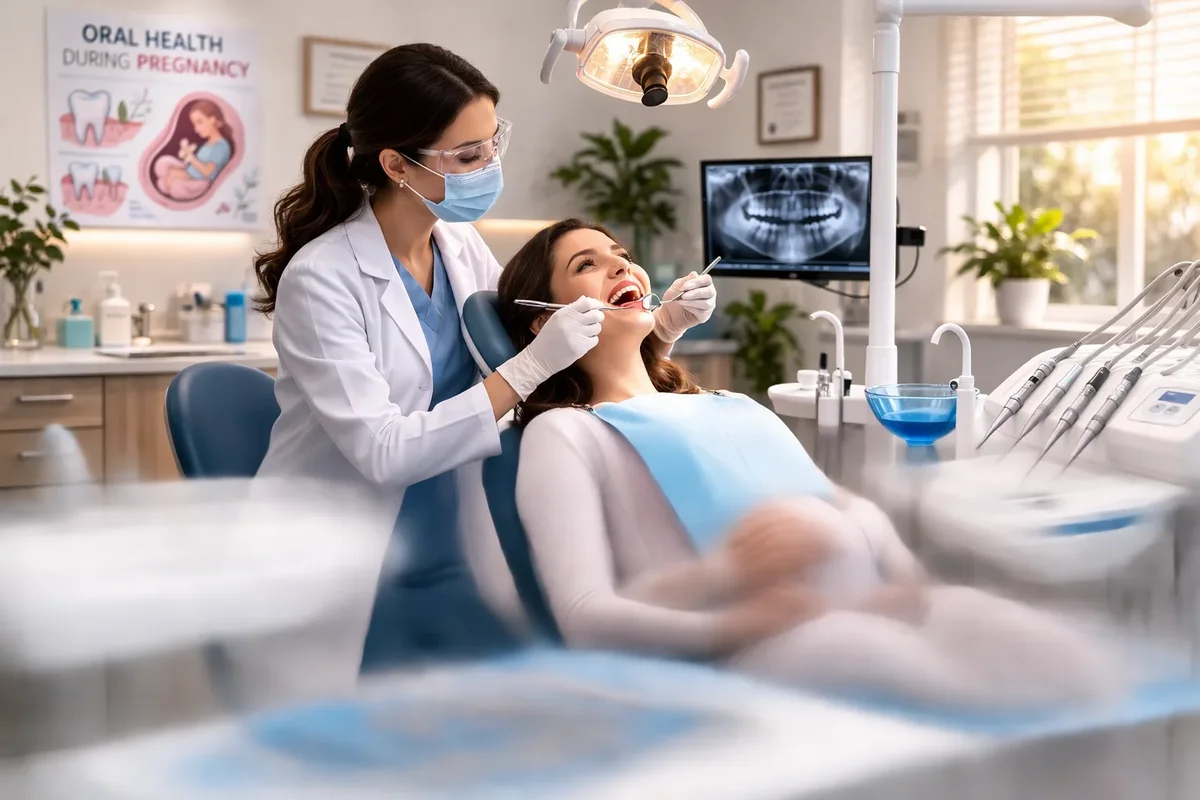
Being pregnant at the dentist is a situation many women feel uncertain about. Questions such as “Is dental treatment safe during pregnancy?” or “Could it harm my baby?” are extremely common. The truth is that maintaining excellent oral health during pregnancy is not only safe in most cases but also essential for both mother and baby. 🤰🦷 Hormonal changes, dietary shifts, and morning sickness can significantly affect your teeth and gums, making professional dental care more important than ever.
When you are pregnant at the dentist, your dental team will take special precautions to ensure your comfort and safety. Modern dentistry follows strict clinical guidelines designed specifically for pregnant patients. According to the American Dental Association, preventive, diagnostic, and restorative dental treatment is safe throughout pregnancy when proper protocols are followed. This means routine cleanings, cavity fillings, and even certain emergency procedures can be performed safely.
One major reason why being pregnant at the dentist should not be postponed is the increased risk of gum disease. Pregnancy hormones, especially progesterone, can intensify your body’s response to plaque. This often leads to a condition known as pregnancy gingivitis, which causes swollen, tender, and bleeding gums. If left untreated, gingivitis can progress into periodontitis, a more serious infection that has been linked in some studies to preterm birth and low birth weight. Taking care of oral health during pregnancy is therefore not just about your teeth—it is about your overall well-being.
Another common concern when pregnant at the dentist involves dental procedures such as fillings or root canals. Many women assume that these treatments must wait until after delivery. However, delaying necessary care can actually increase risks. Untreated infections can spread and may cause more serious health complications. Dentists are trained to evaluate which procedures are urgent and which can be safely postponed. In most cases, treating dental problems early is the safest option.
Comfort is also a key consideration when you are pregnant at the dentist. Dental chairs can be adjusted to prevent pressure on the inferior vena cava (a large vein that can be compressed when lying flat). Dentists may recommend positioning you slightly on your left side, especially during the second and third trimesters. These small adjustments ensure proper blood circulation and reduce dizziness or discomfort.
Morning sickness can also impact your experience of being pregnant at the dentist. Frequent vomiting exposes teeth to stomach acids, which may weaken enamel and increase sensitivity. Your dentist can provide protective fluoride treatments and recommend specific oral care strategies to minimize acid erosion. Rinsing with water and a small amount of baking soda after nausea episodes can help neutralize acid before brushing.
Communication is extremely important when pregnant at the dentist. Always inform your dental professional about your pregnancy, how far along you are, and any medical conditions you may have. Sharing details about medications, prenatal vitamins, or pregnancy complications allows the dentist to tailor treatment accordingly. Collaboration between your dentist and obstetrician ensures comprehensive care.
It is also essential to understand that preventive care is one of the safest and most beneficial steps when pregnant at the dentist. Professional cleanings reduce bacteria levels in the mouth and help control inflammation. Dentists may also provide personalized advice on brushing techniques, flossing habits, and dietary adjustments. Cravings for sugary foods are common during pregnancy, and your dentist can guide you in protecting your teeth while still enjoying occasional treats responsibly. 😊
For women who are anxious about being pregnant at the dentist, reassurance and education make a big difference. Modern dental practices are designed with patient-centered care in mind. Clinics experienced in treating pregnant patients understand how to create a calm, supportive environment. If you have specific concerns, discussing them openly with your dental provider can significantly reduce stress.
If you are planning a dental visit during pregnancy and want professional guidance, you can always reach out through the Redent Klinik Contact Page. A consultation allows you to receive personalized advice tailored to your trimester and dental condition.
Ultimately, being pregnant at the dentist should not be viewed as a risk but as an opportunity to protect your health and your baby’s development. Oral infections can have systemic effects, while preventive dental care supports overall maternal wellness. With proper precautions, evidence-based protocols, and open communication, dental treatment during pregnancy is both safe and highly recommended.
In summary, experiencing pregnancy at the dentist is a normal and manageable situation. By staying informed, attending regular check-ups, and addressing dental problems early, you create a healthier environment for yourself and your baby. Your smile matters—even more so during pregnancy. 🌸🦷
Is It Safe to Be Pregnant at the Dentist?
One of the most common questions expectant mothers ask is whether it is truly safe to be pregnant at the dentist. The short and evidence-based answer is yes — in most cases, dental care during pregnancy is not only safe but strongly recommended. 🤰🦷 Hormonal changes during pregnancy can significantly affect the gums and teeth, making professional supervision essential. Avoiding the dentist out of fear may actually increase health risks for both mother and baby.
Why Dental Care Is Important During Pregnancy
When you are pregnant at the dentist, your oral health is evaluated within the context of pregnancy-related changes. Elevated progesterone and estrogen levels increase blood flow to the gums, which can lead to inflammation and swelling. This condition, commonly called pregnancy gingivitis, affects a large percentage of pregnant women. If not treated, gingivitis may progress into periodontitis — a more severe infection that can affect overall health.
Research has shown a possible association between untreated periodontal disease and complications such as premature birth or low birth weight. While more studies continue to explore this connection, experts agree that maintaining oral health reduces inflammatory burden in the body. Being pregnant at the dentist allows early detection and management of gum issues before they escalate.
Which Dental Treatments Are Safe?
Many women assume that all dental procedures must wait until after delivery. However, this is not accurate. Most preventive and restorative treatments are safe when you are pregnant at the dentist. These include:
- Professional dental cleanings
- Cavity fillings
- Root canal treatment if necessary
- Gum disease therapy
- Dental X-rays with proper shielding
According to the American Dental Association, delaying necessary treatment may pose a greater risk than performing it. An untreated dental infection can spread and potentially impact systemic health. Therefore, addressing problems promptly while pregnant at the dentist is often the safest choice.
First Trimester Considerations
During the first trimester, organ development (organogenesis) occurs in the baby. While routine care is still considered safe, elective procedures are often postponed if they are not urgent. If you are pregnant at the dentist during early pregnancy, your dentist will carefully evaluate the urgency of treatment. Emergency care, however, should never be delayed.
Second Trimester: The Ideal Time
The second trimester is generally considered the most comfortable and safest period for dental treatment. Nausea usually decreases, and lying in the dental chair is more manageable. If you plan restorative procedures, being pregnant at the dentist during this trimester is often ideal.
Third Trimester Adjustments
In the third trimester, extended time lying flat may cause discomfort due to pressure on major blood vessels. When pregnant at the dentist in late pregnancy, dentists adjust the chair position slightly to the left side to improve circulation and prevent dizziness.
What About Anesthesia and Medications?
Local anesthesia such as lidocaine is considered safe for pregnant patients when used appropriately. Being pregnant at the dentist does not mean you must endure pain. Pain management is important because stress and discomfort can negatively affect both mother and baby.
If antibiotics are required, dentists prescribe pregnancy-safe options such as penicillin or amoxicillin. Certain medications, however, are avoided. This is why informing your dentist that you are pregnant at the dentist is absolutely essential before any procedure begins.
Dental X-Rays During Pregnancy
Dental X-rays often raise concerns, but modern digital radiography uses extremely low radiation levels. When you are pregnant at the dentist, protective lead aprons and thyroid collars are always used. The radiation exposure from dental X-rays is far below levels associated with harm, especially when proper shielding is applied.
When Should You Avoid Treatment?
Elective cosmetic procedures such as teeth whitening are usually postponed until after pregnancy. However, medically necessary procedures should not be delayed. Being pregnant at the dentist requires a personalized risk-benefit evaluation rather than a blanket avoidance approach.
The Risk of Avoiding Dental Visits
Skipping appointments because you fear being pregnant at the dentist can lead to worsening cavities, gum infections, and pain. Severe infections may require stronger medications or emergency care, which can create more stress than routine preventive treatment. Prevention is always simpler and safer than emergency intervention.
How to Prepare for Your Appointment
If you are planning to be pregnant at the dentist for a check-up or treatment, follow these steps:
- Inform the clinic about your pregnancy when scheduling.
- Share your trimester and any pregnancy complications.
- Bring a list of medications and prenatal supplements.
- Eat a light meal beforehand to prevent nausea.
If you have additional concerns or would like personalized consultation before scheduling your appointment, you can contact the clinic through the Redent Klinik Contact Page.
In conclusion, it is safe to be pregnant at the dentist when treatment is managed by trained professionals who follow established medical guidelines. Avoiding dental care can create more serious complications than attending scheduled appointments. With proper communication, modern safety protocols, and evidence-based dentistry, being pregnant at the dentist is a responsible and healthy decision for both mother and baby. 😊
Best Time During Pregnancy for Dental Treatment
Understanding the best time to seek care while pregnant at the dentist is one of the most important steps in protecting both maternal and fetal health. Although dental treatment is generally safe throughout pregnancy, certain trimesters offer greater comfort and clinical convenience. Timing does not mean avoiding care — it means planning it wisely. 🤰🦷 When you are pregnant at the dentist, your provider considers fetal development stages, maternal comfort, and urgency of treatment before proceeding.
Dental Care in the First Trimester
The first trimester (weeks 1–13) is a crucial developmental period. Major organs begin forming, and many women experience fatigue, nausea, and morning sickness. If you are pregnant at the dentist during this stage, dentists typically focus on preventive care and emergency treatment only. Routine cleanings are safe and encouraged, but elective or non-urgent procedures may be postponed as a precaution.
Why Caution Is Recommended Early On
While there is no strong scientific evidence showing that standard dental treatment harms the fetus in the first trimester, caution is exercised because this is the most sensitive stage of fetal organ formation. Being pregnant at the dentist during early pregnancy requires careful evaluation of risk versus benefit. If a cavity is small and not causing pain, your dentist may monitor it until the second trimester. However, untreated infection should never be ignored.
Morning sickness also affects oral health. Frequent vomiting exposes enamel to stomach acids, increasing sensitivity and erosion. When pregnant at the dentist, your provider may recommend fluoride treatments or special toothpaste to strengthen enamel during this phase.
The Second Trimester: The Ideal Window
The second trimester (weeks 14–27) is widely considered the safest and most comfortable time for dental treatment. Most nausea subsides, energy levels improve, and the baby’s major organs have already formed. If you plan restorative procedures such as fillings or root canals, being pregnant at the dentist during this trimester is generally ideal.
Why the Second Trimester Is Preferred
- Lower risk of nausea and dizziness
- Greater maternal comfort in the dental chair
- Reduced anxiety compared to early pregnancy
- Stable fetal development stage
When pregnant at the dentist in the second trimester, most procedures — including local anesthesia and necessary X-rays with shielding — can be performed safely. This is also the best time to address gum inflammation or treat cavities before they worsen.
Dental Visits in the Third Trimester
The third trimester (weeks 28–40) presents unique considerations. As the uterus enlarges, lying flat for extended periods may compress the inferior vena cava, potentially causing dizziness or lowered blood pressure. If you are pregnant at the dentist during late pregnancy, your dentist will adjust chair positioning, often tilting you slightly to the left to maintain healthy circulation.
Shorter Appointments Are Recommended
Long appointments may become uncomfortable. Therefore, when pregnant at the dentist in the third trimester, shorter visits are preferred. Preventive cleanings and urgent treatments remain safe, but complex elective procedures are usually postponed until after delivery unless absolutely necessary.
What Should Never Be Delayed?
Regardless of trimester, certain conditions require immediate attention. Being pregnant at the dentist with severe tooth pain, swelling, abscess, or infection should never be delayed. Dental infections can spread and may pose greater systemic risks than the treatment itself. Pain and inflammation increase stress hormones, which is not beneficial during pregnancy.
According to the American Dental Association, preventive, diagnostic, and emergency dental care is safe at any stage of pregnancy when appropriate precautions are taken. This means being pregnant at the dentist should not be associated with fear but with proactive health management.
Planning Ahead: Pre-Pregnancy Checkups
If possible, women planning pregnancy are encouraged to complete necessary dental work beforehand. However, many pregnancies are unplanned, and oral health issues can arise unexpectedly. Being pregnant at the dentist is common and manageable when handled by trained professionals.
Routine professional cleaning during pregnancy helps control plaque and reduce inflammation. Hormonal fluctuations increase gum sensitivity, making preventive care even more important. If you are unsure about scheduling your visit, you can always consult via the Redent Klinik Contact Page for personalized advice.
Individual Health Factors Matter
Every pregnancy is unique. Women with high-risk pregnancies, gestational diabetes, or hypertension may require additional medical consultation before undergoing certain procedures. When pregnant at the dentist, full transparency about your medical history allows your dentist to coordinate care with your obstetrician if necessary.
Key Takeaways
• Dental care is generally safe throughout pregnancy.
• The second trimester is typically the most comfortable and convenient period.
• Emergency treatment should never be postponed.
• Chair positioning and shorter appointments improve safety in late pregnancy.
• Being pregnant at the dentist supports overall maternal and fetal health.
In summary, the best time for dental treatment depends on both medical necessity and maternal comfort. However, avoiding care entirely is not recommended. Being pregnant at the dentist at the right time — especially during the second trimester — allows safe treatment, prevents complications, and promotes a healthier pregnancy journey. 😊
Dental X-Rays and Pregnancy: Risks and Protection
One of the biggest concerns women have when they are pregnant at the dentist is whether dental X-rays are safe. Radiation exposure during pregnancy understandably raises anxiety, but modern dental imaging is far safer than many people realize. In fact, the amount of radiation used in dental X-rays is extremely low, especially with today’s digital technology. When proper protective measures are used, being pregnant at the dentist for diagnostic imaging is considered safe and medically justified when necessary. 🦷🤰
How Much Radiation Is in a Dental X-Ray?
To understand safety, it is helpful to compare radiation levels. A single digital dental X-ray exposes a patient to a very small amount of radiation — often less than what you receive naturally from the environment in a single day. When you are pregnant at the dentist, this exposure becomes even less concerning because protective equipment significantly reduces any scatter radiation.
The fetus is located far from the mouth, and with a properly placed lead apron and thyroid collar, radiation does not reach the abdominal area in meaningful amounts. According to the American Dental Association, necessary dental X-rays are safe during pregnancy when appropriate shielding is used. Therefore, avoiding essential imaging while pregnant at the dentist may actually delay important diagnosis and treatment.
Why X-Rays May Be Necessary During Pregnancy
Some women assume that all imaging should be postponed until after delivery. However, if you are pregnant at the dentist with pain, swelling, or suspected infection, an X-ray may be required to properly diagnose the problem. Cavities between teeth, bone infections, abscesses, and impacted teeth cannot always be detected through visual examination alone.
Common Situations Where X-Rays Are Recommended
- Severe tooth pain with unclear cause
- Suspected dental abscess
- Trauma or injury to the teeth
- Evaluation before urgent root canal treatment
- Assessment of advanced gum disease
When pregnant at the dentist, delaying diagnosis of an infection can pose greater risks than the minimal radiation exposure from imaging. Untreated oral infections may spread and increase systemic inflammation, which is not ideal during pregnancy.
Protective Measures Used During Pregnancy
Modern dental clinics follow strict safety protocols when a patient is pregnant at the dentist. These include:
1. Lead Apron Shielding
A lead apron is placed over the abdomen to block radiation from reaching the fetus. This dramatically reduces exposure and is standard practice whenever a patient is pregnant at the dentist.
2. Thyroid Collar Protection
The thyroid gland is particularly sensitive to radiation. A thyroid collar protects this area and further minimizes risk while you are pregnant at the dentist.
3. Digital Radiography
Digital X-ray systems require significantly less radiation than traditional film systems. When pregnant at the dentist, most clinics use digital imaging for enhanced safety and precision.
Are Dental X-Rays Safe in All Trimesters?
Yes, necessary dental X-rays are considered safe in all trimesters when proper precautions are taken. However, if imaging is not urgent, some dentists may choose to postpone it until the second trimester. Being pregnant at the dentist does not automatically prohibit X-rays; it simply requires thoughtful decision-making based on clinical need.
Addressing Common Myths
Myth 1: All radiation is dangerous during pregnancy.
While high-dose radiation can be harmful, dental X-rays involve extremely low exposure. When you are pregnant at the dentist, shielding and modern equipment keep exposure far below harmful thresholds.
Myth 2: X-rays always affect the baby.
The radiation beam is directed at the mouth, not the abdomen. With a lead apron in place, being pregnant at the dentist for imaging does not expose the fetus to significant radiation.
Myth 3: It is safer to avoid all dental care.
Untreated infections can pose greater systemic risks than diagnostic imaging. Being pregnant at the dentist for necessary X-rays protects both maternal and fetal health.
Communication Is Essential
If you are pregnant at the dentist, always inform your dental team before any imaging is performed. Even if pregnancy is suspected but not confirmed, it is important to communicate this information. Your dentist will determine whether the X-ray is urgent or can be postponed.
If you are unsure about scheduling diagnostic imaging, you can consult directly through the Redent Klinik Contact Page for personalized advice tailored to your pregnancy stage.
Balancing Risk and Benefit
Medical decisions during pregnancy always involve weighing risks and benefits. When pregnant at the dentist, the benefit of diagnosing and treating infection often outweighs the minimal radiation exposure from properly shielded dental X-rays. Evidence-based guidelines support this balanced approach.
In summary, being pregnant at the dentist does not mean you must avoid diagnostic imaging altogether. Modern technology, protective shielding, and professional judgment ensure that dental X-rays are safe when clinically necessary. Protecting your oral health protects your overall health — and that ultimately supports your baby’s well-being as well. 😊