
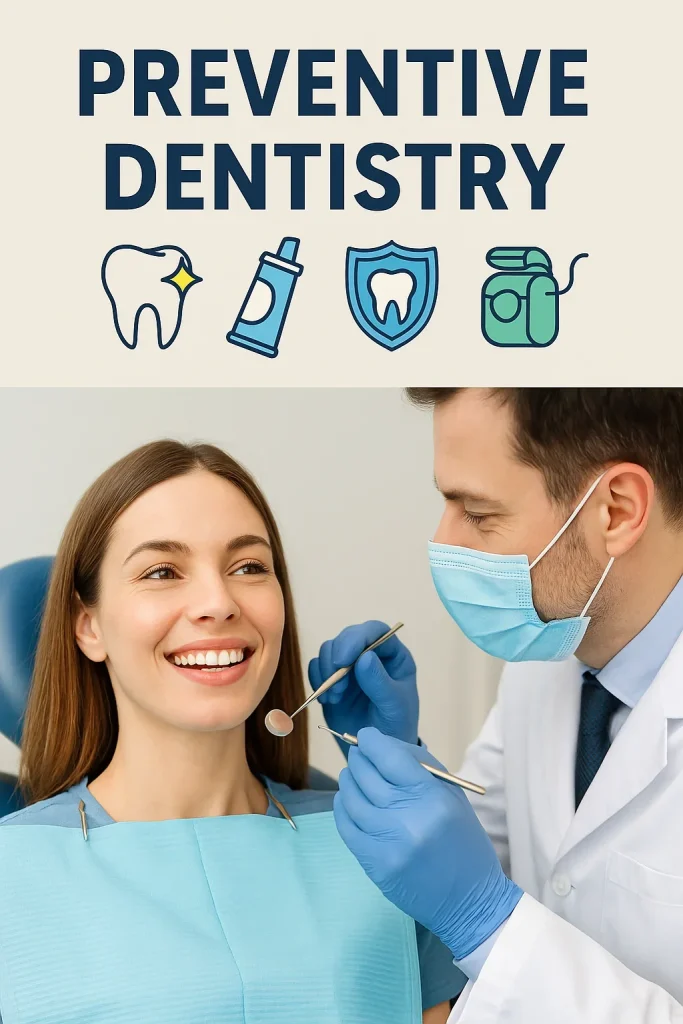
Preventive dentistry is one of the most effective approaches to maintaining long-term oral health 🦷. Instead of waiting for problems like cavities, gum disease, or tooth loss to occur, preventive dentistry focuses on proactive measures that stop these issues before they develop. This philosophy of care emphasizes routine practices, professional checkups, and lifestyle adjustments that help protect teeth and gums at every stage of life. For anyone seeking a brighter smile, lower dental costs, and improved overall health, preventive dentistry offers the foundation for lifelong wellness.
At its core, preventive dentistry involves a partnership between dental professionals and patients. Dentists provide professional cleanings, exams, and treatments, while patients commit to daily oral care and healthy lifestyle choices. Together, these efforts reduce the risk of dental diseases and help individuals avoid painful, costly interventions later on. In fact, studies supported by the
American Dental Association highlight that prevention is far more cost-effective than treating advanced oral conditions. By prioritizing preventive care, patients can achieve stronger teeth, healthier gums, and improved overall well-being.
One of the most important elements of preventive dentistry is early detection. Regular dental visits allow professionals to identify potential issues such as plaque buildup, enamel erosion, or early signs of gum inflammation before they worsen. This proactive approach often makes the difference between a minor treatment and major dental work. For example, catching a small cavity early may require only a simple filling, while ignoring it could eventually lead to root canal treatment or even tooth extraction. Preventive dentistry empowers patients to act early, saving both their teeth and their budgets 💰.
Daily habits are also central to preventive dentistry. Brushing twice a day with fluoride toothpaste, flossing once daily, and using mouthwash are basic yet powerful steps in protecting oral health. These practices remove plaque, strengthen enamel, and lower the risk of decay and gum disease. Combined with regular professional cleanings, these efforts significantly reduce the likelihood of oral infections. Preventive dentistry also encourages individuals to be mindful of their diet. Limiting sugary drinks, reducing acidic foods, and choosing nutrient-rich meals all contribute to stronger teeth and healthier gums.
Another crucial component of preventive dentistry is education. Patients who understand the importance of oral care are more likely to develop consistent habits and recognize when something is wrong. Dentists often provide tailored advice on proper brushing techniques, the role of fluoride, or the importance of sealants for children. These educational interactions empower people to take ownership of their oral health. Preventive dentistry isn’t just about procedures—it’s about creating awareness and instilling long-lasting routines that lead to healthier smiles 😀.
Preventive dentistry is not limited to a specific age group. Children benefit from dental sealants and fluoride treatments that protect their developing teeth, while adults and seniors rely on preventive strategies to maintain strong teeth and manage risks like gum disease or tooth wear. For families, practicing preventive dentistry together fosters healthier habits for everyone. Parents who model good brushing and flossing routines help children adopt them naturally. In this way, preventive dentistry builds a legacy of oral health across generations.
The benefits of preventive dentistry extend far beyond the mouth. Research increasingly shows a strong connection between oral health and overall health. Gum disease, for instance, has been linked to systemic conditions such as diabetes, heart disease, and even complications during pregnancy. By reducing the risk of dental infections, preventive dentistry also helps lower the risk of systemic inflammation and chronic disease. This makes preventive dentistry not only an investment in oral wellness but also in general health and quality of life 🌍.
Financially, preventive dentistry is one of the smartest health decisions people can make. The cost of routine checkups and cleanings is minimal compared to the price of advanced dental treatments. Root canals, crowns, and implants can be several times more expensive than regular preventive care. According to industry data, patients who prioritize preventive dentistry can save thousands of dollars over their lifetime. By maintaining regular dental visits and consistent oral hygiene, individuals can avoid emergency procedures and enjoy peace of mind knowing their oral health is under control.
Preventive dentistry also provides psychological benefits. People with healthy teeth and gums tend to feel more confident when smiling, speaking, or engaging socially. A confident smile improves self-esteem and can positively affect both personal and professional relationships. Knowing that one’s oral health is protected also reduces anxiety about potential pain or unexpected dental bills. In this way, preventive dentistry supports not only physical well-being but also emotional balance.
Ultimately, preventive dentistry represents a holistic approach to oral health. It combines professional care, daily habits, education, and lifestyle adjustments into a comprehensive strategy that delivers lasting results. Whether you are a parent guiding your children, an adult seeking to avoid major procedures, or a senior aiming to preserve natural teeth, preventive dentistry offers tools and techniques suited to your needs. To explore personalized preventive care options or schedule a professional consultation, visit the
Redent Klinik Contact Page. By embracing preventive dentistry today, you are investing in a healthier, brighter, and more confident tomorrow.
Understanding the Core Principles of Preventive Dentistry
Preventive dentistry is built upon a simple but powerful principle: it is always better to prevent dental problems than to treat them later. By focusing on early action, consistent care, and education, preventive dentistry protects patients from oral diseases and reduces the risk of complications that affect both dental and overall health. This approach is not just about routine checkups—it is a complete philosophy of care that guides how dentists and patients work together for lifelong wellness.
Principle 1: Proactive Care Instead of Reactive Treatment
One of the most important ideas behind preventive dentistry is proactivity. Instead of waiting until a tooth decays, a gum becomes infected, or pain becomes unbearable, preventive dentistry emphasizes catching issues before they become serious. This proactive stance allows dental professionals to identify potential risks like enamel wear, plaque accumulation, or gingivitis in their earliest stages. Early treatment usually means less pain, less expense, and a higher chance of keeping natural teeth healthy and strong 🦷.
Principle 2: Daily Oral Hygiene Practices
Another foundational element of preventive dentistry is the daily commitment to oral hygiene. Brushing teeth twice a day with fluoride toothpaste, flossing to remove plaque between teeth, and using an antibacterial mouthwash are all crucial steps. These daily routines reduce the risk of cavities and gum disease by keeping bacteria under control. Preventive dentistry stresses that small actions performed consistently can have huge long-term benefits for both oral and overall health.
The Role of Fluoride
Fluoride is a cornerstone of preventive dentistry because it strengthens tooth enamel and makes it more resistant to acid attacks caused by bacteria. Whether delivered through toothpaste, drinking water, or professional treatments at the dentist’s office, fluoride helps to reduce cavity risk and protect smiles for years to come. For children especially, fluoride use is a critical part of early preventive care.
Principle 3: Regular Dental Checkups
Routine visits to the dentist are another essential principle of preventive dentistry. Typically, patients are advised to schedule checkups every six months, although those with higher risk factors may need more frequent visits. These appointments are vital for detecting problems early and ensuring that professional cleanings remove plaque and tartar that daily brushing cannot. Preventive dentistry relies on these regular assessments to safeguard oral health and provide professional guidance tailored to each individual’s needs.
Professional Cleanings and Exams
During a preventive dentistry appointment, dental hygienists perform thorough cleanings to remove tartar, while dentists examine teeth and gums for signs of disease. X-rays may be used to identify hidden problems, such as cavities between teeth or bone loss beneath the gums. These preventive steps ensure that patients remain aware of their oral condition and receive timely interventions when needed.
Principle 4: Patient Education and Empowerment
Preventive dentistry also emphasizes the role of education in long-term health. Dentists and hygienists guide patients on proper brushing and flossing techniques, discuss the impact of nutrition, and provide recommendations for products like fluoride toothpaste or interdental brushes. This knowledge empowers patients to make informed choices about their oral care. Preventive dentistry is most successful when patients understand that they are partners in the process—not passive recipients of care.
Principle 5: Lifelong and Age-Specific Care
Preventive dentistry adapts to different stages of life. Children may need sealants and fluoride treatments to protect developing teeth. Teenagers often benefit from orthodontic evaluations and education about sugar consumption. Adults rely on preventive strategies to avoid gum disease, while seniors focus on maintaining natural teeth and preventing bone loss. The universal principle is that preventive dentistry is never “one-size-fits-all” but rather a personalized approach that evolves with each patient’s needs.
Preventive Dentistry for Special Populations
Certain groups, such as individuals with diabetes, pregnant women, or patients with weakened immune systems, require specialized preventive strategies. For example, gum disease can complicate blood sugar control in diabetic patients, while pregnant women face hormonal changes that may increase gum sensitivity. Preventive dentistry tailors its principles to protect these groups from additional risks while promoting overall wellness 🌍.
The Connection Between Oral Health and General Health
Another guiding principle of preventive dentistry is the understanding that the mouth is connected to the body. Poor oral hygiene has been linked to systemic conditions such as cardiovascular disease, respiratory infections, and complications during pregnancy. Preventive dentistry acknowledges this vital connection and stresses that protecting the mouth also supports overall health. By prioritizing preventive care, patients are also protecting their heart, lungs, and immune system.
Cost-Effectiveness as a Core Principle
Finally, preventive dentistry is grounded in the principle of cost savings. Regular cleanings and exams cost significantly less than restorative treatments like root canals, crowns, or implants. By emphasizing preventive care, dental professionals help patients save money while reducing stress and discomfort. According to the American Dental Association, the long-term economic benefits of preventive dentistry are undeniable, making it a smart investment in health and finances.
In summary, the core principles of preventive dentistry—proactive care, daily oral hygiene, regular checkups, patient education, and lifelong adaptation—work together to create a powerful shield against oral disease. These principles highlight why preventive dentistry is considered the gold standard of dental care worldwide. By following them consistently, individuals enjoy healthier smiles, lower costs, and a better quality of life. To explore how these principles can be applied in practice, schedule a consultation today through the Redent Klinik Contact Page and take the first step toward a lifetime of oral wellness.
Daily Oral Hygiene Habits That Protect Your Smile
When it comes to preventive dentistry, daily oral hygiene is the foundation upon which all other dental care rests. Even with the most advanced professional treatments, the everyday actions a person takes at home determine the long-term health of their teeth and gums 🦷. Preventive dentistry emphasizes the idea that consistency in simple habits—like brushing, flossing, and mindful eating—can dramatically lower the risk of cavities, gum disease, and costly dental treatments. In this section, we will explore the daily oral hygiene practices that protect your smile and ensure a lifetime of strong, healthy teeth.
Brushing Twice a Day With the Right Technique
Brushing is a central component of preventive dentistry, but not all brushing is created equal. Many people brush quickly or with too much force, which can damage enamel and irritate gums. Preventive dentistry recommends using a soft-bristled toothbrush and fluoride toothpaste, brushing for at least two minutes, and reaching every surface of every tooth. The American Dental Association highlights that brushing twice daily is essential for removing plaque and preventing tooth decay. Electric toothbrushes can further enhance cleaning efficiency by providing consistent motion and better plaque removal, especially for people with braces or limited dexterity.
Best Practices for Brushing
- Hold the toothbrush at a 45-degree angle to the gums.
- Use short, gentle strokes—both back and forth and circular motions.
- Brush the outer, inner, and chewing surfaces of all teeth.
- Don’t forget to brush the tongue to reduce bacteria and bad breath.
Preventive dentistry also stresses replacing toothbrushes every three months or sooner if the bristles are frayed, since worn bristles lose their cleaning effectiveness.
The Power of Daily Flossing
Brushing alone cannot remove plaque and food debris from between teeth, which is why flossing is a vital habit in preventive dentistry. Flossing once a day helps prevent cavities between teeth and reduces the risk of gum disease. Proper flossing involves gently sliding the floss between teeth, curving it into a C-shape around each tooth, and moving it up and down without snapping. For those who find traditional floss difficult to use, interdental brushes and water flossers offer effective alternatives. Consistent flossing is often the difference between healthy gums and early periodontal disease.
Using Mouthwash as an Added Layer of Protection
Preventive dentistry also recommends incorporating an antimicrobial or fluoride mouthwash into daily routines. Mouthwash helps reduce bacteria, strengthen enamel, and freshen breath. It is not a substitute for brushing or flossing, but it provides an extra layer of defense against plaque buildup and gum inflammation. Dentists often suggest alcohol-free rinses to avoid drying out the mouth, which can make teeth more vulnerable to decay.
The Role of Tongue Cleaning
The tongue harbors bacteria that contribute to bad breath and plaque accumulation. Preventive dentistry encourages tongue cleaning either with a toothbrush or a specialized tongue scraper. This simple habit improves oral freshness and helps maintain a balanced oral microbiome, which supports healthier gums and teeth.
Hydration and Saliva Production
Daily oral hygiene isn’t limited to brushing and flossing—it also includes hydration. Drinking enough water helps wash away food particles, neutralize acids, and stimulate saliva production. Saliva is the body’s natural defense against cavities because it contains calcium and phosphate that remineralize enamel. Preventive dentistry underscores the importance of avoiding dehydration, especially for individuals who take medications that cause dry mouth. Chewing sugar-free gum can also stimulate saliva and reduce cavity risk.
Nutrition and Its Role in Daily Oral Hygiene
Diet plays a critical role in preventive dentistry. Consuming too many sugary or acidic foods weakens enamel and increases cavity risk. A balanced diet rich in calcium, vitamin D, and phosphorus strengthens teeth and supports gum health. Crunchy fruits and vegetables, such as apples and carrots, naturally clean teeth while stimulating saliva production. Preventive dentistry also advises limiting frequent snacking, which exposes teeth to constant acid attacks and increases decay risk.
Foods to Favor for Strong Teeth
- Dairy products like cheese and yogurt for calcium and phosphate.
- Leafy greens and nuts for essential minerals and vitamins.
- Fibrous fruits and vegetables for natural cleansing.
- Water as the best beverage for rinsing away food and bacteria.
Avoiding Harmful Habits
Preventive dentistry also warns against habits that can harm teeth and gums. Smoking, chewing tobacco, biting nails, and using teeth as tools all increase the risk of oral health problems. Tobacco use, in particular, is linked to gum disease, oral cancer, and delayed healing after dental procedures. By avoiding these harmful behaviors, individuals significantly improve the effectiveness of their daily oral hygiene efforts.
Consistency Is the True Secret
Ultimately, preventive dentistry stresses that consistency is the real key to success. Brushing once in a while or flossing only before dental appointments will not deliver the desired results. Instead, preventive dentistry calls for disciplined routines practiced daily, combined with professional cleanings and checkups. This consistent approach helps individuals maintain fresh breath, strong enamel, and healthy gums for decades.
Daily oral hygiene habits are the frontline defense of preventive dentistry. From brushing and flossing to mindful eating and hydration, these small yet powerful actions prevent disease, reduce costs, and support overall health. By committing to these practices, individuals can protect their smiles, feel more confident, and enjoy the lifelong benefits of preventive dentistry. For professional guidance and personalized care, patients are encouraged to reach out through the Redent Klinik Contact Page and take proactive steps toward oral wellness today.
Professional Dental Cleanings and Their Long-Term Impact
While daily brushing and flossing form the foundation of oral health, professional dental cleanings are an indispensable part of preventive dentistry 🦷. No matter how diligent a person is at home, it is impossible to completely remove all plaque and tartar without professional tools and expertise. Preventive dentistry highlights that routine cleanings not only keep teeth looking bright and fresh but also prevent the onset of gum disease, cavities, and other oral conditions. More importantly, these appointments provide long-term benefits that extend beyond the mouth, influencing overall health and quality of life.
Why Professional Cleanings Are Essential
Plaque begins to form on teeth within hours after eating, and if not removed effectively, it hardens into tartar (calculus) that cannot be brushed away at home. Preventive dentistry emphasizes the critical role of dental hygienists, who use specialized instruments to gently remove tartar deposits above and below the gumline. This process prevents harmful bacteria from multiplying and causing gum inflammation or tooth decay. Unlike at-home care, professional cleanings target hard-to-reach areas, ensuring a more thorough level of protection.
The Process of a Professional Dental Cleaning
A typical cleaning appointment, often called “prophylaxis,” is an important cornerstone of preventive dentistry. It usually includes several steps designed to maximize both oral health and patient comfort:
- Scaling: Removal of plaque and tartar from tooth surfaces, especially near the gumline.
- Polishing: Smoothing the enamel to remove stains and make it harder for plaque to accumulate.
- Flossing: Deep cleaning between teeth to remove hidden debris.
- Fluoride Application: Strengthening enamel and adding a protective barrier against acid attacks.
This comprehensive approach ensures that the mouth is not only cleaner but also more resistant to future bacterial challenges.
Comfort and Modern Technology
Preventive dentistry has benefited from technological advances that make cleanings more comfortable and effective. Ultrasonic scalers, for instance, use vibrations and water to remove tartar with minimal discomfort, while digital imaging allows dentists to detect hidden issues. These innovations transform what was once considered a routine appointment into a vital, patient-friendly preventive procedure.
Long-Term Oral Health Benefits
Professional cleanings offer benefits that extend far beyond the immediate freshness patients feel afterward. Preventive dentistry underscores that consistent cleanings every six months—or more frequently for high-risk individuals—help prevent serious conditions such as periodontal disease. Gum disease is a leading cause of tooth loss in adults, but it is highly preventable when tartar and bacteria are controlled through regular professional care. Cleanings also help preserve enamel, reduce the likelihood of cavities, and maintain healthy gum tissue.
Impact on Overall Health
Preventive dentistry views oral health as inseparable from general health. Chronic oral infections caused by untreated plaque and tartar can release bacteria into the bloodstream, contributing to systemic conditions such as cardiovascular disease, diabetes complications, and respiratory infections. Research has shown that patients who maintain regular dental cleanings experience lower risks of heart disease and stroke. This connection underscores why preventive dentistry insists on routine professional care as part of a holistic health strategy 🌍.
Psychological and Aesthetic Benefits
Beyond physical health, professional cleanings provide psychological and social advantages. Patients often feel more confident with brighter teeth and fresher breath after a cleaning. Preventive dentistry acknowledges that self-esteem and oral health are deeply connected. Stains caused by coffee, tea, or tobacco are often removed during cleanings, improving the appearance of the smile and boosting confidence in social and professional interactions 😀.
Cost Savings of Professional Cleanings
From a financial perspective, professional cleanings are among the most cost-effective investments in preventive dentistry. The relatively low cost of routine cleanings is far outweighed by the expenses of restorative treatments required when prevention is neglected. For instance, the price of a cleaning may range between $100–$200 in many regions, while a single crown or root canal can cost several times more. By avoiding advanced dental work through regular cleanings, patients save thousands of dollars over their lifetime 💰.
Insurance Coverage
Most dental insurance plans recognize the value of preventive dentistry and fully or partially cover the cost of professional cleanings. This support further reduces financial barriers and encourages patients to prioritize prevention over costly treatments.
Recommended Frequency of Cleanings
The standard recommendation for most people is a dental cleaning every six months. However, preventive dentistry adapts this guideline based on risk factors. Patients with a history of gum disease, heavy tartar buildup, or conditions like diabetes may be advised to schedule cleanings every three to four months. On the other hand, individuals with excellent oral hygiene and low risk may require fewer appointments, but skipping cleanings altogether is never recommended.
Educational Value of Professional Visits
Each professional cleaning appointment is also an opportunity for education. Preventive dentistry uses these visits to reinforce proper brushing and flossing techniques, identify areas where patients may be missing plaque, and provide nutritional or lifestyle guidance. This ongoing education ensures that the benefits of professional cleanings are supported by strong at-home care routines.
In conclusion, professional dental cleanings are not just a cosmetic service but a vital element of preventive dentistry. They remove harmful buildup, protect against disease, improve overall health, and save patients money in the long run. By combining at-home habits with consistent professional care, individuals can enjoy healthier gums, stronger teeth, and greater confidence. To schedule your next professional cleaning and learn more about personalized preventive care, visit the Redent Klinik Contact Page and take a proactive step toward a lifetime of oral wellness.
Fluoride Treatments and Dental Sealants for Cavity Prevention
Among the many tools available in preventive dentistry, fluoride treatments and dental sealants stand out as two of the most powerful defenses against cavities. While daily oral hygiene is essential, professional treatments provide an added layer of protection that ensures long-term oral health. Preventive dentistry integrates these solutions into routine care to strengthen enamel, block bacterial invasion, and protect vulnerable areas of the teeth. Understanding how fluoride and sealants work helps patients make informed decisions that preserve their smiles for decades 🦷.
The Science Behind Fluoride Treatments
Fluoride is a naturally occurring mineral with remarkable benefits for tooth enamel. Preventive dentistry uses fluoride treatments to remineralize weakened enamel and make it more resistant to acid attacks from bacteria and food. When enamel loses minerals due to plaque and acid, fluoride helps restore them, reversing early stages of tooth decay before cavities fully form. This protective effect makes fluoride an essential ally in cavity prevention.
Professional Fluoride Applications
During a preventive dentistry appointment, dentists often apply fluoride in the form of gels, foams, or varnishes. These treatments contain a much higher concentration of fluoride than toothpaste or mouthwash, providing stronger and longer-lasting protection. The process is quick and painless: fluoride is applied to the teeth with a brush, tray, or swab and left to absorb for a few minutes. Afterward, patients are advised not to eat or drink for at least 30 minutes to allow maximum uptake.
Who Benefits Most From Fluoride?
- Children, whose developing teeth need extra reinforcement.
- Adults with a history of cavities or weakened enamel.
- Patients with dry mouth caused by medications or health conditions.
- Individuals with braces or dental restorations that make cleaning more difficult.
Preventive dentistry recognizes that fluoride is valuable at all ages, from childhood through senior years, making it a universal solution for protecting teeth.
The Role of Dental Sealants
Dental sealants are another essential component of preventive dentistry, especially effective in protecting the chewing surfaces of molars and premolars. These back teeth have deep grooves and pits where plaque and food particles often get trapped, making them highly vulnerable to decay. A dental sealant is a thin, plastic coating applied to these surfaces, creating a barrier that seals out bacteria and food debris. This simple and painless procedure drastically reduces the risk of cavities in hard-to-clean areas.
Application Process for Sealants
Applying a dental sealant is straightforward and usually takes only a few minutes per tooth:
- The tooth is cleaned and dried thoroughly.
- An acidic solution is applied to roughen the enamel for better adhesion.
- The sealant material is painted onto the tooth surface.
- A special curing light hardens the sealant in place.
Once applied, sealants can last for many years, continuing to protect teeth during the most cavity-prone stages of life.
Benefits of Sealants in Preventive Dentistry
Sealants offer numerous advantages:
- They prevent up to 80% of cavities in molars within the first two years of application.
- They are painless, non-invasive, and require no drilling.
- They are cost-effective compared to restorative treatments like fillings or crowns.
- They provide peace of mind for parents concerned about children’s oral health.
Preventive dentistry often recommends sealants for children as soon as their permanent molars erupt, but adults without decay or fillings in those teeth can also benefit from this protective measure.
Fluoride and Sealants: A Combined Strategy
While fluoride strengthens all tooth enamel, sealants target the most vulnerable chewing surfaces. Preventive dentistry combines these approaches for maximum protection. Children, in particular, gain significant benefits when both treatments are applied early, safeguarding their smiles during critical years of growth and development. Adults with high cavity risk also enjoy enhanced security with this combined approach.
Long-Term Impact on Oral and Overall Health
Preventive dentistry stresses that the long-term effects of fluoride and sealants extend far beyond avoiding cavities. By preventing decay, these treatments reduce the risk of infections, tooth extractions, and costly restorations. Healthy teeth also contribute to better chewing efficiency, improved nutrition, and enhanced confidence 😀. Moreover, by lowering the incidence of oral infections, these preventive methods indirectly support overall health, reducing the chance of systemic conditions linked to poor oral hygiene.
Cost Savings and Accessibility
Both fluoride treatments and dental sealants are highly cost-effective. The price of a fluoride treatment may range from $20 to $50, while sealants typically cost $30 to $60 per tooth. Considering that a single filling can cost $150–$300 and a crown can exceed $1,000, these preventive measures save patients significant money over time 💰. Many insurance providers fully or partially cover the cost of fluoride and sealants, recognizing their importance in preventive dentistry.
Educational Value of Fluoride and Sealants
Beyond the treatments themselves, preventive dentistry uses these appointments as opportunities to educate patients. Dentists explain the importance of enamel protection, proper brushing techniques, and the role of nutrition in oral health. This education ensures patients understand that fluoride and sealants are not standalone solutions but part of a larger commitment to preventive dentistry that includes daily hygiene and regular professional visits.
In conclusion, fluoride treatments and dental sealants are indispensable tools in preventive dentistry. They work hand-in-hand to strengthen enamel, block bacteria, and protect vulnerable teeth from decay. These painless, affordable, and highly effective solutions demonstrate why preventive dentistry is considered the gold standard for oral health. To explore whether fluoride or sealants are right for you or your family, contact a trusted professional today through the Redent Klinik Contact Page and take an important step toward cavity-free living.
How Nutrition and Lifestyle Affect Preventive Dentistry Success
While brushing, flossing, and regular dental visits are core components of preventive dentistry, nutrition and lifestyle choices play an equally significant role in maintaining oral health. Preventive dentistry does not exist in isolation—it is closely connected to the foods we eat, the beverages we drink, and the daily habits we adopt. A balanced lifestyle enhances the effectiveness of professional treatments and at-home hygiene, while poor habits can undo months or even years of careful dental care 🦷. This section explores how nutrition and lifestyle choices influence the success of preventive dentistry and why a holistic approach is essential for lifelong oral wellness.
The Role of Nutrition in Oral Health
Preventive dentistry emphasizes the direct link between diet and dental health. Sugary and starchy foods feed harmful bacteria in the mouth, producing acids that erode enamel and create cavities. Conversely, nutrient-rich foods strengthen teeth, promote gum health, and support enamel remineralization. A diet low in added sugars but high in vitamins and minerals ensures that preventive dentistry measures, such as fluoride treatments and sealants, work more effectively.
Essential Nutrients for Strong Teeth
- Calcium: Found in dairy products, leafy greens, and fortified foods, calcium is vital for enamel strength.
- Vitamin D: Enhances calcium absorption and helps maintain strong teeth and bones.
- Phosphorus: Present in fish, eggs, and nuts, phosphorus supports enamel repair.
- Vitamin C: Strengthens gum tissue and prevents inflammation.
- Antioxidants: Found in berries, green tea, and vegetables, antioxidants fight harmful bacteria and reduce inflammation.
Preventive dentistry integrates these nutrients into dietary recommendations because they help the body defend against decay and gum disease naturally.
The Hidden Dangers of Sugary and Acidic Foods
Consuming too many sugary or acidic foods is one of the biggest threats to preventive dentistry success. Candies, sodas, sports drinks, and even fruit juices can lower the pH in the mouth, weakening enamel and accelerating decay. Frequent snacking, especially on refined carbohydrates, prolongs the exposure of teeth to harmful acids. Preventive dentistry warns that it’s not just the amount of sugar consumed but also the frequency of consumption that matters. For example, sipping soda throughout the day is more damaging than drinking it all at once, as the enamel is under constant acid attack.
Smart Snacking Choices
- Replace sugary snacks with crunchy vegetables like carrots or celery.
- Choose cheese or yogurt for a calcium boost that neutralizes acids.
- Opt for nuts and seeds, which provide protein and minerals without excessive sugar.
- Drink water with meals to rinse away food particles and bacteria.
These choices align with preventive dentistry’s focus on minimizing cavity risks while still enjoying satisfying snacks.
Lifestyle Habits That Support Preventive Dentistry
In addition to nutrition, daily lifestyle habits significantly affect the outcomes of preventive dentistry. Positive behaviors strengthen oral health, while harmful practices create challenges that even the best dental care cannot fully overcome. Preventive dentistry encourages patients to be mindful of habits that influence their teeth, gums, and overall health.
Hydration and Saliva Production
Water is crucial for oral health. Staying hydrated ensures that saliva production remains steady, which is essential because saliva helps neutralize acids and wash away food particles. Preventive dentistry stresses the importance of avoiding dry mouth, a condition that increases the risk of cavities and infections. Chewing sugar-free gum after meals is another strategy that stimulates saliva flow and reduces decay risk.
Avoiding Tobacco and Alcohol
Preventive dentistry strongly warns against tobacco use, as it is directly linked to gum disease, tooth discoloration, and oral cancer. Alcohol, especially when consumed excessively, also dries out the mouth and contributes to enamel erosion. Together, these habits undermine the effectiveness of preventive strategies and increase the risk of serious dental and systemic diseases 🌍. Quitting tobacco and moderating alcohol consumption are among the most powerful steps individuals can take to support preventive dentistry.
Stress and Oral Health
Lifestyle stress can impact oral health in subtle but significant ways. People under stress often grind their teeth (a condition known as bruxism), neglect oral hygiene, or develop unhealthy eating habits. Preventive dentistry encourages stress management techniques such as exercise, meditation, and adequate sleep to reduce these risks. Protecting oral health often begins with protecting overall well-being.
Exercise and Its Indirect Benefits
Regular physical activity contributes to general health, which in turn supports oral health. For example, exercise helps regulate blood sugar in diabetic patients, reducing their risk of gum disease. Preventive dentistry recognizes that a balanced lifestyle with consistent exercise enhances immune function, helping the body fight infections more effectively—including those in the mouth.
How Lifestyle Choices Influence Dental Appointments
Preventive dentistry relies on a patient’s lifestyle choices to maximize the effectiveness of professional treatments. For example, fluoride applications and sealants will last longer and work more effectively in patients who maintain good diets and avoid harmful habits. Conversely, poor choices like constant sugar intake or smoking can quickly undermine the results of preventive dentistry treatments. This interplay demonstrates why lifestyle and dental care must go hand in hand for lasting oral health.
In summary, preventive dentistry is most successful when supported by smart nutrition and healthy lifestyle choices. A balanced diet rich in essential nutrients, limited sugar intake, proper hydration, avoidance of harmful habits, and stress management all contribute to stronger teeth and healthier gums. These daily choices magnify the benefits of professional dental care, reduce long-term costs, and enhance overall well-being. For personalized guidance on nutrition and lifestyle strategies that support preventive dentistry, schedule a consultation today through the Redent Klinik Contact Page and invest in a brighter, healthier future 😀.
The Role of Regular Dental Checkups in Early Detection
Regular dental checkups are the cornerstone of preventive dentistry because they allow problems to be detected and treated before they escalate into painful, costly conditions. While brushing and flossing at home protect the teeth on a daily basis, professional dental visits provide expert evaluation, advanced diagnostic tools, and comprehensive care that no at-home routine can replace. Preventive dentistry stresses that these checkups are not simply routine—they are life-changing opportunities to safeguard oral health, preserve natural teeth, and even detect early signs of systemic disease 🦷.
Why Early Detection Matters
Preventive dentistry is based on the principle that early intervention is always better than late treatment. Many oral health issues, such as cavities, gum disease, or even oral cancer, begin silently without pain or visible symptoms. By the time noticeable discomfort appears, the condition may already be advanced. Regular dental checkups give professionals the chance to identify these issues in their earliest, most manageable stages. Early detection means smaller treatments, lower costs, and higher success rates in maintaining long-term oral wellness.
What Happens During a Dental Checkup
A preventive dentistry appointment typically includes several steps designed to provide a complete picture of a patient’s oral health:
- Visual Examination: Dentists examine teeth, gums, tongue, and soft tissues for signs of decay, infection, or abnormal growths.
- X-Rays: Imaging reveals hidden issues like cavities between teeth, impacted wisdom teeth, or bone loss.
- Gum Health Assessment: Dentists measure pocket depths around teeth to check for early gum disease.
- Discussion and Education: Patients receive personalized advice on oral hygiene techniques and lifestyle choices.
Preventive dentistry uses this structured approach to ensure that no potential problem goes unnoticed and patients leave with both cleaner teeth and valuable knowledge.
Advanced Screening Tools
Modern preventive dentistry incorporates advanced tools like intraoral cameras and laser cavity detectors, which provide highly accurate diagnostics. These technologies allow dentists to spot issues earlier than ever before, reinforcing the value of regular checkups. Early detection with these tools often prevents invasive procedures later on.
The Link Between Checkups and Gum Disease Prevention
Gum disease is one of the leading causes of tooth loss worldwide, yet it is almost entirely preventable with early intervention. During a checkup, dentists identify early signs of gingivitis, such as swollen or bleeding gums, and recommend immediate treatment. Preventive dentistry emphasizes that addressing gum problems at this stage is far easier and less costly than treating advanced periodontal disease, which can require surgery or lead to tooth extractions.
Oral Cancer Screening: A Life-Saving Measure
Another critical component of preventive dentistry checkups is oral cancer screening. Dentists examine the tongue, cheeks, lips, and throat for unusual lesions or growths. Caught early, oral cancer is highly treatable, but delayed diagnosis can be life-threatening. Preventive dentistry makes oral cancer screening a routine part of every checkup, highlighting the life-saving potential of these visits 🌍.
Checkups Across Different Life Stages
Preventive dentistry adapts the purpose of dental checkups according to age and life stage:
- Children: Early visits monitor tooth eruption, jaw development, and the need for sealants or fluoride.
- Teenagers: Dentists check for wisdom tooth development and educate teens about diet and oral hygiene habits.
- Adults: Focus on preventing cavities, gum disease, and addressing stress-related issues like bruxism.
- Seniors: Monitoring for tooth wear, dry mouth, and maintaining dental prosthetics.
This stage-specific approach shows how preventive dentistry personalizes care to meet the unique needs of each patient group.
Financial Benefits of Regular Checkups
Preventive dentistry also highlights the financial wisdom of regular dental checkups. A small cavity discovered during a routine exam can often be treated with a simple filling costing $100–$250. Left undiagnosed, it might progress to require a root canal or crown, costing upwards of $1,000. Similarly, early gum disease treatments are far less expensive than periodontal surgery. Insurance providers often fully cover preventive exams and cleanings because they recognize the significant long-term savings these visits provide 💰.
Psychological and Social Benefits
Beyond physical and financial advantages, regular dental checkups provide psychological reassurance. Patients who attend routine visits feel more confident knowing their oral health is monitored and protected. Preventive dentistry emphasizes that this peace of mind encourages individuals to maintain better daily hygiene habits and reduces the anxiety often associated with dental emergencies. A healthy, confident smile also enhances social and professional interactions 😀.
How Often Should You Schedule Checkups?
For most individuals, preventive dentistry recommends checkups every six months. However, those at higher risk—such as patients with diabetes, smokers, or people with a history of gum disease—may need more frequent visits. Skipping checkups for years can undo the benefits of daily hygiene and preventive treatments like fluoride or sealants. Consistency is key, and preventive dentistry stresses that even if teeth feel fine, regular professional evaluations remain essential.
In conclusion, regular dental checkups are the heartbeat of preventive dentistry. They enable early detection of cavities, gum disease, and oral cancer, saving patients from pain, expense, and even life-threatening conditions. By committing to consistent professional care, patients protect not just their teeth but their overall health and confidence. To schedule your next preventive checkup and take a proactive step toward lifelong oral wellness, visit the Redent Klinik Contact Page today.
Preventive Dentistry for Children: Building Strong Foundations
Preventive dentistry is especially vital during childhood because it lays the foundation for a lifetime of strong, healthy teeth and gums 🦷. Children’s mouths are constantly developing, with baby teeth giving way to permanent ones, and their habits during these early years shape their oral health well into adulthood. Preventive dentistry for children focuses on education, routine professional care, and protective treatments that address the unique risks kids face. By instilling healthy habits early and providing targeted interventions, parents and dental professionals can ensure children grow up with bright, confident smiles.
The Importance of Early Dental Visits
Preventive dentistry recommends that children have their first dental visit by their first birthday or within six months of their first tooth erupting. Early visits help dentists monitor growth, identify developmental issues, and guide parents on proper oral care techniques. These initial appointments also familiarize children with the dental environment, reducing fear and anxiety in the future. Preventive dentistry stresses that building a positive relationship with dental professionals early increases the likelihood that children will continue prioritizing oral health as they grow.
Daily Oral Hygiene Habits for Kids
Just like adults, children need consistent brushing and flossing habits. Preventive dentistry emphasizes brushing twice daily with a fluoride toothpaste, using only a pea-sized amount for young kids to avoid swallowing too much fluoride. Parents should supervise brushing until at least age 7 or 8, ensuring children are thorough and gentle. Flossing should be introduced as soon as two teeth touch, teaching kids from an early age the importance of cleaning between teeth. Making hygiene fun—through colorful toothbrushes, timers, or songs—encourages compliance and builds lifelong routines 😀.
Parental Involvement
Preventive dentistry highlights the critical role of parents in modeling and supervising oral hygiene. Children are more likely to adopt healthy habits if they see their parents brushing and flossing daily. Creating a family routine where everyone brushes together can make oral care an enjoyable and educational activity.
Professional Treatments for Children
Children’s teeth are especially vulnerable to cavities due to thinner enamel and dietary habits that often include sugary snacks. Preventive dentistry uses specialized treatments to address these risks:
- Fluoride Treatments: Strengthen developing enamel and help reverse early signs of decay.
- Dental Sealants: Thin, protective coatings applied to molars and premolars to block bacteria and food particles.
- Regular Cleanings: Professional removal of plaque and tartar that at-home brushing may miss.
These preventive measures provide children with extra protection during critical years of dental development, reducing the likelihood of painful and costly cavities.
Nutrition and Diet in Childhood Oral Health
A balanced diet is just as important for children’s oral health as it is for adults. Preventive dentistry encourages parents to limit sugary drinks, sticky candies, and frequent snacking, as these behaviors significantly increase cavity risk. Instead, diets rich in calcium, vitamin D, and fiber support strong enamel and healthy gums. Snacks like cheese, nuts, apples, and carrots promote saliva production and naturally clean the teeth. Preventive dentistry links good nutrition with stronger teeth and improved overall health in children.
The Dangers of Baby Bottle Tooth Decay
Preventive dentistry warns parents about “baby bottle tooth decay,” which occurs when children go to bed with bottles filled with milk, juice, or other sugary drinks. Prolonged exposure to sugar leads to rapid decay in baby teeth. Preventive dentistry recommends water for bedtime bottles and discourages prolonged bottle or sippy cup use to protect developing smiles.
Orthodontic Evaluations and Growth Monitoring
Another key aspect of preventive dentistry for children is monitoring the alignment and development of teeth and jaws. Early orthodontic evaluations can detect bite problems, crowding, or misalignment before they worsen. By addressing these issues early, dentists and orthodontists may prevent more complex treatments in the future. Preventive dentistry recognizes that timely interventions can guide natural growth and reduce the need for braces or extractions later on.
Psychological Benefits of Early Preventive Dentistry
Children who receive regular preventive dentistry care tend to develop higher confidence in their smiles. Knowing that their teeth are clean, healthy, and cared for boosts self-esteem and encourages positive social interactions. Additionally, establishing trust with dental professionals at a young age reduces fear of the dentist, creating a healthier psychological relationship with oral care throughout life 🌍.
Long-Term Cost Savings for Families
Preventive dentistry for children is also a wise financial decision. Treating a cavity or infection in a child can cost hundreds of dollars, while preventive treatments like sealants and fluoride are much more affordable. Many insurance plans cover these services fully for children, recognizing their long-term benefits. Families who prioritize preventive dentistry early often avoid the higher costs of restorative or emergency care in the future 💰.
In conclusion, preventive dentistry for children is about more than just protecting baby teeth—it is about building a strong foundation for lifelong oral health. Through early dental visits, consistent hygiene, professional treatments, proper nutrition, and growth monitoring, children gain the tools and protection they need for a healthy future. Parents who prioritize preventive dentistry ensure that their children grow up smiling with confidence and enjoying the benefits of a strong, cavity-free smile. To explore tailored preventive care for your child, schedule an appointment today through the Redent Klinik Contact Page and give your child the gift of lasting oral health.
Preventive Dentistry for Adults and Seniors: Tailored Strategies
Preventive dentistry is not a one-size-fits-all approach—it must be adapted to the unique needs of adults and seniors. While children focus on cavity prevention and growth monitoring, older individuals face new challenges such as gum disease, enamel erosion, dry mouth, and tooth wear. Preventive dentistry provides tailored strategies that help adults maintain strong oral health during their working years and ensures that seniors preserve functionality, confidence, and quality of life in later years 🦷. By customizing care, preventive dentistry supports oral health across every stage of adulthood.
Preventive Dentistry for Adults
For adults, preventive dentistry emphasizes maintaining healthy gums, preventing tooth decay, and managing lifestyle factors that impact oral health. Adults often juggle busy schedules, and it can be easy to neglect routine dental care. However, preventive dentistry highlights that consistent professional checkups and disciplined daily habits are crucial for long-term wellness. This age group also experiences unique risks, such as stress-induced bruxism (tooth grinding), which can cause enamel wear, headaches, and jaw pain if left unaddressed.
Key Preventive Strategies for Adults
- Regular Dental Checkups: Exams every six months to monitor cavities, gum health, and early warning signs of oral cancer.
- Professional Cleanings: Removal of tartar and stains to prevent gum disease and improve aesthetics.
- Fluoride Treatments: Especially beneficial for adults with weakened enamel or frequent cavities.
- Night Guards: Custom appliances to protect against tooth damage caused by bruxism.
- Stress Management: Reducing stress to minimize grinding and promote overall well-being.
Preventive dentistry also stresses the importance of healthy nutrition and moderation of alcohol, coffee, and tobacco, all of which can impact oral health significantly.
Preventive Dentistry for Seniors
As people age, oral health becomes more vulnerable due to changes in the body and a history of dental wear. Preventive dentistry tailors strategies for seniors to manage conditions such as gum recession, dry mouth, tooth sensitivity, and the maintenance of prosthetics like dentures or implants. Seniors also face increased risk of root caries (cavities forming on exposed tooth roots) and oral infections, which preventive dentistry helps to manage through regular care and specialized treatments.
Key Preventive Strategies for Seniors
- Frequent Checkups: Seniors may require dental visits every three to four months for thorough monitoring.
- Dry Mouth Management: Using saliva substitutes, staying hydrated, and chewing sugar-free gum to reduce cavity risk.
- Gum Health Care: Professional scaling and root planing to control periodontal disease.
- Prosthetic Maintenance: Regular evaluations of dentures, bridges, and implants to ensure comfort and function.
- Oral Cancer Screenings: Critical for early detection of lesions, as risk increases with age.
Preventive dentistry provides seniors with customized solutions that keep their mouths comfortable, functional, and healthy, ensuring they enjoy a high quality of life 🌍.
The Role of Medications and Systemic Health
Many adults and seniors take medications for conditions like high blood pressure, diabetes, or arthritis. Preventive dentistry recognizes that these medications often cause dry mouth, which increases the risk of decay and gum disease. Dentists may recommend saliva substitutes, prescription fluoride gels, or more frequent cleanings to counteract these side effects. Moreover, preventive dentistry acknowledges the oral-systemic connection: gum disease has been linked to cardiovascular disease, diabetes complications, and respiratory infections. By managing oral health, adults and seniors also reduce risks to their overall health.
Psychological and Social Impact of Preventive Dentistry
For both adults and seniors, preventive dentistry has important psychological benefits. Adults with healthy teeth often feel more confident in professional and social settings, while seniors with well-maintained smiles enjoy stronger self-esteem and independence. Missing teeth or untreated gum disease can make eating and speaking difficult, leading to social isolation. Preventive dentistry prevents these issues by preserving oral function and appearance, which directly influences emotional well-being 😀.
Cost Savings Across Adulthood and Senior Years
Preventive dentistry offers significant financial benefits for adults and seniors alike. For example, the cost of a routine cleaning ranges from $100–$200, while gum disease surgery or dental implants can cost thousands of dollars. For seniors on fixed incomes, preventive care is especially important to avoid expensive restorative treatments. Insurance providers often cover preventive services such as exams, cleanings, fluoride, and oral cancer screenings, making these strategies accessible and cost-effective 💰.
Customized Preventive Plans
Preventive dentistry always adapts to the patient’s specific needs. For adults, plans may include night guards, stress management counseling, and cavity prevention treatments. For seniors, care may focus more on gum health, managing dry mouth, and maintaining prosthetics. This personalized approach ensures that each patient receives exactly what they need to maintain a healthy, functional, and confident smile throughout their lives.
In summary, preventive dentistry for adults and seniors is about tailoring strategies to the challenges of each stage of life. Adults benefit from routine checkups, fluoride, and stress management, while seniors rely on targeted care for gum health, dry mouth, and prosthetic maintenance. Together, these approaches preserve teeth, reduce health risks, and improve quality of life. To learn more about personalized preventive care for every stage of life, schedule an appointment today through the Redent Klinik Contact Page and take proactive steps toward lifelong oral wellness.

Cost Savings and Health Benefits of Preventive Dental Care
One of the strongest arguments for preventive dentistry is the dual advantage it offers: significant cost savings and long-lasting health benefits 🦷. Preventive dentistry is not only about avoiding cavities or keeping teeth white—it’s about reducing the need for expensive, invasive treatments while protecting overall health. By addressing dental issues early, or preventing them altogether, patients save thousands of dollars over their lifetime and enjoy improved systemic health, higher confidence, and better quality of life. This section explores the financial and medical value of preventive dentistry in detail.
The Economics of Preventive Dentistry
Preventive dentistry proves its worth by minimizing the need for costly restorative procedures. A routine checkup and cleaning might cost between $100–$200, but ignoring preventive care can quickly lead to much higher expenses:
- Fillings for cavities may cost $150–$300 per tooth.
- Root canals and crowns can exceed $1,000–$2,500.
- Dental implants for lost teeth may cost $3,000–$5,000 each.
- Periodontal (gum) surgery can cost several thousand dollars.
Compared to these costs, preventive dentistry interventions such as fluoride treatments ($20–$50) or sealants ($30–$60 per tooth) are remarkably affordable. Insurance providers often recognize this value and fully or partially cover preventive services, including exams, cleanings, fluoride applications, and sealants, reducing the financial burden on patients 💰.
Long-Term Health Savings
The cost benefits of preventive dentistry extend beyond oral care. Poor oral health has been linked to serious systemic conditions, including cardiovascular disease, diabetes complications, and respiratory infections. Treating these diseases often involves substantial healthcare expenses. Preventive dentistry helps minimize these risks by controlling oral infections and reducing systemic inflammation, which in turn lowers medical costs associated with chronic disease management.
Time Savings and Reduced Emergencies
Dental emergencies can be painful, disruptive, and expensive. A cracked tooth, abscess, or sudden gum infection can require urgent visits, time off work, and emergency procedures. Preventive dentistry reduces the likelihood of these crises by catching problems early and keeping the mouth healthy. The result is fewer unplanned dental visits, less lost productivity, and greater peace of mind for patients.
Health Benefits Beyond the Mouth
Preventive dentistry goes far beyond protecting teeth. Its benefits ripple through the entire body:
- Heart Health: Healthy gums reduce the risk of heart disease and stroke.
- Diabetes Control: Managing gum disease improves blood sugar stability.
- Pregnancy Outcomes: Expectant mothers who receive preventive dentistry care reduce risks of preterm birth and low birth weight.
- Respiratory Health: Clean oral environments reduce bacterial load that can affect the lungs.
By strengthening oral health, preventive dentistry enhances general well-being and contributes to longer, healthier lives 🌍.
Psychological and Social Benefits
Another often-overlooked benefit of preventive dentistry is psychological wellness. Healthy teeth and gums contribute to confidence, better self-image, and stronger social and professional interactions. Patients with clean, well-cared-for smiles tend to smile more, which can positively influence personal relationships and career success. Preventive dentistry eliminates the stress and anxiety associated with dental pain or costly procedures, replacing it with reassurance and confidence 😀.
The Return on Investment (ROI) of Preventive Dentistry
When viewed as an investment, preventive dentistry offers outstanding returns. Spending a few hundred dollars per year on routine care can prevent thousands of dollars in restorative or emergency treatments later. For families, the savings multiply, as preventive strategies applied to children reduce the need for costly orthodontic or restorative work in the future. Employers also benefit when employees maintain good oral health, as it reduces sick days related to dental issues.
Case Example
Consider two adults of the same age: one receives routine preventive dentistry (checkups, cleanings, fluoride treatments), while the other skips dental visits for five years. The preventive patient might spend $600–$800 annually but avoid major treatments. The non-preventive patient may eventually face multiple fillings, a root canal, or even tooth replacement, costing $5,000–$10,000 in a short span. This example clearly shows the economic wisdom of prevention.
Community and Public Health Benefits
On a larger scale, preventive dentistry benefits entire communities by reducing the burden of oral disease. Public health programs that promote fluoride in water or provide free dental sealants in schools have shown measurable decreases in cavity rates. These programs save millions in public healthcare costs and improve population-wide oral health outcomes. Preventive dentistry is therefore not only a personal investment but also a societal one, contributing to healthier, more productive communities.
Educational Value of Preventive Visits
Every preventive dentistry visit also delivers long-term educational value. Patients learn proper brushing and flossing techniques, receive advice on nutrition, and are educated about lifestyle habits that support oral health. This ongoing guidance helps people make better decisions, further reducing costs and enhancing health outcomes over a lifetime.
In conclusion, preventive dentistry is one of the smartest investments anyone can make. It saves money by reducing the need for costly restorative procedures, protects against systemic disease, and provides emotional and social benefits that enrich daily life. By prioritizing regular dental checkups, professional cleanings, fluoride, sealants, and healthy habits, patients gain lifelong rewards that far outweigh the costs. To take advantage of the cost savings and health benefits of preventive dentistry, schedule an appointment today through the Redent Klinik Contact Page and secure a healthier, brighter future.
Disclosure: this page may contain affiliate links. We may earn a commission if you use them, at no extra cost to you.