
The price of 1 dental implant is one of the most frequently searched topics among people considering permanent tooth replacement options in 2025. With the growing demand for dental implants and advancements in technology, the cost can vary significantly depending on where you live, the type of implant you choose, and the experience of your dental professional. In this complete guide, we’ll explore every factor influencing dental implant prices, helping you make an informed and confident decision for your smile. 😁
Before diving into the numbers, it’s essential to understand what a dental implant is and why so many patients consider it the gold standard for tooth replacement. A dental implant is a titanium post surgically placed into your jawbone to act as an artificial tooth root. It supports a crown or bridge, offering durability, stability, and a natural look. This permanent solution is designed to last a lifetime when cared for properly, making it an excellent long-term investment in both your health and confidence.
However, when researching the price of 1 dental implant, you’ll quickly notice that prices can vary widely — from as low as $600 in some countries to over $4,000 in others. This range can be confusing for patients who are trying to budget for treatment. The variation comes from several factors, including material quality, clinic reputation, dentist experience, and even the region’s cost of living. For example, clinics in Turkey, such as Redent Klinik Contact Page, often provide world-class treatment at a fraction of the cost compared to Western Europe or the United States.
To make matters more transparent, dental associations like the American Dental Association emphasize that the total cost of an implant should include not only the implant itself but also the surgery, abutment, and crown. Many online estimates only mention the implant screw, which can mislead patients into expecting a lower total price. A complete single-tooth implant procedure may include multiple appointments, imaging scans, anesthesia, and lab work — all of which add to the final bill.
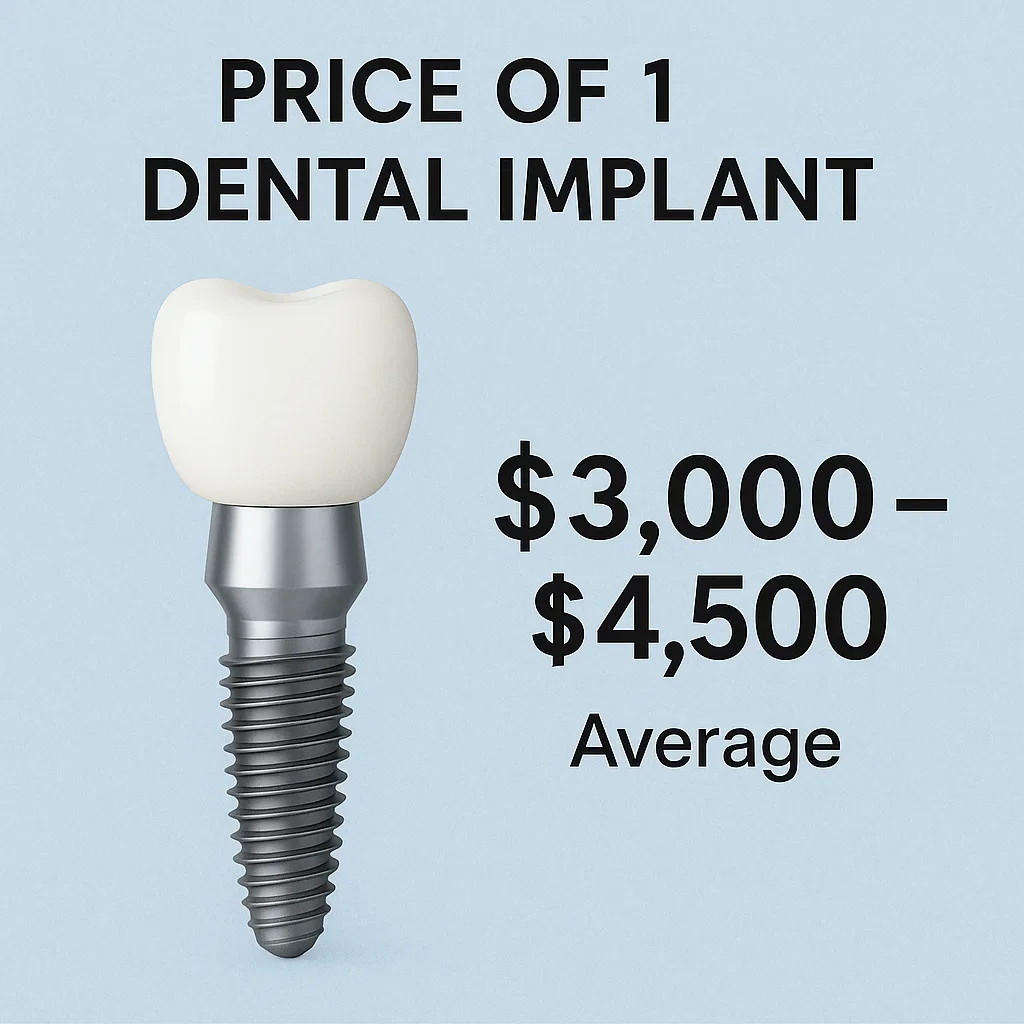
In 2025, the global average price of 1 dental implant typically falls between $800 and $2,500 depending on the country. In the United States, the average is around $3,000–$4,500 per implant, while in Turkey, it may range from $600–$1,000 for high-quality materials like Straumann or Nobel Biocare. This difference is why many international patients travel abroad for dental tourism — combining a beautiful vacation with professional and affordable dental care. 🌴
Another critical point to consider is that the implant’s price isn’t just about the metal screw — it’s an entire system of components and expertise. The process usually includes:
- Initial consultation and dental X-rays or 3D scans
- Surgical placement of the titanium implant
- Healing period for osseointegration (bone fusion)
- Placement of the abutment and final crown
- Follow-up visits to ensure proper healing and bite alignment
Each of these steps requires specialized equipment, materials, and expertise — all contributing to the total price of 1 dental implant. For example, clinics that use cutting-edge digital imaging and 3D planning systems may charge slightly more, but the precision and long-term success rates are generally higher. In addition, premium implant brands come with lifetime warranties, further enhancing value for money.
When comparing the cost of a single dental implant across different clinics, transparency is key. Patients should always request a detailed quote that lists all the components of the treatment. Some clinics may advertise “cheap implants” but add hidden fees for the abutment or crown later. A reputable clinic will always clarify whether the quoted price includes the full treatment or just the surgical component.
From a health perspective, investing in an implant isn’t just about aesthetics — it also prevents bone loss and preserves facial structure. Unlike dentures or bridges, implants stimulate the jawbone, maintaining natural function and preventing the aged, sunken look that can occur when missing teeth aren’t replaced properly. This medical benefit alone often justifies the overall price of 1 dental implant, as it contributes to long-term oral and systemic health.
In summary, understanding the true price of 1 dental implant means looking beyond numbers. It’s about quality, safety, and long-term results. When choosing a clinic, prioritize experience, modern technology, and transparency over the lowest price. Whether you’re considering treatment locally or abroad, remember that your smile is an investment that will pay off for decades. 😄
What Is a Dental Implant and Why Is It So Popular?
The price of 1 dental implant is closely linked to how advanced and effective the implant procedure itself is. To understand why implants have become such a sought-after treatment worldwide, it’s important to first understand what they are and why they represent a revolutionary shift in modern dentistry. Unlike traditional bridges or removable dentures, dental implants are permanent, natural-looking replacements for missing teeth that integrate directly with the jawbone. This fusion — called osseointegration — gives the implant unmatched stability and functionality, allowing patients to chew, smile, and speak with total confidence. 🦷
Understanding the Structure of a Dental Implant
To appreciate the value behind the price of 1 dental implant, it helps to know what each component does. A standard implant system consists of three main parts:
- The Implant Fixture: A titanium or zirconia screw that serves as the root of the artificial tooth and fuses with the jawbone over time.
- The Abutment: A connector piece that links the implant to the visible crown. It plays a critical role in stability and alignment.
- The Crown: The visible portion that looks and functions like a natural tooth. It’s usually crafted from porcelain, ceramic, or zirconia for durability and aesthetics.
Each of these components contributes to the total price of 1 dental implant. Premium materials, digital 3D scanning, and custom-milled crowns can all raise the overall cost — but they also ensure a more natural result and long-term durability. Patients who choose cheaper components may initially save money but often face issues like poor fitting, gum irritation, or even implant failure within a few years.
Why Dental Implants Have Become the Gold Standard
When comparing dental restoration options, implants are considered the most advanced and life-like solution available. Unlike removable dentures that can slip or cause discomfort, implants stay fixed permanently in the mouth. This makes them functionally identical to natural teeth. Moreover, implants prevent bone loss — a serious issue that occurs when missing teeth cause the jawbone to deteriorate over time. This is one reason why the price of 1 dental implant is often viewed not as a cost, but as an investment in long-term oral health and confidence.
Implants are also extremely durable. Studies from institutions like the American Dental Association show that when properly maintained, dental implants can last 20 years or more — often a lifetime. Compare this to bridges or dentures, which may need replacement every 5–10 years, and the long-term cost advantage of implants becomes clear. Patients paying a bit more upfront ultimately save money by avoiding recurring dental expenses. 💰
Technological Advancements Making Implants More Accessible
In 2025, the dental implant field continues to evolve rapidly, lowering the average price of 1 dental implant while improving outcomes. Innovations such as computer-guided surgery, 3D imaging, and CAD/CAM crown design have streamlined the process and reduced human error. These technologies allow dentists to plan implant placement with micrometric precision, minimizing surgical time and enhancing recovery.
Additionally, materials science has introduced new biocompatible alloys and surface treatments that accelerate healing and reduce implant failure rates. Even with these advancements, costs can vary depending on location and expertise. For example, at Redent Klinik Contact Page in Turkey, world-class dental specialists provide advanced implantology procedures at a significantly lower price compared to Western Europe or the USA — without compromising quality or safety.
Biocompatibility and Material Choices
The type of material used plays a major role in determining the price of 1 dental implant. Titanium remains the most popular due to its strength and compatibility with human bone. However, zirconia implants have gained attention for their natural color and hypoallergenic properties. While zirconia implants tend to be more expensive, they appeal to patients seeking a fully metal-free solution, particularly those with sensitivities or aesthetic concerns about gum translucency. 🌿
The Growing Popularity of Dental Implants Worldwide
According to recent dental market research, over 10 million implants are placed globally each year — a number growing by approximately 8% annually. This surge in popularity is due to both increased awareness and accessibility. As the global dental tourism market expands, more patients are traveling abroad to receive high-quality treatment at lower costs. The rising trend has prompted many clinics to offer full-package deals, including consultation, surgery, crown placement, and follow-up — all affecting the total price of 1 dental implant.
Beyond functional benefits, implants also carry immense psychological value. Patients often report a boost in self-esteem and social confidence after treatment. Being able to smile without hesitation or chew food comfortably significantly improves quality of life. These intangible benefits make the financial cost more acceptable and justifiable.
Health Benefits That Justify the Cost
Dental implants help prevent complications caused by missing teeth, such as misalignment, gum disease, and bone loss. By acting like natural tooth roots, they keep surrounding teeth stable and support proper jaw function. Over time, this preventive effect helps reduce the need for future dental treatments, indirectly lowering long-term expenses. Therefore, understanding the true price of 1 dental implant means considering not only the upfront cost but also the potential health savings over decades.
Long-Term Value: Why Patients Choose Implants Over Other Options
When comparing dentures, bridges, and implants, it’s easy to see why implants dominate modern restorative dentistry. Bridges require grinding down adjacent healthy teeth, while dentures can slip or cause sore spots. Implants, on the other hand, are self-supporting and mimic the natural tooth structure. Though the price of 1 dental implant may seem higher initially, its long-term benefits — stability, aesthetics, and bone preservation — make it the most cost-effective choice in the end.
Ultimately, the popularity of dental implants reflects a growing understanding that oral health is inseparable from overall well-being. They offer not just a cosmetic fix, but a life-changing solution that restores full function and confidence. Whether you’re missing one tooth or several, investing in this proven technology is an investment in your smile’s future. 🌟
Average Price of 1 Dental Implant Around the World 🌍
The price of 1 dental implant can vary dramatically depending on where you live, the expertise of the dentist, and the type of implant used. Patients across the globe often wonder why costs differ so much from country to country, and the truth lies in a combination of labor costs, material prices, taxes, and healthcare system structures. Understanding these differences helps patients make smarter, more informed decisions when planning their treatment. In this section, we’ll explore the global landscape of dental implant pricing and the key reasons behind regional cost variations. 🌐
Global Overview of Dental Implant Costs
As of 2025, the global average price of 1 dental implant ranges from $800 to $4,000. However, this figure doesn’t always include additional procedures like bone grafts or sinus lifts, which may raise the total cost. Developed nations like the United States, the United Kingdom, Canada, and Australia tend to have higher prices due to their healthcare regulations, clinic overheads, and labor costs. In contrast, countries such as Turkey, Hungary, Mexico, and Thailand have become leading destinations for affordable and high-quality dental care, making dental tourism an increasingly popular trend.
Here’s a snapshot of average single dental implant prices in different regions:
| Country | Average Cost (USD) | Notes |
|---|---|---|
| United States | $3,000 – $4,800 | Includes consultation, surgery, and crown; varies by state and material type. |
| United Kingdom | $2,500 – $3,800 | Private clinics tend to charge more due to higher operational costs. |
| Germany | $2,200 – $3,500 | Known for high-quality materials and precision engineering. |
| Turkey | $600 – $1,200 | Affordable pricing and internationally accredited clinics like Redent Klinik Contact Page. |
| Thailand | $900 – $1,500 | Popular destination for medical tourism with strong English-speaking staff. |
| Mexico | $700 – $1,500 | Favored by North American patients seeking lower prices without long travel. |
These numbers demonstrate how the price of 1 dental implant varies based on regional economic conditions and healthcare structures. While Western countries offer advanced facilities and strict hygiene standards, emerging markets are catching up fast with world-class dentists and ISO-certified clinics. Patients now have the flexibility to seek quality care at affordable rates without sacrificing safety or comfort.
Why Prices Differ: Key Factors by Region
Several core factors influence why the price of 1 dental implant differs globally:
- Labor Costs: Dentist salaries and clinical staff wages vary substantially between developed and developing countries.
- Material Costs: High-end implant brands like Straumann or Nobel Biocare are priced differently depending on import duties and supplier contracts.
- Regulatory Expenses: Clinics in the EU or USA must comply with strict medical regulations, increasing overall costs.
- Currency Exchange Rates: Fluctuations can make certain regions more attractive to international patients.
- Tourism Infrastructure: Countries promoting medical tourism often provide competitive packages that include accommodation and transport.
For instance, in Turkey, a full treatment plan for the same implant system may cost half of what you’d pay in London or New York. This is due to lower operational costs and a strong focus on international patient services. Yet, the level of care and technology often matches or even surpasses Western standards, which explains the surge in global dental tourism. ✈️
Regional Price Analysis
North America
In the United States and Canada, the price of 1 dental implant is among the highest worldwide. The reasons include advanced technology, high malpractice insurance fees, and strict quality standards. However, patients also gain access to some of the world’s best oral surgeons and implantologists. According to the American Dental Association, the average cost for a single implant procedure in 2025 is around $3,800, not including additional procedures like bone grafting or CT scans.
Europe
European prices vary considerably. In countries like the UK and Germany, patients can expect to pay between $2,000 and $3,500 per implant, while nations such as Hungary and Poland offer much lower rates, typically around $1,000. These Eastern European countries have become major hubs for medical travelers from Western Europe, offering affordable treatments with high hygiene and safety standards. Implants performed there often use the same materials and techniques as those in more expensive countries.
Asia and the Middle East
Asian countries such as Turkey, Thailand, and India are now top destinations for dental implant treatments. The price of 1 dental implant in these regions typically ranges from $600 to $1,200. Clinics in these locations often provide all-inclusive packages that cover accommodation, airport transfers, and follow-up care. Turkey, in particular, has gained international recognition for combining luxury dental clinics with experienced implant surgeons and advanced imaging technology. Patients not only save money but also enjoy a mini vacation during recovery. 🌴
Latin America
Mexico, Costa Rica, and Colombia are growing hotspots for dental tourism among North American patients. The price of 1 dental implant there is roughly 50–70% lower than in the United States. Many dentists in these countries are trained in the US or Europe, ensuring high-quality care. The proximity to the US border makes it an ideal option for Americans seeking cost-effective treatment without long travel times.
Balancing Cost and Quality
While the idea of saving money abroad is appealing, patients should always balance affordability with quality. The lowest price of 1 dental implant doesn’t always equate to the best outcome. Instead, factors like the dentist’s expertise, clinic reputation, and type of implant material should guide your decision. Always check reviews, certifications, and whether the clinic provides warranties for the implants they use.
Reputable clinics like Redent Klinik in Turkey provide transparent pricing, use internationally approved implant systems, and maintain strict sterilization protocols. These details make a significant difference in treatment success and long-term satisfaction. Patients should also factor in post-operative care, since follow-up visits are crucial for ensuring the implant integrates properly with the bone.
Conclusion: Global Value Perspective
In summary, the global price of 1 dental implant varies primarily due to economic and logistical factors, not differences in quality. Modern clinics across Asia, Eastern Europe, and Latin America now rival — and sometimes surpass — those in Western nations. By doing your research, consulting trusted clinics, and considering dental tourism, you can find a perfect balance between quality, comfort, and affordability. 🌟
Ultimately, your smile is an investment — not just in appearance, but in long-term oral health and self-confidence. With the right choice, a dental implant offers priceless benefits that far outweigh its cost.
Factors That Influence the Price of 1 Dental Implant
When patients start comparing the price of 1 dental implant, they quickly discover that costs vary not just between countries but even from one clinic to another in the same city. This difference can be confusing at first, but it’s primarily driven by a wide range of clinical, technical, and patient-specific factors. Understanding these variables will help you evaluate quotes realistically and make informed decisions about your treatment plan. 🦷
1. Dentist’s Experience and Reputation
One of the most influential elements affecting the price of 1 dental implant is the expertise of the implant dentist. Highly experienced oral surgeons and prosthodontists often charge more due to their advanced qualifications, success rates, and specialization in complex cases. A surgeon who has placed thousands of implants with consistent success will likely offer greater peace of mind than a less experienced practitioner. The higher fee reflects not only skill but also reduced risk of implant failure and post-surgery complications.
Top-tier dentists frequently use cutting-edge technologies such as guided surgery, 3D imaging, and digital smile design. These tools enhance precision and aesthetic results — crucial for long-term satisfaction. Paying slightly more for a specialist can ultimately save money by avoiding costly revisions later. For example, clinics like Redent Klinik Contact Page in Turkey employ internationally certified implantologists who combine technical expertise with aesthetic artistry, offering patients both safety and confidence at competitive prices.
2. Type and Brand of the Implant System
The materials and manufacturers used also play a major role in determining the price of 1 dental implant. Implant systems from globally recognized brands such as Straumann, Nobel Biocare, and Dentsply Sirona come at a higher cost than generic alternatives. These premium systems have undergone years of research, clinical testing, and quality assurance, providing longer-lasting and more predictable results. Cheaper implant systems may look similar but can differ in surface technology, integration capability, and durability.
Titanium vs Zirconia Implants
Implant material significantly impacts the overall cost. Titanium implants remain the gold standard due to their proven biocompatibility and mechanical strength. However, zirconia implants — made from ceramic — are gaining popularity for their metal-free and aesthetic advantages, especially for patients with gum translucency concerns. Zirconia options tend to increase the price of 1 dental implant by about 20–30%, but they appeal to patients seeking natural appearance and hypoallergenic materials. 🌿
3. Location and Cost of Living
The geographical location of the clinic is another key factor influencing the price of 1 dental implant. Cities with higher real estate prices, labor costs, and overheads naturally charge more. For instance, clinics in New York, London, or Zurich can cost three to four times more than those in Istanbul or Bangkok for the same implant brand and procedure quality. This discrepancy is largely due to economic conditions and taxation, not differences in medical expertise.
Countries promoting dental tourism — such as Turkey, Hungary, and Thailand — can offer premium dental implants at more accessible rates because of favorable exchange rates, lower wages, and government-supported healthcare tourism initiatives. Patients traveling abroad for implants often enjoy savings of up to 70% without compromising on materials or standards of care.
4. Diagnostic and Preoperative Procedures
Before a dental implant is placed, the dentist must perform several diagnostic tests to ensure bone density and gum health are suitable for surgery. These preparatory procedures — including X-rays, CBCT scans, and digital impressions — contribute to the overall price of 1 dental implant. While some clinics include these services in the treatment package, others bill them separately. CBCT (cone beam computed tomography) scans, for instance, can add $100–$300 to the total cost but are essential for accurate treatment planning and avoiding surgical risks.
5. Bone Grafting and Sinus Lift Requirements
Some patients require additional bone grafting or sinus lift surgery before an implant can be placed. These procedures add both time and cost to the overall treatment. Bone grafting, which rebuilds jawbone volume, can increase the price of 1 dental implant by 20–40%. Similarly, sinus lifts performed on the upper jaw may cost several hundred dollars more due to their complexity. However, these treatments are crucial for ensuring implant stability and long-term success, making them valuable investments rather than unnecessary add-ons.
When Are These Procedures Necessary?
Bone loss commonly occurs in patients who have been missing teeth for several years or those with untreated gum disease. In such cases, without augmentation, an implant may not properly fuse to the bone. Therefore, while these additional procedures raise the cost, they significantly improve the implant’s durability and overall function.
6. Type of Crown and Restoration
The visible crown — the part that looks like a real tooth — can also affect the total price of 1 dental implant. Crowns come in several materials, including porcelain-fused-to-metal, full ceramic, and zirconia. Zirconia crowns are typically more expensive due to their superior strength and natural translucency. Patients should also consider whether their crown is custom-designed using CAD/CAM technology, which provides a perfect fit and aesthetic harmony with surrounding teeth.
Another influencing factor is whether the crown is screw-retained or cement-retained. Screw-retained crowns are easier to maintain and repair but may cost slightly more due to technical complexity. Cement-retained crowns, while cheaper, can be harder to remove during future maintenance.
7. Anesthesia and Sedation Options
Depending on the patient’s comfort level, sedation may be included in the treatment. Local anesthesia is standard and typically part of the total cost, but intravenous (IV) sedation or general anesthesia can increase the price of 1 dental implant by several hundred dollars. Patients with dental anxiety often find this additional comfort worth the extra cost, as it allows for a smoother, stress-free experience.
8. Postoperative Care and Warranty
Another factor that affects cost — but often overlooked — is postoperative care. Reputable clinics include follow-up appointments, hygiene checkups, and warranty coverage within the initial package. A clinic offering a lifetime guarantee for the implant system, for example, may have a slightly higher price of 1 dental implant, but it provides invaluable peace of mind. Follow-up care ensures the implant integrates properly with the bone, reducing the risk of infection or failure.
9. Technology and Equipment Used
State-of-the-art dental technology enhances precision and patient outcomes but can also impact pricing. Clinics that use 3D-printed surgical guides, intraoral scanners, and laser-assisted procedures often deliver superior results. However, the investment in advanced tools may raise the price of 1 dental implant. Patients should view this as a trade-off — higher technology usually means fewer complications and faster recovery times.
Conclusion: Quality Determines Value
In summary, the price of 1 dental implant is influenced by a combination of medical, technical, and economic factors. While it might be tempting to choose the lowest quote, true value lies in the quality of care, materials, and long-term reliability. Each variable — from implant brand to dentist expertise — contributes to the overall success of the treatment. Patients should always prioritize safety, transparency, and proven results over bargain pricing. By doing so, you ensure your investment delivers not only a beautiful smile but also lasting oral health. 💎
For a transparent and personalized treatment quote, always consult reputable clinics and review credentials, such as those recognized by the American Dental Association or accredited international organizations. Choosing wisely today can guarantee a confident and radiant smile for years to come. 😁
Types of Dental Implants and Their Cost Differences
When researching the price of 1 dental implant, patients often find a wide range of pricing and treatment options. One key reason behind this variation is the type of dental implant used. Different implant systems, materials, and designs serve specific clinical purposes — and each comes with its own cost structure. By understanding these types, you can better interpret quotes from dental clinics and make an informed decision about which solution offers the best balance between quality and affordability. 🦷
1. Endosteal Implants – The Most Common Type
Endosteal implants are the standard option used in most modern dental procedures. These implants are surgically placed directly into the jawbone and serve as artificial roots that support crowns, bridges, or dentures. Because they are so widely used and have the highest success rate, their costs are often considered the baseline when calculating the price of 1 dental implant. The average cost for an endosteal implant typically ranges between $800 and $2,500 depending on the region, materials, and dentist experience.
Endosteal implants can be made of titanium or zirconia. Titanium implants are durable, lightweight, and biocompatible, making them suitable for most patients. Zirconia implants, on the other hand, are metal-free and ideal for individuals with allergies or aesthetic concerns. While zirconia options may increase the price of 1 dental implant by up to 25%, many patients prefer them for their natural tooth-like color and reduced risk of gum discoloration.
Advantages of Endosteal Implants
- Strong osseointegration with jawbone ensures high durability.
- Suitable for single-tooth, multiple-tooth, and full-arch restorations.
- Long lifespan — 20 years or more with proper care.
Because endosteal implants are so common, many clinics — including those specializing in dental tourism, such as Redent Klinik Contact Page — can offer cost-effective packages without compromising quality. Patients often receive the same implant brands and technologies used in Western clinics but at a fraction of the cost.
2. Subperiosteal Implants – For Patients With Limited Bone
Subperiosteal implants are placed under the gum but above the jawbone, rather than being embedded directly into the bone. These implants are used for patients who lack sufficient bone density and either cannot or do not wish to undergo bone grafting. Because they require a custom metal framework designed to fit each patient’s jaw, the price of 1 dental implant in this category tends to be higher — usually between $2,000 and $3,500 per implant.
While less common today due to the success of bone grafting and advanced endosteal options, subperiosteal implants remain a valuable choice for specific cases. The custom fabrication and additional imaging scans increase both cost and treatment time but provide a practical solution for patients otherwise ineligible for traditional implants.
Pros and Cons of Subperiosteal Implants
- Pros: Suitable for patients with minimal jawbone volume; shorter recovery time.
- Cons: Higher risk of movement or infection; shorter lifespan compared to endosteal implants.
Because subperiosteal implants are custom-made, the dental laboratory’s expertise also affects the final price of 1 dental implant. Clinics using high-quality CAD/CAM systems and 3D scanning typically charge more, but these advanced technologies greatly improve precision and success rates.
3. Zygomatic Implants – For Severe Bone Loss Cases
Zygomatic implants are among the most complex and specialized implant types, designed for patients who have experienced extreme bone loss in the upper jaw. Instead of being anchored in the jawbone, they are placed into the zygomatic bone (cheekbone), which provides excellent stability. Due to the surgical complexity and the need for highly skilled specialists, the price of 1 dental implant of this kind is significantly higher — usually between $4,000 and $6,000 per implant.
Zygomatic implants often require general anesthesia and advanced 3D surgical planning. The procedure is usually performed only at specialized centers with trained maxillofacial surgeons. Although expensive, zygomatic implants can restore full functionality without bone grafts, making them life-changing for patients who have lost major bone volume due to trauma, disease, or long-term tooth loss. 💎
Key Benefits of Zygomatic Implants
- Immediate loading — patients can receive temporary teeth on the same day.
- Eliminates the need for bone grafting in the upper jaw.
- Highly stable anchorage in dense cheekbone structure.
Because of their complexity, zygomatic implants are among the most expensive, yet they represent cutting-edge reconstructive dental technology. Many high-end international clinics that partner with specialists in implantology provide these treatments for patients seeking advanced, permanent solutions.
4. Mini Dental Implants – The Affordable Alternative
Mini implants are a smaller and less invasive version of traditional implants. They are often used to stabilize dentures or replace smaller teeth. The main advantage of mini implants is affordability and minimal surgery. The price of 1 dental implant in this category is typically $400–$1,000, depending on the clinic and region.
While mini implants offer quick placement and lower costs, they may not last as long as standard implants due to their smaller size and lower load capacity. They are ideal for patients with limited bone mass or those seeking temporary restoration. However, patients should discuss with their dentist whether mini implants will meet their long-term expectations before opting for this treatment.
Advantages of Mini Dental Implants
- Minimally invasive and quick healing process.
- Lower overall cost compared to traditional implants.
- Ideal for stabilizing removable dentures.
Despite being more affordable, mini implants require precision placement and should still be handled by experienced professionals to avoid long-term complications.
5. All-on-4 and All-on-6 Implant Systems
While technically not “single implants,” it’s worth mentioning full-arch systems like All-on-4 or All-on-6 because they impact how patients perceive the price of 1 dental implant. These systems replace an entire arch of missing teeth using four to six implants strategically placed in the jaw. Though the total cost is higher, the per-implant value can actually be lower since fewer implants support more teeth.
For instance, an All-on-4 treatment in Turkey may cost around $4,000–$6,000 for the entire jaw, whereas in the United States, the same treatment can exceed $20,000. These advanced solutions provide permanent, full-mouth restoration at an efficient cost-per-tooth ratio. Patients benefit from fewer surgeries, faster recovery, and immediate aesthetics. 🌟
Conclusion: Choosing the Right Implant Type for You
Understanding the different implant types is essential to evaluating the real price of 1 dental implant. While mini implants and standard endosteal options are the most affordable, specialized systems like zygomatic or subperiosteal implants cater to patients with complex needs and therefore come at a higher price. The final choice depends on your bone health, aesthetic goals, and long-term expectations.
Consulting with an experienced implantologist — ideally at a clinic with international recognition and transparent pricing — will help you determine which implant type is best suited to your case. For expert advice, many patients reach out to globally trusted centers like Redent Klinik, where advanced technology meets affordability. According to the American Dental Association, choosing the correct implant type ensures both long-term functionality and satisfaction, making it a decision worth thorough consideration.
Ultimately, every smile is unique — and so is the treatment that restores it. By understanding these implant types and their cost differences, you can make a confident, well-informed choice for your dental health and investment. 😁
Hidden Costs to Consider Before Getting a Dental Implant
When evaluating the price of 1 dental implant, many patients initially focus on the main figure quoted by the clinic. However, what’s often overlooked are the additional or “hidden” costs that can significantly influence the total expense of treatment. These extra costs are not always included in advertisements or base quotes, but they play a crucial role in determining your overall budget. Understanding each of these hidden factors will help you make a transparent and informed financial decision before starting your dental implant journey. 💰
1. Diagnostic and Imaging Costs
Before any dental implant procedure begins, a detailed diagnosis is necessary to determine bone density, gum health, and oral structure. These diagnostic steps involve panoramic X-rays, 3D CBCT (Cone Beam Computed Tomography) scans, and intraoral scans — all of which come with additional costs. Depending on the clinic and region, these can add between $100 and $300 to the overall price of 1 dental implant. While some clinics include them in the total quote, others bill them separately, making patients believe the treatment is initially cheaper than it truly is.
Modern imaging technologies, such as 3D scans, allow dentists to plan implant placement with millimeter precision, reducing surgical risk. Though these diagnostic procedures add to the cost, they are essential for ensuring success and minimizing post-surgery complications. In reputable clinics like Redent Klinik Contact Page, such advanced imaging is typically integrated into the treatment plan, providing transparency and accuracy from the start.
2. Consultation and Follow-Up Appointments
Some clinics charge separately for consultations, while others offer them free of charge as part of a promotional package. However, the real expenses often appear after surgery. Follow-up appointments for checkups, suture removal, and healing assessments may not be included in the initial estimate. These follow-ups are vital for successful healing and implant integration, which directly impact the long-term value of the price of 1 dental implant.
Patients should always confirm whether post-operative visits are included in the quoted fee. Reputable clinics typically bundle these visits within the treatment package, but budget or low-cost clinics may charge for each session individually. These additional visits can add anywhere from $50 to $200 per appointment, depending on the complexity of the case and geographic location.
3. Bone Grafting and Sinus Lift Procedures
One of the most common hidden costs associated with dental implants is bone grafting or sinus lifting. These are required when there isn’t enough bone structure to securely anchor the implant. Bone grafting materials and surgical techniques vary, and the cost can increase the price of 1 dental implant by $300 to $1,000 or more per site. While some patients may not need these procedures, others — especially those with long-term tooth loss or periodontal disease — often do.
Similarly, a sinus lift procedure, typically performed on the upper jaw, can raise the implant area by a few millimeters to allow proper placement. Though this might sound like a minor addition, it can add hundreds of dollars to the total cost. These preparatory surgeries ensure long-term success but should always be discussed and itemized before committing to treatment.
4. Temporary Restorations During Healing
Dental implants require a healing period of three to six months before the final crown is placed. During this time, many patients prefer to have a temporary tooth or bridge for cosmetic and functional purposes. Temporary restorations are not always included in the base quote, yet they can increase the total price of 1 dental implant by $100 to $500. These provisional teeth are crucial for maintaining aesthetics and preventing bite issues while the implant integrates with the bone.
Types of Temporary Solutions
- Flipper (Removable Denture): The most affordable temporary option, typically included in low-cost packages.
- Essix Retainer: A transparent retainer with an artificial tooth insert — more comfortable but slightly costlier.
- Temporary Crown: Fixed to the implant during healing, providing better function and aesthetics.
When comparing treatment plans, make sure to ask whether temporary prosthetics are included. Their absence might lower the advertised price of 1 dental implant, but not having one could affect daily comfort and confidence during the healing phase. 😁
5. Type of Crown and Material Upgrades
Once healing is complete, the permanent crown is attached to the implant. The material chosen for this crown significantly impacts the overall cost. Standard porcelain-fused-to-metal crowns are the most affordable, while full-zirconia or all-ceramic crowns are more durable and aesthetically pleasing but cost more. Upgrading to these premium options can increase the price of 1 dental implant by $300–$800 per tooth.
Though optional, these upgrades can dramatically improve the appearance and longevity of your implant. Patients prioritizing natural translucency and gum harmony often find this investment worthwhile in the long run. According to the American Dental Association, material quality and lab craftsmanship play a key role in implant success and patient satisfaction.
6. Anesthesia and Sedation Fees
Local anesthesia is standard and usually included in the quoted price, but some patients prefer sedation or general anesthesia to reduce anxiety during surgery. These comfort measures are optional yet valuable for patients with dental phobia or those undergoing multiple implants in one session. Sedation typically adds $200–$600 to the total price of 1 dental implant. Patients should discuss anesthesia preferences in advance to avoid unexpected billing surprises.
7. Travel, Accommodation, and Recovery Costs (for Dental Tourism)
For those traveling abroad to take advantage of affordable implant treatments, it’s important to include travel-related expenses in your overall calculation. Flights, accommodation, local transportation, and meals can easily add $500–$1,500 to the total cost, depending on destination and duration of stay. Clinics that cater to international patients — such as Redent Klinik in Turkey — often offer inclusive packages covering transfers and hotel stays, simplifying budgeting for overseas treatment. 🌍
8. Maintenance and Long-Term Care
Even after successful treatment, maintaining dental implants requires regular checkups and professional cleanings. While these ongoing visits are not part of the initial price of 1 dental implant, they are essential to prevent peri-implantitis (inflammation) and ensure long-term health. Expect annual maintenance costs between $100–$300 for scaling, X-rays, and professional monitoring. These costs protect your investment and extend the lifespan of your implant for decades.
9. Warranty and Insurance Limitations
Some clinics offer limited warranties or lifetime guarantees on the implant fixture itself, while others provide coverage only for the first few years. Understanding what is — and isn’t — covered can prevent unpleasant surprises later. Insurance rarely covers the full price of 1 dental implant, though partial reimbursement may apply for diagnostic or restorative portions. Always review insurance terms carefully and request written documentation for any clinic warranties before proceeding with treatment.
Conclusion: Transparency Is the Key to True Cost Understanding
When assessing the total price of 1 dental implant, it’s crucial to look beyond the initial quote. Comprehensive pricing should account for diagnostics, surgery, materials, aftercare, and potential travel costs. Asking detailed questions upfront ensures you’re not caught off guard by hidden fees later. The best clinics maintain full transparency, explaining each cost element clearly and providing itemized estimates.
Ultimately, understanding these hidden costs allows patients to compare clinics fairly and plan realistic budgets. A truly cost-effective implant treatment is one that delivers lasting value, reliability, and peace of mind — not just the lowest upfront price. Investing wisely today means enjoying a confident, healthy smile for a lifetime. 🌟
Comparing Dental Implant Prices: Turkey vs USA vs UK
The price of 1 dental implant varies dramatically between countries, largely due to differences in healthcare systems, material costs, and labor rates. Among the most frequently compared destinations are Turkey, the United States, and the United Kingdom — each offering distinct advantages in quality, pricing, and patient experience. Understanding these differences is crucial for anyone considering implant treatment, whether at home or abroad. 🌍
This detailed comparison highlights why Turkey has become a global leader in affordable, high-quality dental care, and how patients can evaluate whether traveling for treatment is worth the cost savings. Let’s explore how each country stacks up in terms of average pricing, technology, dentist expertise, and aftercare options.
1. The United States – Premium Quality at Premium Prices
In the U.S., the price of 1 dental implant is among the highest worldwide. A single implant typically costs between $3,000 and $4,800, depending on location, clinic reputation, and whether additional procedures are required. This price usually includes the implant screw, abutment, and crown, but not always supplementary work such as bone grafting or sinus lifts.
Dental implants in the U.S. are typically performed by specialists — oral surgeons or prosthodontists — who undergo years of advanced training. The American market is highly regulated, and equipment quality is exceptional. Clinics frequently use cutting-edge technologies such as computer-guided surgery, digital 3D scanners, and AI-assisted planning tools. However, all of these high standards come with a cost. The overhead for clinic operations, staff, and insurance coverage is significantly higher in the United States than in most other countries, directly impacting the price of 1 dental implant.
Pros of Getting Implants in the USA
- Top-tier professionals with high surgical success rates.
- Advanced technology and FDA-approved implant systems.
- Extensive post-operative support and follow-up options.
Cons
- High cost — often exceeding the average global rate by 300%.
- Insurance rarely covers implant treatment, leaving patients to pay out-of-pocket.
- Appointment waiting times can be long, especially in urban centers.
While the U.S. guarantees world-class care, many patients find the costs prohibitive. For this reason, a growing number of Americans are choosing to travel abroad for more affordable dental implant solutions without compromising quality. ✈️
2. The United Kingdom – Quality Care with Moderate Accessibility
In the UK, the price of 1 dental implant typically ranges between £2,000 and £3,500 (approximately $2,500–$4,000). Like the U.S., implant treatment is considered a private procedure and is not covered by the National Health Service (NHS), except in rare medical cases. As a result, patients must pay the full cost at private dental clinics.
British clinics are known for their strict adherence to hygiene and safety protocols. However, the cost remains high due to elevated operating expenses and taxes. While UK dentists often use the same implant brands (e.g., Straumann, Nobel Biocare) as their U.S. counterparts, their pricing reflects both quality assurance and location-based economic factors. The strong pound sterling and high clinic maintenance costs further increase the price of 1 dental implant for domestic patients.
Pros of Getting Implants in the UK
- Clinics follow rigorous European Union and UK health standards.
- Convenient access for local patients without international travel.
- Comprehensive aftercare options and easy access to follow-up appointments.
Cons
- High costs relative to global averages.
- Limited NHS coverage; nearly all implant procedures are private.
- Occasional long waiting times for consultation slots.
Although the UK offers exceptional clinical standards, many British patients now travel to European destinations or Turkey to save money. This shift toward dental tourism continues to grow due to the competitive quality-to-cost ratio abroad.
3. Turkey – Global Leader in Affordable Dental Implants
Over the past decade, Turkey has become one of the most trusted destinations for dental implant treatments. The average price of 1 dental implant in Turkey ranges from $600 to $1,200, depending on the brand, dentist’s expertise, and clinic location. This makes Turkey up to 70–80% cheaper than the United States and 60% cheaper than the UK, while maintaining the same global implant brands and technology.
Clinics like Redent Klinik Contact Page in Istanbul have become internationally recognized for combining high-quality materials, experienced specialists, and luxury patient care. Many clinics provide all-inclusive packages that cover not only the implant and surgery but also accommodation, airport transfers, and post-operative care. For international patients, this simplifies the entire process while ensuring cost transparency.
Why Turkey Offers Lower Prices
- Lower Labor Costs: Dentists and staff in Turkey receive competitive yet locally sustainable wages, reducing treatment costs overall.
- Favorable Currency Exchange: The Turkish lira’s lower value against major currencies offers significant purchasing power to foreign patients.
- Government Support for Medical Tourism: Turkey’s Ministry of Health promotes international dental tourism with accreditation programs and quality audits.
- Lower Operating Expenses: Real estate and tax costs are substantially lower than in Western countries, directly reducing the price of 1 dental implant.
Quality and Safety in Turkish Clinics
Modern clinics in Turkey are equipped with state-of-the-art technology, including 3D scanners, digital planning software, and sterilization systems that meet or exceed European standards. Many dentists are trained in Europe or the U.S., and communication in English is seamless. Patients receive globally recognized implant brands like Straumann, Nobel Biocare, or MIS, ensuring longevity and reliability. The combination of expertise, affordability, and hospitality makes Turkey one of the top choices for dental travelers. 🌟
4. Cost Comparison at a Glance
| Country | Average Price (USD) | Typical Inclusions |
|---|---|---|
| United States | $3,000 – $4,800 | Implant, abutment, crown (additional fees for grafts/scans) |
| United Kingdom | $2,500 – $4,000 | Implant, crown, and follow-up (no NHS coverage) |
| Turkey | $600 – $1,200 | Full treatment + hotel + transfers (package deals available) |
5. Travel vs Local Treatment: Which Is More Cost-Effective?
For patients from the U.S. or UK, traveling abroad for treatment may initially seem daunting, but the savings often outweigh the travel expenses. Even after factoring in airfare and accommodation, the total cost of the price of 1 dental implant in Turkey can still be 50–70% lower. Moreover, many Turkish clinics offer complimentary aftercare support for six months to a year, giving patients confidence in their long-term results.
By contrast, local treatments in the U.S. or UK may provide convenience and proximity but come at a significantly higher financial burden. Patients paying out-of-pocket may find that international dental tourism offers the same outcome for far less money — without compromising safety or quality.
Conclusion: A Smart Global Perspective
In summary, when comparing the price of 1 dental implant across Turkey, the USA, and the UK, Turkey emerges as the most cost-effective option, combining world-class quality with unmatched affordability. While the United States leads in innovation and the United Kingdom in regulatory standards, Turkey’s balance of expertise, patient care, and price transparency continues to attract thousands of patients each year. 🦷
Whether you’re seeking advanced technology, cost savings, or luxury care, the key is to choose a clinic with verified credentials, reputable implant brands, and transparent communication. Always verify certifications, read patient reviews, and ensure aftercare arrangements are clearly defined. According to the American Dental Association, an informed decision made with accurate cost comparison leads to greater satisfaction and long-term oral health success.
How to Find the Best Quality at the Best Price for 1 Dental Implant
Finding the perfect balance between quality and affordability is the ultimate goal for anyone researching the price of 1 dental implant. Since this treatment is both a medical and aesthetic investment, it requires careful consideration of multiple factors beyond cost alone. Patients often ask: “How can I be sure I’m getting the best value without compromising safety or results?” The answer lies in informed decision-making, thorough research, and choosing trusted clinics that prioritize transparency and excellence. 💎
1. Understand What Determines True Value
Many people assume that the lowest price means saving money, but in implant dentistry, “cheap” often leads to higher long-term expenses. A well-performed implant can last a lifetime, while poorly executed work may fail within a few years, requiring expensive repairs. The true measure of value is not just the initial price of 1 dental implant, but also the combination of quality materials, surgeon expertise, and post-treatment care.
For instance, titanium implants with advanced surface treatments (like SLA or TiUnite technology) promote faster bone integration and long-term stability. While they might raise the cost slightly, these features reduce the risk of failure and improve healing time. When choosing an implant, prioritize certified systems approved by reputable organizations such as the American Dental Association or European CE authorities. These approvals guarantee that the materials meet international health and safety standards.
2. Compare Clinics and Verify Credentials
One of the most effective strategies to secure the best price of 1 dental implant without sacrificing quality is to compare multiple clinics — both locally and internationally. Start by reviewing each clinic’s qualifications, certifications, and accreditations. Look for internationally recognized standards like ISO 9001, TEMOS, or Joint Commission International (JCI). Clinics with these certifications follow strict safety, hygiene, and quality control procedures.
Additionally, review the experience and training background of your implantologist. A dentist who has placed thousands of implants over several years is likely to achieve better outcomes than one with limited experience. Always ask to see before-and-after photos of previous cases and request information about the brands of implants they use. Clinics that readily share these details are often more transparent and trustworthy.
Many top-rated clinics in Turkey, such as Redent Klinik Contact Page, provide detailed online portfolios, patient testimonials, and video consultations. This helps international patients make confident, informed decisions before traveling. Transparency and patient communication are strong indicators of a clinic’s integrity.
3. Look for All-Inclusive Packages
When evaluating the price of 1 dental implant, focus on what’s included in the quote. Some clinics advertise low prices that cover only the implant screw, excluding the abutment, crown, or additional services like X-rays and anesthesia. In contrast, all-inclusive packages combine the entire treatment — from consultation to final restoration — at a fixed, transparent price. This approach prevents hidden fees and allows patients to budget accurately.
Typical All-Inclusive Implant Package May Include:
- Initial examination and consultation
- 3D CBCT imaging and digital implant planning
- Implant placement surgery with anesthesia
- Abutment and crown (zirconia or porcelain)
- Follow-up visits and post-operative care
- Hotel accommodation and airport transfers (for dental tourists)
All-inclusive treatment packages are especially popular in medical tourism destinations like Turkey and Hungary, where patients can save up to 70% compared to U.S. or U.K. rates. In these cases, even after adding travel and accommodation expenses, the total cost remains significantly lower. 🌍
4. Evaluate Technology and Clinic Facilities
Technology plays a major role in both the quality and long-term success of implants. Clinics using outdated equipment may offer cheaper prices, but modern technologies — such as guided implant surgery, 3D printing, and CAD/CAM crown design — enhance precision and safety. When comparing the price of 1 dental implant, check whether the clinic uses these advanced tools, as they greatly reduce recovery time and improve overall outcomes.
Modern clinics invest heavily in sterilization systems, digital imaging, and software-based treatment planning. These innovations minimize surgical risk and ensure that implants are placed with microscopic accuracy. For example, digital-guided surgery allows your dentist to pre-plan the exact position of your implant, avoiding nerves and sinus cavities while achieving ideal aesthetics. 🦷
5. Consider Location and Local Economic Factors
Geographical location heavily affects the price of 1 dental implant. Clinics in high-cost regions (like the U.S. or Western Europe) must cover higher overheads, insurance, and staff wages, which directly increase patient costs. In contrast, destinations like Turkey or Thailand benefit from lower living expenses and favorable currency exchange rates. This allows clinics to maintain high standards while offering competitive pricing.
However, cheaper does not always mean lower quality. Many Turkish dental centers operate with international accreditation, European-grade materials, and English-speaking staff. Patients should evaluate these economic advantages alongside quality indicators rather than assuming that low cost equals inferior care. Always ensure that the clinic is officially licensed and uses CE- or FDA-approved implant systems.
6. Read Verified Reviews and Patient Stories
Real patient experiences provide invaluable insights into both the quality of care and the total price of 1 dental implant. Look for detailed reviews on independent platforms like Google Reviews, Trustpilot, or medical tourism forums. Focus on patients who underwent similar procedures — especially international patients — as they can highlight hidden costs, aftercare experiences, and overall satisfaction levels.
Video testimonials and case studies are even more reliable, as they provide visual proof of results and genuine feedback. High-quality clinics are transparent about their success rates and will proudly share verified patient outcomes. If a clinic hesitates to show references or guarantees, this can be a red flag.
7. Ask About Warranties and Aftercare
A reputable dental clinic always provides a written warranty for implants and restorations. This protects you if complications arise or if the implant fails due to non-patient-related reasons. A warranty is an essential part of the true price of 1 dental implant, as it ensures long-term value and peace of mind.
Standard warranties cover implant fixtures for up to 10 years or even a lifetime, depending on the manufacturer. Abutments and crowns typically carry shorter warranties (around 3–5 years). Always clarify these terms before starting treatment, and make sure the warranty is valid internationally if you are traveling abroad for dental tourism.
8. Beware of Unrealistic Offers
If a clinic offers implants at prices significantly below market averages, exercise caution. Low prices can sometimes mean compromised quality, unlicensed practitioners, or substandard materials. The average global price of 1 dental implant rarely falls below $500 for legitimate, high-quality systems. Anything drastically cheaper may signal reused components, unverified brands, or incomplete treatment plans.
Always request detailed written estimates listing every component — implant, abutment, crown, anesthesia, and imaging. Legitimate clinics maintain full transparency about materials and warranties, while unreliable providers may avoid documentation to hide hidden fees or inferior materials.
9. Combine Quality, Safety, and Affordability
In the end, finding the best price of 1 dental implant comes down to balance. The ideal clinic is one that merges cutting-edge technology, experienced professionals, and fair pricing into one comprehensive package. Evaluate not just the total cost but also the clinic’s reputation, patient communication, and hygiene standards. A slightly higher upfront investment in quality can save thousands in future repairs and guarantee a lifetime of confident smiles. 😁
As a guiding principle, always seek clinics that emphasize patient satisfaction, transparency, and international safety standards. Whether at home or abroad, a reputable dental team will provide a clear breakdown of all costs, explain every procedure, and ensure your implant journey is comfortable, predictable, and successful — both medically and financially. 🌟
Long-Term Value: Why Paying the Right Price for 1 Dental Implant Is Worth It
When evaluating the price of 1 dental implant, it’s easy to focus solely on the immediate cost. However, dental implants are not a short-term solution — they are a lifetime investment in your health, confidence, and overall quality of life. Patients who prioritize quality and proper aftercare often find that the long-term value of implants far outweighs their initial expense. In this section, we’ll explore why choosing the right implant system, materials, and clinic can transform your oral health and financial outlook for decades to come. 🦷
1. The True Cost of Longevity
Dental implants are designed to last for decades — and in many cases, for life. When properly placed and maintained, their success rate exceeds 95%. This makes the initial price of 1 dental implant a highly cost-effective choice over time compared to alternatives like bridges or dentures, which often require frequent adjustments and replacements. A bridge may seem cheaper initially, but it can weaken adjacent teeth and lead to future dental complications that multiply costs in the long run.
Implants, on the other hand, protect natural bone structure and maintain facial aesthetics by preventing bone resorption (shrinkage). They also improve chewing ability, helping maintain proper nutrition and digestion. In short, an implant isn’t just a replacement tooth — it’s a restoration of both function and appearance that endures.
Comparative Lifespan of Dental Restorations
| Treatment Type | Average Lifespan | Estimated Maintenance Cost (20 years) |
|---|---|---|
| Dentures | 5–10 years | $3,000–$6,000 |
| Dental Bridge | 10–15 years | $4,000–$7,000 |
| Dental Implant | 20+ years (potentially lifetime) | $0–$1,000 |
Even though the upfront price of 1 dental implant may be higher, its durability and minimal maintenance make it the most financially sustainable choice for long-term oral health.
2. Improved Quality of Life and Confidence
Beyond economics, dental implants offer intangible yet priceless benefits: improved self-esteem, comfort, and confidence. Unlike dentures, implants do not slip or cause discomfort. They look, feel, and function like natural teeth, enabling patients to eat, speak, and smile without hesitation. The emotional value alone often justifies the price of 1 dental implant.
Studies show that patients with stable, implant-supported restorations experience higher satisfaction levels and better social interaction. The psychological uplift that comes with a confident smile can positively affect personal relationships, job opportunities, and even mental health. 🌟
Benefits of Long-Term Dental Implant Success
- Enhanced chewing efficiency and food enjoyment.
- Clearer speech and better articulation.
- Natural appearance and no dietary restrictions.
- Prevention of jawbone deterioration and facial collapse.
- Boosted self-confidence and social comfort.
By restoring function and aesthetics, implants deliver a daily quality-of-life improvement that continues for decades. No other dental restoration achieves this combination of performance and longevity for the same long-term value.
3. Maintenance and Aftercare: Keeping Your Investment Healthy
Once the implant is placed, maintaining it properly ensures its longevity. The post-operative period is crucial for bone integration, known as osseointegration, which firmly anchors the implant in the jaw. This stage takes 3–6 months on average, and proper hygiene during this time determines success. Patients should brush and floss regularly, use antibacterial mouthwash, and attend periodic dental checkups.
Regular maintenance costs are minimal compared to the initial price of 1 dental implant. Annual visits may range between $100–$200 for professional cleanings and X-rays. When compared to dentures that require frequent adjustments and re-fittings, implant upkeep is significantly less demanding and more cost-efficient. The long-term savings come from the implant’s resilience and the absence of repeated restorative procedures.
Key Maintenance Tips
- Brush twice daily with a soft-bristle toothbrush.
- Use non-abrasive toothpaste to avoid scratching surfaces.
- Rinse with alcohol-free mouthwash to protect gums.
- Schedule checkups every six months for evaluation and scaling.
Following these guidelines preserves both your oral health and your investment, ensuring that the price of 1 dental implant continues to pay dividends over time.
4. The Economic Advantage of Preventing Future Problems
Implants do more than replace missing teeth — they also prevent the costly domino effect of oral deterioration. When a tooth is lost, neighboring teeth gradually shift, creating misalignment and bite issues. Over time, this can cause jaw joint strain and gum disease. The price of 1 dental implant therefore includes an important preventive benefit: it helps maintain the integrity of your dental structure, reducing the need for orthodontic or periodontal treatments in the future.
From an economic standpoint, prevention is far cheaper than correction. Each properly placed implant saves patients thousands in potential restorative costs and ensures long-term oral stability. That’s why many dentists describe dental implants not as an expense, but as an asset — one that appreciates in value through years of functional and aesthetic benefit.
5. Sustainability and Biocompatibility
Modern dental implants are crafted from titanium or zirconia — materials known for their biocompatibility and resistance to corrosion. These materials are designed to integrate seamlessly with bone, minimizing allergic reactions or inflammation. As medical technology evolves, implant surfaces are being treated with nanocoatings that enhance bone bonding and healing speed.
Though these innovations may slightly increase the price of 1 dental implant, they significantly improve long-term results and reduce risks of implant failure. Investing in high-quality materials ensures both biological safety and durability — benefits that far outweigh marginal cost differences.
Eco-Friendly Aspect of Dental Implants
Unlike removable dentures, which need to be replaced every few years and often involve acrylic and plastic waste, dental implants are a sustainable, long-term option. Their permanence reduces material consumption and dental waste, aligning with modern eco-conscious healthcare values.
6. The Psychological and Health Benefits of Stability
Living with missing teeth affects not just oral health but also overall wellbeing. Difficulty chewing can lead to poor nutrition and digestive issues. Jawbone loss can alter facial features, causing premature aging. The price of 1 dental implant therefore reflects not only aesthetic improvement but also the preservation of overall health. Restoring the ability to eat diverse, nutrient-rich foods contributes to better metabolism and longevity.
Moreover, dental implants eliminate the discomfort and embarrassment often associated with dentures. The psychological stability that comes with having a permanent, natural-feeling smile is invaluable. Patients report increased happiness, motivation, and confidence — benefits that improve both personal and professional life. 😊
7. Professional Consensus on Value
According to global dental associations, including the American Dental Association, dental implants remain the most effective, long-term solution for tooth replacement. While initial costs vary, experts agree that implants deliver the highest lifetime value and patient satisfaction. Clinics like Redent Klinik Contact Page reinforce this belief through their transparent, high-quality treatment protocols that ensure excellent outcomes without hidden costs.
Conclusion: A Lifetime Investment in Health and Confidence
Ultimately, the price of 1 dental implant represents far more than a financial figure — it embodies a lifelong return on investment in health, comfort, and happiness. Unlike temporary restorations, implants restore both function and beauty permanently. They preserve bone structure, maintain facial aesthetics, and enable patients to live confidently and eat freely for decades.
Choosing an experienced dental team, certified materials, and proper aftercare ensures that your investment yields a lifetime of smiles. By seeing beyond the upfront cost, patients discover that dental implants offer unmatched long-term value — making them one of the smartest and most rewarding health decisions one can make. 🌟
Expert Tips to Save Money Without Sacrificing Quality on Dental Implants
Finding ways to reduce the price of 1 dental implant while maintaining safety and quality is a common goal for patients around the world. While implants are an excellent long-term investment in oral health, the upfront cost can be a concern. The good news is that there are many legitimate ways to make this treatment more affordable without compromising on results. This guide explores professional strategies and insider tips that can help you save money — ethically and effectively — while still getting a high-quality implant that lasts a lifetime. 💰
1. Choose the Right Country and Clinic
The most impactful way to reduce the price of 1 dental implant is by choosing your treatment location carefully. The same implant brand and technology can cost thousands more in one country than in another, simply because of differences in labor costs, taxes, and currency value. For instance, clinics in the United States or Western Europe may charge $3,000–$5,000 per implant, while top-rated clinics in Turkey or Hungary can provide the same treatment for $700–$1,200.
Countries like Turkey, Poland, and Thailand have become international hubs for dental tourism because they combine European-standard clinics, modern facilities, and affordable pricing. Clinics such as Redent Klinik Contact Page in Istanbul offer packages that include airport transfers, hotel stays, and full implant procedures — often at one-third of the Western price. Patients receive the same globally recognized implant brands, like Straumann or Nobel Biocare, at a fraction of the cost.
Key Tip:
Always verify that the clinic has international accreditations and uses CE- or FDA-approved implant systems. Lower prices should never come at the cost of quality or safety.
2. Compare All-Inclusive Packages vs. Itemized Pricing
When researching the price of 1 dental implant, some clinics advertise very low base prices that include only the implant fixture itself, excluding the abutment, crown, and necessary imaging. This can create misleading expectations and lead to hidden fees. In contrast, all-inclusive packages provide full transparency by bundling every aspect of treatment — from consultation to the final crown.
Choosing an all-inclusive option may seem slightly more expensive upfront, but it often saves money in the long run by preventing unexpected add-ons. Additionally, bundled packages sometimes include complimentary hotel stays or transportation for international patients, providing both financial and logistical convenience.
Smart Strategy:
Request a written breakdown of costs that specifies whether items like X-rays, anesthesia, abutments, and follow-up visits are included. This ensures the total price of 1 dental implant you see on paper matches what you’ll actually pay.
3. Ask About Implant Brands and Generic Alternatives
Implant systems come in many different brands and models. Premium options like Nobel Biocare, Straumann, or Astra Tech are known for their research-backed design, precision fit, and lifetime warranties. However, they tend to increase the overall price of 1 dental implant by several hundred dollars. On the other hand, lesser-known but reputable brands like Osstem, Megagen, or MIS offer excellent quality at a lower price.
Generic brands that are still certified by the American Dental Association or European authorities can perform just as well in many cases. Choosing a mid-range or regional brand can reduce your total treatment cost by 20–40% without sacrificing durability or aesthetics. 🦷
Expert Insight:
Ask your dentist to explain the differences between the implant systems available, including their materials, surface technologies, and warranty coverage. A transparent clinic will guide you to the most cost-effective option based on your jawbone condition and budget.
4. Take Advantage of Dental Tourism Benefits
Many patients travel abroad not just for affordability but for the superior service experience. In destinations like Turkey, the price of 1 dental implant often includes premium hospitality. Packages may come with luxury hotel accommodation, personal assistants, and sightseeing opportunities, making the trip both medical and relaxing. Even after accounting for airfare, total expenses remain significantly lower than in Western countries.
Dental tourism is safe when patients choose accredited clinics with multilingual staff and international standards. It’s advisable to check online reviews, verify dentist credentials, and ensure the clinic provides aftercare or warranty coverage for international patients.
Bonus Tip:
Combine multiple procedures (e.g., two or more implants or a full-arch restoration) in one visit. This minimizes travel costs and can reduce the overall cost per implant.
5. Consider Dental Schools and Teaching Hospitals
For patients seeking affordable care in their home country, dental schools offer another smart option. Supervised postgraduate students perform implant placements under expert guidance, often at significantly reduced prices. The price of 1 dental implant in these academic programs can be 40–60% lower than in private clinics.
Though appointments may take longer, and scheduling flexibility is limited, the savings and supervision quality make it worthwhile. All procedures are overseen by licensed specialists, ensuring safety and proper technique. Dental schools in the U.S., U.K., and Europe often use the same high-grade materials found in private practices, making this a valuable alternative for budget-conscious patients.
6. Check for Insurance and Financing Options
Most dental insurance plans don’t cover the entire price of 1 dental implant, but they may reimburse parts of the diagnostic or restorative stages. For example, insurance might cover X-rays, anesthesia, or the crown placement. Additionally, some providers offer low-interest or zero-interest payment plans, allowing patients to spread costs over 6–24 months.
Patients should contact their insurer to ask whether dental implants fall under prosthetic or restorative benefits. In many cases, submitting pre-authorization forms with treatment plans can lead to partial reimbursements or discounts. Meanwhile, financing options through the clinic or third-party providers make treatment more accessible without large upfront payments.
Pro Tip:
Always verify repayment terms and interest rates before signing up for financing. The goal is to ease cash flow — not add hidden financial strain.
7. Combine Multiple Treatments for Volume Discounts
If you need more than one implant, consider completing all placements during the same surgical session. Many clinics offer bulk or “multi-tooth” discounts, reducing the per-unit price of 1 dental implant by 10–25%. This approach not only saves money but also shortens total healing time and reduces anesthesia costs.
Similarly, choosing full-arch solutions like All-on-4 or All-on-6 can further improve cost-efficiency. Instead of paying for each implant separately, these systems restore an entire set of teeth using fewer implants strategically placed in the jaw.
8. Schedule During Promotional Seasons
Dental clinics — especially those catering to international patients — often run seasonal promotions or discounts. These campaigns may include free consultations, reduced implant prices, or complimentary accommodation. Planning treatment during off-peak travel seasons (like winter months) can significantly lower the price of 1 dental implant while avoiding tourist crowds.
Subscribing to clinic newsletters or following their official websites ensures you’re notified of upcoming offers. Many clinics also provide early-bird or referral discounts for returning patients or those who bring family members.
9. Don’t Sacrifice Aftercare for Savings
While seeking lower prices, patients should never compromise on follow-up care. Post-operative monitoring is critical for ensuring implant integration and avoiding complications. A failed implant may cost far more to repair or replace than what you initially saved. Always choose a clinic that offers comprehensive aftercare, even if it means paying a little extra.
When evaluating quotes, ask about post-surgery follow-up visits, warranty terms, and revision policies. Reliable clinics like Redent Klinik provide detailed aftercare instructions and long-term support, ensuring your investment remains protected for life.
Conclusion: Smart Saving, Smarter Smiles
Saving money on dental implants doesn’t mean choosing the cheapest option — it means choosing wisely. By understanding what drives the price of 1 dental implant and taking advantage of transparent, certified, and patient-focused clinics, you can achieve a world-class smile at a fair cost. Whether through dental tourism, financing, or bundled treatment plans, these strategies empower patients to enjoy both affordability and excellence.
In the end, the smartest investment is one that delivers lasting confidence, comfort, and health. With careful planning and expert guidance, you can make your dental implant journey both budget-friendly and life-changing. 🌟