
Orthodontic care is no longer just about aesthetics — it’s a fundamental part of oral health 🦷. Many people today are asking an essential question: Does private health insurance cover braces? Understanding how private health insurance braces coverage works can help you plan your dental treatment efficiently, avoid unexpected costs, and make informed choices for yourself or your family.
In this comprehensive guide, we’ll explore every aspect of private health insurance braces coverage, from how insurers evaluate orthodontic treatments to what types of plans offer the best value. Whether you’re a parent considering braces for your child or an adult looking to improve your smile, this article will walk you through all the essentials you need to know.
What Does Private Health Insurance Typically Cover?
Private health insurance varies from country to country, but most policies offer partial coverage for orthodontic treatments under their “extras” or “ancillary” benefits. This means that private health insurance braces are often not included in the hospital or medical portion of your plan, but in the dental extras component. The percentage of coverage and annual limits depend on your provider, plan level, and waiting periods.
In general, you can expect coverage for:
- Traditional metal braces (most common)
- Ceramic or clear braces
- Lingual braces (behind the teeth)
- Aligner systems (like Invisalign)
However, not all of these are treated equally by insurers. For example, metal braces are almost always covered, while clear aligners may require a higher-tier plan or may be only partially reimbursed. Understanding these distinctions is critical before you begin your orthodontic journey.
Why Orthodontic Coverage Matters
Having braces isn’t just a cosmetic choice — it’s an investment in long-term dental health. Misaligned teeth can lead to jaw pain, gum disease, and chewing difficulties. By using private health insurance braces benefits effectively, you reduce out-of-pocket costs and ensure consistent dental care from start to finish. 😊
Most orthodontic treatments span 12–24 months, and costs can accumulate quickly. That’s why patients increasingly rely on private health coverage to make these treatments more affordable. Having access to orthodontic benefits helps ensure that necessary care isn’t delayed due to financial reasons.
How Private Insurers Determine Coverage
Each insurer sets unique terms for orthodontic benefits. Typically, insurers will require:
- A detailed orthodontic treatment plan from a licensed dentist or orthodontist
- Pre-authorization before treatment begins
- Evidence of medical necessity (especially for children or jaw correction cases)
The reimbursement method also varies — some plans pay a lump sum upfront, while others reimburse gradually throughout treatment. This structure ensures that coverage aligns with treatment progress, reducing the chance of overpayment or fraud.
Real-World Example: How Coverage Works
Let’s imagine your orthodontic treatment costs $5,000. Your insurer may cover up to $2,000 for private health insurance braces under your dental extras plan. You might also face an annual limit (e.g., $800 per year). In that case, you’d receive $800 in the first year, $800 in the second, and so on, until you reach your lifetime orthodontic limit.
This structure encourages long-term membership with the insurer while gradually reducing your overall costs. Patients often supplement this with tax deductions or flexible health savings accounts where available.
Important Considerations Before You Start
Before committing to braces, always ask your insurer these key questions:
- Is orthodontic treatment included in my extras cover?
- What is my lifetime limit for orthodontic benefits?
- Is there a waiting period before I can claim?
- Do you cover adult orthodontics or only children?
- How are aligners and invisible braces treated under my policy?
Being proactive can save you from unexpected costs later. For instance, if your plan imposes a 12-month waiting period, you may need to start your coverage well before scheduling your first orthodontic consultation.
Additional Support and Resources
To ensure that your treatment plan follows the highest dental standards, you can consult the American Dental Association for detailed information on orthodontic care guidelines and insurance-related recommendations. For personalized assistance, you can also reach out to our team through the Redent Klinik Contact Page — our dental professionals are ready to help you navigate your insurance options.
Final Thoughts
In short, private health insurance braces coverage can significantly reduce the financial stress associated with orthodontic treatments. By understanding your plan’s benefits, limits, and waiting periods, you can make strategic choices that ensure both affordability and high-quality care. Whether you choose traditional braces or modern aligners, knowing how your private health insurance supports you will make your orthodontic experience smoother and more rewarding.
Take time to review your plan, compare policies, and speak with both your insurer and orthodontist. Remember: a confident, healthy smile isn’t just a dream — with the right coverage, it’s an attainable reality! 😁
What Types of Braces Are Usually Covered?
When it comes to orthodontic treatment, one of the first questions people ask is: What types of braces are covered by private health insurance? The answer can vary depending on your plan, provider, and country, but there are some common standards shared by most insurers. Understanding this helps you make the most of your private health insurance braces benefits and ensures you choose a treatment option that fits your coverage and your dental goals. 🦷
Traditional Metal Braces: The Most Common Option
Metal braces remain the most frequently covered type under most private health insurance braces plans. They are considered the most reliable and medically necessary form of orthodontic correction, especially for children and teenagers. These braces consist of metal brackets and wires that gradually shift teeth into alignment over a period of 12 to 24 months.
Insurance companies often view metal braces as a standard treatment because they effectively address bite issues, jaw misalignment, and crowding. Therefore, if your policy includes orthodontic coverage, you can expect a portion of your costs for metal braces to be reimbursed. The reimbursement rate depends on your plan’s extras tier, waiting period, and lifetime orthodontic limit.
Ceramic and Clear Braces: Aesthetic Alternatives
For those seeking a more discreet look, ceramic braces are a popular choice. They use tooth-colored brackets and translucent wires that blend with your natural teeth. However, while ceramic braces work similarly to metal braces, not all private health insurance braces plans cover them to the same extent.
Some insurers consider ceramic braces a “cosmetic enhancement” and may only cover the equivalent cost of metal braces. In such cases, you would need to pay the difference out of pocket. Despite that, ceramic braces offer a balance between function and aesthetics, making them ideal for adults who want to straighten their teeth without the noticeable metallic appearance.
Insurance Tip 💡:
Before committing, ask your provider whether ceramic or clear braces are reimbursed at the same rate as metal braces. Some premium plans include a higher allowance for aesthetic treatments, which can significantly reduce your total cost.
Lingual Braces: Hidden but Often Limited in Coverage
Lingual braces attach to the back (lingual side) of your teeth, making them completely invisible from the front. While this treatment offers an outstanding cosmetic advantage, it comes with higher costs and specialized fitting requirements. As a result, private health insurance braces policies often provide limited or no coverage for lingual braces.
Because these braces require custom fabrication and specialized orthodontists, they are typically categorized as elective or aesthetic treatments. However, if your plan includes a high-tier orthodontic benefit, you may receive partial reimbursement up to the equivalent cost of traditional braces.
Clear Aligners (Invisalign and Similar Systems)
In recent years, clear aligners have revolutionized orthodontics 😁. Brands like Invisalign, ClearCorrect, and SmileDirectClub offer removable, transparent trays that gradually straighten your teeth without wires or brackets. They are comfortable, nearly invisible, and highly convenient — but the main question remains: are they covered under private health insurance braces plans?
Most insurers classify clear aligners as an orthodontic treatment but may apply a reduced benefit percentage or cap coverage at the level of standard braces. For example, if your policy pays up to $2,000 for orthodontics, you might still receive the same benefit amount even if your aligners cost $5,000. The remainder would be your responsibility.
Important Note 🔎:
Always check your policy’s fine print regarding “orthodontic appliances” or “aligner systems.” Some insurers list Invisalign separately from braces, and you may need to upgrade your extras plan to access coverage.
Self-Ligating Braces and Modern Innovations
Self-ligating braces, such as Damon Braces, use a slide mechanism instead of elastic ties to hold wires in place. This innovation reduces friction and treatment time. While medically effective, not every private health insurance braces plan distinguishes self-ligating systems from standard braces — meaning they’re usually covered at the same rate as traditional ones. However, if the treatment includes additional costs for special materials or faster adjustments, those may not be fully covered.
Orthodontic Coverage for Children vs. Adults
Children often receive the most comprehensive benefits from private health insurance braces coverage. Many insurers prioritize early orthodontic intervention because correcting alignment issues at a young age prevents costly dental complications later. Adult orthodontics, however, can be more limited in coverage, as some providers restrict benefits to patients under 18 or 21 years old.
Nevertheless, a growing number of modern policies now include adult orthodontic coverage as dental awareness improves. Some insurers even offer special orthodontic packages for families, ensuring both parents and children can access treatments without financial strain.
Understanding Partial vs. Full Coverage
It’s important to know that most insurance plans rarely cover 100% of orthodontic costs. Instead, private health insurance braces coverage is structured around percentages (e.g., 60–80%) up to a yearly or lifetime limit. The actual payout depends on:
- Your plan’s tier (basic, medium, or premium extras)
- Waiting periods and duration of membership
- Type of orthodontic appliance
- Age and medical necessity
For example, if your treatment costs $4,000 and your policy covers 60% up to a $2,000 limit, you would pay the remaining $2,000 out of pocket. Many patients combine insurance benefits with installment payment plans from their orthodontist to make costs more manageable.
Key Takeaway
In summary, most private health insurance braces policies cover standard metal braces, with partial benefits for ceramic and clear options. Lingual braces and Invisalign may have limited coverage unless you hold a high-level plan. The best strategy is to compare multiple insurers, carefully read benefit summaries, and consult your orthodontist before treatment begins. By aligning your insurance coverage with your dental goals, you can achieve a healthier, more confident smile without unnecessary financial surprises! 🌟
Eligibility and Waiting Periods for Orthodontic Benefits
Before starting orthodontic treatment, it’s crucial to understand how eligibility and waiting periods affect your ability to claim private health insurance braces benefits. These two factors determine when you can start using your coverage and whether your treatment qualifies for reimbursement. Failing to plan for them can lead to unexpected delays or out-of-pocket expenses. ⏳
Understanding Eligibility for Orthodontic Coverage
Not everyone with dental insurance automatically qualifies for orthodontic benefits. Insurers apply specific eligibility criteria to ensure that the policyholder meets certain requirements before receiving reimbursement. Typically, eligibility depends on three main conditions:
- The type of private health insurance plan you hold (basic, mid, or top-tier extras)
- Your age and medical necessity for orthodontic treatment
- The length of time you’ve been a member of the insurance provider
For example, some insurers only cover private health insurance braces for dependents under the age of 21. Others may include adult orthodontic benefits, but only under premium plans with higher monthly premiums. Understanding these distinctions helps you choose the right policy for your individual or family needs.
How Age Affects Eligibility
Many people assume orthodontic benefits are limited to children and teenagers — but this is gradually changing. Today, several insurers recognize that adults also seek orthodontic correction for functional and cosmetic reasons. However, coverage levels often differ between age groups:
- Children and Teens (Under 18): Usually eligible for full or partial orthodontic benefits, depending on policy type.
- Adults: May require a higher-tier plan to access private health insurance braces coverage, with lower reimbursement caps or additional restrictions.
Insurers also consider whether treatment is deemed “medically necessary.” For instance, correcting a severe bite misalignment might be eligible for higher reimbursement than purely cosmetic adjustments.
Pro Tip 🦷:
If you’re an adult planning orthodontic treatment, upgrade your policy well in advance. Switching to a higher-tier plan after your braces are fitted won’t retroactively grant coverage — you must already be eligible before starting treatment.
What Are Waiting Periods?
Waiting periods are a set timeframe you must complete before you can claim benefits. They are designed to prevent people from purchasing insurance only when they need expensive treatment. For private health insurance braces, waiting periods are standard across most providers and typically range from 12 to 24 months.
That means even if you have dental extras coverage, you must hold the policy continuously for the full waiting period before your orthodontic claims will be paid. This requirement applies whether you’re seeking metal braces, clear aligners, or other orthodontic appliances.
Common Waiting Periods by Insurer Type
Here’s a general breakdown of what most insurance companies apply for orthodontic benefits:
| Insurance Plan Type | Typical Waiting Period | Coverage Details |
|---|---|---|
| Basic Extras | 12–24 months | Usually covers limited orthodontic services |
| Mid-Tier Extras | 12 months | Moderate orthodontic coverage for dependents |
| Top-Tier or Premium Plans | 6–12 months | Comprehensive orthodontic benefits, including adult coverage |
It’s also worth noting that if you change insurers, your waiting period may restart — unless your new provider honors the waiting period already served under your previous plan. Always confirm this during your policy switch to avoid losing your accumulated time.
Pre-existing Conditions and Eligibility
Some private health insurance braces policies include clauses for pre-existing conditions. For example, if you already have braces or have begun orthodontic treatment before taking out a new policy, your insurer will typically not cover any ongoing treatment. This rule prevents members from enrolling after treatment has started just to claim reimbursement.
In certain cases, insurers may approve coverage if the treatment plan changes significantly or if a new orthodontic issue arises after enrollment. However, this is rare and requires prior authorization from both your orthodontist and the insurance provider.
Important Note ⚠️:
To maximize your benefits, always obtain written confirmation from your insurer regarding coverage approval before starting treatment. This documentation ensures transparency and protects you from unexpected claim denials later.
Family Policies and Dependent Eligibility
Families often benefit from bundled private health insurance plans that include orthodontic coverage for children. In such cases, each dependent is subject to the same waiting period but shares the lifetime orthodontic limit defined by the policy. For example, a plan may provide a $2,500 lifetime orthodontic allowance per child under the same family plan.
Parents should ideally start a policy when their children are young — around age 6 to 8 — so that by the time orthodontic treatment is needed (usually between ages 10 and 14), the waiting period has already expired. This proactive approach ensures that private health insurance braces benefits can be claimed immediately when needed.
How to Check Your Eligibility and Waiting Period
Most insurers make this information accessible through online member portals or mobile apps. You can also request a detailed breakdown by contacting customer support. Key information to verify includes:
- Your current policy tier and orthodontic coverage level
- Exact waiting period for orthodontic services
- Eligibility for dependents or adults
- Lifetime or annual benefit limits
- Remaining balance available for orthodontic claims
Strategies to Minimize Waiting Times
Although waiting periods are standard, there are a few ways to reduce their impact:
- Join a higher-tier plan early: Premium extras policies often have shorter waiting times.
- Maintain continuous coverage: Avoid lapses in your policy to preserve accumulated eligibility.
- Transfer waiting credits: Some insurers honor waiting periods from your previous provider.
- Start with preventive dental care early: Maintain consistent dental history to strengthen future claims.
These proactive measures ensure that when you’re ready for treatment, your private health insurance braces coverage is active and ready to assist.
Final Thoughts
Eligibility and waiting periods are the foundation of every orthodontic insurance plan. Without understanding them, even the most comprehensive coverage can fail to deliver its benefits when you need them most. By learning the details of your policy, planning ahead, and maintaining consistent membership, you can confidently begin your orthodontic journey knowing your private health insurance braces benefits will support you every step of the way. 🪥
Comparing Different Private Health Insurance Plans for Braces
Choosing the right insurance policy can make a significant difference in how much you pay for orthodontic care. The key to maximizing your private health insurance braces benefits lies in understanding the differences between available plans — from coverage tiers to claim limits and waiting periods. Whether you’re considering braces for your child or aligners for yourself, comparing plans carefully ensures that you receive both high-quality care and maximum financial protection. 💡
Understanding How Plan Types Differ
Most private health insurance policies fall under one of three categories: Basic Extras, Mid-Tier Extras, and Top-Tier Extras. Orthodontic coverage is generally offered through the Extras component, not the hospital or medical section. Here’s a quick overview:
- Basic Extras: Usually include general dental and optical care but often exclude orthodontic coverage.
- Mid-Tier Extras: May offer partial reimbursement for private health insurance braces with moderate annual limits.
- Top-Tier Extras: Provide comprehensive orthodontic coverage, shorter waiting periods, and higher lifetime limits.
Insurers design these categories so that you can match your plan level to your family’s dental needs and financial situation. If you expect orthodontic treatment in the near future, investing in a higher-tier policy can pay off significantly over time.
Key Factors to Compare Between Insurers
When analyzing private health insurance braces options, consider these essential factors before making your decision:
- Waiting Periods: These can range from 6 to 24 months. Shorter waiting periods are ideal if you anticipate starting treatment soon.
- Annual and Lifetime Limits: Orthodontic benefits often have lifetime caps (e.g., $2,500–$3,000). Once you reach this limit, no further reimbursement is available.
- Benefit Percentage: This indicates what proportion of the cost is covered (e.g., 60–80%). Higher percentages reduce your out-of-pocket expense.
- Age Restrictions: Some plans limit orthodontic benefits to children or teenagers under 21, while others extend coverage to adults.
- Coverage Type: Clarify whether the plan covers traditional metal braces only or includes clear aligners and lingual braces as well.
Examining these factors ensures that your selected insurer aligns with your long-term orthodontic goals.
Comparative Table: Major Plan Types
| Plan Type | Coverage Level | Orthodontic Benefit | Waiting Period | Lifetime Limit |
|---|---|---|---|---|
| Basic Extras | Low | Usually None or Minimal | 18–24 months | Up to $500 |
| Mid-Tier Extras | Medium | Partial Coverage (Metal Braces) | 12–18 months | Up to $1,500 |
| Top-Tier Extras | High | Comprehensive (Braces + Aligners) | 6–12 months | Up to $3,000 or more |
As the table shows, higher-tier policies may have a higher premium but deliver far greater value in the long run. They also provide flexibility in treatment choices, allowing you to consider options like Invisalign or lingual braces with partial reimbursement.
Comparing Premium Costs vs. Benefits
Premiums for dental extras vary widely between insurers. A common mistake is choosing a cheaper plan that excludes orthodontic coverage altogether. While saving money upfront may seem appealing, it often leads to higher expenses later when you need treatment. Let’s consider an example:
- Plan A: Costs $35/month, includes basic dental only — no orthodontics.
- Plan B: Costs $60/month, includes orthodontic cover up to $2,000.
Although Plan B costs $25 more each month, it could save you thousands in orthodontic expenses over two years. Evaluating the total cost-to-benefit ratio helps you make an informed choice. If you plan on getting private health insurance braces within the next few years, the premium difference often justifies itself quickly.
Family vs. Individual Plans
Families with multiple dependents should look for policies that include cumulative or shared orthodontic benefits. Many insurers provide family bundles with reduced per-person premiums and extended lifetime limits. For instance, a family plan might offer $2,500 per child for orthodontics, ensuring each dependent has access to care without exceeding the overall family cap.
Individual plans, on the other hand, are ideal for adults or young professionals seeking private health insurance braces coverage on their own. These plans usually offer smaller limits but still reduce costs for essential treatments such as retainers, consultations, and initial fittings.
Tip 🧾:
Before selecting a family plan, review whether all dependents are eligible under the orthodontic benefit. Some policies require dependents to be under 25 and in full-time education.
Network and Provider Agreements
Another crucial comparison factor is the insurer’s preferred provider network. Some insurance companies maintain partnerships with specific dental clinics and orthodontists, offering discounted rates or additional benefits when you use their approved providers. If you have a trusted orthodontist already, check whether they are part of your insurer’s network to avoid reduced reimbursements.
For instance, choosing a provider outside the network might result in only partial reimbursement, even if your policy covers the same treatment type. To maximize your private health insurance braces benefits, always verify network agreements before beginning treatment.
International Coverage Considerations 🌍
If you live abroad or travel frequently, you might want a plan that includes international orthodontic coverage. Some insurers offer global dental coverage under premium tiers, allowing claims for private health insurance braces even when the treatment is performed outside your home country. This is particularly useful for expatriates or students studying overseas.
How to Evaluate Insurer Reputation
Price and benefits are important, but insurer reputation should not be overlooked. Research customer satisfaction ratings, claim processing times, and approval rates. Reliable insurers are transparent, responsive, and clear about their orthodontic policies. Reading reviews or consulting your dentist about which insurers they recommend can also provide valuable insights.
Final Comparison Tips
- Check the fine print for exclusions, such as coverage limits on clear aligners or cosmetic appliances.
- Verify if benefits renew annually or have lifetime caps.
- Consider combining dental extras with hospital coverage for added benefits.
- Ask your orthodontist for an itemized treatment plan to help compare claim estimates.
By carefully analyzing plan tiers, waiting periods, benefit limits, and provider networks, you can identify the best private health insurance braces coverage for your needs. Ultimately, the best policy balances affordability, flexibility, and comprehensive support — ensuring you or your family can enjoy a healthy, confident smile without financial stress. 😁
How Much Does Private Health Insurance Pay for Braces?
Understanding how much your private health insurance braces plan will pay is one of the most important steps before starting orthodontic treatment. Braces are a significant investment in both appearance and oral health, and the total cost varies depending on the type of braces, treatment duration, and your specific insurance coverage. Let’s explore in detail how insurers calculate orthodontic reimbursements, typical payout amounts, and how you can optimize your benefits to reduce out-of-pocket expenses. 💰
Average Cost of Braces Without Insurance
Before insurance, the average cost of orthodontic treatment can range significantly depending on several factors such as location, complexity, and materials used. Here’s a general estimate for the U.S. and Europe:
| Type of Braces | Estimated Cost (USD) | Coverage Likelihood |
|---|---|---|
| Traditional Metal Braces | $3,000 – $7,000 | High |
| Ceramic Braces | $4,000 – $8,000 | Moderate |
| Lingual Braces | $8,000 – $10,000 | Low |
| Clear Aligners (e.g., Invisalign) | $4,000 – $6,500 | Moderate |
As you can see, orthodontic treatment can represent a considerable financial burden. This is why understanding exactly how much your private health insurance braces policy contributes is essential before starting treatment.
Typical Reimbursement Structure
Most insurers do not cover 100% of the cost. Instead, they use one or more of the following reimbursement methods:
- Percentage-Based Reimbursement: A common model where the insurer pays a set percentage (e.g., 50–80%) of the total orthodontic cost, up to a specific annual or lifetime limit.
- Fixed Annual Limit: A maximum amount claimable each policy year, such as $800 per year, with a lifetime cap of $2,400.
- Lump-Sum Benefit: A one-time payment provided at the start or upon completion of treatment.
For example, if your treatment costs $5,000 and your plan offers 60% reimbursement up to $2,000, the insurer will pay $2,000 while you cover the remaining $3,000. Some premium plans may extend that limit to $3,000 or more depending on your membership duration.
Annual and Lifetime Limits Explained
Every private health insurance braces policy comes with an annual or lifetime limit that caps how much you can claim. Here’s how it typically works:
- Annual Limit: This is the maximum benefit you can claim in one year, often between $600 and $1,000.
- Lifetime Limit: The total orthodontic amount you can claim during your entire membership, ranging from $1,500 to $3,500.
Once you reach the lifetime limit, the insurer will no longer pay benefits for orthodontic treatment, even if you continue your coverage. Therefore, it’s essential to plan your treatment timeline strategically to make full use of annual caps before hitting your lifetime maximum.
Sample Coverage Scenarios
To understand the real-world impact of private health insurance braces coverage, here are a few sample scenarios based on typical insurance plans:
Scenario 1: Basic Plan
Annual Limit: $800 | Lifetime Limit: $1,600 | Coverage: 50%
– If braces cost $4,000, you receive $800 reimbursement per year for two years, totaling $1,600. You pay the remaining $2,400.
Scenario 2: Premium Plan
Annual Limit: $1,000 | Lifetime Limit: $3,000 | Coverage: 75%
– For a $5,000 orthodontic treatment, the insurer pays $3,000 across three policy years, leaving $2,000 to you. This setup is more suitable for long-term orthodontic care and high-cost options like ceramic or lingual braces.
Scenario 3: High-End Plan (Comprehensive Dental)
Annual Limit: $1,500 | Lifetime Limit: $4,000 | Coverage: 80%
– If your treatment totals $6,000, your insurer covers 80% ($4,000), and you pay $2,000. This is ideal for families or adults who require advanced orthodontic treatments.
Adult vs. Child Coverage Differences
Most private health insurance braces policies favor children and adolescents. Many insurers justify this by categorizing early orthodontic intervention as “medically necessary.” However, adult orthodontic coverage is increasingly common as more adults seek cosmetic and functional dental corrections.
When comparing adult versus child coverage, consider the following:
- Adults may face stricter waiting periods (up to 24 months).
- Reimbursement percentages are often lower for adults (50–60%).
- Children typically receive higher coverage limits and shorter waiting periods.
If you’re an adult seeking braces, look for premium-tier policies that explicitly list adult orthodontic benefits. This ensures your private health insurance braces coverage extends beyond basic treatments.
Hidden Costs and What Insurers May Not Cover
While most people focus on the main cost of braces, there are several additional expenses that may or may not be covered by your plan:
- Initial consultation and diagnostic X-rays
- Retainers after treatment
- Emergency visits (broken wires or brackets)
- Follow-up cleanings and checkups
To avoid surprises, request a detailed treatment quote from your orthodontist. Then, contact your insurer to confirm exactly which items fall under your orthodontic benefits. Some private health insurance braces plans also require pre-approval before starting treatment to guarantee reimbursement.
Tips to Maximize Your Insurance Reimbursement
- Start early: Begin your policy well before you need braces to satisfy waiting periods.
- Use multiple benefit years: If treatment spans two or more years, claim up to your annual limit each year.
- Check for loyalty bonuses: Some insurers increase benefits the longer you stay with them.
- Ask about family discounts: Adding dependents can unlock higher orthodontic limits.
Supplemental Options for Extra Coverage
If your main plan doesn’t fully cover orthodontic treatment, consider supplemental dental insurance. These add-on policies are designed to enhance private health insurance braces coverage and may provide extra reimbursement or shorter waiting periods. Additionally, some employers offer flexible spending accounts (FSAs) or health savings accounts (HSAs), allowing you to pay for orthodontic costs using pre-tax income — effectively saving you 20–30% overall.
Final Thoughts
The exact amount that private health insurance braces plans pay depends on your policy’s tier, waiting period, and lifetime limits. On average, insurers cover between 50% and 80% of orthodontic costs, up to $1,500–$3,000 in total. While this won’t eliminate all expenses, it significantly reduces the financial burden. The key is to understand your policy in detail, plan your treatment timeline carefully, and make use of every benefit available to you. By doing so, you can enjoy a beautiful, healthy smile with peace of mind — knowing your insurance has your back! 😁
Adult Orthodontics: Are Braces Covered for Adults?
Orthodontic treatment is often associated with teenagers, but more adults than ever are seeking braces and aligners to improve their smiles and oral health. However, one common concern remains: Are braces covered under private health insurance for adults? Understanding how private health insurance braces applies to adult orthodontics is crucial before starting treatment. While coverage for adults is less common than for children, there are many plans that now recognize orthodontic care as an essential part of overall dental wellness. 🦷
Growing Demand for Adult Orthodontics
In recent years, the demand for adult orthodontics has increased significantly. People in their 30s, 40s, and even 50s are turning to braces and clear aligners not only for aesthetics but also for medical reasons such as bite correction, speech improvement, and gum protection. As a result, insurance providers have begun adapting their policies to meet this evolving demand.
Today, many insurers offer upgraded extras packages or “comprehensive dental” plans that include partial benefits for private health insurance braces in adults. These policies are particularly valuable for those who want to improve both function and appearance while managing costs effectively.
Differences Between Child and Adult Orthodontic Coverage
The biggest distinction between child and adult orthodontic coverage lies in how insurers define “medical necessity.” For children, orthodontics is often viewed as preventive or corrective treatment to support proper jaw development. For adults, however, it’s more frequently considered elective or cosmetic unless linked to a specific dental condition.
Here’s a quick comparison:
| Criteria | Child Orthodontics | Adult Orthodontics |
|---|---|---|
| Eligibility | Typically automatic under family plans | May require upgraded extras plan |
| Waiting Period | 12–18 months | 18–24 months (on average) |
| Coverage Percentage | 60–80% | 40–60% |
| Lifetime Limit | $2,000–$3,000 | $1,000–$2,000 |
While these differences may seem restrictive, many insurers are now responding to the growing adult orthodontic market by offering flexible plans. These plans often include benefits for both traditional and invisible braces under private health insurance braces coverage.
Types of Braces Most Commonly Covered for Adults
Adult patients often choose more discreet options than traditional metal braces, which can influence how insurance coverage applies. Let’s review the most common types:
- Ceramic Braces: Popular for adults who want subtle, tooth-colored brackets. Often covered up to the same value as metal braces.
- Lingual Braces: Placed behind the teeth and typically classified as cosmetic — may have limited coverage under private health insurance braces plans.
- Clear Aligners (e.g., Invisalign): Covered partially under premium-tier policies. Some insurers treat them as standard orthodontic appliances, while others apply stricter reimbursement rules.
Why Adult Braces Are Worth Considering
Many adults delay orthodontic treatment because of financial concerns, assuming insurance won’t help. However, the benefits extend far beyond appearance. Proper alignment improves chewing efficiency, reduces jaw strain, and helps prevent gum disease. With the right private health insurance braces plan, adults can access these health benefits without bearing the full financial weight.
Medical Advantages:
- Better bite alignment, reducing jaw and neck discomfort
- Improved digestion due to more efficient chewing
- Reduced risk of enamel wear and tooth decay
- Enhanced oral hygiene from easier cleaning
These benefits underline why orthodontic coverage for adults is increasingly viewed as a health necessity rather than a luxury.
Common Limitations for Adult Orthodontic Coverage
While it’s possible to find private health insurance braces policies that include adult coverage, there are limitations to consider:
- Age Restrictions: Some policies cap orthodontic coverage at age 21 or 25, even under family plans.
- Reduced Benefit Amounts: Adults typically receive smaller lifetime limits compared to dependents.
- Higher Waiting Periods: Waiting times for adult orthodontic benefits can extend up to 24 months.
- Pre-existing Conditions: If you began orthodontic treatment before enrolling, insurers usually won’t reimburse ongoing expenses.
Despite these restrictions, comprehensive research and proactive planning can help adults secure meaningful orthodontic benefits. For example, upgrading your extras plan six months to a year before beginning treatment ensures eligibility when you’re ready to start braces or aligners.
Choosing the Right Insurance Plan for Adults
Not all policies treat adult orthodontics equally. To find the most beneficial plan, look for these features:
- Coverage that explicitly mentions adult orthodontic treatment
- Lifetime limits above $2,000
- Annual claim benefits that renew each year during long treatments
- Shorter waiting periods or loyalty bonuses for existing members
Some private insurers offer “orthodontic extras” packages that can be added to your existing dental plan. This add-on is an excellent option for adults who want private health insurance braces coverage without switching providers entirely.
Example: Combining Dental and Orthodontic Coverage
Many adults already hold comprehensive dental insurance but lack orthodontic benefits. By upgrading to a dental-plus-orthodontic tier, you can gain access to braces coverage while maintaining your current plan’s dental care perks, such as cleanings, fillings, and root canals. Always confirm with your insurer whether orthodontics is included in the upgrade before finalizing changes.
Employer-Sponsored and Supplemental Options
Some employers offer group insurance plans that include adult orthodontics as part of employee wellness packages. Additionally, supplemental dental insurance plans can be purchased individually to enhance your existing private health insurance braces benefits. These supplemental plans often include shorter waiting periods and higher annual limits, making them ideal for adults planning orthodontic treatment within the next year or two.
How to Maximize Adult Orthodontic Benefits
- Start early: Enroll in an orthodontic-inclusive plan well before beginning treatment to meet waiting period requirements.
- Ask about multi-year benefits: Use your plan’s annual renewal to claim across two or more years.
- Get pre-approval: Ensure your treatment plan is submitted and approved before starting braces.
- Keep documentation: Maintain copies of all invoices, receipts, and progress reports to simplify claims.
Final Thoughts
Although adult orthodontic coverage under private health insurance braces is not as extensive as for children, it is absolutely attainable with the right plan. More insurers now recognize that healthy alignment impacts not only confidence but also long-term oral and systemic health. By researching different policy tiers, confirming eligibility, and planning ahead, adults can achieve their dream smile without unnecessary financial burden. 😁
If you’re considering treatment, consult both your orthodontist and your insurer to identify the most suitable options. For additional guidance, you can contact our specialists through the Redent Klinik Contact Page or review guidelines from the American Dental Association — both excellent resources for adult orthodontic planning and care.
Common Exclusions and Limitations You Should Know
Even though private health insurance braces coverage can significantly reduce your orthodontic expenses, many people are surprised to learn that there are specific exclusions and limitations within their policy. These restrictions define what is not covered or only partially covered under your plan. Understanding these details before starting treatment is essential to avoid claim rejections, financial surprises, or misunderstandings with your insurer. Let’s explore the most common exclusions and limits in detail, so you can plan your orthodontic journey with confidence. 🦷
1. Cosmetic vs. Medically Necessary Treatments
One of the main reasons insurance claims for braces are denied is because the insurer classifies the treatment as cosmetic rather than medically necessary. Orthodontic treatments that correct functional issues — such as jaw misalignment, overbite, or speech difficulties — are typically covered. However, treatments pursued purely for aesthetic enhancement may be excluded.
For example, if you choose clear aligners or lingual braces simply for appearance, your insurer might reimburse only the equivalent cost of traditional braces, or deny coverage entirely. Understanding this distinction is crucial when evaluating how your private health insurance braces plan applies to your specific needs.
Pro Tip 💡:
Ask your orthodontist to provide a written statement outlining the medical necessity of your treatment. Submitting this documentation with your insurance claim greatly increases approval chances.
2. Waiting Period Restrictions
Most insurers enforce a waiting period before orthodontic benefits become claimable. These waiting periods range from 6 to 24 months, depending on your policy. If you begin treatment before completing this period, your insurer will not reimburse any costs, even retroactively. This limitation applies to all forms of orthodontic treatment, including braces, retainers, and aligners.
To avoid delays, review your plan’s waiting period before starting orthodontic consultations. If your treatment is urgent, you may consider upgrading to a premium-tier extras plan that offers shorter waiting periods for private health insurance braces.
3. Age Restrictions and Dependent Limits
Many insurance providers impose age limits for orthodontic benefits. These limits often define coverage eligibility for children, teens, and dependents under a family plan. In many cases, once a dependent turns 21 (or 25 for students), orthodontic benefits expire unless the individual upgrades to an adult policy.
Some insurers also exclude adult orthodontics entirely, offering coverage only to dependents under 18. Therefore, always confirm whether your policy distinguishes between child and adult orthodontic coverage before committing to treatment.
Example:
If your teenage child starts braces at age 17 but continues treatment past age 21, any claims after the birthday cutoff might be denied. Planning treatment timing carefully helps avoid these coverage gaps.
4. Pre-existing Orthodontic Treatments
Another common exclusion involves pre-existing treatments. If you already have braces or aligners before enrolling in a new insurance plan, most insurers will not reimburse ongoing or future costs related to that treatment. This rule prevents individuals from purchasing insurance solely to cover already-begun orthodontic work.
However, if you switch insurers after your waiting period has been met and your new provider recognizes prior coverage, you may be eligible to continue claiming under your new policy. Always confirm this through written correspondence before switching plans to preserve your private health insurance braces benefits.
5. Lifetime and Annual Benefit Caps
Even the best orthodontic plans have financial limits. Most policies impose both annual caps and lifetime caps on orthodontic benefits. These limits represent the maximum amount an insurer will reimburse for orthodontic care over time.
- Annual cap: Usually ranges from $700–$1,000 per year.
- Lifetime cap: Typically between $2,000–$3,000 per member.
Once you reach these limits, the insurer will no longer contribute to orthodontic costs, even if treatment continues. To make the most of your private health insurance braces coverage, coordinate your treatment timeline to maximize annual caps over multiple benefit years.
6. Limited Appliance Coverage
Many policies specify which orthodontic appliances are eligible for reimbursement. Traditional metal braces are almost always covered, while newer systems — like clear aligners, lingual braces, or self-ligating brackets — may be partially covered or excluded altogether.
Here’s a breakdown of typical appliance coverage:
| Orthodontic Appliance | Coverage Level | Notes |
|---|---|---|
| Metal Braces | High | Standard inclusion in nearly all plans |
| Ceramic Braces | Moderate | Covered at the same rate as metal braces in some policies |
| Lingual Braces | Low | Often considered cosmetic and excluded |
| Clear Aligners (Invisalign) | Moderate | Covered under premium orthodontic plans only |
Always read your insurer’s Product Disclosure Statement (PDS) to confirm which devices qualify for reimbursement. This ensures you select treatment options that align with your private health insurance braces benefits.
7. Orthodontic Maintenance and Retainers
Post-treatment care, such as retainers or follow-up checkups, is another area where exclusions often apply. Many policies consider retainers a separate dental appliance rather than part of the original orthodontic treatment. As a result, these costs may not be covered unless your policy explicitly lists them.
To minimize out-of-pocket expenses, ask your orthodontist for an all-inclusive treatment quote that includes post-care retainers. This will help you anticipate which portions may or may not be reimbursed under your plan.
8. Provider and Network Limitations
Some insurance companies limit orthodontic benefits to their approved provider networks. If you choose a clinic outside the network, your claim may be reduced or denied. Therefore, it’s advisable to confirm your orthodontist’s network status before starting treatment. Working with an in-network professional ensures your private health insurance braces claims are processed smoothly and reimbursed at the maximum rate allowed by your policy.
Important Reminder 📋:
Network limitations also apply to overseas treatment. If you plan to receive braces abroad, check whether your insurer accepts international claims — most do not, except under global coverage plans.
9. Administrative and Claim Submission Errors
Even valid claims can be delayed or rejected due to incomplete paperwork or late submissions. Most insurers require:
- An orthodontic treatment plan signed by a licensed practitioner
- Itemized receipts for each stage of treatment
- Proof of payment or installment schedule
Submitting all required documents on time prevents delays in your private health insurance braces reimbursement. Keep copies of all paperwork and claim correspondence for your records.
10. Final Thoughts on Navigating Limitations
While exclusions and limits may seem complex, understanding them upfront is the key to avoiding frustration later. The best approach is proactive planning: read your insurer’s orthodontic policy, clarify uncertain terms, and get written confirmation of your benefits before starting treatment. Remember, most limitations are manageable with proper timing, policy selection, and accurate documentation.
With the right preparation, your private health insurance braces coverage can work effectively for you, minimizing costs while ensuring access to professional orthodontic care. For additional guidance or questions about policy coverage, you can always reach out via the Redent Klinik Contact Page or review detailed policy recommendations from the American Dental Association. Both sources provide trustworthy support to help you make informed decisions about your orthodontic investment. 😁
How to Maximize Your Orthodontic Benefits
Getting the most value from your private health insurance braces coverage requires planning, knowledge, and smart timing. Many people overlook key details that could save them hundreds or even thousands in orthodontic costs simply because they don’t understand how to fully utilize their insurance benefits. Whether you’re preparing for braces, clear aligners, or other orthodontic treatments, this guide will show you practical ways to stretch your insurance to the fullest and minimize your out-of-pocket expenses. 💡
1. Understand Your Policy in Detail
The first and most important step is to thoroughly review your insurance policy. Many policyholders only glance at the summary page, but the fine print often contains crucial details about eligibility, coverage percentages, waiting periods, and claim procedures.
To maximize your private health insurance braces benefits, locate these key sections in your policy:
- Orthodontic coverage clause: Confirms whether braces are included and under what conditions.
- Waiting period: Indicates how long you must hold the policy before claiming orthodontic treatment.
- Annual and lifetime limits: Specifies the maximum claimable amounts per year or over your lifetime.
- Benefit percentage: Details the portion (e.g., 60% or 80%) the insurer will cover per claim.
- Network requirements: States if you must use approved providers to qualify for reimbursement.
Reading these details ensures you plan your orthodontic treatment at the right time and with the right provider, preventing costly denials later.
2. Time Your Treatment Around Policy Renewals
Orthodontic treatments usually span 12–24 months, which means your claims can often be split across two or more benefit years. If your insurer provides an annual limit (for example, $1,000 per year), you can claim part of your treatment cost this year and the rest after your policy renews.
For instance, if braces cost $5,000 and your plan covers 60% up to $1,000 per year, starting your treatment in December allows you to claim $1,000 this year and another $1,000 after January’s renewal—saving you $2,000 in total. This simple strategy effectively doubles your orthodontic reimbursement under your private health insurance braces policy.
Timing Tip 🗓️:
Consult your orthodontist about payment schedules that align with your benefit year. Many clinics allow flexible installment plans so you can submit multiple claims over different policy periods.
3. Combine Family and Supplemental Benefits
If multiple family members are on the same insurance plan, you may be able to share orthodontic benefits or qualify for a family loyalty bonus. Some providers offer higher annual or lifetime limits after several years of membership or if multiple dependents undergo treatment.
Additionally, consider purchasing supplemental dental insurance to enhance your coverage. These add-on policies are designed to boost orthodontic benefits and may shorten waiting periods. By combining your base and supplemental plans, you can increase total coverage for private health insurance braces without switching providers.
4. Choose In-Network Orthodontists
Many insurance companies provide higher reimbursement rates for orthodontists within their approved networks. Visiting an in-network specialist ensures that your treatment is billed correctly, claim forms are pre-approved, and payment processing is faster.
Out-of-network care, on the other hand, may require upfront payment and result in reduced benefits. Always check your provider directory or call your insurer before starting treatment to confirm whether your orthodontist is covered under your private health insurance braces policy.
Added Benefit 🌟:
Some in-network clinics even offer direct billing—meaning you only pay your share while the insurer pays the rest directly to the orthodontist, reducing your upfront costs dramatically.
5. Use Pre-Approval to Secure Your Benefits
Pre-approval (also known as preauthorization) is one of the most effective ways to ensure your claim will be accepted. Before starting braces, submit a treatment plan and quote to your insurance provider. They’ll confirm in writing how much they’ll reimburse and under what terms.
This step helps you avoid the disappointment of unexpected exclusions or coverage denials later. It also provides a clear picture of your total financial responsibility, letting you budget effectively for the duration of your orthodontic treatment.
6. Leverage Health Savings Accounts (HSA) and FSAs
If you live in the United States or a country offering similar programs, you can use Health Savings Accounts (HSA) or Flexible Spending Accounts (FSA) to pay for orthodontic expenses with pre-tax dollars. This reduces your taxable income and can save you 20–30% overall.
HSAs and FSAs are particularly useful for covering costs that exceed your private health insurance braces reimbursement limits, such as clear aligners, retainers, or aesthetic upgrades not covered by your plan.
Example:
If your insurance reimburses $2,000 for braces and you owe $3,000, you can pay the remaining $3,000 from your HSA/FSA account tax-free—saving up to $900 depending on your tax bracket.
7. Ask About Multi-Year or Loyalty Bonuses
Some insurers reward long-term members by increasing orthodontic benefits over time. For example, a policy may start with $800 annual coverage in the first year and rise to $1,200 by the third year. Staying loyal to one insurer can thus increase your orthodontic payout and make your private health insurance braces coverage more valuable in the long run.
Before switching insurers for a seemingly better deal, compare how long it would take for your new plan’s waiting period to end and whether you’d lose your accumulated loyalty benefits.
8. Keep Comprehensive Records
Accurate documentation is essential for smooth claim approval. Always retain the following:
- A copy of your orthodontic treatment plan
- Receipts and invoices from each appointment
- Official pre-approval letters or benefit confirmations
- Progress reports or statements of treatment completion
Submitting these documents promptly and correctly ensures that your private health insurance braces claims are processed efficiently and without unnecessary delays.
9. Consult Professionals for Optimized Results
Don’t hesitate to seek expert advice from both your orthodontist and insurance agent. Orthodontists are accustomed to preparing detailed treatment plans that align with insurer requirements, while insurance professionals can clarify benefit clauses and help you structure payments for maximum coverage.
For further assistance, reach out via the Redent Klinik Contact Page for personalized guidance or visit the American Dental Association to learn about best practices in dental insurance and orthodontic care.
10. Final Thoughts
Optimizing your private health insurance braces coverage comes down to preparation and timing. By understanding your policy, coordinating claims over multiple years, choosing the right provider, and using additional financial tools like HSAs, you can significantly lower your overall orthodontic expenses. The key is to plan strategically and document every step of your journey.
When used effectively, private health insurance can transform orthodontic care from a financial challenge into an affordable, rewarding investment in your long-term oral health and confidence. 😁
Comparing Different Insurance Providers for Braces
Choosing the right private health insurance braces provider can make a huge difference in both cost and coverage. While many insurance companies advertise orthodontic benefits, the actual reimbursement, waiting periods, and eligibility rules vary significantly. Understanding these differences helps you identify which provider offers the best value for your treatment needs and budget. In this section, we’ll compare how leading insurers handle orthodontic coverage, explore what features to look for, and share tips for evaluating policies like a professional. 🏆
1. Key Factors to Compare Among Providers
When reviewing multiple insurers, it’s important to go beyond marketing claims and focus on the real numbers and terms. Here are the primary factors to evaluate when comparing private health insurance braces options:
- Coverage Percentage: The portion of treatment costs the insurer pays (typically 50–80%).
- Lifetime Limit: The total amount reimbursed for orthodontic care per member.
- Waiting Period: The time you must hold the policy before claiming orthodontic benefits.
- Eligible Age Range: Whether adults are covered or only children/dependents.
- Approved Appliances: What types of braces or aligners are covered (metal, ceramic, clear, etc.).
- Network Providers: Whether you must visit specific orthodontists for full reimbursement.
Comparing these details side-by-side helps you find the plan that delivers the highest practical value rather than just attractive advertising.
2. Major Insurance Providers and Their Orthodontic Coverage
Below is an overview of how several well-known insurance providers typically structure their orthodontic benefits. The figures are indicative and may vary by region or plan type.
| Insurance Provider | Coverage % | Lifetime Limit | Waiting Period | Adult Coverage |
|---|---|---|---|---|
| Bupa | 60–80% | $2,500–$3,000 | 12–18 months | Yes, with extras plan |
| Medibank | 50–75% | $2,000–$2,500 | 12 months | Limited |
| HCF | 70–80% | $2,800–$3,200 | 12 months | Yes |
| AXA | 60–70% | $2,000–$2,500 | 24 months | Optional upgrade |
| Allianz | 50–65% | $1,800–$2,000 | 18 months | Children only |
This comparison illustrates that even reputable insurers vary widely in terms of orthodontic benefits. The best private health insurance braces policy for you will depend on whether you prioritize short waiting periods, higher reimbursement percentages, or adult coverage options.
3. Regional Differences in Orthodontic Coverage
Orthodontic coverage varies by country and sometimes by region. In the United States, private insurers often provide partial coverage for orthodontic work under comprehensive dental plans. In contrast, European and Australian insurers frequently include braces in their “extras” or “supplementary” plans rather than the base dental coverage.
For example:
- United States: Most private insurers like Aetna or Cigna cover up to 50% of orthodontic costs for dependents under 18, with lifetime caps of $1,500–$3,000.
- United Kingdom: NHS covers braces only for severe cases. For others, private insurance like Bupa Dental provides 60–80% coverage under premium tiers.
- Australia: Providers such as Medibank, HBF, and NIB offer orthodontic extras plans with variable lifetime limits, making private health insurance braces coverage accessible for families.
4. Comparing Braces Type Coverage
Not all providers treat every type of orthodontic appliance equally. It’s crucial to understand how your chosen insurer defines “eligible appliances.”
| Type of Braces | Typical Coverage | Notes |
|---|---|---|
| Traditional Metal Braces | Fully covered (up to policy limits) | Most widely accepted across all providers |
| Ceramic Braces | Partially covered | May have co-payment requirements |
| Lingual Braces | Rarely covered | Usually considered cosmetic |
| Clear Aligners (e.g., Invisalign) | Partially covered under high-tier plans | Varies by insurer and region |
Before committing to a specific treatment type, verify the exact reimbursement percentage for that appliance under your private health insurance braces plan. Otherwise, you might receive less than expected due to classification differences.
5. Online Comparison Tools and Resources
Modern comparison websites make it easier than ever to evaluate orthodontic coverage from multiple insurers simultaneously. You can filter by coverage level, lifetime limit, waiting period, and adult eligibility. Always cross-check any online data directly with the insurer’s Product Disclosure Statement (PDS) to confirm accuracy.
Recommended Steps:
- Visit the insurer’s website for the most recent orthodontic coverage details.
- Use third-party comparison platforms for side-by-side analysis.
- Call the insurer directly for clarification on private health insurance braces inclusions.
6. How to Evaluate Value Beyond Numbers
Don’t just focus on reimbursement percentages. The overall value of your plan also depends on hidden factors like claim processing speed, pre-approval policies, and customer support quality. Some insurers offer additional perks such as no-gap dental cleanings, loyalty bonuses, and direct billing with partner clinics—all of which can enhance the real-world value of your orthodontic plan.
For example, an insurer that covers only 60% but allows immediate claims with minimal paperwork might be more convenient than one offering 80% coverage but requiring multiple pre-approvals and manual claim submissions.
7. Best Practices When Switching Providers
If you’re thinking about changing insurers, proceed with caution. Switching often resets your waiting period, meaning you could lose access to orthodontic benefits for up to two years. Always verify whether your new insurer recognizes prior coverage or offers waiting period waivers for continuous membership.
To transition smoothly:
- Request a detailed benefit history from your current insurer.
- Confirm any overlapping coverage timelines before canceling your old plan.
- Ensure your orthodontist updates treatment records for new claims.
By doing so, you preserve your eligibility and avoid gaps in private health insurance braces benefits during the transition period.
8. Consulting Professionals for Comparison
Insurance brokers and dental consultants can help you analyze policy fine print, estimate real costs, and recommend plans best suited for your orthodontic goals. These professionals understand how insurers structure claims and can guide you toward policies that deliver optimal orthodontic value.
For further assistance, you can also reach out to our team via the Redent Klinik Contact Page for personalized insurance and orthodontic guidance. Additionally, reputable organizations like the American Dental Association provide resources to help you understand orthodontic coverage and dental care standards.
9. Final Thoughts
Choosing the best private health insurance braces provider isn’t about finding the cheapest premium—it’s about identifying the most balanced combination of coverage, flexibility, and long-term value. A plan with a slightly higher monthly cost may provide greater benefits over time through better reimbursement, shorter waiting periods, and adult eligibility. Conducting a detailed comparison, asking the right questions, and getting pre-approvals ensures you invest in a policy that truly supports your orthodontic needs. 😁
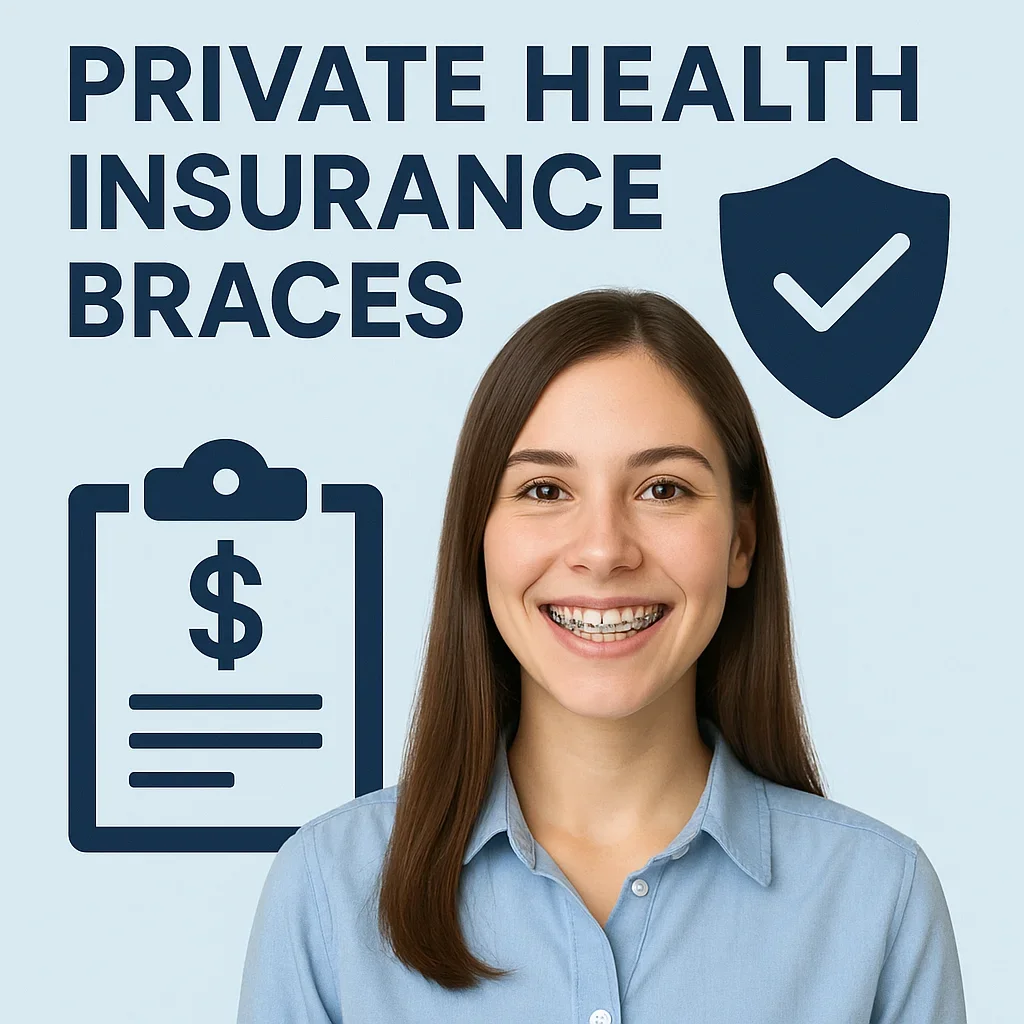
How to Choose the Best Private Health Insurance for Braces
Finding the best private health insurance braces policy requires careful comparison, planning, and understanding of how orthodontic coverage truly works. Many people make the mistake of selecting a plan based solely on price, only to discover later that it excludes adult orthodontics or imposes lengthy waiting periods. In this final section, we’ll walk through the process of choosing the most suitable insurance plan for your orthodontic needs — whether for yourself, your child, or your entire family. 🦷
1. Determine Your Orthodontic Needs First
Before comparing insurance options, it’s essential to understand your own treatment requirements. The type of orthodontic work you need — whether metal braces, clear aligners, or lingual braces — directly affects the coverage you should look for in your private health insurance braces plan.
- Children and teens: Look for family or extras plans that include preventive and corrective orthodontic coverage with low waiting periods.
- Adults: Seek comprehensive dental packages that specifically mention orthodontics for adults.
- Cosmetic treatments: If you’re considering clear aligners or ceramic braces, check whether the insurer classifies them as eligible or cosmetic.
Your orthodontist can provide a detailed treatment plan, which helps you estimate total costs and identify policies that align with your financial and medical expectations.
2. Review Coverage Inclusions and Exclusions
Every insurance provider has a unique policy structure. While some cover up to 80% of orthodontic expenses, others only include basic dental services unless you purchase a premium plan. To ensure maximum value, review the Product Disclosure Statement (PDS) carefully and confirm these critical details:
- Percentage of coverage: The proportion of treatment costs reimbursed (commonly 50–80%).
- Lifetime limit: The maximum orthodontic amount you can claim in your lifetime.
- Annual cap: The highest amount you can claim per year.
- Waiting period: The mandatory duration before your benefits become active.
- Eligible appliances: Which types of braces are included in the private health insurance braces benefit.
Tip 💡:
Look for policies that provide orthodontic benefits as part of their “Comprehensive Dental” or “Major Dental” sections. These plans typically offer broader coverage for treatments like aligners, retainers, and follow-up visits.
3. Compare Costs vs. Benefits
Premium costs can vary significantly between insurers. However, the cheapest plan isn’t always the most cost-effective. You should calculate how much you’ll likely spend over the course of treatment — including waiting periods, premium payments, and out-of-pocket costs.
For example, a policy costing $100 per month with a $2,000 lifetime orthodontic benefit may be better value than a $60 plan that only covers $800 for braces. Over two years of treatment, that higher coverage limit could save you much more than the difference in monthly fees.
4. Prioritize Short Waiting Periods
Waiting periods are among the most overlooked yet critical factors when choosing private health insurance braces. Many orthodontic benefits require 12 to 24 months of continuous membership before you can file a claim. If you anticipate starting treatment soon, seek insurers offering shorter waiting times or those that waive waiting periods for new members transferring from another provider.
Some premium plans and promotional offers include reduced waiting times — an excellent option for families with teenagers about to begin orthodontic care.
5. Assess Adult Orthodontic Coverage
While orthodontic care for children is common in most policies, adult coverage often requires an upgraded or specialized extras plan. Before purchasing, confirm that the policy includes adult orthodontics in its benefits schedule.
- Check if the insurer differentiates between medical and cosmetic orthodontics.
- Verify that braces, aligners, and retainers are eligible for reimbursement under adult benefits.
- Ask about the insurer’s maximum age limit for orthodontic claims (some stop at age 25).
Adult orthodontic plans are becoming more accessible as insurers recognize the growing demand for aesthetic and functional dental treatments. Choosing one of these plans ensures your private health insurance braces coverage remains relevant as your dental needs evolve.
6. Evaluate Network Restrictions
Some insurers require you to use specific orthodontists within their partner network to receive full reimbursement. Others allow freedom of choice but pay reduced benefits for out-of-network care. If you already have a preferred orthodontist, confirm their network status before purchasing insurance.
Using in-network providers can simplify claim processing, enable direct billing, and reduce administrative delays. It’s a small step that ensures your private health insurance braces experience remains stress-free throughout the treatment journey.
7. Ask About Payment Flexibility and Claim Options
Effective insurance isn’t just about coverage — it’s also about convenience. The best insurers make orthodontic claims simple through online portals, direct reimbursements, or digital claims via mobile apps. Some even allow pre-approval for specific orthodontic treatments, guaranteeing a fixed reimbursement amount before you begin.
In addition, flexible payment structures can help you align orthodontic payments with your benefit calendar. This allows you to maximize your annual limit each year, effectively stretching your private health insurance braces benefits further.
Pro Strategy 💰:
Plan your treatment timeline so that payments extend across two benefit years. This method enables you to claim your annual limit twice, significantly lowering your out-of-pocket expenses.
8. Consider Loyalty and Bonus Features
Many insurers reward long-term members with incremental orthodontic benefits. For example, your coverage limit might start at $800 in the first year and increase to $1,200 or $1,500 by the third year. This loyalty structure is especially beneficial for families with multiple dependents needing braces at different times.
Always ask whether your insurer provides “increasing benefits” or “no-gap” perks for long-term members — these can add significant value to your private health insurance braces plan over time.
9. Use Expert Resources for Guidance
Choosing the best insurance doesn’t have to be overwhelming. Consulting professionals such as dental insurance advisors or orthodontists can clarify confusing terminology and recommend plans tailored to your situation. Additionally, reliable organizations like the American Dental Association offer educational resources that explain the essentials of orthodontic insurance coverage.
If you’re based in Europe or Turkey and want personalized support, you can also reach out to our specialists through the Redent Klinik Contact Page. Our team helps patients evaluate treatment options, estimate costs, and select insurance plans that best match their dental goals and budget.
10. Final Thoughts
Selecting the right private health insurance braces policy is a long-term investment in your smile and financial well-being. By understanding your orthodontic needs, comparing benefit structures, and checking all exclusions, you can confidently choose a plan that provides the ideal balance between affordability and coverage. Remember to review your policy annually, especially as your dental needs change or your children grow — this ensures your plan continues to deliver the best possible value.
In short, the key to success lies in preparation, comparison, and proactive management. With the right insurance in place, you can achieve a healthy, beautiful smile without unnecessary financial stress — and that’s something worth smiling about! 😁